
Joined August 2021
- Tweets 44,457
- Following 1,721
- Followers 1,293
- Likes 119,734
2,605 Photos and videos

DocMelbourne retweeted

Jun 13
Tw: cuidado con Paraguay, la sorpresa del Mundial
Paraguay:
324
11,558
129,684
4,070,937
DocMelbourne retweeted

Jun 11
Mark gets paid by right-wing nuts to advocate for war with Iran, though of course he will never actually fight himself. He got his wish. It's an unmitigated disaster. Trump lost, and now Mark and FDD are totally discredited. But keep talking shit big guy! Post through it!
Jun 11

I had forgotten that Tommy Vietor is competing in the World Cup of Israel eliminationists. The field is crowded—Peter Beinart, Mojtaba Khamenei, and Recep Tayyip Erdoğan are formidable contenders—but he’s making a strong late push for the trophy. 🏆
56
120
1,265
87,326

Jun 11

I’m waiting for Keir Starmer’s reply. We can all fret and speculate but Starmer is always ahead of the curve. He will be fully aware this was a likely outcome. I want to see what happens.
1
9
358
Jun 4
A man of fine tastes. They ran the wrong Biden in 2024!
Jun 4

Oh man that’s hard. Common People is one of my favorite songs but Gorrilaz!!! Okay here’s the answer- Jarvis for the pure authenticity of his music Damon for the breadth of work. But if I had to choose Jarvis.
6
356
May 27
Sorry to burst the bubble of Blair worship today but this is a very lightweight piece masquerading as profound and insightful.
So many holes in these thoughts of someone who hasn’t needed to face the electorate in decades. He also had a much easier electorate when he did!

3
2
14
2,704
DocMelbourne retweeted

Strategic mistakes carry consequences
I strongly agree with @DanielBShapiro
The deal is deeply flawed. It will likely create serious strategic costs for any future confrontation with Iran. But given the options President Trump actually had, it was probably the least bad choice.
A naval blockade was not going to force Iran to surrender. Returning to war would have caused massive economic damage, with no guarantee of Iranian capitulation. In the end, Trump was forced to accept Iran’s terms because the alternatives were even worse.
This is a very bad deal but it may have been the best available option after a campaign that became a strategic fiasco. It was built on a profound misunderstanding of the Iranian system, and it has likely produced a more extreme and more determined Iran.
In American terms: you break it, you own it. Israel and the United States may not have succeeded in toppling the Iranian regime, but they did shatter the fragile stability of the Gulf, and, to a significant extent, the stability of the global economy, without achieving regime change in Iran.
At that point, it became America’s responsibility to restore at least a measure of stability to the global economic system, even at the high price of accepting the survival of the Iranian regime, strengthening it economically, and allowing it to preserve much of its conventional capabilities.
It is an extremely costly price to pay. But when the alternatives are bad there was no other way. when you break the system, you own the consequences.
#IranWar
#Iran
May 24

With all due caveats about a deal that has not been announced yet, some thoughts:
The US-Iran deal being described in the news is a weak deal, and the net result of this war is significant damage to US strategic interests. That said, since the war was a mistake from the beginning, we can at least be thankful it appears President Trump is moving, belatedly, to end it.
This war was ill-conceived in every respect. There were no clear strategic objectives, and no way to achieve most of the objectives mentioned at an acceptable cost.
After the Strait of Hormuz was closed, and the global economic crisis started to spread, reopening it became the most important objective.
That meant Iran had far greater leverage than we did.
So President Trump faced only terrible options, of his own making. The deal being reported is among the less terrible options he could have chosen. At least he is not choosing to escalate the war, which would cause an even greater global economic crisis.
The least terrible deal would have been a verified opening of the Strait -- and nothing else. Keep full sanctions on Iran over its nuclear program, maintain watchfulness and deterrence established in the 12-Day War last June, and try to negotiate a significant rollback of the program and intrusive inspections.
This deal is weaker than that. It reportedly provides $25 billion in unfrozen assets without receiving any concessions on the nuclear program. That money will give the regime a lifeline and help it begin restoring funding to its proxies. And there are no guarantees that Iran will make meaningful concessions on enrichment or HEU once those talks do start.
Those talks, which will likely drag on, may well take place without a credible US military threat backing them up, as the United States labors to recover from all it expended and lost in this campaign and shore up other strategic priorities (IndoPacific) that have been set back, and as US midterm elections approach.
Meanwhile, the deal says nothing about Iran's ballistic missile program or its support for proxies. Yes, US and Israeli strikes degraded, but did not eliminate, many Iranian attack capabilities. But overall, Iran has gained significant leverage for the future by demonstrating it can control the strait, by attacking its neighbors and US bases in the region and causing significant damage, and by taking the United States' and Israel's best punch and surviving with enough ability to project aggression in tact.
It's a bleak day for US strategic interests. But it's better than continuing the war and making it even worse.
Once the dust clears, one thing must not be forgotten. The Iranian people continue to live under a vicious regime. Trump has barely spoken of them in weeks. They deserve help, support, and appropriate non-military external pressures on the regime to give THEM the best chance to change it.
The Administration, which put so much faith in military power to do what it could not, should invest in Iran experts, communicators, Persian language broadcasting, transition planning, diplomacy, and more aimed at supporting the Iranian people in their quest for freedom from tyranny.
That was true in January when the Iranian people were demonstrating for their freedom. And it is still true today, despite this stupid war.
42
159
549
135,878
DocMelbourne retweeted

May 24
The US did manage to kill Iran's leader, a historically cautious decision-maker with a healthy respect for US military power, and replace him with a collective leadership dominated by military figures who believe the most effective means of ensuring Iran's defense is taking the global economy hostage while turning the Persian Gulf into a live fire zone.
May 23

Nothing was accomplished by Operation Epic Fury except putting the IRGC in charge of Iran and the Strait of Hormuz.
95
1,079
6,903
747,824

DocMelbourne retweeted

May 22
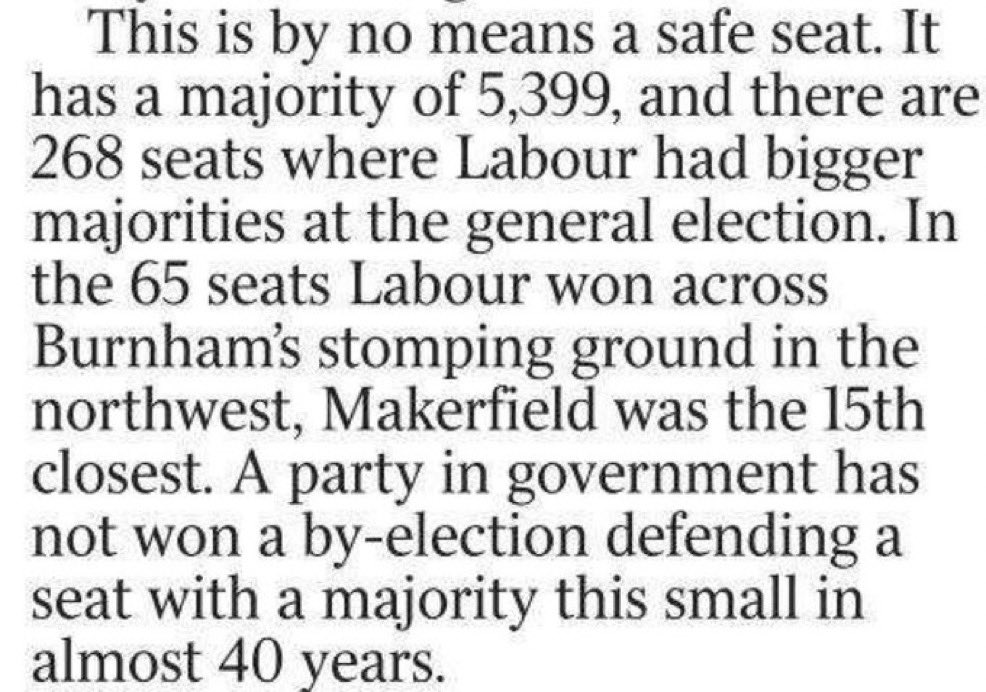
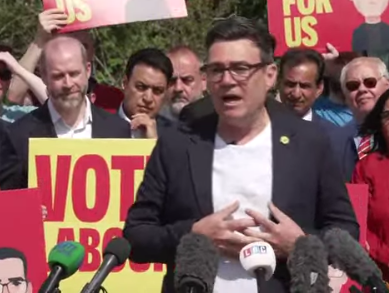
This photo from Burnham's campaign launch captures how absolutely bizarre the Makerfield by-election is going to be politically.
Left holding the banner, Johnny Reynolds, who as chief whip is in charge of making sure Keir Starmer remains prime minister and his agenda is delivered.
Centre, Andy Burnham, who is declaring a vote for Labour is a vote to change Labour... by which he is universally read to mean ditching Keir Starmer.
Even the Prime Minister himself is promising to campaign for a candidate who is coming to Westminster to replace him.
Has there ever been a by-election like this??
118
248
1,011
167,470
May 20
This reminds me of a few nights out at 2am in my student days
May 20

This is the greatest video I’ve ever seen. No notes. The lifeless clanker carcass just laying there. No crowd reaction, anything. Just Billie Jean. Until its lifeless shell is shamefully dragged off. Purely amazing.
245
DocMelbourne retweeted

May 15
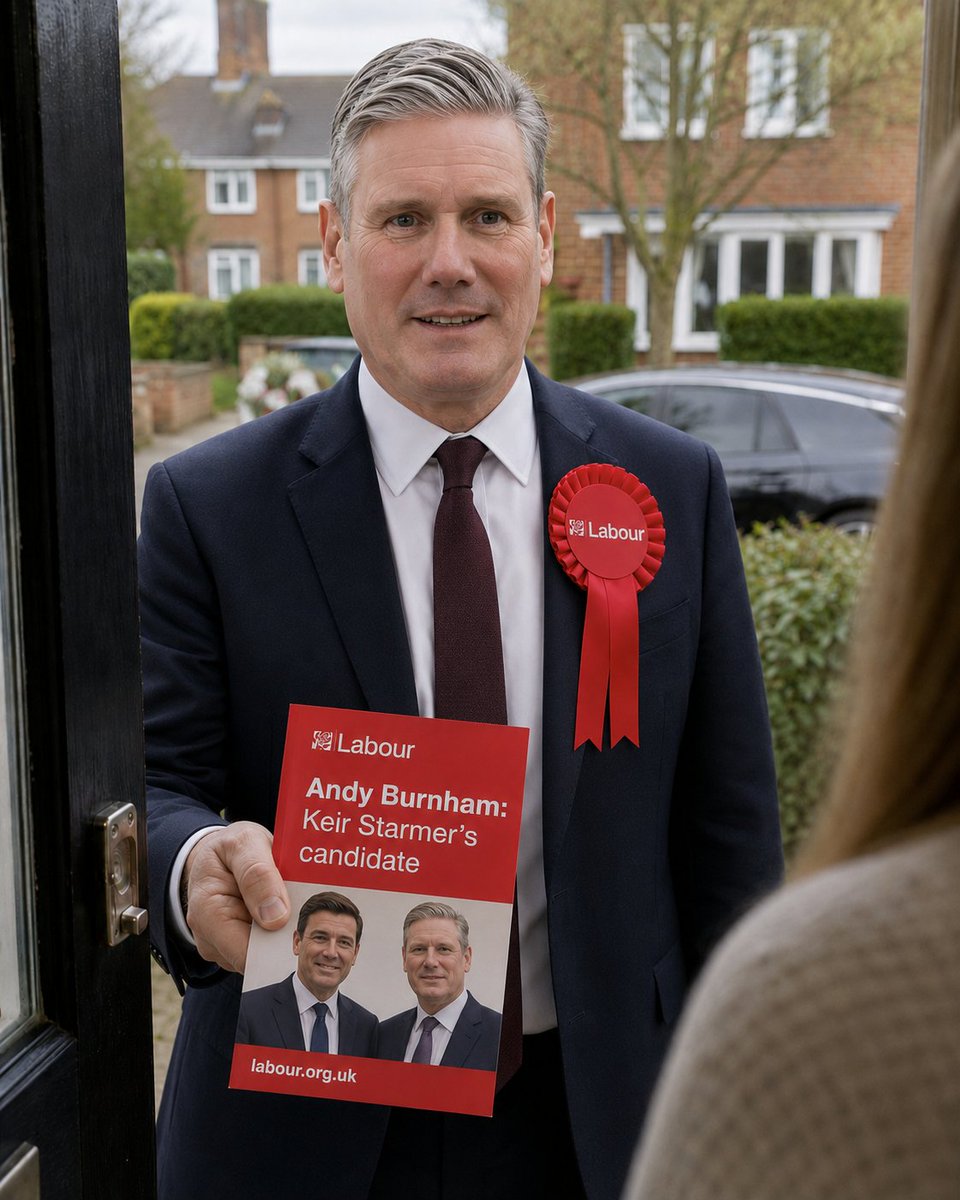
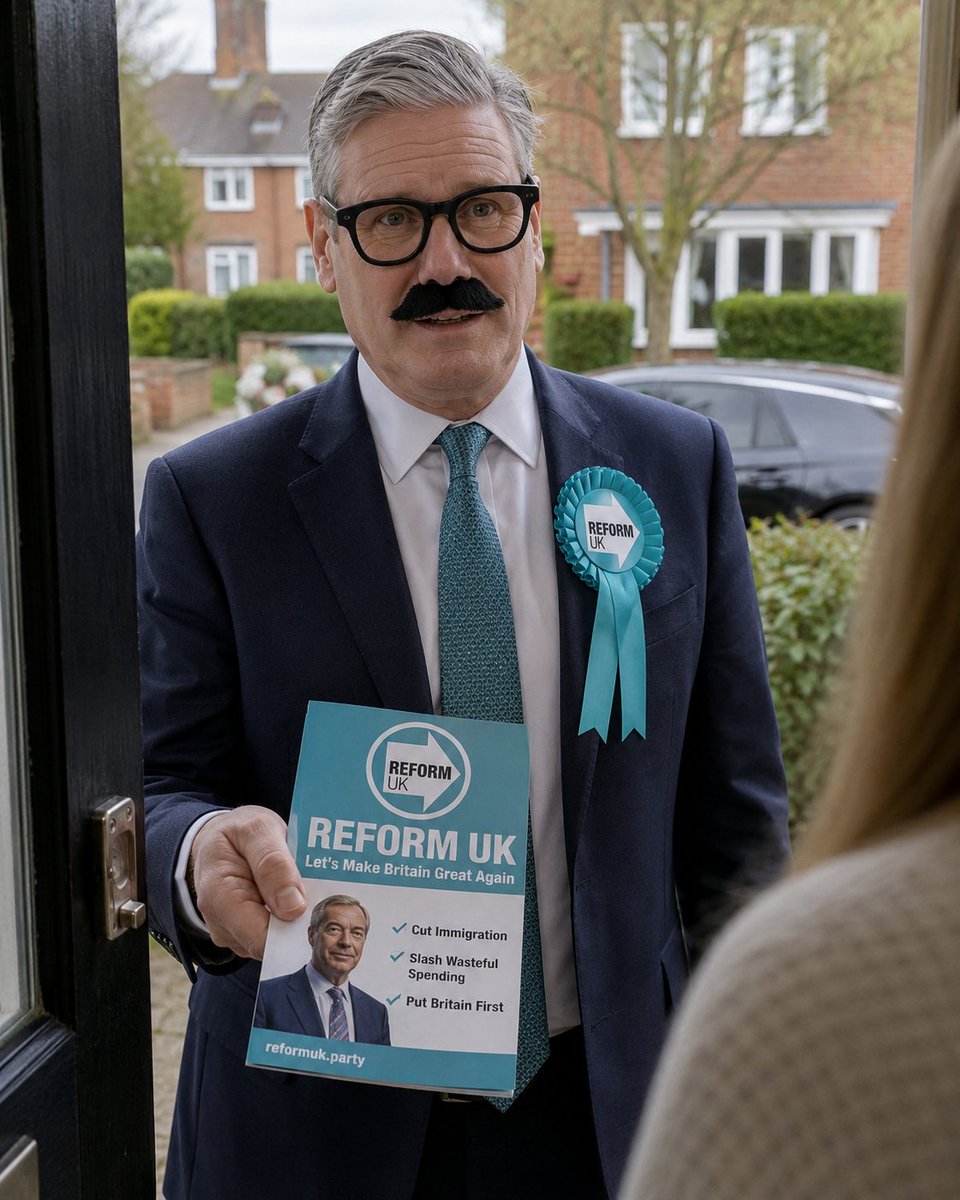
Hi there! I'm Keir Starmer, your Prime Minister. I'd like you to vote for Andy Burnham, who is the candidate of my party, Labour, of which I am leader. Andy Burnham has the full endorsement of me, Keir Starmer. Keir Starmer says: vote for Andy Burnham!"
May 15

"Hi there! My name's Kieran. I hope I can count on your support for our fantastic local Reform candidate in the upcoming by-election"
7
113
1,914
144,930
May 14
This by-election will be essentially Labour (and of course Burnham) running on a platform of “vote for us to replace our own PM”.
Extraordinary stuff and can’t think of any parallels anywhere.
Hope Andy wins but it’ll be a tight contest!
May 14

I can confirm that I will be requesting the permission of the NEC to stand in the Makerfield by-election.
I grew up in this area and have lived here for 25 years. I care deeply about it and its people. I know they have been let down by national politics.
Ten years ago, I decided to leave Westminster. Why? Because, after 16 years, I came to the conclusion that our national political system does not work for areas like ours. I learnt this fighting its failure to invest in the Wigan borough, for justice for the Hillsborough families and against its treatment of Greater Manchester during the pandemic.
Over the last decade, I have been challenging this failure from the outside and building a new and better way of doing politics. We have built Greater Manchester into the fastest-growing city-region in the UK and put buses back under public control, introducing a £2 fare cap to help people with cost-of-living pressures.
However, there is only so much that can be done from Greater Manchester. Much bigger change is needed at a national level if everyday life is to be made more affordable again. This is why I now seek people’s support to return to Parliament: to bring the change we have brought to Greater Manchester to the whole of the UK and make politics work properly for people.
Millions are struggling and they need the Labour Government to succeed. It has already made changes to make life better for them in its first two years. After this week, we owe it to people to come back together as a Labour movement, giving the Prime Minister and the Government the space and stability they need as the by-election takes place.
I want to recognise the difficult decision taken by Josh Simons and the sacrifice he and his family are making. I have worked closely with him as Mayor on issues like flooding and illegal waste dumping and have seen first-hand how effective he has been. He has put the communities of Makerfield first, made a real difference for them and should take great pride in that.
Finally, I truly do not take a single vote for granted and will work hard to regain the trust of people in the Makerfield constituency, many of whom have long supported our party but lost faith in recent times. We will change Labour for the better and make it a party you can believe in again.
ENDS
7
1
50
3,014
DocMelbourne retweeted

May 11
Rear
May 9

Rear
50
193
1,557
226,845
May 8

3
354
DocMelbourne retweeted

May 8
Blocking @AndyBurnhamGM from being allowed to put himself forward as a candidate to be considered in Gorton and Denton by-election was the biggest act of self harm @UKLabour has ever inflicted upon itself. @Keir_Starmer hasn’t said sorry for that. He must.
338
140
1,136
54,162
DocMelbourne retweeted
Apr 29
A must read from @robinenergy on the question everyone seems to be asking: can Iran manage shut-ins without causing catastrophic damage to its oil fields?
Answer: yes. energypolicy.columbia.edu/ir…
17
151
388
96,857
DocMelbourne retweeted
My new article @ForeignAffairs that analyzes how a campaign meant to topple the Iranian regime ended up doing the opposite: it helped stabilize and arguably save it.
#iranwar
#iran
foreignaffairs.com/iran/how-…
24
166
389
54,779
DocMelbourne retweeted

Apr 28
Under-analysed, but also truly astonishing that Keir Starmer considered appointing the architect of Tory austerity as his US ambassador.
75
87
599
71,949
DocMelbourne retweeted

Apr 28
where’s Dave Matthews’ tour bus when you need it

75
1,503
29,782
729,366