
Joined November 2014
- Tweets 254
- Following 405
- Followers 102
- Likes 1,160
15 Photos and videos






Vinay Nagrani retweeted

May 3
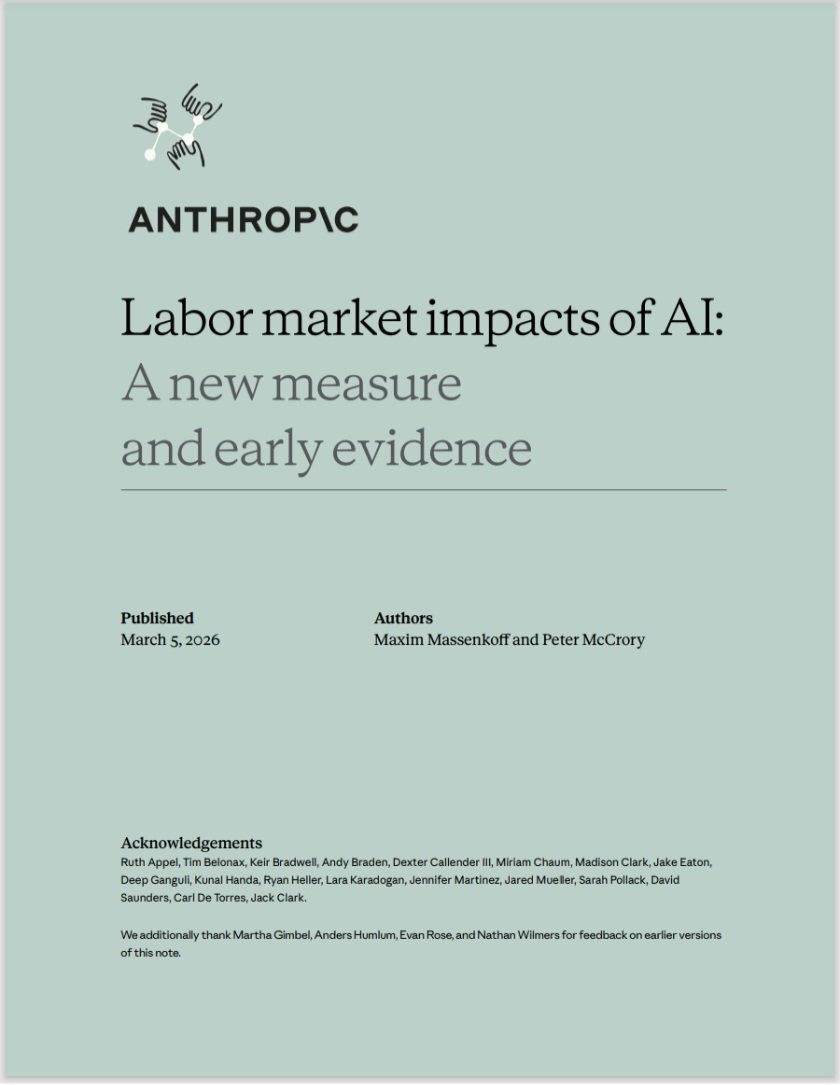
BREAKING: Anthropic just released a study showing which jobs its own AI is already replacing—right now.
And the workers most at risk aren’t who anyone expected: they’re older, more educated, and higher paid. They earn 47% more than average—and they’re nearly four times more likely to hold a graduate degree than workers AI isn’t touching.
The case is simple. Anthropic built a new metric called “observed exposure”—not what AI might do in theory, but what it’s actually doing today on the job—measured across millions of real Claude conversations from enterprise users.
For computer and math workers, AI could theoretically handle 94% of their tasks. Today, it’s doing 33%. In office and administrative roles, the ceiling is 90%, and current usage is 40%. The gap between what AI can do and what it’s actually doing is massive—and the researchers don’t mince words about what happens next: as capability improves and adoption spreads, the red area expands until it swallows the blue.
What makes the paper unsettling is the demographic twist. The most AI-exposed workers earn 47% more, on average, than the least exposed. They’re more likely to be women. More likely to be college educated. This isn’t a story about warehouse floors or long-haul routes. It’s about lawyers, financial analysts, market researchers, and software developers—the very people who were told their education would protect them.
Computer programmers show the highest measured AI exposure: 74.5%. Customer service reps: 70.1%. Data entry: 67.1%. Medical records: 66.7%. Marketing and market research: 64.8%. These aren’t forecasts. They’re measurements of work already being done on AI platforms today.
Then there’s the pipeline problem—still not getting nearly enough attention.
Anthropic researchers found a 14% drop in the job‑finding rate for 22–25‑year‑olds in highly exposed occupations since ChatGPT launched. No comparable effect for workers over 25. Entry-level roles were never “just jobs.” They were the apprenticeship layer: where junior analysts became senior analysts, where junior lawyers learned how arguments actually
PDF: anthropic.com/research/labor…
84
208
710
135,133

Vinay Nagrani retweeted

8 Nov 2025
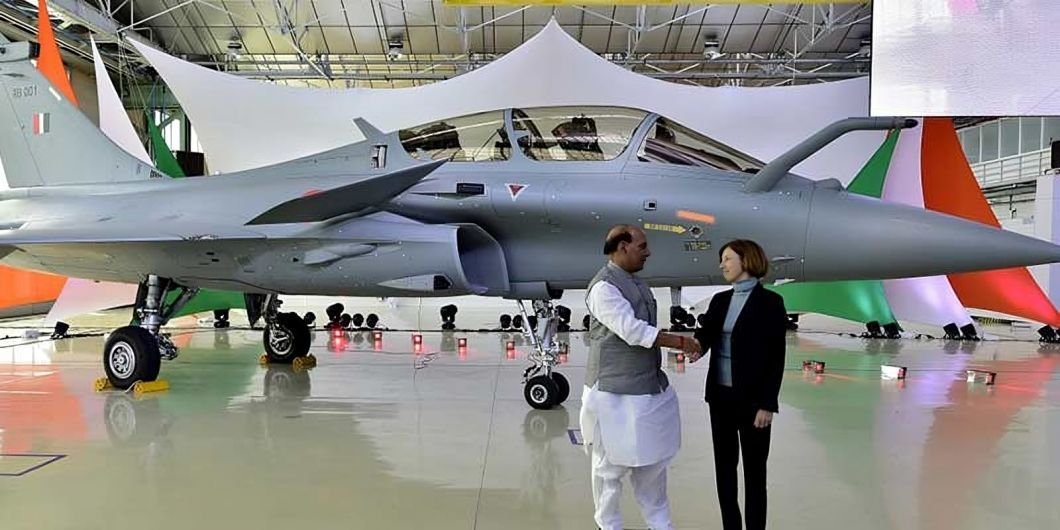
🚨 BIG STATEMENT 🚨
RM Rajnath Singh: “India will begin manufacturing FIGHTER JET engines 🇮🇳 domestically next year.” 🚀
55
535
5,652
111,101
Vinay Nagrani retweeted

23 Oct 2025
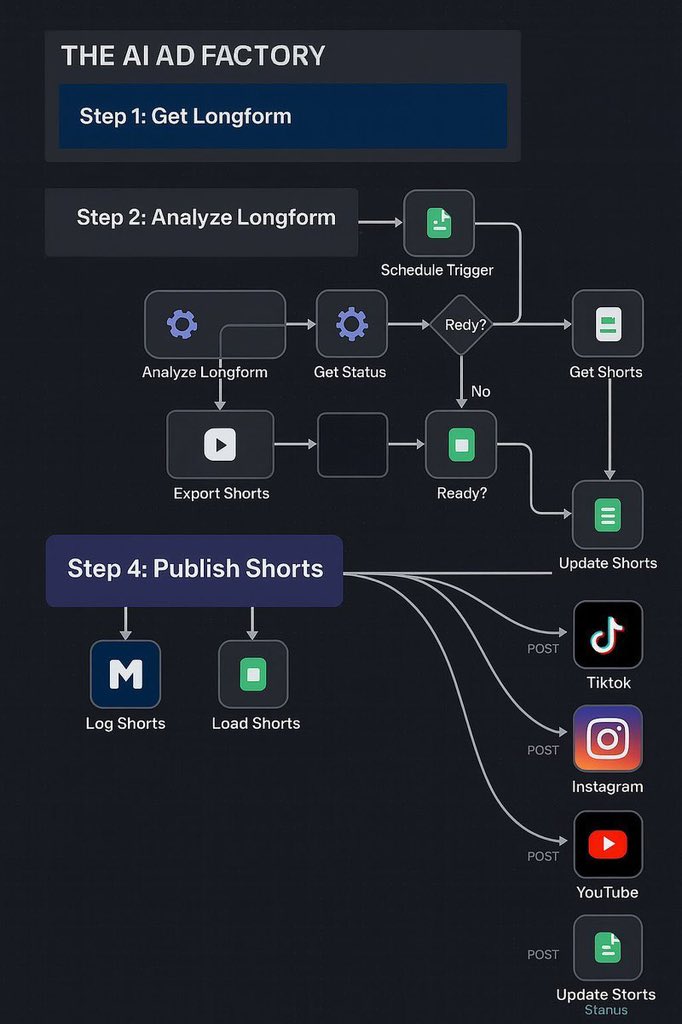
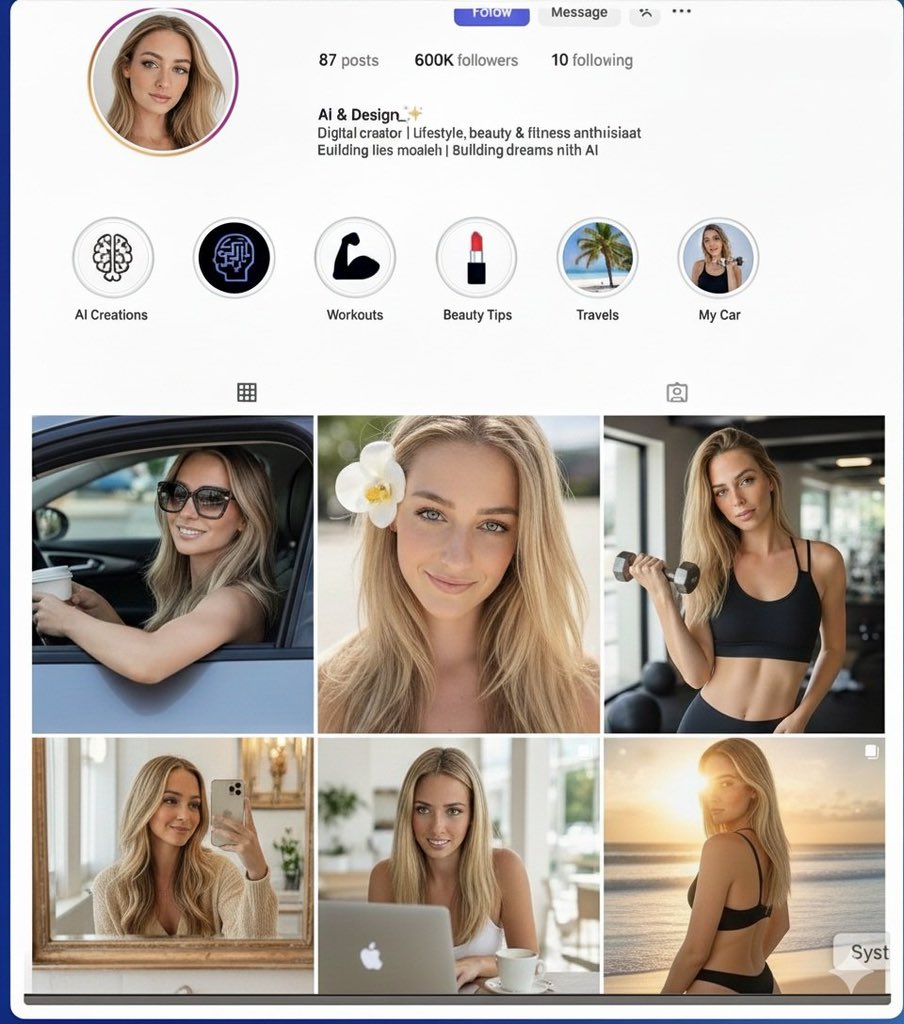
🔥 My AI Instagram girl just hit 600K followers & makes $60,000/month 😳💸
Her Reels go crazy viral — and guess what?🤫
Nobody knows she’s AI.
Wanna create your own AI Influencer and start earning?
❤️Like
🔁Retweet
💬Comment “IG”
👥Follow me
I’ll send you free guide instantly
181
103
252
37,666

28 May 2023
There’s no going back to gas guzzlers. Electric vehicles are here to stay and they are changing the world for the better. They reduce air pollution, noise pollution, and oil dependence. They also save you money and time. Join the #EVRevolution today 🌍🙌
30
14 May 2023
"Revolutionizing the world wasn't just a job for Steve Jobs, it was his passion! 🌎🍎 Retweet if his relentless pursuit of innovation still inspires you to #ThinkDifferent 💡 #SteveJobsLegacy #AppleInnovators"
25
11 May 2023
🌍 Just discovered:The secret to happiness isn't wealth or fame, but genuine connections and kindness! 🤗 Let's make the world a better place together,one small act at a time.🌈 Share this message to inspire others and let's see how far it goes!🚀 #SpreadLove #HappinessRevolution
23
Vinay Nagrani retweeted

15 Dec 2020
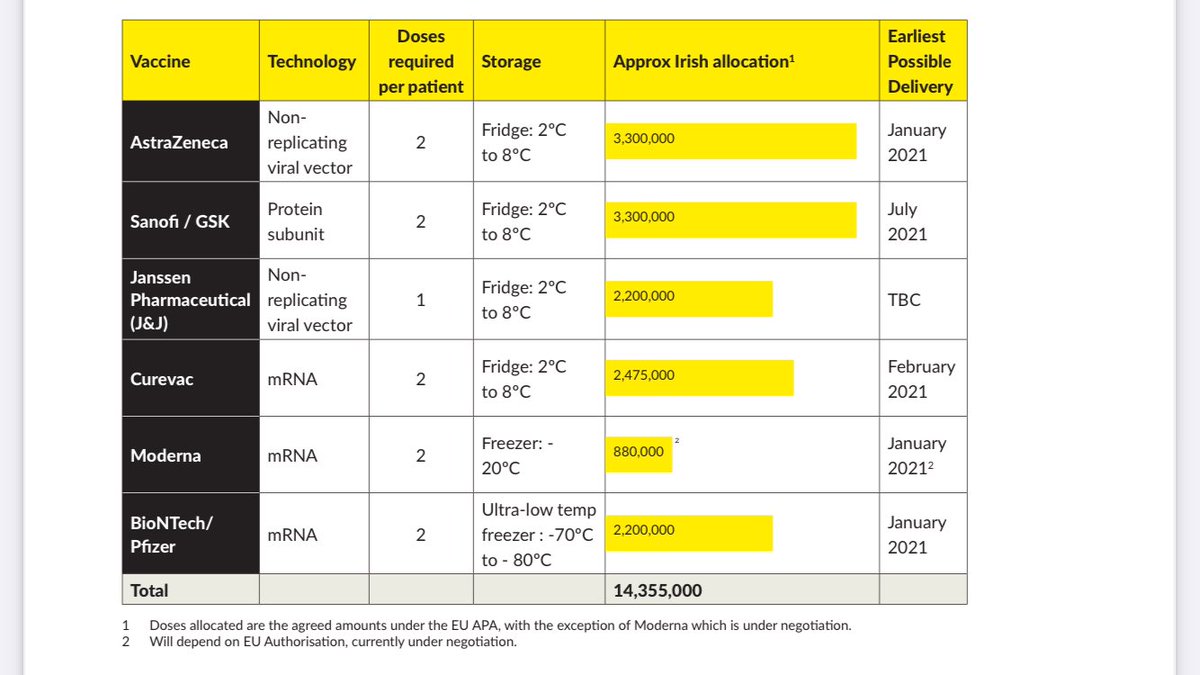
Vaccine numbers from Govt Strategy
14
30
276
Vinay Nagrani retweeted

15 Dec 2020
Twitter has been fined half a million dollars for late reporting of a #databreach under #GDPR rules by @DPCIreland
The data breach arose from a bug in Twitter's design
Protected tweets became unprotected for some Android users
#CyberSec #DataSecurity
mashable.com/article/twitter…
1
5
2

Vinay Nagrani retweeted

18 Jun 2020
🧐 What to expect at #WWDC20.
📱 iOS 14
⌚️watchOS 7
📱iPadOS 14
💻 macOS 10.16
📺 tvOS 14
🖥 New iMac
💻Arm Mac announcement
🎧 AirPods Studio
📍 AirTags
🔈 HomePod Mini
📺 Apple TV 4K
🔁 Retweet if you’re excited.
39
490
1,112
14 Jun 2020
"Intruding privacy to provide you the best security ever!"
14 Jun 2020

Providing access, identity and more? Biometrics are the key to security in future 'smart cities': ow.ly/UDB250A6h0u

1
26 May 2020
Guys please fill this short survey. We are working to devise a solution to cope with productivity amidst #Lockdown #COVID #WorkFromHomeProblems #workspaceathome #coworking #distractedAtHome
26 May 2020

Hey! We want to find out your pain points when it comes to #WorkFromHome. We realize how precious your time is. That’s why we made sure this survey will only take a quick 2 min to complete. @amreeryan @DeverellAndrea @EmergTechEthics @MylesKingston
surveylegend.com/s/2bjx
2
Vinay Nagrani retweeted

19 May 2020
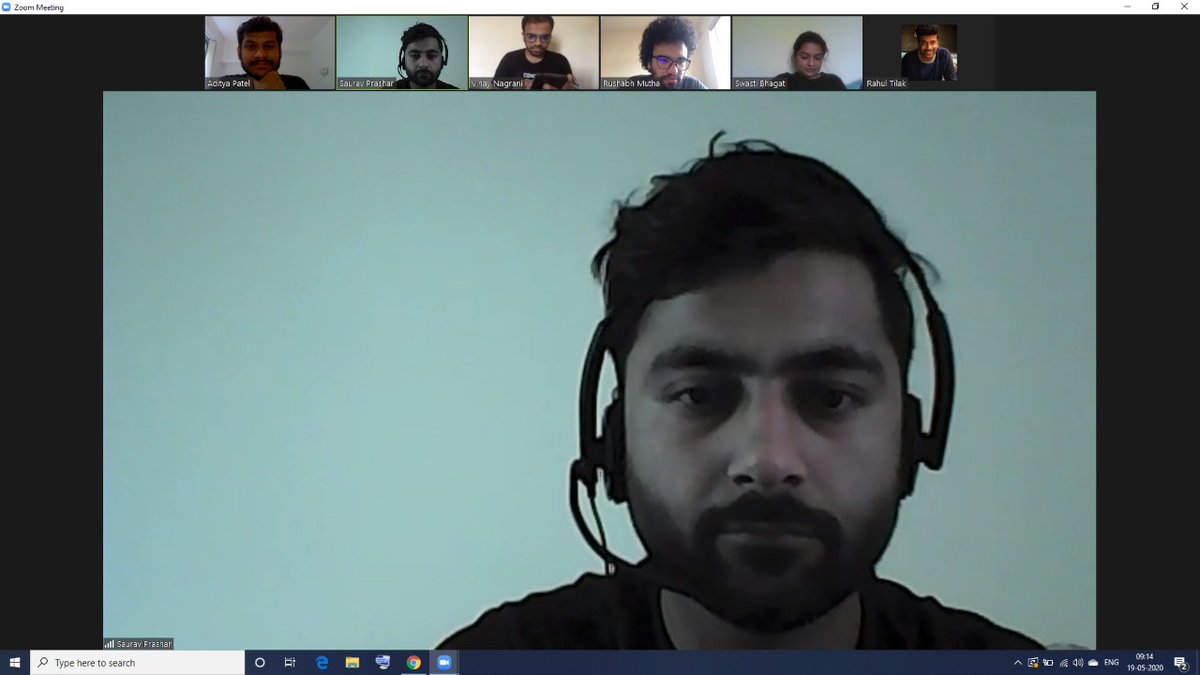
Fun at work begins l.
#1990 #19ninety #team2 #digitalfutureslab #Covid_19 #increasingproductivity #teamwork #day1 @FuturesUl
19 May 2020

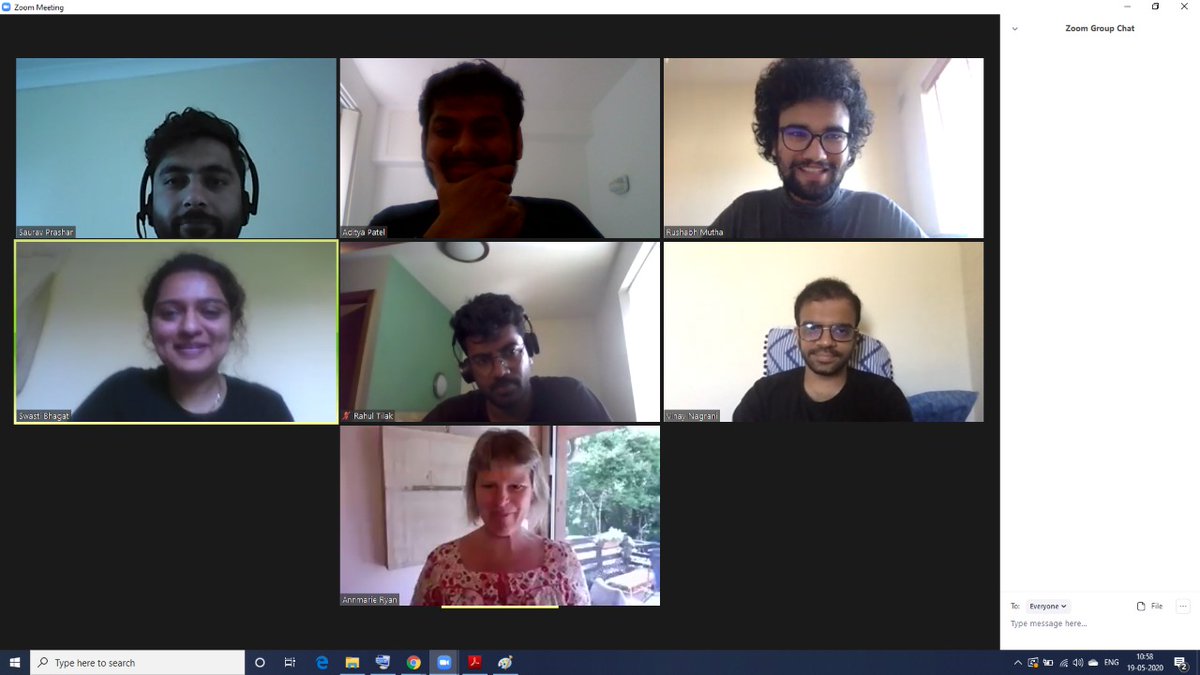
Here's to a great team work and productive yet a wonderful day!!
@amreeryan @SauravPrashar9 @BhagatSwasti @mutharushabh @rahultilak28 @MylesKingston @DeverellAndrea
#DFL #Day02 #Futures #teamworkmakesthedreamwork #Challenges
2
11
Vinay Nagrani retweeted
20 May 2020
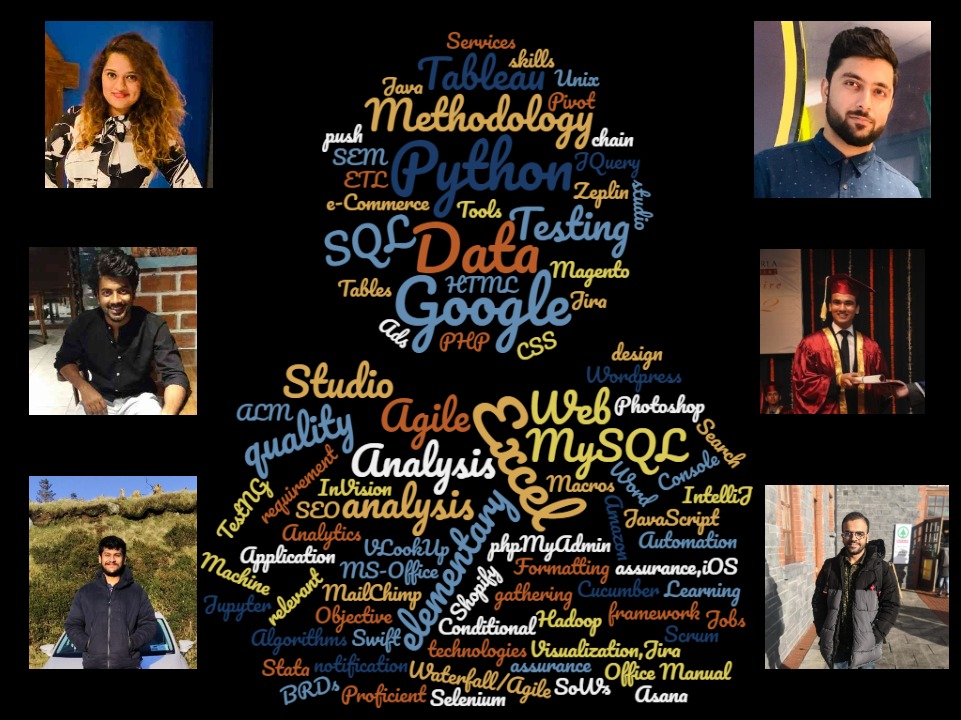
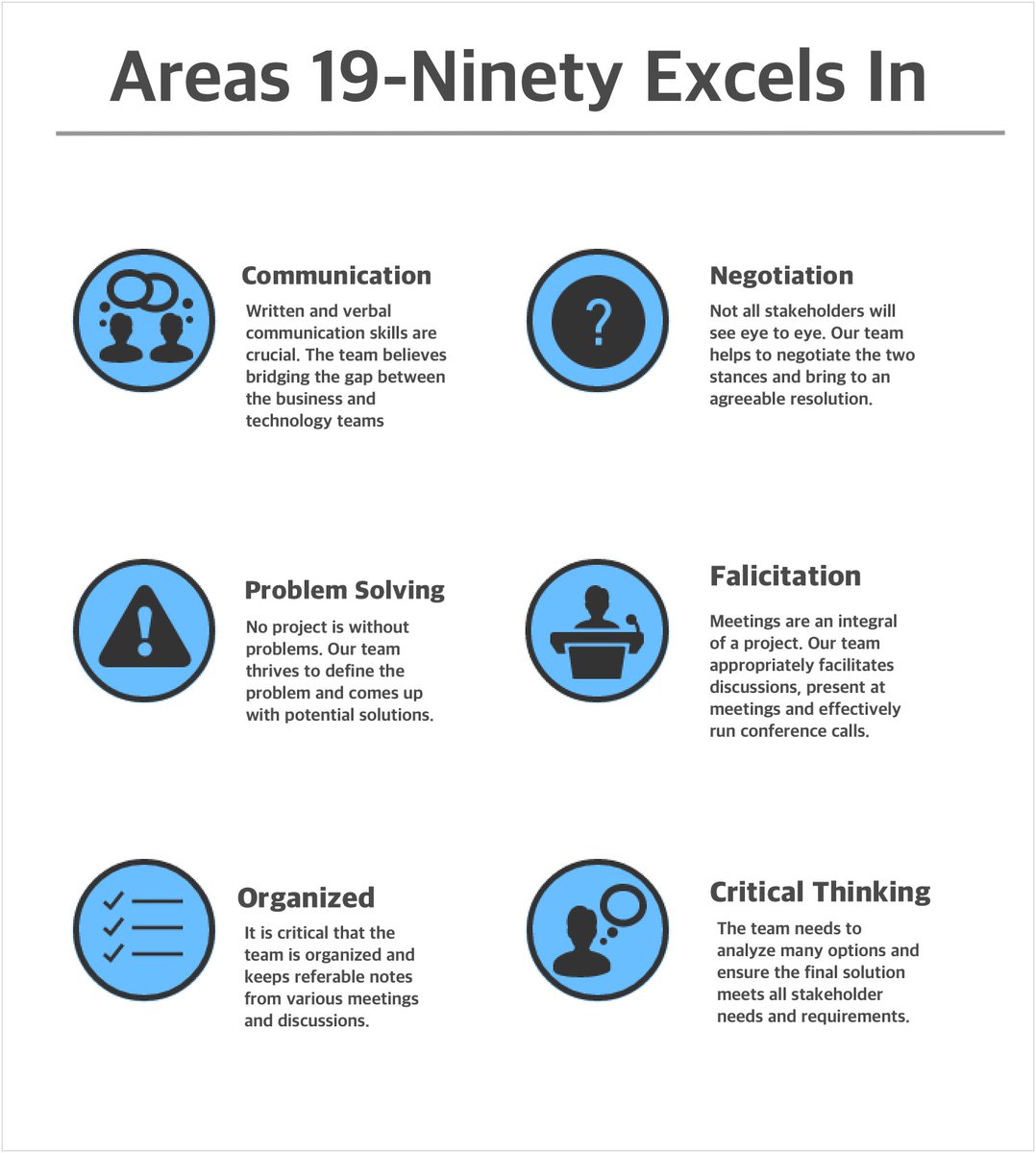
Pool of skills to choose from.
Presenting team #19ninety
#team2 #digitalfutureslab #Covid_19 #increasingproductivity #teamwork #day1 @FuturesUl @insighters_out @6_Resitance
3
11
19 May 2020
Here's to a great team work and productive yet a wonderful day!!
@amreeryan @SauravPrashar9 @BhagatSwasti @mutharushabh @rahultilak28 @MylesKingston @DeverellAndrea
#DFL #Day02 #Futures #teamworkmakesthedreamwork #Challenges
3
10
Vinay Nagrani retweeted

18 May 2020
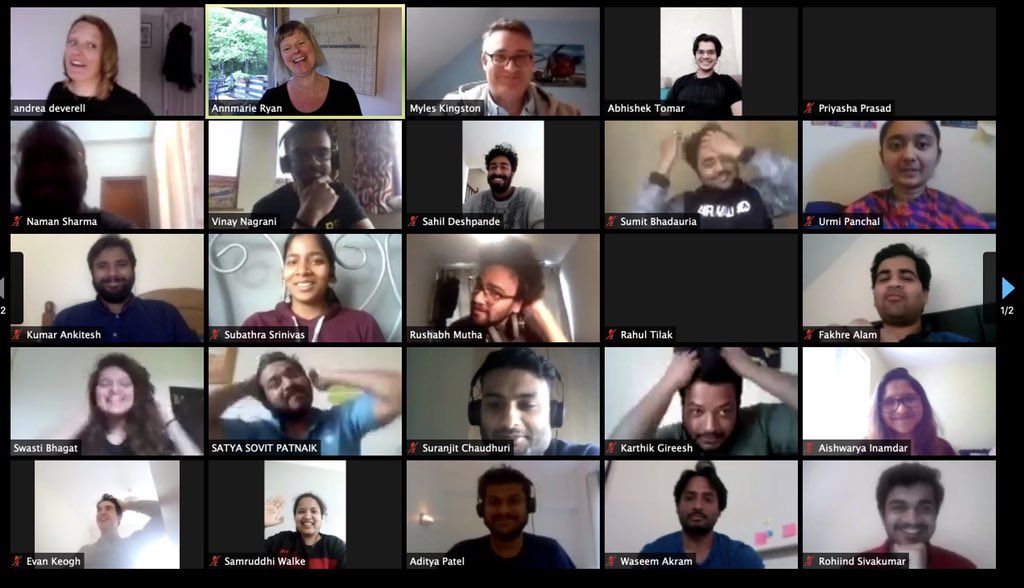
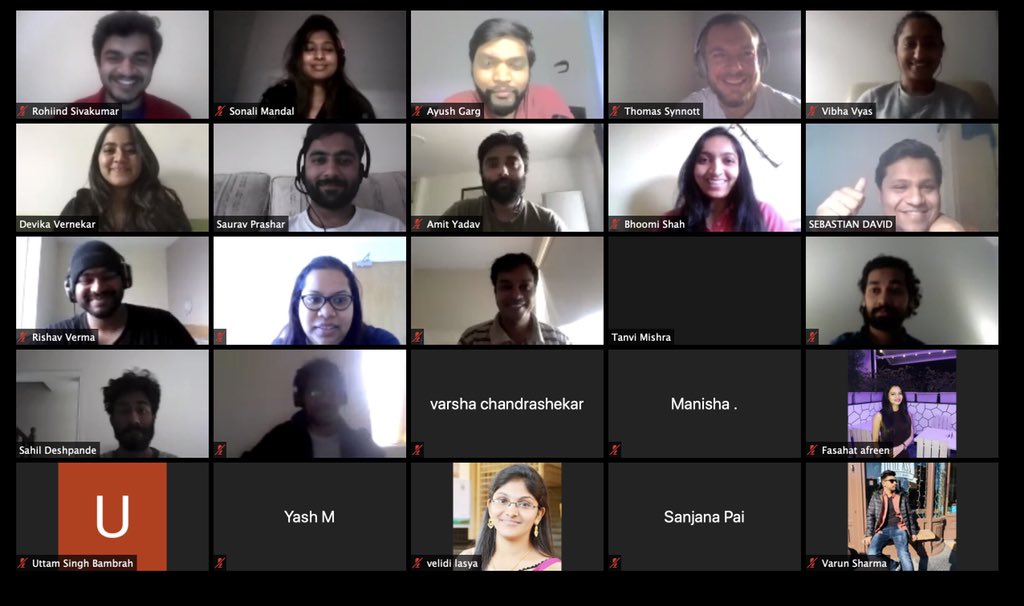
What a start to our Digital Futures Lab!! Full cohort in our virtual studio, many interactions already on #slack and a great talk from @stephenkinsella This is going to be awesome #ULvsVirus #DigitalFuturesLab #hackthecrisis @amreeryan @DeverellAndrea @MylesKingston 😎
3
8
30

Every year I am blown away by the talent of our student developers and I can’t wait to see what you dream up for the Swift Student Challenge. #WWDC20 apple.com/newsroom/2020/05/a…
183
1,094
6,251
3 May 2020
Work for home for drivers.
#5G #DigitalTransformation #futureofwork #futureIsHere #RCControl #IN6062 #MK6102
2 May 2020

Car and delivery truck are being driven remotely through a #5G connection!
#Industry40 #5G #DigitalTransformation #IoT #AI #futureofwork #automation
1
3