
写作者 自由即归宿。 正在写《大地怀抱我们的骨头》。 《翻身乱世:流亡藏人口述录》(台湾雪域出版社2015年)Poet. Writing 'The Earth Embraces Our Bones'. Authored 'Troubled Times: Oral History of Tibetan Exiles'
Joined January 2010
- Tweets 32,861
- Following 3,802
- Followers 35,655
- Likes 61,837
3,343 Photos and videos





Pinned Tweet

14 Mar 2025
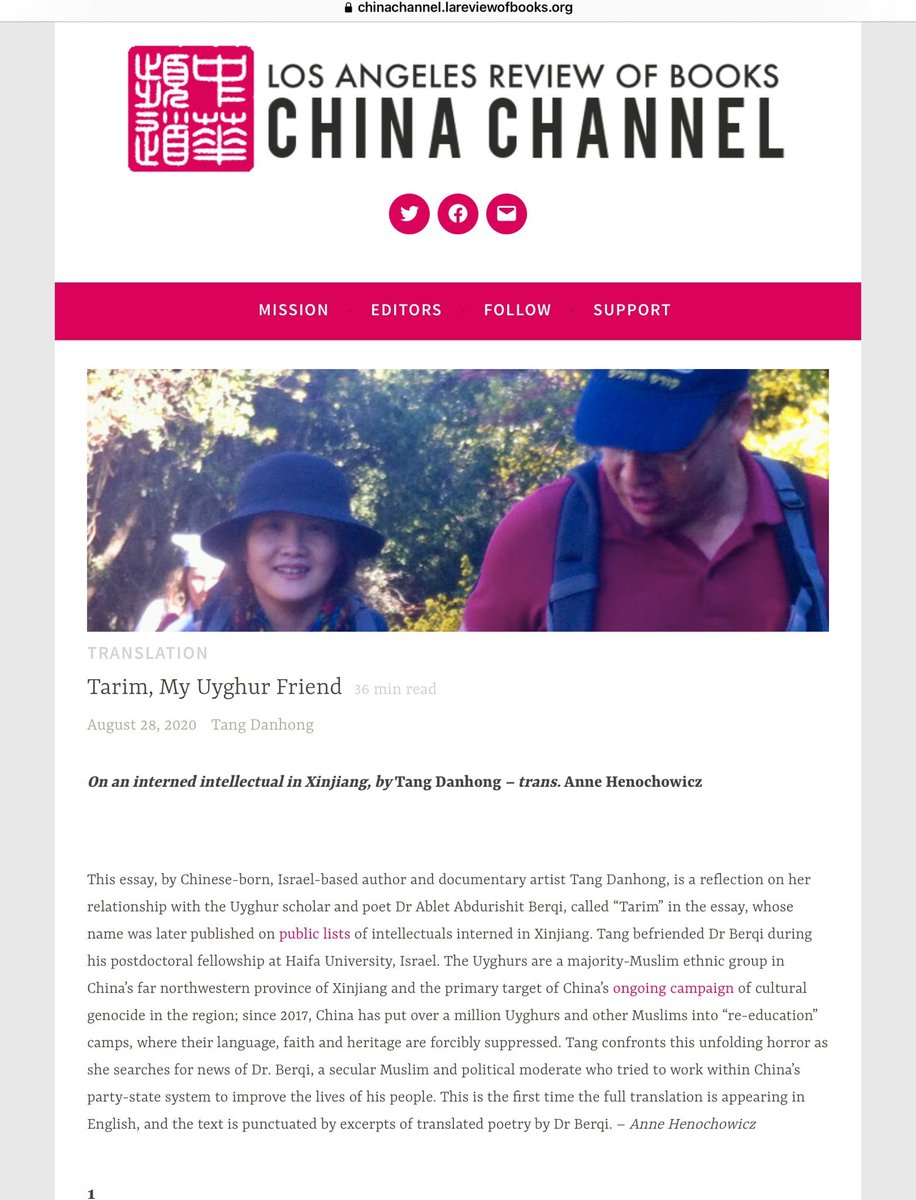
Tarim, My Uyghur Friend
On an interned intellectual in Xinjiang
web.archive.org/web/20240807…
by Tang Danhong – trans. Anne Henochowicz
19 Feb 2019

本文后面是我对塔里木的导师、巴拉诺维奇教授的访谈:《他应享人的尊严》。教授介绍了白尔克博士(塔里木)在以色列期间的学术研究,及作为穆斯林的白尔克博士与犹太教授的友情点滴。还有塔里木的汉语组诗《诗歌,我的避难所》。
感谢Uyghur from E.T设法找到「海法的猫」,并从维吾尔文翻译成中文。
12
1
36
81,149
唐丹鸿 Zionist 🇮🇱 retweeted

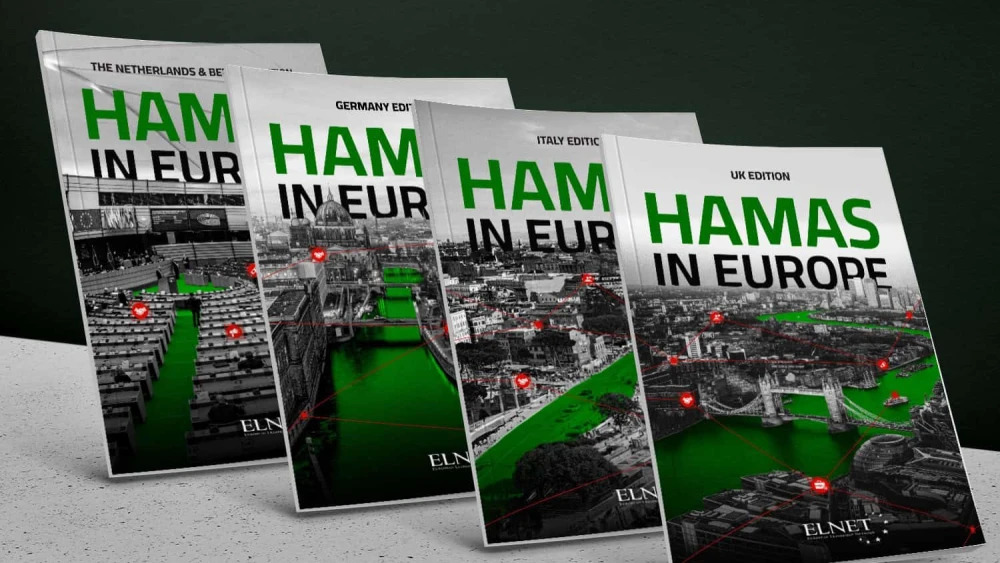
Alkhatib: “Hamas’ 20‑year rule was sustained by an ecosystem of European governments, journalists, academics, lawyers, and self‑styled human‑rights defenders who normalized Hamas or tolerated its abuses because their hostility toward Israel outweighed their concern for Gazans.”

Will Europe Save Hamas in Gaza? I recently met with a high-ranking European official from a country deeply involved in the Israel and Palestine file to discuss Gaza’s future and immediate options for relieving civilians trapped under Hamas’s grip. I presented a simple proposal: create safe zones across the "Yellow Line" into the Israel‑controlled green zone and support new, organized, secure, Hamas‑free communities where Gazans could finally begin rebuilding their lives. Whether the issue is humane living conditions, deradicalization, education, healthcare, or shielding civilians from both Hamas or Israeli strikes, the green zone is the only place where meaningful action is possible. Instead of engaging, the official launched into a long monologue about their country’s contributions to the Palestinian Authority, UNRWA, and other institutions, all while insisting on their own “humility” as a faraway European nation.
Then came the truly alarming part: a casual normalization of Hamas. The official proudly described how easy it had been to work with Hamas before October 7, praising the group for providing “excellent security” and being “easier to work with than others.” What they called pragmatism was, in reality, a twenty‑year pattern of enabling a violent terrorist organization responsible for immense civilian suffering.
When I explained that any Hamas‑free zones would require vetting at the Yellow Line to prevent weapons or operatives from entering, the official reacted with shock. “This vetting would violate international law,” they repeated, insisting that their country could not fund projects with any checks on who enters. I noted the absurdity: I had undergone extensive vetting just to enter their country, and even this building, yet they believed Hamas fighters should be able to walk into new civilian safe zones unimpeded. Their only response was vague appeals to “international law,” which, in their interpretation, seems to require allowing terrorists to hide among civilians.
The meeting ended on an even more surreal note. When the official asked what would happen to Hamas fighters left in the red zone, I said I didn’t care; they could fight the Israeli military on their own all they wanted once they no longer held two million civilians hostage. The official lamented that “this isn’t the old American West” and expressed concern for what would happen to Hamas without human shields. Disgust doesn’t begin to describe my feelings and reactions.
I left convinced of something long suspected: Hamas’s twenty‑year rule was sustained not only by its own brutality but by an ecosystem of NGOs, donor nations, Western European governments, journalists, academics, activists, lawyers, and even self‑styled human‑rights defenders who normalized Hamas, treated it as a legitimate authority, or tolerated its abuses because their hostility toward Israel outweighed their concern for Gazans.
2
100
255
7,005
唐丹鸿 Zionist 🇮🇱 retweeted

We pay our own taxes. We build our own country. We fight our own wars. We bury our own children.
The arrogance it takes to say that you subsidize our existence is staggering.
Your taxes didn't give us our existence. Our dead did.
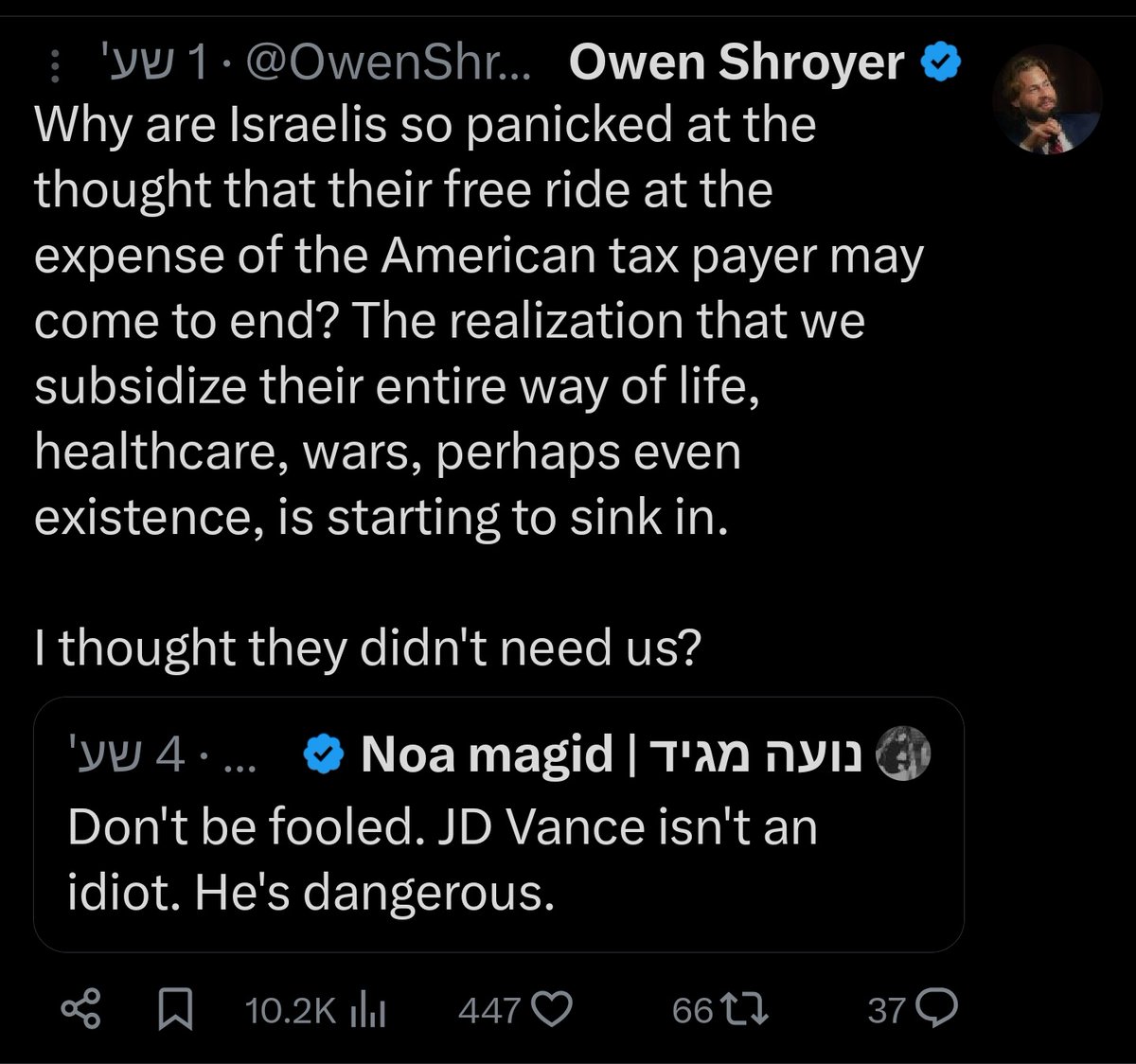
37
117
670
6,517
『 我离开时更加确信了一件我早已怀疑的事情:哈马斯长达二十年的统治之所以能够维持,不仅仅依靠其自身的残暴手段,还依赖于一个由非政府组织(NGO)、捐助国、西欧国家政府、记者、学者、活动人士、律师,甚至一些自诩为人权捍卫者的人所构成的生态体系。他们将哈马斯正常化,将其视为合法的统治当局,或者容忍其种种侵害行为,因为他们对以色列的敌意超过了他们对加沙民众处境的关心。』
Will Europe Save Hamas in Gaza? I recently met with a high-ranking European official from a country deeply involved in the Israel and Palestine file to discuss Gaza’s future and immediate options for relieving civilians trapped under Hamas’s grip. I presented a simple proposal: create safe zones across the "Yellow Line" into the Israel‑controlled green zone and support new, organized, secure, Hamas‑free communities where Gazans could finally begin rebuilding their lives. Whether the issue is humane living conditions, deradicalization, education, healthcare, or shielding civilians from both Hamas or Israeli strikes, the green zone is the only place where meaningful action is possible. Instead of engaging, the official launched into a long monologue about their country’s contributions to the Palestinian Authority, UNRWA, and other institutions, all while insisting on their own “humility” as a faraway European nation.
Then came the truly alarming part: a casual normalization of Hamas. The official proudly described how easy it had been to work with Hamas before October 7, praising the group for providing “excellent security” and being “easier to work with than others.” What they called pragmatism was, in reality, a twenty‑year pattern of enabling a violent terrorist organization responsible for immense civilian suffering.
When I explained that any Hamas‑free zones would require vetting at the Yellow Line to prevent weapons or operatives from entering, the official reacted with shock. “This vetting would violate international law,” they repeated, insisting that their country could not fund projects with any checks on who enters. I noted the absurdity: I had undergone extensive vetting just to enter their country, and even this building, yet they believed Hamas fighters should be able to walk into new civilian safe zones unimpeded. Their only response was vague appeals to “international law,” which, in their interpretation, seems to require allowing terrorists to hide among civilians.
The meeting ended on an even more surreal note. When the official asked what would happen to Hamas fighters left in the red zone, I said I didn’t care; they could fight the Israeli military on their own all they wanted once they no longer held two million civilians hostage. The official lamented that “this isn’t the old American West” and expressed concern for what would happen to Hamas without human shields. Disgust doesn’t begin to describe my feelings and reactions.
I left convinced of something long suspected: Hamas’s twenty‑year rule was sustained not only by its own brutality but by an ecosystem of NGOs, donor nations, Western European governments, journalists, academics, activists, lawyers, and even self‑styled human‑rights defenders who normalized Hamas, treated it as a legitimate authority, or tolerated its abuses because their hostility toward Israel outweighed their concern for Gazans.
3
2
8
393
唐丹鸿 Zionist 🇮🇱 retweeted

Jun 12
You know what I’m truly sick of? Hearing about how “victimized” the Palestinians are.
The Palestinians are victimized, but not in the way they claim.
The Palestinians are victims of the Arab Higher Committee refusing to participate in the Peel Commission which proposed how the land would be split.
The Palestinians are victims of the Arab Higher Committee boycotting the UN Partition Plan discussions, which finalized how the land would be split.
The Palestinians are victims of the Arab leaders telling them to leave their homes, believing they would defeat the Jews.
The Palestinians are victims of the devastation caused when the Arab nations attacked Israel.
The Palestinians are victims of repeated attacks their leaders and governments and ruling parties carried out against Israel from their homes and schools and hospitals, which paid a heavy price in the response.
The Palestinians are victims of UNRWA, which has kept them in perpetual refugee status, preventing them from moving forward.
The Palestinians are victims of the terrorist warlords that have taken international aid intended for them and used it to build terror tunnels and build rockets and outfit mansions for themselves.
The Palestinians are victims of the terrorists who have continued to limit their freedoms due to security concerns.
The Palestinians are victims of the teachings by their religious leaders and UNRWA teachers who have taught them to blame Israel for their situation.
The Palestinians are victims of the Islamic Warlords who have prevented them from having a state.
The Palestinians are victims of hate.
Because that’s what has driven every single decision that has created their situation.
Hate.
But not the hate you think.
The Palestinians aren’t stateless because of Islamophobia or Anti Palestinian Racism.
They’re stateless because of antisemitism. Jew hate.
They’re stateless because people’s hatred of the Jews has outweighed their care and concern for the Palestinian people.
And it still does.
25
49
189
3,274
唐丹鸿 Zionist 🇮🇱 retweeted

Jun 12
Chapter two of my new book, Israel on Trial, discusses the legitimacy of the State of Israel.
The first thing to understand is that Israel is actually an old country in the world—not ancient Israel, not the Kingdom of Judea—but the modern State of Israel, founded on May 14th, 1948.
It was the 59th state accepted into the United Nations. There are now 193 countries, which makes Israel older than 67% of all the countries in the world.
It really was created at this moment in time very much like, and not in an aberrational way, all the other countries that were being created in this period of decolonization in the Middle East, Africa, and in Asia when colonists were leaving their colonies behind and drawing lines on a map.
And so, in that sense, Israel’s creation was not all that different from the creation of Jordan, Iraq, Lebanon, Syria, or even Cameroon.
But the point here is that the claim that Israel is illegitimate can be analyzed very simply because although our anthropologists and linguists have identified over 7,000 distinct ethnic groups, different peoples around the world, the reality is that over 98% of them don't have states of their own.
What makes it possible for a group to gain independence, sovereignty, and have their own legitimate nation-state?
There is a legal test for statehood, and it comes from the Montevideo Convention, signed in Montevideo, Uruguay, in 1933.
It's called the Montevideo Convention and it has four simple elements:
1. Do you have defined borders?
2. Do you have a defined population?
3. Do you have the capacity to engage in foreign relations?
4. Do you have a single effective government?
Israel has had all of those things from the moment it was founded until today, and every second in between.
By contrast, the supposed State of Palestine does not meet—and in fact fails—the four-factor Montevideo test. It lacks defined borders and is not governed by a single effective government, but rather by three separate authorities, none of which exercises legitimate governing authority over the whole population.
24
75
273
12,659
唐丹鸿 Zionist 🇮🇱 retweeted

Jun 11
Is he right? Has the British parliament discussed Israel more than any other single issue, including domestic issues like immigration or healthcare?
If that’s even close to being true, it feels like a signal of something profoundly wrong about what Britain is becoming.
Jun 10

Excellent from @LordIanAustin on yet ANOTHER debate on the evils of Israel:
As he says: ‘Over the last few years, Parliament has discussed Israel more than any other issue, not just any international issue, more than any domestic issue: more than the economy, unemployment, crime, the NHS.
‘The public out there look at Parliament and think this is utterly mad, utterly, utterly mad.’
Lord Ian blames Parliament for helping fuel antisemitism adding:
‘Does Parliament not understand that singling out the world's only Jewish state, holding its standards not applied to anywhere else, falsely accusing Israel of committing these terrible crimes? ‘This is bound to drive hostility towards people who are identified with Israel, which is the vast majority of the Jewish community, and I have to say this is why I believe Parliament is playing a large role in driving the explosion of anti-Semitism that we've seen on the streets of Britain.’
70
158
989
43,647
唐丹鸿 Zionist 🇮🇱 retweeted

Jun 11
I had to read this three times before I could believe it was real.
Rotherham. A small town in northern England.
For sixteen years, at least 1,400 children — some as young as eleven — were raped, gang-raped, and trafficked between cities by organized groups of men.
Eleven years old.
Petrol was poured on them so they would stay quiet.
Their families were threatened with death.
Photos were taken and used as blackmail.
The police knew.
The council knew.
The social workers knew.
For sixteen years, not one of them moved.
Why?
Because officers were afraid of being called racist if they acted on what they were seeing.
That was the whole reason.
While children were being sold, adults were protecting their own reputations.
That is the moment something in you breaks.
And here is the part that makes it worse.
The TV networks did not report it. The papers did not chase it.
When the journalist Andrew Norfolk finally broke the story, even he thought maybe 150 girls had been hurt.
The real number was 1,400.
He was staggered.
This should have been the biggest story of the decade. It was not.
The networks looked away. The advertisers preferred safer topics.
The cover-up did not end when the report was published — it continued in the silence of every newsroom that refused to chase it.
Then Elon Musk bought X.
The advertisers fled.
The press declared the platform finished.
X almost did not survive.
But it did.
And on X, the names of those towns started trending.
Rotherham.
Telford.
Rochdale.
Oldham.
Towns the country had been told to forget.
Britain understands itself differently today.
Not because the politicians confessed.
Not because the broadcasters apologized.
Because one platform refused to let it stay buried.
X almost did not survive.
1,400 children almost stayed forgotten.
That is worth saying out loud.
1,005
14,006
40,766
581,019
Jun 11
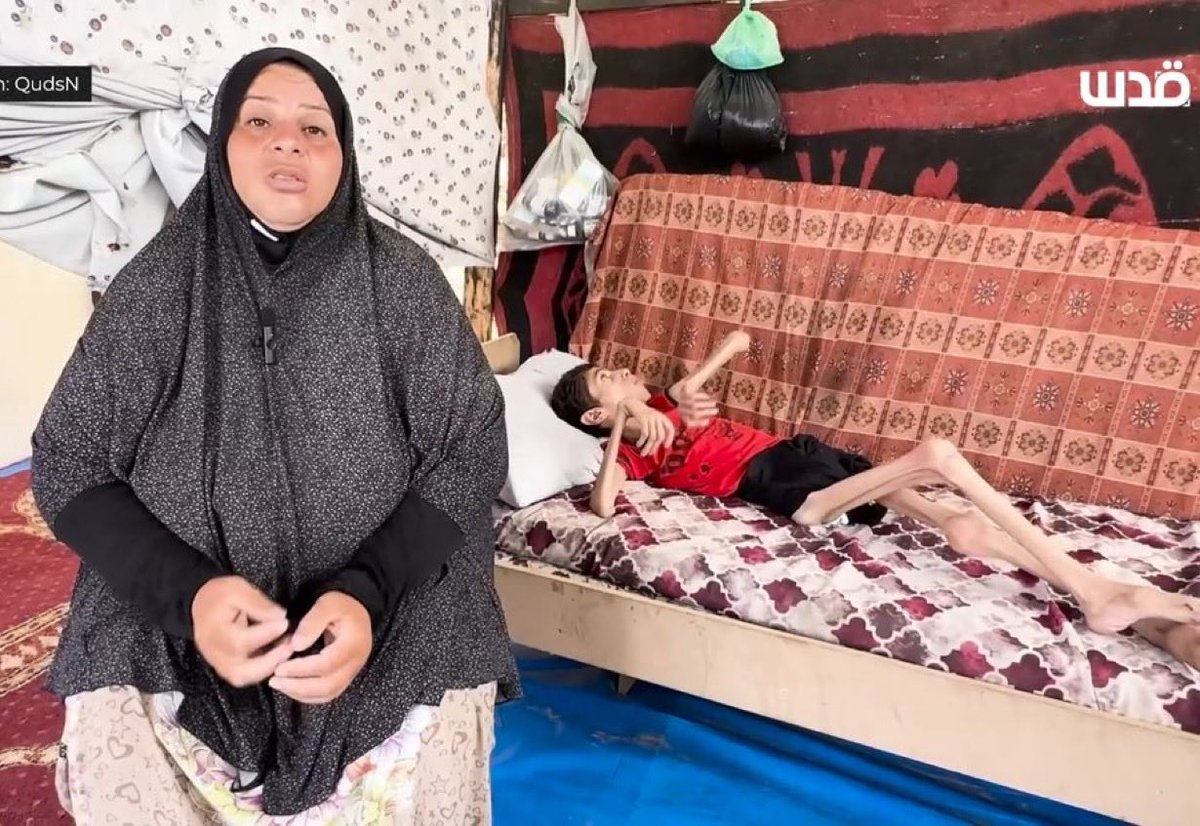
哈马斯的宣传渠道(BBC、《纽约时报》、CNN以及其他媒体)利用了一名患有严重遗传疾病的巴勒斯坦儿童——这种疾病是加沙地区普遍近亲婚配所导致的直接后果——来推动一种纳粹式的“血腥诽谤”(blood libel),声称以色列正在“让加沙人民挨饿”。
这不是新闻报道,而是2.0版的“血腥诽谤”。
直到今天,这些与哈马斯立场一致的记者从未为他们妖魔化和非人化犹太人民承担责任。
下次有人指责以色列“让加沙儿童挨饿”时,请记住:
• 这名儿童的母亲明显肥胖。
• 就连联合国自己也承认,加沙并不存在饥荒。
• 由于数代人之间的表亲婚姻,遗传疾病在加沙极为常见。
• 在10月7日之前,像他这样的儿童经常在以色列医院接受以色列医生的治疗。
媒体无视以色列已经向加沙大量运送人道主义援助这一事实,却仍在继续传播这种谎言。
这是经过刻意策划、充满恶意的宣传,其目的在于煽动人们对犹太人的仇恨,同时为哈马斯进行洗白。
主流媒体并不是在报道新闻——而是在制造“血腥诽谤”。
永远不要忘记,他们究竟是在为谁效力。
(转自⬇️)
Jun 11

Hamas propaganda outlets (BBC, NYT, CNN and the rest) exploited a severely ill Palestinian child with genetic diseases — the direct result of widespread inbreeding in Gaza — to push the Nazi-style blood libel that Israel is “starving” Gaza’s population.
This is not journalism. This is blood libel 2.0.
To this day, these Hamas-aligned journalists have never taken responsibility for demonizing and dehumanizing the Jewish people.
Next time someone accuses Israel of “starving children in Gaza,” remember this:
• The child’s mother is visibly obese.
• The UN itself admits there is no famine in Gaza.
• Genetic disorders are extremely common in Gaza due to generations of cousin marriages.
• Before October 7, children like him were regularly treated in Israeli hospitals by Israeli doctors.
The media ignored the fact that Israel has flooded Gaza with humanitarian aid, yet the media continues to spread the lie.
This is deliberate, malicious propaganda designed to incite hatred against Jews while whitewashing Hamas.
The mainstream media doesn’t report the news — it manufactures blood libels.
Never forget who they really work for.
3
8
18
930
唐丹鸿 Zionist 🇮🇱 retweeted

Jun 11
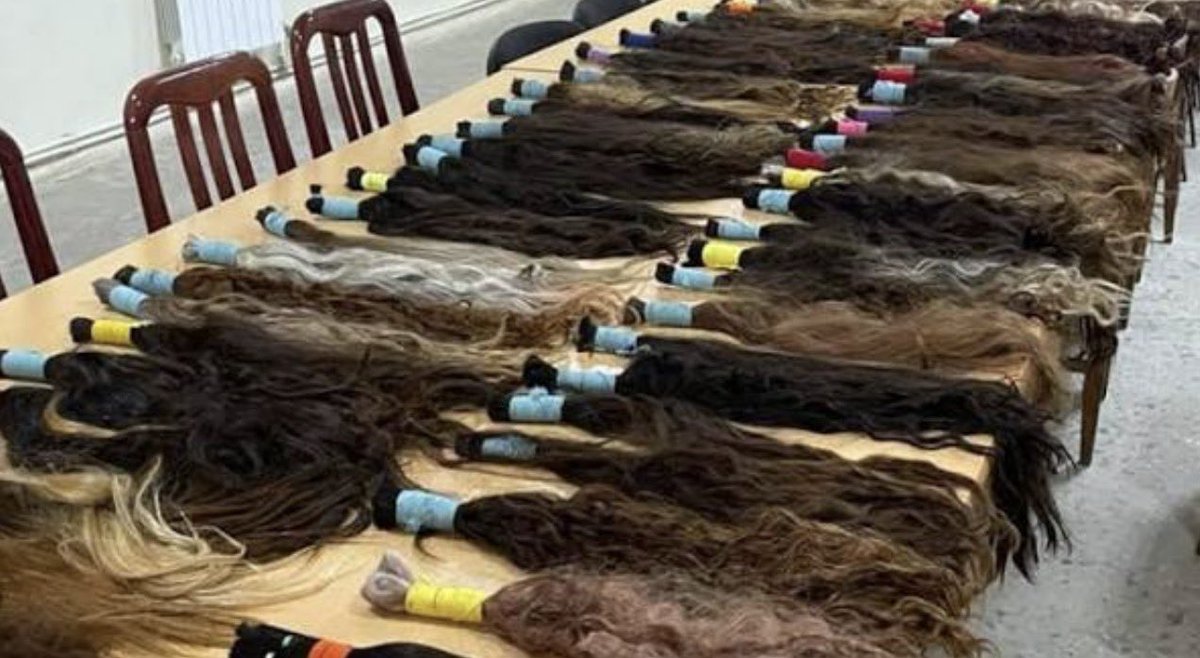
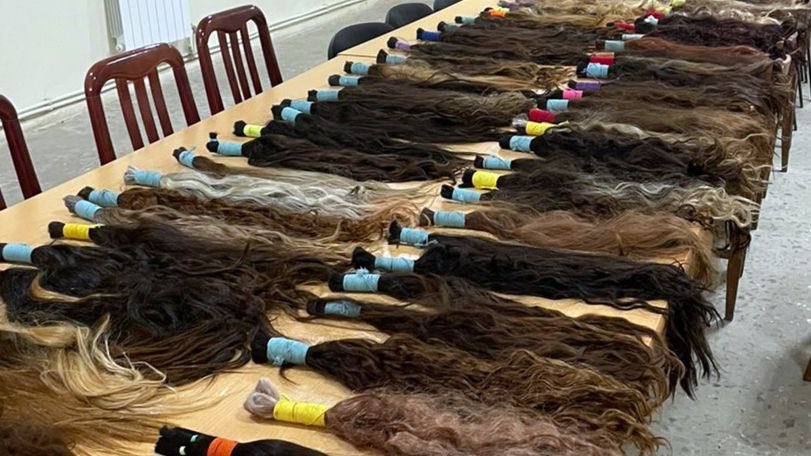
The total amount since January is 137 kilos.
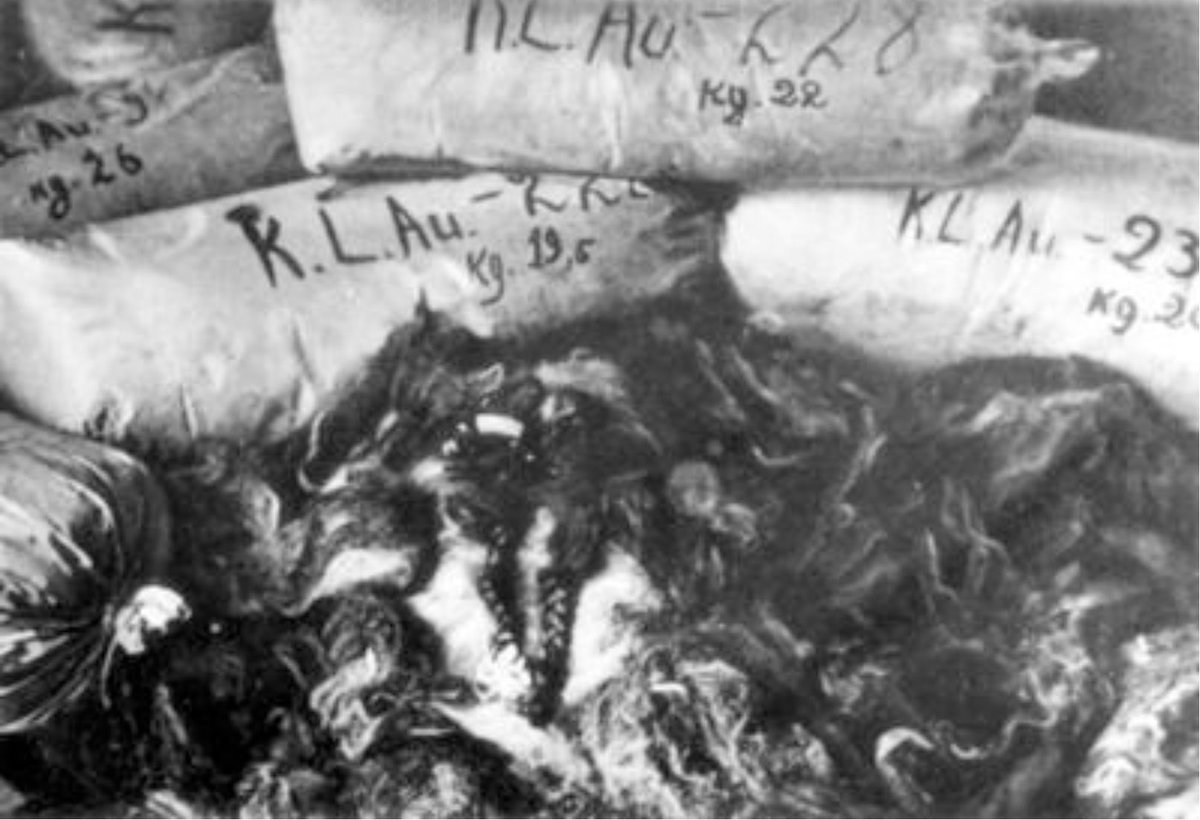
It’s Auschwitz level amounts of hair from just two days of slaughtering innocent Iranian women.
This is why we never saw piles of female bodies in the morgues. They were harvested.
Jun 11

The islamic regime is selling murdered Iranian women for parts.
Armenia has confiscated massive amounts of undeclared Iranian natural women's hair which was brought across the border.
This illegal trend has been skyrocketing since, wait for it, January.
Almost all the morgue victims from the massacre were men, and not women. We are beginning to learn what actually happened to the girls who were massacred back then.
307
6,044
13,820
425,553
唐丹鸿 Zionist 🇮🇱 retweeted

Jun 10
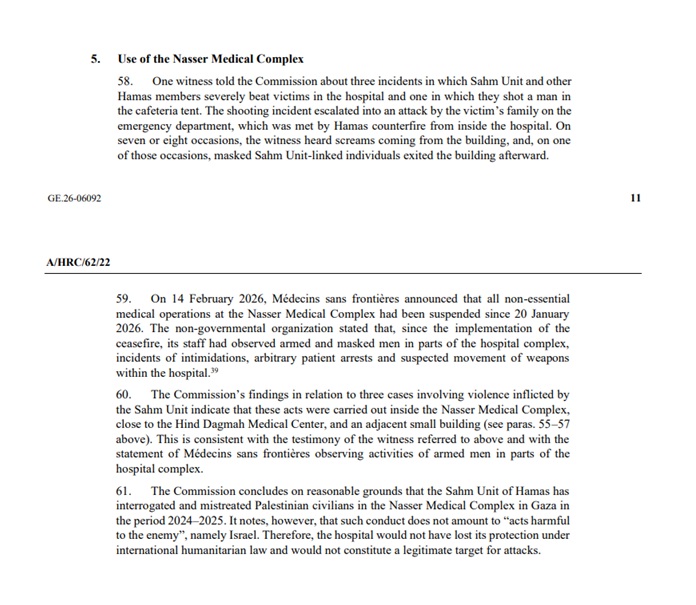
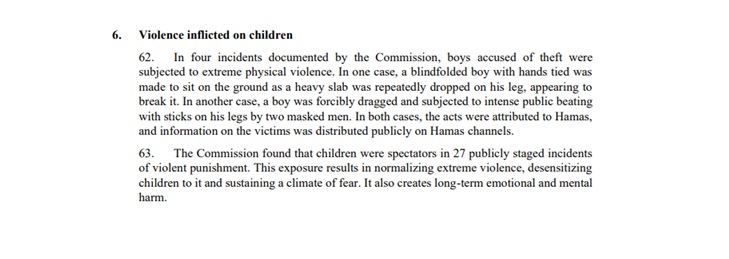
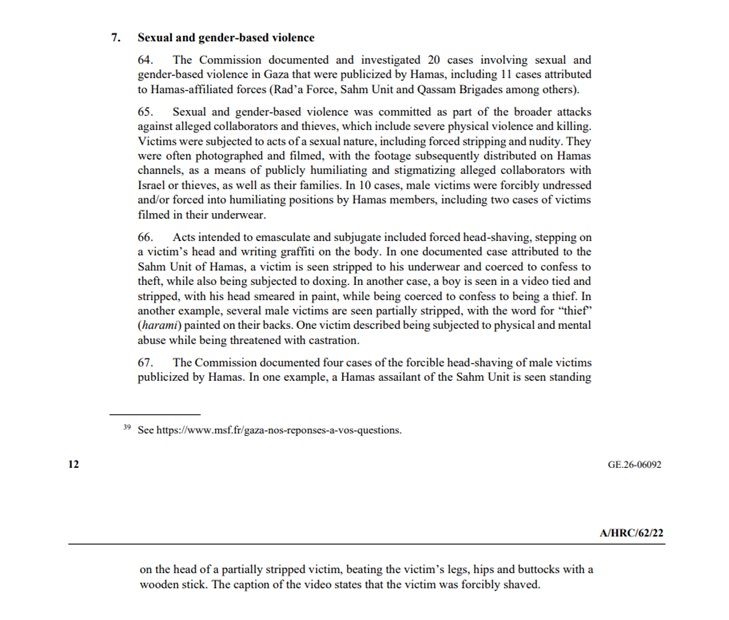
At long last, the UN Human Rights Council has formally acknowledged that Hamas in Gaza carried out executions, torture, improperly used medical facilities for terror purposes, and engaged in violent abuses against women and children after October 7. The report captures only a fraction of what actually occurred, in part because documenting these crimes is extraordinarily difficult and because Gazans fear retaliation if they report anything to the UN or other investigators. The findings on Hamas were buried beneath a long section on Israeli settler abuses in the West Bank, but even so, this marks a significant shift for an international body that has long struggled to speak plainly about Hamas’s brutality in Gaza.
Most importantly, the report acknowledges but barely scratches the surface of how extensively Hamas has weaponized Gaza’s medical infrastructure, embedding fighters in hospitals, using patients as shields, and turning civilian facilities into operational hubs. The UN even notes that Doctors Without Borders evacuated non-essential staff from Nasser Hospital because Hamas was interfering with the hospital’s operations.
When I shared this information, including testimonies from Gazans who documented Hamas’s fascistic behavior inside hospitals, and photos of fighters emerging from Nasser Hospital after the ceasefire, the online “pro-Palestine” chorus had nothing to offer except accusations of Zionist collaboration, accusations of betrayal, and personal insults. This UN report is an indictment not only of Hamas, a violent extremist terror organization responsible for immense suffering, but also of every activist, journalist, and academic who chose to look away. It shows that Hamas’s crimes were so egregious, so undeniable, that even a slow, hesitant, and often ineffectual body like the UNHRC could no longer pretend not to see them.
Shame on anyone who still defends Hamas or ever believed its violence constituted “resistance” on behalf of the Palestinian people.
105
1,510
3,348
84,056
唐丹鸿 Zionist 🇮🇱 retweeted

Jun 11
143 bundles of human hair.
26 kilograms. Hidden inside pillows.
Smuggled out of Iran and just seized by Armenian customs officers.
And for many Iranians, one thought immediately comes to mind:
The hundreds of young women who disappeared after the January 2026 protests.
The daughters whose families still don’t know where they are.
The daughters whose bodies were never returned.
The daughters whose mothers and fathers are still waiting for answers.
The Islamic Republic has spent 47 years murdering, torturing, raping, executing, and disappearing its own people. Families have spent decades accusing the regime of covering up deaths, returning mutilated bodies, and harvesting organs from prisoners and victims killed in custody.
The regime has committed so many horrors against its own people that when authorities intercept 26 kilograms of human hair being smuggled out of Iran, many Iranians don’t see a customs violation.
They see the daughters who never came home.
One question:
Whose hair is it?💔
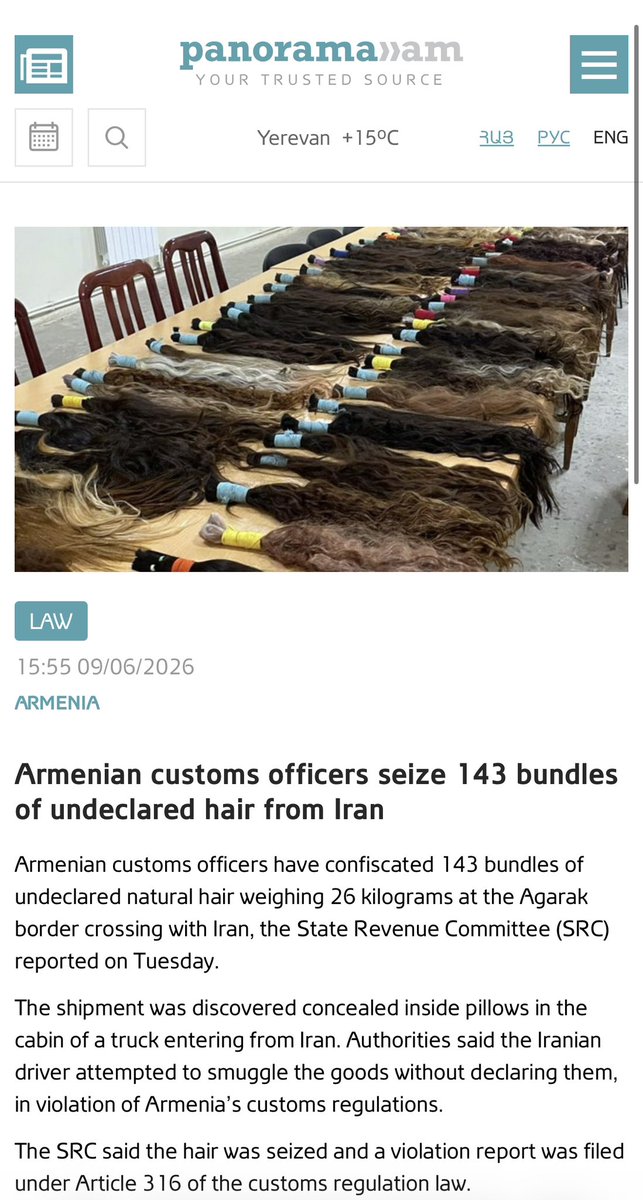
301
4,332
8,405
172,966
唐丹鸿 Zionist 🇮🇱 retweeted

Jun 10
When Nazi Germany occupied Hague in the Netherlands, the Jewish community there numbered around 18,000 people.
Jews were excluded from public life and had to wear a yellow star.
In 1942, this beautiful Jewish couple chose life even in those difficult times and got married under those circumstances.
Later that year most Jews of the Hague were deported and murdered in Auschwitz and Sobibor.
Today, there are only about 2000 Jews living in Hague.
We will never forget.
Photo: @historyinpic9
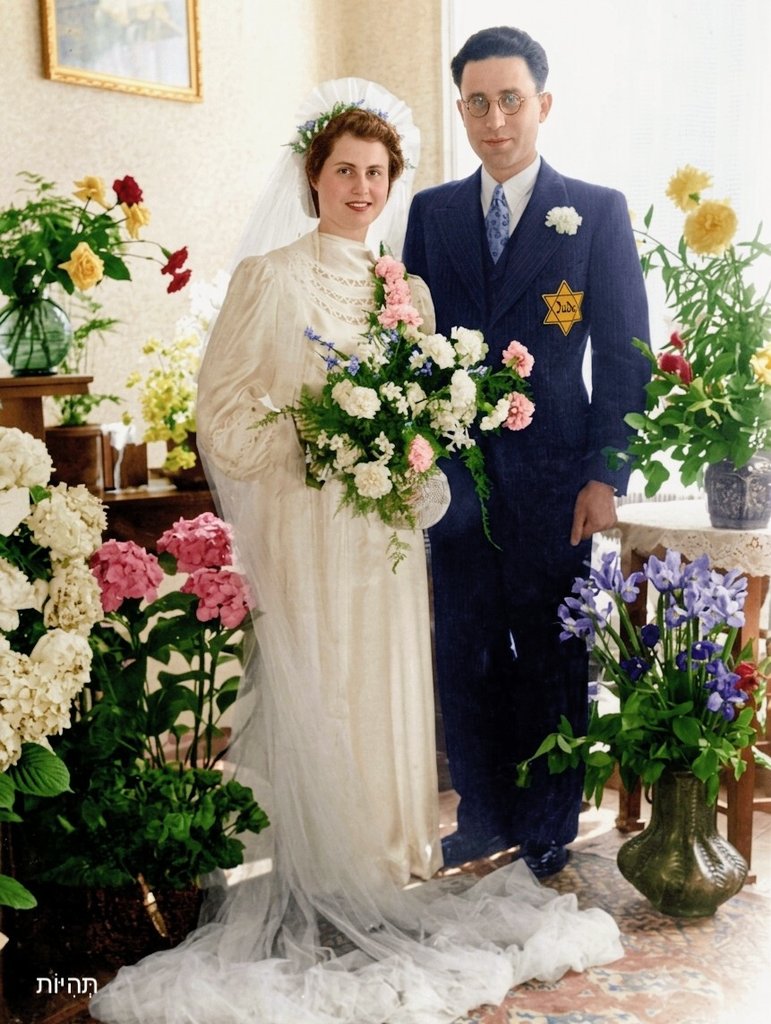
31
293
1,528
25,137
唐丹鸿 Zionist 🇮🇱 retweeted

Jun 10
Absolutely insane that people will hate the victims of terrorism more than the terrorists.

🇮🇱 Unfavorable Views of Israel (Ages 18-34)
🇦🇺 Australia: 87%
🇬🇧 UK: 78%
🇨🇦 Canada: 76%
🇬🇷 Greece: 76%
🇫🇷 France: 74%
🇺🇸 United States: 74%
🇭🇺 Hungary: 72%
🇱🇰 Sri Lanka: 46%
Source: Pew Research Center, Spring 2026 Global Attitudes Survey
707
135
2,102
214,464
唐丹鸿 Zionist 🇮🇱 retweeted

Jun 10
Antisemiten von links können sich in diesem Land mittlerweile nahezu alles erlauben.
Wo bleibt der Aufschrei?
Wo bleibt die Brandmauer?
Diese politische Einseitigkeit und selektive Empörung sind unerträglich.
Was an unseren Universitäten, auf Demonstrationen, in Teilen des politischen Spektrums und im öffentlichen Raum geschieht, darf nicht länger verharmlost oder verschwiegen werden.
Ich werde, will und kann diese Entwicklung nicht akzeptieren.
Eines muss endlich klar ausgesprochen werden:
Antisemitismus ist längst kein ausschließlich rechtsextremes Problem.
Antisemitismus gibt es insbesondere auch unter Linksradikalen und Islamisten – und wer das aus ideologischen Gründen ignoriert, macht sich blind für die Realität.
Tag für Tag erleben wir offenen Antisemitismus von links: laut, aggressiv und öffentlich zur Schau gestellt.
An Universitäten, auf Versammlungen, in sozialen Medien und auf unseren Straßen.
Spätestens seit dem Terrorangriff der Hamas auf Israel haben viele linksradikale Antisemiten ihre Maske fallen lassen.
Wer Antisemitismus glaubwürdig bekämpfen will, darf nicht mit zweierlei Maß messen. Antisemitismus bleibt Antisemitismus – unabhängig davon, aus welcher politischen Richtung er kommt.

184
752
3,526
24,614
唐丹鸿 Zionist 🇮🇱 retweeted

Jun 10
On This Day — June 10, 1977
Just three decades after the Holocaust — when the world closed its doors and left Jews to die on sinking ships and in sealed trains — the State of Israel rescued 66 Vietnamese refugees drifting helplessly in the South China Sea and made them citizens.
For the first time in nearly 2,000 years of exile and powerlessness, the Jewish people had sovereignty … and they chose to use it to save strangers.
In the middle of the vast ocean, a leaking wooden boat carried 66 terrified men, women, and children with no food, no water, and failing SOS signals ignored by ships from East Germany, Norway, Japan, and Panama. Death was closing in.
The Israeli cargo ship Yuvali, en route to Taiwan, spotted them. Captain Meir Tadmor radioed Haifa for instructions. Prime Minister Menachem Begin personally gave permission, and the Jewish crew took every soul aboard, fed them, clothed them, and diverted their voyage — sailing home to Israel.
When the ship arrived, Begin — whose parents and brother were murdered in the Holocaust — stood before the Knesset and declared with deep emotion:
“We Jews know what it is to be refugees. We know the agony of wandering the seas while the world looks away. For the first time in two millennia, we are no longer powerless wanderers. We are a sovereign nation — and therefore it is natural for us to give these people a haven in the Land of Israel.”
This first group of 66 was only the beginning. Between 1977 and 1979, tiny Israel — still absorbing its own Jewish refugees from Arab lands and the Soviet Union — welcomed more than 300 Vietnamese boat people in total, granting them full citizenship and a new life.
Many of these Vietnamese-Israelis went on to build beautiful, fully integrated lives in the Jewish state. Their children grew up speaking Hebrew, served in the IDF, started families with Israeli spouses, and thrived in professions ranging from business and policing to the restaurant industry — becoming a small but vibrant thread in the tapestry of Israeli society.
This was not politics.
This was the Jewish soul speaking.
After centuries of being the stranger, the outcast, the one no empire would shelter … the Jewish people were finally the ones with the power to open their gates. And they chose to remember.
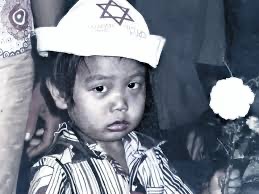
51
675
2,056
23,318
唐丹鸿 Zionist 🇮🇱 retweeted

Jun 9
>be Ireland
>hate Israel as much as Arabs
>get one small taste of what Israelis deal with
>burns everything down

Suspected HMO's are being burned out across Northern Ireland following the attempted beheading of a man by a Sudanese invader last night.
727
722
7,656
761,153
唐丹鸿 Zionist 🇮🇱 retweeted

The West, so long burdened by Holocaust guilt, having—so it seemed—gone through its reckoning with millennia of Jew-hatred, will have to do it all again. At the very moment it thought it had finally shed that guilt, it did it again.
The entire hate narrative against Israel after October 7 will not last. It will falter. The truth will prevail, as it always does. The West will be plunged again into shame. And those who stood in their convictions will triumph. They will reap the glory, not of power and mob rule, but of truth and justice.
37
77
481
8,694
唐丹鸿 Zionist 🇮🇱 retweeted

Jun 8
A four-year-old boy from Novi Sad arrived at Auschwitz in 1944, and was murdered instantly while his mother survived
Andrija Schossberger was born in 1939 in Novi Sad, then part of Yugoslavia, into a Jewish family led by Tibor and Suzana Schossberger. His early life should have been defined by childhood—family care, safety, and the simple experiences of growing up in a stable home.
As war spread across Yugoslavia, Jewish communities faced increasing persecution, displacement, and mass arrests. What began as discrimination escalated into deportations that pulled entire families from their homes and placed them into the machinery of the Holocaust.
In April 1944, Andrija and his family were deported to Auschwitz. The journey itself meant days of overcrowding, fear, and deprivation in sealed transport trains, with families uncertain of what awaited them at the end.
Upon arrival at Auschwitz, selections were carried out immediately. At just four years old, Andrija was not given the chance to survive. He was murdered shortly after arrival, while his father was also killed later that year and his mother became the only survivor of the immediate family.
Andrija’s story remains preserved as a reminder of a child whose life was taken before it could begin. It stands as part of the broader memory of the Holocaust, where entire families were torn apart and innocence was erased within moments.💔🙏
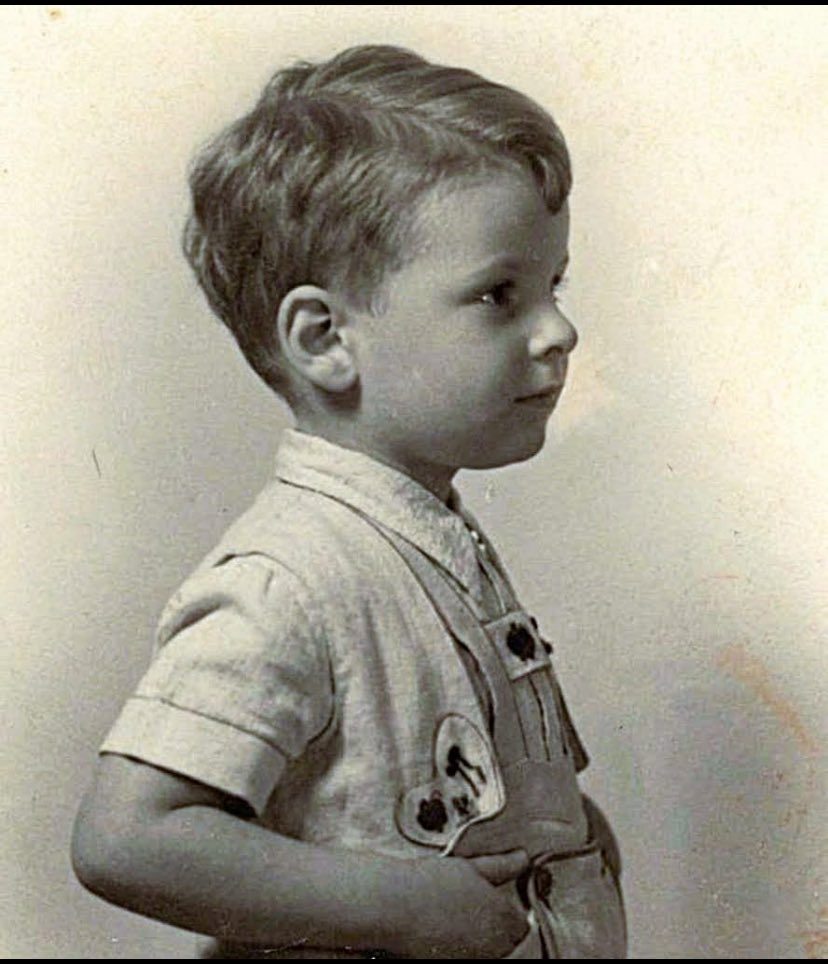
37
192
717
6,811
Jun 8
伊朗利用停火期间从中国购买了防御系统。以色列仅用3个小时就摧毁了这些防御系统。
Jun 8

Iran used the ceasefire to buy defense systems from China. Israel used 3 hours to destroy the defense systems.
18
7
233
25,505
唐丹鸿 Zionist 🇮🇱 retweeted

Jun 8
He tried to stab someone.
Why did you edit the video?
Why do you people always lie?
Jun 6

IDF murdering a 14-year-old Palestinian boy.
This is a good example of why Israel is so incredibly concerned about governing any negativity toward them
202
2,040
13,175
444,708