
Joined August 2023
- Tweets 181
- Following 21
- Followers 84
- Likes 355
1 Photos and videos
Brett (Psyop Cinema) retweeted

Jun 12
We are joined by @StevenDeLay4 for a discussion of the legal thriller The Firm (1993), directed by Sydney Pollack. We talk about themes of misdirection and demoralization, as well as Pollack's Three Days of the Condor (1975) and his Mossad connections. spreaker.com/episode/the-fir…

1
2
9
2,747
Brett (Psyop Cinema) retweeted
Jun 5
Thomas and Travis Mateer (@madpoet19) cover Ari Aster's acclaimed 2025 political satire Eddington, pairing it with his 2023 film Beau is Afraid, as well as Yorgos Lanthimos' Bugonia, another 2025 movie that purports to take conspiracy theories seriously. spreaker.com/episode/eddingt…

3
8
945
Brett (Psyop Cinema) retweeted
SCOOP: Emails show that CNN colluded with the FBI to create Dana Bash's documentary on Antisemitism.
The Mockingbird Media is exposed!

CNN Worked With The FBI To Create Dana Bash’s Antisemitism Documentary, Emails Reveal
By Patrick Howley (@HowleyReporter)
🧵 1/8
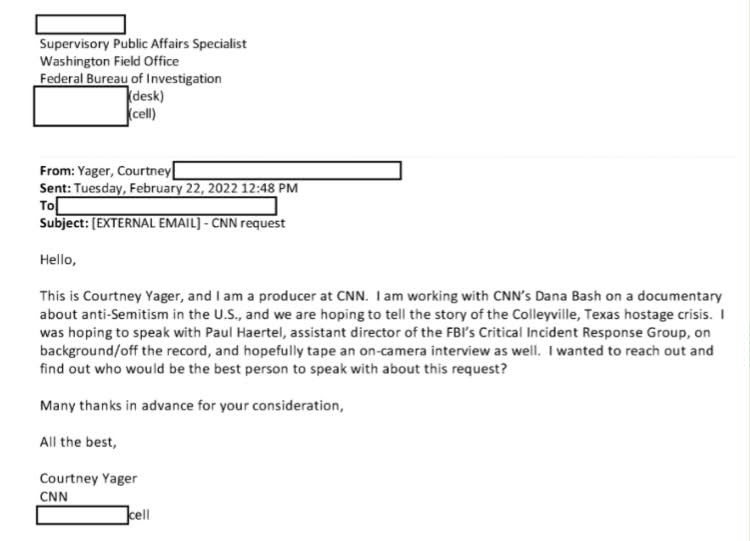
CNN actively worked with the Federal Bureau of Investigation (FBI) to put together Dana Bash’s 2022 documentary Rising Hate: Antisemitism in America.
Bombshell emails obtained by the Decoding Culture Foundation show how the cable news network coordinated with the FBI to push propaganda painting antisemitism as a massive problem in America, underscoring the extent to which the mainstream media collaborates with federal government agencies to advance preferred narratives.
The Anti-Defamation League (ADL), which partnered with the FBI for many years, promoted a clip of the group’s participation in the special on its Youtube page. The heavily-promoted documentary can trace its origins, in part, to media-government collusion. youtube.com/watch?v=gQ-XHtav…
CNN producer Courtney Yager reached out to the FBI in 2022 to ask for an interview with an FBI agent on an Islamist hostage-taking. But the CNN-FBI relationship soon became more involved as the scope of the documentary broadened to focus on antisemitism in general.
6
267
784
19,583

Brett (Psyop Cinema) retweeted

May 29
Hollywood is an arm of the FEDS. The Decoding Culture Foundation @Culture_Decode has all the receipts. Here is part 1 of a thread I put together with their amazing research. Ben Affleck, call your office (or your handler)...
🧵 1/8 Hollywood EXPOSED For Making Movies With The Feds (Part 1)
By Patrick Howley (@HowleyReporter)
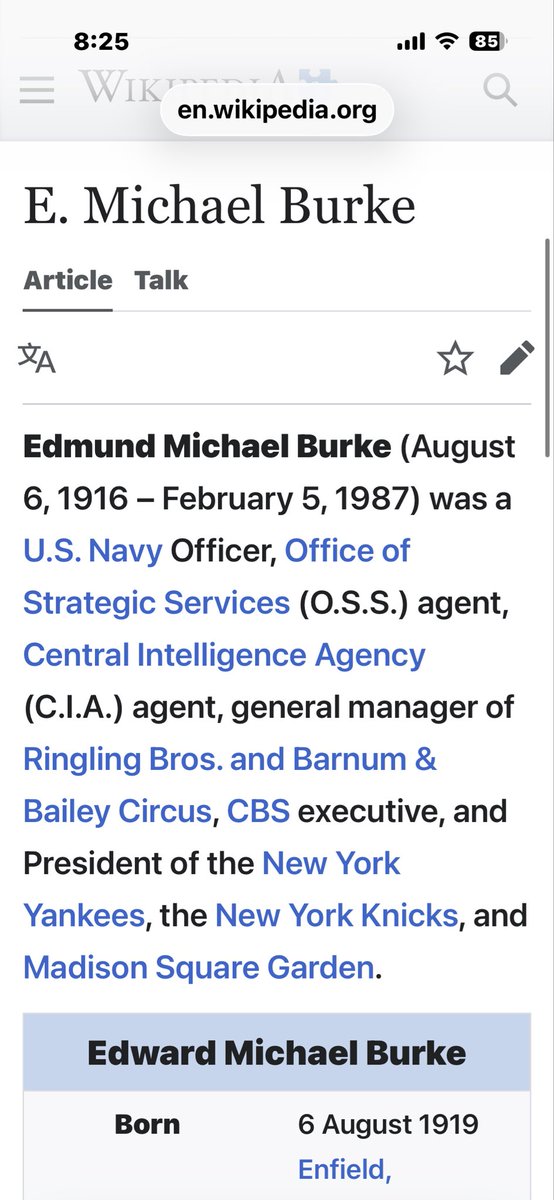
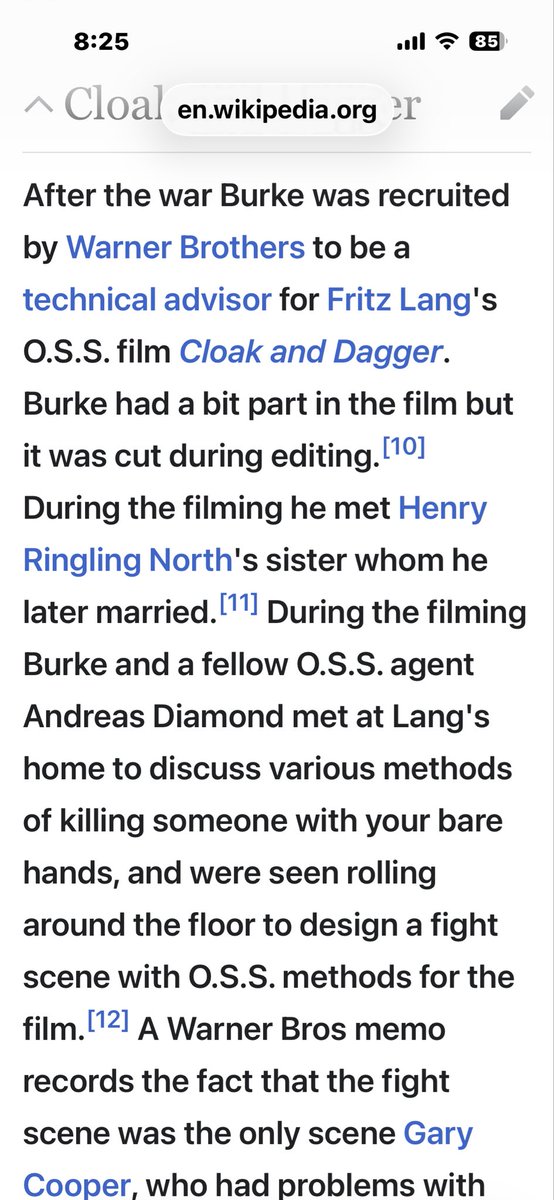
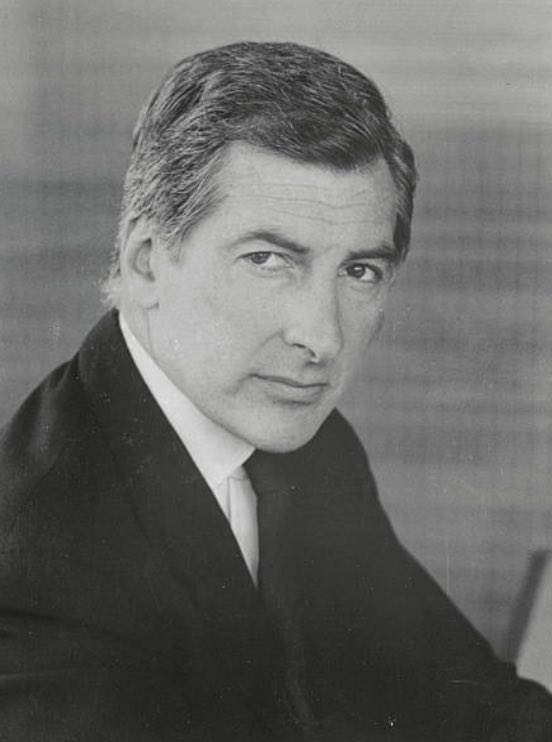
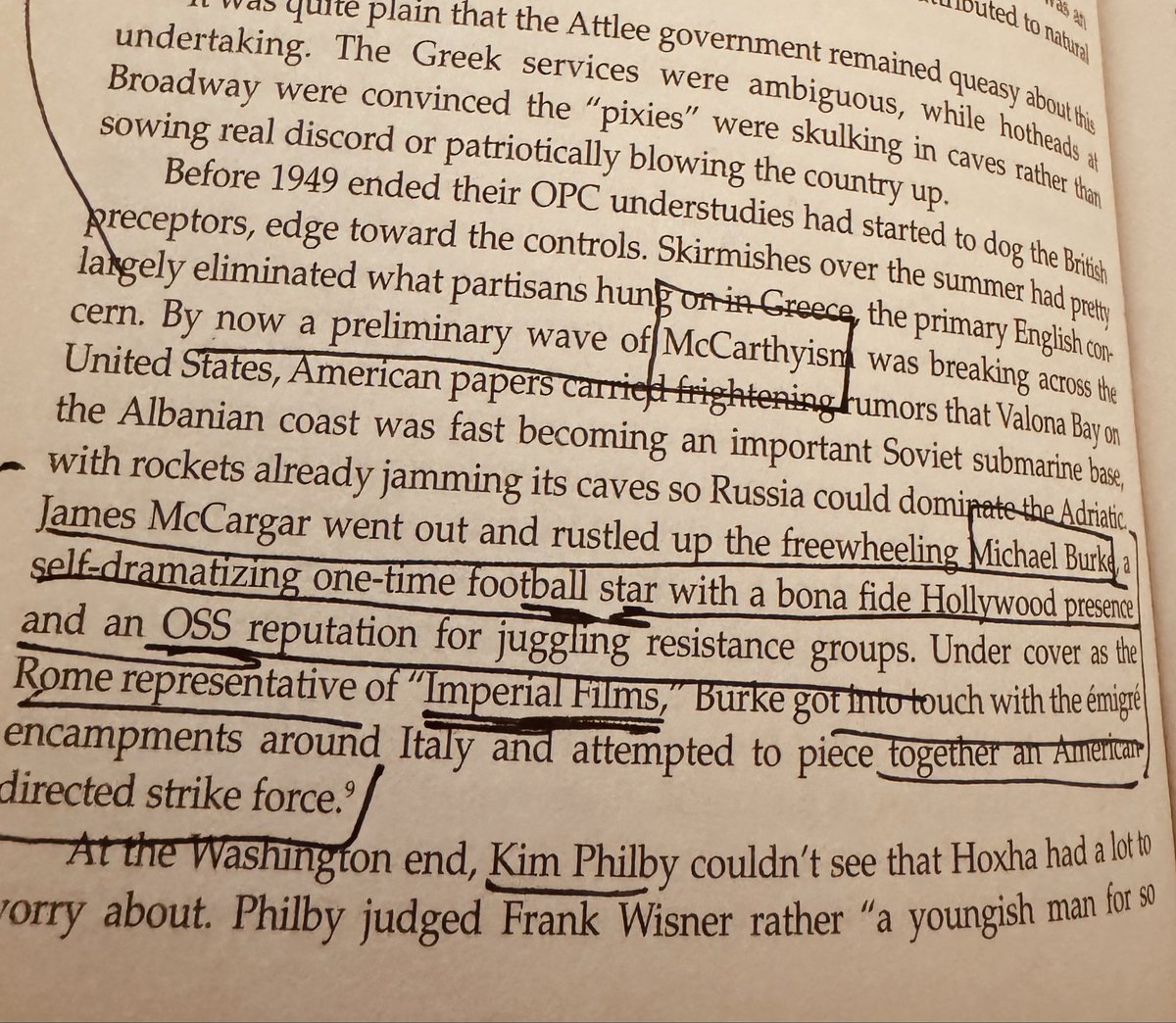
Bombshell documents obtained by the Decoding Culture Foundation show Hollywood movie and TV studios working with the U.S. military and federal government agencies to use mainstream films as Deep State propaganda.
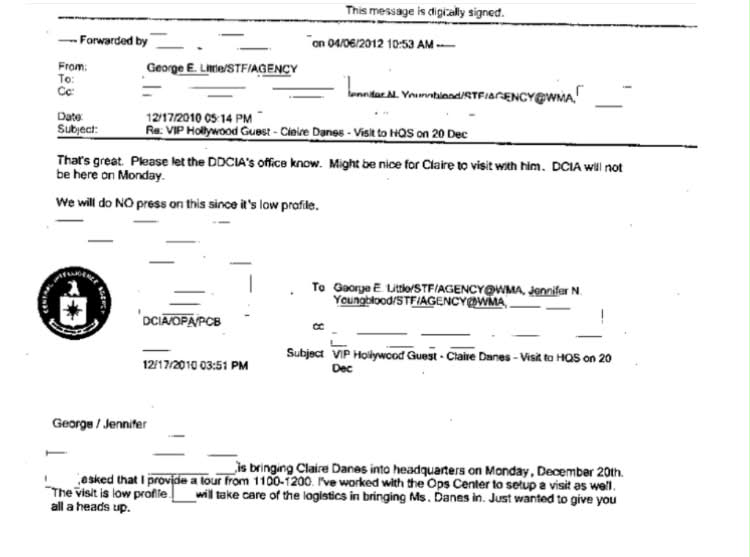
From actress Claire Danes’ secret tour of CIA headquarters, to the U.S. military’s work with Pauly Shore (yes, Pauly Shore) to promote women in the military, the Deep State’s tentacles have ensnared Tinsel Town for generations, and Hollywood is more than happy to play their part. Here are some of the most outrageous documents obtained by the Decoding Culture Foundation, whose full archive can be found here: app.box.com/folder/231982602…
CIA
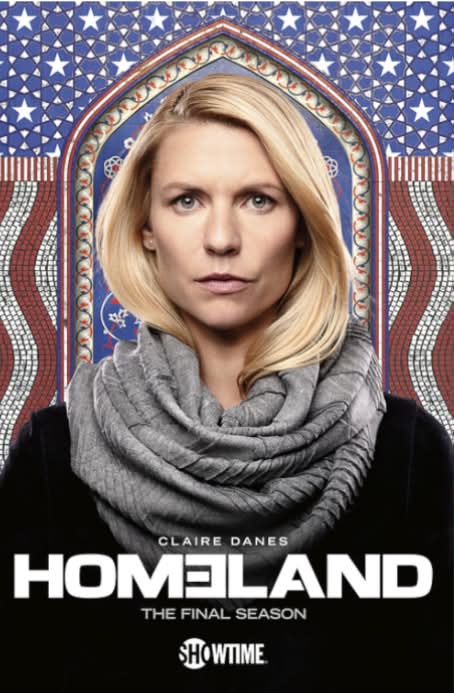
Homeland (2011-2020 on Showtime, based on an Israeli show)
The CIA set up a secretive tour of CIA headquarters for Homeland actress Claire Danes, making sure to note: “We will do NO press on this since it’s low profile.”
1
22
74
4,172
Brett (Psyop Cinema) retweeted

1
10
31
5,709
Brett (Psyop Cinema) retweeted

May 19
Premiering tonight! Dr. Brett Carollo @DecoderShell @Culture_Decode returns to discuss the recently published volume #3 of the research anthology Cultural Engineering Studies and his article Hermeneutics of Total Suspicion: Gnostic Inversion and the Serpent. We talk about various gnostic cults and their influence on culture throughout the centuries leading up to the rejection of the body embracing transhumanism.
youtu.be/ZXl3y9irEws?si=wMZm…

7
22
1,153
Brett (Psyop Cinema) retweeted

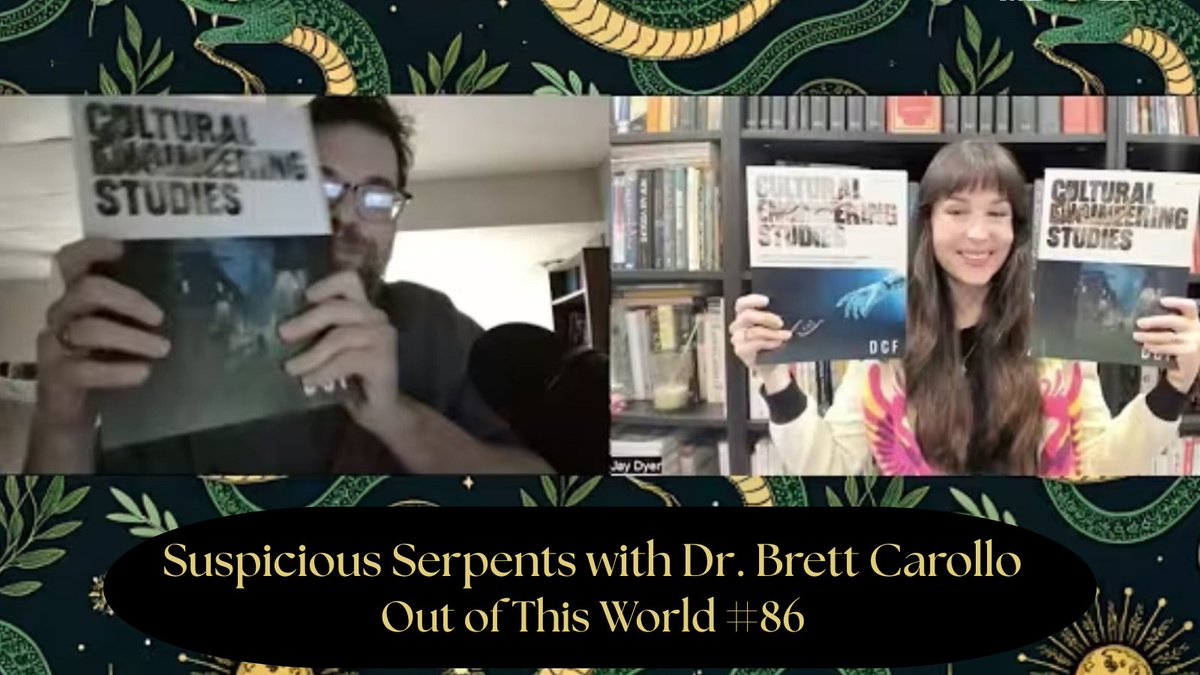
Coming soon: Out of this World #86 featuring Dr. Brett Carollo!
Premiering Tuesday, May 19th at 9:00 PM EST, DCF Director of Research Operations, Dr. Brett Carollo @DecoderShell , will be joining Jamie Hanshaw Dyer (@JamieLHanshaw) for a conversation you won't want to miss!
The pair will discuss the recently published third volume of DCF's research anthology Cultural Engineering Studies, and Dr. Carollo's article "Hermeneutics of Total Suspicion: Gnostic Inversion and the Serpent", as well as various gnostic cults and their influence on culture throughout the centuries leading up to the rejection of the body embracing transhumanism.
Watch the full conversation on May 19th here: youtube.com/watch?v=ZXl3y9ir…
1
2
7
112
Brett (Psyop Cinema) retweeted
3
6
678
Brett (Psyop Cinema) retweeted
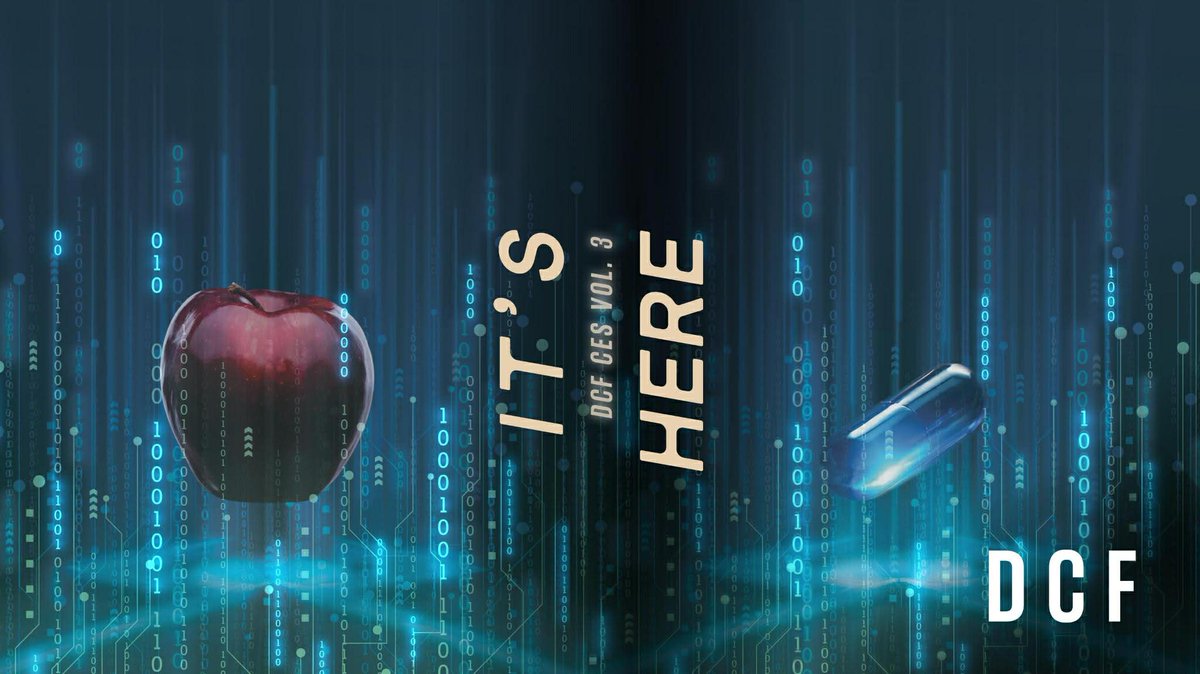
Avaiable now: Volume 3 of Cultural Engineering Studies!
Our latest volume takes up the theme of Neo-Gnosticism and examines its role in shaping the deeper logic of modern film, media, politics, and cultural engineering. Inside, you can find articles that trace the myths of false liberation, spiritual inversion, and manufactured rebellion that have helped form the modern imagination.
Featuring writings by:
Jamie Hanshaw (@JamieLHanshaw)
Jasun Horsley, (@JaKephas)
Brett Carollo (@DecoderShell)
Joshua Stylman (@jstylman)
Paul and Phillip Collins (@PhillipDCollin1)
Hans Utter (@Resonantstate), and
Thomas Millary (@CinemaPsyop)
Plus a interactive zine by Mrs Horsley (@Mrs___Horsley)
If you want serious research, strong writing, and a print publication built to last, this is our strongest volume yet.
Order now: decoding-culture.com/cultura…

1
5
7
179
Brett (Psyop Cinema) retweeted

May 4
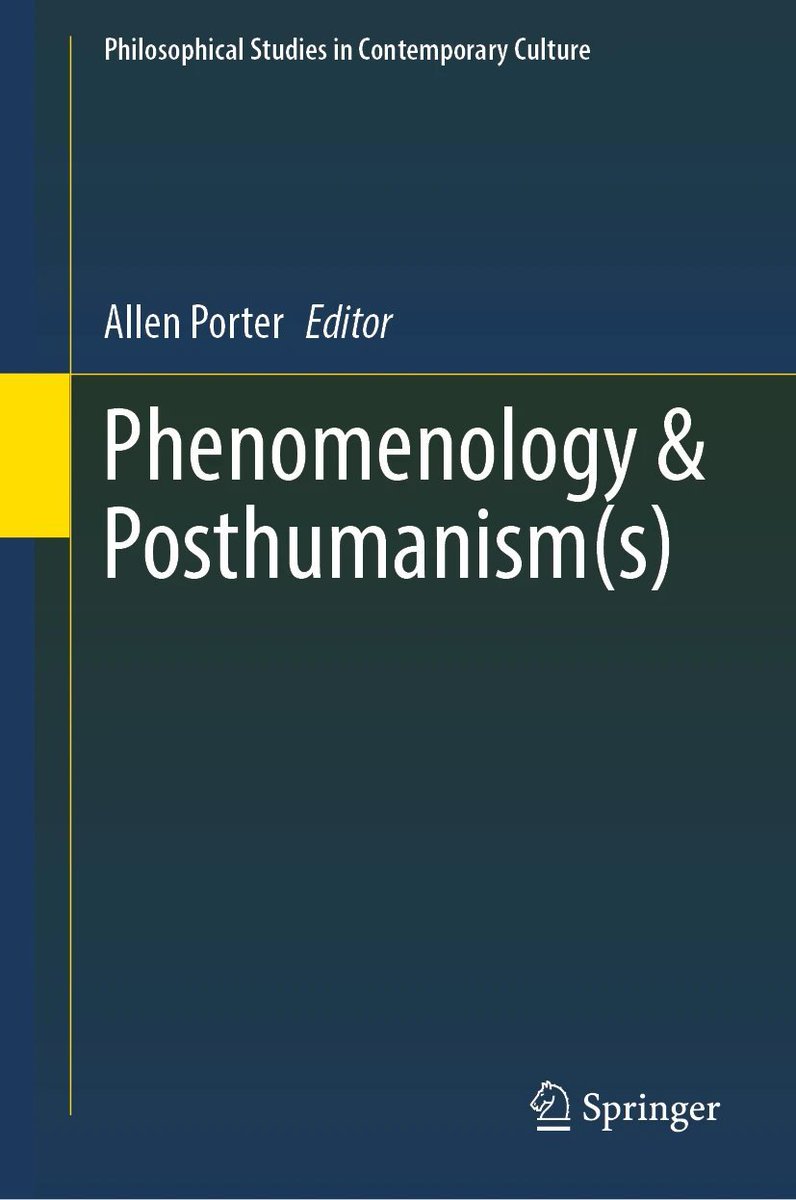
The volume Phenomenology and Posthumanism(s) is now available in print. Many thanks to the editor, @Philosophos87, for including my essay "The Technocratic Nihilism of Transhumanism: A Note on the Glory of Being Human According to Kierkegaard and Chrétien." The volume also includes an essay by @millerman, among many others.
@elonmusk @RealAlexJones @TuckerCarlson @BretWeinstein @JOEBOTxyz @AGDugin @AuronMacintyre @christopherrufo @BasedTorba @7SEES_ @JayDyer @macroaggressio3 @realbriankemple @chrisbrunet @JesseMatchey @FringeViews @_DayzofNoah @Culture_Decode @ChCh_Oxford
4
19
76
5,862
Brett (Psyop Cinema) retweeted
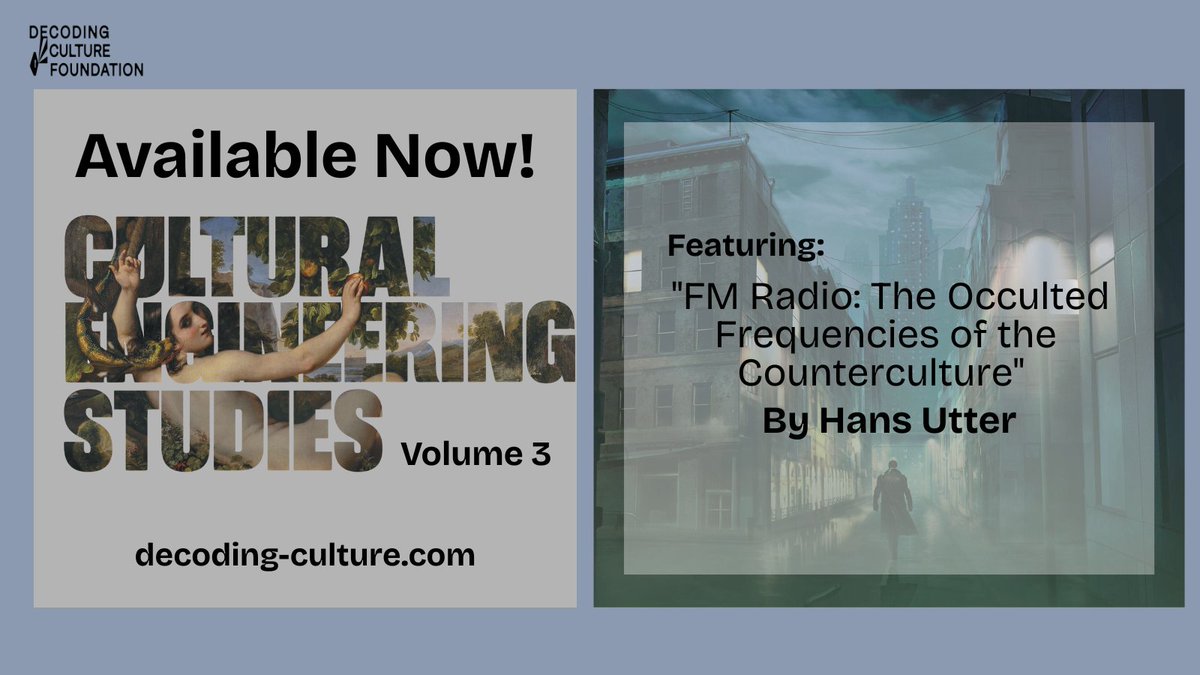
"Cultural Engineering Studies 3: Neo Gnosticism" contributor spotlight: Hans Utter:
In his first contribution to CES, "FM Radio: The Occulted Frequencies of the Counterculture", Hans Utter, an expert in ethnomusicology, analyzes a critical but overlooked factor in the cultural revolution of the 1960s. The political, aesthetic, spiritual, and pharmacological elements of the emerging counterculture needed a binding new medium, a role played by FM radio. Describing the novel techniques pioneered by DJs like Bob Fass and Lorenzo Milam and comparing them to Tavistock Institute frameworks for collective manipulation, Utter's essay reveals how FM overlapped with military and intelligence psyops to become a vital instrument of largescale cultural engineering.
Excerpted from the article:
"When the cultural history of the 1960s is recounted, certain images dominate: bearded protesters marching against the Vietnam War, psychedelic light shows spilling over concert halls, the tribal and primeval rituals of Woodstock, or the iconic silhouette of a young woman placing a flower in a soldier’s rifle barrel. The standard narrative foregrounds LSD, rock music, civil rights struggles, and political assassinations as the crucibles of transformation. Yet running parallel to these visible currents was a subtler, less tangible medium—radio, particularly the experimental landscape of FM broadcasting—that played a critical role in shaping the consciousness of the decade.
Radio is curiously absent in most mainstream accounts. Scholars of various stripes have meticulously documented the role of psychedelic drugs in altering perceptions, the Tavistock Institute and other research bodies in experimenting with mass psychology, and the Laurel Canyon music scene as an incubator of countercultural sound. But radio, despite its capacity to reach millions in real time, is often treated as a mere transmitter of music rather than as an active site of transformation. This omission is striking, for radio possesses unique psycho-acoustic properties: it infiltrates domestic and private spaces, often through solitary listening; it works with voice, sound, and silence in hypnotic rhythms; and it has the ability to induce altered states of attention through repetition, sensory inhibition, and immersive soundscapes."
1
8
8
230
Brett (Psyop Cinema) retweeted
Apr 29
Stone continues to explore the ghosts of the 1960s with his anti-war drama Born on the Fourth of July (1989). We keep analyzing Stone's treatments of religion, sexuality, war, and masculinity, and talk his interaction with the counterculture psyop . spreaker.com/episode/born-on…

4
9
452
Brett (Psyop Cinema) retweeted

Suddenly (1954), with Brett of PsyOp Cinema, Sean of Wake the Dead, and Hans of The Resonant State. x.com/i/broadcasts/1qJDzPblM…
2
9
21
725
Brett (Psyop Cinema) retweeted
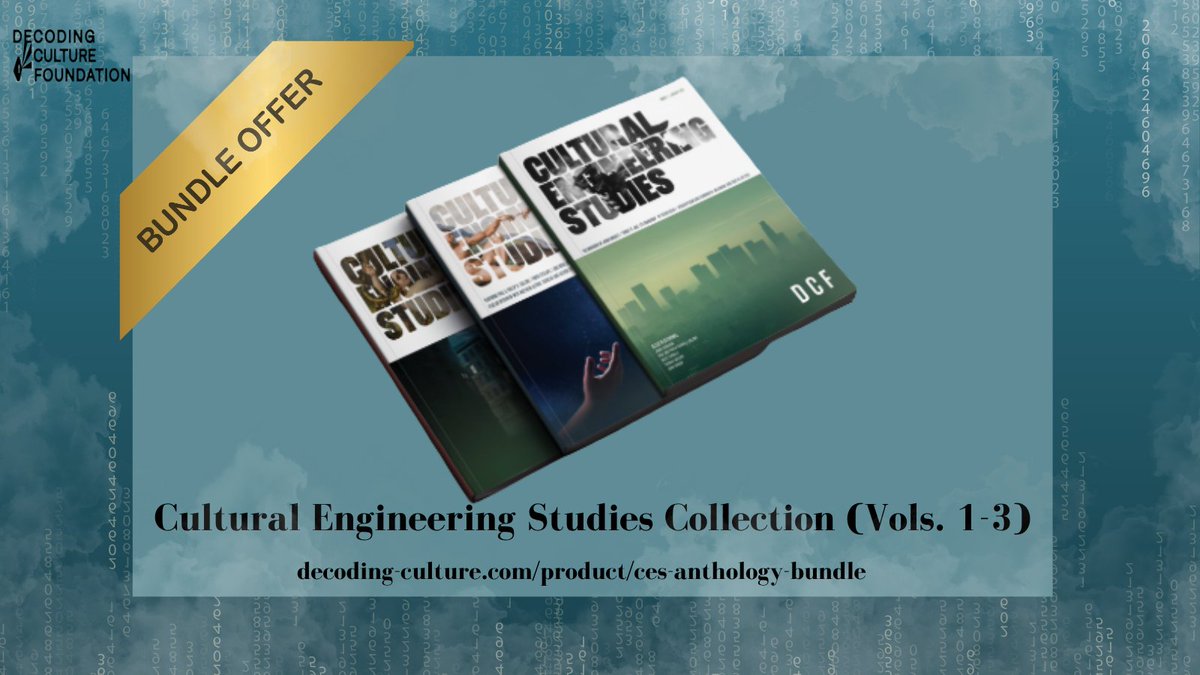
It's here!
In case you missed it, Cultural Engineering Studies Volume 3 is available now, exclusively on the DCF website.
To celebrate the release of Volume 3, during the rest of April and the month of May, you can acquire Volumes 1 and 2 at a discounted price.
However, we’re also offering a Collector's Bundle with Volumes 1, 2, and 3. This is our biggest deal ever, and it won't stick around forever.
Get the bundle here: decoding-culture.com/product….
6
8
741
Brett (Psyop Cinema) retweeted
Out now: Volume 3 of Cultural Engineering Studies
This new volume takes up the theme of Neo-Gnosticism and examines its role in shaping the deeper logic of modern film, media, politics, and cultural engineering. Inside, you can find articles that trace the myths of false liberation, spiritual inversion, and manufactured rebellion that have helped form the modern imagination.
Featuring writings by:
Jamie Hanshaw (@JamieLHanshaw)
Jasun Horsley, (@JaKephas)
Brett Carollo (@DecoderShell)
Joshua Stylman (@jstylman)
Paul and Phillip Collins (@PhillipDCollin1)
Hans Utter, and
Thomas Millary (@CinemaPsyop)
Plus a interactive zine by Mrs Horsley (@Mrs___Horsley)
If you want serious research, strong writing, and a print publication built to last, this is our strongest volume yet.
Order now: decoding-culture.com/cultura…
1
9
19
2,439
Brett (Psyop Cinema) retweeted
🧵 (1/4) Coming Soon, "Cultural Engineering Studies, Volume 3: Neo-Gnosticism." 👁️🎥🍎
The third volume of CES traces the gnostic turn in modern culture and the way false liberation, spiritual inversion, and manufactured rebellion have shaped film, politics, and media.
Below we continue to reveal the groundbreaking contributions featured in this upcoming release.
Firstly, from DCF President Thomas Millary (@CinemaPsyop):
"The Lego Barbie Matrix: Hollywood Meta-Reflections on Feminism, Gnosticism, and Pop Culture"
DCF President Thomas Millary’s contribution to this issue examines the radical gnosticization of Hollywood cinema that took place during the 2010s, in the wake of the Matrix trilogy and a series of other landmark gnostic films released around the turn of the millennium. The male gnostic savior of the earlier phase is now commonly deconstructed to make way for the dark religion of the feminine, which is defined by the very same shapeshifting malleability characteristic of the simulated matrix world.
Through close readings of four films—The Lego Movie (2014) and its sequel (2019), Barbie (2023), and the ill-fated fourth installment in the Matrix series, The Matrix Resurrections (2021)—Millary demonstrates how the metaphysical destabilization and disorientation inherent in gnostic storytelling have become tools for reconciling corporate consumerism with woke gender politics and other staples of 21st-century cultural engineering. “Red pill” techniques once used to promise liberation from a predatory false reality are now leveraged to glorify that same false reality's demiurgic powers of manipulation. The pop culture matrix terminates in this ultimate act of gnostic inversion.
1
5
8
228
Brett (Psyop Cinema) retweeted

Hey! It's out!
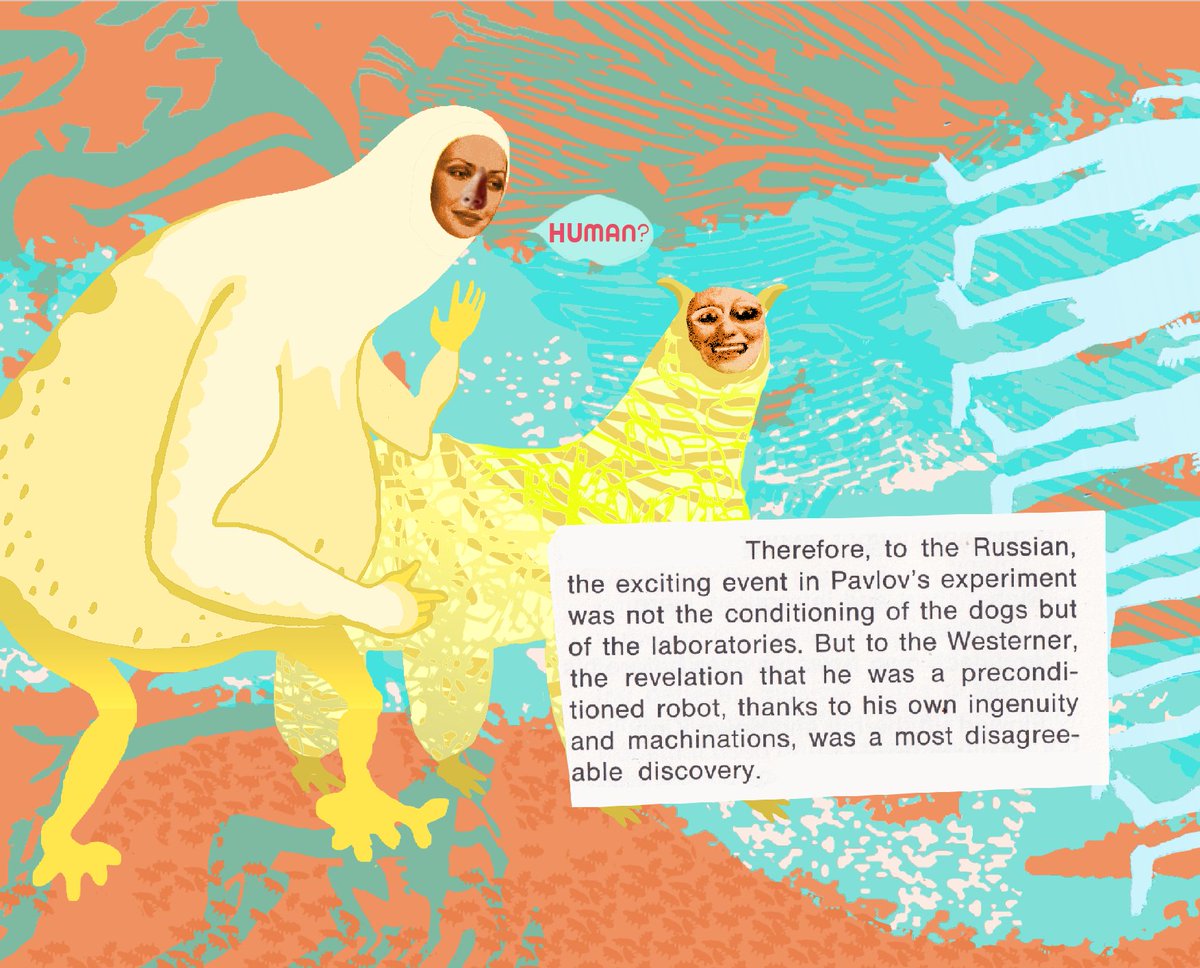
I did a cool zine for this issue!
It folds into a sweet little booklet with two sides.
One has a quote from Marshal McLuhan and the other is a wee expose of John Brockman.
Both sides relevant to cultural engineering!
Chuffed!
Coming next week!
Volume 3 features articles from Jamie Hanshaw @JamieLHanshaw , Jasun Horsley @JaKephas, Brett Carollo @DecoderShell, Joshua Stylman @jstylman, Paul and Phillip Collins @PhillipDCollin1, Hans Utter, and Thomas Millary @CinemaPsyop.
Plus, an interactive zine from Mrs. Horsley @Mrs___Horsley !
3
2
117
Brett (Psyop Cinema) retweeted
What if the red pill is itself part of the program?
In the newest article on our website, “On Red Pill Programming,” Brett Carollo and Thomas Millary trace how Hollywood, mass media, and psychological warfare turned “awakening” into a baited path toward deeper illusion.
From Manson to The Matrix, gnostic rebellion to modern right-wing psyops, this piece is a deep dive into the machinery behind one of the defining tropes of internet politics.
Read it here: decoding-culture.com/redpill…

2
4
6
224
Brett (Psyop Cinema) retweeted
Mar 13
Thomas is joined by @JamieLHanshaw to analyze True Detective: Night Country, a psy-op far less subtle than any previous season. They describe its occult feminist inversions of season one and Thomas also gives his updated assessment of the whole series. spreaker.com/episode/true-de…

1
5
14
5,430