
Infectious Diseases Dr/researcher. AMR | Global health. @LSTMnews @LivUni @MLW_Programme Malawi. Welcome host to all things infectious.
Joined June 2022
- Tweets 37
- Following 79
- Followers 105
- Likes 88
5 Photos and videos


25 Nov 2025
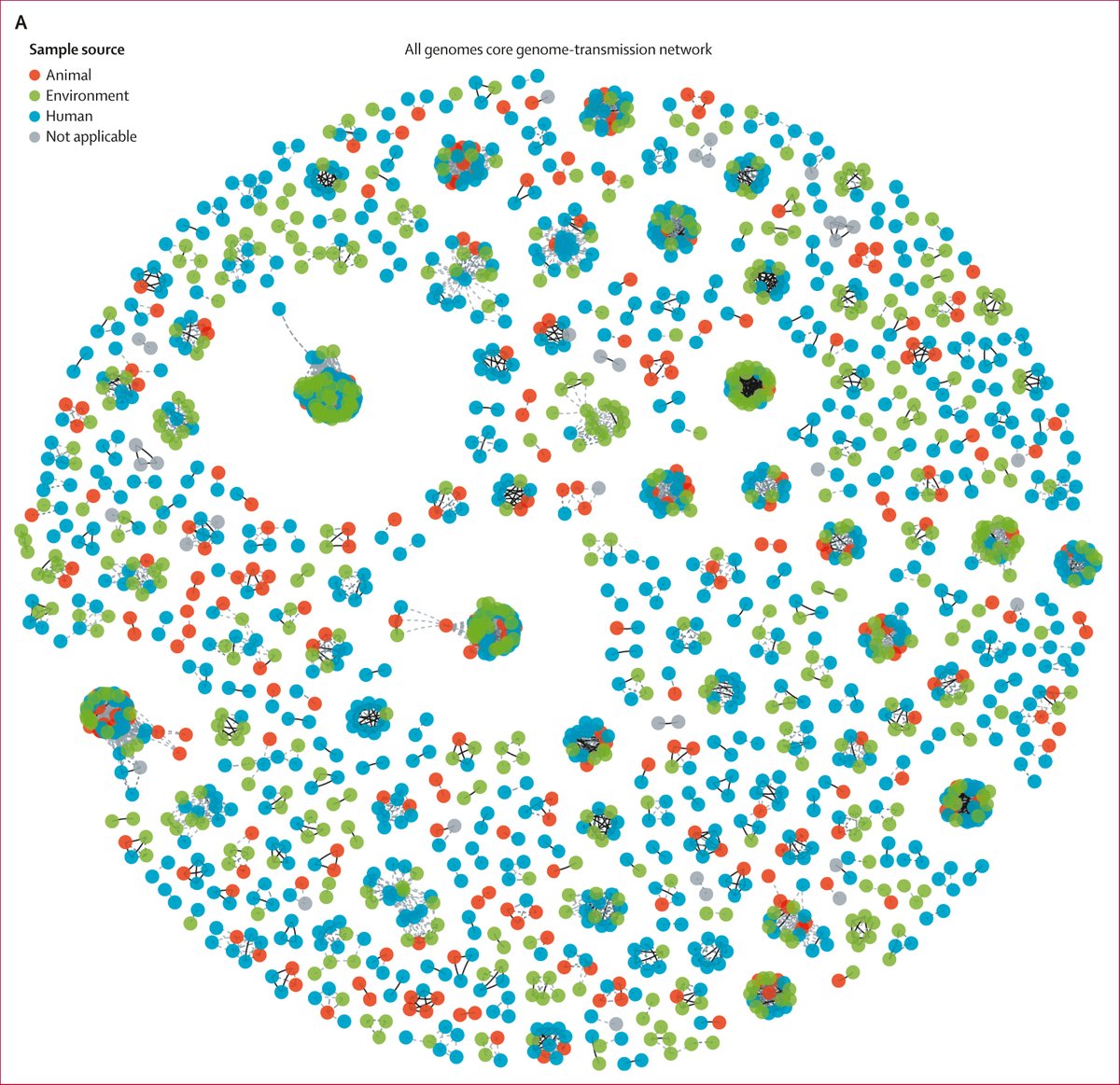
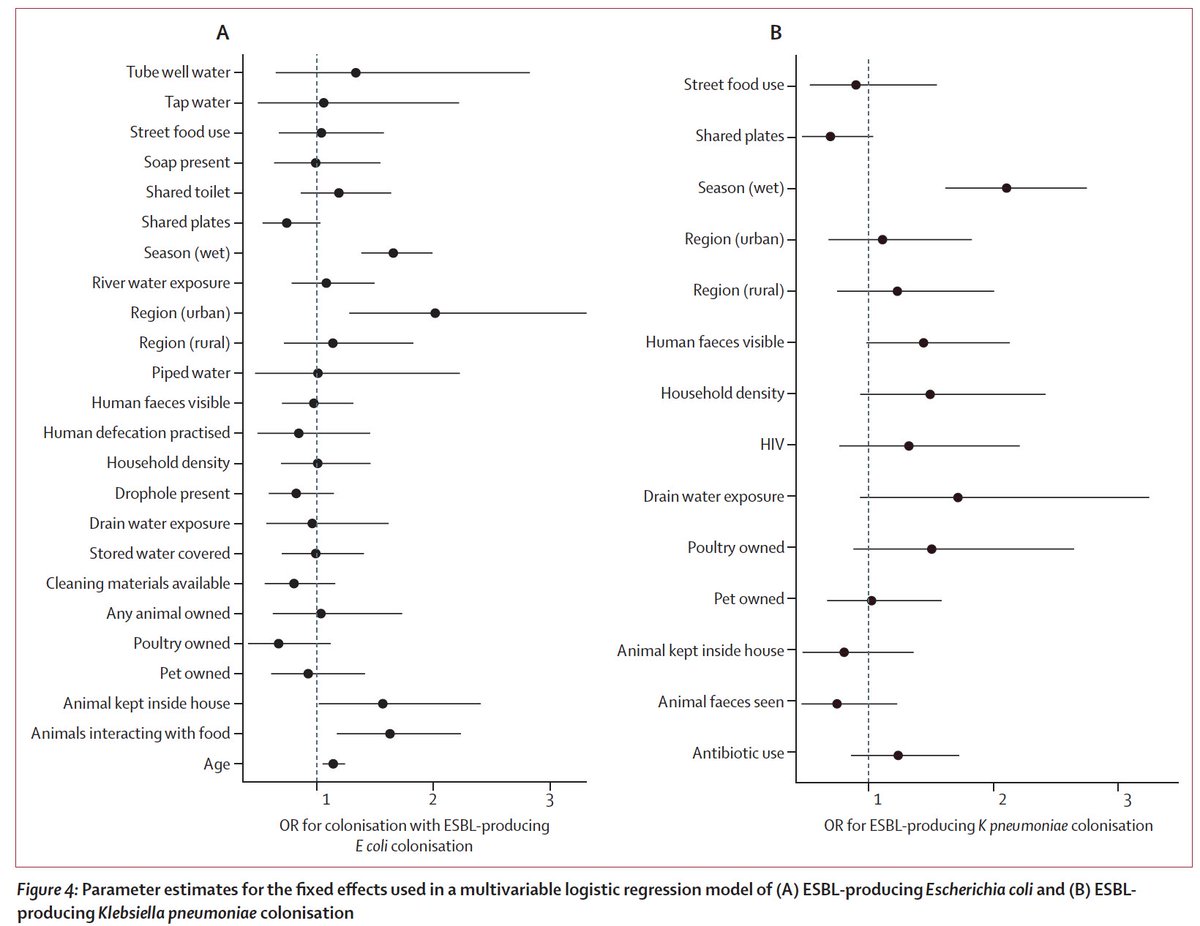
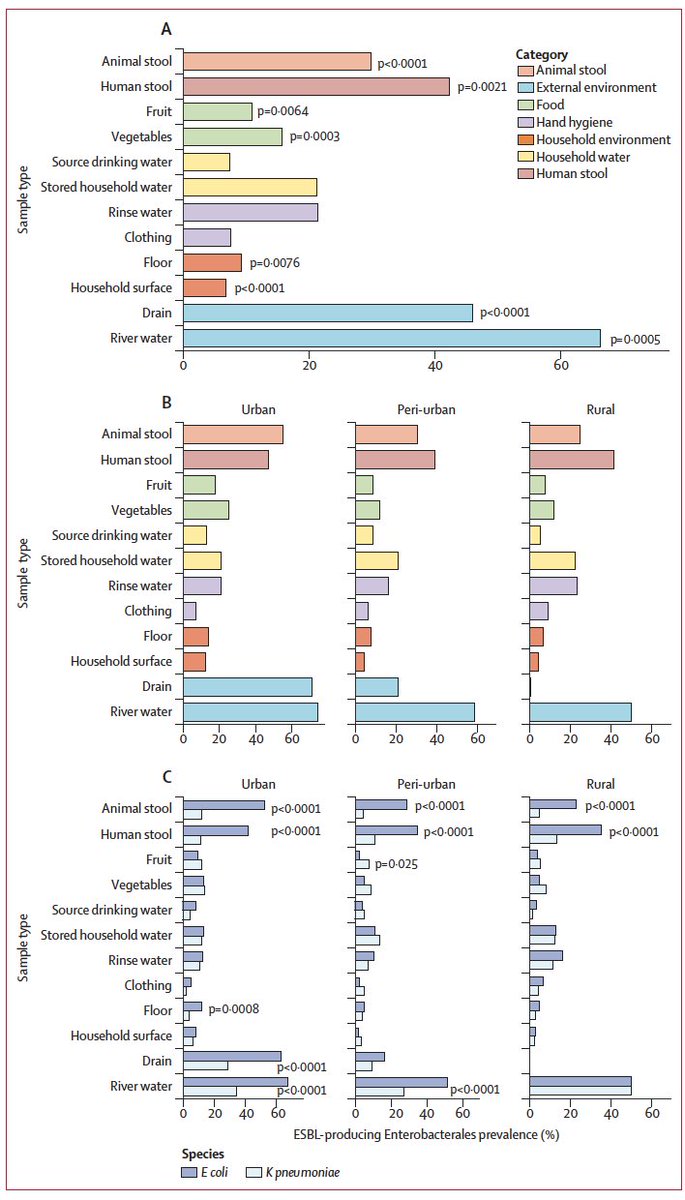
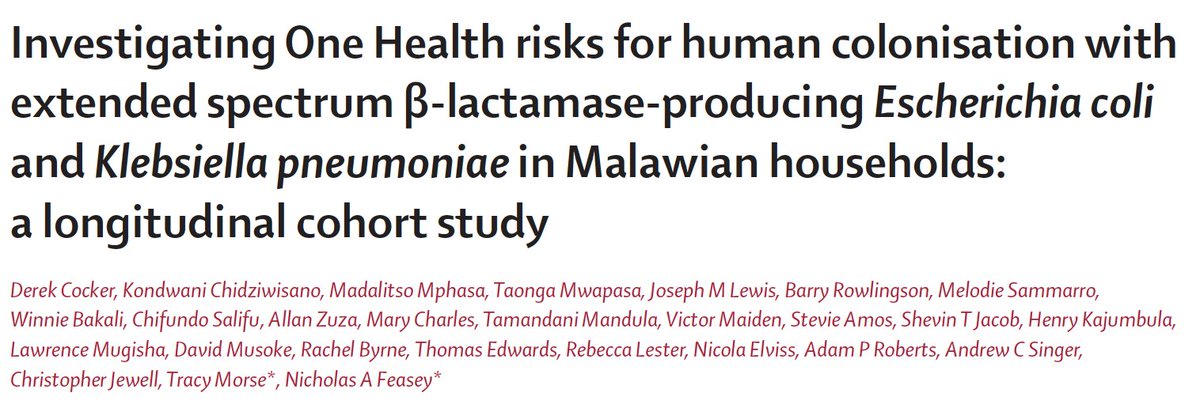
Great to see this article out by @NovatisPatricas, highlighting that in East Africa, a One Health approach is crucial to addressing AMR 🧫💊🦠
doi.org/10.1016/j.lanmic.202…
@LSTMnews @sangerinstitute @LivUni @nfeasey1
#AMR
1
19
Derek Cocker retweeted

4 Aug 2025
❗️Huge opportunity with our friends at the @FlemingCentre
They're recruiting a Google DeepMind Academic Fellow to bring cutting-edge #AI to their efforts in addressing #AMR.
3-year post-doc | £54-64k | apply by 7 Sept 2025 👉 imperial.ac.uk/jobs/search-j…
4
3
180
Derek Cocker retweeted

11 Mar 2025
It does not have to be fancy to be effective!
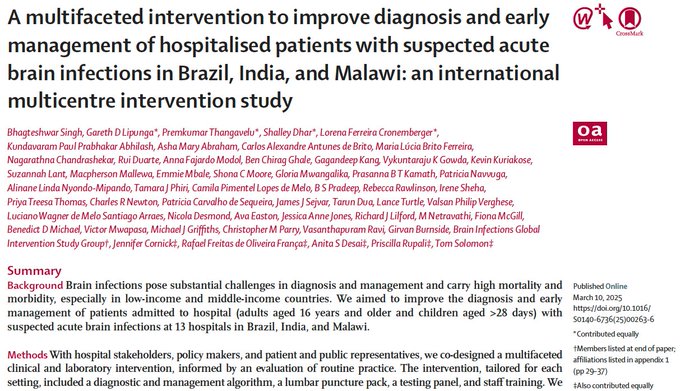
We have been studying patients with brain infections such as encephalitis and meningitis for decades. We have developed novel diagnostic tests, and worked on new treatments, but sometimes it’s the relatively simple things that can have the greatest impact.
Our brilliant research Fellow @b5ingh has led an amazing programme over the past five years looking at the early management of brain infections, and trying to understand where it goes wrong, so that we could develop a package of interventions to improve things.
And it’s actually worked!
With hospital stakeholders, policy makers, and patient and public representatives, we co-designed a multifaceted clinical and laboratory intervention, informed by an evaluation of routine practice. The intervention, tailored for each setting, included a diagnostic and management algorithm, a lumbar puncture pack, a testing panel, and staff training.
The study took place in hospitals across India, Malawi, and Brazil.
We found the percentage of patients getting the correct diagnosis increased, they got on the right treatment quicker and there were improvements in functional outcome measures.
Importantly, because we involved policy makers right from the start, and only used interventions which they said they could afford to maintain if they proved effective, these are sustainable interventions which are now being used every day.
And what’s really exciting is that the intervention is already feeding into national practice guidelines and WHO meningitis and encephalitis initiatives, to be scaled up globally.
Here’s a little video which tells you a bit more:
youtube.com/watch?v=6d2-x_AS…
And here is the paper just published in the Lancet for those who want to read more.
thelancet.com/journals/lance…
3
14
28
2,920
Derek Cocker retweeted

7 Dec 2024
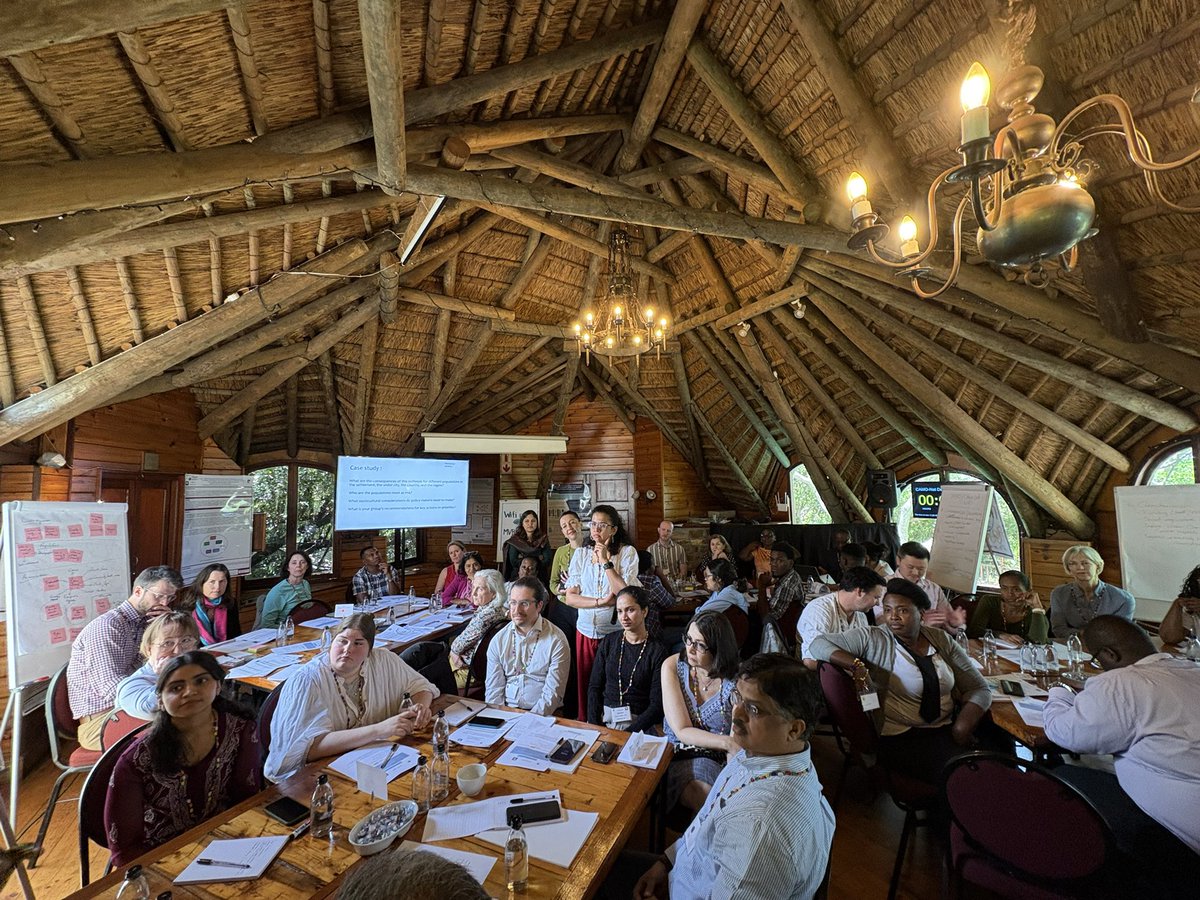
Beautiful venue & fantastic workshops on intersectional research in Monkey Valley for the annual @wellcometrust @CAMO_Net1 research meeting 🇿🇦 🇬🇧 🇧🇷 🇮🇳 🇵🇰 🇺🇬 🇲🇼 🇹🇱 @chbonaconsa76 @SouthAfricanASP @Sanjeevsinghjpr @IDIMakerere @UCTHealthSci @RahAhmad @tjmidega @Uchea_C

1
4
14
833
Derek Cocker retweeted

20 Nov 2024
🆕 By 2050, antimicrobial resistance (#AMR) could cause 1.91m direct deaths & 8.22m associated deaths globally.
A Series in @LancetDigitalH explores the latest advancements & challenges in digital health approaches to address AMR: hubs.li/Q02YTdJG0 #WorldAMRAwarenessWeek
ALT Promotional card for The Lancet Digital Health Series "Addressing antimicrobial resistance with digital approaches". Background image: multicoloured pills in packaging.
2
39
66
47,616
Derek Cocker retweeted

15 Nov 2024
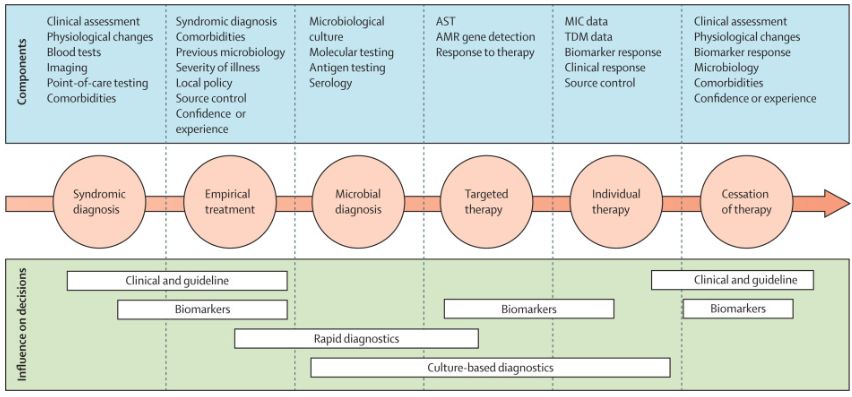
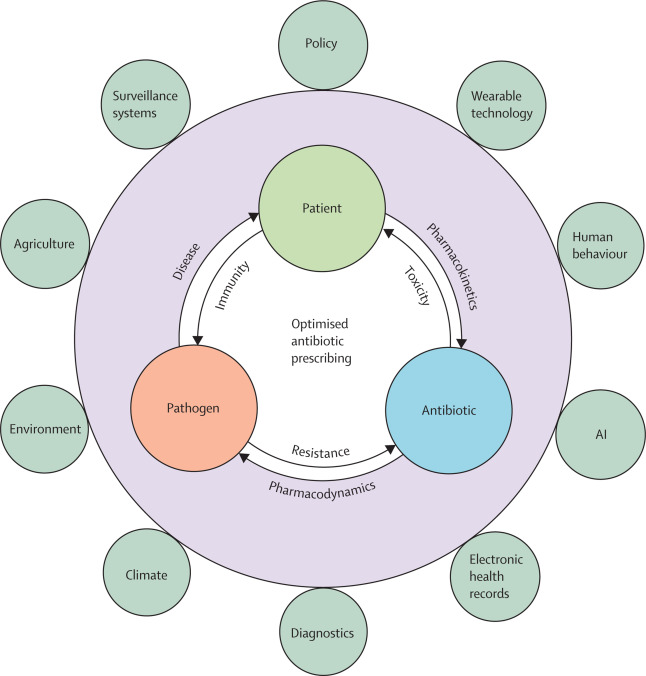
NEW Series paper: Using digital health technologies to optimise antimicrobial use globally. @TmRawson
Read it here: buff.ly/3AIDwPq
4
7
781
Derek Cocker retweeted

15 Nov 2024
Using digital health technologies to optimise antimicrobial use globally
With @CAMO_Net1 and @HPRUamr
As part of @LancetDigitalH series Addressing Antimicrobial Resistance with Digital
Approaches
sciencedirect.com/science/ar…
@ImperialInfect
@FlemingCentre
12
22
1,888
Derek Cocker retweeted

An innovative #norovirus vaccine #ClinicalTrial will open across the UK over the next 2 weeks. Despite being one of the most common and infectious causes of diarrhoea & vomiting, there aren't yet any licensed vaccines anywhere in the world 💉
Read more ➡️ nihr.ac.uk/news/uks-first-no…
69
62
167
537,544
Derek Cocker retweeted

23 Oct 2024
In a joint collaboration supported by the Fleming Initiative, a Collection and call for papers has been launched by @NatureComms, @NatureMicrobiol, @NatureMedicine, @CommsMedicine, and @SciReports ⤵️
nature.com/immersive/antimic…
1
11
13
1,917
Derek Cocker retweeted
17 Oct 2024
Professor Alison Holmes has been appointed as the inaugural Director of the Fleming Initiative.
Read the announcement from Professor Hugh Brady, President of @imperialcollege ⤵️
imperial.ac.uk/news/257174/p…
2
21
49
5,654
Derek Cocker retweeted

17 Oct 2024
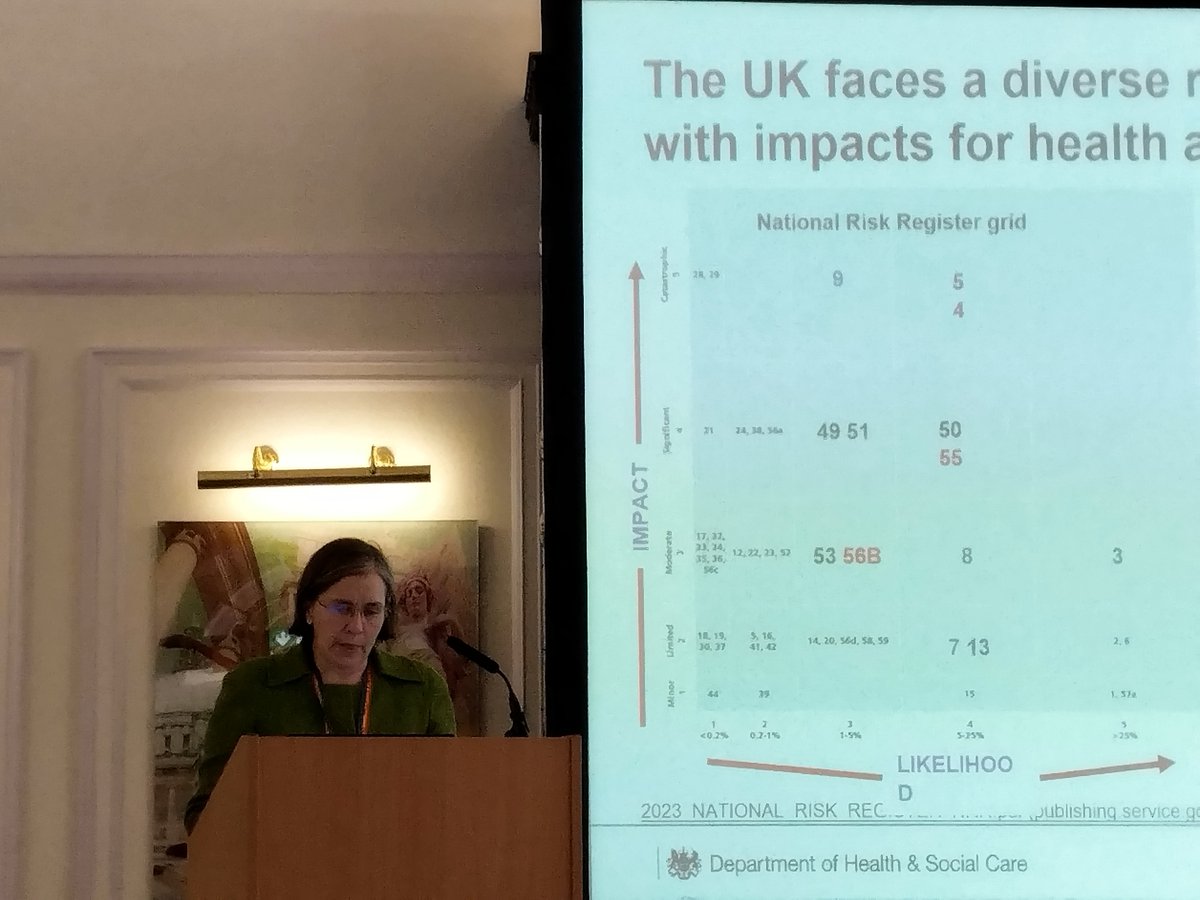
Good to join others speaking at the launch of @bmj_latest Research Priorities for Future Shocks collection. Highlighted the importance of research to public health responses &how research can prepare us to rapidly respond to emerging public health threats @NIHRresearch @HealthFdn
14 Oct 2024

"Greatest threat to our future is not crises we see,
but ones we fail to prepare for"
@LucyChappell2
@DHSCgovuk
@NIHRresearch Launch of @bmj_latest Research Priorities for Future Shocks collection, funded by @HealthFdn
#preparedness #PublicHealth
bmj.com/collections/future-s…
9
7
3,975
Derek Cocker retweeted

15 Oct 2024
UK Secondary Care colleagues - the ACDP Viral Haemorrhagic Fever (Contact HCID) guidance has been updated and is now available online, including an updated VHF risk assessment algorithm: gov.uk/government/publicatio…
17
22
2,642
11 Oct 2024
Great piece just published by DRUM consortia @NatureComms
Focus on (a) emerging data showing that AMR is a One Health problem in LMICs (b) the role of WASH, and need for transdisciplinary and intersectoral collaboration
rdcu.be/dWx5g
@LSTMnews @LivUni @nfeasey1 #AMR
1
1
5
349
11 Oct 2024
Alongside this, genomic analysis from East Africa shows no barriers for ESBL producing E. coli transmission or independent antimicrobial resistance gene flow across ecological compartments.
biorxiv.org/content/10.1101/…
@NovatisPatricas @LSTMnews @LivUni @sangerinstitute
1
4
152
7 Oct 2024
Check out our work in @BMJ_latest highlighting how innovations and research can be intergrated to protect healthcare and patient pathways from HCAIs and AMR
bmj.com/cgi/content/full/bmj…
#AMR @HPRUamr @UKHSA
1
11
403
Derek Cocker retweeted

7 Oct 2024
Innovative whole system approaches to integrate research and technologies in patient pathways can target antibiotic use, minimise healthcare associated infections, and adapt to novel pathogens, write @DerekCocker_ et al
bmj.com/content/387/BMJ-2023…
3
5
4,688
Derek Cocker retweeted

26 Sep 2024
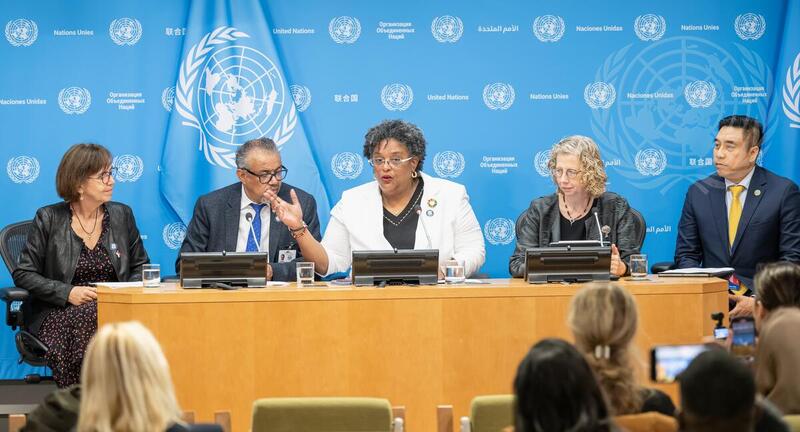
WHO, @UNEP, @FAO and @WOAH applaud countries for committing to ramp up global, regional and national efforts to address #AntimicrobialResistance through a One Health approach.
This means recognizing the health of people, animals, plants and the wider environment, are closely linked and interdependent.
Read more: bit.ly/4efypF1
UN Photo/Mark Garten
22
50
172
40,853
Derek Cocker retweeted

26 Jul 2024
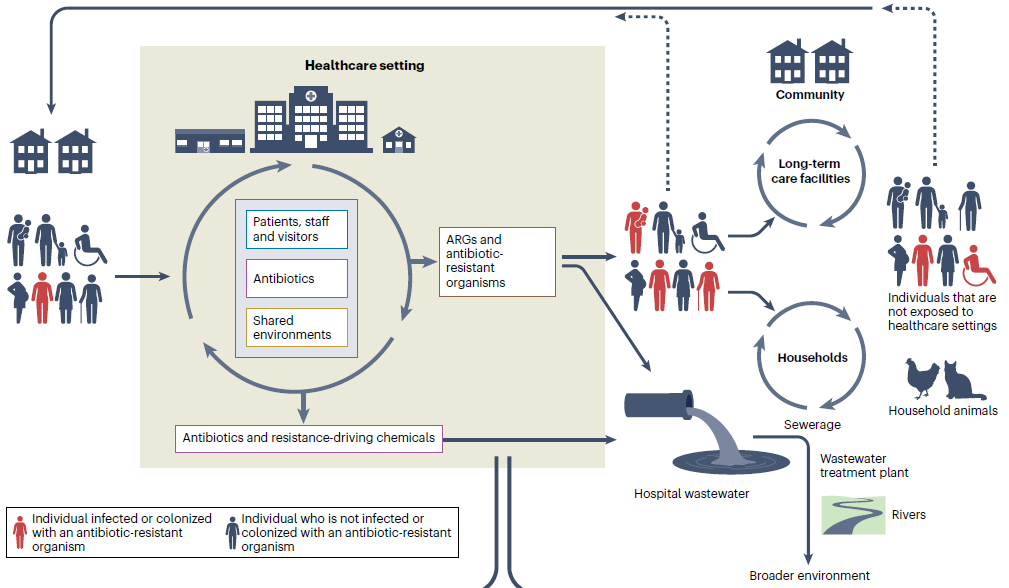
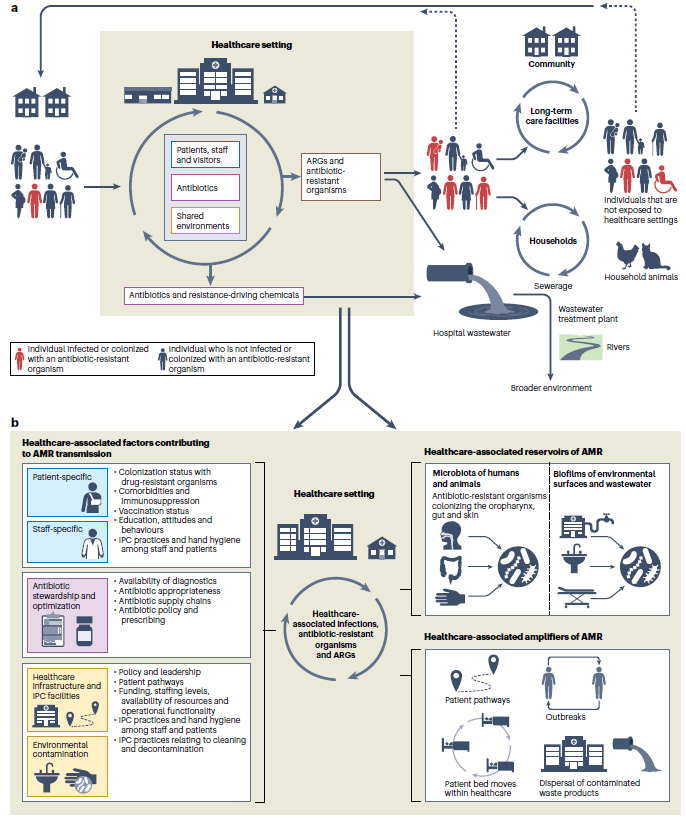
🏥Healthcare as a driver, reservoir and amplifier of antimicrobial resistance published in @NatureRevMicro rdcu.be/dONJM
@DerekCocker_ @jesusrodman @RahAhmad @SupraChemina @CAMO_Net1
⬇️Opportunities for interventions ⬇️
1
3
7
443
Derek Cocker retweeted

25 Jul 2024
Healthcare as a driver, reservoir and amplifier of antimicrobial resistance: opportunities for interventions
rdcu.be/dOVkK
Holmes & co. examine how healthcare drives, harbors, and amplifies AMR, and explore solutions to mitigate healthcare-associated AMR.
2
51
101
12,437
25 Jul 2024
Check out our work in @NatureRevMicro highlighting:
(i)how healthcare acts as a driver, reservoir and amplifier of AMR 🌍 🧫 🏥 & (ii) opportunities and innovations to both mitigate healthcare-associated AMR and promote healthcare resilience 💉 💊
rdcu.be/dONJM
#AMR
1
10
25
2,499
25 Jul 2024
Thanks go out to all co-authors @GBirgand @SupraChemina @jesusrodman @RahAhmad @kjambo Anna Levin @AHolmesID, alongside the support from colleagues across @CAMO_Net1 @MLW_Programme @HPRUamr
1
2
296