Biologist studying cell signalling; watching woodpeckers; tree hugger; listening to The Jam. European. Views my own. NToR (Never Tory or Reform)
Joined April 2020
- Tweets 23,239
- Following 1,156
- Followers 1,256
- Likes 42,298
757 Photos and videos




Pinned Tweet

23 Apr 2021
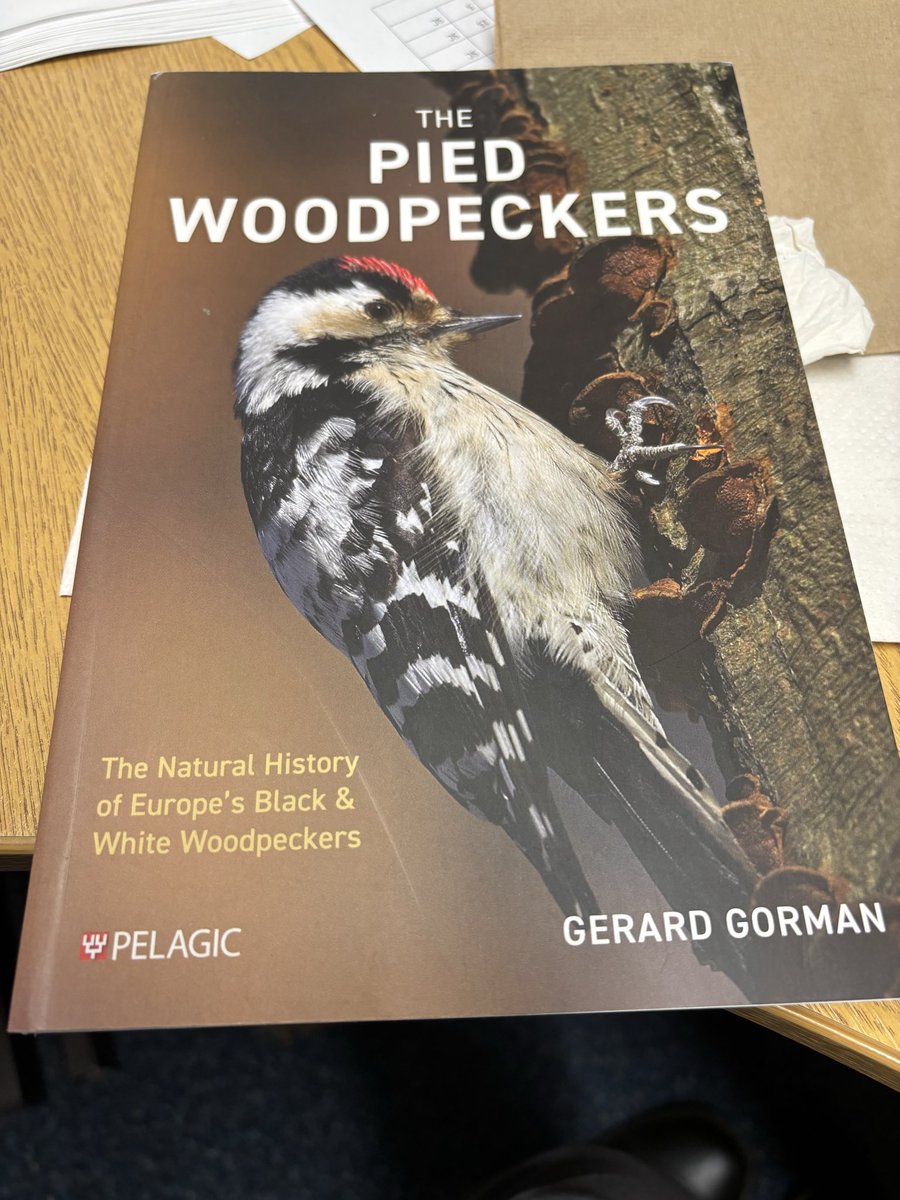
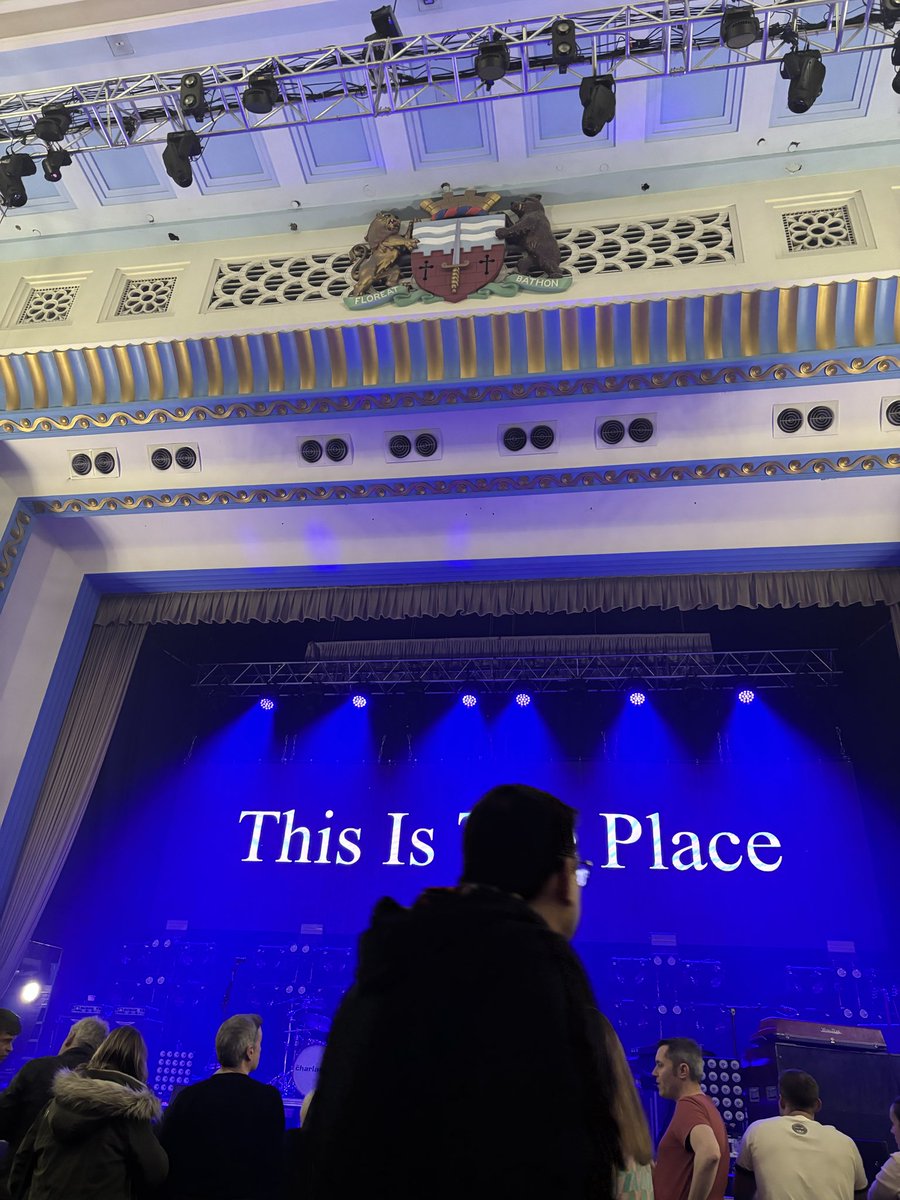
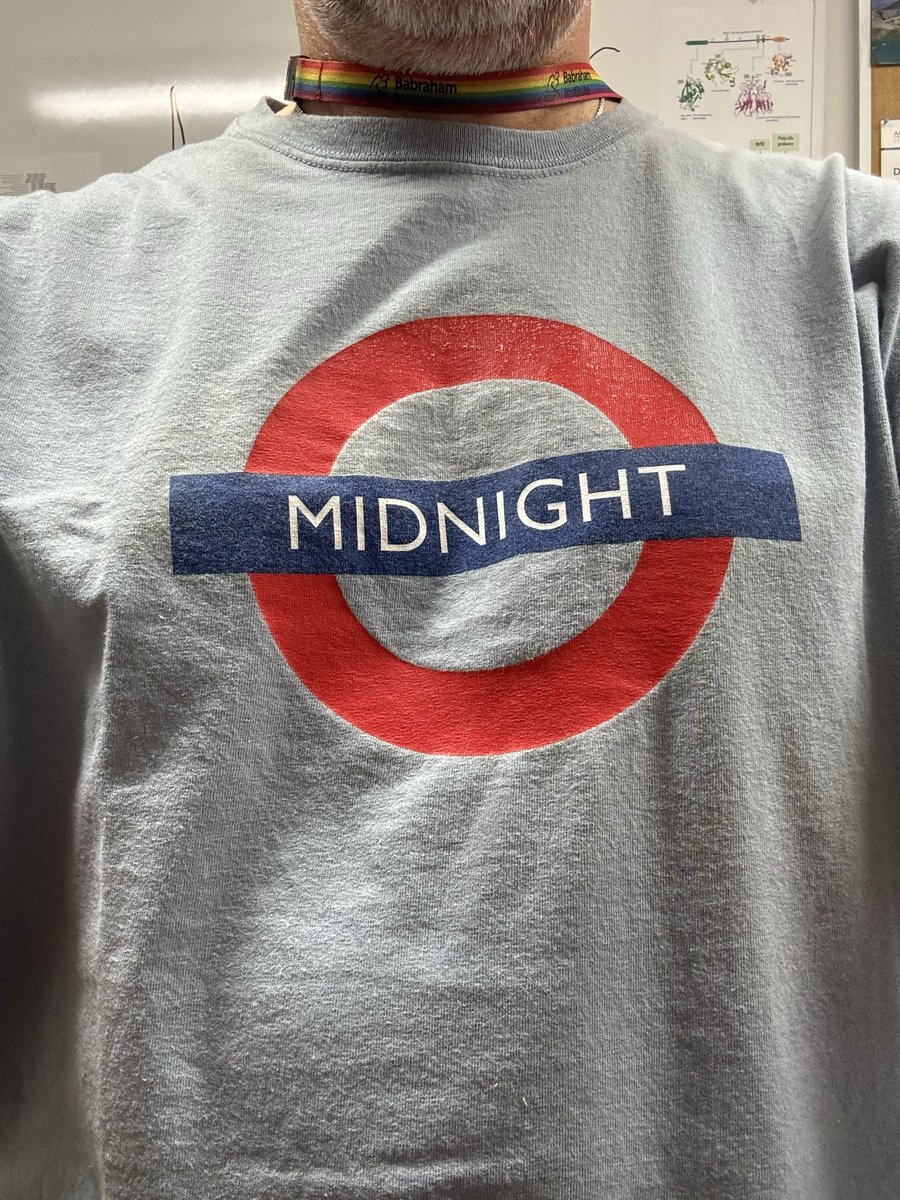
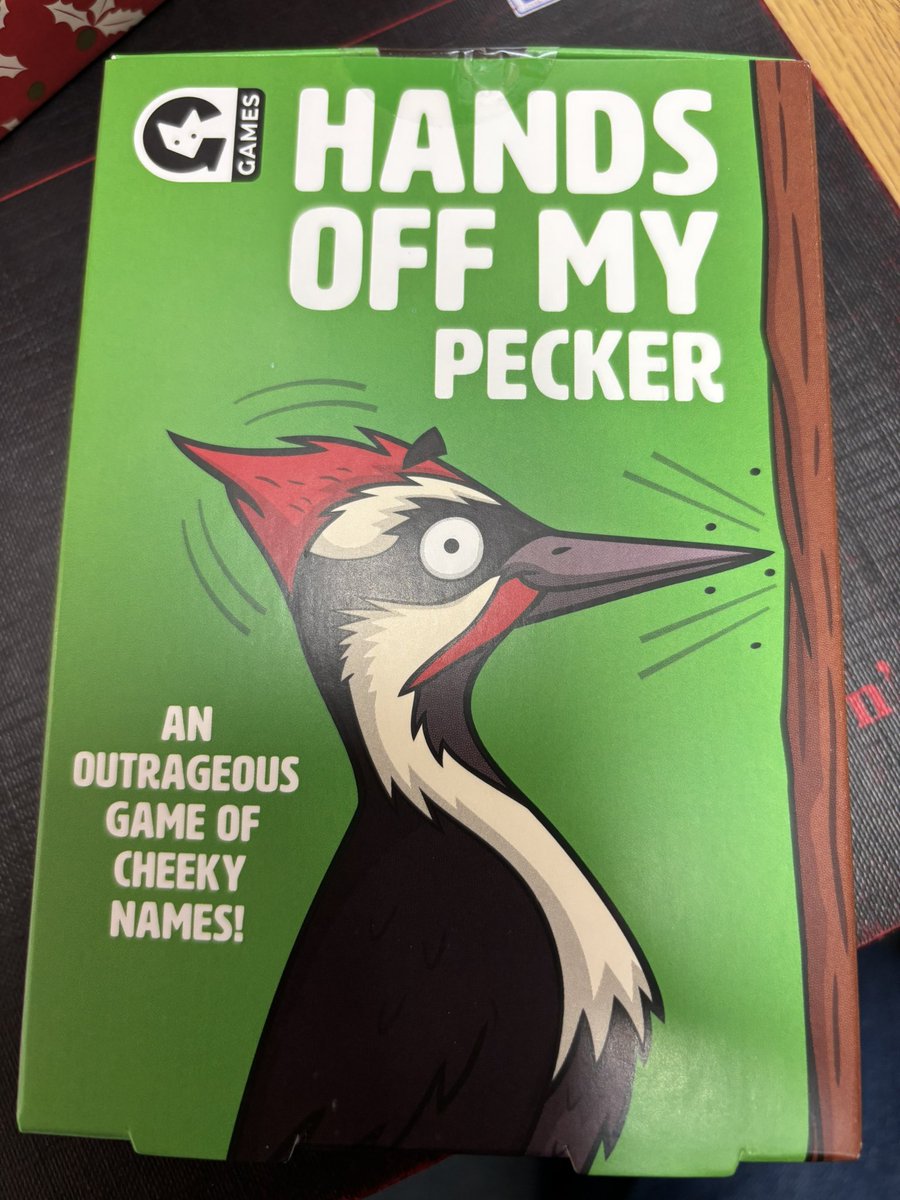
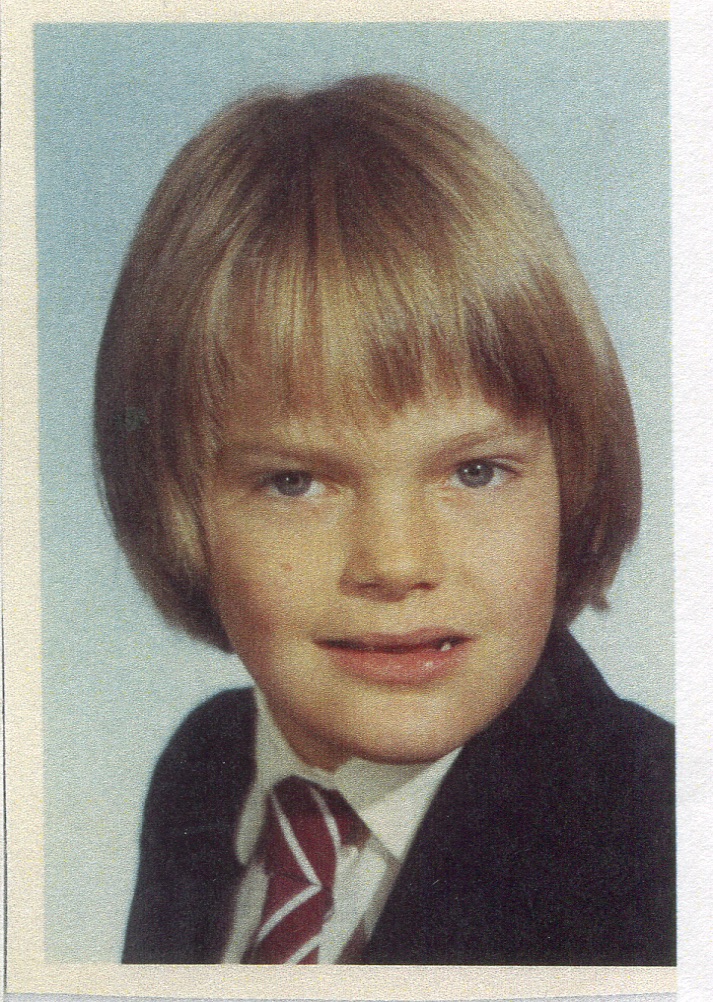
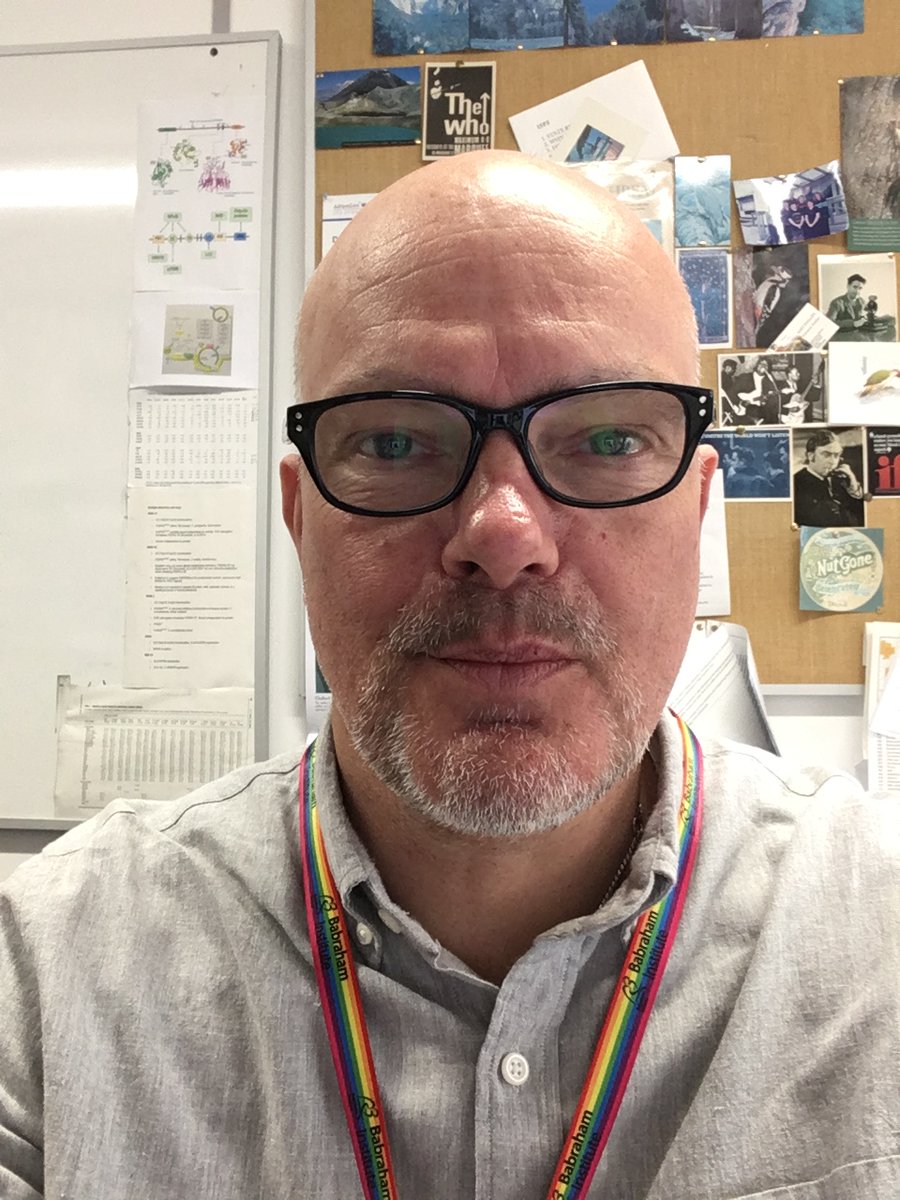
How it started....... How it's going..... (a work in progress)
6
48
@drsimoncook.bsky.social retweeted

Jun 9
HISTORY LESSON
The Nazi Party branded itself the 'National Socialist German Workers' Party' to appeal to working-class men. After staging massive 'pro-worker' May Day rallies on May 1, 1933, the very next day Hitler banned independent trade unions, seized their assets, and arrested their leaders.
On May 2, 1933, the SA (Storm Troopers), SS, and police occupied trade union offices nationwide in a coordinated action. They seized assets, records, and funds while arresting union leaders and officials. Contemporary U.S. State Department reports and other sources noted around 50 prominent arrests in the initial wave, including key figures like Theodor Leipart (chairman of the General German Trade Union Federation, ADGB), Peter Grassmann, and former Labor Minister Rudolf Wissell.
Many more local and regional leaders faced arrests in the following days and weeks. Large numbers endured beatings, imprisonment, or transfer to early concentration camps such as Dachau (opened in March 1933 primarily for political opponents).
Some officials were maltreated immediately, and the action extended to union banks and press offices.
This crackdown dismantled independent German trade unions (with millions of members, many aligned with Social Democrats or leftists) and replaced them with the Nazi-controlled German Labour Front (DAF). It formed part of the broader Gleichschaltung (coordination) process to eliminate independent organizations.
Over the period 1933–1945, thousands of German trade unionists, including leaders, activists, and officials, were arrested and held in prisons or concentration camps. Many suffered torture, extended detention, or surveillance after release. While outright executions of union leaders were relatively fewer in the early phase compared to other groups, many died later from camp maltreatment, disease, execution, or involvement in resistance.
The overall scale of persecution against labour organisers aligns with the regime's aim to crush independent working-class organising rather than immediately exterminate every individual.
This fits the documented pattern of political repression: by the end of July 1933, nearly 27,000 people (mostly political prisoners including communists, socialists, Social Democrats, trade unionists and left-wing activists and intellectuals) were held in early camps and detention sites.
The Nazis moved swiftly after seizing power to neutralise potential opposition from organised labor through mass arrests, violence, and forced integration into a state-controlled structure.
#JustSayin
Jun 9

Reform is now the party of workers.
Today I am inviting trade unions to apply for affiliation with Reform UK.
We also welcome union leaders to attend our national conference in September and engage in discussions about the policies of a future Reform government.
118
1,473
2,962
77,277
@drsimoncook.bsky.social retweeted

Jun 7
So GB News was set up as a propaganda outlet in the first place, Boris Johnson filled the BBC with personal buddies and Tory placemen, and it now emerges that former 'regulator' Lord Grade is openly biased in favour of rightwing politicians. See how it works yet?
73
1,605
4,654
194,540
@drsimoncook.bsky.social retweeted

Top of the Pops (6th June 1974). Sparks open the show with This Town Ain't Big Enough For The Both Of Us.
32
94
639
33,088
@drsimoncook.bsky.social retweeted

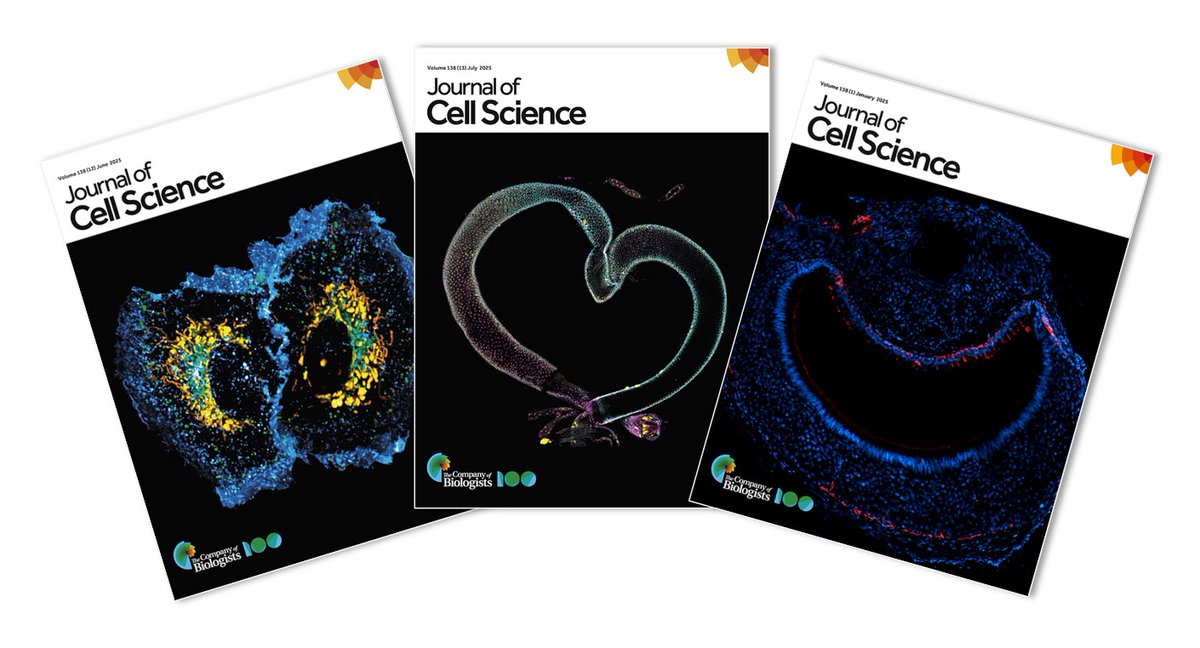
It won’t take you years to publish your work in JCS: most articles go from submission to acceptance in under 5 months. We also show a strong commitment at first decision, with over 95% of revisions being accepted.
Find out more:
journals.biologists.com/jcs/…
#forscientistsbyscientists
6
13
1,279
@drsimoncook.bsky.social retweeted

Jun 6
There were two tiers of possible response to the express wishes of Henry Nowak's dignified family in the light of his traumatic murder. One humane and empathetic, the other inhumane and exploitative. This version of "Lyin' Eyes" (Eagles) is for @JDVance and those in the second.
432
709
2,305
155,995
@drsimoncook.bsky.social retweeted

Jun 6
Nigel Farage is a demagogue who has little regard for facts or the truth. Journalists covering him have no such excuse independent.co.uk/voices/nig…
495
645
1,744
59,674
@drsimoncook.bsky.social retweeted

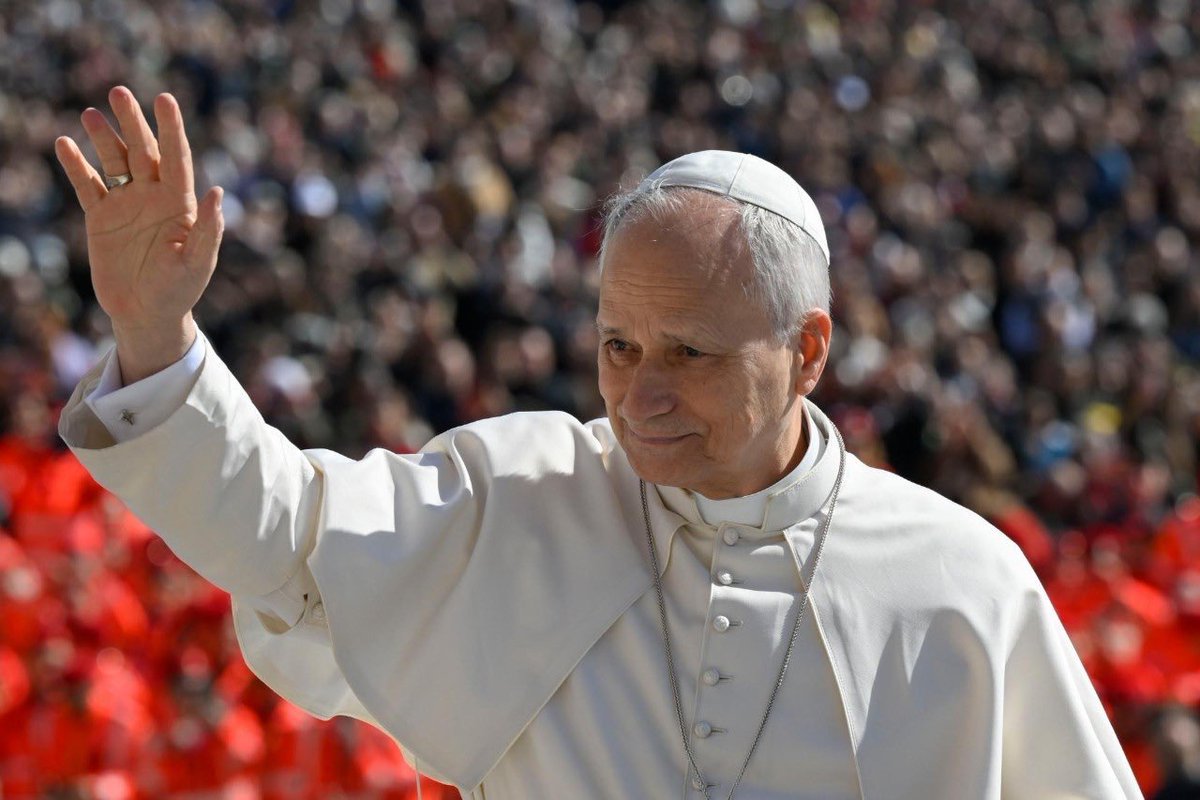
Pope Leo XIV in Madrid: “I encourage you to nurture the process of European Union, which is not merely a counterweight to other powers, but a gift to humanity.”
Wonderful.
A powerful reminder of how beautiful and hopeful the European project truly is.
🇪🇺🇪🇸

275
2,585
9,464
186,298
@drsimoncook.bsky.social retweeted

Jun 5
I’m not sure what the bigger disgrace is, the Vice President of the United States’ ignorant, anti-British bigotry or the journalists of my generation quite happy to encourage him.

Well said.
708
642
3,785
185,971
@drsimoncook.bsky.social retweeted

Jun 7
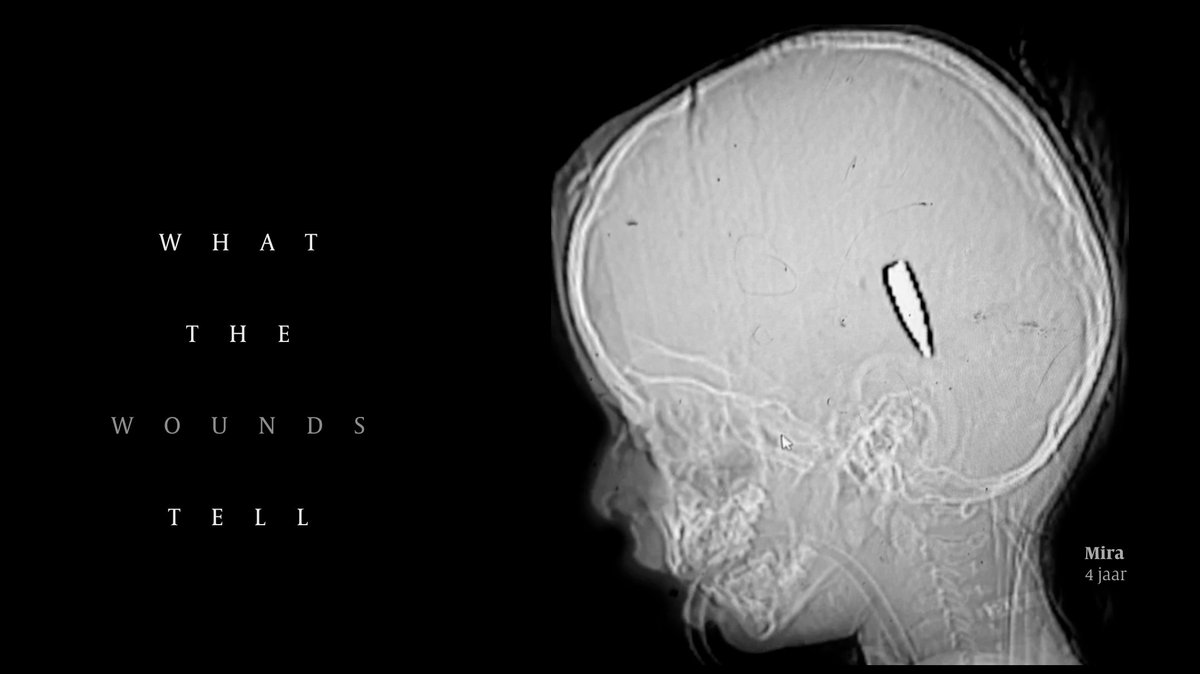
Crazy that this is getting barely any coverage. This year’s European Press Prize was just awarded to an investigative report by the Dutch newspaper De Volkskrant. It is entitled “What the Wounds Tell” and in it the journalists Maud Effting and Willem Feenstra document the cases of 114 children in Gaza under the age of 15 who were struck by a single bullet to the head or chest. Almost all of them died or were left severely disabled. They chose to document only the cases of boys and girls under the age of 15 (though often much younger: aged 3, 4 or 7) because these are children who can be immediately identified as such. “A single bullet in these parts of the body is a clear indication that these children were deliberately targeted“, the two journalists write.
This is the article: volkskrant.nl/kijkverder/v/2…
493
24,291
48,126
1,443,566
@drsimoncook.bsky.social retweeted

Jun 7
Every time I see Muhammad Ziauddin Yusuf pop up on #BBCLauraK
I'm reminded of how upset Nigel Farage would get at unelected people being platformed
"None of you have been elected, none of you have any democratic legitimacy for the roles you currently hold"
34
934
2,217
27,470
@drsimoncook.bsky.social retweeted

Jun 7
It's because of people who actively give a shit about nature we get to experience this. Don't fucking lose it
56
899
11,451
638,354
Brilliant response
Jun 7

Thanks for your critique, Janet. We actually tried a couple of episodes where House (Hugh Laurie) (please put the brackets in the right place) gets it right first time, but they were only 6 minutes long. NBC weren’t happy. Then we tried some where House never gets it right and the patient dies. The audience wasn’t happy.
One could apply your trenchant analysis to other art forms: JS Bach wrote 30 Goldberg variations on the same chord structure; Frida Kahlo painted 50 portraits of herself; Henry Moore, what??
The point is, or was, variations on a theme; if all you see is hospital, medical blah blah, then it wasn’t meant for you.
Nonetheless, I look forward to your first novel!
71
@drsimoncook.bsky.social retweeted

Jun 7
Thanks for your critique, Janet. We actually tried a couple of episodes where House (Hugh Laurie) (please put the brackets in the right place) gets it right first time, but they were only 6 minutes long. NBC weren’t happy. Then we tried some where House never gets it right and the patient dies. The audience wasn’t happy.
One could apply your trenchant analysis to other art forms: JS Bach wrote 30 Goldberg variations on the same chord structure; Frida Kahlo painted 50 portraits of herself; Henry Moore, what??
The point is, or was, variations on a theme; if all you see is hospital, medical blah blah, then it wasn’t meant for you.
Nonetheless, I look forward to your first novel!
3,250
7,934
116,269
9,142,731
@drsimoncook.bsky.social retweeted

Jun 7
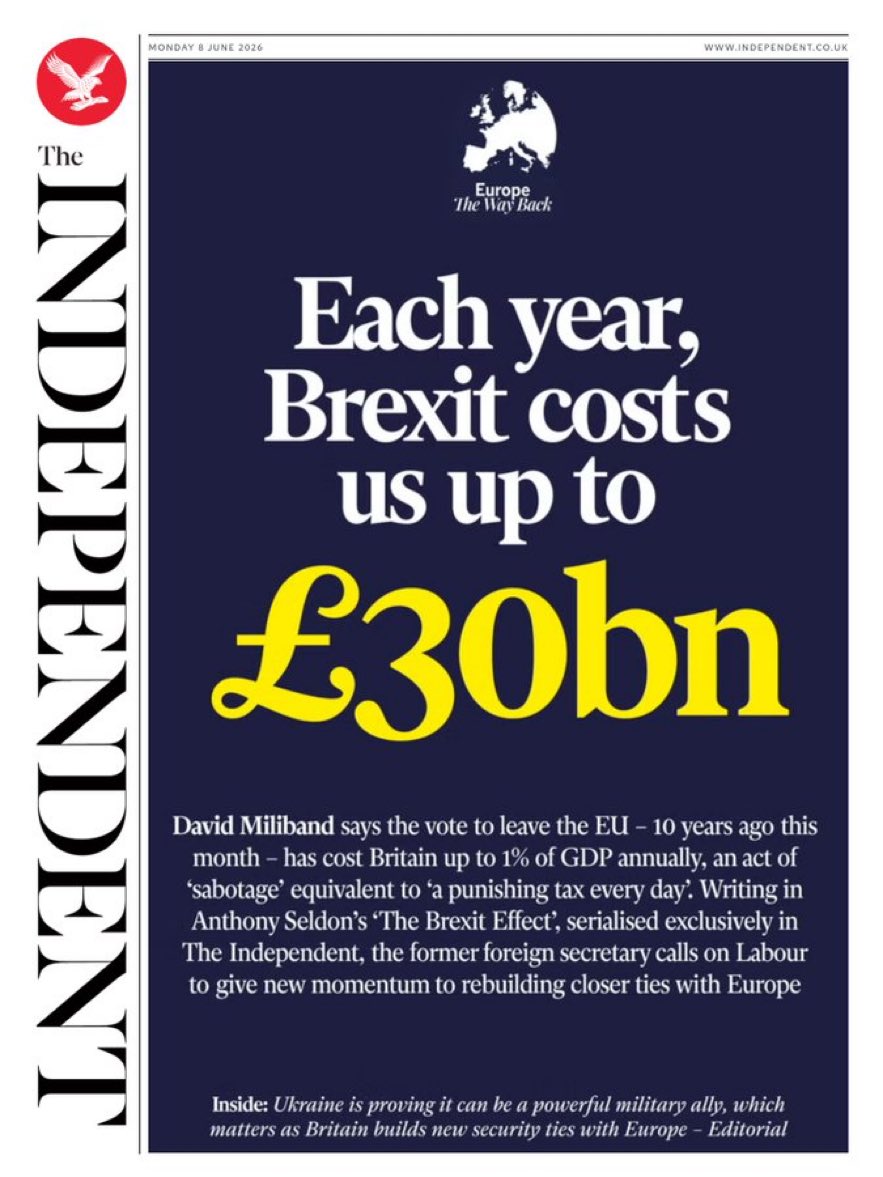
Brexit, forever the weirdest definition of ‘patriotism’.
73
490
1,037
23,778
@drsimoncook.bsky.social retweeted

Jun 7
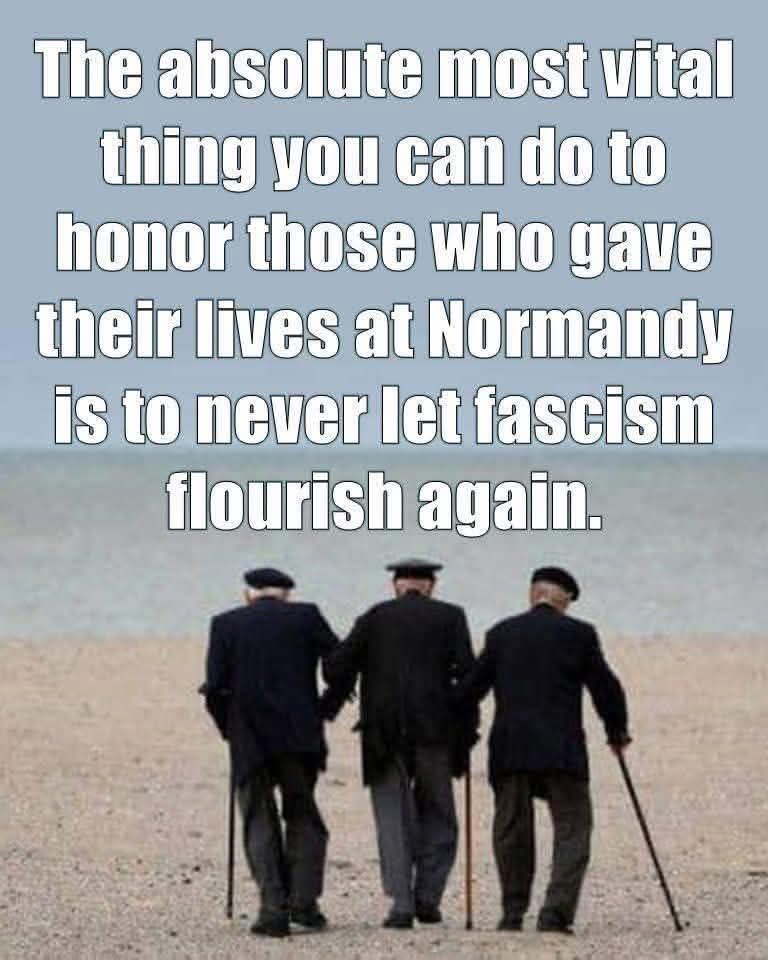
For damn sure....
135
2,180
7,768
64,759
@drsimoncook.bsky.social retweeted

Jun 6
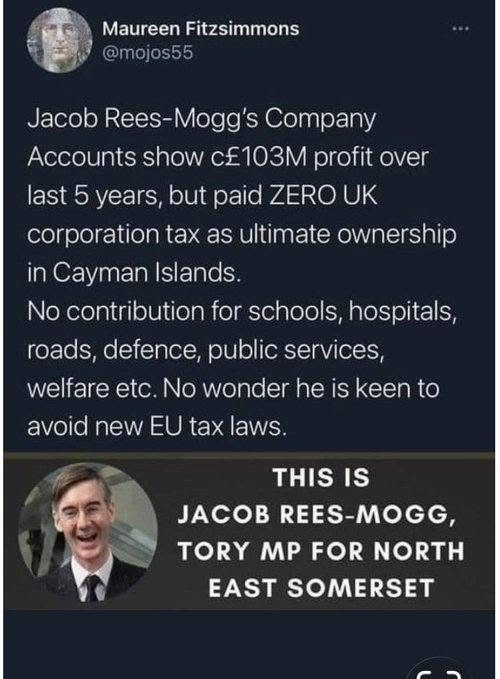
This is what Brexit was all about - so rich people could become much richer.
110
2,549
4,942
53,476


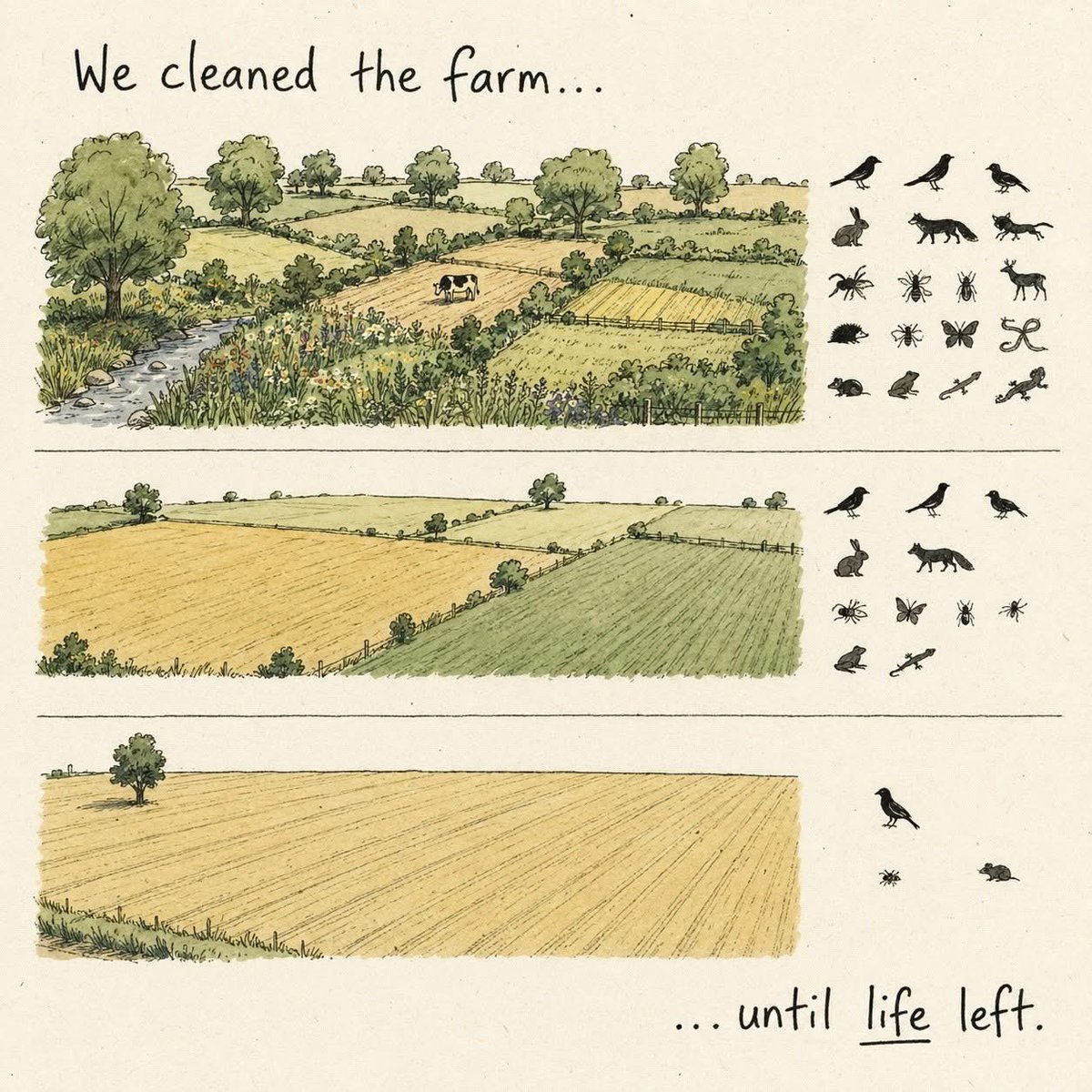
@drsimoncook.bsky.social retweeted

Jun 7
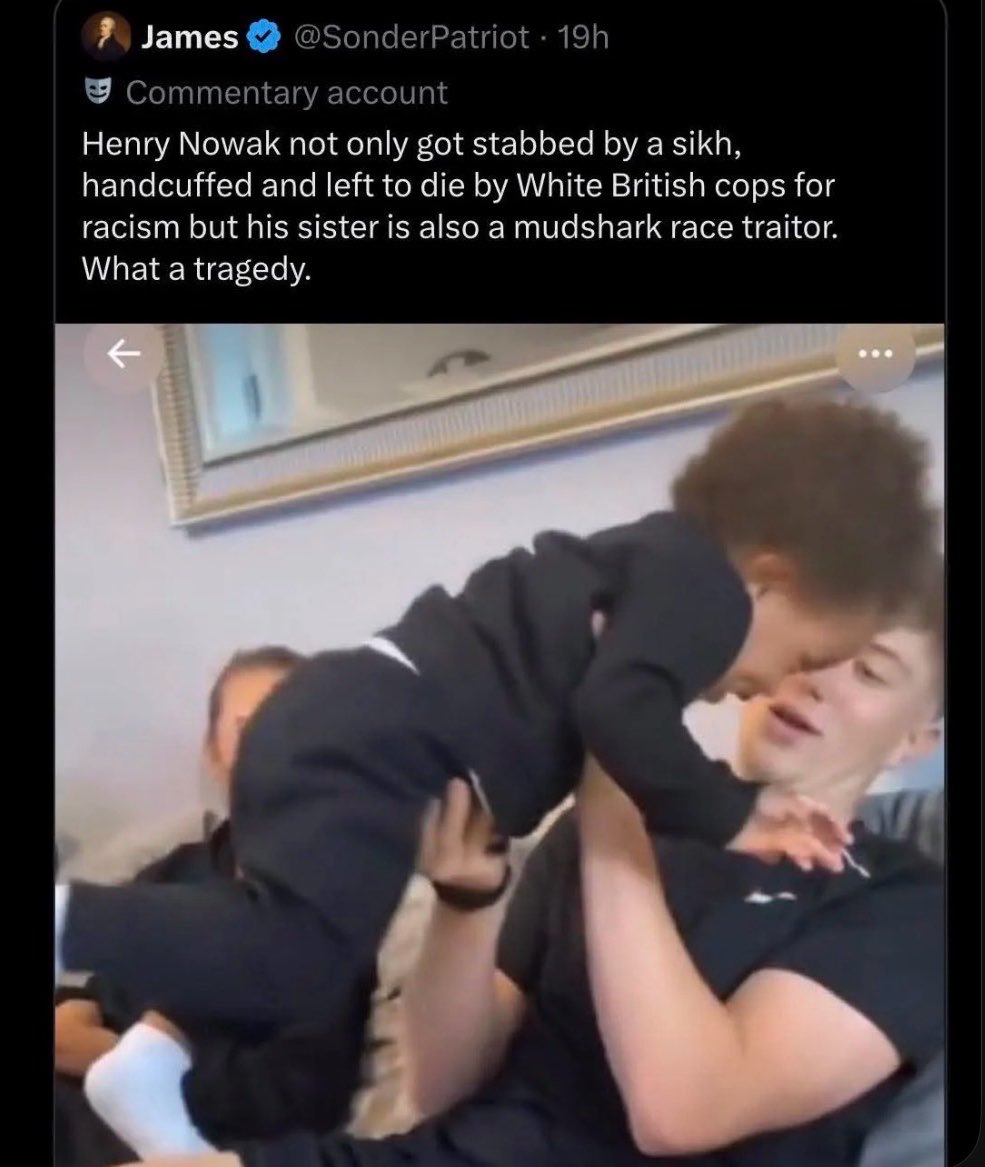
Just in case you weren’t aware, the so called “patriots” are now calling Henry Nowak’s sister a “mud shark race traitor” because she has a mixed race child.
The “protests” in Southampton aren’t about his death.
They’re about rabid racism and male violence.
707
4,298
21,519
413,233