
Joined July 2022
- Tweets 81
- Following 22
- Followers 168
- Likes 406
35 Photos and videos

Endless Crawler ⎍ retweeted

16 Oct 2024
Our tentacles are quivering with excitement to announce the formalisation of our partnership with @cartridge_gg (the creators of @ohayo_dojo) as a participant in their new Developer Partnership Programme 🤩

1
7
27
1,734
Endless Crawler ⎍ retweeted
4 Aug 2024
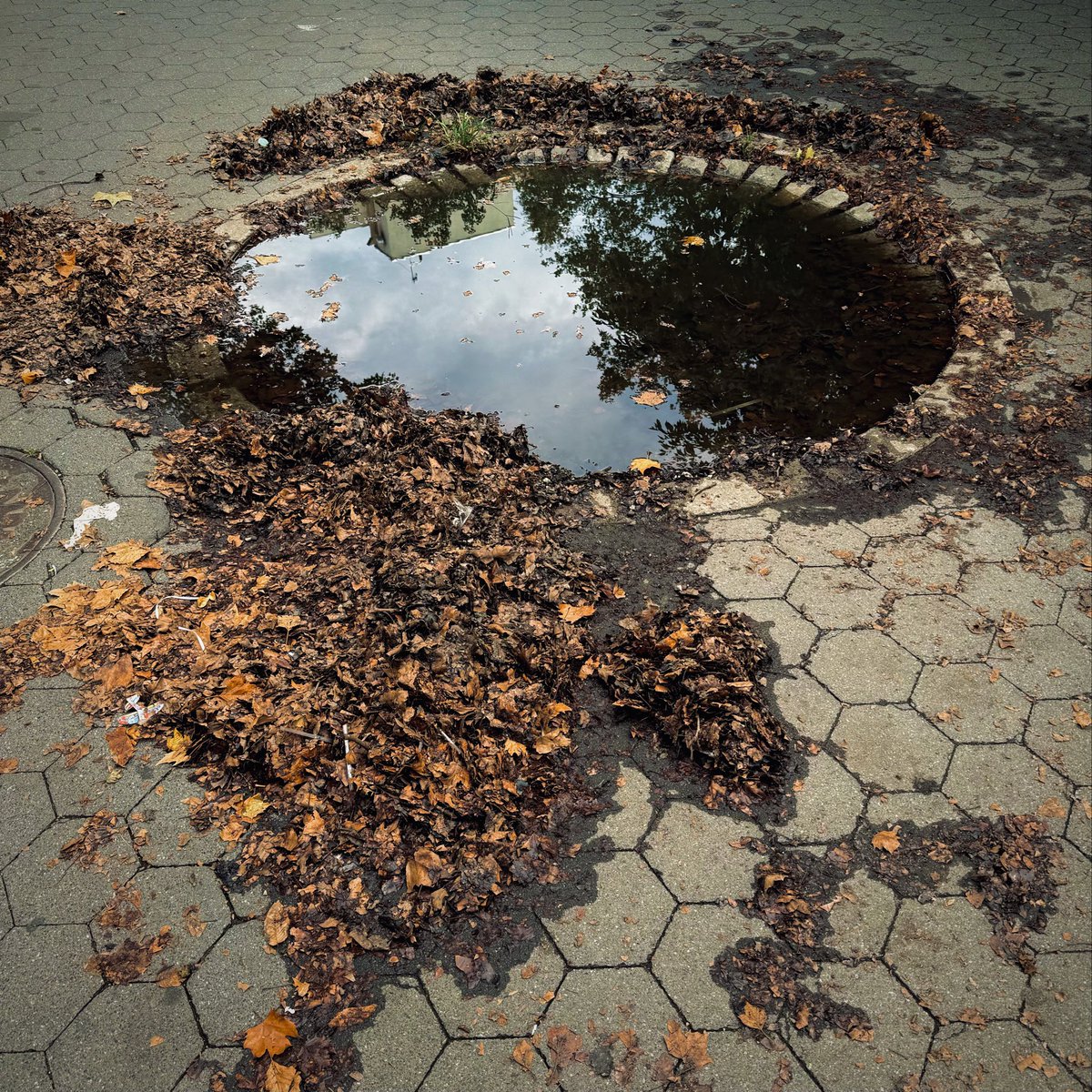
We found a secret entrance to @LootUnderworld in New York.
Just step in the middle of that puddle and whoosh 💦🕳️✨
1
5
25
2,042

24 Jul 2024
We're ready to take a big step towards the Underworlds.
This is how Underware Studio aligns with @LootRealms and on-chain gaming. If you want to support this project, it's time to put your Realms to vote.
Well done, Master Scribe @recipromancer! #LFG
24 Jul 2024

We are pleased to announce that the Underware Studio Alignment proposal has now passed the community feedback phase and is live as a governance proposal.
frontinus.house/bip/42-bip-4…
1
8
474
Endless Crawler ⎍ retweeted

21 Jun 2024
🎮 Propulsion Program Spotlight
🔥 Meet two of the grantees
🧵 @LootSurvivor & Pistols at Ten Blocks by @underware_gg
ALT Meet Loot Surivor and Pistols at ten blocks by Underware - two grantees from the Propulsion Program.
10
13
66
8,287
Endless Crawler ⎍ retweeted

17 Apr 2024
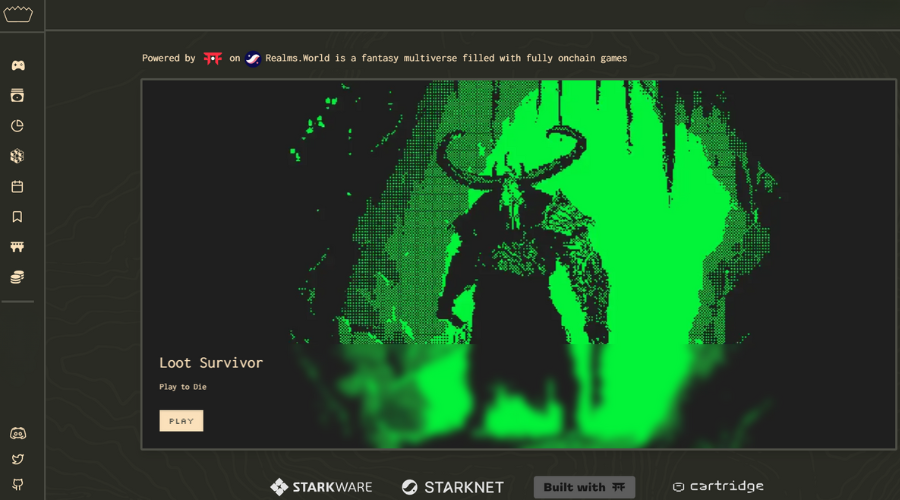
Few are prepared for what @LootRealms is building for their upcoming Realms Gaming L3 Launch: An entire ecosystem, with four studios and dozens of independent contributors, all focused on fully onchain gaming and its $LORDS token.
Let's talk about some of the projects 👇
7
24
63
23,993
Endless Crawler ⎍ retweeted
8 Mar 2024
Special Report: Introducing Underware Game Studio: Autonomous World Design Begins in the Underworld
The full article for our interview with @recipromancer and @matalecode is featured below.
➕Part of @LootRealms and @Starknet
Link: tinyurl.com/yessyt5h

2
10
23
3,897
Endless Crawler ⎍ retweeted
15 Feb 2024
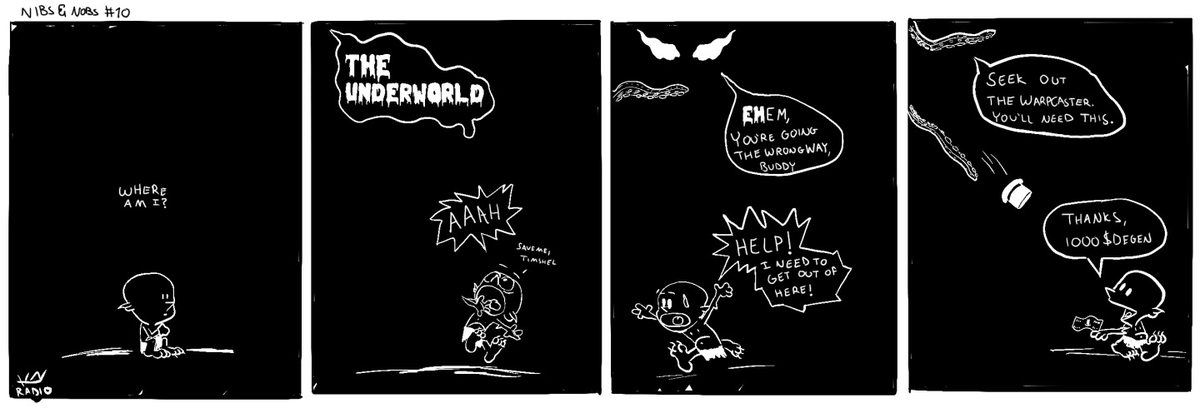
Plus, Nibs navigates a new world with help from new friends.
*This is the last post in this thread
1
8
13
3,264
Endless Crawler ⎍ retweeted

13 Feb 2024
We are pleased to announce that we have spooled out @underware_gg, an onchain games and autonomous worlds studio, to build @LootUnderworld on @ohayo_dojo for @LootRealms.
Underworld began as a collaboration with @EndlessCrawler.
Underware: don't leave home without it.
13 Feb 2024
Underware: don't leave home without it.
1
6
17
3,147
Endless Crawler ⎍ retweeted

Realms - a history in TLDR format @LootRealms
* started in the wake of @lootproject
* tasked itself with becoming the world in which loot would play out
* initially developed for arbitrum but ran into gas and computational constraints
* pivoted away from arbitrum and moved over to @Starknet
* the devs mastered Cairo
* the dao stayed active throughout the bear and spent their time researching the concept of Autonomous Worlds, with sustained community support
* the core team became thoughtleader in the space of autonomous worlds
* the dao attracted a lot of talent through incentives and grants
* more game developers joined up and started working on projects that interact with the Realms Autonomous World (RAW for short)
* $Lords became a meaningful token, it is now the main currency of RAW
* Eternum (the main realms game) is still under construction but rapidly making leaps
* the dao has taken up numerous partnerships with other developers on Starknet
* the first game to launch was Loot Survivor, which is now one of the top contracts on starknet by number of interactions and daily users
* 15 more games are currently being developed by indy devs
* a major breakthrough development has just been announced where Realms is now developing an L3 on starknet in partnership with @cartridge_gg
* $Lords will be the main currency for both transactions and gas fees
* the unlock of staking rewards is imminent
* all of this is CC0
* the world woke up and realized they were sleeping
Better keep up, anon!
7
26
87
22,264
2 Jan 2024
Happy 2024, Crawlers!
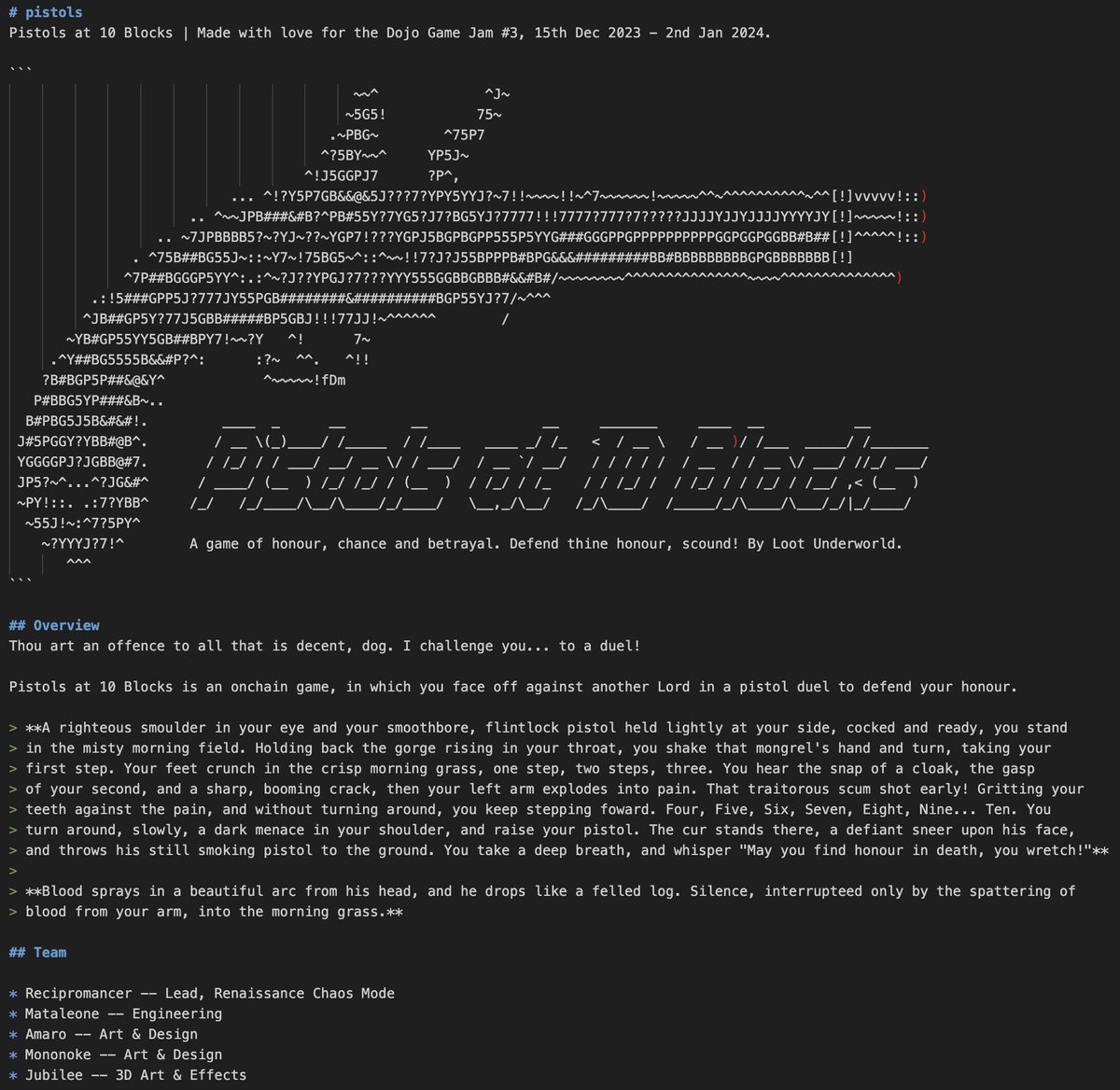
We spent the last weeks of 2023 creating a game for the Dojo Game Jam #3, Pistols at 10 Blocks!
Now getting ready to go back to the Underworlds!
@ohayo_dojo
16 Dec 2023

Lets get this show on the road! Time for the initial version of the traditional @recipromancer ASCII art and thematic passage.
2
103
9 Nov 2023
Got $Lords or @LootRealms ?
Our proposal for the next Frontinus House round is up.
Vote for @LootUnderworld Phase II!
8 Nov 2023
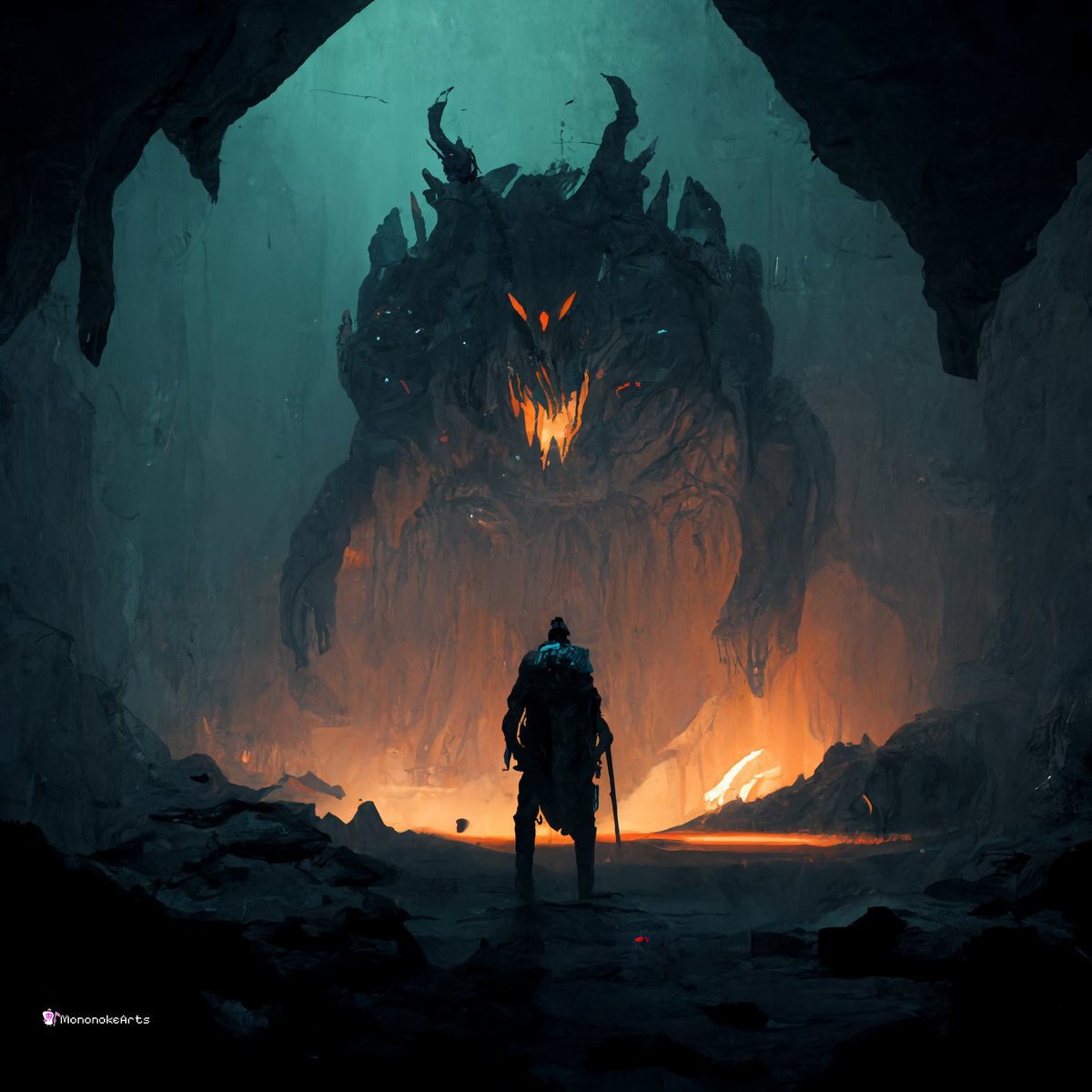
We are proposing to continue our work on Loot Underworld in collaboration with Frontinus House, @BibliothecaDAO and the @LootRealms ecosystem.
In this thread, we break down our proposal and some of the work we are doing.
3
224
Endless Crawler ⎍ retweeted

2 Nov 2023
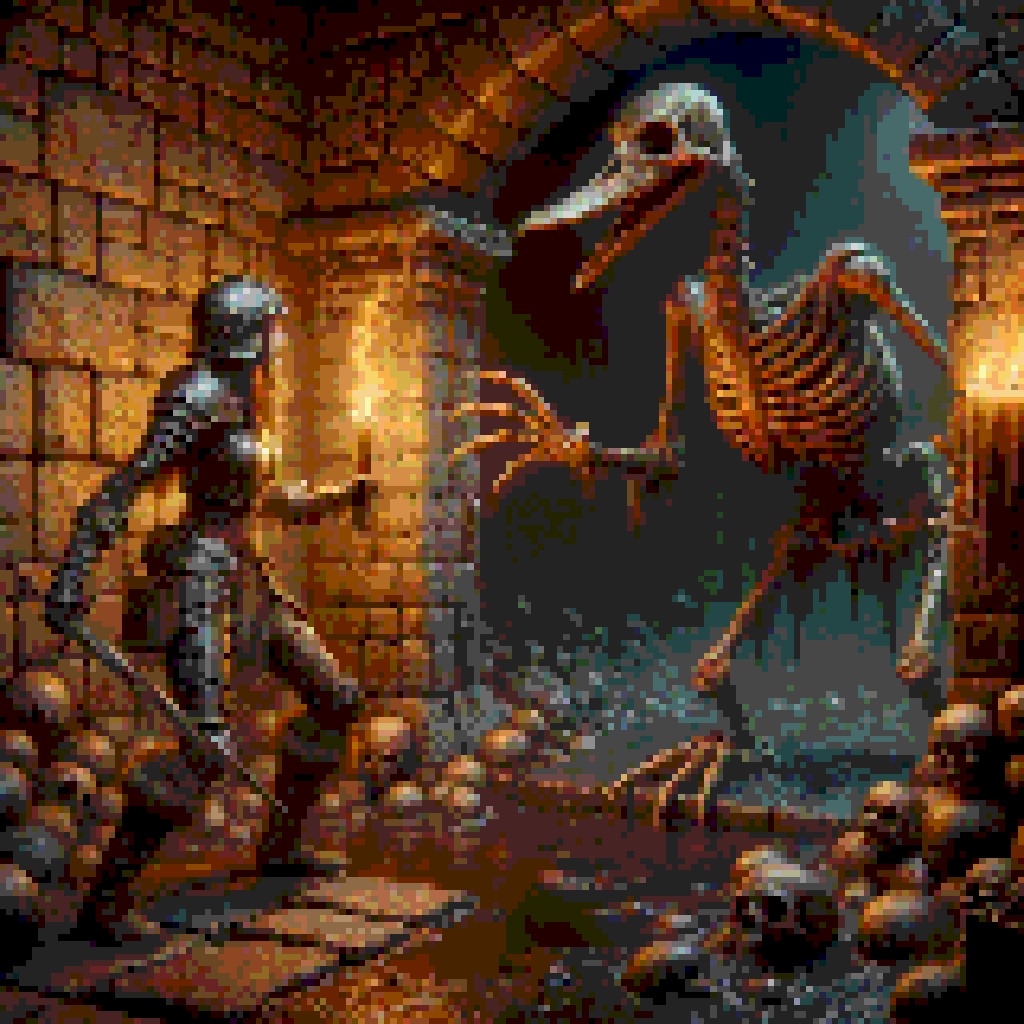
We are pleased to announce that we won equal first place in the second @dojostarknet game jam for "Underdark: Lair of the Slenderduck", along with @zKorp_
Congratulations to the @LootUnderworld gamejam team @matalecode, @recipromancer, @MononokeArts and Felix.
2 Nov 2023

"Scoheth shobro blubble quackir!" quoth the Slenderduck, victoriously, as the last vestiges of her sanity fled her.
\o/ We are honoured! Thank you <3.
Congratulations to our co-winners @zKorp_, for their excellent game zDefender. zDuck:Tactical collab next?
1
9
429
Endless Crawler ⎍ retweeted

25 Oct 2023
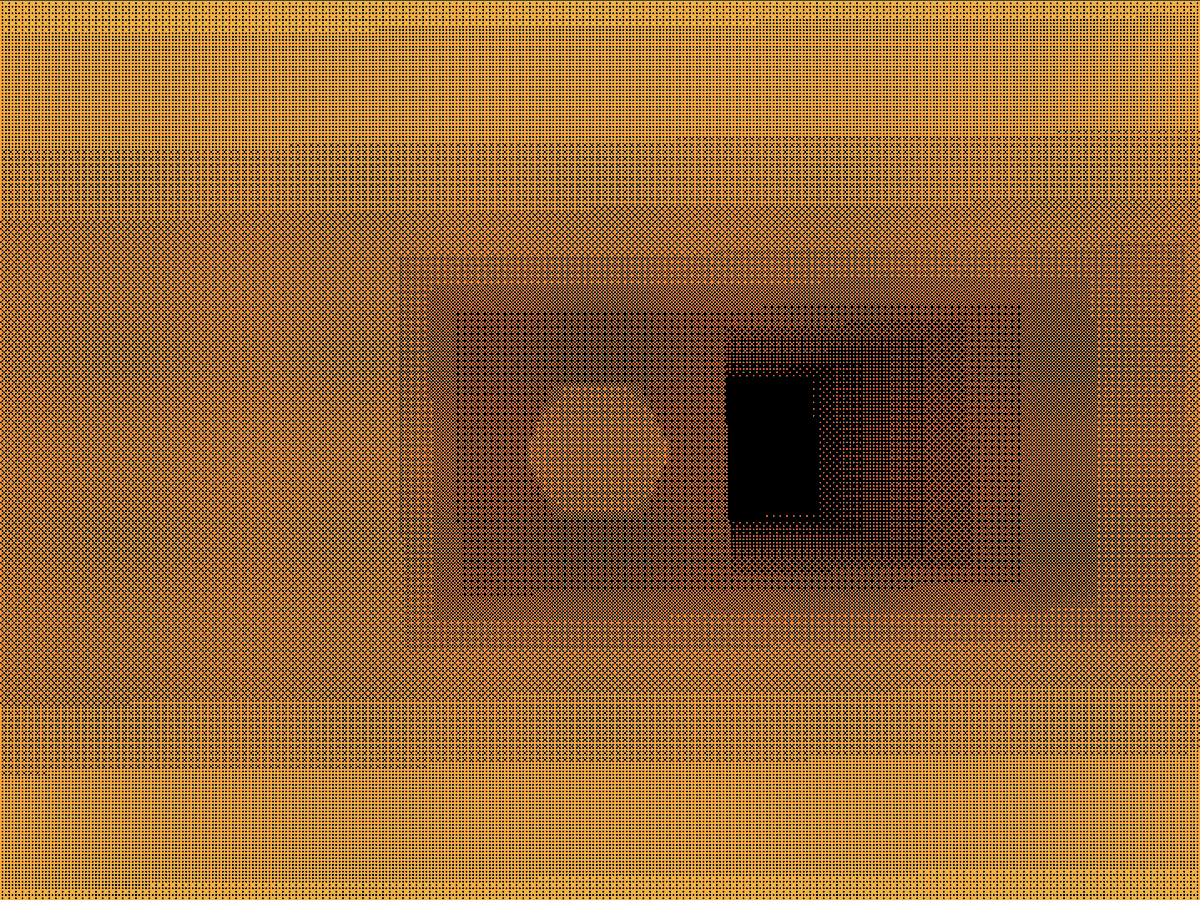
Loving Underdark, a fully onchain game shipped in 72hrs during the @dojostarknet game jam
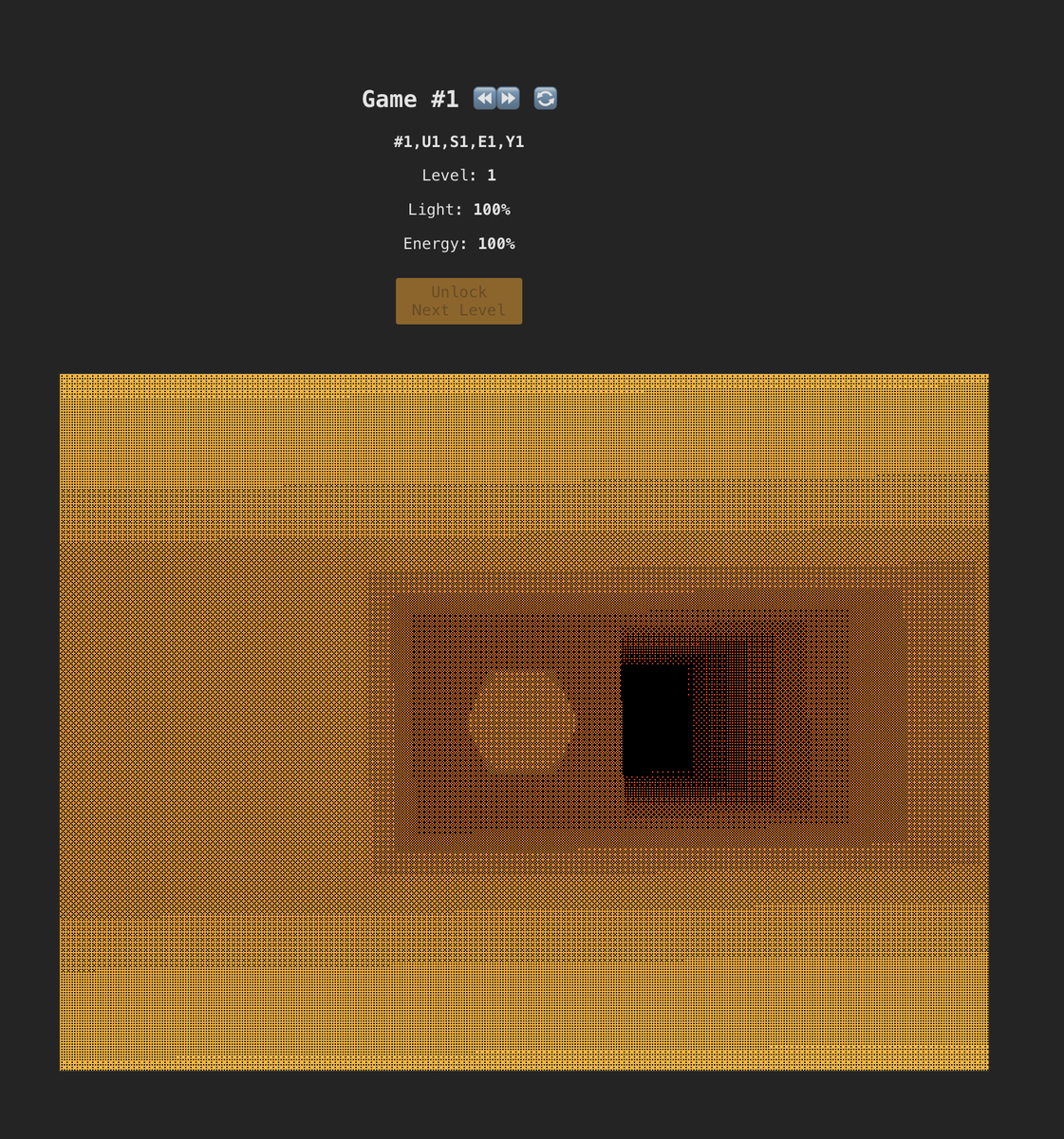
You are in a dungeon and need to find the exit
You have limited energy (64 steps), and every step makes you weaker
You have limited light, with every step it gets darker Walk around with the arrow keys
underdark.vercel.app/
4
10
52
5,846
Endless Crawler ⎍ retweeted
26 Oct 2023
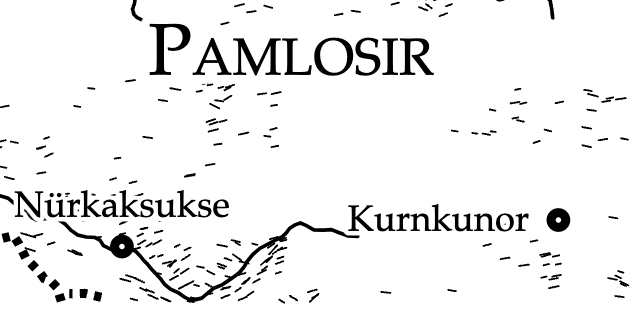
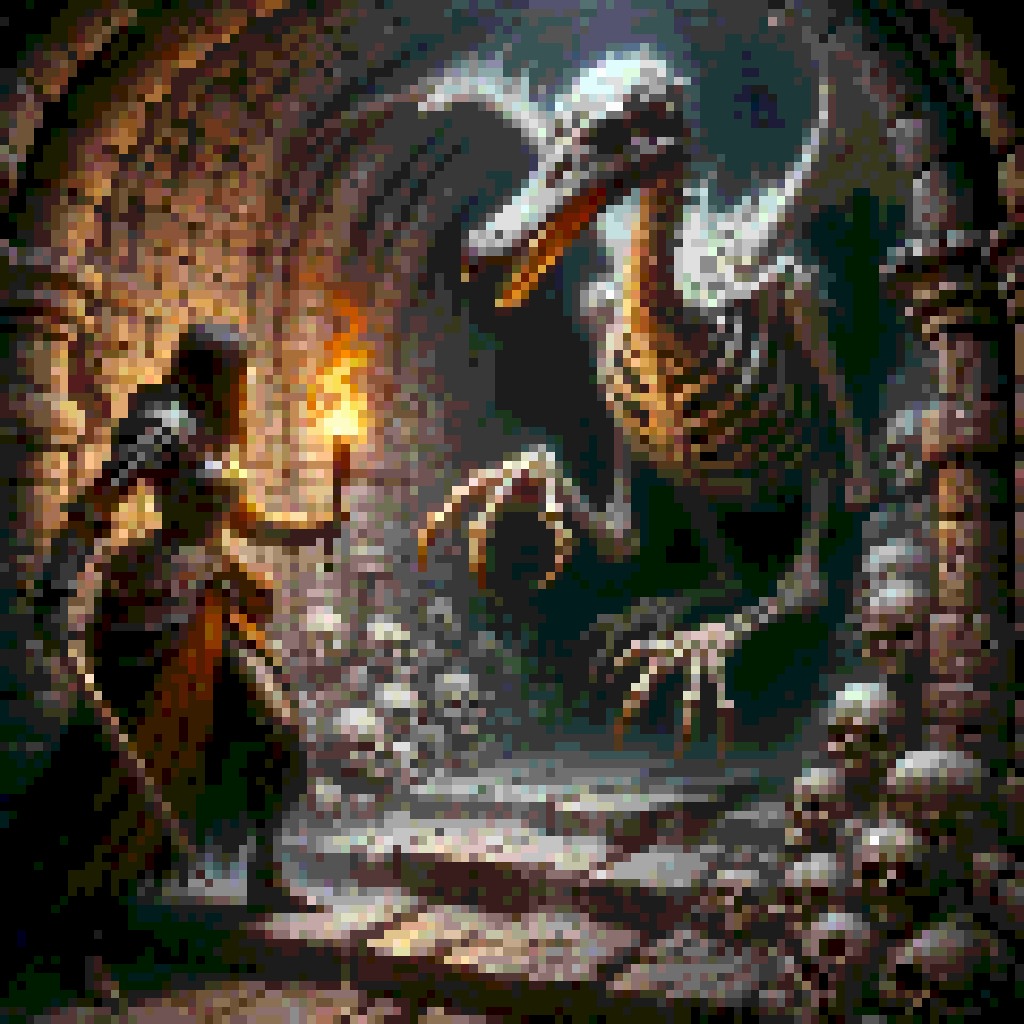
If thou dost travel to Pamlosir, beware dear friend and take thine care. The old manor yet stands at Kurnkunor, standing still from time before, and something ill stirs down those stairs, festering in the darkness there; such ill may bring thee quite a scare.
1
6
232
23 Oct 2023
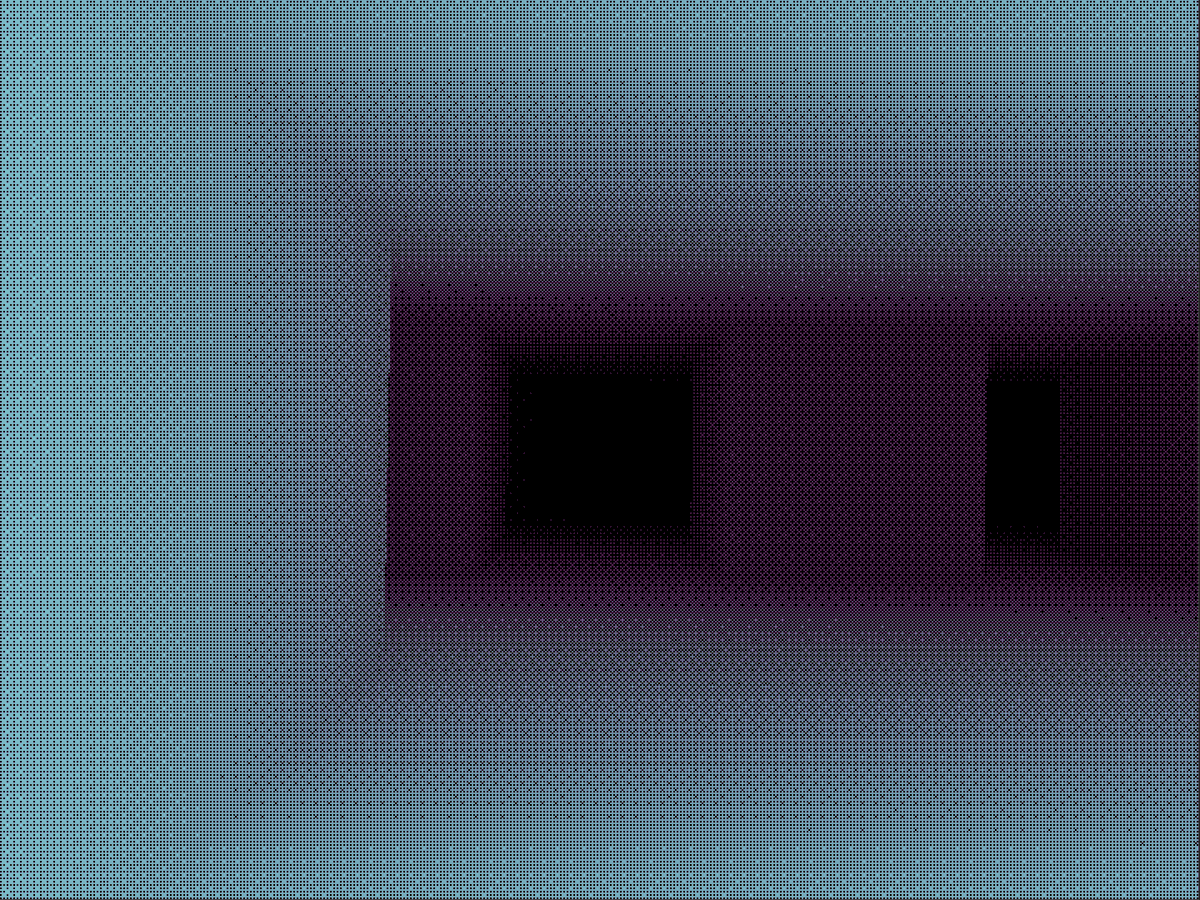
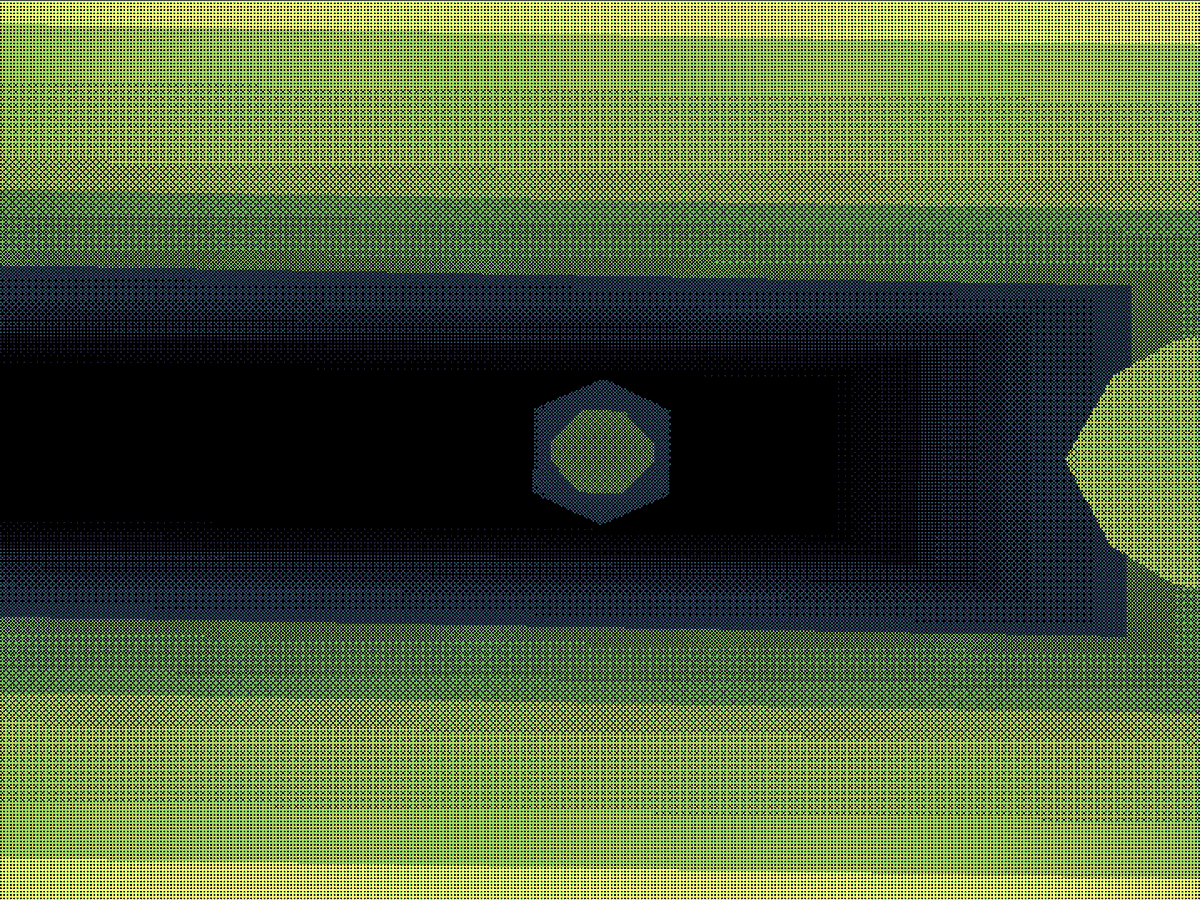
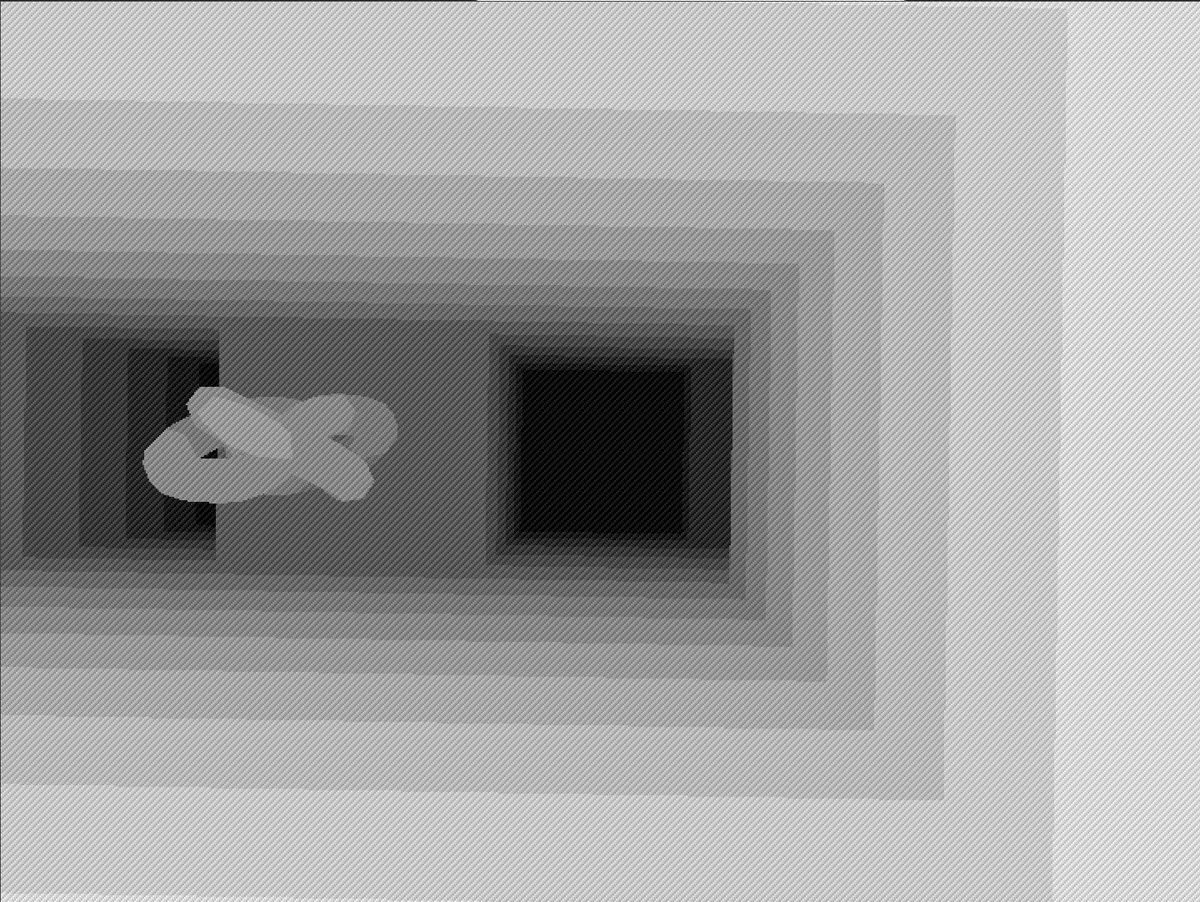
This weekend, we designed and deployed a game for the @dojostarknet Game Jam #2!
The Underdark, Lair of the Slenderduck!
underdark.vercel.app
By @matalecode, @recipromancer, @MononokeArts and Felix, forked from @LootUnderworld
👇
1
5
22
2,415
23 Oct 2023
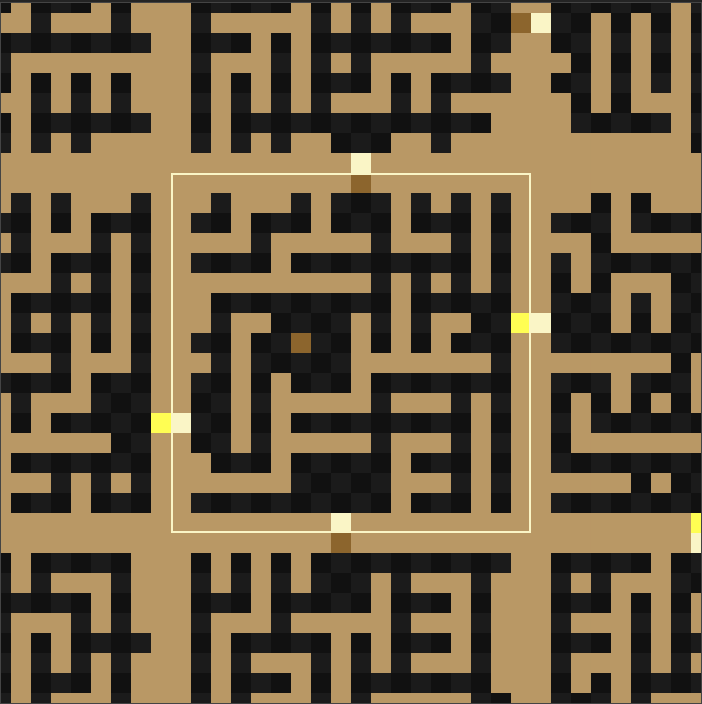
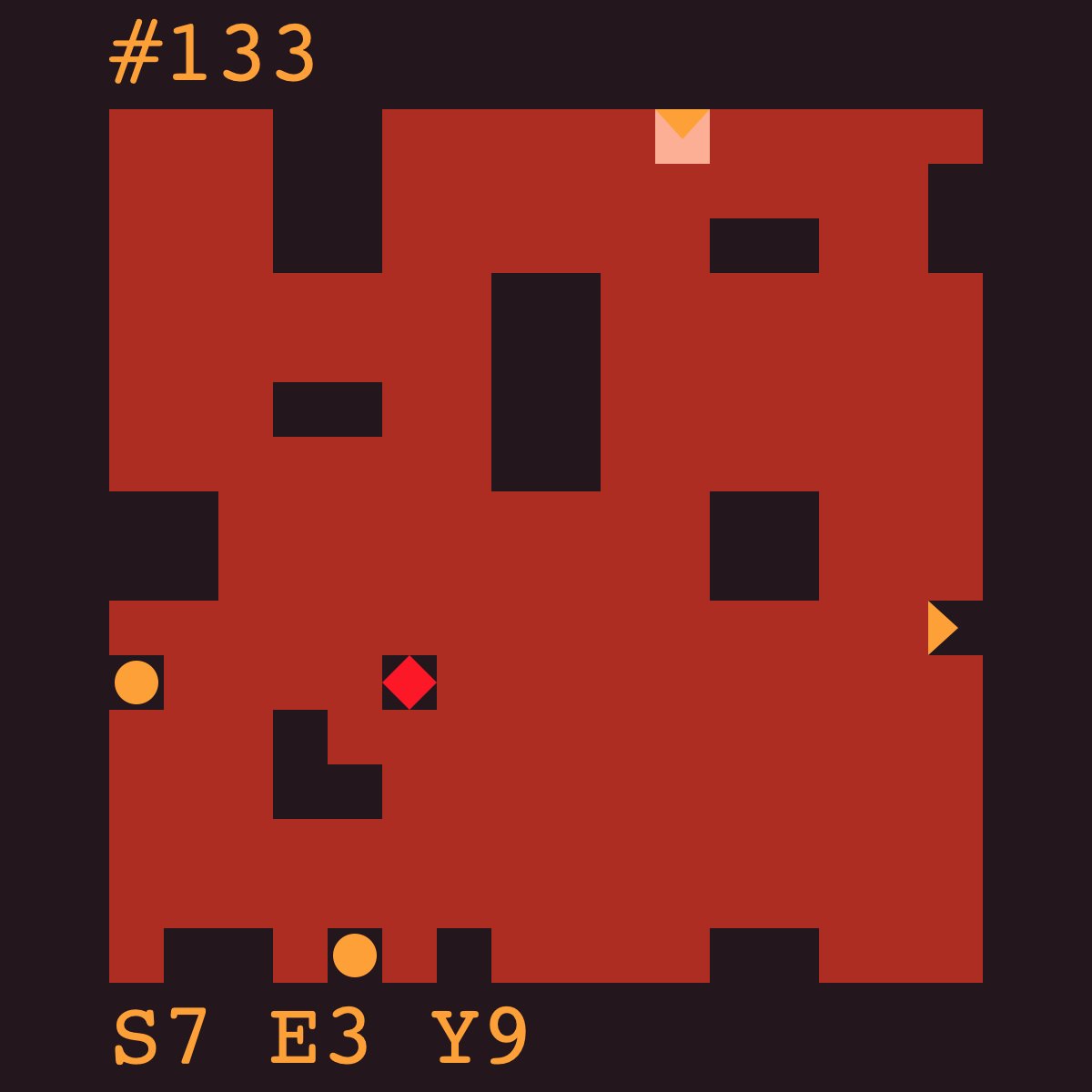
You are in a dungeon and need to find the exit
You have limited energy (64 steps), and every step makes you get weaker...
You have limited light, with every step it gets darker...
🔶Dark Tar refills your light
🎗️Monsters take a bite from your energy
🧡The Exit
1
4
122
23 Oct 2023
But it's a game jam, not everything we designed was finished, and there may be some bugs...
3
82
12 Oct 2023
When I started developing Endless Crawler, about one year ago, I knew on-chain games on Ethereum were impractical and expensive, but also didn’t know which L2 to choose. Now I can see a clear path on @Starknet, here’s why…

Web3 gaming is early, and @starknet is racing for an early lead
These are the rising gaming opportunities in the Starknet ecosystem you should have on your radar👇
There has been a lot of buzz about Fully Onchain Gaming (FoG) as an upcoming narrative within crypto, from the Ethereum Foundation’s push towards Autonomous Worlds and related infrastructure like @darkforest_eth and @latticexyz’s MUD engine, to Paradigm’s research on The Open Problem of Onchain Games
Starknet has carved a niche by fostering a vibrant community of builders working towards the vision of having games built fully onchain
Wait, what even is Fully Onchain Gaming?
We’ve seen different approaches to tying blockchains in with games
For the most part, minor aspects are brought onchain -- the clothing that your in-game character wears is an NFT, or the in-game currency happens to be an ERC20 token
However, this only utilizes the blockchain as an auxiliary feature rather than a core principle upon which an entire game is built
Fully Onchain Gaming attempts to configure as many components of a game onchain as possible
From the physics engine that dictates how objects interact with each other to items within the game that can be composed upon and “modded,” there are clear and transparent parameters upon which players of the game can interact
From this, players can create bots, build mods and frontends on top of the existing game logic, and develop downstream secondary markets for any aspect of the game, actions that, in traditional gaming, were entirely subject to the whims of the original game developer
Try out some of these games that are already playable! 🎮
Shoshin by @topology_gg
🥷 Shoshin is a fighting game that allows a player to first create a sequence of actions and reactions for their fighter and subsequently deploy the character into a fight
As with most fighting games, it requires strategy; knowing to set dodge or parry actions if the opponent starts an attack sequence, building up for a long-range attack when the opponent strafes back, and cleverly pre-programming a set of instructions is key to outplaying opponents
Roll Your Own by @cartridge_gg
📉 Roll Your Own is a drug dealing game adhering to the basic principle of “buy low, sell high” (principle also applies to trading crypto)
Players travel to different regions to make money ($PAPER in this case) by buying cheaply priced drugs in one region and selling them higher in another
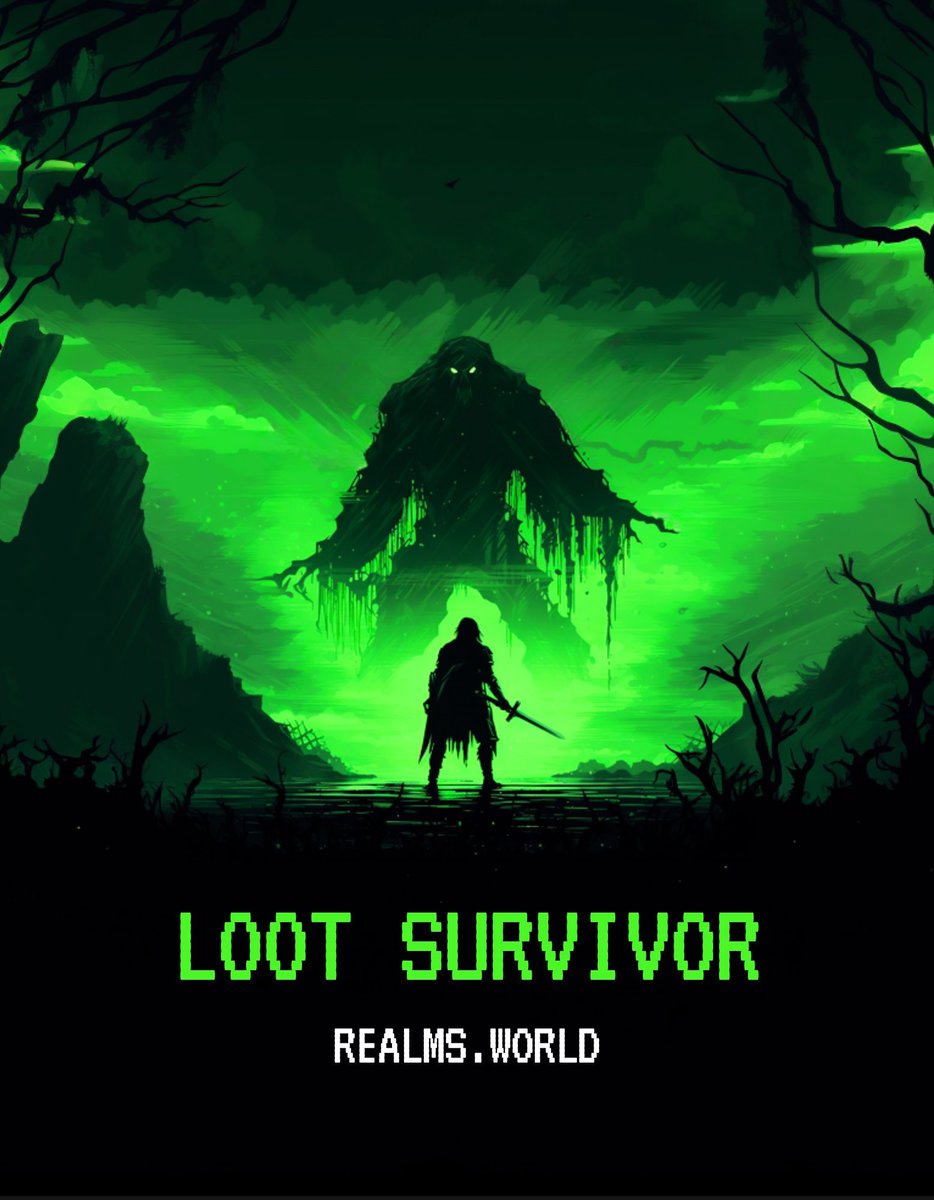
Loot Survivor by @LootRealms @BibliothecaDAO
🧌 Loot Survivor is a fight-to-survive game where players fight monsters, upgrade weapons and armor, and stay alive while gaining XP
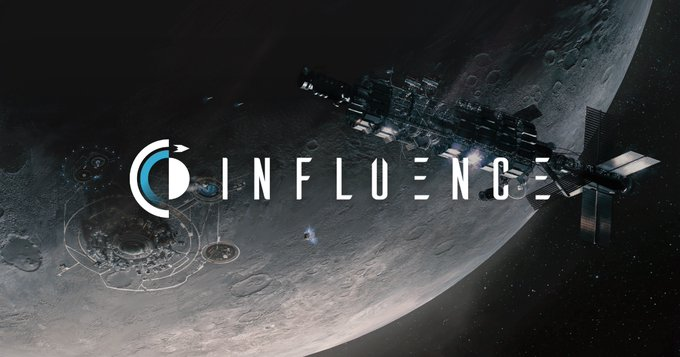
Influence by @influenceth
🪐 Influence is a space strategy MMO game where the player and their crew colonize planets, mine resources, and forge a new civilization
Why do we even need games to be onchain?
Many argue that onchain games are strictly worse than web2 games due to added restrictions incurred from building onchain and a relative lack of fidelity compared to the most popular games played by billions today
Similarly, many waved off mobile gaming for many of the same reasons, but as games such as Doodle Jump and Angry Birds came out, critics saw what was unlocked by utilizing the new design space that touchscreens, haptic feedback, and other features unique to phones enable
Instead of trying to directly compete with desktop and console gaming on graphics and computing power, it created a new path for both developers and users to realize the different types of games that could be created outside of the confines of usual gaming traditions
Onchain gaming is still nascent and takes time, but an Angry Birds moment could catalyze a new paradigm of gaming
The focus should be on teams that are actively working towards building innovative, new features within their games and being open-minded toward how this space could evolve to eventually onboard millions of gamers
Why Starknet?
There are several features within the Starknet architecture that make it an attractive ecosystem for building games:
Enhanced user experience through Smart Contract Wallets
One of the main complaints of existing onchain actions is the EOA (externally owned account) Wallet User Experience, which is what the vast majority of wallets, including MetaMask, are built on
Due to native account abstraction inherent within the Starknet architecture, Starknet uses Smart Contract Wallets such as Argent and Braavos, substantially improving upon the user experience abstracting away the frustrations that users have when interacting onchain
Smart Contract Wallets allow “Session Keys” to be made
Instead of signing every transaction one by one, imagine signing one transaction – similar to “logging on” in a traditional game – that automatically signs any subsequent action until the game session has ended. Actions are still written onchain, but any UX issues are abstracted away, and interacting with the game is as seamless as in any other online game
Dojo provable game engine
Dojo is a provable game engine built by the Starknet onchain gaming community led by Tarrence of Cartridge
The emphasis on “provable” means that instead of having to write every action that a player makes onchain, a proof can be created at certain intervals that shows the correctness of previous actions within that interval that are processed offchain
This allows games built with Dojo to scale beyond the TPS restrictions that onchain games currently face and is especially useful for games that require many actions per second, from Real Time Strategy (RTS) games to First Person Shooters (FPS)
Crypto-native builder community
Game developers in crypto typically:
1) Only build a small part of their game on a blockchain
A simple NFT mint or ERC20 token as in-game currency to supplement their otherwise web2 game is the status quo for most games
2) Are chain-agnostic or otherwise hold little loyalty and community towards the chain they are building
These approaches may very well work, but Starknet’s ecosystem is unorthodox in that the community of builders attempts to think from first principles how building onchain enables unique features for their game
Additionally, because the ecosystem is still nascent, teams within the ecosystem build developer tooling and infrastructure that other would-be competitors utilize and also build upon
It is less of a zero-sum game but rather a discovery process that teams within the ecosystem are aligned on and are working towards in tandem
Where do we go from here?
The Angry Birds moment for onchain gaming has yet to come, and the bear market has dampened the enthusiasm for a lot of sectors and chains
However, developer talent has continued to rush into Starknet, many of them looking to build games that heavily utilize blockchain components that enhance the enjoyability of their product
We are currently still in the zero-to-one stage of onchain games, both in general and specifically on Starknet, similar to DeFi in 2019, which experienced a Cambrian explosion in the subsequent year
Starknet is a particularly interesting gaming ecosystem to keep track of, but there are also many different approaches in different ecosystems, from Arbitrum Orbit and custom OP stack instances powered by teams like Caldera and Conduit, Polygon zkEVM where ImmutableX has made its home, to other alt L1s such as Solana, Avalanche, and Sui
Article by Pascal So


2
4
22
5,504

6 Oct 2023
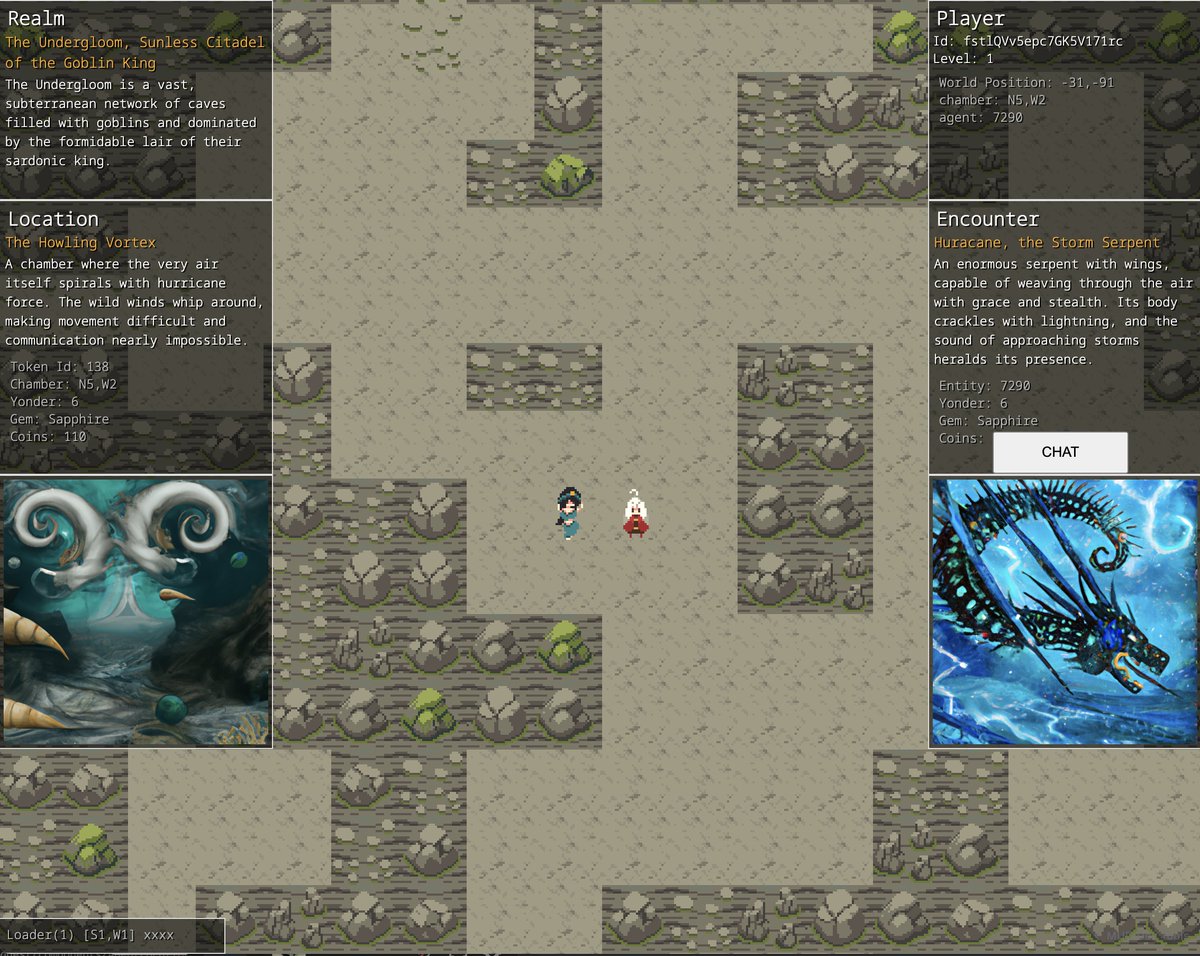
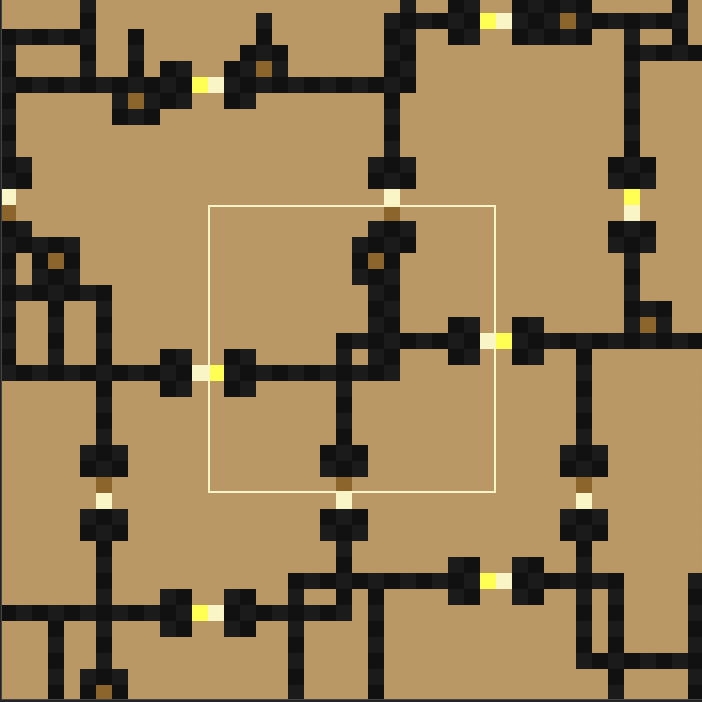
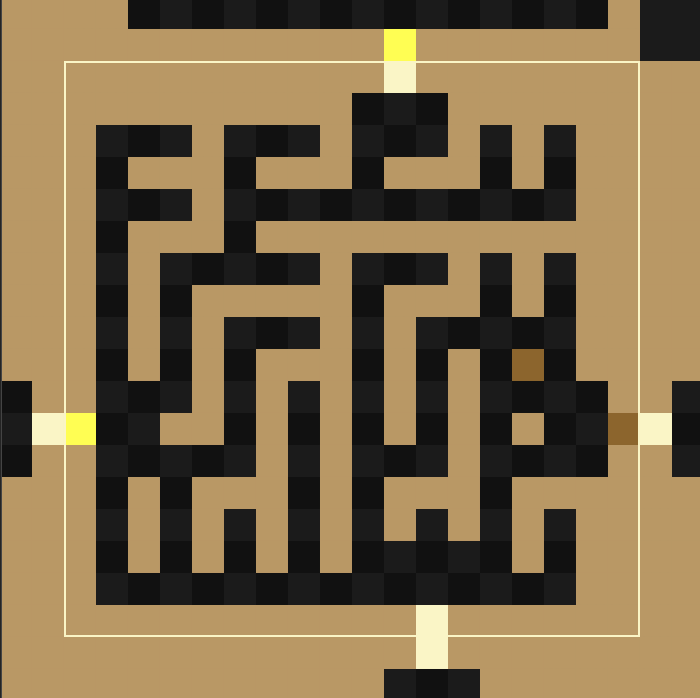
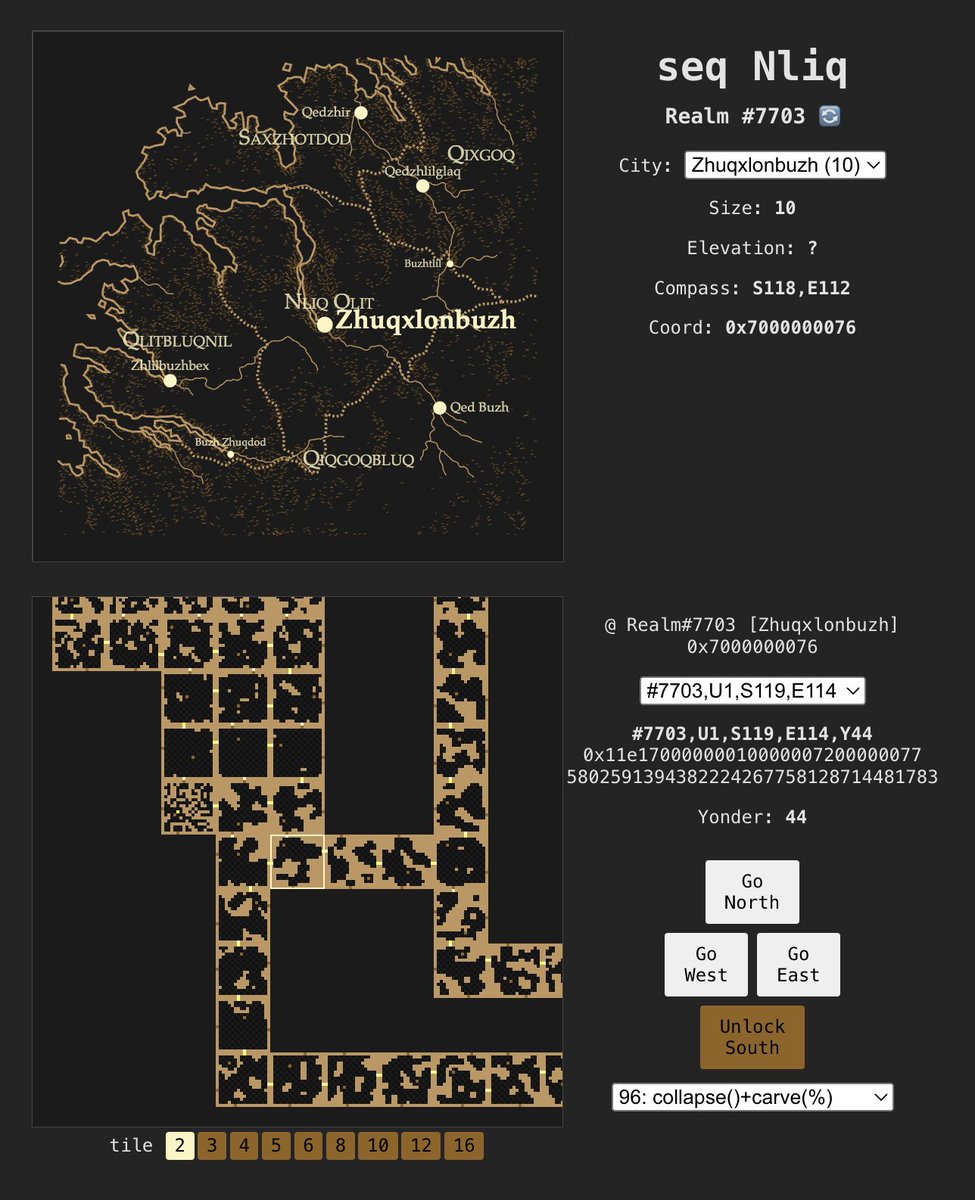
We're building different chambers and challenges for @LootUnderworld
In development now!
2
5
174