
Generative Models of Speech and Audio @GoogleDeepMind Frontier AI google.github.io/tacotron
Joined January 2009
- Tweets 811
- Following 132
- Followers 791
- Likes 676
30 Photos and videos




Pinned Tweet

31 Oct 2024
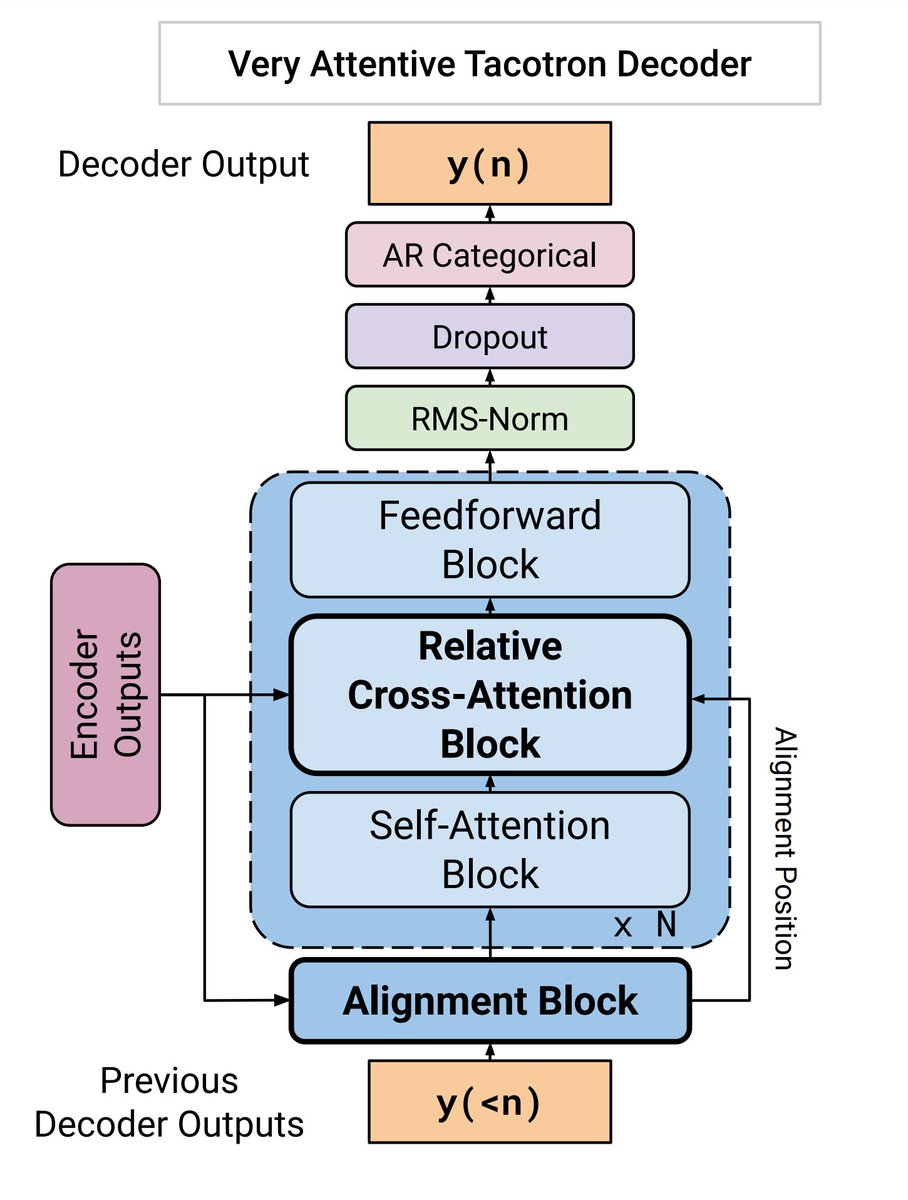
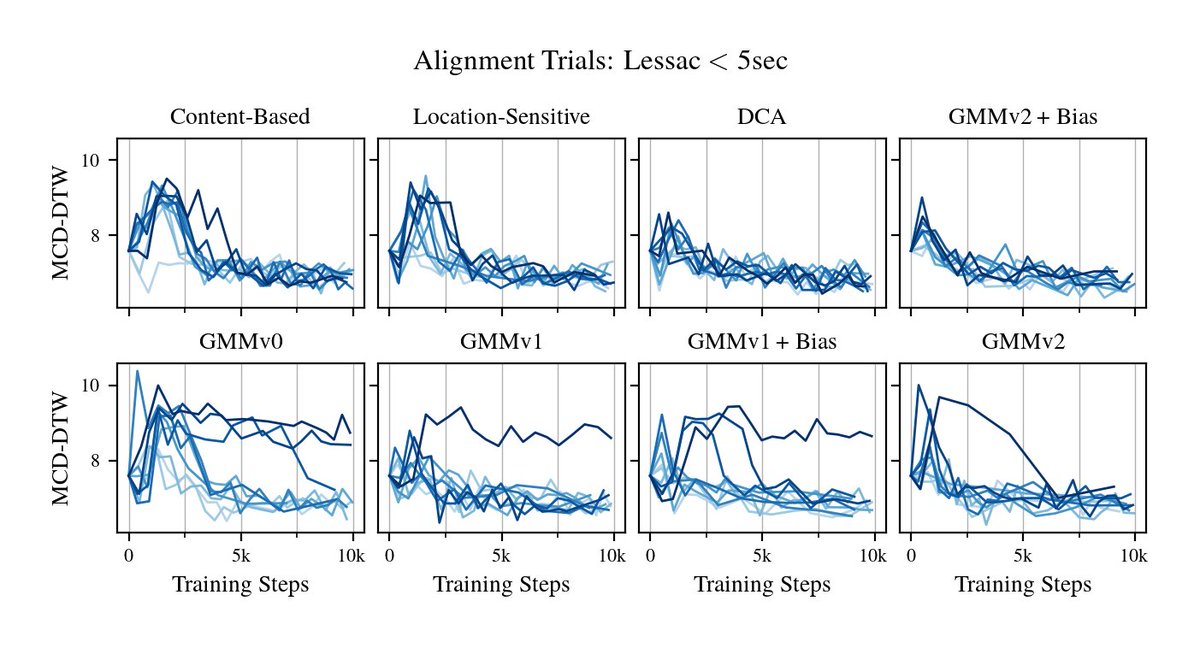
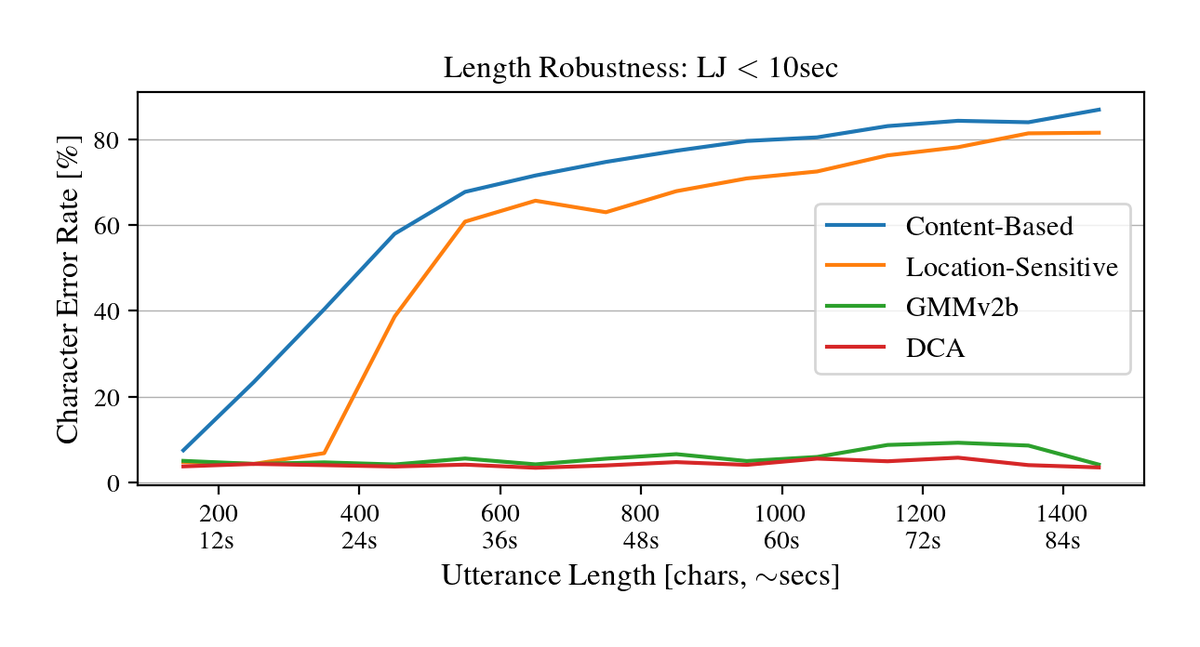
Transformer-based TTS models sound great but have all kinds of reliability issues.
Our new model, Very Attentive Tacotron (VAT), is a Transformer-based TTS system that doesn't drop or repeat words and can generalize to any practical utterance length.
arxiv.org/abs/2410.22179
2
12
51
10,146
Eric Battenberg retweeted

Apr 24
Everyone in the world has to take a private vote by pressing a red or blue button. If more than 50% of people press the blue button, everyone survives. If less than 50% of people press the blue button, only people who pressed the red button survive. Which button would you press?
42%
Red
58%
Blue
98,539 votes • Final results
5,745
1,462
14,582
27,039,072
Eric Battenberg retweeted

Mar 20
Smartphones feel like the oddest collective delusion: everyone agrees excessive phone use is bad for them, everyone feels better without them, and we’ve structured all of modern life around using them constantly.
2
11
275
93,018
Idea for improving cold winters: Redefine the freezing point of water to be 10 C (50 F) during the winter months. Instant temperature increase when we need it most. We'll call it "Warmth Saving Temperature." 🥶🌡️☀️ @SaveStandard
90
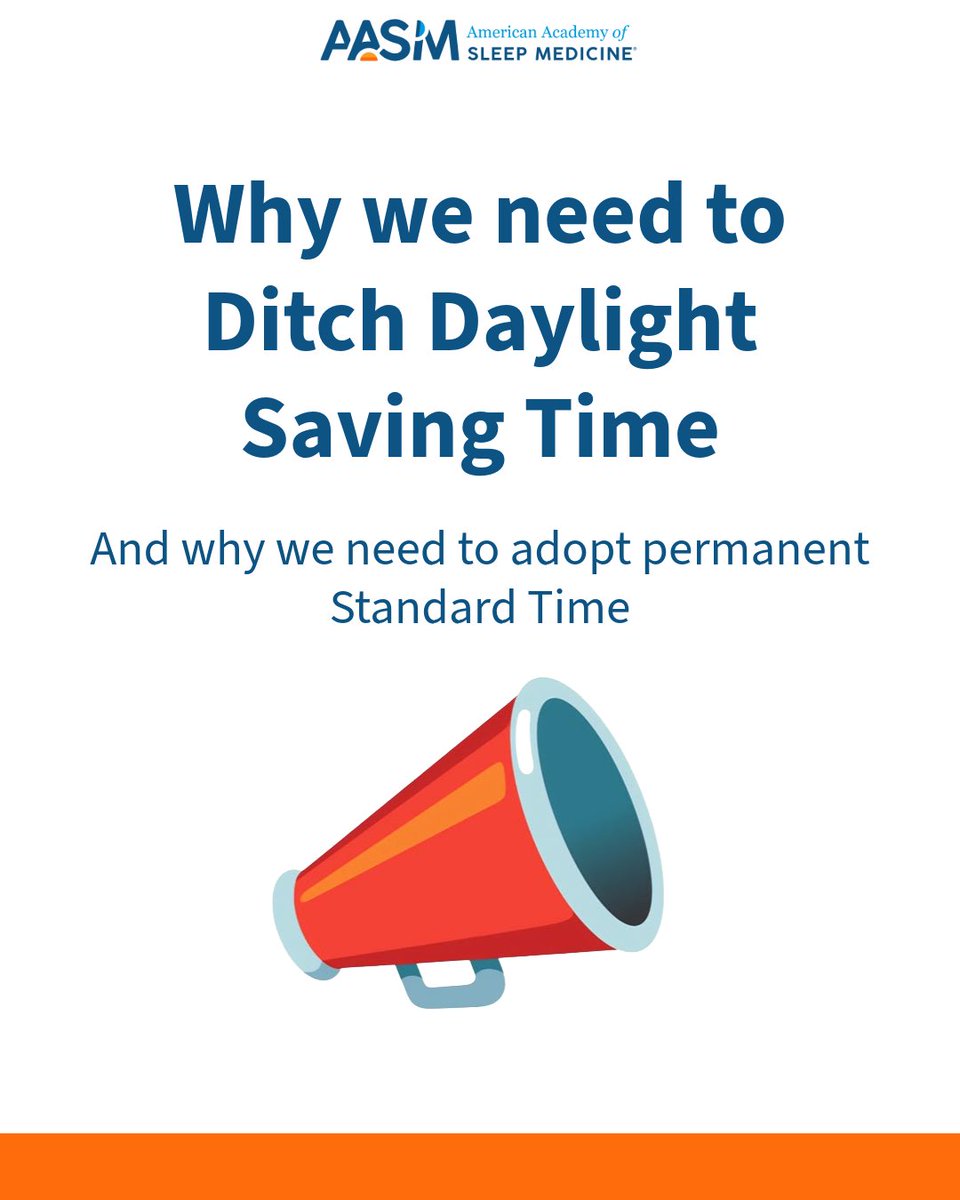
Why do we keep doing this to ourselves?

Today, clocks across the country spring forward — and with that single hour comes a cascade of consequences most people don't see. ⏰
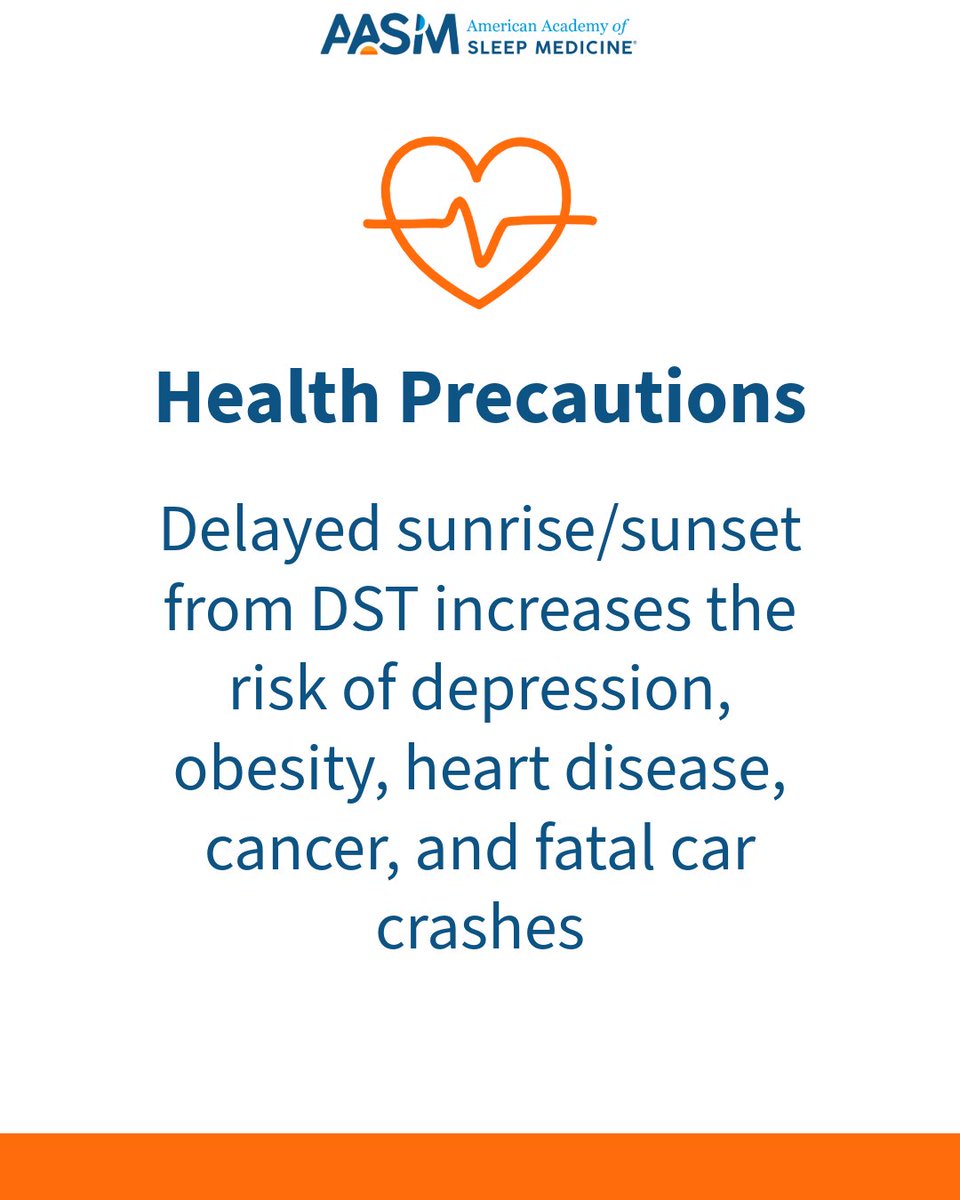
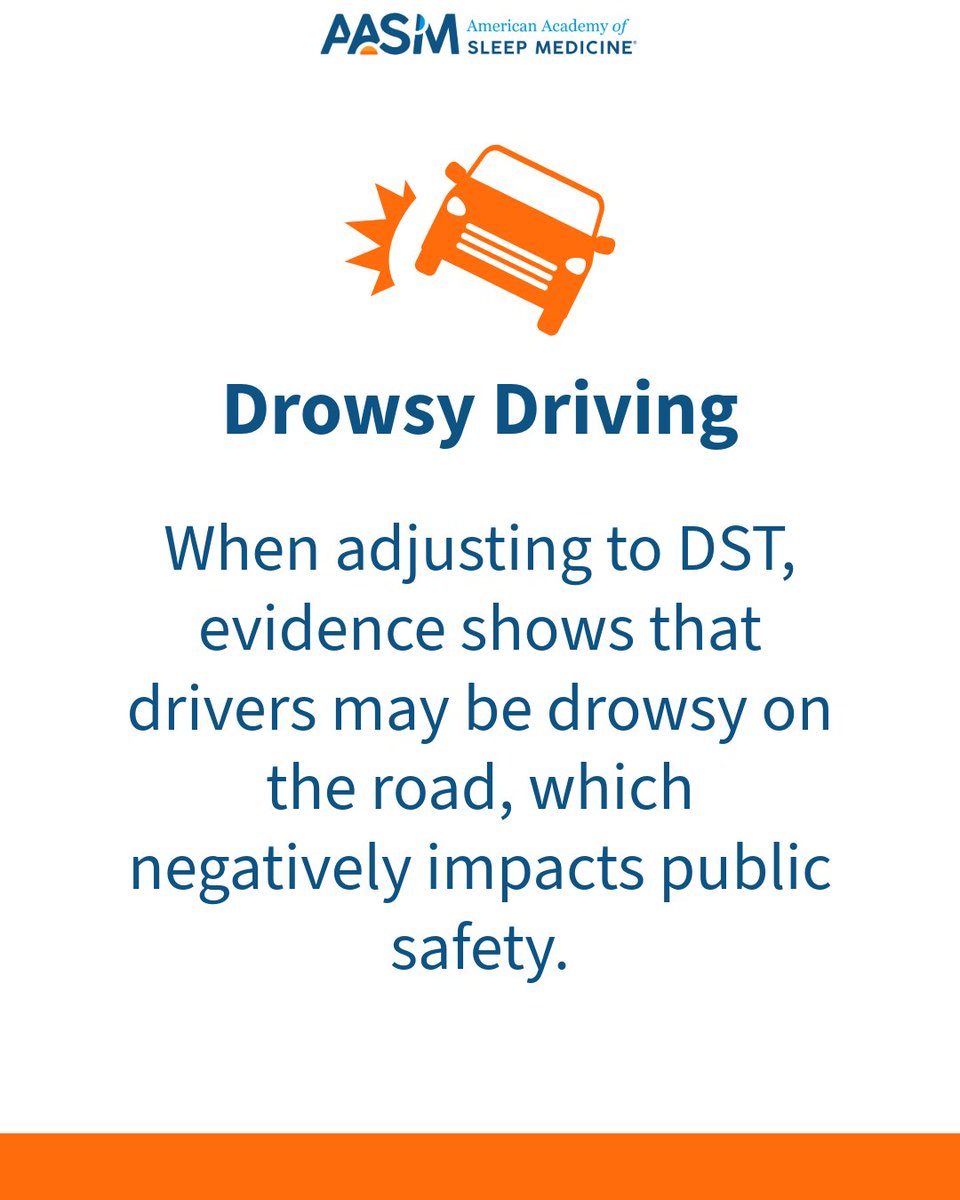
Research links the DST transition to increased rates of heart attack, stroke, traffic fatalities, and mental health crises in the days that follow.
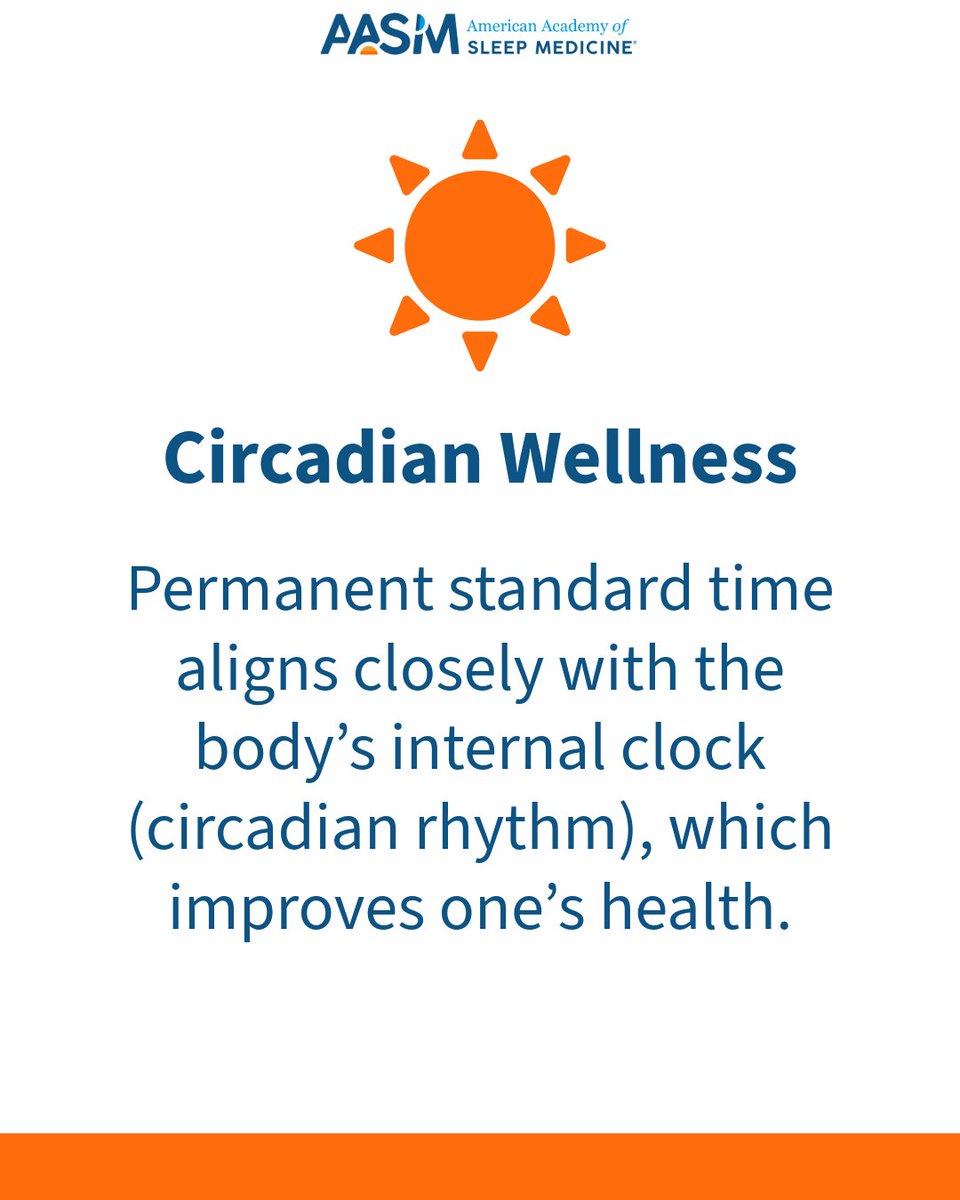
Swipe through to understand why leading sleep and medical organizations, including the AASM, are calling for a permanent end to the clock change — and why Standard Time is the science-backed solution.
Learn more here. 👉 hubs.la/Q045WQ1b0
#DitchDST #DaylightSavingTime #SpringForward #SleepHealth #StandardTime
2
95
My prediction is that BC will repeal this after 1 year just like the US did when they tried it in the 70's.
npr.org/2026/03/07/nx-s1-574…
2
1
72
Most of the article is about how bad DST is for our health and wellbeing.
37
Vancouver will be dealing with 9am sunrises in the winter. That's brutal.
25
Eric Battenberg retweeted

Mar 2
There is no need to go through the stupidest ritual of modern life next weekend. More daylight is coming this month without the foolishness of changing our clocks. @SaveStandard Time!
Mar 1

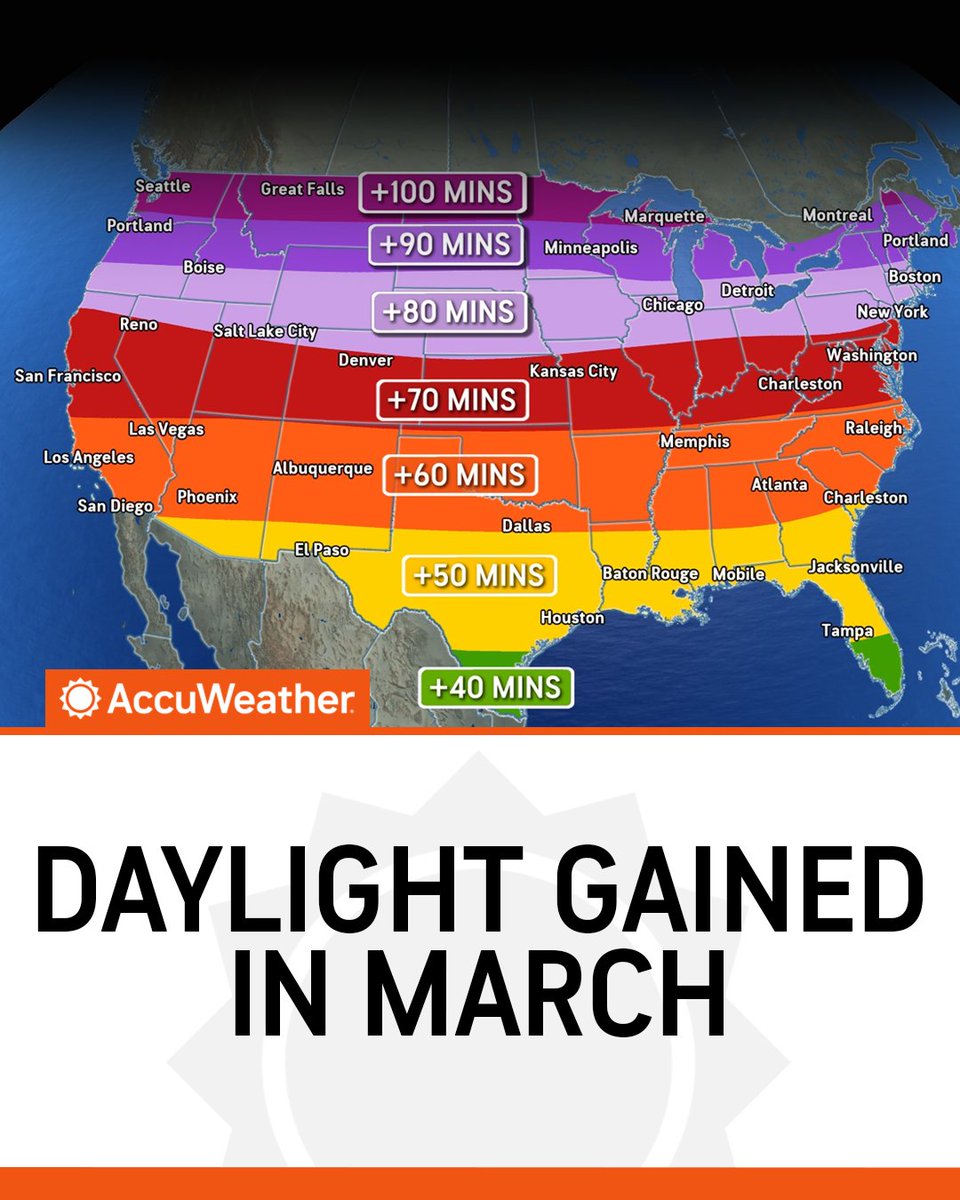
Brighter days ahead! ☀️ Northern areas, including Seattle, gain over 100 minutes of daylight in March!
While daylight saving time begins on March 8, the month's biggest change is the rapid increase in daylight. bit.ly/4snpLeq
204
226
1,231
87,047
RT @JonHaidt: Major new report on global trends in mental health, out today from Sapien Labs. Data from 2.5 million people across 85 countr…
585
Eric Battenberg retweeted

Feb 9
There are now so many RCTs showing the mental health benefits of reducing social media use for at least a week.
Here's a new one showing that young adults get LESS lonely when they reduce, even though their friends are not reducing. From Gary Goldfield et al.
sciencedirect.com/science/ar…
Social media does not give teens real community; it prevents them from spending time with real people.
And, of course, Meta itself did an RCT, with similar results:
metasinternalresearch.org/
Imagine how much loneliness would drop if an entire school, or community, or an entire generation, reduced or quit at the same time.
Better yet, imagine how much less lonely, anxious, and depressed young people would be if social media was never invented, or if there had been an age limit of 16 when they were 10, so they did not all go through puberty spending 5 hours a day swiping and comparing, instead of hanging out with friends.
Meta is facing survivor parents and a jury for the first time in its history this week, in Los Angeles. It will argue that the data is all correlational, and that nobody can prove causation. They have been saying this for years and it is demonstrably false. There are so many different lines of evidence demonstrating causation. Zach Rausch and I lay out seven lines of evidence here:
osf.io/xsje9/files/hmf8e
My two favorites, after the RCTs: Teens themselves say it has harmed their mental health, and employees of Meta, Snap, and TikTok discuss the many harms that their products cause, in emails and internal reports that leaked or were discovered. They know that they are harming children at an industrial scale.
This is why so many countries around the world are now following Australia's bold move and raising the age for opening accounts to 16. 2026 will be a big year of change in the battle to reclaim childhood from big tech.
14
100
449
182,521
19 Dec 2025
Julian is hosting a student researcher on our team. He's a great host, so if this textless audio generation project sounds like it's up your alley, fill out the form linked in his thread.
19 Dec 2025

Hiring a Student Researcher @GoogleDeepMind to develop new methods for speech & audio LMs in Mountain View, California!🔈🌊🌊🌊
If you want to tackle coherent, long-form generative audio modeling in a textless / continuous / raw / latent / variable-rate /🤔 way... 🧵
1
3
188
Eric Battenberg retweeted

4 Nov 2025
My team in GDM Frontier AI is hiring (Mountain View). If you're a researcher interested full duplex modeling, multimodal LLMs (Gemini), modality gap, joint speech/text modeling, PGMs, streamable generative models, and representation learning for language modeling -- DM me!
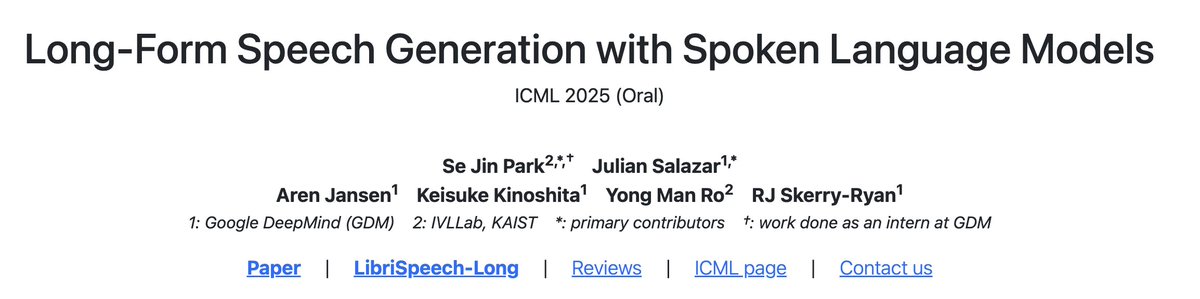
ALT Long-form Speech Generation with Spoken Language Models. ICML 2025 Oral. Recent work from our team on long-form speech language models with state-space models.
1
11
105
17,730
Eric Battenberg retweeted

29 Oct 2025
Let's set the clocks back to Standard Time on Sunday morning and leave them there in the spring.
I believe most people will be surprised to find that, as the days naturally "get longer" as we move away from the winter solstice toward the "longest day of the year", the summer solstice, there will be ample daylight in the evenings when it is warm enough to enjoy it.
There will also be ample sunlight in the mornings in winter as people begin their day.
Standard Time is a good balance between morning sunlight and evening sunlight and is more closely aligned to the sun.
Let's give it a try!
@SaveStandard
#DitchDST
262
342
2,494
41,690
Eric Battenberg retweeted

30 Oct 2025
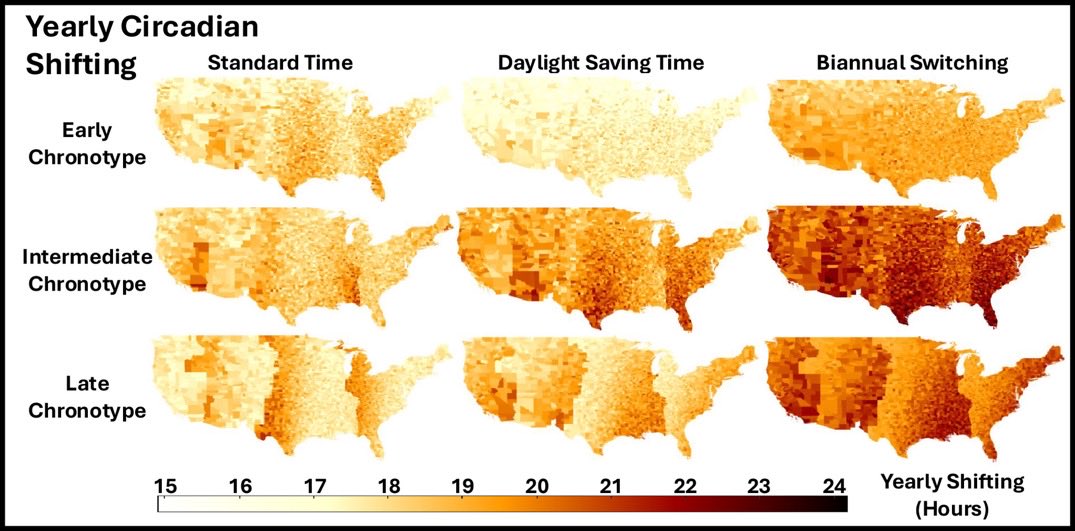
This is the key visual. Locking the clock is better than switching twice a year. Whether you prefer standard or daylight savings is perhaps a matter of personal preference but the data on mental health in adults and kids say standard is better.

If we ditch switching time policies, should we switch to permanent Standard Time or permanent Daylight Saving Time?
Our work suggests that both permanent time policies reduce circadian burden, but Standard Time reduces that burden more
195
351
2,809
372,539
Eric Battenberg retweeted

20 Oct 2025
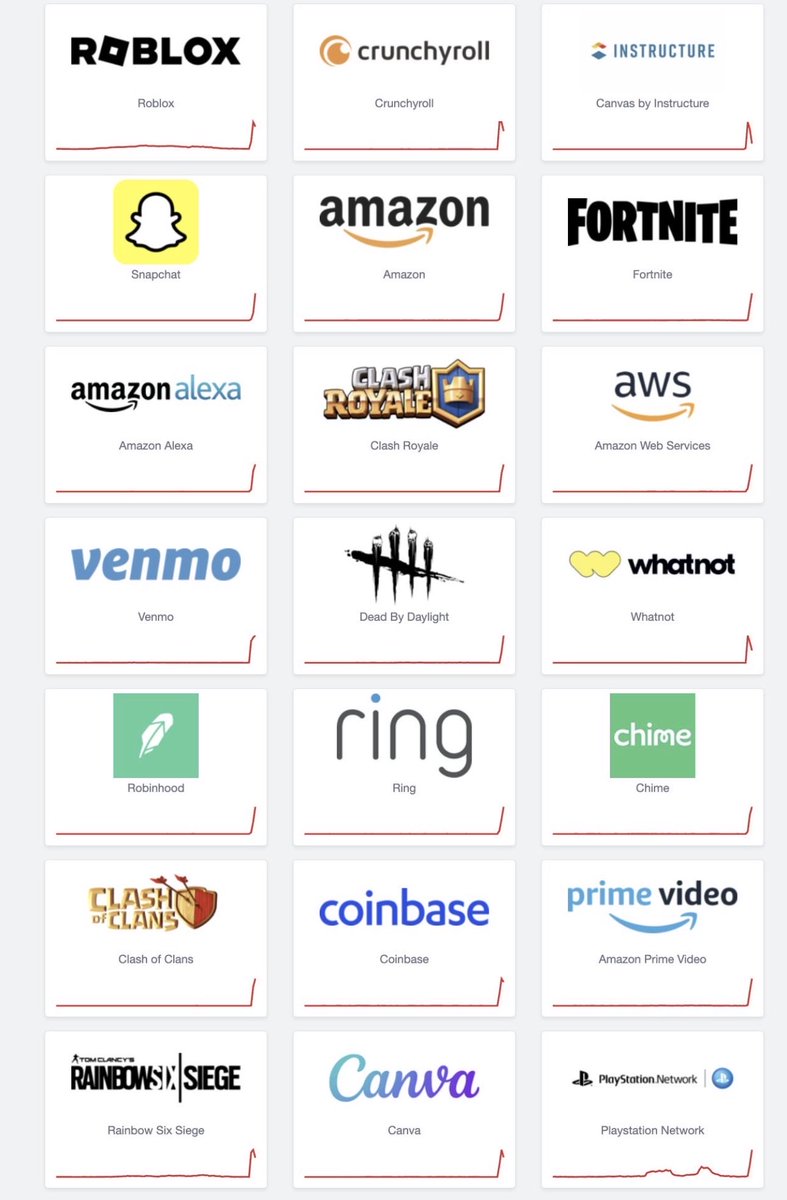
Huge outage crashes many of the world’s biggest apps.
Multiple servers are down including Snapchat, Amazon & Alexa, Ring, Roblox, Fortnite, Robinhood, Coinbase, Venmo, etc.
69
254
1,005
231,398
Eric Battenberg retweeted

15 Jul 2025
If you know the pain of sequence training<->inference, visit the #ICML25 Google booth 3-3:30 today (Tue.)!
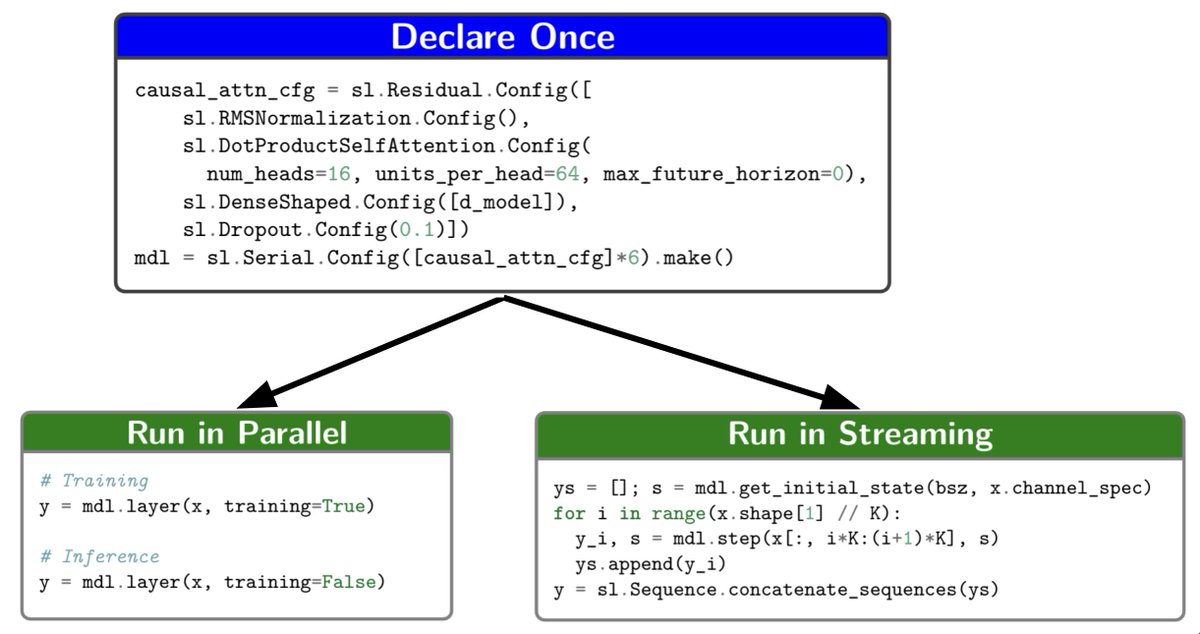
SequenceLayers is not just a layer library, but a new approach to defining and composing sequence architectures.
Try it in Colab: colab.research.google.com/gi…
See our report:
15 Jul 2025

Today, Julian Salazar presents SequenceLayers, a framework-agnostic layer API & open-source library for creation of robust, streamable sequence models. Stop by the #ICML2025 Google booth at 3pm to learn about its design principles & JAX implementation. github.com/google/sequence-l…
Tech Report: github.com/google/sequence-l…
Code: github.com/google/sequence-l…
PyPI package: sequence-layers
5
17
1,893
Eric Battenberg retweeted

15 Jul 2025
Today, Julian Salazar presents SequenceLayers, a framework-agnostic layer API & open-source library for creation of robust, streamable sequence models. Stop by the #ICML2025 Google booth at 3pm to learn about its design principles & JAX implementation. github.com/google/sequence-l…
Tech Report: github.com/google/sequence-l…
Code: github.com/google/sequence-l…
PyPI package: sequence-layers
1
7
29
8,287
Eric Battenberg retweeted

17 Mar 2025
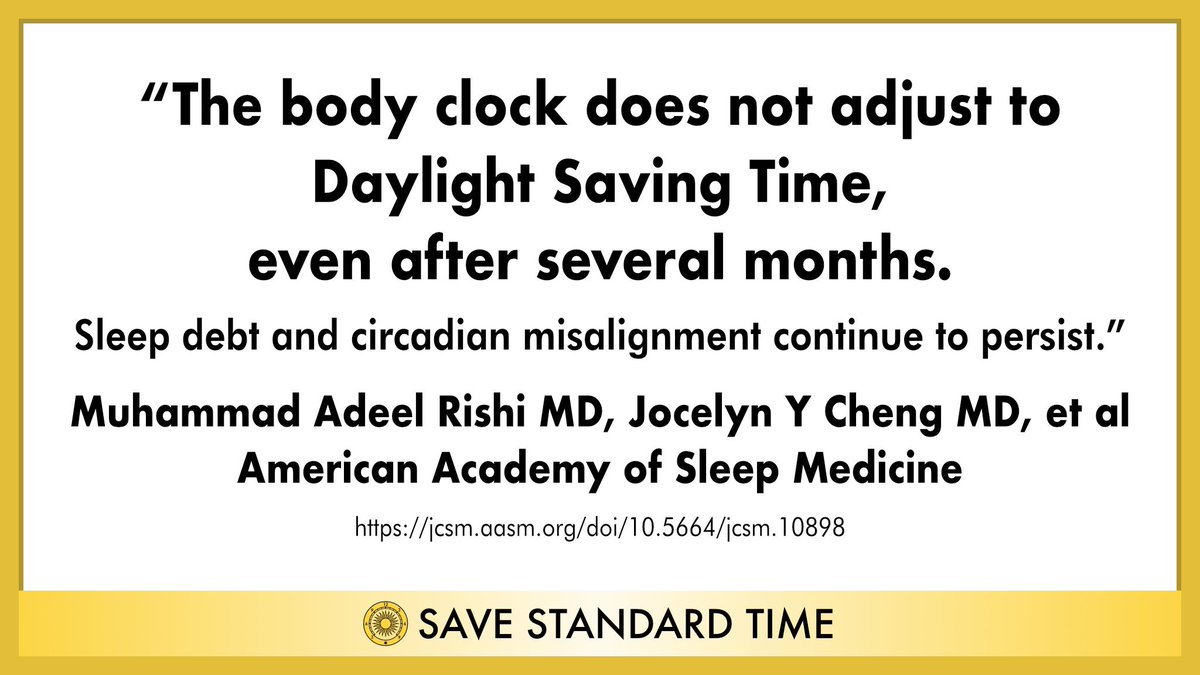
Most people never fully adjust to Daylight Saving Time—they just sleep less. Restore permanent Standard Time for better alignment with circadian rhythms and healthy sleep!
35
46
581
33,246

Regarding the debate about eliminating Daylight Savings Time ...
Back in the 70s we tried ending Standard Time (what we are currently in), not Daylight Savings Time (summer time). I've seen that confused a bunch already. This time around, if I'm reading things right, we are proposing to eliminate DST and stick with standard time year-round. Meaning we will fall-back in Novemeber and stay there.
Standard Time is what we were on before the World Wars and is what most of the world uses that doesn't observe the twice annual 1-hour clock adjustment. Also, Hawaii and Arizona observe permanent standard time as well. Neither of those states does the annual "spring forward".
Standard time is synchronized with solar noon meaning at noon, the sun is directly overhead in most of the time zone. This varies a bit based on how north/south/east or west you are of the middle of the time zone though. That variance is unavoidable in any scenario without the time zones getting divided more granularly than the current 1-hour increments.
While opinions on this are going to vary widely, I'm on the side of staying with Standard time year-round so that our clocks match the sun. Summer days will still be long and winter days will still be short. Shifting the clock around doesn't really change that.
The clock should be constant and synchronized with the sun, no reason to be changing it twice a year. Society should adjust around the clock regionally when needed if daylight is a concern for certain activities.
@SaveStandard @elonmusk @realDonaldTrump
249
194
1,330
66,835