
13 Photos and videos
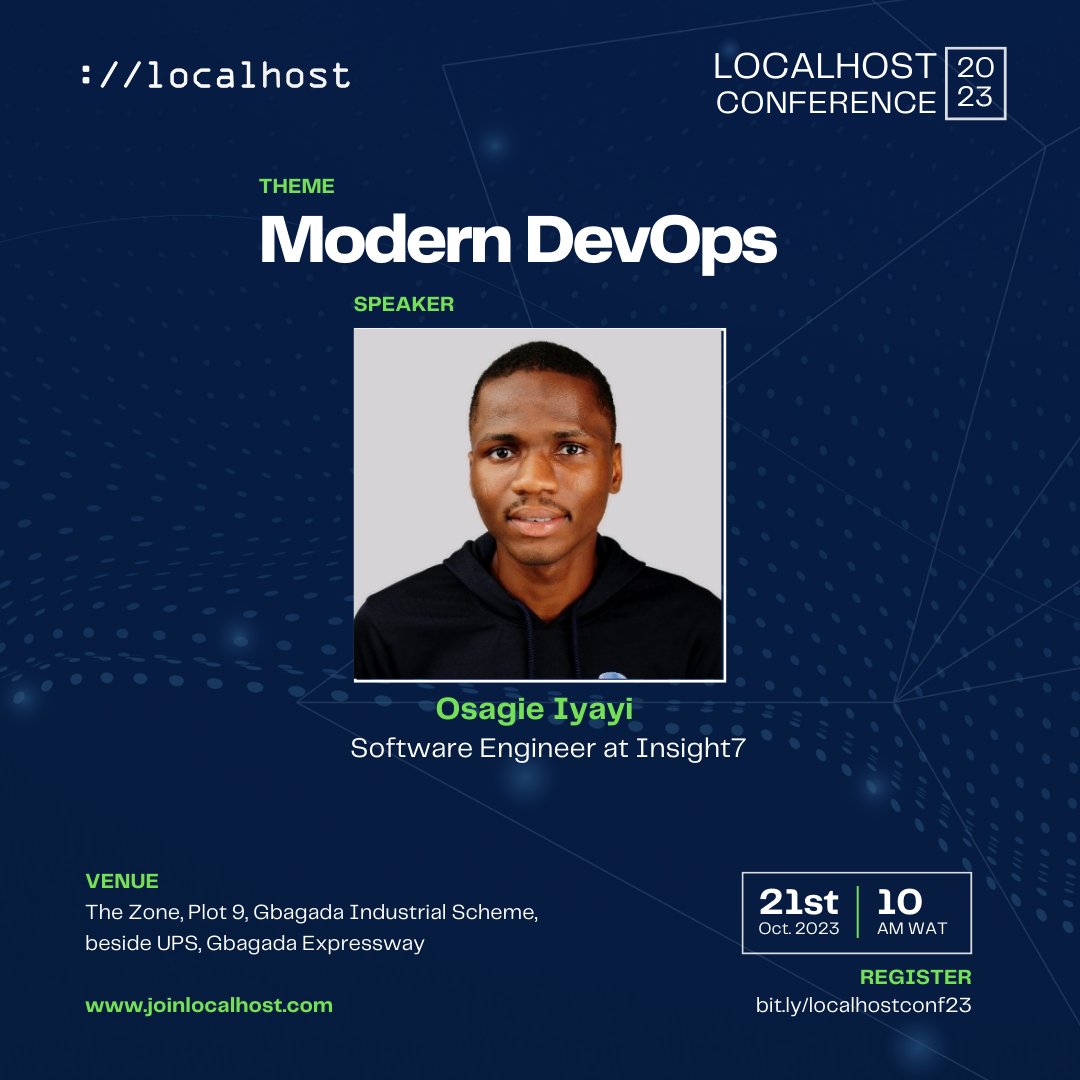
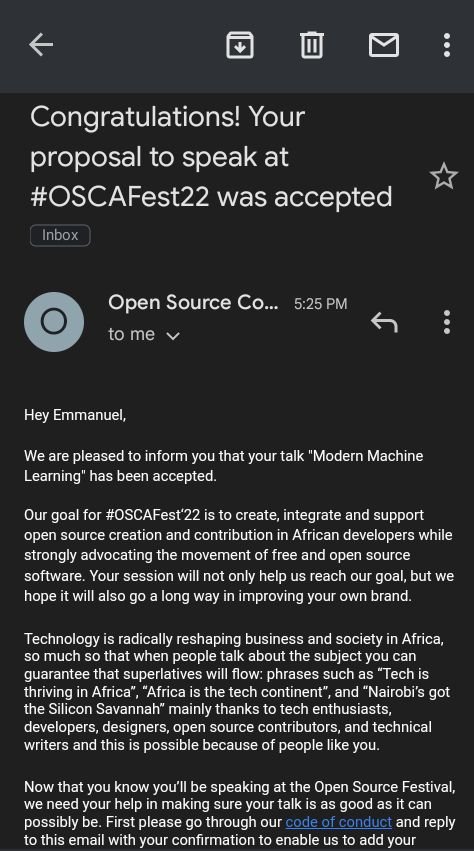

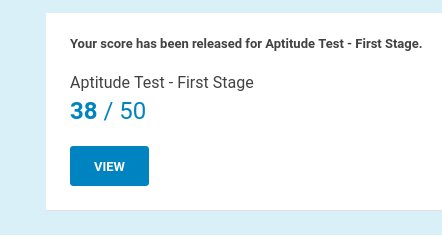
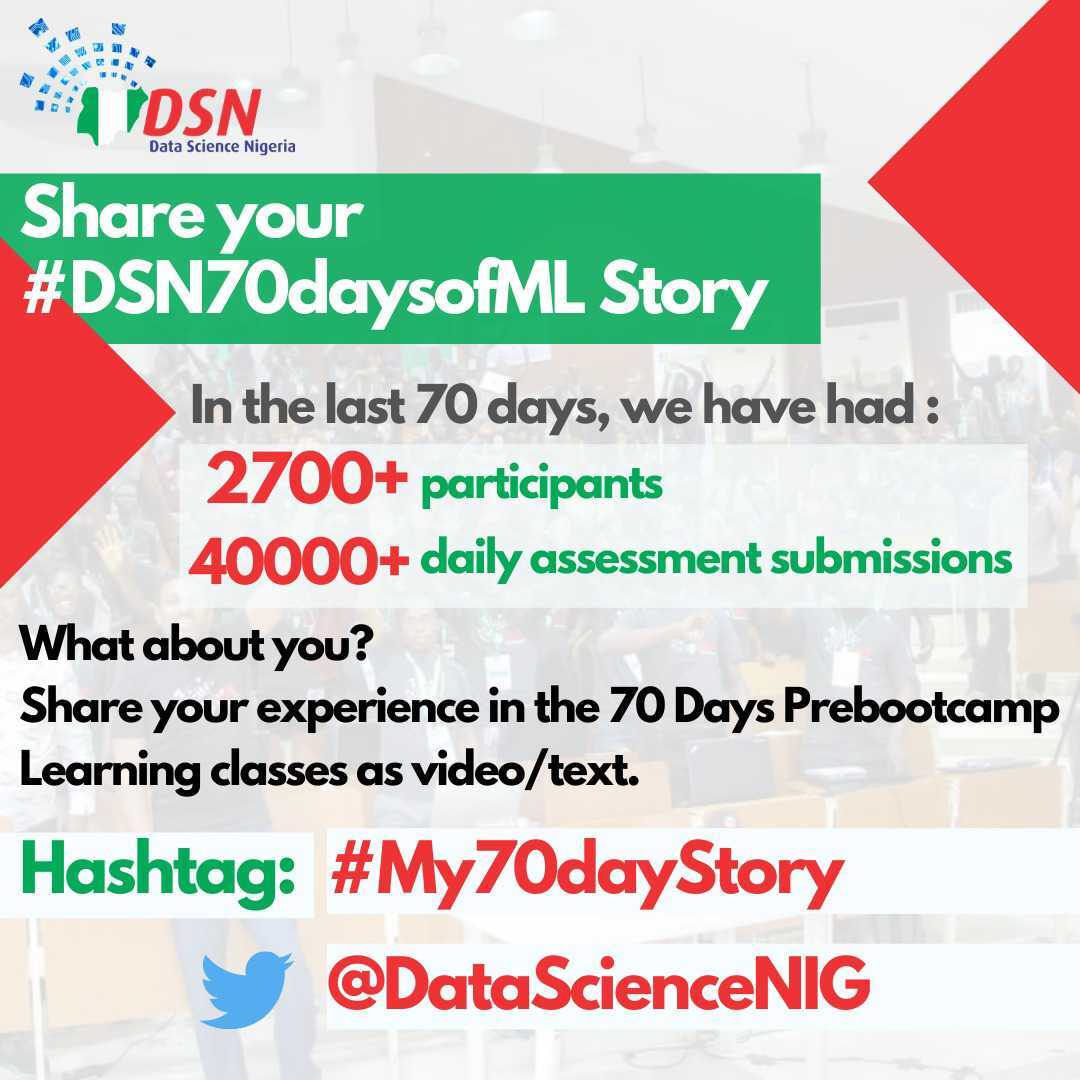
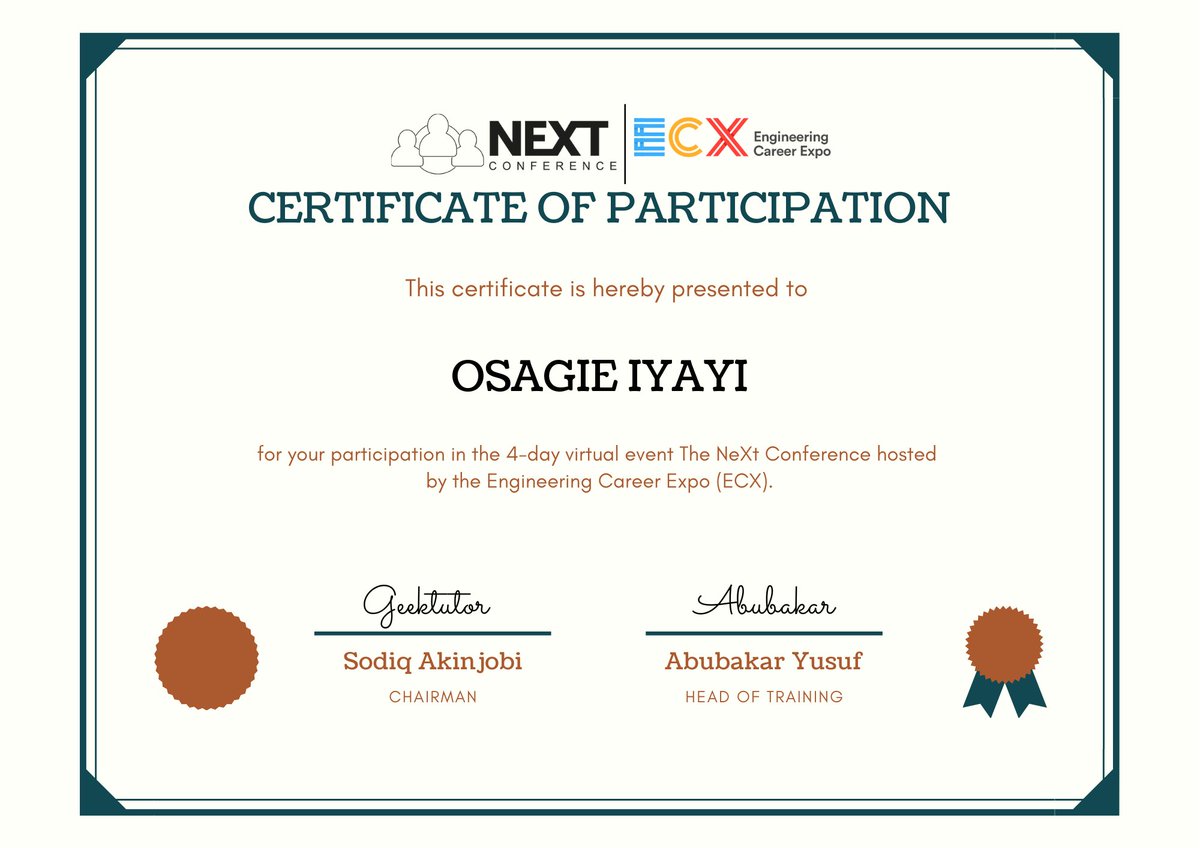
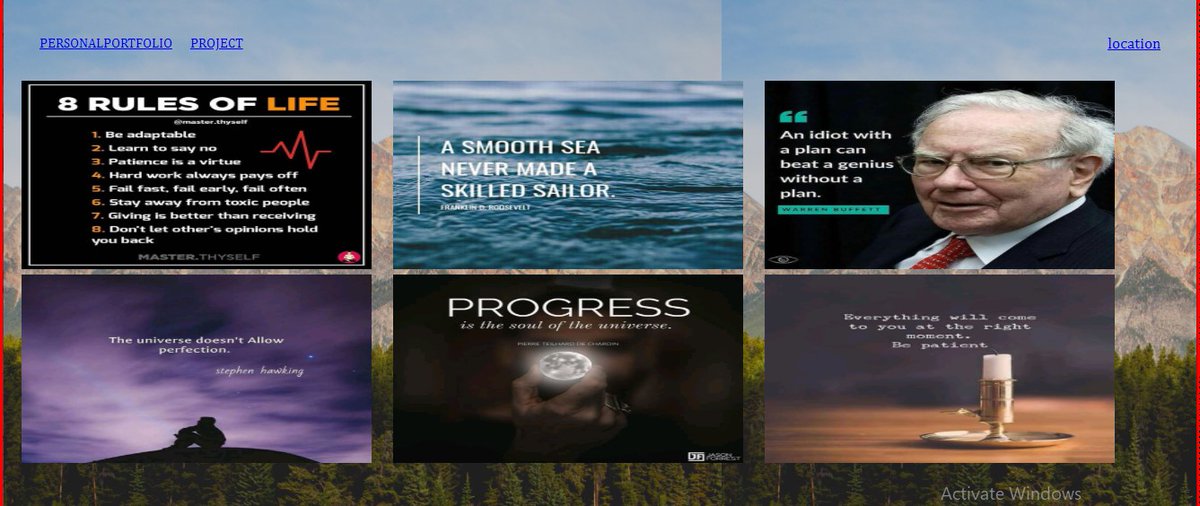
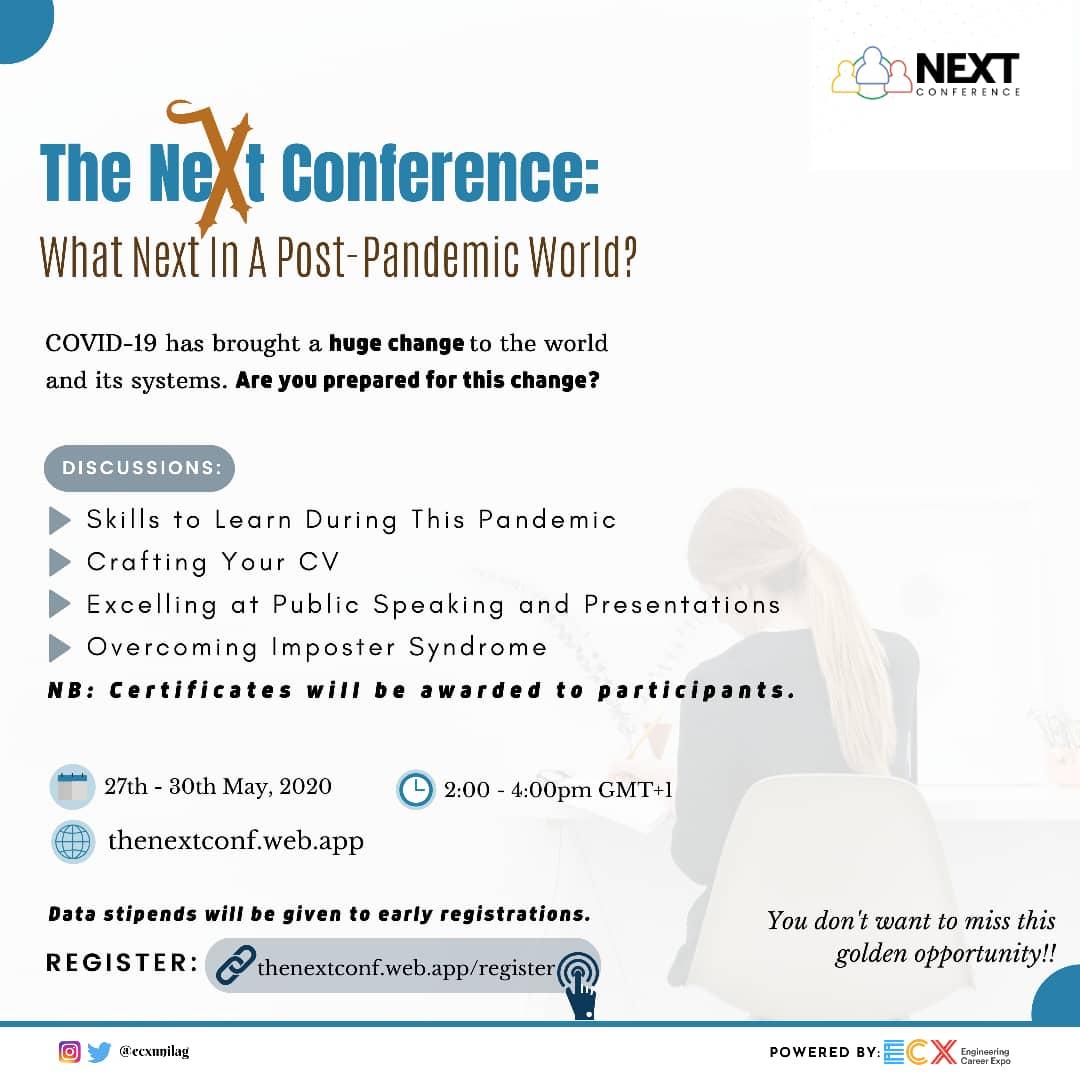
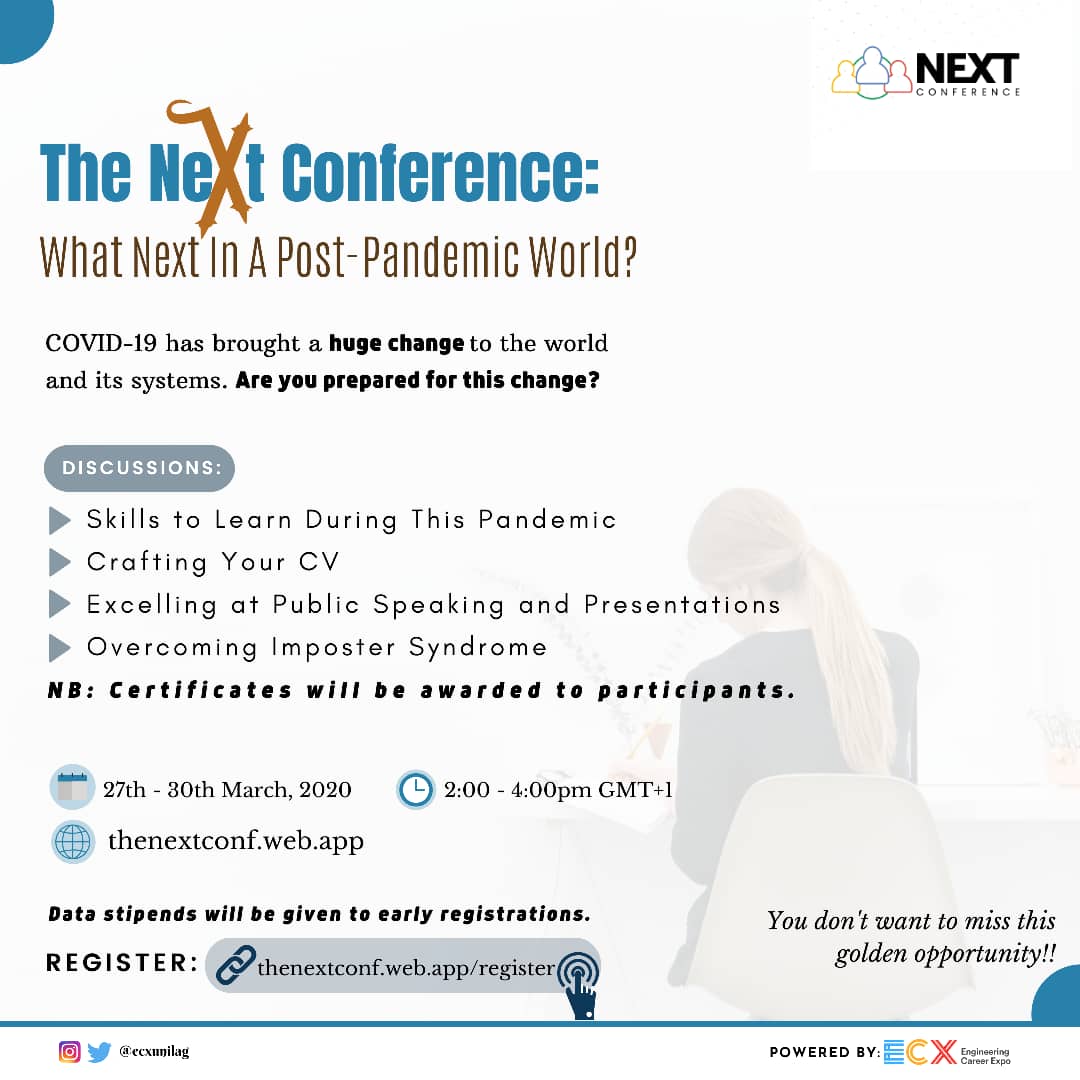


I'm thrilled to announce my upcoming session at the @Join_localhost 2023 conference 🚀
Join me as I delve into 'Automating Open Source Package Publishing with CI/CD.'
Register to attend via the link below. See you there!
docs.google.com/forms/d/e/1F…
#opensource #DevOps
ALT My localhost speaker confirmation banner
3
10
827
E-wave retweeted

May 16
I get why the tech outcomes drive some people insane. I’ve joined companies 12 months “too late”, and merely made a good amount of money instead of generational wealth
The people who joined before me weren’t any better or smarter. They just got lucky. Just like someone looks at me and thinks I got lucky
The pure randomness of it all can either drive you crazy or give you an appreciation for the role of luck.
But at the end of the day you are in the driver’s seat. You choose your perspective
What I have come to learn is the people who think they alone earned their accomplishments are the most unhappy. The people with gratitude for the role luck played in their success are able to keep striving for more without losing their mind
They have come to acknowledge that while they can shape the world around them, and tilt the odds in their favor ever so slightly, ultimately a lot of it is out of their hands
67
81
2,047
240,551
E-wave retweeted

Apr 24
A mathematician who shared an office with Claude Shannon at Bell Labs gave one lecture in 1986 that explains why some people win Nobel Prizes and other equally smart people spend their whole lives doing forgettable work.
His name was Richard Hamming. He won the Turing Award. He invented error-correcting codes that made modern computing possible. And he spent 30 years at Bell Labs sitting in a cafeteria at lunch watching which scientists became legendary and which ones faded into nothing.
In March 1986, he walked into a Bellcore auditorium in front of 200 researchers and told them exactly what he had seen.
Here's the framework that has been quoted by every serious scientist for the last 40 years.
His opening line landed like a punch. He said most scientists he worked with at Bell Labs were just as smart as the Nobel Prize winners. Just as hardworking. Just as credentialed. And yet at the end of a 40-year career, one group had changed entire fields and the other group was forgotten by the time they retired.
He wanted to know what the difference actually was. And he said it wasn't luck. It wasn't IQ. It was a specific set of habits that almost nobody is willing to follow.
The first habit was the one that hurts the most to hear. He said most scientists deliberately avoid the most important problem in their field because the odds of failure are too high. They pick a safe adjacent problem, solve it cleanly, publish it, and move on. And because they never swing at the hard problem, they never hit it. He said if you do not work on an important problem, it is unlikely you will do important work. That is not a motivational line. That is a logical one.
The second habit was about doors. Literal doors. He noticed that the scientists at Bell Labs who kept their office doors closed got more done in the short term because they had no interruptions. But the scientists who kept their doors open got more done over a career. The open-door scientists were interrupted constantly. They also absorbed every new idea passing through the hallway. Ten years in, they were working on problems the closed-door scientists did not even know existed.
The third habit was inversion. When Bell Labs refused to give him the team of programmers he wanted, Hamming sat with the rejection for weeks. Then he flipped the question. Instead of asking for programmers to write the programs, he asked why machines could not write the programs themselves. That single inversion pushed him into the frontier of computer science. He said the pattern repeats everywhere. What looks like a defect, if you flip it correctly, becomes the exact thing that pushes you ahead of everyone else.
The fourth habit was the one that hit me the hardest. He said knowledge and productivity compound like interest. Someone who works 10 percent harder than you does not produce 10 percent more over a career. They produce twice as much. The gap doesn't add. It multiplies. And it compounds silently for years before anyone notices.
He finished the lecture with a line I have never been able to shake.
He said Pasteur's famous quote is right. Luck favors the prepared mind. But he meant it literally. You don't hope for luck. You engineer the conditions where luck can land on you. Open doors. Important problems. Inverted questions. Compounded hours. Those are not traits. Those are choices you make every single day.
The transcript has been sitting on the University of Virginia's computer science website for almost 30 years. The video is free on YouTube. Stripe Press reprinted the full lectures as a book in 2020 and Bret Victor wrote the foreword.
Hamming died in 1998. He gave his final lecture a few weeks before. He was 82.
The lecture that explains why some careers become legendary and others disappear is still free. Most people who could benefit from it will never open it.

144
1,877
8,184
1,171,369
E-wave retweeted

Apr 15
The Insight7 mobile app is live on the Apple App Store.
Practice real conversations and get AI feedback on your tone, clarity, and delivery - on your phone, between meetings, whenever it matters.
Communication skills break down in the moment, that's where practice needs to happen too.
Download on the App Store
1
2
4
57

Hello, Moon. It’s great to be back.
Here’s a taste of what the Artemis II astronauts photographed during their flight around the Moon. Check out more photos from the mission: nasa.gov/artemis-ii-multimed…

ALT A crescent Earth setting behind the Moon\u2019s horizon. Credit: NASA

ALT Earth setting behind the Moon as seen by the Artemis II crew. Over half the left side of the image is filled by the gray lunar surface, pocked with craters. Credit: NASA

ALT A close view of the Moon. Jagged circles of craters dot the gray surface, fading to dark on the left side of the image. Credit: NASA

ALT A crescent Earth setting behind a hemisphere of the Moon. Credit: NASA
9,922
173,113
807,295
29,914,644

E-wave retweeted

Jan 14
Today, we’re announcing our biggest product yet - AI Coaching 🌟 🎊
Most of the work we do every day isn’t in docs or dashboards. It’s in conversations.
AI Coaching is a natural extension of our work @Insight7_ - turning conversations into insights & decisions. But this time, its about people.
4
8
157
E-wave retweeted

27 Dec 2025
My 12 years at AWS talking with people at companies of all shapes and sizes give me a hot take on this:
Most people just never *need* their app to be performant. Nor to scale well. The average enterprise app is a toy. The broad majority of startup software never truly reaches scale. Perf isn’t even measured. The majority of the industry could still sit on a 3-tier app stack forever w/ n 1 redundancy where n=1.
26 Dec 2025

It blows my mind to realise that in order to write truly performant software, an engineer needs to have a vast span of knowledge ranging from physics and hardware to high-level abstractions and design patterns.
It blows my mind even more how the majority ignores all that.
88
186
3,032
446,400
E-wave retweeted
8 Dec 2025
Most companies think they’ve solved conversation intelligence:
“We record calls. We have AI. We’re good.”
Reality? You’ve built the oil well. You’ve got barrels of crude. You haven’t built the refinery. 🛢️⚡
Recording a call = pumping oil into a barrel.
Useful? Sure. Valuable? Not yet.
Kerosene lights lamps, but gasoline, lubricants, and asphalt? Untapped potential sitting in storage.
Traditional platforms extract one thing: sales insights.
They transcribe, tag, and feed coaching moments. That’s 15% of what’s in the barrel.
The rest? Marketing, CX, Product, L&D. Sitting there… wasted.
Every conversation contains:
Objection patterns & deal signals → Sales
Early churn signs & onboarding gaps → Customer Service
Actual customer language & brand perception → Marketing
Top performer strategies → L&D
Your “single product” approach misses 85% of value.
The problem isn’t capturing calls. It’s distribution.
100% goes to Sales. Marketing, CX, Product? Empty-handed.
That’s a warehouse of crude, not a refinery.
A refinery processes the same crude multiple ways:
Gasoline for cars. Jet fuel for airports. Lubricants for factories.
Each product goes where it’s needed. Conversations work the same way.
Insight7 built the refinery model:
Parallel processing, multiple lenses, each team gets refined insights automatically.
Sales learns deals. CX learns churn signals. Marketing learns positioning. L&D learns coaching.
Shift from “conversation intelligence” → “organizational intelligence.”
Stop storing barrels. Start building refineries.
Your conversations are crude oil. Are you extracting the full value?
1
2
64
E-wave retweeted
9 Dec 2025
Most teams think transcript analysis is simple:
Record call → get transcript → get insights.
But conversational data is messy, unstructured, and far from plug and play.
The hidden challenges no one talks about:
• Different call types need different handling
• No built-in numerical data
• Disjointed transcripts
• Messy formats (PDFs, audio, mixed speakers)
And the biggest misconceptions -
• “AI can do it all.”
• “All transcripts are the same.”
• “Readable = accurate.”
• “Any quote represents the whole call.”
None of these are true.
Conversational data is complex. Names get misidentified. Important context gets scattered. And the structure rarely fits how teams actually need to analyze it.
The real pipeline looks like this:
Clean → Process → Identify
• Clean noise
• Segment conversations
• Identify speakers context
Miss any of these steps and your insights fall apart.
Practical techniques we use at Insight7:
• Detecting call types
• AI-powered metadata extraction
• Index parsing for structure
• Hybrid NER (LLM rules)
• LLM-based recovery for broken transcripts
And the impact is massive!
Teams using transcript intelligence uncovered:
• Hidden churn signals
• Integration pain points blocking deals
• Broken support workflows
• Real customer language for marketing
• Coaching gaps managers couldn’t hear live
Yes - you can extract goals, intent, themes, sentiment, and opportunities from transcripts. You just need the right system.
That’s what Insight7 automates:
• Actionable insights
• Recurring themes
• Customer pain points
• Visual dashboards
• Collaboration for Sales, CX, Product & Research
Across 60 languages - securely.
Your conversations are full of insights. But raw transcripts won’t get you there. A refined pipeline will.
2
4
68
E-wave retweeted

21 Nov 2025
It's here and it's beautiful😍.
I'm excited to announce the release of YarnGPT, the best text to speech system for Yoruba, Igbo, Hausa, Pidgin and Nigerian English🇳🇬.
YarnGPT can help dub videos to Nigerian languages, create audiobooks/voice overs, and convert URL/PDF to audio.
427
1,793
6,857
455,031
E-wave retweeted

18 Nov 2025
We let the Internet down today. Here’s our technical post mortem on what happened. On behalf of the entire @Cloudflare team, I’m sorry. blog.cloudflare.com/18-novem…
534
1,389
9,955
2,160,625
E-wave retweeted

10 Nov 2025
Learning how @naval reads books will permanently change the way you read:
38
341
2,641
106,655
E-wave retweeted
6 Nov 2025
Most teams want to improve.
But they don’t get better because they lack two things:
- Space to practice
- Consistent feedback
We’re fixing that.
Something new is coming from Insight7. 👀
#AI #Coaching #Performance #Insight7
2
2
7
136
E-wave retweeted

4 Nov 2025
New on the Anthropic Engineering blog: tips on how to build more efficient agents that handle more tools while using fewer tokens.
Code execution with the Model Context Protocol (MCP): anthropic.com/engineering/co…
137
445
3,566
1,725,630
E-wave retweeted

7 Oct 2025
Thinking about using UUIDs as primary keys? Read this first.
In short, random UUIDs can negatively impact database performance with page splits, 4-9x storage overhead, and slower inserts. Use v7 or consider alternatives like BIGINT or NanoIDs.
planetscale.com/blog/the-pro…
14
36
453
54,271
E-wave retweeted

18 Oct 2025
Until ~2015, GitHub Pages hosted over 2 million websites on 2 servers with a multi-million-line nginx.conf, edited and reloaded per deploy. This worked incredibly well, with github.io ranking as the 140th most visited domain on the web at the time.
104
469
6,532
1,413,368


E-wave retweeted
22 Oct 2025
Announcing Call Analytics for Customer Teams 🎉 🔔
For years, teams have been drowning in call data but starved of solutions.
- Call recordings pile up.
- Reps forget key moments.
- Managers waste hours reviewing the wrong clips.
That ends today with @Insight7_
1
5
8
181