
Joined October 2021
- Tweets 23,276
- Following 663
- Followers 1,867
- Likes 46,607
3,097 Photos and videos







Pinned Tweet

14 Dec 2025
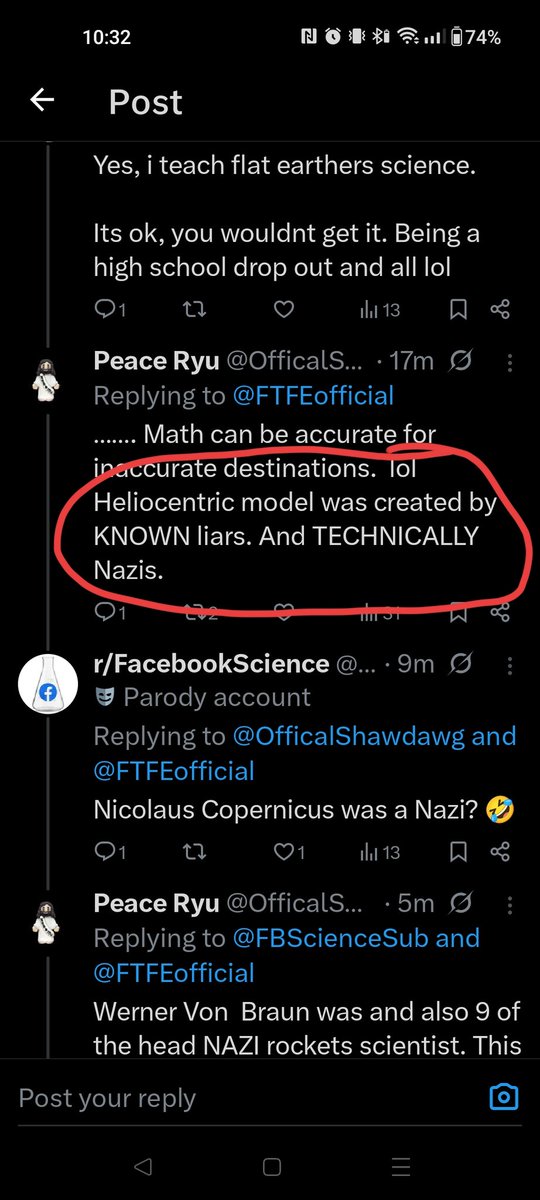
If you need to lie to push your narrative, ask yourself why.
2
2
12
1,495
r/FacebookScience retweeted

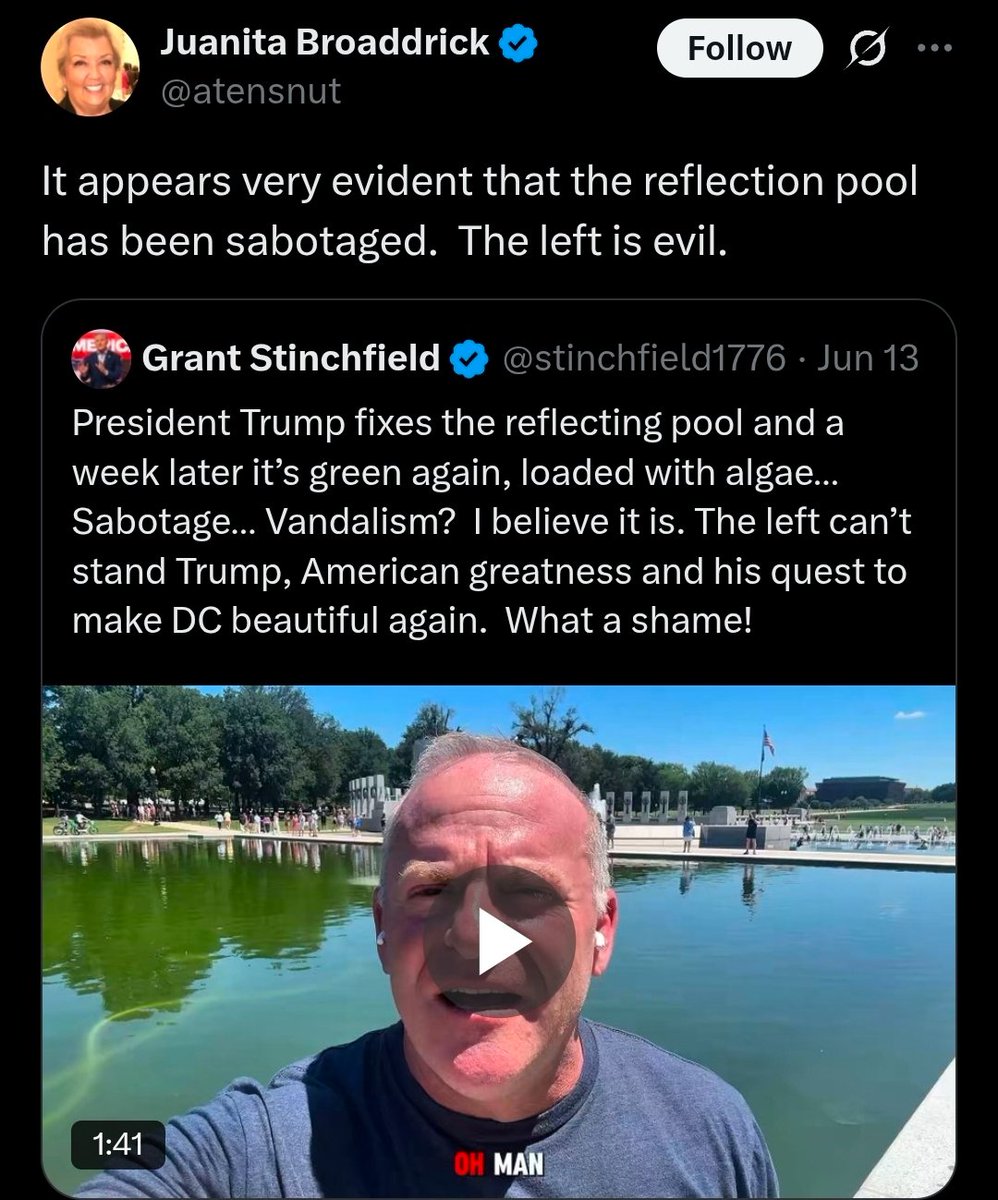
Once again, science and nature seems to have a left wing bias

5
7
79
2,085
r/FacebookScience retweeted

Jun 13
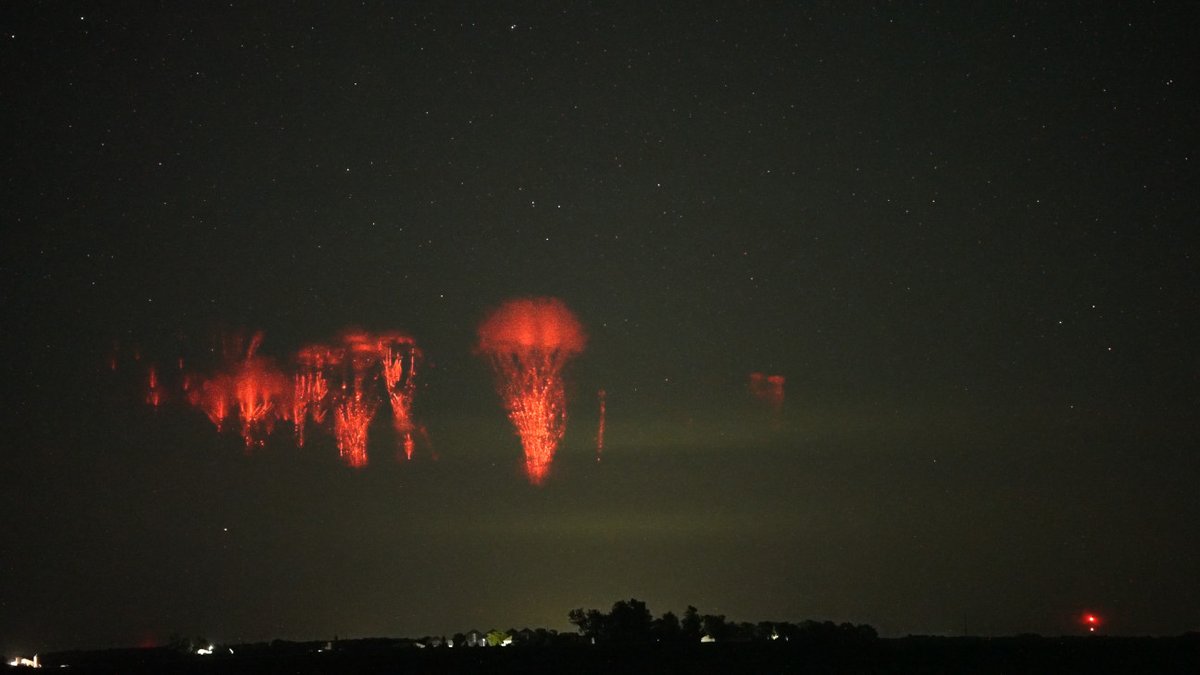
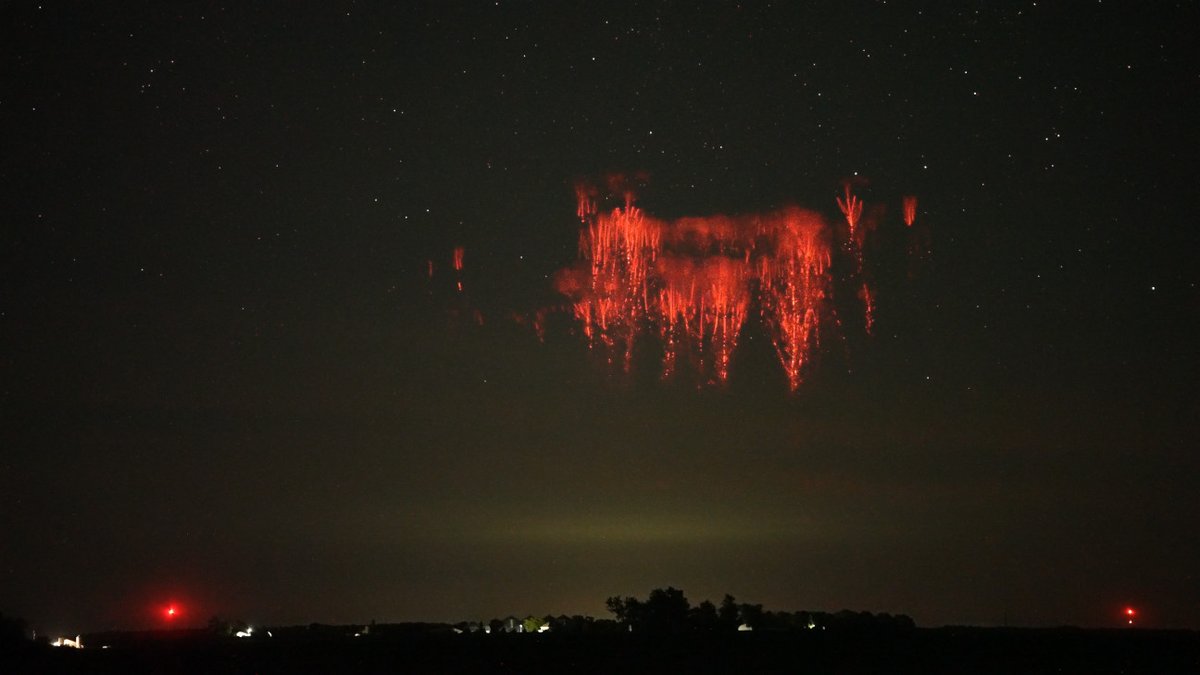
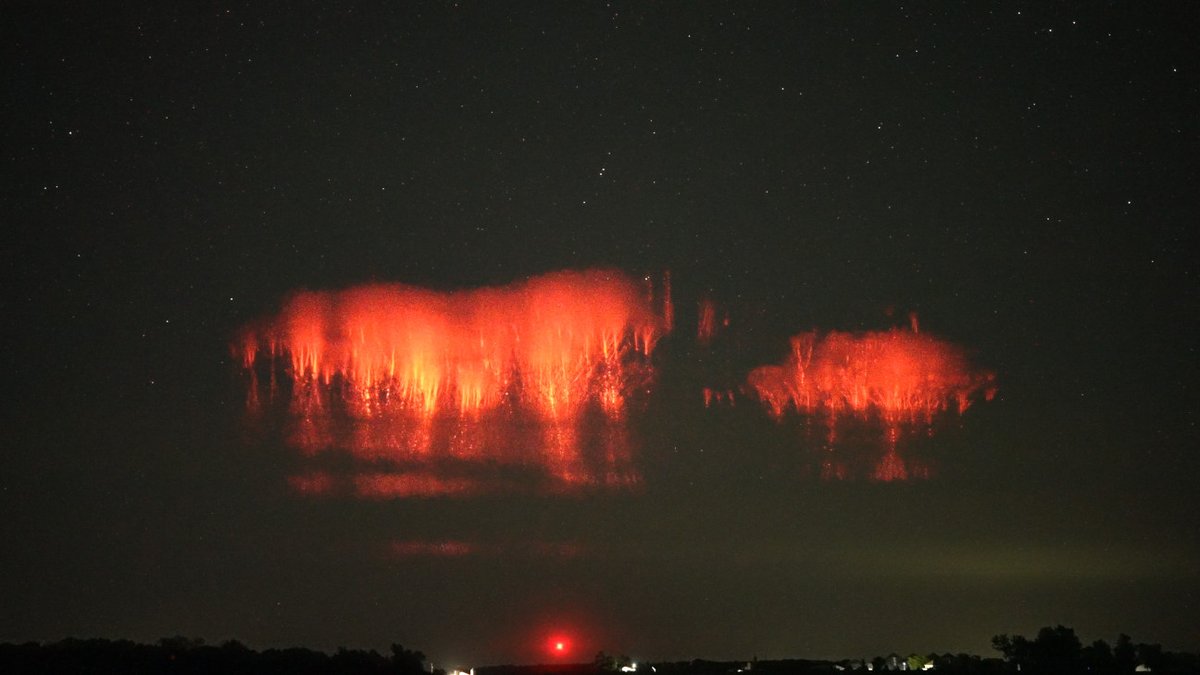
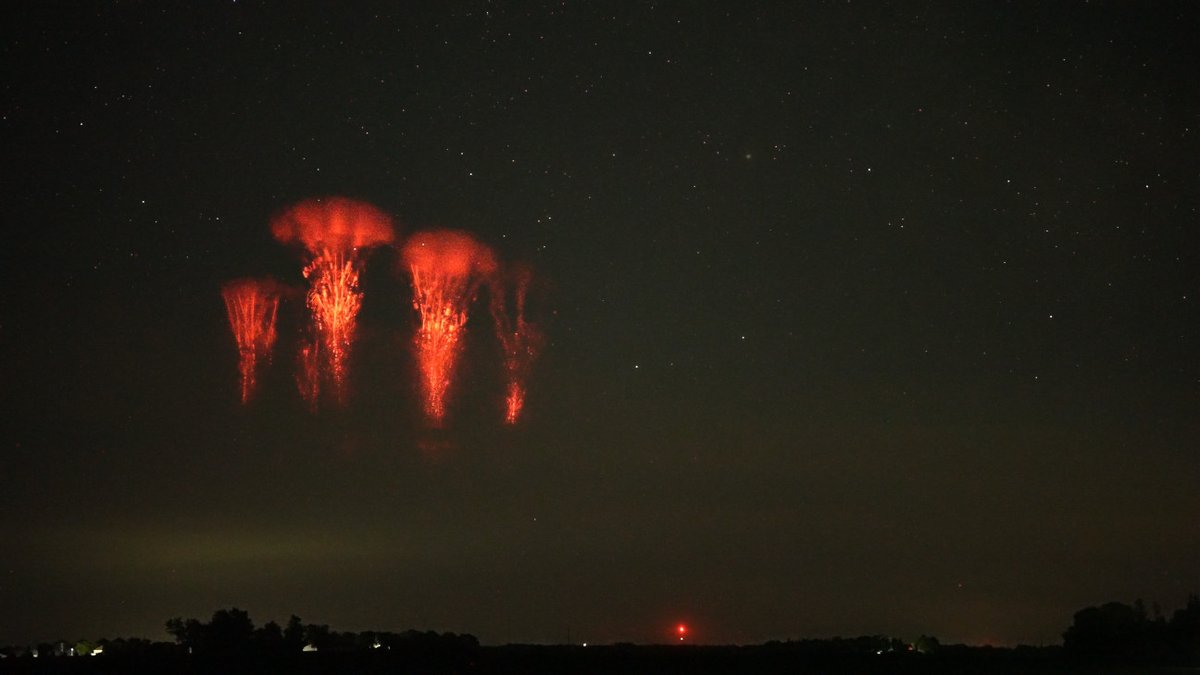
More red sprites from Wednesday night.
These are max value stacks of multiple frames from video to cover each sprite event which lasted less than 1 second each.
Sony A7s III, Sigma 85mm f/1.4 art lens.
1/24sec exposure at f/1.4 and ISO 80,000
5
26
228
4,796



That's... over 10k Light Years.
Subterranean fungi networks more than 100 quadrillion km in length, study finds theguardian.com/science/2026…
1
59
r/FacebookScience retweeted

Jun 11
This person is so close to seeing where they actually stand.

Ça fait 5 ans qu'on nous avait dit ça ! Ce type d'infos ne devrait pas être partagée, ça décrédibilise les complotistes et donne du grain à moudre aux fucked checkers et autres mougeons qui nous prennent toujours pour des fous
1
3
48
r/FacebookScience retweeted


BREAKING: Elon Musk is expected to have a net worth of $1.33 trillion this year
1,781
34,689
222,978
3,322,944
r/FacebookScience retweeted

Jun 9
Smart World Cup tactics from USA

30
3,220
29,255
239,430
r/FacebookScience retweeted

Jun 11
Idk why men complain about the declining birth rate. Just use your ribs to create new people...
64
892
7,207
62,466

And the coward locked replies. Because of course they did.

No, that's the equation for a parabola, not a sphere.
1
14
311
r/FacebookScience retweeted

If your response to an innocent man being brutally assaulted is to burn other innocent people out of their homes, you're a fucking monster. It really is that simple.
2,127
2,557
20,446
723,400
r/FacebookScience retweeted

Reform UK's leader Farage called for :
'Pure Cold Rage'
and said Southampton
'Would be just the start'.
In Belfast, Thugs set fire to buildings with terrified children inside because they are not white.
Both Farage and Tommy Robinson are to blame for this.
Jun 10

The only pattern we are seeing is a constant ranting from you chatting shite about Reform.
Let's clear this up right now.
@reformparty_uk condemn the violence last night the week before and any violence in the future on our shores.
Hope that's in plain English.
Your unhealthy obsession with us could affect your impartiality as a journalist.
Have you considered lying down in a dark room with some whale music playing?
To recap, we condemn the violence but support the right of protest especially when illegal migrants are raping and trying to behead our own people.
80
273
765
16,941
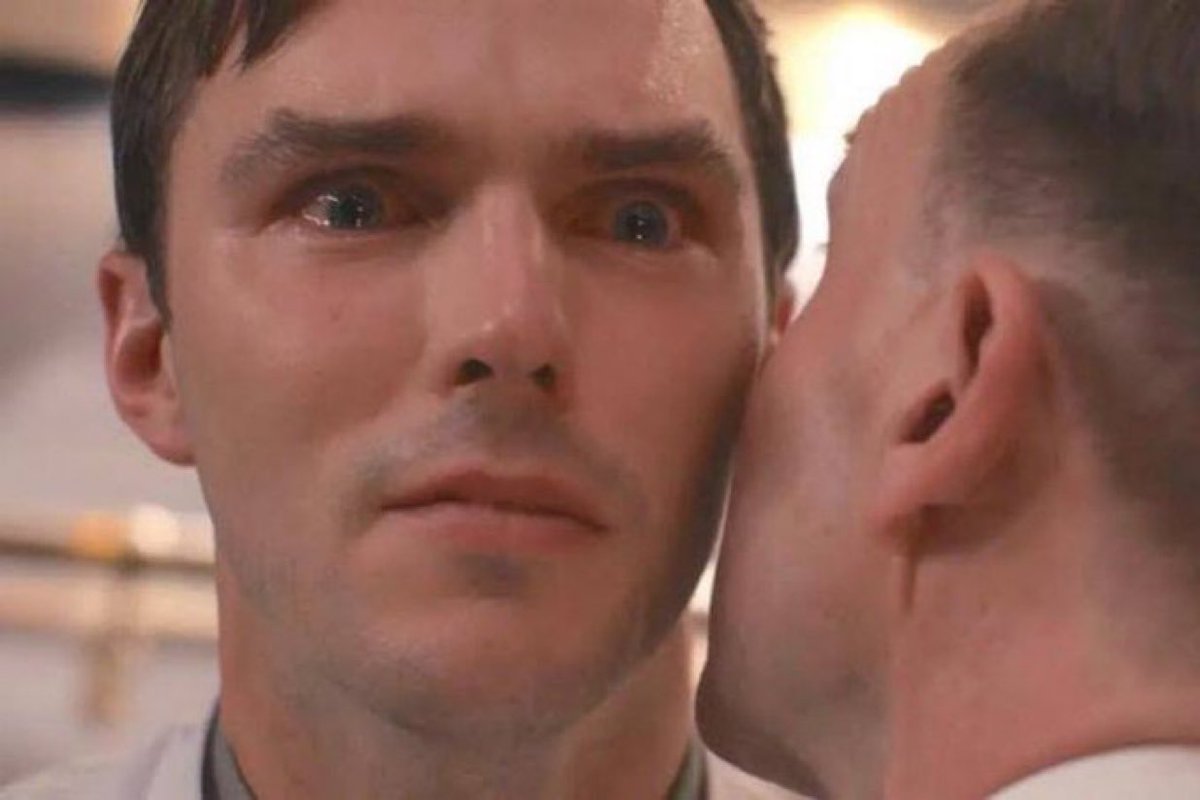
Barry Scott, the Cillit Bang guy, is a character played by an actor.
I never felt betrayal like it, the day I learned the truth.

1
120



r/FacebookScience retweeted

Feb 18
great, now they’ll say THAT’S bad for you
4 Oct 2013

Man accused of killing and cooking wife dies of cancer before trial lat.ms/18YW4o4
95
470
3,915
234,027
r/FacebookScience retweeted

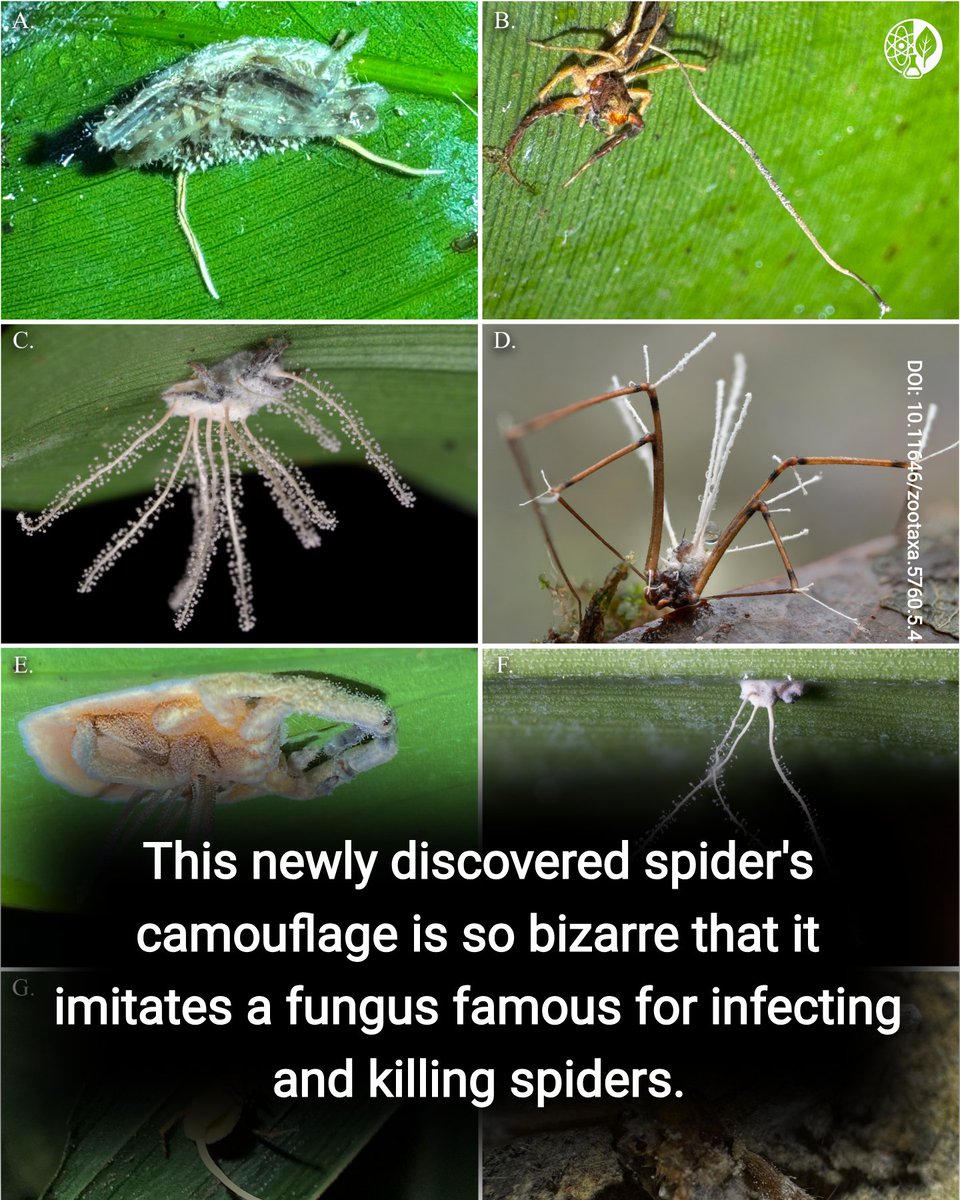
Deep in the Amazon rainforest, scientists have uncovered a survival strategy never before seen in the animal kingdom. A newly discovered spider species, Taczanowskia waska, has evolved to look exactly like a lifeless corpse infected by a deadly parasitic fungus.
In the wild, certain fungi specifically target spiders, eventually sprouting pale, textured growths from their bodies. This clever spider perfectly mimics those ghastly fungal sprouts. By dressing up as a diseased victim, it makes itself entirely unappetizing to hungry predators, who instinctively avoid sick or infected prey to protect themselves.
This macabre costume also makes the spider a brilliant and highly efficient hunter. Instead of spinning a traditional web, it sits perfectly still on the underside of a leaf, blending in seamlessly with its environment. Unsuspecting insects wander right up to what they assume is a harmless, immobile fungal growth, only to become the spider’s next meal.
What makes this discovery even more remarkable is its origin. The very first sighting was posted online by a citizen scientist who snapped a photo of what they simply assumed was a dead spider. This extraordinary find is a powerful reminder that the natural world is still full of spectacular secrets, often hiding in plain sight.
Journal Source: David R. Díaz-Guevara et al, "The Cordyceps spider": Taczanowskia waska sp. nov. (Araneae: Araneidae), a new spider species and a novel case of mimicry of an araneopathogenic fungus (Cordycipitaceae: Gibellula), Zootaxa (2026). DOI: 10.11646/zootaxa.5760.5.4
2
5
7
866
r/FacebookScience retweeted
It's not a hard one to figure out, Columbo.
1
1
4
99