
FDD is a nonpartisan national security and foreign policy institution. Defending democracies without fear or favor. Views are our experts' own.
Joined July 2009
- Tweets 66,493
- Following 1,326
- Followers 94,316
- Likes 7,050
6,495 Photos and videos
FDD retweeted

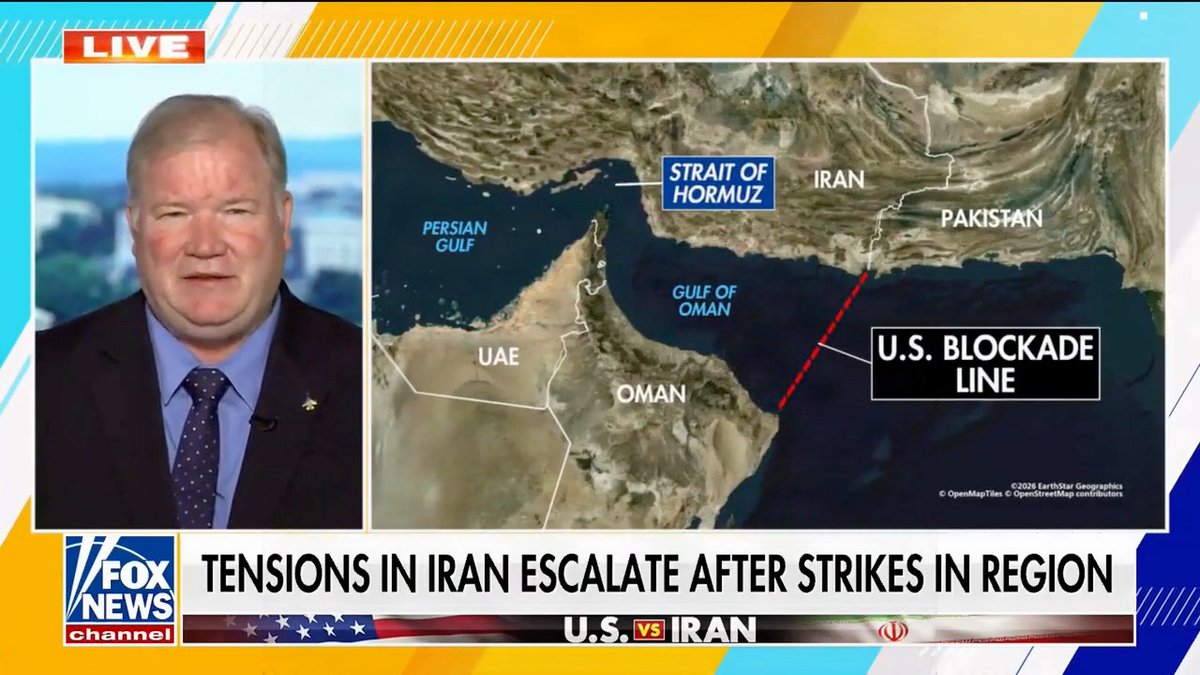
A phase 1 deal, technically an MoU, btwn the US & Iran is closer than ever. But we’ve heard this before, so why is now different, and what are the political forces driving and dampening these prospects? I joined Nicky Schiller on @BBCWorld earlier today to discuss.
5
18
1,980

The 2025-2026 strikes did what diplomacy couldn't: no operating enrichment plants in Iran for the first time since 2006. The next agreement must lock that in — full, verified dismantlement.
New interactive timeline from @StrickerNonpro and @mdubowitz ⬇️ fdd.org/analysis/2026/06/12/…
13
25
3,959
$84.6 billion in defense. $246 billion in aviation and infrastructure. $8.8 billion in U.S. universities.
Qatar's footprint in America is vast, methodical, and underexamined.
For the full dataset, check out @NatalieEcanow's new visual: fdd.org/qatarmoneyusa/?utm_c…
3
14
25
2,064
🚨NEW: Trump Administration Foreign Policy Tracker: June | Syria is trending neutral
🔗@AhmadA_Sharawi gives the rundown: fdd.org/analysis/2026/06/02/…
1
1
4
1,152
📈 NEW interactive from @StrickerNonpro and @mdubowitz: Track Iran's nuclear enrichment from the late 1990s through the 2025-2026 strikes that destroyed most of Tehran's program.
See how stockpiles grew across 4 administrations — and what the JCPOA would have allowed. fdd.org/analysis/2026/06/12/…
2
6
16
10,478
Lawmakers have begun pushing for transparency in the foreign funding of schools in Georgia and Florida, which is a good start. However, no laws at the state or federal level prohibit foreign influence, explain @SimoneJWei & @NomiFried:
washingtontimes.com/news/202…
2
6
8
1,138
FDD retweeted
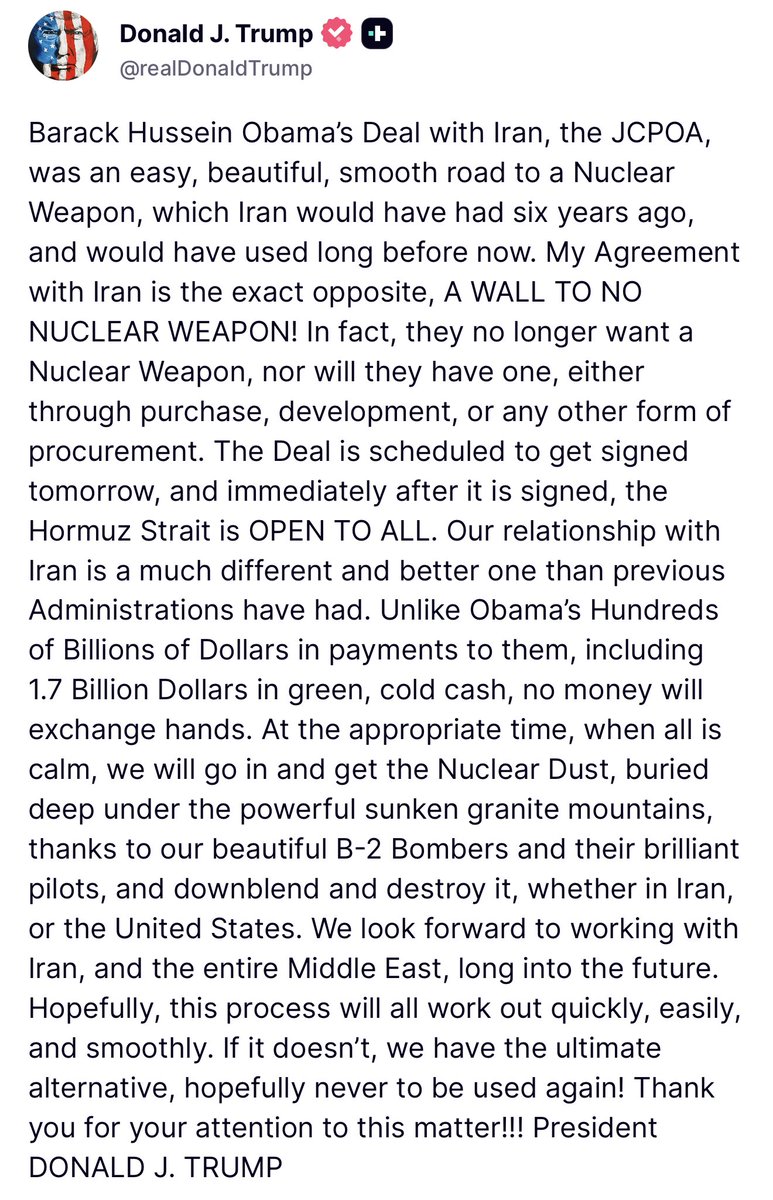
Remember, Mr. President, down-blending and letting Iran keep the material is a reversible constraint. You must dismantle all enrichment infrastructure, and destroy or remove all LEU and HEU material.

9
23
61
6,911
Georgia, once Washington’s closest partner in the post-Soviet space, is deepening its strategic alignment with China. President Xi Jinping and Georgian President Mikheil Kavelashvili announced the two elevated bilateral relations to a “comprehensive strategic partnership.”
fdd.org/analysis/2026/06/12/…
1
2
867
Decades of buildup. One year of strikes. See how Iran's nuclear enrichment program rose—and was dismantled — in @StrickerNonpro and @mdubowitz's new interactive timeline.
fdd.org/analysis/2026/06/12/…
1
8
13
3,020
As foreign minister and VP under Maduro, interim President Delcy Rodríguez helped build Venezuela's ties with U.S. adversaries. Despite pressure from Washington to orient toward the West, she's reinvigorating relationships with middle powers, writes @realSamuelBenUr:
fdd.org/analysis/2026/06/11/…
2
2
4
1,010
FDD retweeted

Jun 13
.@MahyarTousi asked where things could stand 60 days from now.
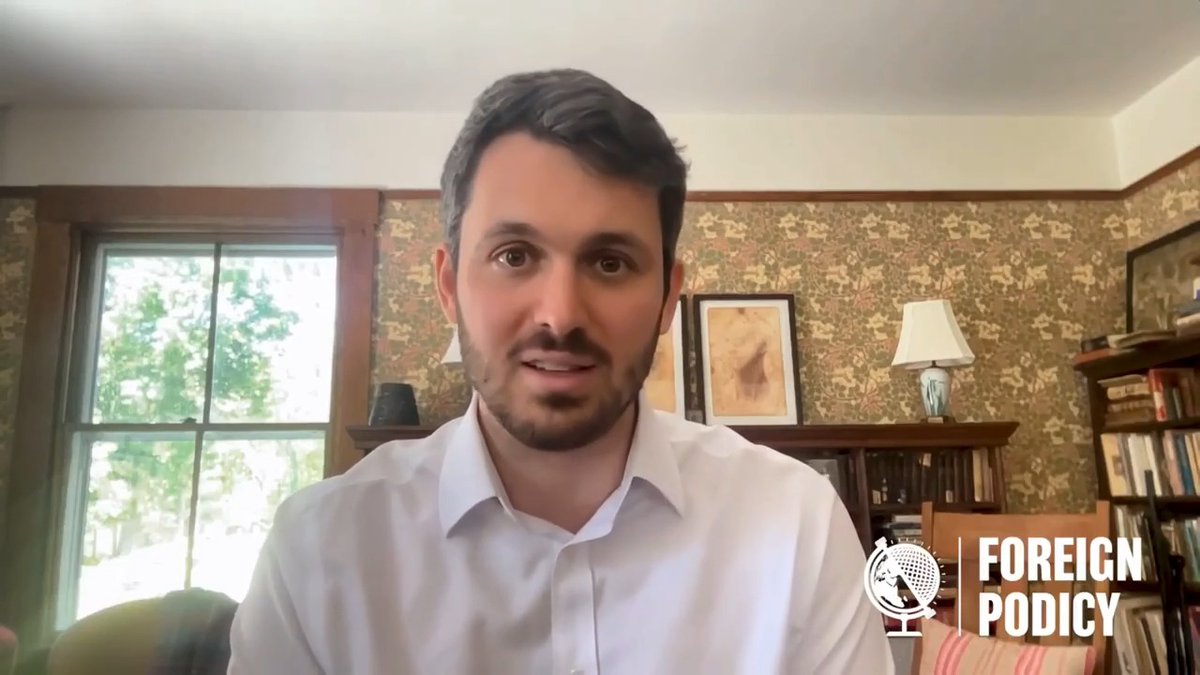
@therealBehnamBT noted that the administration has begun using the word "dismantlement" when discussing the Islamic Republic’s nuclear program, a term that implies far more than limits or inspections. It means physically taking apart key infrastructure.
His assessment: the crisis is far from over, and if Tehran overplays its hand, the current standoff could return to open confrontation much sooner than many expect.
16
104
523
20,328
FDD retweeted
Jun 12
FDD’s @therealBehnamBT says the fuel shortages now being reported across Iran are evidence that the pressure campaign is having a real impact.
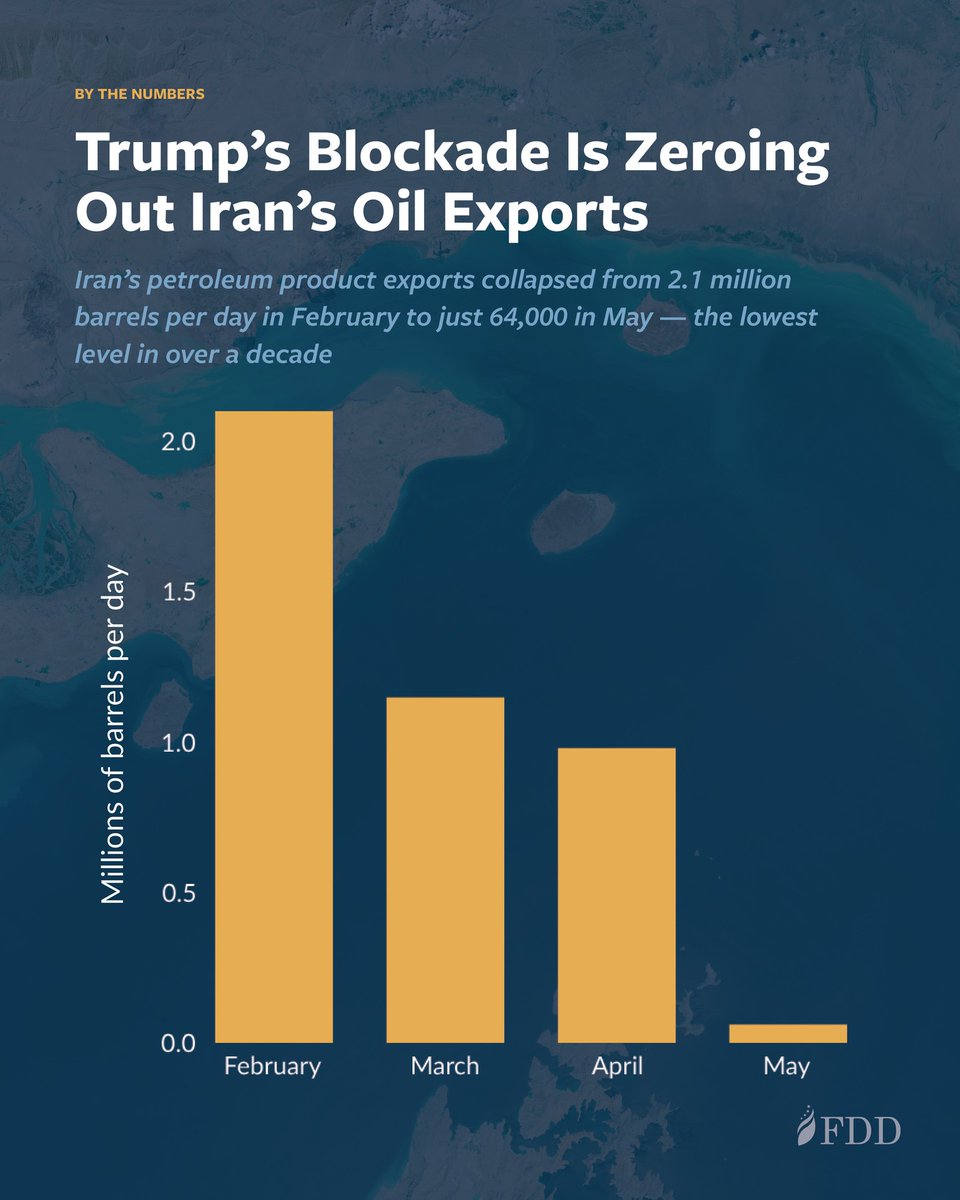
According to Taleblu, the Islamic Republic’s oil exports fell from roughly 2.1 million barrels per day before the blockade to just 64,000 barrels per day in May. Combined with strikes on energy infrastructure, the regime is now facing pressure on multiple fronts.
As long lines form at petrol stations across Iran, the economic consequences are becoming harder to hide.
16
191
883
22,543
FDD retweeted
Jun 13
Both Washington and Tehran may be buying time, but for different reasons.
@therealBehnamBT warned that any deal that eases pressure on the regime without major concessions could give the Islamic Republic breathing room just as internal and economic pressures are intensifying.
“The regime is playing to the edge.” The question is whether the West lets it.
14
102
530
19,959
FDD retweeted

"Qatar has spent $8.8 billion infiltrating U.S. universities"
@CliffordDMay on why Qatar's spending goes far beyond business.
21
65
134
10,079
🚨 NEW | Turkey is trending negative
Trump praised Erdogan days after a Turkish court removed the elected leadership of Turkey's main opposition party. Treating Ankara as a stabilizing partner while it backtracks on democracy and positions itself as a patron of Hamas is not a strategy — it is a concession.
🔗@SinanCiddi has the breakdown 👇
fdd.org/analysis/2026/06/02/…
8
32
84
4,139
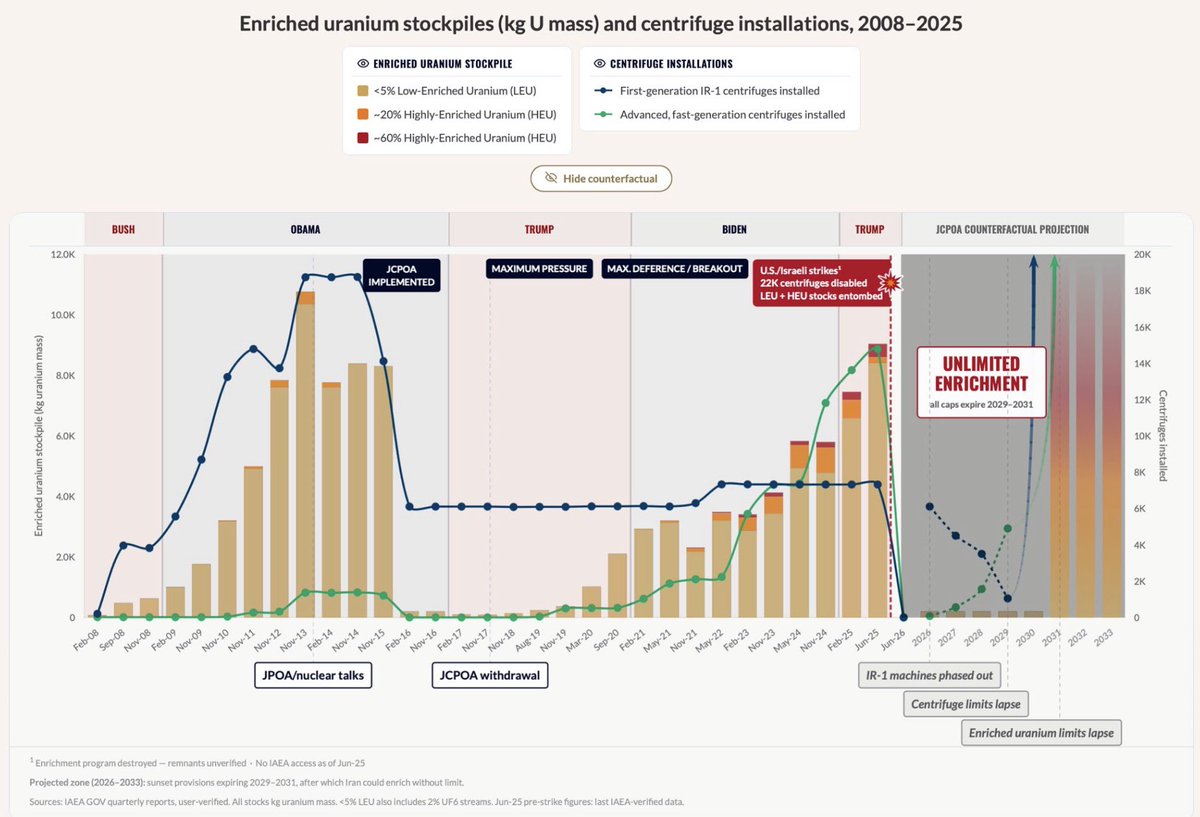
Iran's Nuclear Enrichment Progress: 2008–2025 and Beyond
New FDD Visual by @StrickerNonpro and @mdubowitz: fdd.org/analysis/2026/06/12/…
6
13
1,730
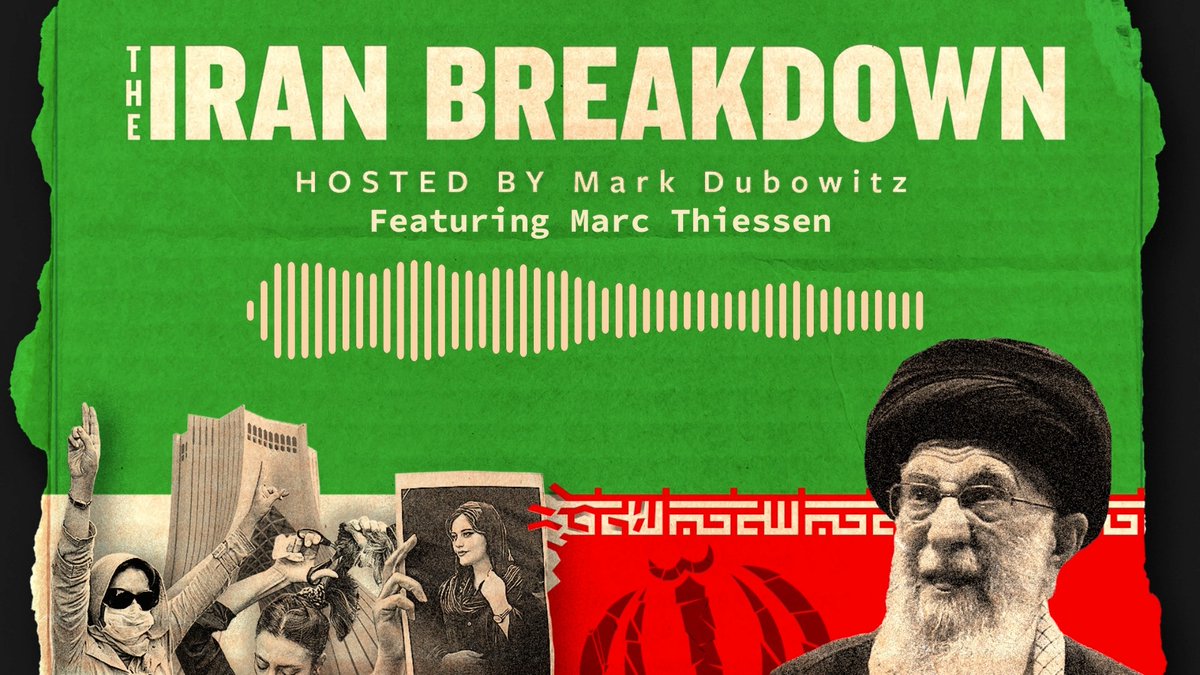
🎙️ In this episode of Foreign Podicy @CliffordDMay sits down with @RepStefanik @EliseStefanik to discuss her new book exposing academic rot at elite universities.
@76brandy76 joins to examine ideological bias and double standards at America’s prestigious institutions.
youtube.com/watch?v=yYWrRBnW…
9
13
32
12,439
FDD retweeted

Jun 12
New: @FDD nuclear expert @StrickerNonpro, our infographics team and I chart Iran’s nuclear trajectory from 2008 to 2026. We include the JCPOA counterfactual.
Trump inflicted major damage on Iran’s nuclear program (unlike his predecessors) and has leverage he shouldn’t squander.
8
28
96
11,795
Iran's enriched uranium stockpiles grew under Bush, Obama, Trump & Biden — surviving both diplomacy and sanctions. Now, after the 2025-2026 strikes, the picture has changed.
Track the full timeline in @StrickerNonpro and @mdubowitz's new interactive. fdd.org/analysis/2026/06/12/…
7
9
1,436
FDD retweeted

Jun 12
NEW @FDD Interactive Visual: Iran's Nuclear Enrichment Progress, 2008–2025 and Beyond
@POTUS' strikes have done more to set back Iran’s nuclear threat than diplomacy ever did — at least temporarily nullifying the threat of a near-term nuclear breakout.
Any negotiated agreement must therefore consider a new reality: for the first time since 2006, Iran is no longer enriching uranium and has no operating enrichment plants.
The United States should insist that Iran is never permitted to restart, and correspondingly, demand the full, verified dismantlement of all enrichment infrastructure, @mdubowitz and I explain:
fdd.org/analysis/2026/06/12/…
3
13
20
3,730