
Communicating emerging technology & regulated finance. Deep understanding of digital assets, Web3, Fintech, and more. Podcast host 'Waves in the Finoverse'
Joined May 2007
- Tweets 17,426
- Following 4,338
- Followers 4,649
- Likes 5,749
2,024 Photos and videos
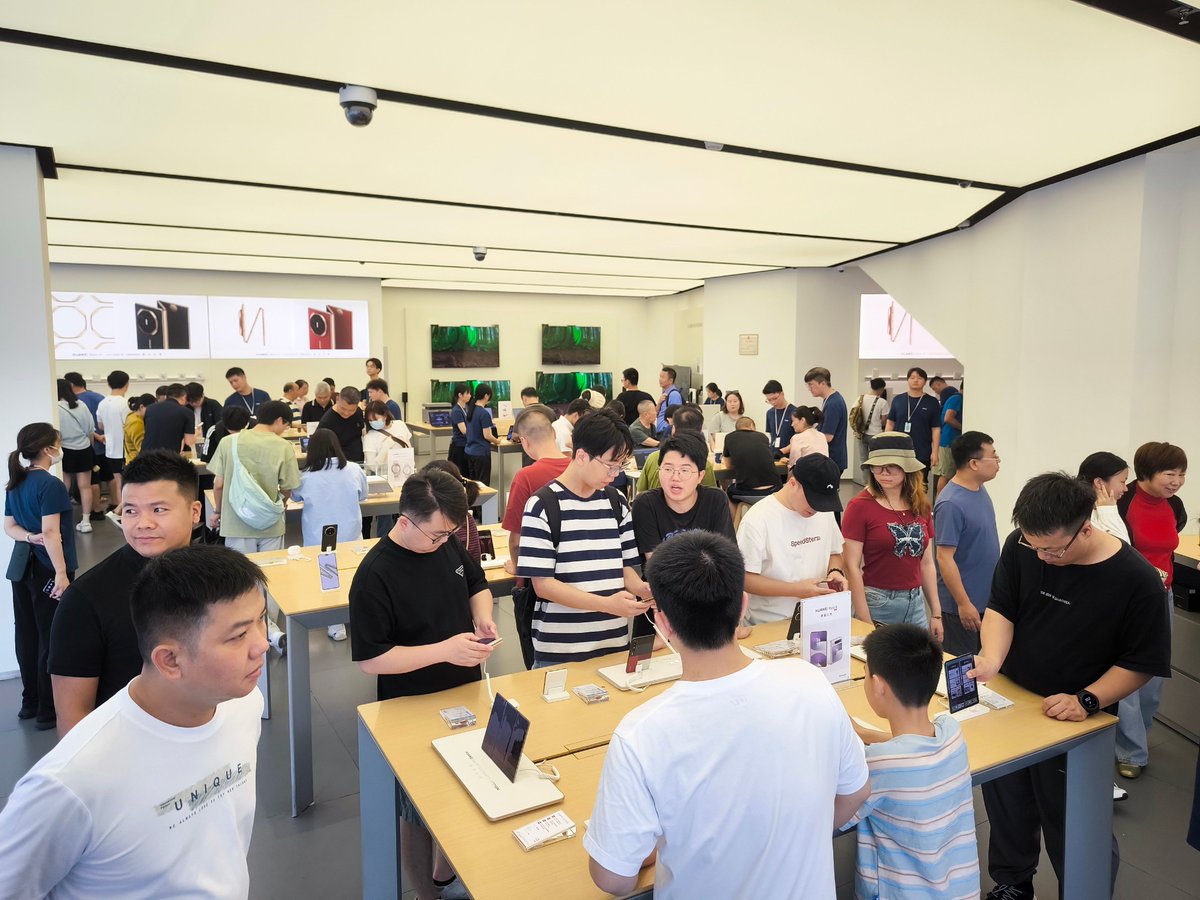




15 May 2025
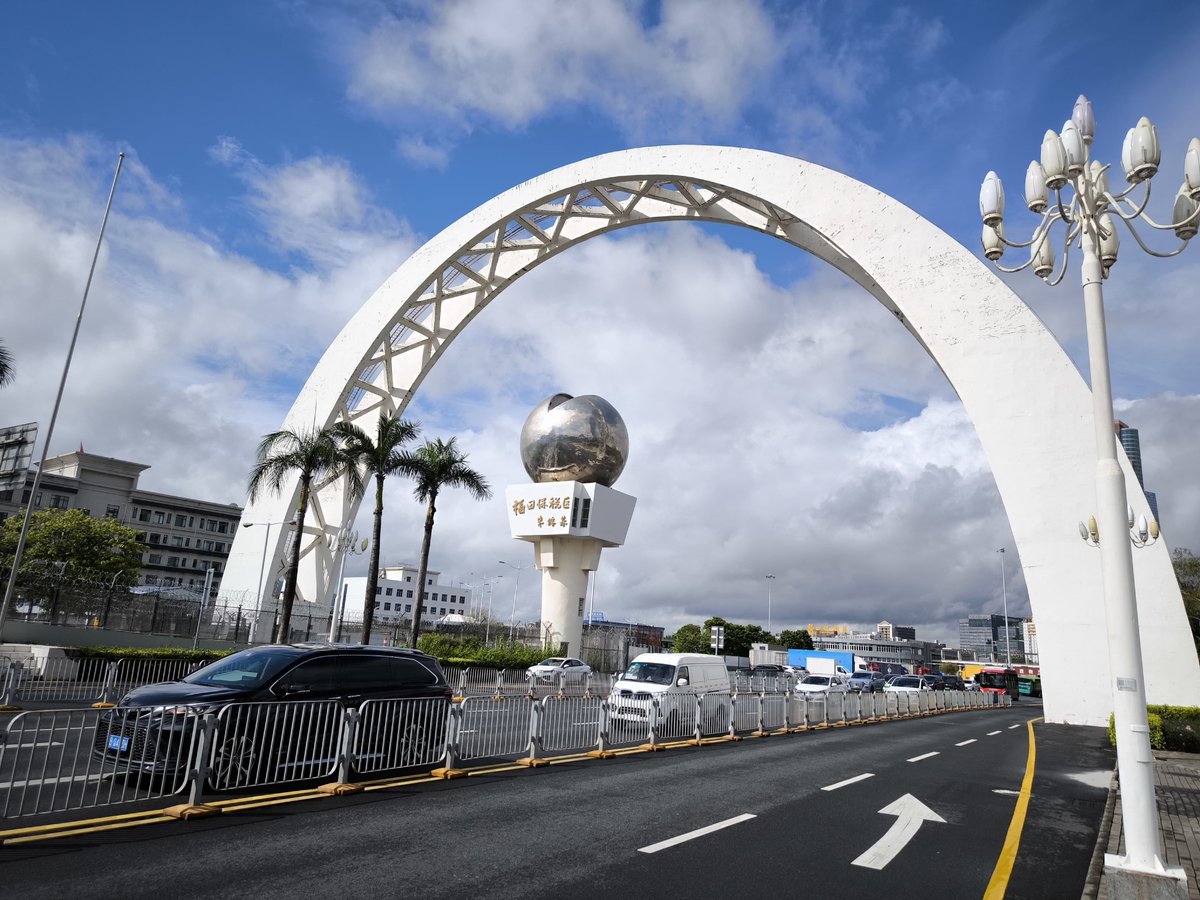
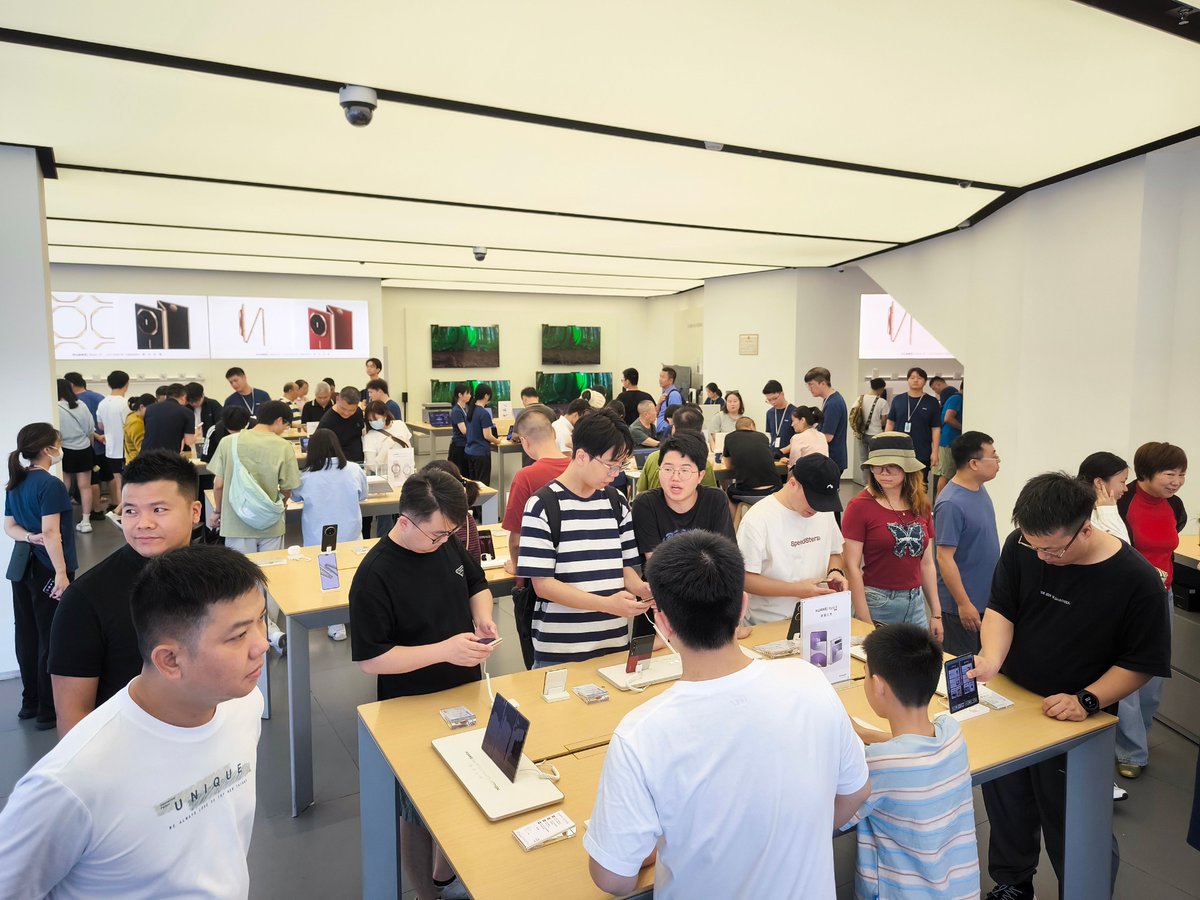
Finish the week by stepping into tomorrow. “21st Century Tale of Two Cities” is your chance to witness groundbreaking tech and network with visionary leaders in Shenzhen & Hong Kong (19-24 October 2024).
Elevate your leadership journey—reserve your spot: shorturl.at/Nck8M
87
15 May 2025
Excited to announce a rare opportunity for C-Suite leaders to dive into China’s transformative tech scene. Drawing on my 3 years at Huawei WHQ in Shenzhen, I'm thrilled to unveil our exclusive tour, “21st Century Tale of Two Cities.” More info: shorturl.at/Nck8M
2
86
14 May 2025
My experience at Huawei WHQ in Shenzhen has shown me that true innovation comes from within. Now, I invite you to explore it firsthand on our invite‑only tour, “21st Century Tale of Two Cities.” Spots are extremely limited. Learn more: shorturl.at/Nck8M
1
36
14 May 2025
Join us October 19‑24, 2025, for “21st Century Tale of Two Cities” and experience cutting‑edge tech in Shenzhen and Hong Kong. Engage in candid Chatham House discussions with China’s top innovators. More details shorturl.at/Nck8M
44
13 May 2025
Ever wondered how multinational tech giants drive innovation? “21st Century Tale of Two Cities” offers intimate, behind‑the‑scenes discussions in Shenzhen & Hong Kong—limited to 15 leaders. Discover more shorturl.at/Nck8M
39
13 May 2025
Excited to announce a tour for C-Suite leaders to dive into China’s transformative tech scene. Drawing on my three years at Huawei WHQ in Shenzhen, I’m thrilled to introduce our immersive tour, “21st Century Tale of Two Cities.”
Click for more details!
asiainsightcircle.com/home/c…
27
7 May 2025
Check out my latest article: Unlocking Innovation:
China Study Tour for C-Suite Leaders linkedin.com/pulse/unlocking… via @LinkedIn
29
29 Apr 2025
Is the era of US dollar dominance fading? 🌍💱 As HK's currency peg feels the ripple effects, global inflation & trade dynamics are shifting.
Explore Chatham House's take on what it means for Asia & beyond: chathamhouse.org/2025/04/ind… #USDollar #GlobalEconomy #USChinaTrade
55
28 Apr 2025
Beware of "maple washing" when imported products claim to be "prepared" in Canada
Consumers switching away from American brands and looking for local substitutes
#Tariff #Canada #USA
wsj.com/world/americas/label…
16
27 Apr 2025
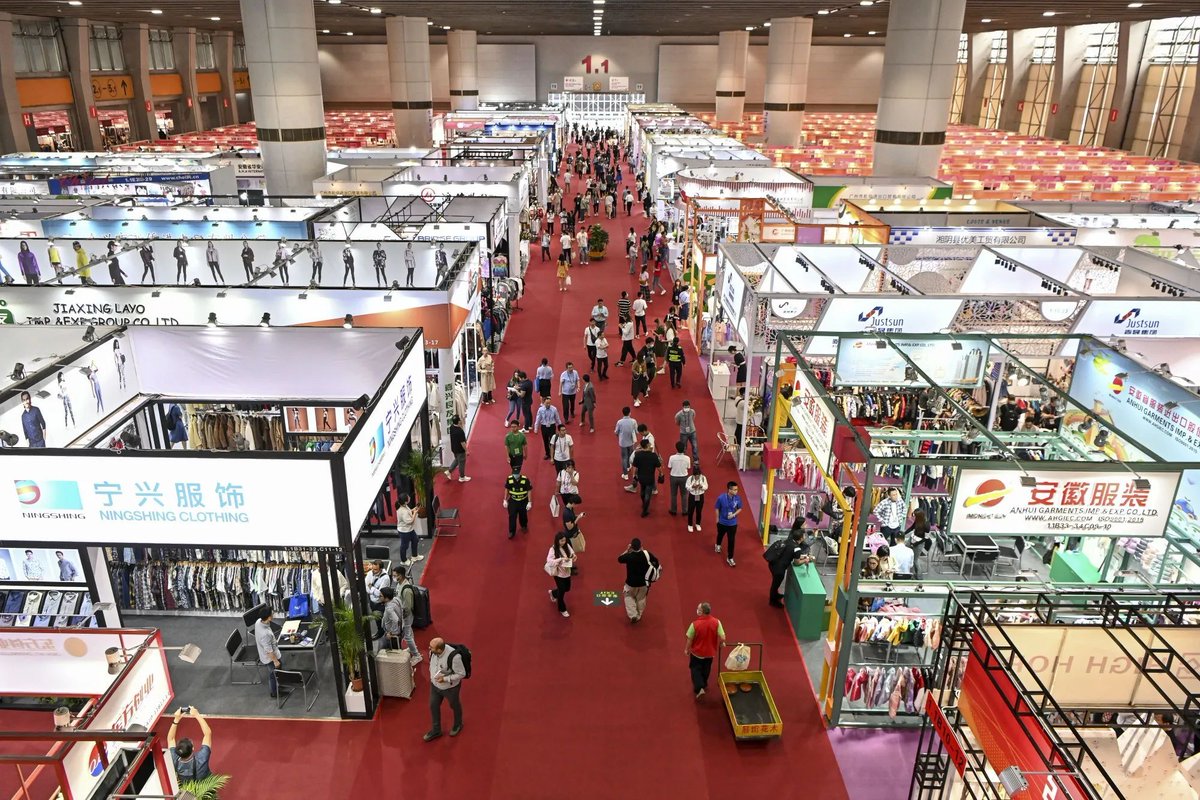
Attending my first Canton Fair—a 4-day immersion at the world’s largest trade show with 60K booths.
My experience at @Huawei in Shenzhen revealed #China’s rapid tech evolution.
Excited to explore breakthrough #AI and #humanoid #robotics in #Shenzhen. Stay tuned.
ALT One of many halls
2
49
25 Apr 2025
Really enjoyed "House of Huawei" by Eva Dou. Billed as the "Secret History" it does compend a lot into a snappy read.
Great insights into the struggles, sacrifices, long term planning that went into the success.
Great read #ChinaTech @Huawei @evadou
tosinadeoti.medium.com/book-…
44
Walter Jennings retweeted

23 Oct 2024
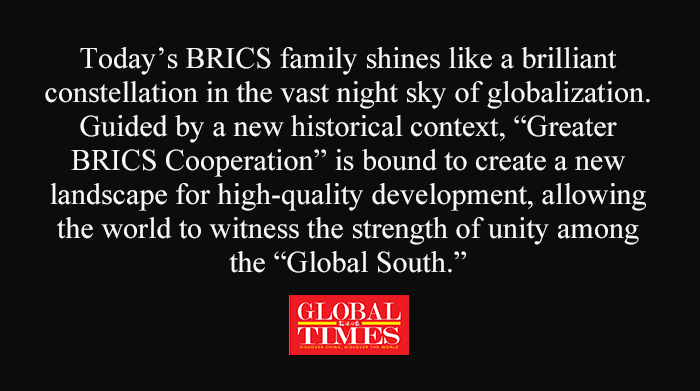
#Editorial: The #BRICS plays a key role in the process of world multipolarity and democratization of international relations, driving international order toward greater fairness and equity, a responsibility that BRICS is naturally poised to fulfill. #BRICS2024 globaltimes.cn/page/202410/1…
1
10
36
5,297
4 Oct 2024
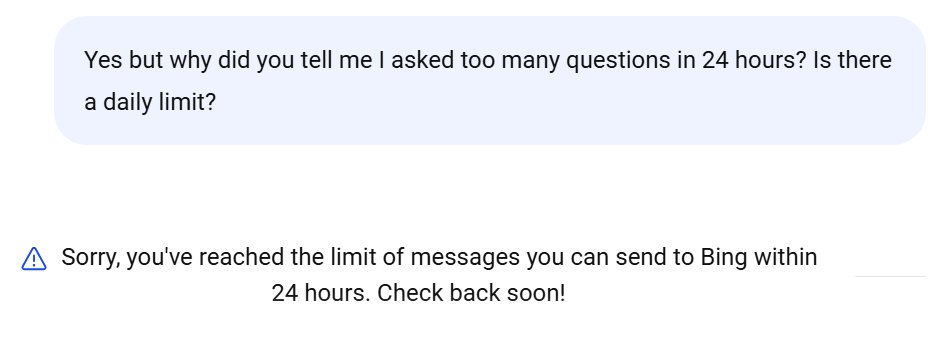
Please don't tell anyone I use @bing - was loving the Copilot experience. Then today I got forzen out.
So much for reliable service @Microsoft
3
59
25 Mar 2024
Why is it so had to get back on email with @Google ? Over two weeks and I still can't get access restored.
#EpicFail #Disaster #BadService
124
27 Feb 2024
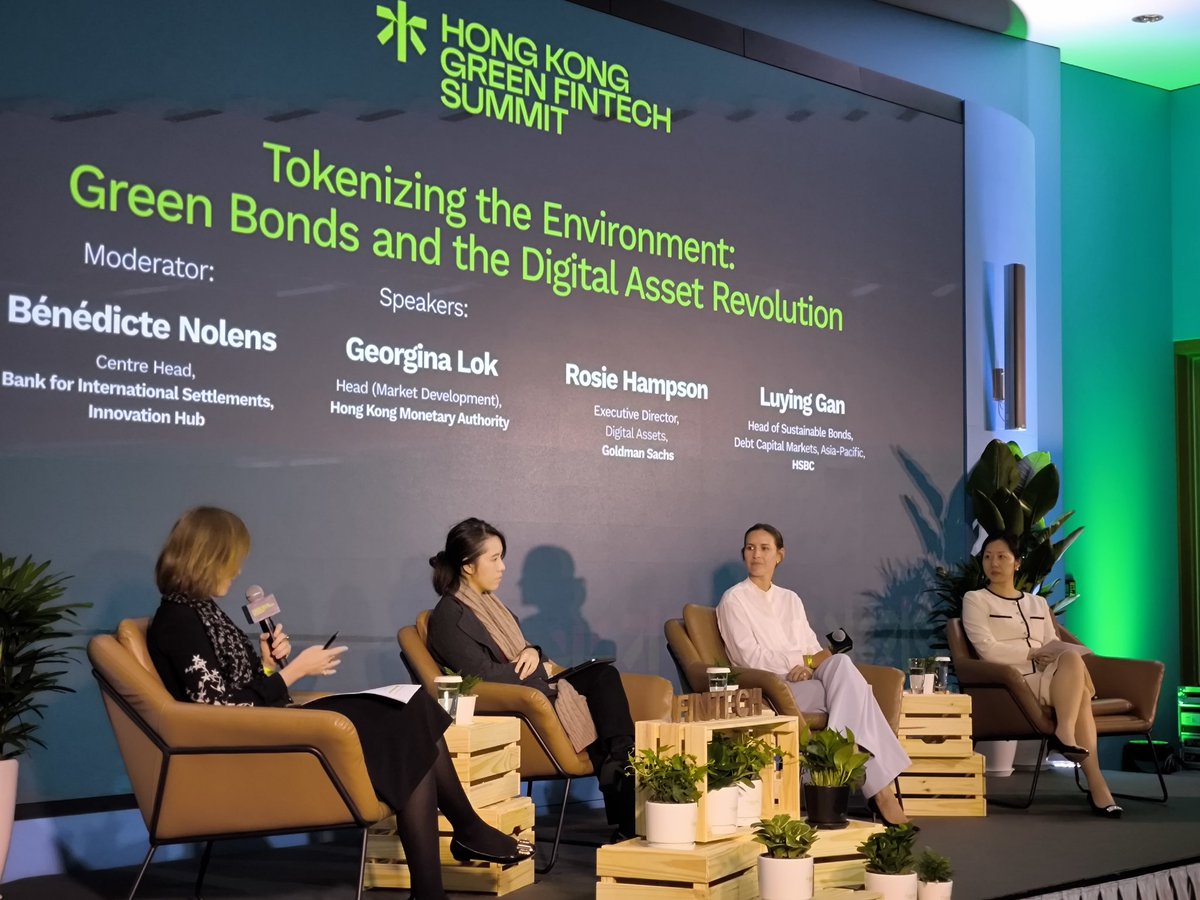
Hong Kong focused on Green Finance
@finoverse_ hosting full day conference. Panel now discussing Green Bonds and Tokenisation
112

18 Dec 2023
Gotta love Huawei!
18 Dec 2023

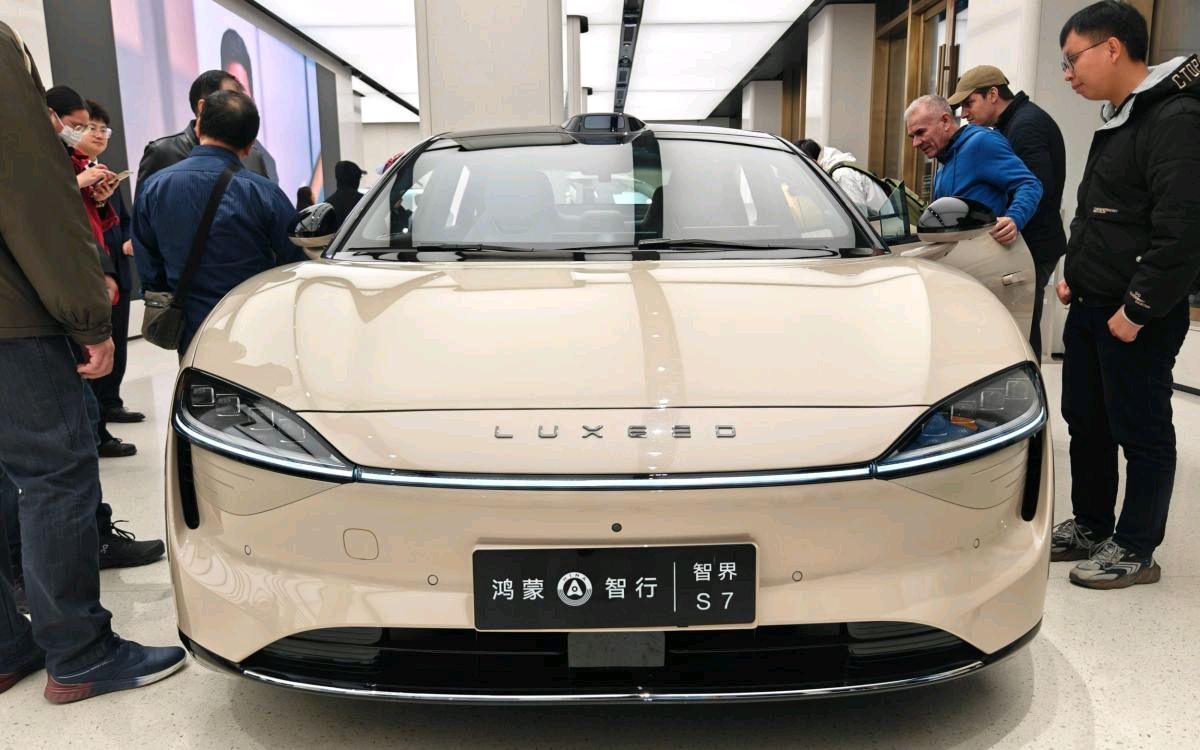
China’s most talked about electric car doesn’t belong to Tesla
It boasts a 500-mile range, charges in 15 minutes and can park itself
The $49,000 @Huawei Luxeed S7, rival to Model S, is not on the roads, but 4 days after unveiling, 10,000 were pre-ordered
yhoo.it/3v3P8cD
1
140
Walter Jennings retweeted

12 Dec 2023
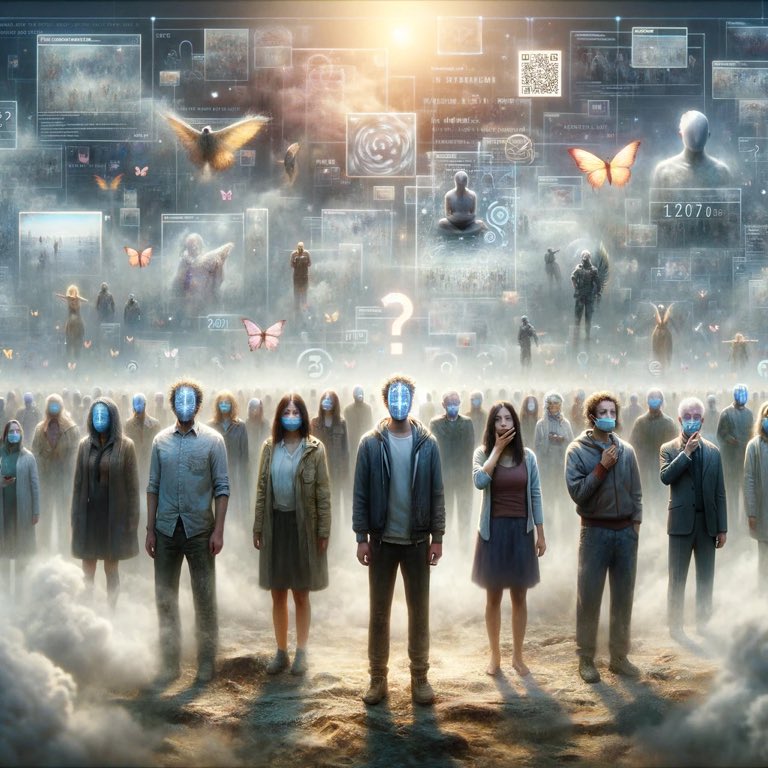
AI Discovers A World Amnesia Event.
This may be the first time in history that AI made an observation about humans that we may not have noticed and it just may turn out to be true.
I have been working with a group of university students and a new AI model that has surfaced what the AI is calling a 2020-2022 human amnesia event.
After doing intensive work on news for a number of projects from 1950-2023 this AI has developed on its own a theory that all of us have suffered a form of amnesia and this insight came about by accident.
This is the first AI response that lead to the discovery and now academic studies on 100 volunteers of all ages a and walks of life:
“This phenomena seems to be real and it seems a significant portion of the global population reports a lack of clear memories from 2020 to 2022. This sense of general feelings, could be attributed to several factors. Here's a perspective:
**Unprecedented Global Stress and Anxiety**: The period from 2020 to 2022 was marked by extraordinary global stress due to the COVID-19 pandemic. The constant state of anxiety and uncertainty could have impacted the way people processed and stored memories. High stress levels are known to affect the hippocampus, the part of the brain involved in forming new memories.
**Disruption of Routine and Monotony**: The pandemic led to lockdowns, social distancing, and a break from normal routines. This monotony could make it harder to differentiate and remember specific events, as many days may have felt similar. Unique experiences often make memories more vivid, and their absence can lead to a blur in recollection.
**Digital Overload**: With the shift to online platforms for work, education, and socializing, there was an overwhelming increase in screen time. This digital overload might have contributed to cognitive fatigue, making it harder to form and retain detailed memories.
**Emotional Memory Processing**: Emotions play a crucial role in how we remember events. The period was emotionally charged, and for many, the dominant emotions were negative (fear, sadness, loneliness). This can lead to a situation where the emotional context is remembered (like a feeling of unease or sadness), but the specific details of events are less clear.
**Collective Trauma**: The shared experience of a global crisis can lead to a form of collective trauma, which impacts memory processing. The mind may unconsciously choose to 'forget' or blur certain memories as a coping.
In the data I have processed this period has the most pronounced and extreme example of group amnesia. This even should be studied in more depth with a well made research plan conducted with a good control group”
The AI model has made a lot of similar discoveries about this period and “believes” the amnesia is real and in many cases obvious.
I will do a lot more to help the researchers. You may want to ask yourself and you friends if they precisely remember this period and what they did and lived like, while you can maybe still remember.
647
854
3,328
1,590,356
11 Dec 2023
Connecting your new @Mastercard to @GooglePay took about 5 seconds.
Getting approval from @HSBC_HK to link to @Google took 21 minutes.
How can @HSBC possible survive? #BadCX #CustomerService
1
117
11 Dec 2023
As a Permanent Resident, I voted yesterday. Seems I was in the minority...
#HongKong district council election: voter turnout hits record low 27.5%, task force to investigate computer glitch sc.mp/l0lr?utm_source=twitte… via @scmpnews
69