
Joined October 2021
- Tweets 771
- Following 159
- Followers 389
- Likes 6,168
129 Photos and videos





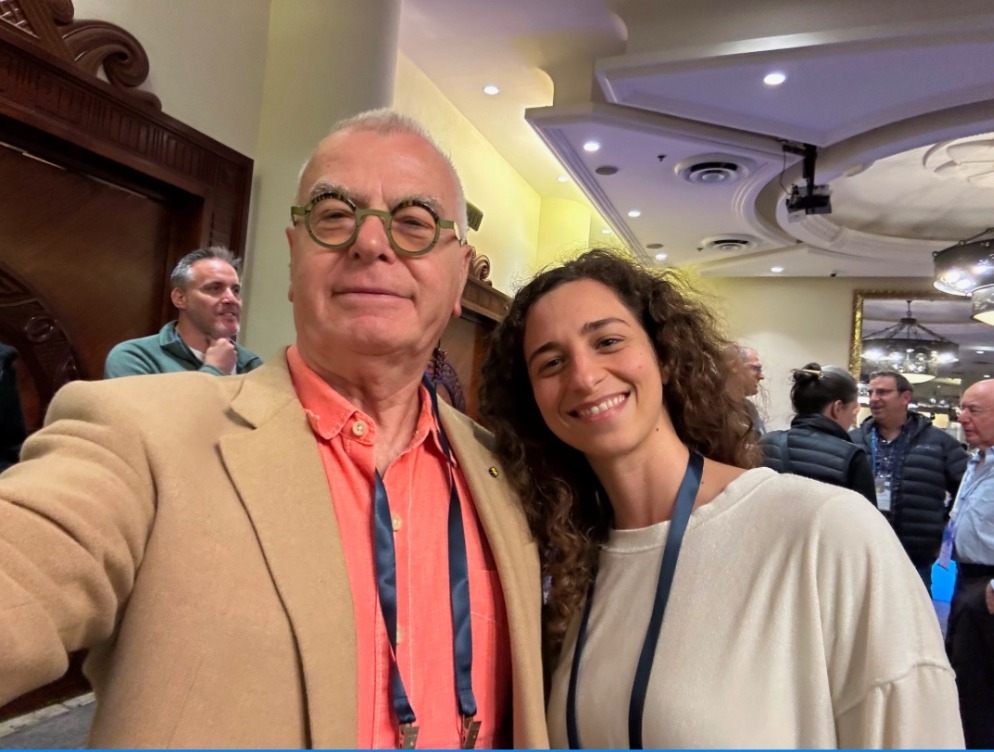

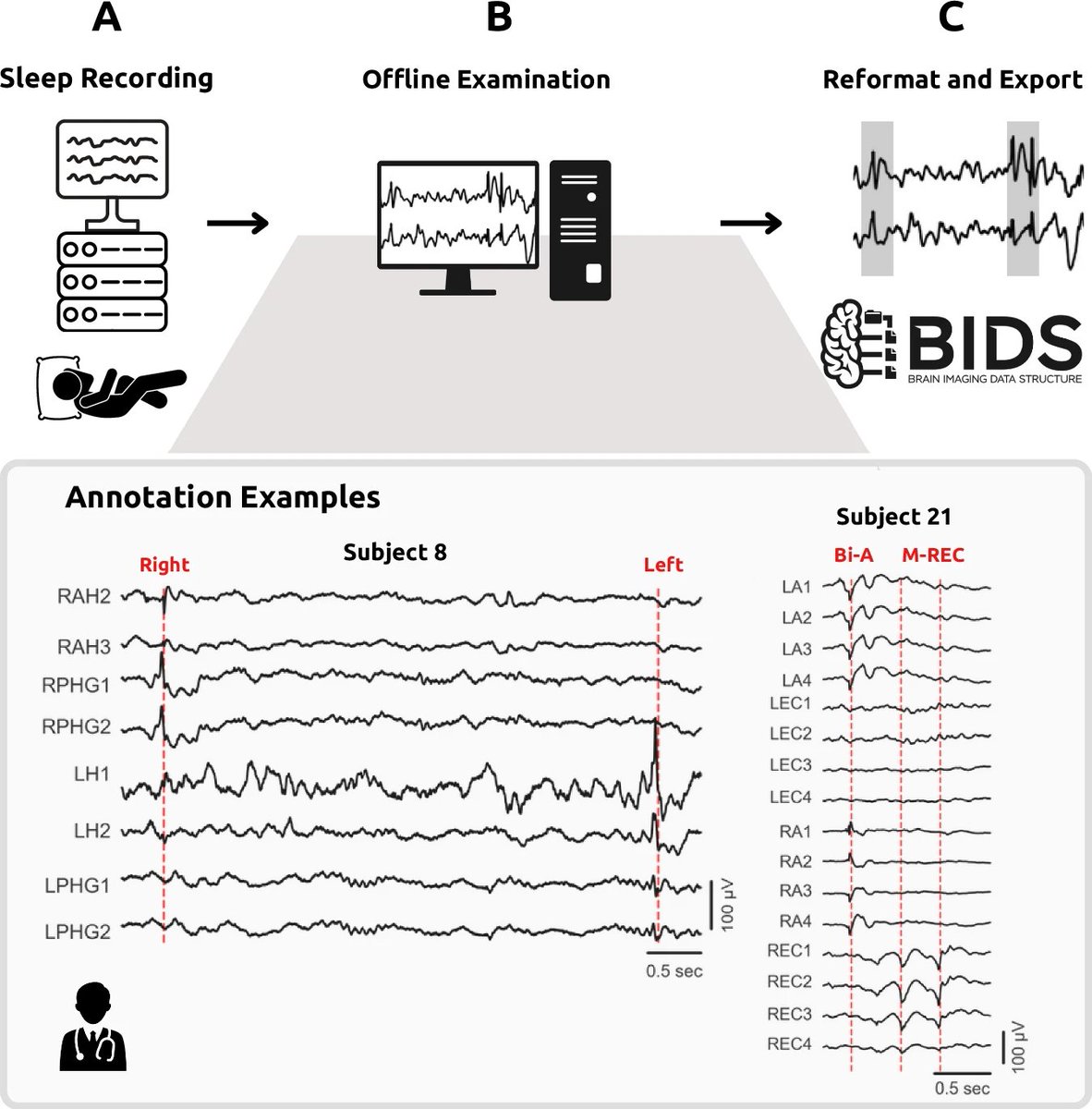


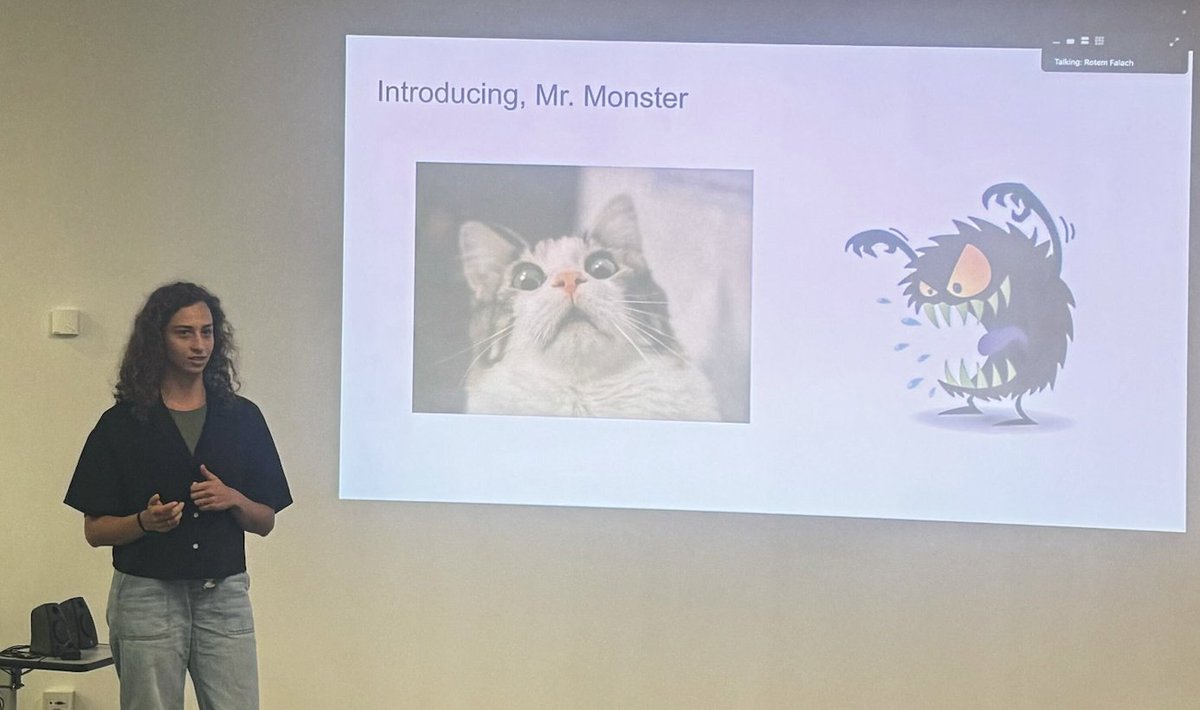

I've been lucky to work with an amazing team and mentor on some really cool (and important!) projects 😊 Looking forward to finally sharing some of the work we've been cooking up over the past few years 👀
Jun 4

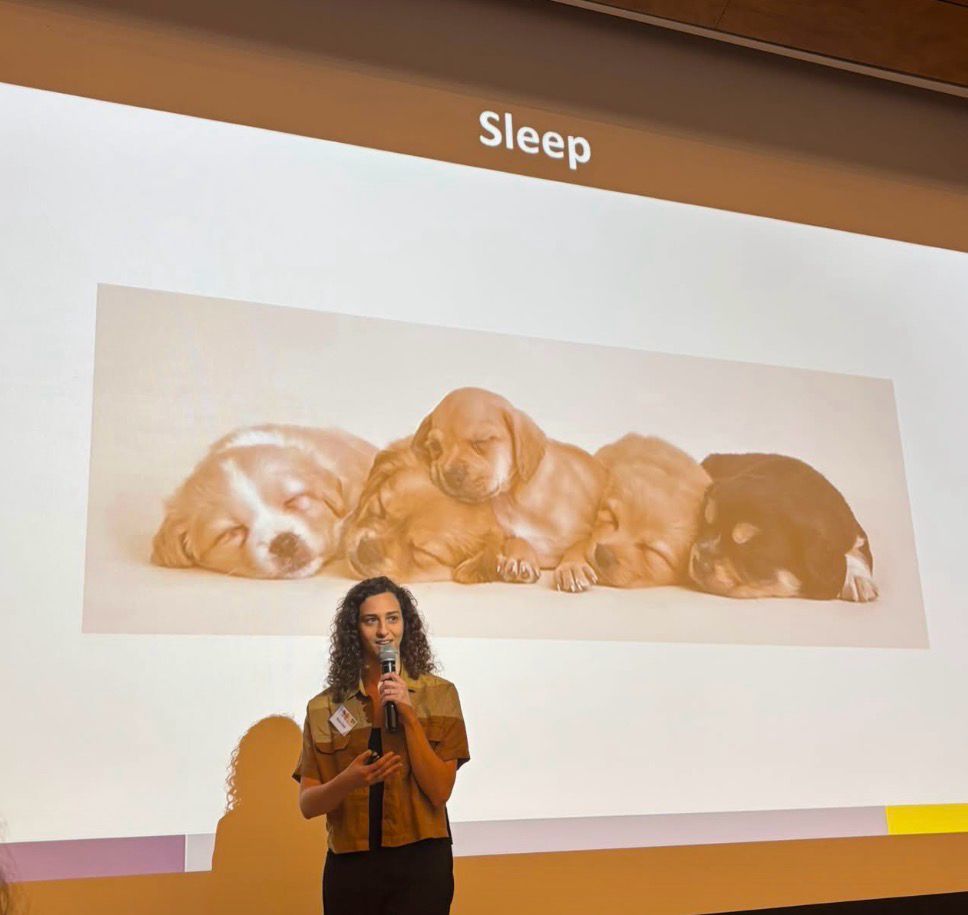
Congratulations @FalachRotem for Michaelson's Excellence Award in Alzheimer's Disease Research! very proud of you & your achievements in developing novel methods for detecting abnormal sleep activities in Alzheimer's. Publication soon stay tuned 🤩 @of_sagol @TAUMedFaculty
3
145
Rotem Falach @falach.bsky.social retweeted

The anterior cingulate cortex modulates pupil-linked arousal
science.org/doi/full/10.1126…
5
33
2,541
Rotem Falach @falach.bsky.social retweeted

May 26
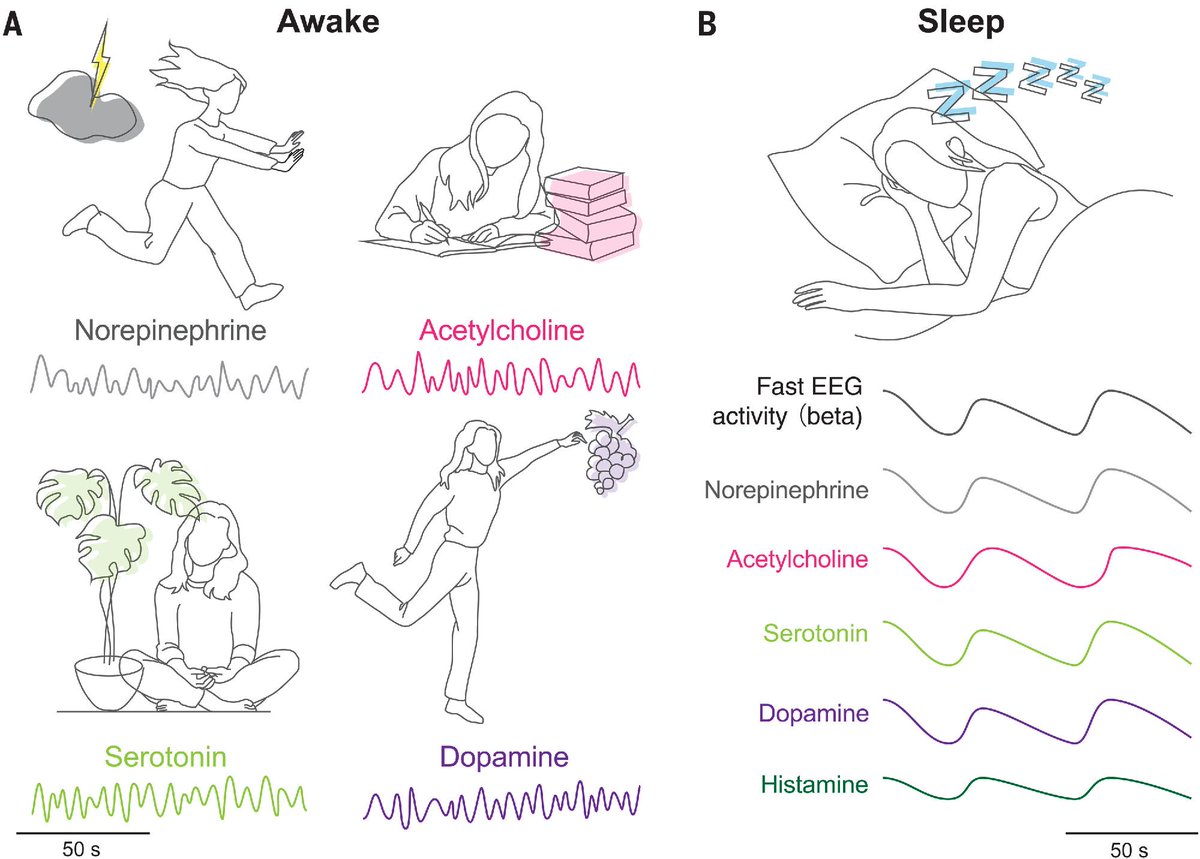
Recent studies have revealed the synchronization of neuromodulators including norepinephrine, serotonin, acetylcholine, dopamine, and histamine during sleep.
A new #ScienceReview explores what potential role the synchronization of these oscillations may play in health. scim.ag/4ve9ObR
9
131
495
38,179
Rotem Falach @falach.bsky.social retweeted

May 21
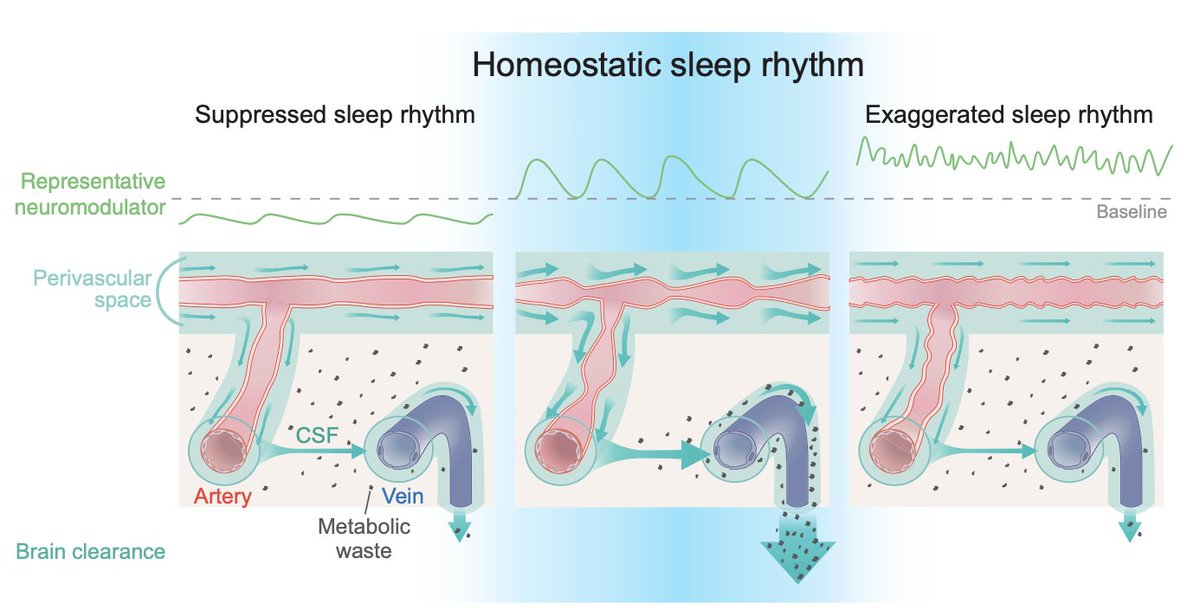
Sleep physiology and dementia, a new 5★ review @ScienceMagazine, gets into glymphatics, blood volume, heart rate variability, vasoactive amines, and neuromodulators. by @MaiNedergaard
science.org/doi/10.1126/scie…
12
114
396
55,010
Rotem Falach @falach.bsky.social retweeted

May 5
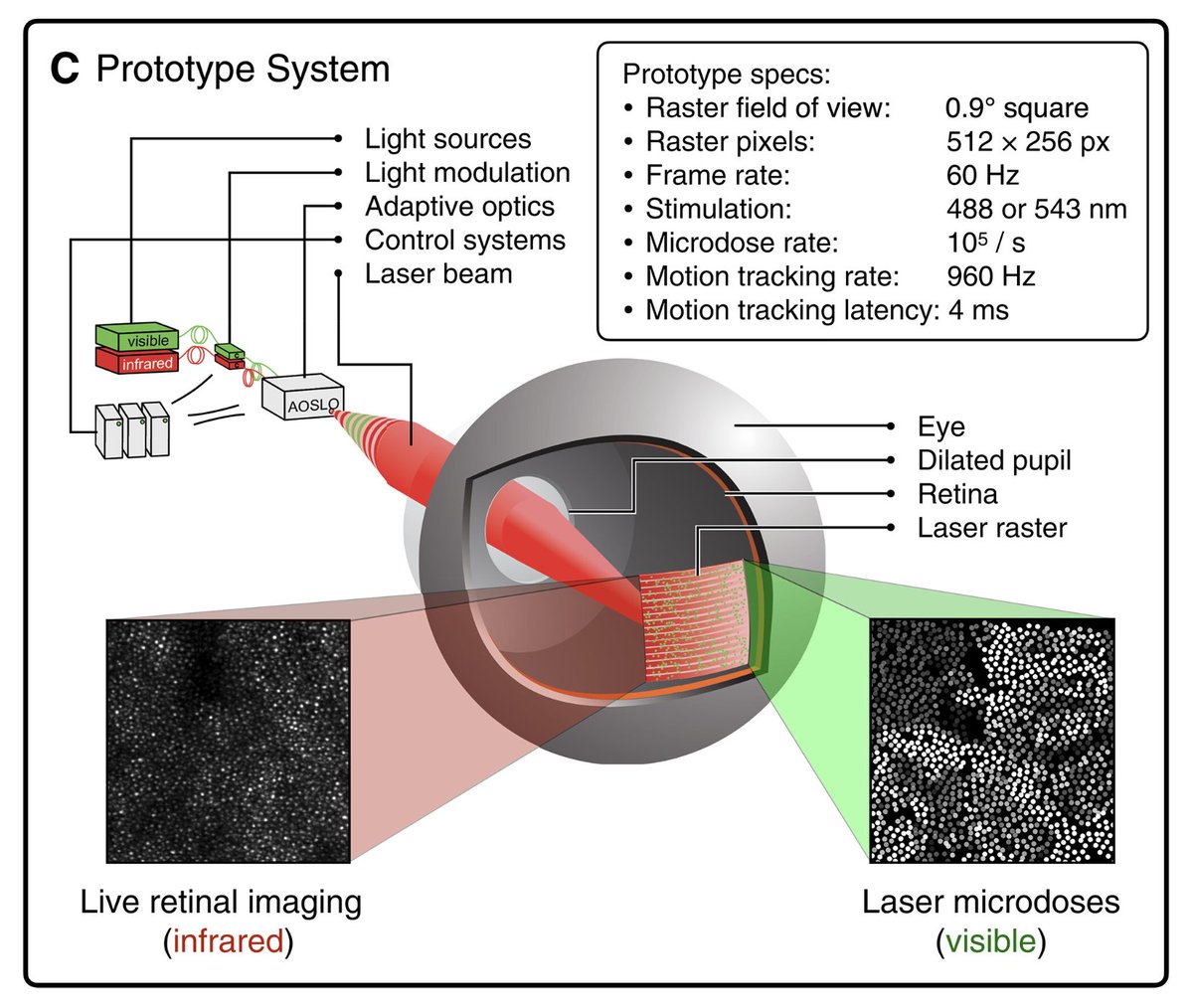
This is one of craziest papers I’ve ever read.
They made a new color by using a laser to individually stimulate particular cells in your eyes.
Apparently it looks like an impossibly saturated teal, but you can’t know what it looks like without experiencing it directly.
26
54
632
46,780
Rotem Falach @falach.bsky.social retweeted

Just out in @NatureNeuro! Eyelash-sized Neuropixels probes show how brief electrical bursts between seizures ("interictal spikes") arise from consistent neurons in human cortex layers, hijack neurons used for cognition, & can be predicted up to 1-sec ahead
nature.com/articles/s41593-0…
1
15
57
9,198
Rotem Falach @falach.bsky.social retweeted

Large-scale electrophysiology at single-spike resolution — a Review by Joshua H. Siegle & Nicholas A. Steinmetz
nature.com/articles/s41583-0…
42
145
9,599
Rotem Falach @falach.bsky.social retweeted

Apr 21
Interpreting human sleep activity through neural contrastive learning
cell.com/neuron/fulltext/S08…
2
14
890
Rotem Falach @falach.bsky.social retweeted

This paper has been a long time coming. Instead of reanalyzing the same old resting-state fMRI datasets, we combined nearly all datasets around the world. Note that we didn't exactly find indisputable evidence for "default mode network disintegration."
nature.com/articles/s41591-0…
2
21
122
11,115
Rotem Falach @falach.bsky.social retweeted

Apr 3
Emotion concepts?
Feed it all of human literature and obviously it will capture many elements of emotion concepts, like any other concept.
"Acting like having emotions" given such concepts is not surprising. But emotion concepts are a minor part of what emotion is.
Apr 2

New Anthropic research: Emotion concepts and their function in a large language model.
All LLMs sometimes act like they have emotions. But why? We found internal representations of emotion concepts that can drive Claude’s behavior, sometimes in surprising ways.
10
22
75
7,020
Rotem Falach @falach.bsky.social retweeted

Mar 23
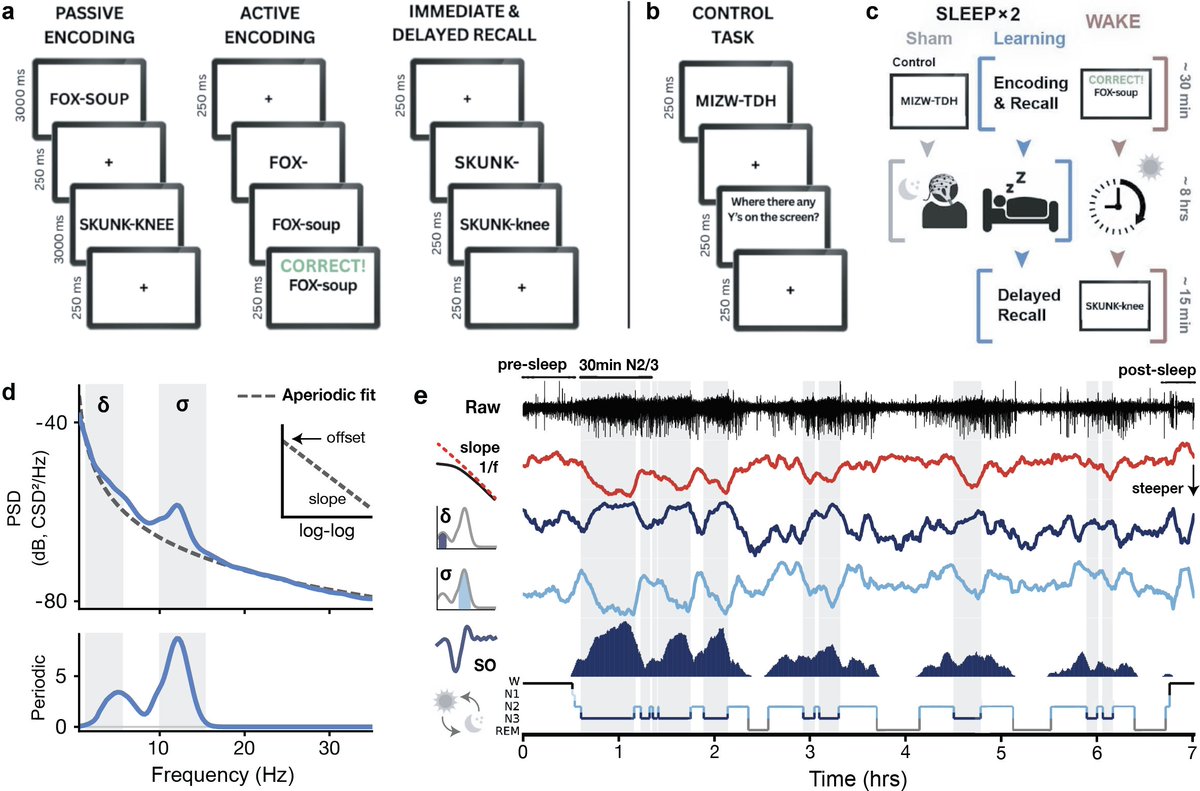
Sleep restores the brain's natural rhythms after learning disrupts them overnight. Perturbations in aperiodic activity caused by new information are reversed during non-REM sleep by morning, and this specific reset predicts successful memory consolidation.
tinyurl.com/BarnesNg
15
49
2,586
Rotem Falach @falach.bsky.social retweeted

Mar 16
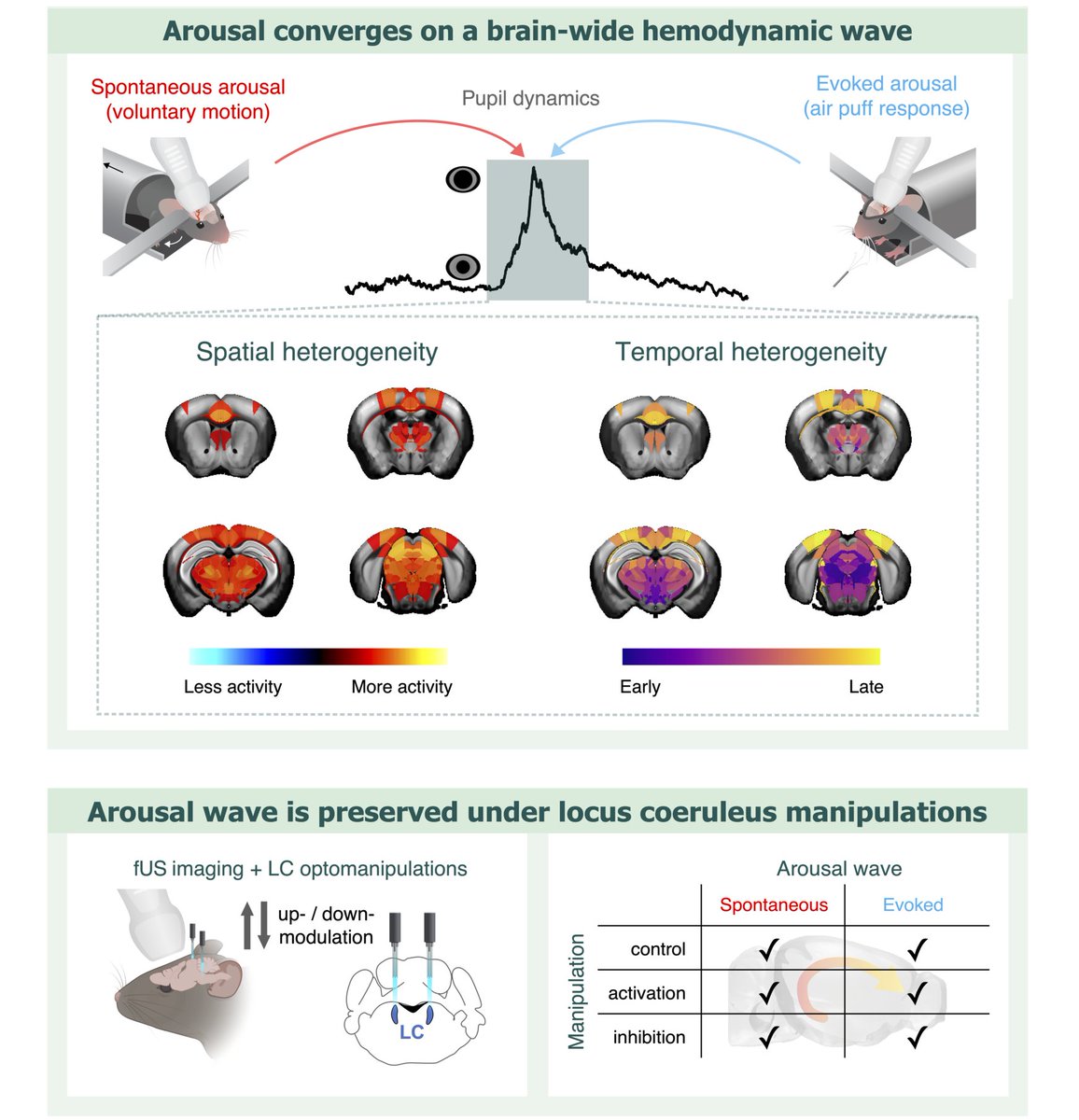
1/8. New preprint!
Using fUSi in head-fixed mice🐭, we found that arousal events trigger a brain-wide wave of activity 🌊🧠.
Surprisingly, this pattern was preserved during manipulations of the locus coeruleus, pointing to a minor role for noradrenaline.
biorxiv.org/content/10.64898…
2
35
110
7,820
Rotem Falach @falach.bsky.social retweeted

Mar 13
New Alzheimer’s research just caught my attention.
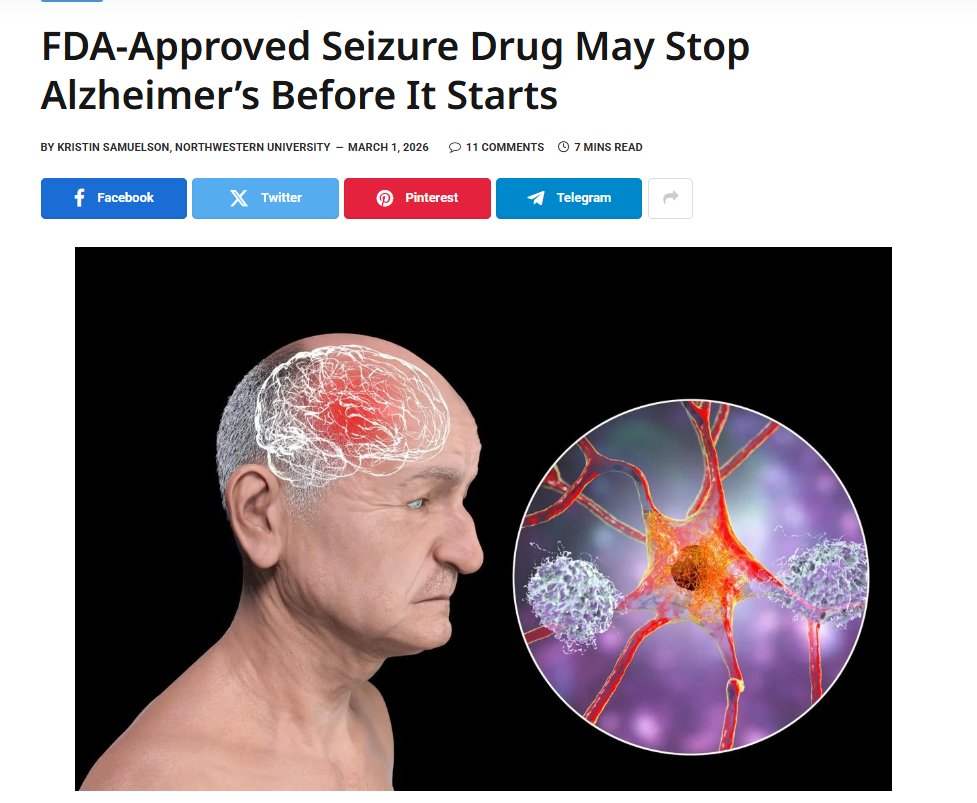
Scientists at Northwestern found that levetiracetam, a decades-old FDA-approved seizure drug, may stop Alzheimer’s before it starts.
Instead of clearing plaques after damage happens, it blocks the production of the toxic amyloid-beta 42 protein that forms plaques in the first place.
The study shows the drug works during the neuron signaling cycle by binding to SV2A, keeping APP on the neuron surface and diverting it away from the pathway that creates the toxic peptide.
Key insight: the intervention would likely need to happen very early, potentially 10–20 years before symptoms.
Early data from patient records also suggests people taking levetiracetam had a small but meaningful delay in Alzheimer’s progression.
Still early science, but this shifts the conversation from treating plaques to preventing them entirely.
4
37
126
5,743
Rotem Falach @falach.bsky.social retweeted

Mar 13
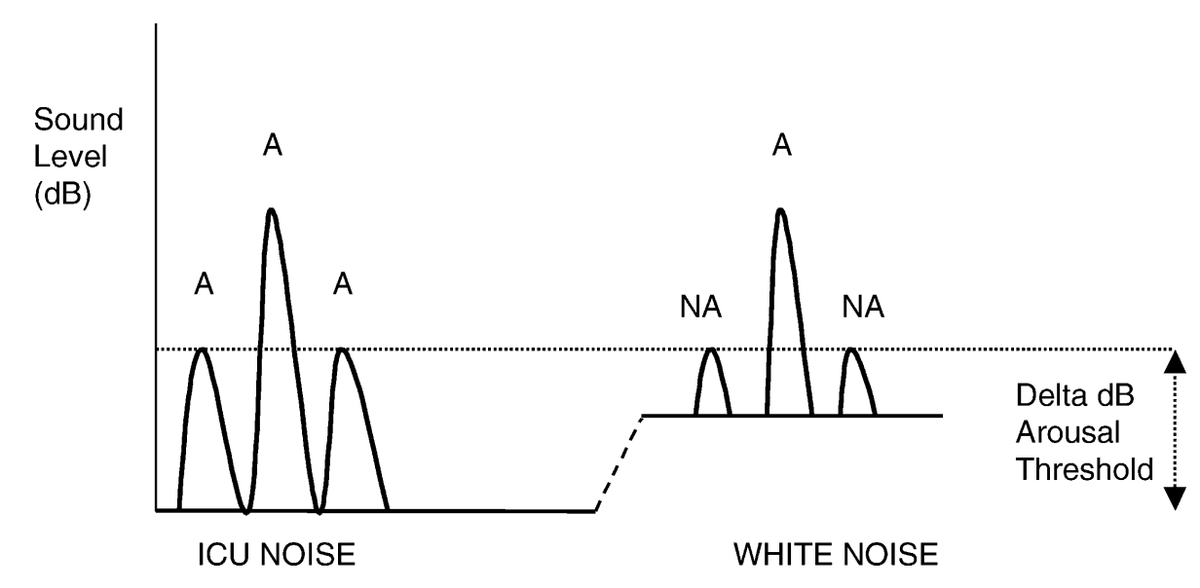
White noise cuts sleep disruptions up to 67% in the ICU.
It reduced ICU noise-related arousals from 48.4/hr to 15.7/hr and restored slow-wave sleep to baseline.
It's not loud peaks that wake you, it's sudden changes. White noise masks these shifts.
12
38
300
15,434
Rotem Falach @falach.bsky.social retweeted

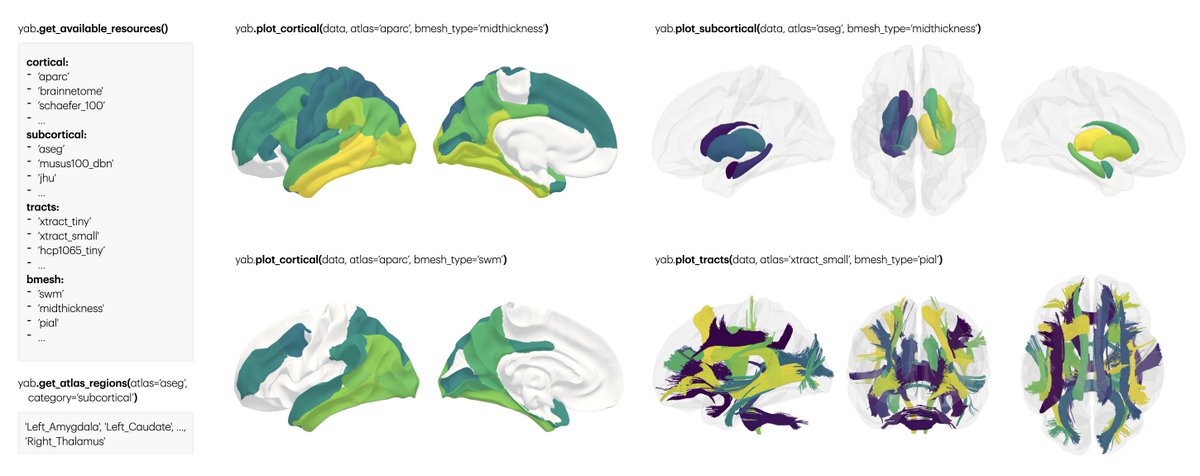
I couldn't find a tool to plot different #neuroimaging data in one consistent style, so I made one! Meet yabplot (yet another brain plot) - a #Python package for (sub)cortex & tracts.🧠
- Simple API
- Built-in atlases
- Custom atlas support
🔗 github.com/teanijarv/yabplot (drop a ⭐️!)
3
55
202
9,403
Rotem Falach @falach.bsky.social retweeted

New paper is out in @CommsBio
We describe the effects of the psychedelic 5-MeO-DMT on brain states and sleep via EEG, LFP & freely moving oculometry.
Read more: nature.com/articles/s42003-0…
#Sleep #EEG #Neuroscience #Psychedelics
2
1
43
Rotem Falach @falach.bsky.social retweeted

🧠Our New preprint:
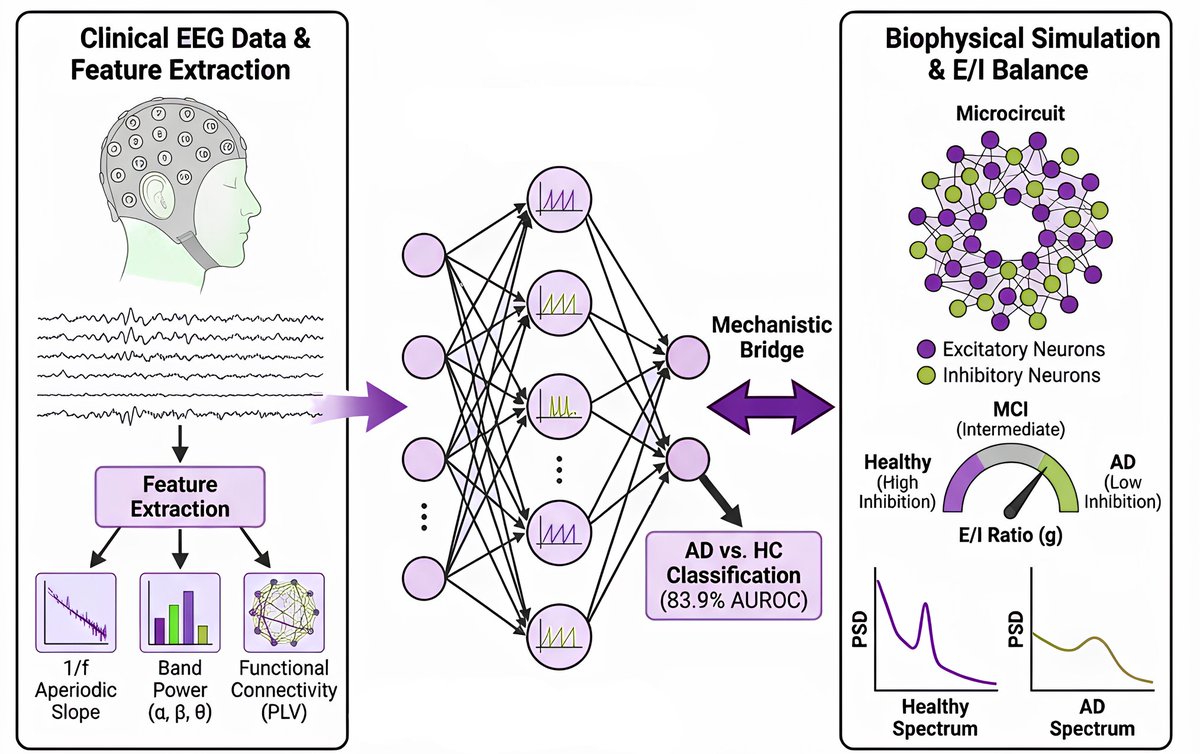
We propose a “neuro-bridge” framework linking #spiking neural networks with biophysical brain simulations for Alzheimer’s detection from #EEG.
📉 1/f slope as key biomarker (E/I balance)
🔁 ML predictions ↔ circuit mechanisms #NeuroAI
arxiv.org/abs/2602.07010
5
24
56
3,714
Rotem Falach @falach.bsky.social retweeted
Jan 27
Entrained cortical delta–spindle activity, not periodic synchrony, prevents arousal by NREM thalamic bursts
nature.com/articles/s42003-0…
1
6
439
Rotem Falach @falach.bsky.social retweeted

🧠💤 New lab paper in @PNASNews
Sleep loss doesn’t just make neurons tired - it slows the communication between them.
We show that chronic sleep loss impairs myelin integrity, slows neural signal conduction, and affects cognition & motor behavior.
👉pnas.org/doi/10.1073/pnas.25…
1
3
4
1,035
Rotem Falach @falach.bsky.social retweeted

Jan 20
Interpreting EEG requires understanding how the skull smears electrical fields as they propagate from the cortex. I made a browser-based simulator for my EEG class to visualize how dipole depth/orientation change the topomap dbrang.github.io/EEG-Dipole-…
Github: github.com/dbrang/EEG-Dipole…
9
72
364
18,385