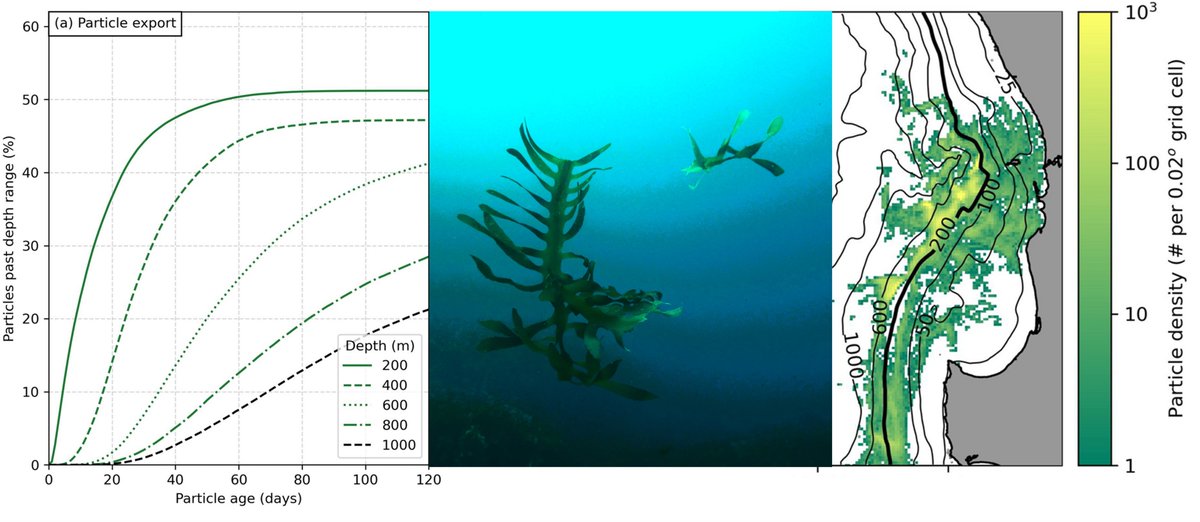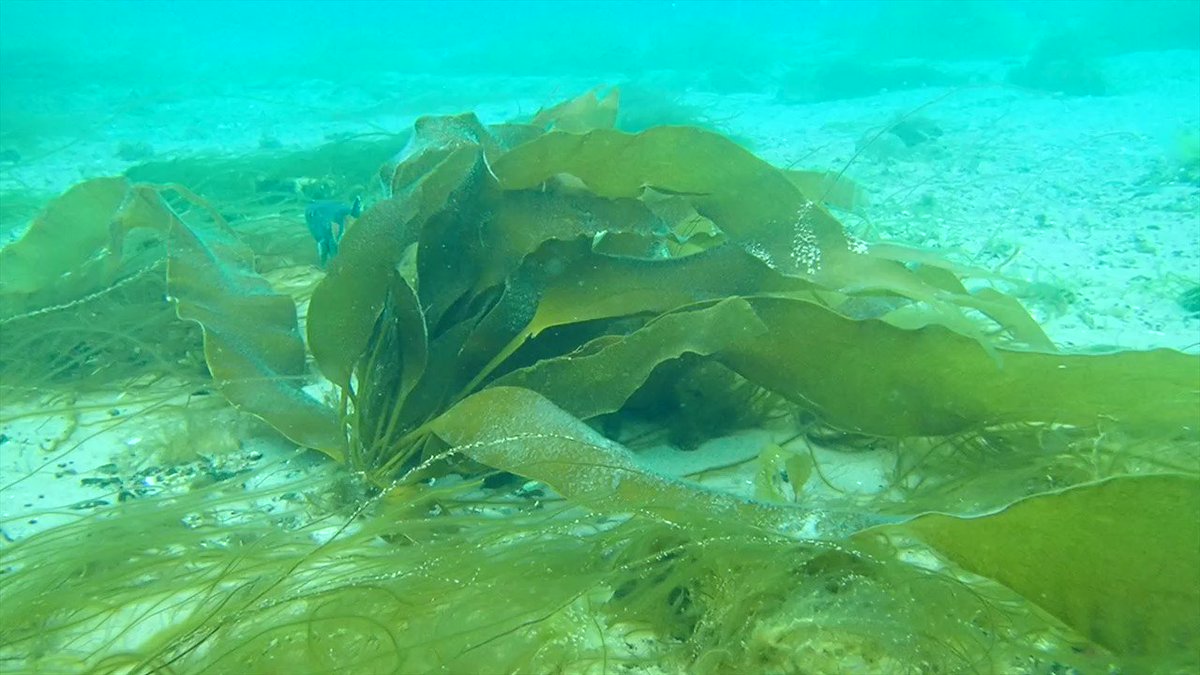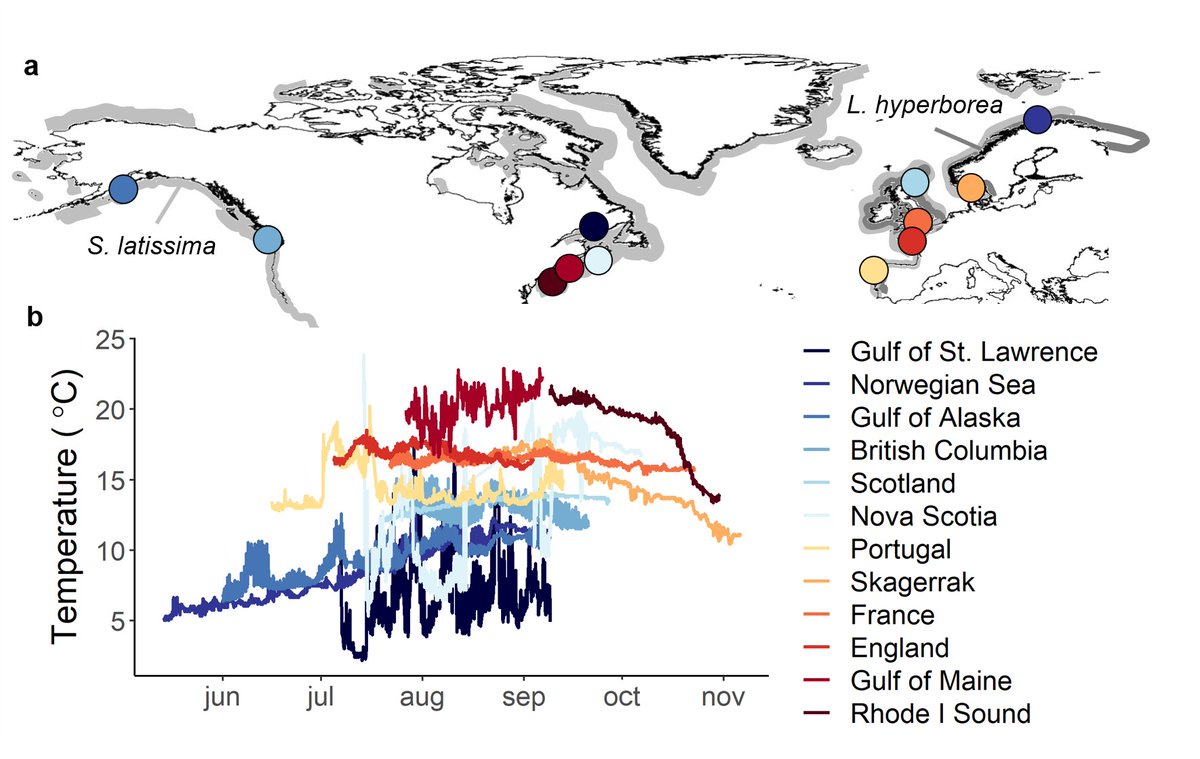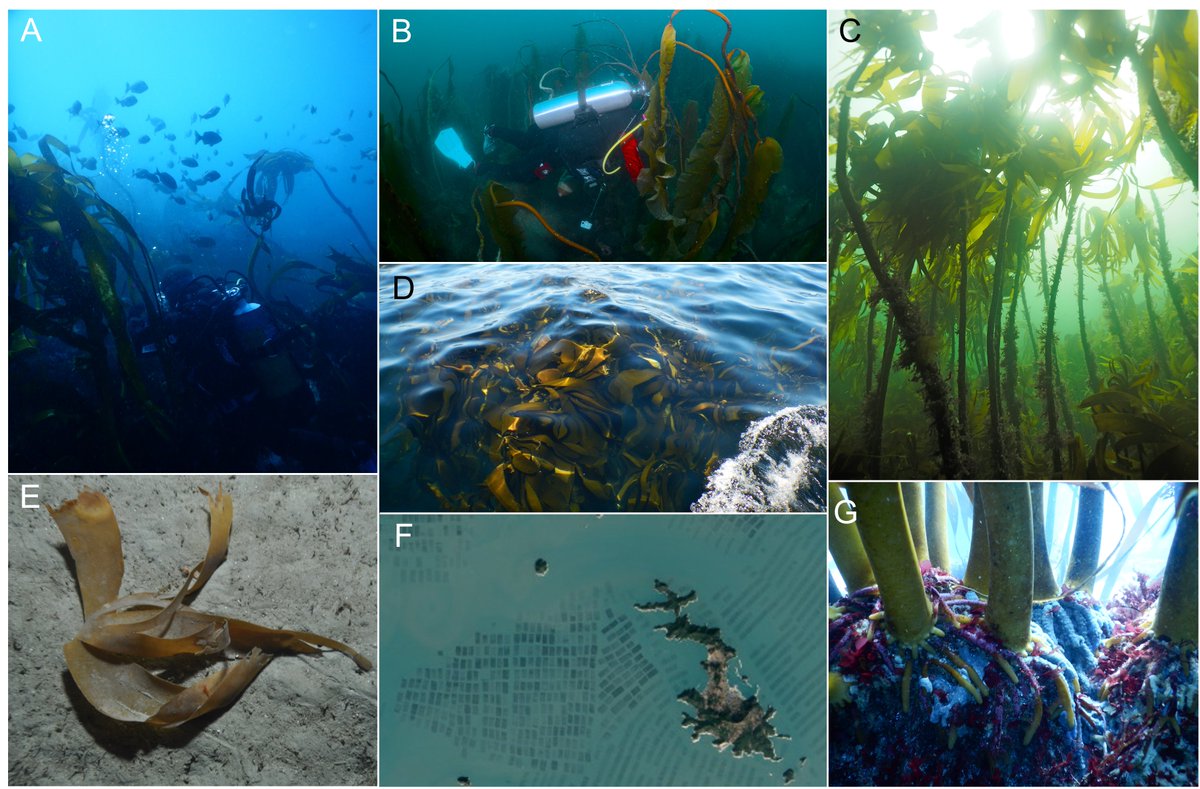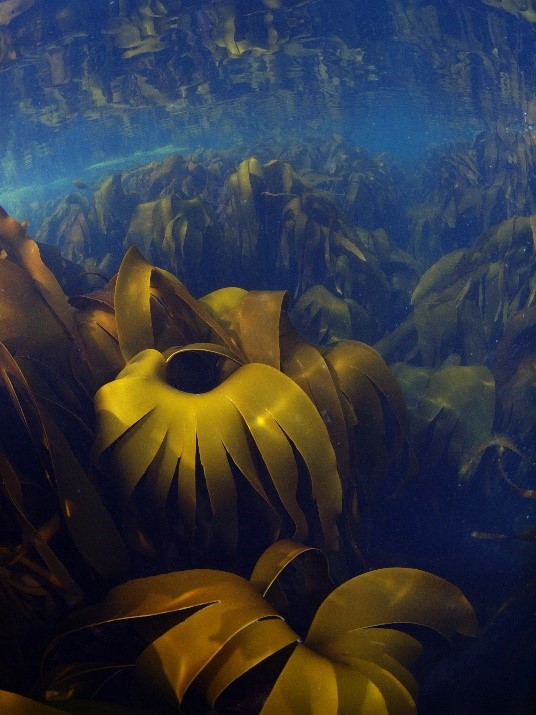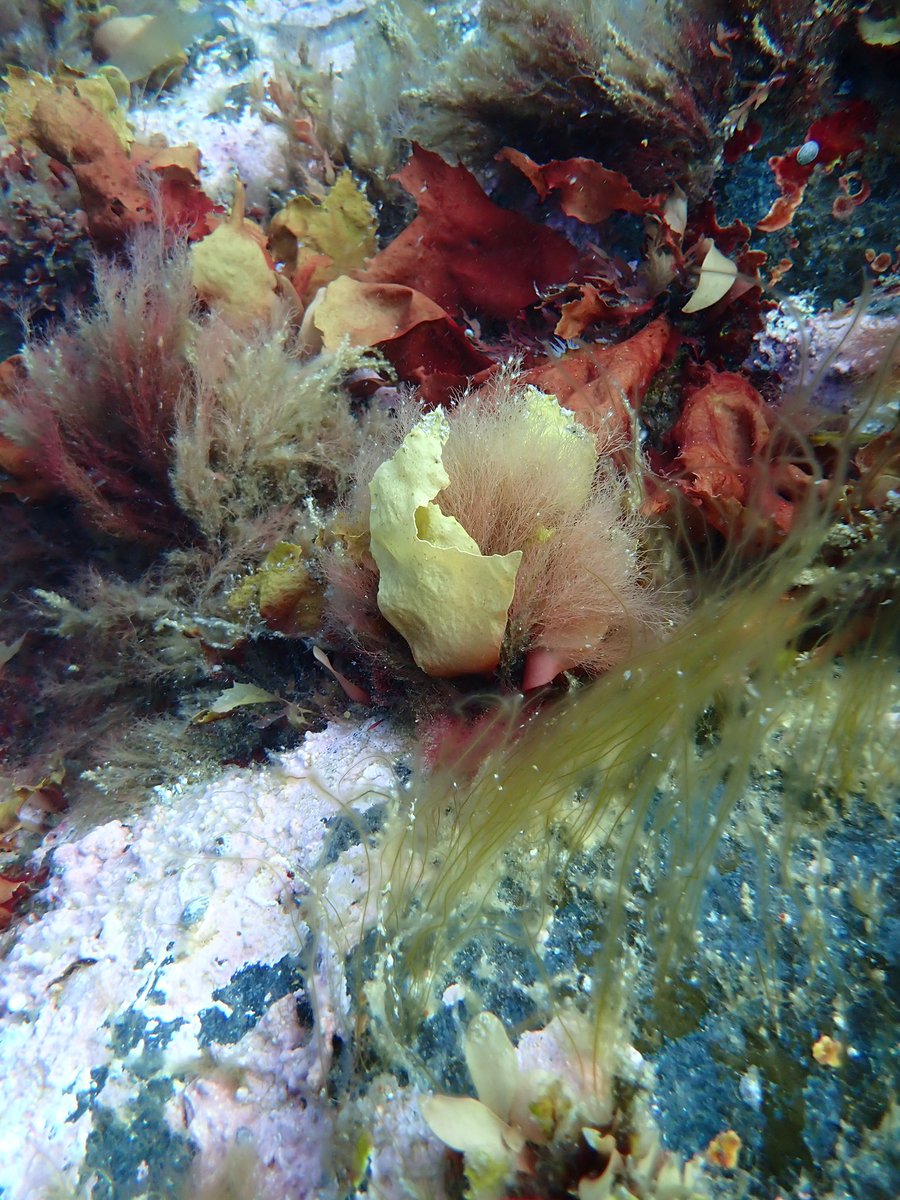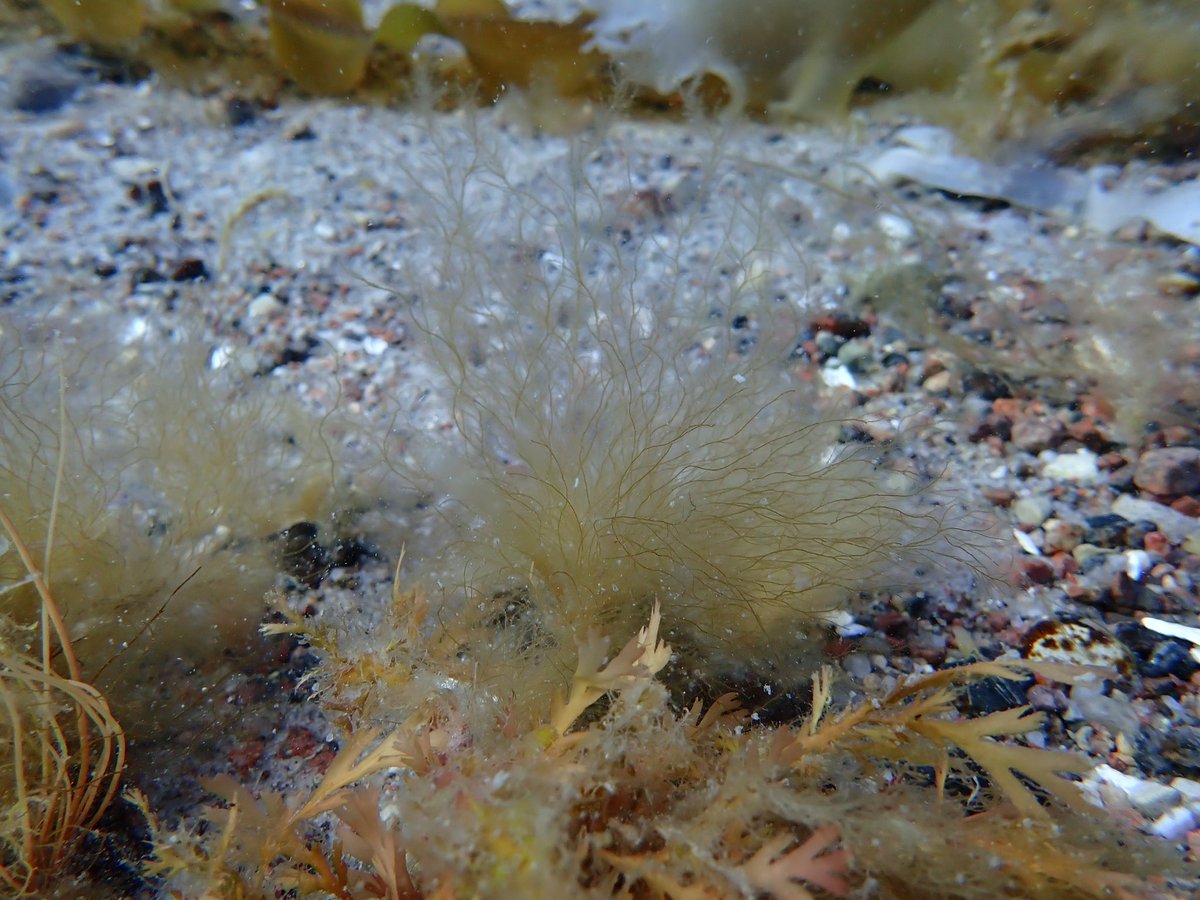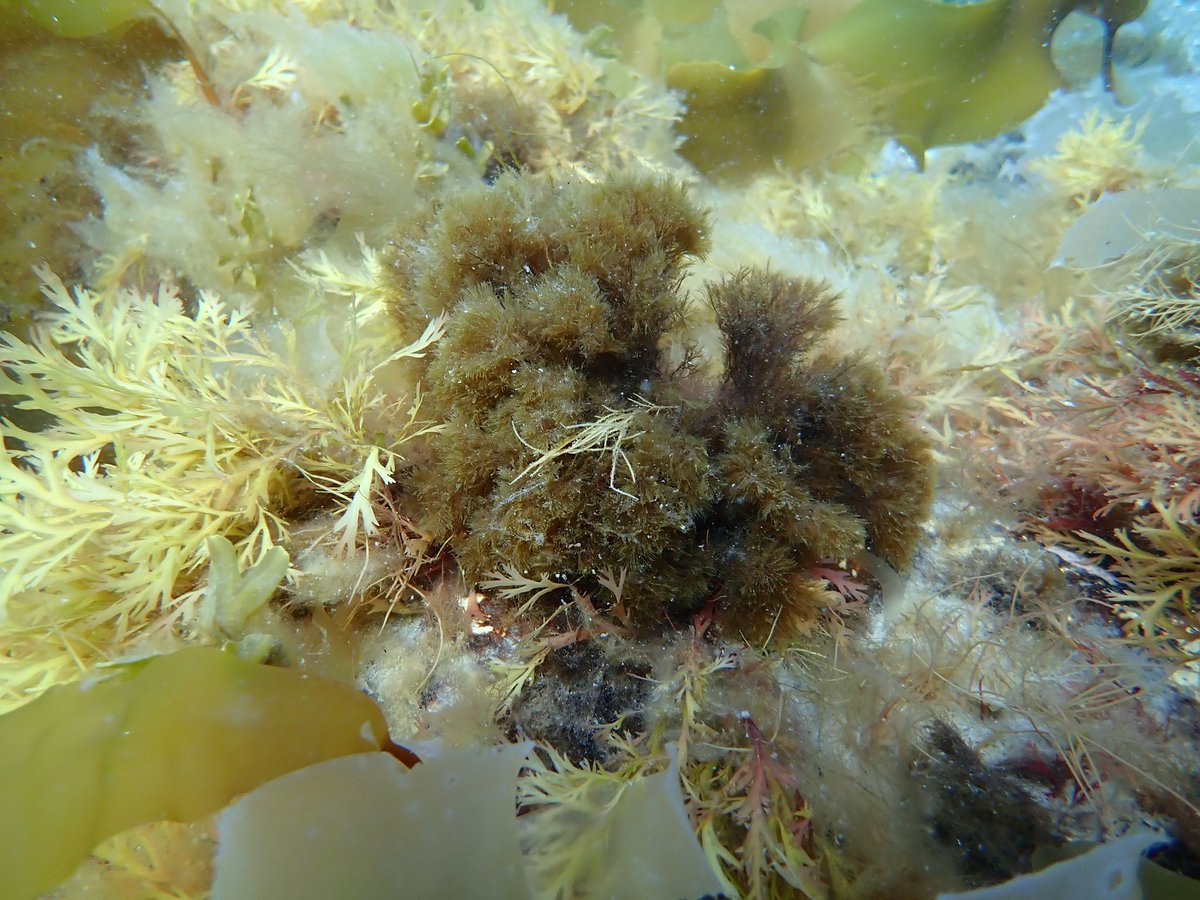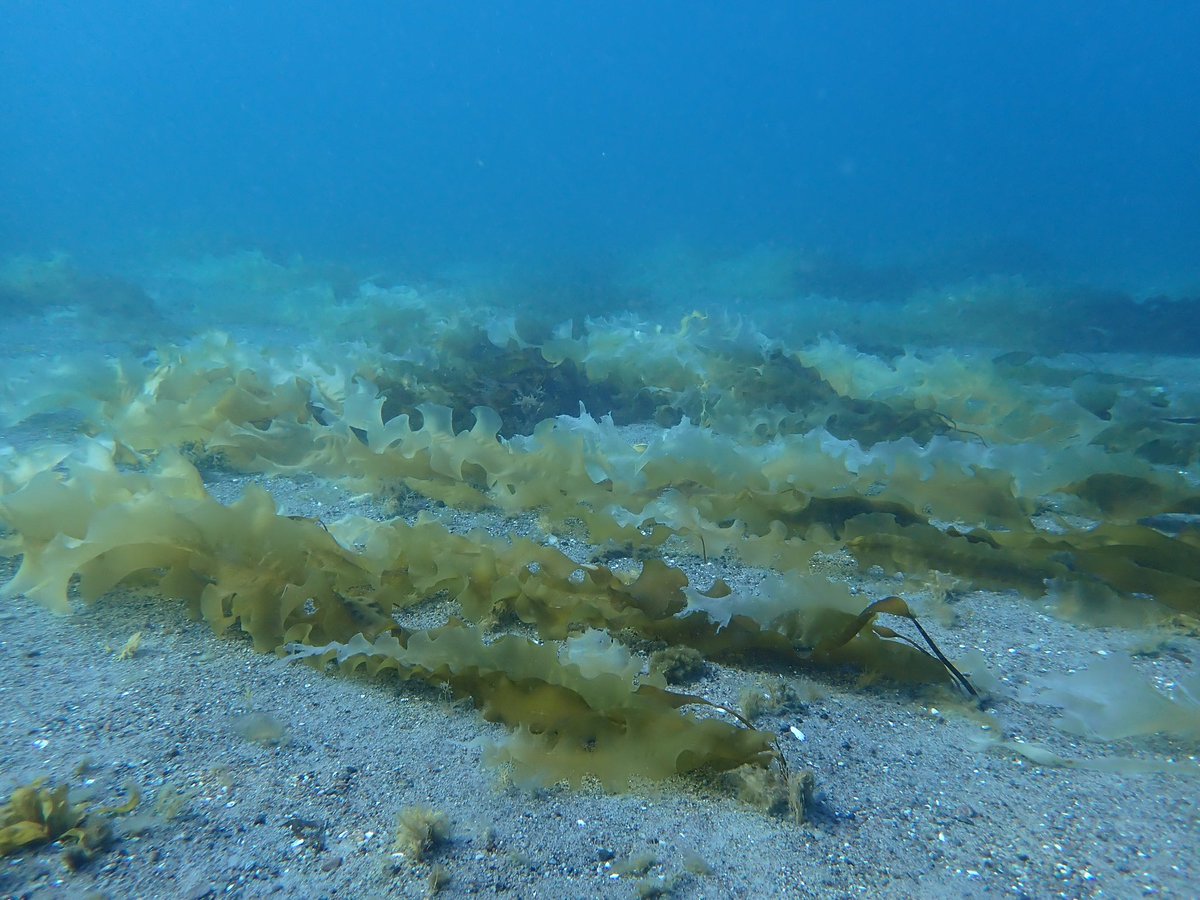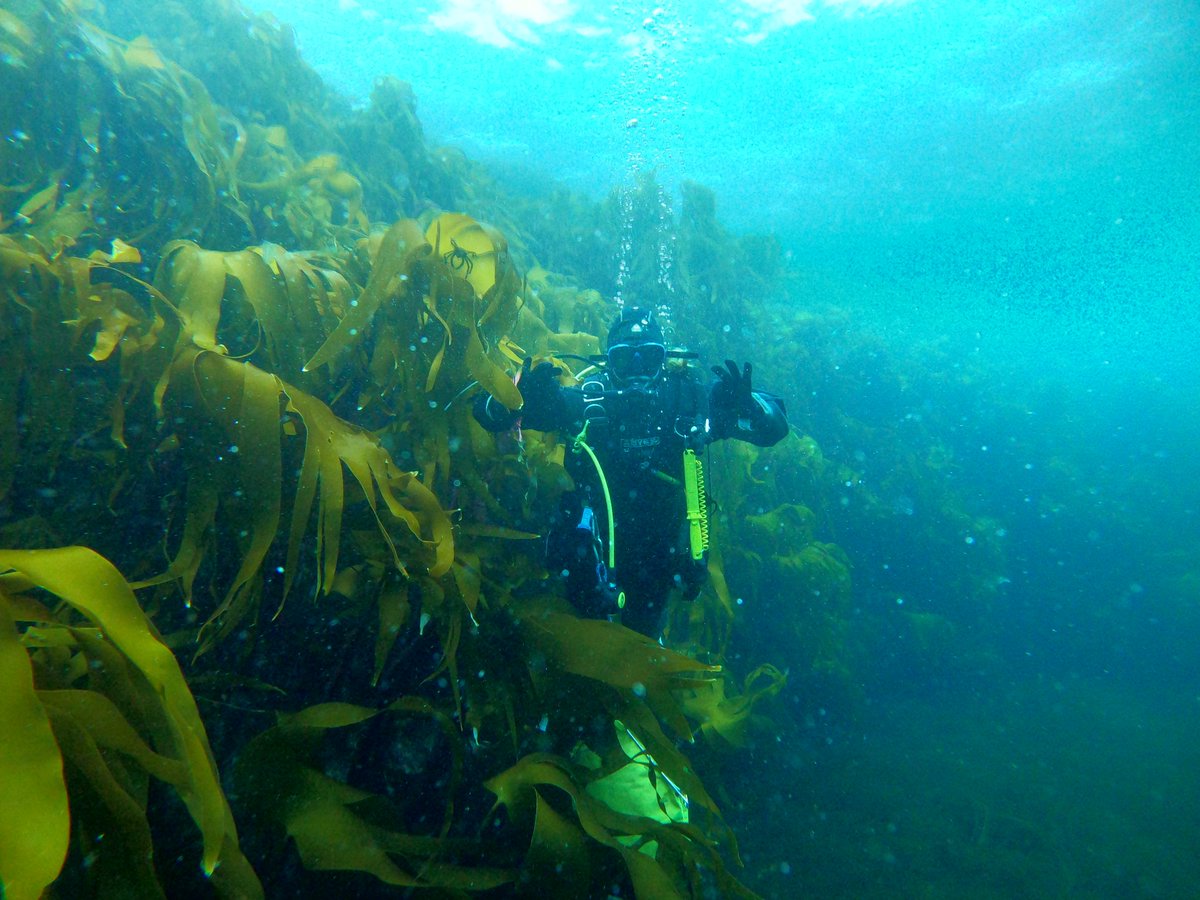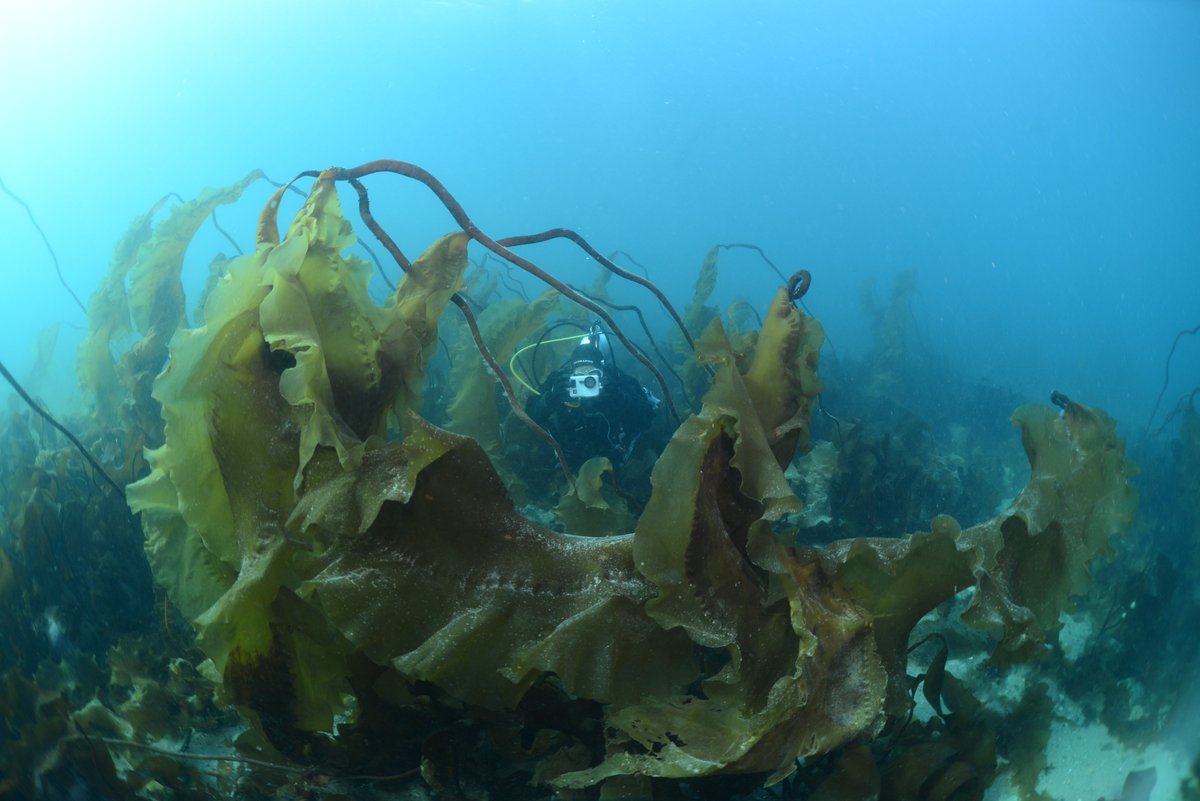
Global #seaweed forests export 56 million tonnes of carbon (15% of their production) to the deep ocean annually. These biodiverse #blueforests are overlooked in the global ocean #carbon budget. We provide national estimates of this C #sinkrdcu.be/dIKup@NatureGeosci
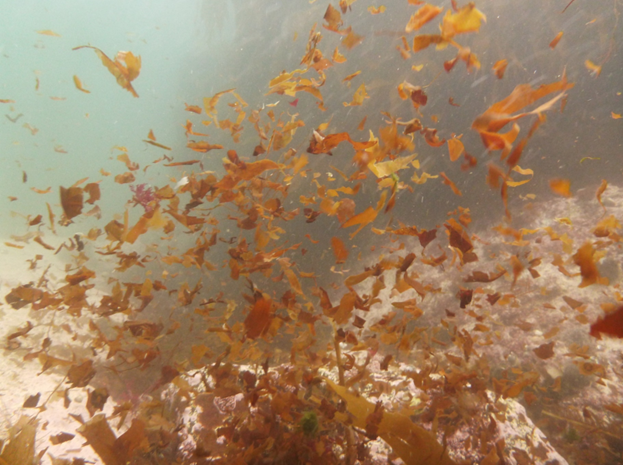
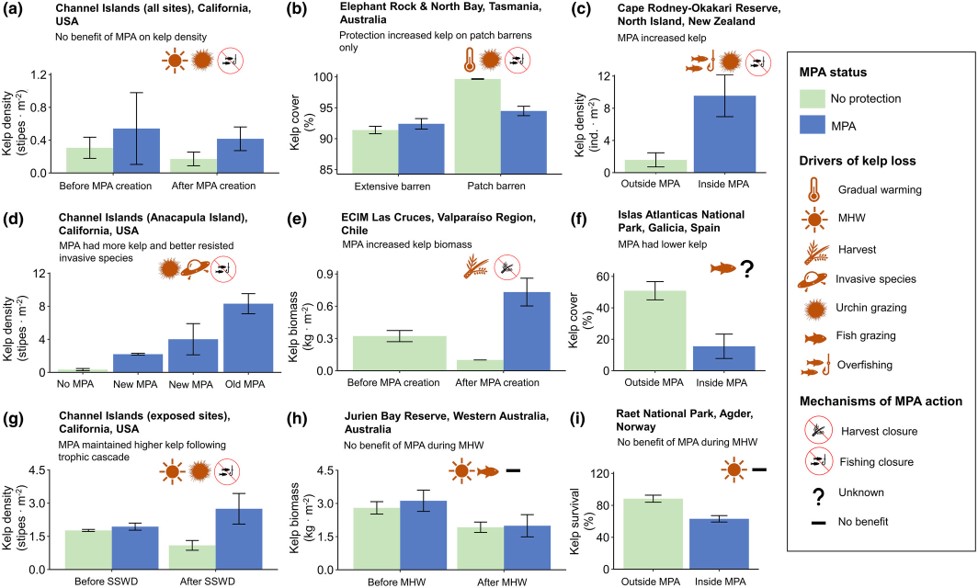
How effective are #MPAs for conserving #kelp#forests? Our perspective shows they can help with some drivers of loss like grazing, but often fail to protect against ocean warming and coastal darkening - 2 main reasons we are losing kelp forests globally! doi.org/10.1111/jpy.13446
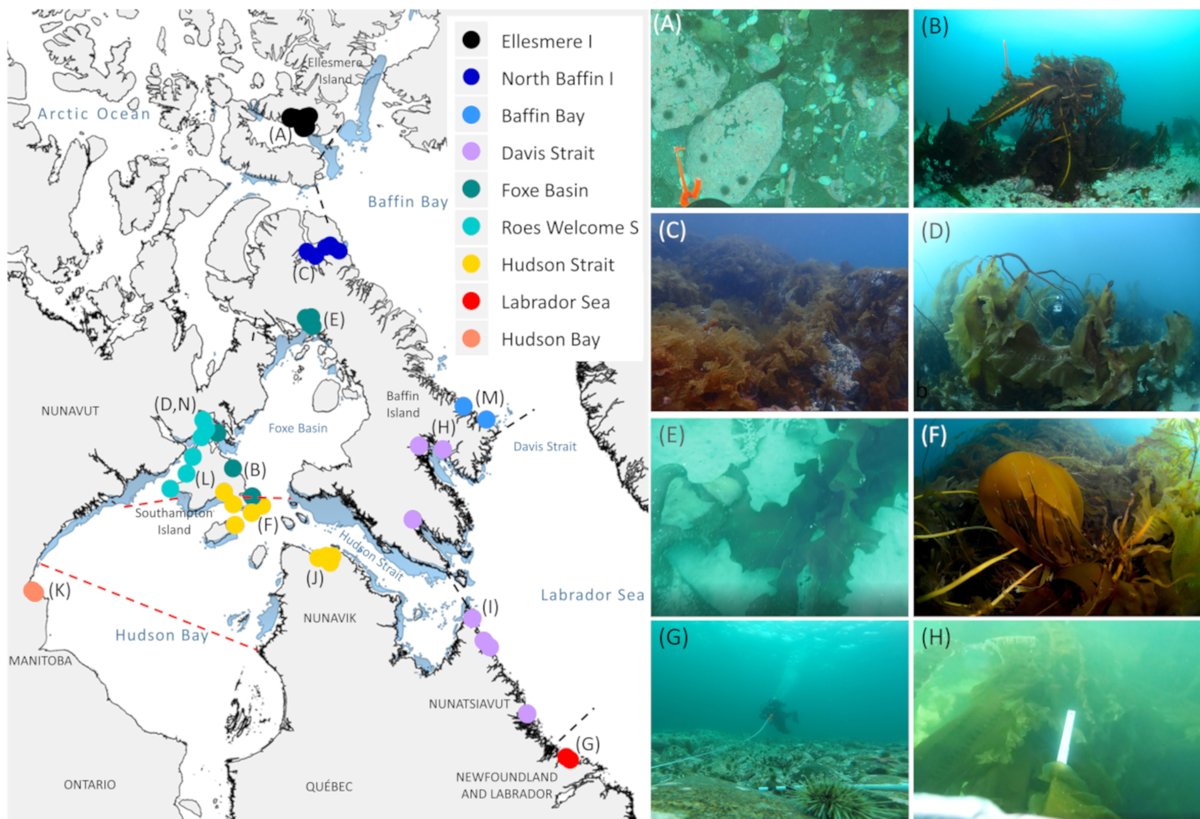
I am pleased to share our Perspective article in @PNASNews exploring photosynthetic production occurring on the elusive Arctic seafloor.
pnas.org/doi/10.1073/pnas.23…
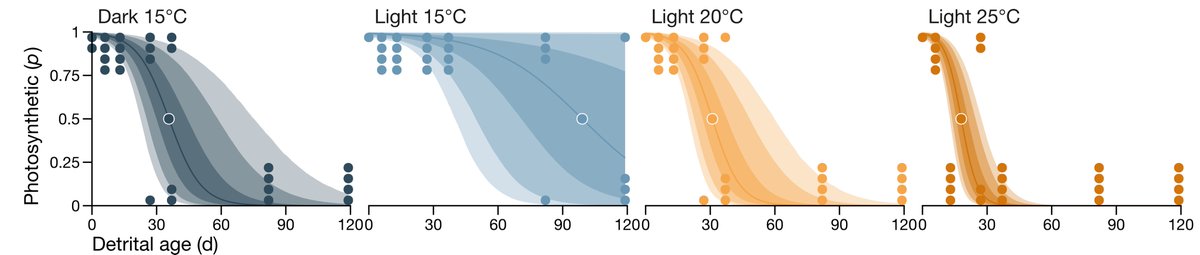
ALT Probability of kelp detritus being photosynthetically viable under saturating irradiance as a function of detrital age, temperature and light. This plot is equivalent to Figure 4B in the article.
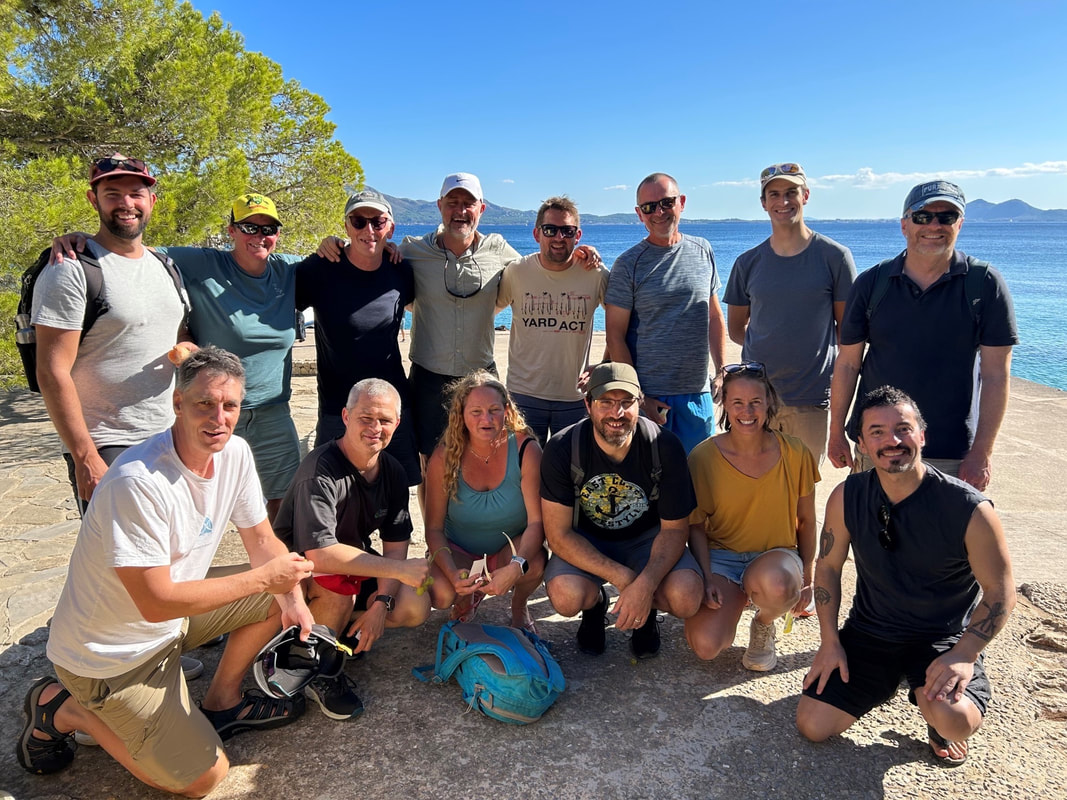
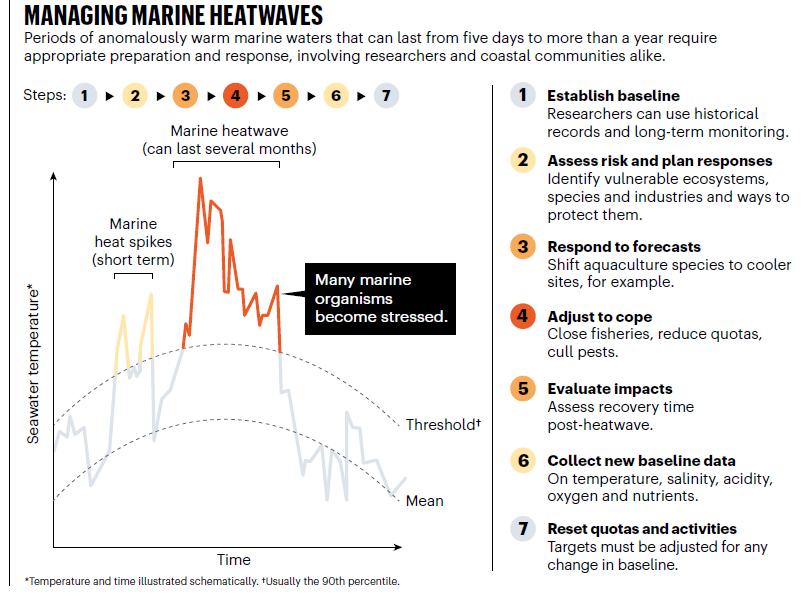
We just held our 5th workshop, this time in Majorca 🇪🇸 , which focused on refining MHW definitions, adapting the approach to coastal/polar regions, and examining ecological impacts across taxa and ecosystems. Very fruitful discussions and exciting work to come.... 📈🌊🤓🌱🌞📉
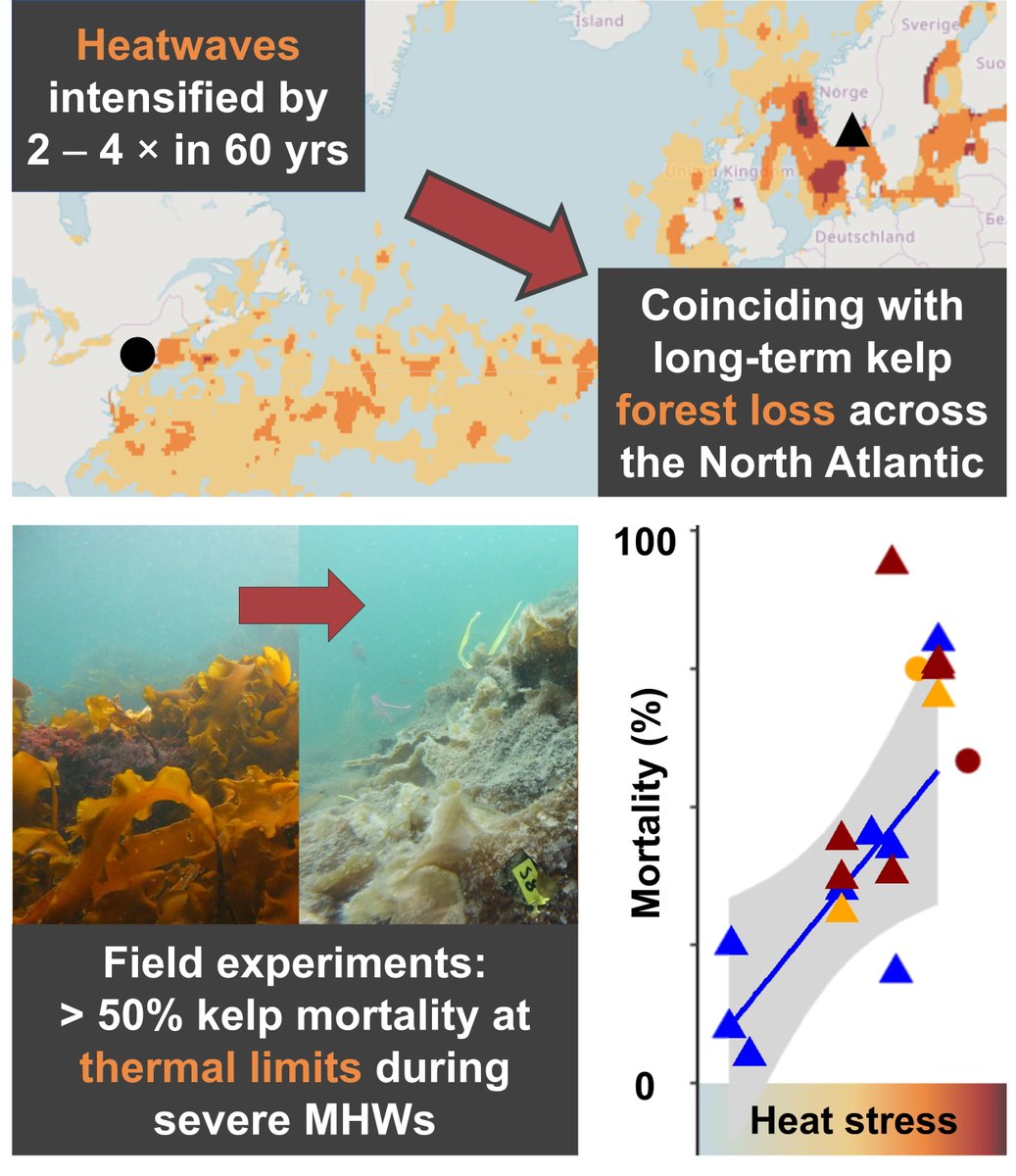
Our new piece in @Nature warns of likely marine heatwave intensification under the current/developing El Nino. Clear & urgent need to plan, monitor, manage and adapt to extreme ocean temperatures to reduce ecological and socioeconomic impacts.. nature.com/articles/d41586-0…
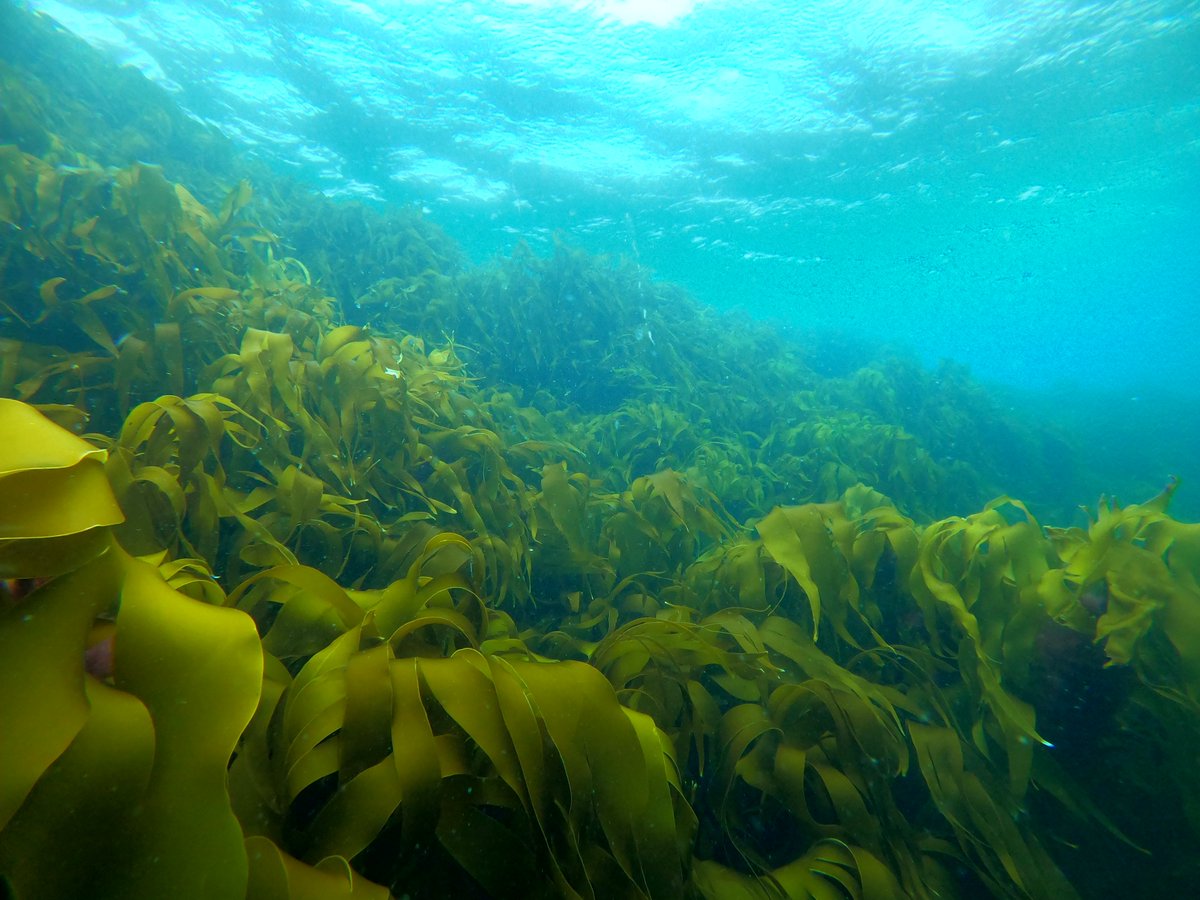
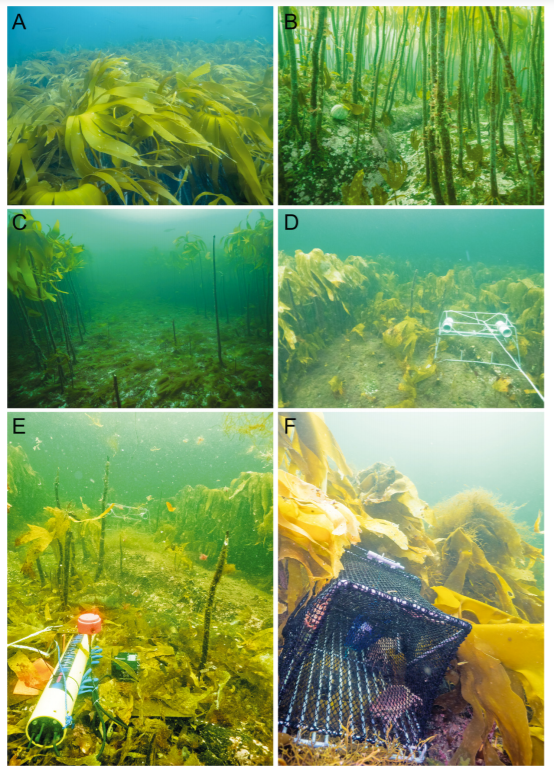
Seaweed forests fix large amounts of carbon. Much debate exists however on whether some of that carbon ends up sequestered, and sequestration can lead to tangible climate change mitigation. We synthesized the literature to figure this out... 🧵doi.org/10.1111/brv.12990
📸I. Garrido
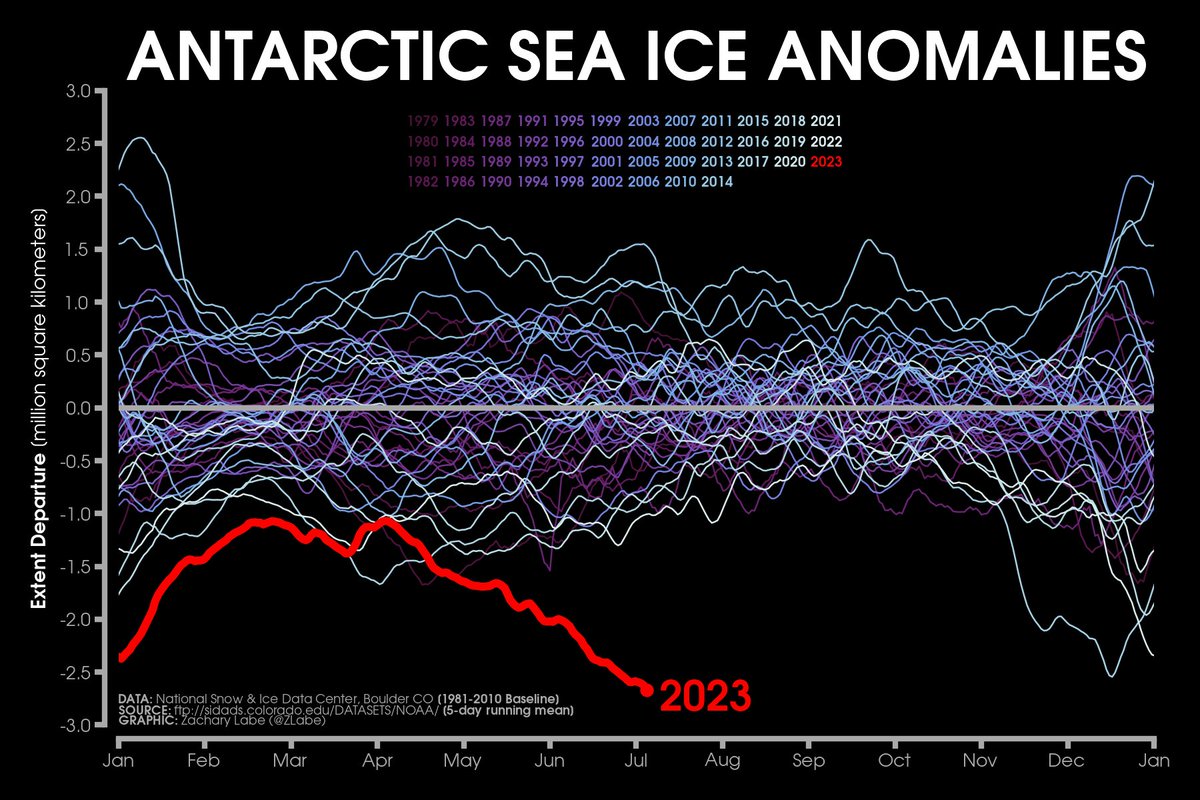
4. Antarctica, which is currently in the dead of winter, has unexpectedly failed to reform it's winter sea ice this year.
This is an exceptional deviation from the norm that has left even the most orthodox scientists dumbfounded.
x.com/ZLabe/status/167700320…
ALT Line graph time series of 2023's daily Antarctic sea ice extent anomalies in red shading compared to each year from 1979 to 2022 using shades of purple to white for each line. Anomalies are computed relative to a 1981-2010 baseline. 2023 is a negative outlier for this time of year. There is substantial interannual and daily variability. There are no clear long-term trends.
Seaweed forests are carbon sinks! Our comment has finally been released outlining flaws in Gallagher et al's claim they are carbon sources. Their study confuses #bluecarbon research and creates doubt around initiatives to protect & restore #seaweedforests! doi.org/10.1093/icesjms/fsad…
Check our new commentary asserting that Seaweed forests are carbon sinks that may help mitigate CO2 emissions:
a comment on Gallagher et al. (2022) academic.oup.com/icesjms/art…
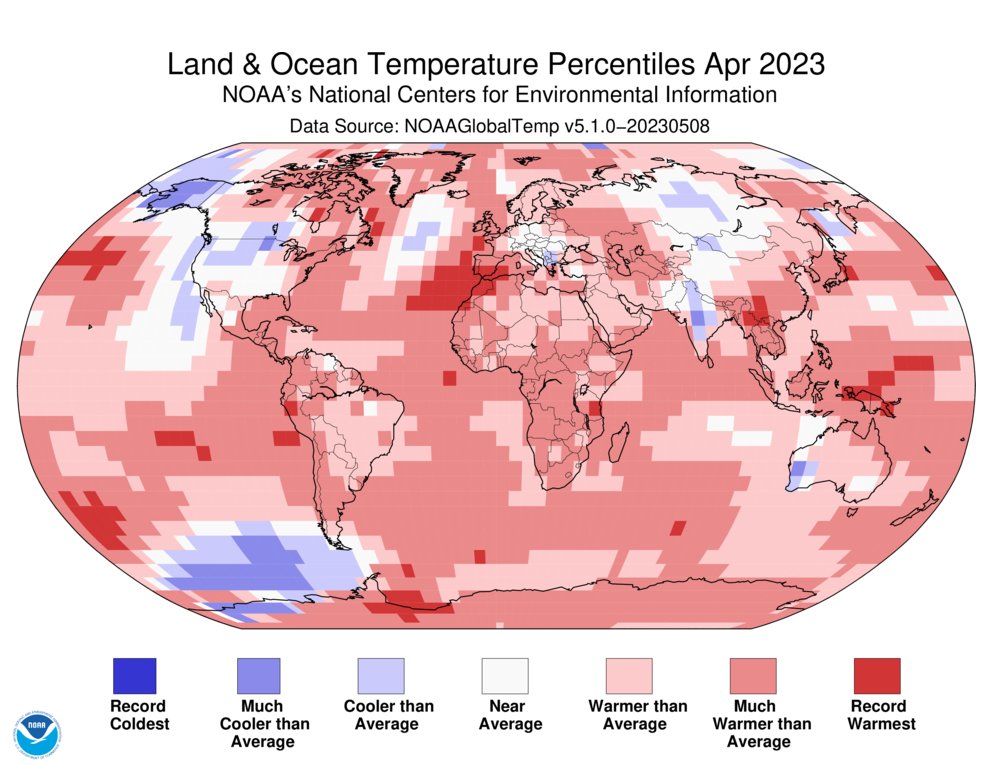
(1 of 5) It’s official:
-Earth had its 4th-warmest #April.
-Southern hemisphere saw its warmest month on record.
-Global ocean temperature sets record high for #April.
bit.ly/3VXggnd@NOAANCEI#StateOfClimate
ALT 1-April-2023-Global-Temperature-Percentiles-Map