🏠 Investor 🔑 How I retired at 44 🗣 Public Speaker💡Entrepreneur 🤝 My new book provides the How-To on protecting your personal & financial freedoms
Joined April 2020
- Tweets 4,285
- Following 344
- Followers 399
- Likes 2,474
895 Photos and videos





Pinned Tweet

I'm excited to offer you a FREE copy of "The Insider's Guide to Retiring at 44 & Overcoming Investment Fears
Valuable lessons I learned along the way that you can use to achieve your financial goals."
#FinancialFreedom #fiancialliteracy
dirtybootscapital.click-soci…
4
2
14
1,499
Tony Lopes, CEO Dirty Boots Capital retweeted

BREAKING - It has been revealed that Bronx Judge Guy Mitchell, who sentenced former NYPD Sgt. Erik Duran to 3 to 9 years in prison for using a cooler to stop a fleeing suspect, previously handed a black teen, Branlee Gonzalez, just 9 months for a fatal beating of a homeless man.
1,514
11,536
30,321
916,839
Cool 👇
Jan 24

If science class explained everything with Midwest emo music, we would have a lot more people paying attention.
Nuclear power explained.
It’s just a fancy way to heat water and make electricity.
🔊
1
65
Tony Lopes, CEO Dirty Boots Capital retweeted

Jan 17
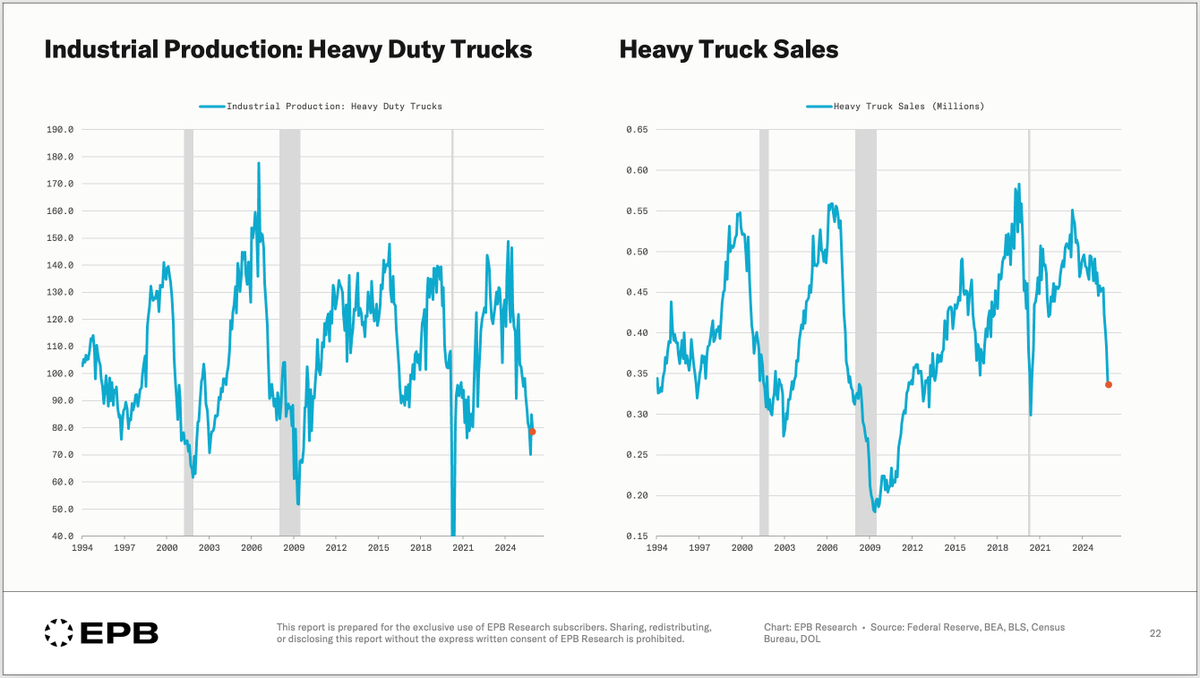
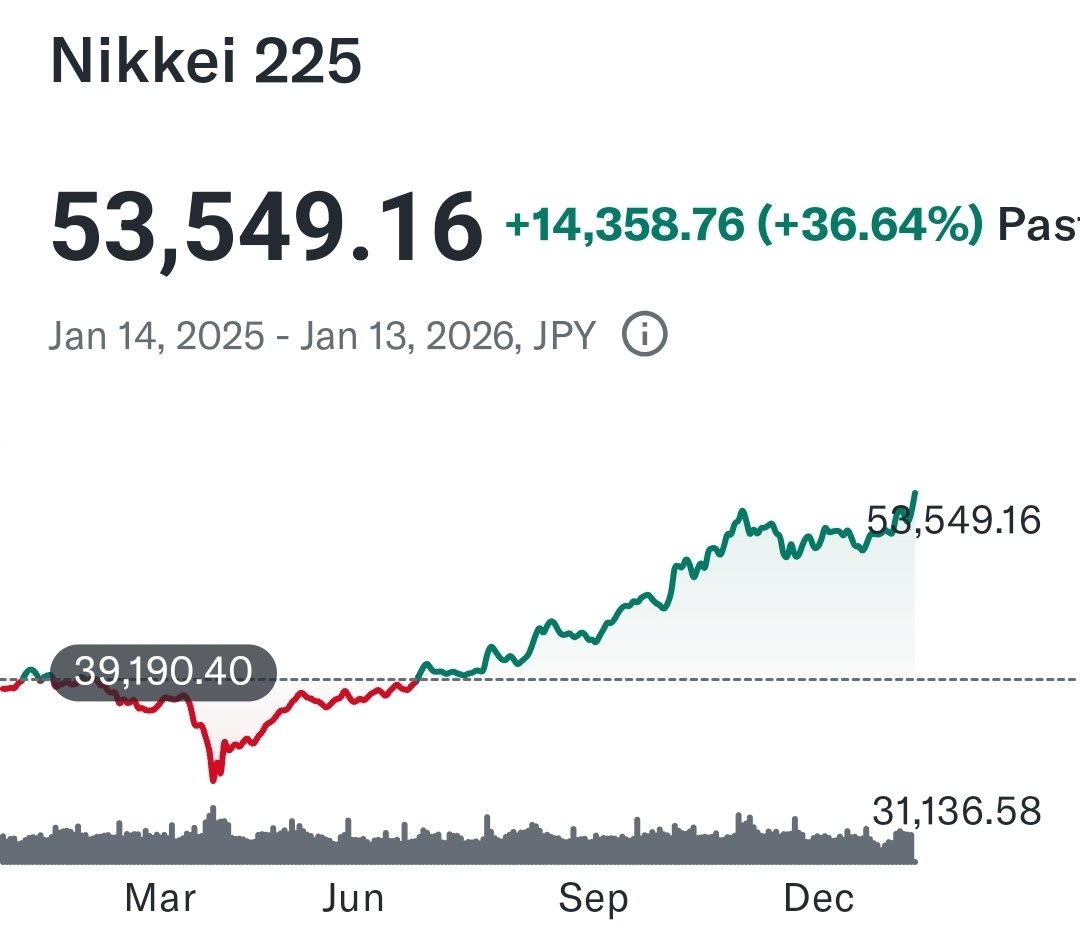
There has been a sharp decline in recent months in the production and sales of economically sensitive heavy-duty trucks.
11
52
212
76,911
1
1
112
RT @HenrikZeberg: I have always wondered why the great German people could fall into the hands of fascism in the 1930s.
Why nobody said st…
38
For the record $600B is what Paulson asked congress for to solve the GFC in 2008.

🚨 BREAKING: Treasury Sec. Scott Bessent just CONFIRMED, we’re bleeding AT LEAST $600 BILLION in FRAUDULENT spending EVERY SINGLE YEAR!
Elon Musk says that’s the LOW END!
1
2
102
Isn't that what the last guy said? 😂

BREAKING: Columbia's President Petro has said to Trump: "Don't threaten me - I'm waiting for you, if you want."
1
1
96
Can't hurt to try? 🤷🏻♂️
75
Yep 👇
Jan 4

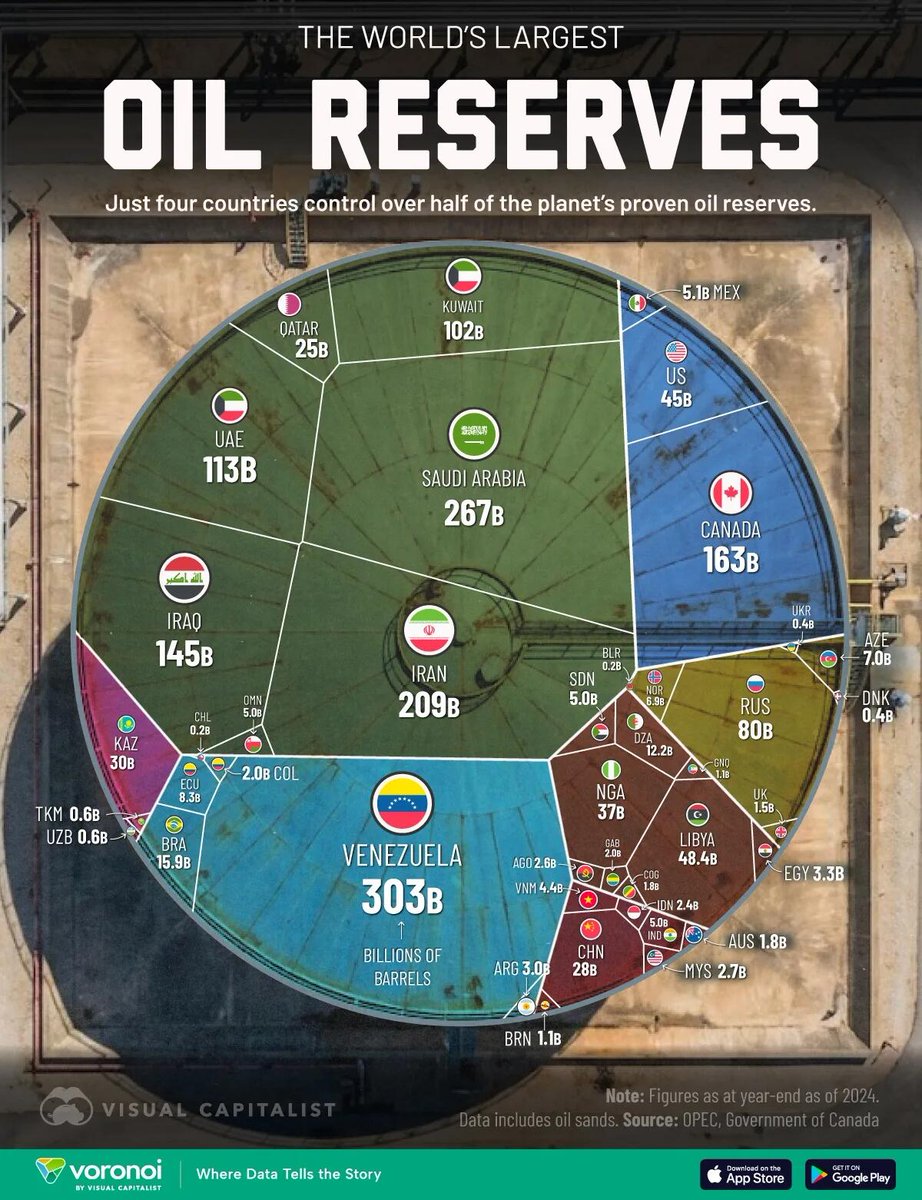
To help understand just how vast Venezuela's oil riches are
(though much of it is in the form of lower-utility heavy & extra-heavy crude)
10
Jan 4

The Trump Doctrine, Venezuela, and the Reassertion of King Dollar.
The prevailing narrative in policy circles and on Wall Street is that the era of King Dollar is ending, that the petrodollar is in terminal decline, BRICS currency schemes are ascendant, and U.S. power is slowly being priced out of the system. That story is seductive, but wrong. The Trump Doctrine is not presiding over the funeral of the dollar; it is actively re‑engineering the foundations of dollar primacy, especially across energy and strategic commodities.
At the center of this recalibration sits Venezuela. With the United States now effectively positioned to shape Caracas’s oil policy, Washington has extended its reach over the world’s largest proven crude reserves. Control over Venezuela’s energy flows does not just add another barrel to global supply; it hard‑wires yet another major producer back into a dollar‑centric energy and sanctions regime. In parallel, U.S. influence over Venezuela’s gold reserves limits their use as a true monetary backstop for a rival, sanctions‑resistant system.
This is best understood as an attempt to refurbish, not retire, the petrodollar architecture first assembled in the 1970s. Henry Kissinger’s 1974 deal with Saudi Arabia, pricing oil in dollars and recycling surpluses into U.S. assets, created structural demand for USD and Treasuries as the balance sheet of world energy. The Venezuela play fits squarely inside that tradition. A petro‑state that had experimented with selling oil in yuan, euros, and rubles, and had worked with China to build alternative payment channels, is being pulled back inside a U.S.‑managed framework. The message is straightforward: there is still one clearing currency for hydrocarbons that matters, and it is issued in Washington, not in Beijing or Brasília.
For the BRICS de‑dollarization project, this is a significant setback. Venezuela was more than just another troubled petro‑economy; it was a symbol of resistance to the dollar order, openly challenging the greenback by settling oil in non‑dollar currencies and flirting with parallel financial infrastructure. Reasserting U.S. leverage over its oil and gold weakens the credibility of a future BRICS unit as a serious competitor to the dollar in energy trade. It underscores a pattern that runs from Moscow to Tehran to Caracas: the more a state tries to build a non‑dollar energy system, the more it finds itself in the crosshairs of sanctions, covert pressure, or outright regime change.
At the same time, the Trump team appears to recognize that the next monetary layer will sit on blockchain rails. That makes the doctrine structurally bullish for Bitcoin and dollar‑aligned digital assets: the objective is to keep King Dollar as the core unit of account and collateral, while allowing Bitcoin and other blockchain‑based instruments to emerge as parallel reserves and settlement media that operate alongside, rather than instead of, the dollar system
For investors, the implication is clear. King Dollar is not dead; the scramble for safe collateral, deep liquidity, and a unified sanctions‑capable currency ensures that the U.S. unit remains central to trade and finance for the foreseeable future. The Trump Doctrine should be read as a doctrine of managed monetary dominance: reinforcing dollar centrality in energy and commodities and turning high‑stakes geopolitical theaters like Venezuela into instruments for securing, not surrendering, the dollar’s empire of liquidity.
24
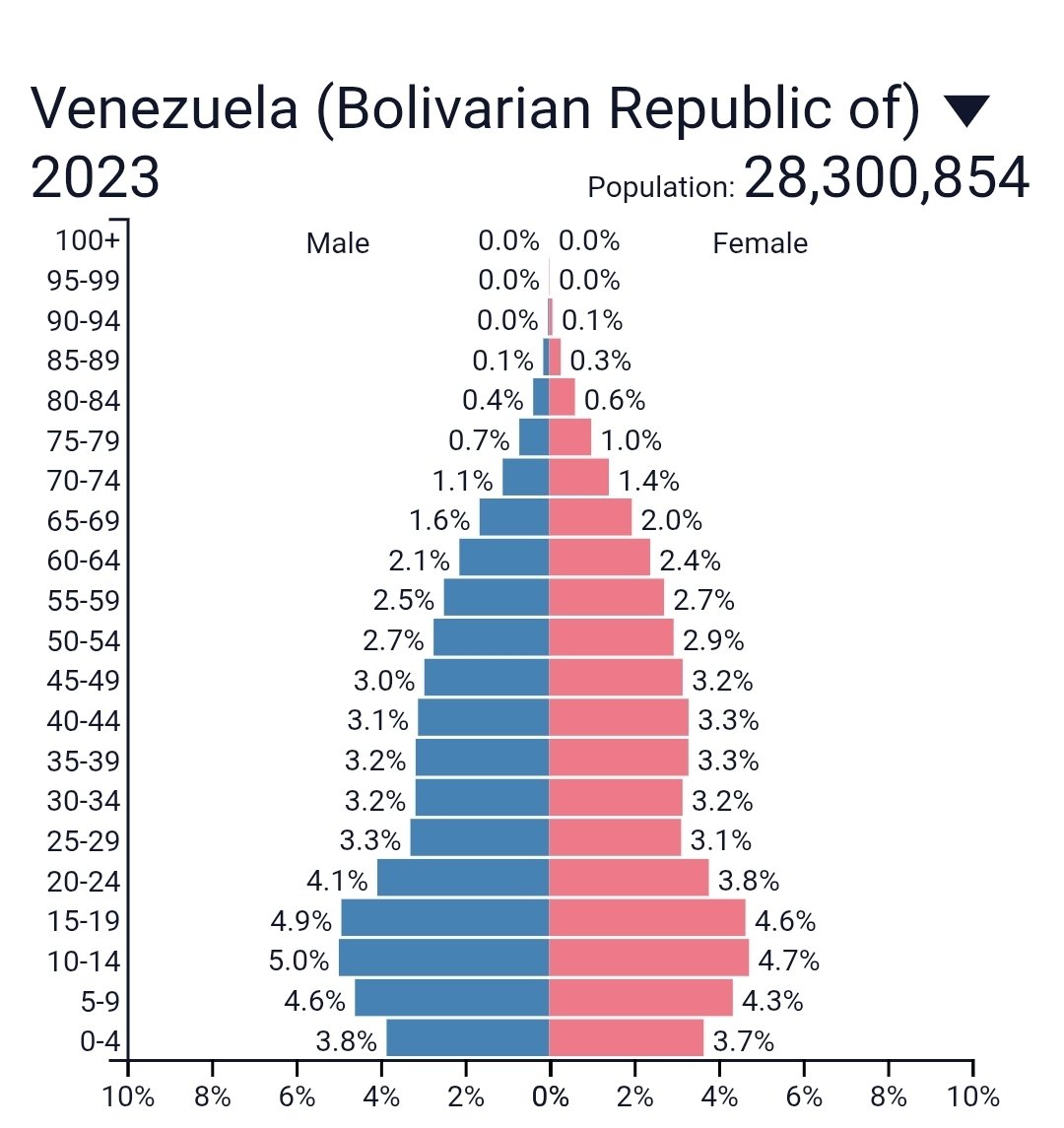
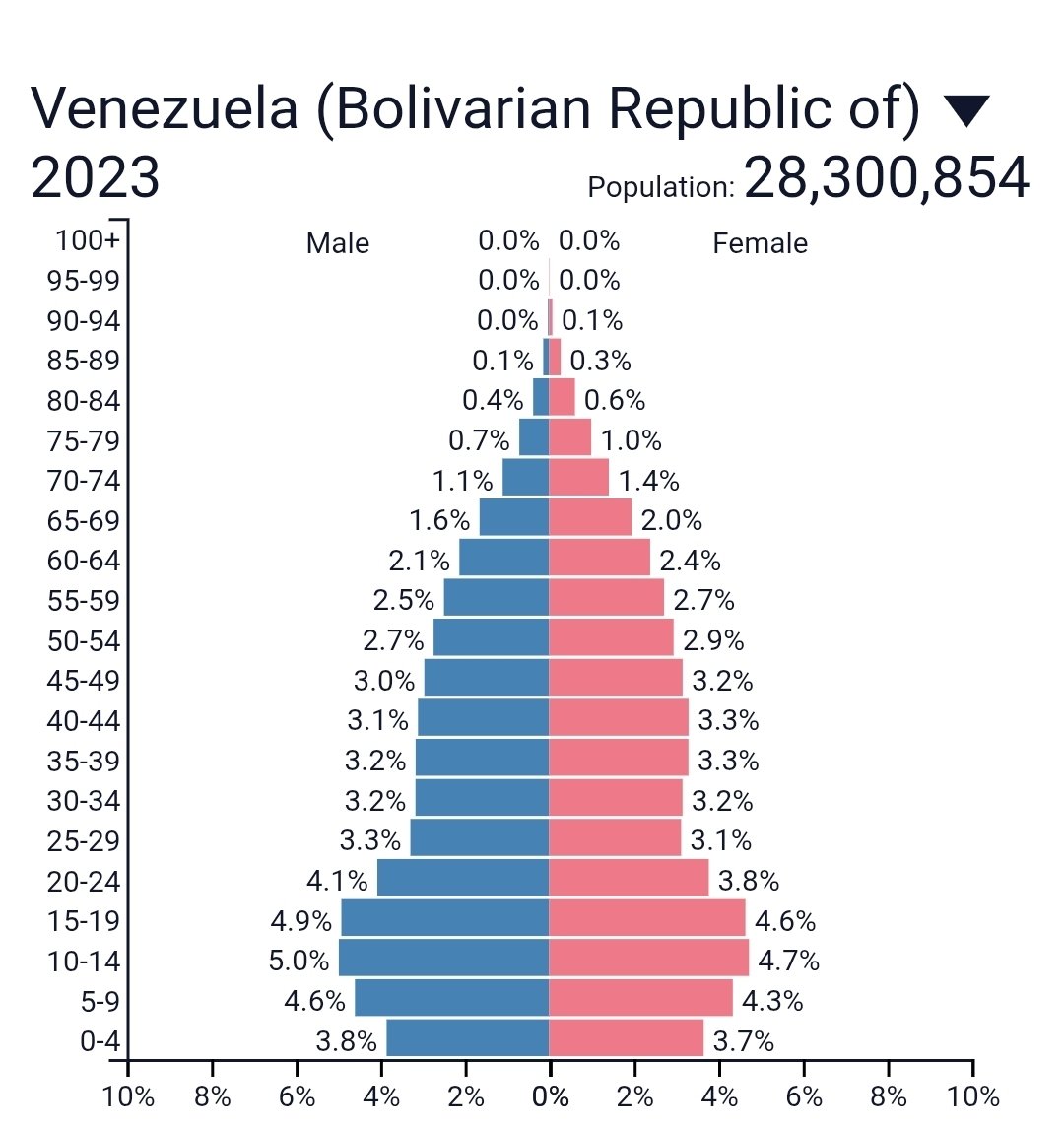
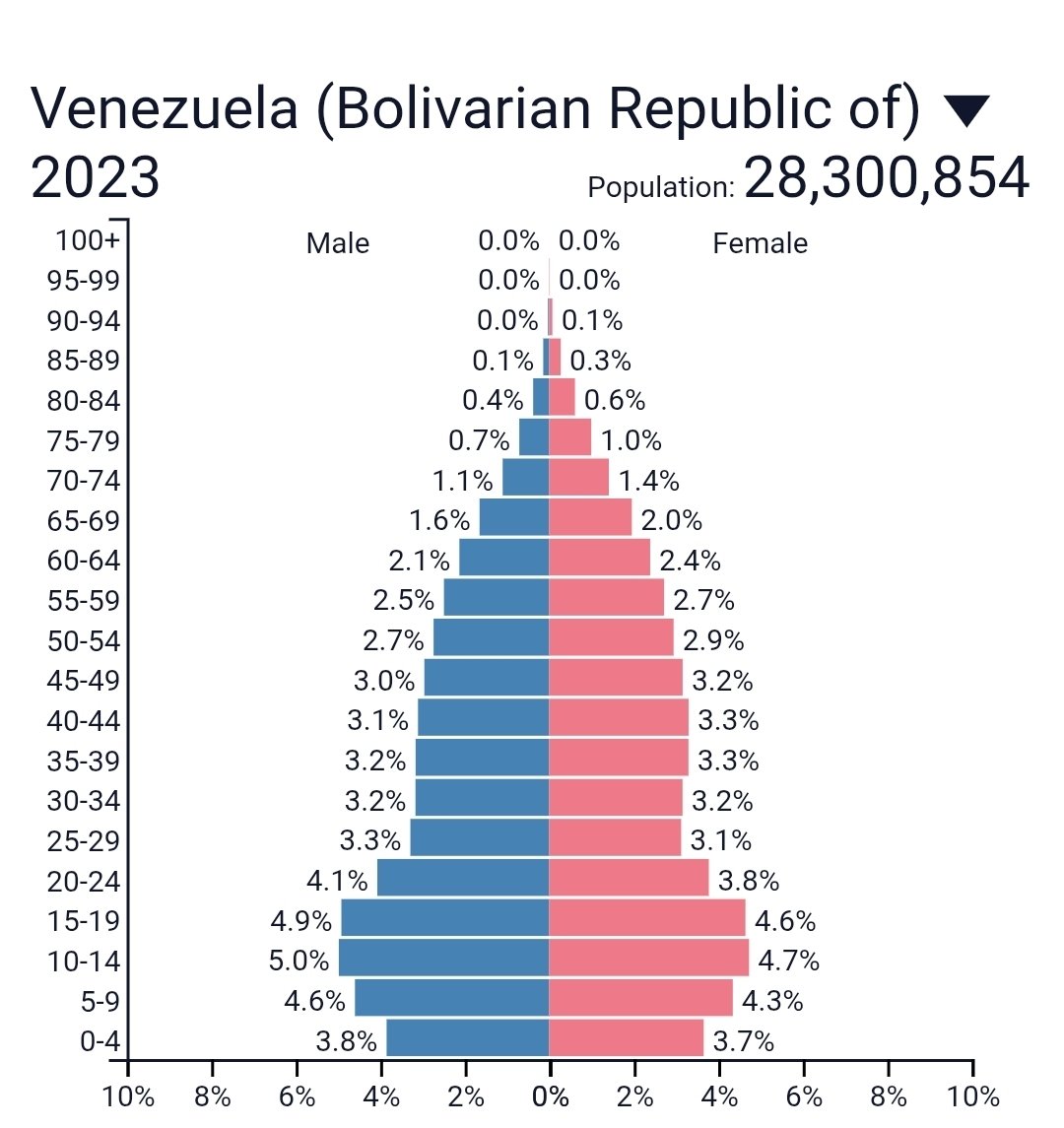
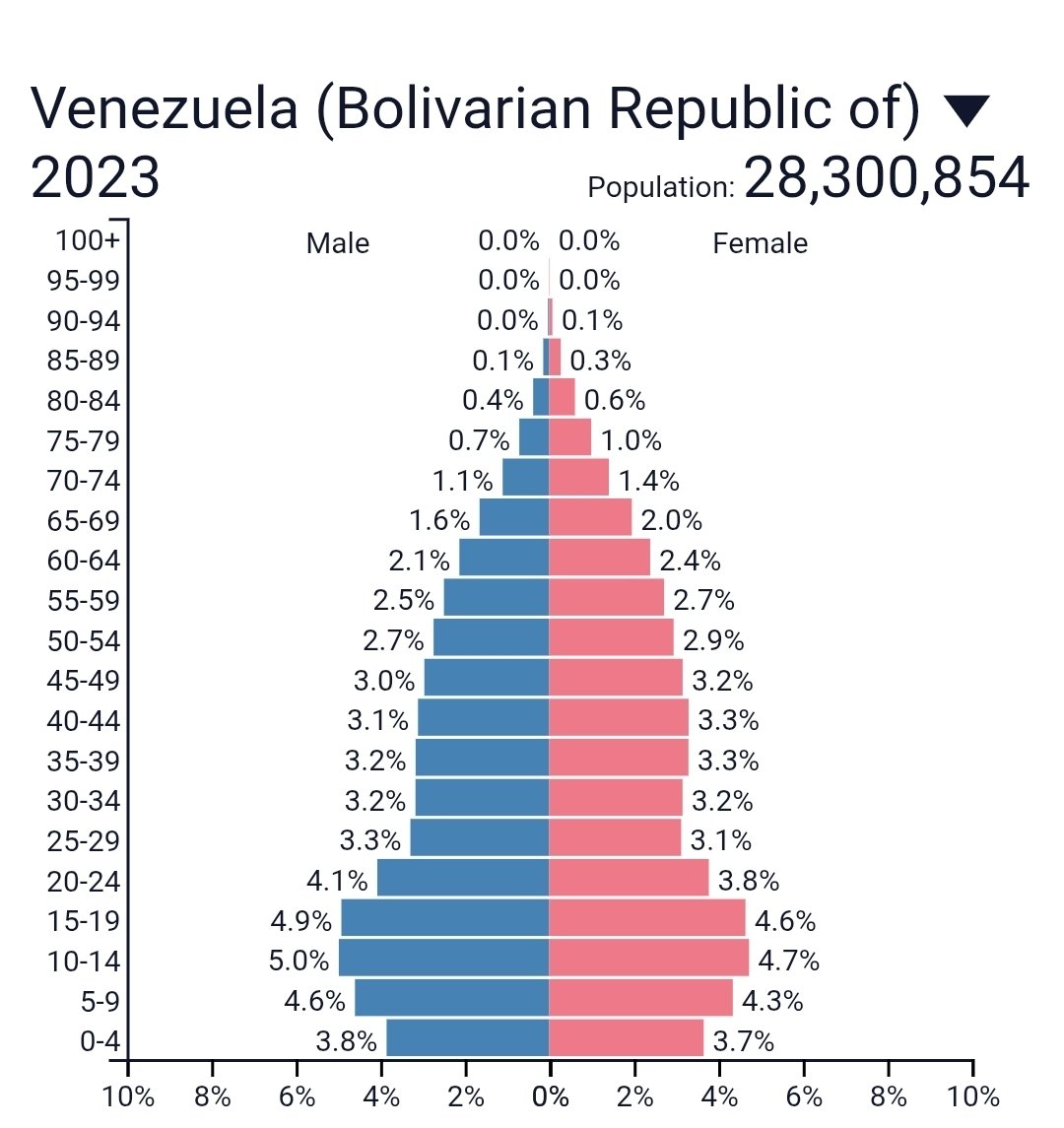
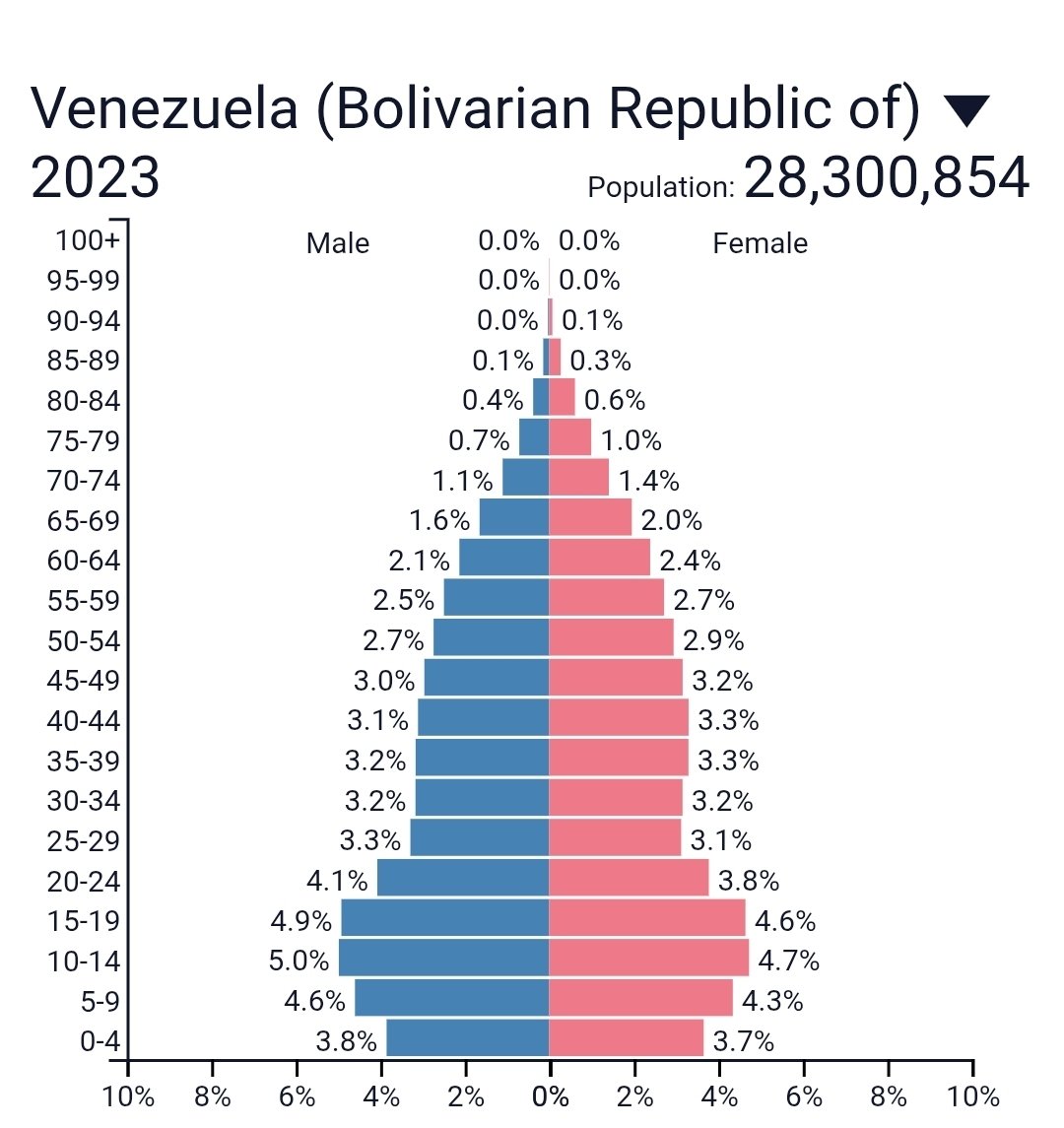
Yes #Venezuela has great opportunity with it's natural resources BUT let's not miss the GREAT opportunity they have when coupled with a growing young population! Those that know will start flowing investment $ to Venezuela to Make Venezuela Great Again
@realDonaldTrump @elonmusk
25
Truth 👇
Jan 4

"Human beings are born with different capacities. If they are free, they are not equal. And if they are equal, they are not free."
– Aleksandr Solzhenitsyn

19
Now the real learing begins. You signed a contract.
democracynow.org/2025/12/30/…
37
Who knew? 🤷🏻♂️🛢
28 Dec 2025

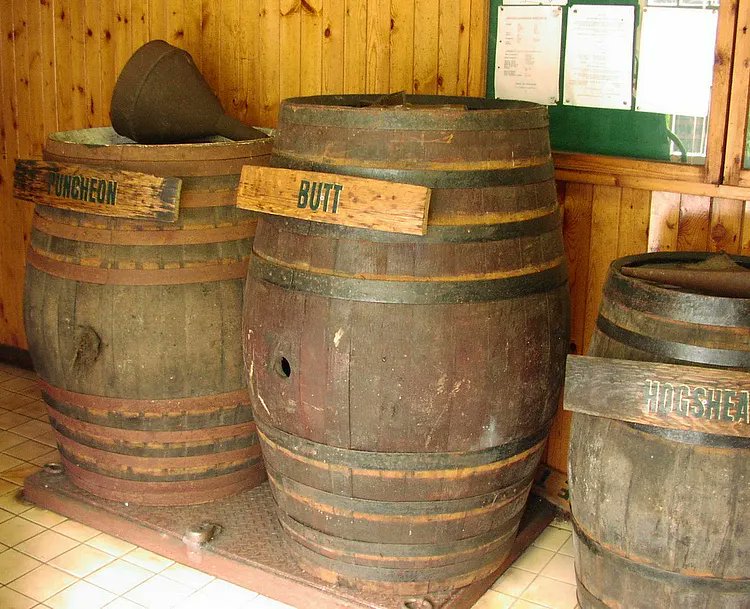
A “Butt Load” is an actual unit of measurement that equals 128 gallons....
Despite how it sounds today, a butt load was once a perfectly respectable and widely used unit of measurement.
The term comes from the medieval English word butt, which referred to a large wooden barrel used to store and transport liquids such as wine, ale, beer, and occasionally oil or vinegar. A standard butt held 128 gallons, making it one of the largest liquid measures in common use.
The unit traces back to trade practices in Europe, especially the wine trade. Barrels were sized deliberately to match shipping explanations, taxation rules, and storage needs. A butt was equal to 2 hogsheads, 4 kilderkins, or 8 barrels. These measurements mattered deeply in an era when commerce depended on physical containers rather than abstract volume markings.
Over time, the phrase drifted out of formal use but survived in everyday language, where its meaning became humorous rather than practical. What was once a technical term slowly transformed into slang, losing its connection to shipping ledgers and dockside warehouses.
Images like this show how literal the phrase once was. A butt load was not exaggeration. It was a specific amount, counted, taxed, and transported with precision in a world built around wood, iron hoops, and handwritten records.
In modern terms, 128 gallons is roughly 485 liters, meaning a single butt could weigh over 1,000 pounds when filled with wine, which required specialized handling and reinforced cellar floors.
#archaeohistories
34
Criminal 👇
27 Dec 2025

American doctor shows how bad we’re being ripped off by US Health Insurance Companies
She shows a list of blood work a doctor would order
With insurance they say it’s $1,086.75, patient pays $252.12
The cash price for the exact same bloodwork is $44
Health insurance is a criminal enterprise
20
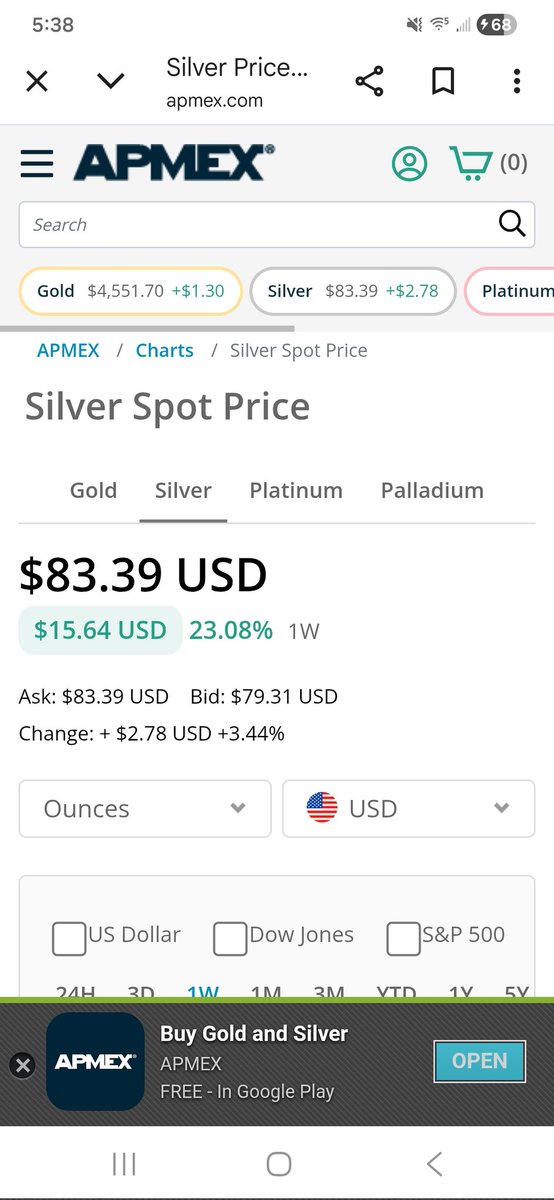
Hope my precious metal trades feel like to me 😂

16
Ahh it's playing out exactly as I said. Freedom At Risk
28 Dec 2025

“I worked for 36 YEARS. Paid taxes EVERY year. Did everything right.”
Outside the Social Security office, she’s trying to understand why her check is only $876 a month
“After a LIFETIME of work — this is all I get. Meanwhile, billions are sent to people who never paid a dime.”
28
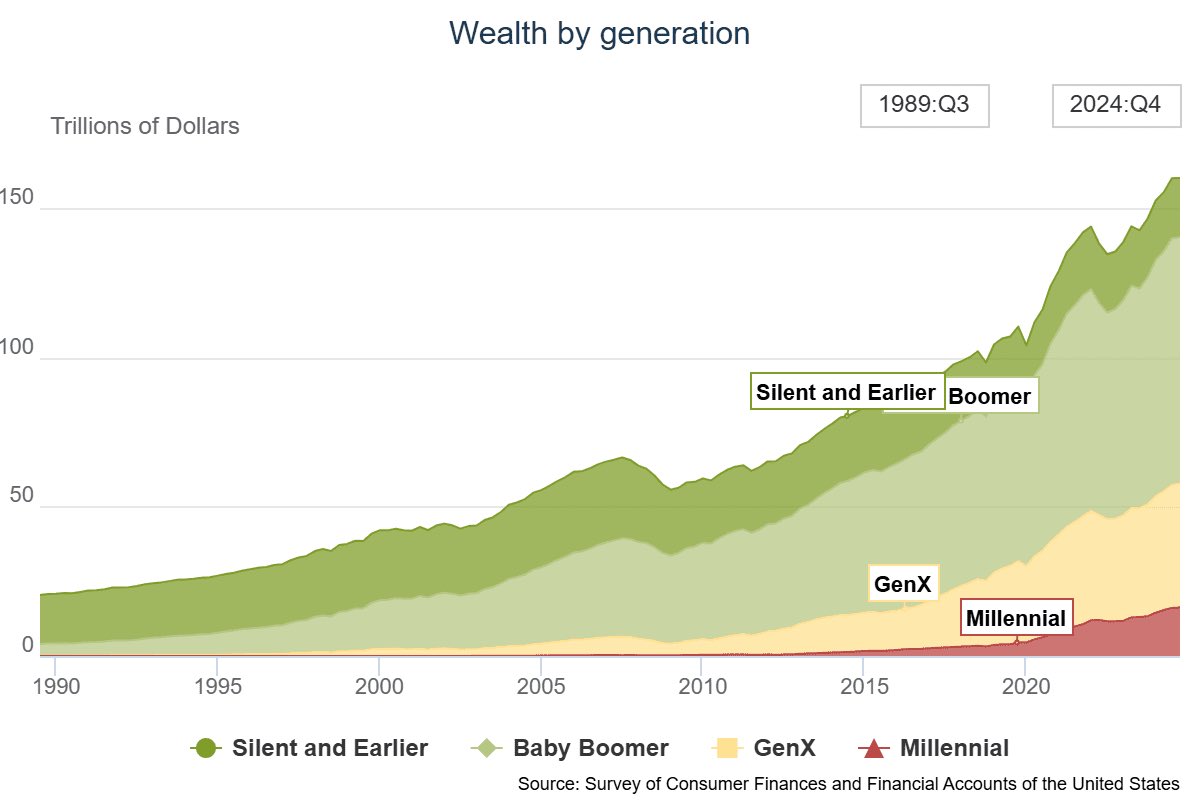
Many Millennials and most GenZ don't want homes. They want apartments with ammenities....pools, fitness, game rooms.
27 Dec 2025

Just wait until the green
tries selling to the red
Gen Z isn’t even on the chart
22
When AI takes over this will be our jobs 😂

215
That is grossly under estimated
24 Dec 2025
26% of Americans are living beyond their means, per FINRA
12