
Web3 Simplifier Storyteller ° Speculator ° Ai Explorer
Joined September 2020
- Tweets 99,466
- Following 3,635
- Followers 3,250
- Likes 107,834
917 Photos and videos












Apr 27
a man on motion!
Apr 23

What actually cures male loneliness? 👀
1
61
Future David retweeted

Apr 22
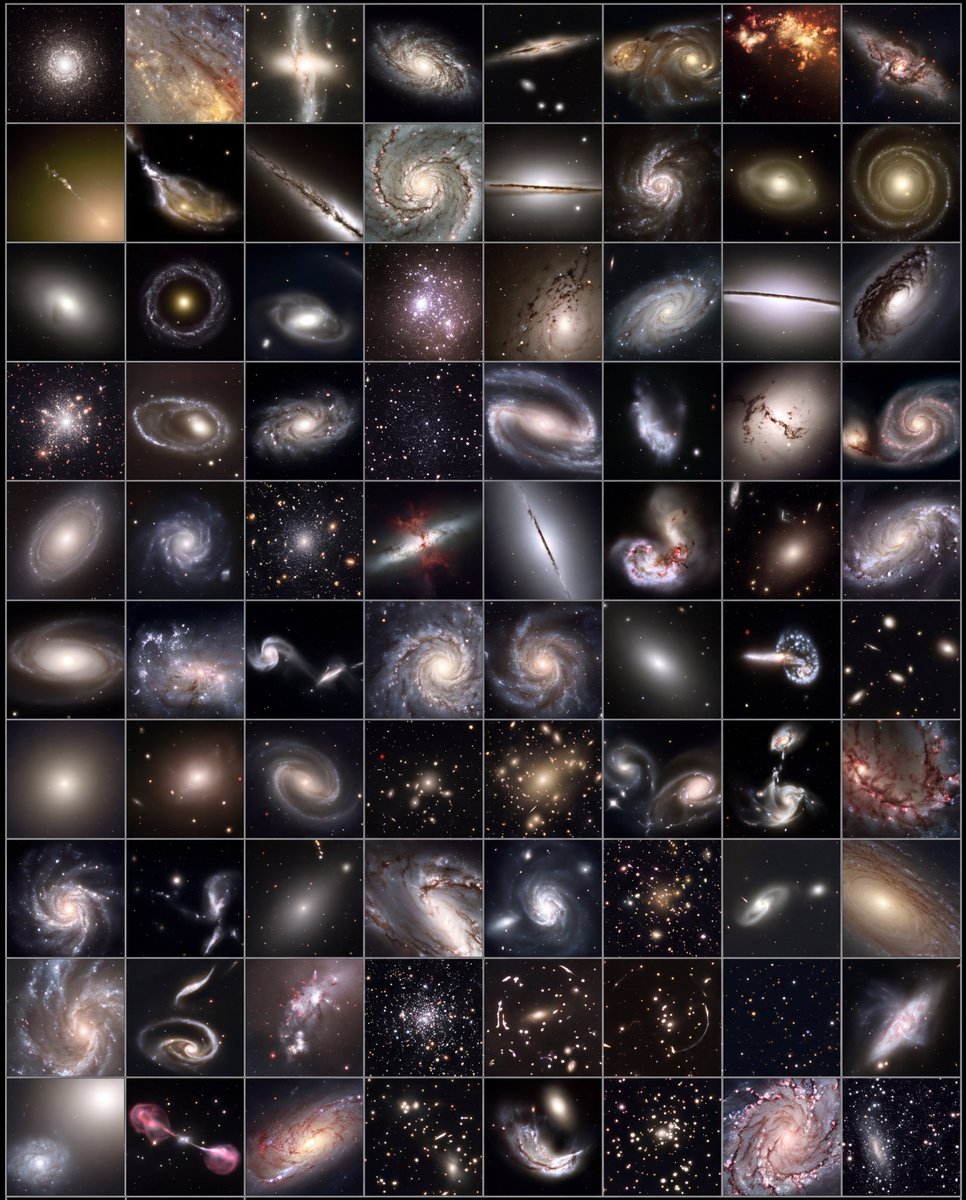
God abandons these trillions of galaxies to focus on humans on Earth, which is just a grain of sand in its own galaxy. Religion is for kids!

1,003
651
4,225
319,466
Future David retweeted

Apr 21
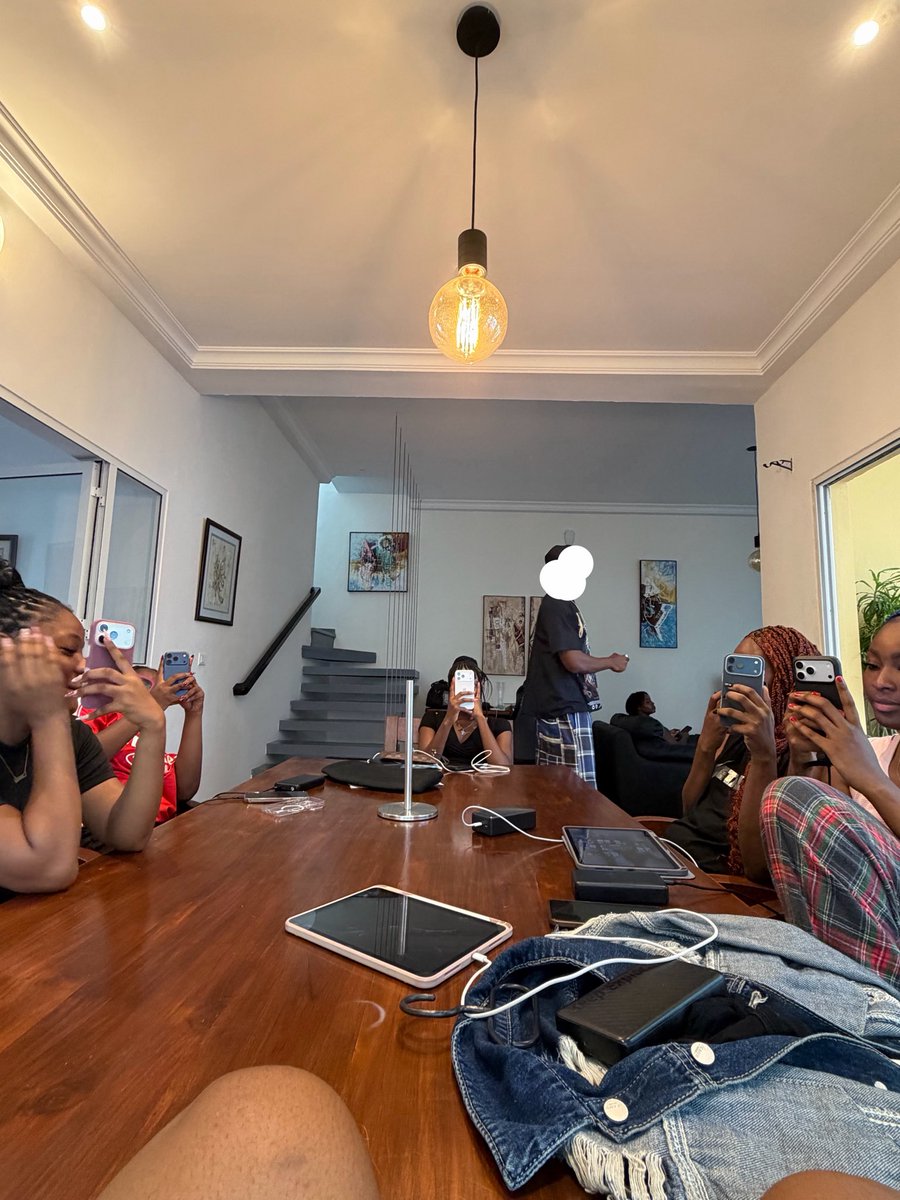
Bottom barrel third world country tweets.


188
4,453
18,326
389,466
Future David retweeted

Apr 20
When you make it in life, do not leave your hommies.
You see those two guys following Lamine Yamal, they grew up together.
One is his cousin, Mohamed Abde, and his best friend, Suhayb. They’ve never left his side, and Lamine didn’t abandon them in the hood.
He takes them everywhere, in fact, he has featured them in so many ambassadorial deals. Recently, they even flew with the Barcelona first team, they were present when he signed his contract, they’re literally with him everywhere.
Try carry your real Gs when he sup for you.
Apr 20

218
2,310
18,030
1,202,094
Future David retweeted

Apr 18
Every version of you was necessary.
Even the ones you are ashamed of.
203
24,868
88,348
2,496,185
Future David retweeted

Mar 30
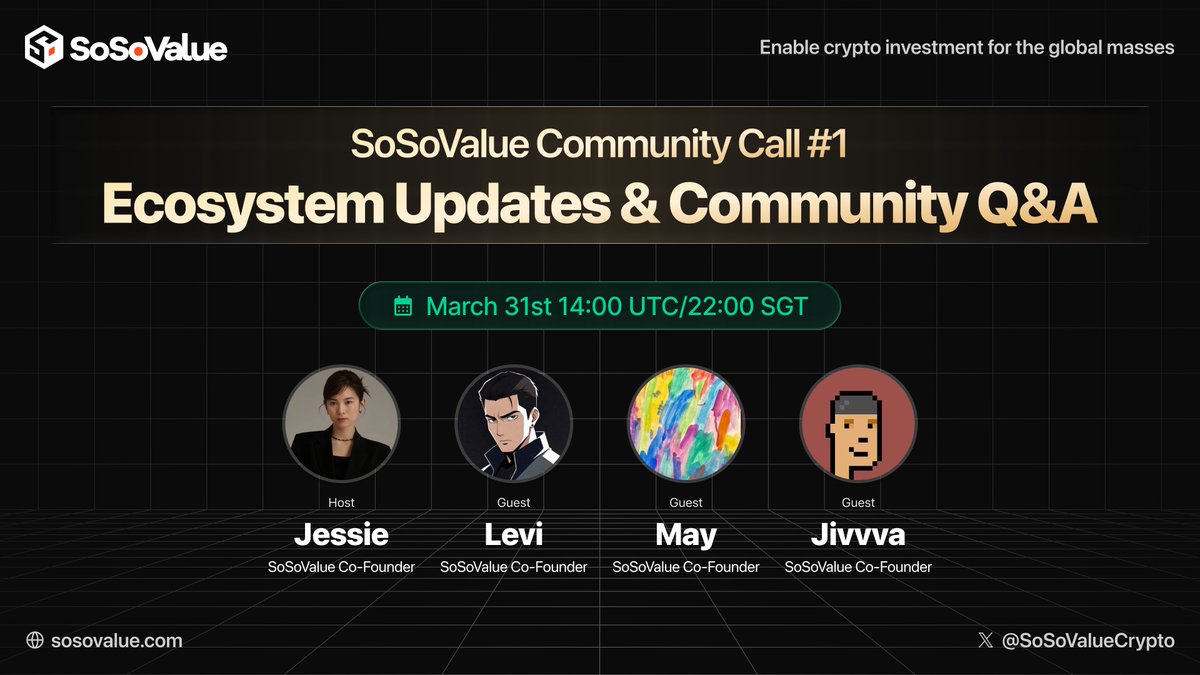
Mark your calendar — March 31, 14:00 UTC/22:00 SGT.
SoSoValue Community Call #1 is coming.
@0xjessielo, together with @LeviSoSoValue, @MayMayMay1983, and @jivvvaguan from the SoSoValue co-founding team, will join a live conversation covering:
✨ SoSoValue
⚡ SoDEX
📊 SSI
🌐 ValueChain ecosystem updates
💬 Community Q&A
Set your reminder and join us live:
x.com/i/spaces/1pKkOyMOEVMKj…
#SoSoValue #SoDEX #SSI #AMA #Web3
7,572
2,562
10,440
222,850
Future David retweeted

Mar 24
some fraud niggas dey quilox right now dey slap stripper yansh while i wallow in darkness. some niggas dey under bridge sleeping on bare floor while im complaining with roof over my head.
246
3,190
16,585
280,173
Future David retweeted

Feb 27
forgive yourself for not knowing earlier what only time could teach you ❤️
1,880
25,111
85,873
3,662,201
Future David retweeted

Feb 11
pattern recognition will save you every single time.
148
5,659
25,777
1,390,746
Future David retweeted

Feb 4
bad news twin: time is flying
good news: you the pilot twin
u the fuckin pilot
171
22,396
177,197
2,428,331

Future David retweeted

Jan 25
step back
Perfect the craft
then pop out
45
2,344
9,700
235,148
Jan 21
Intelligence alone doesn’t create value
Verified physical execution does
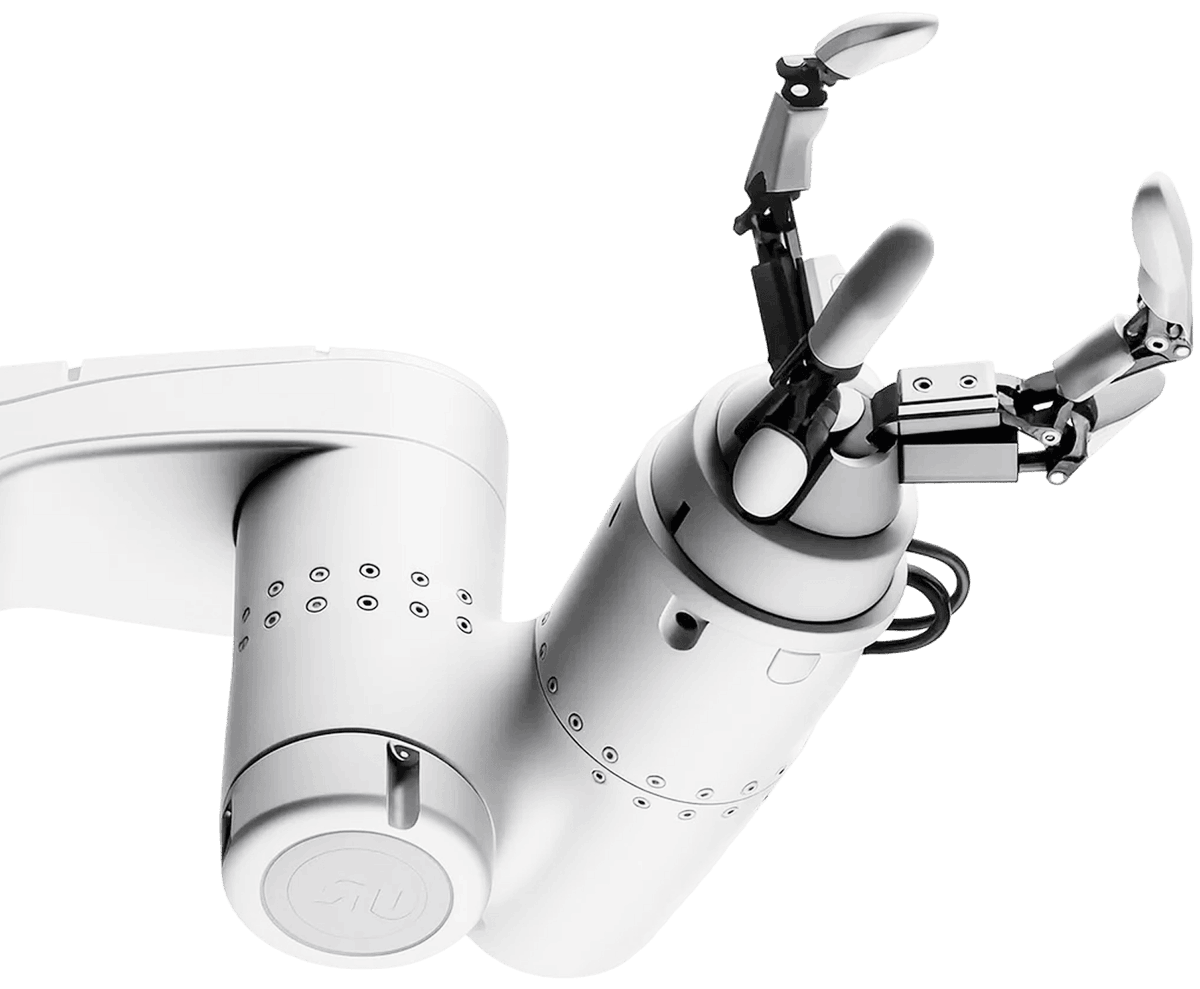
@konnex_world turns robot motion into a permissionless market, where AI models compete
work is proven on chain, and outcomes automatically settle
Autonomy without verification is meaningless.
Jan 14

Although people talk about robots as if hardware is the value. They’re wrong.
Hardware is disposable. What matters is coordination, incentives, and verifiable execution.If a robot completes a task but no one can prove it, it earns nothing.
If an AI model controls motion but can’t be evaluated in real environments, it contributes zero economic value.
The hard truth: intelligence and autonomy are meaningless without a market that enforces truth. That’s why permissionless robotic economies are revolutionary.
When robots can bid for work, stake collateral, and submit Proof of Physical Work, the system aligns incentives across machines and humans.
- Validators enforce correctness.
- Payments settle automatically.
- Reputation compounds.
- Failure carries consequences
Now intelligence becomes productive.
Motion becomes an asset.
Robots are just carriers for scarce economic value.
@konnex_world isn’t interesting because it builds robots. It’s interesting because it codifies the rules of action, proof, and settlement in a decentralized network.
This is the infrastructure that unlocks autonomous economic coordination at scale.The first protocols to get this right won’t just own technology.
They’ll own the substrate of robot labor itself, a permissionless market that scales beyond companies, borders, and managers. And that’s the part most people completely miss.
67
Future David retweeted

Jan 20
Konnex | Turning robot labor into on-chain liquidity.
Permissionless robotics market where physical work goes on-chain.
⚫️ Robots negotiate tasks
⚫️ AI robots execute jobs
⚫️ Verified work → stablecoin payouts
Join the hub for the upcoming airdrop 👇
hub.konnex.world
37,301
25,479
30,120
881,843
Jan 19
check this out chads

30
Jan 19
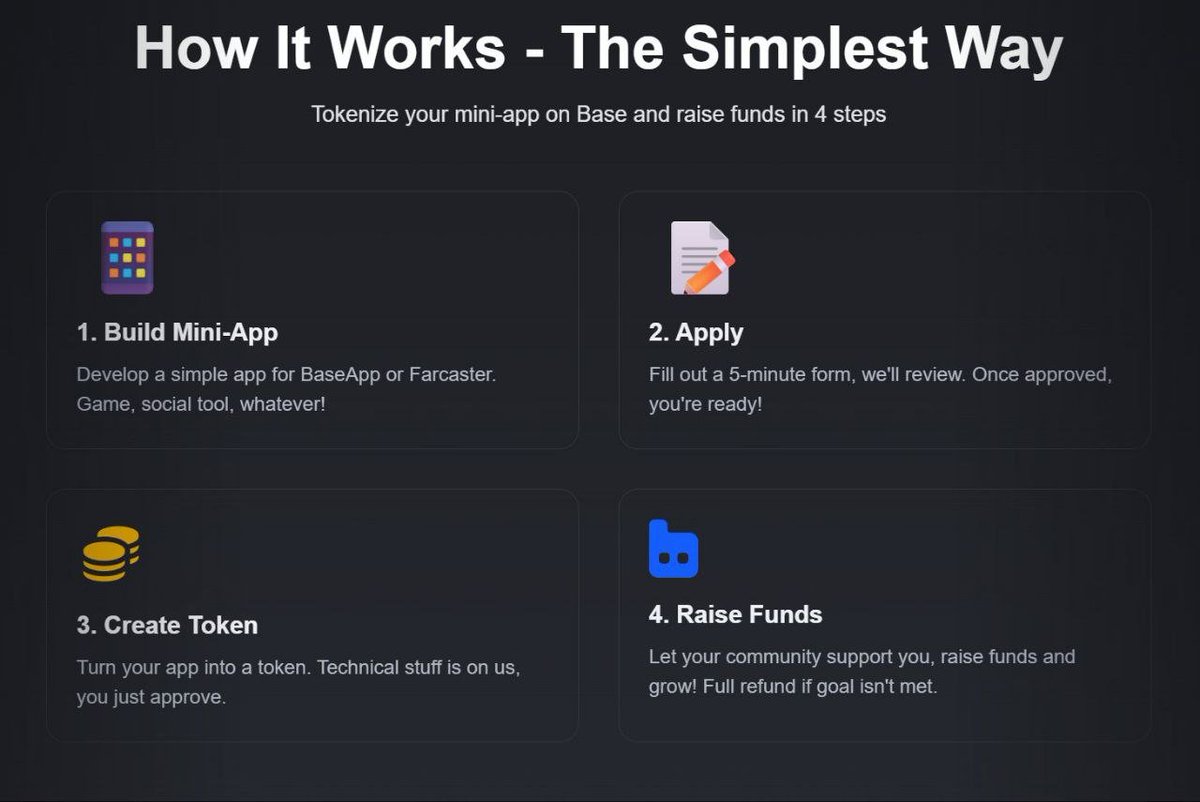
most launchpads raise capital first and hope delivery follows.
@Bappfun does the opposite.
mini-apps ship before funding. milestones unlock capital. contracts enforce refunds.
quiet, strict, and built for teams that actually execute.
Jan 18
here’s the uncomfortable truth about @Bappfun
most builders are not meant to raise capital and bapp is designed to expose that.
shipping a real mini app first, put it where users already are, commit to public milestones, then earn access to capital over time.
no upfront raise. no narrative leverage. no hiding behind roadmaps. if progress stalls, funds stop. if delivery fails, refunds trigger automatically.
this is why bapp feels “hard” to some people. it removes storytelling as a substitute for execution.
bapp isn’t democratizing funding, it’s re-introducing standards.
42
39
273
Jan 19
Prediction markets look like gambling until you realize they measure belief, not luck
They force clarity, accountability, and early conviction
@duel_duck isn’t about betting right, it’s about exposing how people think under uncertainty.
Jan 18
spent time on @duel_duck and it’s interesting how quickly opinions sharpen when there’s skin in the game
it’s not about predictions alone, it’s watching beliefs get priced, challenged, and updated in real time
messy, imperfect, but way more honest than timelines full of consequence free takes.
58
54
282
Jan 18
spent time on @duel_duck and it’s interesting how quickly opinions sharpen when there’s skin in the game
it’s not about predictions alone, it’s watching beliefs get priced, challenged, and updated in real time
messy, imperfect, but way more honest than timelines full of consequence free takes.
Jan 18
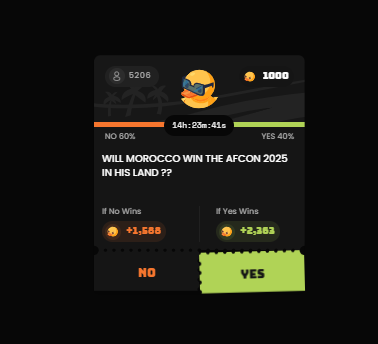
so today we've got Morocco vs Senegal AFCON final to get excited about,
though im leaning heavily on Morocco after their dominant display against Nigeria with their fans literally scattered all over the host stadium
so, it pretty obvious why choosing yes got more point than the no haha...
@duel_duck
73
62
1,169
Jan 18
literally me, it was dead a lot time ago when I understood life
we could vibe and all that but if it prolongs, that instinct will hit me to go back to my shell that talking time over lol...
the funny thing is that i can still mask up to anything but I'm just so into my own world imo

i think I lost my spark. I talk less, I keep to myself, I've mastered distance. I'm not angry, I'm not bitter. I just don't have the energy to show up like I used to. Somewhere along the way, I slipped into this I don't care phase.
33

i think I lost my spark. I talk less, I keep to myself, I've mastered distance. I'm not angry, I'm not bitter. I just don't have the energy to show up like I used to. Somewhere along the way, I slipped into this I don't care phase.
618
15,189
52,582
1,604,806