Husband, Dogdad, Anaesthesiologist, Intensivist-in-training! Loves acute care, can’t stay in his own lane! Regional, POCUS and transplants. #Vegeterrorist…
Joined May 2011
- Tweets 4,063
- Following 1,376
- Followers 693
- Likes 4,251
140 Photos and videos
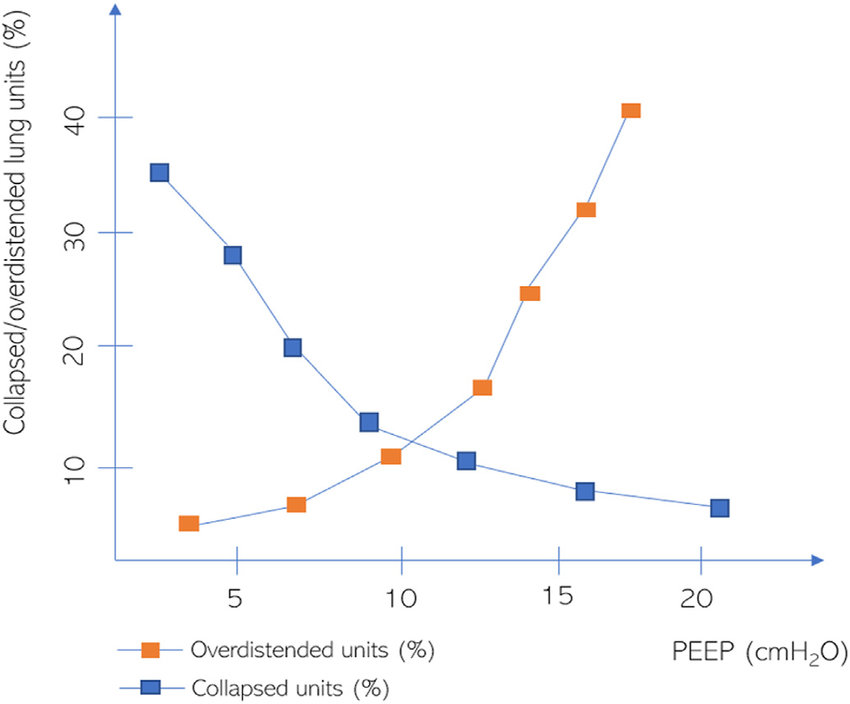

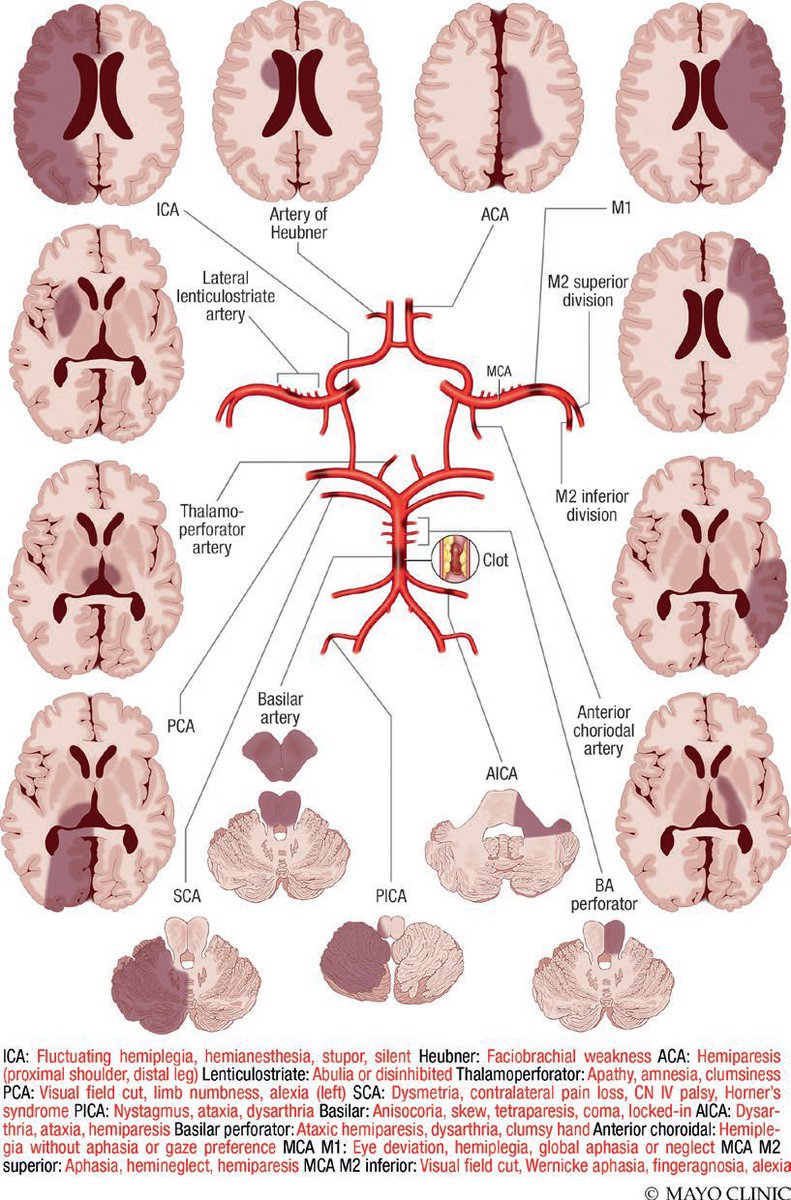

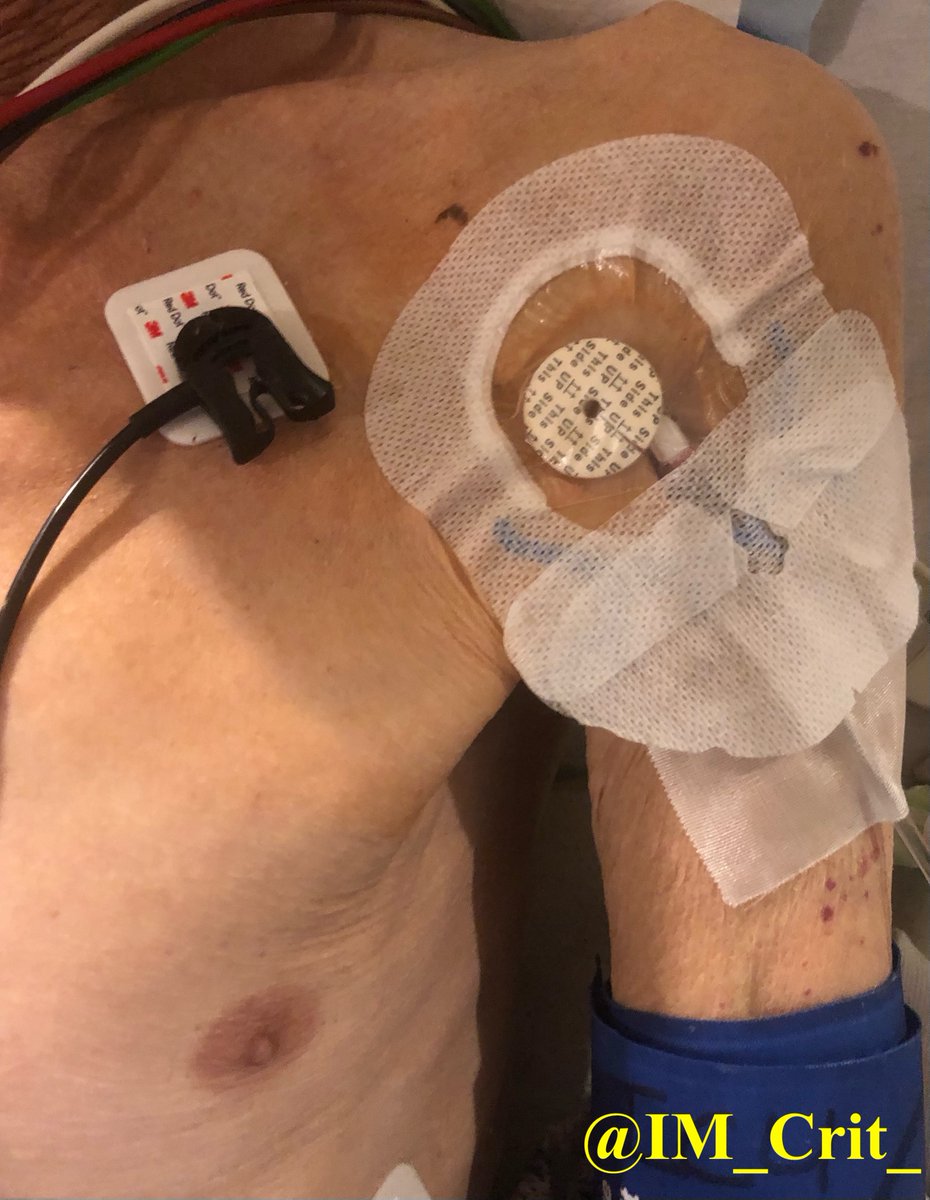
ICU (Central Venous/Arterial) Line Secrets - Part 1:
An ICU where the patients have no central lines & are not connected to ventilators is not a real ICU. This may be a controversial statement but in my humble opinion not far from truth
31
227
1,282
441,449
Bojan Korda retweeted

8 Oct 2024
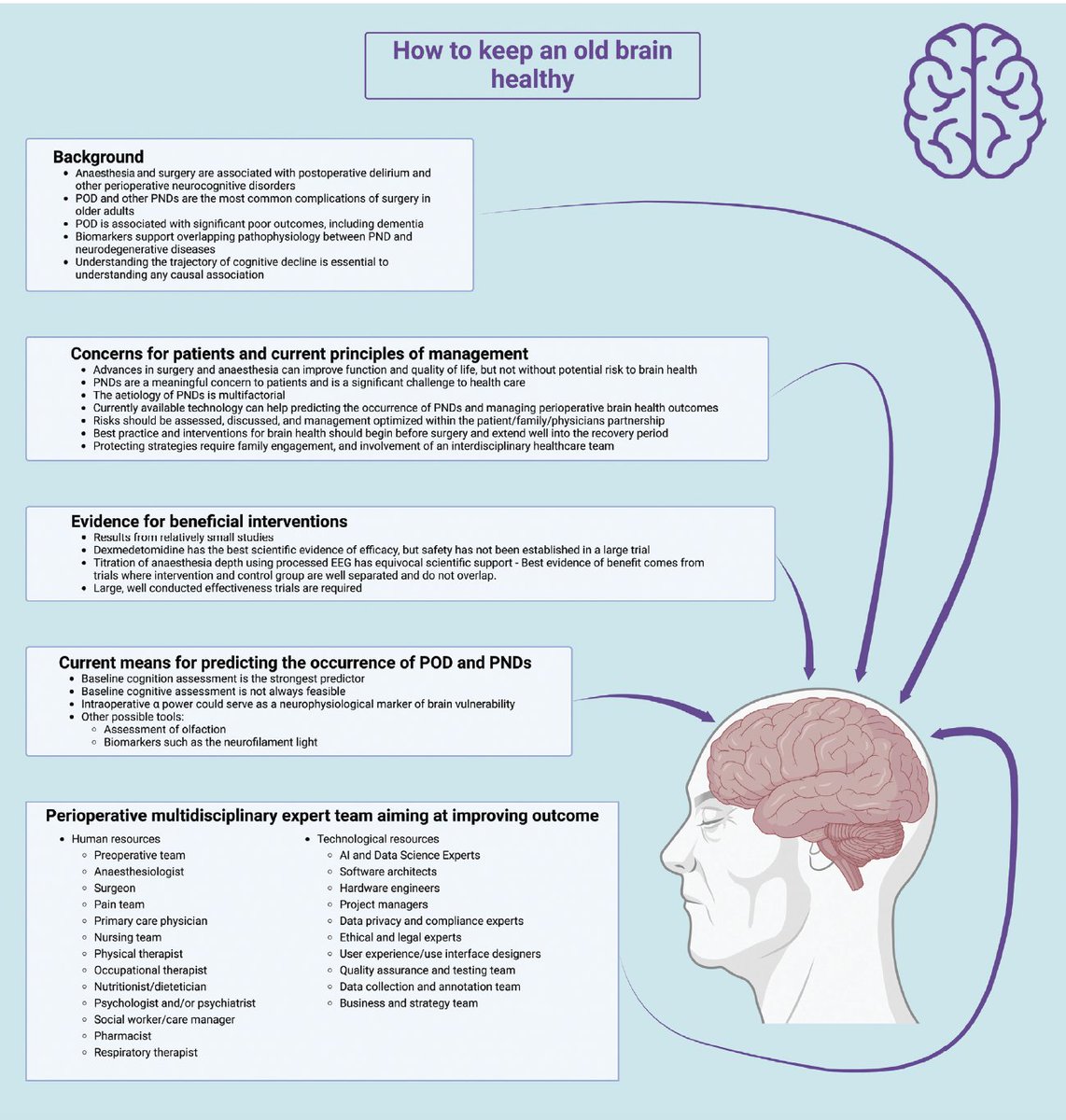
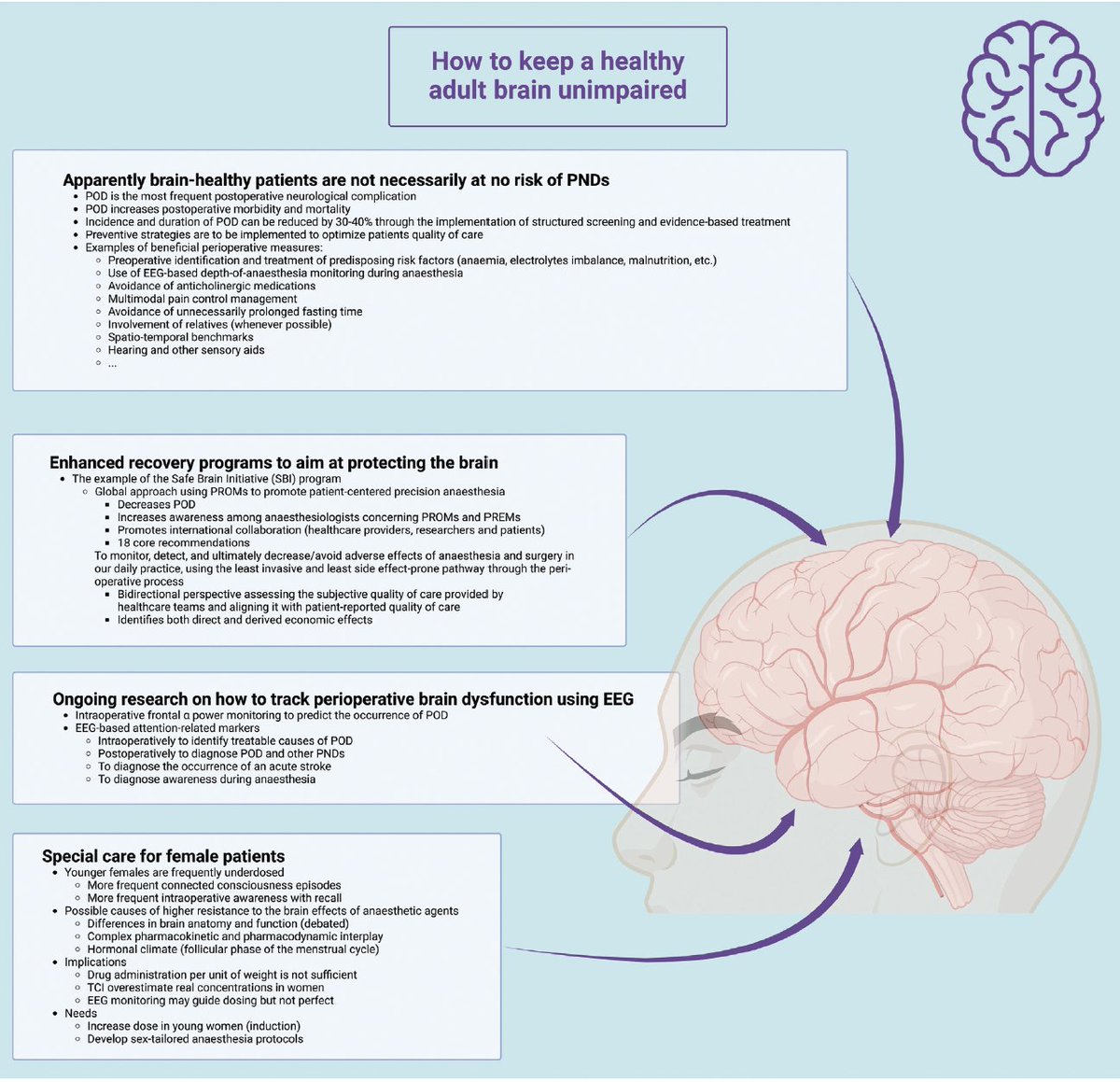
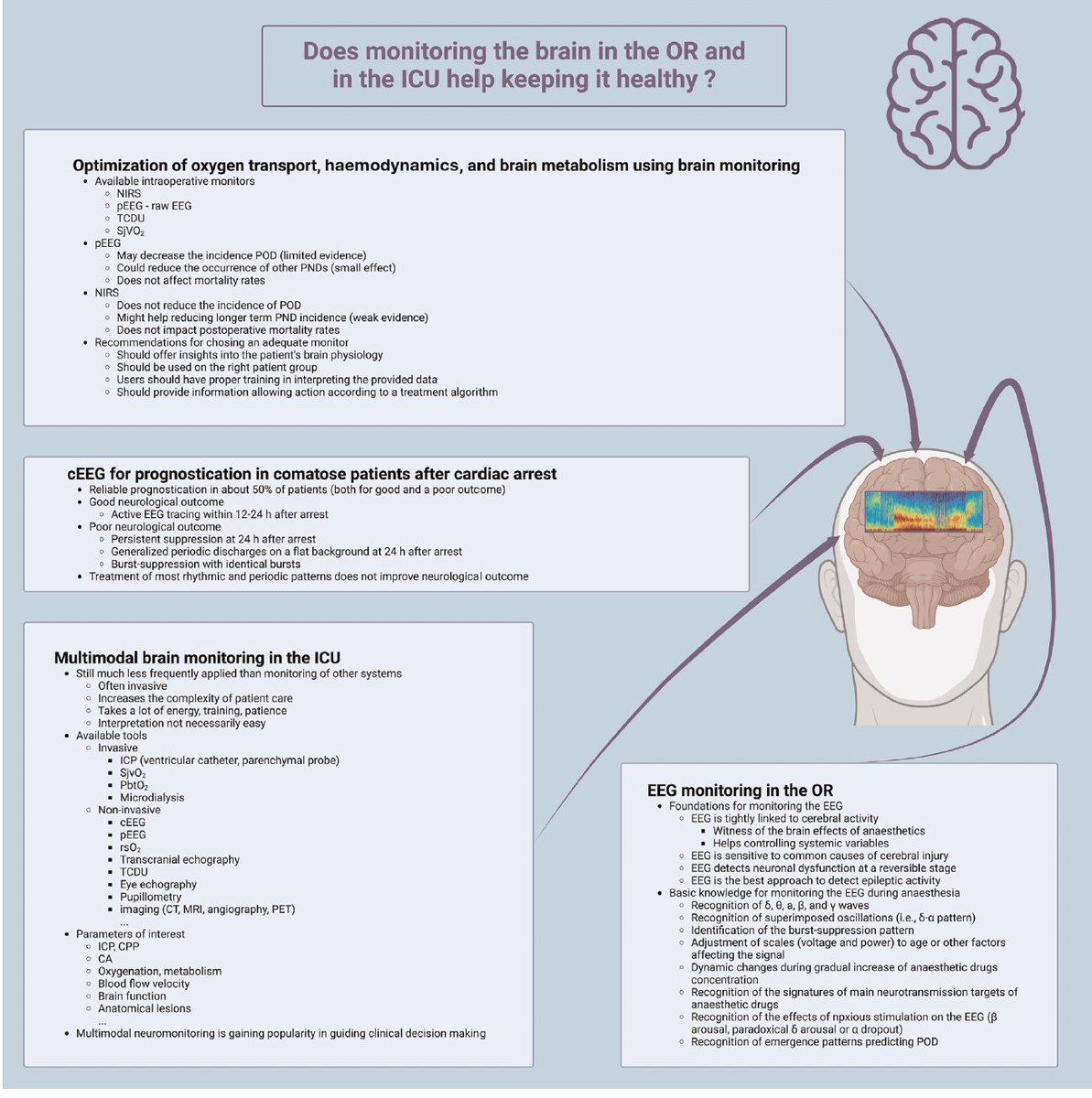
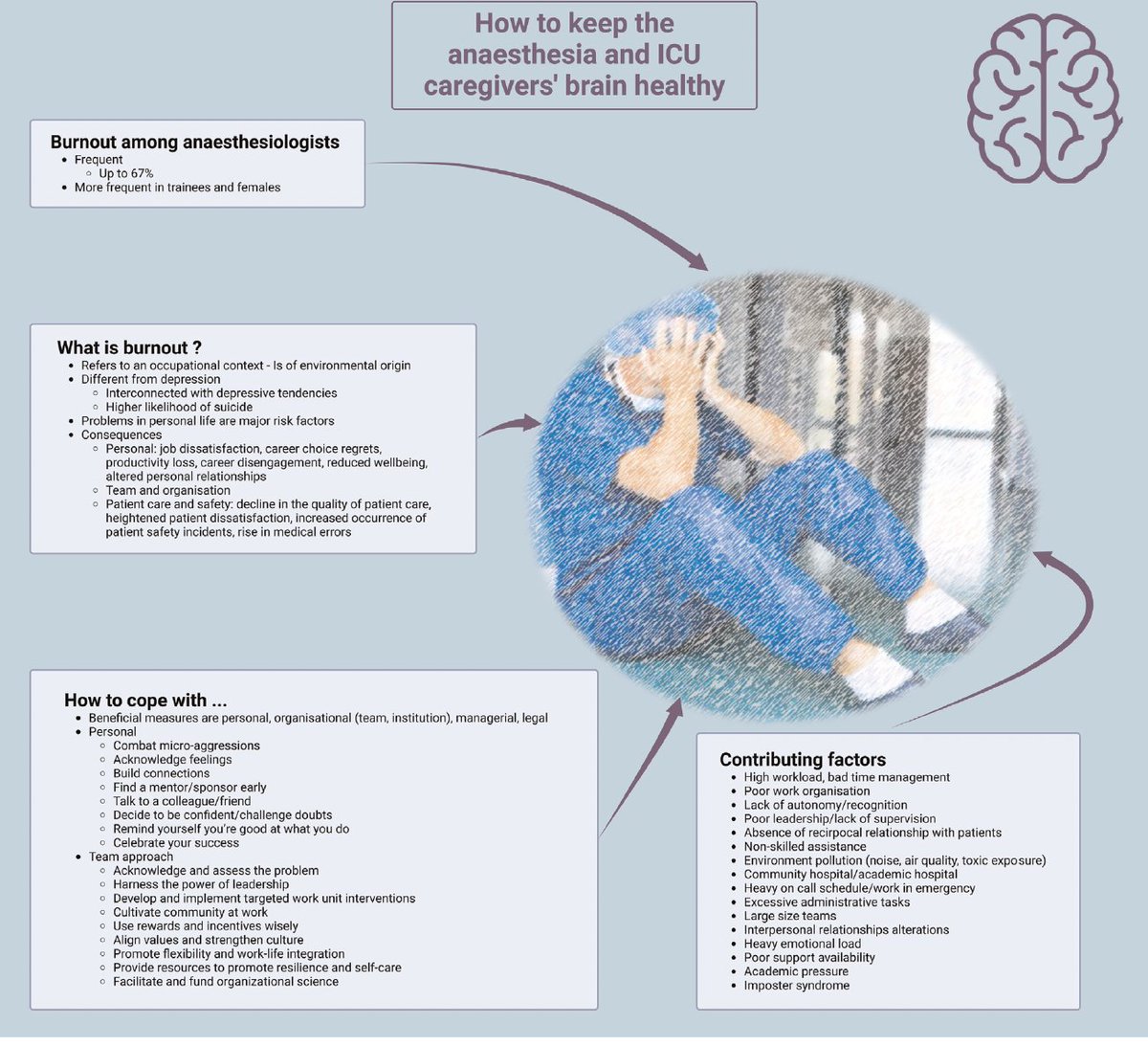
Brain health: A concern for anaesthesiologists and... : European Journal of Anaesthesiology and Intensive Care journals.lww.com/ejaintensiv…
Perioperative Brain Health should be a Mission of every anesthesiologists and intensivists, including the health of our own brain!
1
34
57
3,794
Bojan Korda retweeted

24 Sep 2024
Congratulations to all our EM colleagues in Portugal which has officially recognised EM as a speciality.
Fabulous news for many amazing clinicians (and patients) in Portugal.

Se cierra el círculo ibérico con la aprobación de la especialidad de urgencias y emergencias en Portugal. Enhorabuena amigos! 🇵🇹🇵🇹🇵🇹
#SPMUE
#EspecialidadMUE
semes.org/la-especialidad-de…
2
24
107
8,147
ICU Stories:
While walking around the ICU at the beginning of your night shift, you notice that the respiratory therapist increased the FiO2 from 90 to 100% in a mechanically ventilated patient. Bedside monitor shows O2 sat 90%. You decide to read a bit more about the patient:
23
242
1,530
417,666
Bojan Korda retweeted

23 Mar 2024
Very pleased to announce that ASOS-Paeds has been published in The Lancet. Well done and thank you to the ASOS-Paeds investigators.
authors.elsevier.com/a/1ioi4…
6
12
26
4,647
Bojan Korda retweeted

11 Mar 2024
Sharing this again for those who need it today.

59
596
3,450
367,057
Bojan Korda retweeted

4 Mar 2024
🧵1st workshop: Paediatric EEG. Great to listen to Patrick Purdon and Choon Looi Bong. Utility of eeg monitoring in very young reinforced. Know you drug signatures and you will be able to recognize for the most part what drug is being delivered when assessing the DSA. #WCA2024
1
3
9
1,006
Bojan Korda retweeted

4 Mar 2024
The European Society of Emergency Medicine has published new recommendations on Emergency #Airway Management 🧵
4
90
358
77,871
Bojan Korda retweeted

14 May 2023
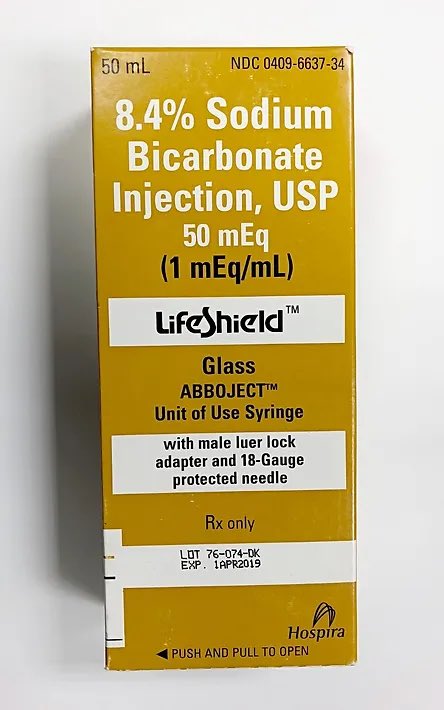
You've probably heard that Bicarbonate has to turn into CO2 to raise the pH. “Don’t give bicarb if you can’t increase ventilation.”
But how much CO2 is there in an amp of sodium bicarbonate?
A bicarb 🧵
1/
90
1,144
3,575
1,151,721
Bojan Korda retweeted

26 Jan 2024
One advantage of anaesthetising in theatre rather than the anaesthetic bay, is that you keep it a team sport.
Surgeons can watch, send good vibes, help as required - just as we do for them.
14
4
78
9,661
Bojan Korda retweeted

13 Dec 2023
So can the CT apply for the locum PA shift? Why is the PA being paid more than the registrar when they can do less than an FY1? I hate it here.
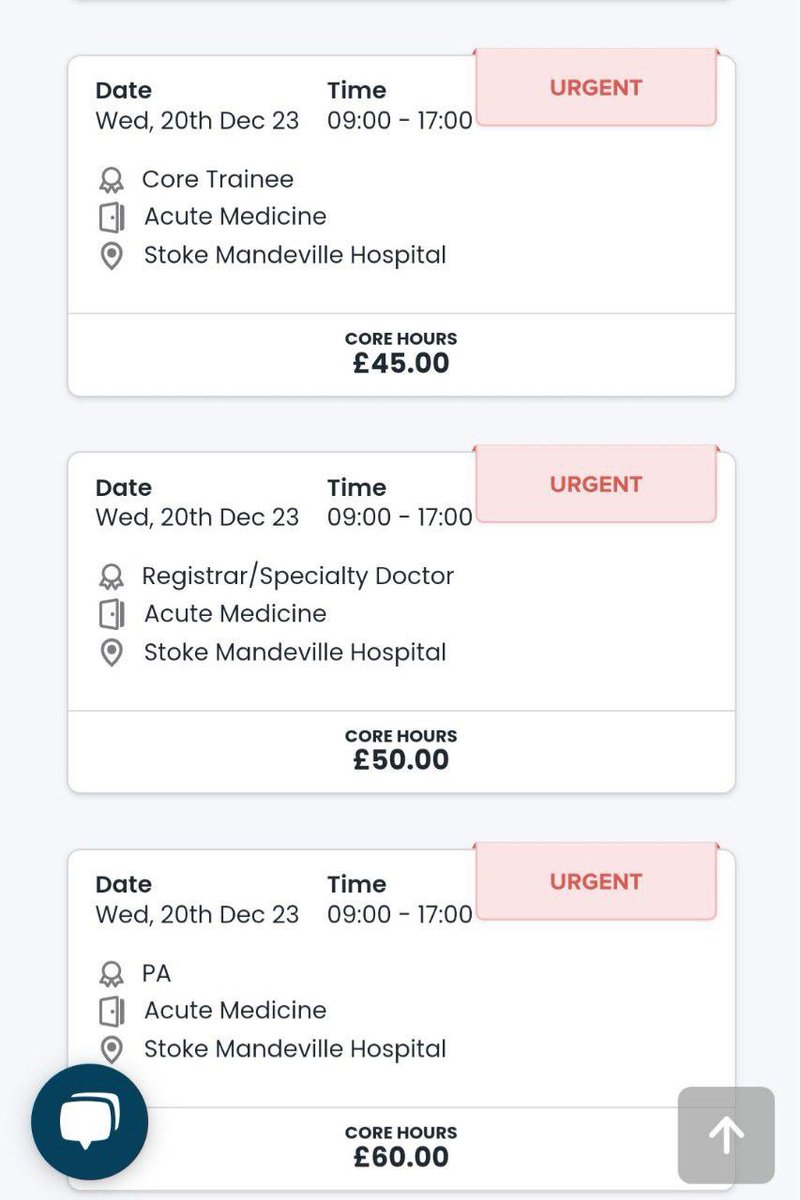
46
173
803
227,048
Bojan Korda retweeted

12 Dec 2023
I asked ChatGPT to come up with some mildly mocking terms to describe people who believe anaesthesia is possible to achieve in humans. The best three it offered were "Napwizards", "slumberquacks" and "numbologists".
I quite like those and might get my NHS name badge updated.
15
7
90
12,404
Bojan Korda retweeted

13 Sep 2019
Today is #WorldSepsisDay
Sepsis accounts for 11% of maternal deaths in Australia
1:4 of these deaths is caused by Group A beta-hemolytic streptococcus/ GAS
somanz.org/downloads/2017Sep…
#ThinkSepsis #ActFast #StopSepsis #SaveLives
1
5
13
Bojan Korda retweeted

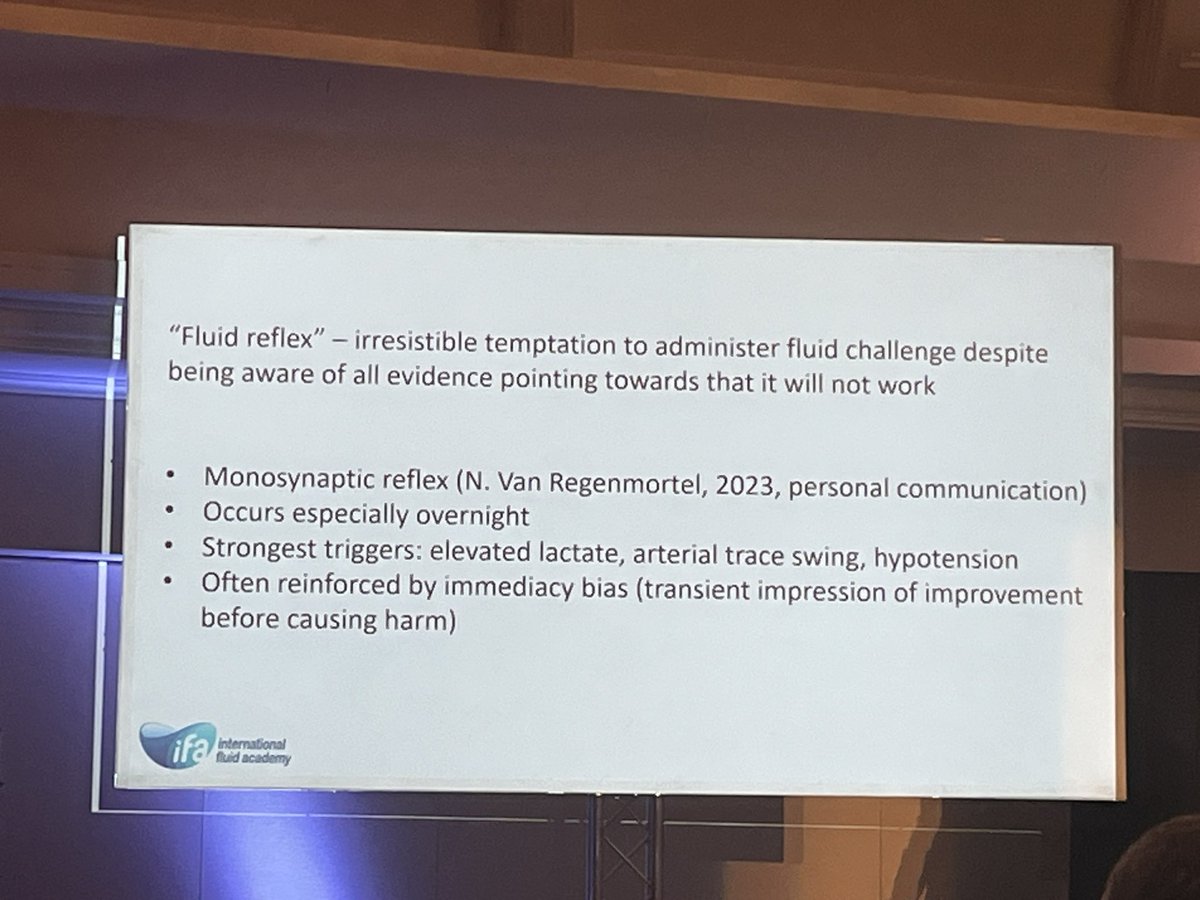
Myth 2:
Hyperlactatemia needs a fluid bolus
Ping @cliffreid @pulmcrit
The “Lacto-bolo” reflex…
8
63
220
103,452
Bojan Korda retweeted
20 Nov 2023
Let's review an intubation together - a 🧵
11
81
262
48,606
Bojan Korda retweeted
6 Nov 2023
Gentle reminder as you start booking meeting dates for 2024 to look critically at your portfolio of non-clinical activities
Is it time to step off a role and promote someone else?
5
7
47
6,499
Bojan Korda retweeted

5 Nov 2023
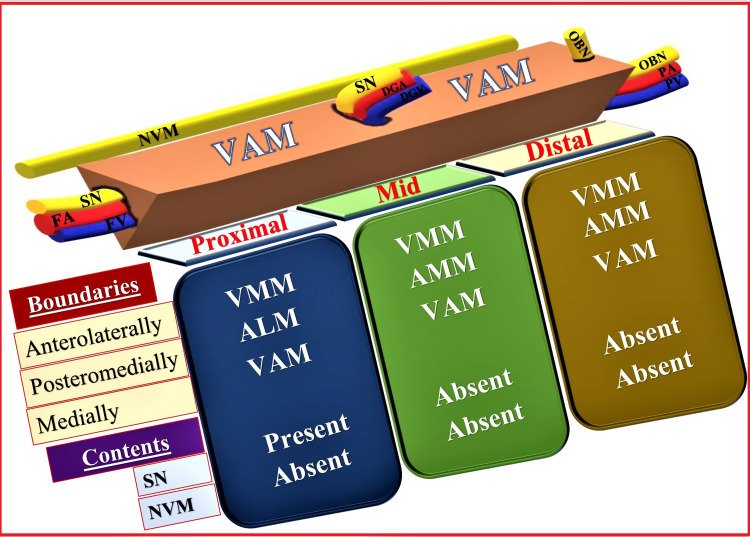
Adductor Canal Block (ACB)
Are you using ACB in your routine practice? Please share the indications!
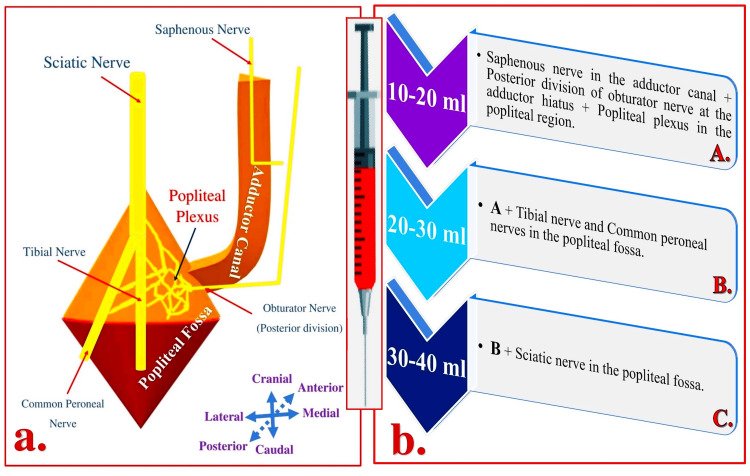
We are using Proximal ACB in 3 different ways depending on the indications for Anaesthesia or postoperative analgesia:
1. As 2nd Injection for Dual Subsartorial Block (DSB): For knee Arthroplasty patients
LA volume: 10-20 cc
2. As Proximal ACB:
a. To block Saphenous Nerve (For eg. Ankle Sx along with Sciatic Nerve Block)
b. To provide analgesia for knee surgeries other than Arthroplasty (eg. Knee Arthroscopy)
LA Volume: 20 cc
3. As Hi-PAC Block ( High Volume Proximal ACB):
As motor sparing RA technique for the below-knee surgeries, where you want to avoid direct Sciatic Nerve Block.
LA volume: 30-40 cc
Figures by @KartikBSonawane
Figure 1: Various parts of the adductor canal and their contents
Figure 2: Possible neural components involved in the proximal ACB based on the LA volumes
(a) Schematic showing neuroanatomy related to the adductor canal and the popliteal fossa. (b) Possible involvement of the neural components as per the drug volumes in the proximal adductor canal block.
Source:
ncbi.nlm.nih.gov/pmc/article…
#AdductorCanalBlock
#BelowKneeSurgery #DSB
#KneeArthroplasty #TKR #TKA
#DualSubsartorialBlocks
#HiPACblock
2
22
79
5,862
Bojan Korda retweeted

15 Dec 2020
1/
WHERE does ascites come from?
HOW do diuretics treat ascites?
ARE you ready for a #tweetorial?
#livertwitter #medtwitter #MedEd

50
766
2,554
Bojan Korda retweeted

13 Aug 2020
“What is the role of vasopressin?”
A nephrologist will talk about osmolality and aquaporins.
An intensivist might talk about its use as a pressor.
But, ask an evolutionary or social scientist and you might be surprised by the answer…
#MedTwitter #NephTwitter #NSMC
62
625
1,752