
Typically found hiking somewhere in the mountains. Professor Theoretical Biology, University of Würzburg, Group Leader - Max Planck for Evol Bio.
Joined November 2012
- Tweets 1,864
- Following 2,010
- Followers 1,632
- Likes 4,813
107 Photos and videos



Chaitanya Gokhale retweeted

19 Jul 2025
Optimising play for learning risky behaviour biorxiv.org/content/10.1101/… #biorxiv_behav
1
4
121
Chaitanya Gokhale retweeted

2 Jul 2025
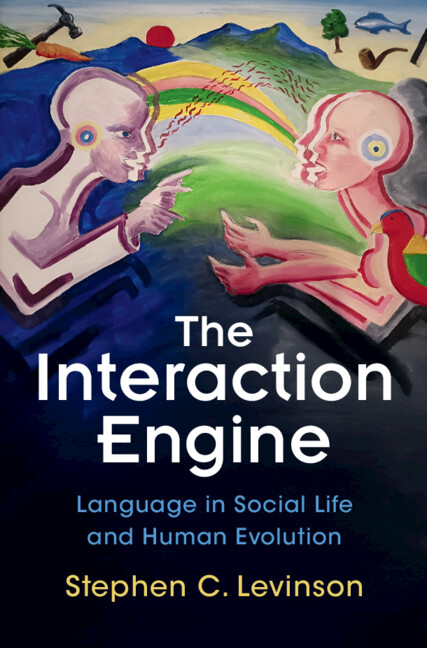
The Interaction Engine by Stephen C. Levinson
Communicative interaction rules our lives. This book, from a field-leading scholar, shows us how this works, and how it evolved.
📚 cup.org/4l3PeGd
10
30
2,865
Chaitanya Gokhale retweeted

Save the Date: July 19–24, 2026
📍 Lisbon, NOVA FCT – Campus de Campolide
DDE 2026 is coming to the Iberian Peninsula! 🇵🇹🇪🇸

1
3
9
649

30 Jun 2025
This cross-disciplinary work has been a great learning experience of mixing evolutionary, ecological and economic perspectives on the complex issue of #fungicideresistance #SustainableFarming #Agriculture Thank you @mariabargues @prateek0990 and @MikabAley for this!
30 Jun 2025

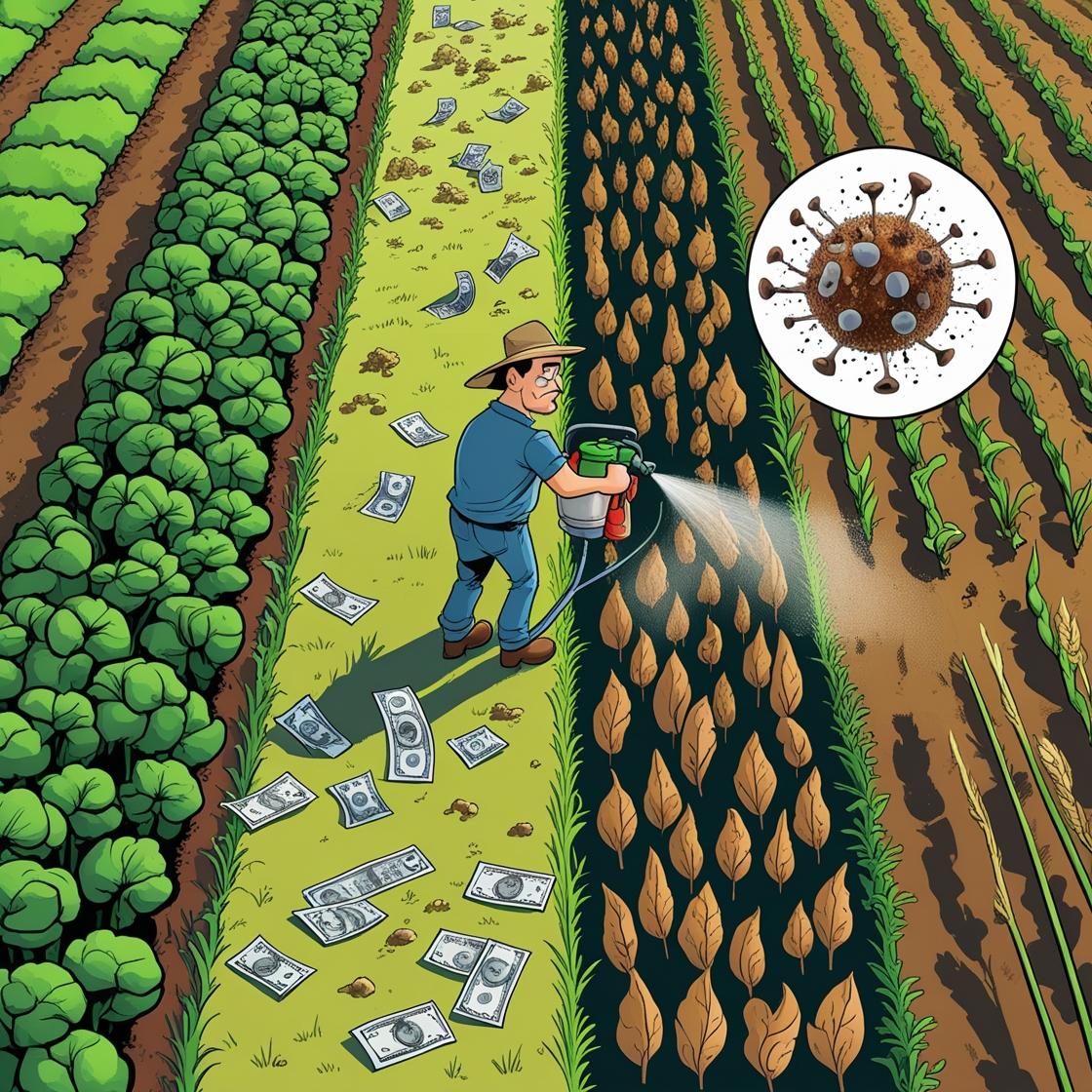
Our New paper is out!
"The cost of fungicide resistance evolution in multi-field plant epidemics" in @PLOSSustain
by @MikabAley , @GokhaleCS , Maria B Ribera @prateek0990
We explore the economic cost of resistance evolution and its implications. 🌱🧪📉👇
doi.org/10.1371/journal.pstr…
5
250
19 Jun 2025
It was an amazing experience working on this piece led by @WolframBarfuss
17 Jun 2025

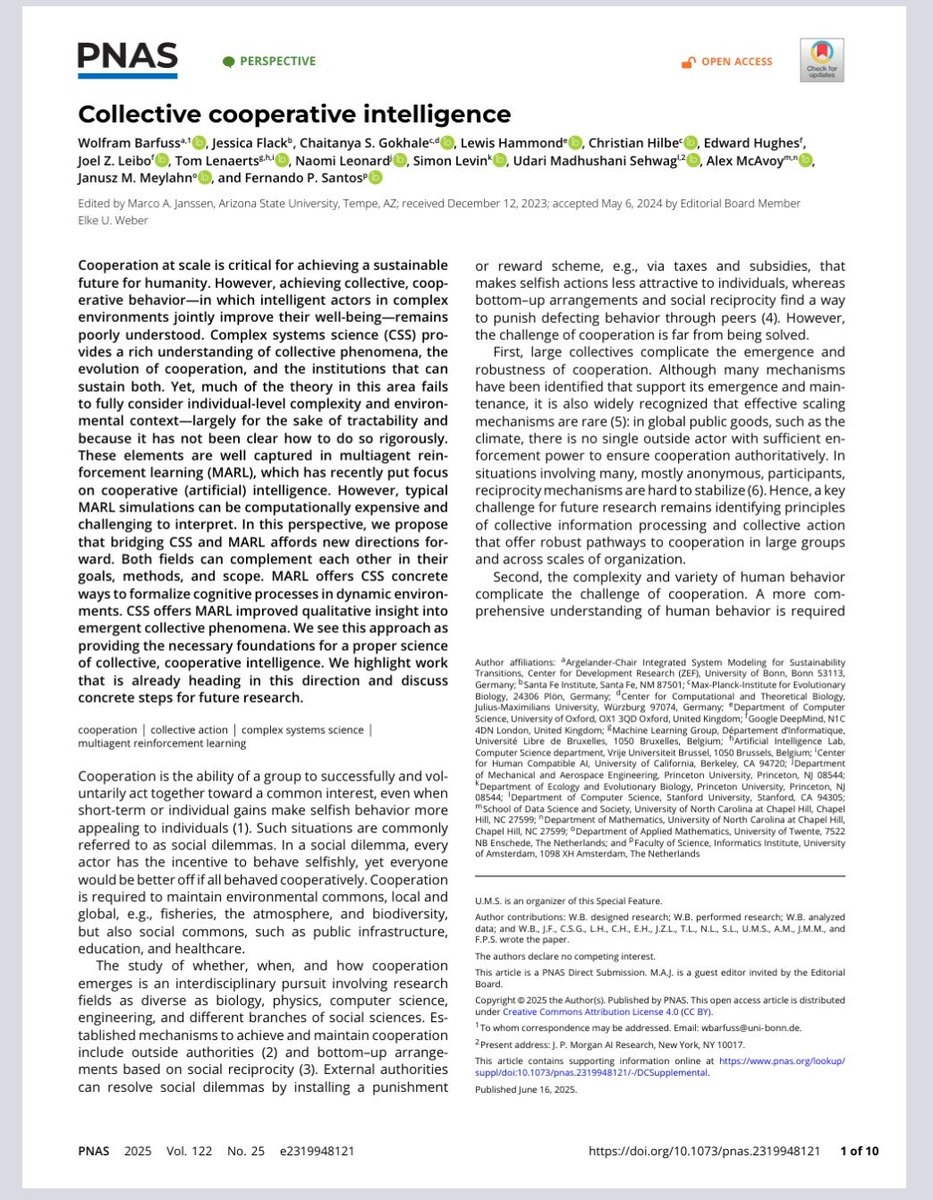
Under what conditions does collective intelligence improve individual as well as societal welfare?
Answering this question requires taking seriously complexity of individual and collective behavior, yet most rigorous work—in the service of conceptual and mathematical tractability—prioritizes one level of analysis at the expense of others levels.
In this @PNASNews paper, led by @WolframBarfuss, we chart a course towards a principled formal framework for studying how collective cooperative intelligence emerges from the interactions of complex information processing agents learning in group settings.
The main value of the paper is that it draws together useful aspects of multiagent reinforcement learning, collective computation and collective behavior, and collective reinforcement learning dynamics, with nods to many other relevant areas of AI and complexity science—like the study of critical points and phase transitions,—to bring into focus the mathematical properties a principled framework needs to have to move beyond toy model insights and build a theory of collective intelligence that can inform intervention in real world systems, as well as help build better artificial intelligence.
pnas.org/doi/pdf/10.1073/pna…
3
243
Chaitanya Gokhale retweeted

29 May 2025
Steve Levinson's new book well worth a read. The Interaction Engine delves into social interaction across cultures, and explores the implications of it for everything from autism to the dynamics of populism. #OpenAccess doi.org/10.1017/978100957034…
20
47
4,046
Chaitanya Gokhale retweeted

🚨 Postdoc opportunity!
Passionate about theoretical & computational biology? Help map the #fitnesslandscape of #Fabry disease!
Join @iimog.sigmoid.social.ap.brid.gy, @sabinefischer & @gokhalecs.bsky.social at CCTB, @Uni_WUE
🔗 [PDF] tinyurl.com/mvr76my7
#Postdoc
1
2
160
Chaitanya Gokhale retweeted

30 Apr 2025
Interested in the evolution of human language and in understanding the pressures that shape languages today? Come do a PhD with me! Fully funded PhD position available in my group @MPI_NL, application deadline June 2nd:
mpi.nl/career-education/vaca…
3
34
89
7,352
Chaitanya Gokhale retweeted

30 Apr 2025
We are happy to announce the 3rd Workshop on Evolutionary Dynamics in social, cooperative and hybrid AI #EDAI2025 🤩
📍 Bologna, Italy at #ECAI2025
📆 October 25 or 26, 2025
🗞️ Submission deadline: 17 July 2025 23:59 CET
🔔 Workshop website: edai-workshop.github.io/2025…
14
26
2,379
13 Dec 2024
Highly recommend this PhD position not only for the project but also as Anne is an excellent researcher to work with!
25 Nov 2024

We have an opening for a PhD Position in the project 'ContextualEYEze', addressing the role of gaze in communication. Deadline for applications is January 20th, don't hesitate to contact me with questions. Looking forward!
uni-wuerzburg.de/karriere/au…
1
5
592
Chaitanya Gokhale retweeted

25 Nov 2024
We have an opening for a PhD Position in the project 'ContextualEYEze', addressing the role of gaze in communication. Deadline for applications is January 20th, don't hesitate to contact me with questions. Looking forward!
uni-wuerzburg.de/karriere/au…
4
5
1,352
Chaitanya Gokhale retweeted

16 Nov 2024
It is my pleasure to invite you to Ukrainian School in Evolutionary Biology (USEB), which will take place in Uzhhorod University from Jan 27-31, 2025. The event is hybrid. Primary target audience is high school, undergraduate, Msc and Phd students, but everyone is welcome.

1
7
12
1,529
Chaitanya Gokhale retweeted

9 Dec 2024
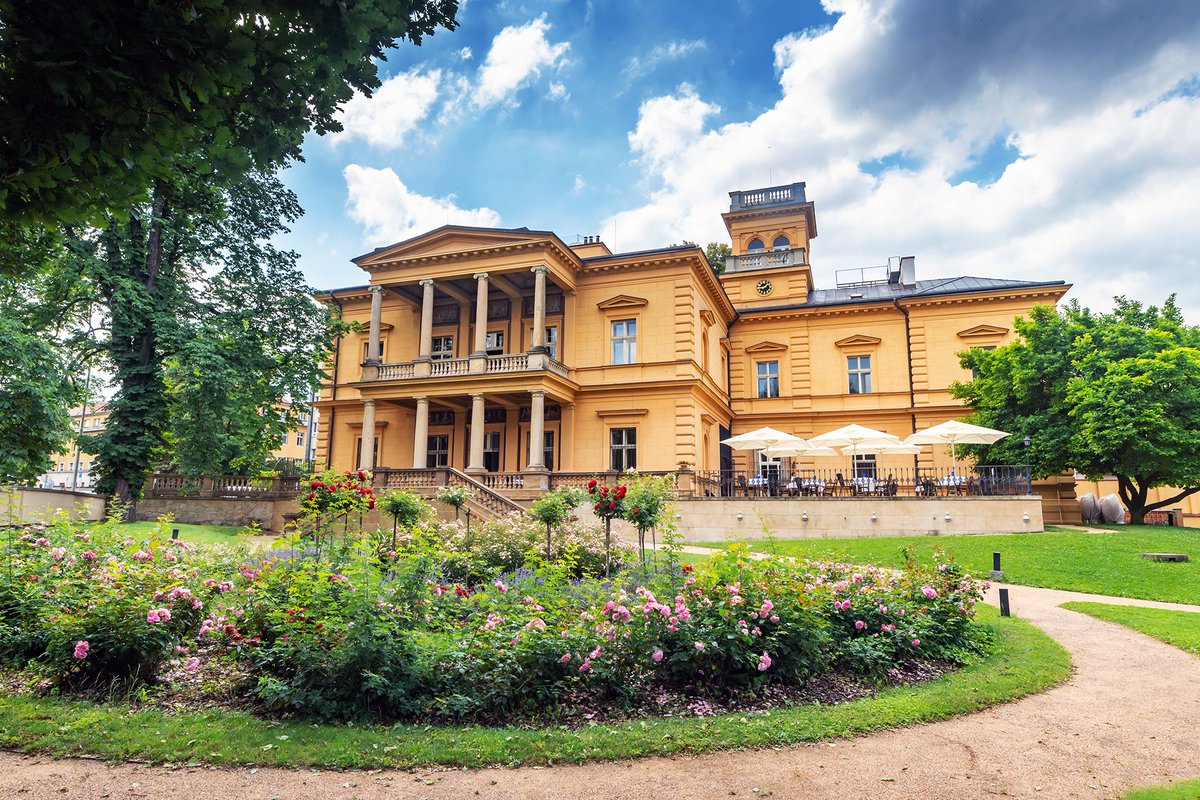
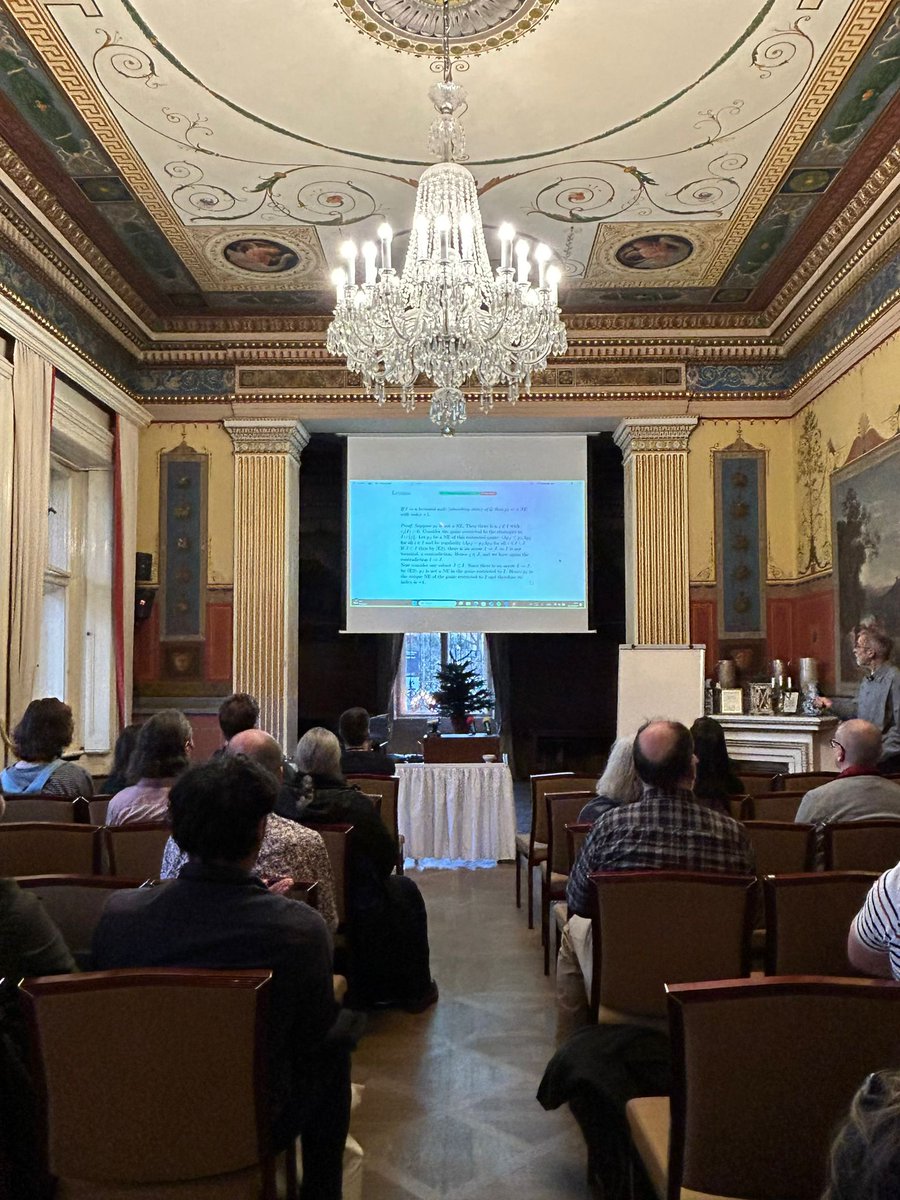
EvoGamesPlus Open-End Conference kicks off today in Prague! 🎉🎉 Discussion sessions, invited speakers, early stage researcher talks and posters!📜
After a quick introduction by @KatStankova, we have no one else than Josef Hofbauer talking about "Games, graphs, and dynamics"!
4
21
917
4 Dec 2024
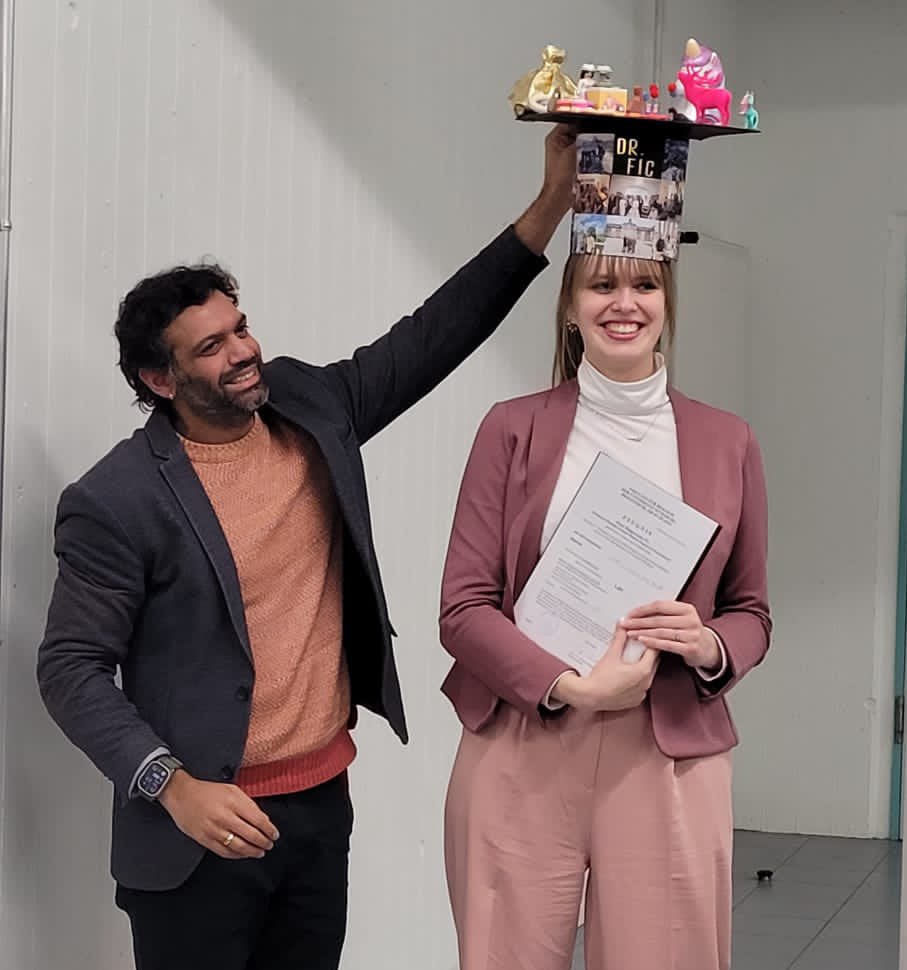
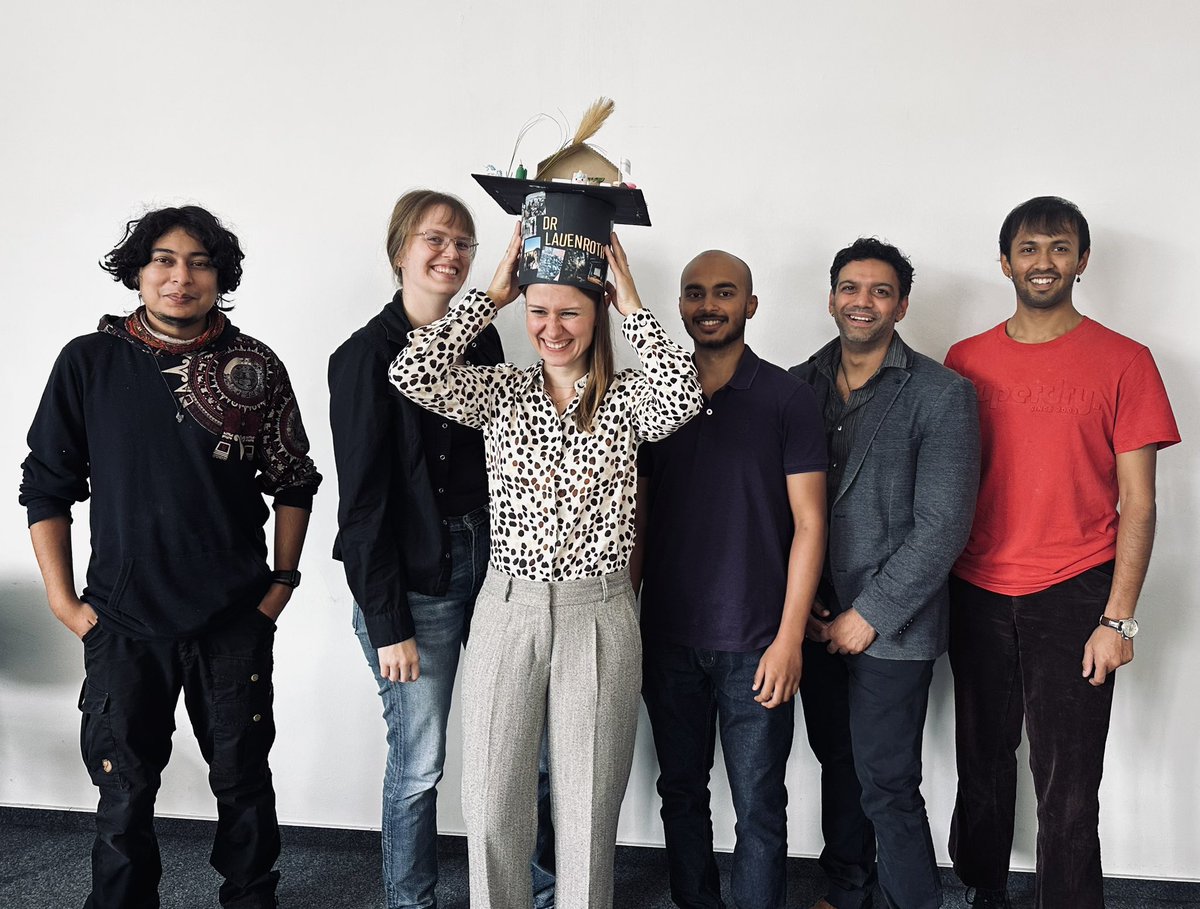
Extremely proud of @MalgorzataFic our @EvoGamesPlus fellow who defended her PhD thesis fabulously 🥳🎉🥳@CCTB_Wuerzburg @Uni_WUE @MPI_EvolBio on Structured eco-evolutionary dynamics 🥳🎉🥳 with a brilliant talk and Q&A. Many congratulations!!! 🙌🎉🎉🎉
3
4
39
1,038
Chaitanya Gokhale retweeted

26 Nov 2024
GEOMAR is hiring! We are seeking to fill a full professorship position with focus on interactions in marine pelagic ecosystems. More infos below. Please RT
2 Nov 2024

W 3-Professorship in Marine Pelagic Ecology
Deadline 08. December 2024
by Kiel University and GEOMAR
berufungen.uni-kiel.de/de/w-…
geomar.de/en/karriere/job-si…
31
32
6,015
Chaitanya Gokhale retweeted

18 Nov 2024
Thank you @NUnetsi for this Member Spotlight: An Interview with Andreia Sofia Teixeira networkscienceinstitute.org/…
1
11
639
Chaitanya Gokhale retweeted

2 Nov 2024
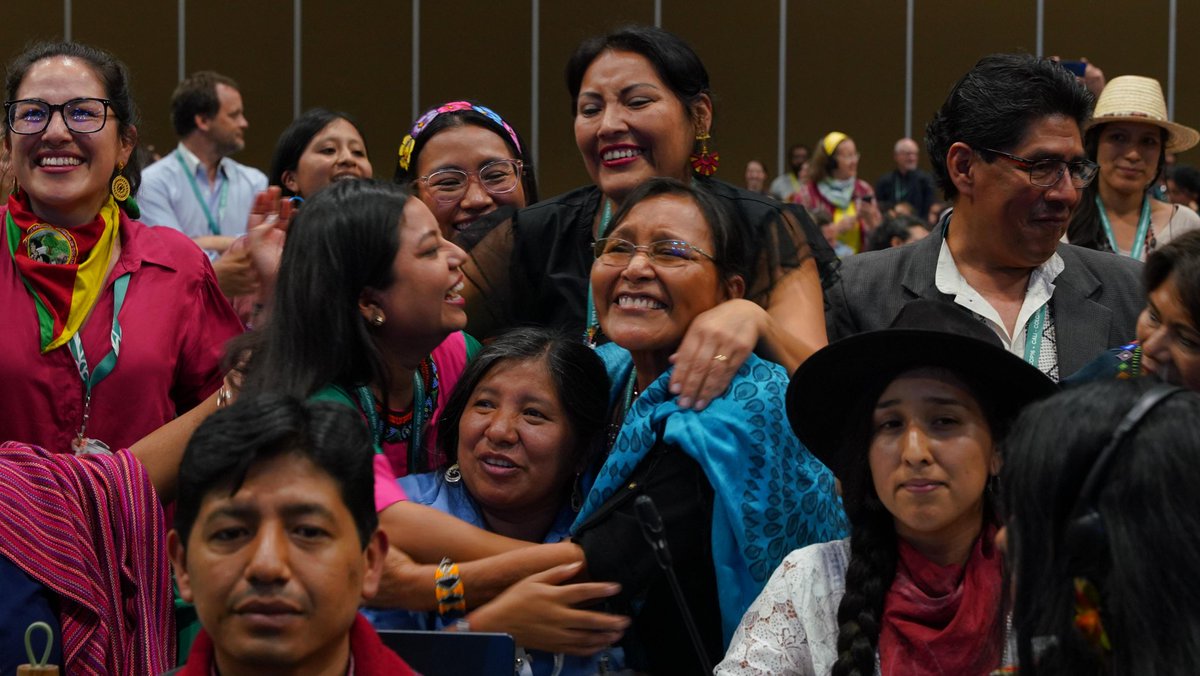
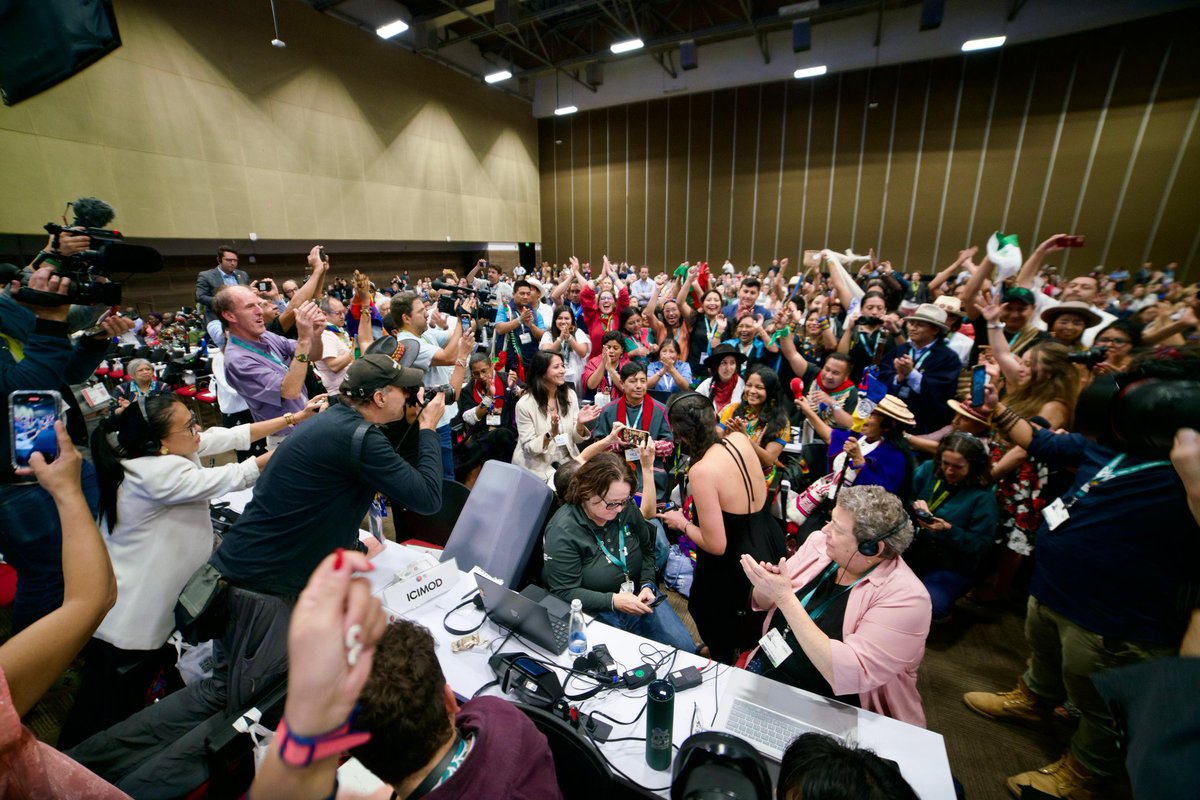
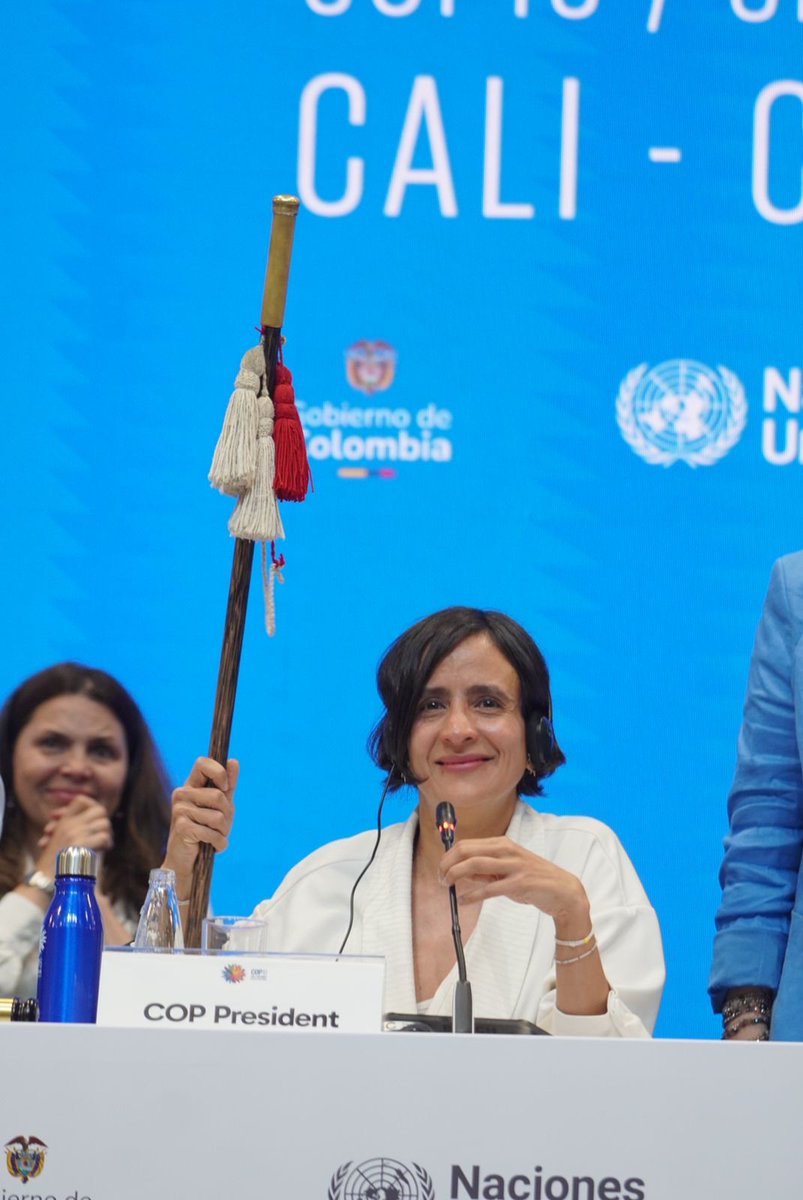
A historic achievement!
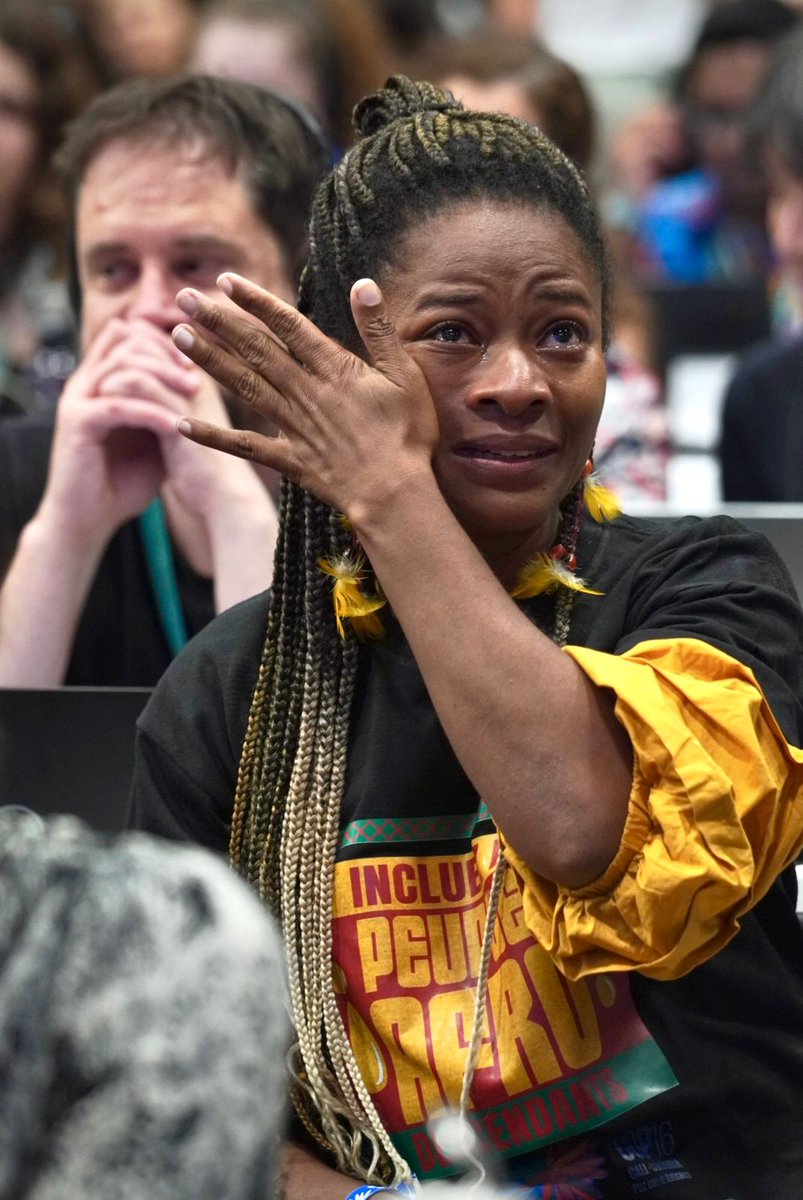
We reached a great agreement by consensus around Article 8J, securing three major achievements at #COP16Colombia:
✅ Creation of the subsidiary body under Article 8J for Indigenous Peoples and Local Communities.
✅ Recognition of Afro-descendant peoples as custodians of biodiversity in the Convention.
✅ Establishment of the work program for these communities until 2030.
With this achievement, the value of the traditional knowledge of indigenous peoples, Afro-descendants, and local communities is recognized, settling a historic 26-year debt in the Convention on Biological Diversity (CBD).
This is the real #COPdelaGente.
31
317
698
14,454
24 Oct 2024
It was such a pleasure to host @Long2Xiaoyan from @UniFreiburg . Great to hear her amazing work on the #evolutionarydynamics of parental care and life history plus discussions on so many more fantastic ideas! Thanks a lot for visiting us at @CCTB_Wuerzburg
1
6
446
Chaitanya Gokhale retweeted

21 Oct 2024
I feel honored to be one of the 7 speakers of this year's Science Slam at Würzburg University. I'll be talking about "Music and Maths: How do these two fit together?" (in German, though). If you happen to be in Würzburg on 8 November, feel free to show up: uni-wuerzburg.de/alumni/aktu…

2
4
455