PT & Performance Science | Rehab, Performance & Biomechanics Consultant to Pros/Teams | Engineering Athletes & Arms | Founder @cortxperform @kinetexco

Joined December 2015
155 Photos and videos
❤️
This is not simply a new pancreatic cancer drug. It is a reminder that even “undruggable” biology can become treatable with persistence. Daraxonrasib doubled median OS vs chemotherapy in RAS G12 metastatic pancreatic cancer: 13.2 vs 6.6 months. A remarkable ASCO moment. #ASCO26 @DrChoueiri @TiansterZhang @CathyEngMD @montypal @tompowles1 @brian_rini @cdanicas @GlopesMd @PGrivasMDPhD @nataliagandur @yekeduz_emre @neerajaiims @ASCO @ONCOassist @OpenMedicineHQ @MedwatchKate @scserendipity1 @CParkMD @urotoday @OncLive @crisbergerot @urologysummit @SuyogCancer @Larvol @IMG_Oncologists
2
152
Tom Gormely, PT, DPT, OCS, CSCS retweeted
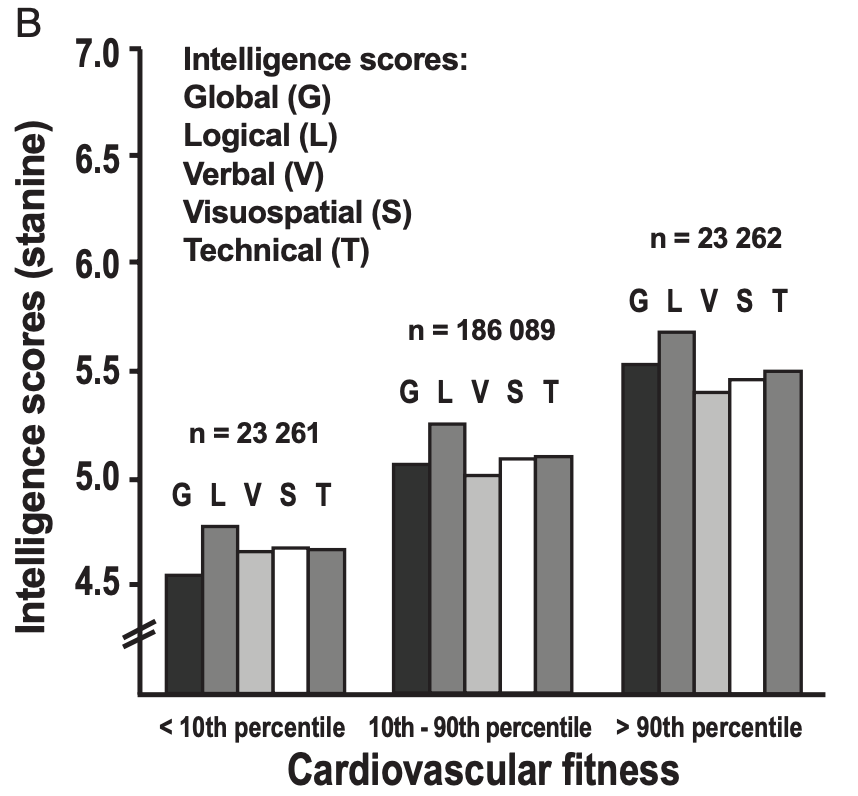
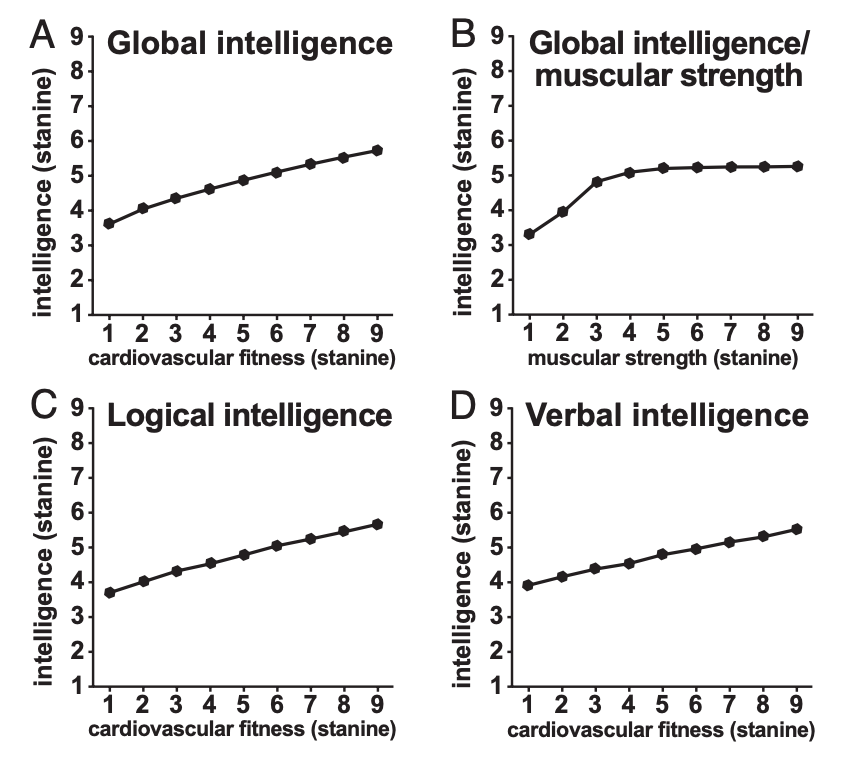
Scientists measured cardiovascular fitness in 1.2 million 18-year-olds, then followed them for 10-36 years. The fitter they were, the more likely they were to: 1) score higher on intelligence tests 2) earn a university degree 3) reach a higher-status job Do your cardio.
36
136
936
989,005
Tom Gormely, PT, DPT, OCS, CSCS retweeted
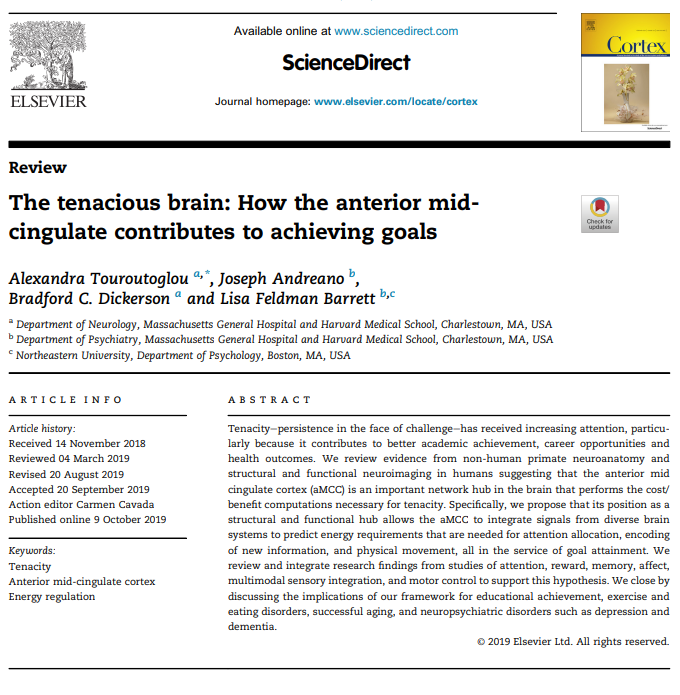
"Until death, all defeat is psychological." - Marcus Aurelius Refuse everything that would lead most people to give up. Refuse it. Rise from the dead 1000 times. Commit to never stay down & never give up. Everything you want is on the other side of struggle.
158
2,817
14,711
2,102,694
Tom Gormely, PT, DPT, OCS, CSCS retweeted
Cardinals third-round pick Carson Beck said that his right arm, which the quarterback injured in 2024, is the “strongest it's ever been.” Story via @joshweinfuss: espn.com/nfl/story/_/id/4870…
121
54
616
578,841
Tom Gormely, PT, DPT, OCS, CSCS retweeted
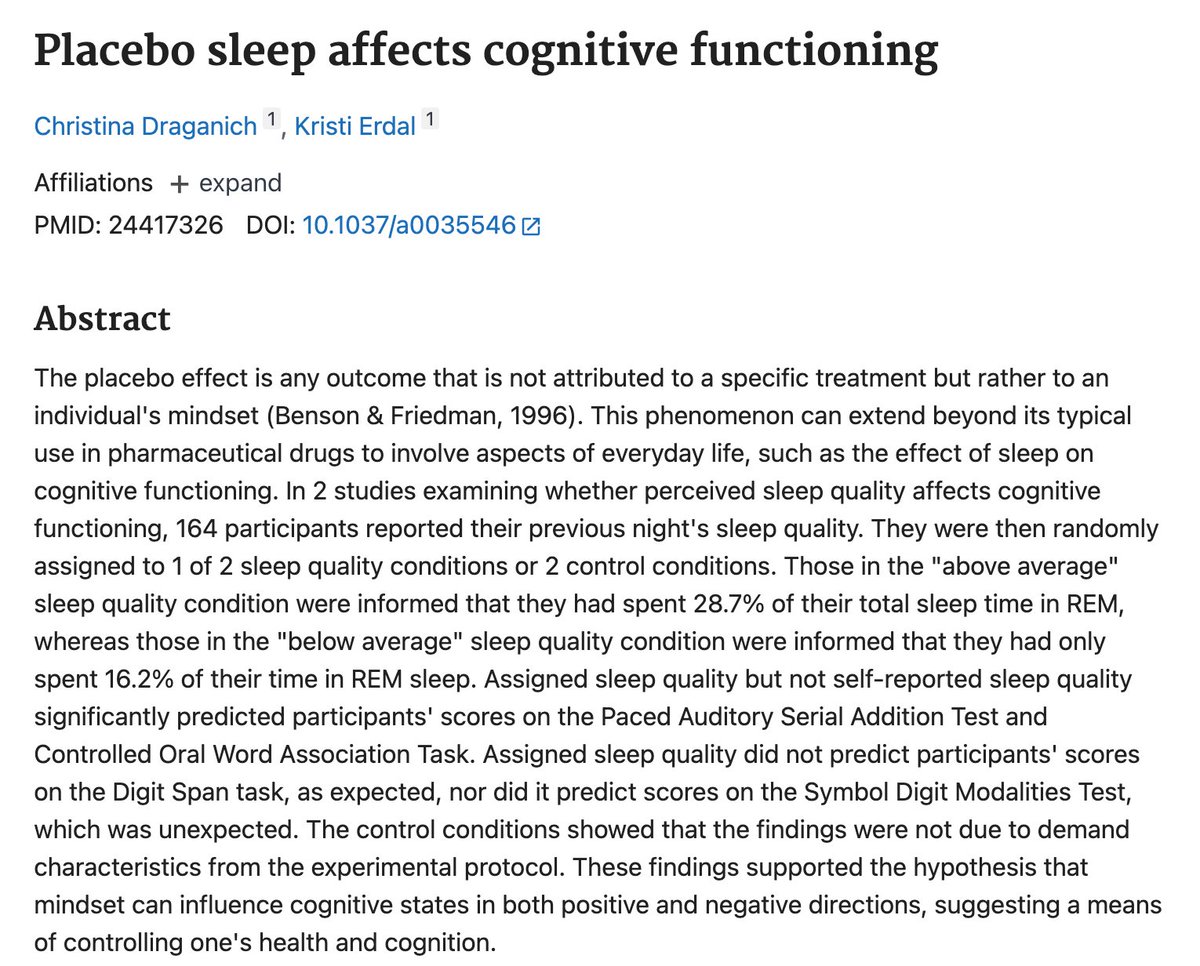
Literally just having a delusional golden retriever mindset measurably changes outcomes and physiology. Sleep badly? Convince yourself you're well rested. Stressful day? Convince yourself it's fuel. Failed? Convince yourself it's useful data.
425
3,483
32,374
10,064,474
Happy to have played a small part in the process with @WillHewlett over the years. @QBCoachMcEvoy built the foundation and has continued to carry it on. Happy for Malik!
Malik Willis on how he improved his mechanics VIDEO
1
4
9
3,314
Tom Gormely, PT, DPT, OCS, CSCS retweeted
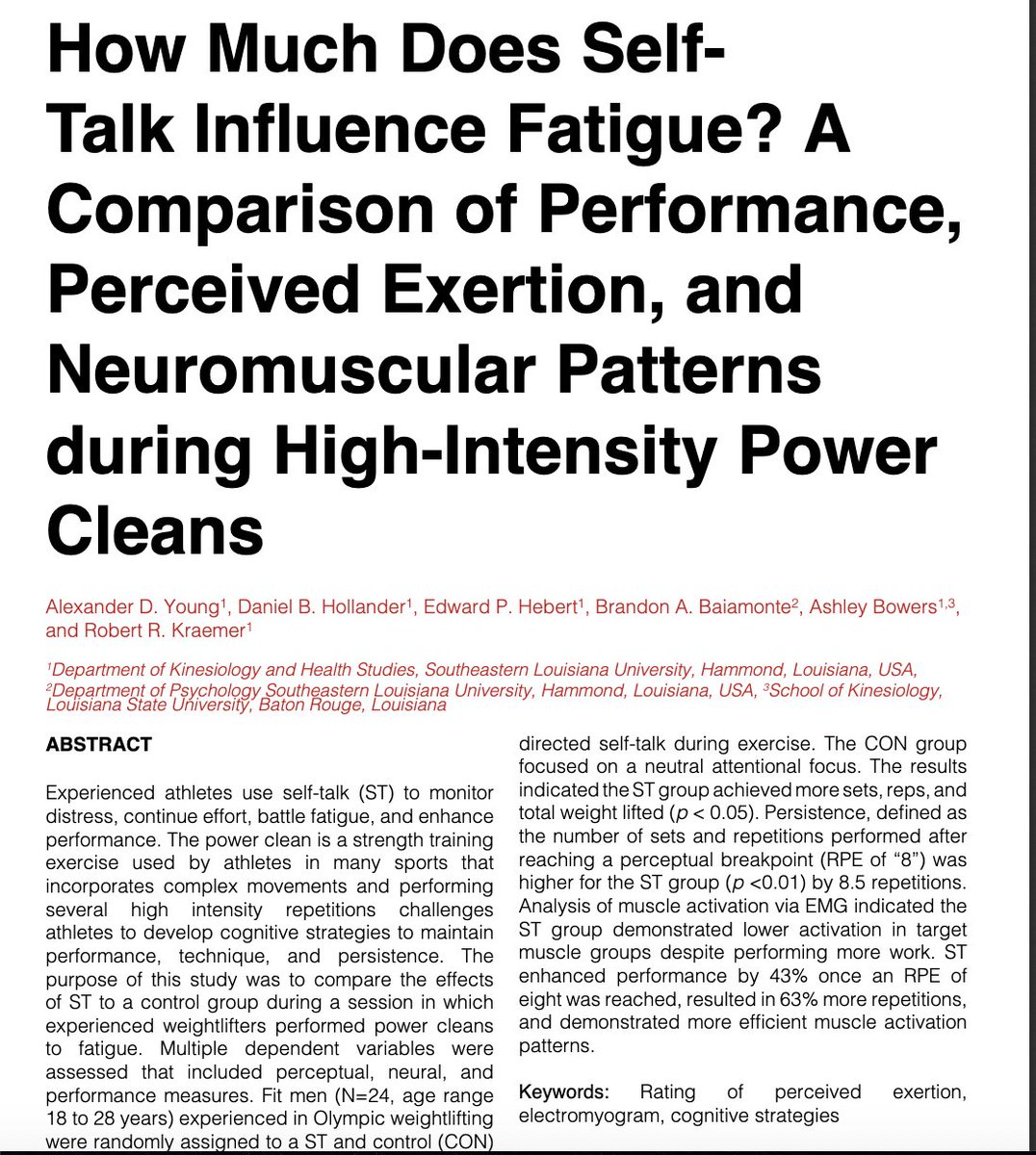
How you talk to yourself matters. In one study on lifting weights, goal directed self-talk "enhanced performance by 43% once an RPE of eight was reached, resulted in 63% more repetitions, and demonstrated more efficient muscle activation patterns."
14
119
840
39,282
Very cool!
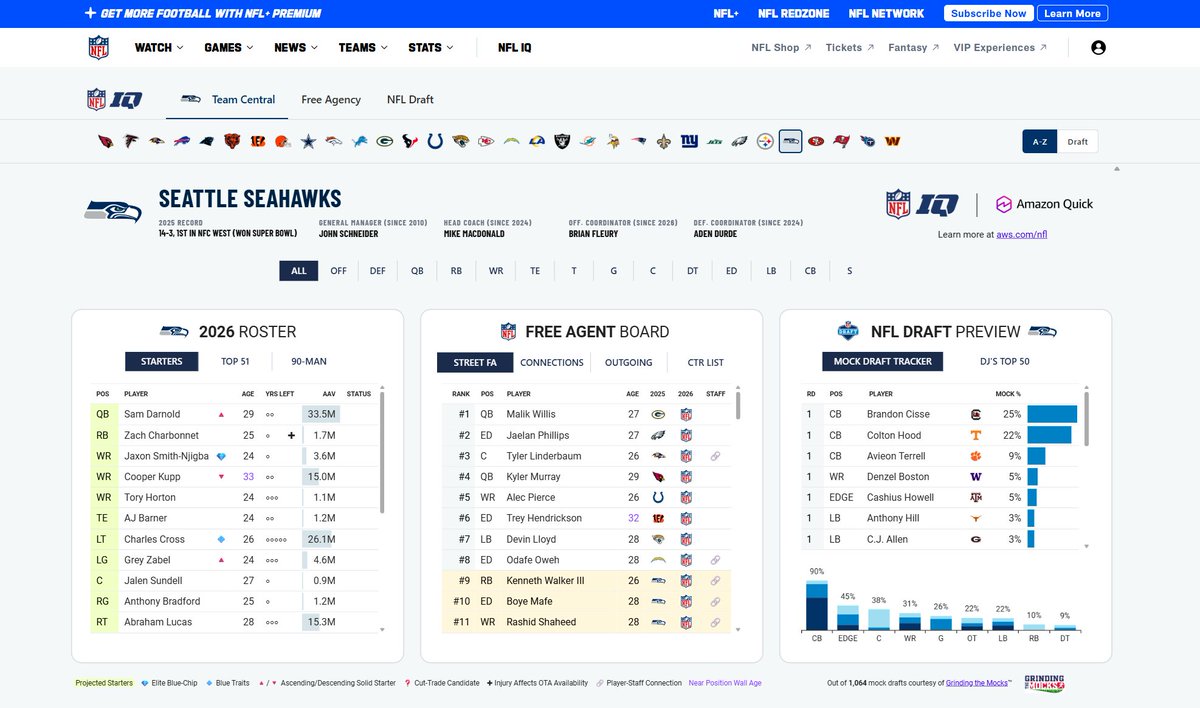
NFL IQ for the 2026 offseason is LIVE! 🚨 Powered by @awscloud, NFL IQ puts you inside the front office of all 32 NFL teams. Follow roster moves, team needs, draft strategy, and more from free agency through the Draft. 🔗 nfl.com/iq
1
534
Shiny object syndrome: the tendency to be easily distracted by new, fashionable ideas or opportunities, often at the expense of current projects or long-term systems and goals.
1
198
Tom Gormely, PT, DPT, OCS, CSCS retweeted
Miami QB Carson Beck has been getting boo’ed the entire time, but still looks like the most polished in the group. Drew Allar in close second.

72
54
871
879,128
Tom Gormely, PT, DPT, OCS, CSCS retweeted
Feb 28
.@CanesFootball QB Carson Beck's footage from his workout in Indy. 2026 NFL Combine on @nflnetwork Stream on @NFLPlus
33
162
1,782
307,854
Tom Gormely, PT, DPT, OCS, CSCS retweeted
Feb 28
.@CanesFootball QB Carson Beck dropping it in the bucket on the go route 2026 NFL Combine on @nflnetwork Stream on @NFLPlus
23
99
739
110,578
V Cool
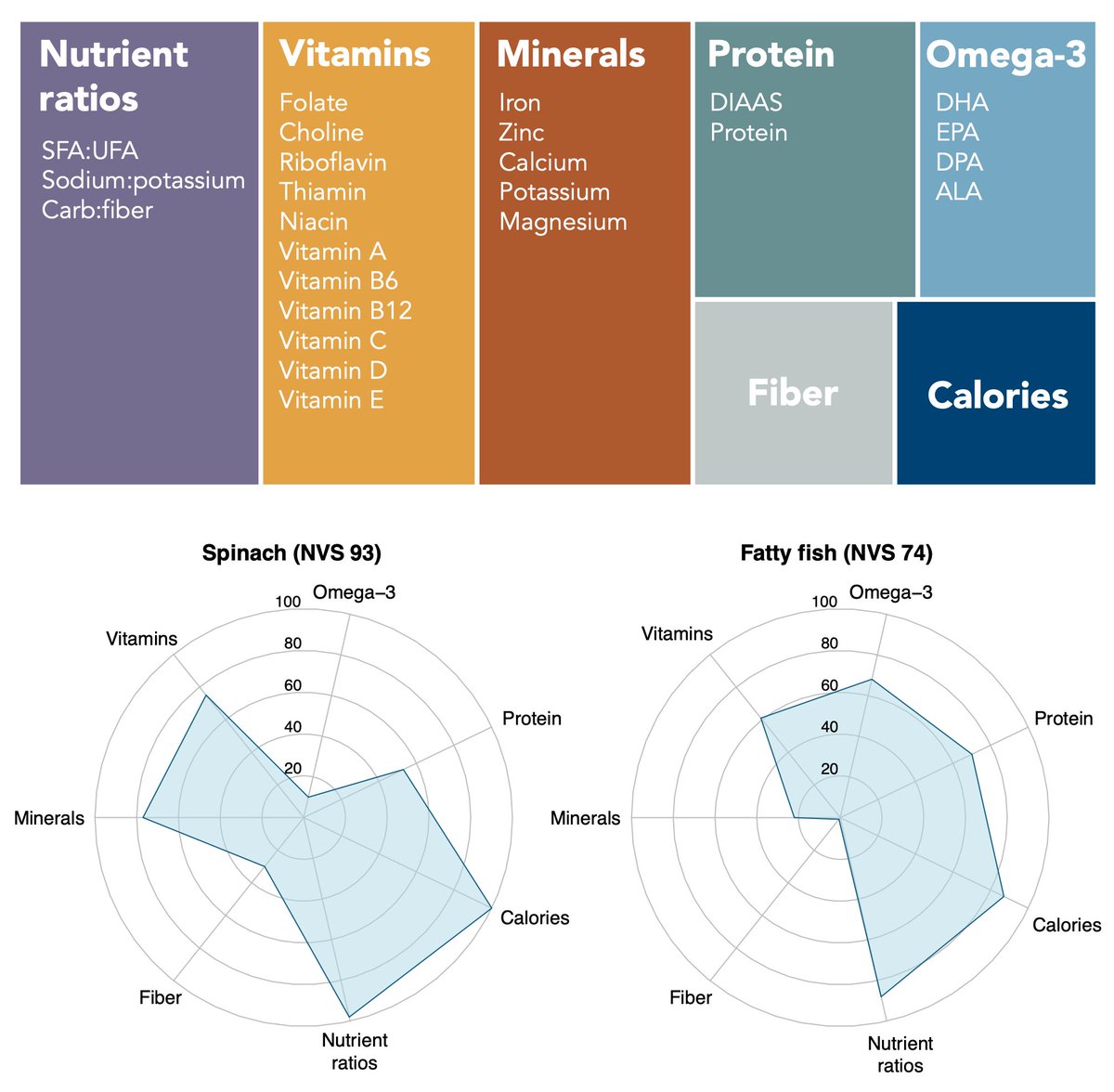
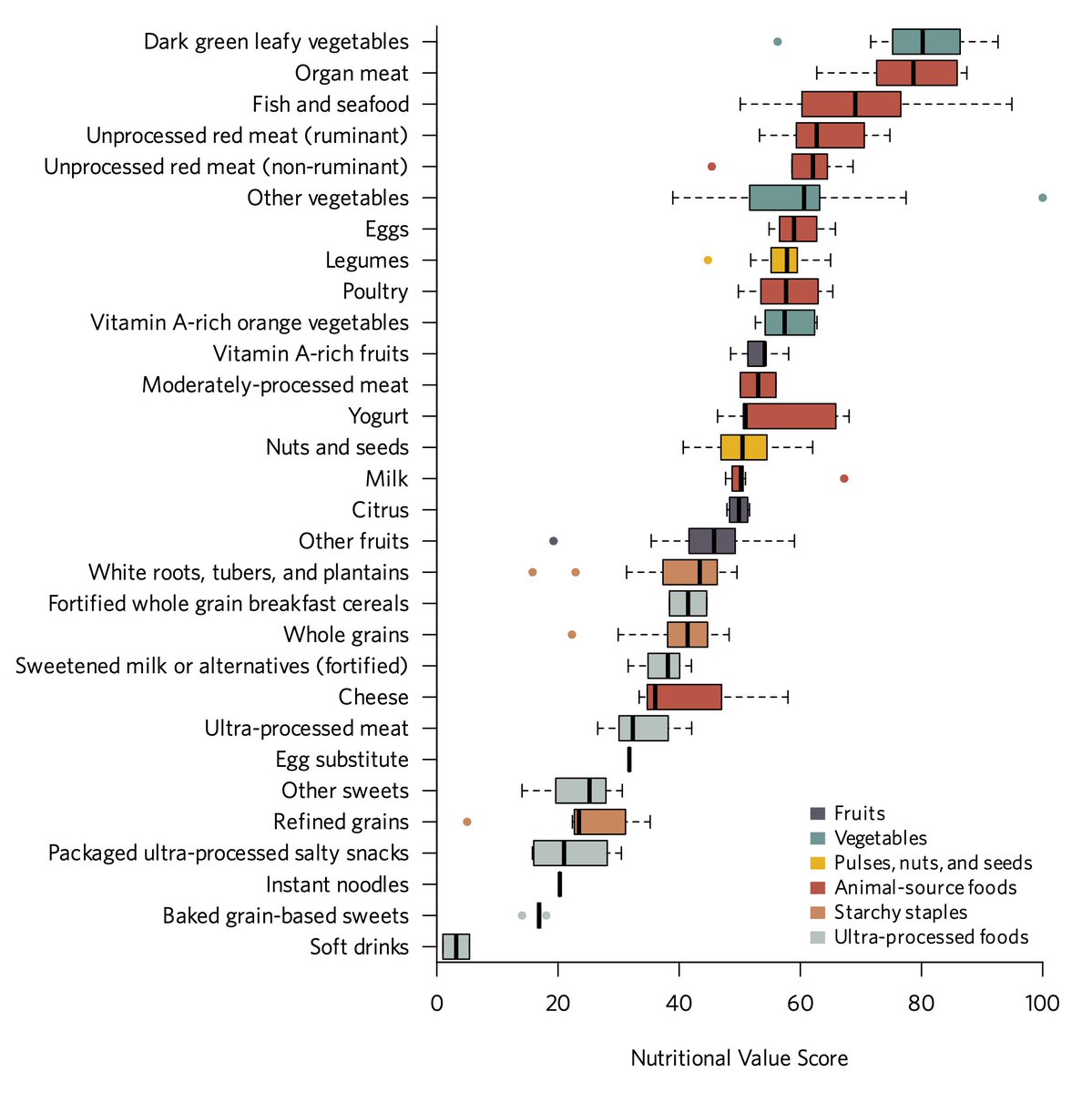
I can't believe it took 2.5 years...but my paper on a new system for rating foods by nutritional value was finally accepted for publication! Nutrient-dense foods like fish, meat, and non-starchy vegetables top the list.
1
459
Tom Gormely, PT, DPT, OCS, CSCS retweeted
Feb 22
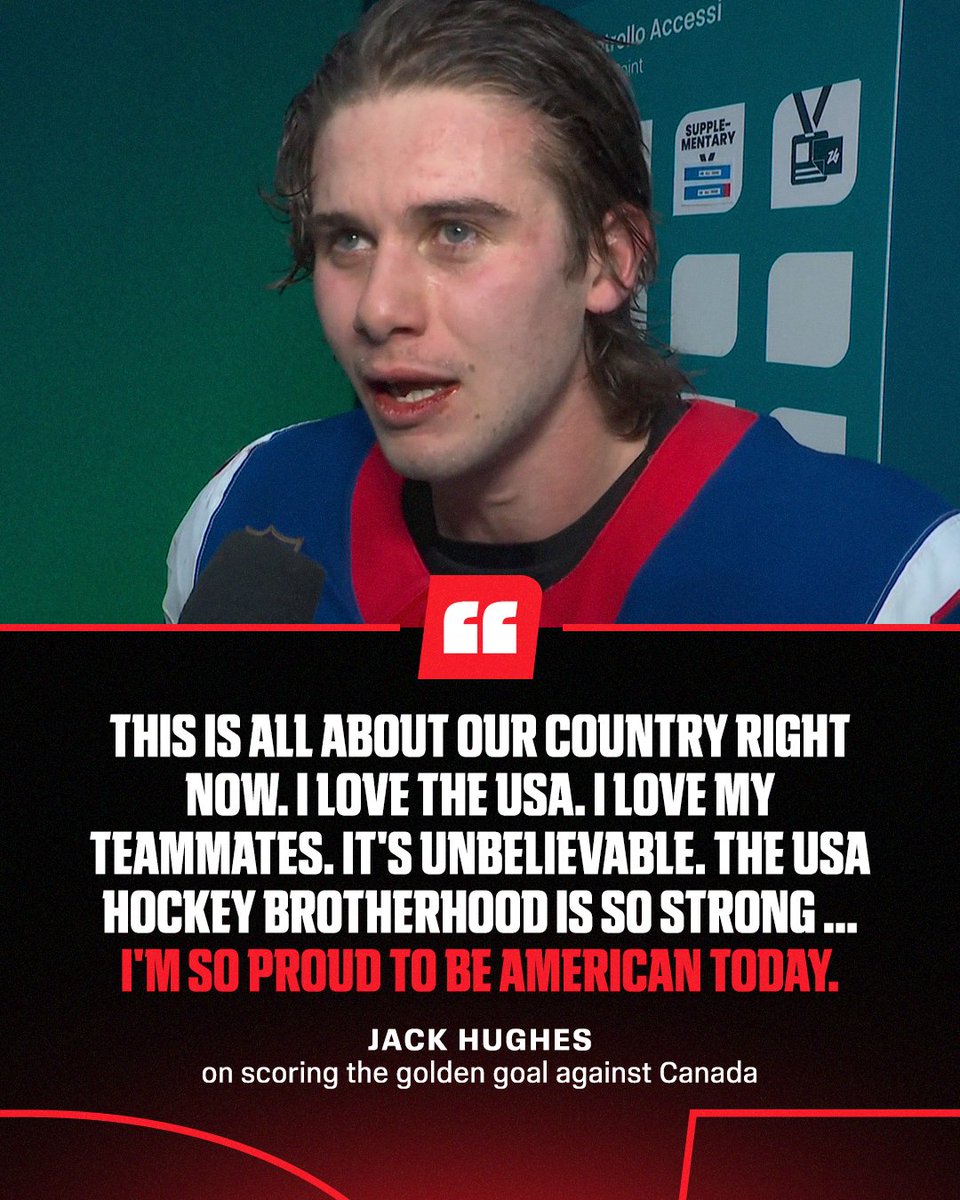
Jack Hughes with an all-time quote after his all-time moment in the Olympics 🙌🥇
727
5,049
48,094
1,024,599
Tom Gormely, PT, DPT, OCS, CSCS retweeted
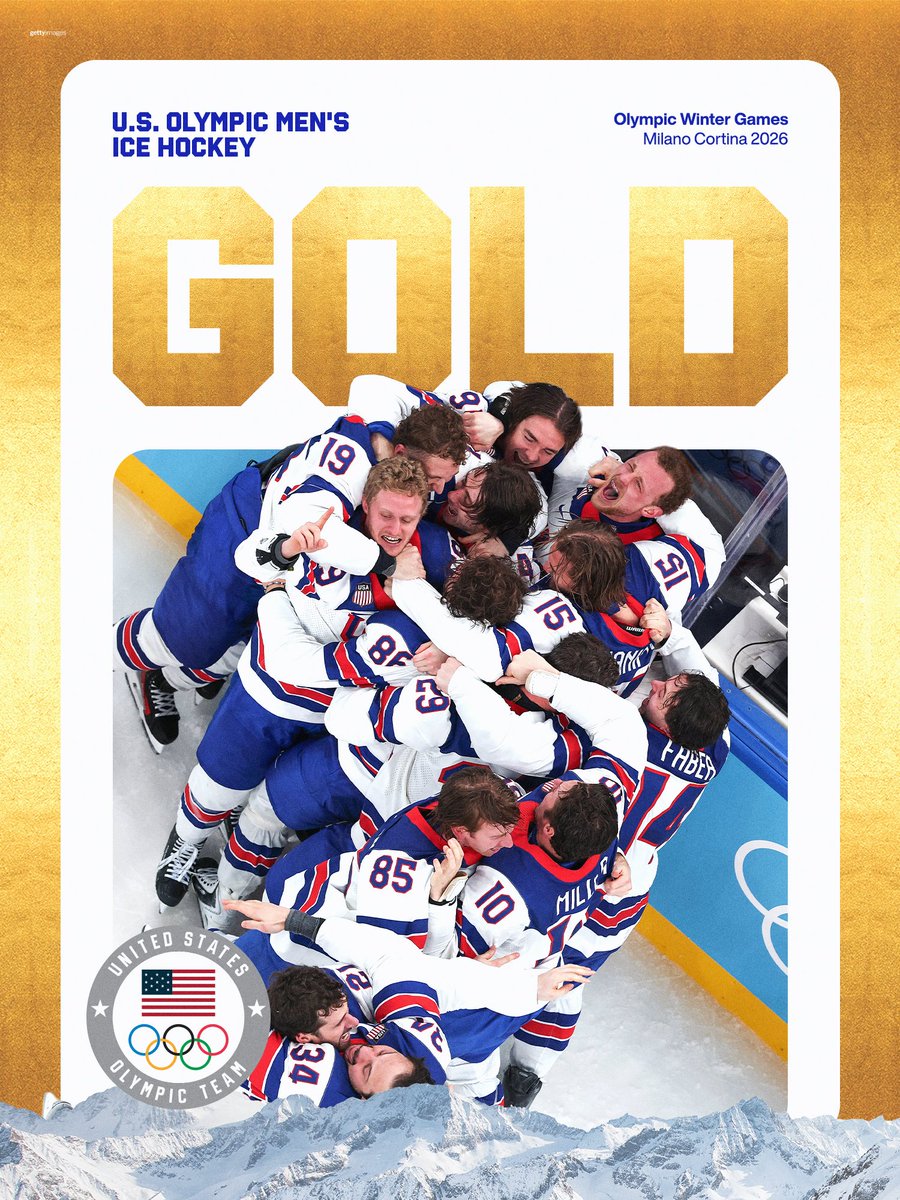
THE DROUGHT IS OVER. 🦅 The men of @usahockey are GOLDEN at the #WinterOlympics for the first time since 1980.
117
2,535
12,858
369,589
Tom Gormely, PT, DPT, OCS, CSCS retweeted
Doing hard things builds neural adaptions to paradoxically make life easier.
78
1,156
7,314
342,392
Tom Gormely, PT, DPT, OCS, CSCS retweeted
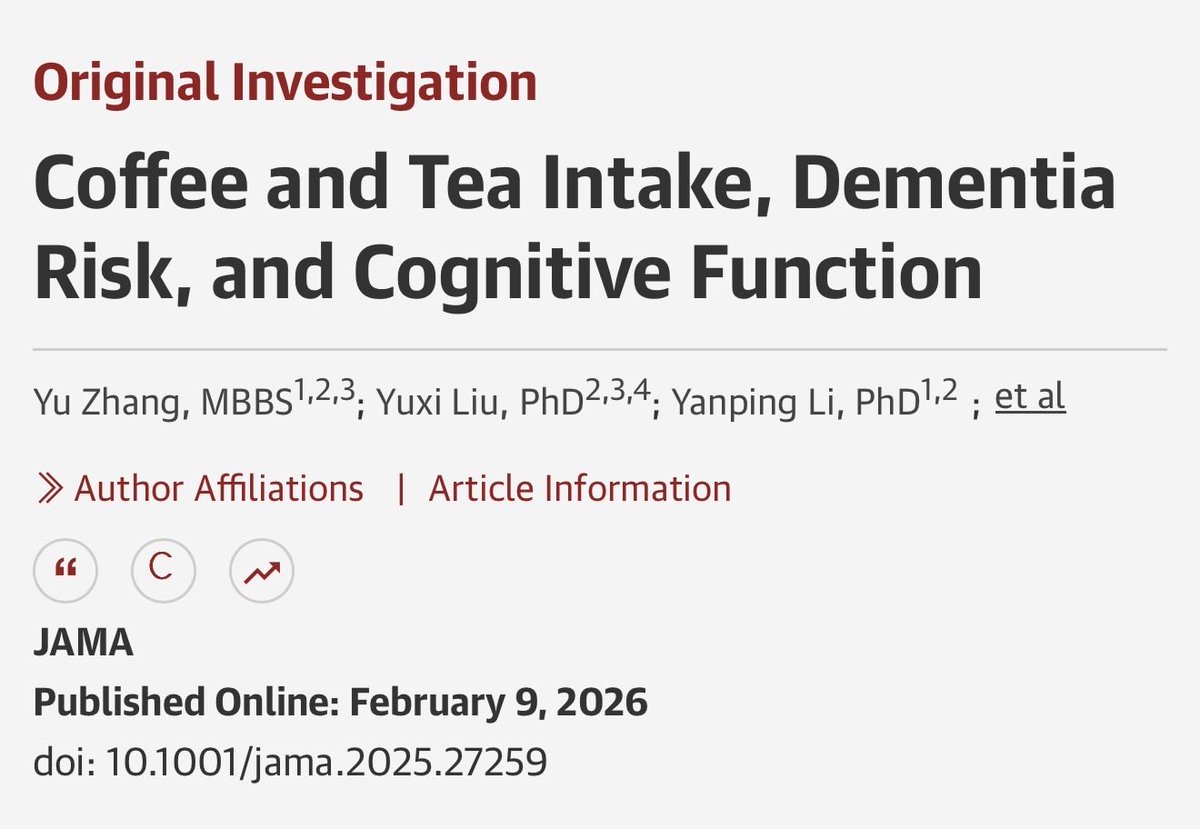
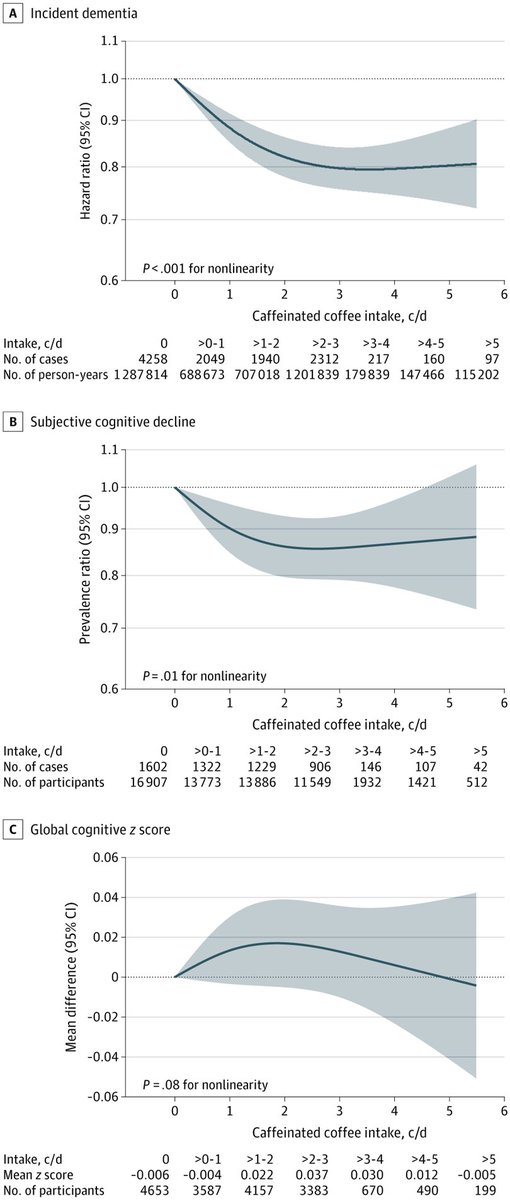
Caffeinated coffee (but not decaf) is associated with a lower dementia risk and better long-term cognitive function. 2–5 cups of caffeinated coffee/day (~380–650 mg caffeine) = 19% ⬇️ dementia risk vs. 0 cups/day. Caffeinated coffee drinkers also had better subjective cognitive function scores at higher intakes. Similar associations seen for tea.
39
48
434
50,060
Tom Gormely, PT, DPT, OCS, CSCS retweeted
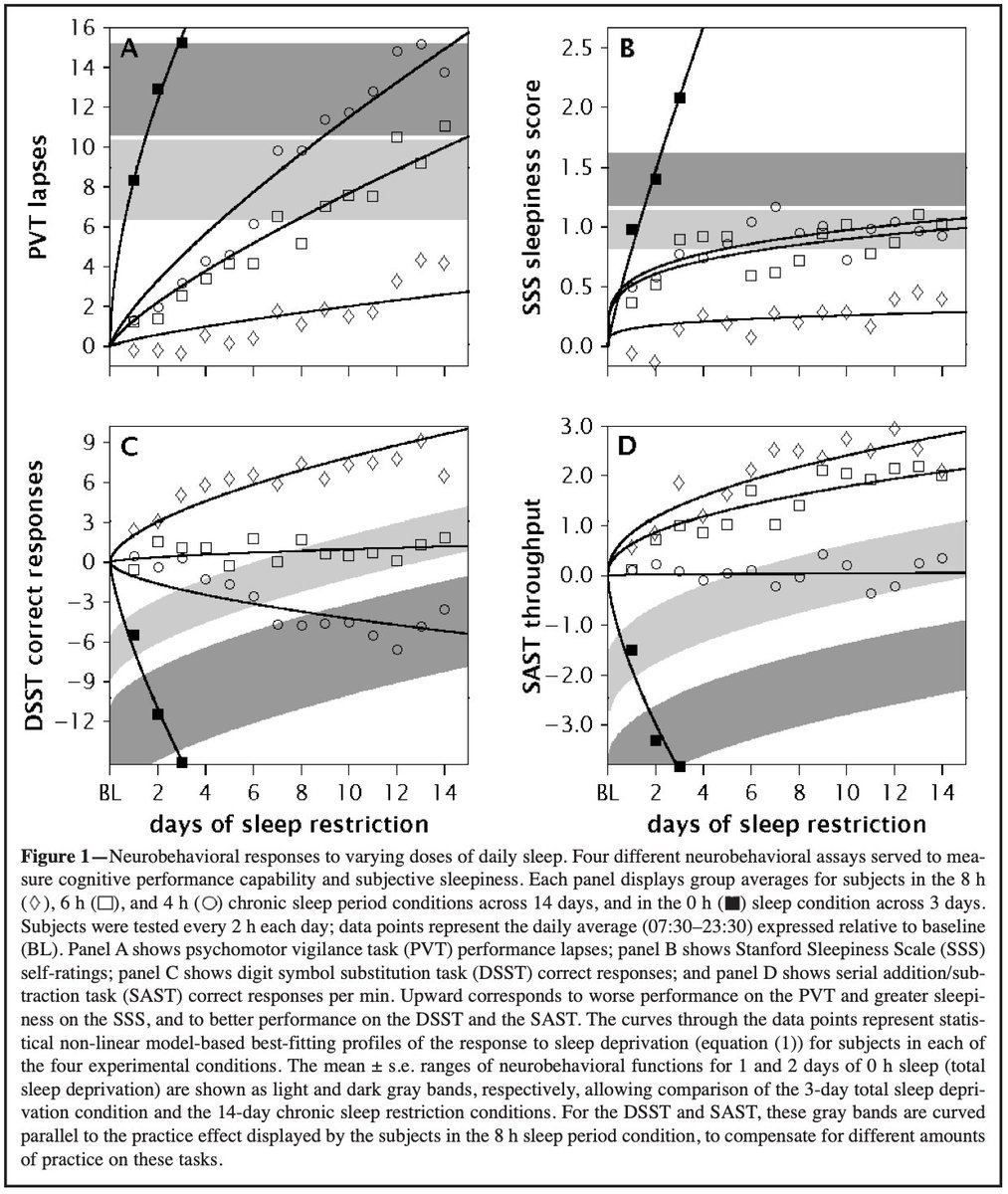
This is one of the most important studies in sleep science. Van Dongen et al. ran the experiment that changed how we understand chronic sleep restriction. They had subjects sleep 4h, 6h, or 8h nightly for 14 days, testing cognitive performance every 2 hours. The 6h group’s reaction time deficits by day 14 matched subjects who had been awake for 24 hours straight. The 4h group? They performed like someone awake 48 hours. But here’s what makes this study terrifying. The Stanford Sleepiness Scale ratings in Panel B plateau after day 3-4. Subjects stopped feeling more tired even as their cognitive performance continued deteriorating through day 14. Your subjective experience of fatigue is a lagging indicator that eventually just… stops updating. This explains why chronic undersleeping feels sustainable. You’ve adapted to feeling tired. Your prefrontal cortex hasn’t adapted to being impaired. The PVT (Psychomotor Vigilance Task) in Panel A measures lapses in attention. These are the moments where you’re staring at a screen and your brain simply checks out for 500ms. Every additional day of 6h sleep adds more lapses. The curve never flattens. Panel C and D show working memory and processing speed. Same pattern: continuous degradation with no subjective awareness. The practical implications: If you’re sleeping 6h and think you’re functioning fine, you’ve lost the internal calibration to know you’re not. The subjects in this study would have told you they felt “okay” while performing like they’d pulled an all-nighter. For anyone doing cognitively demanding work, this means you cannot trust how you feel. You need to track objective markers: error rates, decision latency, problem-solving throughput. Sleep need is biological, not negotiable. Most adults require 7-9 hours, and the research shows no population-level adaptation to chronic restriction. “I only need 6 hours” is almost always “I’ve forgotten what baseline cognition feels like.“
Competitive gamers: 6h of sleep is a hidden nerf. 6h/night for 2 weeks → reaction time & attention decline to the equivalent of pulling MULTIPLE all-nighters. Worst part: subjective fatigue plateaus, so you stop noticing. If you're not getting 7 hours/night, you're trolling.
225
4,077
31,107
4,145,308
❤️
This isn’t a random scientist who got lucky. Mariano Barbacid discovered the first human oncogene in 1982. He isolated H-RAS from bladder cancer cells and proved a single point mutation could trigger cancer. That finding launched the entire field of molecular oncology. KRAS mutations cause 90% of pancreatic cancers. For 43 years, oncologists called KRAS “undruggable” because the protein had no obvious binding pocket. Barbacid spent the last decade using genetically engineered mice to systematically test every node in the KRAS signaling pathway, looking for combinations that would work without killing the patient. The triple therapy blocks KRAS three ways at once: the main growth signal, the escape routes through EGFR and HER2, and the stress-response backup through STAT3. Cut the engine, seal the exits, disable the emergency system. Tumors vanished in mice and didn’t return for 200 days after treatment stopped. Pancreatic cancer has a 13% five-year survival rate. 8% for the ductal adenocarcinoma type this therapy targets. Most patients live one year after diagnosis. The catch: this is preclinical. Human trials are 3 years away. One of the drugs, RMC-6236, might get approved this year, but the full triple combination has regulatory hurdles. Still. The man who discovered human oncogenes in 1982 may have just figured out how to eliminate the cancer those genes cause. That’s a 43-year arc from first principles to potential cure. Science rarely works this clean.
328