VICC Assoc Director, Strategic Relations and Research Partnerships, Exec Director, Young Adult Cancers Program; Co-Chair, NCI GI Steering Committee
Joined June 2013
- Tweets 11,157
- Following 4,849
- Followers 12,253
- Likes 17,197
1,593 Photos and videos
Pinned Tweet

14 Mar 2025
2025 Fast Facts:
🔷154,270 will be diagnosed
🔷 19,330 patients < 50 y/o
We created a video using @Vidyard discussing the benefit of #colorectalcancer #cancerprevention. embed.vidyard.com/share/n8et…
#ColorectalCancerAwarenessMonth @FightCRC @OncoAlert @VUMC_Cancer @VUMCDiscoveries
5
14
57
8,446
Dr. Cathy Eng retweeted

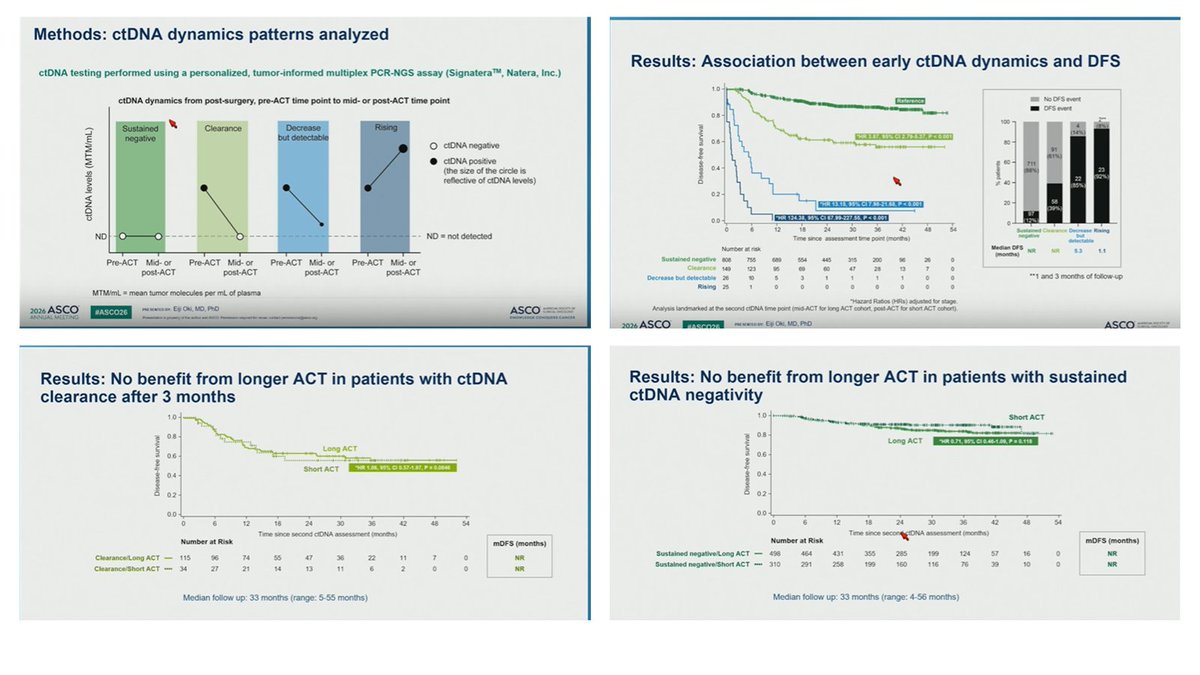
🚨 #HERIZON-GEA-01 Updates & Sequencing HER2-Directed Therapies #GastricCancer
🎙️ Dr.KU & @SteveMaronMD 🗣️:
✅ Zani tislelizumab chemo improves PFS/OS
❗️Retest HER2 at progression #gism #OncTwitter #MedTwitter #ASCO26 @MSKCancerCenter
🔗 Full 🎥👇
oncupdates.com/video-podcast…
1
2
6
198
Dr. Cathy Eng retweeted

🧬 #ScienceSaturday
❓ Why does immunotherapy work so well for some cancers, but often fail in #glioblastoma, one of the most aggressive brain cancers?
➡️ A new study in @NatureCancer suggests the answer may depend less on how many DNA mutations a tumor has, and more on the tumor’s “cell state,” or what the cancer cells are actively doing.
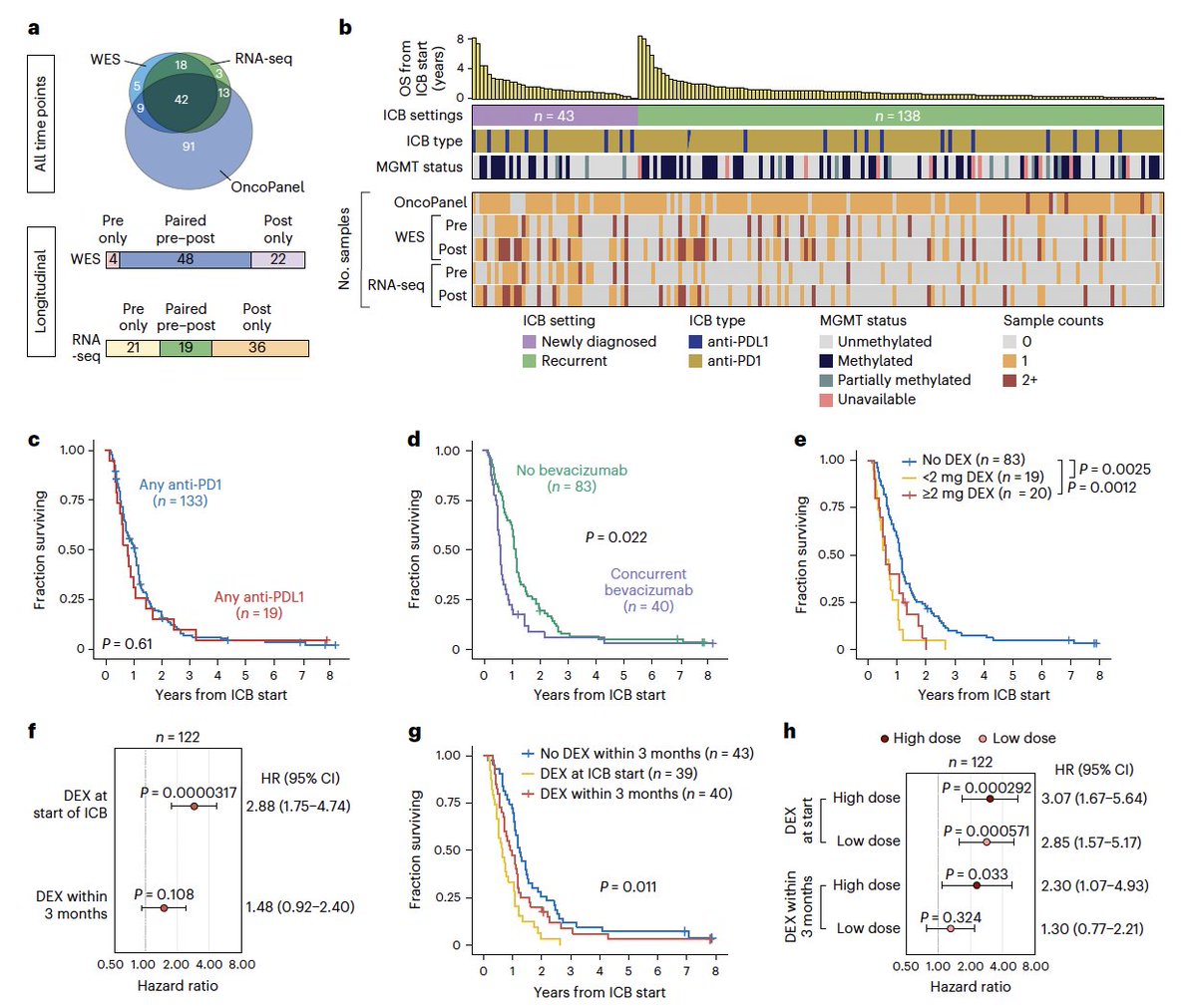
➡️ Researchers studied 181 glioblastoma samples from patients treated with immune checkpoint blockade, a type of immunotherapy designed to help T cells recognize and attack cancer.
➡️ They found that glioblastomas in a mesenchymal, or MES, state were linked to better survival after immunotherapy. These tumors appeared more “immune-visible,” with higher levels of HLA class I, a signal that helps T cells recognize abnormal cells, and more T cell infiltration.
➡️ Surprisingly, #tumor mutational burden, a marker often used to predict immunotherapy response in other cancers, did not predict better outcomes in this glioblastoma group.
➡️ The study also revealed a possible escape route: after #immunotherapy, some tumors shifted away from the MES state toward non-MES states, which may make them less recognizable to the immune system and more resistant to treatment.
🧠 Why this matters: Glioblastoma has been extremely difficult to treat, and checkpoint immunotherapy has mostly been disappointing in this disease. This study suggests that future trials may need to look at a tumor’s RNA “activity pattern,” not just its #DNA mutations, to identify patients who may be more likely to benefit.
✨ Big takeaway: In glioblastoma, the tumor’s current “state of mind” may help predict whether immunotherapy can see it, attack it, and make a difference.
Read more here: nature.com/articles/s43018-0…
@Nature @DanaFarber @Harvard @harvardmed @MassGenBrigham @broadinstitute @IBMResearch @DanaFarberNews @EAChiocca @JackYGhannam
2
7
18
1,341
Dr. Cathy Eng retweeted

Jun 13
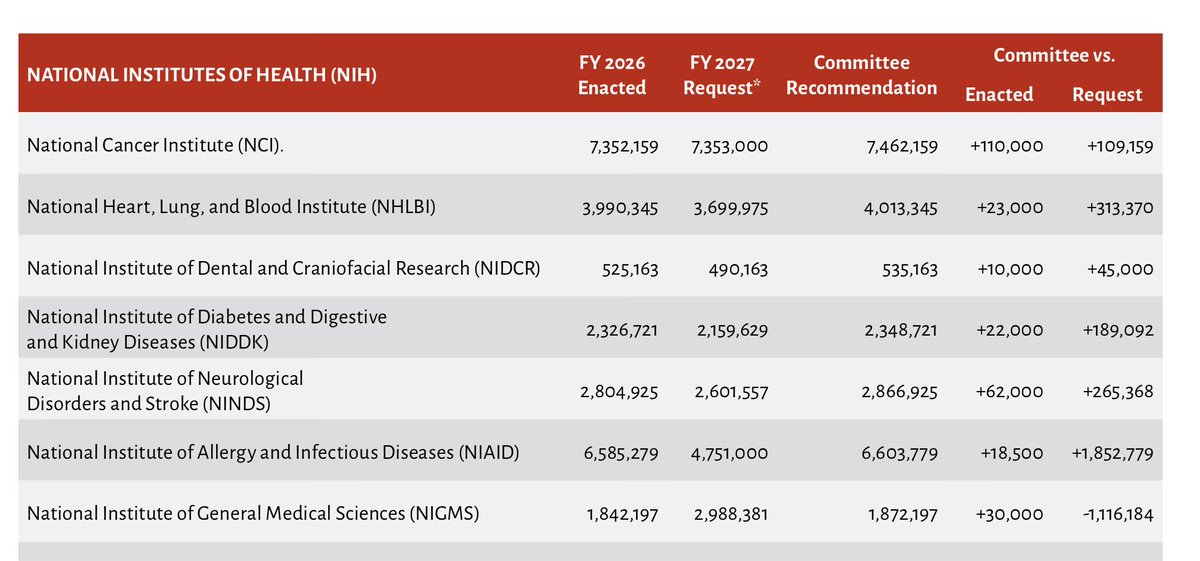
The House Appropriations Committee passed its version of the FY27 spending bill, including an increase of $110 million compared to the current year’s budget for @theNCI 👏🏽👏🏽
From @TheCancerLetter
cancerletter.com/capitol-hil…
The Senate will now take up its version of appropriations.
1
11
49
3,994

In HER2-positive gastroesophageal adenocarcinoma, progression-free survival was longer with zanidatamab plus chemotherapy, both with and without tislelizumab, than with trastuzumab plus chemotherapy. Full phase 3 HERIZON-GEA-01 trial results and Research Summary: nej.md/4o31eKv
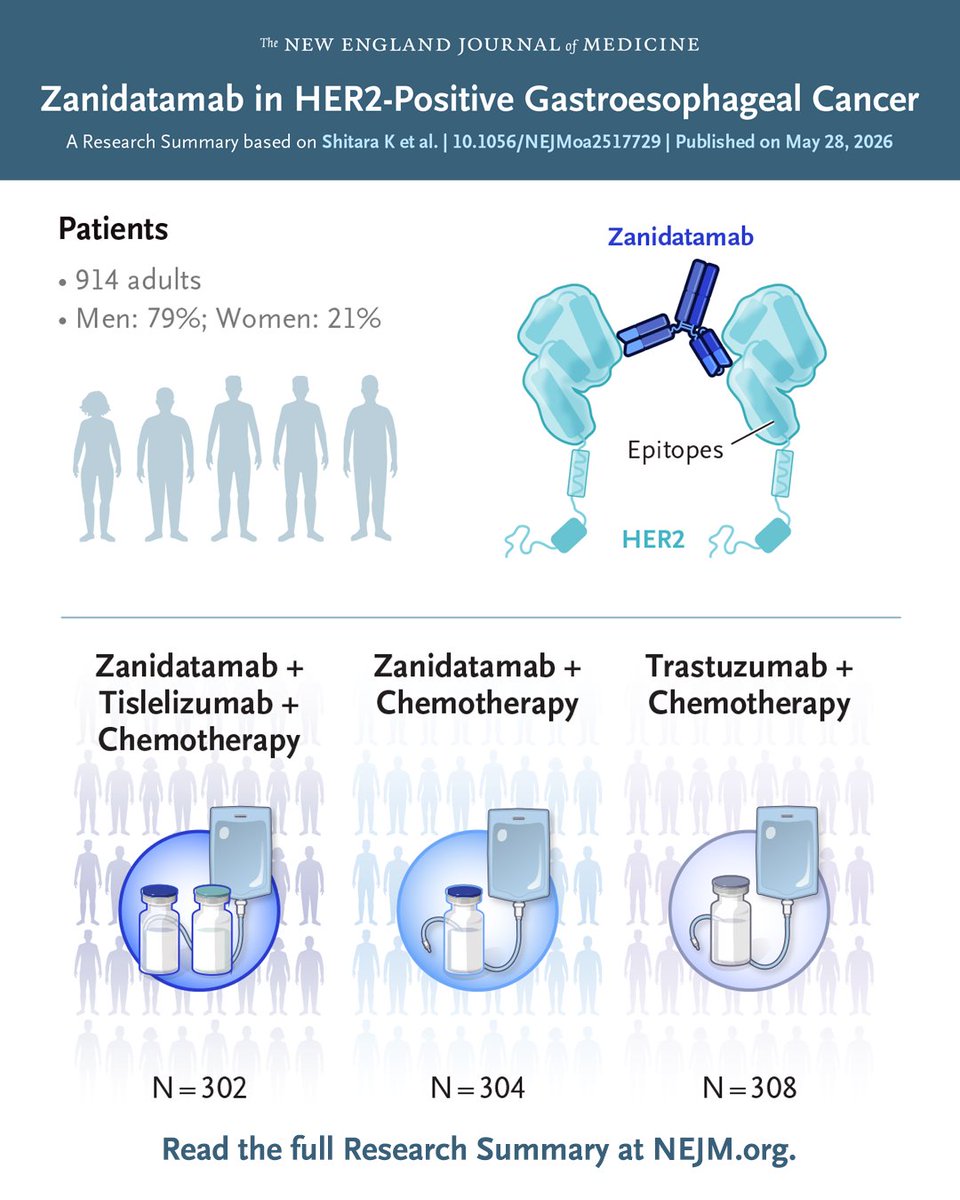
ALT The image is from a Research Summary published in the New England Journal of Medicine about a study on zanidatamab in HER2-positive gastroesophageal cancer. It mentions 914 patients, with a breakdown of 79% male and 21% female. Below the title on the right is an illustration of zanidatamab binding to HER2 epitopes. There are three treatment groups: zanidatamab with tislelizumab and chemotherapy (302 patients), zanidatamab with chemotherapy (304 patients), and trastuzumab with chemotherapy (308 patients). A prompt invites readers to view the full Research Summary at NEJM.org.
1
47
174
27,982
Dr. Cathy Eng retweeted
Wonderful interview with Dr @EileenMOReilly
Hope given in a difficult diagnosis.
Kindness embodied.
@MSK_DeptOfMed

Via Lustgarten.org
@Eileenmoreilly, an amazing physician/scientist improving outcomes for patients with pancreas cancer. The results of the latest clinical trials mark the dawn of a new era in treatment. Watch the tribute! ⬇️
youtu.be/yMiu7lLSSQQ?si=Kn3_… via @YouTube
1
2
293
Dr. Cathy Eng retweeted

Jun 12
I wouldn’t be where I am today without the love and support that @MichelleObama has poured into me over the years. Her story — from her South Side roots to the White House and beyond — is a central part of the Obama Presidential Center.
12,400
18,362
169,855
13,631,009
Jun 12
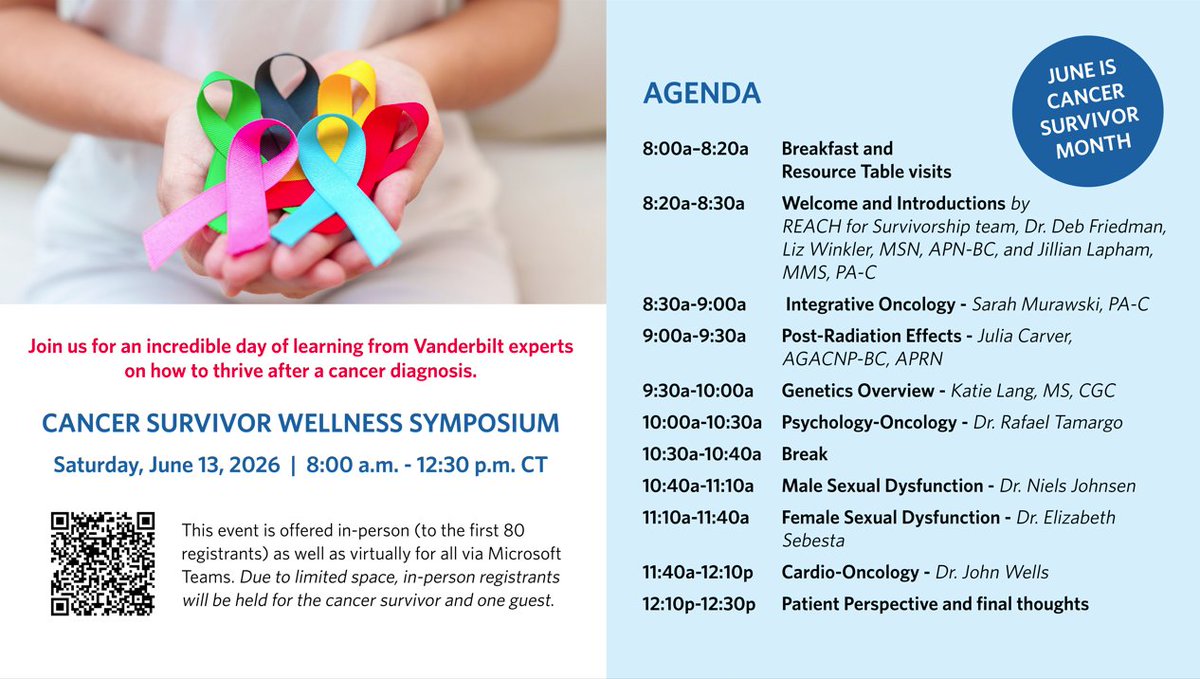
HI @fireflyann! Sorry, try this one: redcap.link/uqx3kubn for the @VUMCDiscoveries #cancer #wellness #symposium scheduled for tomorrow! TY for your support!
#cancercare #patientcare
Jun 11

Id like to share.
.
Is there a website or only error code?
1
1
2
518
Dr. Cathy Eng retweeted

Jun 11
Id like to share.
.
Is there a website or only error code?
2
1
2
1,040
Dr. Cathy Eng retweeted
Jun 11
Looks like exactly the sessions patients want to see!
@FightCRC @thequeenvee
Jun 11

Happening THIS Saturday 6/13/2026! In person or virtually - @VUMChealth @VUMCDiscoveries #Cancer #Survivor #wellness symposium! We would LOVE to have you join! #thriver #patientcare #cancercare #integrativemedicine #psychoncology #livingyourbestlife #sexualdysfunction
3
4
11
1,220
Dr. Cathy Eng retweeted
Jun 10
#asco26
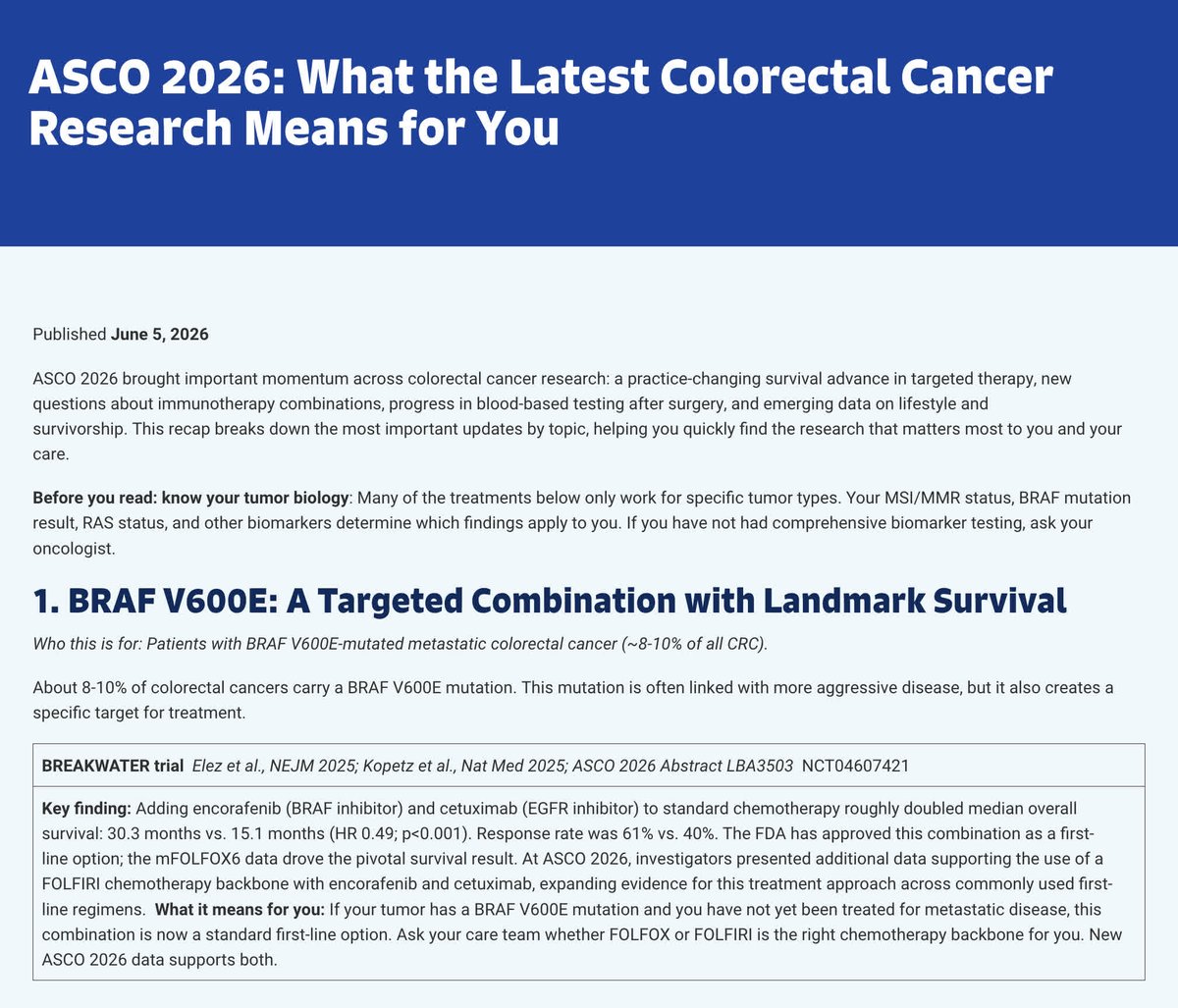
Colorectal cancer

New research. New possibilities. 💪
We've rounded up the most important #colorectalcancer findings from #ASCO2026 and what they could mean for patients, survivors, and caregivers.
Read the recap: fightcolorectalcancer.org/as…
@ASCO
1
1
6
1,112
Dr. Cathy Eng retweeted

Jun 10
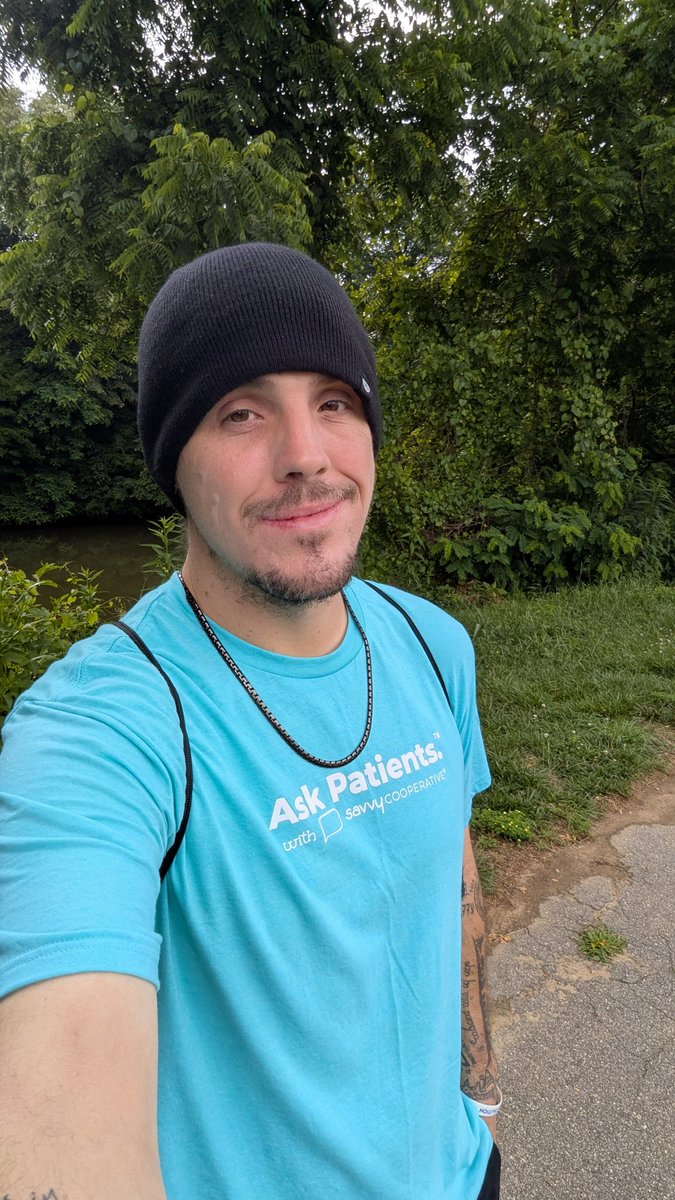
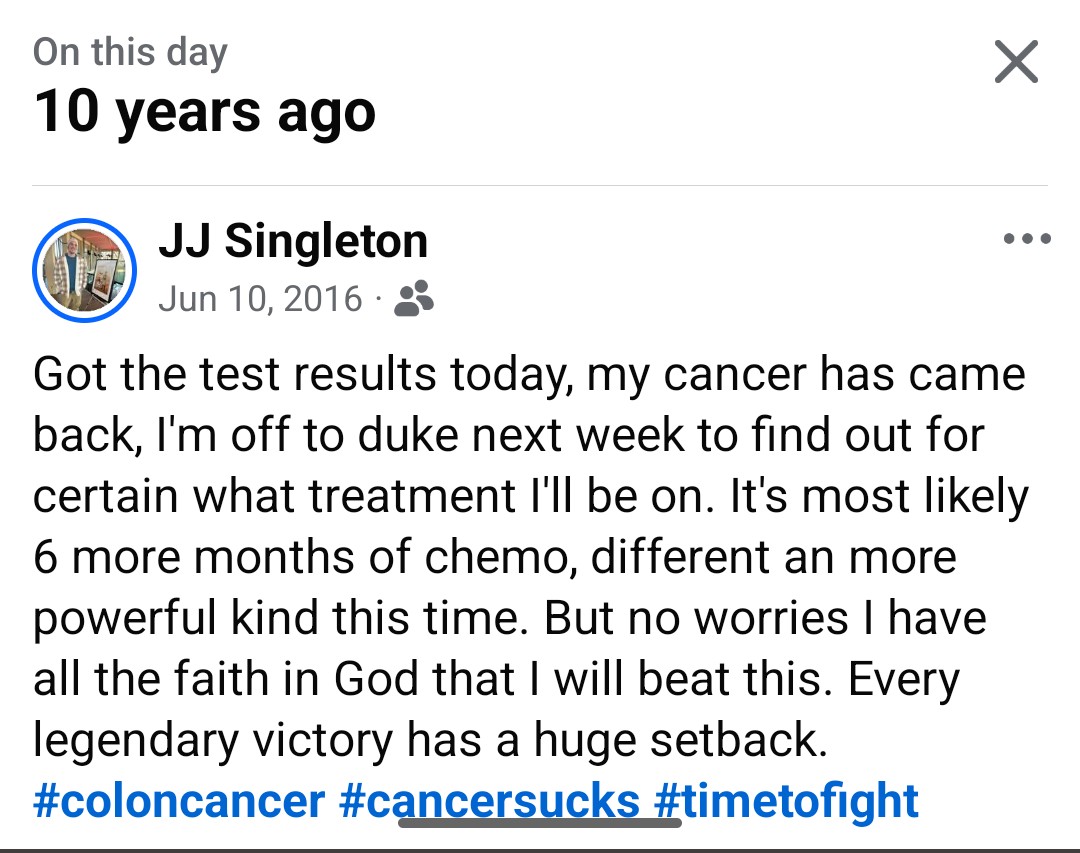
10 years ago at this very time to the hour I was back sitting in my oncologist office as he was telling me the results from my CT an PET scans and biopsy results. I knew what he was going to say to to actually hear the words your cancer is back after only 51 days since I had
8
10
244
8,882
Jun 11
Happening THIS Saturday 6/13/2026! In person or virtually - @VUMChealth @VUMCDiscoveries #Cancer #Survivor #wellness symposium! We would LOVE to have you join! #thriver #patientcare #cancercare #integrativemedicine #psychoncology #livingyourbestlife #sexualdysfunction
2
7
1,927
Dr. Cathy Eng retweeted

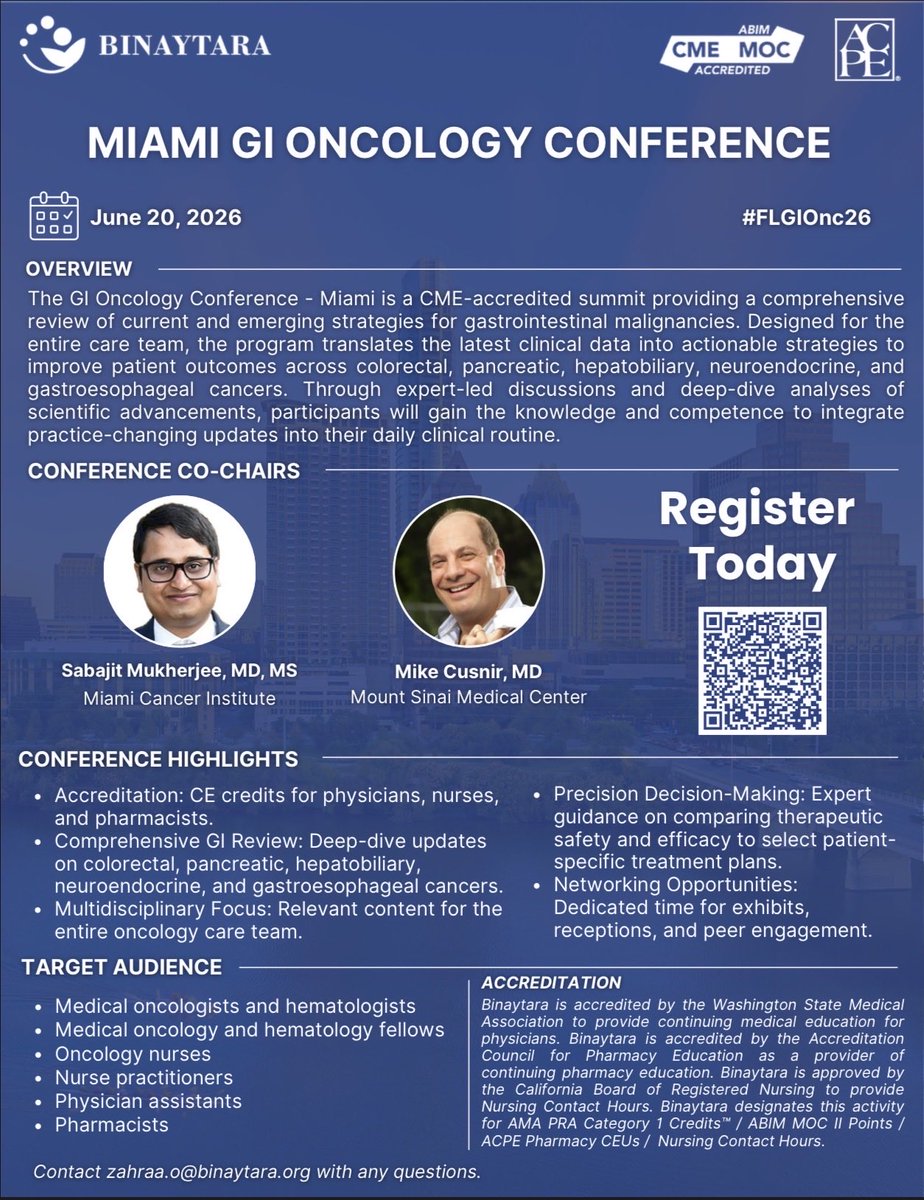
Exited to present a few cases at the upcoming @binaytara Miami GI Oncology Conference! Really looking forward to the discussions!
Hope to see you there!
#OncTwitter #gism #GIOnc #Oncology #MedTwitter #MedX #Binaytara #MedEd
1
6
17
1,206
Dr. Cathy Eng retweeted
Today is national cancer survivors day. A day to celebrate being here which I never thought possible almost 11 years ago when I was diagnosed, it's a day to remember the ones who aren't here, it's a day to thank everyone that's helped me survive an it's a day to look ahead
24
18
447
4,266
Dr. Cathy Eng retweeted

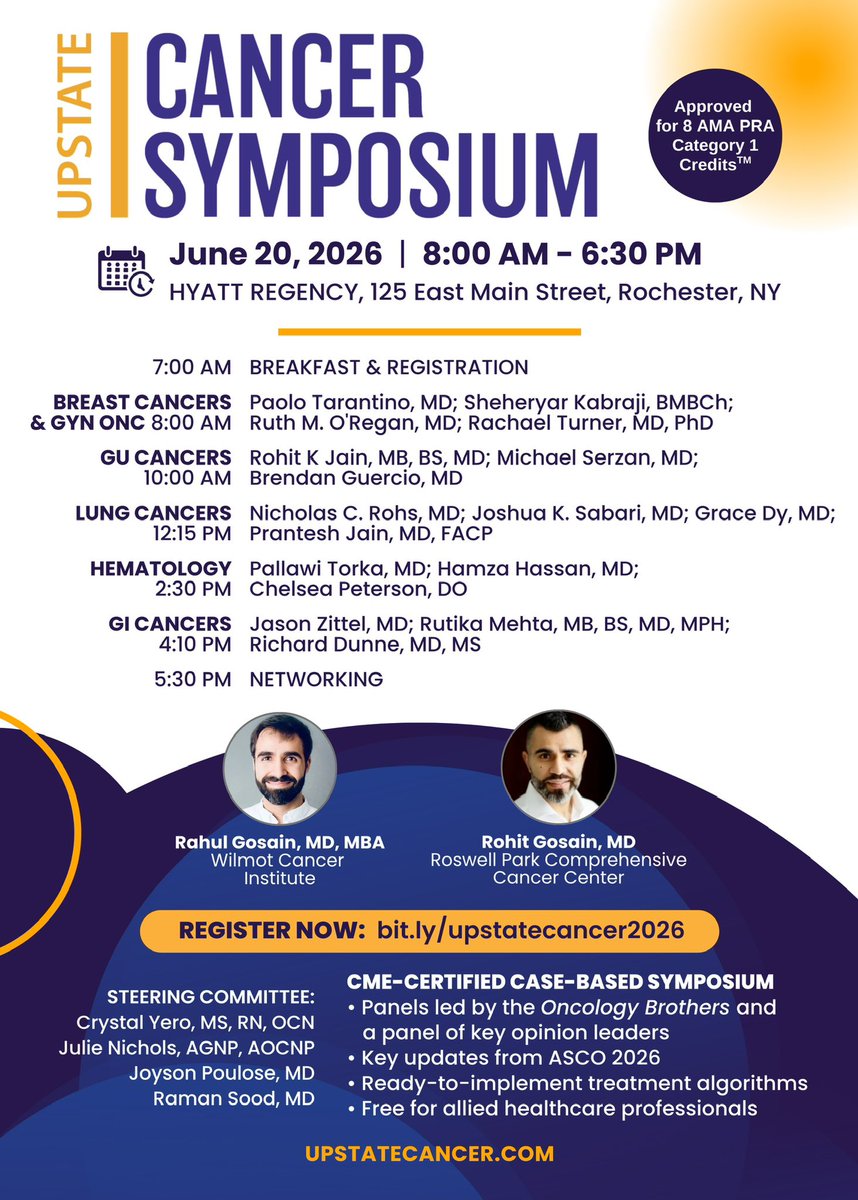
Looking forward to being back in Upstate NY and connecting with colleagues! Excellent program put together by @OncBrothers #oncologyupdates

Upstate NY Cancer Symposium on June 20, 2026, here in Rochester, NY! 1 day to focus and discuss SoC on the most commonly treated solid tumors and hematologic malignancies in the community.
Register: upstatecancer.com
#OncTwitter @WilmotCancer @RoswellPark
1
1
4
767
Dr. Cathy Eng retweeted

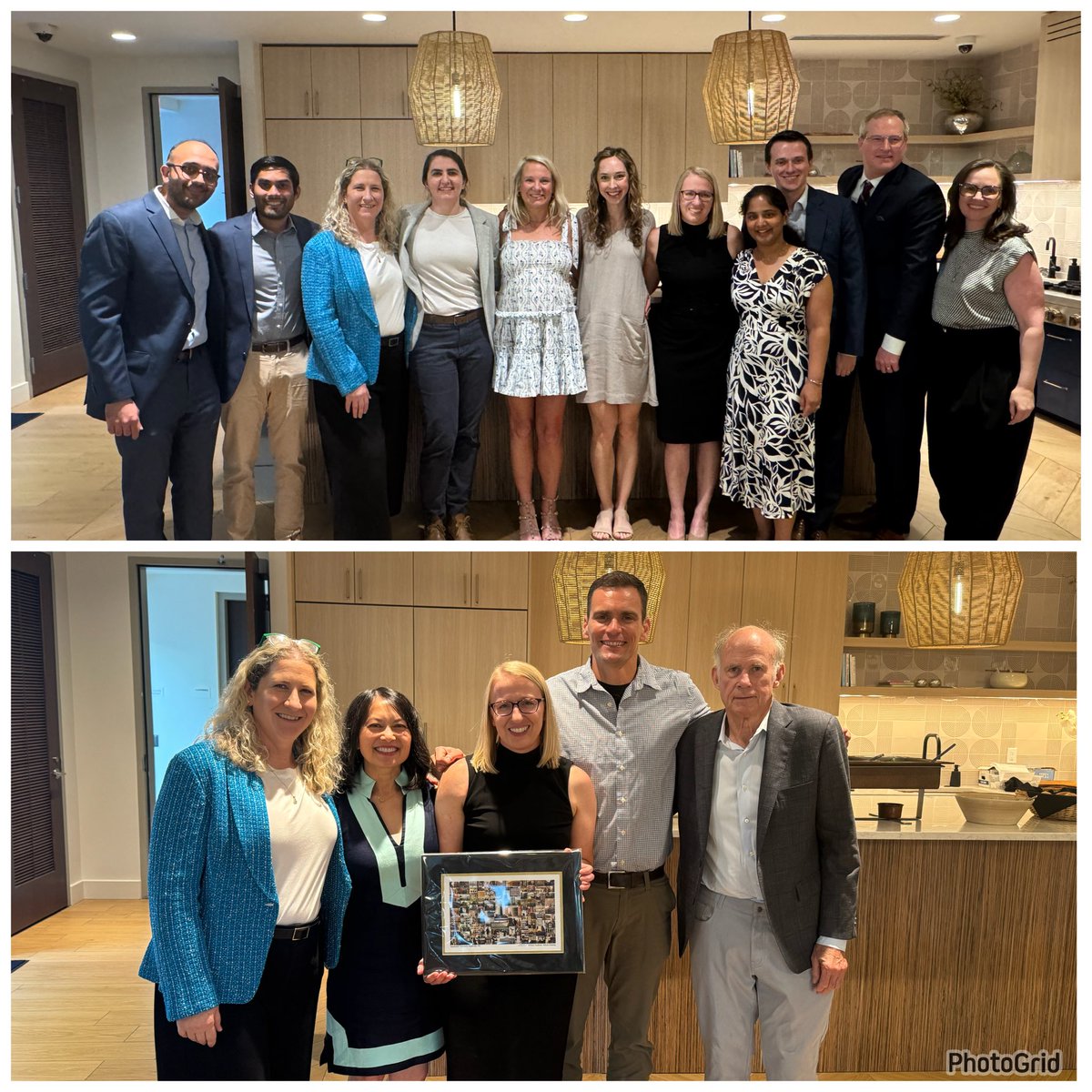
Vanderbilt Hematology/Oncology fellowship class of 2026🎉
I’m so grateful for this amazing group of co-fellows, inspirational mentors (@CathyEngMD and Dr. Bob Coffey), and supportive spouses. While I’m staying for an extra research year, I can’t wait to see what’s next! 🧬🔬💊
3
3
27
2,280
Dr. Cathy Eng retweeted

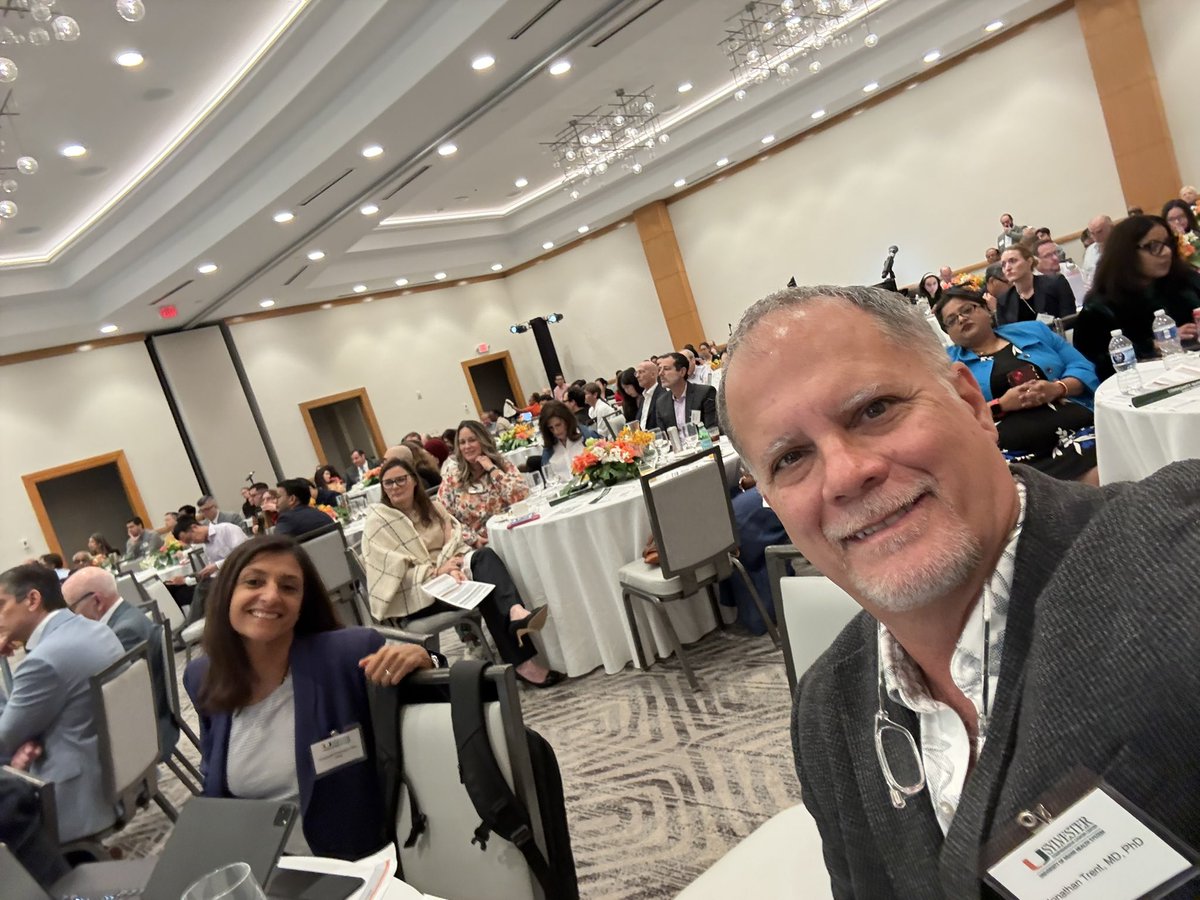
Learning a lot this morning from @SylvesterCancer faculty at our annual retreat led by @DrSDNimer
1
3
23
1,254
Dr. Cathy Eng retweeted

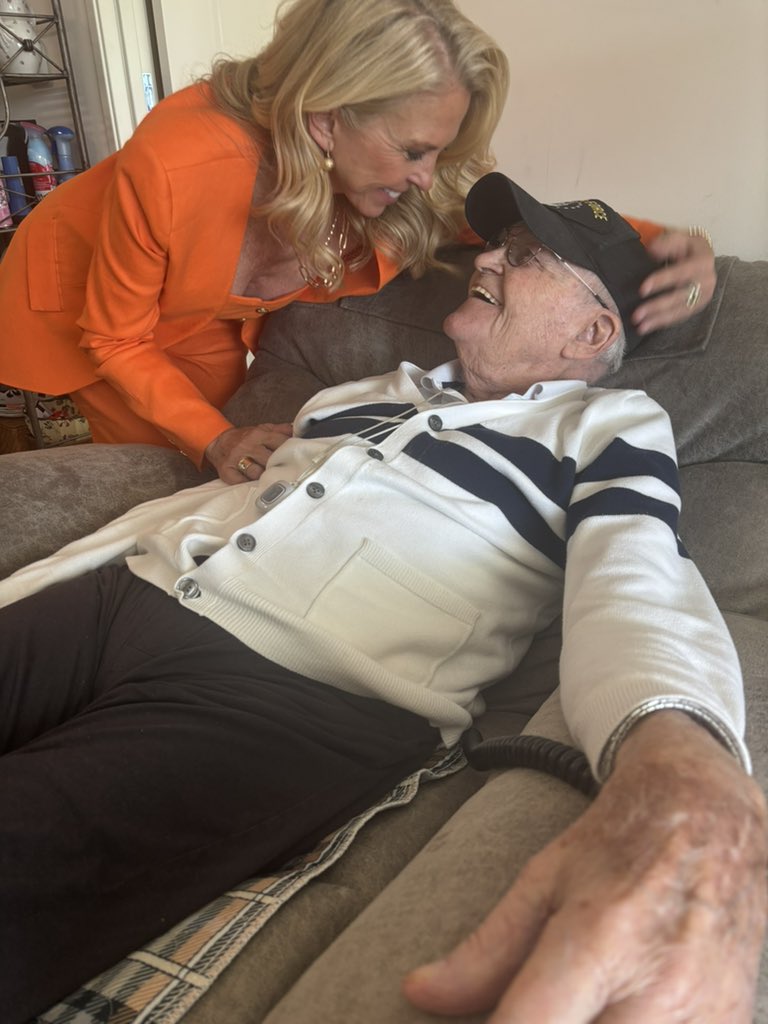
Heartwarming to spend time today with my Dad Ralph … it’s his 96th birthday today … he doesn’t really know who I am anymore, but wow has he been a wonderful father for the past 61 years. He’s also a proud Air Force vet.
360
200
5,234
120,586
Dr. Cathy Eng retweeted

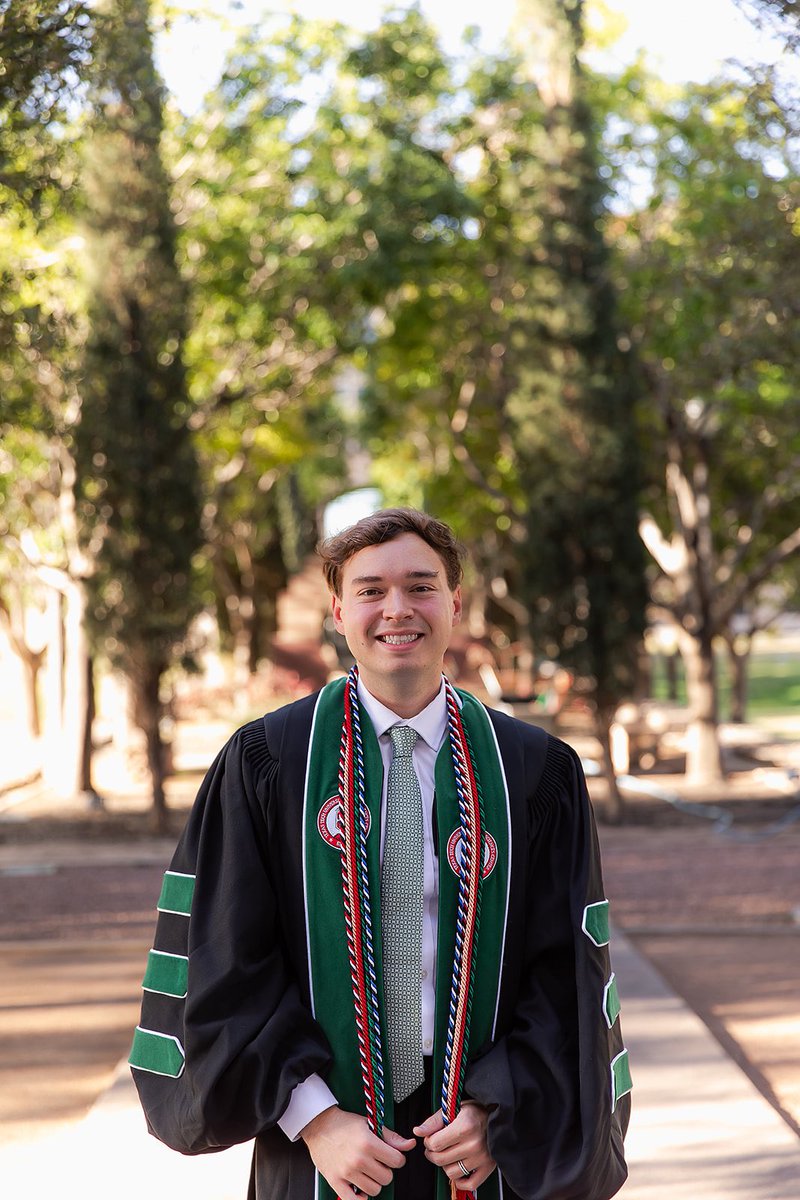
Hi, my name is Dr. Brandon Godinich.
I’m here to help you fight cancer. ☢️
32
23
392
10,901
Dr. Cathy Eng retweeted

Jun 4
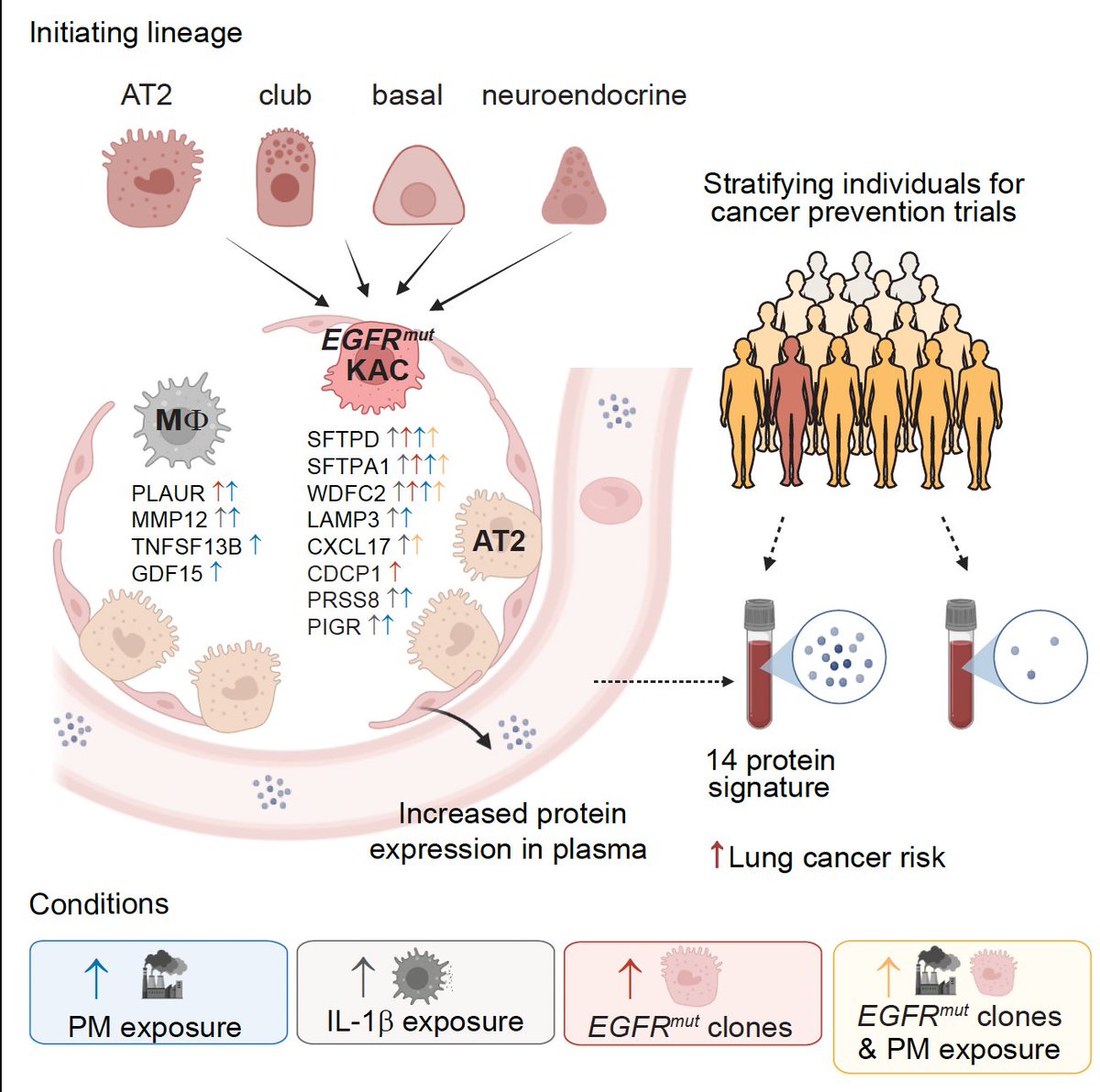
A very impressive study for how we could prevent lung cancer more than 5 years before it is diagnosed. Using machine learning, discovery of a 14-plasma protein signature of risk that predicts responsiveness to an antibody therapy to interleukin, IL-1β
Validated across 8 cohorts
@CellCellPress @CharlesSwanton
cell.com/cell/fulltext/S0092…
31
322
1,016
173,075