
#CivicTech #GovTech #CivTech. Global research and analysis of trends transforming public services. Visit our website for an in-depth sector report.
Joined August 2016
- Tweets 28,828
- Following 4,809
- Followers 2,815
- Likes 10,506
1,723 Photos and videos












GovTech Research retweeted

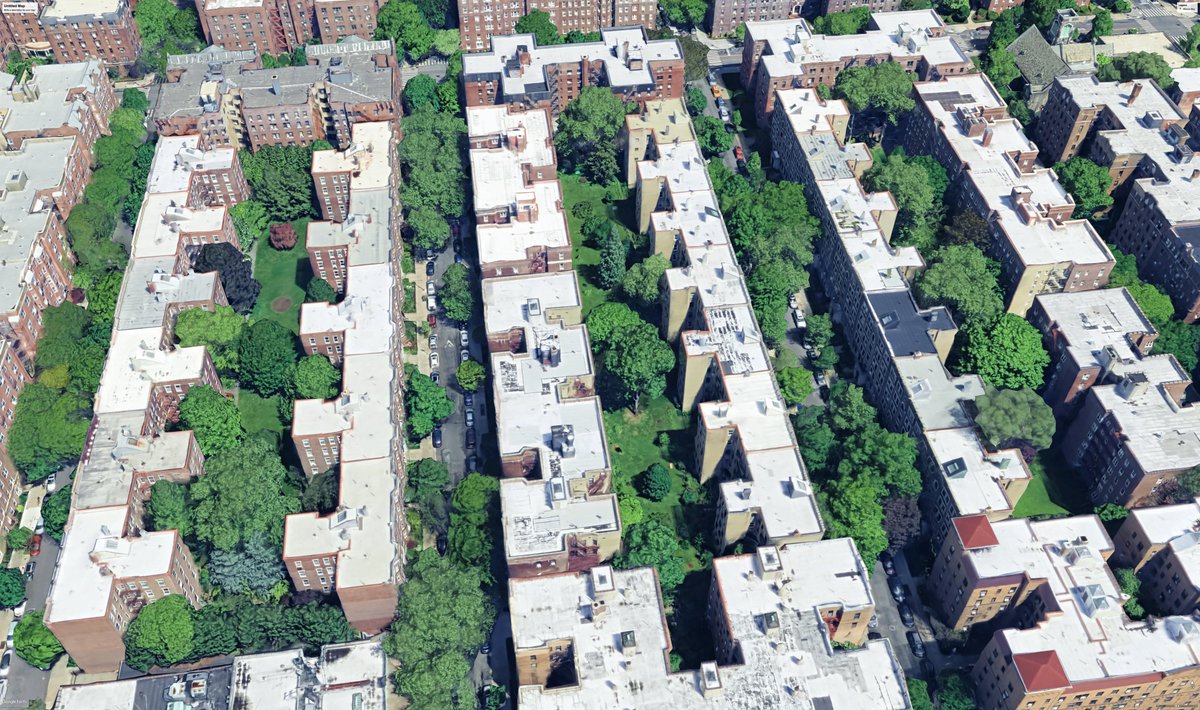
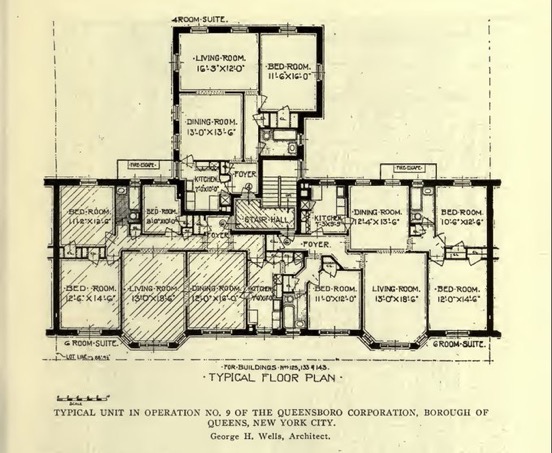
When the directors of the Queensboro Corp. -- the developer responsible for much of present-day Jackson Heights, Queens -- traveled to Europe in 1914, they were not afraid that borrowing from foreign models would produce a theme park. They were searching for better ways to build out Queens.
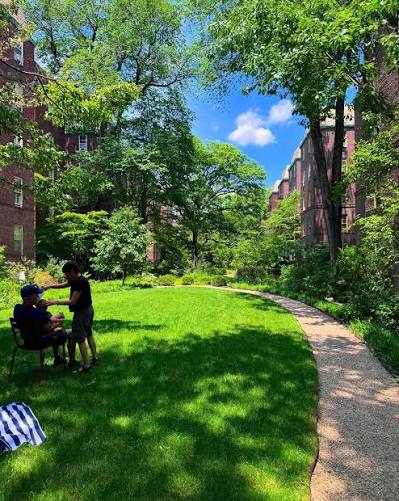
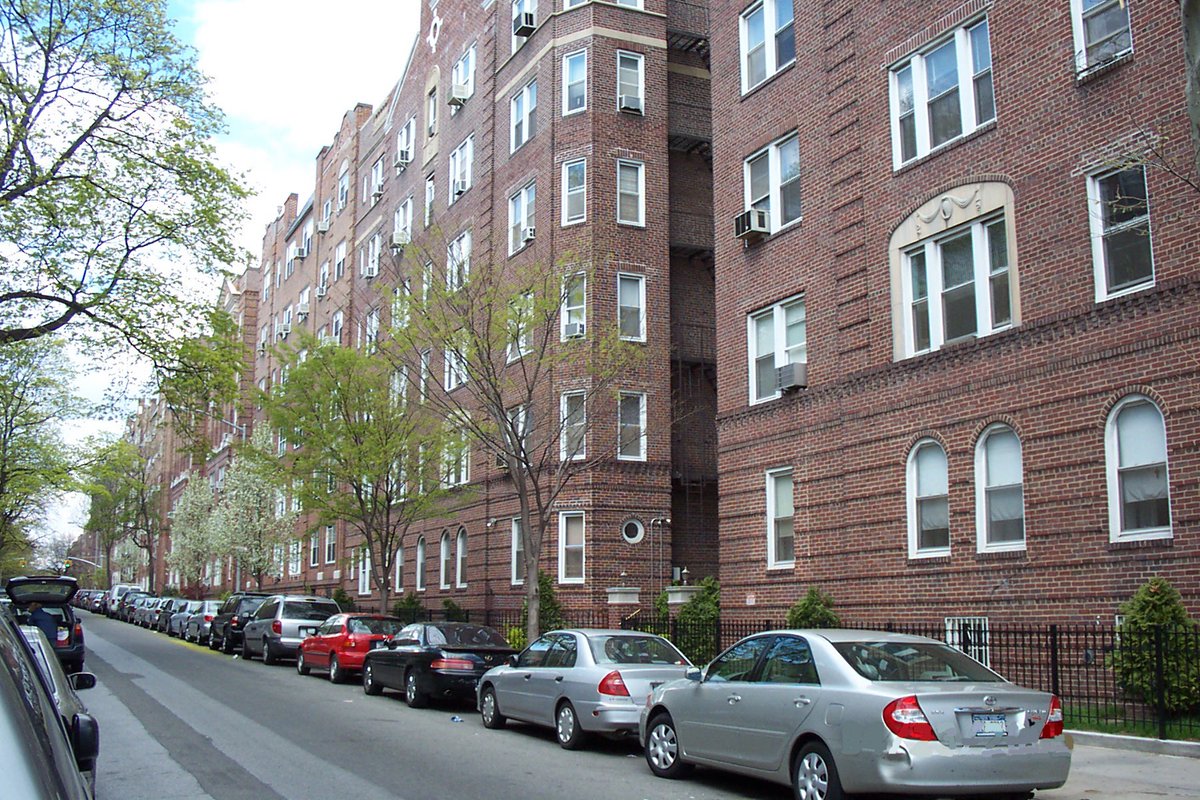
Manhattan offered a cautionary example. Its residential buildings were often narrow and deep, with excessive lot coverage, inadequate light, and little meaningful open space. In Berlin and other European cities, the Queensboro directors found new innovations on the old perimeter block model: wide, shallow buildings aligned to the street, no side setbacks, and organized around large interior courtyards.
They adapted that model in Jackson Heights, creating some of the finest residential areas in the country, combining extraordinary population density with abundant light, air, greenery, and shared open space.
Then, rather than allowing the model to evolve and spread, American cities largely outlawed it through zoning and building codes. Setback requirements, lot-coverage limits, height restrictions, parking mandates, and increasingly rigid egress rules made it difficult or impossible to build new neighborhoods like Jackson Heights. We imported one of Europe’s most successful urban innovations, proved that it could work beautifully in an American context, and then effectively prohibited ourselves from building more of it.

Perfect example of how walkable city "Urbanists" are just another species of Disney adult that want to live in an all-inclusive theme park. Florence is not this way because some 21st century urban planner built it. You can't just build a Florence in Indiana.
1
3
28
1,336
GovTech Research retweeted

Jun 13
Another day, another FT piece.
We plan to sell high-spec 4-bed homes for £350k.
The only way to solve Britain’s fertility crisis is to make it affordable to have children in a vibrant place that people want to live.
Jun 13

Today the Forest City project is taking another step to repair Britain’s broken social contract by kicking-off our 4-bed housing challenge.
Is it possible to build a beautiful, stone-faced, generously proportioned, 4-bedroom terraced house at a cost of no more than £250k? Right now, a similarly sized new house on the outskirts of Cambridge will cost a prospective couple at least £600k. Buying a similar sized old home in the centre of the city costs well over £1m. It’s no different in many places in the South.
That’s a disgusting joke; completely out of reach without massive help from parents or mortgaging yourself to the hilt. We refuse to be enslaved to debt any longer.
That’s why we’re using technology and talent to show everyone that you can indeed create something amazing that doesn’t cost a king’s ransom.
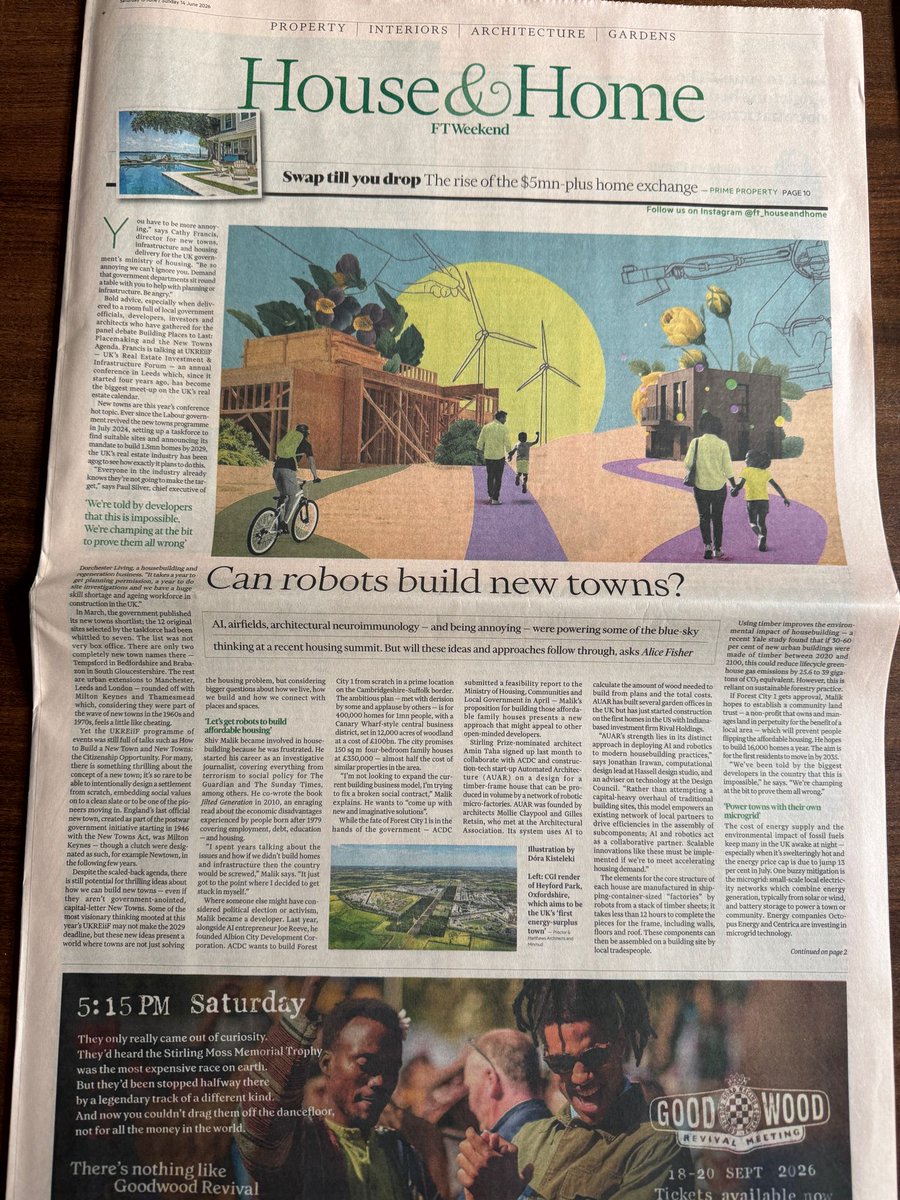
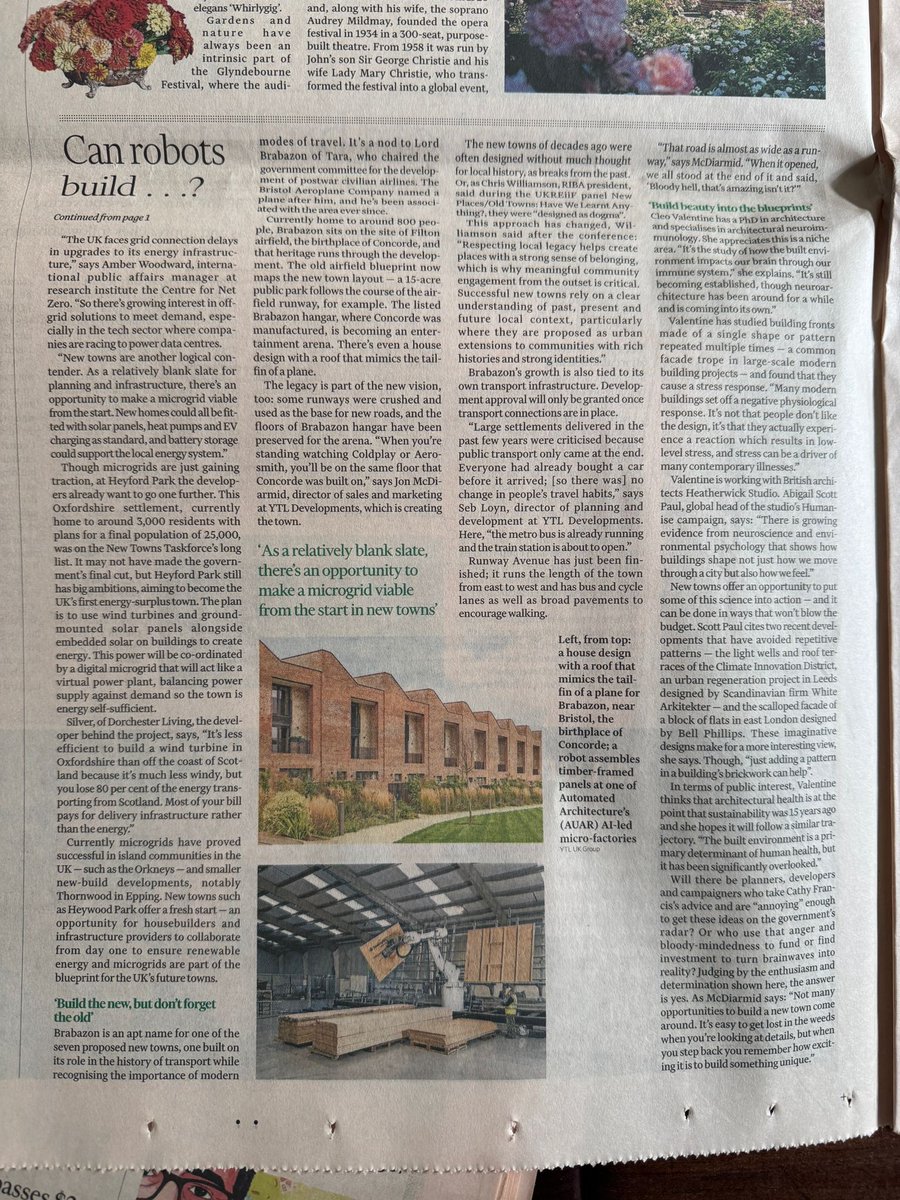
Working with two time Sterling Prize-nominated architect, Amin Taha, and architect turned robotics entrepreneur, @GillesRetsin, we are creating the home for the 22nd century using robots that can build the shell of a house in 12hrs. We will change the economic prospects for hundreds of thousands of young working Brits and hope to display the home in Cambridge very soon. You can read more about it in the House & Home section of this weekend’s @FT.

6
2
50
10,241
GovTech Research retweeted

Excited to support this legislation that allows even more homes to be built near Market-Frankford Line stations in West Philly!
The 3rd Council District is the only one in the city where most residents do not drive to work. This common-sense step means even more of our neighbors will enjoy the advantages of living near public transportation.
inquirer.com/real-estate/com…
6
10
52
2,457
GovTech Research retweeted

10h
📍 AutoSur con av. Bosa
Hoy izamos la viga 29 de las 32 que se necesitan para los nuevos puentes de la AutoSur con av. Bosa.
2,8 millones de personas se beneficiarán con esta nueva infraestructura que mejora la movilidad en este corredor de entrada y salida de la ciudad.
4
26
125
6,050
GovTech Research retweeted

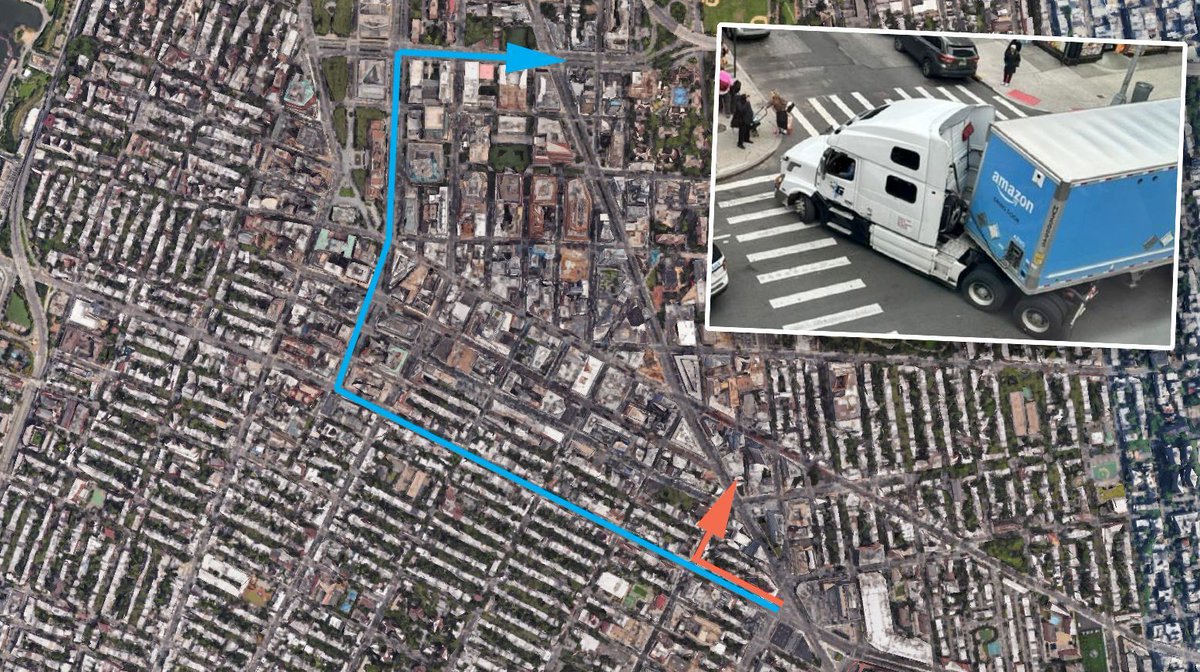
Fed-up Downtown Brooklyn residents want the city to remove a nearby local truck route that encourages big-rigs to use their street as an illegal cut-through, as officials prep for the city’s first citywide truck route redesign since the 1970s. buff.ly/0eHW4NP
1
5
18
1,827
GovTech Research retweeted

Jun 13
CA YIMBY's Eduardo Mendoza argues ugly buildings turn housing-neutral voters into opponents, & the fix isn't more review.
Objective standards targeting coherent style, real materials, and street trees can make beautiful housing the by-right default.
cayimby.org/blog/building-be…
2
7
41
1,872
GovTech Research retweeted
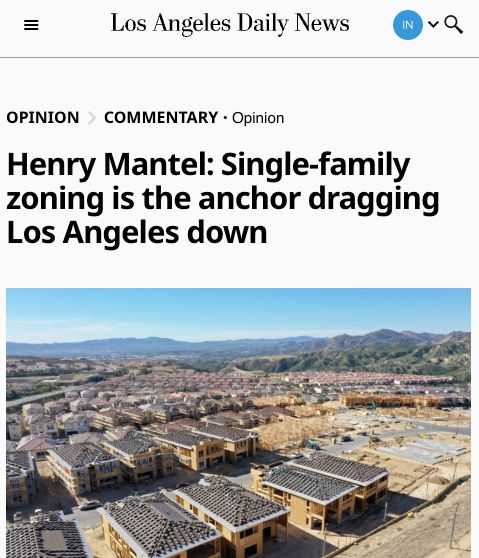
LA deliberately cut its housing capacity from ~10M to ~4M homes through single-family zoning. It hit that cap in the 1990s, then added 5x more jobs than homes 2010–2015.
The result is one of the world's least affordable cities.
15
49
235
7,435
GovTech Research retweeted

Jun 12
Same is generally true for regional rail. Rents are skyrocketing in the same core neighborhoods or so because the areas with access to *frequent* rapid transit have not significantly expanded in the last 30 years.
This is why unlocking through running at Penn is so important.
Jun 11

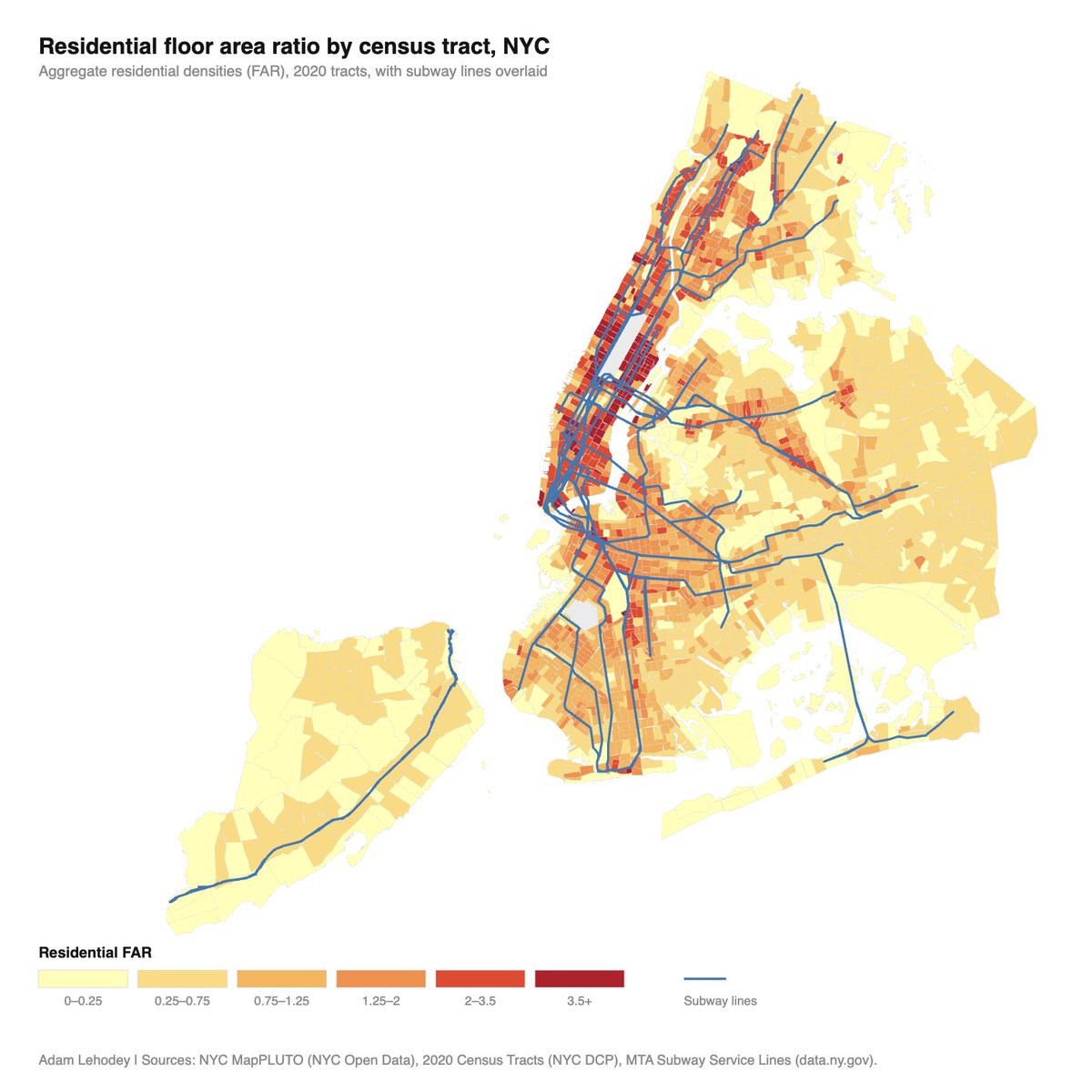
New York City is actually FAR LESS dense than people think, and it's all got to do with transit.
Most residential density is located around the subway, where land values are higher (and thus more built up) BECAUSE it is within the boundary of land within a commutable distance to other parts of the city.
Outside of these areas, New York is actually extremely low-dense. Residential land across all five boroughs averages a 1.69 FAR, meaning that if it were evenly distributed, the average building would be under two stories. (In reality, the distribution isn't even, and lots of lots are only partially used).
Rents have increased because, for the last eighty years, we just haven't been expanding the boundary of commutable land like we used to (86% of the subway was completed by 1940), pushing up prices within the limited space that is most accessible.
Fix the subway, and you fix housing.
2
7
85
5,632
GovTech Research retweeted

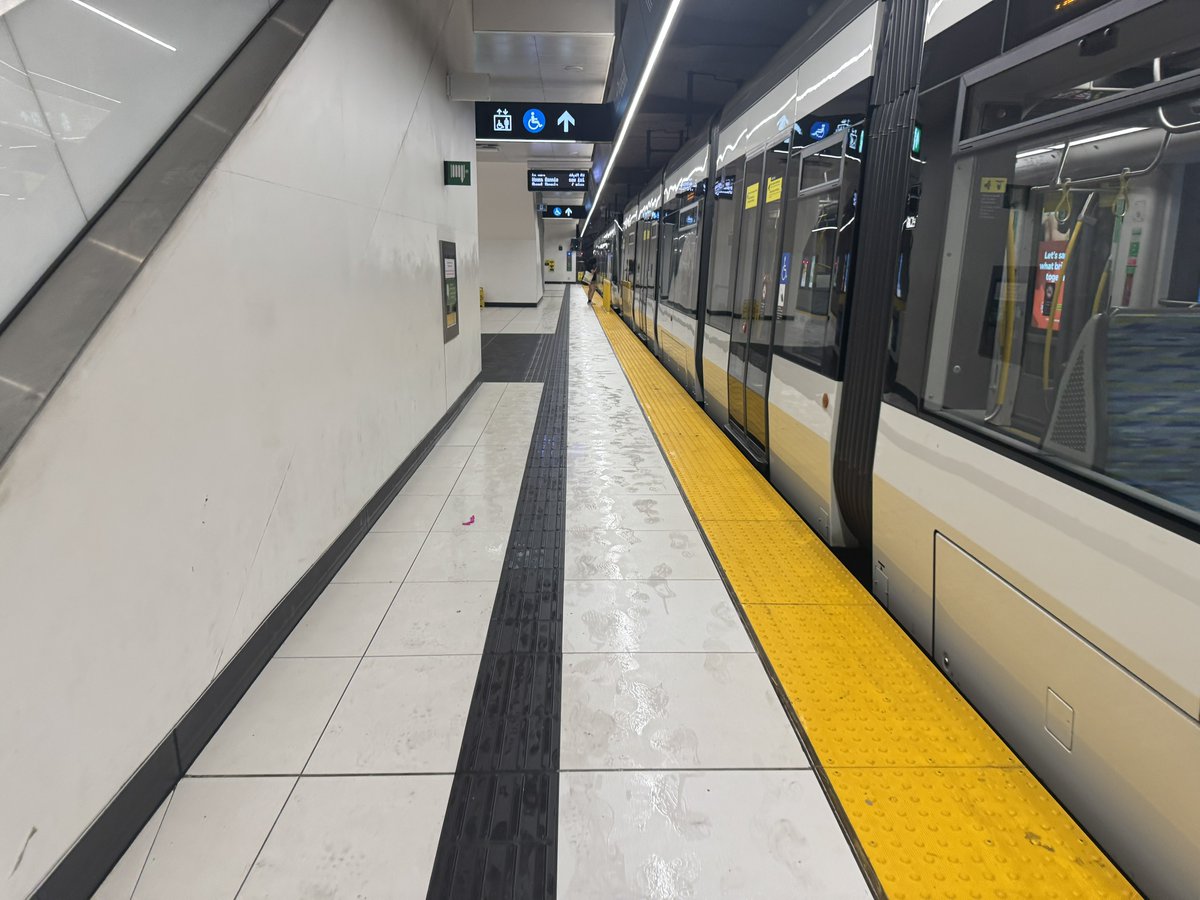
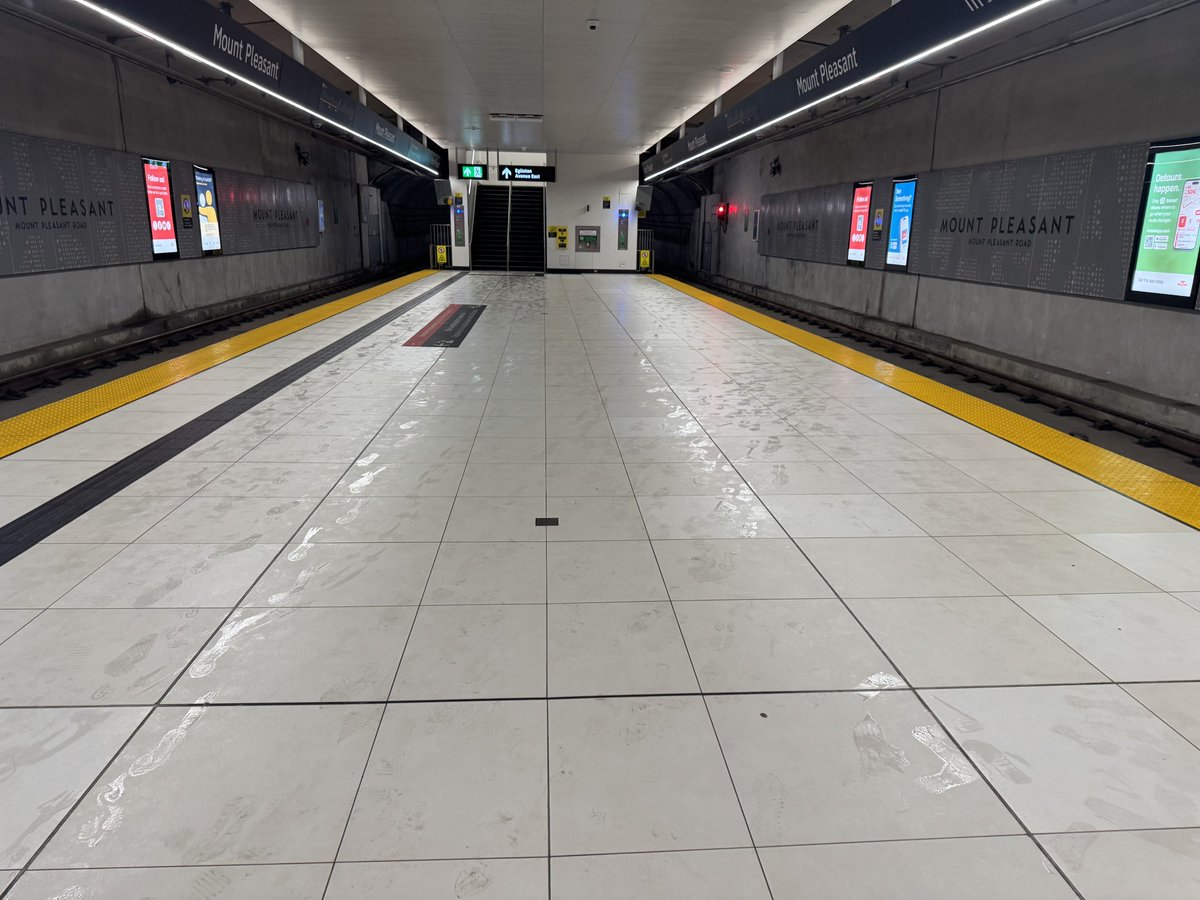
Three underground Shenzhen Metro Lines that meet at this station were all built for less than 300 million INT$ per km. Each Shenzhen Metro Line here is capable of moving over 50,000 people per hour per direction in massive 8 car Type A trains. Meanwhile below is what spending over 450 million INT$ per km gets you in Toronto, an unventilated half underground tramway.

So evidently they built the Eglinton Crosstown (Line 5) without a forced air circulation system, relying on “passive air circulation”. This results in sopping wet platforms on humid days, all in the name of “saving some energy”. Crazy design decision @Metrolinx.
6
23
249
32,053

Know how big your truck rig is, too big a rig too small a bridge equals a big bang. Worse still for Truck operators your insurance will skyrocket, whats the consequential loss liability of closing a main line for two days (answer big, very big)
Jun 13

We're urging lorry drivers to #WiseUpSizeUp after yet another vehicle hit a rail bridge this week. 🚛 ❌
Lorries hitting bridges can cause huge delays to rail journeys:
👉 networkrail.co.uk/who-we-are…
#SafetySaturday
23
GovTech Research retweeted

Jun 12
NYC to install traffic sensors to track how pedestrians, bikers and drivers behave - Gothamist gothamist.com/news/nyc-to-in…
3
10
689

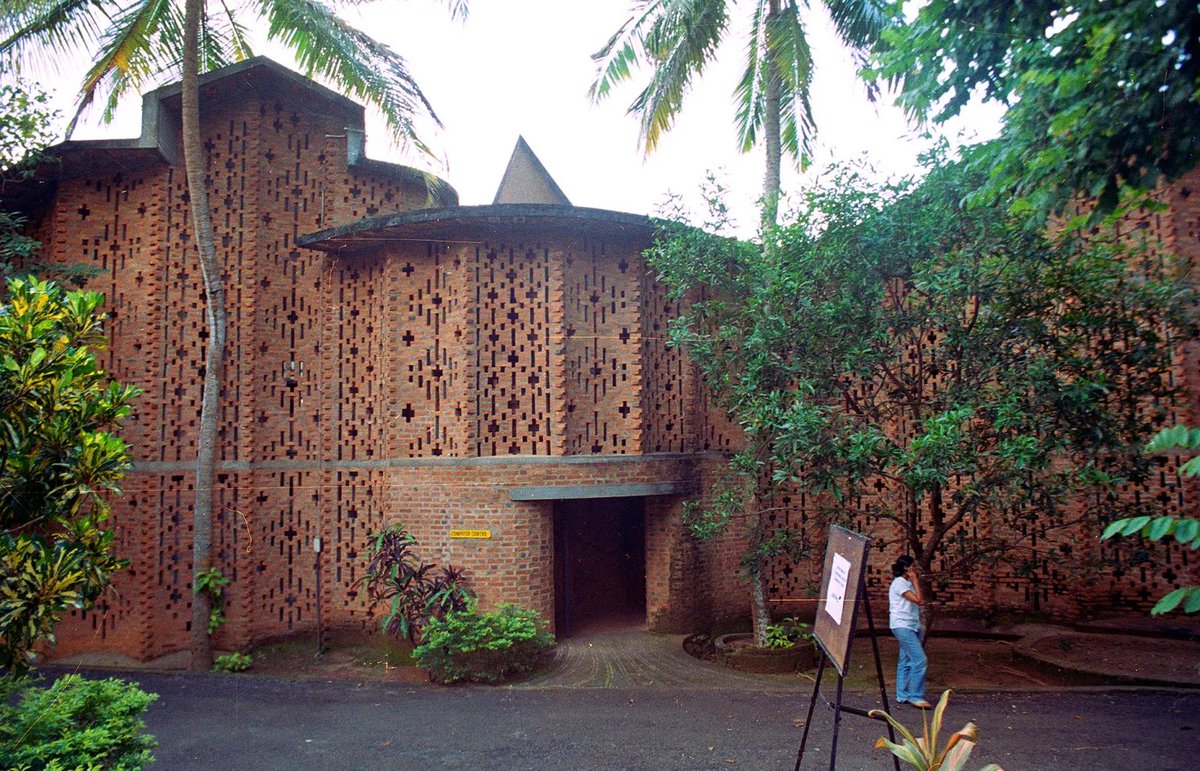
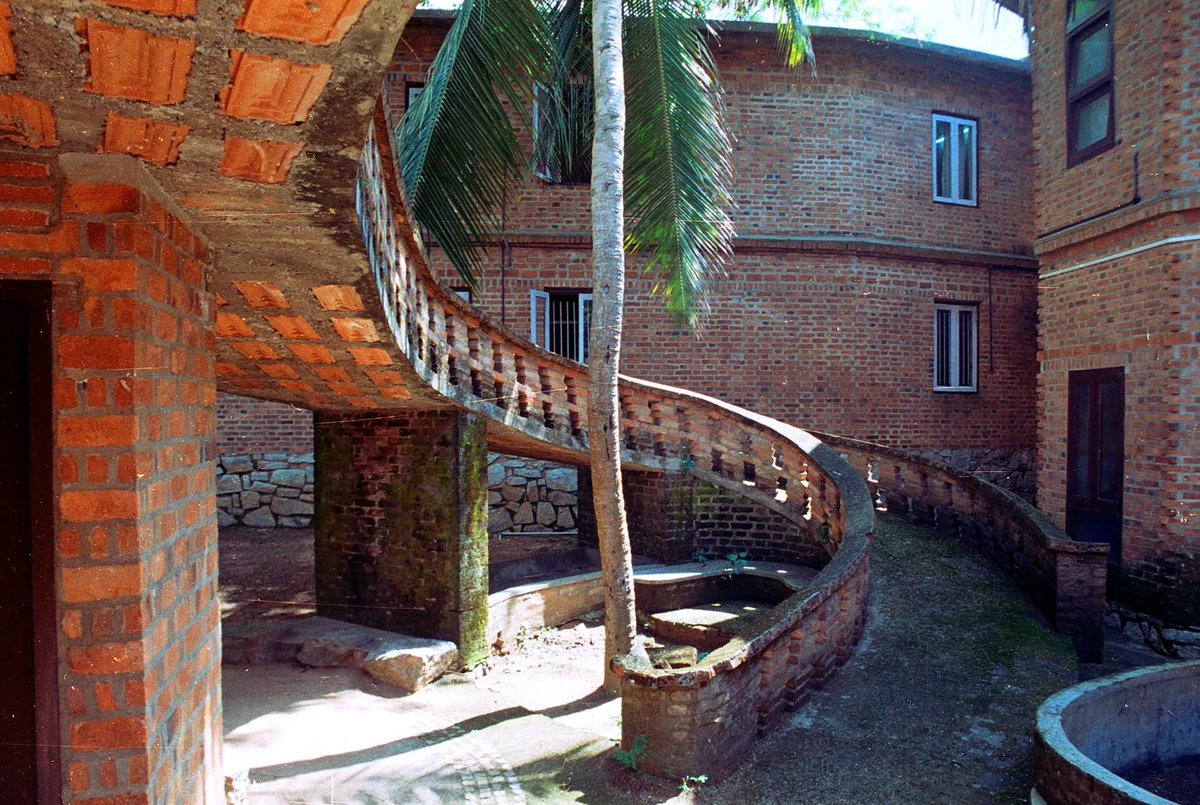
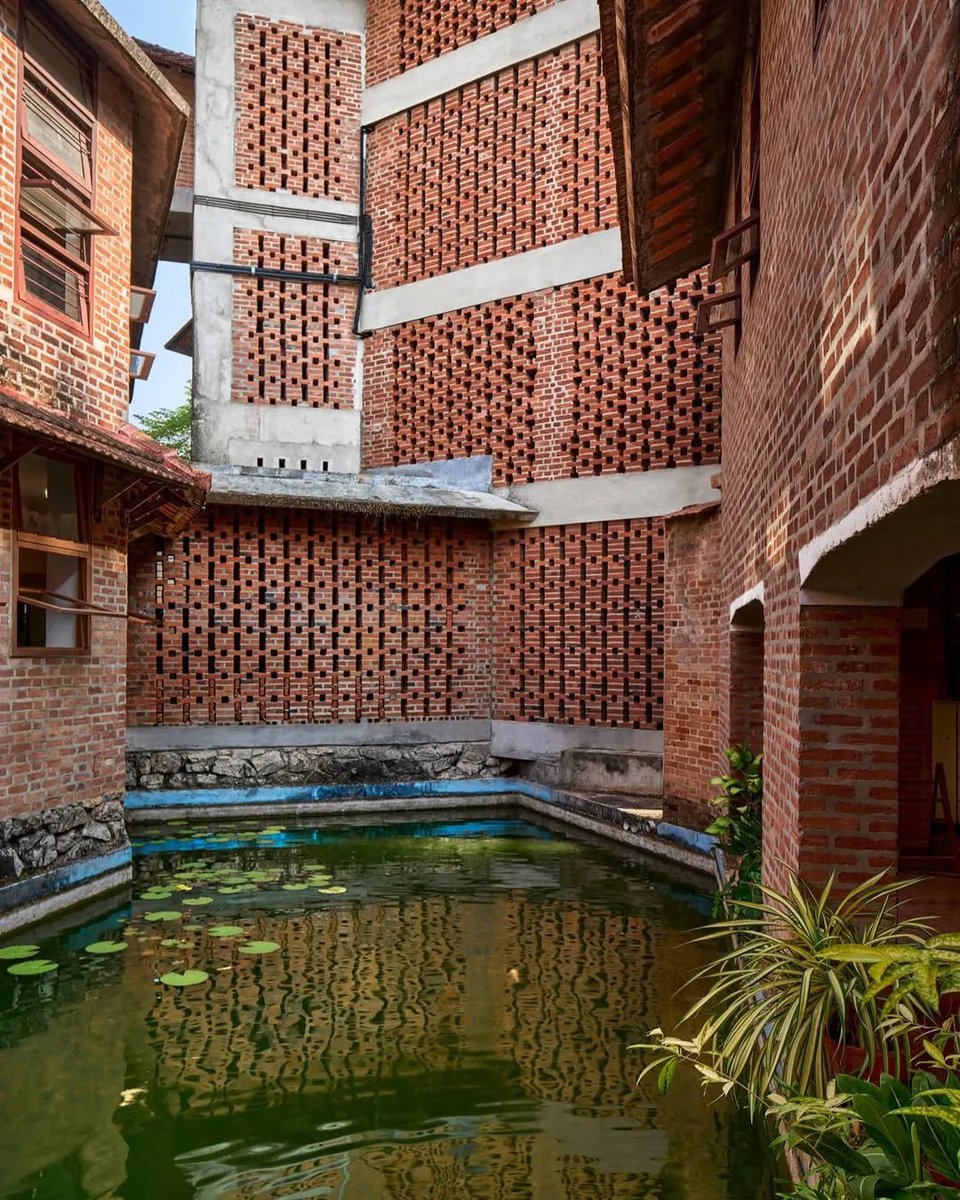
Laurie Baker was a British architect who moved to India, fell in love with brick, and spent his entire career being told he was wrong.
When he completed a cost-effective brick building in 1986, a government engineer publicly declared it would not last a year. His buildings from the 1970s are still standing. 
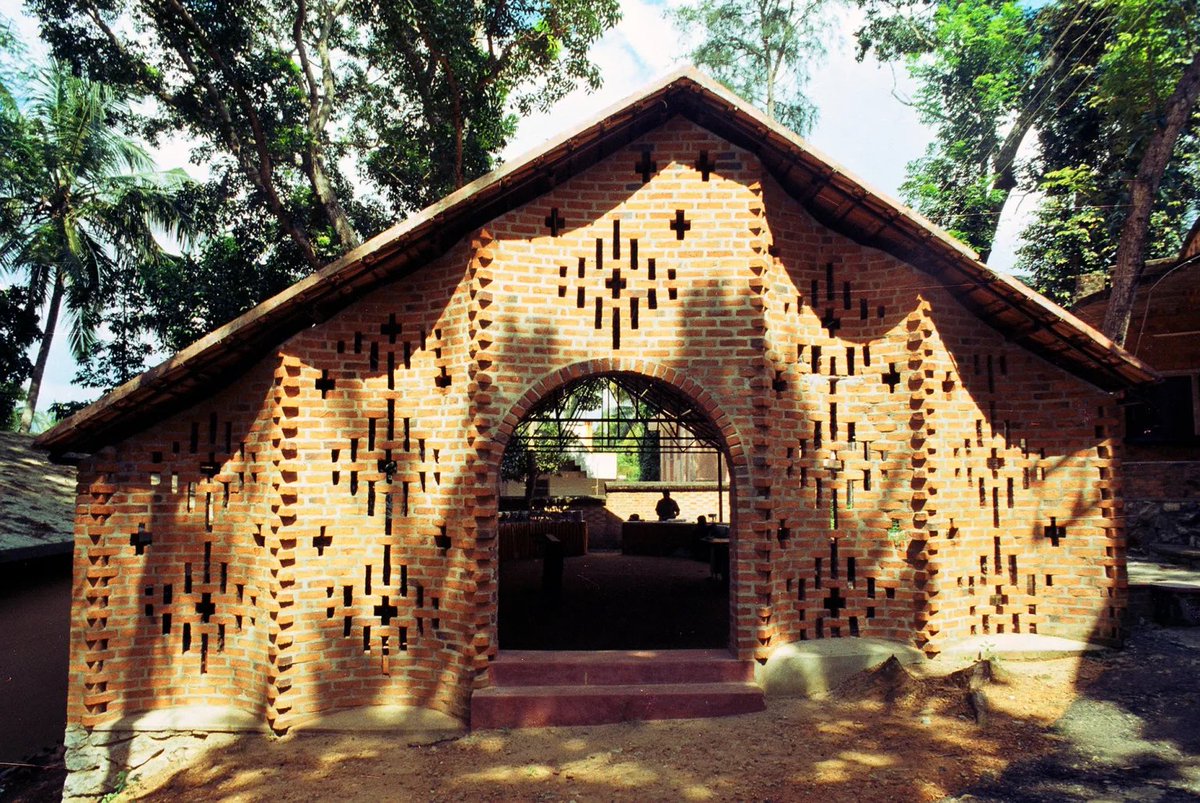
This is the Centre for Development Studies, Thiruvananthapuram, Kerala. Built in the early 1970s. Open courtyards, large windows and jali walls, intricate brickwork that enhances natural ventilation and lighting while maintaining privacy.  No plaster. No paint. Just brick laid with enough precision and variation that every wall has its own character.
Baker said it himself: “Bricks to me are like faces. All of them are made of burnt mud, but they vary slightly in shape and colour. I think these small variations give tremendous character to a wall made of thousands of bricks, so I never dream of covering such a unique and characterful creation with plaster, which is mainly dull and characterless.”
He became known as the Brick Master of Kerala.  His philosophy was simple. A stone should look like a stone. Brick should look like brick.
We cover ours in plaster and call it finished.
Laurie Baker | Centre for Development Studies, Thiruvananthapuram, Kerala 🇮🇳 | 11,000 m² | 1970s
12
144
707
25,207
GovTech Research retweeted

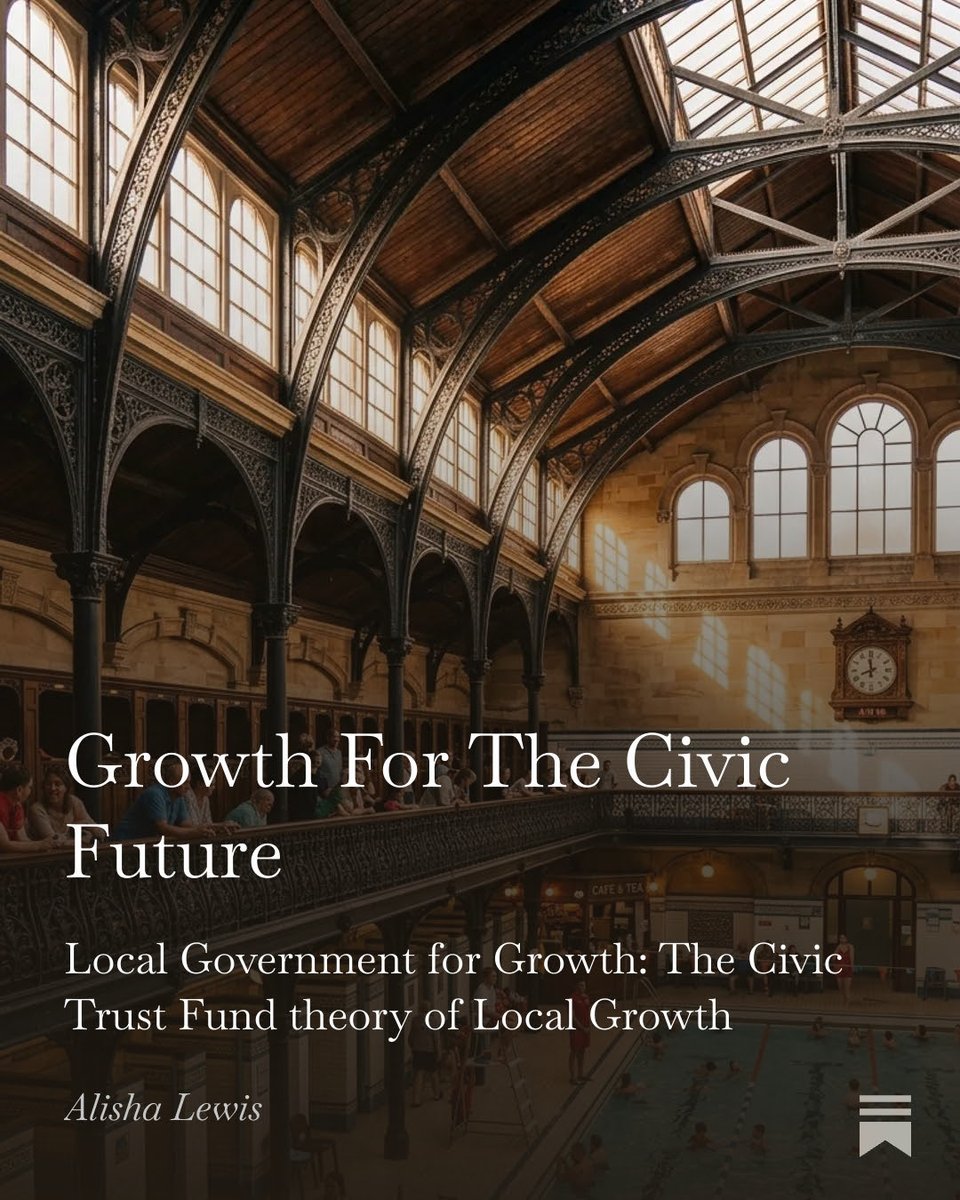
The Victorians built the swimming pools. The postwar generation built the youth clubs. Nobody built the endowment. We’ve spent 150 years spending down the inheritance.
Here’s how we never do that ever again.
Local Government For Growth: The Civic Trust Fund Model
📖⬇️
3
14
55
11,664
GovTech Research retweeted

Jun 12
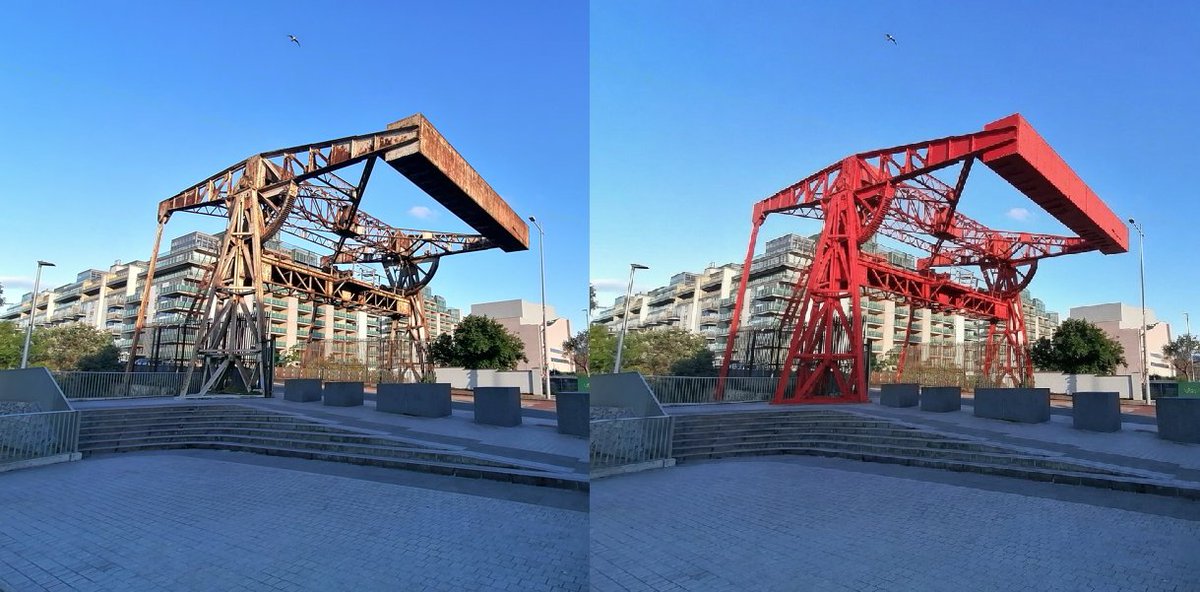
Dublin's 1941 Sheriff Street Lifting Bridge is rusting at Spencer Dock. Surely it's worth a lick of paint? 👨🎨🎨
#Dublin #Ireland #Heritage #HeritageAtRisk
Below is a webpage I built to highlight dereliction in Ireland, propose solutions, and showcase heritage buildings and structures at risk.
📍 Survey Research Details:
derelictsites.com/Not-on-RPS…
9
12
109
7,276
GovTech Research retweeted
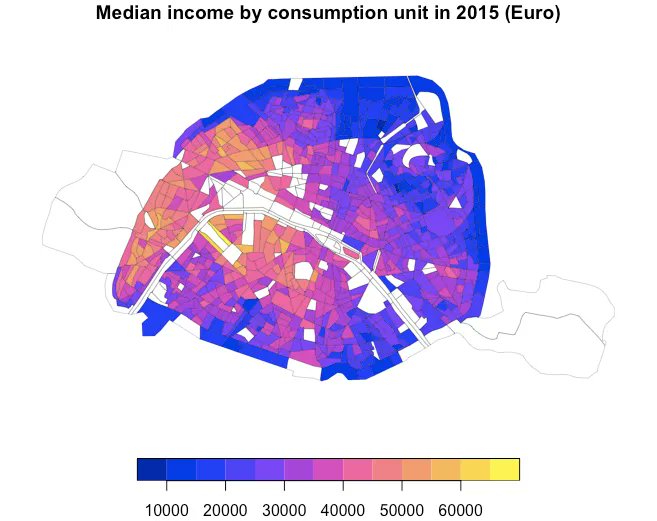
A Parisian blogger living in the US noticed that American urban neighborhoods often sort into very rich and very poor areas, while Paris appears to have smoother income gradients. His map raises the larger question of how much does housing typology shape the income distribution of a city?
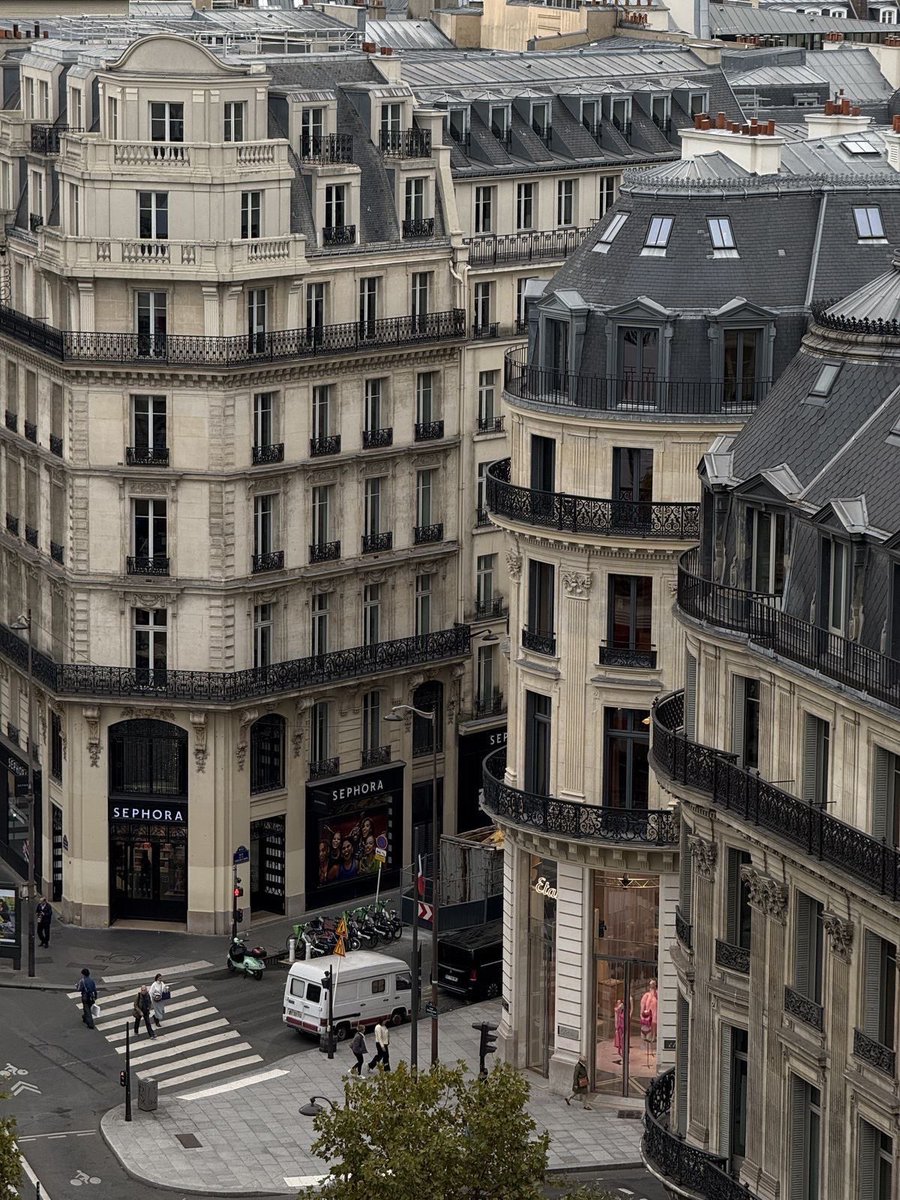

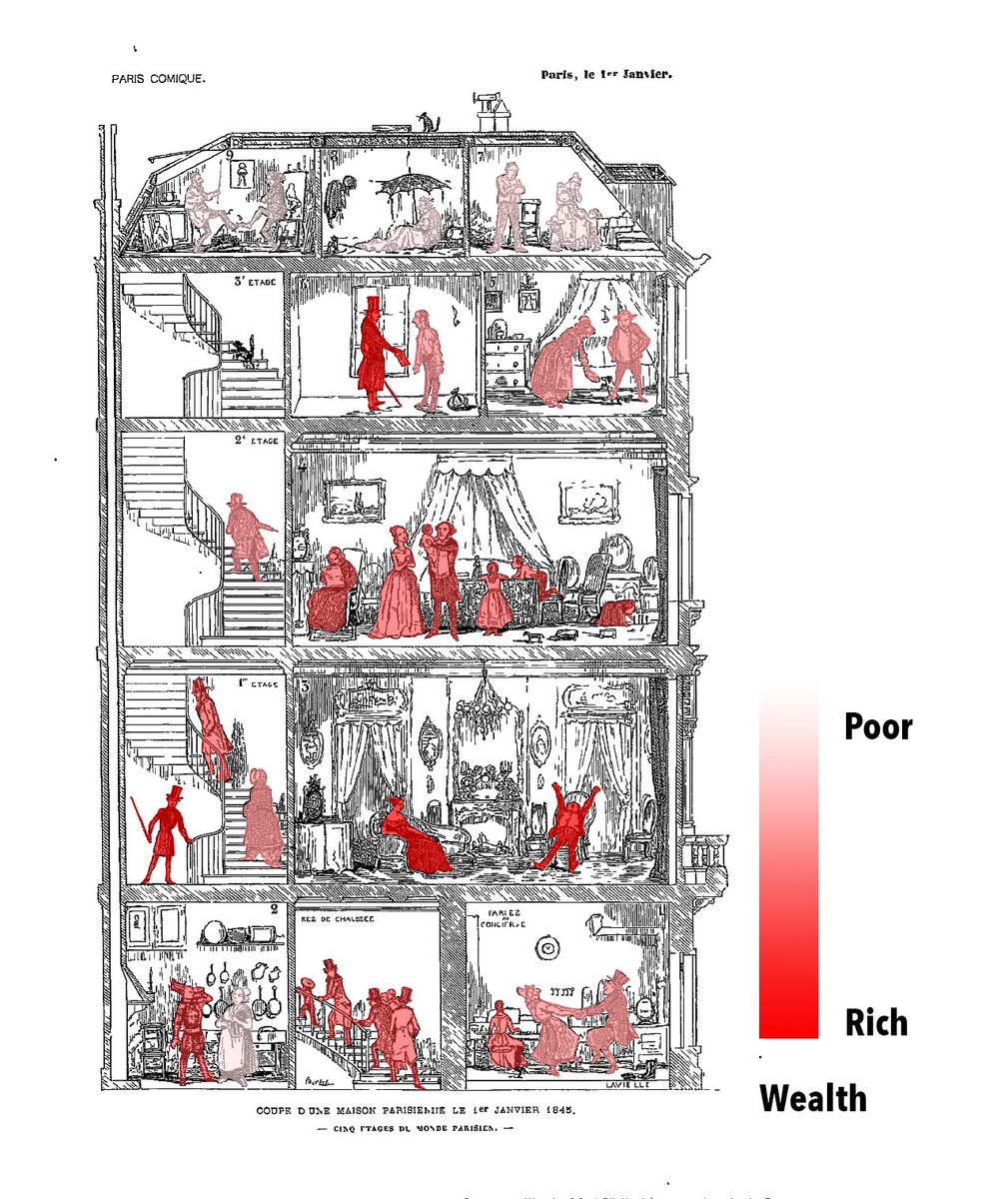
the"mixed-income" apartment building goes back to ancient Rome, but it was also a noted feature of the Haussmannian apartment building. In the absence of elevators, and with commercial on ground floor, the first floor was for the wealthy, with units becoming more affordable as you climbed up the stairs ...
9
23
218
22,471
GovTech Research retweeted
Jun 12
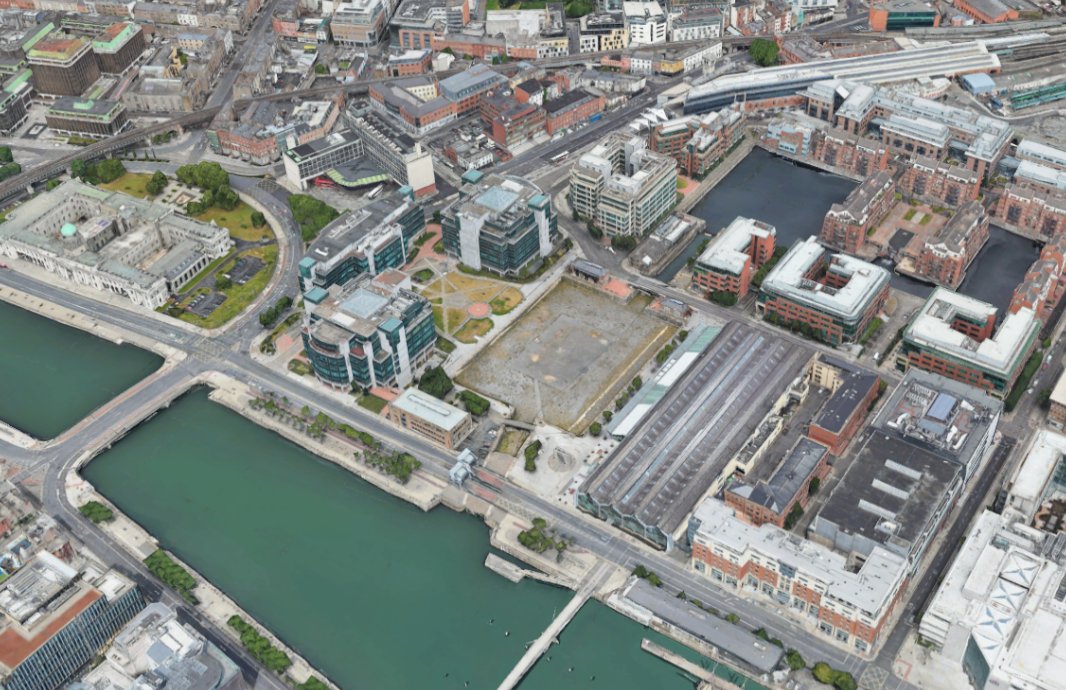
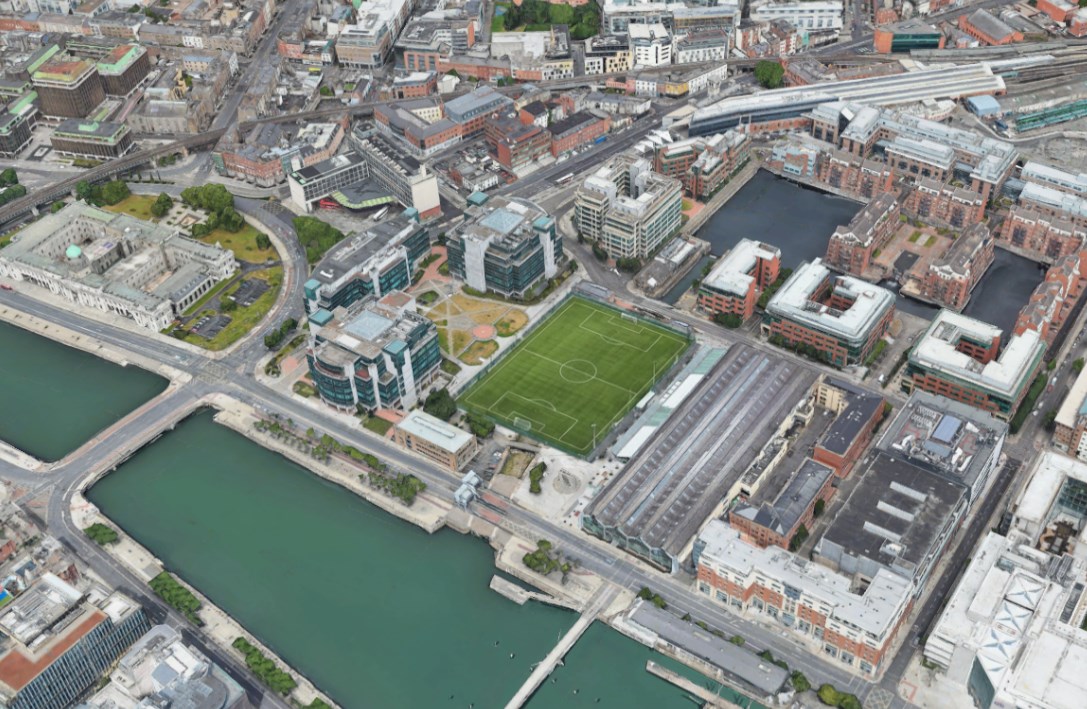
From drained dock to dream pitch. George’s Dock has sat empty for years in the heart of Dublin 1, beside the richest square mile in Ireland and one of its most deprived communities. Give kids a place to play.
George’s Dock is an early-19th-century stone wet dock in Dublin’s Docklands, designed by engineer John Rennie and opened in 1821 as part of the Custom House Docks complex. It is a protected structure, valued for its Georgian maritime engineering and masonry. Today, the dock is drained, partly infilled, and largely disused, serving mainly as an occasional outdoor events space
Below is a webpage I built to highlight dereliction in Ireland, propose solutions, and showcase heritage buildings and structures at risk.
📍 Survey Research Details:
derelictsites.com/3173-Georg…
#Dublin #Ireland #Heritage #HeritageAtRisk
#BuiltHeritage
14
11
119
23,806
GovTech Research retweeted

Jun 13
Today the Forest City project is taking another step to repair Britain’s broken social contract by kicking-off our 4-bed housing challenge.
Is it possible to build a beautiful, stone-faced, generously proportioned, 4-bedroom terraced house at a cost of no more than £250k? Right now, a similarly sized new house on the outskirts of Cambridge will cost a prospective couple at least £600k. Buying a similar sized old home in the centre of the city costs well over £1m. It’s no different in many places in the South.
That’s a disgusting joke; completely out of reach without massive help from parents or mortgaging yourself to the hilt. We refuse to be enslaved to debt any longer.
That’s why we’re using technology and talent to show everyone that you can indeed create something amazing that doesn’t cost a king’s ransom.
Working with two time Sterling Prize-nominated architect, Amin Taha, and architect turned robotics entrepreneur, @GillesRetsin, we are creating the home for the 22nd century using robots that can build the shell of a house in 12hrs. We will change the economic prospects for hundreds of thousands of young working Brits and hope to display the home in Cambridge very soon. You can read more about it in the House & Home section of this weekend’s @FT.
3
10
60
16,065
GovTech Research retweeted

The Dutch mobility system isn't just built around cycling.
It's built around bike-train intermodality: the bike solves the train's convenience problem and the train solves the bike's range problem. Together they offer an attractive alternative to driving: youtu.be/jq93DgLvmFc
34
188
746
39,096
GovTech Research retweeted

Jun 13
“The British government is set to unveil a new Cycling & Walking Investment Strategy directing £4.5 billion toward active transportation over the next 5 years. The plan includes the construction of 5k new walking, cycling & wheeling routes & 10k safer crossings by 2030.” Via @MomentumMag momentummag.com/uk-commits-8…
7
31
92
3,016
GovTech Research retweeted

I had a lot of Fable tokens to use up before my weekly reset, so I made this live 3D map of London with Three.js
Every train, bus, boat and plane is real and live right now!
- Tube, bus and riverboat data from TfL
- National Rail trains from Darwin live departure boards
- ADS-B for planes and helicopters
- AIS feed for boats and ships
- Map data from Overture and OpenStreetMap
Trains and buses have no GPS feed, so their positions are inferred from arrival countdowns and departure boards, then animated along the track/route geometry
67
132
2,062
176,617