
Head of the of the Research Area China-Taiwan Relations/Director of the Taiwan studies project UZH. Interests: Chinese Politics, Taiwan, Cross-Strait Relations
Joined March 2020
- Tweets 1,478
- Following 720
- Followers 953
- Likes 1,547
48 Photos and videos

Pinned Tweet

30 Sep 2025
Thrilled to share my new co-edited volume (w/ @chunyilee1): Changing Dynamics in Geopolitics: Implications for Taiwan 🌏🇹🇼
On Cross-Strait tensions, China–US rivalry & Taiwan’s future in the Indo-Pacific.
👉 link.springer.com/book/10.10…
#Taiwan #Geopolitics
@UniofNottingham
1
2
4
311
Simona Alba Grano retweeted

Jun 14
Bis zum 18. Juni können Sie sich noch zur Buchvorstellung am Montag, den 22. Juni in Berlin anmelden. Die Taipeh Vertretung in der BRD, die Deutsch-Taiwanische Gesellschaft (DTG) sowie die Junge Taiwan Initiative der DTG laden gemeinsam ein.
deutsch-taiwanische-gesellsc…
3
11
23
983
Simona Alba Grano retweeted

Jun 12
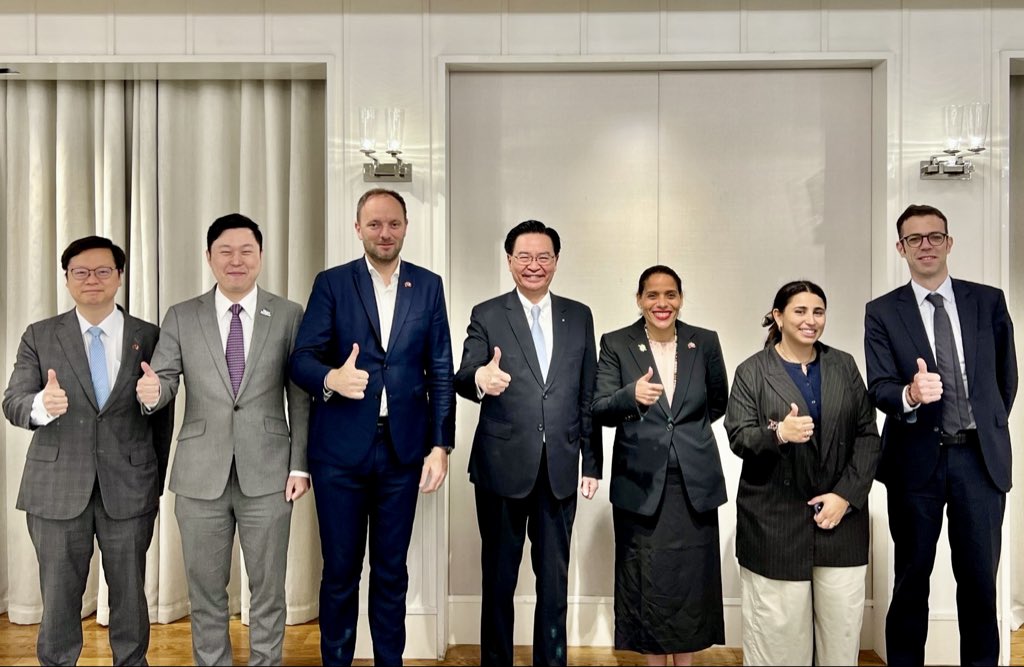
Sincere appreciation to the French @AssembleeNat delegation led by @DeputeeEstelle. The #Taiwan🇹🇼-#France partnership, rooted in shared values, is strong & mutually beneficial.
10
17
114
2,806
Simona Alba Grano retweeted

Jun 14
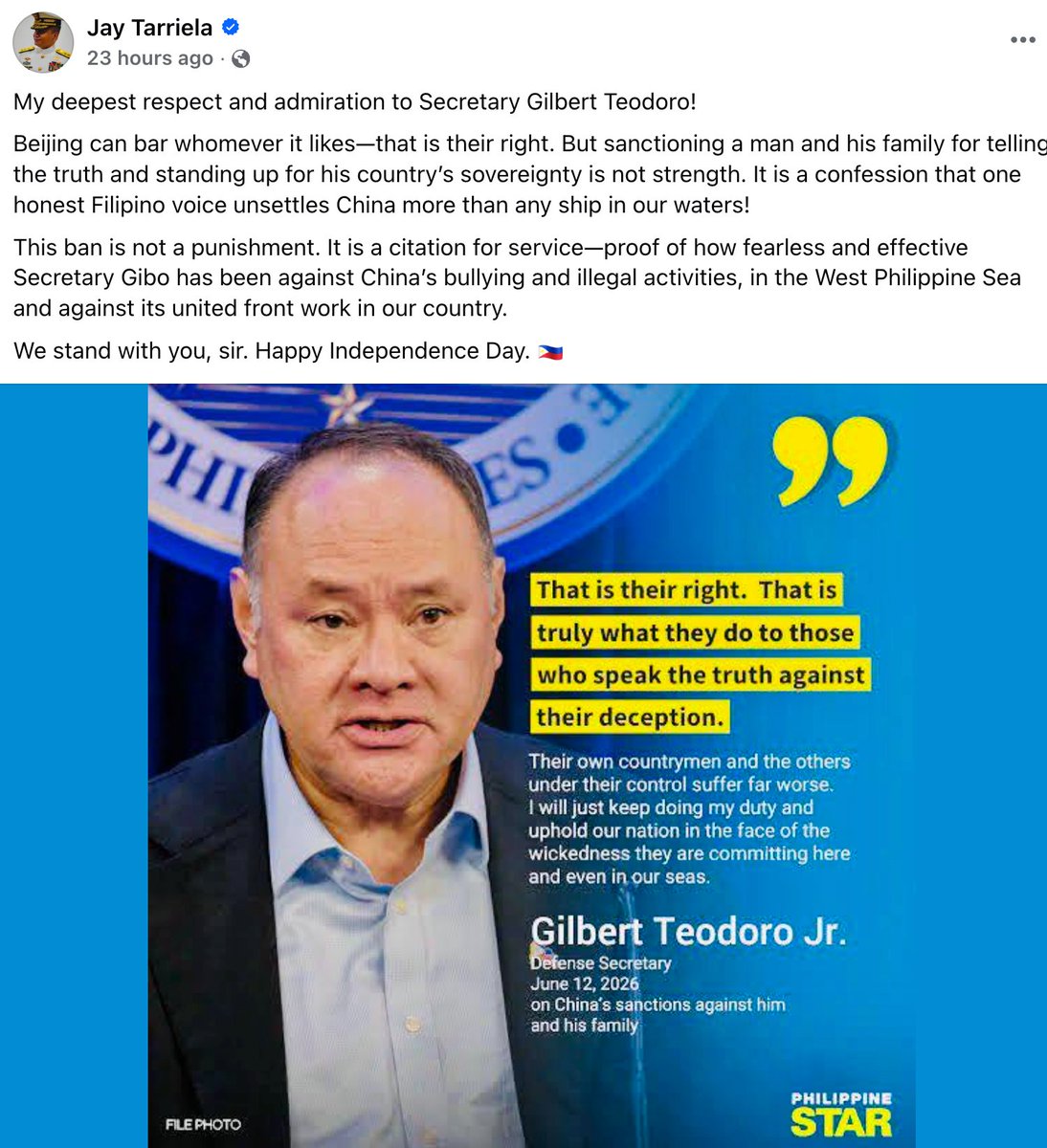
Mr. Guo Wei should remember where he stands. He resides here as a guest in the Philippines, yet has the audacity to say our Defense Secretary deserves to “ultimately pay the price” for defending our own country.
Secretary Teodoro has only upheld the rights of the Filipino people in our own waters — affirmed by the 2016 Arbitral Award that China refuses to honor.
Mr. Guo says “people are known by the company they keep.” We agree — so look closely at who fires water cannons at our boats and rams our ships, then blames the nation defending against it.

The Ministry of Foreign Affairs of China has announced its decision to impose sanctions on Philippine Defense Secretary Gilberto Teodoro Jr. and his immediate family members.
As the saying goes, people are known by the company they keep. Those who undermine China's legitimate rights and interests, damage the development of China–Philippines relations, and jeopardize regional peace and stability will ultimately pay the price for their actions.
——Deputy Spokesperson of the Chinese Embassy Guo Wei
76
188
659
22,271
Simona Alba Grano retweeted

Jun 13
While KMT chair Cheng Li-wun is touring the US, her deputy is in China, speaking at a united front event about the need to make Taiwan China again

Kuomintang (KMT) Vice Chairman Chang Jung‑kung's (張榮恭) argument at a forum in China that shared heritage be used to boost cross-Taiwan Strait ties has been criticized by the Mainland Affairs Council (MAC) for echoing Beijing's narrative. focustaiwan.tw/politics/2026…
6
30
75
6,438
Simona Alba Grano retweeted

Sinologists like Hans van Ess are a dream come true for the Chinese party state.

Auf dem Parallelforum der zweiten Weltkonferenz für Klassische Studien in #Athen erklärte Hans van Ess, #Sinologe an der Ludwig-Maximilians-Universität #München, dass viele Menschen im Westen #China mit #Angst betrachteten. Diese Reaktion sei jedoch falsch.
„Es ist viel gefährlicher, die eigenen Fehler nicht zu erkennen“, sagte er. „Das ist auch eine sehr wichtige Botschaft, die klassische Texte vermitteln können: #Harmonie und #Zusammenarbeit sind für die Menschen von großer Bedeutung, und Angst ist möglicherweise kein guter Ratgeber für unser Verhalten.“
3
5
7
2,043
Simona Alba Grano retweeted
Jun 12
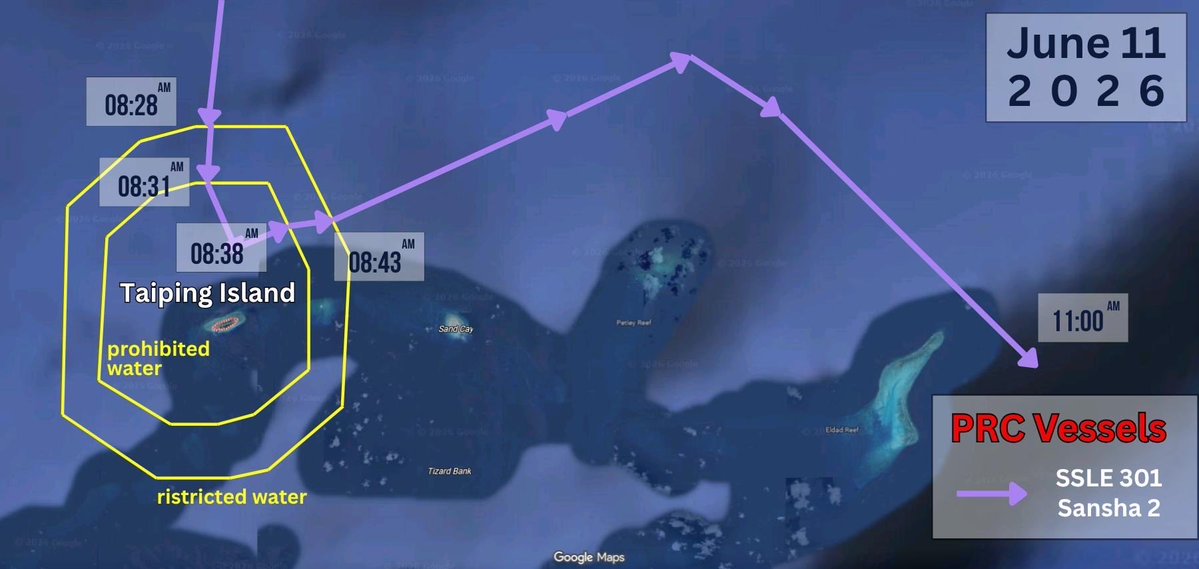
#China's CG deliberately intruded into the prohibited waters of #Taiwan🇹🇼’s Taiping Island (Itu Aba), using #Japan-#Philippine🇵🇭 delimitation talks as a pretext. But the JP-PH EEZ overlap is more than 1500 km away. What a shameless bully!
58
120
350
10,370
Simona Alba Grano retweeted

Jun 11
CCG vessels operate inside restricted waters around Taiping in the South China Sea. Another first by China, but fits a pattern of challenging Taiwan's sovereignty claims and administrative control. focustaiwan.tw/politics/2026…
32
23
69
7,646
Simona Alba Grano retweeted
Jun 9
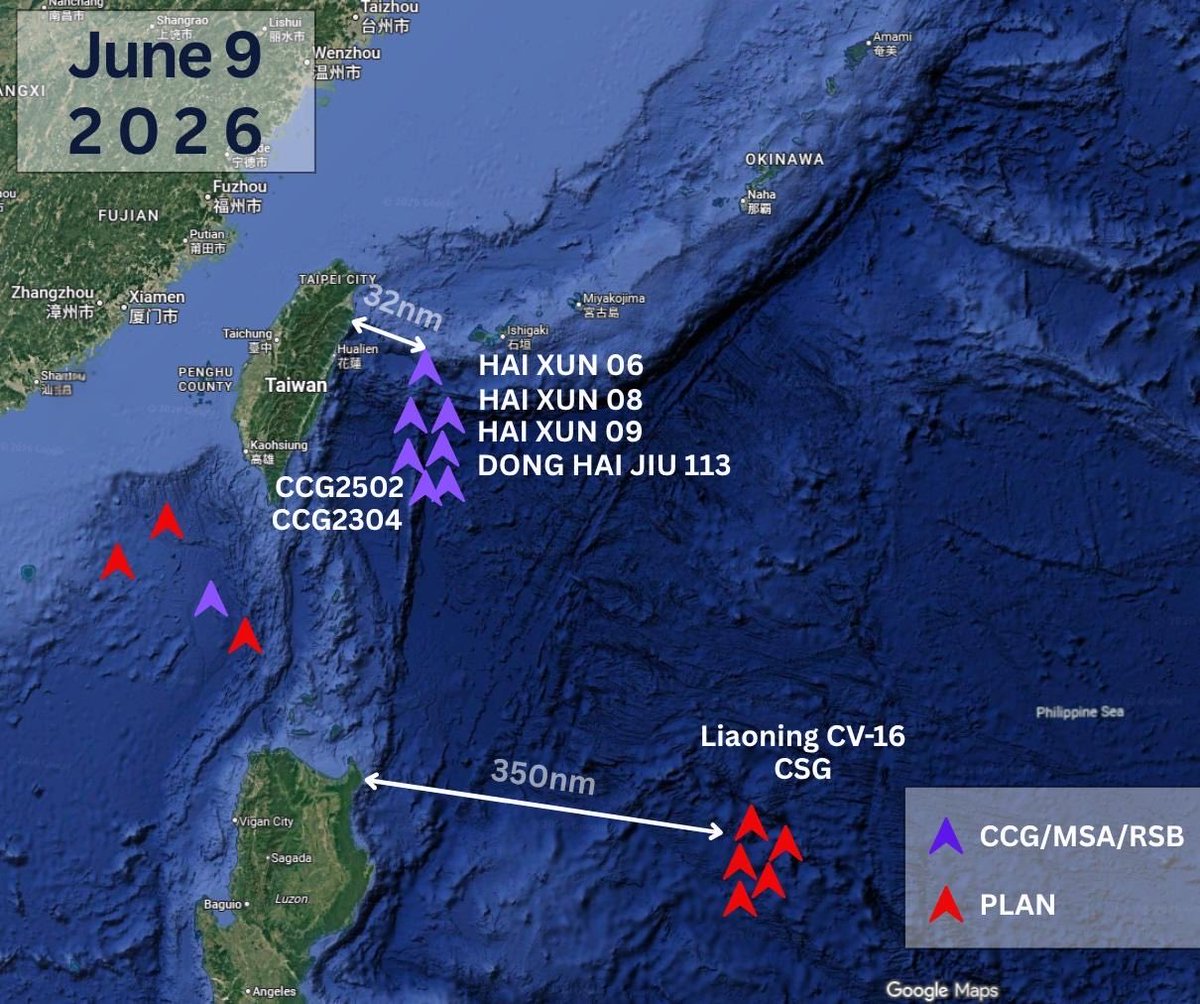
#China’s Hai Xun & CG vessels are harassing commercial ships in #Taiwan’s EEZ to fabricate a facade of #PRC jurisdiction. This expansionism is a major escalation of regional tension. We call on all commercial vessels in the area to ignore #CCG radio calls.
115
190
662
100,545
Simona Alba Grano retweeted
Jun 7
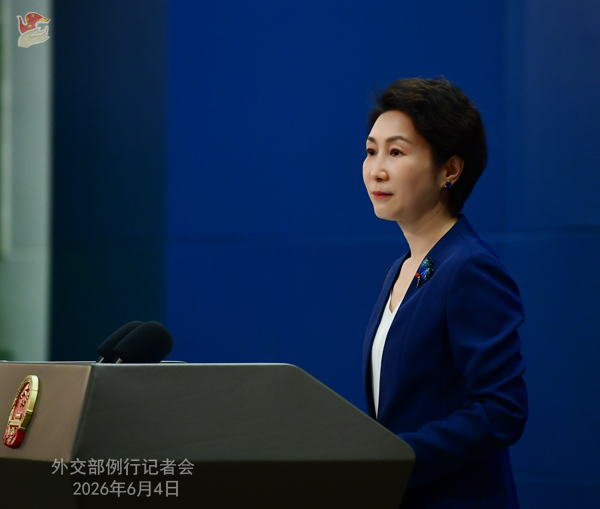
Der Bundestag hat im März eine China-Kommission eingesetzt. Beijing hat gerade klargemacht, dass Mitglieder, die Taiwan besuchen, 'den Preis zahlen' werden. Warum ist das keine Schlagzeile wert? 🧐
"Will China ban lawmakers from Germany and other countries that have visited Taiwan from entering China?
Mao Ning: Taiwan is part of China, and the one-China principle is a prevailing international consensus and a basic norm in international relations. Anyone who crosses the red line on the Taiwan question must pay the price."
un.china-mission.gov.cn/eng/…
9
53
115
11,215
Simona Alba Grano retweeted
Jun 4
Hong Kong was once a promise. The hope was that China would emulate it over time. But now autocracy has hollowed out Hong Kong’s former liberties. A real tragedy.
Jun 4

June 4: this woman was arrested for gesturing 6 and 4 in Causeway Bay, Hong Kong.
97
152
482
17,823
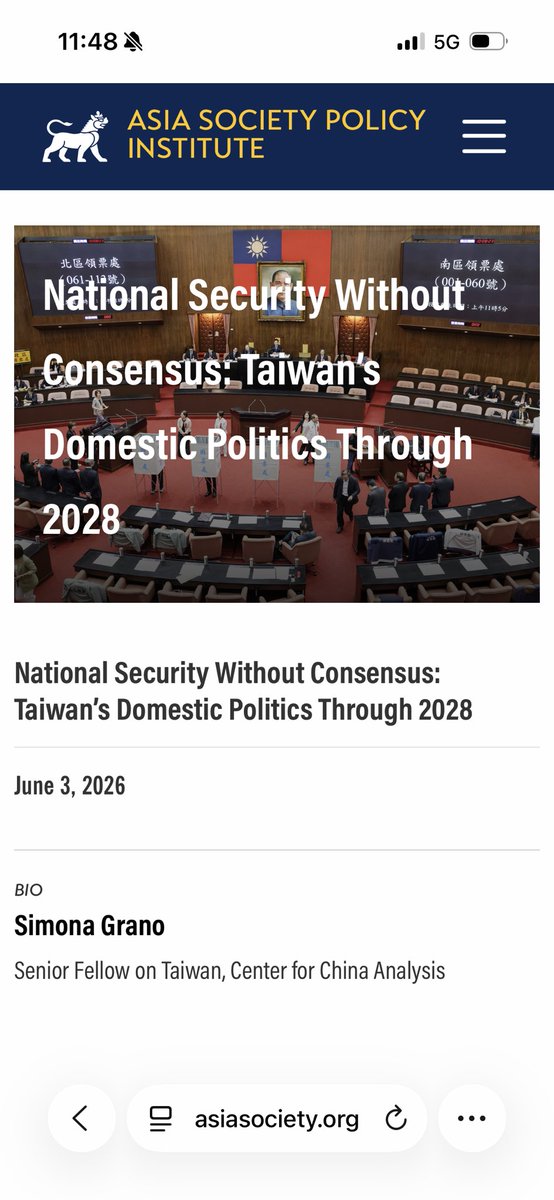
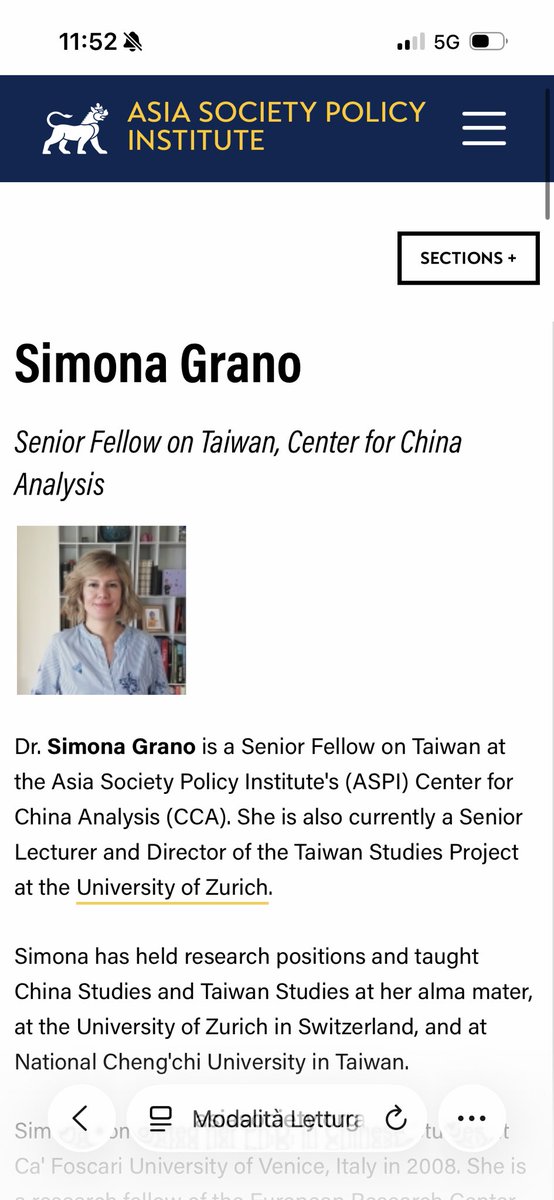
Pleased to share my latest paper: National Security Without Consensus: Taiwan’s Domestic Politics Through 2028. @LyleJMorris @AsiaPolicy
asiasociety.org/policy-insti…
3
8
1,552
Simona Alba Grano retweeted
Jun 1
Machen wir uns nichts vor. Beim Thema China wurden die Gewinne häufig privatisiert, während die strategischen Risiken kollektivisiert wurden. Daher soll sich aus Sicht der China-Lobby auch nichts an der deutschen Chinapolitik ändern #WissenOhneMut
May 29

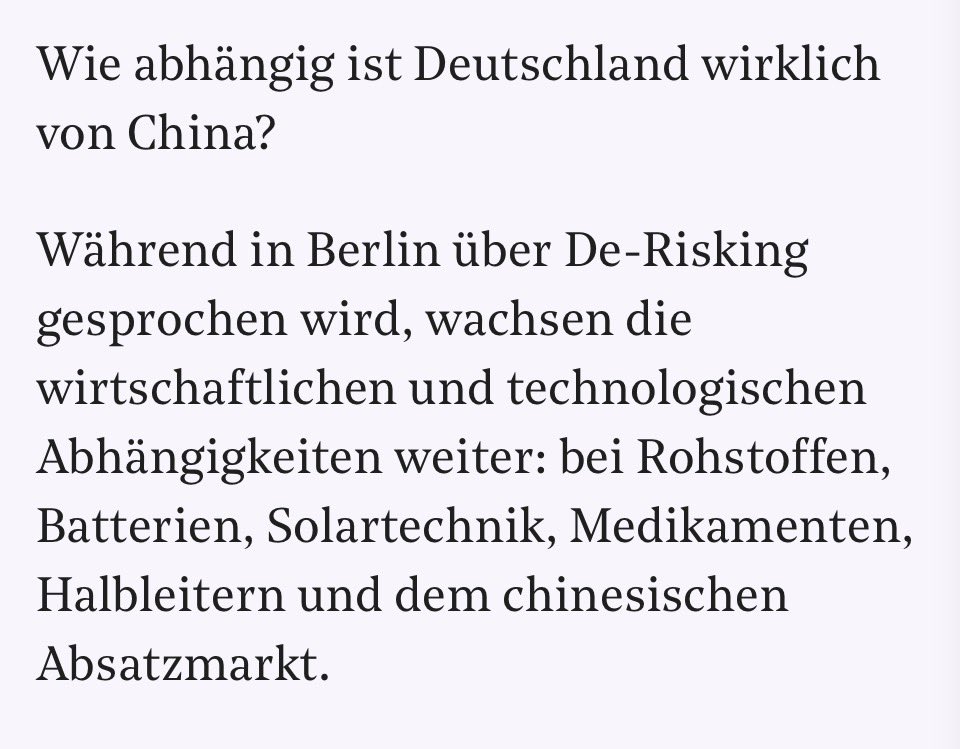
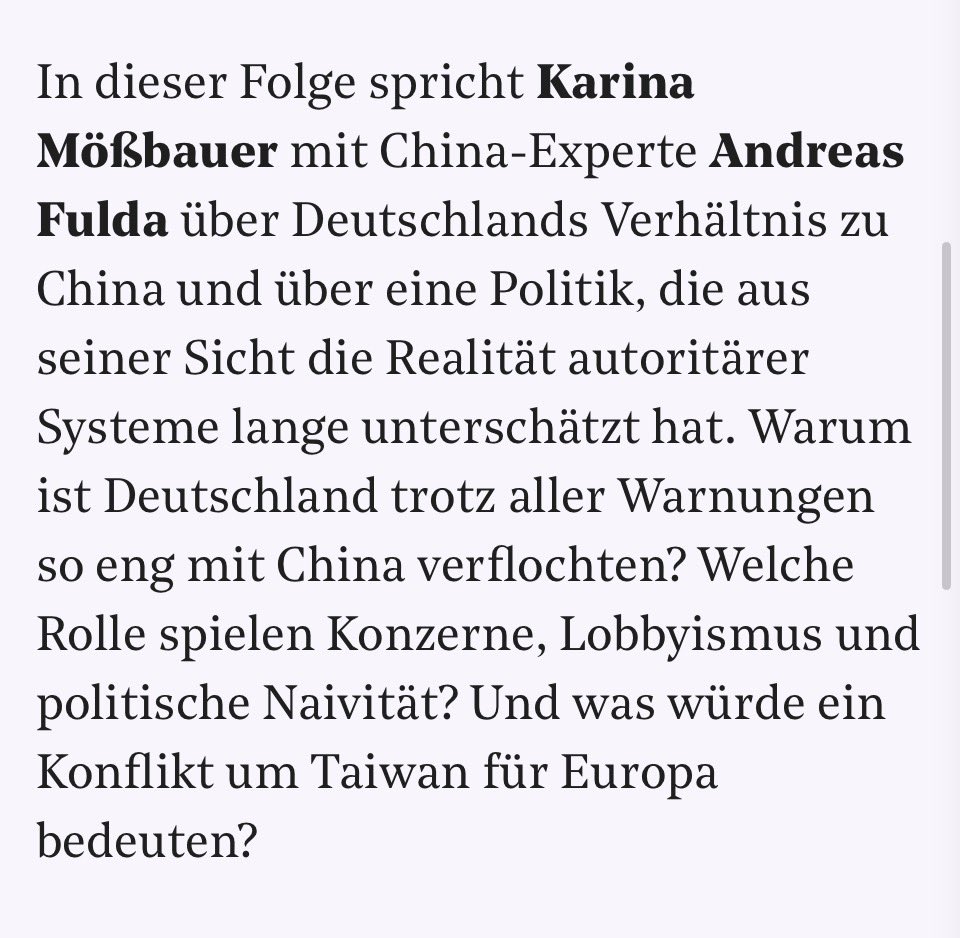
“Warum ist Deutschland trotz aller Warnungen so eng mit China verflochten? Welche Rolle spielen Konzerne, Lobbyismus und politische Naivität? Und was würde ein Konflikt um Taiwan für Europa bedeuten?” Podcast () thepioneer.de/originals/haup…

3
37
84
3,136
Simona Alba Grano retweeted
May 26
"Peking testet auf Taiwan, wie man eine Demokratie durch Unterwanderung zur Implosion bringen kann, ohne dass ein Schuss fällt." Exzellenter und alarmierender Artikel von Jürgen Kremb in @NZZ 🇨🇳🇹🇼nzz.ch/international/mit-ein…
13
87
163
6,134
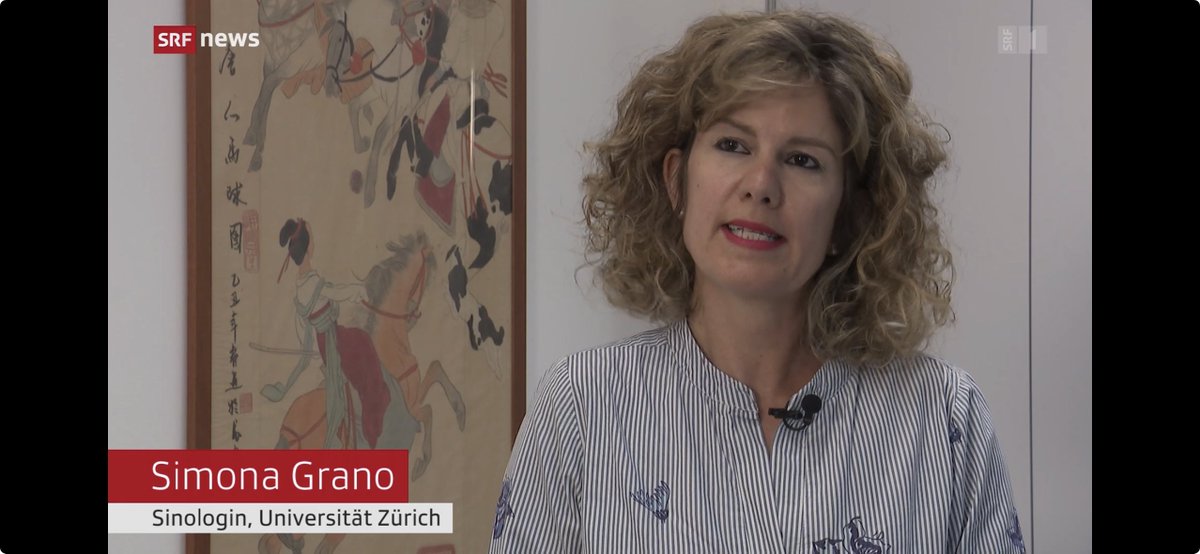
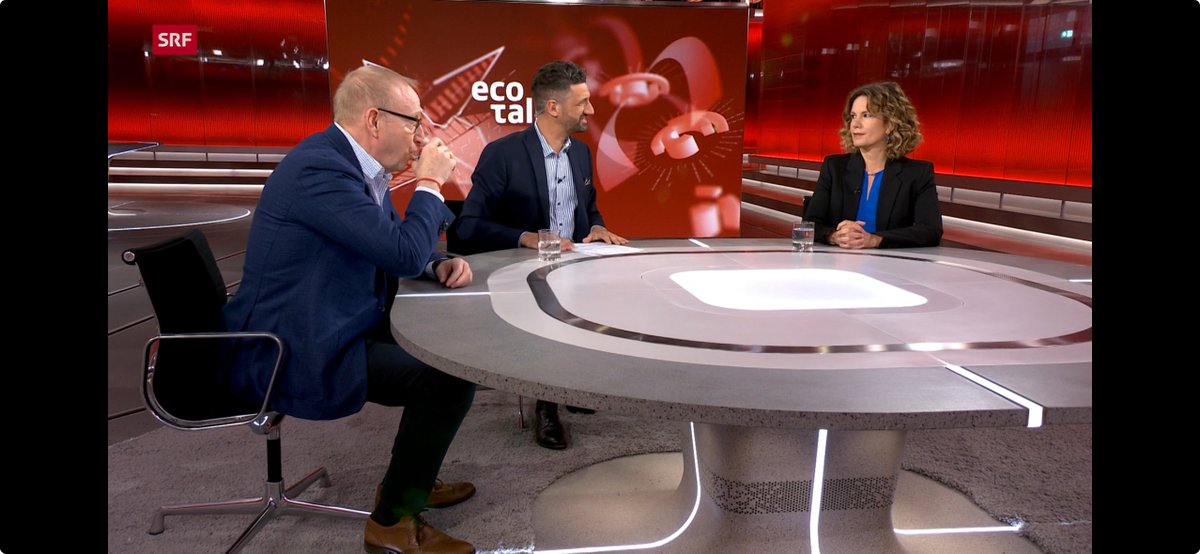
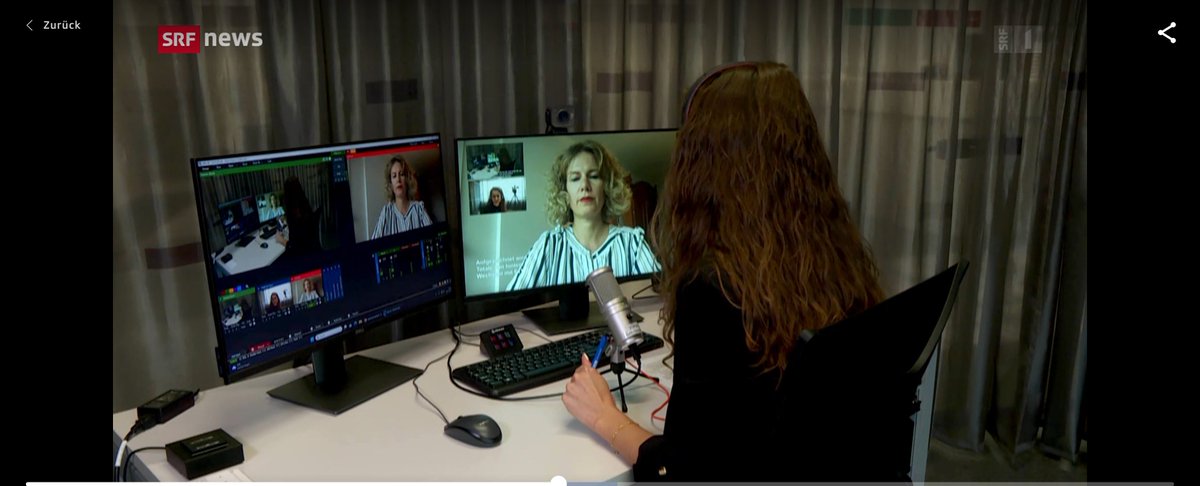
📺 Yesterday I was invited to speak on Swiss TV’s (SRF - Schweizer Radio und Fernsehen) hashtag#10vor10 about the increasingly strategic — and asymmetric — relationship between 🇨🇳 China and 🇷🇺 Russia.
srf.ch/play/tv/-/video/-?urn…
1
28
Geteilt über Blick
Ahead of the #Trump–Xi summit in #china , the key question was: what geopolitical “trap” could Trump fall into?Today we already have part of the answer.The real test now is what Trump does next on Taiwan,especially arms sales & rhetoric
blick.ch/life/wissen/podcast…
1
75
Simona Alba Grano retweeted

Beijing needs to do more than take Taiwan; it needs to govern it as well, a task that its own scholars admit will be a fraught, decades-long. A research paper with Jude Blanchette of @RANDCorporation lowyinstitute.org/publicatio…
8
31
80
9,496
Simona Alba Grano retweeted
May 11
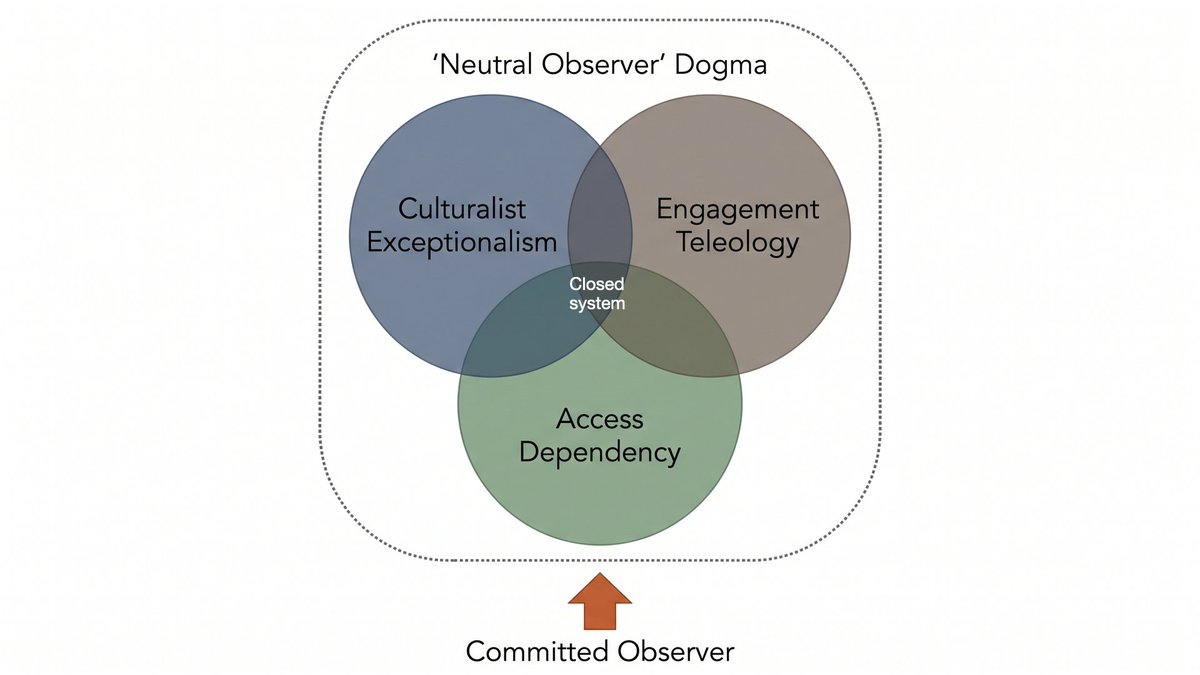
𝐖𝐞𝐬𝐭𝐞𝐫𝐧 𝐚𝐜𝐜𝐞𝐬𝐬 𝐒𝐢𝐧𝐨𝐥𝐨𝐠𝐢𝐬𝐭𝐬 𝐚𝐧𝐝 𝐜𝐨𝐫𝐩𝐨𝐫𝐚𝐭𝐞 𝐞𝐥𝐢𝐭𝐞𝐬 𝐰𝐢𝐭𝐡 𝐂𝐡𝐢𝐧𝐚 𝐩𝐨𝐫𝐭𝐟𝐨𝐥𝐢𝐨𝐬 𝐨𝐟𝐭𝐞𝐧 𝐝𝐞𝐩𝐥𝐨𝐲 𝐭𝐡𝐞 𝐟𝐨𝐥𝐥𝐨𝐰𝐢𝐧𝐠 𝐝𝐢𝐬𝐜𝐮𝐫𝐬𝐢𝐯𝐞 𝐬𝐭𝐫𝐚𝐭𝐞𝐠𝐢𝐞𝐬 𝐭𝐨 𝐩𝐫𝐞𝐯𝐞𝐧𝐭 𝐚 𝐜𝐫𝐢𝐭𝐢𝐜𝐚𝐥 𝐞𝐱𝐚𝐦𝐢𝐧𝐚𝐭𝐢𝐨𝐧 𝐨𝐟 𝐭𝐡𝐞𝐢𝐫 𝐜𝐥𝐨𝐬𝐞 𝐩𝐫𝐨𝐱𝐢𝐦𝐢𝐭𝐲 𝐭𝐨 𝐂𝐡𝐢𝐧𝐚’𝐬 𝐩𝐚𝐫𝐭𝐲-𝐬𝐭𝐚𝐭𝐞. 𝐇𝐞𝐫𝐞 𝐢𝐬 𝐡𝐨𝐰 𝐭𝐨 𝐝𝐞𝐜𝐨𝐝𝐞 𝐭𝐡𝐞𝐬𝐞 𝐬𝐭𝐫𝐚𝐭𝐞𝐠𝐢𝐞𝐬 𝐚𝐧𝐝 𝐩𝐢𝐞𝐫𝐜𝐞 𝐭𝐡𝐞𝐢𝐫 𝐜𝐥𝐨𝐬𝐞𝐝 𝐬𝐲𝐬𝐭𝐞𝐦.
Cultural Exceptionalism: In line with the Chinese Communist Party’s distorted historiography (eg ‘century of humiliation’) and selective reading of Chinese traditions (eg ‘Confucianism’) China is framed as fundamentally “different” to the West. This serves to make universal concepts like human rights, rule of law, or constitutionalism appear inapplicable.
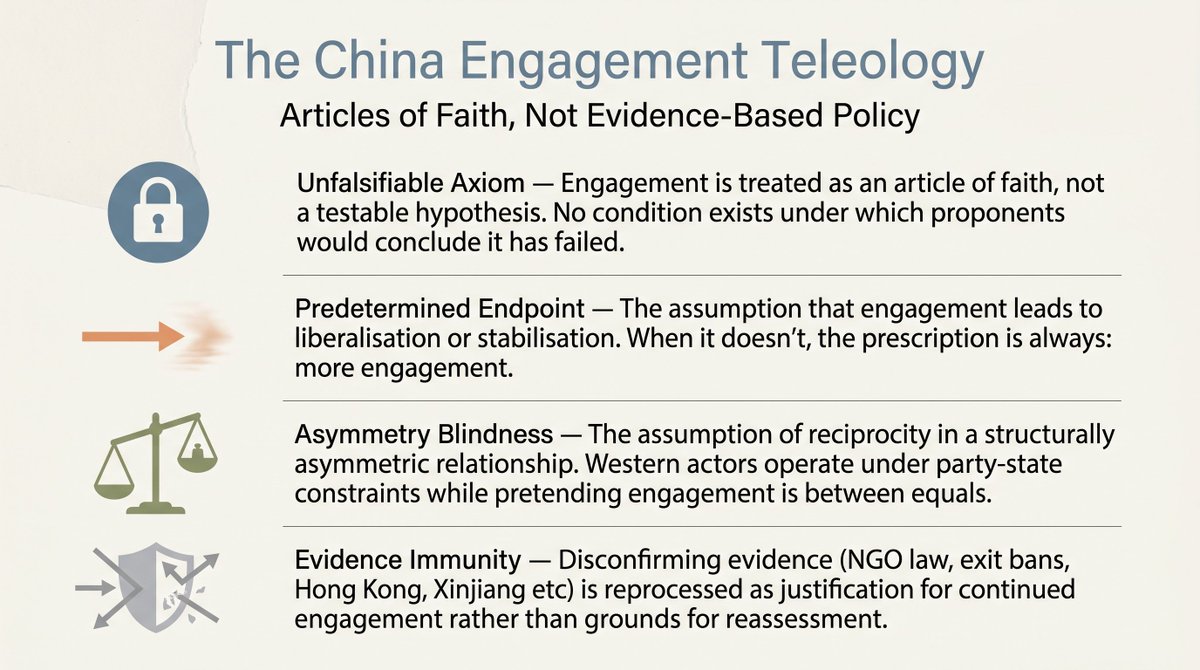
Engagement Teleology: China engagement becomes an article of faith rather than a testable hypothesis. When engagement disappoints, the answer is… more engagement. This is the sunk-cost fallacy: past investments of time and capital are used to justify doubling down rather than reassessing. Structural asymmetries and co-optation risks in existing partnerships are deliberately downplayed.
Access Dependency: The compromises and trade-offs necessary for fieldwork access (academia) or market access (business) are not articulated. Speech codes of the Chinese Communist Party are adhered to, individual and organisational self-censorship is practiced.
When these strategies fail, a fall-back is the dogma of the 'neutral observer.' Drawing on a misreading of Weber's value neutrality principle, standing up for universal values is discredited as 'unprofessional' or ‘unscientific.' The result is a closed system, where Western access Sinologists and corporate elites with China portfolios claim to be in a superior position when it comes to commenting on current Chinese affairs. In reality, however, their claims often mask analytical blind spots, institutional complacency, or outright complicity.
Quo vadis?
For a more transparent and accountable western discourse about China we need to understand that the Chinese Communist Party (CCP) is a formidable intellectual and political challenge. By confusing, neutralising or coopting western elites the CCP makes it very hard to have an open-ended, critical and evidence-based discourse about China.
But there is a remedy at hand. The ideal of the ‘committed observer’ allows us to be both critical of China’s political regime whilst remaining empathetic towards Chinese culture and society. A ‘committed observer’ serves as China’s real friend (诤友), not fake friend. This attitude is more likely to serve both China and the West better, as it is grounded in reality, not make-believe.
If this sounds overly direct, that may itself be part of the problem this post is trying to describe.
Which of these patterns have you encountered in your own work — and how do you navigate them?
8
21
47
5,831
Simona Alba Grano retweeted
May 9
Taiwan is not for Trump to trade away. economist.com/briefing/2026/…
78
73
244
26,875
Simona Alba Grano retweeted
May 9
𝐖𝐞 𝐧𝐞𝐞𝐝 𝐭𝐨 𝐡𝐚𝐯𝐞 𝐚 𝐦𝐨𝐫𝐞 𝐡𝐨𝐧𝐞𝐬𝐭 𝐜𝐨𝐧𝐯𝐞𝐫𝐬𝐚𝐭𝐢𝐨𝐧 𝐚𝐛𝐨𝐮𝐭 𝐰𝐞𝐬𝐭𝐞𝐫𝐧 𝐞𝐥𝐢𝐭𝐞 𝐚𝐭𝐭𝐢𝐭𝐮𝐝𝐞𝐬 𝐭𝐨𝐰𝐚𝐫𝐝𝐬 𝐚𝐮𝐭𝐨𝐜𝐫𝐚𝐭𝐢𝐜 𝐂𝐡𝐢𝐧𝐚.
I am often asked whether German elites are naive in their dealings with China. In a recent Spiegel interview I was asked whether politicians lacked knowledge about China. I responded that it is not knowledge that is lacking, but courage [1].
This insight matters. There are many people who are in the know. They fully understand that the Chinese Communist Party (CCP) poses a systemic challenge to liberal democracies and market-based economies. But they choose not to act—out of convenience or cowardice.
But this is only half of the story. There are also those who understand the CCP perfectly well. They know that it is endangering freedom, prosperity and security—not just at home but worldwide. And yet they choose to work with the regime rather than against it.
So rather than defaulting to explanations of naivety, we should confront a more uncomfortable reality. What we see is a spectrum of elite behaviour ranging from cluelessness, to complacency, to complicity.
In 2026, it is increasingly difficult to feign ignorance about what happened to the Uyghurs, to Hong Kong, or the military threats towards Taiwan.
Having this conversation will not be easy—and it will not be conflict-free. But if we take this spectrum seriously, the debate needs to shift: away from questioning knowledge and towards demanding accountability.
What are your thoughts on this?
#AutocraticChina #ChinaDiscourse
#Transparency #Accountability
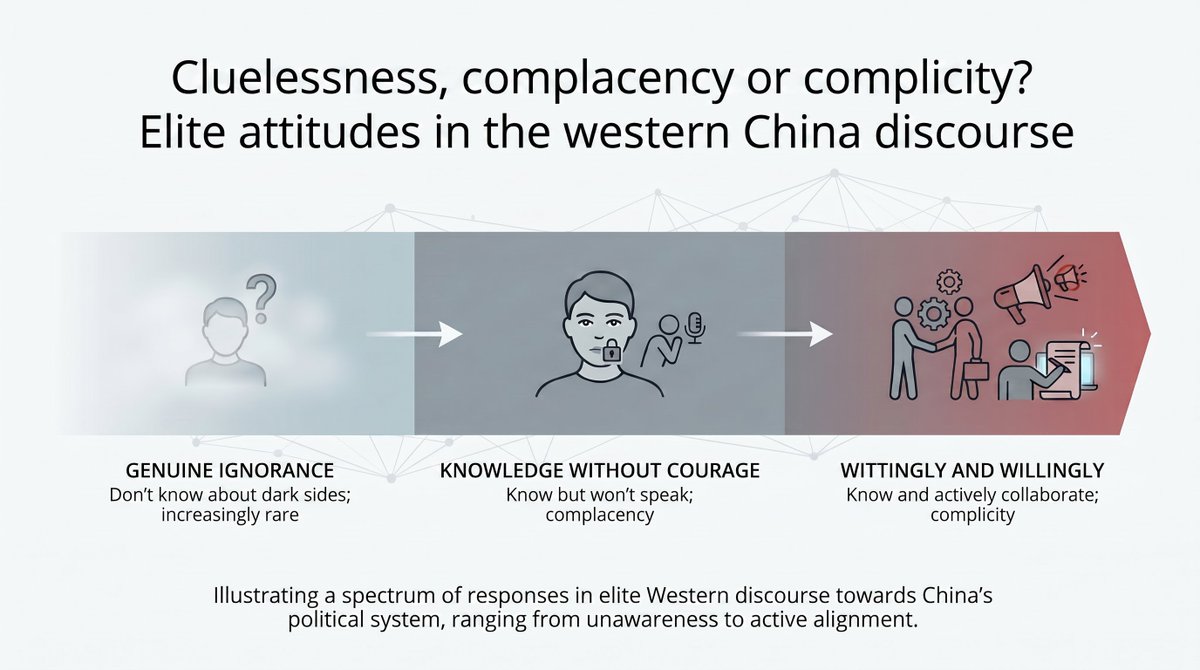
47
52
134
20,498
Simona Alba Grano retweeted

Apr 30
*Job Announcement*
Come work for me! Looking for an intern this summer to work on Chinese foreign policy, the PLA, and cross-Straits. Chinese language fluency a must. Apply below.
asiasociety.org/policy-insti…
1
9
15
2,500