
Siviløkonom, fylkesbyråkrat, hedmarking og europeer
Joined January 2014
- Tweets 5,328
- Following 438
- Followers 346
- Likes 8,699
193 Photos and videos
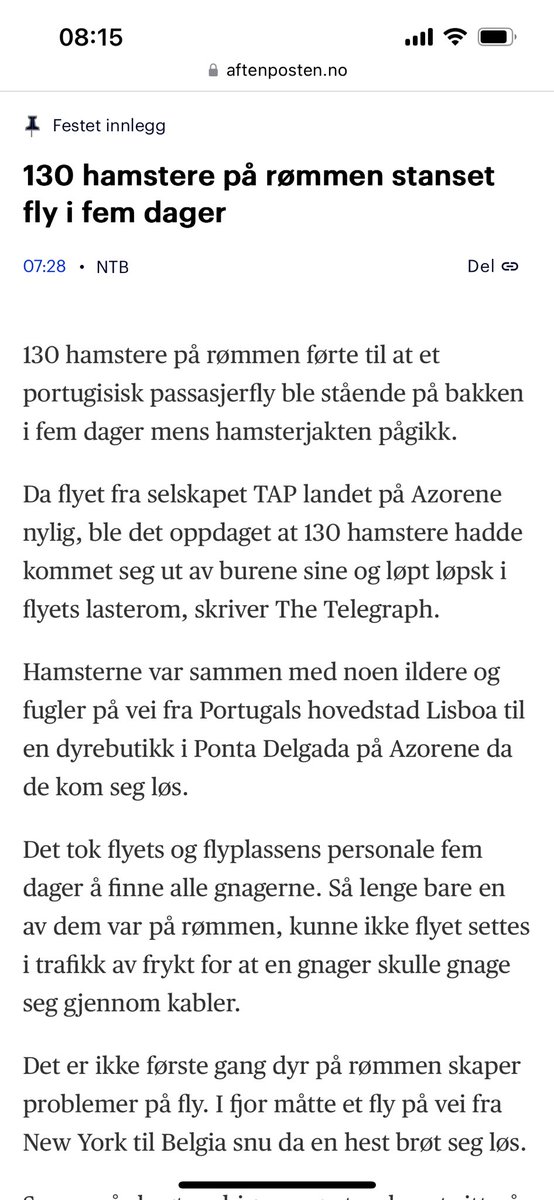




Congratulations to Norway on winning bronze and their first-ever medal at the #IIHF #MensWorlds! 🥉
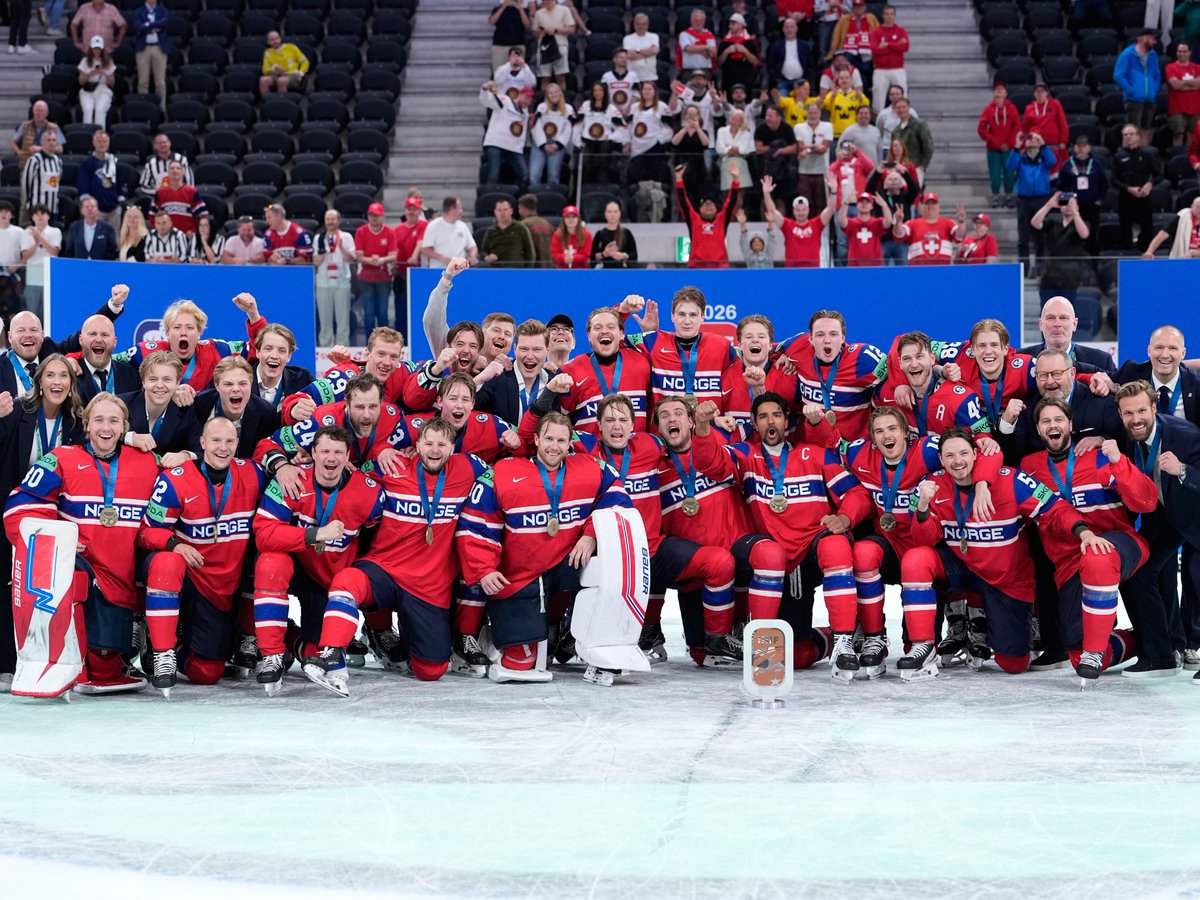
ALT Team photo of Norway on ice at the 2026 Men's Ice Hockey World Championship.
58
369
5,408
138,743
Gro H. Reinsborg retweeted

May 18
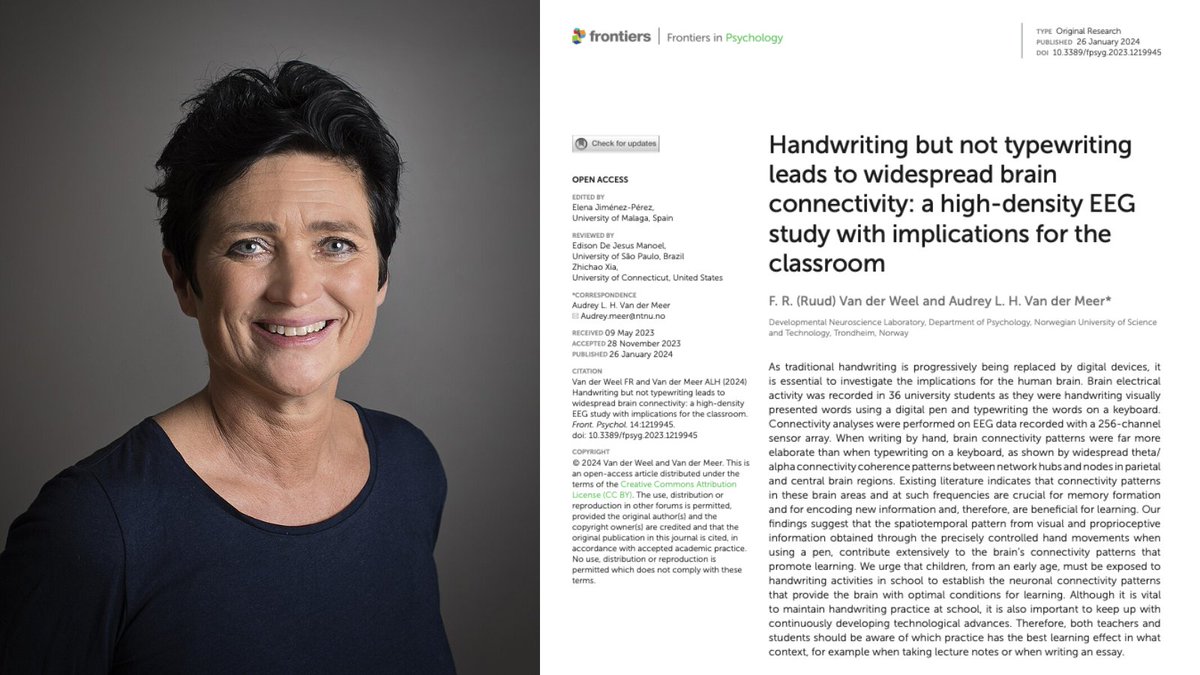
A Norwegian neuroscientist spent 20 years proving that the act of writing by hand changes the human brain in ways typing physically cannot, and almost nobody outside her field has read the paper.
Her name is Audrey van der Meer.
She runs a brain research lab in Trondheim, and the paper that closed the argument was published in 2024 in a journal called Frontiers in Psychology. The finding is brutal enough that it should have changed every classroom on Earth.
The experiment was simple. She recruited 36 university students and put each one in a cap with 256 sensors pressed against their scalp to record brain activity. Words flashed on a screen one at a time.
Sometimes the students wrote the word by hand on a touchscreen using a digital pen, and sometimes they typed the same word on a keyboard. Every neural response was recorded for the full five seconds the word stayed on screen.
Then her team looked at the part of the data most researchers had ignored for years, which is how different parts of the brain were communicating with each other during the task.
When the students wrote by hand, the brain lit up everywhere at once.
The regions responsible for memory, sensory integration, and the encoding of new information were all firing together in a coordinated pattern that spread across the entire cortex. The whole network was awake and connected.
When the same students typed the same word, that pattern collapsed almost completely.
Most of the brain went quiet, and the connections between regions that had been alive seconds earlier were nowhere to be found on the EEG.
Same word, same brain, same person, and two completely different neurological events.
The reason turned out to be something nobody had really paid attention to before her work. Writing by hand is not one motion but a sequence of thousands of tiny micro-movements coordinated with your eyes in real time, where each letter is a different shape that requires the brain to solve a slightly different spatial problem.
Your fingers, wrist, vision, and the parts of your brain that track position in space are all working together to produce one letter, then the next, then the next.
Typing throws all of that away. Every key on a keyboard requires the exact same finger motion regardless of which letter you are pressing, which means the brain has almost nothing to integrate and almost no problem to solve.
Van der Meer said it plainly in her interviews.
Pressing the same key with the same finger over and over does not stimulate the brain in any meaningful way, and she pointed out something that should scare every parent who handed their kid an iPad.
Children who learn to read and write on tablets often cannot tell letters like b and d apart, because they have never physically felt with their bodies what it takes to actually produce those letters on a page.
A decade before her, two researchers at Princeton ran the same fight using a completely different method and ended up at the same answer. Pam Mueller and Daniel Oppenheimer tested 327 students across three experiments, where half took notes on laptops with the internet disabled and half took notes by hand, before testing everyone on what they actually understood from the lectures they had watched.
The handwriting group won by a wide margin on every question that required real understanding rather than surface recall.
The reason was hiding in the transcripts of what the two groups had actually written down.
The laptop students typed almost word for word, capturing more total content but processing almost none of it as they went, while the handwriting students physically could not write fast enough to transcribe a lecture in real time, which forced them to listen carefully, decide what actually mattered, and put it in their own words on the page.
That single act of choosing what to keep was the learning itself, and the keyboard had quietly skipped the choosing and skipped the learning along with it.
Two studies. Two countries. Same answer.
Handwriting makes the brain work. Typing lets it coast.
Every note you have ever typed instead of written went into your brain through a thinner pipe. Every meeting, every book highlight, every idea you captured on your phone instead of on paper was processed at half depth.
You did not forget those things because your memory is bad. You forgot them because typing never woke the part of the brain that would have made them stick.
The fix is the thing your grandmother already knew.
Pick up a pen. Write the thing down. The slower road is the faster one.
2,473
44,646
120,848
10,372,313
Gro H. Reinsborg retweeted

May 12
Brilliant
May 12

Andy Serkis reading Trump's tweets in Gollum's voice is the best thing you'll see on social media today.
9
92
360
17,026
Gro H. Reinsborg retweeted

May 3
May the fourth be with you
2,938
51,304
219,955
7,159,229
Gro H. Reinsborg retweeted

Apr 30
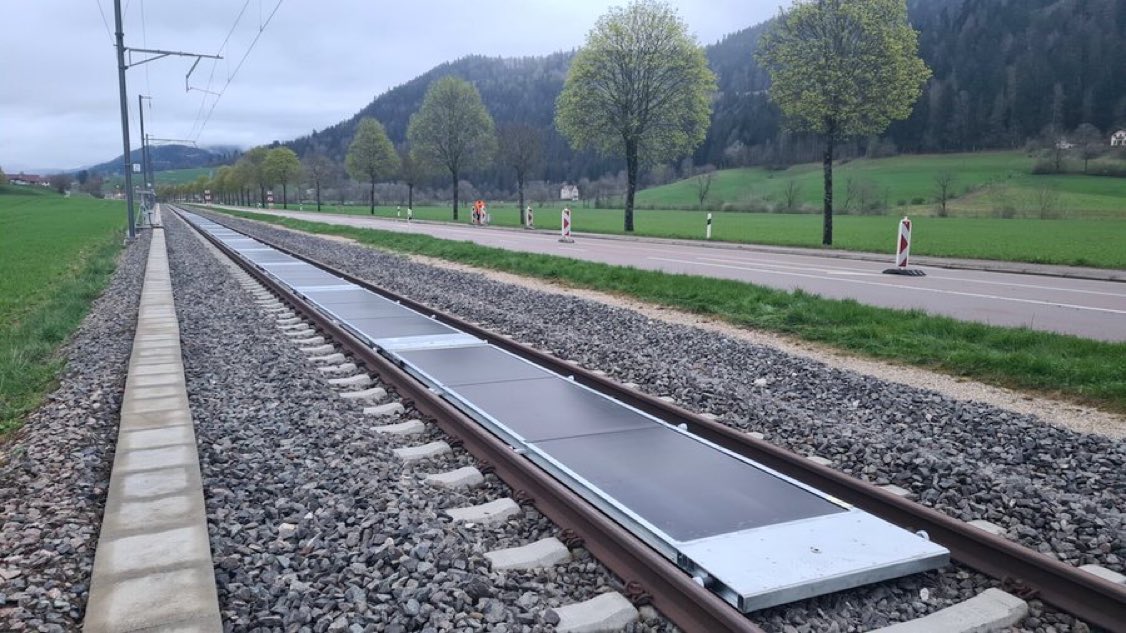
Switzerland 🇨🇭
Solar panels on train tracks. A hell of a lot more logical than plastering over prime farmland.
1,291
7,549
37,575
1,818,163

For fans of the show Outlander who have not read the books - here’s the answer to your question -
“Is that in the books?”regarding episode 7.
Faith died and was not resurrected.
Fannie is not Jamie and Claire’s granddaughter. Jamie takes her in, like he has with so many others, and she bonds with Jamie, Claire, and the rest of the family.
Fergus didn’t die in the fire. His son Henri-Christian did.
William never saw Lord John with Percy and is unaware of John’s sexual preferences.
William also didn’t have a sexual relationship with Amaranthus, btw.
These storylines, like so many others, were concocted by Matt B. Roberts and Maril Davis and are only loosely based on the books.
Please read author Diana Gabaldon’s remarks in the Parade interview below.
parade.com/entertainment/out…
31
61
480
24,322
Gro H. Reinsborg retweeted

Apr 2
‘The golfer from Mara lago’
🫢
553
7,791
19,363
600,275

AP lytter ikke. Må selv ta skylden. vg.no/nyheter/i/aJJvGO/drivs…
1
16
Gro H. Reinsborg retweeted

Mar 23
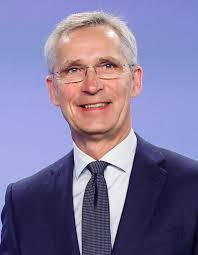
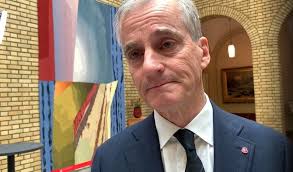
12,57 kroner til staten for hver liter bensin som du betaler 25 kr. for. Sverige kutter og Danmark kutter mens @Arbeiderpartiet med @jonasgahrstore venter og ser.
43
51
489
19,062

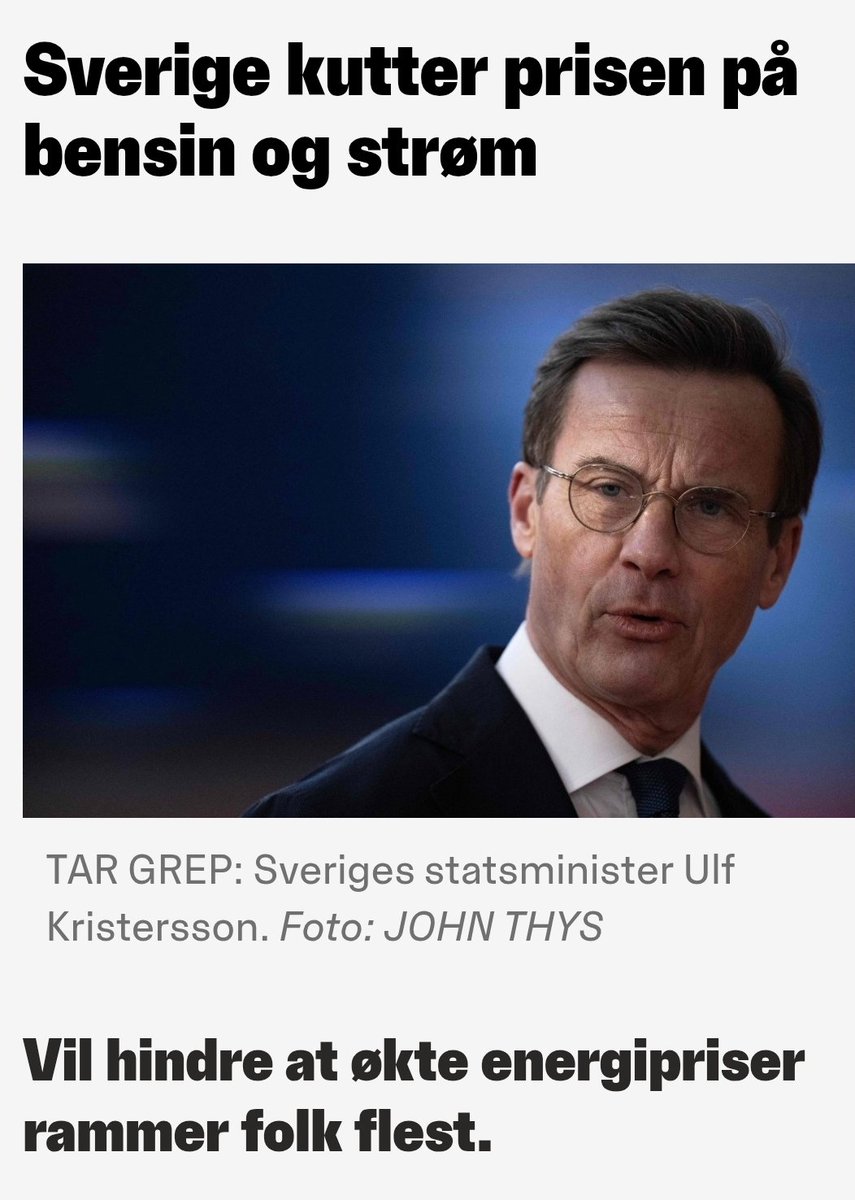
Skal det ikke bli mindre statlig styring av kommunene? Med en gang en kommune gjør et selvstendig vedtak «staten» ikke liker, så får man et nasjonalt pålegg.
h-a.no/stortinget-med-vedtak…
28
Gro H. Reinsborg retweeted

Feb 17
Now imagine an army of a million of these invading your country. This could transform the balance of power in the world and usher in a new era.

24
10
56
10,786
Gro H. Reinsborg retweeted

Jan 20
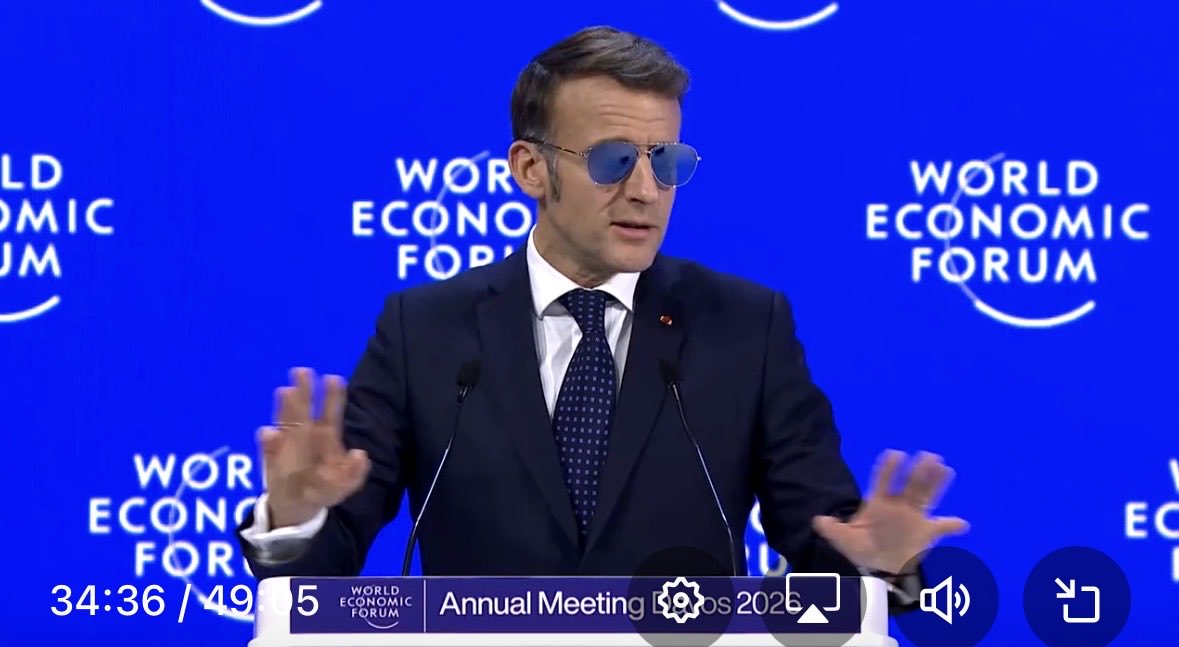
“Having a place like Europe, which sometimes is too slow, for sure, and needs to be reformed, for sure, but which is predictable, loyal, and where you know that the rule of the game is the rule of law, is a good place”
Macron, WEF 2026
🇫🇷🇪🇺
291
1,590
19,103
1,494,337
Gro H. Reinsborg retweeted

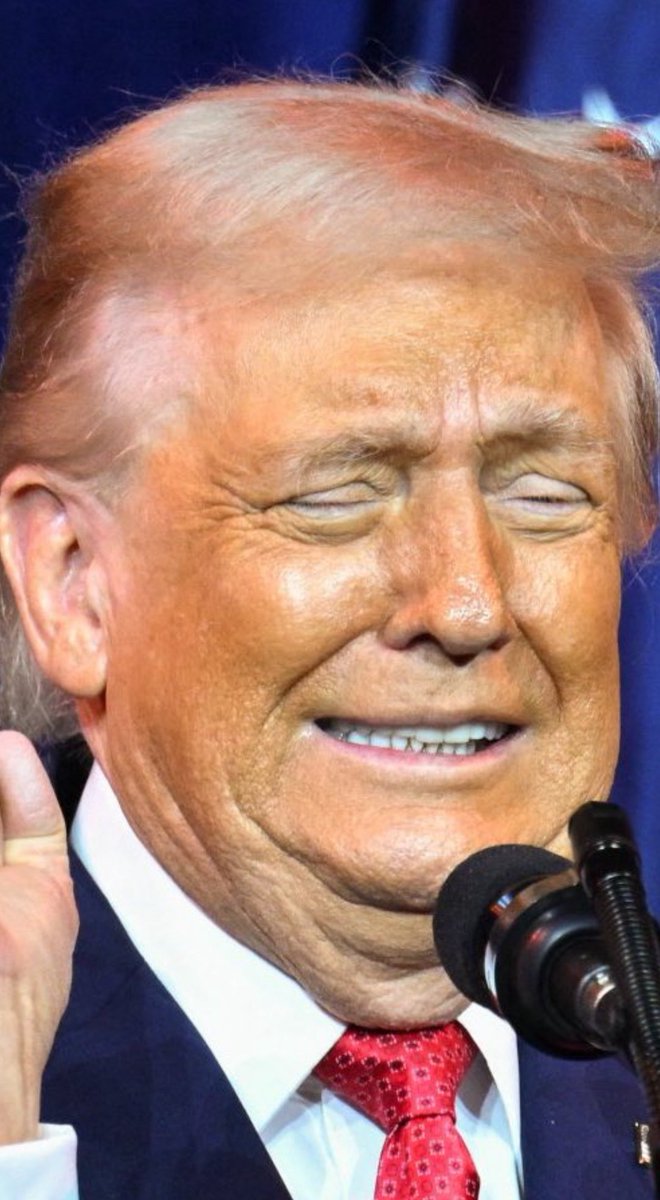
New Reuters/Ipsos poll:
Do you approve of U.S. efforts to acquire Greenland?
No: 47%
Yes: 17%
Undecided: 36%
Is it a good idea for the U.S. to take Greenland using military force?
No: 71%
Yes: 4%
Undecided: 25%

367
773
3,889
176,364
Gro H. Reinsborg retweeted

Jan 13
Share this widely.
Say his name. #EfranSultani
Shame the stinking Islamic Republic of Iran who are due to execute this young man tomorrow by public hanging.

456
6,292
10,643
123,521
Gro H. Reinsborg retweeted

Four generations of my family have served our country. Service is in my blood. The President wouldn’t know anything about that.
26,663
16,982
77,977
1,914,815

Gro H. Reinsborg retweeted

28 Dec 2025
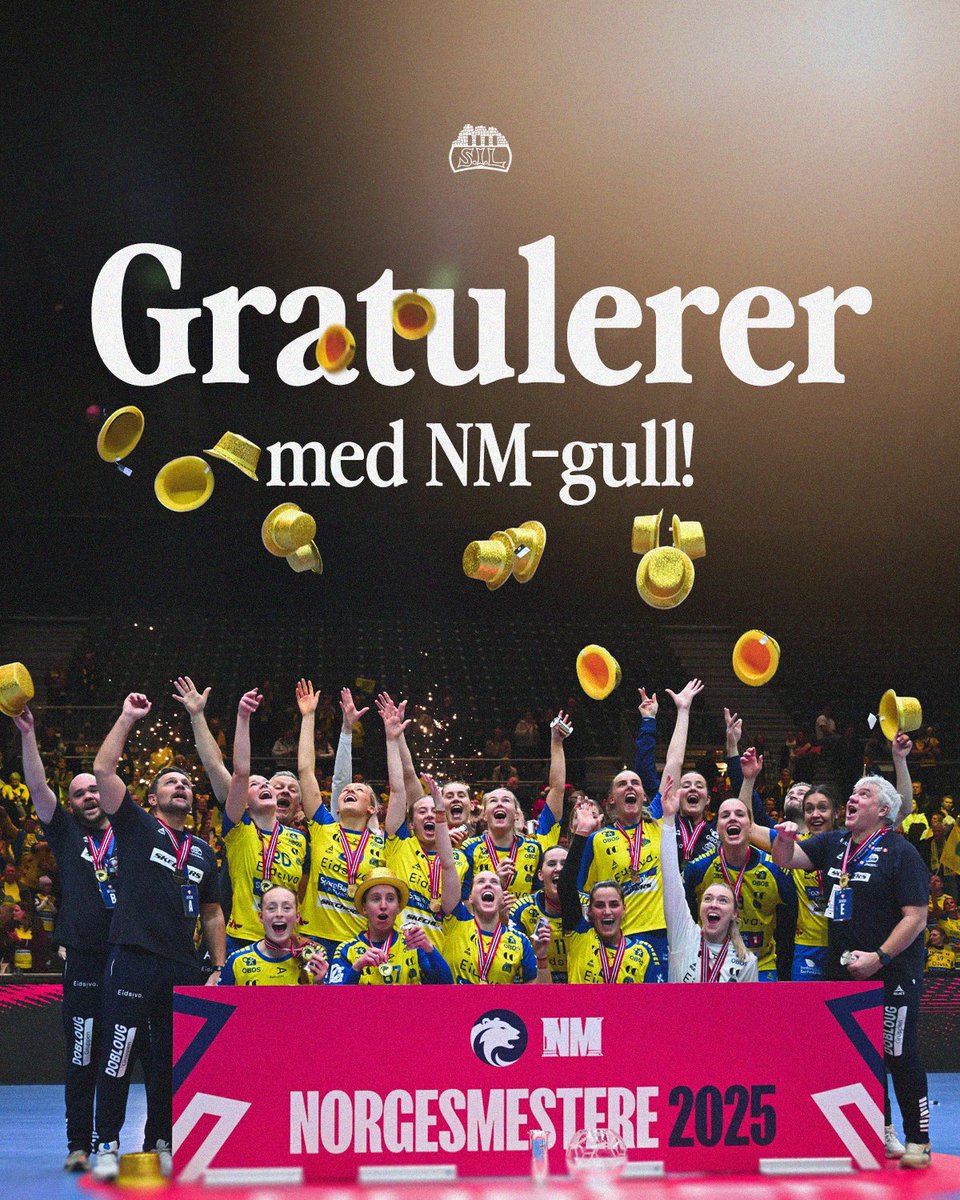
Gratulerer med nok et NM-gull, @StorhamarElite 🥇
#storhamarfamilien
1
3
23
1,639