
Deep Integration of Single-Cell Omics
Joined June 2021
- Tweets 113
- Following 74
- Followers 164
- Likes 69
40 Photos and videos
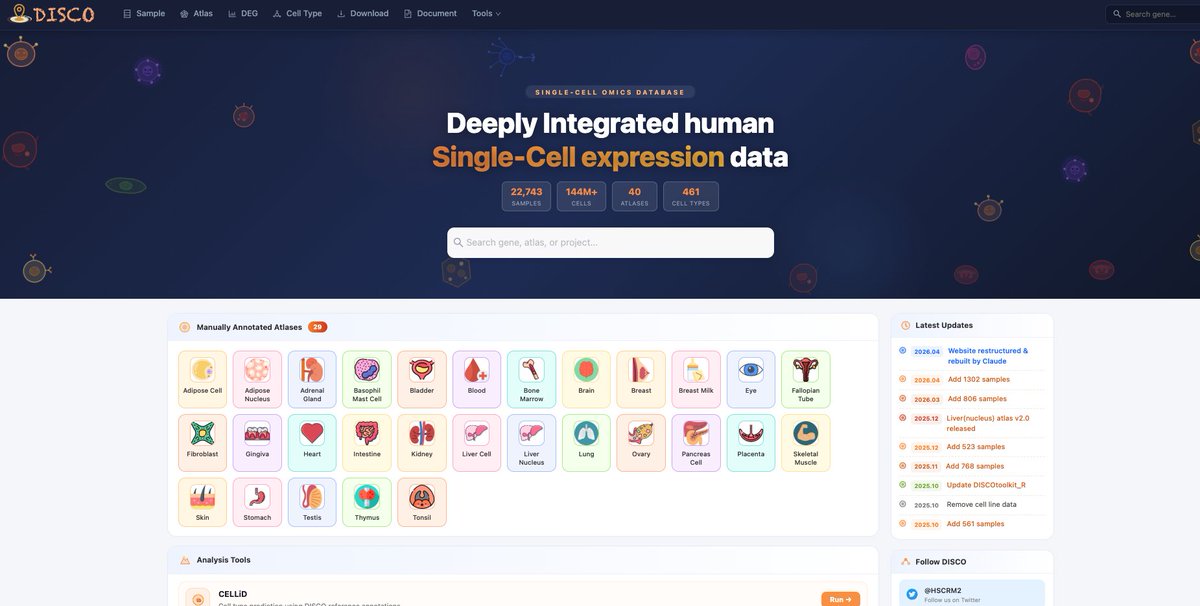
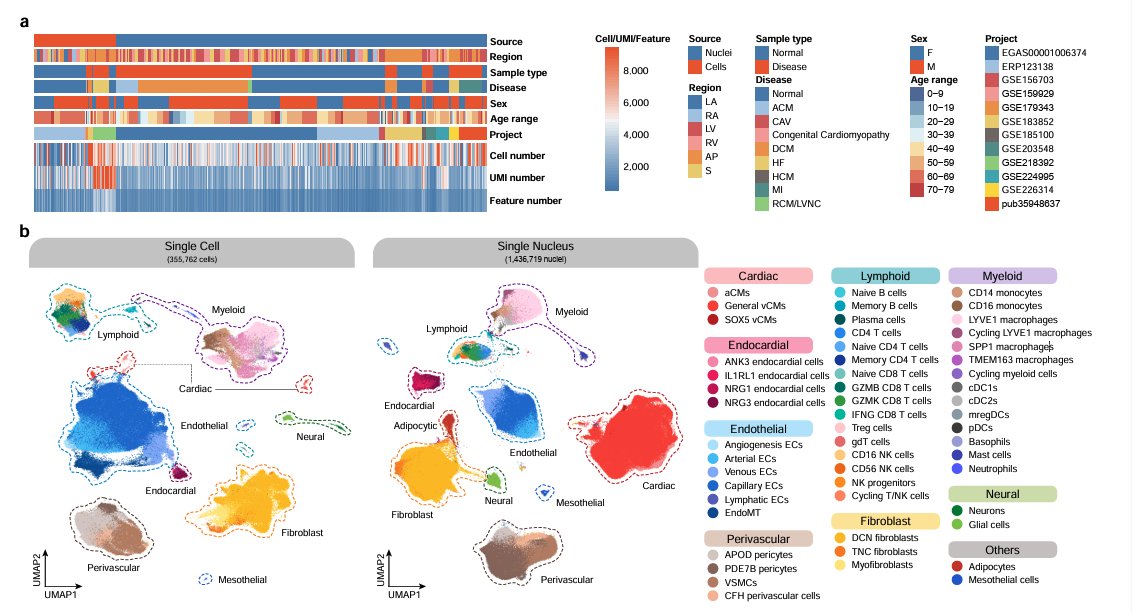
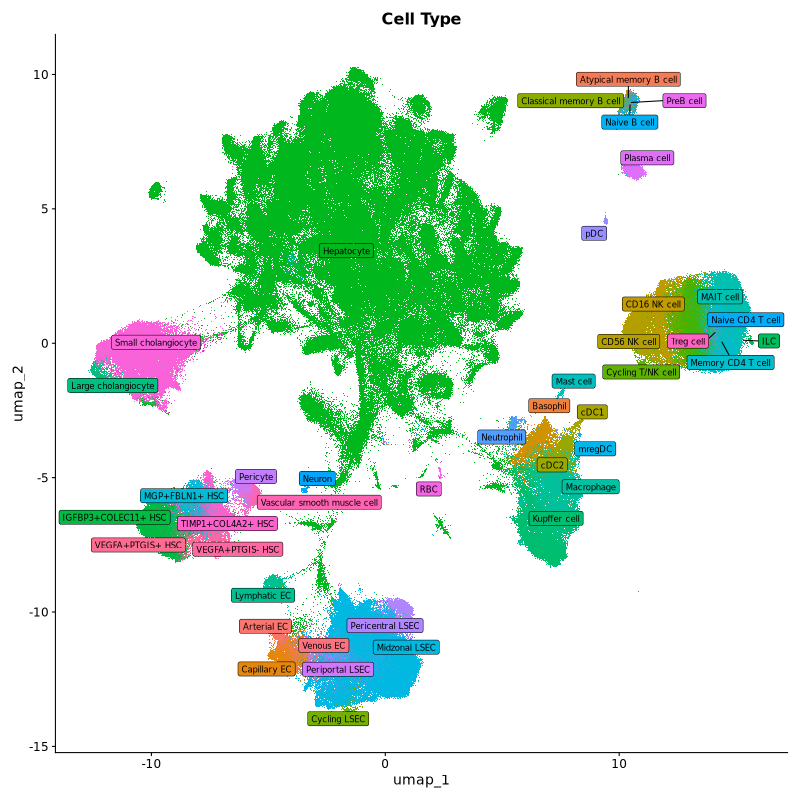
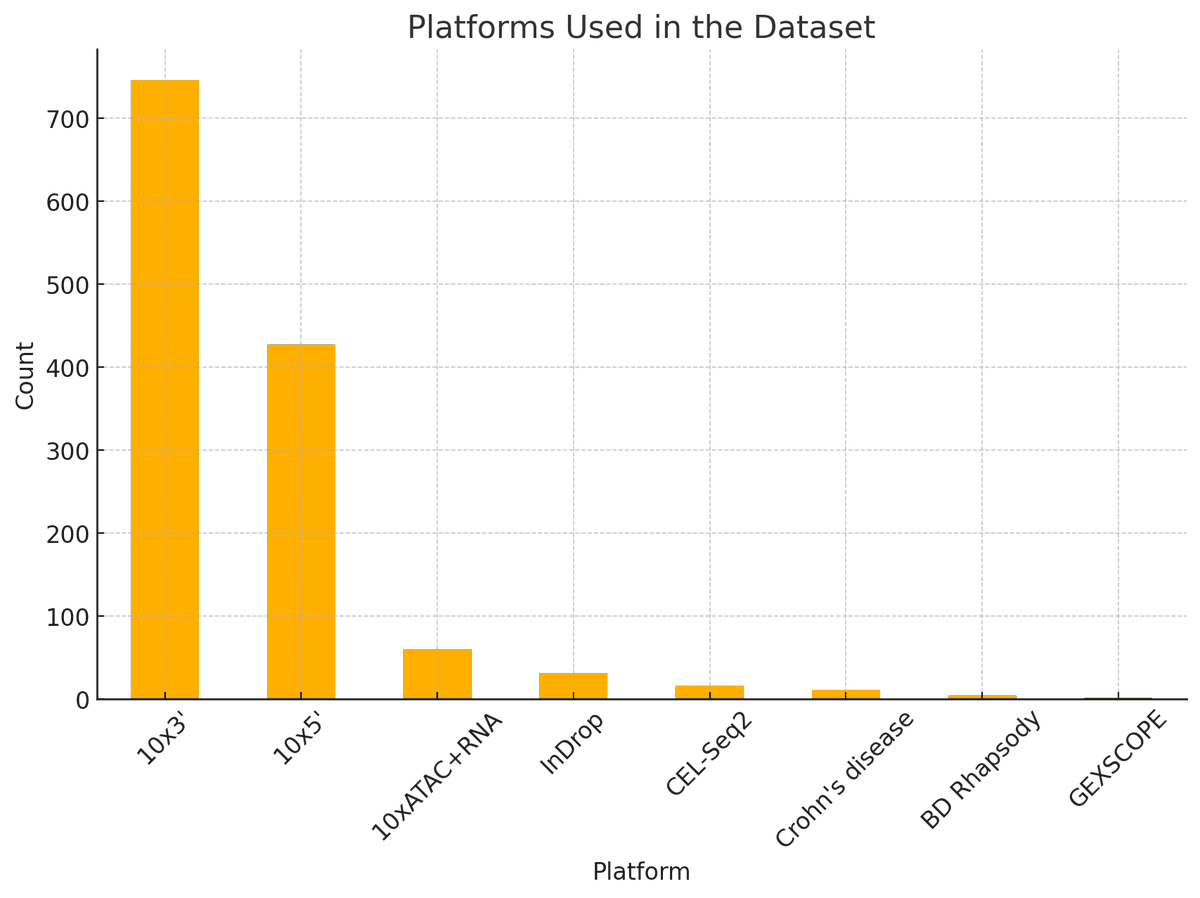


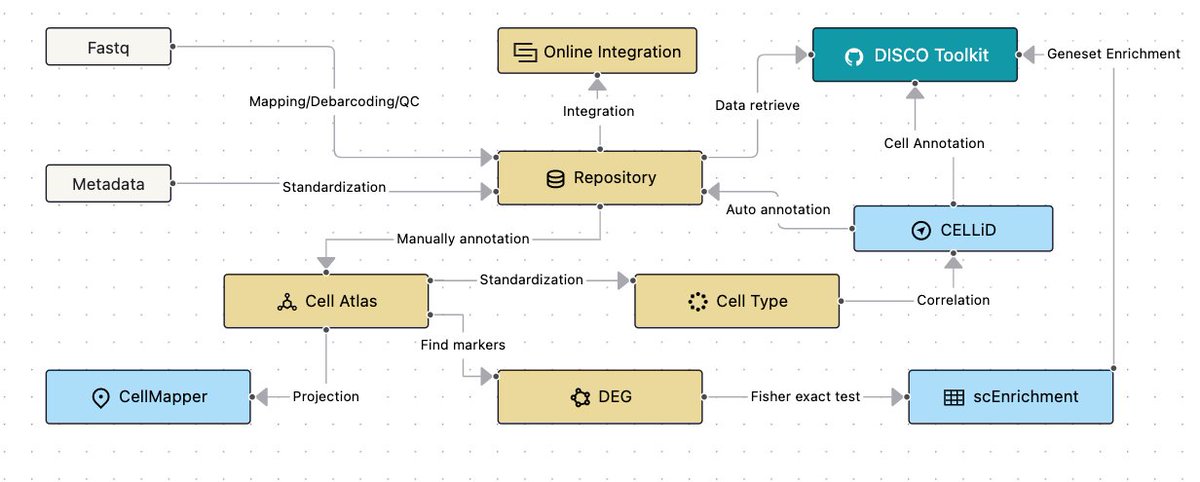


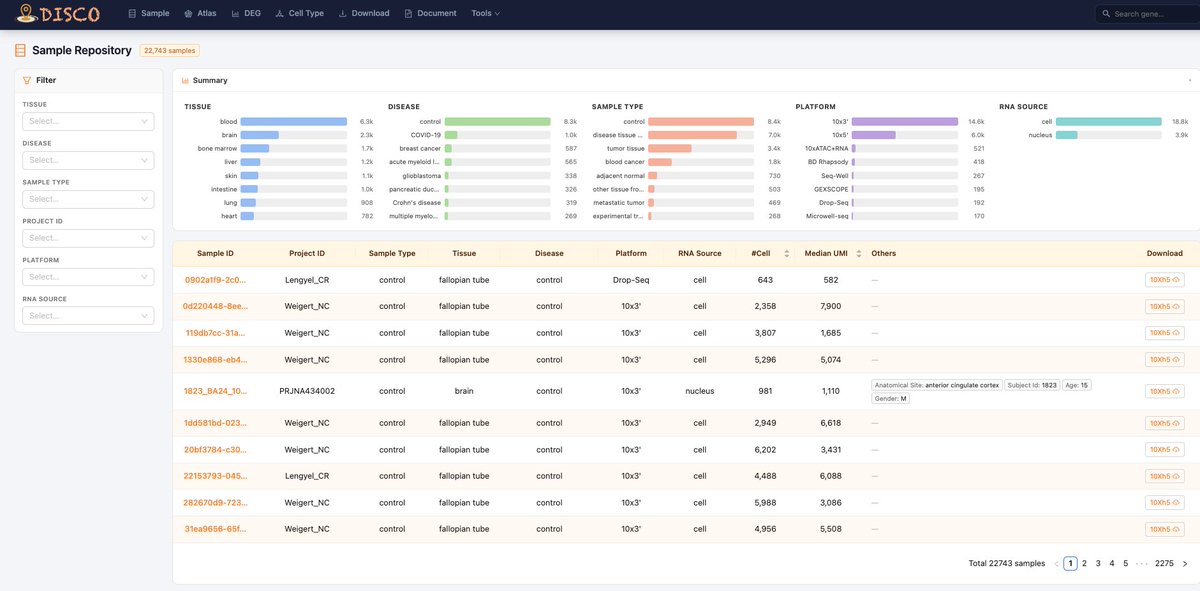
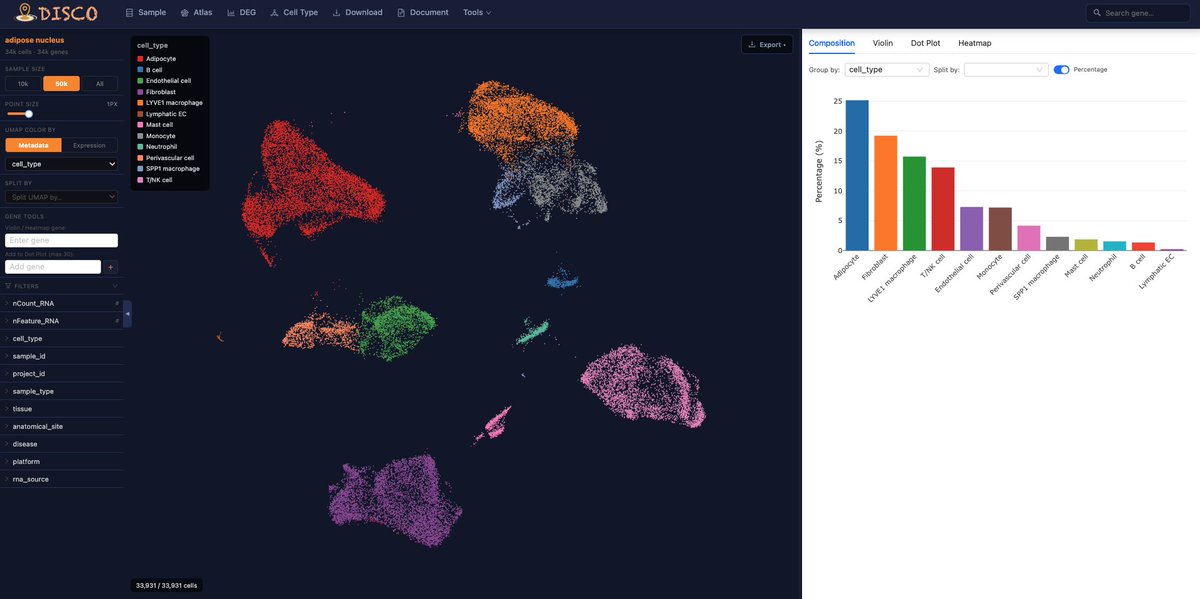
We leveraged DISCO’s comprehensive single-cell heart datasets to uncover:
🔹 Cellular remodeling across aging and disease
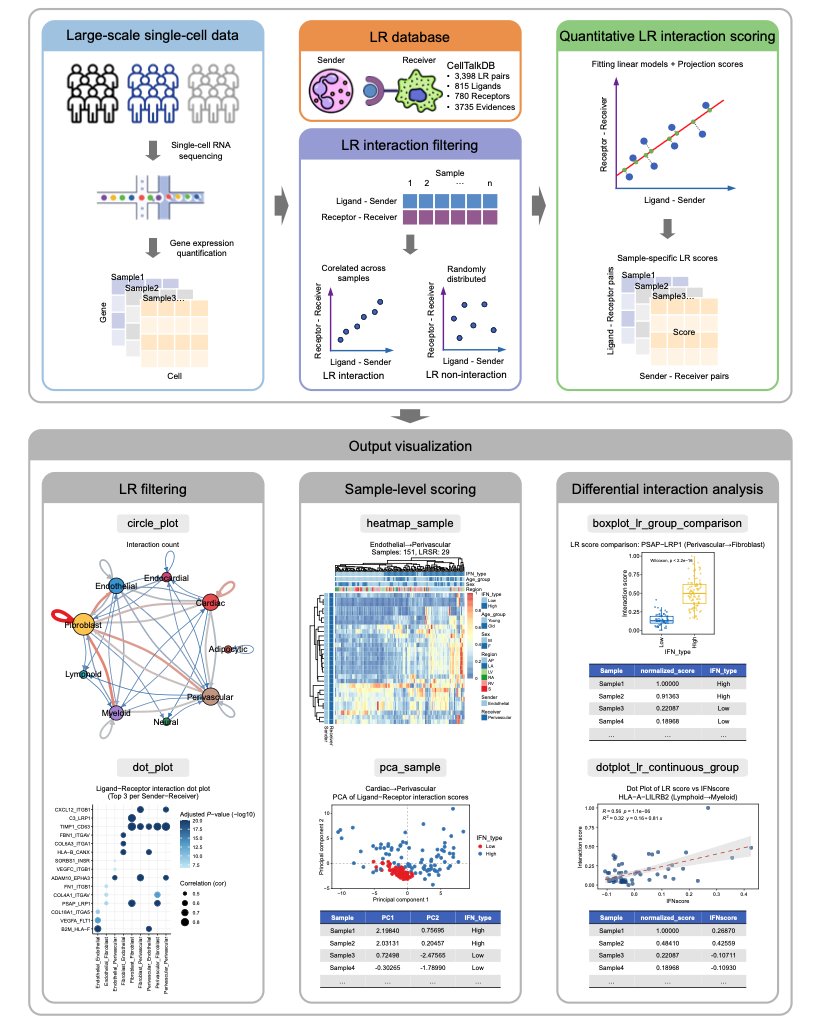
🔹 a novel computational method for inferring LR interactions from population-scale single-cell data
#SingleCell #HeartAtlas #Aging #CardiacDisease
15 Dec 2025

A Population-Scale Single-Cell Atlas of the Human Heart Reveals Cellular Remodeling and Cell-Cell Communication in Aging and Cardiac ... biorxiv.org/content/10.64898… #biorxiv_bioinfo
1
1
1
123
The PopComm package is available on
both PyPI (pypi.org/project/PopComm) and CRAN (CRAN.R-project.org/package=P…).
59
🚀 DISCO December Update is now live!
🧬 Released: **Liver (nucleus) atlas v2.0**
– Improved integration
– Updated annotations
📈 Added 523 new samples across 47 studies
immunesinglecell.com/
#SingleCell #scRNAseq #snRNAseq #Bioinformatics #DISCO
1
1
67
DISCO has moved to a new home! 🎉
👉 immunesinglecell.com/
We’ve just finished the server migration and will keep updating regularly. Check it out if you need any human #scRNA-seq data
44
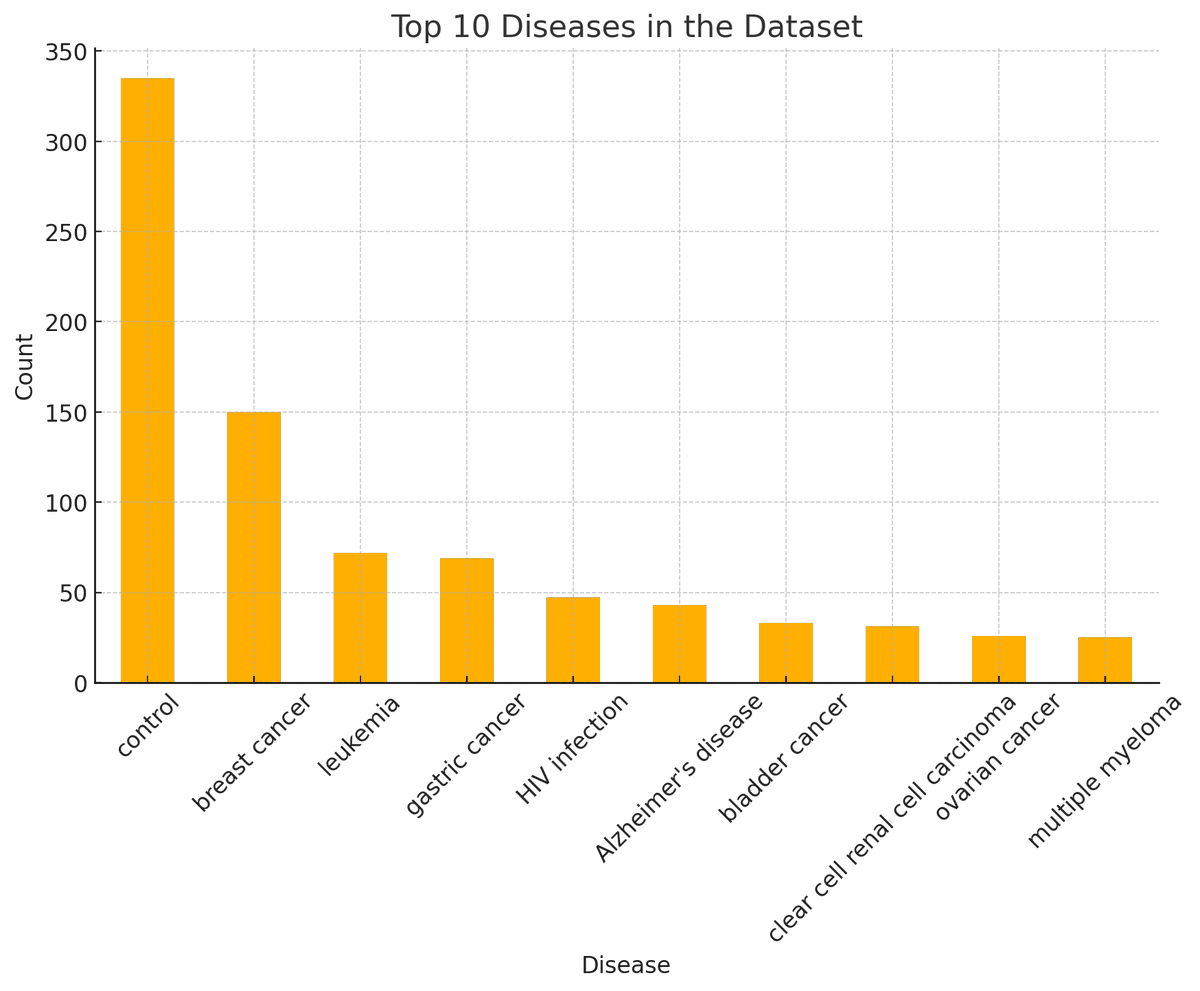
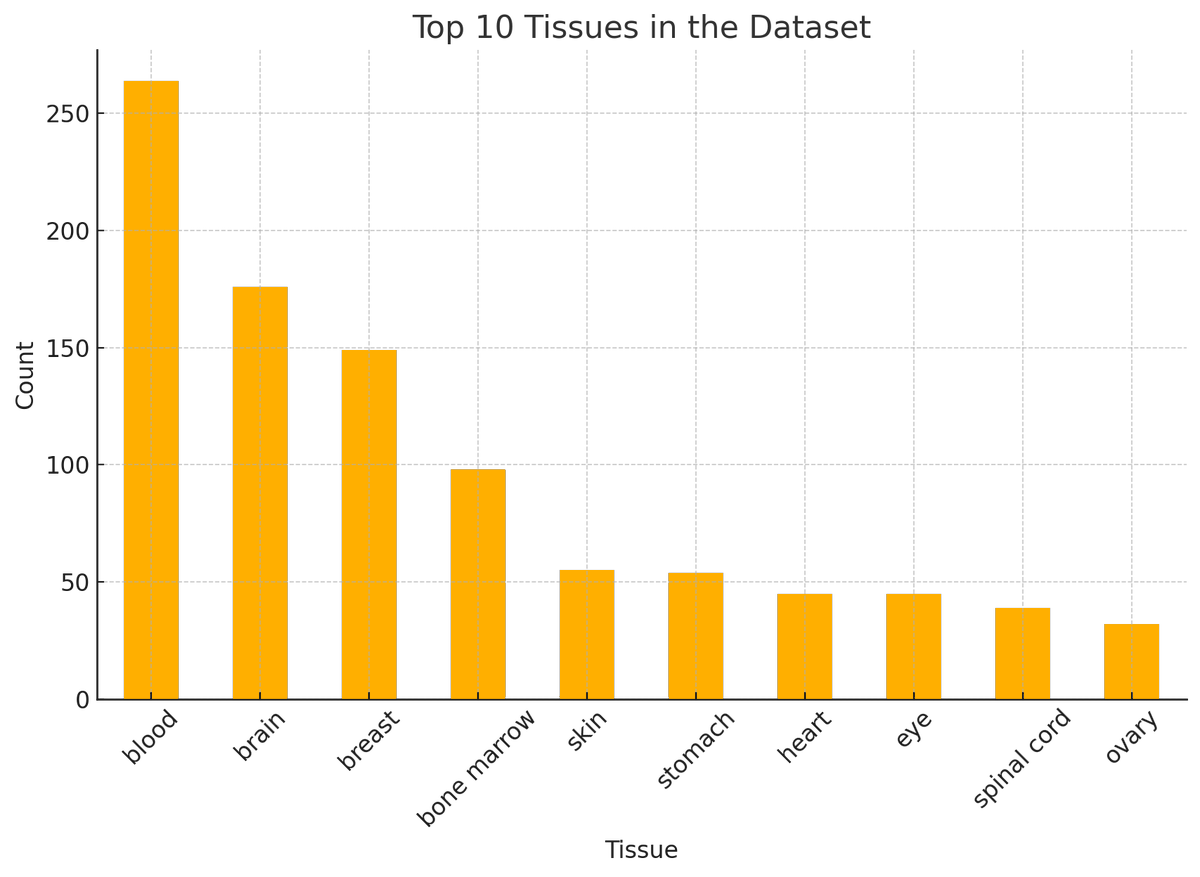
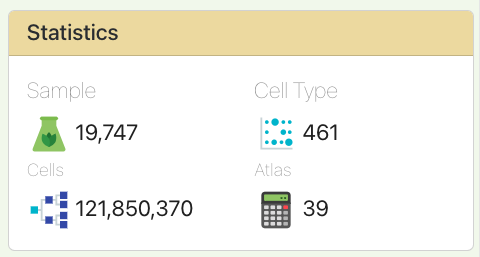
🚀 DISCO December Update 🚀
📊 8,529,538 cells from 1,345 samples across 94 projects added in this month's update! 🎉
Dive in and explore the data that matters to you! 🧬 Check it out here: immunesinglecell.org/
#Bioinformatics #SingleCell #LLM #DISCO
2
8
929
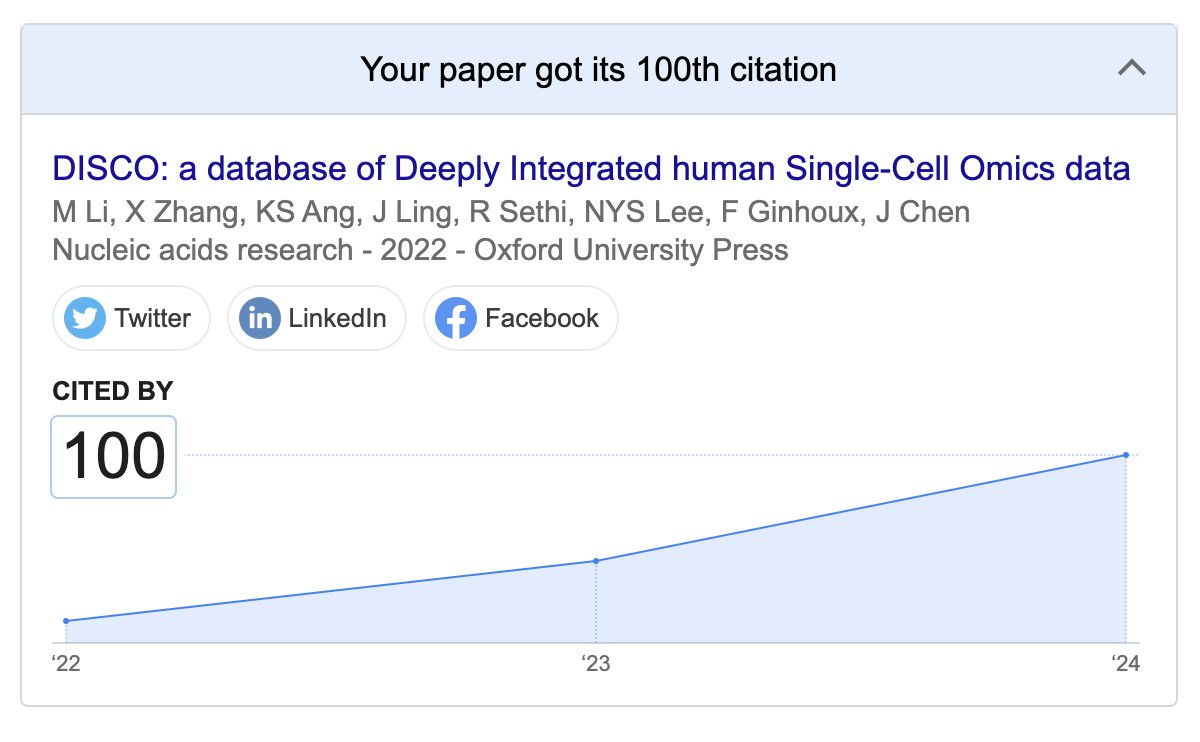
🎉 Excited to share that our paper DISCO: a database of Deeply Integrated human Single-Cell Omics data has reached 100 citations! 🚀 Grateful for all the researchers utilizing and building upon DISCO. Here's to advancing single-cell biology together! 💡📊
#SingleCell #Bioinformatics
scholar.google.com/citations…
2
5
626
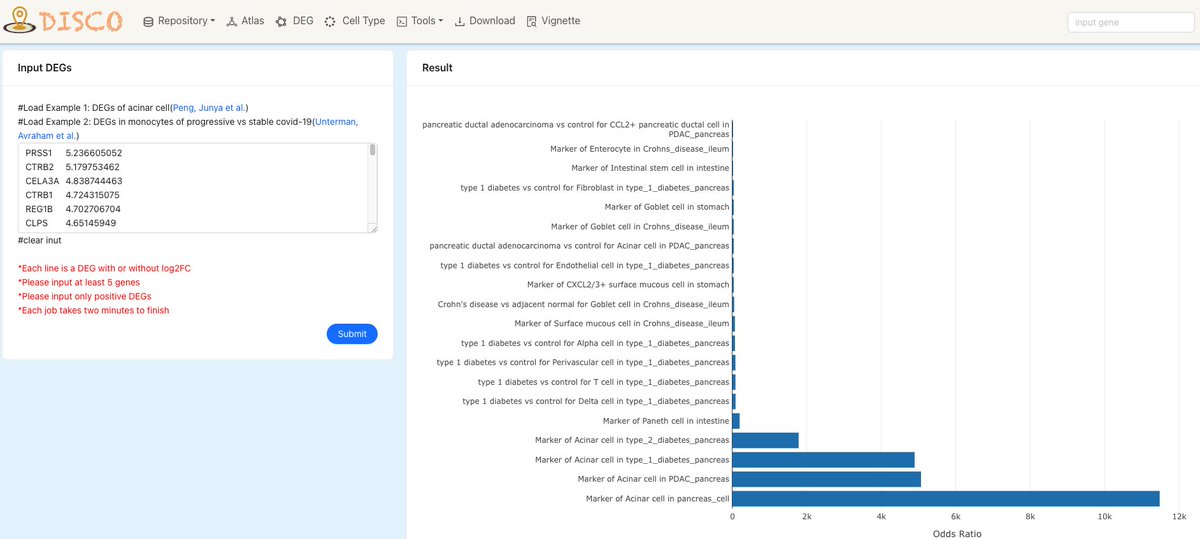
🚀 scEnrichment Update!
The scEnrichment tool now features an updated reference geneset with 524 cell type 🧬 and phenotype 🔬-related genesets!
🎯 Input your geneset to uncover enriched phenotypes or cell types with ease.
🔗 Try it here immunesinglecell.org/tool/sc…
#scRNAseq #Bioinformatics #Genomics 🧑🔬✨
3
8
937
The second version of DISCO is published! 🎉 Huge thanks to the editor, reviewers, and all our users for their valuable feedback and unwavering support! 🙏 #scRNAseq #Bioinformatics @NAR_Open
academic.oup.com/nar/advance…
4
21
1,225
Rediscovering publicly available single-cell data with the DISCO platform #SingleCell #scRNAseq #bioinformatics #AI @CellAtlas
immunesinglecell.org/
1
6
242
DISCO retweeted

15 Nov 2024
Inconsistent gene IDs across scRNA-seq datasets pose challenges for LLM training & large-scale analysis. DISCO solves this by processing 95% of data from FASTQ files with a unified reference, ensuring seamless integration. Discover our latest features in our new publication! 🌟 #scRNAseq #Bioinformatics #AI
Publication: academic.oup.com/nar/advance…
Website: immunesinglecell.org/
2
1
2
121
Rediscovering publicly available single-cell data with the DISCO platform academic.oup.com/nar/article…
2
4
479
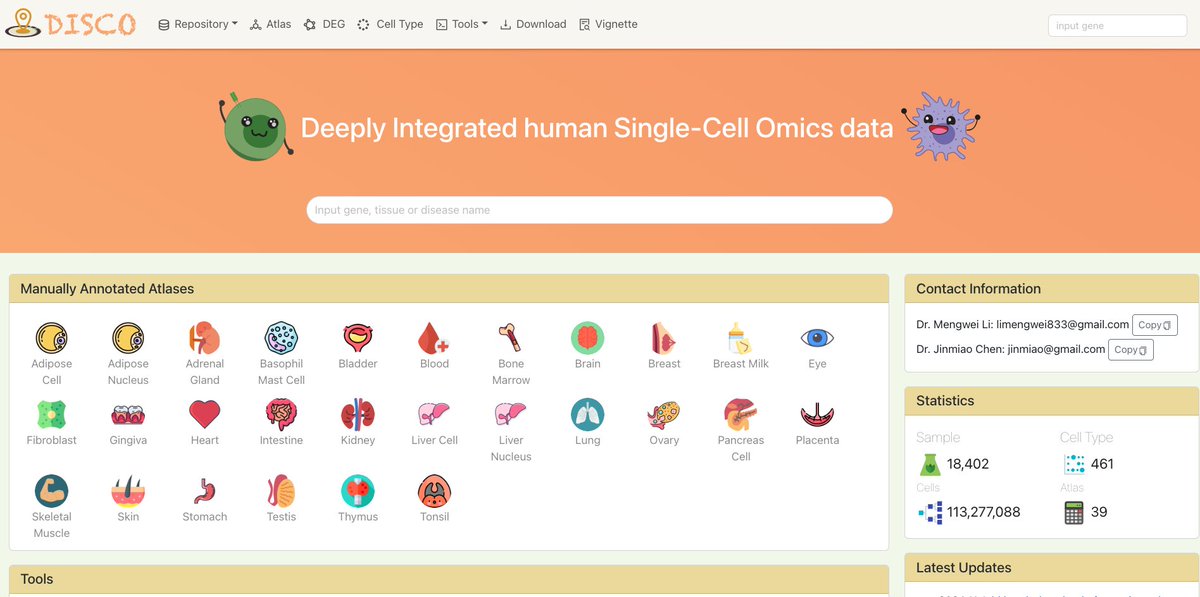
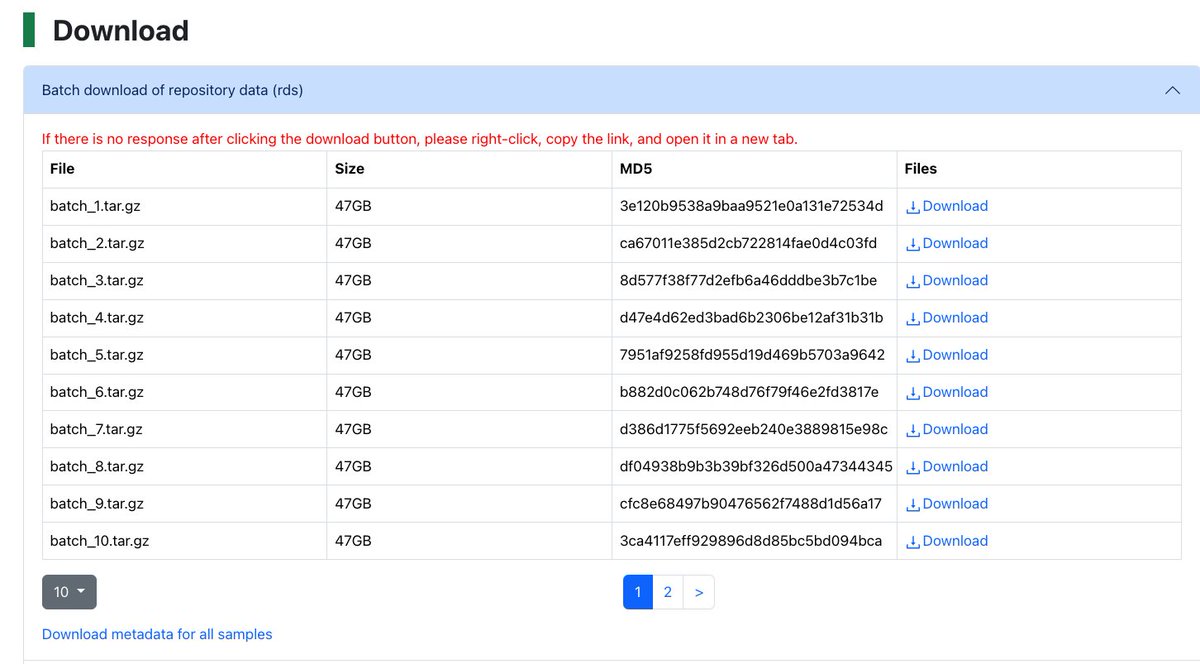
🚀 Exciting update! DISCO now supports batch downloads—access data from 113,277,088 cells across 18,402 samples with ease. Perfect for training your LLMs or fueling other applications! 🌐📊 #SingleCellData #Bioinformatics #AI @LLM
immunesinglecell.org/downloa…
2
2
432
DISCO is back online! The issue was identified as a power supply problem. We are currently setting up a backup server to ensure more stable service in the future. #DISCO #SingleCell
immunesinglecell.org/atlas/a…
2
6
465
DISCO retweeted
25 Jun 2024
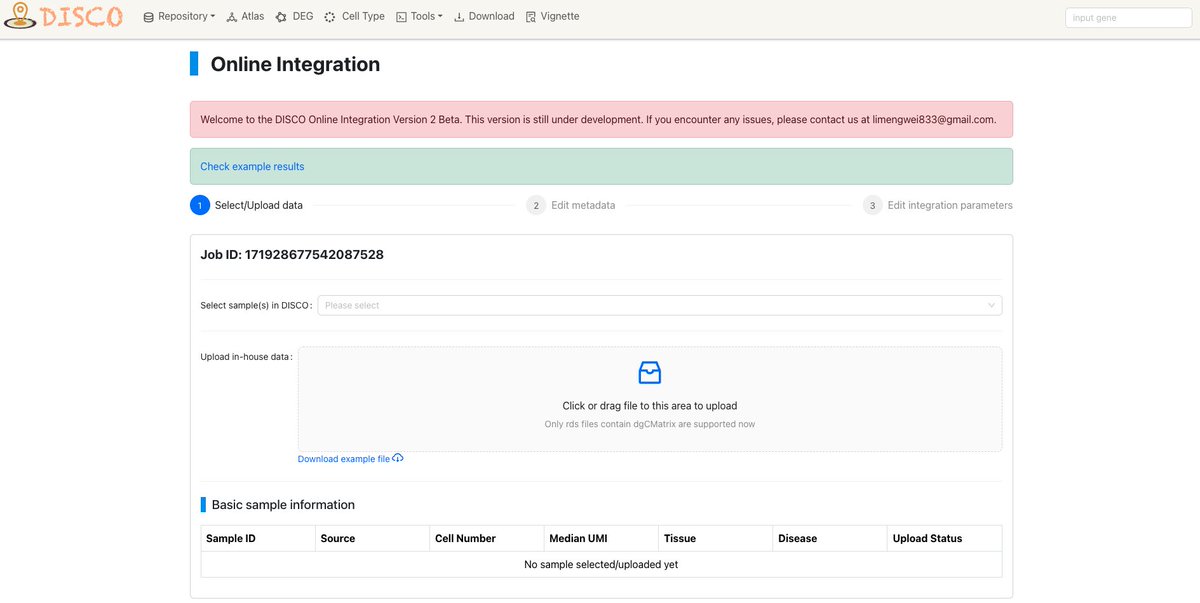
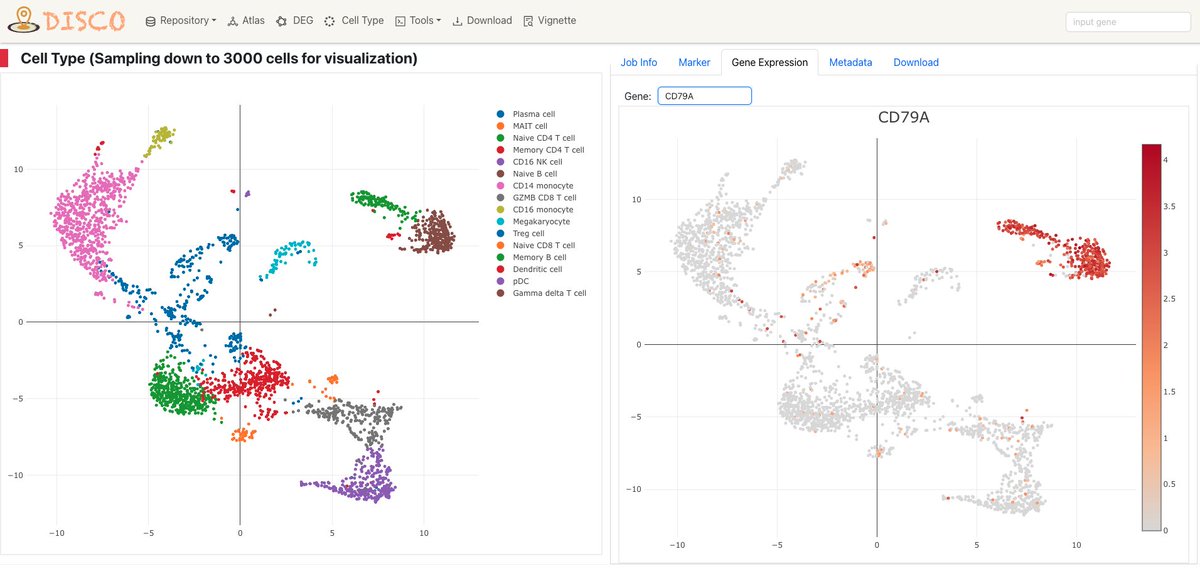
Check out the beta release of DISCO Online Integration Version 2! 🧐🧐🧐
New features include:
1. Allow integration of in-house data with DISCO data
2. Support for up to 100K cells
3. Password protection for secure sharing
4. Metadata editing capabilities
5. More integrated parameters
We’re committed to continuously improving DISCO to make single-cell data integration effortless for every bench scientist.
LINK: immunesinglecell.org/tool/in…
If you encounter any issues, please contact us at limengwei833@gmail.com.
#scRNAseq #dataIntegration #cell #biology #biologicalDatabase #SingleCell #Seurat
1
3
7
707
DISCO retweeted

21 Jun 2024
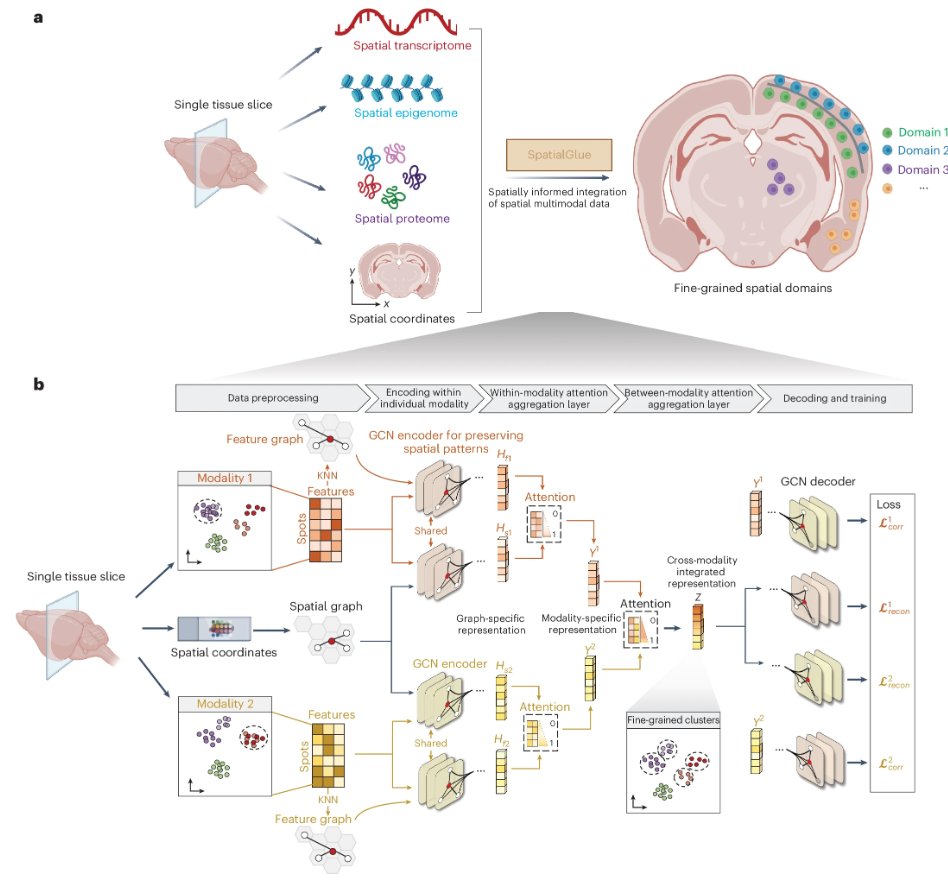
Very excited to present our new algorithm - SpatialGlue that deciphers spatial domains from spatial multi-omics data. To the best of our knowledge, SpatialGlue is the first algorithm for analyzing spatial multiomics data. nature.com/articles/s41592-0…
1
3
14
1,211
DISCO retweeted

21 Jun 2024
Out today from Jinmiao Chen's lab! SpatialGlue uses deep learning for integrating multimodal spatial omics data. Combining complementary modalities improves the discovery of spatial domains and the identification of cell subpopulations across tissues. nature.com/articles/s41592-0…
23
81
23,817
DISCO retweeted
14 Jun 2024
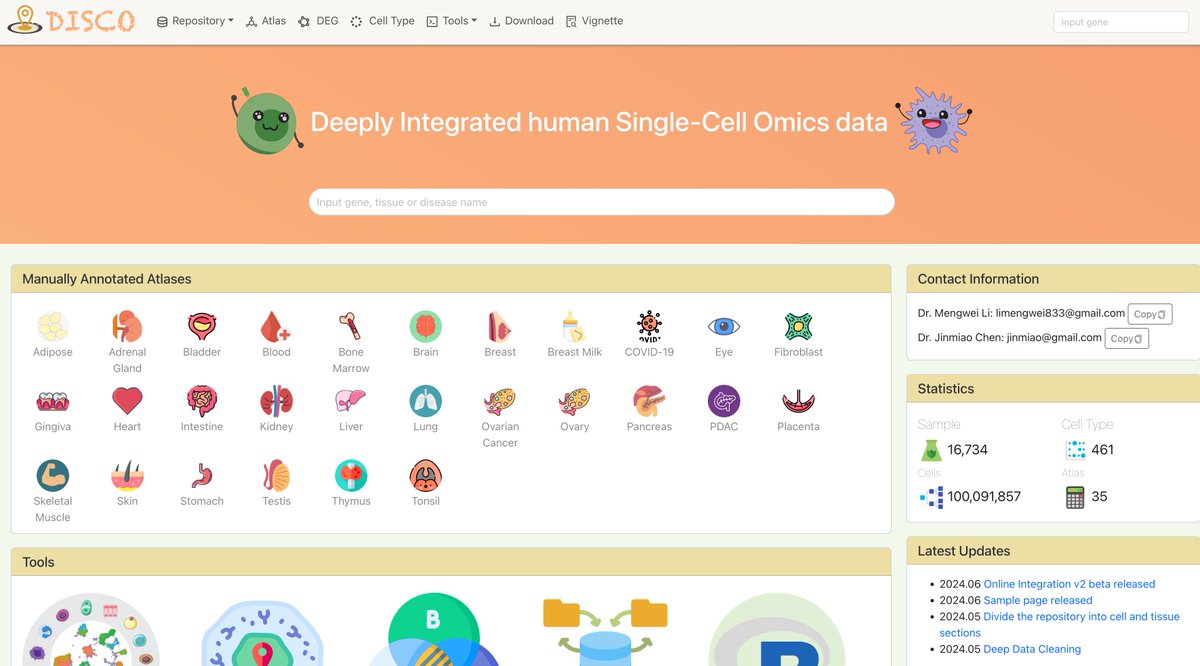
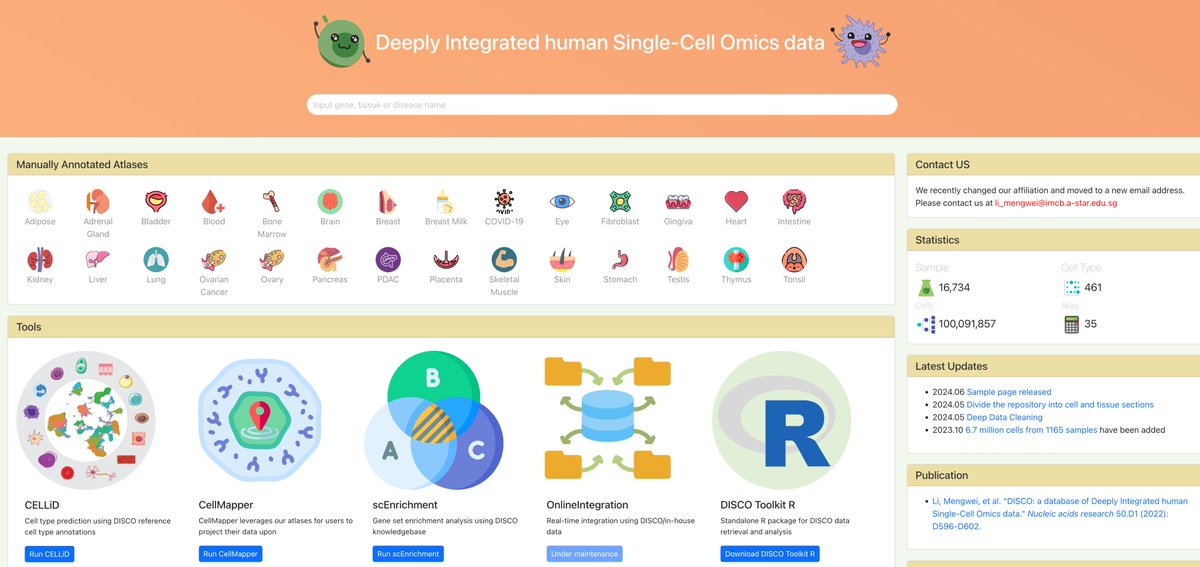
With continuous updates, the DISCO database now has over 100 million cells from 16,734 human samples (immunesinglecell.org/reposit…). Recent significant updates include:
1. Splitting samples into tissues and cell lines.
2. Comprehensive data and metadata cleaning.
3. Addition of new metadata fields, such as RNA source (nucleus/cell).
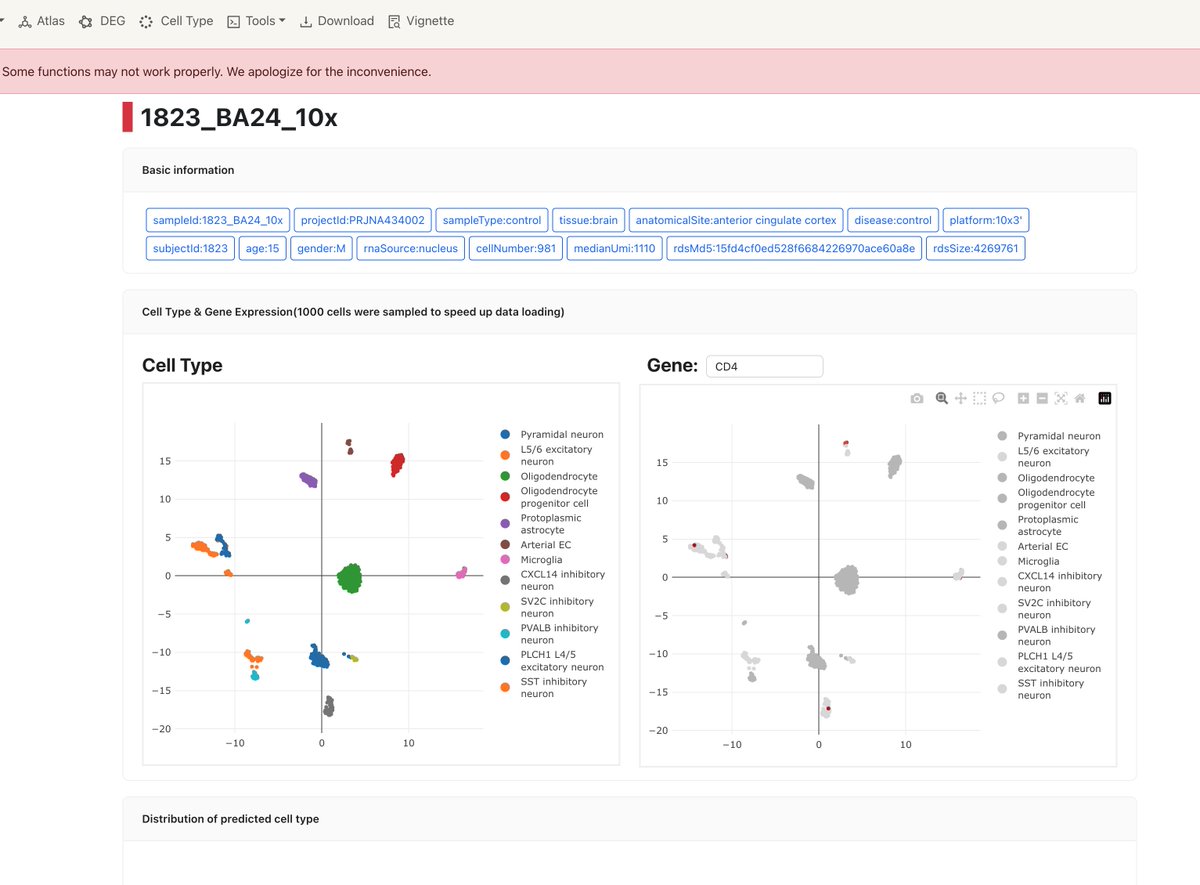
4. Individual sample pages, allowing users to explore cell types and gene expression data.
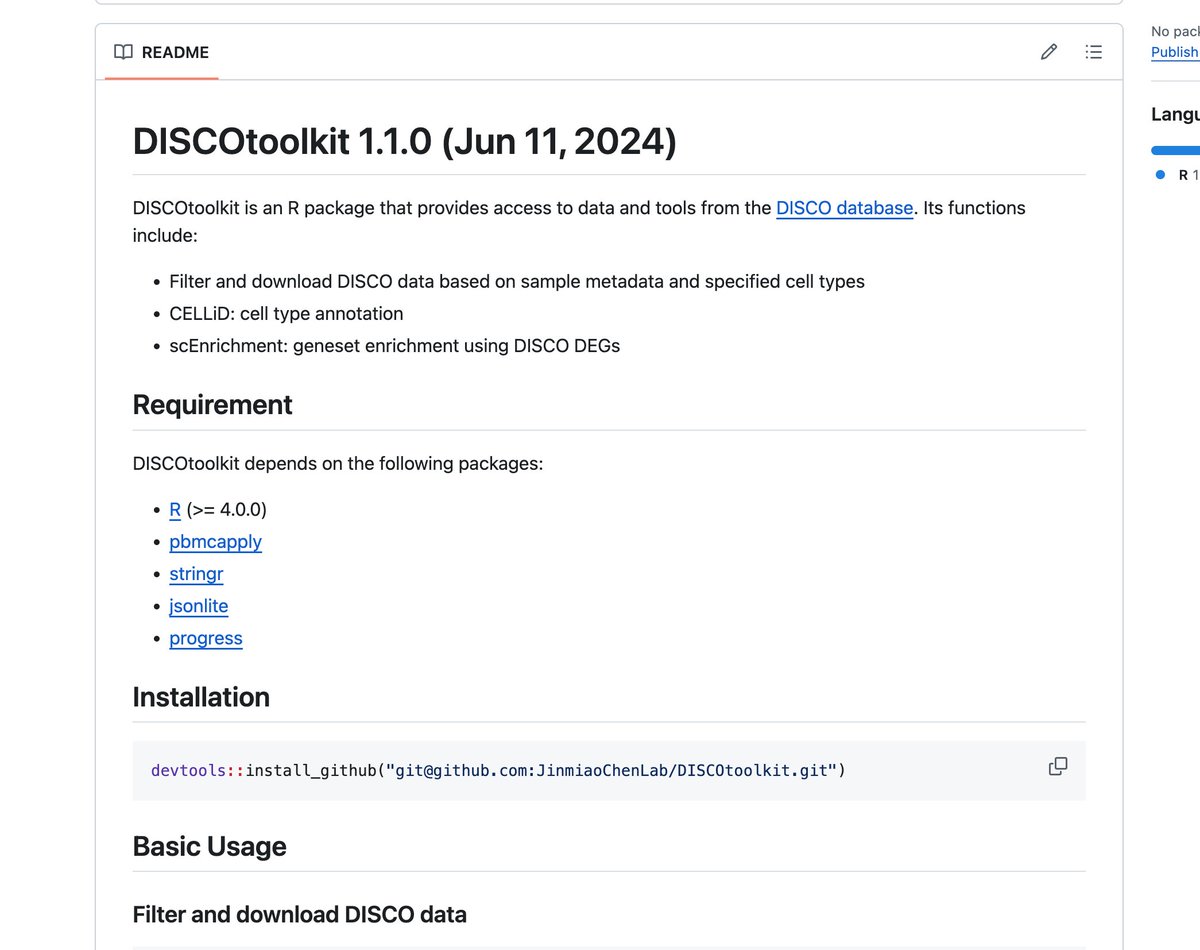
5. Update DISCO toolkit (github.com/JinmiaoChenLab/DI…) to align with the new data structure.
1
4
15
1,230