
We have 3 10-bed assisted living homes near Phoenix AZ. We also have an online community to keep you out of nursing homes forever. Let's discuss your situation.
Joined April 2015
- Tweets 15,499
- Following 1,029
- Followers 32,374
- Likes 22,737
2,247 Photos and videos




Pinned Tweet

16 Jan 2025
If you’re interested in fighting for good health and avoiding dementia, I put together a handout on some of the things we’re doing in our assisted living homes.
bringmemoryback.com/
8 Jan 2025

Over the Christmas Holidays a wonderful young lady (@ashliefromearth) and her husband came down from Portland, Oregon to film what we are doing at our assisted living homes. She put her autoimmune disease into remission with the carnivore diet and wants to help spread the word. Here is a teaser of what she is putting together. I am so grateful for people like her.
Please like and share this film she put together so others can know it's never too late to start healing.🧵
49
130
564
124,973
A Paradise for Parents retweeted

gillette gives away razors for free and makes $6 billion a year selling blades.
the handle costs them $3 to manufacture. they sell it for a dollar or toss it in a welcome bag. they lose money on every single razor they put into someone's hand. on purpose.
because the handle locks you into their blade system. once you own a gillette razor, you need gillette blades. the blades cost $0.50 to produce and retail for $4-$6 each. you buy them every month for years. one free handle generates hundreds in lifetime blade revenue per customer.
king gillette figured this model out in 1904. it's still the most profitable customer acquisition strategy ever designed 122 years later. every printer company, every gaming console, every keurig machine runs the same play. give away the platform. sell the refills forever.
your free guide is the razor.
the 11-page PDF you give away through auto-DMs to anyone who comments on your tweet costs you nothing to distribute. it enters a stranger's life at zero friction. and it does the exact thing the razor handle does: it locks them into your system.
not physically. psychologically. once someone reads your free guide and gets genuine value from it, you become their person for that topic. when they want the next level they don't search for it. they come back to you. the free guide created a relationship that didn't exist 20 minutes earlier. and now there's a $39 product behind it. a $497 course behind that. a $5,000 partnership behind that. those are the blades.
gillette doesn't lose sleep over giving away handles. the lifetime value of a blade customer is 100x the cost of the razor. the math only works one direction.
you shouldn't lose sleep over giving away your best content for free either. the person who reads your free guide and thinks "if this is what they hand out free, what's the paid stuff look like" is a customer for the next 2 years. the free guide isn't lost revenue. it's the razor handle. the blades are where the business lives.
i wrote out the complete razor-and-blade system for info products. the free guide structure, the auto-DM delivery mechanics, the telegram warmup that turns free readers into paying buyers, the product ladder from $39 to $5K, and the pipeline that runs the whole thing without you touching it. 11 pages.
free. (yes, this guide is also a razor.)
RT comment BACKEND and i'll send it (must be following so i can DM)
10
9
27
4,783
Same happens with the assisted living industry.
12 months ago, Mikhaila Fuller asked me: "Why did you decide to implement strategies to improve your residents' health?"
Here's what I told her:
I quickly realized the whole industry was about letting them sit around until they die.
Yes, we helped them with the basics of daily living, like changing their diapers, doing their laundry and helping them shower.
Then we let the "medical people" handle their health.
But that handling was mainly managing symptoms and writing prescriptions, not making anyone better.
And when I asked why none of them actually got better, they replied, "They're old, they don't get better."
I thought that was nonsense.
Jun 12

Hospitals should be helping people heal,
NOT slowly poisoning them...
18
148
560
38,733
#Screwyou would make a great old people’s motto on social media.
For everyone who proves ‘studies’ wrong.
For everyone who takes a diagnosis as a challenge.
For everyone who gives the middle finger to Father Time.
Jun 12

"You're retired. You're 71. You should take it easy. Kick back. Eat desserts. Drink alcohol."
"Screw you."
1
26
1,641
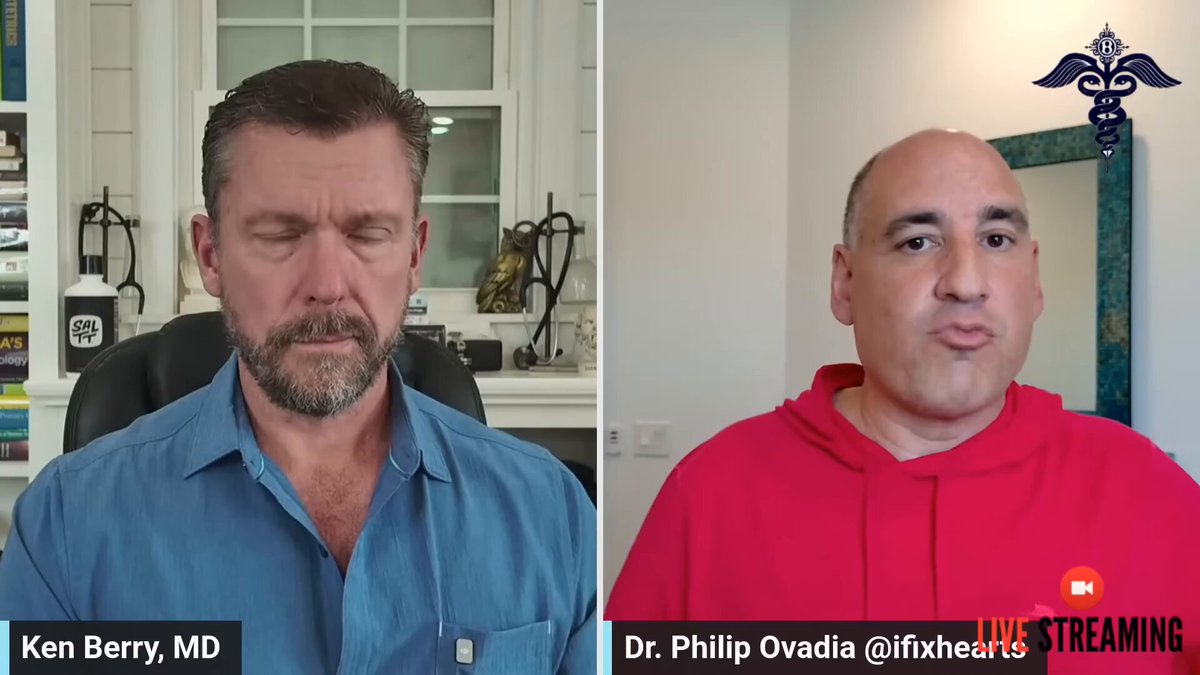
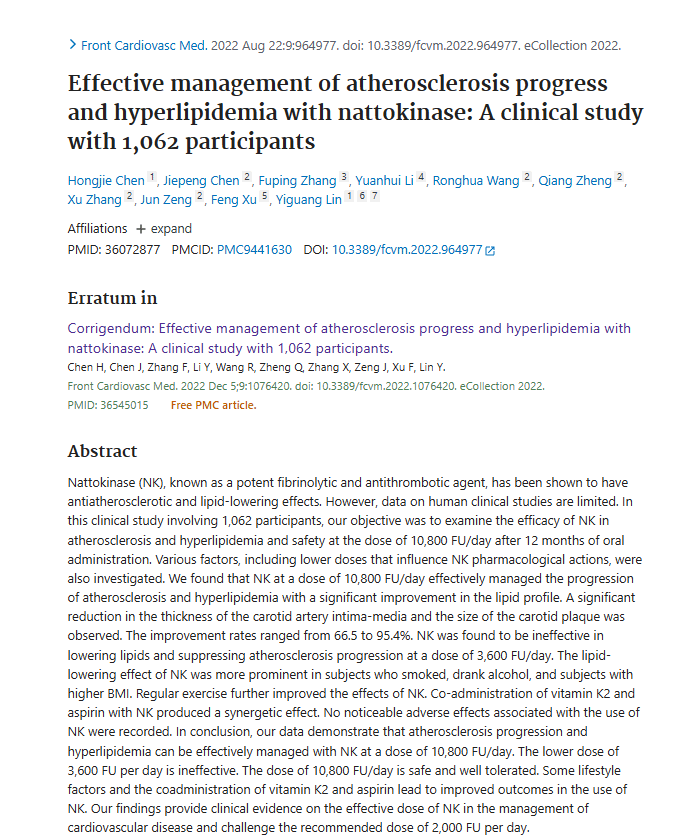
Dr. Ovadia says nattokinase is something he routinely recommends as part of his protocol for patients.
It a fibrinolytic agent, meaning it helps the body break down blood clots as they start to form.
He points to a trial showing reduced arterial plaque in patients taking it, though that study measured carotid (neck) plaque rather than coronary plaque, which he flags as a caveat.
As mentioned below, the trial tested 3,600 units daily (not statistically significant) versus 10,800 units daily (significant plaque reduction), so he typically suggests around 10,000 units a day.
He cautions that many supplements are dosed too low or poorly sourced, and that anyone on blood-thinning medication should talk to their doctor first.
(h/t @KenDBerryMD & @DoctorTro)

Nattokinase is truly a remarkable supplement.
At 10,800 FU daily, it reversed arterial plaque in 66.5% of patients over 12 months, with no side effects.
The rest of the data is even more insane.
Researchers tracked 1,062 people with confirmed hyperlipidemia and carotid artery plaque.
These weren't just healthy volunteers.
Every person had an ultrasound at the start and another after 12 months of daily nattokinase.
The study used two dose groups: 3,600 FU and 10,800 FU per day. The low-dose group saw almost no change in their plaque or lipid markers.
Even though it was the same supplement for the same amount of time, the dose made the difference.
At 10,800 FU, carotid artery plaque shrank by up to 36%. The arterial wall thickness decreased by 21.7% on average.
These are physical, structural changes that doctors measured and confirmed on ultrasound.
77.7% of participants showed measurable improvement in arterial wall thickness.
66.5% showed measurable reduction in plaque size.
Improvement rates across all markers ranged from 66.5% to 95.4% for the majority of over 1,000 people, not some few lucky responders.
The participants lipid results moved in every right direction simultaneously.
- Total cholesterol: down
- LDL: down
- Triglycerides: down
- HDL: up
No adverse effects were recorded at any point across the full 12 months.
Lifestyle also amplified everything.
Participants walking more than 5,000 steps daily responded better than sedentary ones, and those with higher BMI saw larger relative improvements, likely because they started from a higher risk baseline where there was more room to move.
The study also tested co-administration.
Vitamin K2 and low-dose aspirin taken alongside nattokinase produced a synergistic effect, outperforming nattokinase alone across cardiovascular markers.
If you're building a stack, that's the combination the data points to.
The researchers found the effective range is 6,000 to 12,000 FU daily. Most supplements in Europe are only 2,000 FU. That's a huge gap.
The data shows 2,000 FU does almost nothing to plaque, while 10,800 FU actually shrinks it.
All in all, truly an incredible enzyme.

15
79
435
46,746
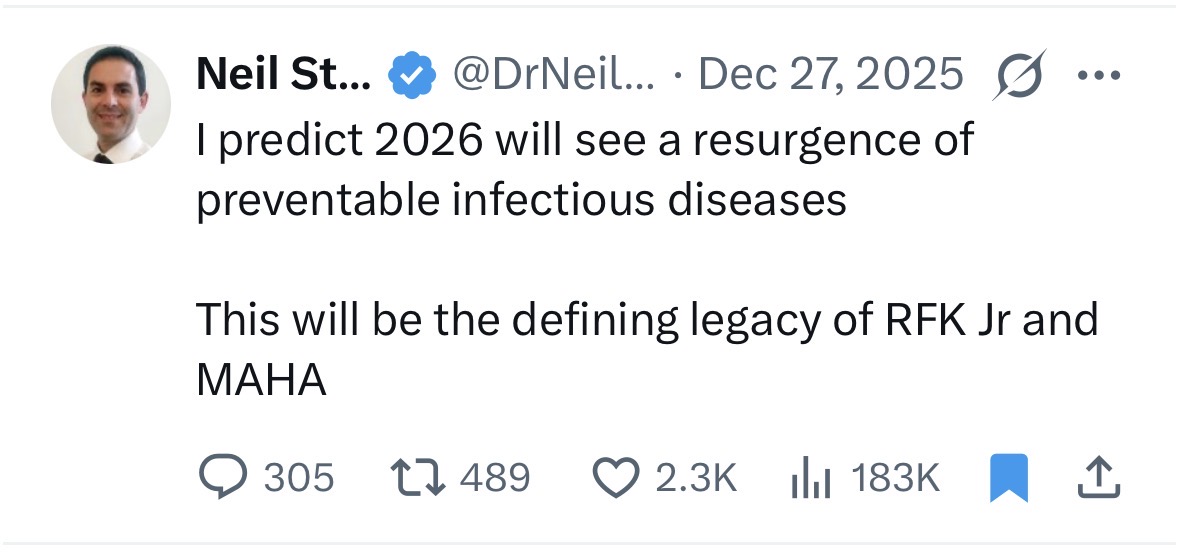
If you want to make money, find a way to bet against the infectious disease experts like @DrNeilStone.
Jun 11

Deaths in the US so far in 2026, by cause:
Drowning: approximately 1000 (22 kids in Texas alone)
Mushroom poisoning: 4
Rattlesnake: 3
Lightning: 2
Marathon: 1
Measles: 0
And, oh yeah, overdose: approximately 30000
Let's try to scare people some MORE about measles, huh?
2
4
28
1,135
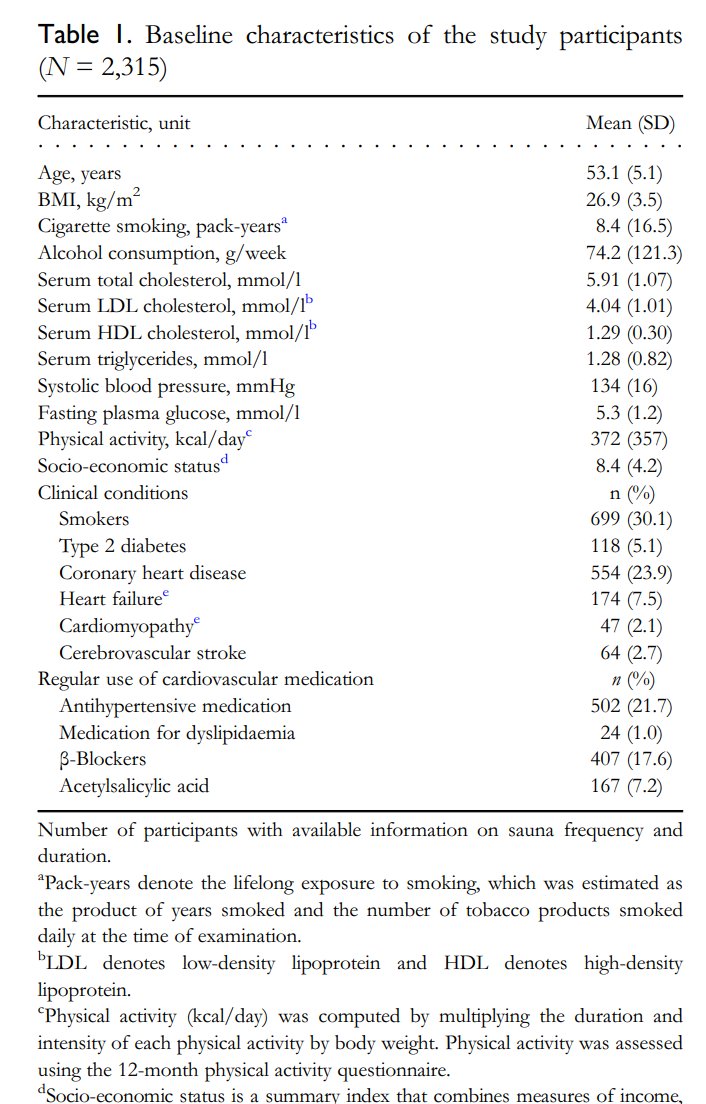
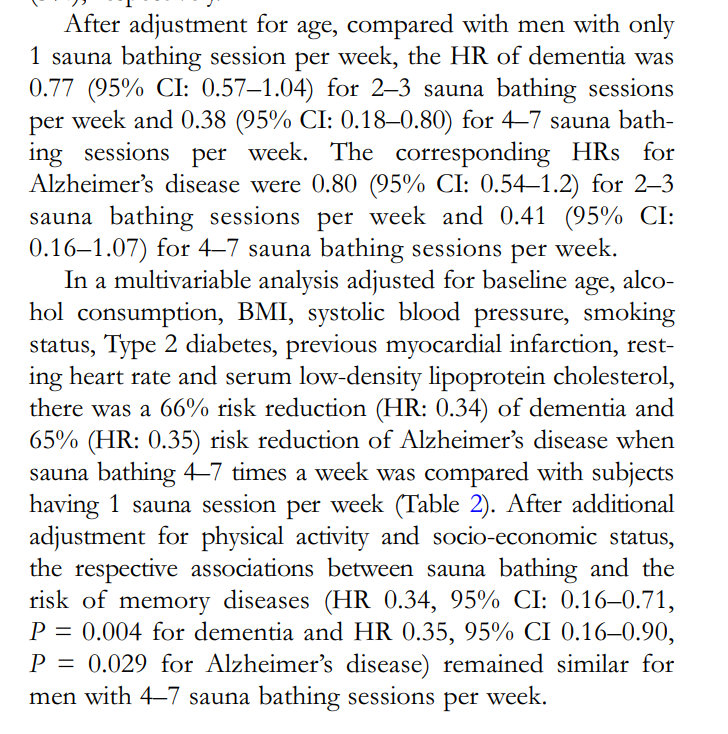
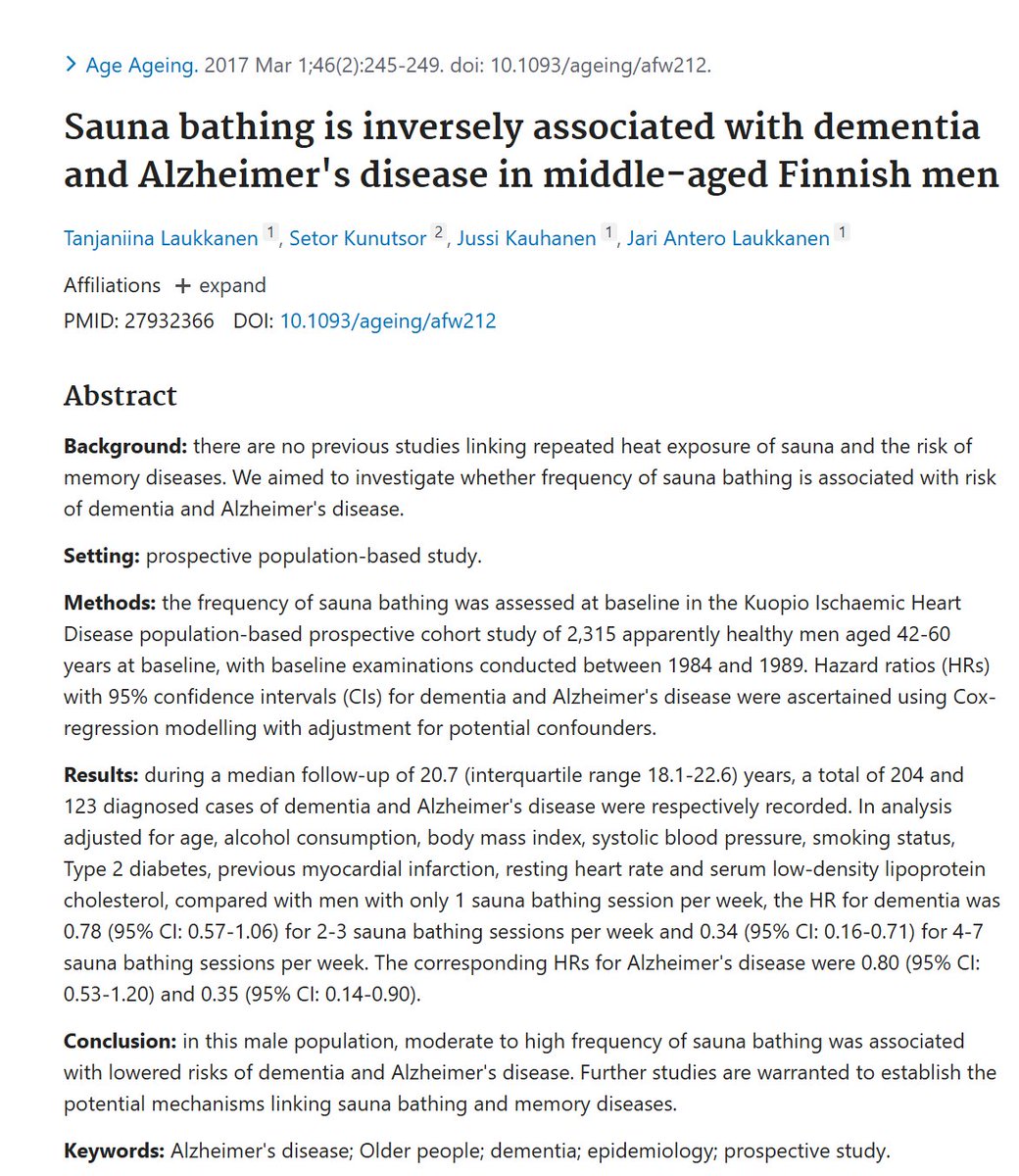
Over 20 years, 2,315 healthy Finnish men were carefully tracked to study how regular sauna use impacted their health.
It was discovered men who used it 4–7 times per week had a 66% lower risk of dementia.
This is the complete breakdown of the study:🧵

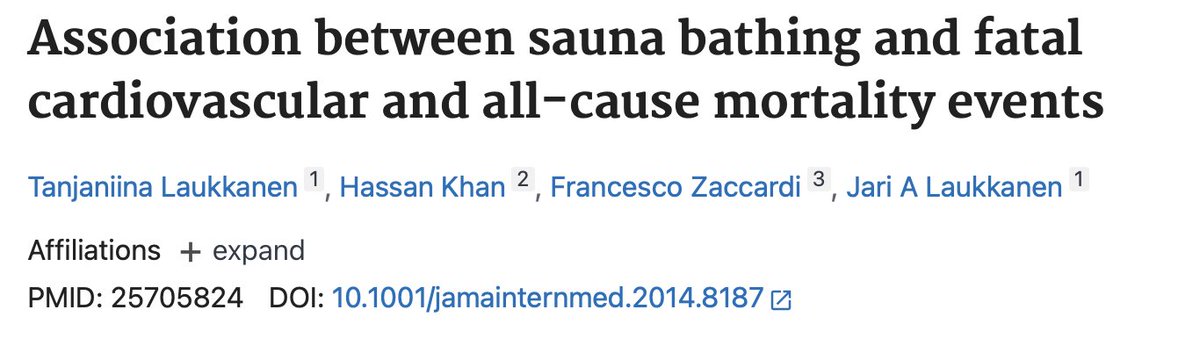
In a cohort of 2,300 adults followed for ~20 years, those who used a sauna 4-7x/week had a ~40% lower risk of all-cause death and a 63% lower risk of sudden cardiac death vs once a week.
Dose-dependent. More sessions, lower risk.
pubmed.ncbi.nlm.nih.gov/2570…
3
11
64
7,345
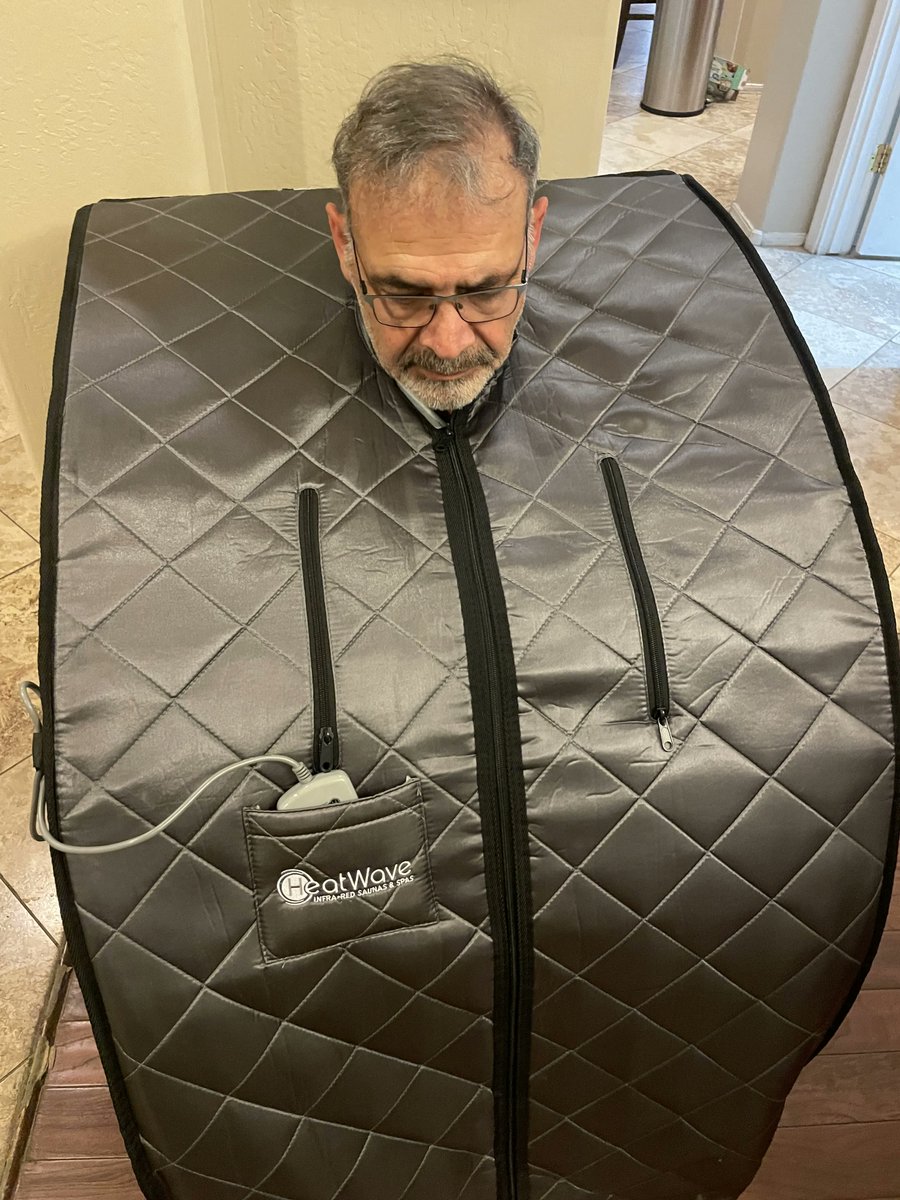
We have both infrared and portable saunas in our assisted living homes.
It's become one of the core therapies in our memory care protocols alongside diet, exercise, red light therapy, and oxygen therapy.
1
10
399
It doesn't matter which sauna type you use—dry air, infrared or portable—as long as you show up, sweat, and stay consistent, you will see improvements in your health.
If you've noticed improvements using sauna frequently, share it in the comments below to help spread the word.
1
8
379
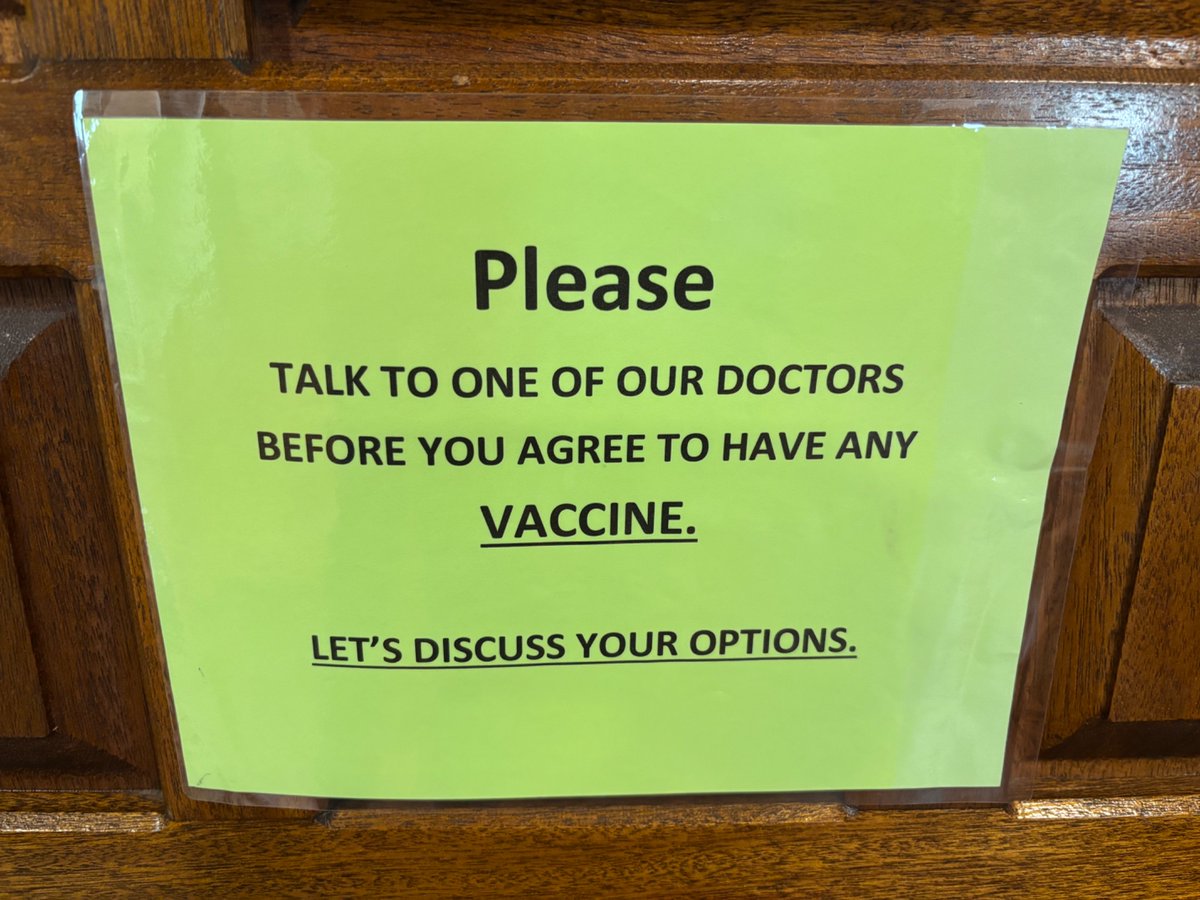
Met with a doctor yesterday who had this on her wall.
My kind of people..
27
212
1,803
18,963
THIS is how you stay out of a nursing home.
Jun 9

Most people imagine something else
But this is what strength is really for
2
8
90
2,479
I just told Kelly Hogan something that shocked her.
After 10 years running assisted living homes, I've learned the industry is completely backwards.
Here are the 8 things I shared with her:
1) Expensive care homes don't focus on your loved one’s recovery
17
169
665
102,879
Here's everything I told Kelly Hogan after a decade in this industry:
1) Expensive care homes don't focus on recovery
2) Carnivore diet helped them the most
3) I don't believe in single-pill solutions
4) Residents arrive on 20-30 prescriptions
5) The sun is nature's healer
6) Recovery is possible at any age
7) Strength training matters in old age
8) Hyperbaric oxygen for moderate dementia
This isn't medicine is lifestyle, and it works well into old age.
2
19
127
8,532
If this thread changed how you think about aging and assisted living homes, give me a follow.
I share what I've learned running care homes and turn conversations with the best doctors I know into tips families can actually use.
More breakdowns like this every week.
3
9
109
7,922