
The National Integrated Heat Health Information System (NIHHIS). Follow us for information, tools, and resources on heat and health #NIHHIS #HeatSafety @NOAA
- Tweets 1,689
- Following 85
- Followers 1,575
- Likes 1,085

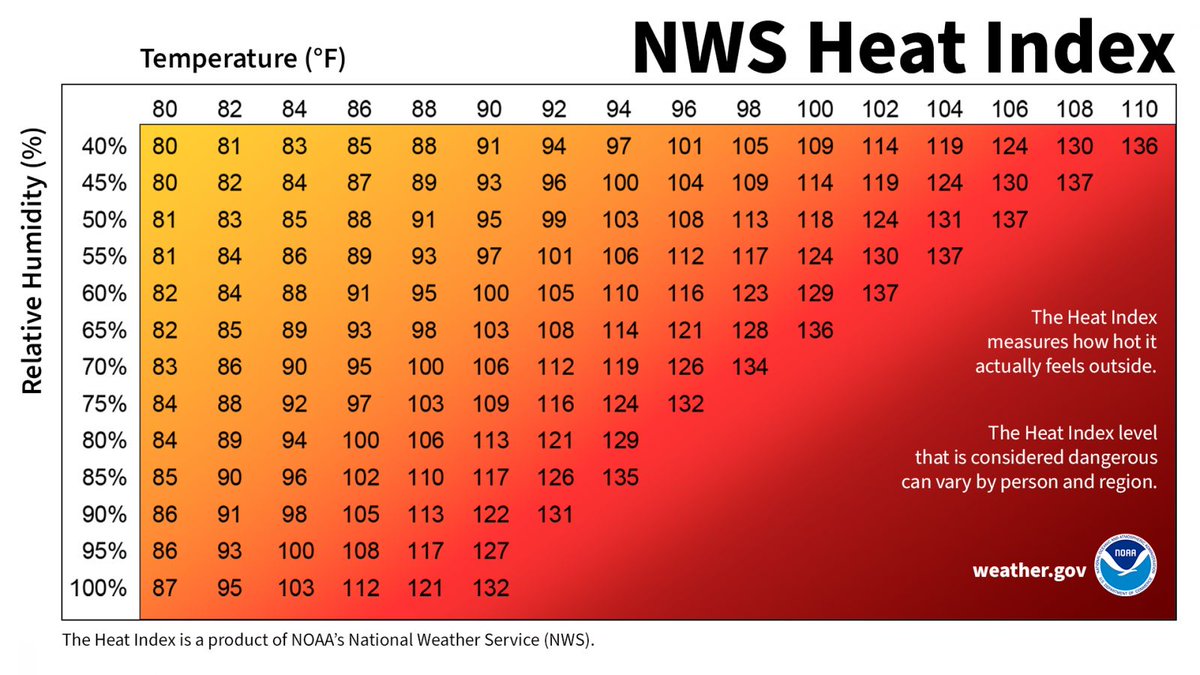
ALT The National Weather Service (NWS) Heat Index Chart. A large grid crosses air temperature (80°F to 110°F on the top horizontal axis) with relative humidity (40% to 100% on the left vertical axis) to calculate the "apparent temperature" or how hot it feels. The background is a color gradient that shifts from yellow on the top-left to deep red on the bottom-right as heat and humidity rise. For example, at 90°F and 70% humidity, the heat index is 106°F. Text on the right reads: "The Heat Index measures how hot it actually feels outside. The Heat Index level that is considered dangerous can vary by person and region." Fine print at the bottom states: "The Heat Index is a product of NOAA’s National Weather Service (NWS)."

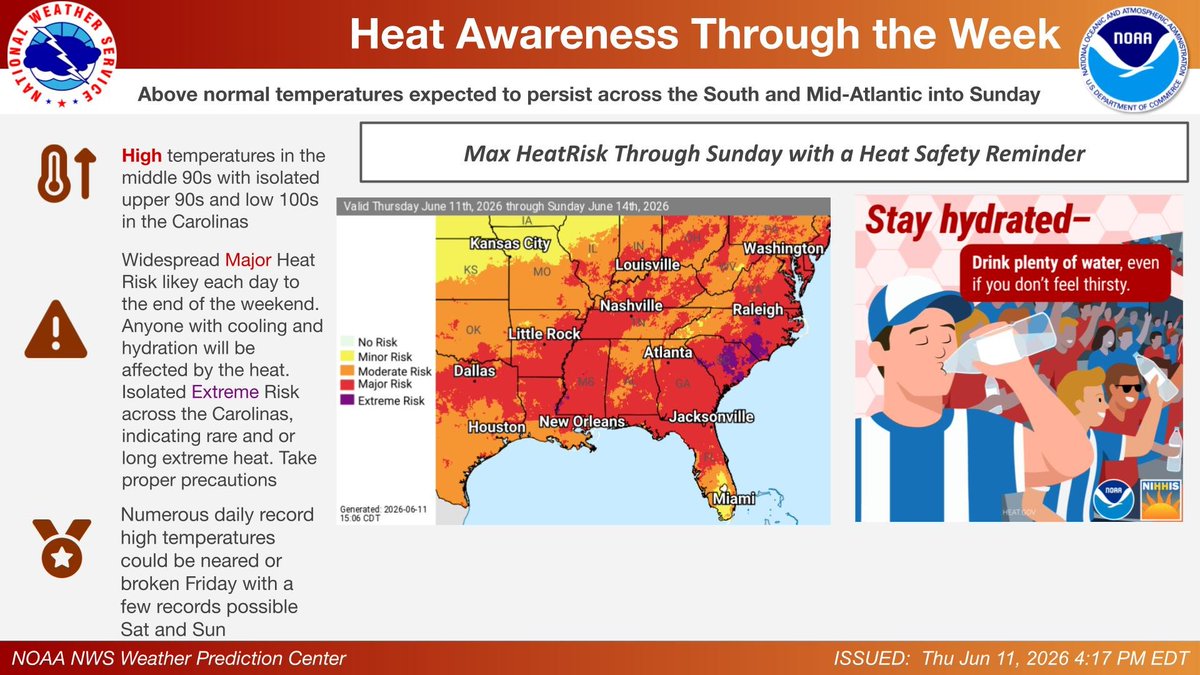
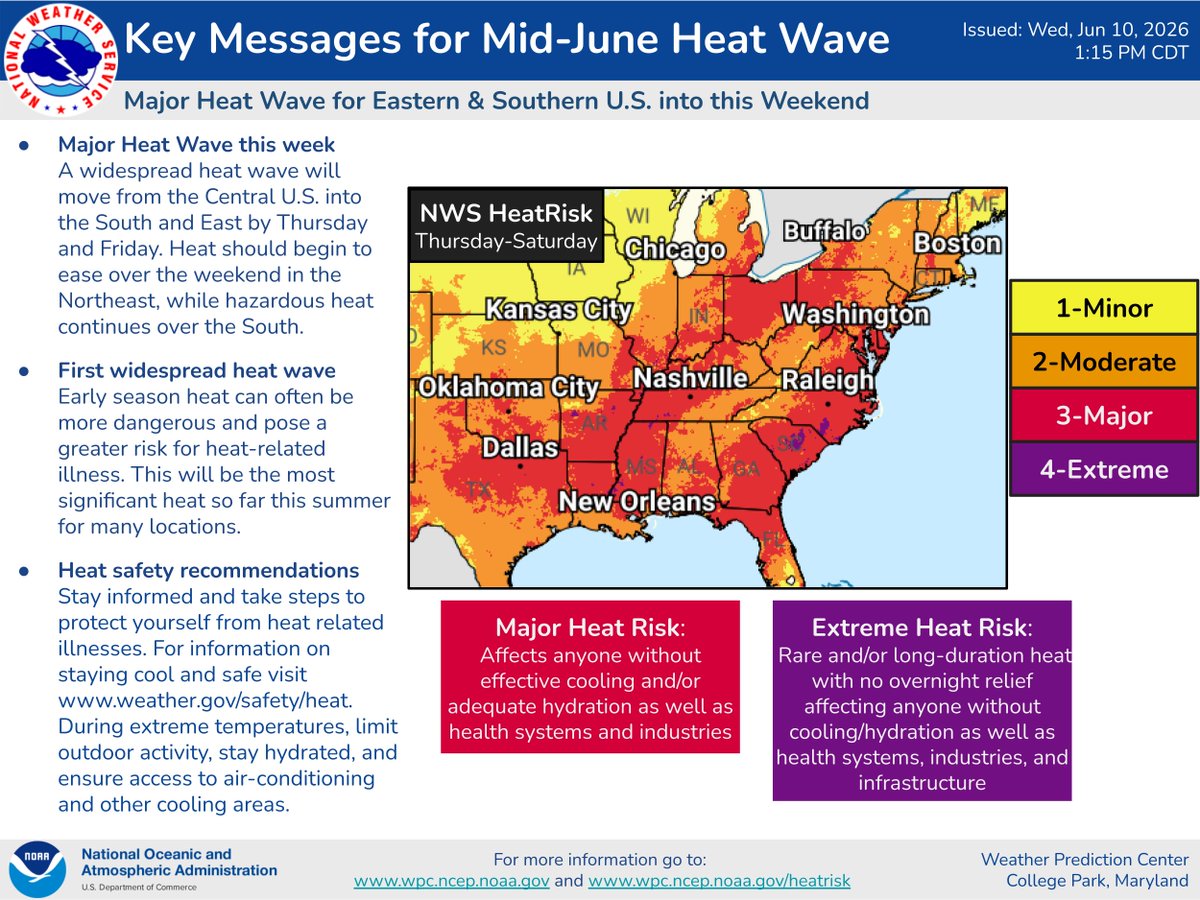
ALT If going out this weekend to celebrate festivities, an ongoing heat wave will bring widespread Major HeatRisk from Texas all the way to the Mid-Atlantic as high temperatures soar into the middle and upper 90s. Stay hydrated and take cooling breaks.

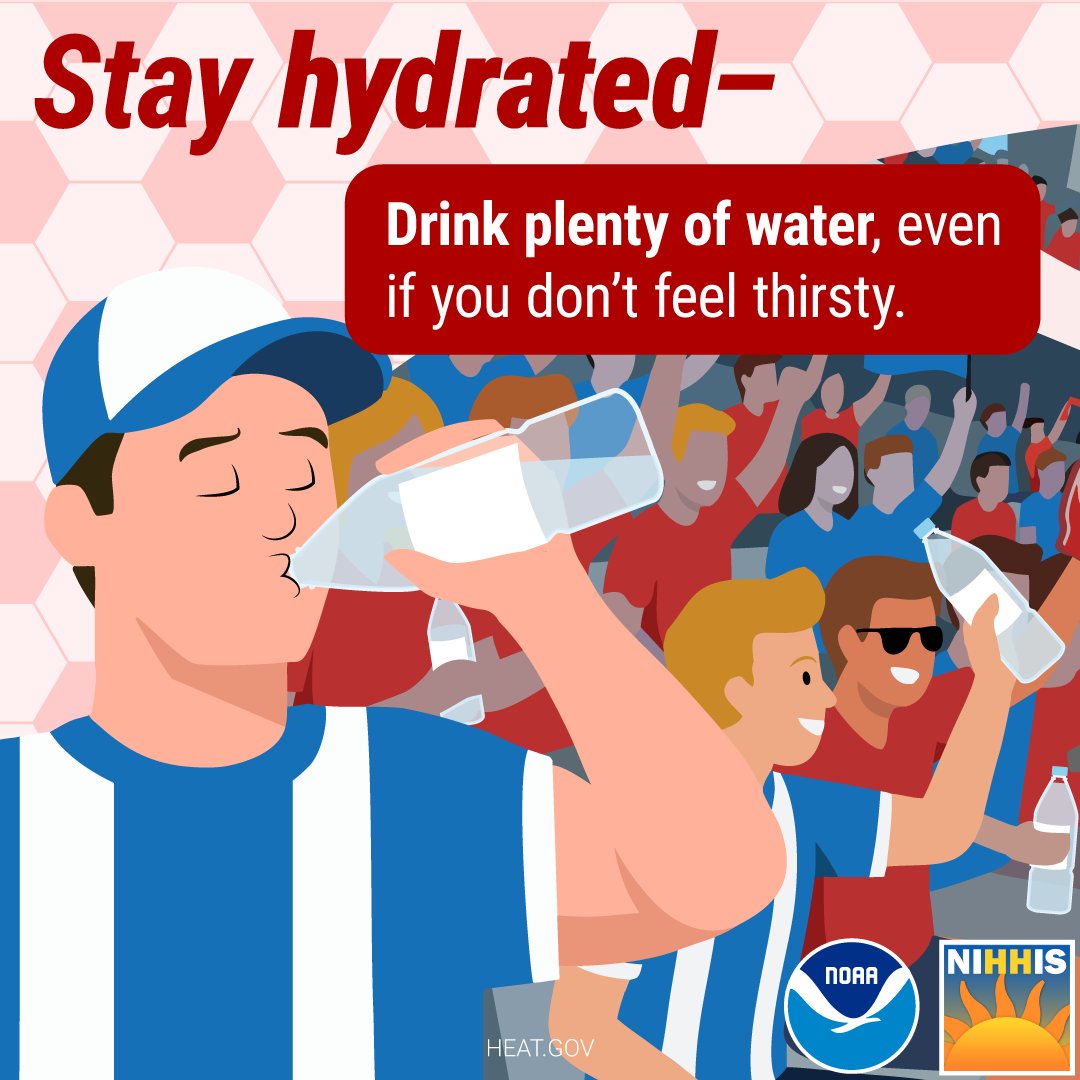
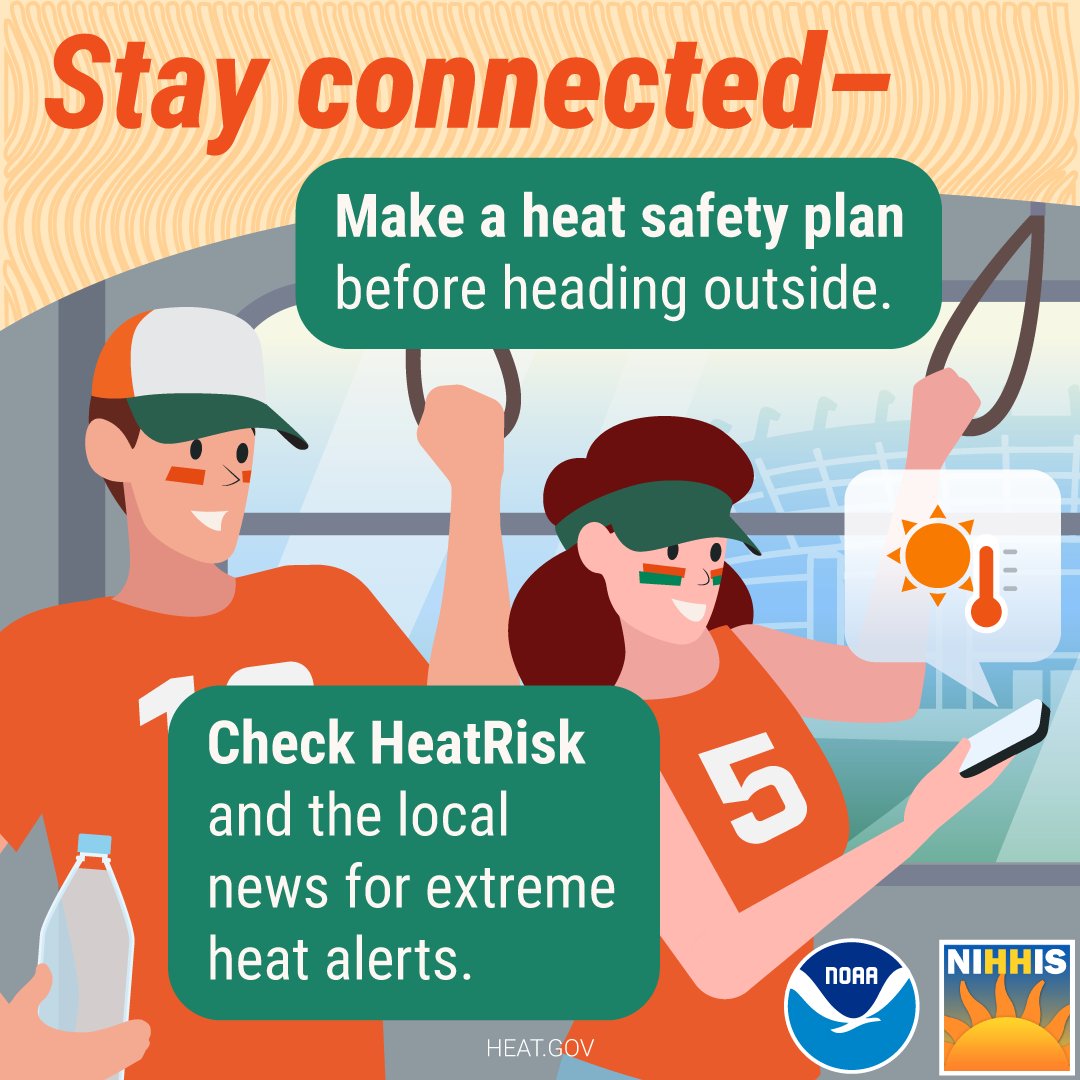
ALT An illustration of a crowd of people cheering from the stands of a stadium at a soccer game. In the foreground of the illustration, a man in a soccer jersey drinks from a bottle of water. The text says, “Stay hydrated—Drink plenty of water, even if you don't feel thirsty.”
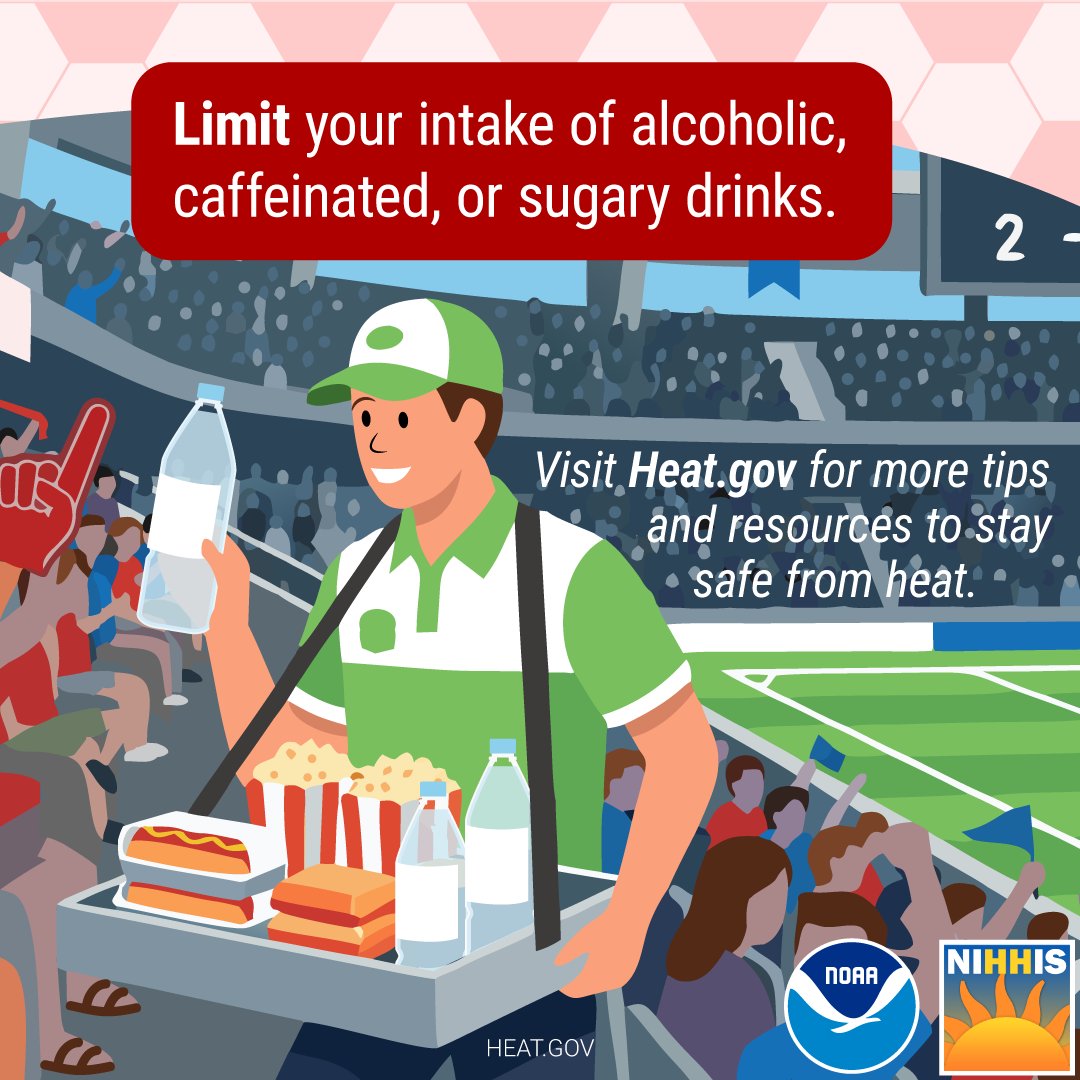
ALT A concession vendor holds a water bottle to hand to someone in the stadium cheering. the text says, “Limit your intake of alcoholic, caffeinated, or sugary drinks. Visit Heat.gov for more resources and tips to stay safe from heat."
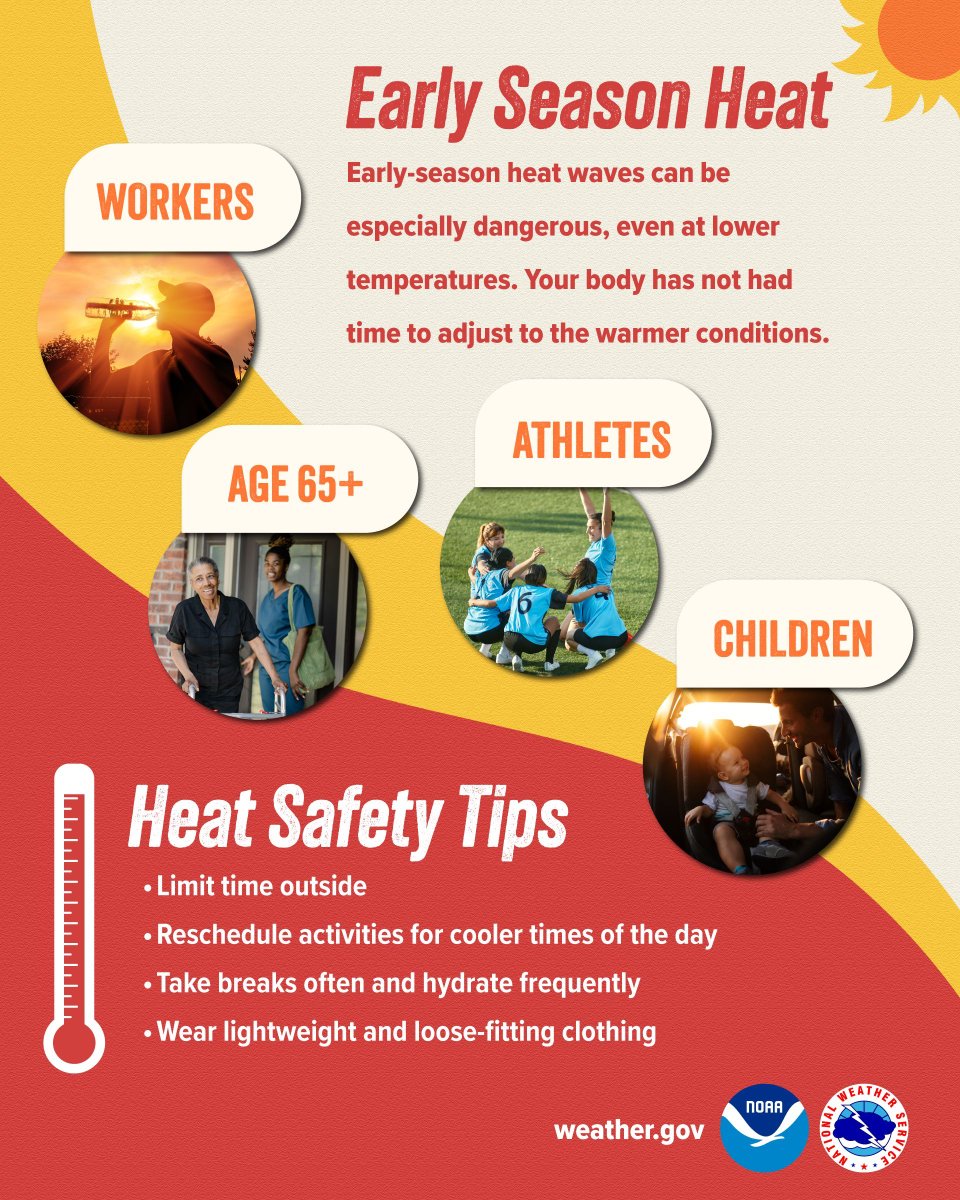
ALT An infographic from the National Weather Service titled "Early Season Heat." The main text reads: "Early-season heat waves can be especially dangerous, even at lower temperatures. Your body has not had time to adjust to the warmer conditions." The graphic highlights four groups particularly vulnerable to heat, each accompanied by a photo inside a circular frame: WORKERS: Showing a silhouette of a person drinking water at sunset. AGE 65 : Showing an elderly individual with a caregiver. ATHLETES: Showing a soccer team huddling on a field. CHILDREN: Showing a parent buckling a toddler into a car seat. The bottom section is titled "Heat Safety Tips" next to a white thermometer icon, listing the following bullet points: Limit time outside Reschedule activities for cooler times of the day Take breaks often and hydrate frequently Wear lightweight and loose-fitting clothing
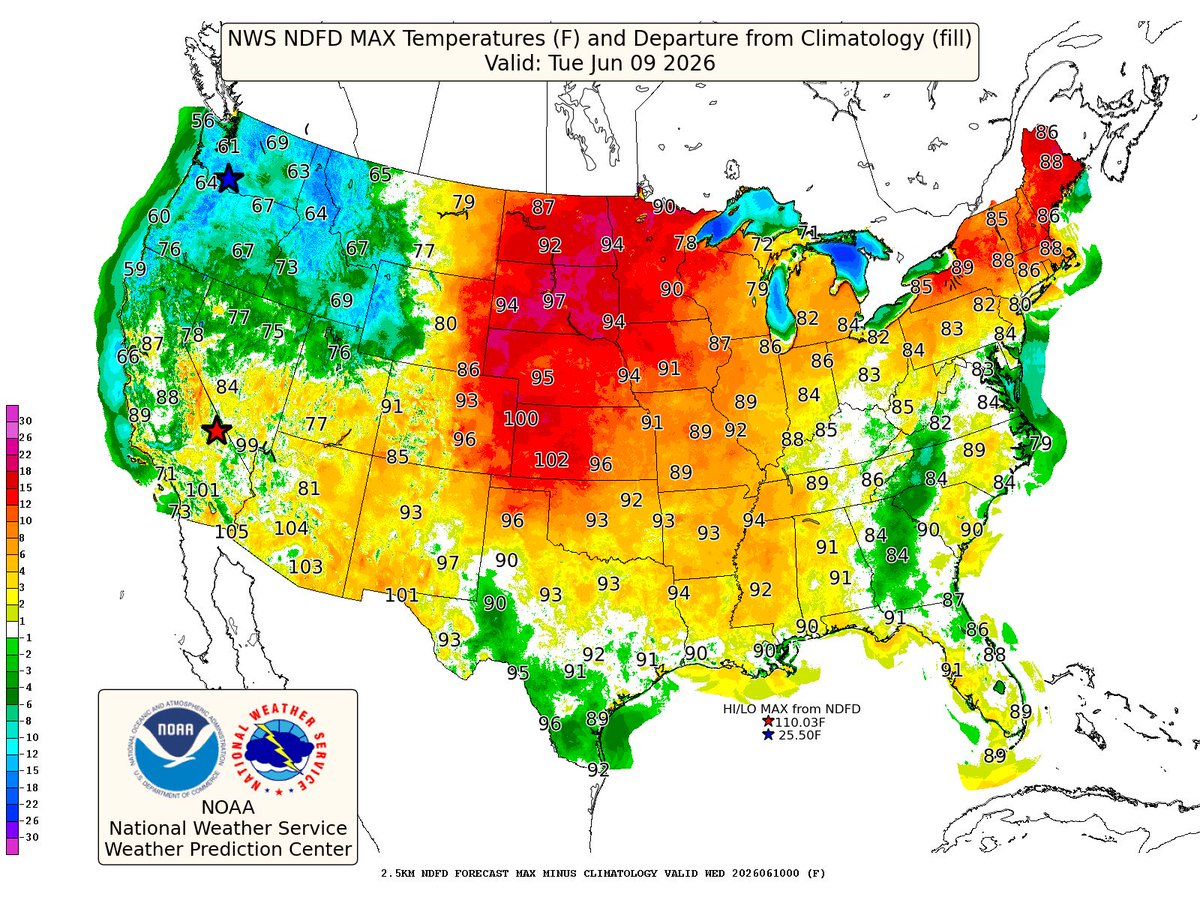
ALT Map showing forecast high temperature departures from normal for the contiguous U.S. The highest departures above normal lie in the central and northern Plains.
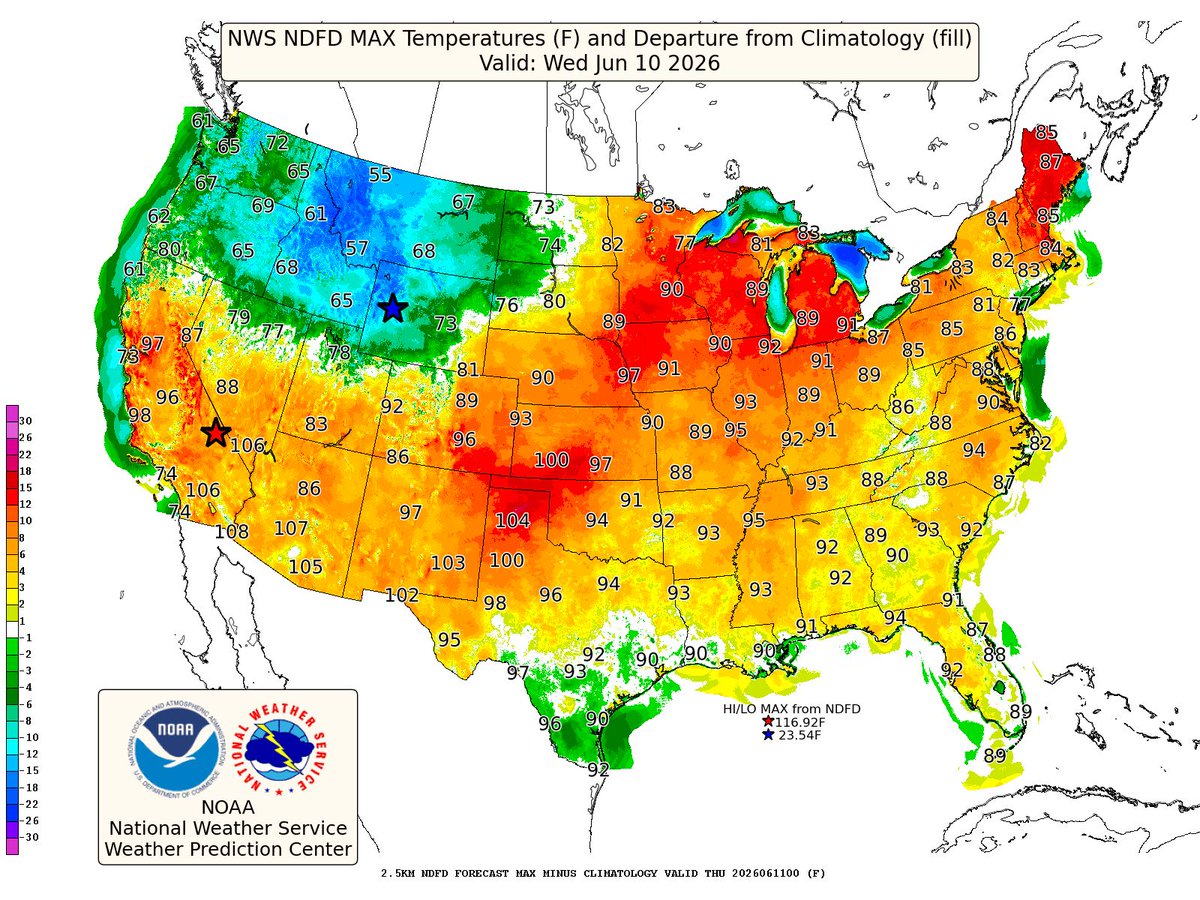
ALT Map showing forecast high temperature departures from normal for the contiguous U.S. The highest departures above normal lie from the Plains, to the Midwest to the NE.
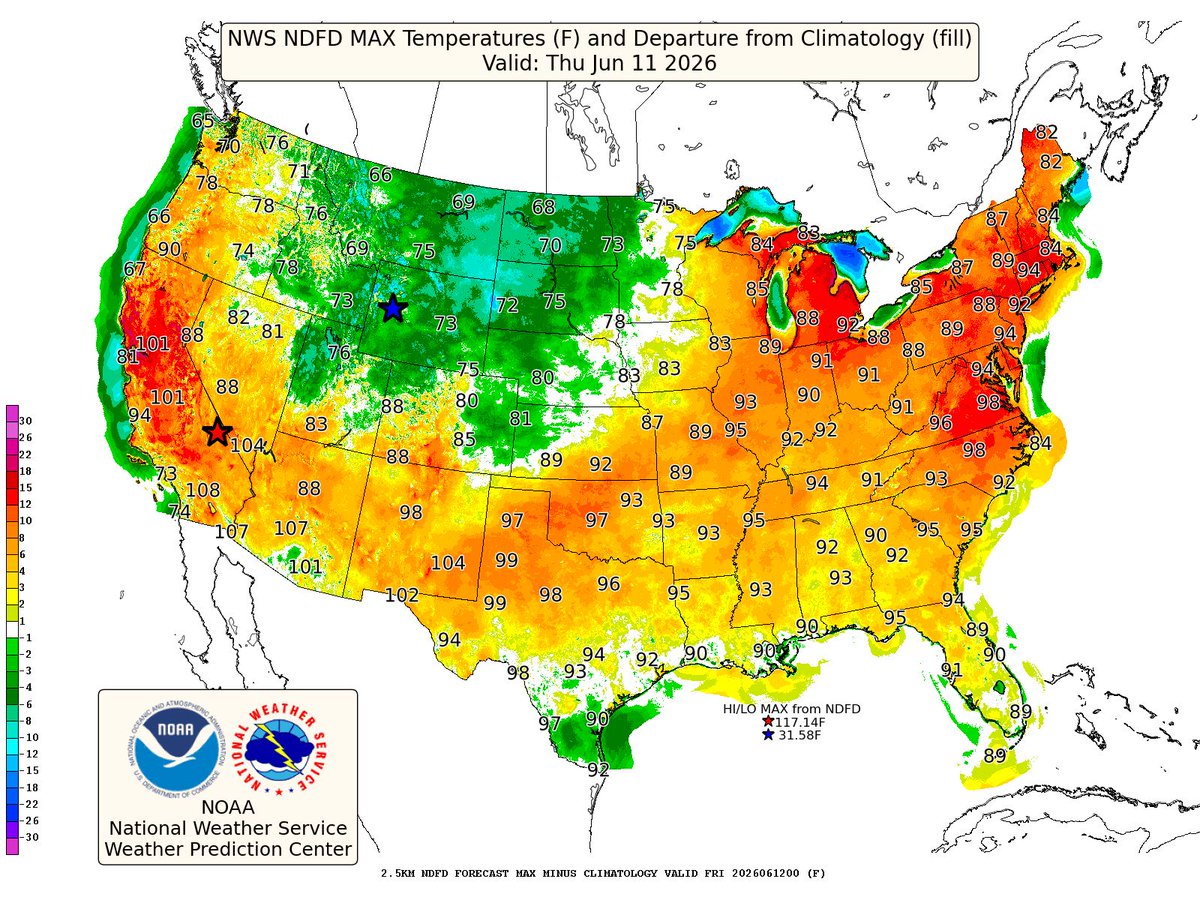
ALT Map showing forecast high temperature departures from normal for the contiguous U.S. The highest departures above normal lie from the Midwest to the NE and Mid-Atlantic.
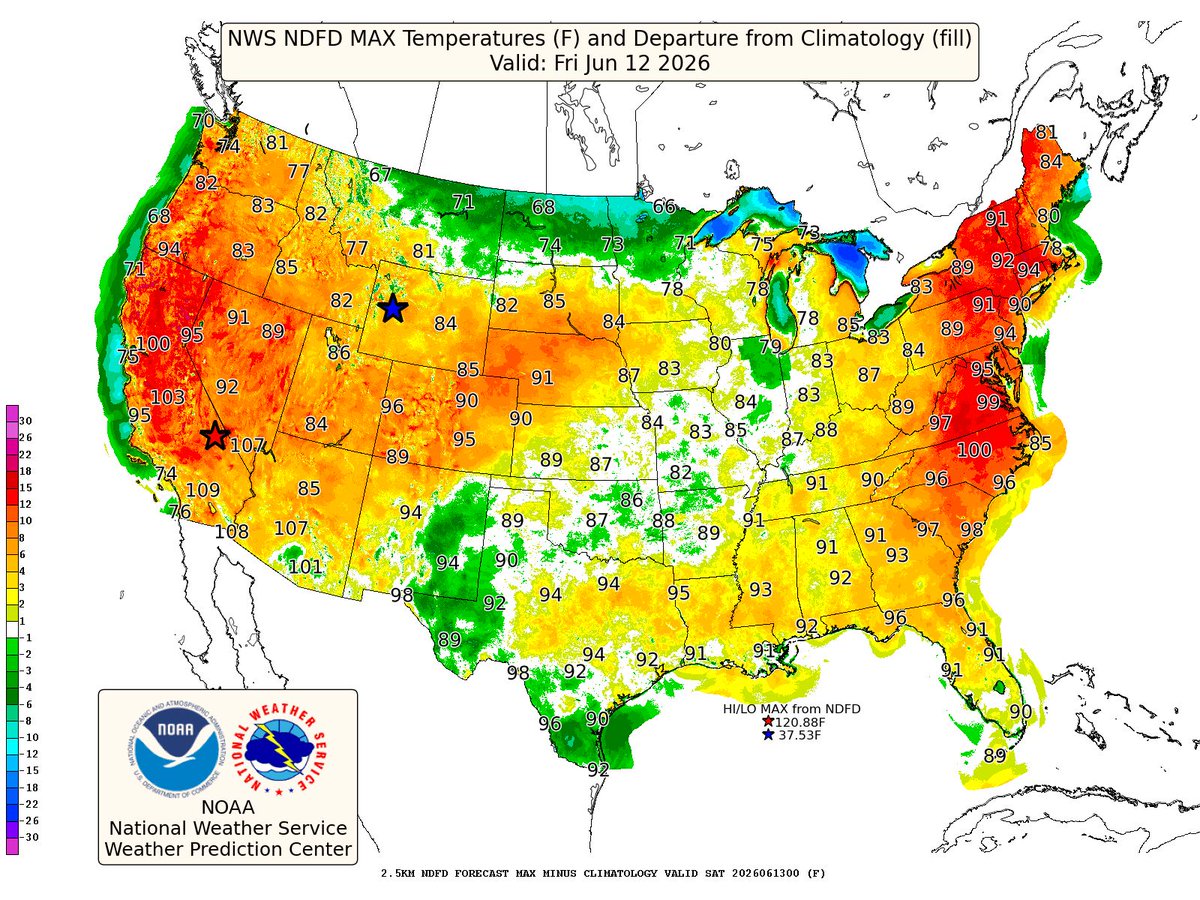
ALT Map showing forecast high temperature departures from normal for the contiguous U.S. The highest departures above normal lie in the NE and Mid-Atlantic.
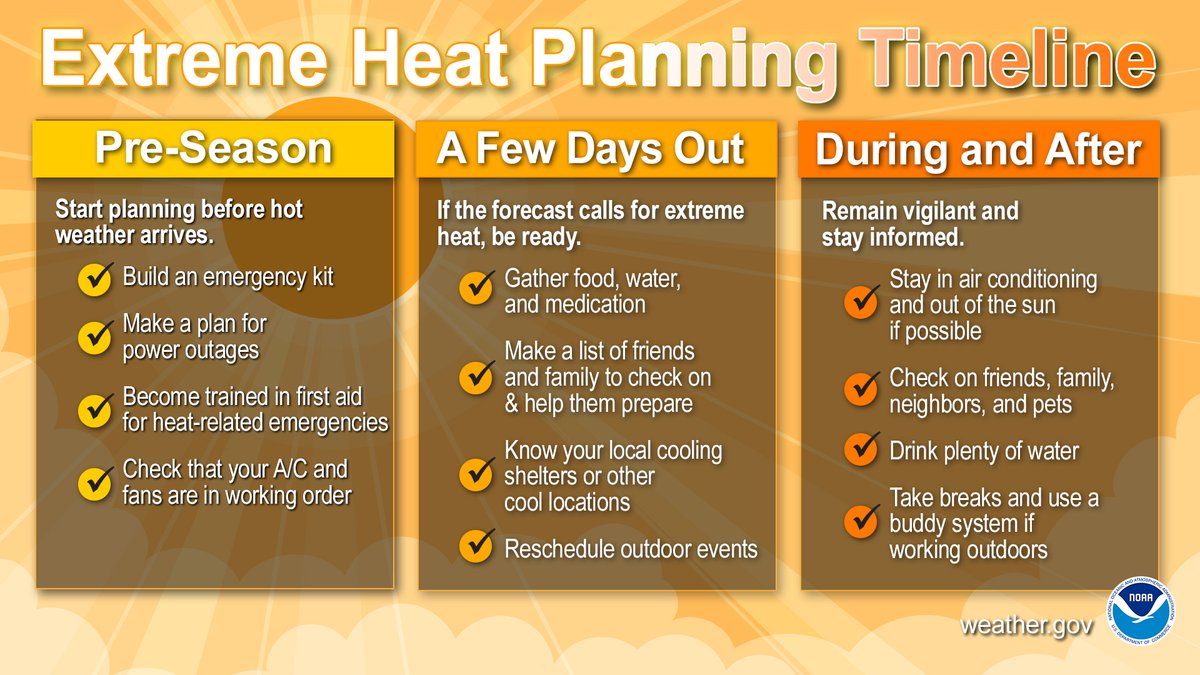
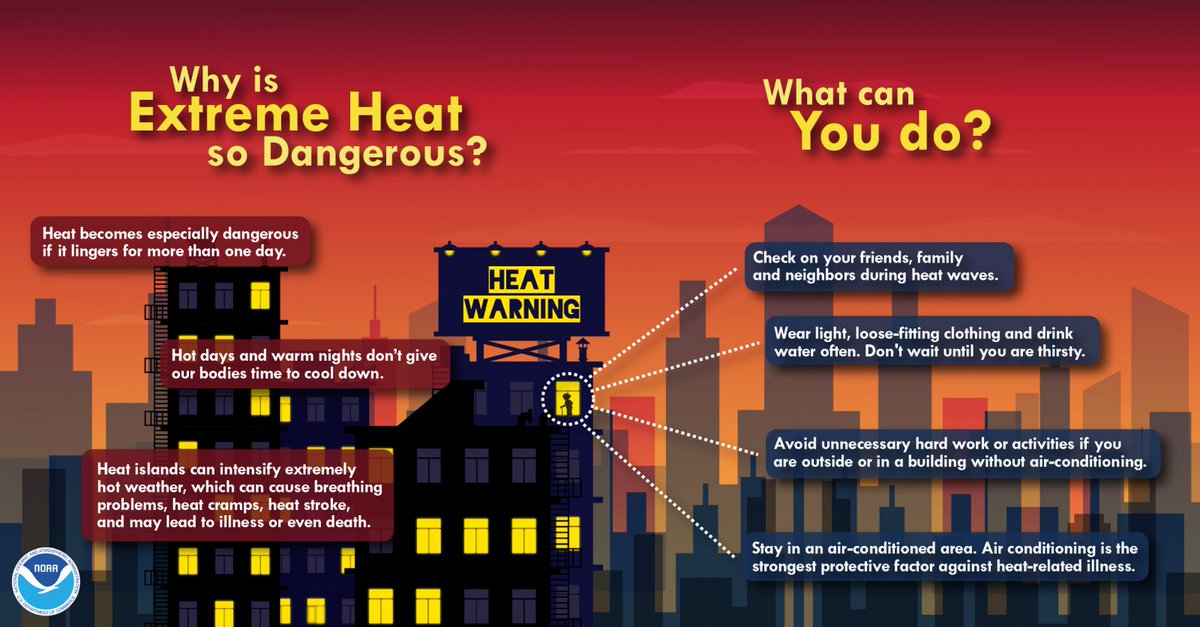
ALT A graphic showing an Extreme Heat Planning Timeline. The text says, “Pre-Season: Start planning before hot weather arrives. Build an emergency kit. Make a plan for power outages. Become trained in first aid for heat-related emergencies. Check that your A/C and fans are in working order. A Few Days Out: If the forecast calls for extreme heat, be ready. Gather food, water, and medication. Make a list of friends and family to check on and help them prepare. Know your local cooling shelters or other cool locations. Reschedule outdoor events. During and After: Remain vigilant and stay informed. Stay in air conditioning and out of the sun if possible. Check on friends, family, neighbors, and pets. Drink plenty of water. Take breaks and use a buddy system if working outdoors.”
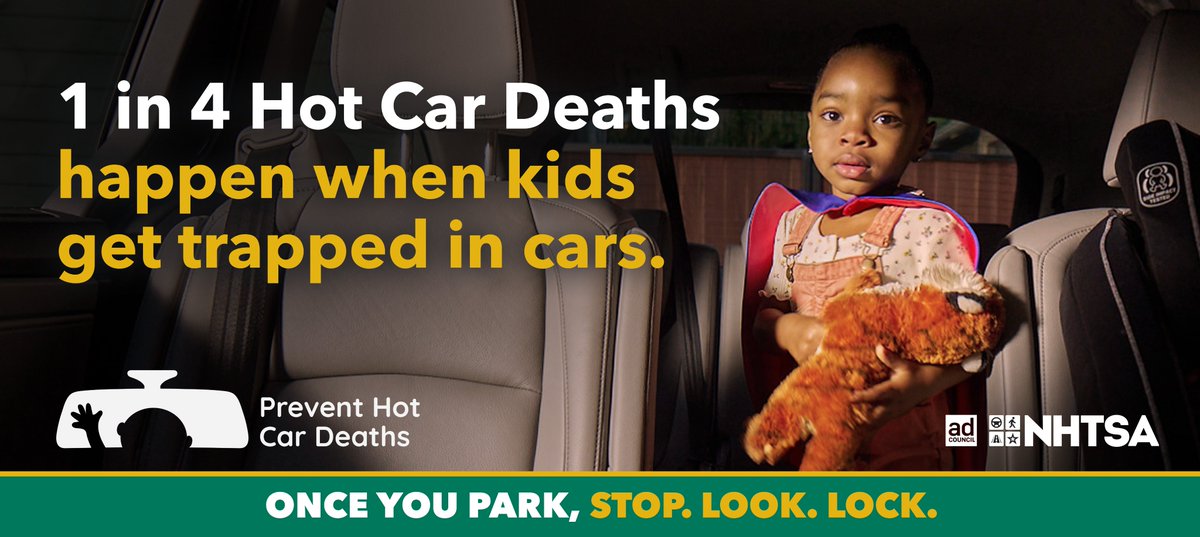
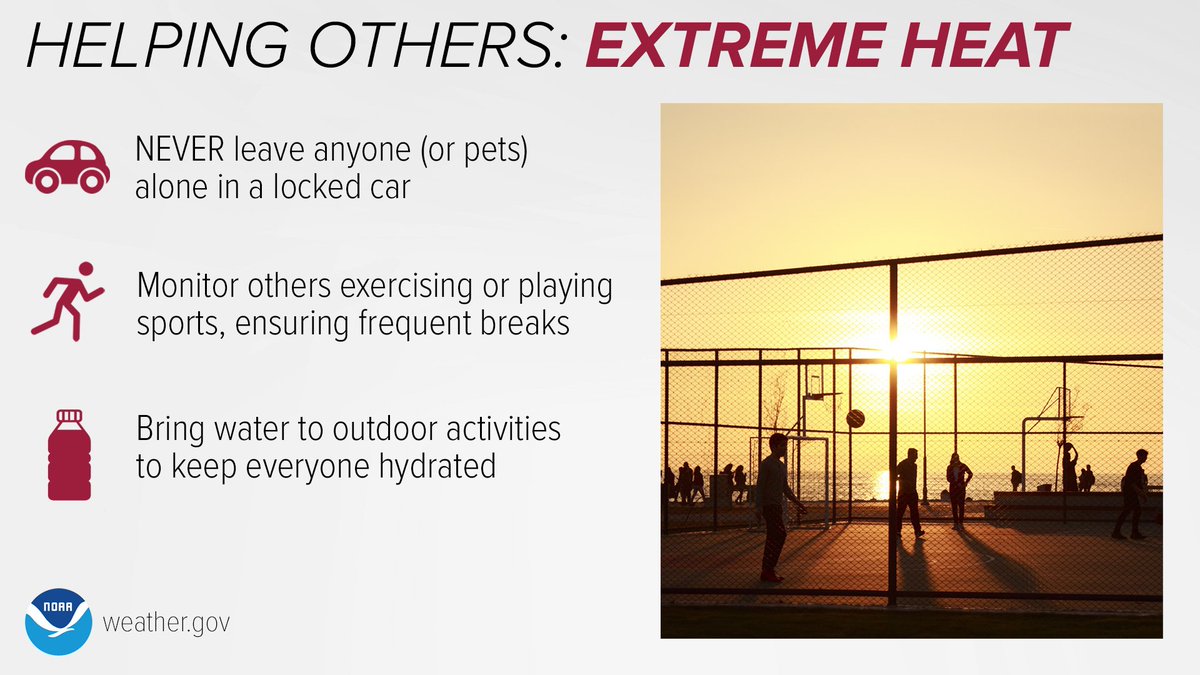
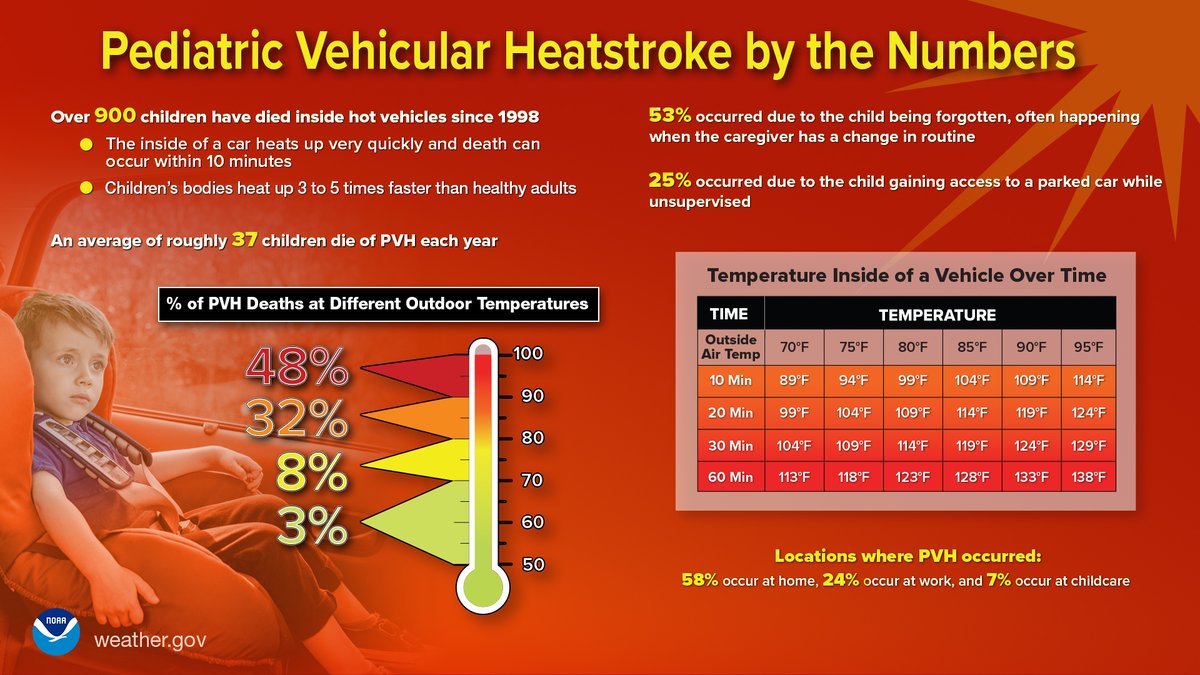
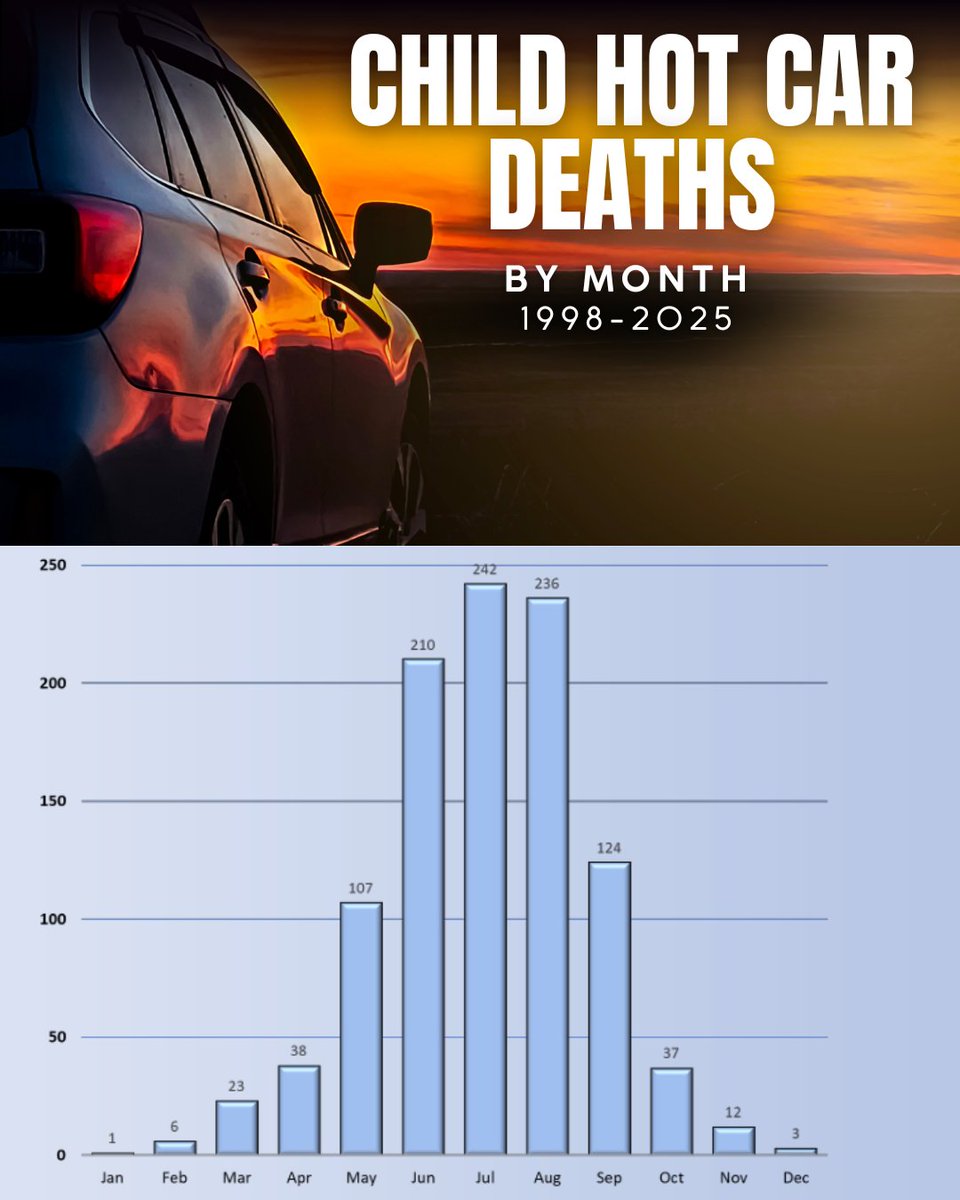
ALT A child holding a stuffed animal and sitting in a car. The text says, "1 in 4 hot car deaths happen when kids get trapped in cars. Prevent hot car deaths. Once you park, stop, look, and lock. NHTSA."
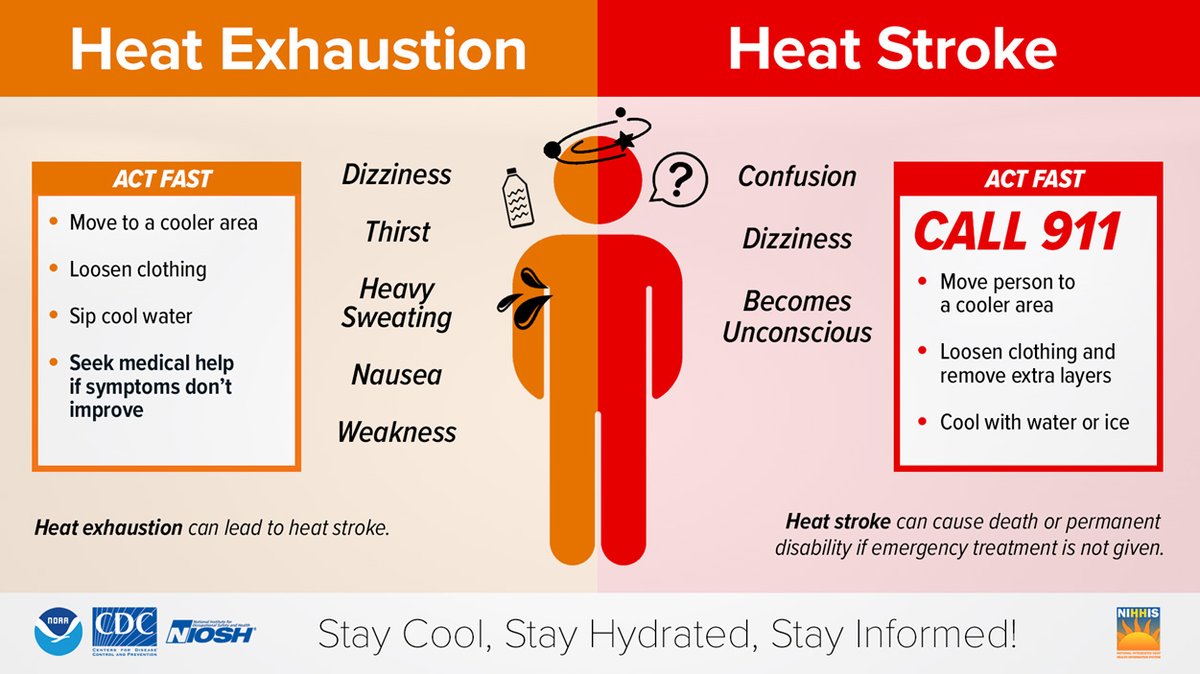
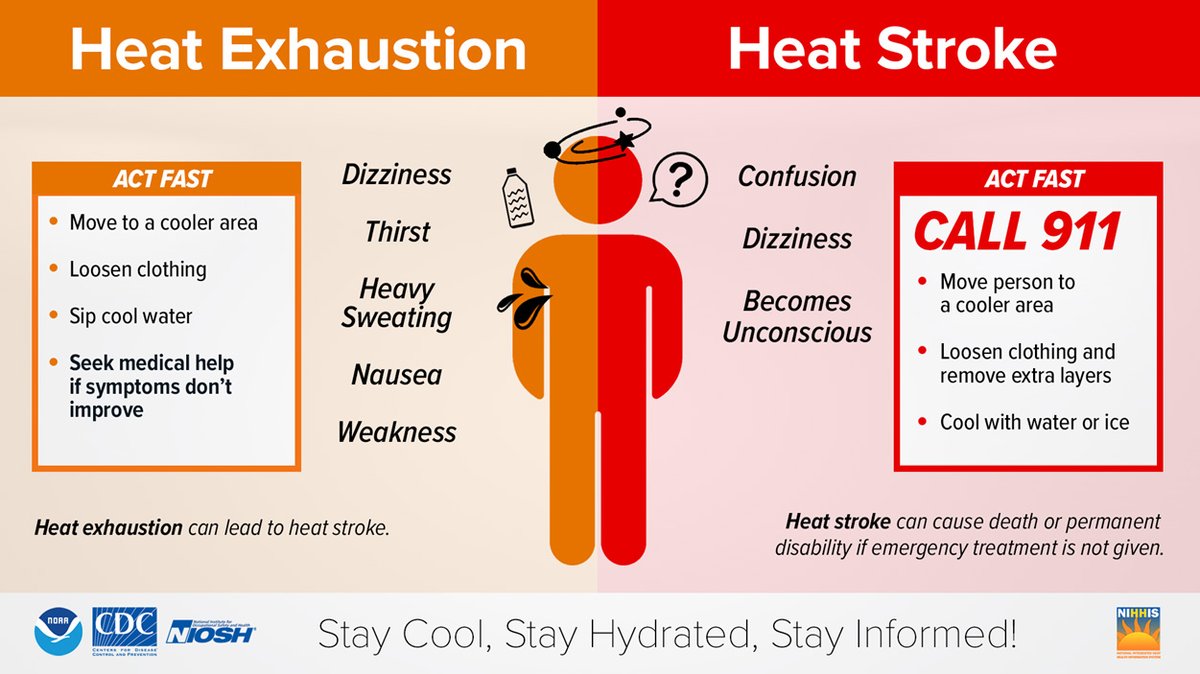
ALT A graphic showing ways to recognize and treat heat exhaustion and heat stroke. Symptoms of heat exhaustion include dizziness, thirst, heavy sweating, nausea, and weakness. If someone is experiencing heat exhaustion, move them to a cooler area, loosen clothing, sip cool water, and seek medical help if symptoms don't improve. Heat exhaustion can lead to heat stroke. Symptoms of heat stroke include confusion, dizziness, and becoming unconscious. If someone is experiencing heat stroke, call 911, move them to a cooler area, loosen their clothing and remove extra layers, and cool them with water or ice. Heat stroke can cause death or permanent disability if emergency treatment is not given. Stay cool, stay hydrated, and stay informed!"

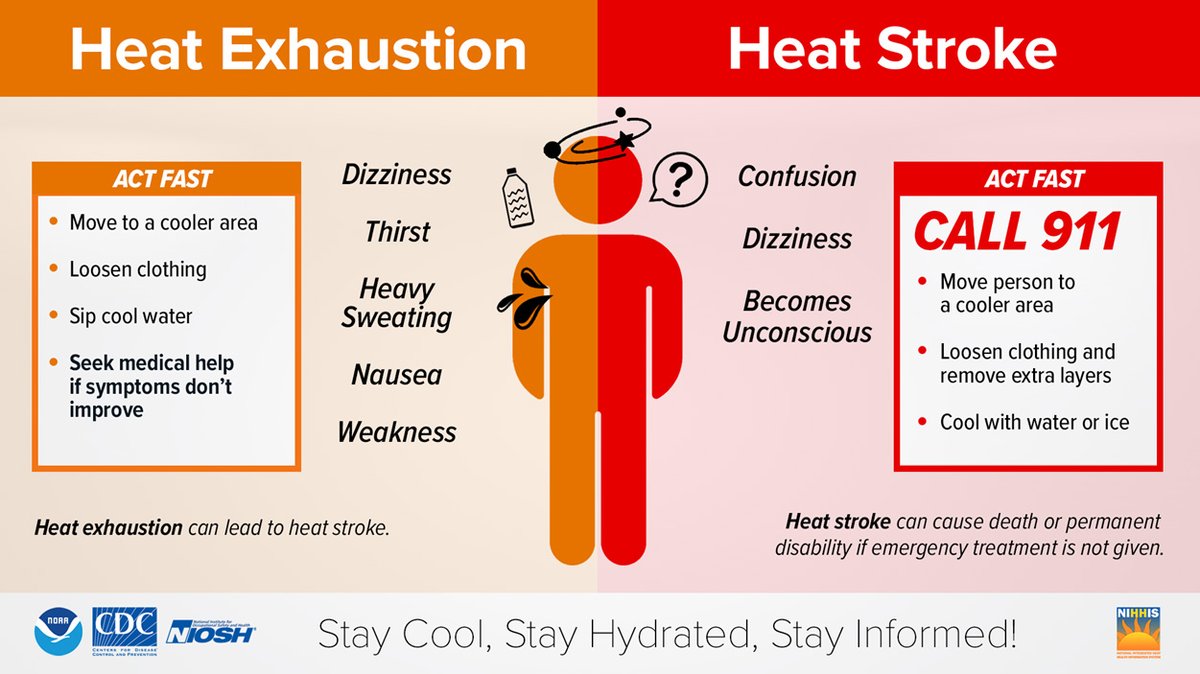
ALT This infographic contrasts heat exhaustion and heat stroke. On the left, symptoms of heat exhaustion are listed: dizziness, thirst, heavy sweating, nausea, and weakness. Suggested actions include moving to a cooler area, loosening clothing, sipping cool water, and seeking medical help if symptoms persist. On the right, symptoms of heat stroke include confusion, dizziness, and unconsciousness. Immediate action is to call 911, move to a cooler area, loosen clothing, and cool with water or ice. The bottom mentions affiliates including CDC, NIOSH, and lists the message: "Stay Cool, Stay Hydrated, Stay Informed!"

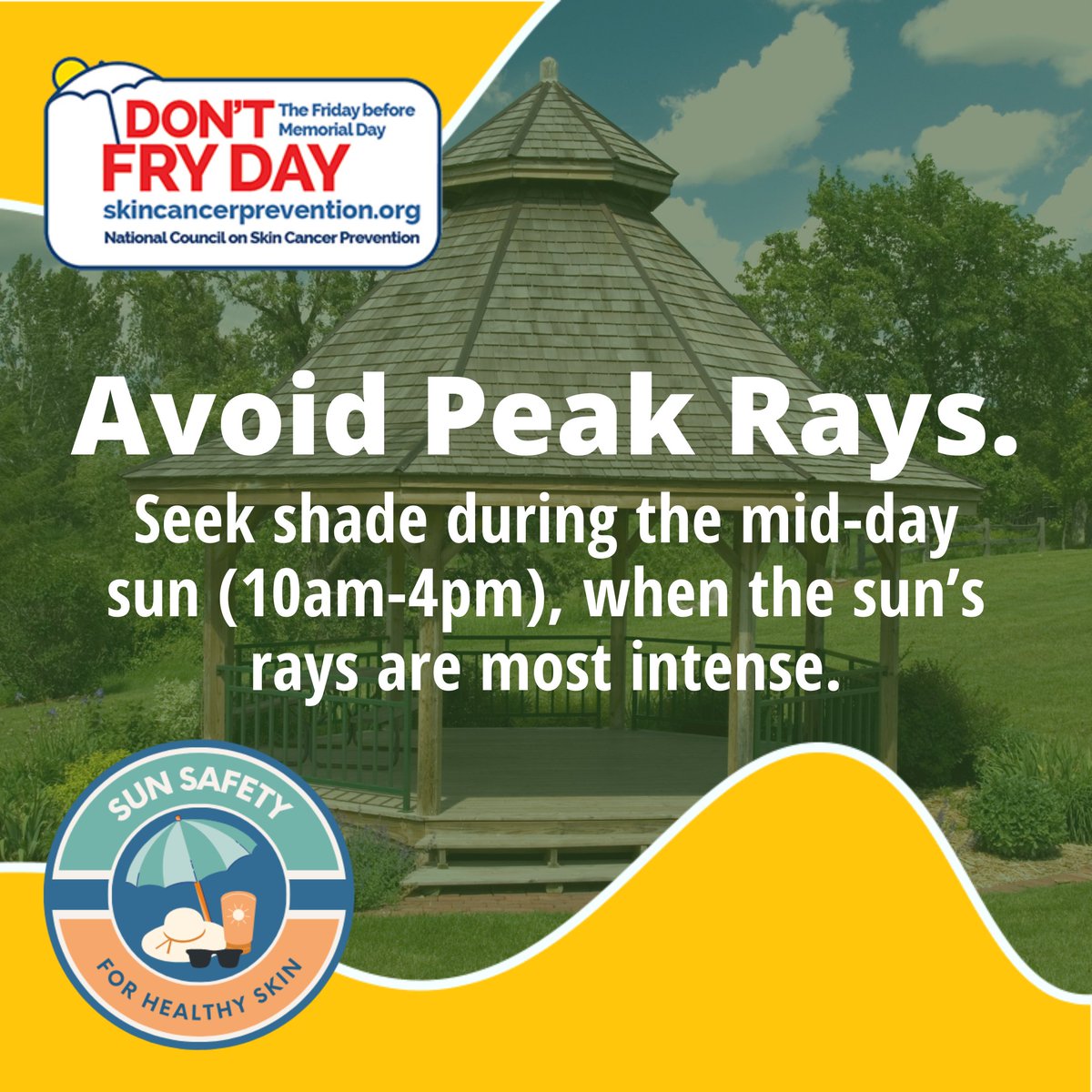
ALT An outdoor pavilion with a large canopy for shade. The text says, "Avoid Peak Rays. Seek shade during the mid-day sun (10 am-4 pm), when the sun's rays are most intense. Sun safety for healthy skin. Don't Fry Day. The Friday before Memorial Day. National Council on Skin Cancer Prevention. skincancerprevention.org"

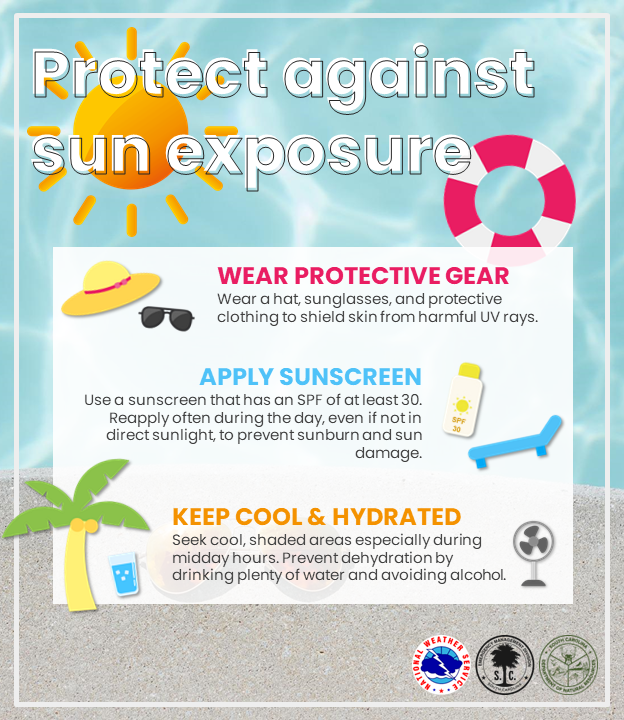
ALT Wear protective gear and clothing to shield skin from harmful UV rays. Use a sunscreen that has an SPF of at least 30. Reapply often during the day, even if not in direct sunlight, to prevent sunburn and sun damage. Seek cool, shaded areas especially during the midday hours. Prevent dehydration by drinking plenty of water and avoiding alcohol.
ALT A person is drinking from a water bottle outdoors at sunset, with the bright sun in the background. The SAMHSA logo is visible in the top left corner.

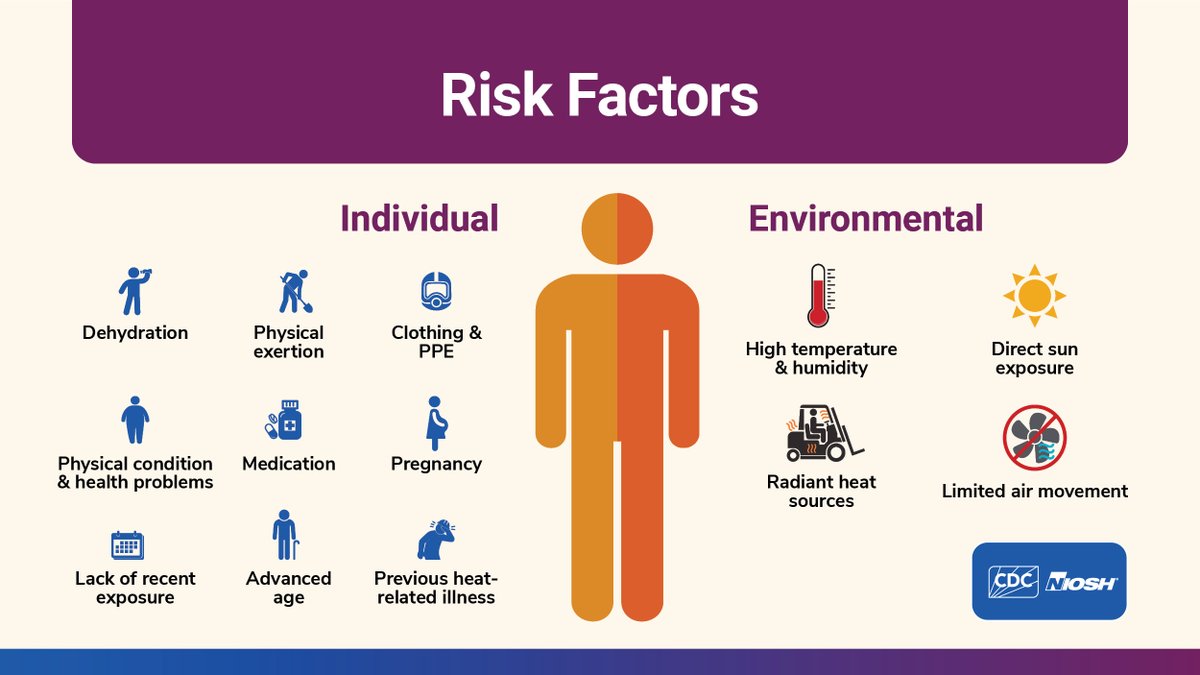
ALT infographic on the individual and environmental risk factors for heat related illness with the CDC/NIOSH logo
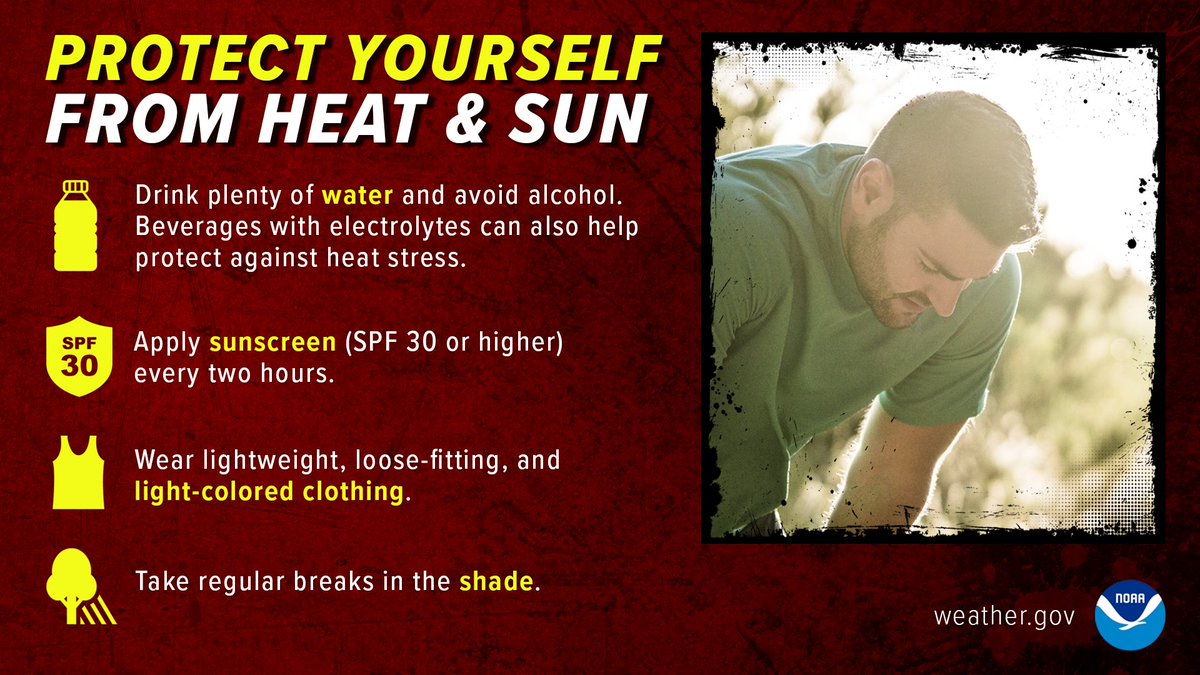
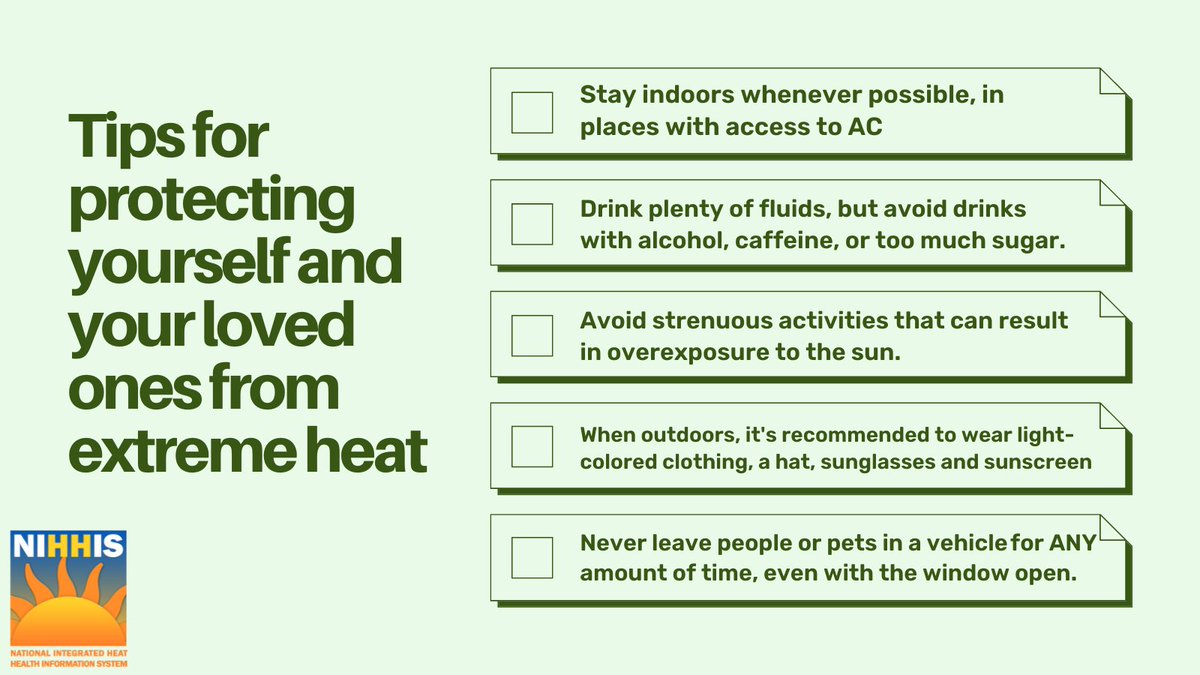
ALT A person kneeling over to rest on a hot day. The text says, “Protect yourself from heat and sun. Drink plenty of water and avoid alcohol. Beverages with electrolytes can also help protect against heat stress. Apply sunscreen (SPF 30 or higher) every two hours. Wear lightweight, loose-fitting, and light-colored clothing. Take regular breaks in the shade.” The logo for the National Oceanic and Atmospheric Administration is in the bottom right corner with a link to weather.gov.

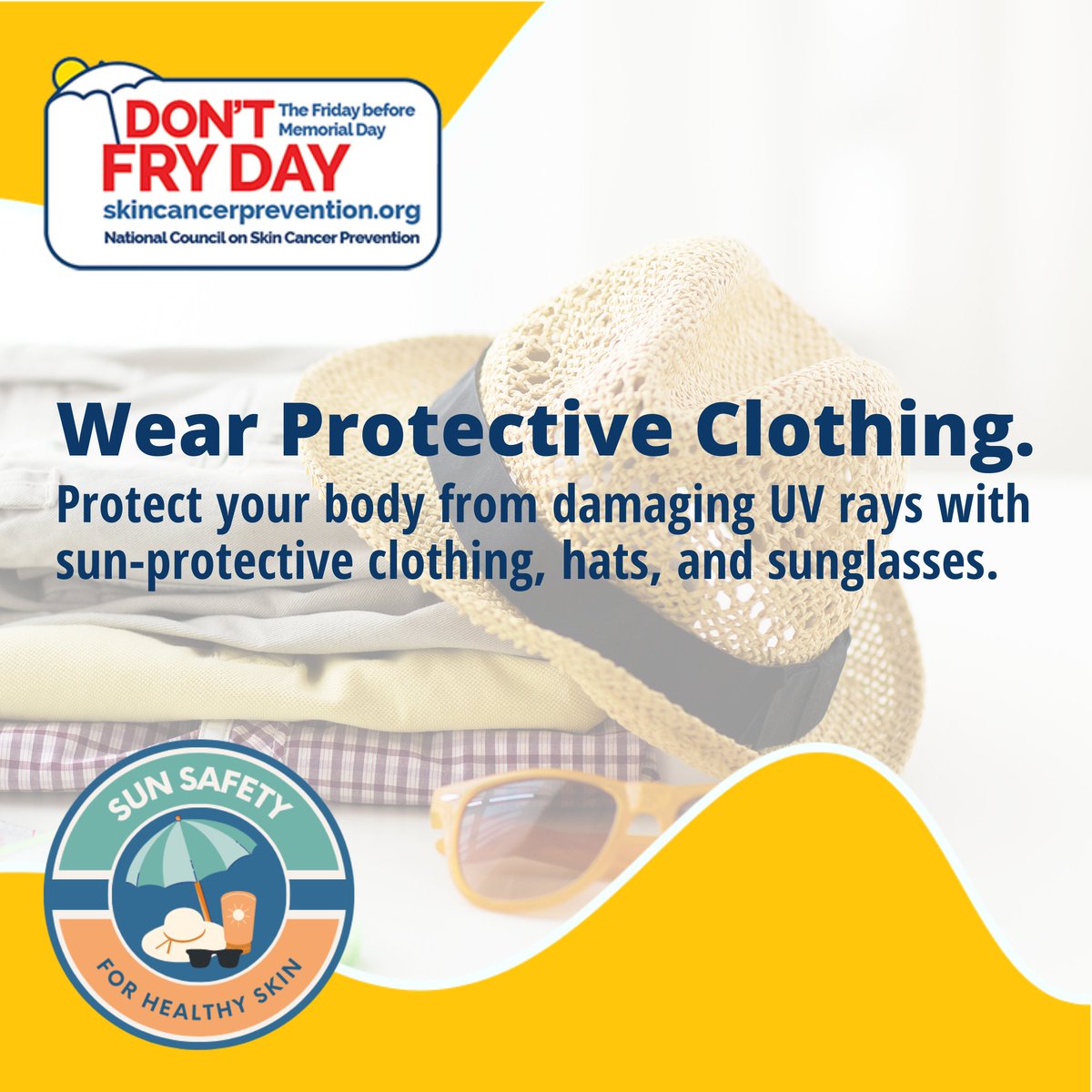
ALT Wear protective clothing. Protect your body from damaging UV rays with sun-protective clothing, hats, and sunglasses.
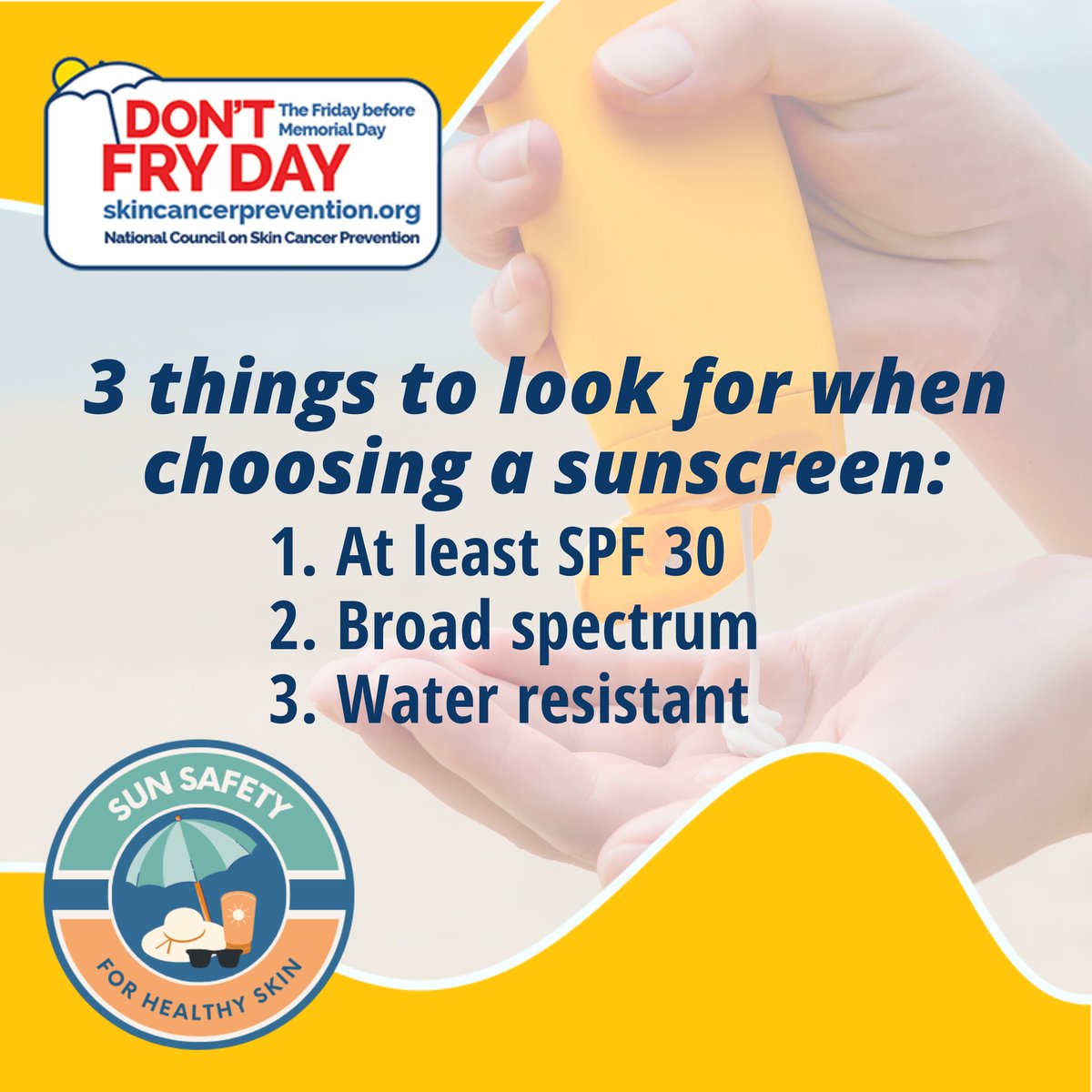
ALT Don’t Fry Day. Three things to look for when choosing a sunscreen: (1) at least SPF 30, (2) broad spectrum, (3) water resistant.
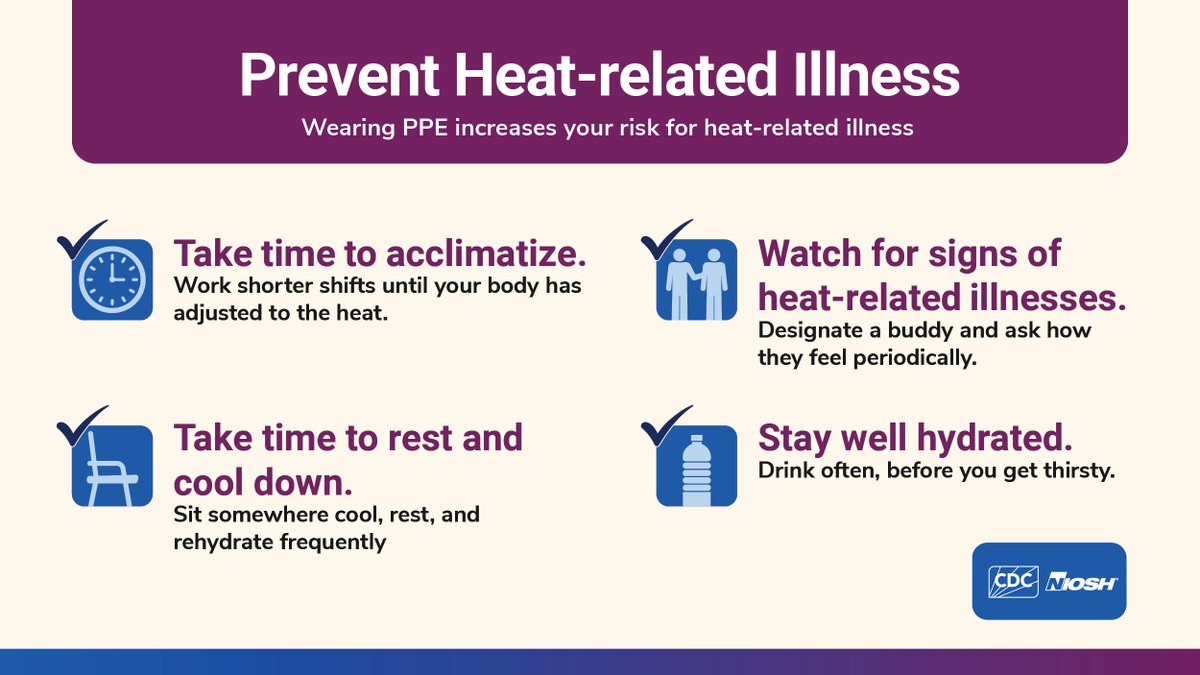
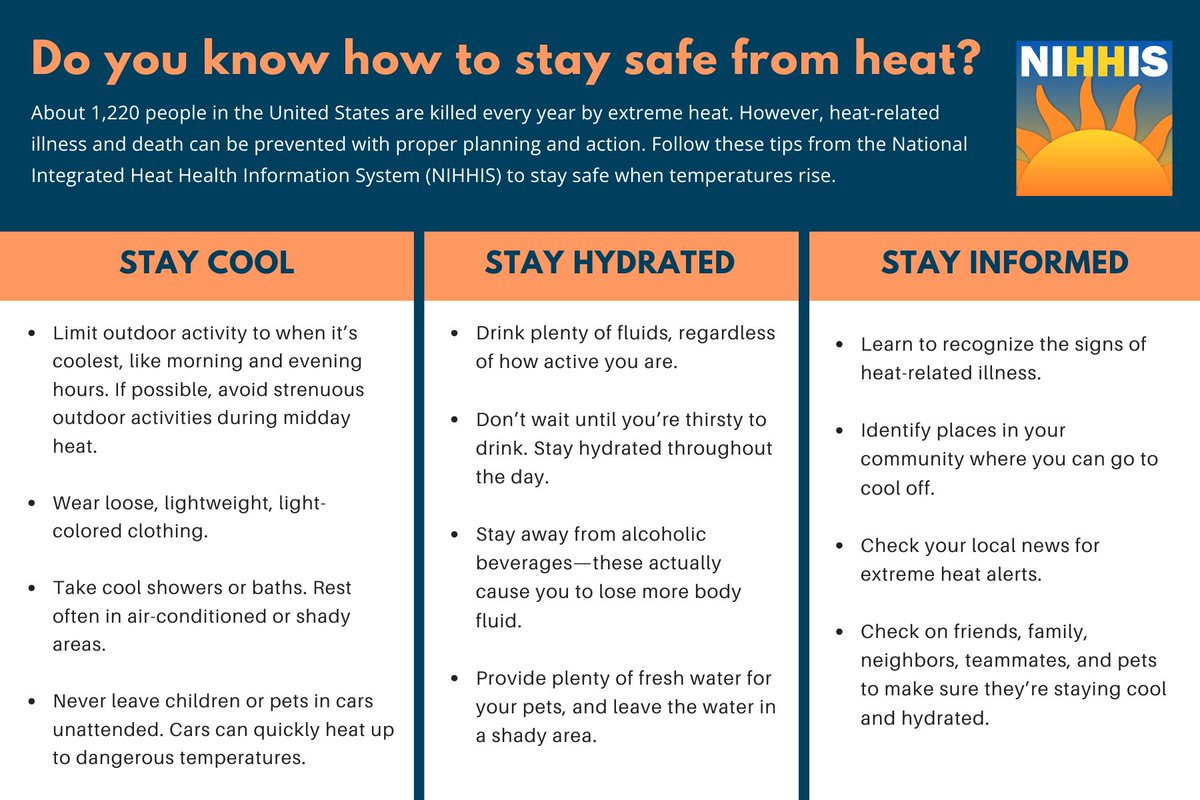
ALT poster with steps to prevent heat-related illness

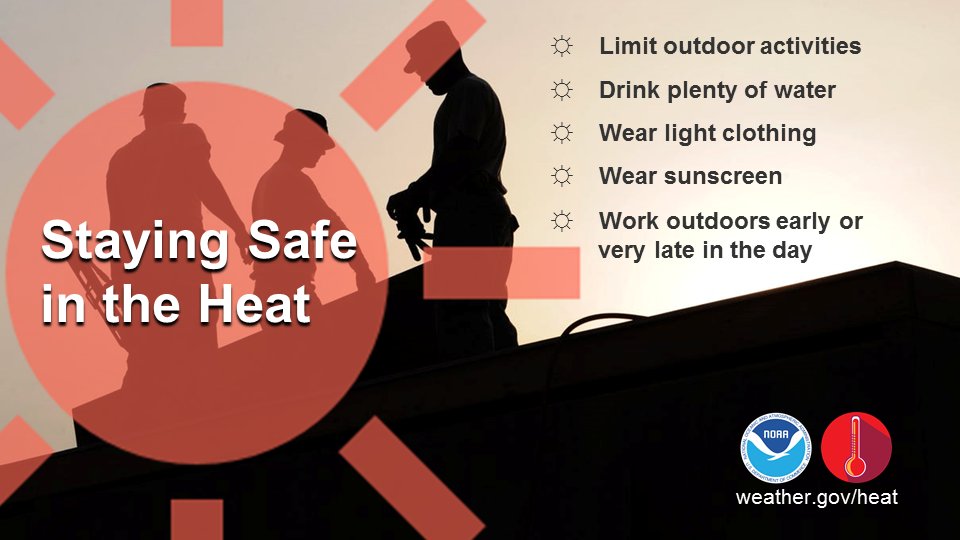
ALT Staying Safe in the Heat: Limit outdoor activities. Drink plenty of water. Wear light clothing. Wear sunscreen. Work outdoors early or very late in the day.