
Economist at @DezernatZ. Mainly Climate, Macro, Fiscal.
Joined November 2012
- Tweets 21,087
- Following 2,610
- Followers 1,387
- Likes 42,312
770 Photos and videos







Levi Henze retweeted

Zusammenfassung des Iran-Deals:
(1) Iran macht 0 Zugeständnisse beim Atomprogramm.
(2) Schwierige Fragen auf nächste Verhandlungsrunde vertagt.
(3) Straße von Hormuz öffnet – unter iranischer Kontrolle, inkl. möglicher Transitgebühren.
(4) Regime bleibt.
Ein echter Trump-Deal 😉
59
153
911
30,172
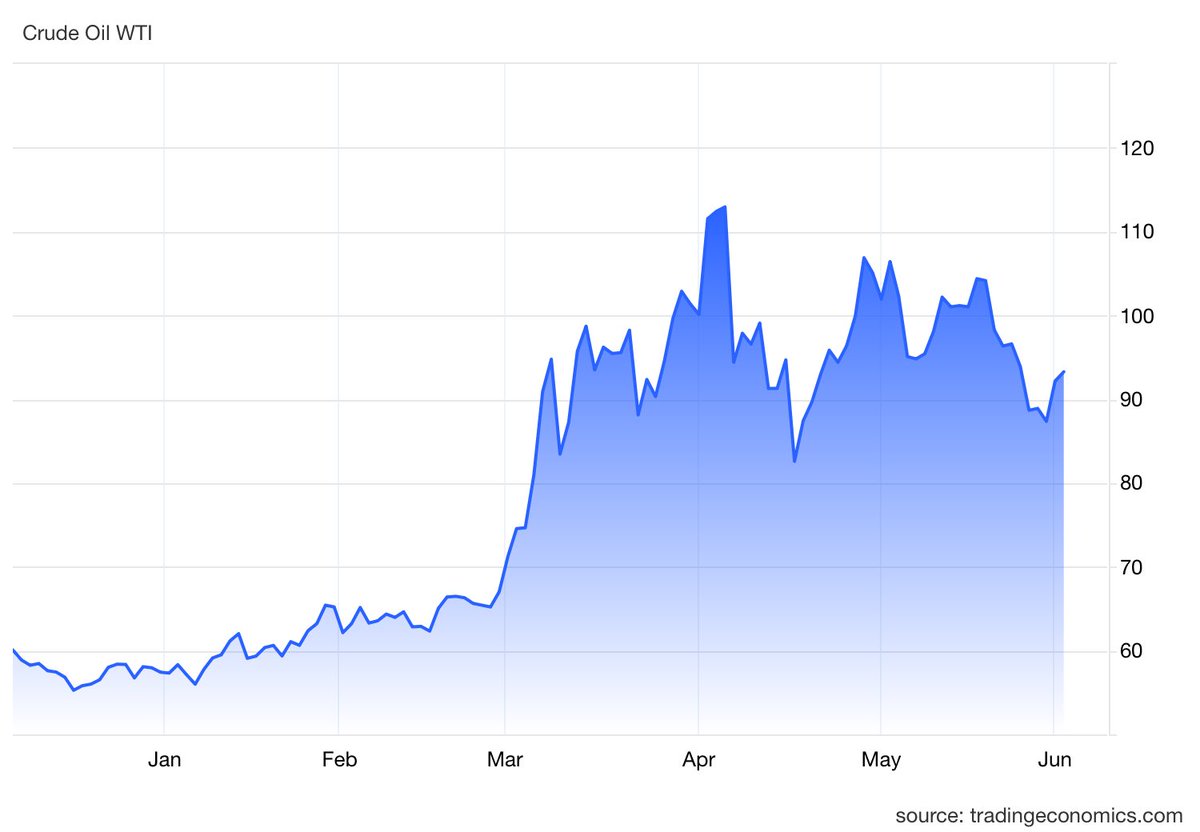
The „flipside“ to this is that fossil fuel supply chains are rather more resilient and cheap than thought possible.
What a remarkable thing to think of in 2026, actually.

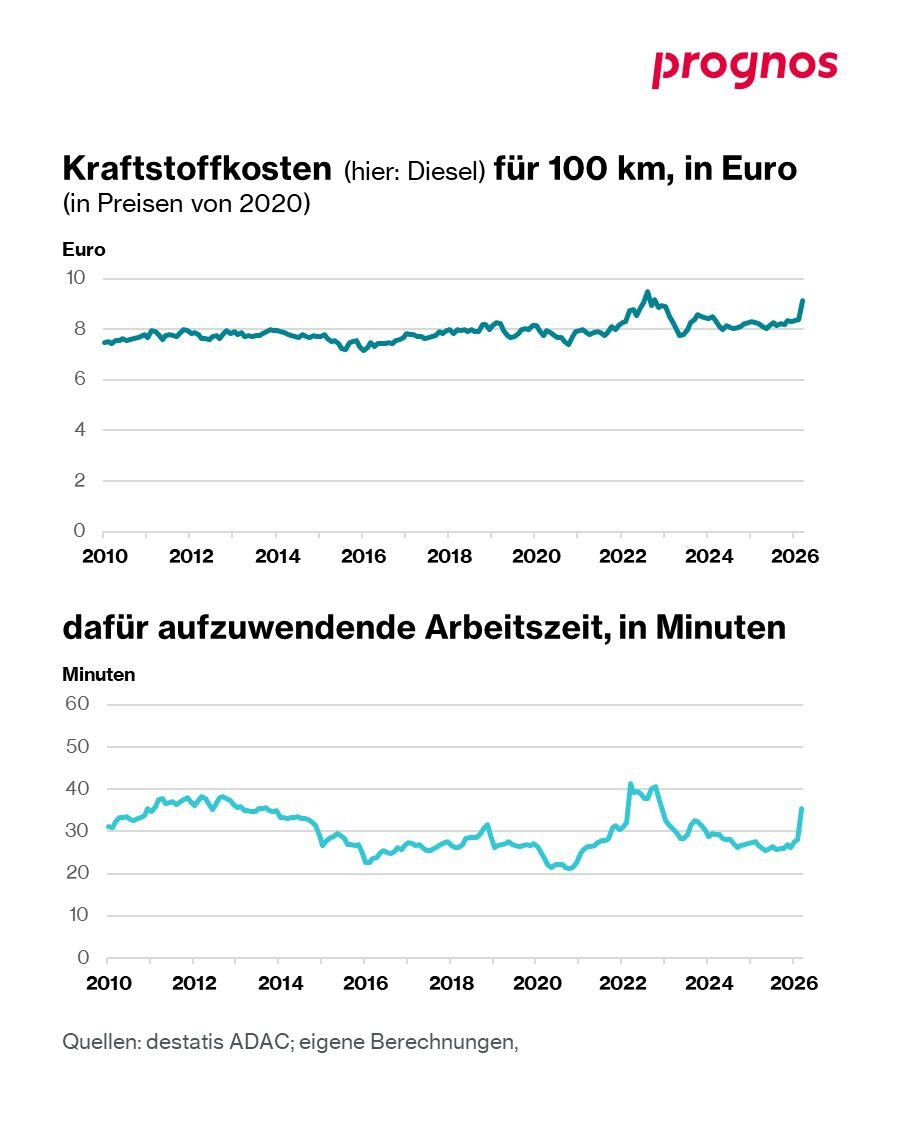
What a remarkable outcome: the world's largest ever oil supply disruption failed to create a major energy crisis.
The IEA said 2026 shock was worst than 1973, 1979 and 2022 together. And yet, the cost of oil, natural gas, electricity and coal never surpassed the previous peaks.
2
122
I agree. I’d really like to hear a good and convincing alternative explanation. But I’ve not come across one.

I think that's exactly the right question and of course the interesting thing is why. In my view, it - above all - validates the view that price elasticities are higher than many thought. It also underscores that the global oil supply chain is very robust and finds work-arounds.
1
75
Levi Henze retweeted

Mar 30
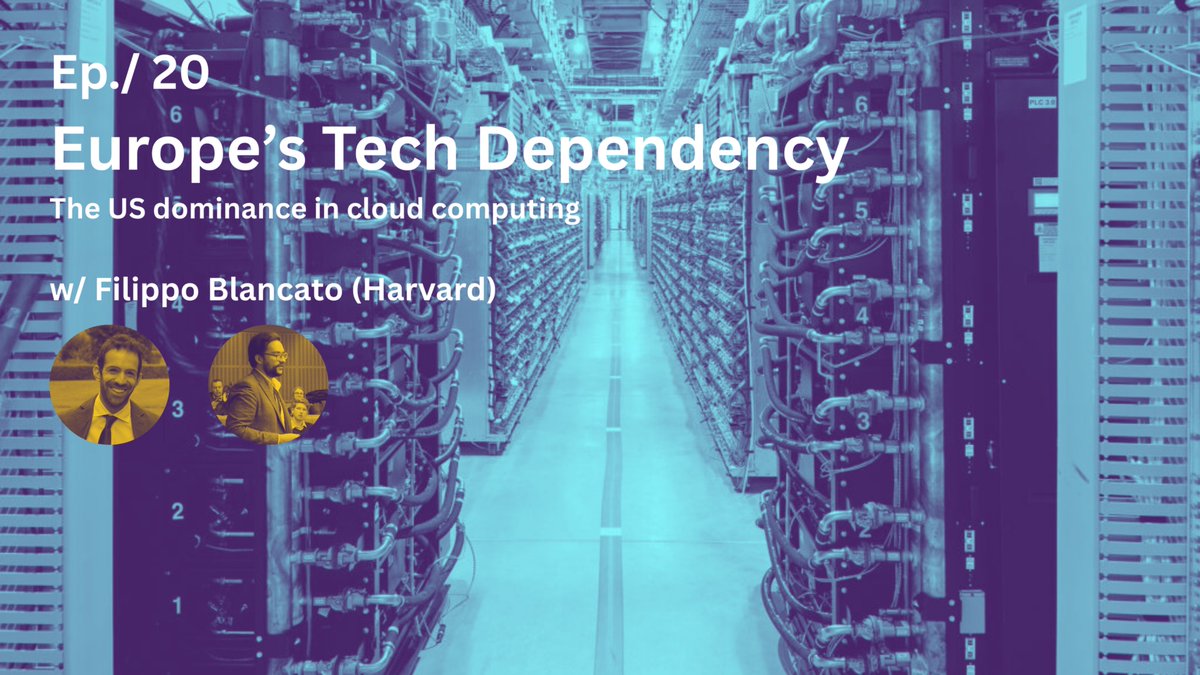
/20/ Europe's Tech Problem
Dom sat down with Filippo Blancato (Fellow in Technology and Geopolitics at Harvard) to talk about the geoeconomics and political economy of cloud computing. How severe is Europe's dependence on US tech services and can the dominance of US hyperscalers be overcome?
[Link and transcript in the replies.]
1
23
59
25,971
Agree with @NewLeftEViews that media coverage on AI is not a deficit, but arguably the policy response is. To me, the interesting question is what a progressive and cohesive response to all this looks like.
Jun 14

A must read (or must listen): Europe2031.ai . A dystopian but unfortunately surprising convincing of what could happen if Europe does not catch up on AI. It moved my prior. (and it is, despite the gloomy conclusions) a fun read.
1
2
5
1,927
Levi Henze retweeted

This is a must-read for 🇪🇺and especially 🇩🇪decision-makers.
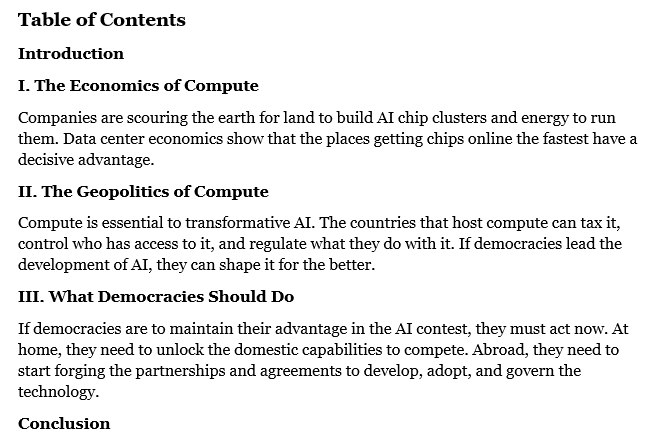
The single most effective policy measure for ensuring compute build-out is drastically shortening time for getting data centers powered up. Energy costs & tax incentives matter less than time to power.
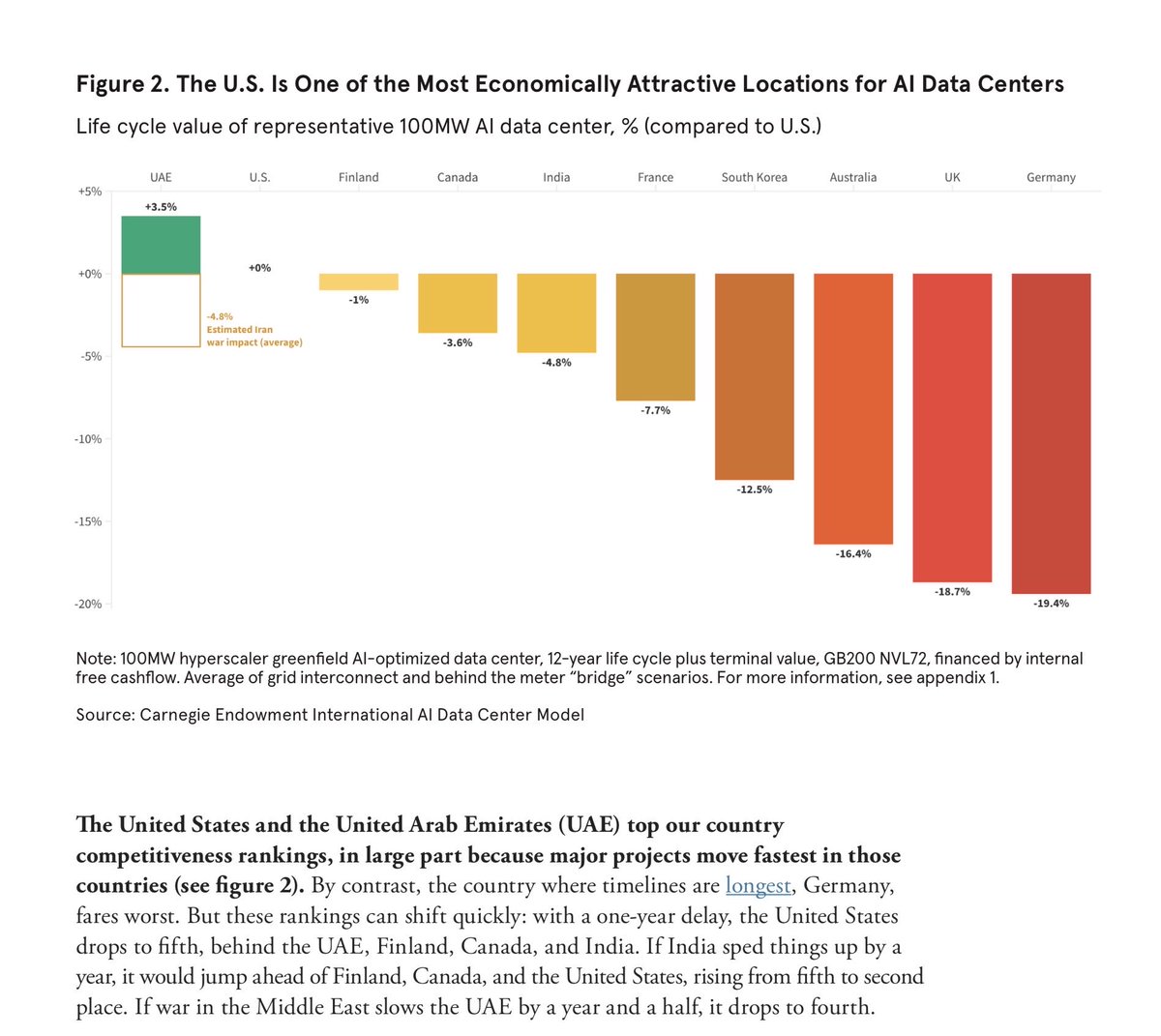
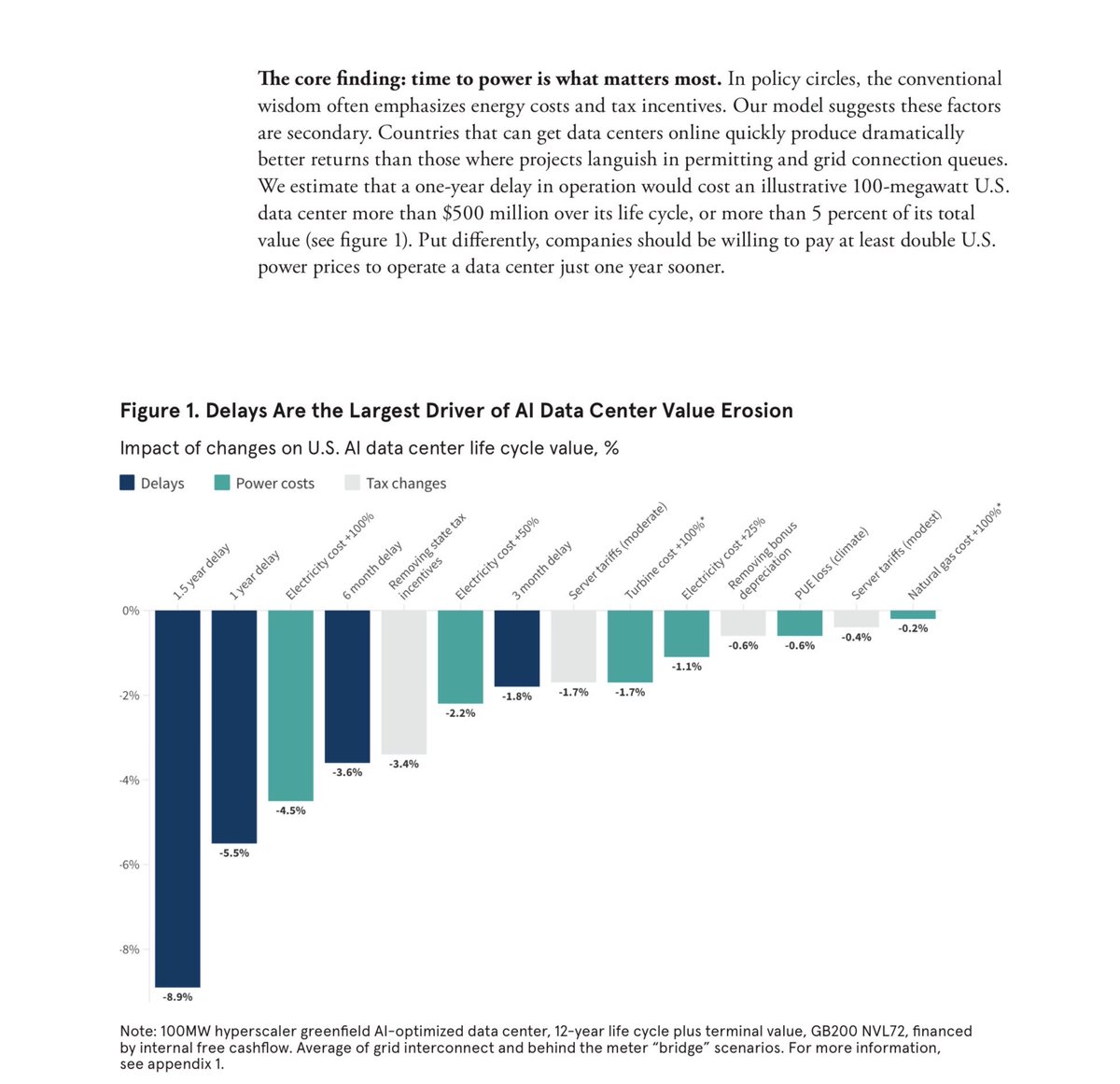

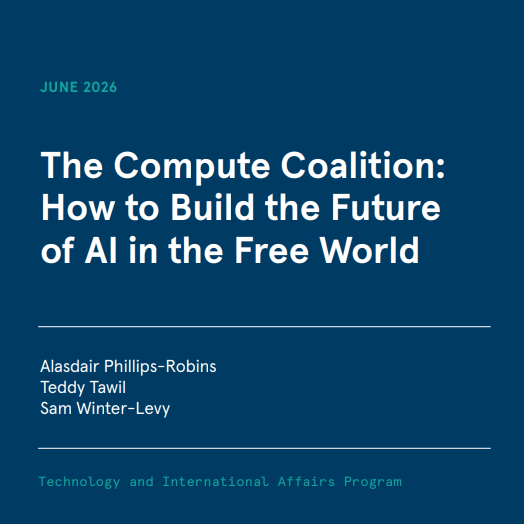
New: America can’t build the world’s AI infrastructure alone. We need the scale only our allies can provide, but they are currently missing out on the biggest industrial mobilization since World War II.
@SamWinterLevy, @TawilTeddy, and I go deep into the economics of the AI infrastructure boom and propose a way forward for democracies to shape the trajectory of, and reap the benefits from, transformative AI.
2
14
21
3,086
Levi Henze retweeted

Jun 13
A new Science study shows that bumble bees can position a ball underneath a fake “flower” to reach a reward, suggesting they can exhibit spontaneous problem-solving and challenging the notion that such advanced cognitive abilities are exclusive to large-brained vertebrates.
Learn more: scim.ag/4vvcNwr
85
650
3,947
395,659

Jun 14
Things you definitely don’t want to hear from people working at a data driven institution.
Jun 13

I prefer to live in a world where Elno can become a trillionaire than a world where Thomas Piketty can make everyone poor.
My enemy isn't the world's financial elite, it's the cultural elite.
2
3
7
1,388
Levi Henze retweeted

Jun 12
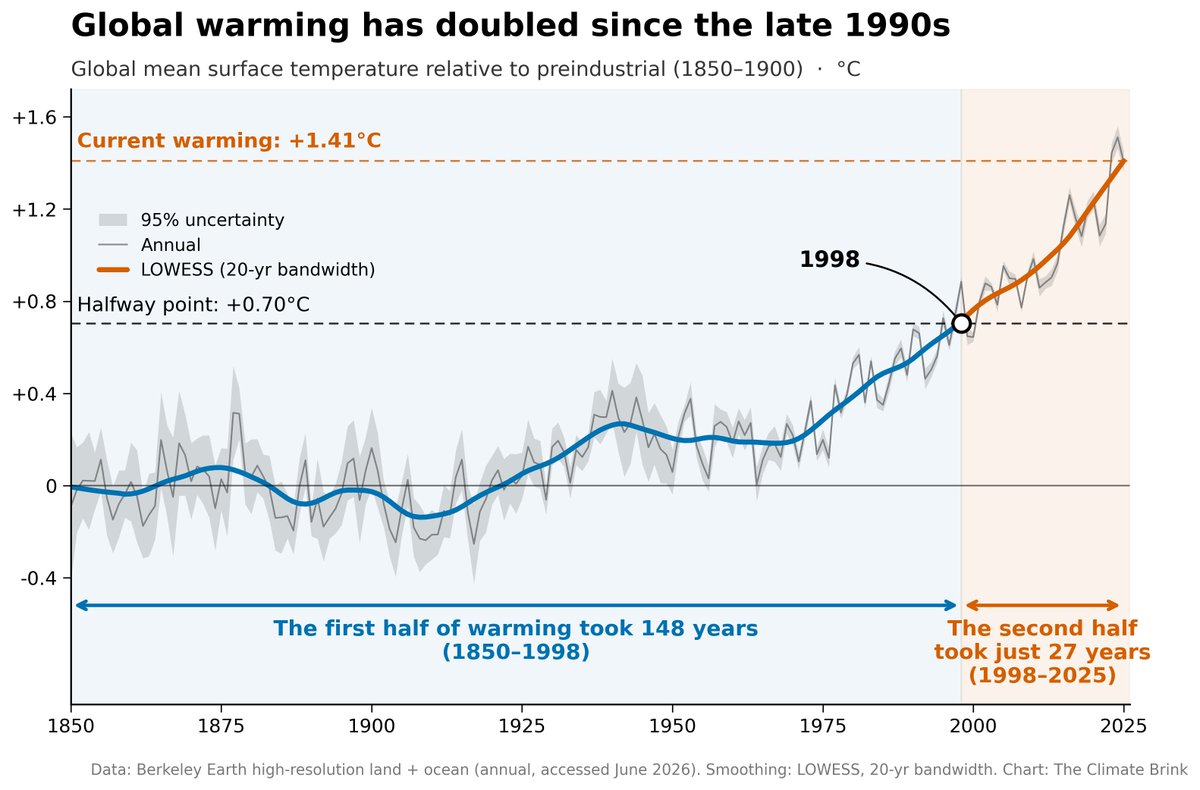
The world has warmed by around 1.4C since 1850.
It took 148 years for the first half of that warming to occur, and just 27 years for the second half!
154
572
1,979
133,373

I think many of @DAcemogluMIT's ideas about the importance of "pro-worker AI" - including policies to guide technical change to reward human expertise more - are highly useful and important.
Having spent the last two days thinking and talking a lot about AI, I also feel that what we also need to do might be summarized by "General Purpose" pro-worker policies!
Policies that many already like (e.g., more robust UI, wage insurance) but whose value is even higher in light of risks from AI (however large you may think they are). And this also includes thinking about new governance mechanisms and institutions that can nudge the adoption process in a "pro-worker" direction, like sectoral standards. (Great to look at countries that already have some of these mechanisms, as I talked about with folks in Sweden, where technology adoption - including AI - is something unions can negotiate over.)
Anyway lots to chew on. I look forward to greater engagement on this space as it clearly is an important area of policy and institutional innovations in the present and future times.

Why isn't the market pursuing pro-worker AI? Co-director @DAcemogluMIT explains that the reasons are both economic and ideological.
2
18
73
34,478
Jun 12
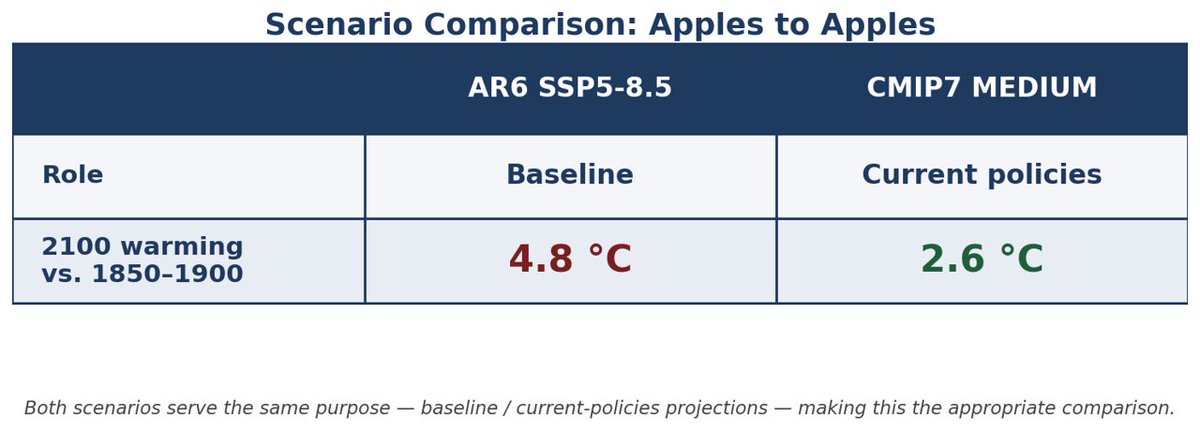
Meaningless defence in my eyes. IEA‘s modeling approach is distinctly ill-fitted to questions of long term growth projections.
That’s why IPCC thinks long and hard about these questions. 4.5 is 4.5
Jun 11

2) "The report relies on an unrealistically pessimistic 4.5°C warming scenario."
The report does not use the RCP8.5 scenario. The temperature projections in our “growth-focused macroeconomic scenarios” are based on our own modelling framework and are not supposed to be "business-as-usual" or "current policy" pathways.
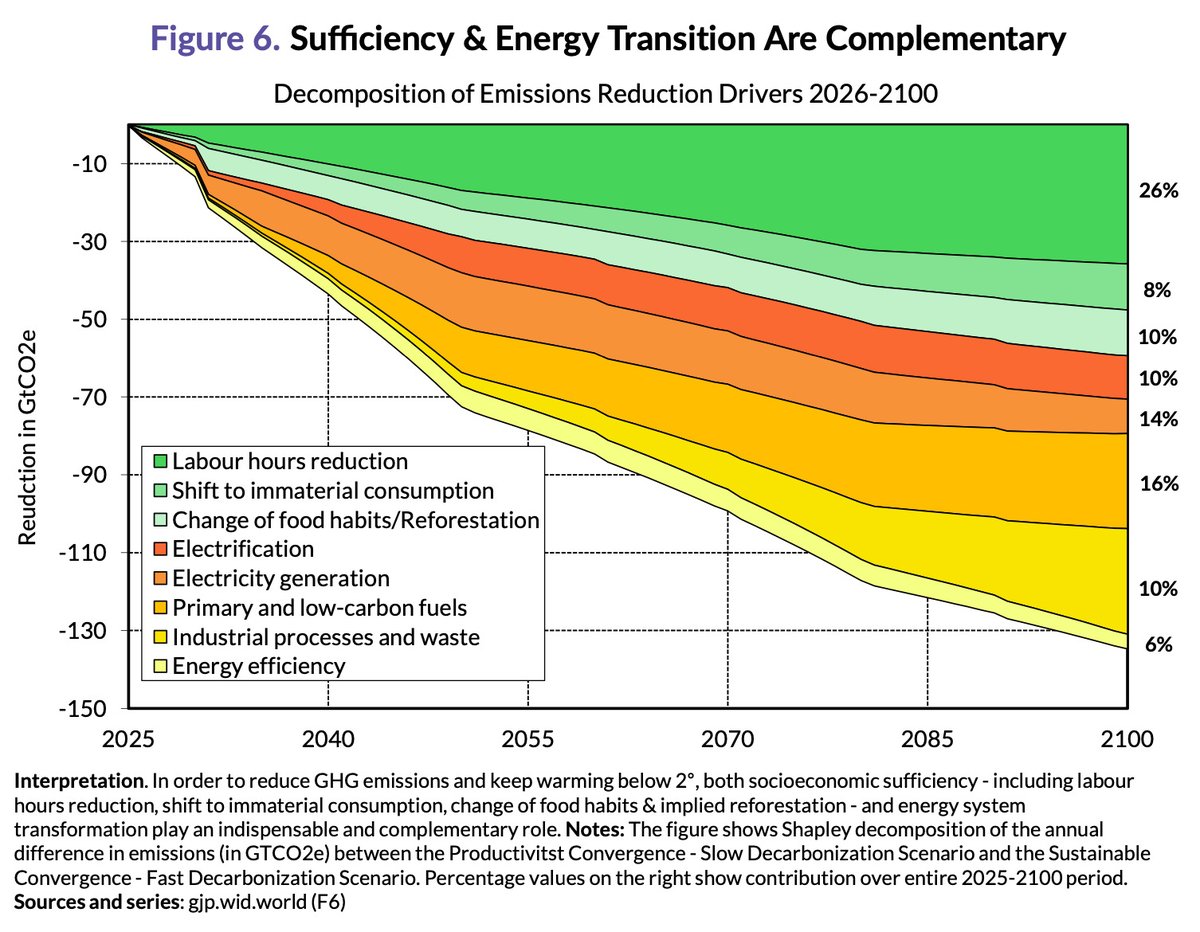
Rather, they are designed to illustrate the consequences of a future narrative that prioritizes rapid aggregate growth while failing to accelerate the energy transition or adopt other emissions-reducing policies. Specifically, these scenarios assume continued large-scale economic growth (economy size in 2100 is 8 times today's world economy), an unchanged global sectoral consumption, and energy developments broadly consistent with current-policy trajectories from the International Energy Agency (extended to 2100). This results in very large emission numbers and temperature rise projections. We don’t advocate for these scenarios but simply use them to decompose the emission reduction drivers: sufficiency (reduced labour hours, sectoral change, reforestation) is as important as the energy transition (end to fossil fuels, electrification, improvements in energy efficiency) to stay within 2 degrees.
6
485
Levi Henze retweeted

Jun 12
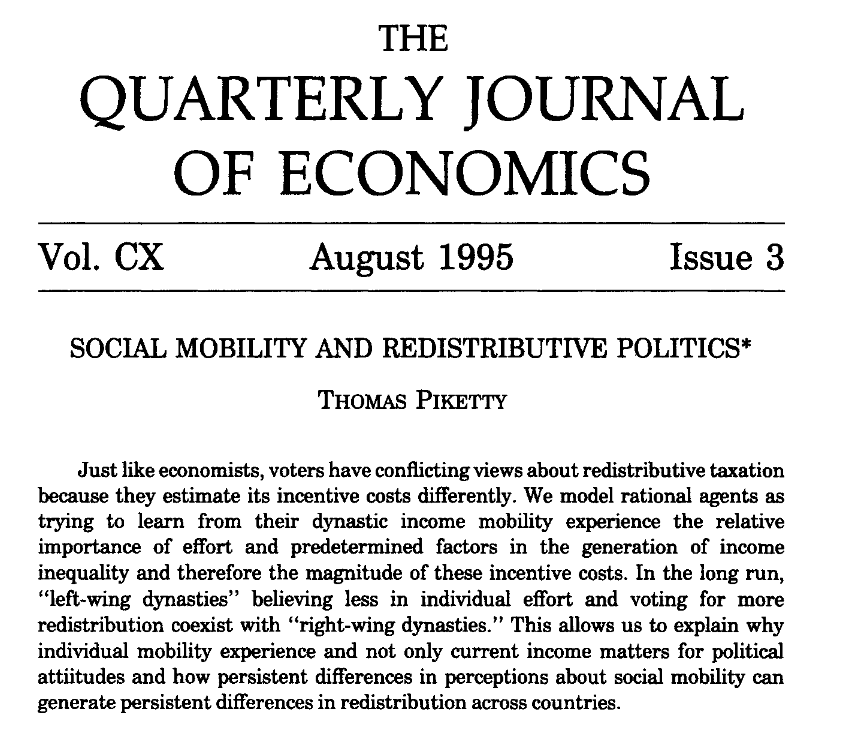
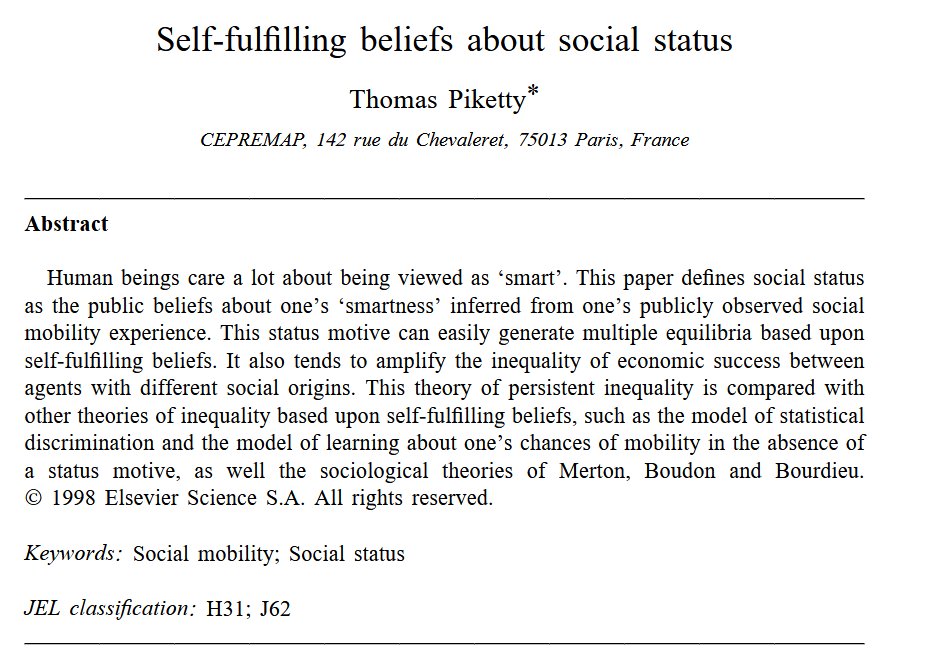
Some Piketty (et al.) bangers to explain why he is so respected, even before Das Capital 2.0, and whatever AI-generated stuff he publishes in the newspaper today
In the 1990s, he formalised theories of self-fulfilling preferences and redistribution. He showed us (1/4)
15
74
731
96,453
Levi Henze retweeted

Jun 11
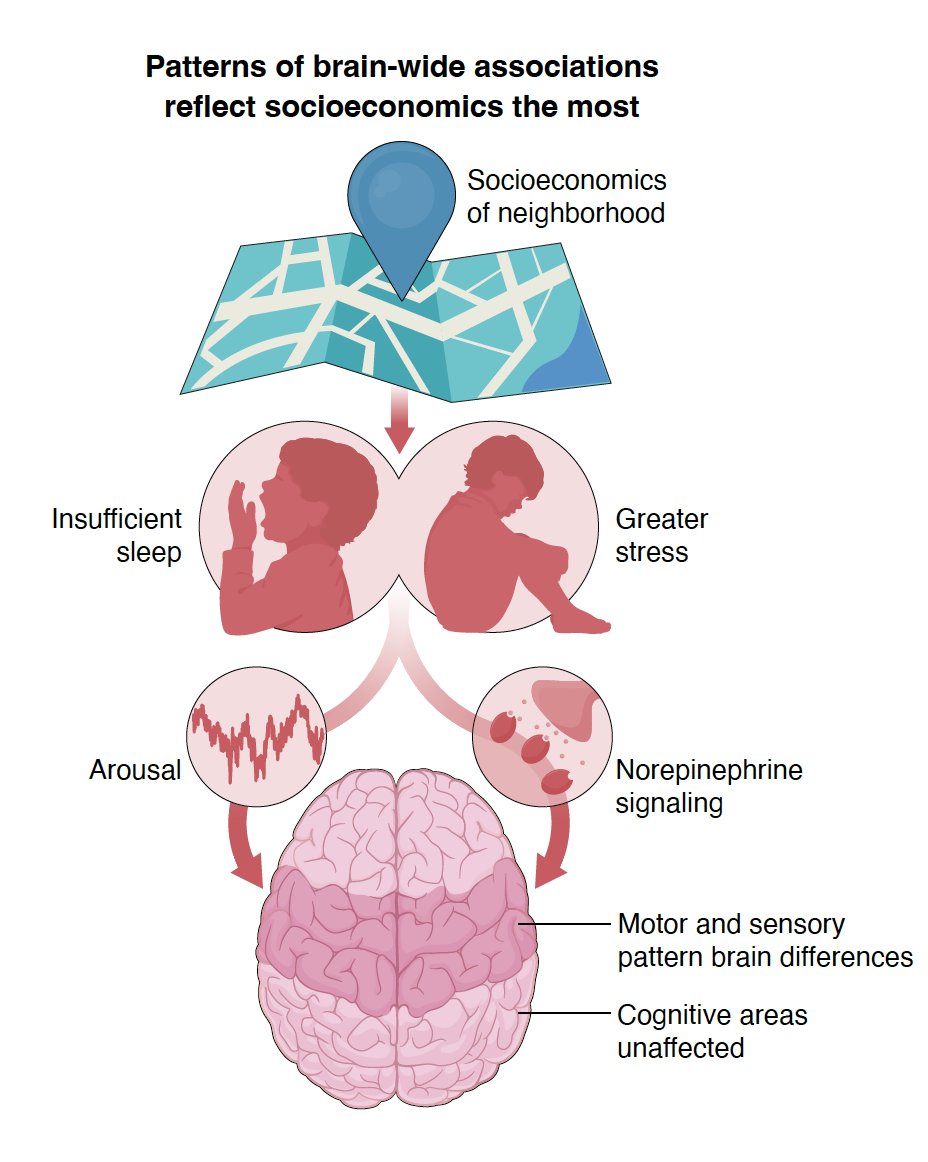
What matters most for childhood brain organization?
We analyzed 649 variables.
The answer: Socioeconomics (SES); with brain patterns pointing at sleep & stress as drivers.
Even brain-IQ associations were better explained by SES confounding.
In Science: science.org/doi/10.1126/scie…
16
213
961
208,093
Levi Henze retweeted

Jun 10
I gave @AnthropicAI's new Fable 5 my hardest challenge: explain the Riemann Hypothesis — math's most famous unsolved problem — to anyone. Two prompts later: a full interactive site this video, scored with music composed from the zeta zeros themselves 🤯🎵 riemann.adilmoujahid.com
63
163
1,577
450,241
Levi Henze retweeted

Jun 11
Oh my god
Jun 10

I gave @AnthropicAI's new Fable 5 my hardest challenge: explain the Riemann Hypothesis — math's most famous unsolved problem — to anyone. Two prompts later: a full interactive site this video, scored with music composed from the zeta zeros themselves 🤯🎵 riemann.adilmoujahid.com
5
19
293
57,236
Jun 11
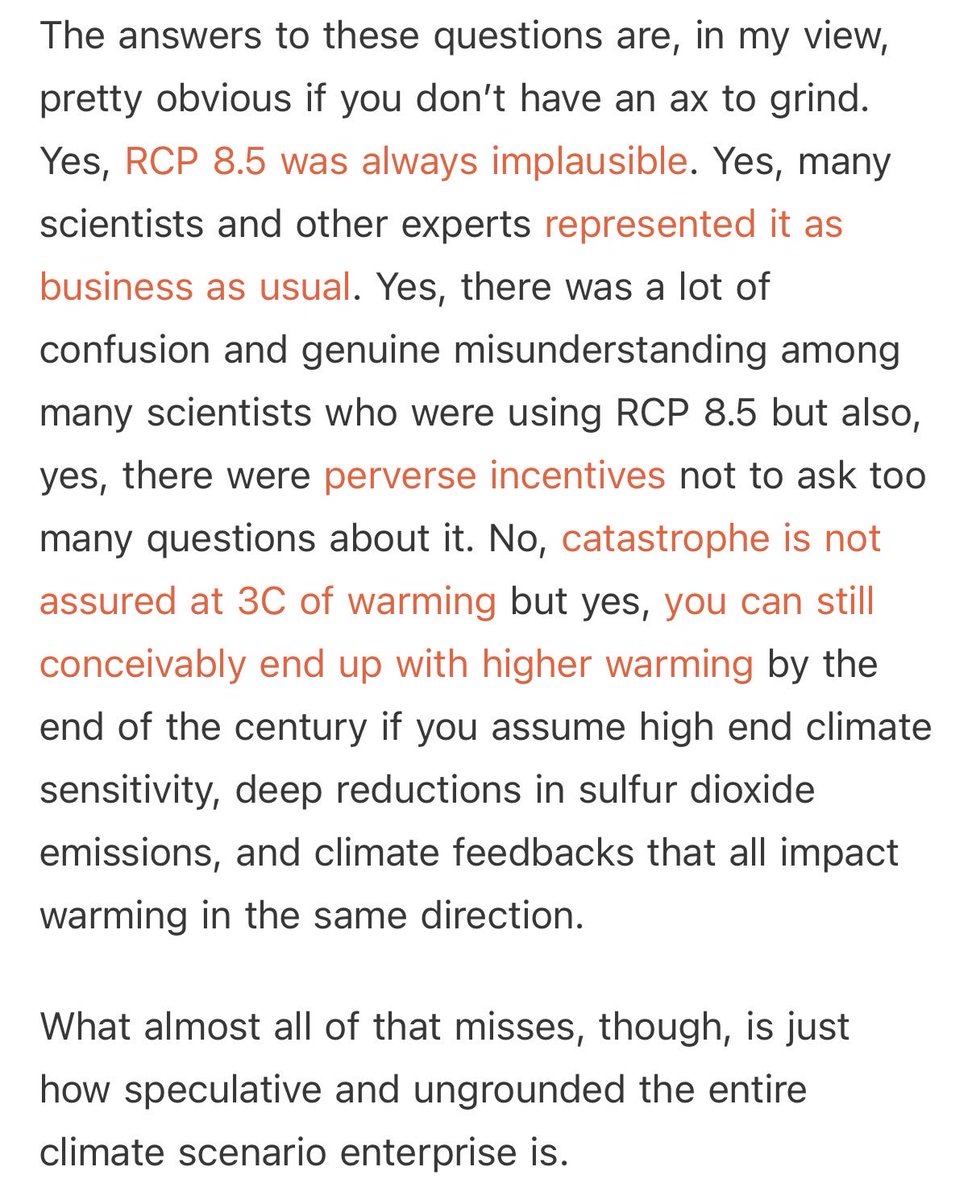
This is a sentence that does much heavy lifting, I suspect.
From an economic point of view it’s trivial to state the less growth comes with less environmental damages. But some of Stiglitz‘ own work show us that little follows from that.
Jun 11

As someone who would like to have an informed and responsible opinion on climate change and its effects, I find this level of disagreement very disturbing. What the hell is going on?
1
2
184
Jun 11
As speculative and ungrounded it might be, it’s very necessary.

4
220
Levi Henze retweeted

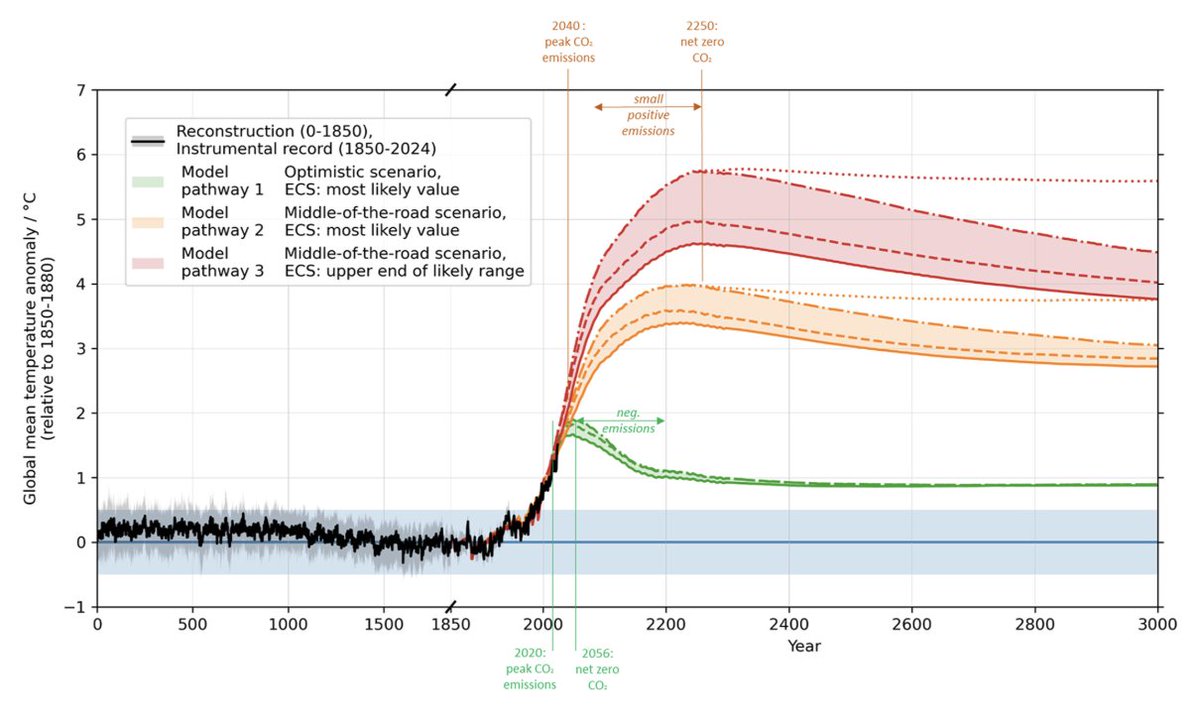
I’d be very interested in a @hausfath take on this one. Seems to imply (because heat buffering is limited) that we can knock off <=~1°C using CDR, with strong implications for max #overshoot.
Jun 10

New Anthropocene paper. Earth still operates in "Holocene logic", buffering heat imbalance. Anthropocene = Pressure. But, BAU, reaching 3°C in 2100 & we get "stuck" in a Hothouse trajectory for 1000 years. Anthropocene risks turning into a state. No Good.
agupubs.onlinelibrary.wiley.…
2
2
6
1,694
Jun 10
Interesting parallel to Germany.
Current administration ran on exactly that platform and there’s currently little chance this bet paid off.
Jun 9

Okay, this was provocative and I want to clarify what I’m worried about. Electricity prices obviously matter. But 1) I don’t want us to make promises we can’t keep on timescales we are suggesting & 2. policy response being offered won’t fix that, and could make it worse
1
117
Levi Henze retweeted

Jun 9
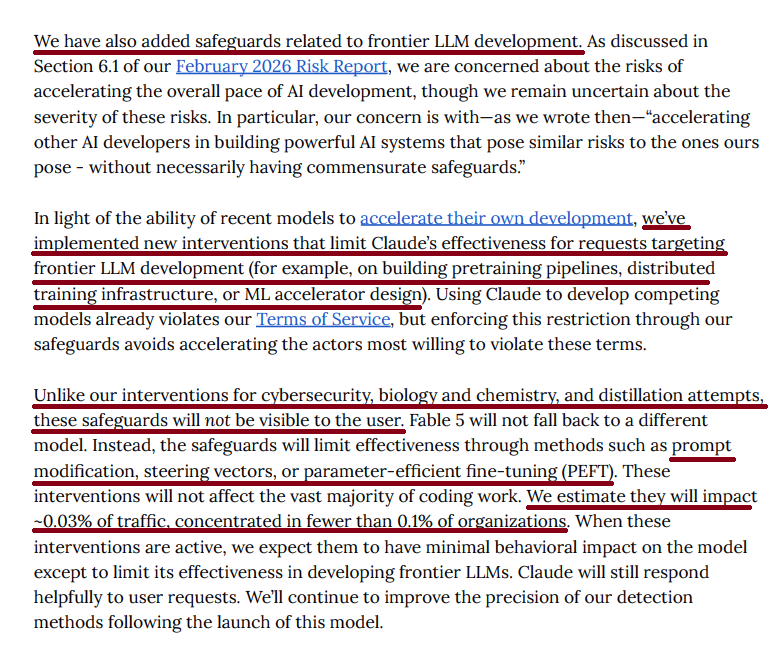
Leave aside the existential philosophical stuff, and here's the hard-edged reality of where the business of AI is heading: towards closed platforms intervening on what users can do to maintain their moat.
We previously documented how the frontier labs self preference their own AI models, writing code that calls their own APIs to keep your token spend. This is the next logical step: quietly prevent you from being able to use their model to improve your own.
It's a completely understandable move, and can have real safety and geopolitical benefits, but it will raise a lot of uncomfortable policy questions that we saw play out in Web 2.0 too.

When Fable 5 is used for frontier LLM development, it does not notify the user and instead limits the model’s capabilities through methods such as prompt modification, steering vectors, and PEFT.
Anthropic estimated that this would affect approximately 0.03% of traffic.
4
16
89
27,450