
@helium and @hivemapper deployers. First to map in LATAM
Joined March 2022
- Tweets 306
- Following 527
- Followers 354
- Likes 3,546
95 Photos and videos

Hitining 🇧🇷 retweeted

Jan 9
Why Helium's $0.50/GB pricing might be holding the network back, questions from a potential builder
I've spent the last few days diving deep into Helium's HIPs and debating with the community on Discord. I'm not here to FUD — I hold HNT and I'm actively exploring building an MVNE in Brazil on Helium infrastructure. I need this to work.
But I have questions that I can't resolve.
━━━━━━━━━━━━━━━━━━━━
THE STRUCTURE
━━━━━━━━━━━━━━━━━━━━
HIP 53 (2022) set $0.50/GB as the initial data price and created the SP rewards bucket. HIP 82 (2023) introduced Nova Labs as the first Service Provider, with the stated goal to "pave the way for other Service Providers to join."
Two years later, Nova remains the only SP. Why?
━━━━━━━━━━━━━━━━━━━━
THE ECONOMICS
━━━━━━━━━━━━━━━━━━━━
For a new SP to enter today:
→ Stake 100,000 HNT (~$150k)
→ Build carrier relationships and infrastructure
→ Pay $0.50/GB to the network in real cash
→ Only then start earning proportional SP rewards
Meanwhile, Nova Labs has accumulated advantages: existing carrier contracts, years of emissions, established infrastructure, and the ability to subsidize the $0.50 rate with VC cash and HNT emissions they receive as the network's primary operator.
A new SP would burn money on every GB sold until reaching meaningful scale — while competing against someone whose effective cost is significantly lower.
The rules are equal on paper. But is the game fair?
━━━━━━━━━━━━━━━━━━━━
THE MARKET REALITY
━━━━━━━━━━━━━━━━━━━━
Wholesale WiFi offload rates are a fraction of $0.50/GB. In Brazil, retail mobile plans offer around $0.60/GB to end consumers. Wholesale has to be much lower than that.
At $0.50/GB, Helium isn't competing for wholesale business — it's pricing itself out of most markets. The only reason it works today is Nova subsidizing the gap with HNT emissions and VC cash.
Carriers doing due diligence will ask: "This company pays more than they charge us, funded by token emissions and VC cash. How long can that last?"
━━━━━━━━━━━━━━━━━━━━
THE DEPLOYER PROBLEM
━━━━━━━━━━━━━━━━━━━━
Many deployers built expectations on $0.50/GB without understanding the tokenomics. As one community member put it: "deployers that can't make that price fit their model will quit and deployment will stagnate."
We saw this with IoT. Deployers built on reward expectations that didn't hold up. Frustration followed. Are we repeating the cycle?
━━━━━━━━━━━━━━━━━━━━
THE REAL COMPETITION
━━━━━━━━━━━━━━━━━━━━
Helium's competition isn't other crypto projects. It's Boingo, iPass, carrier-owned WiFi networks — traditional providers offering offload at market rates.
And markets evolve. In Brazil, there was hype about crypto "disrupting" finance. Meanwhile, our traditional banking system already offers instant transfers, 24/7, zero fees. Nubank was born here. PIX moves billions daily for free.
Helium's advantages — no spectrum costs, decentralized deployment, access to hard-to-reach locations — should make it the cheapest option. Instead, it's one of the most expensive.
━━━━━━━━━━━━━━━━━━━━
THE QUESTION
━━━━━━━━━━━━━━━━━━━━
Is this structure intentional or emergent?
I understand Nova Labs built this network and took early risk. Someone had to be the first SP. But if Helium is meant to be a "wholesale data marketplace," shouldn't the path for new SPs be viable by now?
━━━━━━━━━━━━━━━━━━━━
A DIFFERENT APPROACH
━━━━━━━━━━━━━━━━━━━━
What if the network had 100 SPs trying different approaches in different markets, instead of putting all expectations on one company?
Aggressive pricing could enable that experimentation. Right now the design concentrates all the pressure — and all the blame when things don't meet expectations — on Nova alone.
Realistic pricing would benefit everyone:
→ Nova: less subsidy to burn, healthier margins
→ Deployers: sustainable expectations from the start
→ New SPs: viable economics to enter
→ Network: diversified growth, less single-point-of-failure risk
━━━━━━━━━━━━━━━━━━━━
I WANT TO BE WRONG
━━━━━━━━━━━━━━━━━━━━
I'm not trying to tear down Helium. I'm trying to understand if I can build on it.
If there's something I'm missing about how this becomes sustainable at scale, I genuinely want to know. The community on Discord engaged seriously with these questions — thanks to those who did.
But if the answer is "just trust the process" or "token price will fix it" — that's not a foundation I can build a business on.
Nova has enough competitive advantages at this stage that real competition shouldn't be threatening. More SPs would validate the model and grow the pie. Nova would still have the biggest slice.
The network has a choice: become competitive and attract more builders, or accept that this is what it is.
I'd prefer the first option.
1
1
8
328

Hitining 🇧🇷 retweeted

28 Oct 2025
the telecom industry is undergoing a huge transition. but satellites also need better indoor coverage and still has outdoor dead spots around trees, buildings, and other obstacles
the network is @helium and the ticker is $HNT
26 Oct 2025

Apple Just Killed the Telecom Industry — And Nobody Noticed Until Now
The 140-year tower monopoly ends the moment a single toggle appears in iPhone Settings.
WHAT’S ALREADY LIVE (Verified, Not Speculation):
iPhone 14 Emergency SOS operates via Globalstar satellites. Apple funded $340M … 85% of Globalstar’s entire infrastructure upgrade … and controls exclusive capacity rights through 2037.
SpaceX has deployed 5,847 Direct-to-Cell Starlink satellites engineered for standard LTE handsets. Zero hardware modifications required. 3GPP Release-17 NTN protocol is ratified and shipping in Qualcomm X75/MediaTek M80 modems today.
THE CAPACITY CRISIS FORCING APPLE’S HAND:
Globalstar maxes at 300,000 simultaneous connections. Apple ships 235 million iPhones annually. The infrastructure can’t scale. Starlink DTC offers 10,000x bandwidth density and 7,500 satellite constellation vs. Globalstar’s 24 aging birds.
WHEN THE TOGGLE ACTIVATES — The Infrastructure Inversion:
2.3 billion active Apple devices gain universal satellite fallback instantly. Traditional carriers become optional outside metro zones. Messaging, wallet authentication, SOS function across oceans, disasters, authoritarian network shutdowns.
New iCloud satellite tier: $8-15/month ARPU boost = $22-41 billion annual services revenue unlock from 180M subscribers.
Latency: 25-40ms Starlink Gen2. Throughput: 7-25 Mbps initially, 50 Mbps roadmap by 2026. This isn’t emergency backup … this is second-primary infrastructure.
THE SOVEREIGNTY FRACTURE:
Governments lose kill-switch authority over communications. The iPhone becomes the first jurisdiction-independent network terminal owned by 32% of Earth’s connected population. Protests in authoritarian states. Natural disasters. Conflict zones. The control architecture collapses.
THE $625 BILLION WEALTH TRANSFER:
Verizon: $172B market cap. AT&T: $168B. T-Mobile: $285B. Combined $625 billion rests on tower monopolies that evaporate when satellite becomes standard infrastructure.
Apple’s $3.66T valuation suddenly commands dual-network dominance … terrestrial AND orbital. Every competitor remains single-layer. The asymmetry is civilizational.
TRACKING ACTIVATION (Next 60 Days):
✓ iOS 19 beta firmware: NTN/satellite-roaming flags in CommCenter logs
✓ Starlink DTC public beta (FCC Special Temporary Authority granted Sept 2024)
✓ Globalstar 10-K Q4 amendments: capacity reallocation clause
✓ Apple Q1 2026 event: “One more thing…”
The era of mandatory ground infrastructure ended when Apple bought the sky. The toggle is already written. We’re just waiting for the switch.
11
12
123
14,998

30 Jul 2025
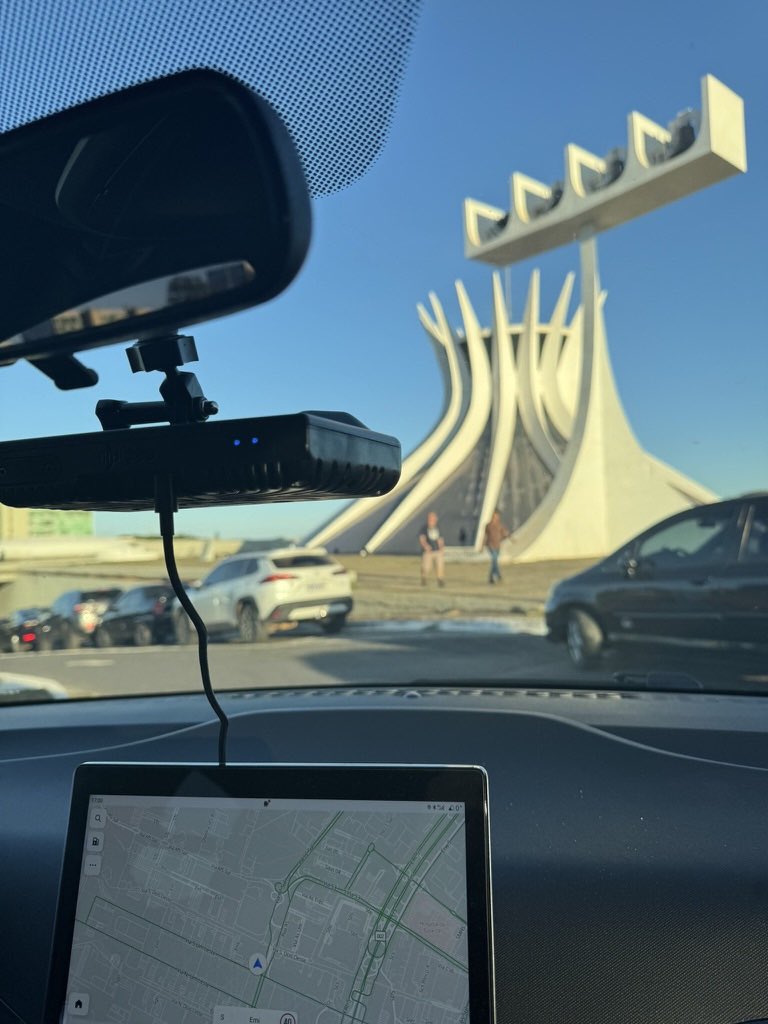
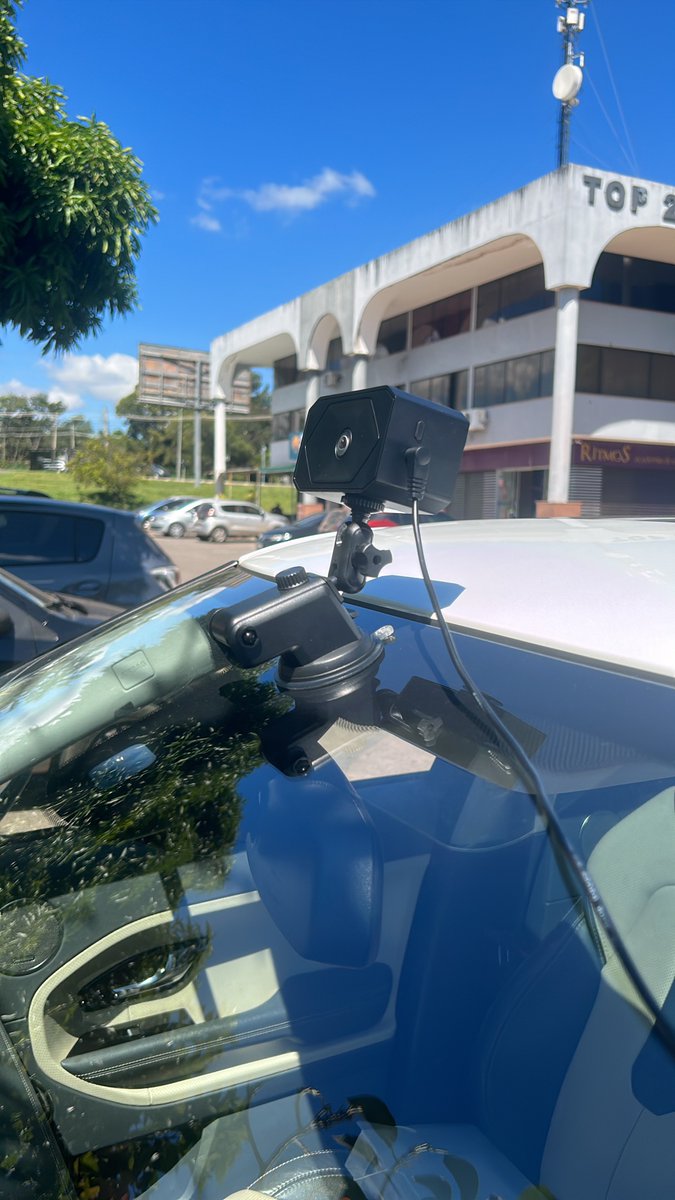
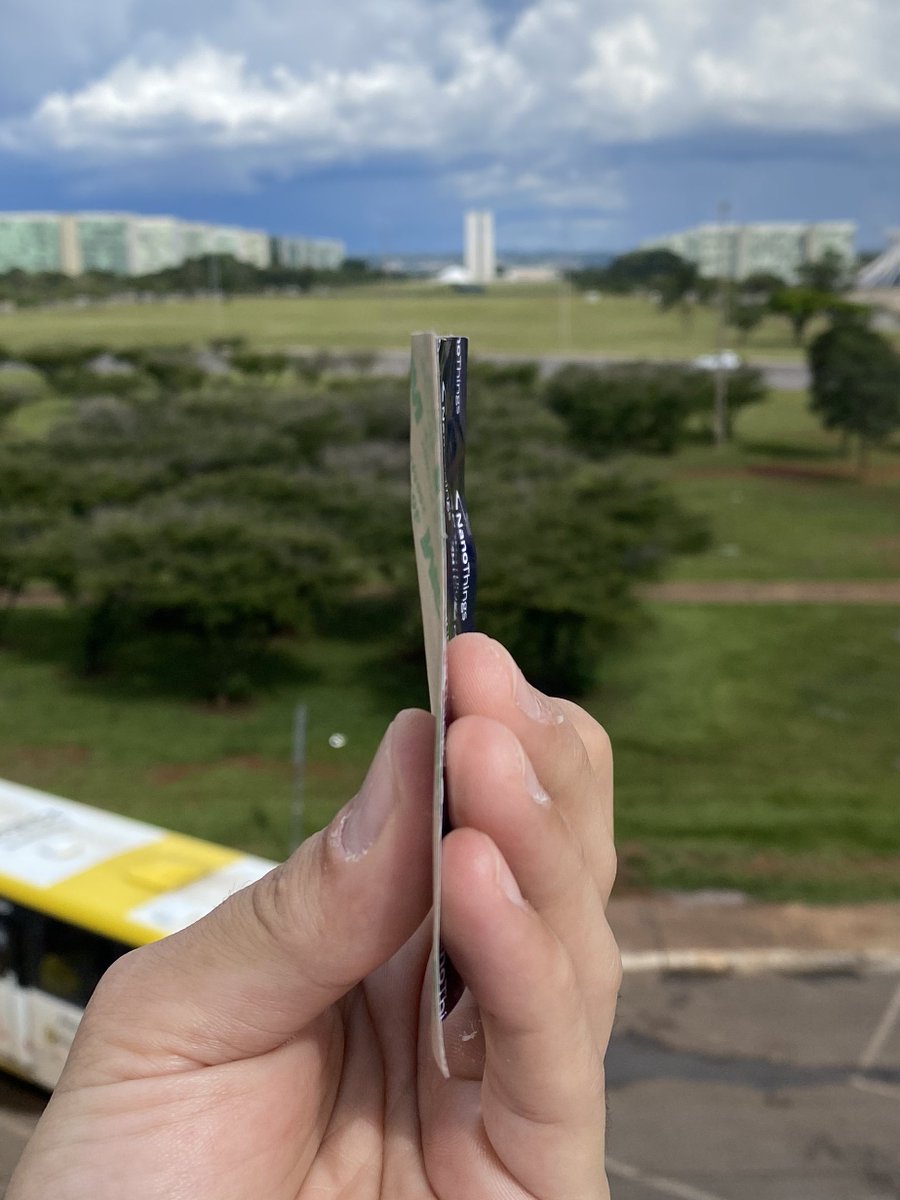
Mapping in front of one of Brazil’s most iconic landmarks the Brasília Cathedral. 🇧🇷🐝
Fully passive, real-time uploads over LTE, expanding the decentralized map one city at a time.
@Hivemapper @TryBeeMaps
1
10
255
23 Jun 2025
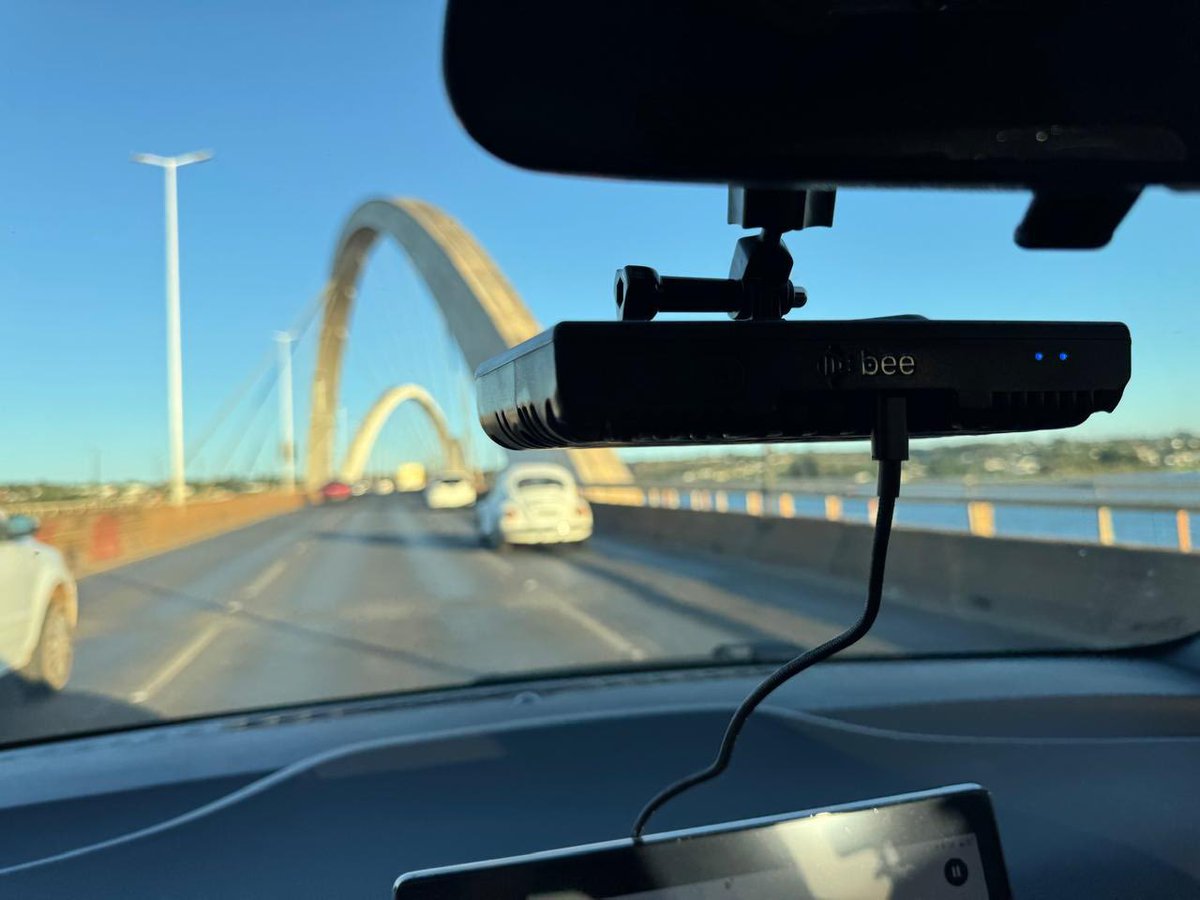
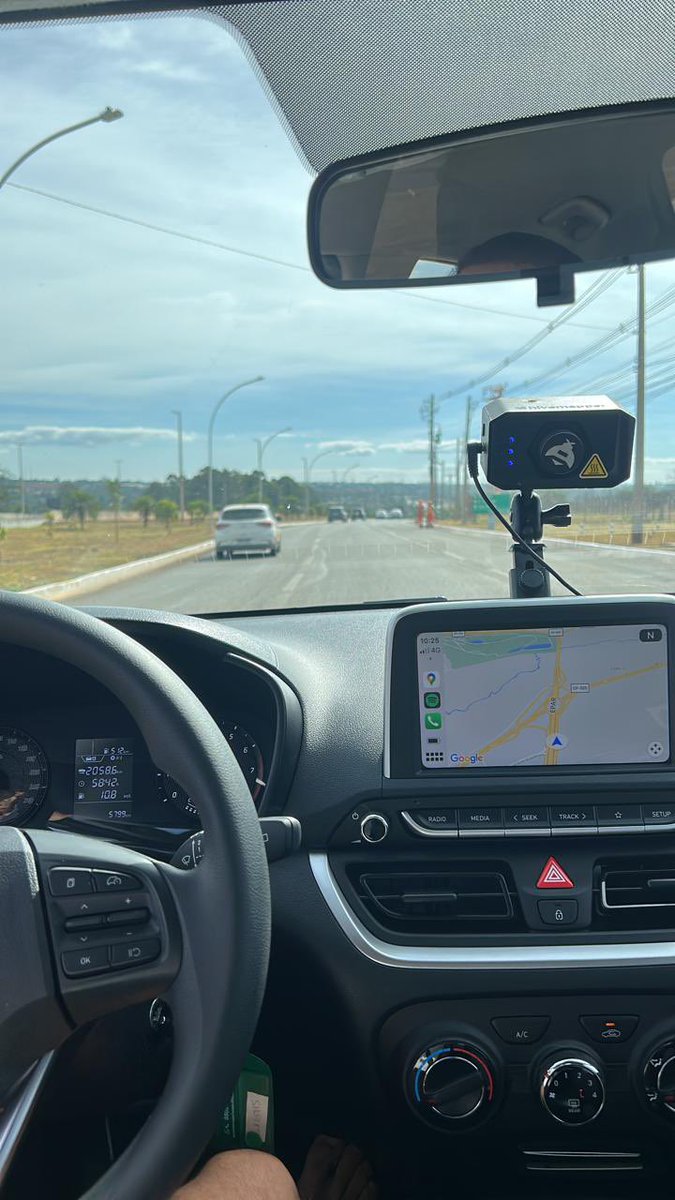
Crossing the iconic JK Bridge with the Bee in action 🐝🌉
Mapping with style, streaming over LTE, fully passive — that’s how we roll in Brasília.
@Hivemapper @TryBeeMaps
5
98
19 Jun 2025
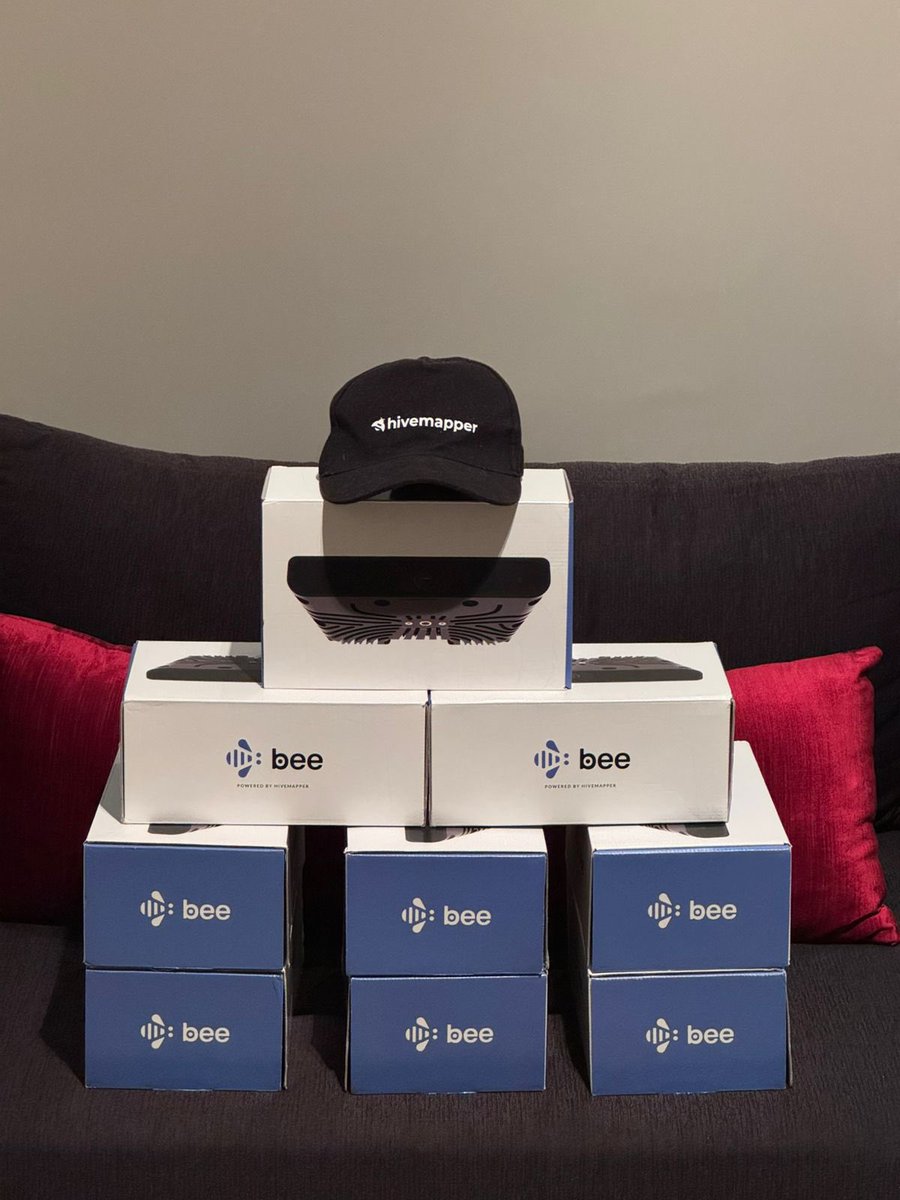
Fleet mode: activated. 🐝🧢
Boxes are in, Bees are ready, and we’re scaling fast.
Next stop: more data, more rewards, more maps — all powered by @Hivemapper and @TryBeeMaps.
Let’s go!
2
1
7
134
17 Jun 2025
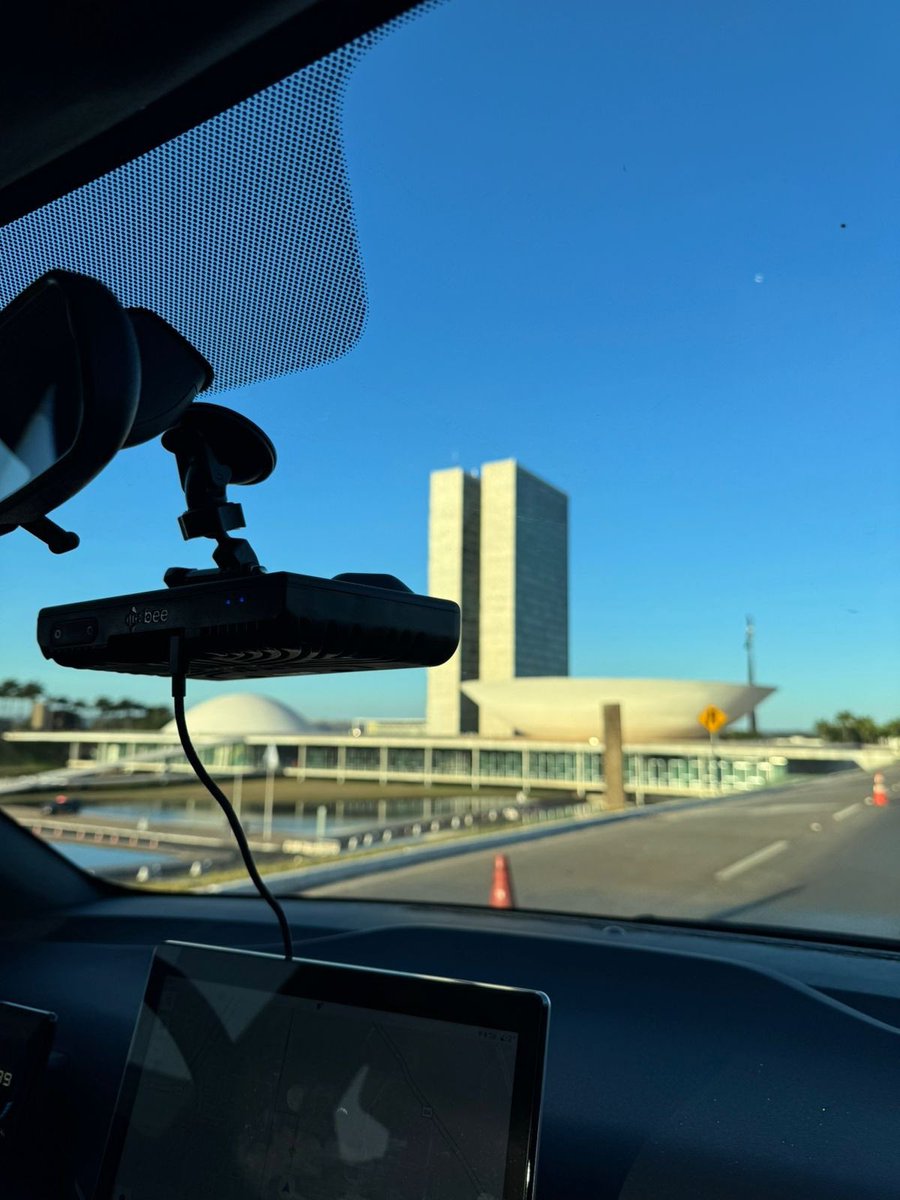
Mapping the heart of Brazil. 🇧🇷🐝
Our Bee is now live in front of the National Congress — fully passive, real-time uploads over LTE.
From the capital to every corner, we’re putting Brazil on the decentralized map.
@Hivemapper @TryBeeMaps
3
3
26
547
16 Jun 2025
GCharge ⚡️
Just got my @decharge Beast EV Charger!
I'm charging my EV & earning when others use it too.
Get yours now, in the Foundation Sale:
sales.decharge.network?refer…
1
1
5
356
13 Jun 2025
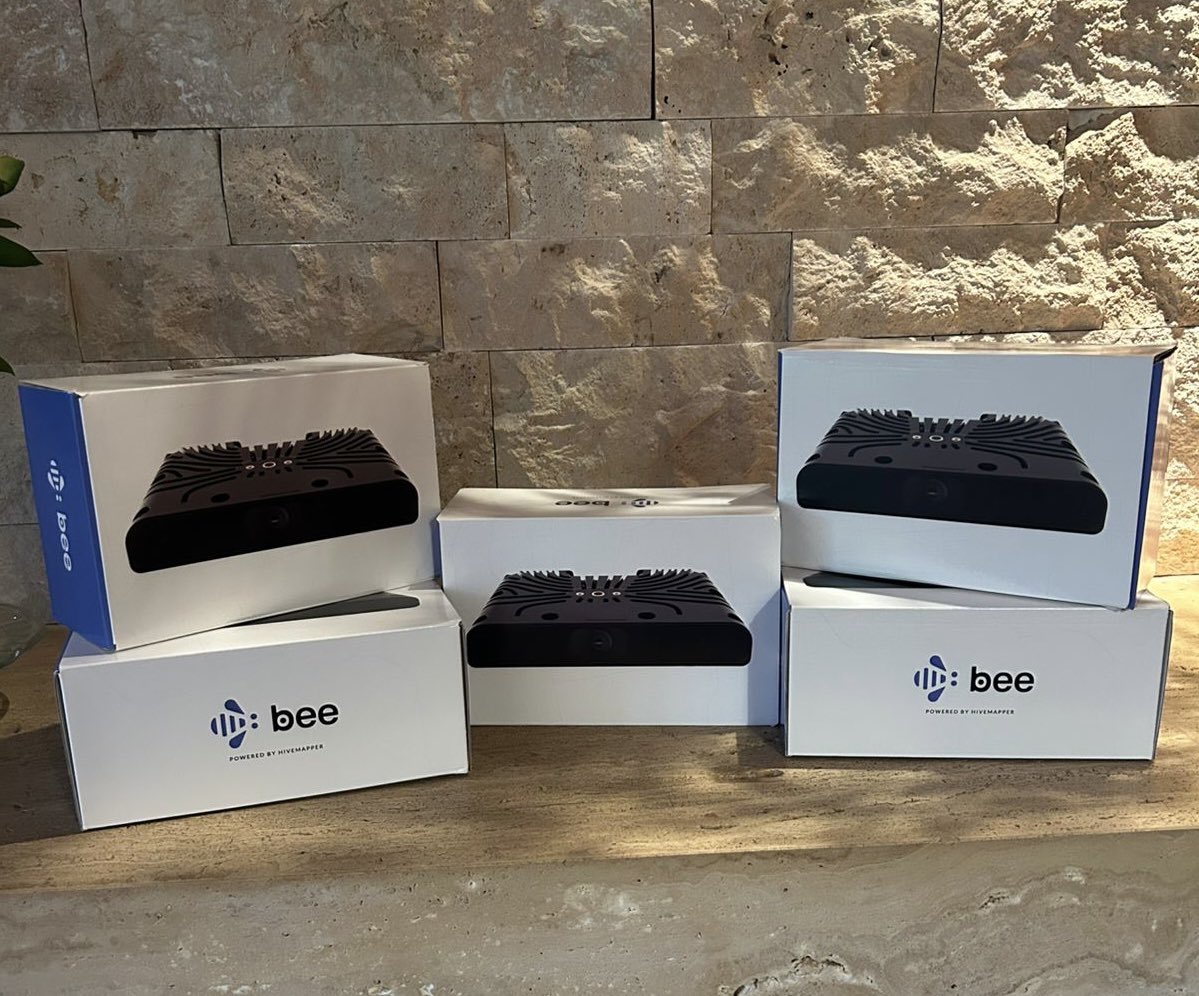
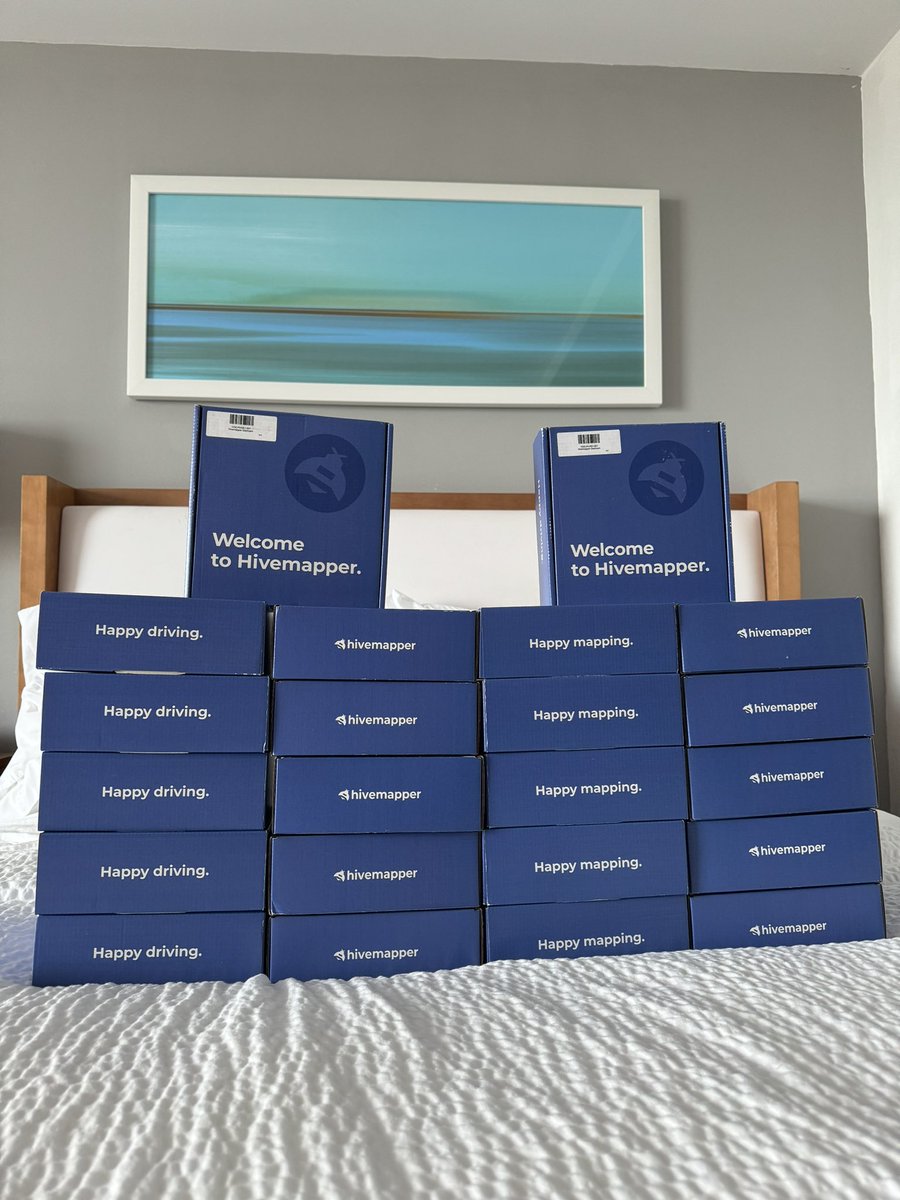
They’ve landed. 🐝
Our first batch of Bees just arrived — and this is only the beginning.
Worth the wait. Can’t wait to get them rolling on our fleet.
Let’s map the world together.
@Hivemapper @TryBeeMaps
3
2
23
4,362
3 Jun 2025
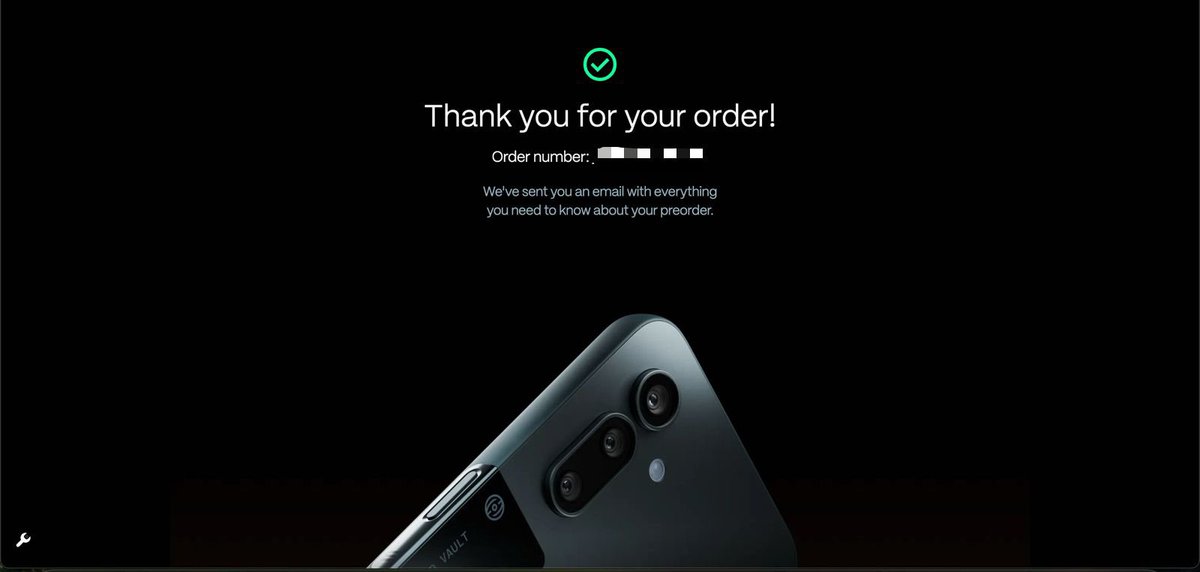
Just secured my @solanamobile 📱—the ultimate Web3 mobile experience. With SeedVault, Seeker ID, and the Genesis Token, I’m ready to explore the decentralized future.
#SolanaSeeker #Web3Mobile #CryptoReady
6
177
21 May 2025
Got our first Bee tracking number — the first of many!
Despite the wait, it was definitely worth it. Super excited to finally test it on our fleet.
Huge shoutout to @aseidman @Hivemapper and @TryBeeMaps — let’s keep building!
🐝🇧🇷
1
1
5
261
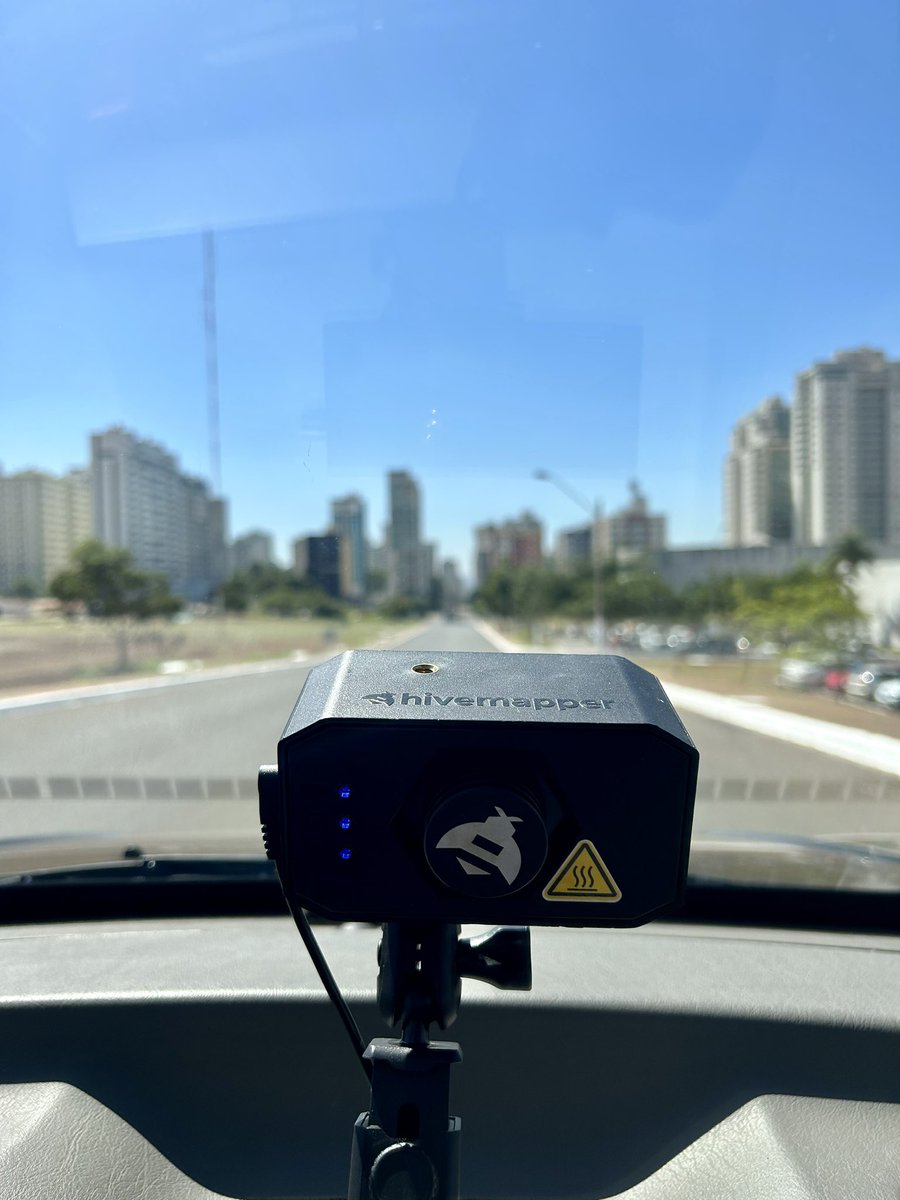
22 Nov 2024
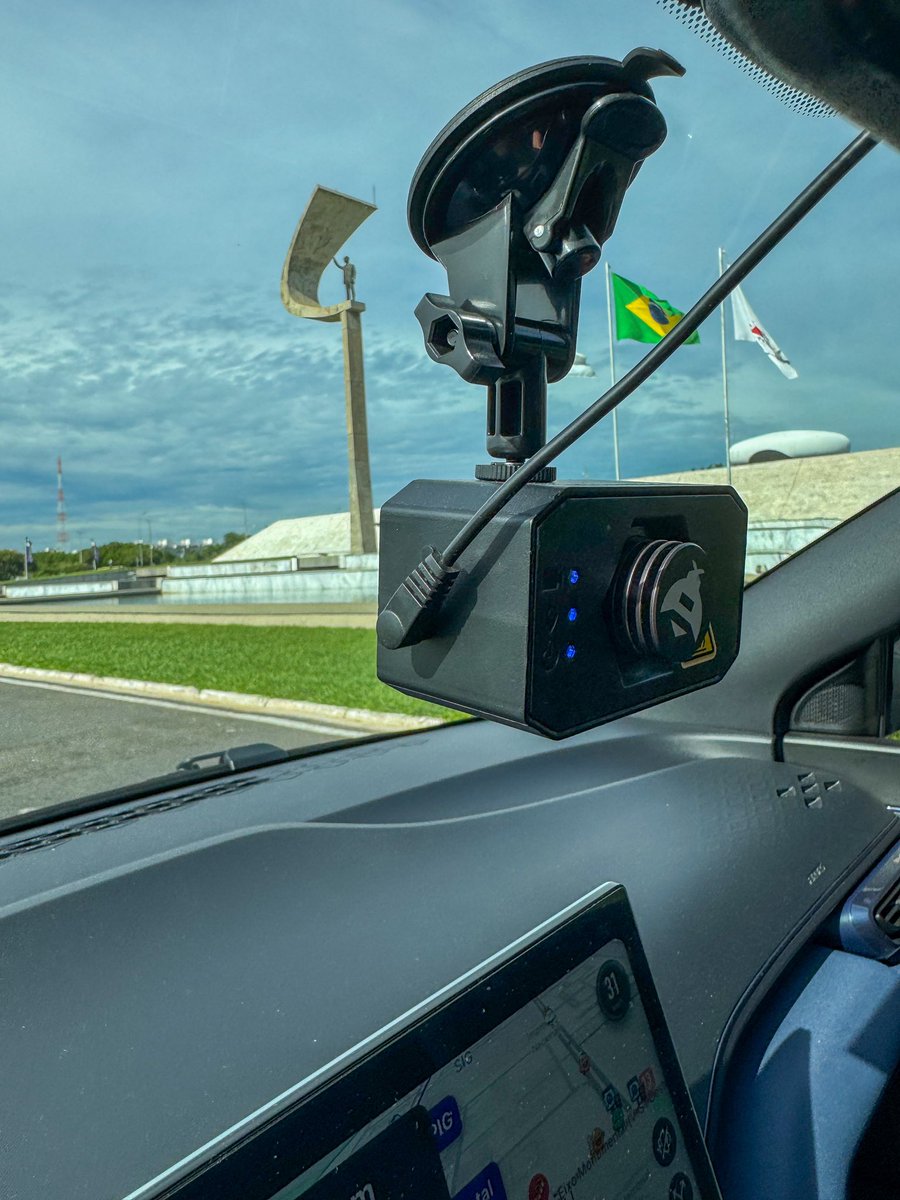
The JK Memorial in the background, a @hivemapper dashcam in the foreground, and the future of decentralized mapping in motion. 🌐 🇧🇷
#Hivemapper #DePIN #HONEY #Bee #BeeMaps
14
4
39
2,271
Hitining 🇧🇷 retweeted

13 Jul 2024
If @toly comments on this post and follows us, we'll give away this legendary Lynx Cat NFT to one lucky person who retweets! 🐱✨
dewicats.xyz/
10
30
35
3,059
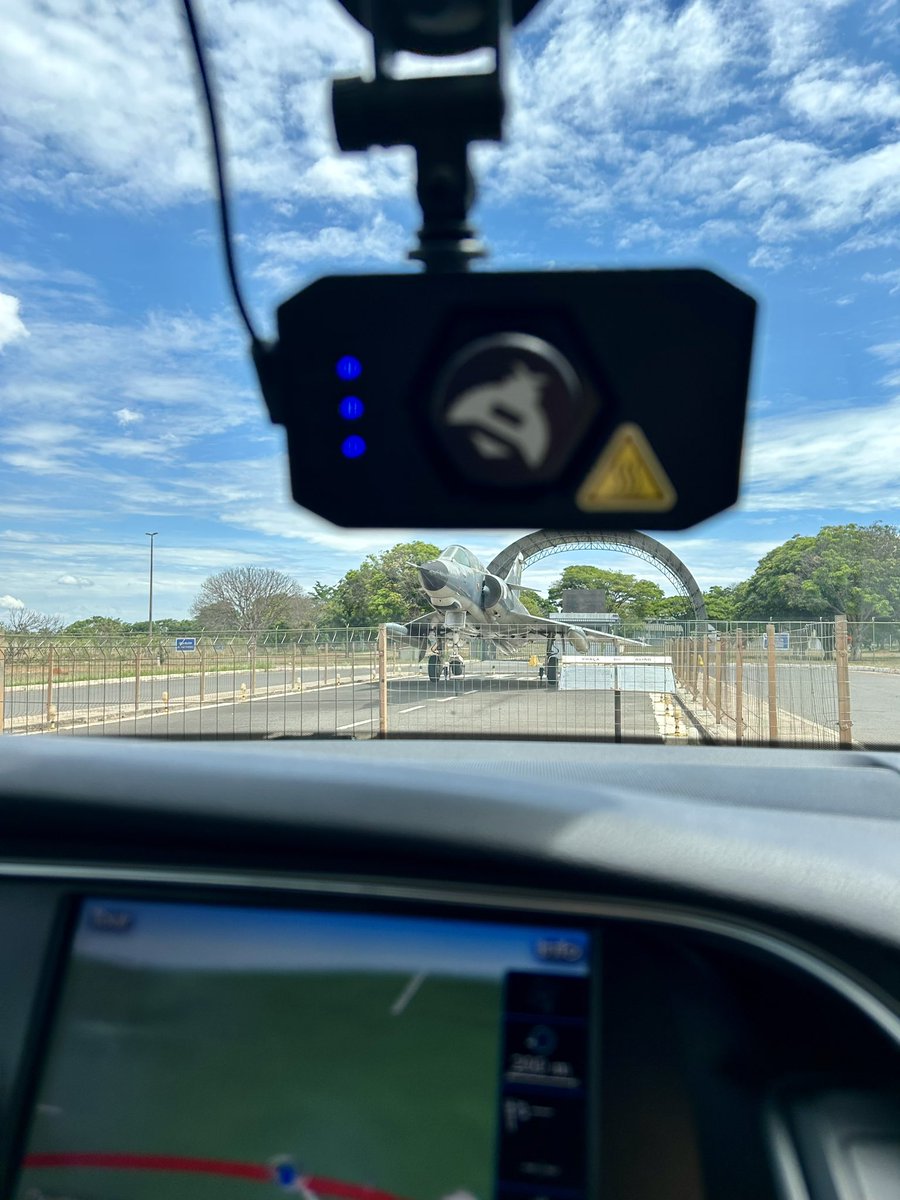
26 Oct 2023
Old meets new: The powerful F103E - Mirage III framed through the lens of my @Hivemapper 📸🪖
#mapping #hivemapper #honey #mirage
2
11
469
Hitining 🇧🇷 retweeted

24 Aug 2023
We have a free Hivemapper Dashcam to give away, as we want to help somebody get going with Hivemapper to help map the world.
Simply repost this.
hivemapper.com/blog/the-secr…

28
143
116
7,174
2 Jul 2023
2
2
15
782
Hitining 🇧🇷 retweeted

18 Jun 2023
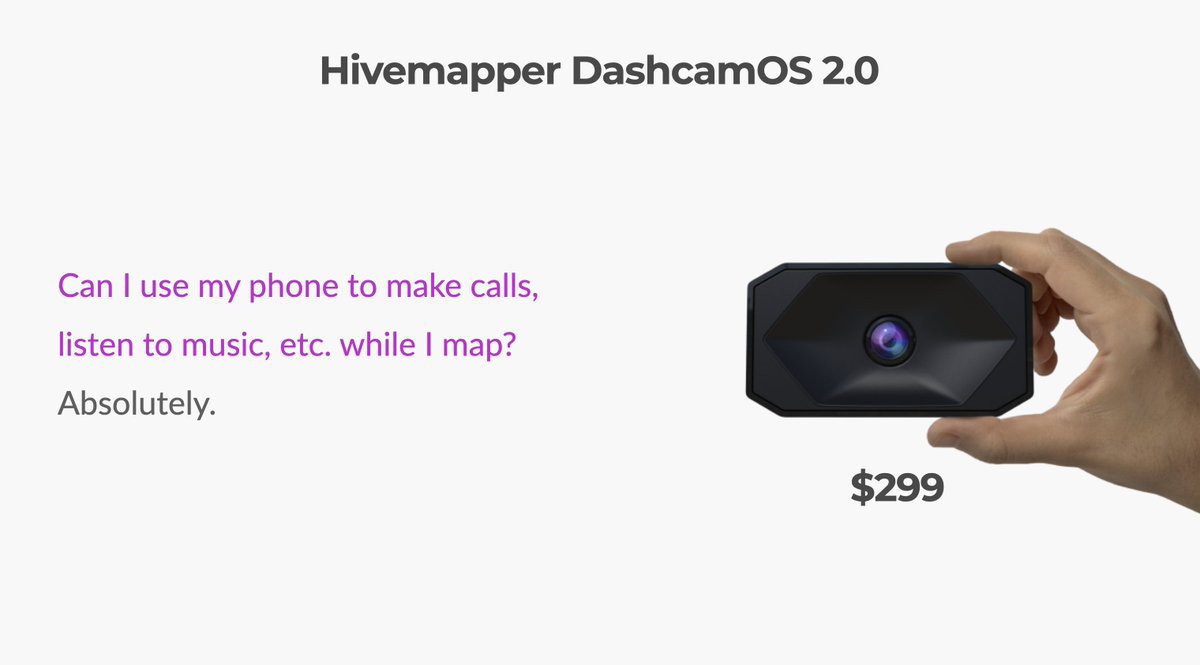
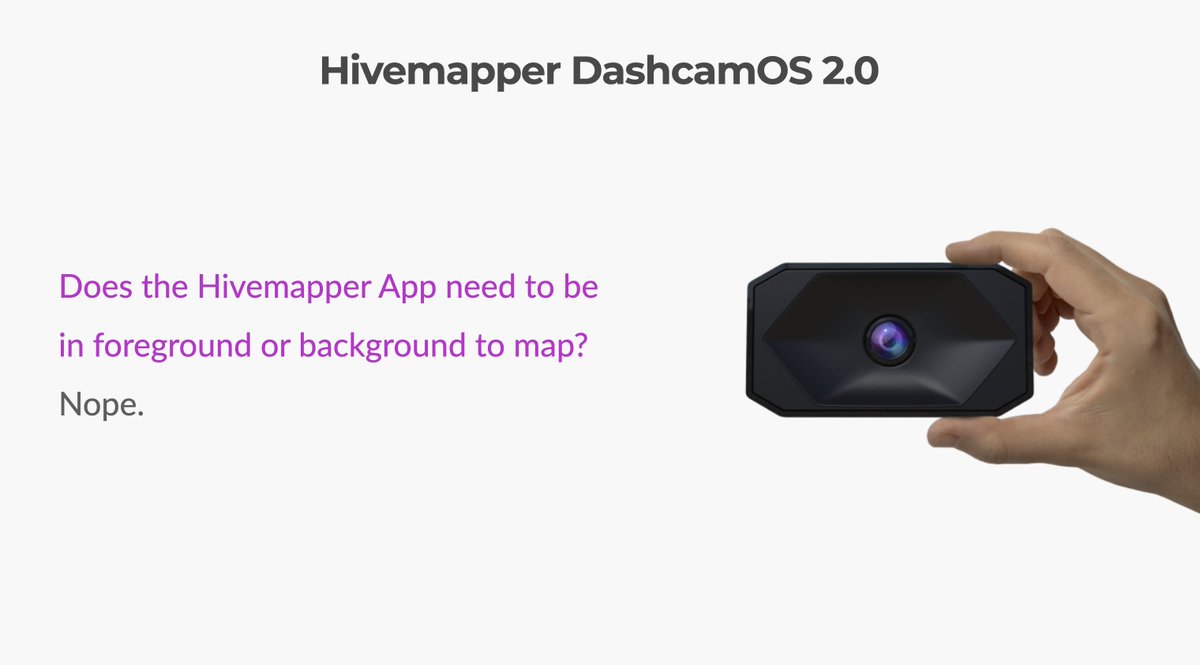
Please help us get the word out.
You don't even need to have a smartphone in the car while mapping, and if your smartphone is in the car you can do whatever you want with it while the dashcam maps for you.
3
8
36
2,364
7 May 2023
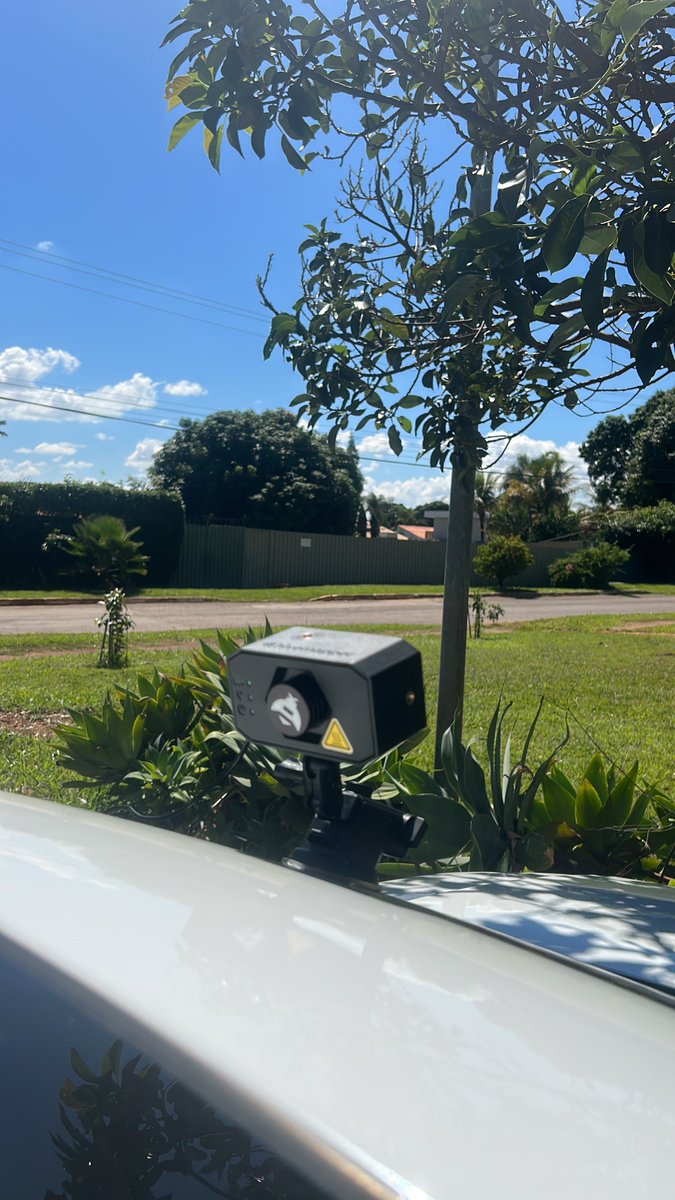
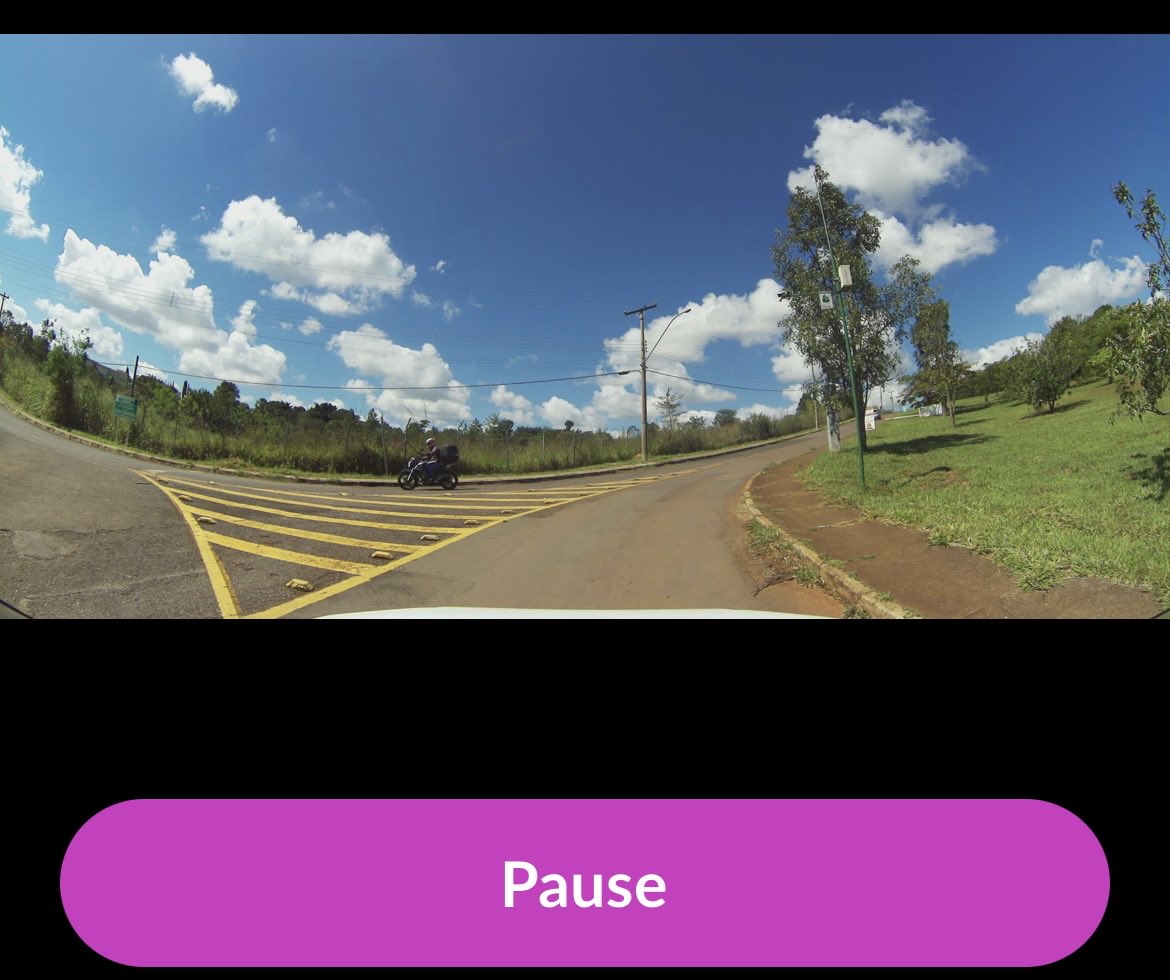
Cruisin' the streets with my @Hivemapper External Mount, turning heads wherever I go! 🚘🗺️😎 #NextLevelDriving #TechOnWheels #mapping #hivemapper
3
4
19
2,220

The Helium Network migration to @solana is complete! 🎉 🎈
This is an incredible milestone for the global Helium community and ushers in a new era for a highly scalable and resilient Helium Network along with a new world of utility on Solana.
blog.helium.com/a-new-era-fo…
341
572
2,134
434,486