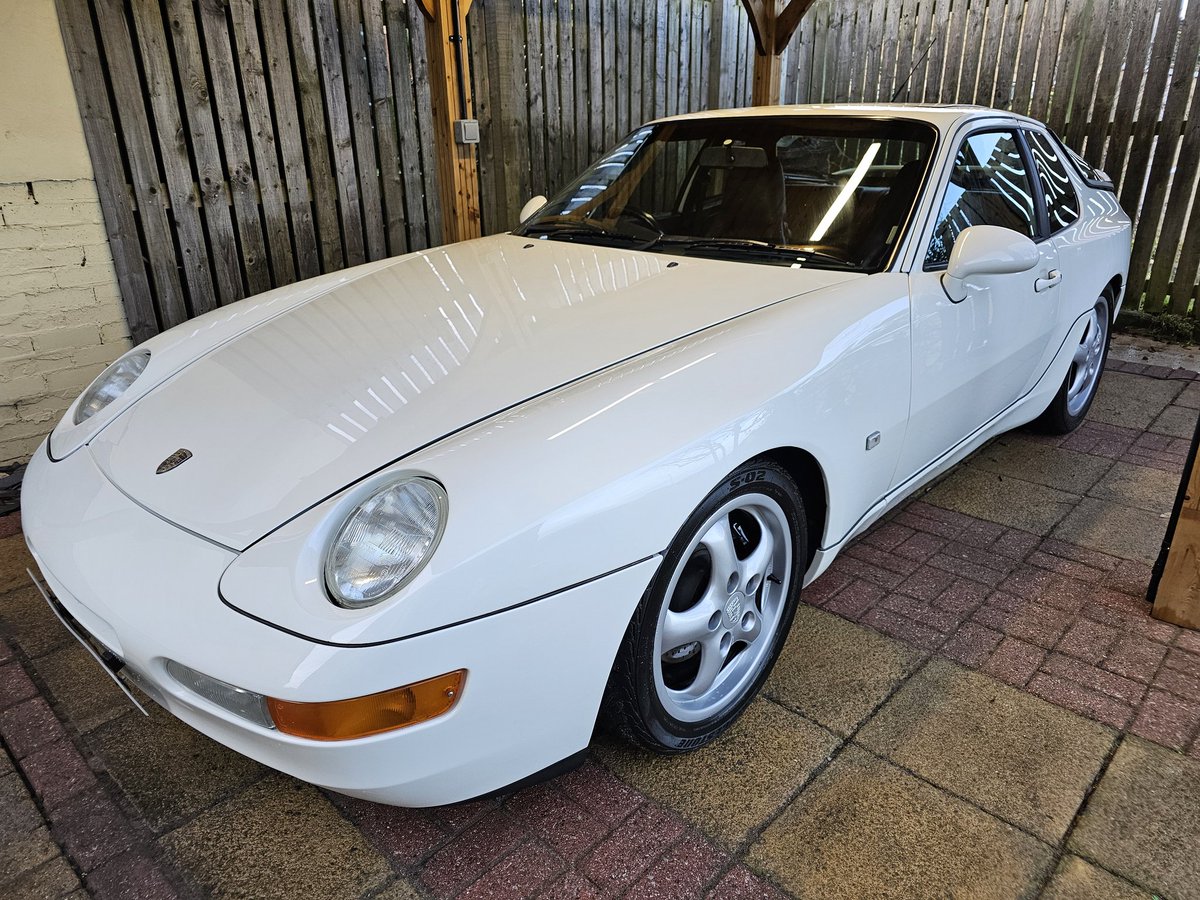
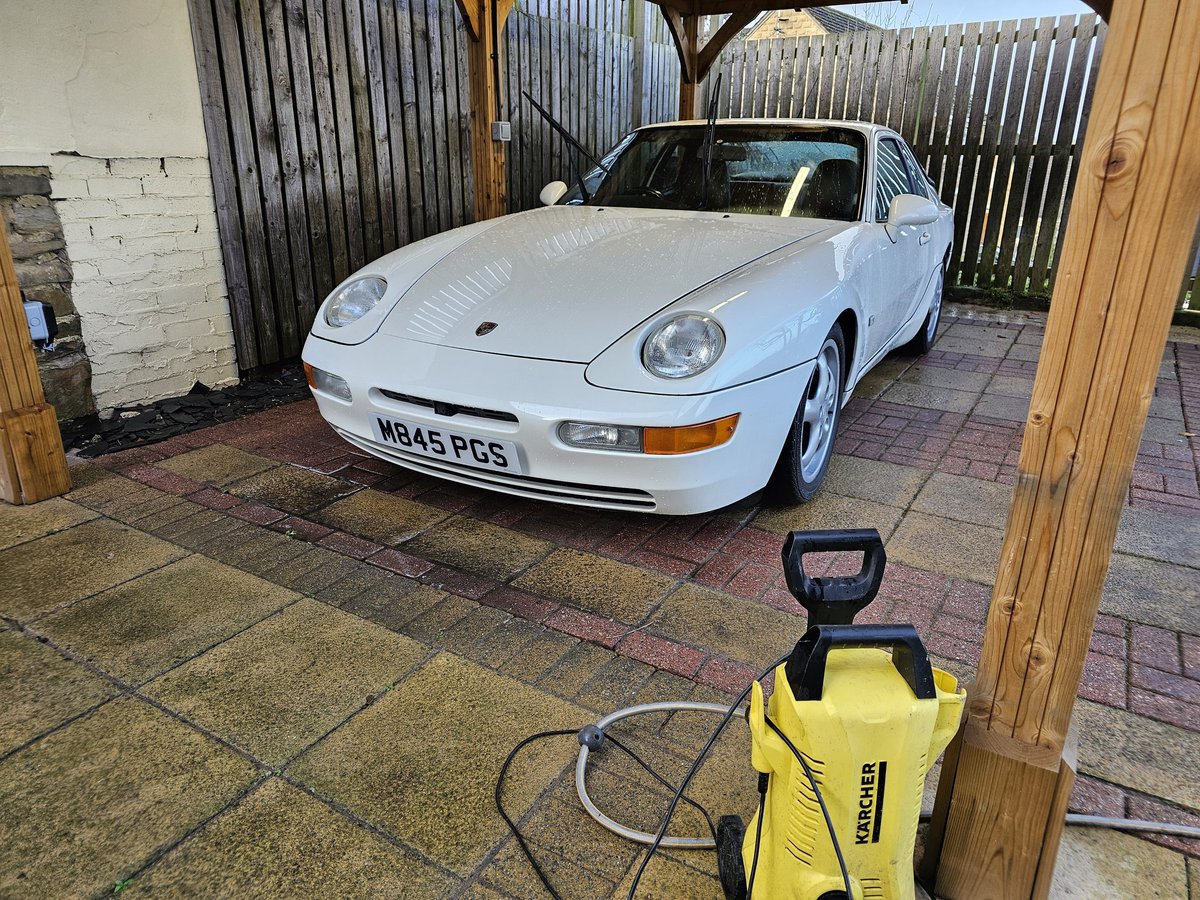
Assistant Principal - Assessment, Data & Timetabling | Microbiologist turned Science Teacher 🔬| Lover of old cars 🚗
Joined January 2020
- Tweets 2,939
- Following 1,540
- Followers 1,541
- Likes 11,433
779 Photos and videos







Pinned Tweet

3 Nov 2021
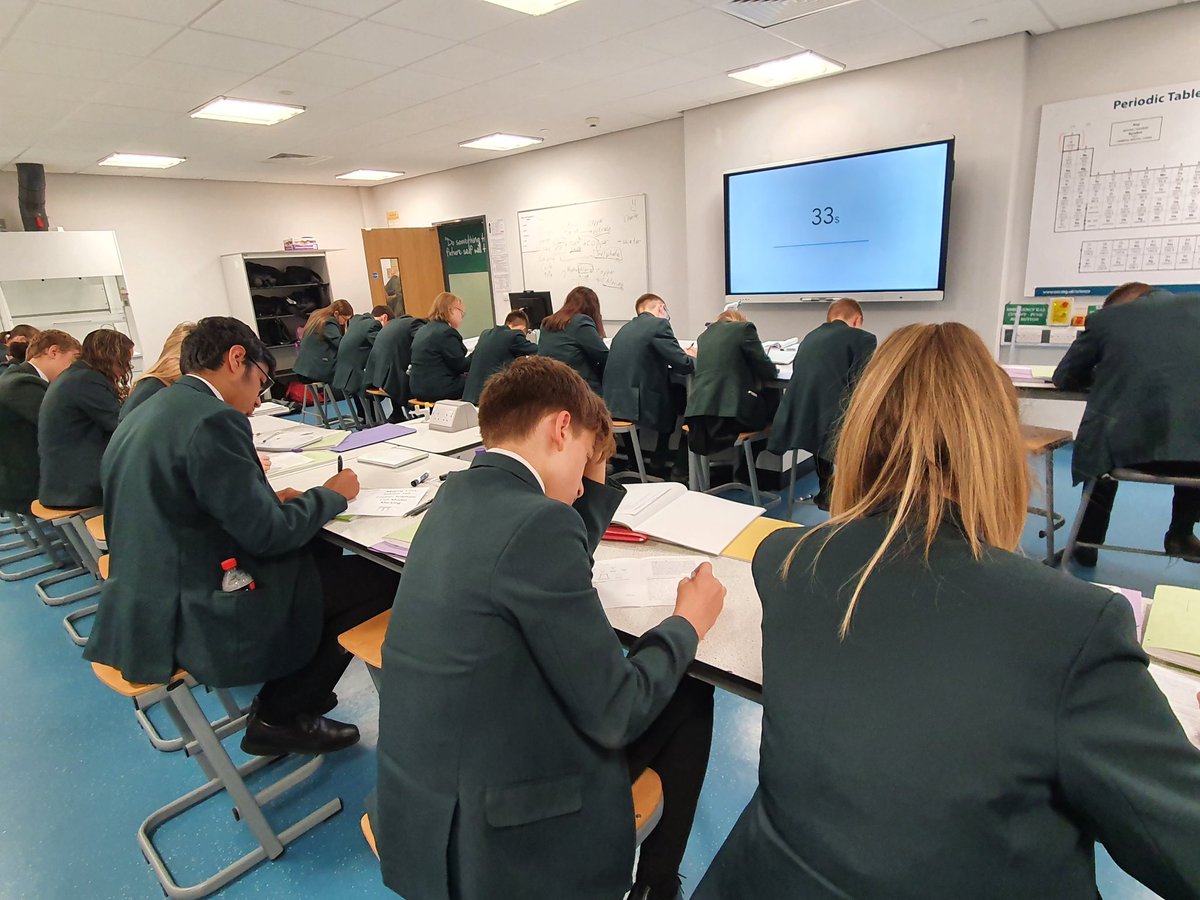
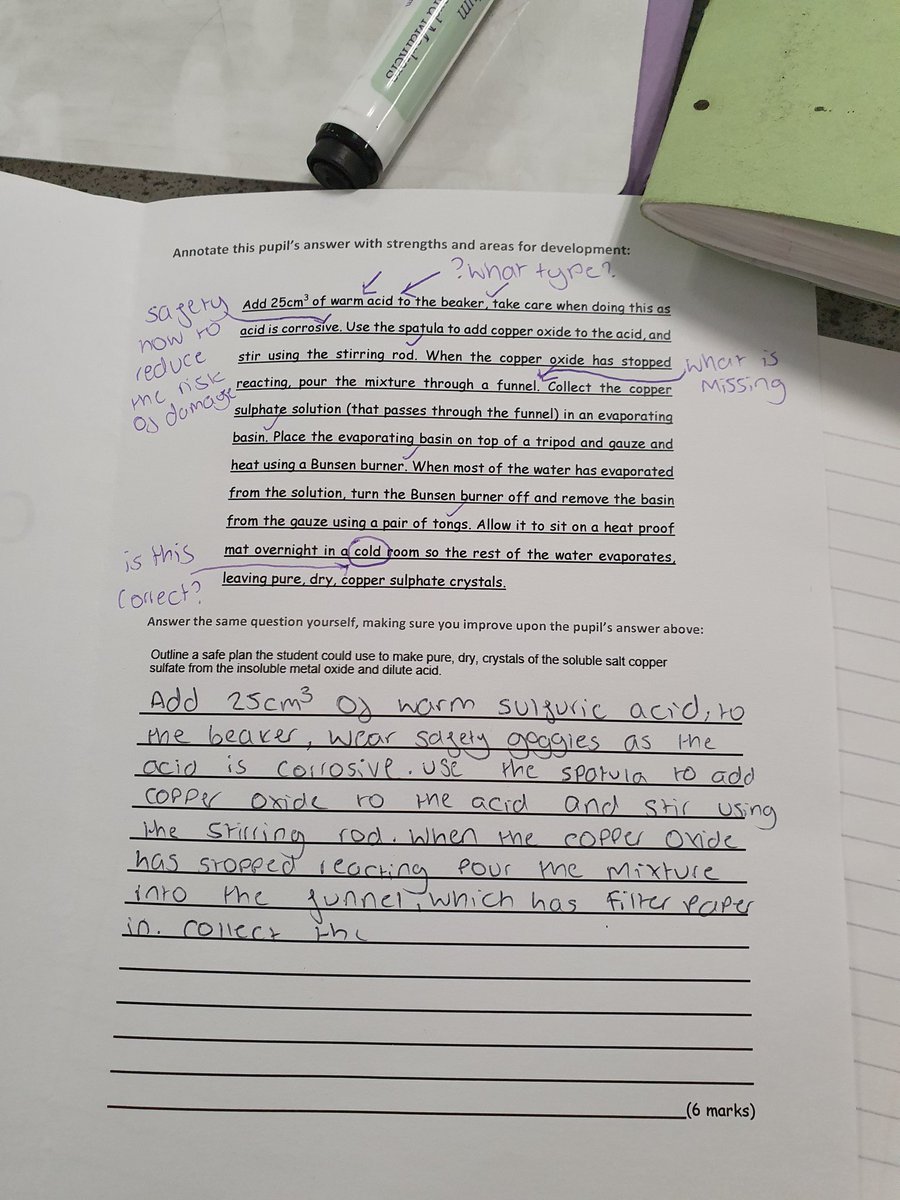
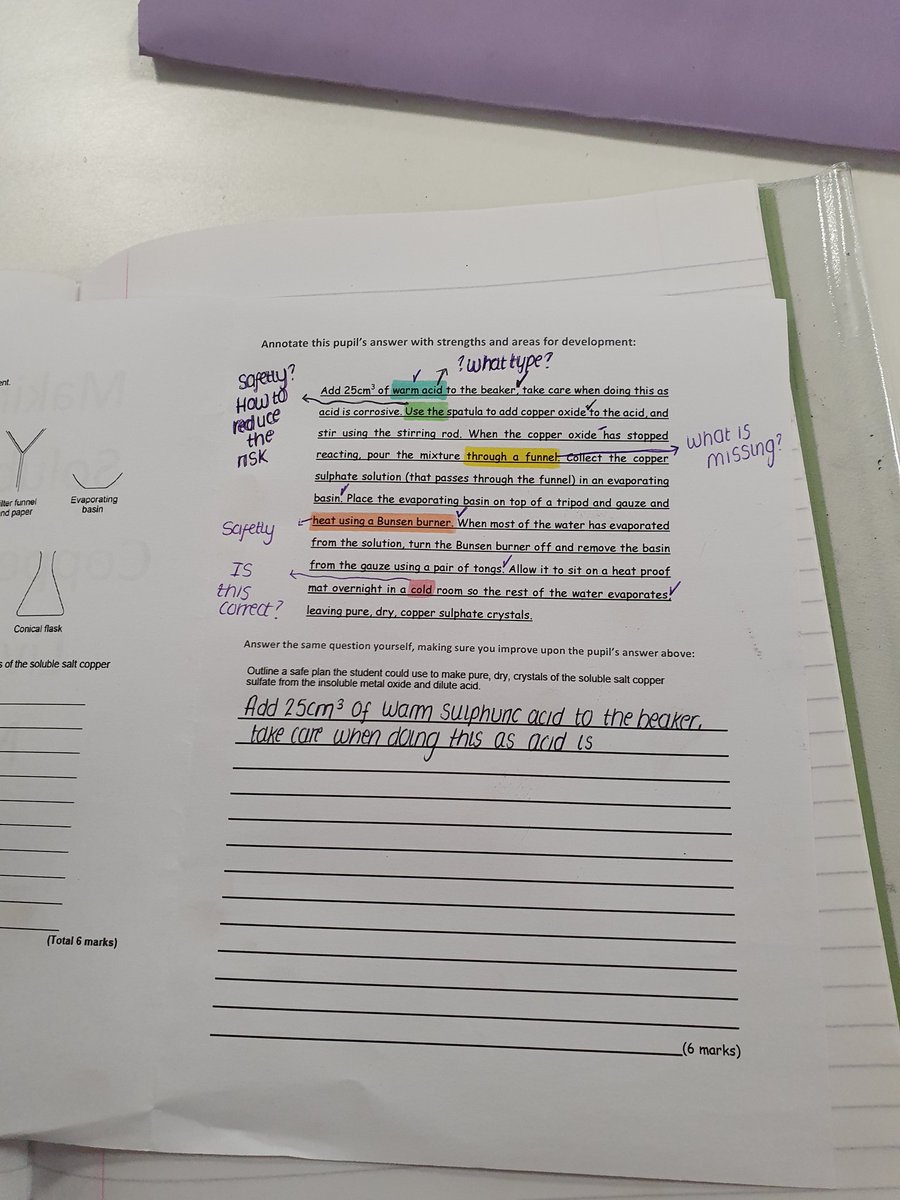
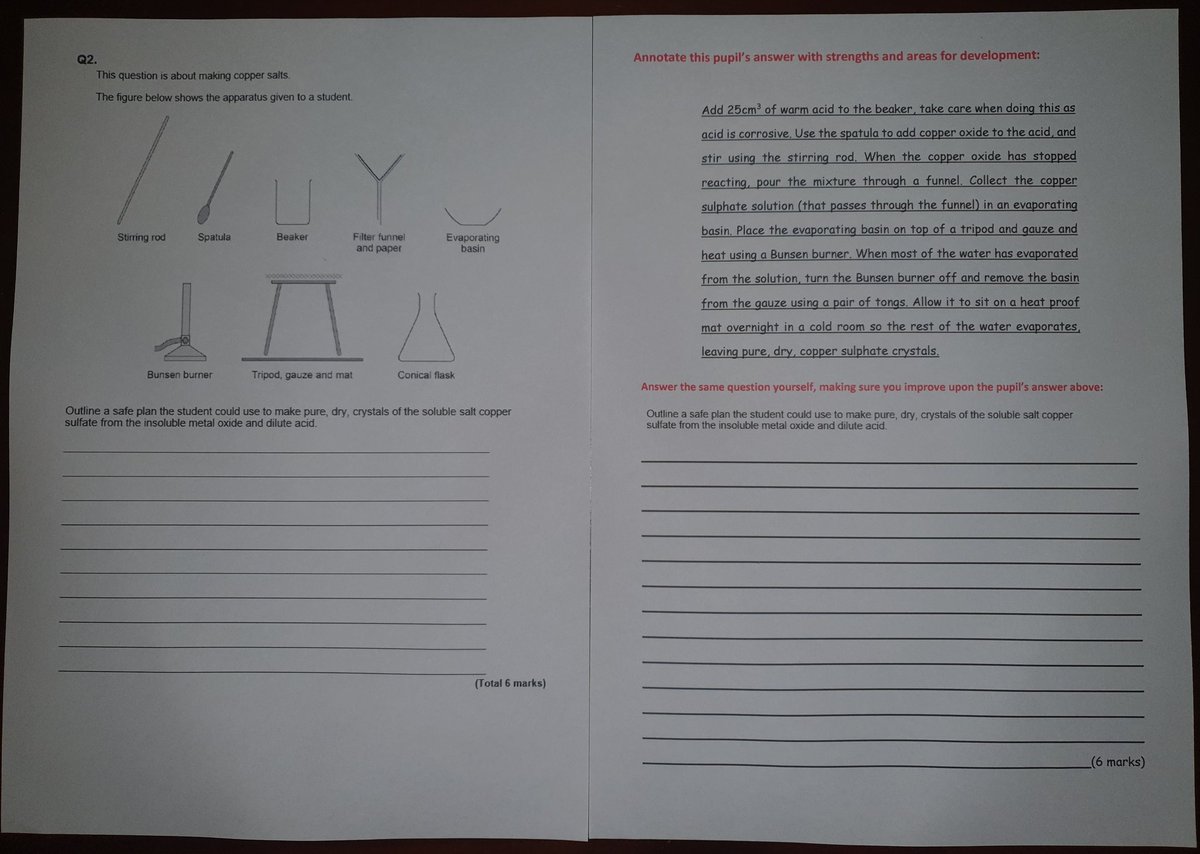
Live model marking in action. I supplied a weak answer which we analysed as a class using the visualiser whilst verbalising my thought process. Pupils then produced their own improved answers & peer marked their work. Excellent work was celebrated under the visualiser #edutwitter
9
12
148
Dr. Anthony Hoyle retweeted

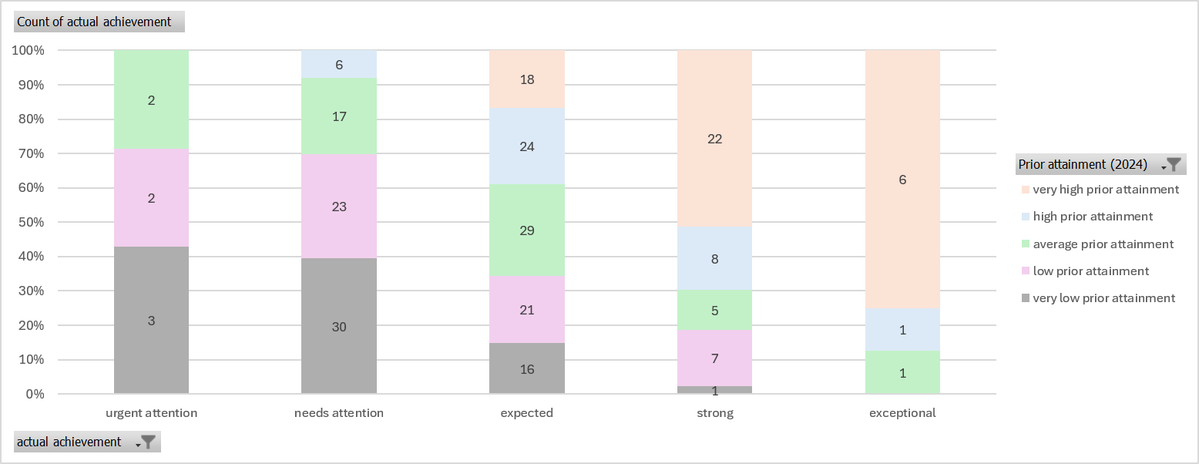
It's really telling that, having inspected around 250 secondary schools, that @Ofstednews have yet to identify a single school with low or very low levels of prior attainment that have achievement that is worthy of others coming to see how they manage it.
8
34
102
40,874
Dr. Anthony Hoyle retweeted

May 18
A Norwegian neuroscientist spent 20 years proving that the act of writing by hand changes the human brain in ways typing physically cannot, and almost nobody outside her field has read the paper.
Her name is Audrey van der Meer.
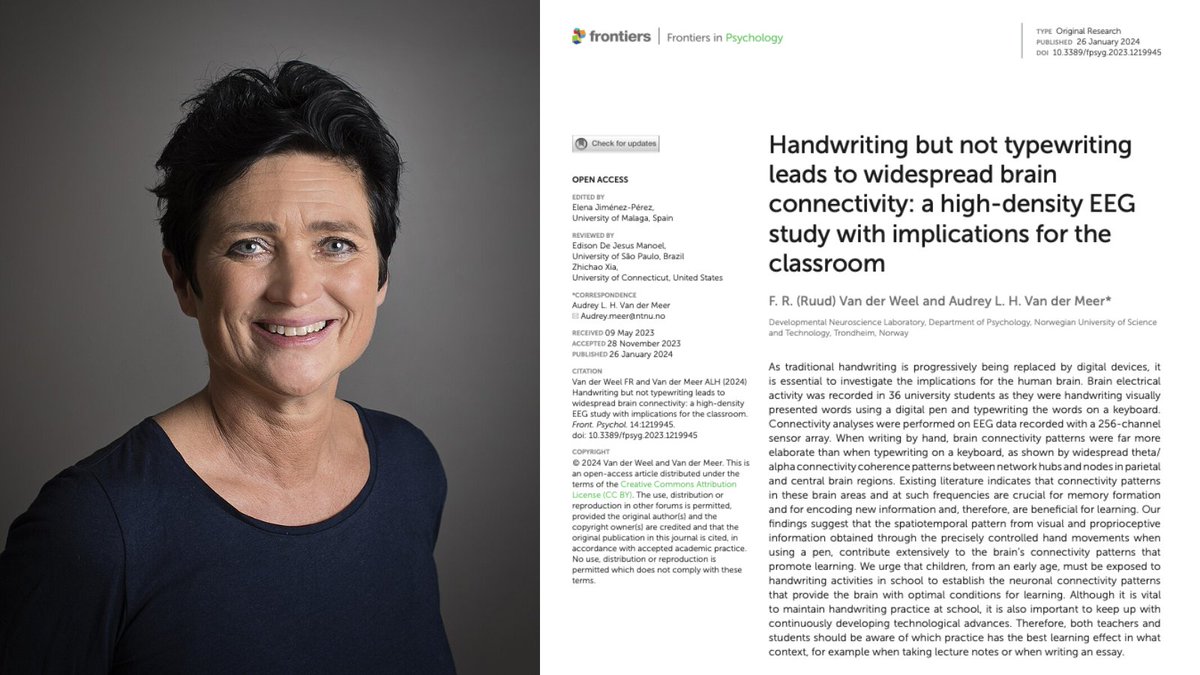
She runs a brain research lab in Trondheim, and the paper that closed the argument was published in 2024 in a journal called Frontiers in Psychology. The finding is brutal enough that it should have changed every classroom on Earth.
The experiment was simple. She recruited 36 university students and put each one in a cap with 256 sensors pressed against their scalp to record brain activity. Words flashed on a screen one at a time.
Sometimes the students wrote the word by hand on a touchscreen using a digital pen, and sometimes they typed the same word on a keyboard. Every neural response was recorded for the full five seconds the word stayed on screen.
Then her team looked at the part of the data most researchers had ignored for years, which is how different parts of the brain were communicating with each other during the task.
When the students wrote by hand, the brain lit up everywhere at once.
The regions responsible for memory, sensory integration, and the encoding of new information were all firing together in a coordinated pattern that spread across the entire cortex. The whole network was awake and connected.
When the same students typed the same word, that pattern collapsed almost completely.
Most of the brain went quiet, and the connections between regions that had been alive seconds earlier were nowhere to be found on the EEG.
Same word, same brain, same person, and two completely different neurological events.
The reason turned out to be something nobody had really paid attention to before her work. Writing by hand is not one motion but a sequence of thousands of tiny micro-movements coordinated with your eyes in real time, where each letter is a different shape that requires the brain to solve a slightly different spatial problem.
Your fingers, wrist, vision, and the parts of your brain that track position in space are all working together to produce one letter, then the next, then the next.
Typing throws all of that away. Every key on a keyboard requires the exact same finger motion regardless of which letter you are pressing, which means the brain has almost nothing to integrate and almost no problem to solve.
Van der Meer said it plainly in her interviews.
Pressing the same key with the same finger over and over does not stimulate the brain in any meaningful way, and she pointed out something that should scare every parent who handed their kid an iPad.
Children who learn to read and write on tablets often cannot tell letters like b and d apart, because they have never physically felt with their bodies what it takes to actually produce those letters on a page.
A decade before her, two researchers at Princeton ran the same fight using a completely different method and ended up at the same answer. Pam Mueller and Daniel Oppenheimer tested 327 students across three experiments, where half took notes on laptops with the internet disabled and half took notes by hand, before testing everyone on what they actually understood from the lectures they had watched.
The handwriting group won by a wide margin on every question that required real understanding rather than surface recall.
The reason was hiding in the transcripts of what the two groups had actually written down.
The laptop students typed almost word for word, capturing more total content but processing almost none of it as they went, while the handwriting students physically could not write fast enough to transcribe a lecture in real time, which forced them to listen carefully, decide what actually mattered, and put it in their own words on the page.
That single act of choosing what to keep was the learning itself, and the keyboard had quietly skipped the choosing and skipped the learning along with it.
Two studies. Two countries. Same answer.
Handwriting makes the brain work. Typing lets it coast.
Every note you have ever typed instead of written went into your brain through a thinner pipe. Every meeting, every book highlight, every idea you captured on your phone instead of on paper was processed at half depth.
You did not forget those things because your memory is bad. You forgot them because typing never woke the part of the brain that would have made them stick.
The fix is the thing your grandmother already knew.
Pick up a pen. Write the thing down. The slower road is the faster one.
2,475
44,634
120,834
10,378,128
Dr. Anthony Hoyle retweeted

Apr 29
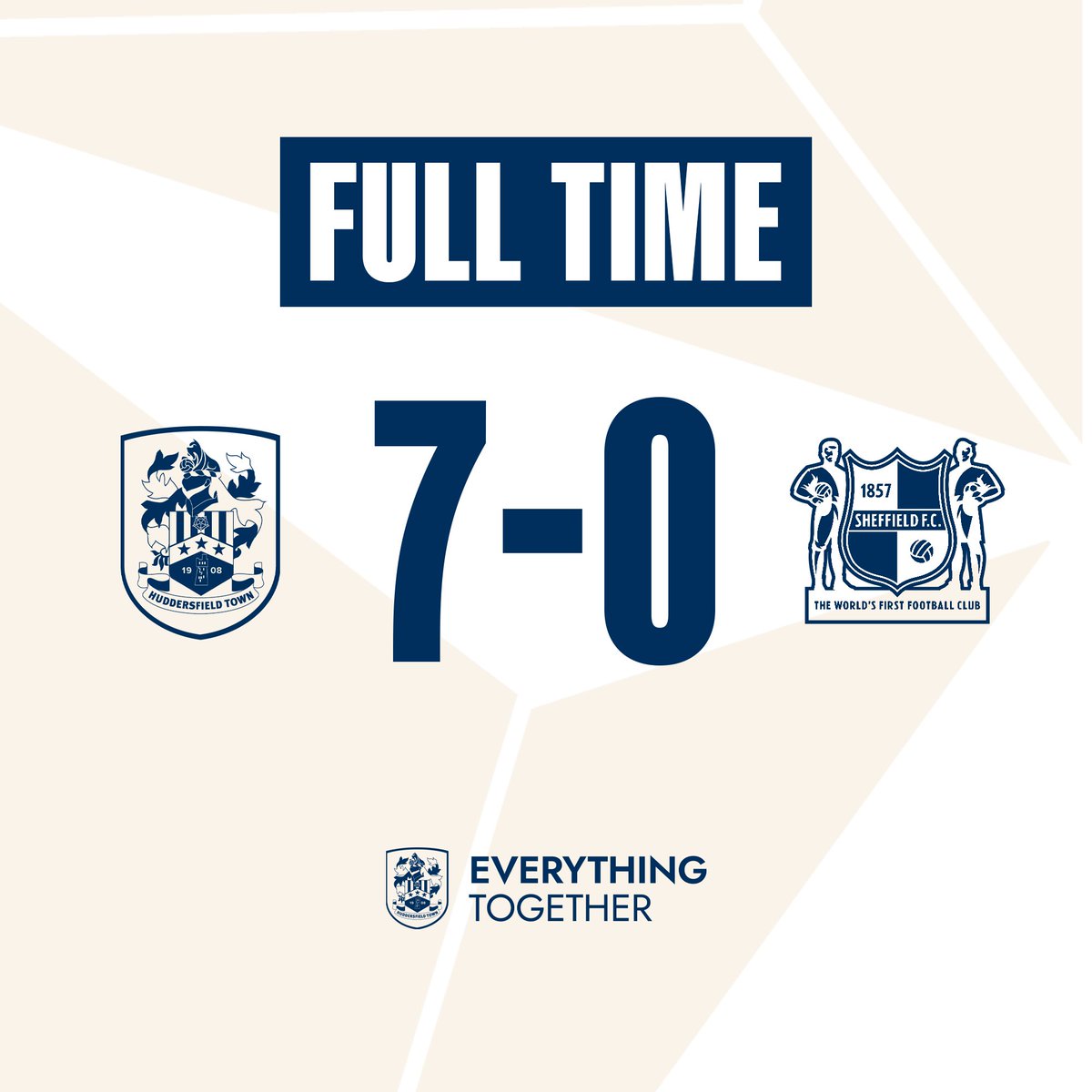
Double= done! ✅
A second piece of silverware in less than a week for @HTAFCWomen, with tonight’s result confirming their status as @SHCFA CHAMPIONS! 🤩
UTT💙
#htafc | #htafcw

3
8
98
7,535
Dr. Anthony Hoyle retweeted

6
46
1,286
Dr. Anthony Hoyle retweeted

An exciting opportunity for anyone interested in RS leadership. An outstanding school, with a large RS team, working collectively with the wider Humanities team - every child sits the AQA RS GCSE. Feel free to drop me a message.
trinitymat.org/all-vacancies…
2
5
1,009
Dr. Anthony Hoyle retweeted

Mar 27
Completely agree. Developing minds need interaction, challenge, and play, not monotonous distraction.
Mar 27

Children under the age of five should be limited to one hour of screen time a day, while under-twos should not be watching screens alone.
Education Secretary Bridget Phillipson spoke to #BBCBreakfast about new government guidance
bbc.co.uk/news/articles/c1d9…
3
4
60
6,775
Dr. Anthony Hoyle retweeted

I think I've figured out what's going wrong in schools. One of the biggest challenges facing us (& parents) is the reward environment our children are growing up in. Endless scrolling from as soon as they can control a device. On-demand TV in glorious 4K. Instant feedback & constant stimulation from getting up to going to bed. They're growing up in a different world. Neuroscience tells us that brains adapt to frequent, fast rewards. Children are now hard-wired differently, from birth. School requires patience, effort & delayed gratification. At home, they're don't know how to be bored, they don't need to be any more. They don't communicate in the same way. They don't get excited like they used to. They don't have to work hard for fun in the real world because they can find it so easily online. They've become dopamine junkies & we're on a hiding to nothing - we're not competing with bad behaviour, we're competing with biology (and it's truly terrifying.)
33
31
278
34,210
Dr. Anthony Hoyle retweeted

Feb 12
Wots going on. This type of labelling seems designed to confuse. Apparently a serving size is 5/6th of a bag. Who eats 5/6ths. Just state the facts about the bag. Pointless, misleading, nonsense.

308
365
9,448
569,661
Dr. Anthony Hoyle retweeted

Inclusion does not mean lower expectations & standards.
It means supporting kids to reach the expectations & standards you have.
26
13
80
21,359
Dr. Anthony Hoyle retweeted

Feb 10
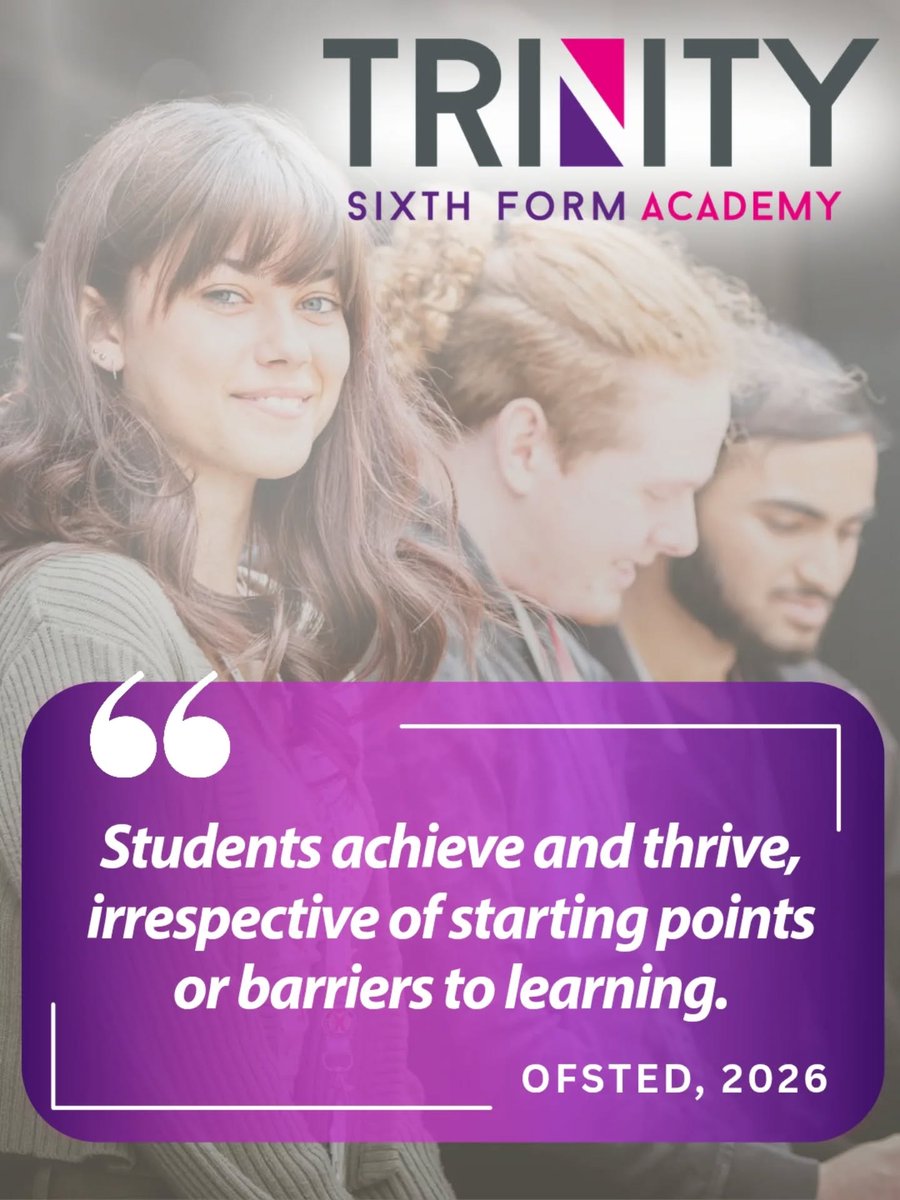
We’re proud to celebrate the publication of @TrinityTSFA recent #Ofsted inspection report – a significant milestone for the sixth form and for the wider FE sector.
As the first FE provider to volunteer for inspection under the new framework, the team at TSFA has shown real confidence, ambition and leadership.
Ofsted praised Trinity Sixth Form Academy as a place where students ‘thrive’, ‘flourish’ and ‘where everybody can be their authentic self’, within a sixth form where learners are highly motivated, supported to succeed, and empowered to achieve their best.
A powerful endorsement of the work of staff, leaders and students, and of our shared commitment across Trinity MAT to making a positive difference to the lives of as many young people as possible.
Read the full report here: files.ofsted.gov.uk/v1/file/…
4
5
1,104
Dr. Anthony Hoyle retweeted

Feb 5
I find it difficult to put my thoughts about research, theory, and concrete application into words.
Of course research is important. Of course theory is important. But it so often doesn't make an actual difference in the classroom. Someone learns about retrieval practice, cognitive load theory, adaptive teaching, even Rosenshine...and then nothing changes in their lessons the next day.
Without the concrete, nitty gritty hows, whens and bys, all the whys in the world are meaningless.
4
9
70
7,563
Dr. Anthony Hoyle retweeted
Jan 9
Trinity Sparke Sounds returns with a brand-new episode!
This week's episode is slightly different as our very own Mike Fitzsimons swaps his interviewers chair for the hot seat.
Mike tells us about his leadership journey that has led him to being the founding Principal of Trinity Academy Sixth Form.His story is sure to resonate with leaders from all sectors and levels as he talks about the importance of integrity and humility to support leading successful organisations.
Trinity Sparke Sounds is available across all major streaming platforms:
Spotify: bit.ly/4iSnmEY
Apple: apple.co/3MnV35a
Amazon: amzn.to/48WMGWK
3
3
1,271
121
20 Dec 2025
There's a lot to be said for this philosophy!

I want to shake the edu-establishment by the shoulders and shout NOT ALL ANXIETY IS BAD
“Math anxiety”
“Test anxiety”
“Exam stress”
Yeah. Stress helps you focus. It means you care. Dealing with it builds resilience
Protecting students from all anxiety will make neurotic adults
278
Dr. Anthony Hoyle retweeted

16 Dec 2025
Fascinating to hear lessons learned from the new Ofsted.
Lessons learned:
· Consider carefully which groups you flag up to inspectors, as these (refuge, EAL) formed part of the case sampling.
· Impact is everything, from the phone call right through the inspection.
· Inclusion is already a central part, even on the phone call
· IDSR was reviewed, but the lead inspector pulled out the overarching themes rather than going line by line. However, be prepared to explain any single data point.
· They are looking to validate the SIP/SEF; narrate how what you are seeing fits into the school’s context
· Inspectors asked ‘is this typical’? Be prepared to break this down
· Case sampling/inclusion learning walks:
· What happens in class needs to match the planned provision (SEND folders/EHCPs/class provision map)
· Staff leading this need to really know the pupils
· Guide inspectors towards the pupils with SEND, otherwise they will gravitate to those with visible adaptations/needs
· Curriculum – asked to see some medium term planning. Have this ready just in case.
5
16
83
20,821
8 Dec 2025
RT @trinity_mat: Trinity Spark Sounds Season 3 is out now - with two incredible episodes available!
Join our panel of Trinity educators as…
1
47
Dr. Anthony Hoyle retweeted
8 Dec 2025
I'm not anti-edtech.
I love my write-on tablet. I love my screen. I couldn't teach without OneNote or @Carousel_Learn.
I am NOT anti-tech.
I am anti giving children something that I know will distract them when I need them to focus.
I am anti allowing children to use a portable safeguarding nuclear warhead on school premises.
I am anti experimenting on children in the name of "progress".
I am anti the fatalism of claiming "this is the way the world is now", or "there's no turning back".
I am anti using gamification and the pursuit of short term extrinsic dopamine hits when learning is both a long-term process and its own reward.
I am anti pursuing tech pedagogical solutions in cases where the non tech solutions (like explicit instruction) are oven-ready and perfectly sufficient.
I am anti allowing the discourse to be guided and dominated by tech billionaires, educational futurists, and those who don't feel the need to do the work of teaching underprivileged children.
6 Dec 2025

No student should be allowed to use a laptop, tablet or phone in class.
You might think you "can use them well" but you can't, sorry.
You stand to lose everything for a tiny gain that will never materialise.
15
45
249
27,566
7 Dec 2025
7 Dec 2025
There will be lots of people writing and talking about "belonging" over the coming years. Many of them will be charging money for their thoughts. Here are some simple tests to see if they are worth listening to:
- Were they talking about it before Ofsted decided it's a thing?
- Do they have any track record in the area? Where? Which school? How recently?
- Are they referencing schools that have been successful in the area of "belonging"? What metric are they using for "success"?
- Are they giving any *concrete* advice about *things you can actually do tomorrow* or is it all nebulous ideas?
- Is the thing they are suggesting going to be relatively more impactful than things like improving corridor culture or tightening your behaviour policy?
Just be careful. It's a broad enough term to mean pretty much anything, and is therefore ripe for manipulation and exploitation. Don't be easy to open your school's coffers.
2
2
1,278
28 Nov 2025
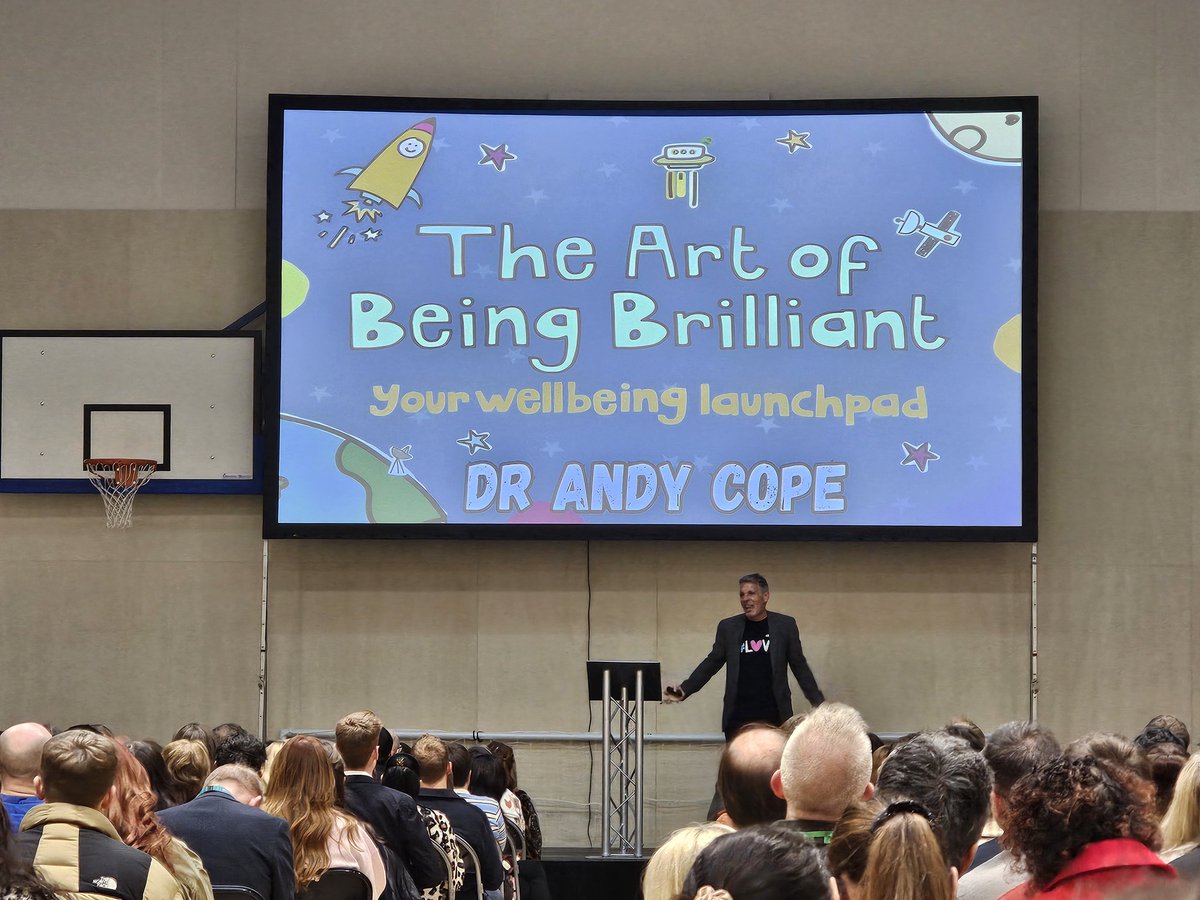
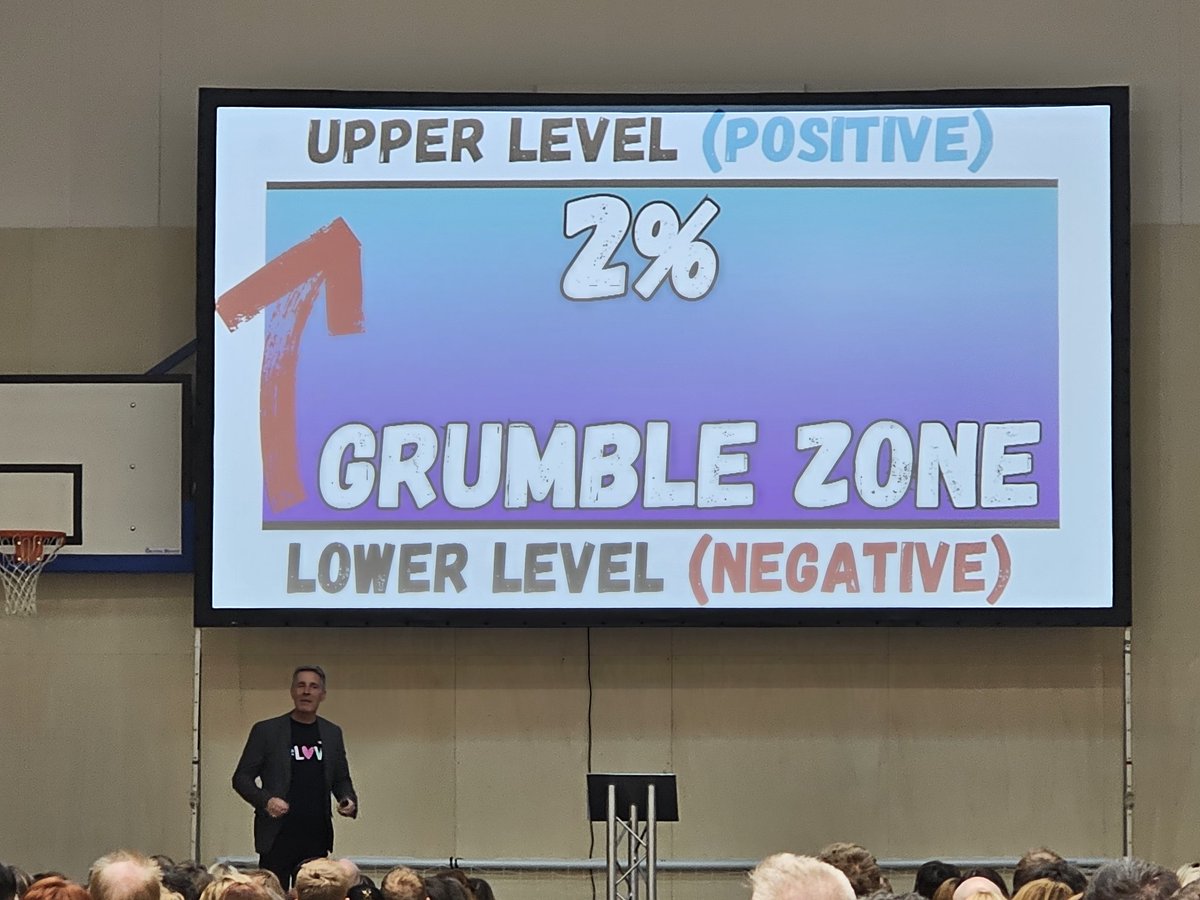
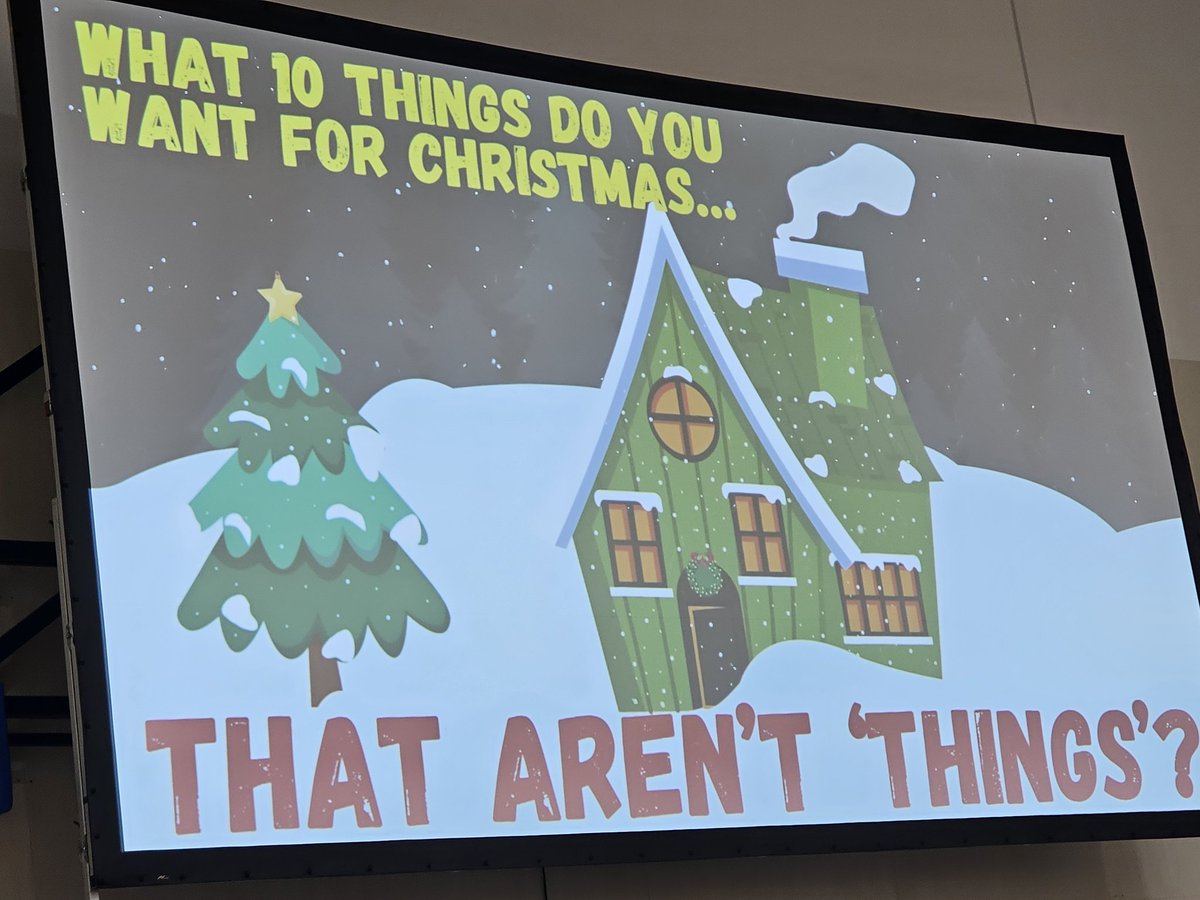
Wow! #TrinityFest2025. I walked away from every session a little bit wiser. @beingbrilliant launched the day with a bang 💥 so many awesome takeaways - he'll be pleased to hear I employed 'the 4 minute rule' when I got home! 😁 Thank you to @TrinityAcadStE for organising! 👏
1
7
666
22 Nov 2025
Agree! I came to the world of edu' blogs after 10yrs in the classroom. I was a 'good' teacher who was occasionally great, but a nudge from @teachingcase to jump on Twitter & read TLAC allowed me to stop doing some of the less effective things& really focus on the ones that matter
21 Nov 2025
Reading education blogs changed my life, so I want to do everything I can to share and amplify recent blogs. Here's a list of some I've really enjoyed, and I'll try and get some suggestions of quality free blogs out regularly.
Please do share and subscribe if you can - writing blogs is an intensive process and authors need encouragement or they will stop!
Claire Stoneman's characteristically beautifully written piece about the small blessings that make teaching worth it: birminghamteacher.substack.c…
Teach Like a Champion team with some useful tips for observing lessons: teachlikeachamp.substack.com…
Lee Donaghy on how the most inclusive way to teach is to be clean, clear and explicit at all points: ldonaghy.substack.com/p/good…
Adam Robbins with a nifty tweak to the way you challenge poor behaviour: mrarobbins.substack.com/p/qu…
Shaun Allison with a slew of useful strategies for effective lesson management: shaunallison.substack.com/p/…
Lee Wheeler speaking my language in arguing that schools don't focus enough on retrieval practice and long term learning: mrwheeler1.substack.com/p/re…
I'm posting another blog soon, and you can check out and subscribe to my account here: carouselteachlearnlead.subst…
Thank you to @stoneman_claire @Doug_Lemov Lee, @MrARobbins @shaun_allison Lee W (is he on X?) for writing!
2
3
3,754