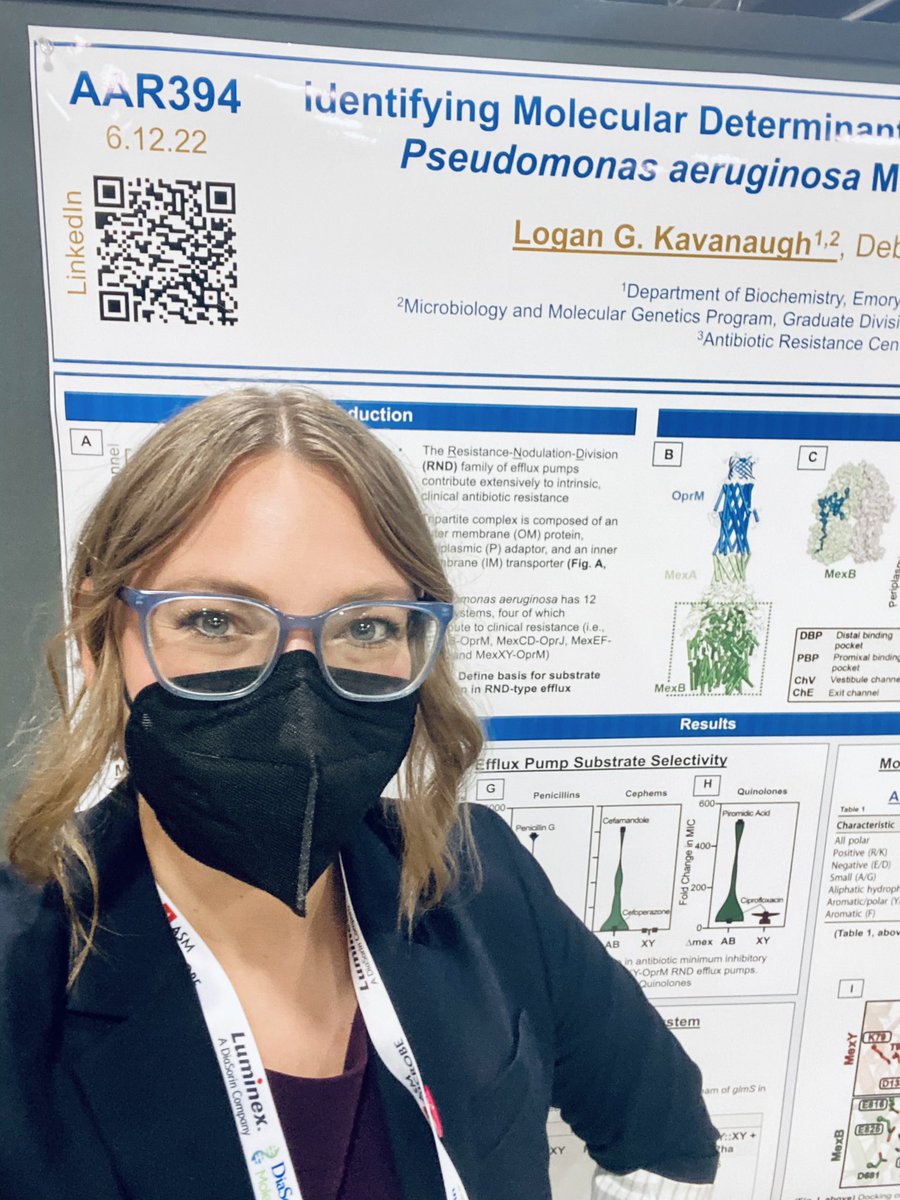
It is official... I have been awarded a @NIH@NIGMS
NRSA #F31 Predoctoral Fellowship! 🥳 Incredibly thankful for such a supportive lab team @ConnLabEmory and program @EmoryMMG @EmoryBiochem @EmoryMicrobio @laneygradschool@EmoryUniversity
We are really excited to share that @npjAMR is now officially indexed in PubMed Central! A huge "thank you" goes to our incredible editorial team and our Editor-in-Chief, @JessicaMABlair 🥳
Our latest paper is out! Differential development of antibiotic resistance and virulence between Acinetobacter species journals.asm.org/eprint/CHWH… Here we take a dive into the fascinating human pathogen Acinetobacter lwoffii
A lack of investment is driving researchers who study antimicrobial resistance (#AMR) out of the field, an industry body warns📉💊⤵️
nature.com/articles/d41586-0…
Delighted to share our work uncovering a new toxin detection system in Pseudomonas aeruginosa:
biorxiv.org/content/10.1101/…
Comments and thoughts welcome!
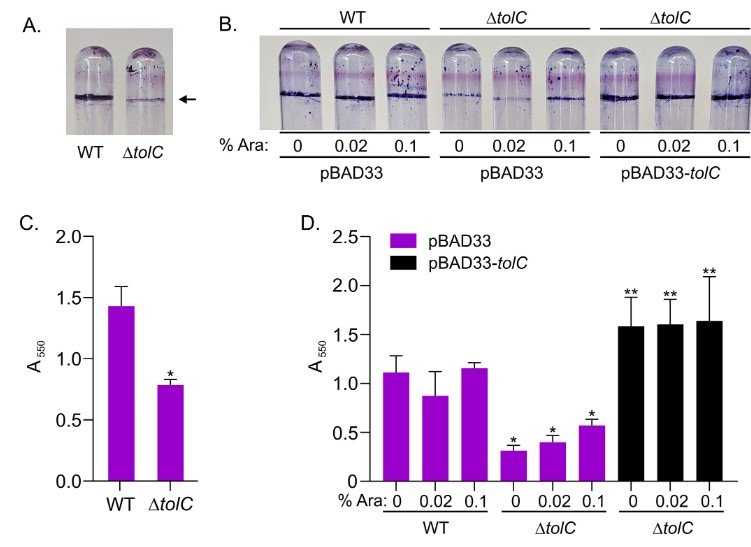
The Klebsiella pneumoniae outer membrane protein, TolC, influences antimicrobial resistance, capsule production, iron homeostasis & virulence; its multifaceted role may guide development of new therapeutic strategies to combat the pathogen. #IAIJournal: asm.social/1AW
ALT TolC contributes to biofilm production. Bacterial cells attached to the wall of borosilicate glass test tubes following growth for 72 h at room temperature were stained with crystal violet and photographed (A and B) before the biofilm-associated crystal violet was dissolved in DMSO and quantified by measuring the absorbance at 550 nm (C and D) as described in the Materials and Methods. (A) Photograph of crystal violet-stained biofilms produced by KPPR1 and the isogenic ΔtolC mutant and (B) quantification of biofilms following destaining with DMSO. The arrow in panel A indicates the location of the air-liquid interface. Complementation of ΔtolC (B and D). The indicated strains bearing pBAD33 or pBAD33-tolC were cultured at room temperature for 72 h in LB media containing chloramphenicol and the indicated concentrations of arabinose before being (B) stained with crystal violet and photographed and (D) quantified after dissolving the dye with DMSO. Statistical significance was determined
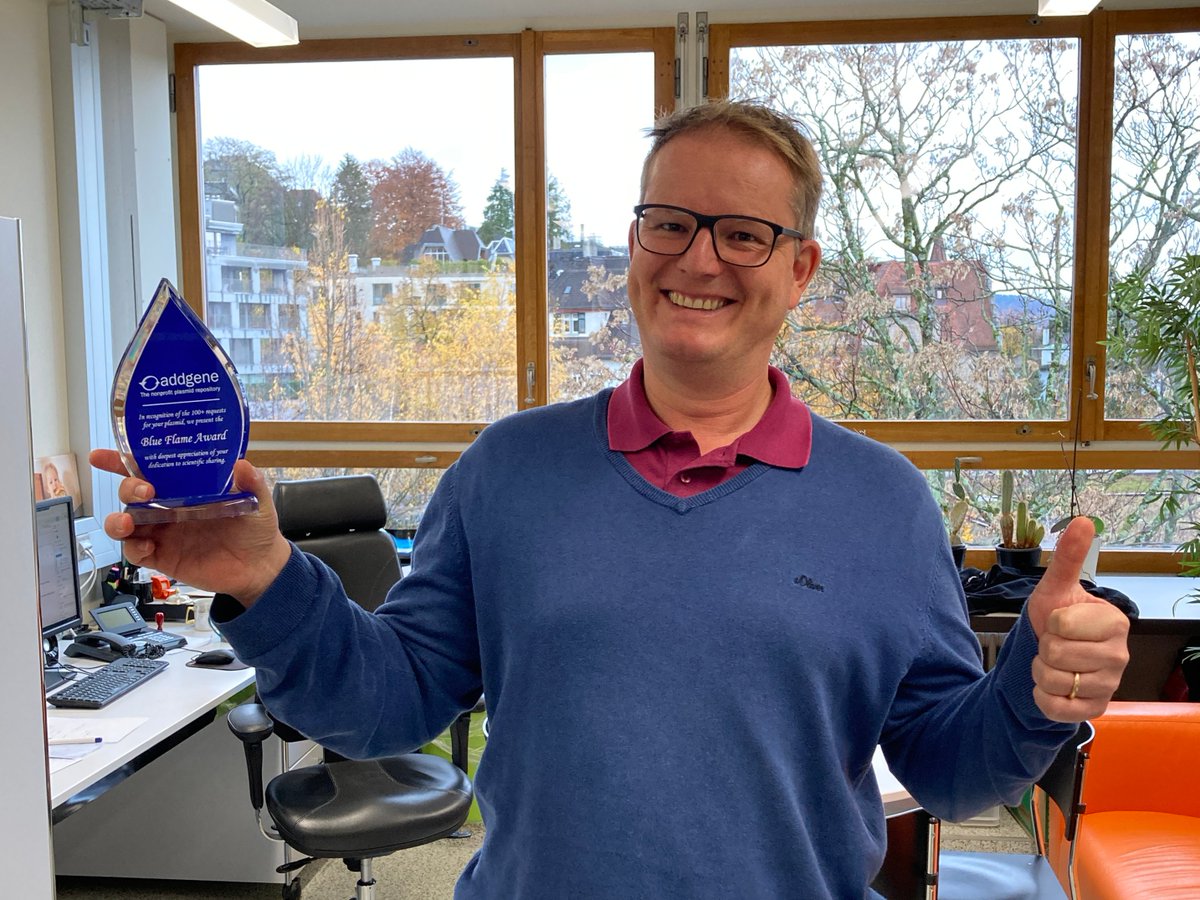
Our sybody selection toolbox has reached a milestone with 100 requests on @Addgene! We're thrilled to receive a Blue Flame Award!🔥
Get to know some published sybodies: x.com/seegerlab/status/16377…
Discover #sybodies 🔬: Powerful synthetic nanobodies for tough targets like membrane proteins & complexes! Open access selection protocol at @naturemethods & free library shipping for research groups🌍. nature.com/articles/s41596-0…
Antibiotic adjuvants are used alongside antibiotics to minimize or block bacterial resistance. How can they help preserve activity of existing drugs amidst the rising threat of antimicrobial resistance? asm.social/1Ai#WAAW#USAAW23
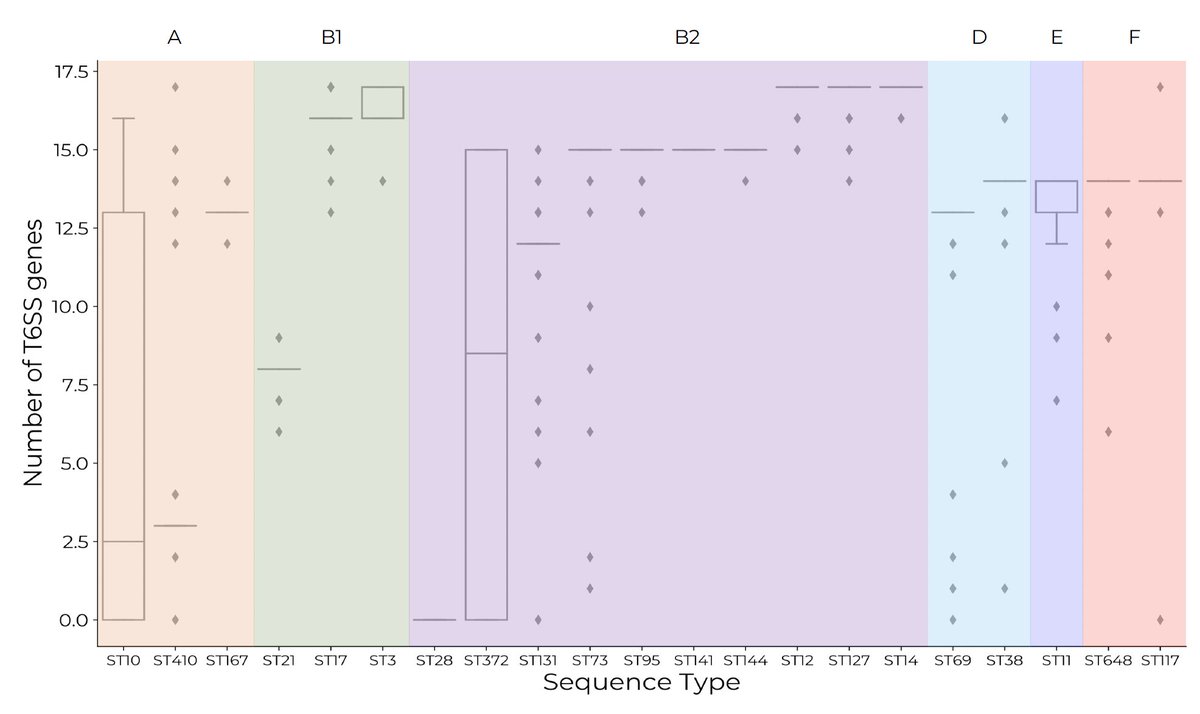
New paper! 📢 We looked at the prevalence of type VI secretion systems (T6SSs) across E. coli and characterised the systems present in renowned MDR lineages ST410 and ST131
microbiologyresearch.org/con…
(1/2)
ALT Boxplots showing the presence of T6SS genes across 21 STs of E. coli, grouped by phylogroup.
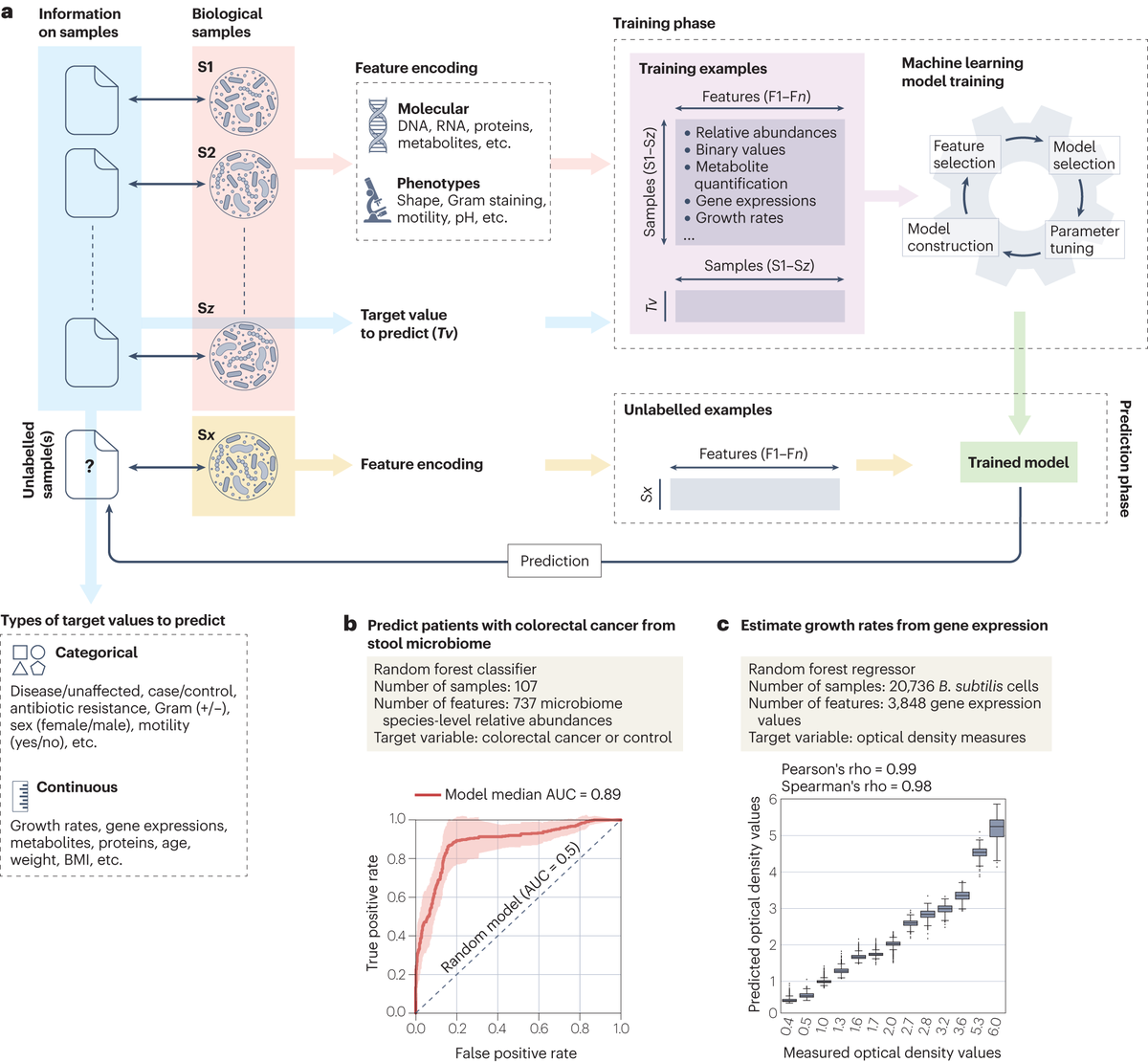
Machine learning for microbiologists
nature.com/articles/s41579-0…
In this Review, Segata, Waldron and co discuss key concepts of machine learning that are relevant to microbiologists and provide them with a set of tools to apply machine learning in microbiology research.
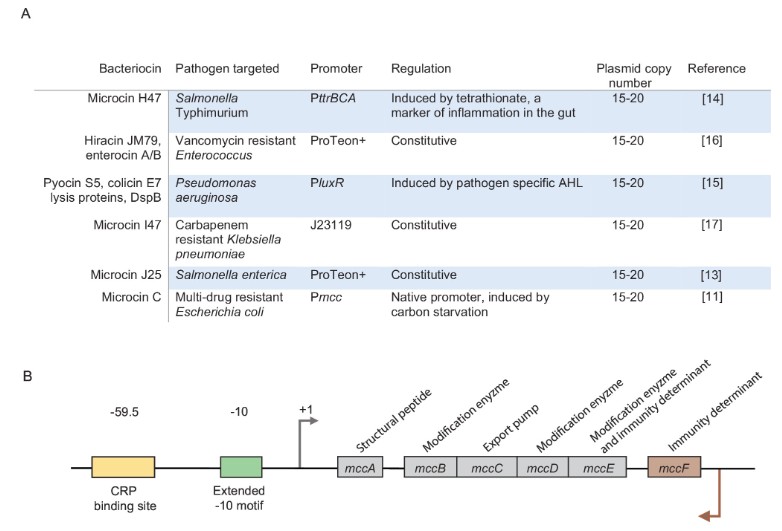
Using probiotic bacteria to make antibiotic-like compounds is emerging as an alternative to conventional antibiotic treatment. What must be taken into account when engineering bacteria for therapeutic, prophylactic or diagnostic applications? #AppEnvMicro: asm.social/1zn
ALT (A) Table summarizing studies in which EcN has been engineered for heterologous bacteriocin production and the promoters used. (B) Schematic representation of the McC operon where the organization of the structural genes (mccA-E) and the immunity determinant (mccF) is shown with respect to the transcriptional regulatory elements.
So incredibly proud of my best friend and lab sis Dr. @sarah_strass for defending her thesis yesterday. I know you have a bright future ahead of you. ❤️
I’m excited to share that I successfully defend my thesis work yesterday and am officially a DOCTOR!! 🍾😍
Thank you to everyone who helped me get to this point! I DID IT!!
#PhDone#womeninSTEM@EmoryBCDB @EmoryBiochem @laneygradschool @ConnLabEmory
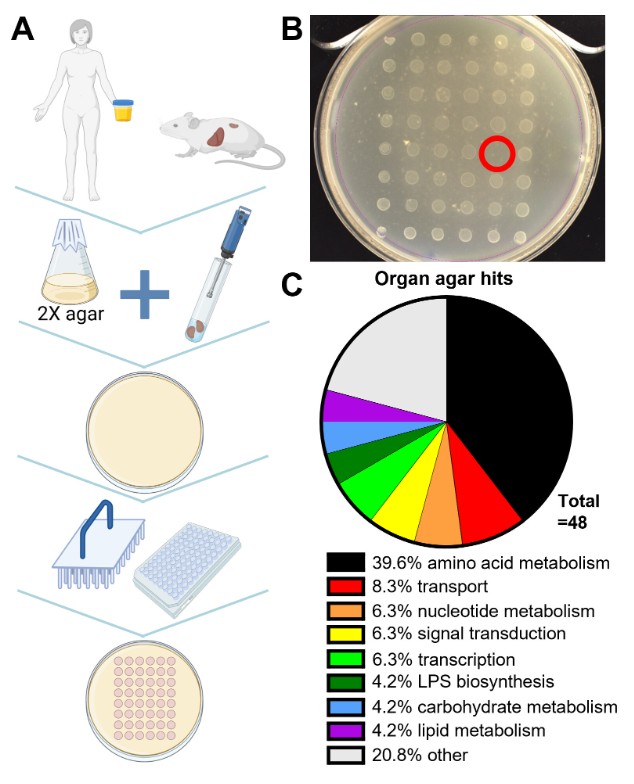
Organ agar—made by mixing mouse organ homogenates with molten agar—serves as a physiologically relevant alternative for in vivo bacterial colonization, allowing for screening of mutant libraries while avoiding physiological bottlenecks.
#IAIJournal: asm.social/1xD
ALT P. mirabilis wild type and mutant strains were assayed for growth in (A) LB (n = 3–6 independent experiments) or (B) chemically defined medium Minimal A (n = 4–5). Area under the curve was measured after culturing for 20 h in the indicated medium. Most mutants grew well in LB, which was the medium used for obtaining transposon mutants. However, most mutants had a deficiency in Minimal A. Error bars depict SD. Statistical significance was calculated vs wild type using one-way ANOVA with Dunnett’s multiple comparisons test.
Read all about it! Our new editorial inspired by the upcoming World AMR Awareness week in November on how AMR is a problem we can tackle together nature.com/articles/s41564-0…
What's better for Halloween than a vampire story! We're excited to showcase for the first time, the life cycle of an extracellular #predator that drains the contents out of its prey through the S-layer ! RT and feedback are appreciated! (1/5)
biorxiv.org/content/10.1101/…
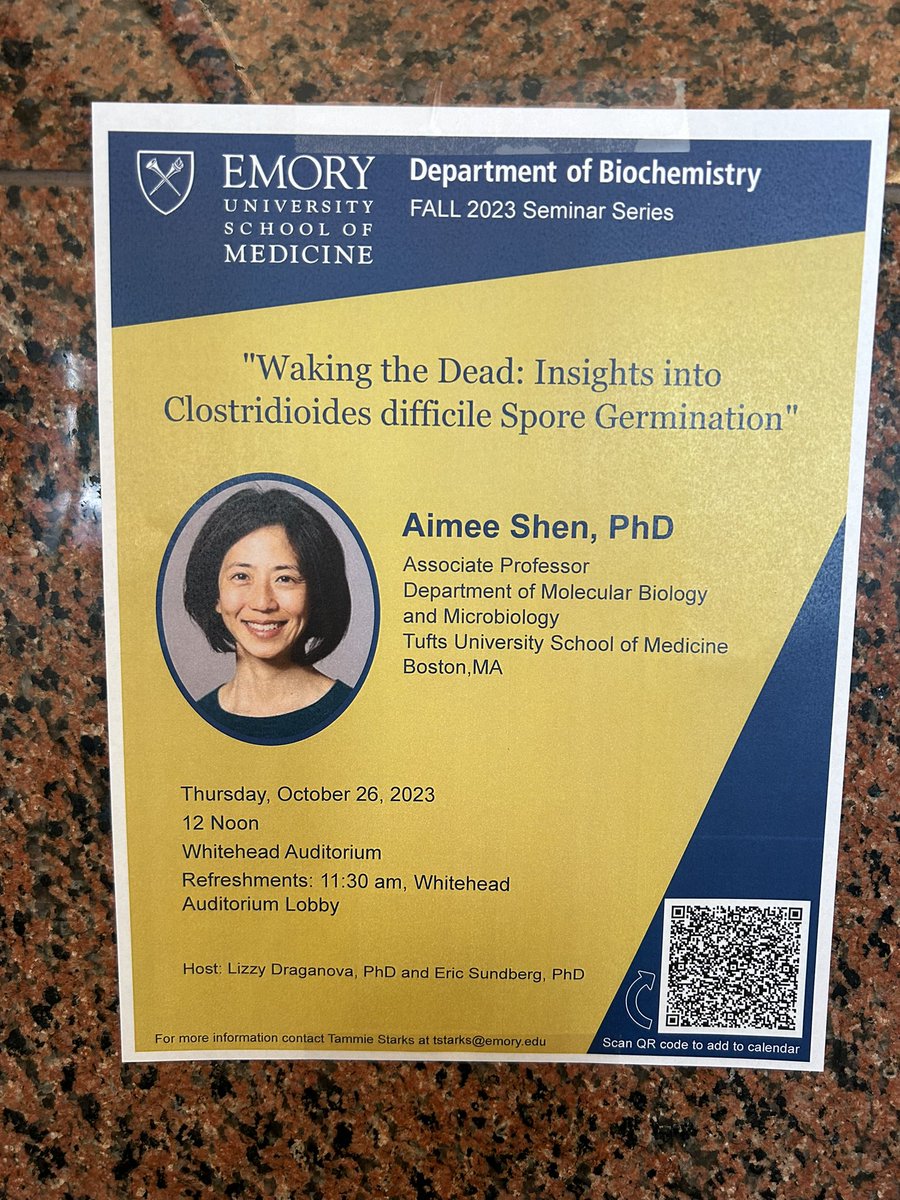
Super excited to be hosting @ShenLabTufts for an @EmoryBiochem seminar this week! Looking forward to an exciting talk from a fantastic scientist and human! @TuftsMedSchool @TuftsGSBS
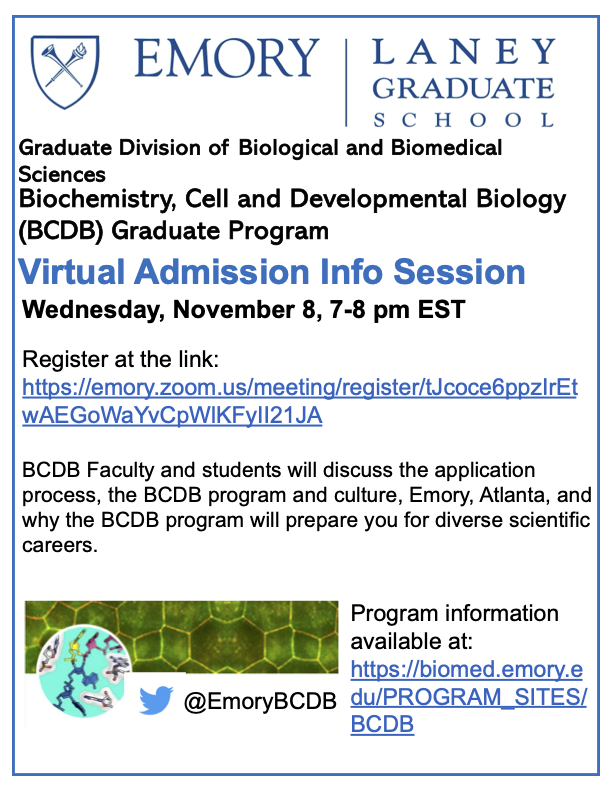
Interested in applying to graduate school in Biochemistry, Cell Biology or Developmental Biology? Join us on Wednesday, November 8th at 7 pm EST via zoom to learn more about the Emory Biochemistry, Cell Biology or Developmental Biology (BCDB) graduate program! Please retweet!
So pleased with the reach of our article - Unrealized targets in the discovery of antibiotics for Gram-negative bacterial infections @gardp_amr nature.com/articles/s41573-0…