
#Web3 Security Experts | In‑depth audits. Actionable insights. Proven protection for your protocols. Stay Ahead of the Security Curve.
Joined June 2020
- Tweets 3,811
- Following 589
- Followers 1,043
- Likes 1,265
1,174 Photos and videos













Pinned Tweet

1 Sep 2025
An audit for marketing buys you headlines.
An audit for security buys you time.
One fades fast.
The other keeps you alive.
Web3 Protocols, ask yourself: what are you really optimising for?
#Web3Security #smartcontractaudit #ImmuneBytes #web3protocol #Web3Builders #web3audit #cryptoprojects #CryptoCommunity #blockchainaudit
2
2
4
1,454
ImmuneBytes retweeted

27 Dec 2025
Bridges are still the biggest honeypots in Web3.
Not because they’re poorly coded — but because they combine:
• Multi-party consensus
• Cross-chain message risk
• Delay windows
• Enormous liquidity
A perfect storm.
#Web3 #bridges #BlockchainSecurity
3
1
3
148
ImmuneBytes retweeted
22 Dec 2025
Regulation will not kill Web3.
Lack of security will.
Countries aren’t regulating tokens — they’re regulating risk.
If your protocol can’t articulate its risk model, you’re already behind.
#Blockchain #Web3Community #BlockchainRoadmap
2
2
129
ImmuneBytes retweeted
21 Dec 2025
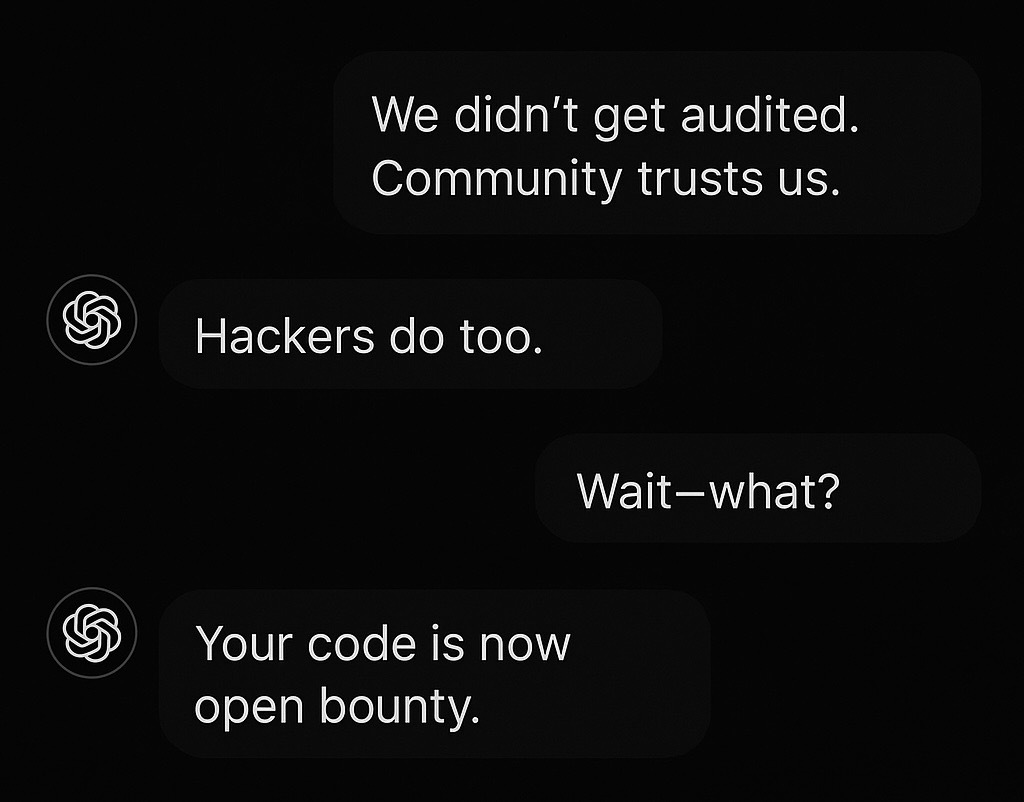
Biggest misconception: ‘Open-source code creates trust.’
Reality: Open-source increases the attack surface unless you have a robust review culture.
Transparency without security discipline = public zero-days.
#Web3 #security #Blockchain #BlockchainSecurity
1
4
128
ImmuneBytes retweeted
20 Dec 2025
Audit after development is dead.
Continuous security is the only model that scales:
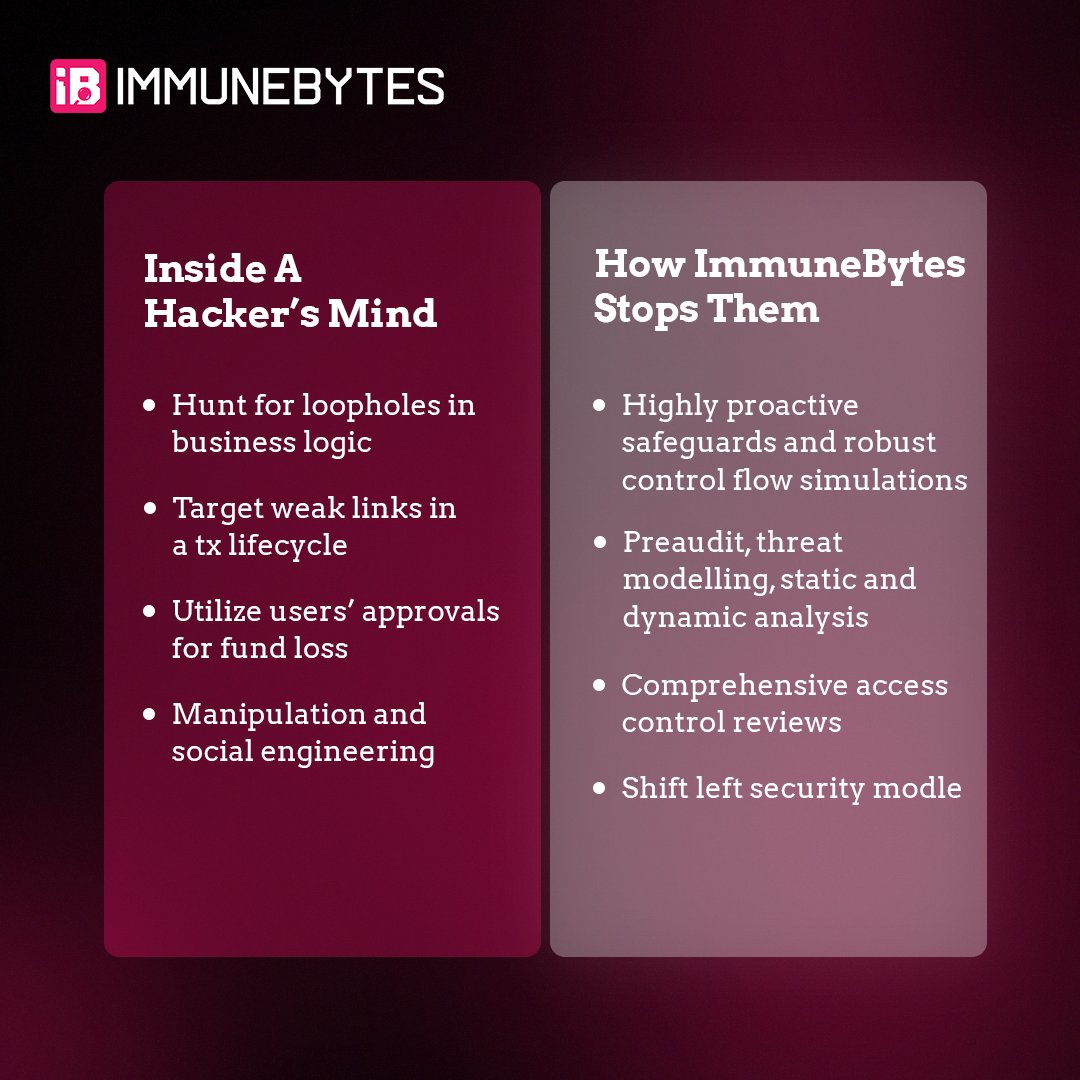
1. Pre-audit threat modeling
2. DevSecOps for Solidity
3. Fuzzing during sprints
4. On-chain monitoring post-deploy
Ship safe, not just fast!
#Web3 #security #Blockchain #BlockchainSecurity
1
2
5
193
ImmuneBytes retweeted
16 Dec 2025
99% of Web3 security failures don’t happen because the tech is new. They happen because teams reuse old mental models.
Web3 ≠ Web2.
Threats are composable, attackers are economic actors.
If you’re building in 2025/26, security is your moat.
#Web3 #security #Blockchain
2
2
84
8 Sep 2025
🚨 Security Alert:
@nemoprotocol on @SuiNetwork has been exploited, with attackers draining ~$2.4M.
Funds were bridged from Arbitrum to Ethereum via Circle’s service.
1
1
4
282
2 Sep 2025
🚨 Security Alert:
@bunni_xyz suffered an exploit, resulting in ~$2.4M lost.
2 Sep 2025

🚨 The Bunni app has been affected by a security exploit. As a precaution, we have paused all smart contract functions on all networks. Our team is actively investigating and will provide updates soon. Thank you for your patience.
1
2
381
ImmuneBytes retweeted
29 Aug 2025
Cool, now you’ve impressed investors and "hackers". 🫡
#meme #web3meme #ImmuneBytes #web3security #web3builders #web3investors #Web3Community #cryptomeme #Cryptoprojects #cryptodev #BlockchainDevelopment #CryptoComedy
ALT Web3 Security Meme: ImmuneBytes
1
2
4
1,245
26 Aug 2025
Trusting a rock over an auditor? Bold move, weak chain. 💀
#MemeChain #web3meme #web3security #smartcontractaudit #ImmuneBytes #web3auditor #web3devs #web3builder #CryptoMeme #cryptobuilders #blockchaintech
ALT ImmuneBytes Web3 Security Meme
4
1
6
1,025
22 Aug 2025
When the whitepaper is longer than the contract tests.
👉 Time to get out the ban hammer.
#Memes #memecoin #ImmuneBytes #smartcontract #Web3Security #web3builders #web3developer #cryptomeme #cryptoproject #BlockchainSecurity
3
3
3
1,455
21 Aug 2025
Every audit starts the same:
Read code. Trace flows. Spot issues.
The real challenge?
Catching the unwritten assumptions the dev team never thought to mention.
2
5
879
ImmuneBytes retweeted
20 Aug 2025
Auditing is more than just “spot the bug.”
It’s hours of mapping trust assumptions, chasing edge cases, and asking what if until you’re exhausted.
The real win? Making sure protocols ship with confidence, not doubt.
1
3
6
1,116
18 Aug 2025
State Desync in L2s
Smart contracts often assume 1 block = finality.
But on rollups, sequencers can reorder or delay until L1 proves it.
If you don’t model L1 confirmation lag, your L2 logic is running on assumptions, not consensus.
#Web3Security #L2 #ImmuneBytes #SmartContracts #L1 #Ethereum #web3projects #cryptobuilders #blockchainbuilders #blockchainprojects #CryptoSafety
1
1
4
1,331
ImmuneBytes retweeted
12 Aug 2025
You don’t fix exploits. You pay for them.
#web3meme #memecoin #ImmuneBytes #web3security #web3social #cryptomeme #BlockchainSecurity #BlockchainInnovation #web3project #cryptodev #developers
1
3
13
1,600
ImmuneBytes retweeted
15 Aug 2025
Wasm Bytecode Mismatch
The code in your repo isn’t the code on-chain.
Between cargo build and deployment, one opcode change in Wasm bytecode can:
▪️Hide a backdoor that no audit will see in the source
▪️Give “secret” admin powers
▪️Break invariants you swore were safe
If you’re not matching Wasm byte-for-byte with what’s deployed, you’re not verifying security, you’re verifying marketing.
#web3security #smartcontractsecurity #ImmuneBytes #Wasm #web3builders #CryptoProject #cosmos #polkadot #Near #web3developers #developers #BlockchainTechnology #L2s #web3auditors
2
2
1,453