
🌲 Seattle 🇪🇸 settled in 🇺🇸🚶♂️🚆 Urbanism & Mobility 🏞️ 💪 Hiking & Health 💻 📊 Tech & Data Science 🎓📚 GaTech OMSA student #BeKind
Joined June 2023
- Tweets 3,160
- Following 444
- Followers 227
- Likes 5,228
290 Photos and videos


Pinned Tweet

10 Apr 2025
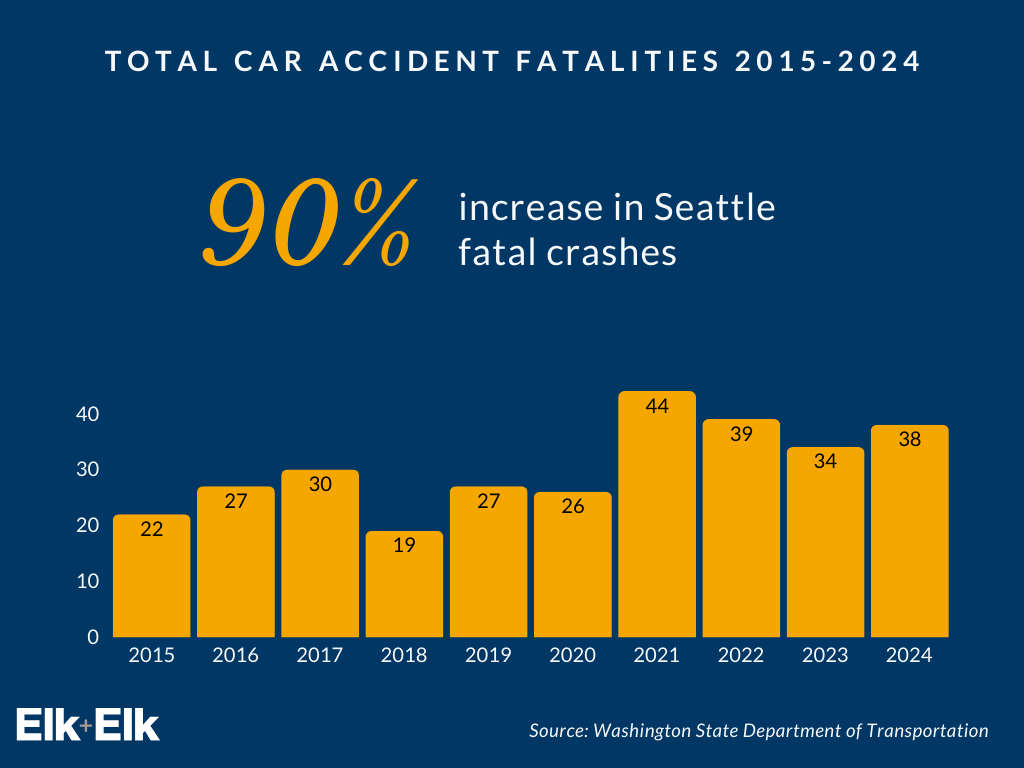
Seattle has seen a 90% rise in traffic deaths over the past decade—spiking in 2020, the year SPD largely stopped enforcing traffic laws.
Citations dropped from 27,953 in 2019 to just 5,487 in 2024 (-80%).
Drivers know there’s no enforcement—and drive like it.
It’s time to bring back traffic enforcement.
@MayorofSeattle @Sara4Council @SeattlePD
1
2
8
1,379
Jun 4
The Supreme Court is expected to rule on the meaning of 'Election Day" (affecting mail-in votes) this month.
I can't imagine that this CA sh*tshow weeks (days?) before the ruling won't have some impact in the Justices ruling that enough is enough....
Jun 4

here we go again with the Trump stolen election bullshit. here's why California takes up to 30 days to certify election results.
👏 so 👏 the 👏 results 👏 are 👏 fair 👏 and 👏 accurate 👏
calmatters.org/politics/2026…
41
Jun 4
"Other countries count tens of millions of votes in hours, not weeks. They aren't using magic. They simply make different tradeoffs. They rely more on technology, set stricter deadlines, tolerate fewer exceptions, and accept that no system can perfectly accommodate every conceivable scenario."
Funnily enough this also sums up how we run bus services in the US.
Jun 4

What's more crazy is this is how the system is designed.
California INTENTIONALLY does not count ballots for weeks. And I think it explains the state's broader dysfunction.
Basically, California's voting rules are designed to maximize accessibility at all costs. ALL costs.
Ballots can arrive after Election Day. Signatures can be fixed if they are unclear. Provisional ballots get individually reviewed. Every edge case gets its own process.
And California doesn't trust technology or automation to solve these problems. Signatures are manually reviewed. Voters are contacted when issues arise. Humans review and re-review exceptions. The system is designed around minimizing the chance that a single valid ballot gets rejected.
Other countries count tens of millions of votes in hours, not weeks. They aren't using magic. They simply make different tradeoffs. They rely more on technology, set stricter deadlines, tolerate fewer exceptions, and accept that no system can perfectly accommodate every conceivable scenario.
California makes the opposite choice.
And it's the same philosophy that shows up in housing, infrastructure, permitting, schools, and government generally: endless process, endless exceptions, and worse results.
33
Iñaki Longa retweeted

Jun 4
What's more crazy is this is how the system is designed.
California INTENTIONALLY does not count ballots for weeks. And I think it explains the state's broader dysfunction.
Basically, California's voting rules are designed to maximize accessibility at all costs. ALL costs.
Ballots can arrive after Election Day. Signatures can be fixed if they are unclear. Provisional ballots get individually reviewed. Every edge case gets its own process.
And California doesn't trust technology or automation to solve these problems. Signatures are manually reviewed. Voters are contacted when issues arise. Humans review and re-review exceptions. The system is designed around minimizing the chance that a single valid ballot gets rejected.
Other countries count tens of millions of votes in hours, not weeks. They aren't using magic. They simply make different tradeoffs. They rely more on technology, set stricter deadlines, tolerate fewer exceptions, and accept that no system can perfectly accommodate every conceivable scenario.
California makes the opposite choice.
And it's the same philosophy that shows up in housing, infrastructure, permitting, schools, and government generally: endless process, endless exceptions, and worse results.
Jun 2

The fact that California elections often can't be resolved for weeks is kind of insane and not common in other electoral systems around the world.
114
145
1,225
108,925
Jun 4
I struggle to disagree with this.
Jun 4

Florida processes more than 10 million votes in a matter of hours.
California takes days — or sometimes even weeks — to count the votes.
It’s pathetic — and it’s corrosive to our civic culture.
18
May 19
You gotta be kidding me.
So much for Democrats supporting the Abundance agenda to lower housing prices in our cities.
Connie Chan is one of the most extreme lefty NIMBYs in the country. She let 2 (!) new primary housing units get built in her district in San Francisco (D1) in 2024, one of the worst markets in the entire US.
She also opposed closing MLK Drive inside Golden Gate Park to cars.
She opposes progress on anything.
@SpeakerPelosi What are you doing....

BREAKING: Nancy Pelosi endorses SF Supervisor Connie Chan to succeed her in Congress, saying Chan "stands above" all the other candidates.
The Speaker Emerita’s backing is one of the most coveted in San Francisco politics. Pelosi has held the seat for nearly 40 years.
2
132
Iñaki Longa retweeted

May 14
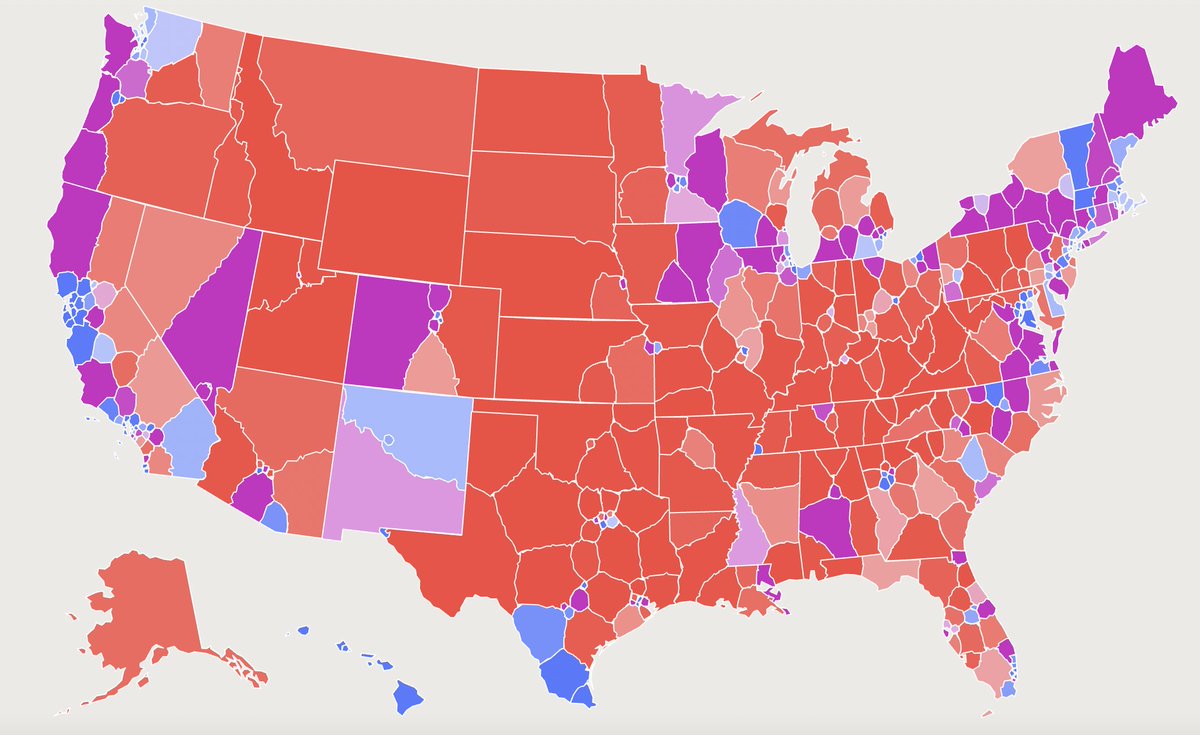
If you just took a computer algorithm and made the country's maps compact, ignoring all else, you arguably end up in a healthier democracy than we have right now.
125
36
1,712
244,618
May 13
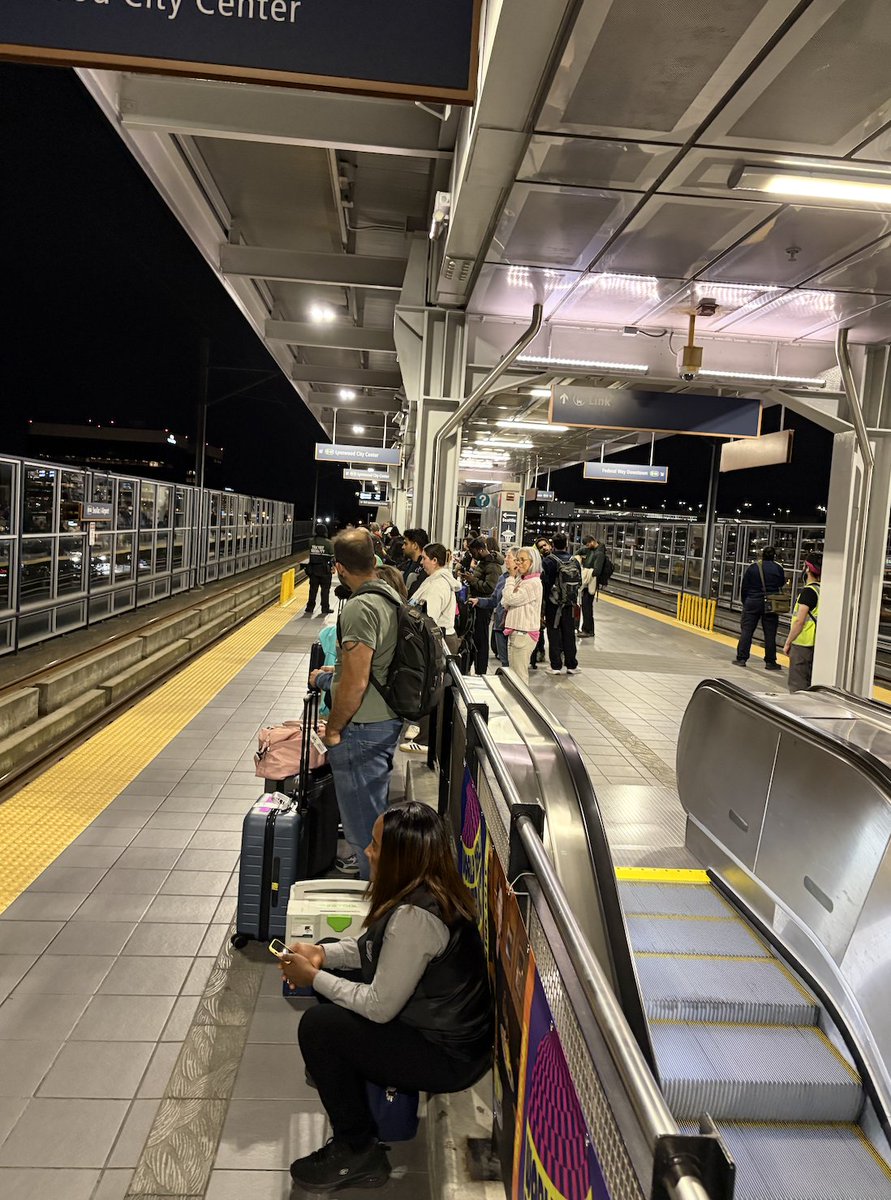
Hi @SoundTransit We’ve now waited close to 30 minutes for a northbound train at SeaTac Airport station.
A train arrived 8 minutes ago but took no passengers, with zero explanation given.
You have electronic displays, station speakers, and 3 transit security staff standing on the platform right now. Why is nobody communicating what’s happening? Platform full of passengers.
Your incident communication is consistently awful.
3
257
May 11
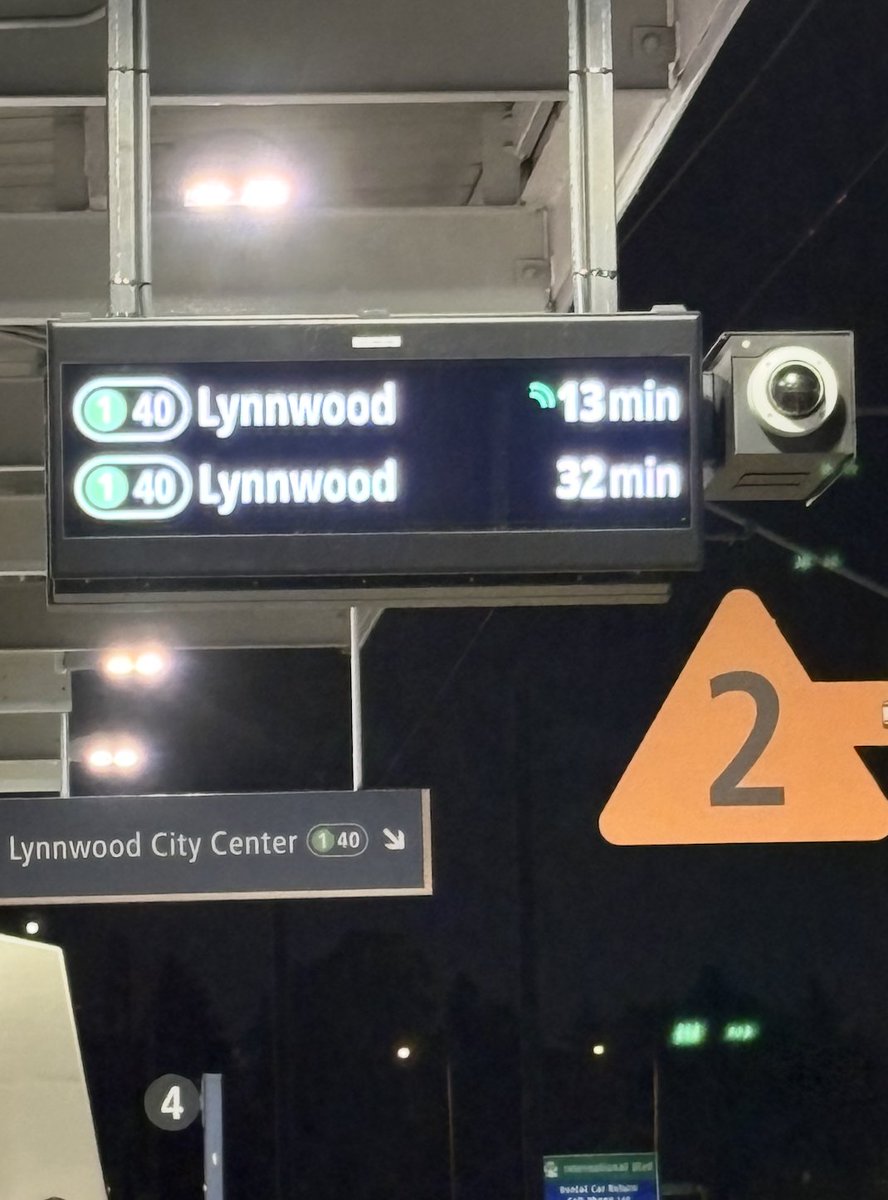
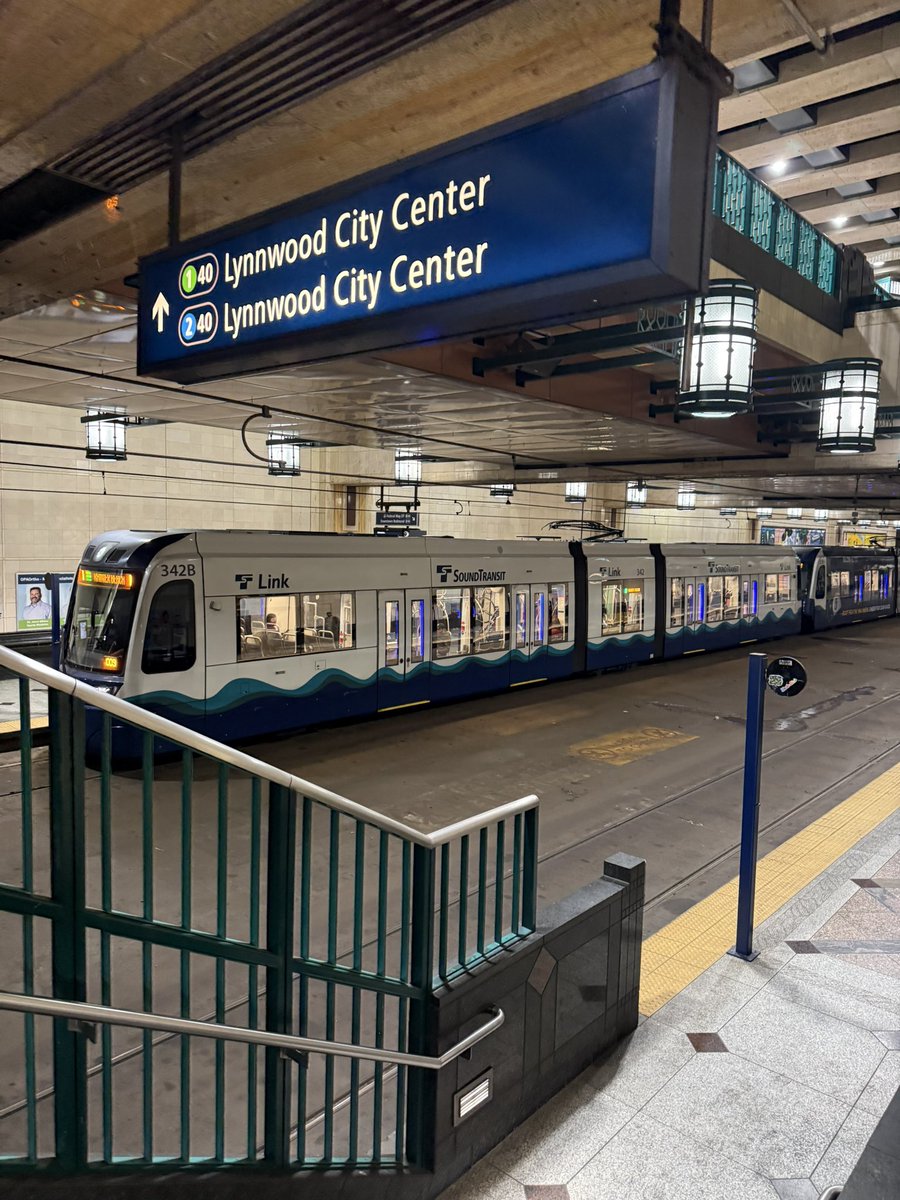
I truly abhor this whole station numbering game that @SoundTransit did to the Link Light Rail in Seattle.
Signage like this is just weird, and creates way more confusion than it solves.

2
6
221
Iñaki Longa retweeted

They say a gaffe is when a politician tells the truth. Seattle Mayor Katie Wilson saying "bye" to the wealthy upset about taxes is not the kind of truth Seattle needs right now, writes columnist Danny Westneat. seattletimes.com/seattle-new…
182
60
656
75,326
Iñaki Longa retweeted

Apr 26
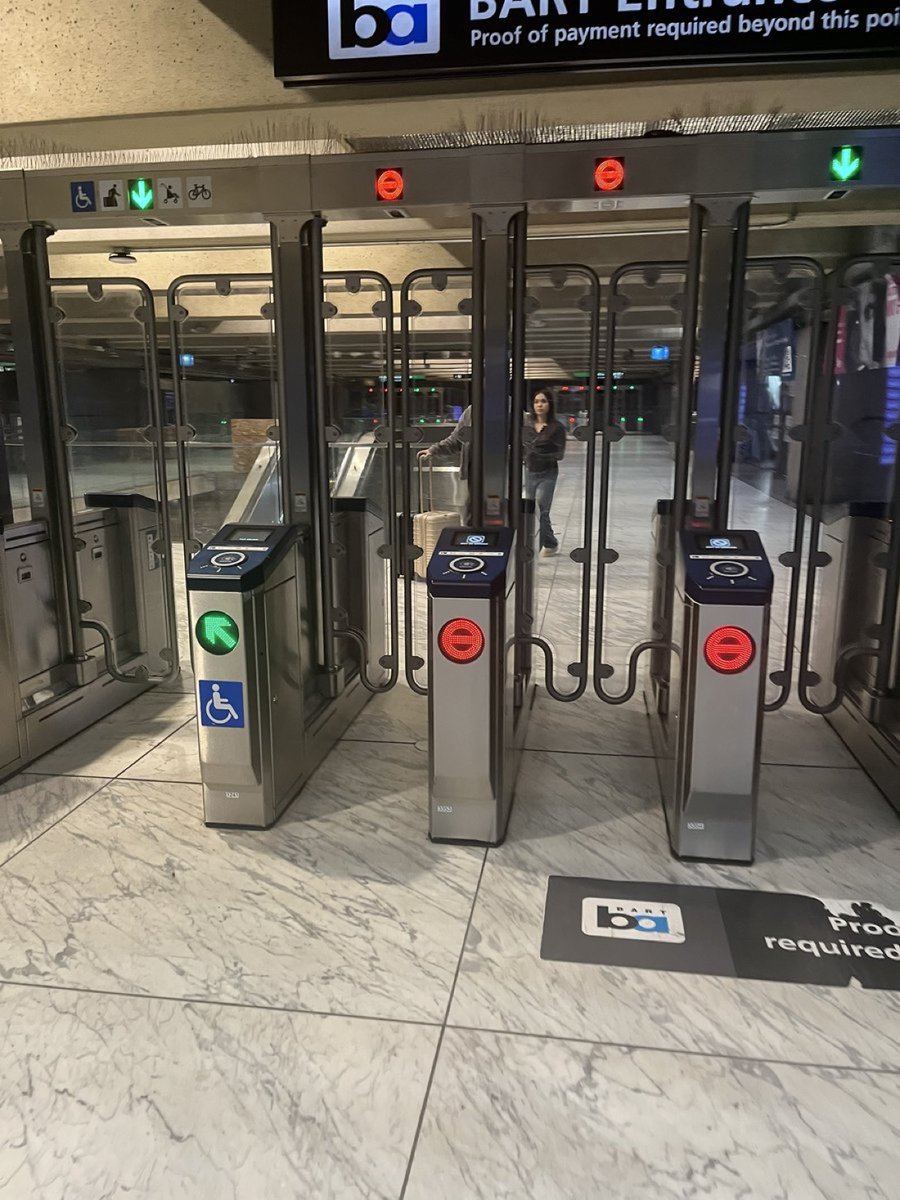
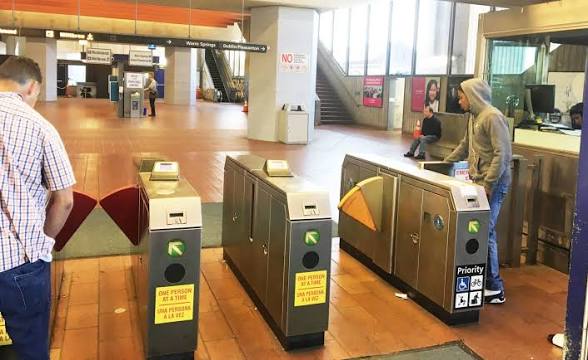
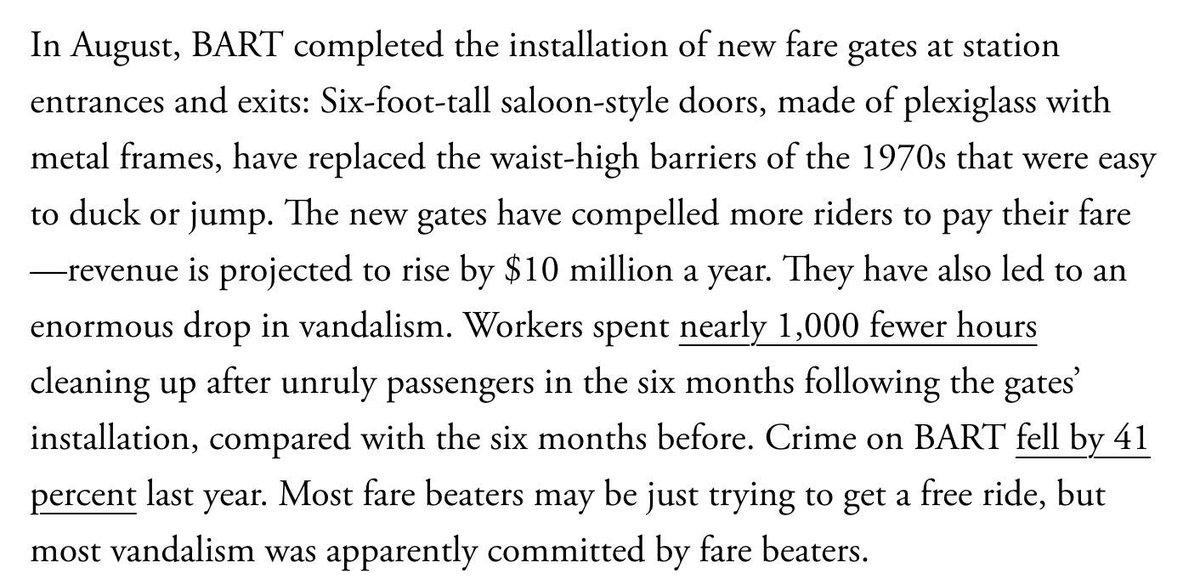
BART spent $90 million on new fare gates. They're recovering about $10 million a year in fares.
That's a 9-year payback on paper. The actual return hit in six months.
Embarcadero station went from 112 hours of corrective maintenance in the six months before installation to 2 hours after. Daly City saved 109. Balboa Park saved 75. Across the system, 961 hours of cleanup work disappeared. Corrective maintenance is the term BART uses for graffiti, heavy soiling, vandalism, the damage that needs a crew not a janitor. At several stations it dropped to zero.
Crime fell 41% year over year. Riders who reported seeing fare evasion on their trip dropped from 22% to 10%. Citations issued by BART police went from 2,200 in January to under 1,000 in July, because there was nothing to cite.
The gates were a filtering project disguised as a revenue project.
Old BART gates were waist-high orange fins designed in the 1970s. You could hop them in under a second. That made the station effectively a public space, and the rider mix reflected that. The new gates are 72 inches of polycarbonate with 3D sensors that detect tailgating. You either pay or you don't enter. Once you don't enter, you also don't smoke on the platform, sleep in the elevator, or harass other riders.
BART tried hiring more police for years. Blitz operations at high-traffic stations. Increased patrols. Dedicated transit cops. None of it moved the numbers the way six feet of polycarbonate did.
The $10 million in recovered fares is the smallest line in the return. Fare revenue used to cover 70% of BART operations. After the pandemic it collapsed to 22%. The gates won't fix that gap directly. They fix the precondition for fixing it: a system that office workers, families, and tourists are willing to use again. Ridership growth at stations with new gates outpaced ungated ones before the rollout finished.
A $400 million annual deficit is heading to voters in November as a sales tax measure. Voters don't approve sales taxes for transit agencies they don't feel safe in. The $90 million on gates is buying BART the right to ask the public for more money.
That's the real return on six feet of polycarbonate.
289
789
9,142
2,434,220
Iñaki Longa retweeted

Apr 22
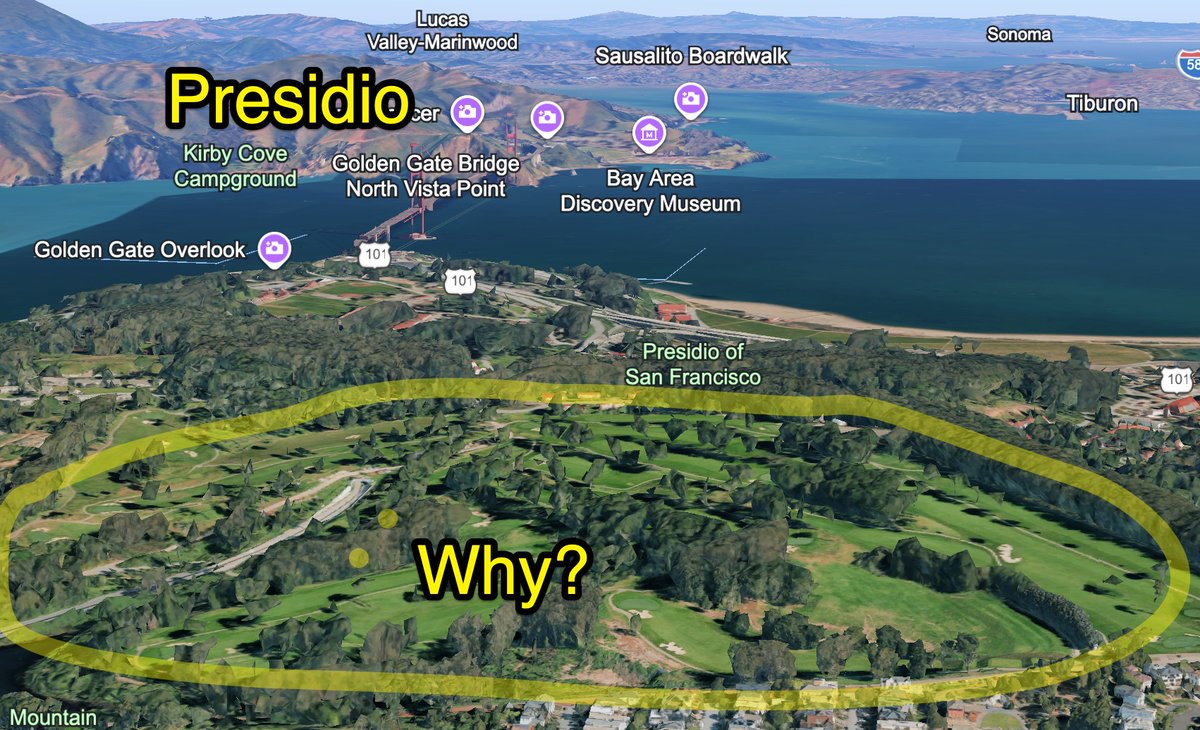
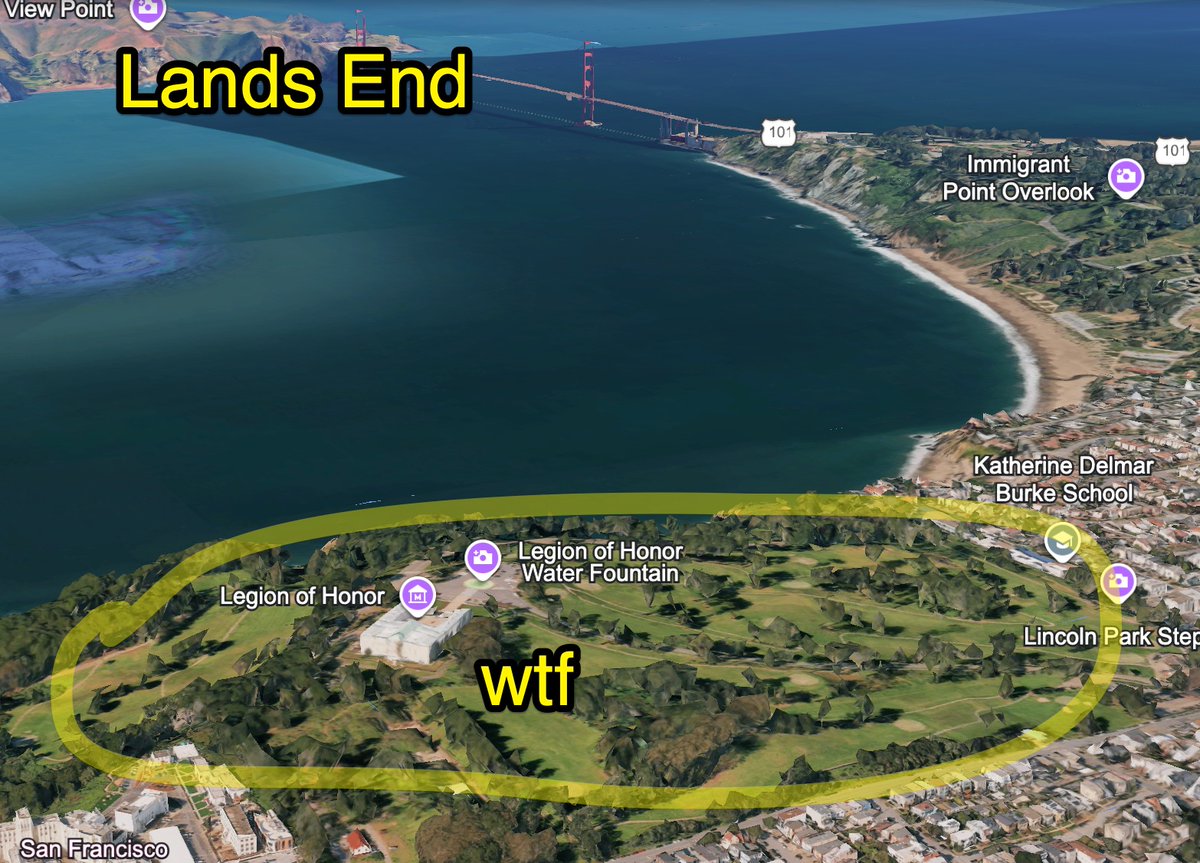
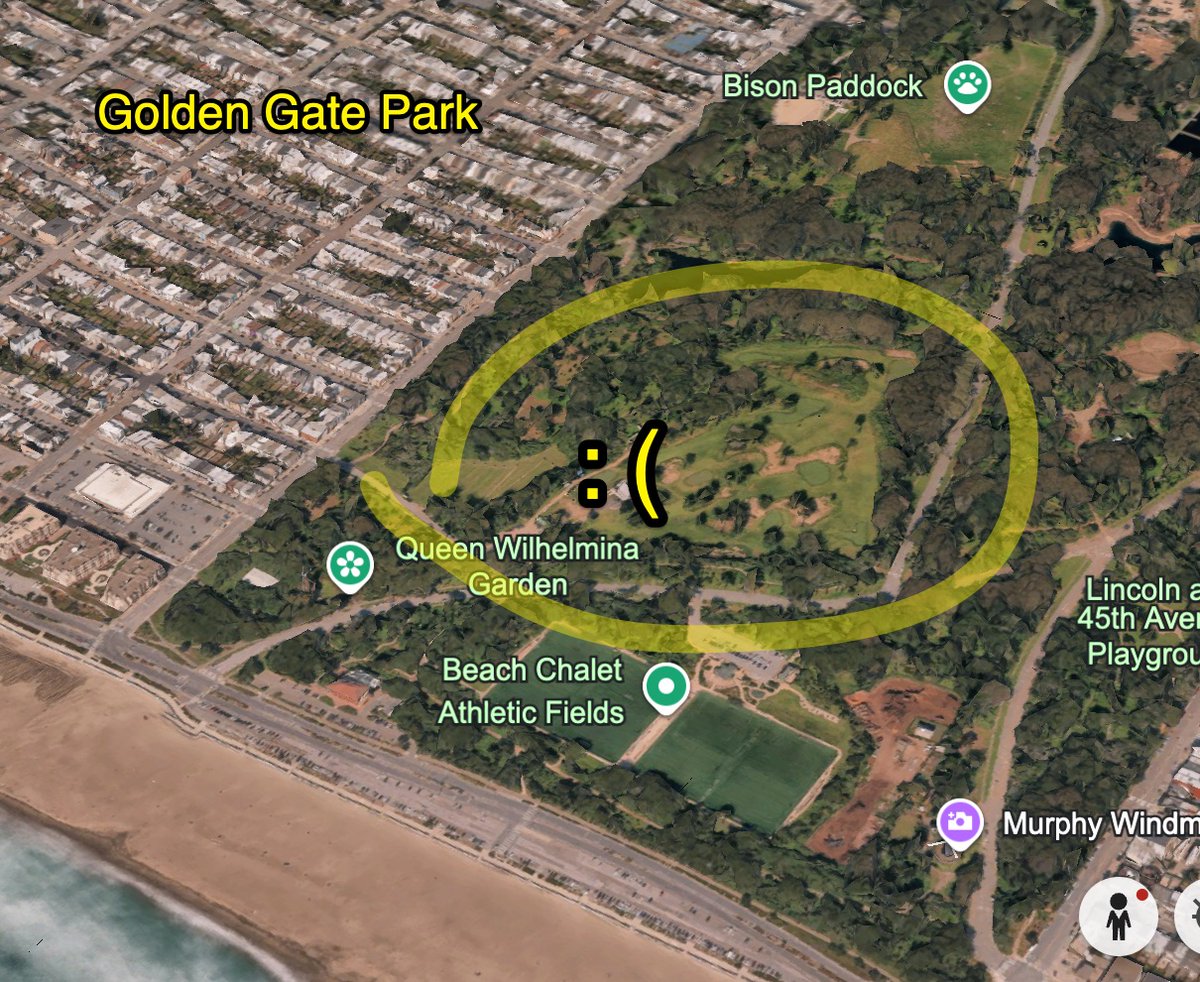
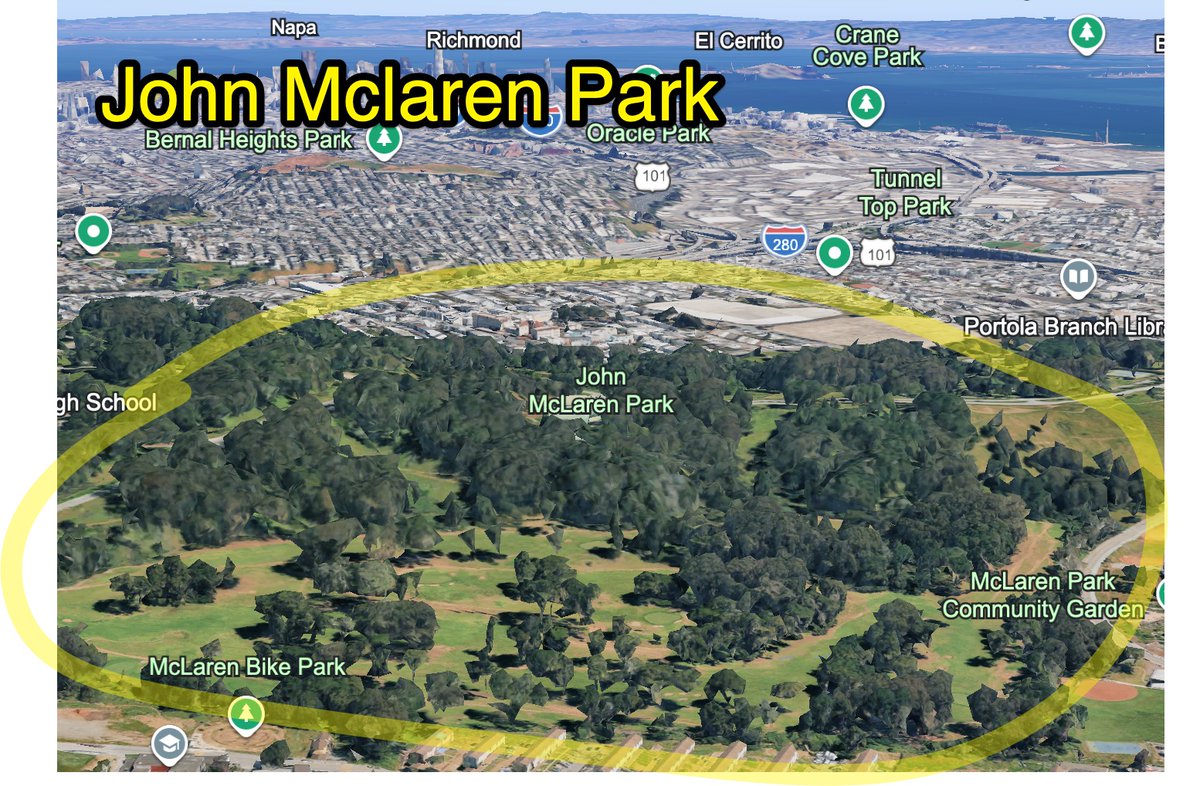
SF's best idea...the parks.
worst idea?
putting golf courses in all of them.
221
11
485
858,542
Iñaki Longa retweeted

Apr 21
The stats here are kind of remarkable. BART's new fare gates have led to a 1,000-hour decline in clean up time; 41% drop in crime; and $10 million increase in projected revenue. theatlantic.com/ideas/2026/0…
316
1,373
12,398
2,359,998
Iñaki Longa retweeted

Apr 21
I didn’t think fare evasion was that big of a deal; the evidence from DC SF has definitely changed my mind.
Apr 21

The stats here are kind of remarkable. BART's new fare gates have led to a 1,000-hour decline in clean up time; 41% drop in crime; and $10 million increase in projected revenue. theatlantic.com/ideas/2026/0…
53
154
2,580
141,931
Apr 21
How much additional revenue could Settle's @SoundTransit get if Link Light Rail added fare gates to the stations where it's feasible?
theatlantic.com/ideas/2026/0…
51
Apr 12
I moved from SF to Seattle in 2020.
Back then, especially pre-pandemic, Seattle’s downtown felt more functional, orderly, and livable than SF’s.
That’s flipped.
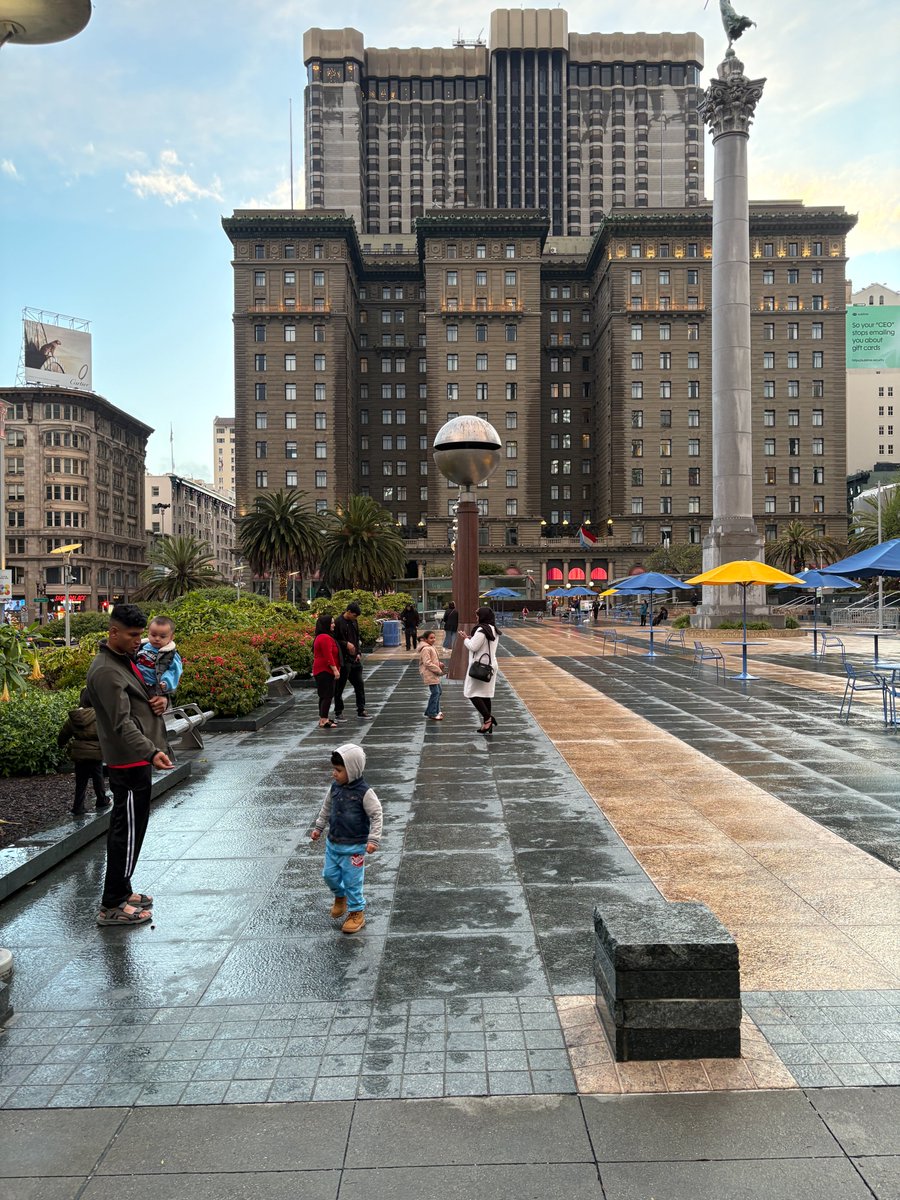
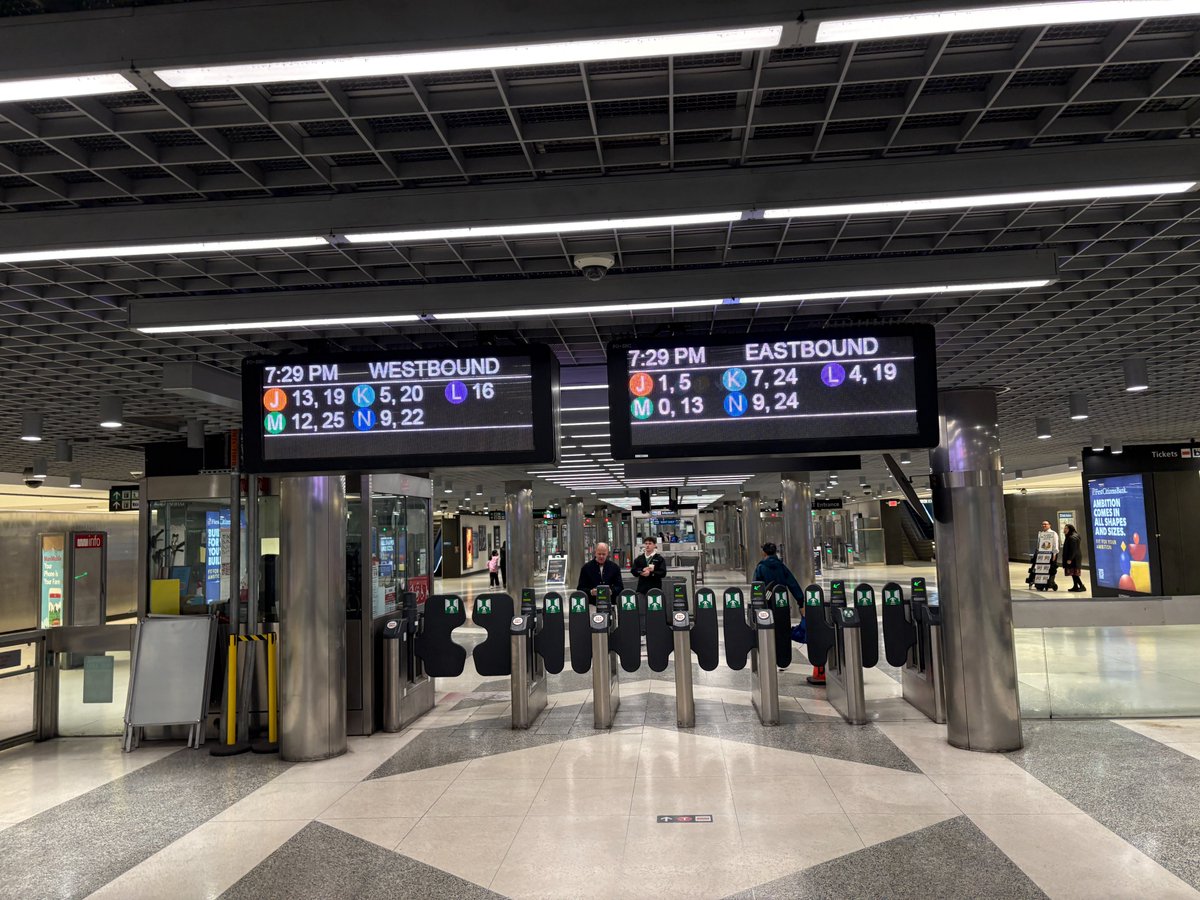
SF today feels cleaner and more put together than I remember. The CBD streets are seriously in good shape. In a few days here, I haven’t seen sidewalk encampments or open-air drug use, and Muni Metro seems to be running better (still room to improve, but noticeably better).
Seattle, by contrast, feels like it’s gone the other direction.
Credit to @DanielLurie and current non-obstructionist @sfbos Board.
Now if SF could finally build enough housing to bring prices down, that would be huge. Housing is the one front where Seattle has clearly outperformed SF over the past decade...
2
2
201
Apr 12
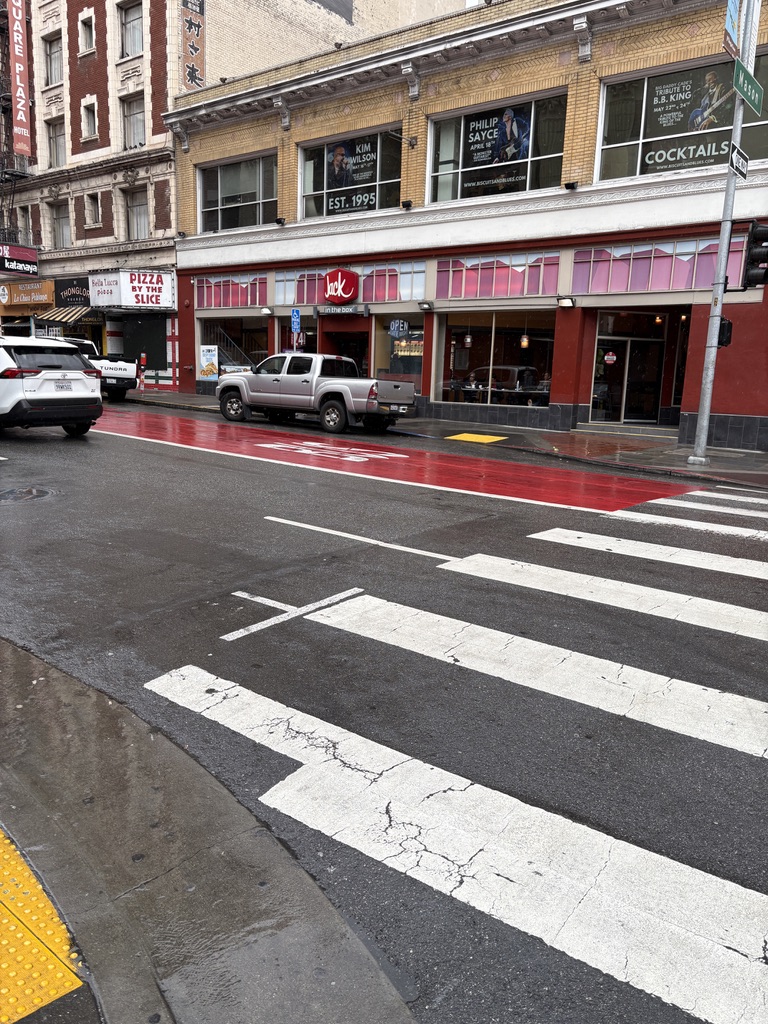
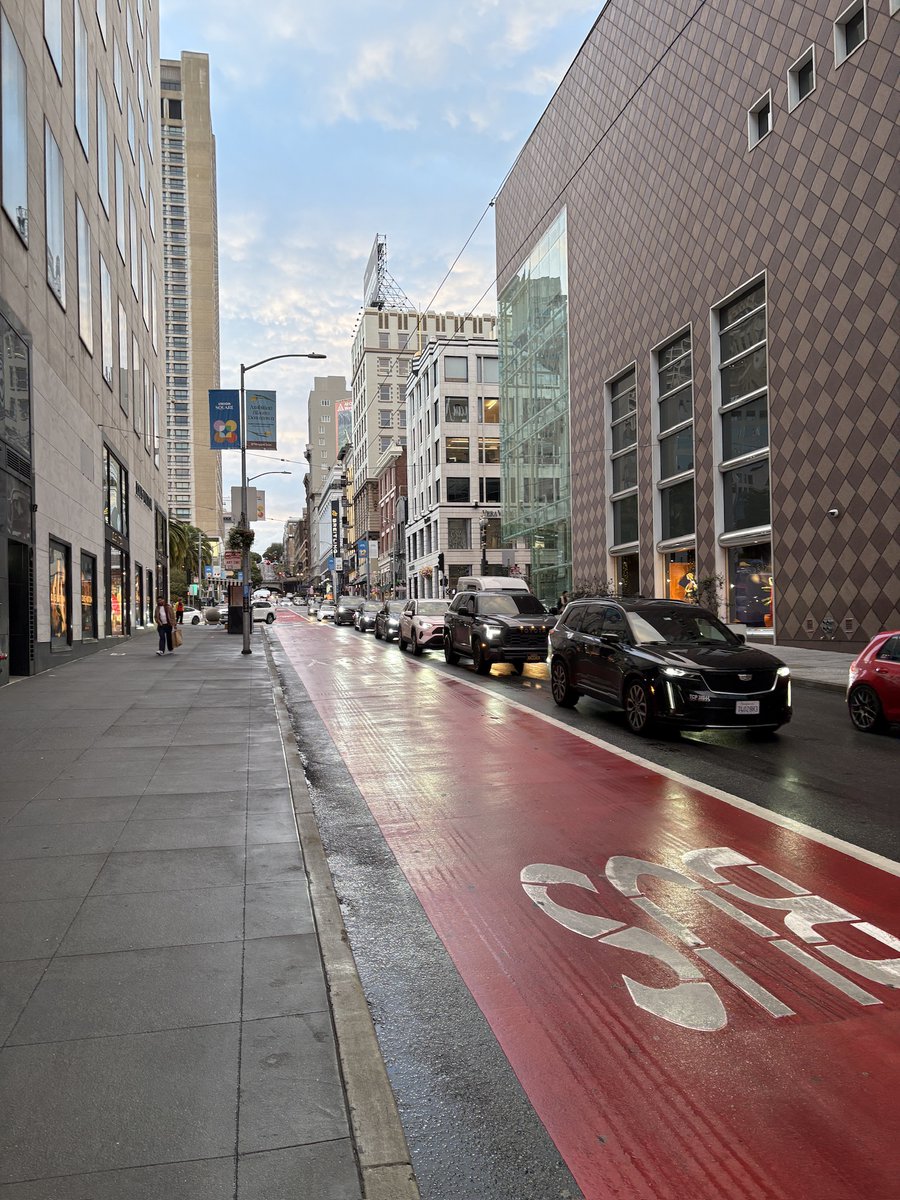
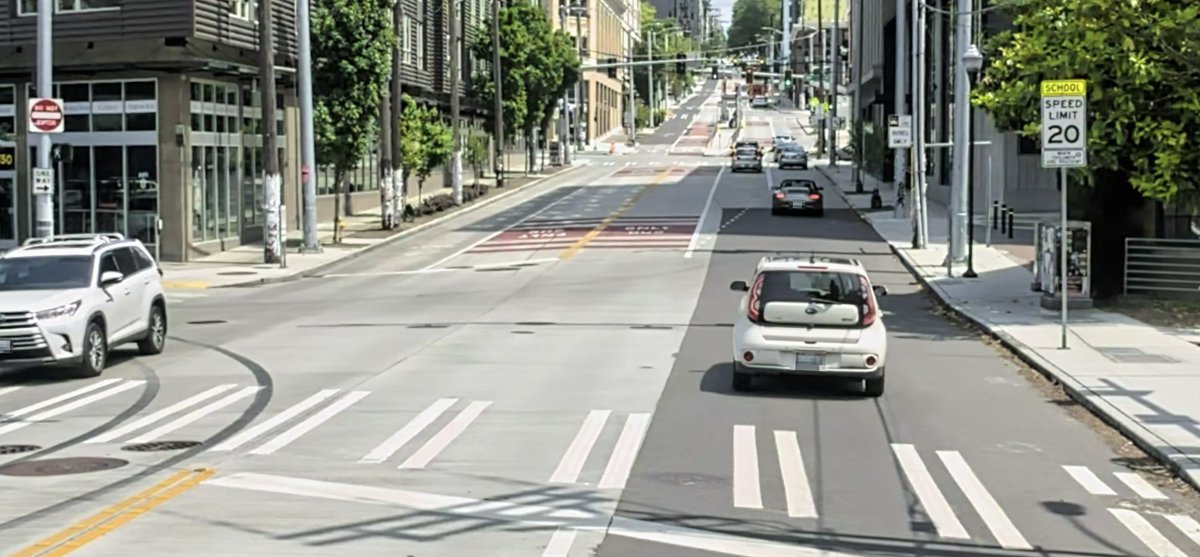
A pet peeve of mine in Seattle is how “skimpy” @seattledot paints crosswalks, bike lanes, and bus lanes.
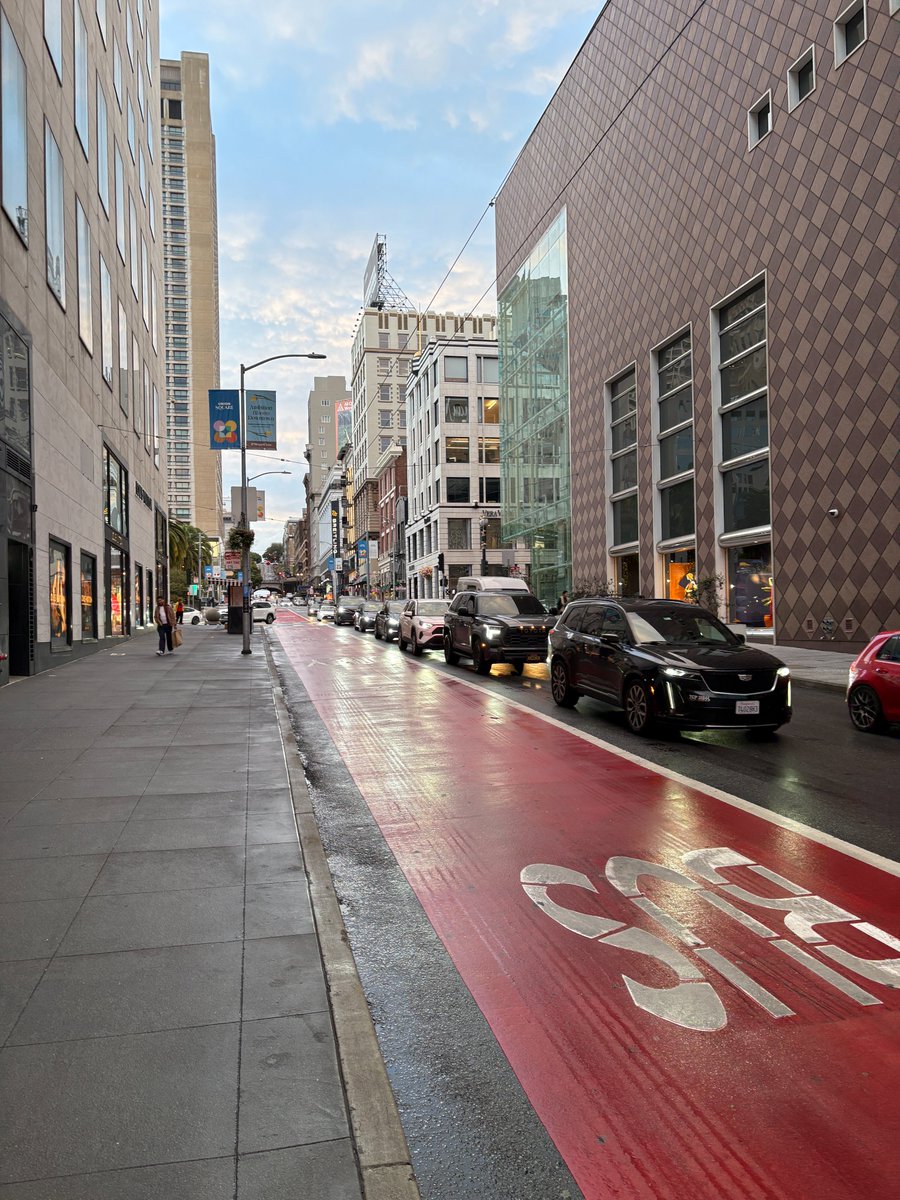
Instead of fully coloring lanes and crossings, Seattle mostly paints select “conflict zones” (third image), and even those use broken, gapped patterns that reduce visibility. It ends up looking vague and harder to see unless you are actively paying attention, almost like they are trying not to be very intrusive on the roads.
Compare that to SF’s solid, continuous markings (first 2 images). It’s night and day. The red bus lanes and solid crossings are much easier to see even if you are not paying attention.
Seattle’s approach, by contrast, leaves the road feeling wide open, keeping that feeling of 'wide open road' where car speeding feels natural.
If the goal is traffic calming, road diets, and safer streets for people outside cars, the design should reinforce that. Bold, continuous markings make a difference. Faint, fragmented ones don’t.
@seattledot is this about cost? The paint savings are negligible relative to overall project budgets, yet the impact on visibility and behavior is anything but.
1
70
Mar 31
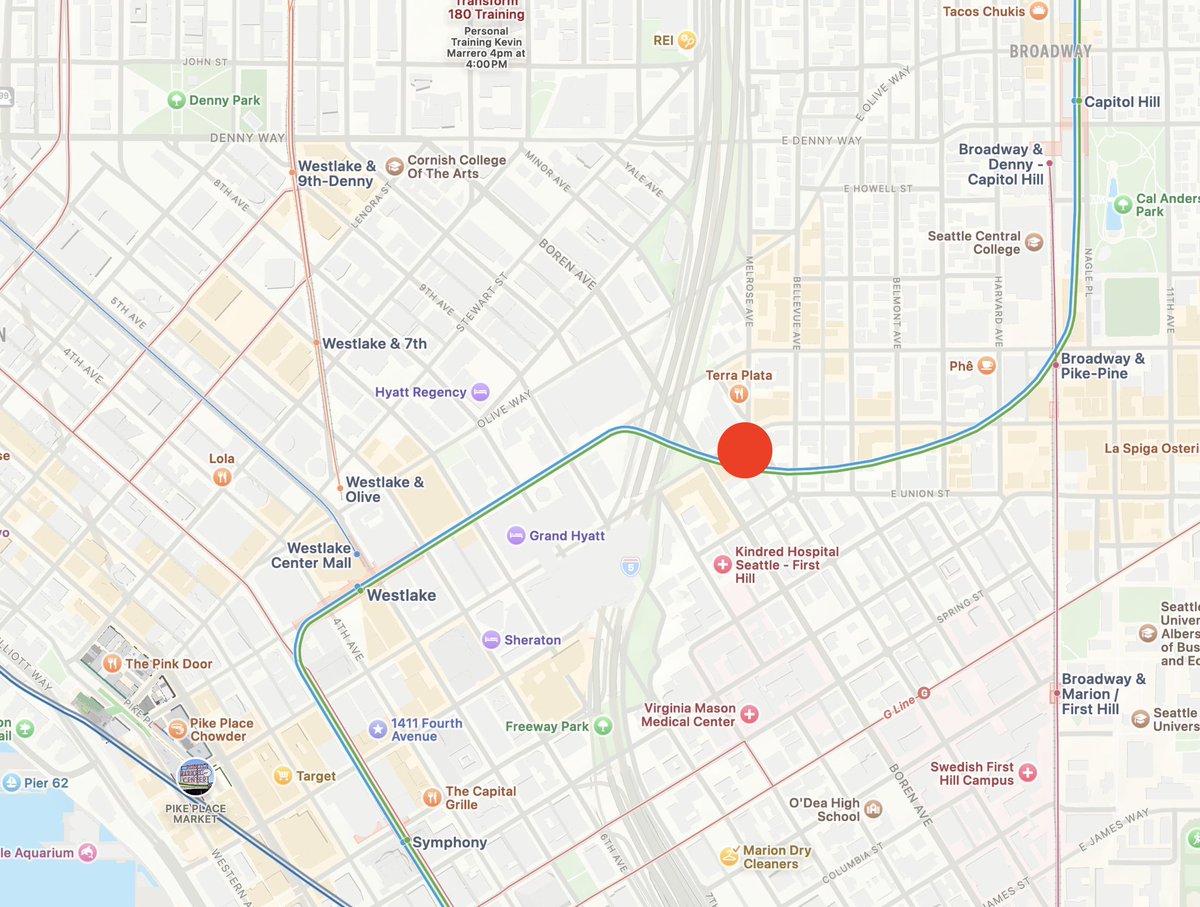
Now that Seattle’s light rail runs at near metro-level frequency north of ID/Chinatown (a train every 4 minutes during rush hour), the gap between Westlake and Capitol Hill feels like a missed opportunity.
A Pike/Pine station could’ve improved access to southwest Capitol Hill and north First Hill, and better served the Convention Center.
1
4
306
Mar 14
Transit safety tips 2026:
– move cars
– move cars again
– keep moving cars
– hope the antisocial behavior stays in the other car
Mar 13

- don’t get in the empty car
- move cars
- say you don’t have any cash, move cars
- move cars
169
Mar 14
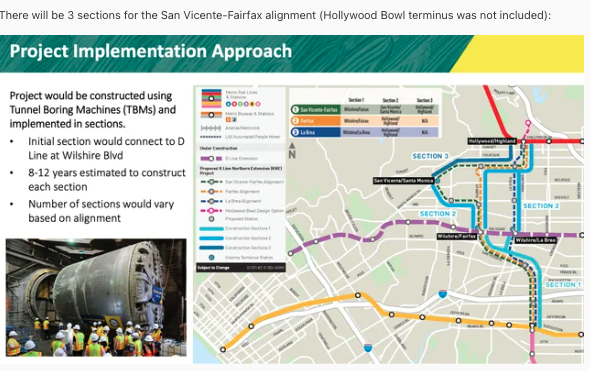
The Good news: LA Metro will extend the K (pink line) north through West Hollywood to reach Hollywood Blvd.
The Bad news: it is expected to be operational in 2070 (!!!!!).
Mar 14

I thought it was, but it is not sarcasm.
Holy sh*t
2040: year the K line is expected to reach the D (Purple) line.
To continue further north, there are 3 sections. 8-12 years estimate to construct EACH section.
3
190
Mar 13
From a democratic-process standpoint, the new “billionaire’s tax” introducing a state income tax in Washington looks ugly to me.
Just two years ago, Initiative I-2111 gathered enough signatures to go to the ballot and ban any state income tax. The Democratic-majority Legislature instead passed it directly -out of concern that having I-2111 on the ballot could affect the outcome of other initiatives in 2024-, thereby preventing voters from weighing in on what likely would have been a majority vote to approve the ban.
Whether Washington should have an income tax is a legitimate debate. But the Legislature’s strategic U-turn just two years later is not a good look.
seattletimes.com/seattle-new…
52