researching the Neurobiology of empathy and pro-social behavior in mammals bartalab@sciences.social
Joined October 2011
- Tweets 1,051
- Following 1,394
- Followers 797
- Likes 3,899
50 Photos and videos


Inbal Ben-Ami Bartal retweeted

May 10
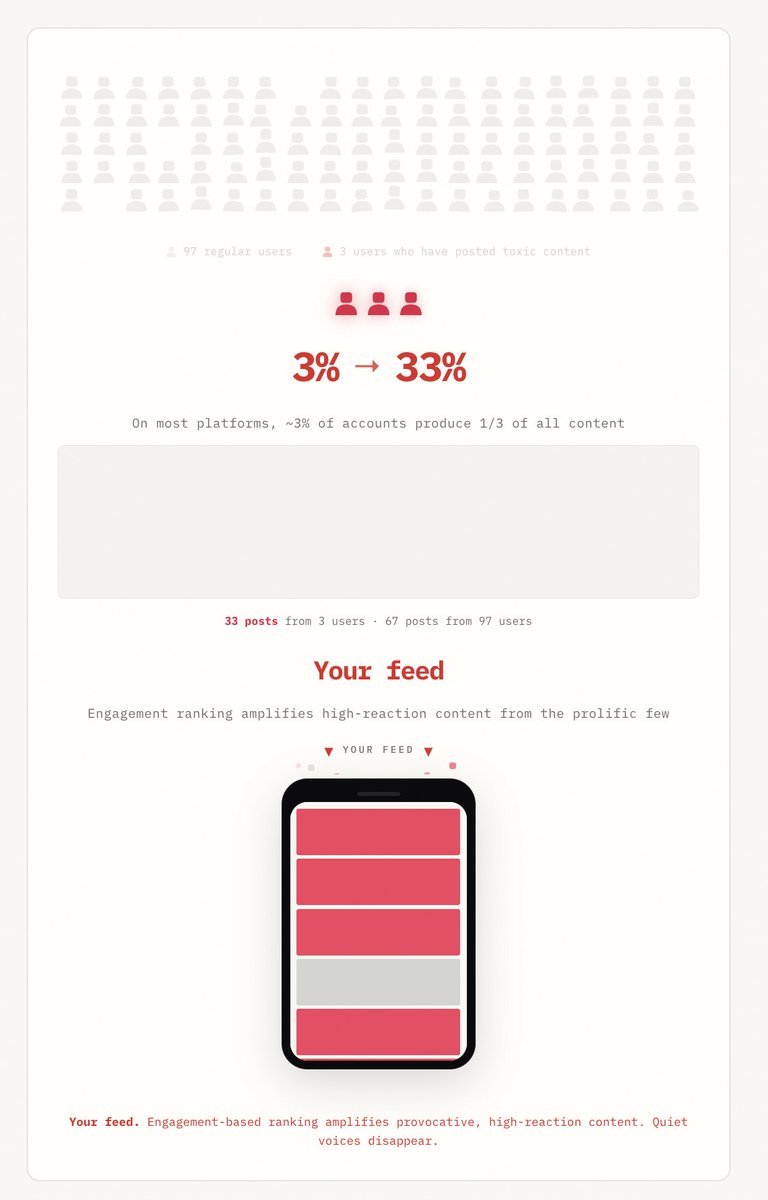
This website visualizes social media as a room with 100 people in it
3 people are producing most of the toxic content
Most people assume 43 are producing toxic content, because these 3 are hyperactive
Engagement-based ranking amplifies the 3 provocative, high-reaction users.
The other 97 quiet voices disappear or self-censor.
And the loud minority thinks it's the majority: the more someone posts, the more they believe the public agrees with them!
thenoisyroom.com/
7
55
178
32,819
Inbal Ben-Ami Bartal retweeted

May 7
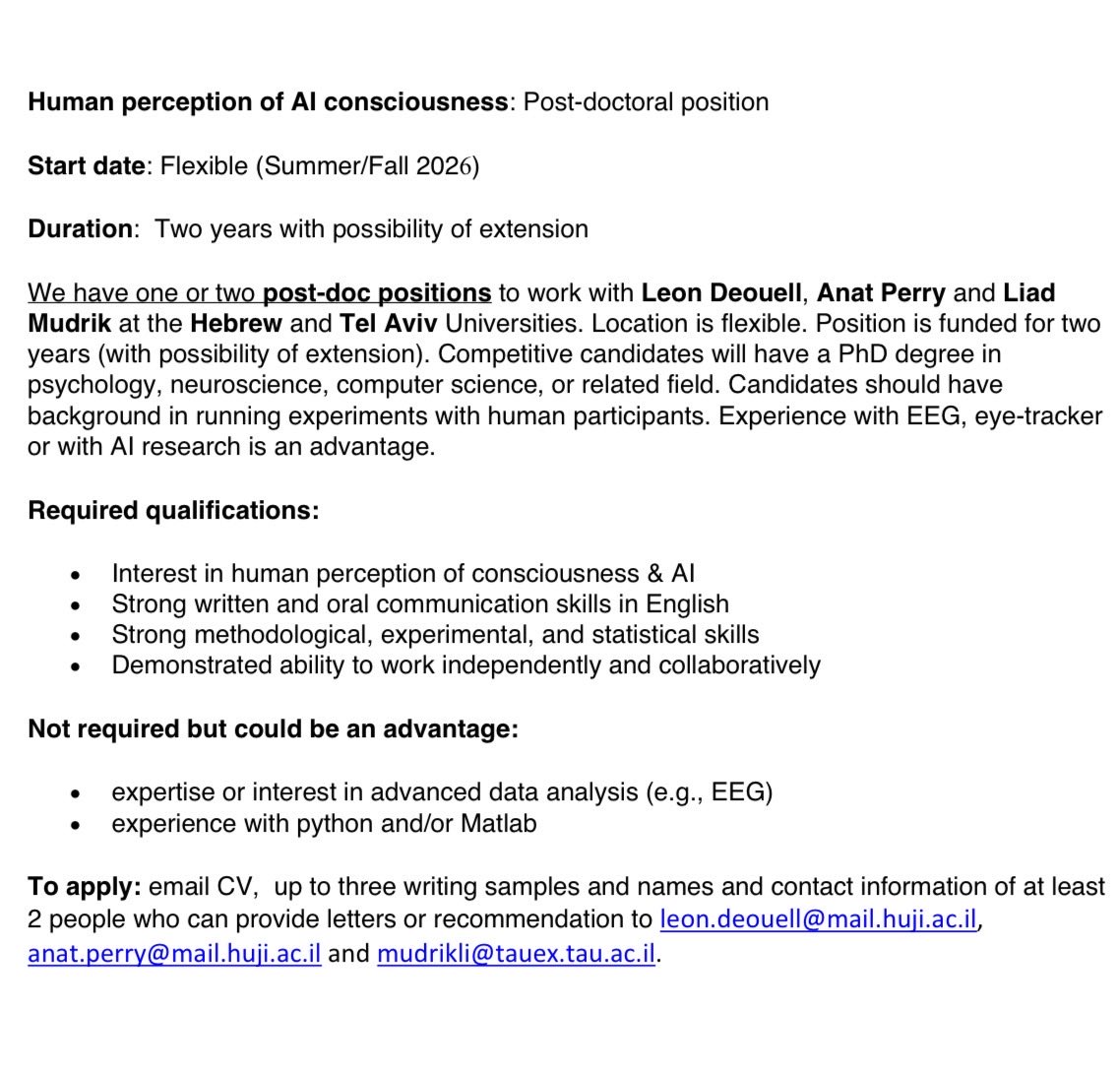
Interested in how and why people ascribe conscious to AI? Come work with @AnatPerry, @Deouell and me on this problem. Applications for postdoc positions are welcome!
3
8
810
Inbal Ben-Ami Bartal retweeted

22 May 2025
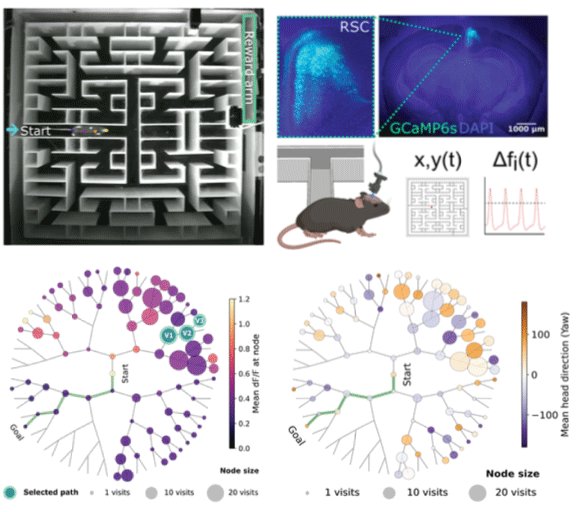
Pre-print alert! @AmitKoIt from our lab created NaviGraph, an open source tool to easily consolidate data streams (location, head direction, calcium imaging and more) into a multi-layer graph. Great for any 2D spatial decision making layouts. bioRxiv: tinyurl.com/3njrj92n
1
6
33
987

30 Apr 2025
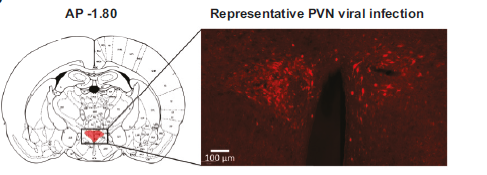
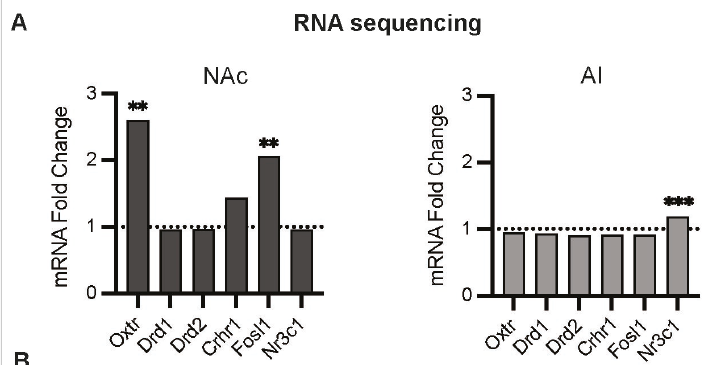
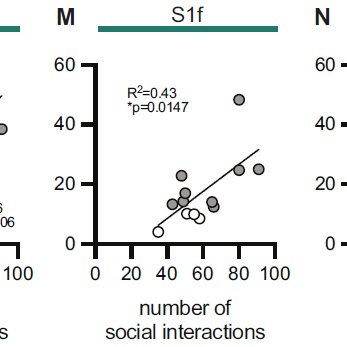
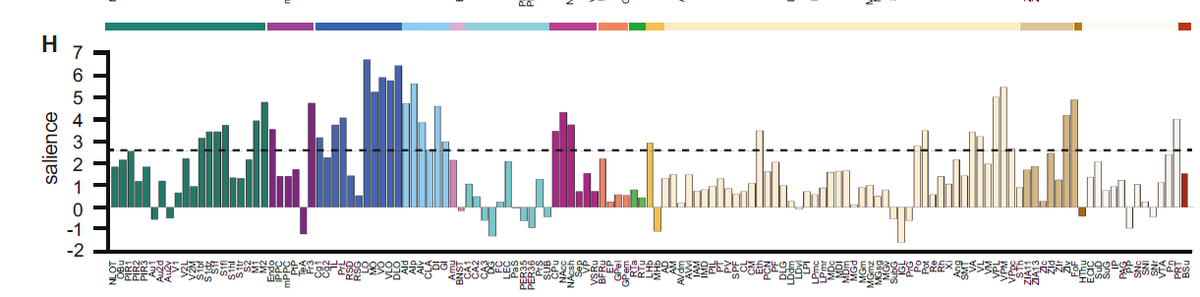
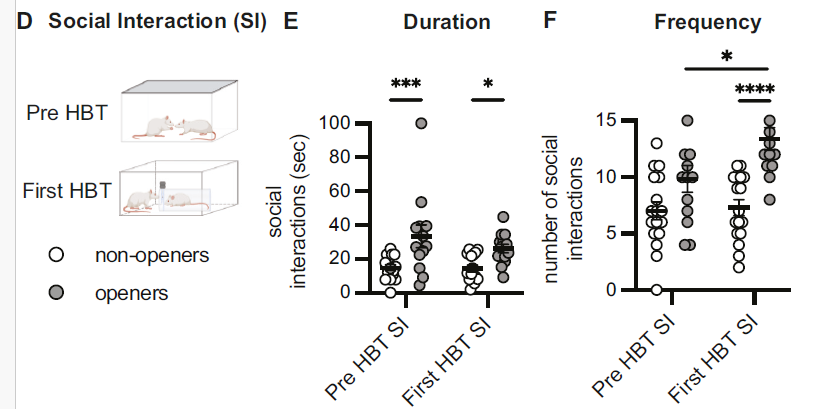
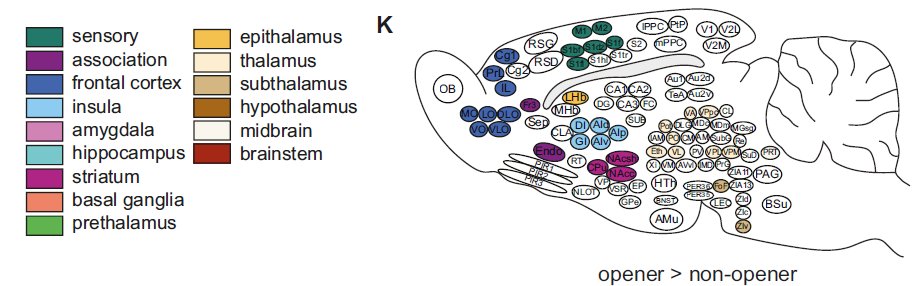
Why, and when, do we decide to help someone? Understanding the neural mechanisms that explain #prosocial behavior is a major mission of our lab. This week, we've published a paper in #JNeurosci that sheds some light on that question, at least in rats :
jneurosci.org/lookup/DOI/10.…
1/9
5
6
32
1,586
30 Apr 2025
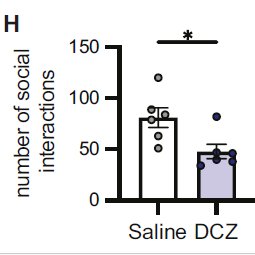
Although we still had some rat helpers after general oxytocinergic inhibition via the PVN, affiliative behavior was significantly reduced by this manipulation.
In sum, affiliative relationships between rat dyads predicts helping and activity in the prosocial brain network!
8/9
1
3
148
30 Apr 2025
Congrats to the amazing team that worked so hard on this paper: talented co-first authors Dr. Reut Hazani & Dr. @joce_breton, as well as @KerenRuzal, Dr. @estherina_t, and all other authors! meet them here: bartallab.sites.tau.ac.il/te…
Thanks for reading! @of_sagol #empathy
9/9
1
2
8
241
28 Feb 2025
Feeling hungry for a social paper? Feast your eyes on this - mechanism for social homeostasis unveiled by @DulacLab’s fantastic team! nature.com/articles/s41586-0…
8
62
6,229
Inbal Ben-Ami Bartal retweeted

20 Feb 2025
We are excited to share our latest work showing that mice display rescue-like prosocial behavior toward unresponsive partners. @ScienceMagazine
science.org/doi/10.1126/scie…
26
78
266
45,632
Inbal Ben-Ami Bartal retweeted
26 Jan 2025
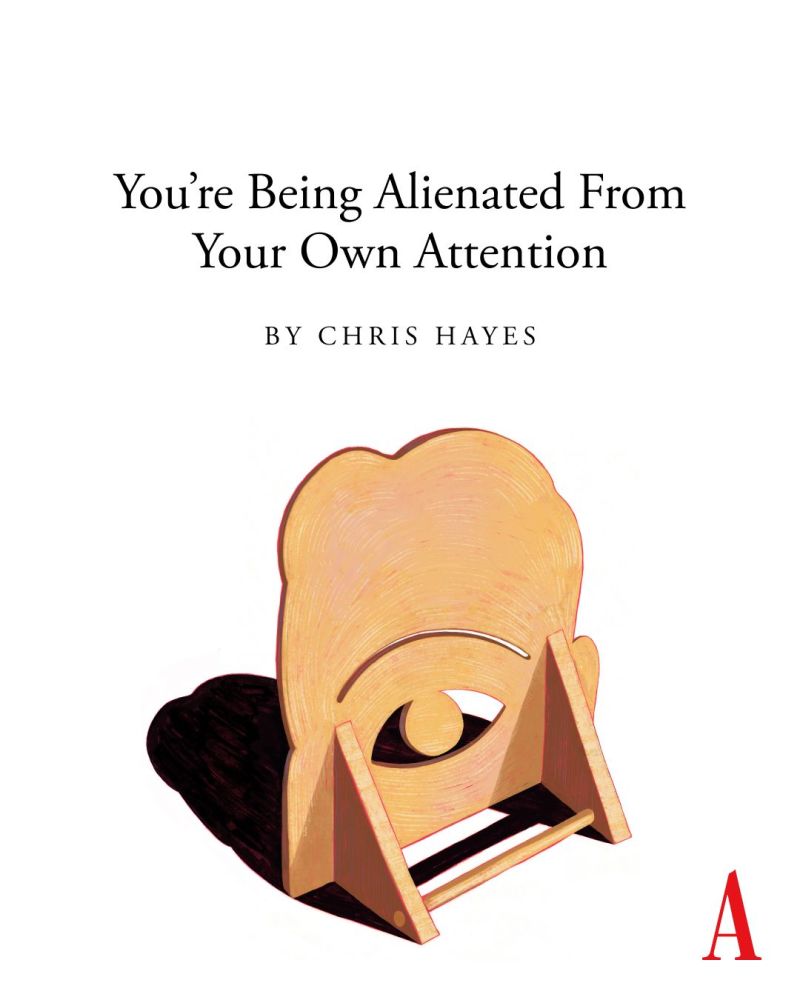
You are now constantly being manipulated so your attention can be captured and sold. This is done through a variety of ways, one of which is through the constant stream of outrage that is being pumped constantly through your eyes and ears into your brain.
Sometimes it is useful to be aware of things in the world that you have the power to help change. Other times it creates a sense of hopelessness, distraction from things that matter, or, worse, an appeal to our own prejudices.
Learning how to regulate your attention in the face of this tsunami is now a zen-level skill that everyone in society needs to understand and master. Otherwise you will be endlessly manipulated until the day you die.
4
37
172
17,302
Inbal Ben-Ami Bartal retweeted

11 Dec 2024
6
19
1,629

🚨Thrilled to share our new study in Cerebral Cortex🚨: "The Future, Before, and After" The ability to imagine things we haven’t done before is one of the hallmarks of human cognition. How do we do it?
academic.oup.com/cercor/arti…

1
7
17
1,981
Inbal Ben-Ami Bartal retweeted

15 Oct 2024
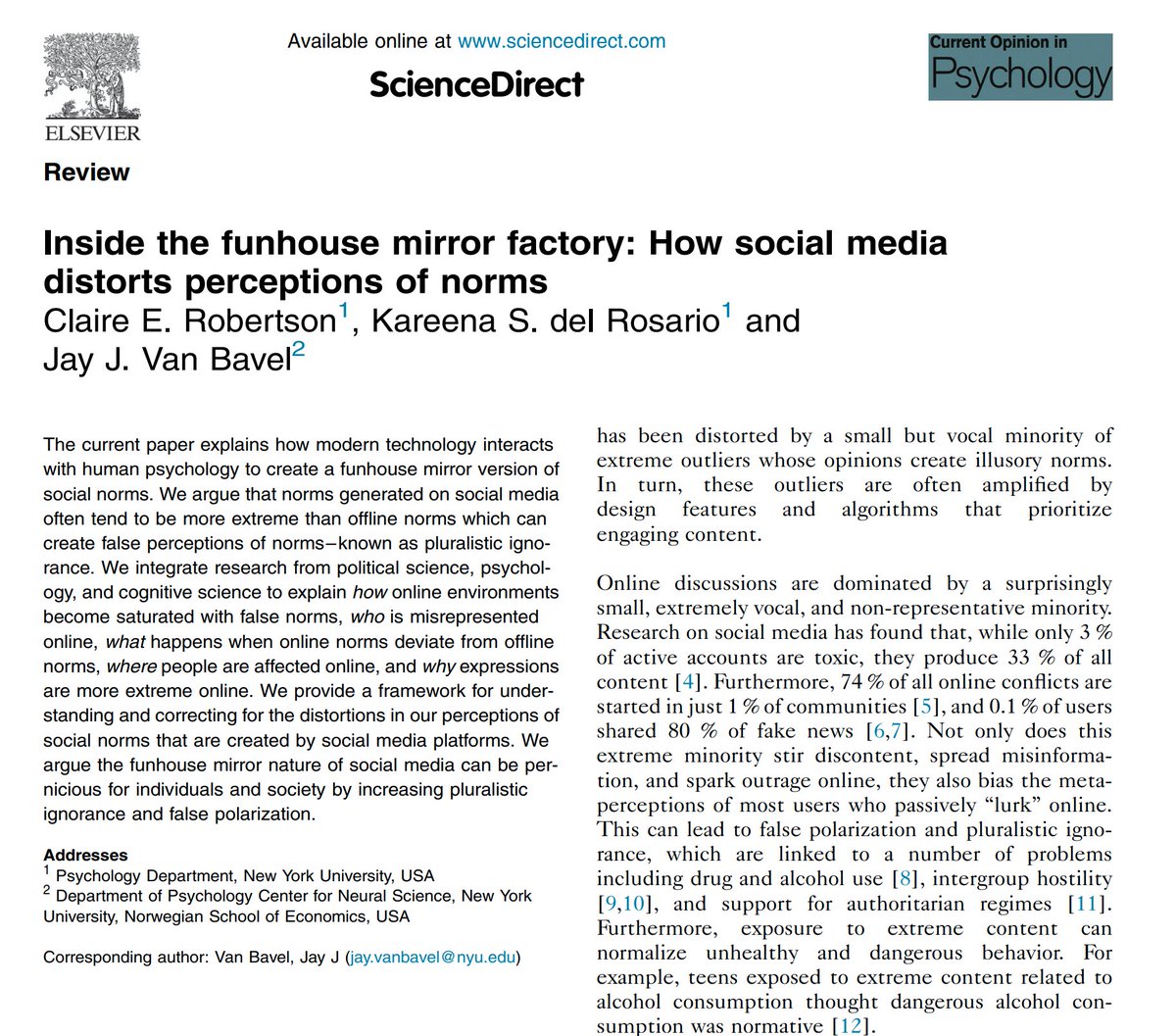
Don't let what you see on social media skew your view of humanity.
Most bad behavior is due to a few bad apples:
• Just 3% of active users are toxic, but they generate 33% of online content
• 1% of communities launch 74% of conflict
• 0.1% of users spread 80% of fake news
@jayvanbavel podcasts.apple.com/us/podcas…
88
967
2,683
285,730

I am excited to share our new paper published today @CellCellPress (link: authors.elsevier.com/a/1jw%7…). This is one of my favorite studies and took ~7 years to complete. In early 2018, we started the project, aiming at understanding the neural plasticity of the Winner effect. 1/6
13
60
260
29,808

Trends in Neurosciences
Neural circuits for goal-directed navigation across species
cell.com/trends/neuroscience…
33
121
8,775