A #neuroscience lab at the @TelAvivUni, passionate to know how neurons and blood vessels interact in the brain. Funded by #ERC_Research
Joined August 2016
- Tweets 1,290
- Following 697
- Followers 937
- Likes 21,071
82 Photos and videos



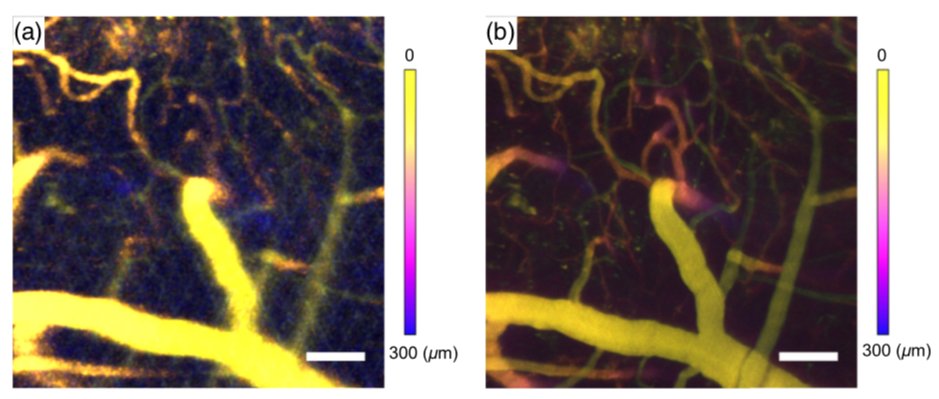
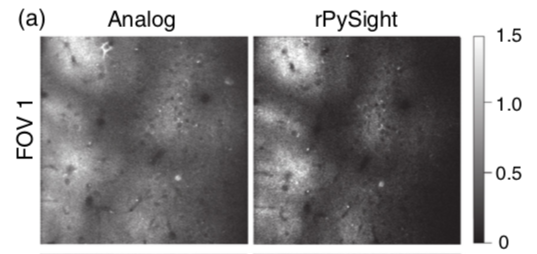
Pablo Blinder retweeted

May 29
Single-cell RNA-seq transformed biology, but we still sample <0.001% of an organism.
2D sections lose 3D context.
What if we image the whole body first?
We Introduce DISCO-seq🤩: full 3D imaging then scRNAseq👇🏻biorxiv.org/content/10.64898…
by @HarsharanBhatia, Laurent Simons et al.
3
38
212
23,784

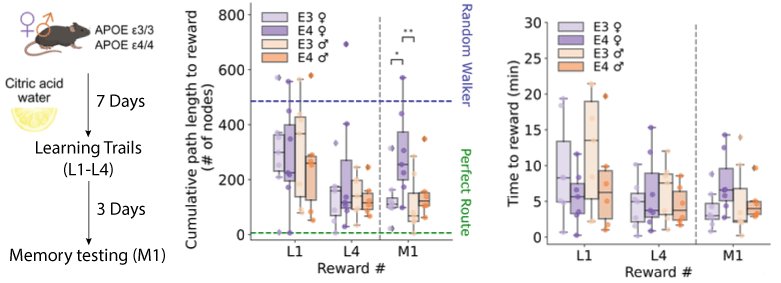
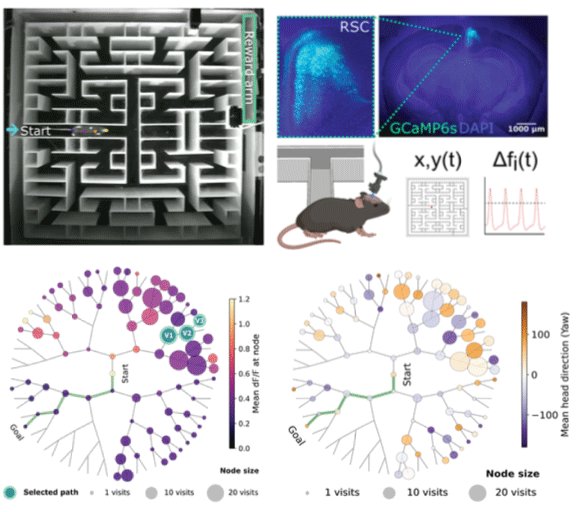
Nature research paper: Subspace communication in the hippocampal–retrosplenial axis
go.nature.com/4txTL7e
2
19
98
13,773
Pablo Blinder retweeted

Excited to share this work with an amazing team:
@KarlDeisseroth @BrunetLab @Ravi__Nath @scott_linderman Libby Zhang
Paper in Science:
science.org/doi/10.1126/scie…
4
44
217
45,676
Pablo Blinder retweeted

20 Nov 2025
Preprint! 🚨
“Pericyte and Endothelial Primary Cilia and Centrioles have Disparate Organization Across the Brain Microvasculature”
This project took an unexpected turn when we discovered that #pericytes have primary #cilia!
🔗 biorxiv.org/content/10.1101/…
🧵1/8
2
18
91
16,745

Excited to share our new paper published @NeuroCellPress! We used voltage imaging combined with optogenetics in 4 major hippocampal cell types to study how the behavioural state modulates their firing, subthreshold dynamics, and gain authors.elsevier.com/a/1mego…
1
5
22
1,889
Pablo Blinder retweeted

Feb 18
🚨 Postdoc position in my lab @calico is live!
I'm looking for someone deeply curious about the aging brain🧠⌛️, who wants to build novel scientific projects from scratch and carry them to publication and, ideally, into their own lab🥼🧪. No neuroscience background needed.
16
72
375
32,098
Pablo Blinder retweeted

Jan 2
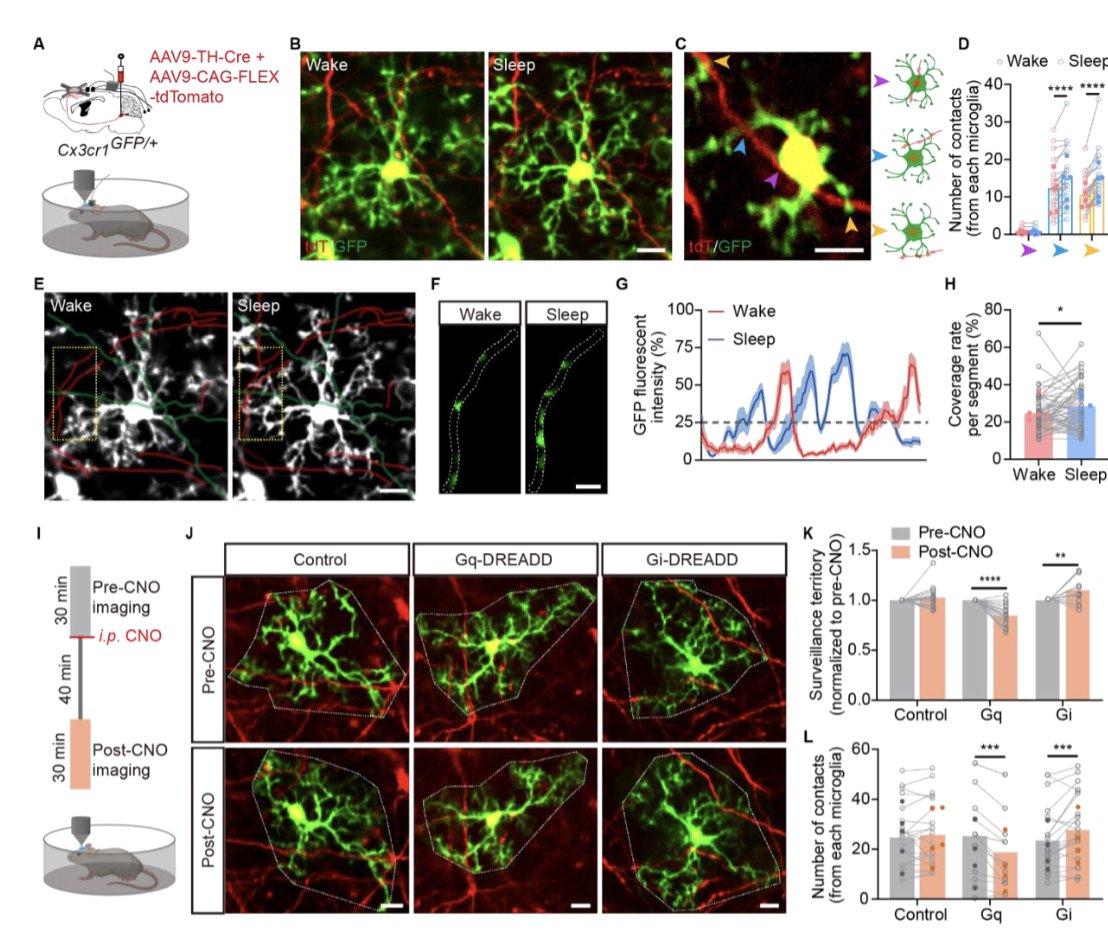
Cortical microglia promote noradrenergic signaling to maintain wakefulness
2
25
117
6,619
Pablo Blinder retweeted

Jan 2
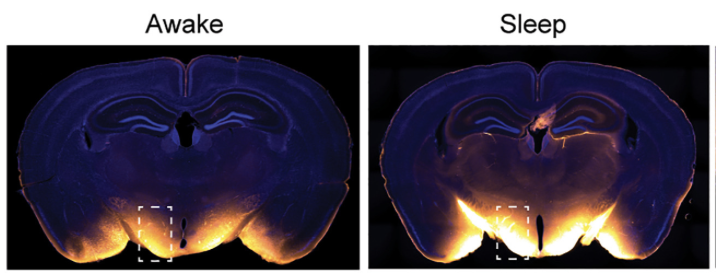
Bottom line: We may have been measuring the wrong things about sleep.
Total hours, REM percentage, deep sleep duration - none predicted brain cleaning as well as norepinephrine pulse frequency did.
cell.com/cell/fulltext/S0092…
Jan 2

New Cell paper from the team that discovered glymphatic clearance (how your brain removes waste during sleep).
Sleep hours DIDN'T predict brain cleaning. Neither did REM or deep sleep.
They found what actually matters - and why some sleeping pills might undermine it 🧵
43
124
1,174
128,922
Pablo Blinder retweeted

16 Dec 2025
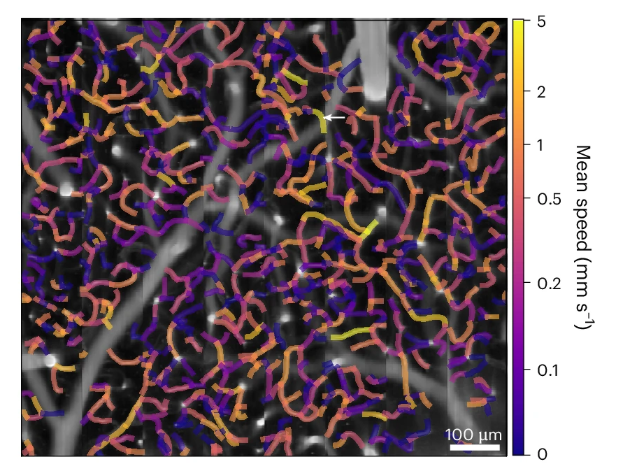
FACED 2.0: a method for high-speed, large FOV, volumetric 2-photon voltage and calcium imaging in the mouse and zebrafish brain.
nature.com/articles/s41592-0…
4
13
2,992
Pablo Blinder retweeted
16 Dec 2025
🚀 We’re hiring!
Staff Scientist / Postdoc – Tissue Clearing & 3D Image Analysis (m/f/d) (LMU Munich)
Are you a great fit, or do you know someone outstanding, please reach out 🔁
If you want to at the frontier of whole-organ / whole-body 3D imaging, and help generate truly beautiful datasets that drive major biological discoveries and therapeutic development, see below ✨
We’re building the next-generation pipeline for tissue clearing light-sheet microscopy quantitative 3D analysis in the SyNergy Excellence Cluster (Mesoscale Hub) and we’re looking for someone excited to push this forward with us. 🧠🔬📈
🎥 I’m also attaching a short video showing the kind of high-quality imaging and datasets you’d be working with.
What you’ll do 🛠️
🔹 Lead and evolve tissue clearing light-sheet workflows across collaborative SyNergy projects
🔹 Turn complex 3D datasets into robust quantitative insights (visualization, atlas registration, readouts)
🔹 Develop new methods and analysis pipelines together with our AI team 🤖
🔹 Maintain and optimize cutting-edge light-sheet systems (optional: support animal license writing)
What we’re looking for 🎯
✅ Strong hands-on experience in tissue clearing and/or fluorescence microscopy
✅ Solid experience with light-sheet microscopy and 3D imaging workflows
✅ Familiarity with 3D tools like Imaris / arivis Vision4D, stitching (e.g., BigStitcher), and quantitative analysis in cleared tissues
✅ Service mindset, great organization, and strong scientific English
How to apply 📩
Apply via the LMU Klinikum online application form lnkd.in/gCgdaJuV
Please also send your application to: farida.hellal@med.uni-muenchen.de
CC: ali.ertuerk@med.uni-muenchen.de
📎 Include one PDF: short cover letter, CV, 2–3 referees, and earliest start date.
📍 Campus Großhadern (Munich) and Helmholtz Munich | 🕒 Full-time | 📅 Start: 01 January 2026
If you love high-quality imaging, cutting-edge biology, and building something that will matter, we’d love to hear from you. 🌍✨
#hiring #StaffScientist #Postdoc #TissueClearing #LightSheetMicroscopy #ImageAnalysis #SpatialBiology #Neuroscience #SyNergy #LMU #Munich
4
50
194
14,711
Pablo Blinder retweeted

7 Dec 2025
The neural computation of affective internal states in the hypothalamus: A dynamical systems perspective: Neuron cell.com/neuron/fulltext/S08…
3
13
619
Pablo Blinder retweeted

6 Dec 2025
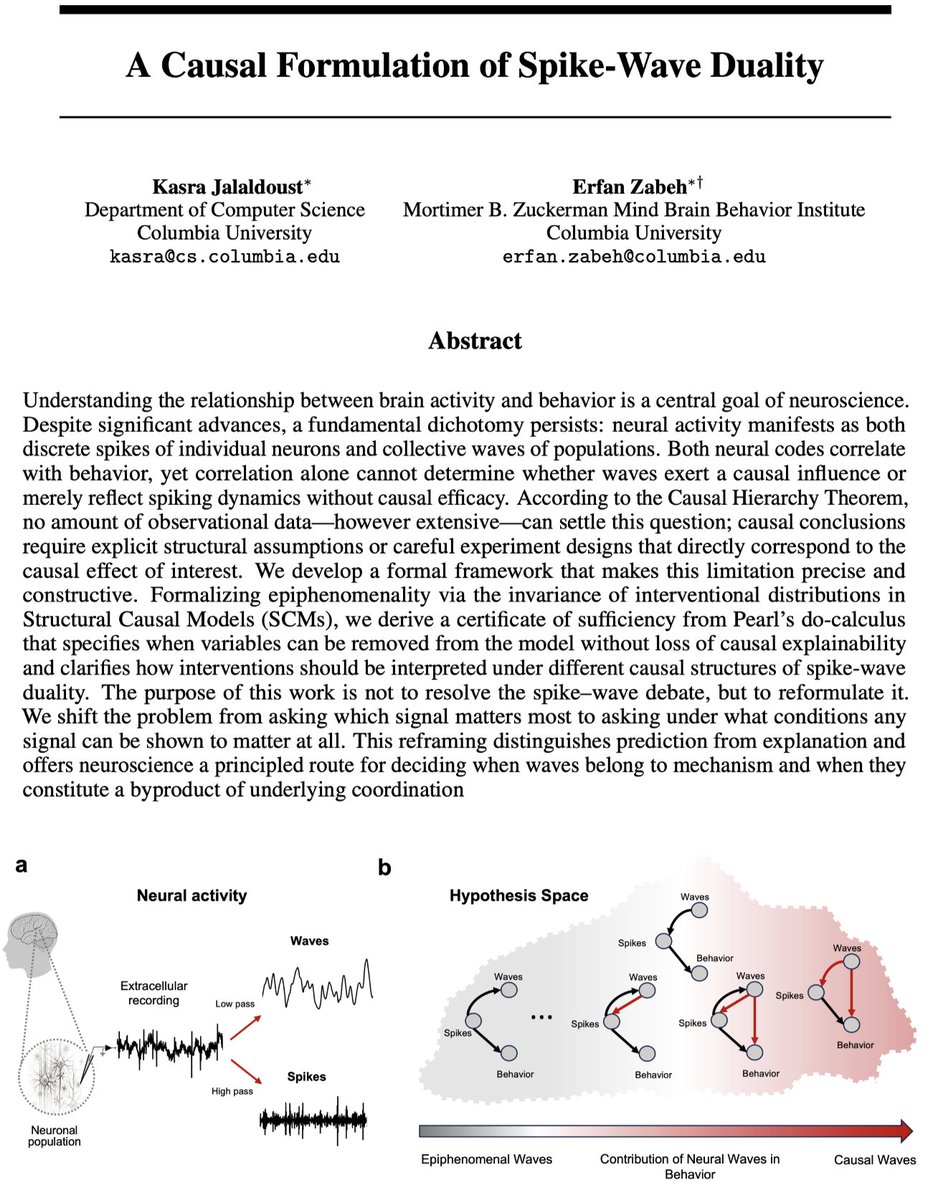
Neuroscientists record two main data modalities: electromagnetic waves and Spiking activities. A longstanding debate in neuroscience is whether the brain waves are essential for understanding how the brain works, or are they merely epiphenomenal. In more scientific terms, do the waves carry a causal influence on the behavior when spiking activities are recorded?
When I first heard about this from @ZabehErfan I assumed neuroscientists are already discussing in causal inference terms; turns out that it is not quite the case. Each neuroscientist has their own qualitative beliefs/knowledge about the brain mechanisms, but to our surprise, they are not using the causal inference semantics to express it.
The debate is not settled despite decades of advancement in recording technologies and statistical modeling breakthroughs, and it is not too surprising from a causal inference perspective: due to Causal Hierarchy Theorem (@eliasbareinboim et al. 2020), no amount of data alone can identify the causal quantities. Thus it is necessary to use a formal language to express the qualitative knowledge, and @yudapearl’s do-calculus is precisely the syntax and semantics we need to settle the spike-wave duality.
In particular, we ground the discussion in Structural Causal Models, and boil down the epiphenomenality claim to assessing a certain inequality:
P(behavior | spikes) ?= P(behavior | spikes, do(waves))
Once the qualitative domain knowledge is properly expressed in causal terms, e.g., a semi-Markovian causal graph, then a graphical criterion for epiphenomenality can be derived. Grounding the discussion in causal language sheds light on many hidden aspects of the problem, even if the debate remains unsettled:
1. What is the inference bottle neck? Is it the amount of data, regimes of data, scope of measurements, or the statistical modeling methods?
2. Data-driven knowledge discovery: what can be said about the causal graph using the data? which forms of heterogeneity and surrogate interventions are useful?
If you’re at @NeurIPSConf come check out our poster along many other cool work at @CauScien workshop!
6 Dec 2025

Finally a causal formulation of spike-wave duality.
Over the past couple of years I have been constantly asked about causality of brain waves.
After two years of spontaneously thinking about this, I dared to put this "baby" out.
Shout out to my talented collaborator @causalkasra whom perfected the causal machinery behind this work.
If you are at @NeurIPSConf come to our poster and let’s chat. arxiv.org/abs/2511.06602
7
32
152
18,454

1 Dec 2025
Fascinating work! Big kudos Mark and team!🥂
26 Nov 2025

Thrilled to share Milan's & Nimrod's great work exploring the evolution of visual processing🐢📷. Combining neurophysiology with gaze estimation in freely viewing turtles, they identified view-invariant representations in dorsal cortex. science.org/doi/10.1126/scia…
@ScienceAdvances
81
Pablo Blinder retweeted

27 Oct 2025
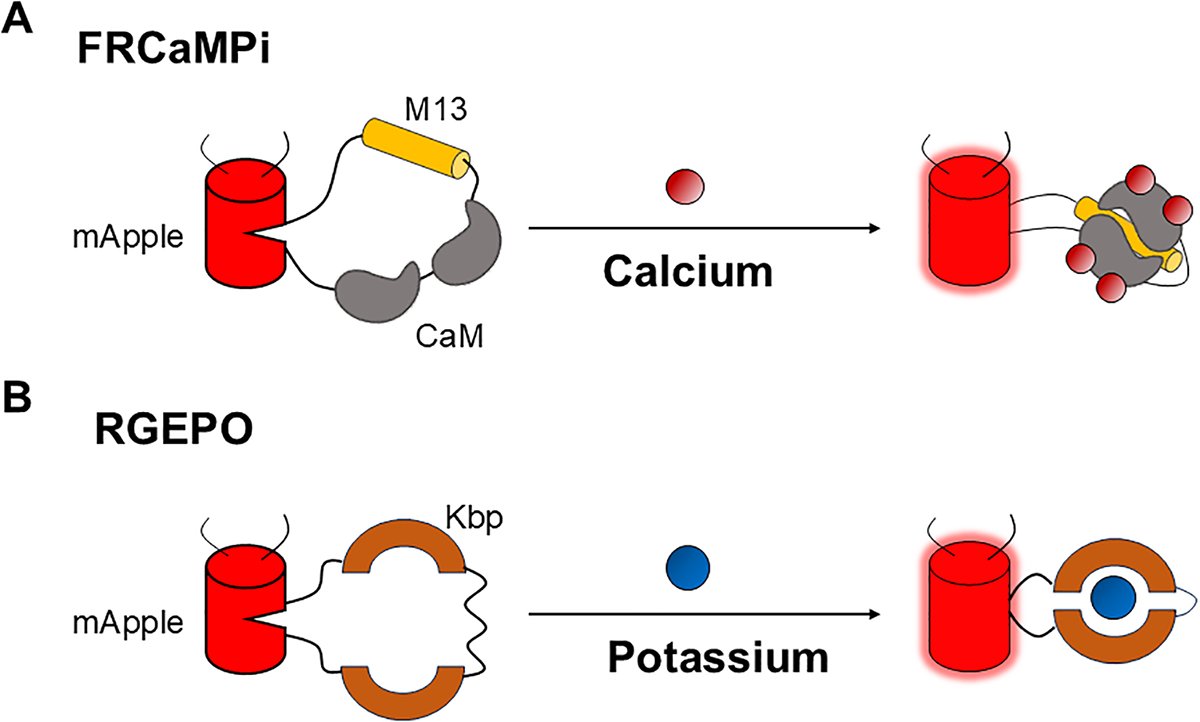
Great commentary by @yulonglilab on our two recent papers introducing red genetically encoded biosensors for calcium and potassium imaging!
🔴 FRCaMPi - Enhanced red calcium sensor 🔴 RGEPOs - First-ever red potassium sensors
📖 doi.org/10.1371/journal.pbio…
2
30
113
18,644
Pablo Blinder retweeted

18 Aug 2025
Excited to share our new PNAS paper! 🎉 We examined the neural source of rs-fMRI FC using patterned optogenetic manipulation in mice 🧲🧠. A step toward answering a long-standing question. Fantastic work by @HnSk_Moon @hong_seok_jun @CNIR_IBS pnas.org/doi/epdf/10.1073/pn…
3
17
57
4,749
Pablo Blinder retweeted

17 Aug 2025
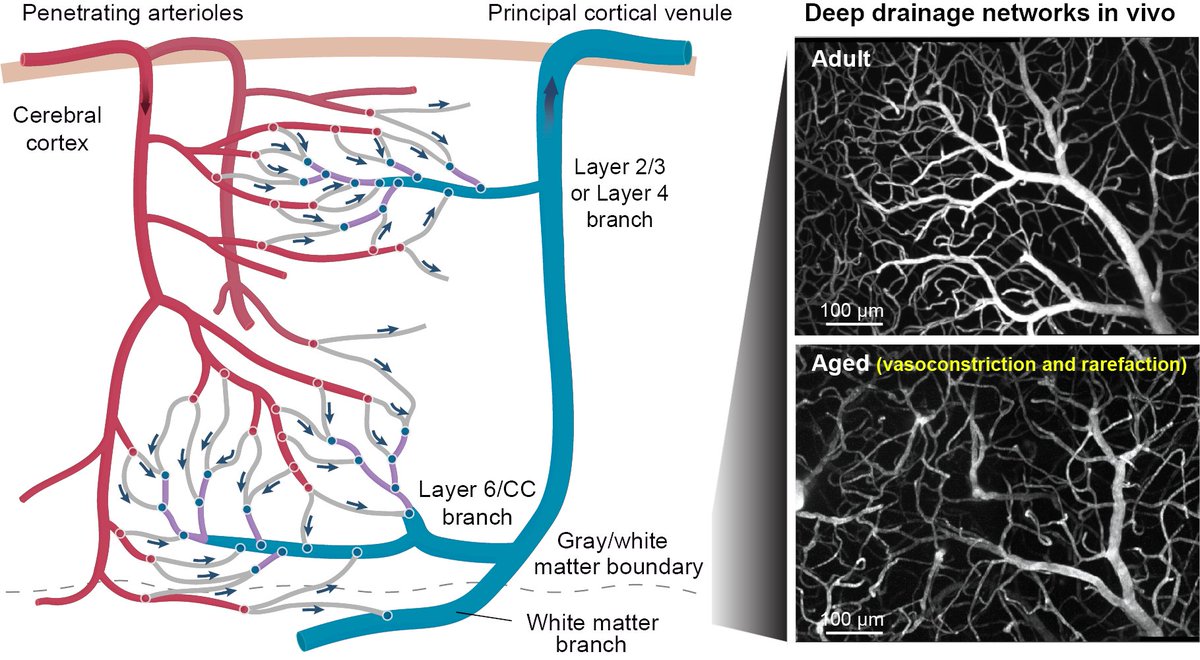
It is debated whether poor #blood flow underlies white matter loss in #aging. Our recent study in aged mice supports this idea: Impaired drainage through rare, deep-reaching #venules causes mild #hypoperfusion that triggers inflammation and demyelination.
nature.com/articles/s41593-0…
3
40
189
17,175
Pablo Blinder retweeted

11 Aug 2025
Happy to share our recent paper in npj Acoustics🎉📢
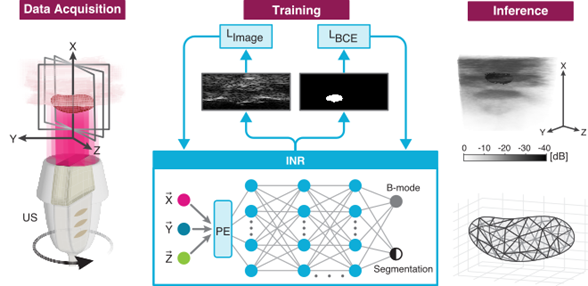
We present a pipeline for 3D ultrasound from sparse 2D slices using a motorized 1D array implicit neural representation. 7.9× faster, 93% accuracy (36 images), 6.3% error in-vivo. nature.com/articles/s44384-0… @TelAvivUni @of_sagol
1
2
11
486
Pablo Blinder retweeted

21 Jul 2025
Super excited to share our preprint on cortex-wide dynamics of different layers across leearning, by @yaelesther with collab. Robert Sachdev and @mattlark! Take home message: learning is NOT about the cortical column, it's extra-columnar! Please repost!
biorxiv.org/content/10.1101/…
2
7
26
1,100
Pablo Blinder retweeted
18 Jul 2025
New Cellular Source of fMRI Signals 🧲🧠: Activation of somatostatin interneurons induces astrocytic calcium signaling, which drives delayed vasodilation and enhances layer-specific fMRI signals. @CNIR_IBS @NatureComms nature.com/articles/s41467-0…
1
11
49
3,405
Pablo Blinder retweeted

8 Jul 2025
232
2,065
5,713
966,782