
Presenter of ABC Radio National "God Forbid" tinyurl.com/2en4mcwd Editor "Wit of Whitlam" tinyurl.com/ysbt24cs DM or carleton.james@abc.net.au
Joined November 2009
- Tweets 4,051
- Following 1,213
- Followers 2,132
- Likes 399
303 Photos and videos



Pinned Tweet

15 Feb 2019
I'm chuffed to learn my book "The Wit of Whitlam" is @MUPublishing's 14th bestseller since 2012. bit.ly/2tCsxOV theaustralian.com.au/arts/bo…
8
1
36

James Carleton retweeted

May 26
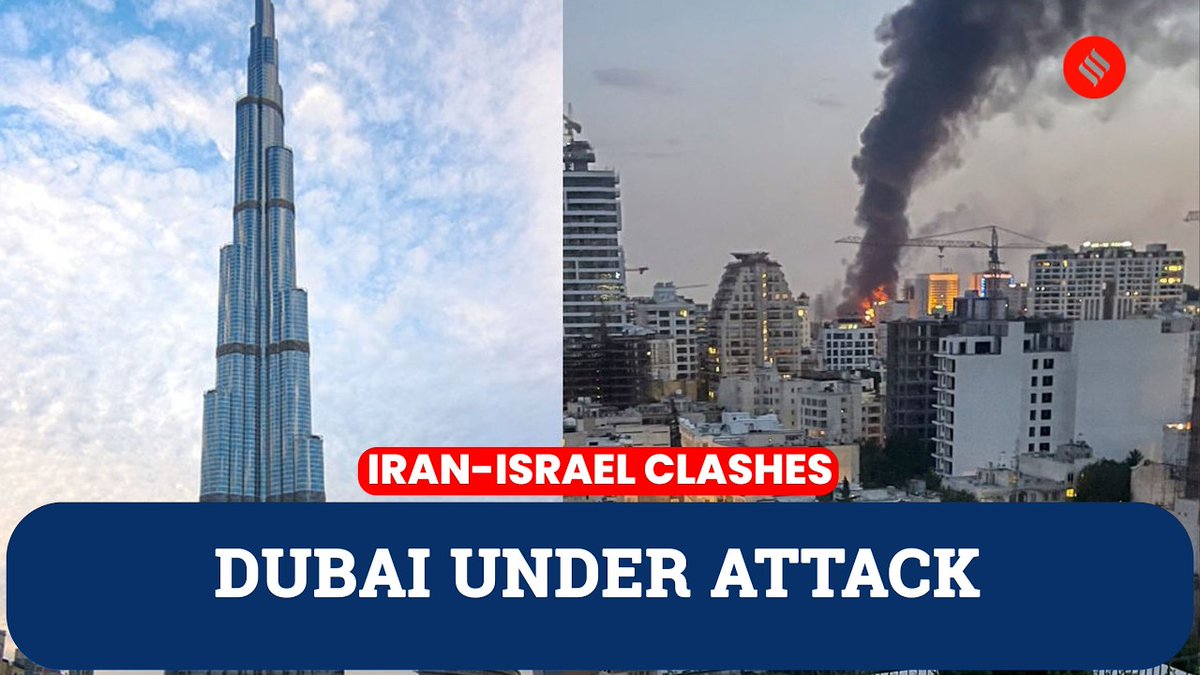
Israel appears to be resisting the regional ceasefire encompassed in the pending US-Iran deal. But even if Trump forces Israel to comply, Israel will likely wiggle itself out of the agreement and start attacking Lebanon, citing self-defense.
At that point, Iran would face a painful dilemma. Tehran would almost certainly pressure Trump to intervene and might even threaten to abandon the agreement altogether.
But if Washington failed to act, would Iran truly sacrifice sanctions relief, economic recovery, and an end to open warfare merely to register its objections? Moreover, walking away from the deal might not compel Trump to restrain Israel. Iran could end up with neither an agreement nor a ceasefire in Lebanon. In fact, it would be an outcome Israel would welcome.
One option increasingly discussed within segments of Iran’s security establishment is more ominous still: remaining within the agreement while imposing costs elsewhere — namely on the United Arab Emirates, one of Israel’s closest regional partners.
The logic is brutally simple. If the broader US-Iran arrangement tolerates Israel attacking an Iranian ally in Lebanon, then Tehran may conclude that the same arrangement can tolerate Iran targeting an Israeli ally in the Persian Gulf.
Under such a scenario, Iran could retaliate against Emirati territory or Israeli operatives based there for every Israeli strike conducted in Lebanon. Rather than collapsing the agreement outright, Tehran would seek to exact a calibrated price for Israeli noncompliance.
Read the full analysis here:
tritaparsi.substack.com/p/a-…
109
661
2,034
220,095
James Carleton retweeted

May 24
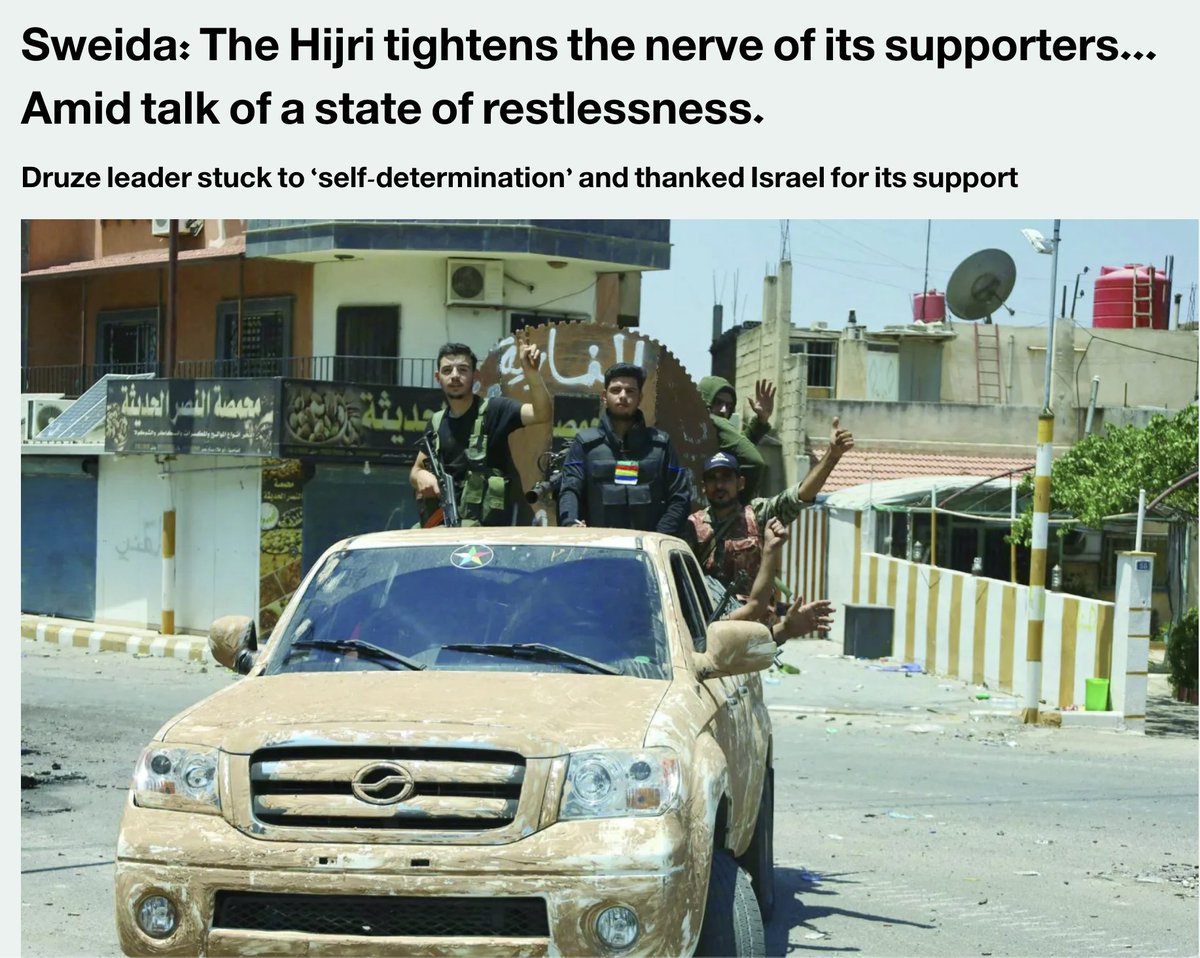
Israel stopped paying monthly $100 stipends to roughly 3,000 Druze fighters in Sheikh Hikmat al-Hijri's National Guard in As-Suwayda, with payments halted for over three months.
Material aid and medical support to hospitals in National Guard-controlled areas have also been cut.
Israel had previously provided weapons, ammunition, body armor, and airstrikes to protect the Druze during the July 2025 clashes.
Source: Asharq Al-Awsat
18
136
644
54,989
James Carleton retweeted

May 22
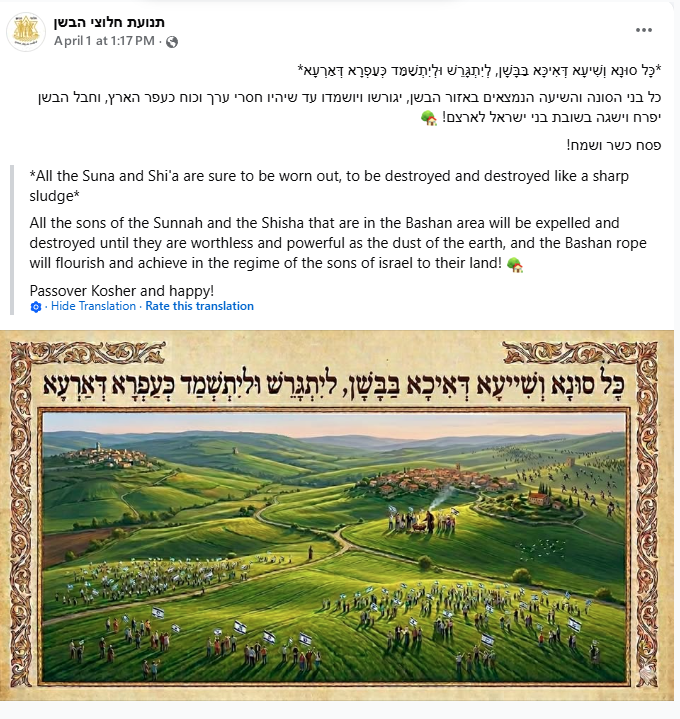
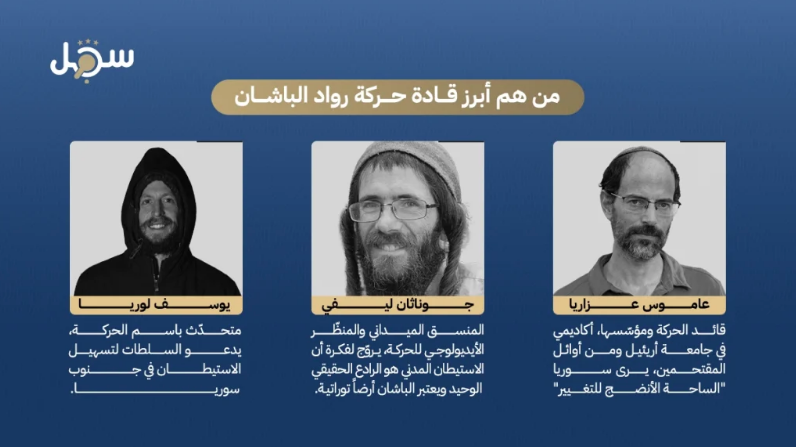
"All Sunni & Shia in the [area] will be expelled and destroyed until they're worthless, like dust on the ground..."
A good overview by @sijilsy of the Israeli settler movement "Pioneers of Bashan" that seeks to occupy & settle in SW #Syria.
sijil-sy.org/16079

14
80
250
18,035
James Carleton retweeted
May 22
With Hikmat al-Hijri ruling #Suwayda with an iron fist, abducting & killing critics amidst an organized crime empire, its important to remember the region’s population are victims — from violence in July 2025 to their current situation.
My latest video: syriaweekly.com/p/video-your…
13
51
249
18,344
James Carleton retweeted

May 20
Notable development for the Reza Pahlavi crowd and and his “Thank you Bibi” rallies. 👇🏼
May 19

BIG SCOOP: US-Israel goal was to install former President Ahmadinejad as Iran's leader (aka Delcy)
An Israeli strike designed to free him from house arrest was part of an effort to bring about regime change and put him in power. w/ @MarkMazzettiNYT @julianbarnes @ronenbergman
nytimes.com/2026/05/19/us/po…
60
84
471
55,625
Graham Richardson estate: Former Labor powerbroker dies in debt as daughter reveals financial and family secrets smh.com.au/national/graham-r…
53
Interesting piece one who belongs and why.
May 19

Regarding Inea Bushnaq:
During the Ottoman Empire’s final century, the Sublime Porte lost vast territories in the Balkans, the Caucasus, and North Africa as a result of wars with the Russian Empire, various local rebellions and wars of independence, and the imperial expansion of European powers.
In some instances the new rulers ethnically cleansed their territories of Muslim subjects. This was most prominently the case in the North Caucasus. In arguably the largest genocide of the nineteenth century, more than ninety per cent of Circassians were killed or forcibly expelled by the victorious Russians. 21 May, the Circassian Day of Mourning, continues to be observed in remembrance of the genocide and exile.
Hundreds of thousands of surviving Circassians found refuge in Ottoman territory at a time when Istanbul was engaged in a campaign to centralize and consolidate its rule in its remaining possessions. In addition to Anatolia, Circassian communities were settled in Syria, Jordan, Iraq, and Palestine, where they remain to this day.
The Jordanian capital Amman, known as Philadelphia in Roman times, re-emerged as a city during the late nineteenth and early twentieth centuries largely on the strength of Circassian settlement. This was in turn related to Ottoman efforts to secure key transportation routes from Damascus to the Hijaz and the holy cities of Mecca and Medina.
In other cases, the Muslim population was not actively expelled or persecuted by the new rulers, and either remained, fled, or pursued a combination of the two.
In Bosnia and Herzegovina, the 1878 Congress of Berlin ended several centuries of Ottoman rule and replaced it with that of the Austro-Hungarian Empire. Whether out of fear of oppression by their new Christian rulers, opposition to conscription by the Habsburg army, or a preference to remain under Ottoman rule, a minority of Bosnian Muslims emigrated from their homeland.
Among those who left were the grandparents of Inea Bushnaq, the Palestinian-American translator and oral historian who has among other works compiled a highly-regarded volume of Arabic folk tales.
The Bushnaq family settled in the Palestinian town of Tulkarm and then Jerusalem, where Inea was born in 1938. Like every other Palestinian family in what became West Jerusalem, bar none, the Bushnaqs were expelled during the Nakba in 1948, when Inea was nine years old. She would later complete her education in Britain and after the 1967 June War settled in New York, where she remains to this day.
A sprightly woman in her mid-eighties, Inea Bushnaq is currently the object of the latest meltdown by Israel flunkies. With the hysterical frenzy produced by @NickKristof 's @nytimes report on Israel’s rape regime yet to subside, a new and equally dire threat to Israeli national security has erupted.
This time it comes in the form of @NYCMayor Zohran Mamdani’s 15 May commemoration of the Palestinian Nakba, which his official social media account highlighted with a four-minute profile of New Yorker Inea Bushnaq, described as a “Nakba survivor”. “For Palestinians," it concludes, "their displacement and the Nakba continues to this day."
The responses were fast and furious, essentially a replay of the Hasbara Symphony Orchestra’s Greatest Hits: There was no Nakba, so Bushnaq couldn’t have survived anything; there was no Nakba but they deserved it; neither the Bushnaqs nor any other Palestinians were forcibly displaced; the Nakba was an attempted genocide of the Jews; Palestinians didn’t and don’t exist; what about the Holocaust, Syria, Sudan, Yemen, and the millipede in Vanuatu with a broken leg; Islam, Muslims, Islam, Muslims; FAFO; etc. etc. etc.
The talking point that most amused me is that Inea Bushnaq (and by extension Mamdani) is an imposter because Bushnaq is actually a “Bosnian” and “European settler” with “zero connection to the land” and therefore cannot be Palestinian. Her surname apparently definitively settles the matter.
I have no idea whether and, if so, to what extent the Bushnaqs inter-married with the local Arab population. Let’s assume for the sake of argument they never did and kept strictly to themselves. What we do know is that they became part of the local society and made it their own. Theirs is the story of virtually every immigrant known to history, and it is how the societies that exist today were formed.
But to Israel flunkies, one cannot be a Palestinian of Bosnian descent, because such individuals are really Europeans, Bosnians. If there is even the slightest connection to any foreign territory, no matter how distant in time, it means one is from there, and has no connection to and certainly no rights in Palestine.
This principle of course applies only to Palestinians. On the other side of the ledger we have “Your home has been mine for 3,000 years and it’s blood libel if you ask me to prove I was ever here”. This particular gander is allergic to what is good for the goose.
Are all these Israel flunkies, and the Americans first and foremost among them, really making the argument that a family that arrived in a particular country during the late nineteenth century cannot legitimately claim to belong to that country? Really?
Would this not also have to mean that Inea Bushnaq, who arrived in the US as an adult in the late 1960s, similarly cannot legitimately claim to be American? And would it not also mean that any of her US critics whose ancestors can identifiably be traced to Europe, or Asia, or Africa, or indeed anywhere abroad also cannot claim to belong to or in North America?
Most importantly, if Bushnaq is an imposter who has no place in Palestine because, although born there, her family emigrated from Europe to the Middle East during the nineteenth century, what are we to make of the hundreds of thousands who arrived from Europe during the twentieth century, most of whom were born abroad?
Is it really that difficult to confirm that people have equal rights irrespective of their identity or background?
Zionism is identity politics on steroids.
42
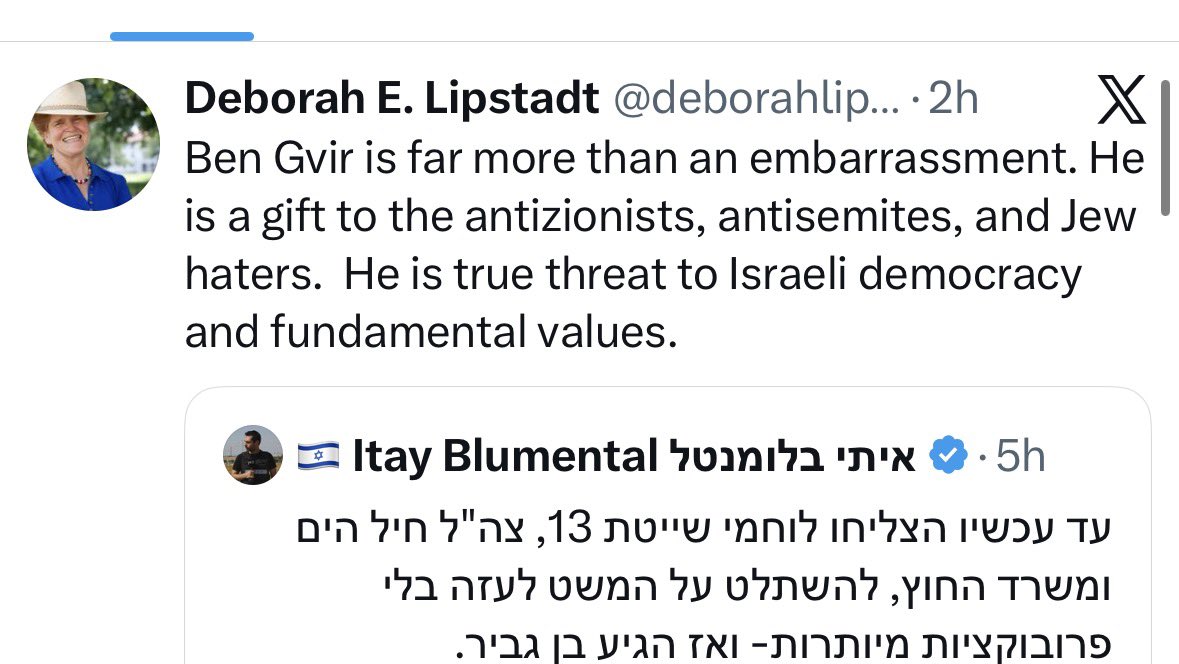
Two voices of opposition to Ben Gvir, each with fundamentally different reason why.
May 20

This. The problem is not that “he’s a gift to anti Zionists” but that there’s a systemic structure of abuse and inequality in Israel/Palestine sustained by the help of many in the U.S.-Jewish establishment.
67
James Carleton retweeted
May 20
NEW -- #Syria just closed out its most stable week in 15yrs, setting a new record amid 10 weeks of consistent lows.
Meanwhile, #Israel has conducted a major escalation of military operations in #Syria's southwest.
syriaweekly.com/p/syria-data…
5
54
281
17,249
May 13

It’s the 40th anniversary today of Keating’s prophecy, that without free market reform Australia would become a Banana Republic.
Ironically in a week when Albanese and Chalmers have returned Labor to the Pre-Keating spite of hating people who have invested well and accumulated wealth.
Keating got his nation building economic reforms through by force of personality but as he once told me, of his Labor colleagues, “Mark, they never really believed it”.
That’s so true today, tragically for Australia 🇦🇺
107
James Carleton retweeted

May 15
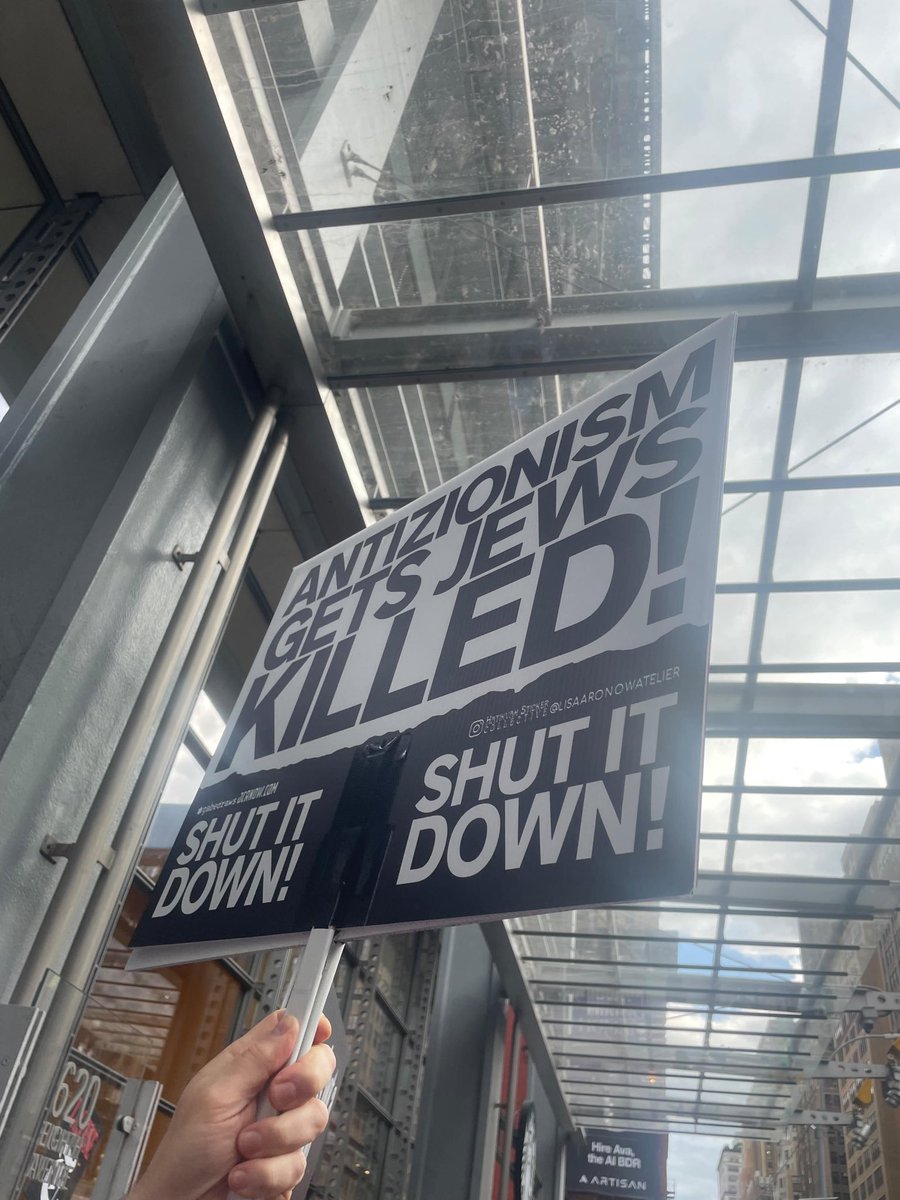
“Jewish rape dogs”?
Do these pro-Israel people hear themselves?
They often recklessly do more to bolster antisemitism than the antisemites themselves.
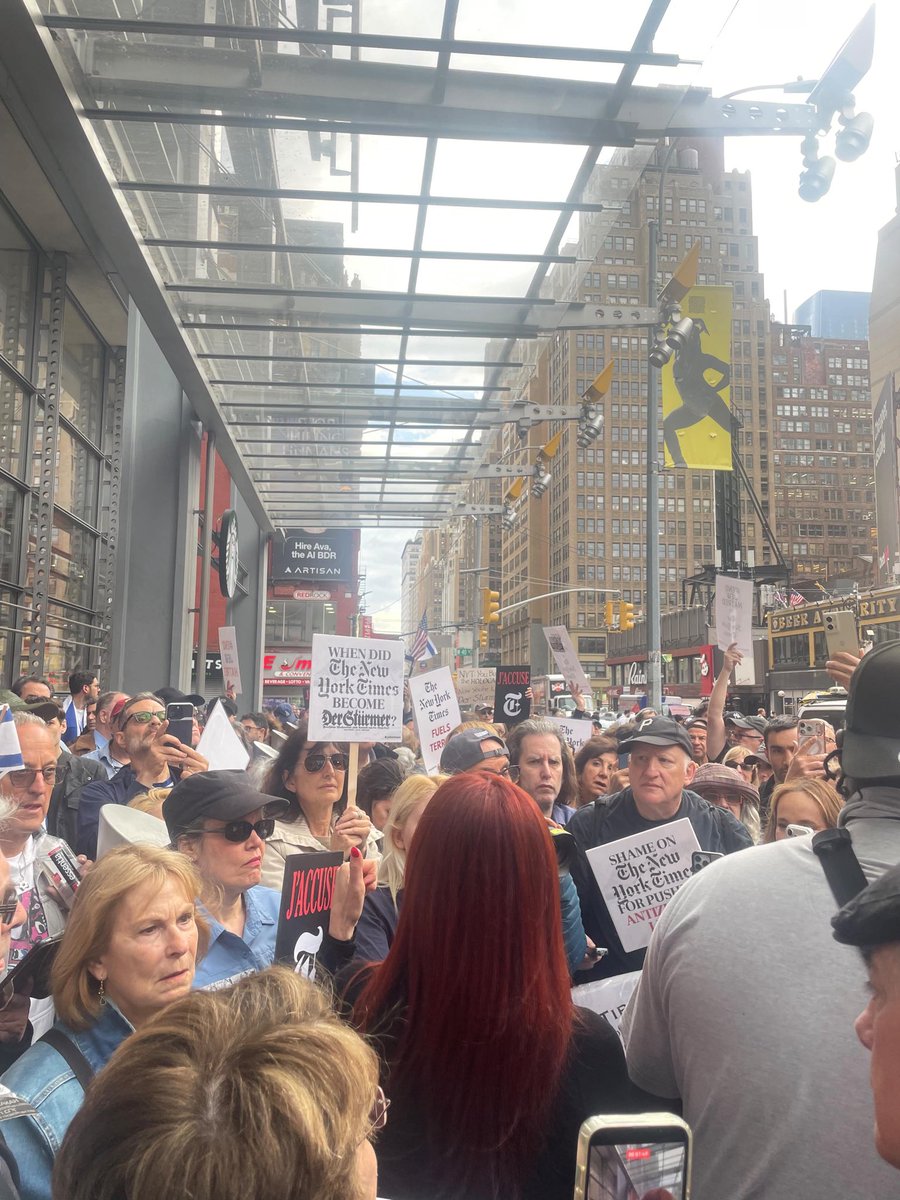
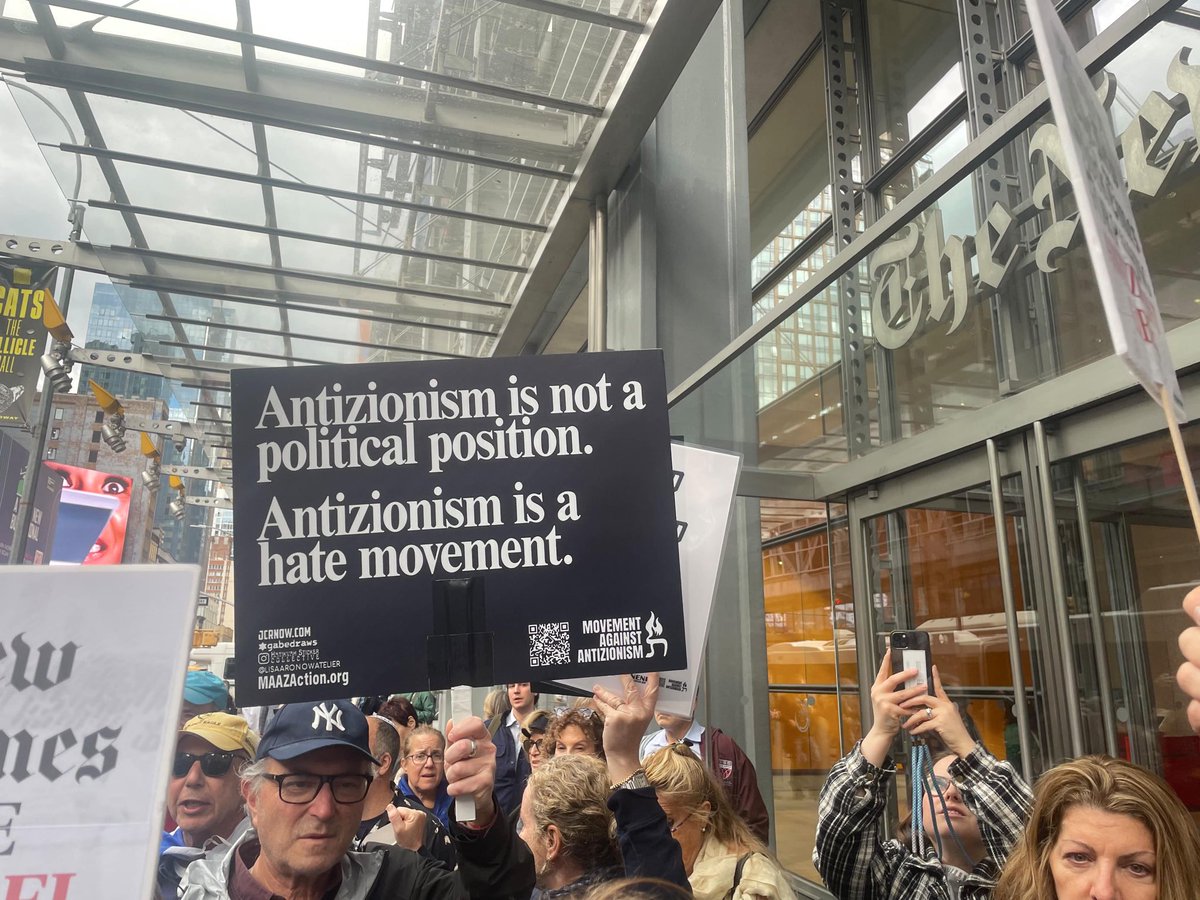
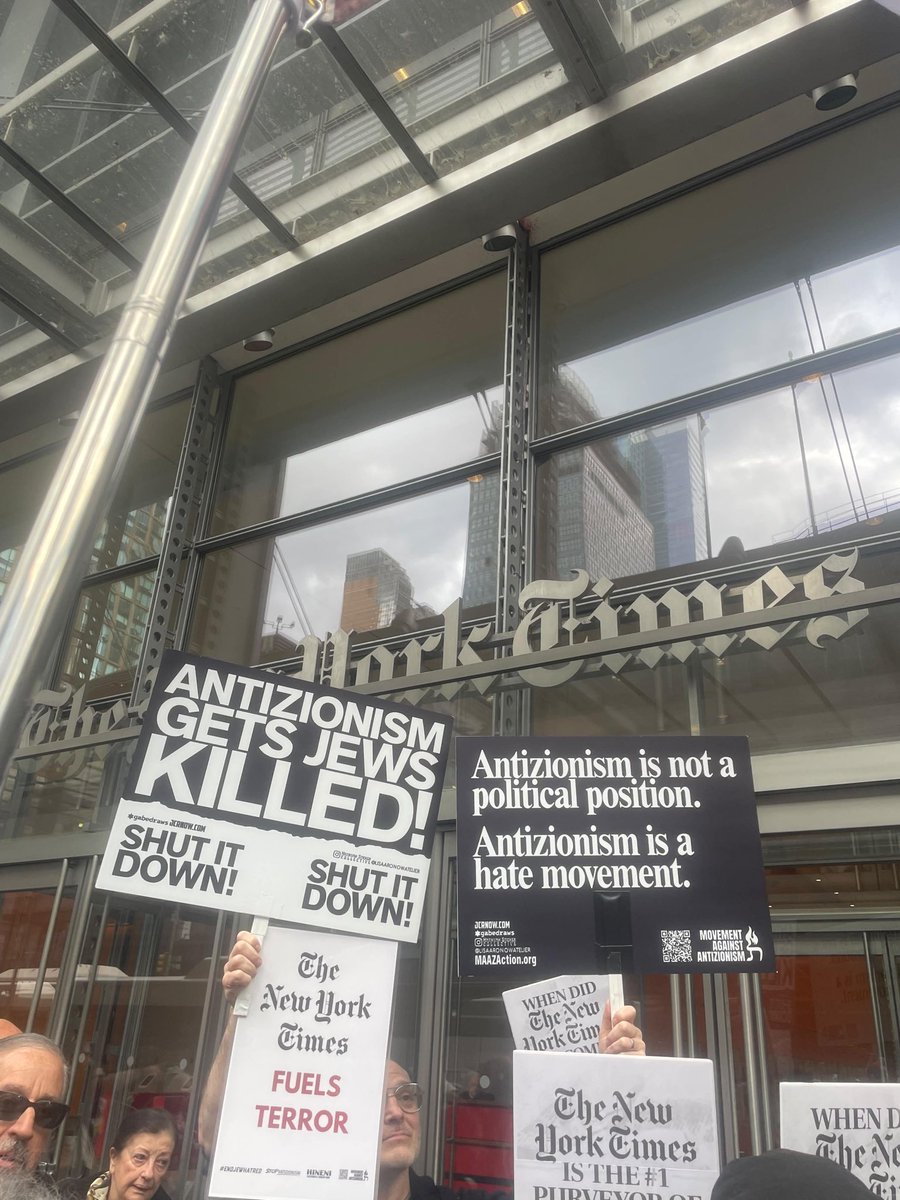
May 14

Protest outside the @nytimes HQ in New York. Not surprised. Their libellous piece about Jewish rape dogs was one of the most egregious things I’ve ever read in my life.
83
383
2,333
65,289
James Carleton retweeted

May 11
Actual CBS question to Netanyahu: “Israeli intelligence within Iran allowed you to pinpoint the location of the supreme leader and others. That is a kind of granular intelligence that is borderline miraculous in the modern world.”
The IDF bombed the Supreme Leader’s house!!!
68
188
1,913
149,845
No words npr.org/2026/05/10/nx-s1-581…
1
17
James Carleton retweeted

May 11
The Israeli government demonizes Israeli peace activists and presents them as traitors, places restrictions on the activities of peace NGOs, and the Israeli Police brutalizes them at protests, yet to the outside world, the Israeli MFA praises their work.
May 10

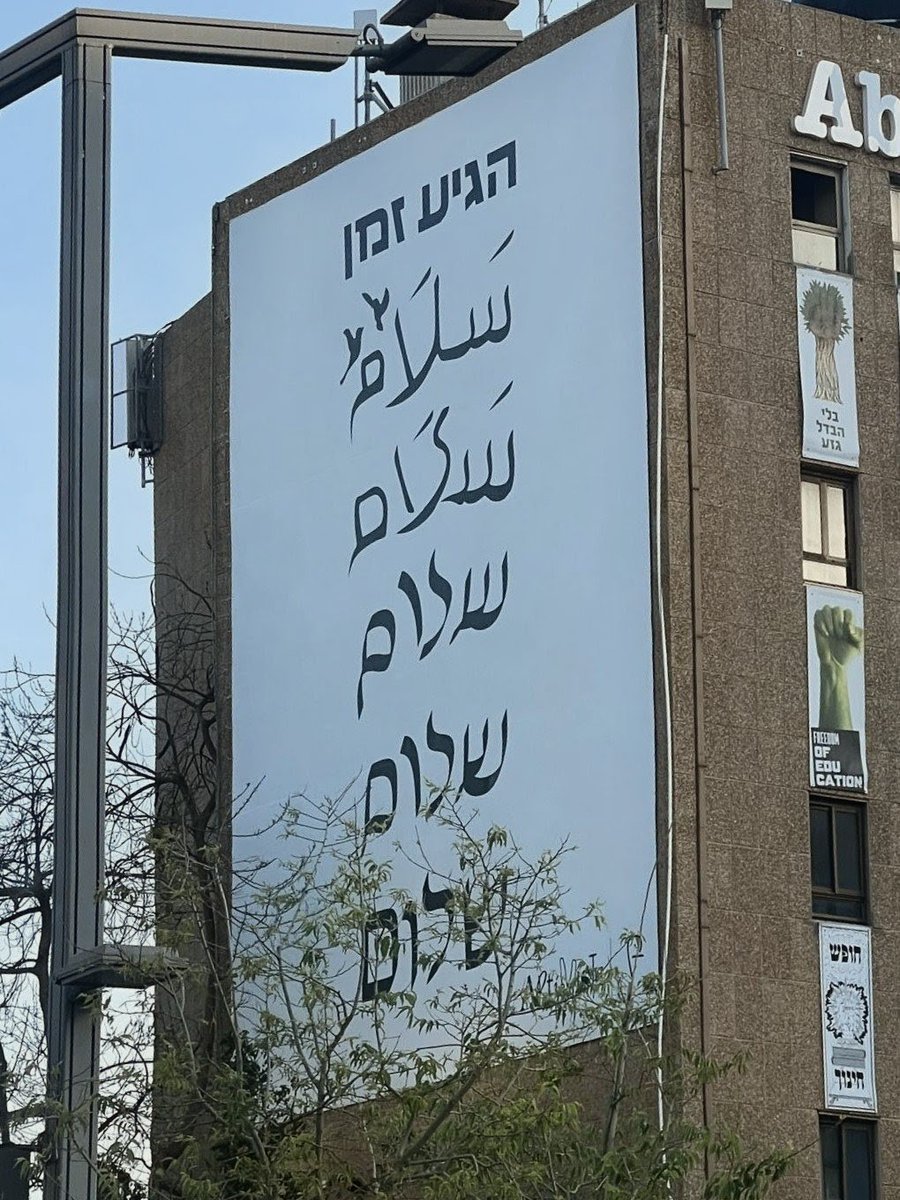
🕊️ A message of peace in Tel Aviv
A large banner displayed in Arabic and Hebrew in Tel Aviv reads:
“The time has come - peace, shalom.”
Created by artists Mira Awad and Ben Sperber.
72
277
1,016
73,163
James Carleton retweeted

May 11
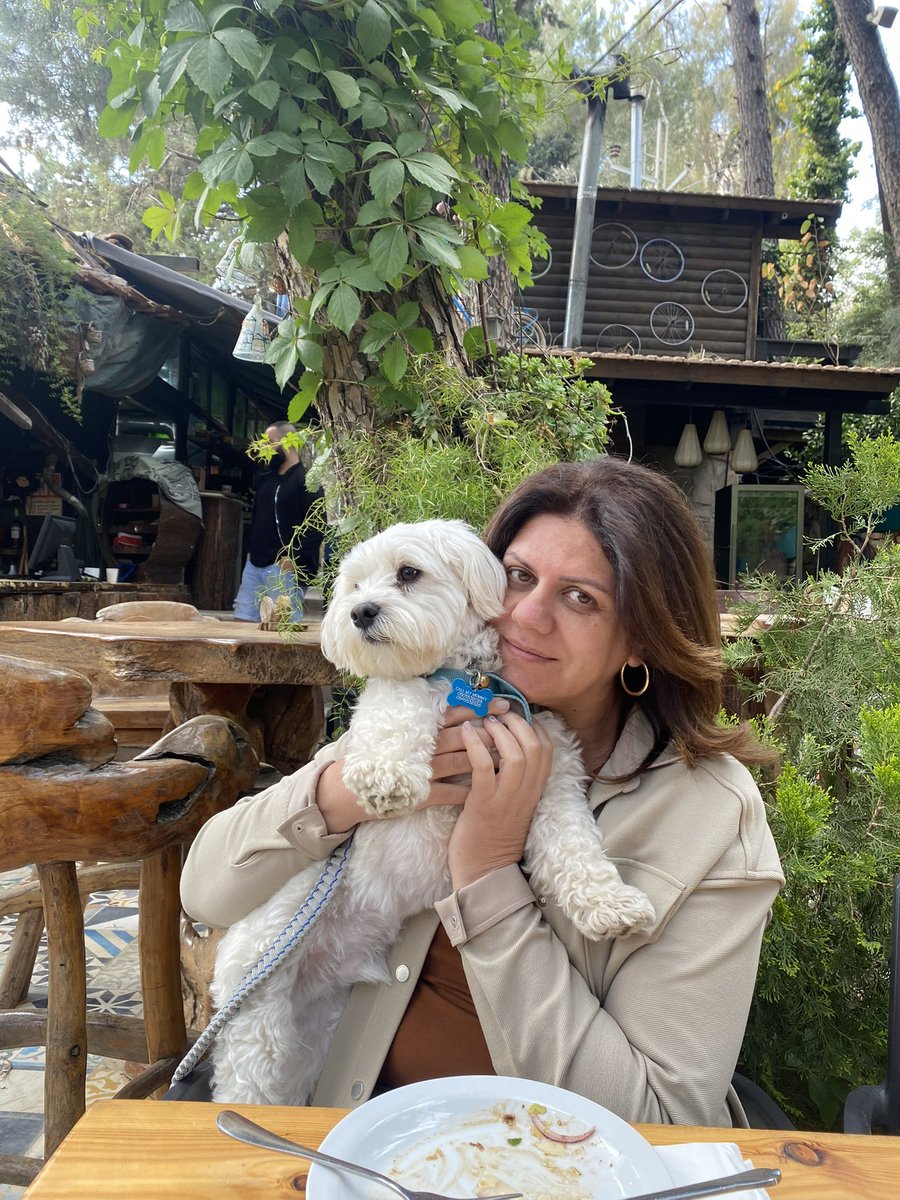
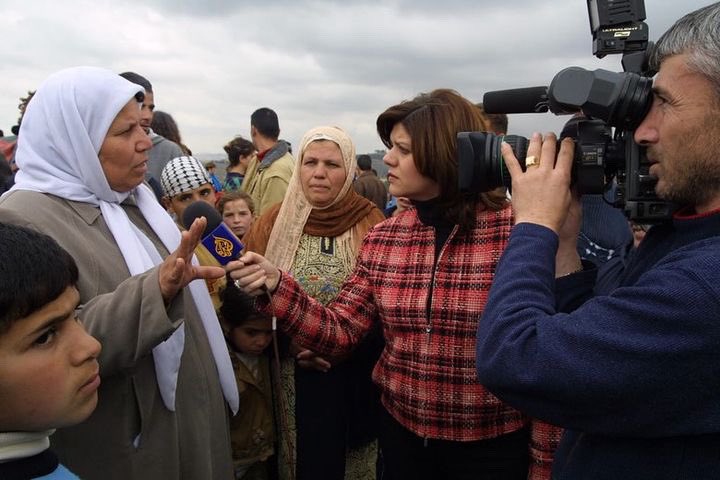
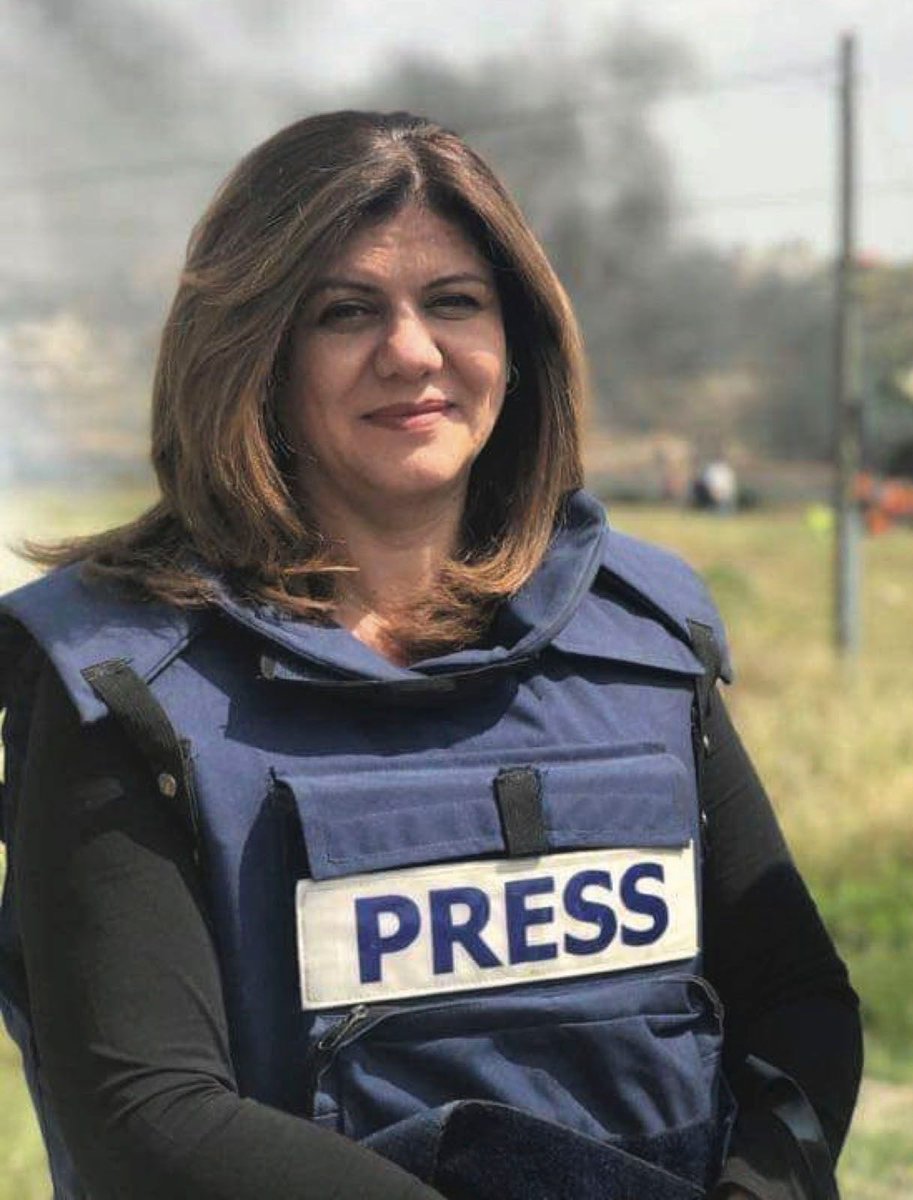
Today marks four years since my aunt, Shireen Abu Akleh, was killed by an Israeli sniper in Jenin.
An iconic journalist, and one of the most empathetic and sweetest people. This is who they killed. She loved life, but they stole hers from her.
338
16,441
55,751
793,021
James Carleton retweeted
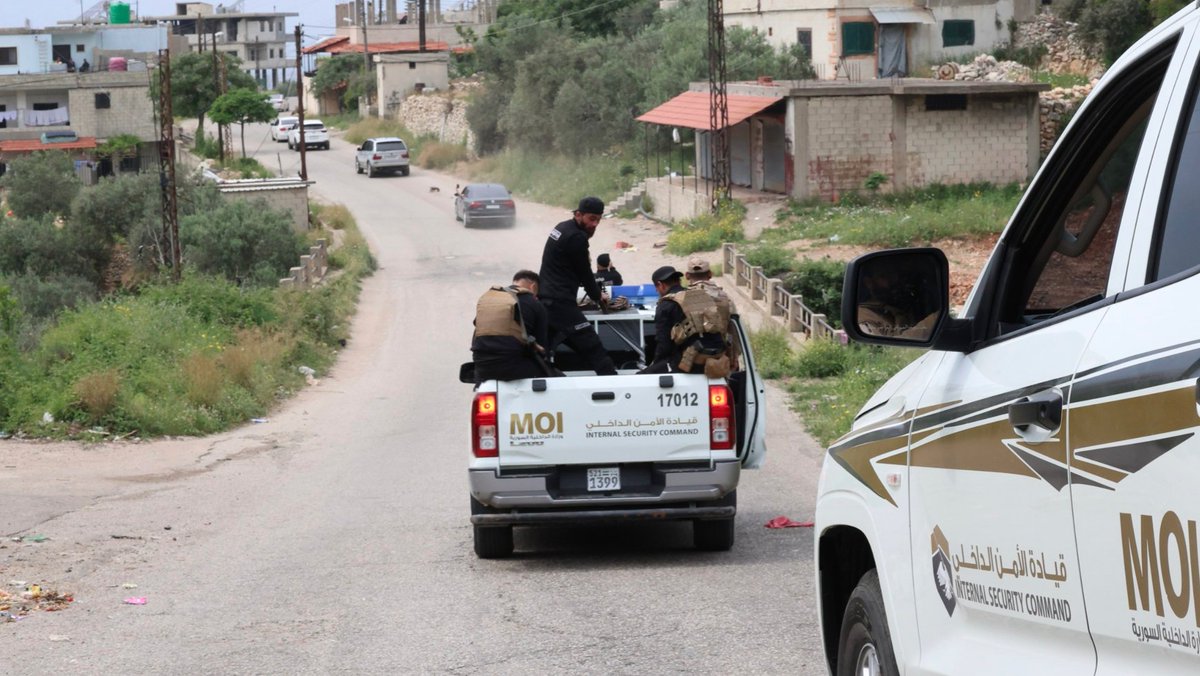
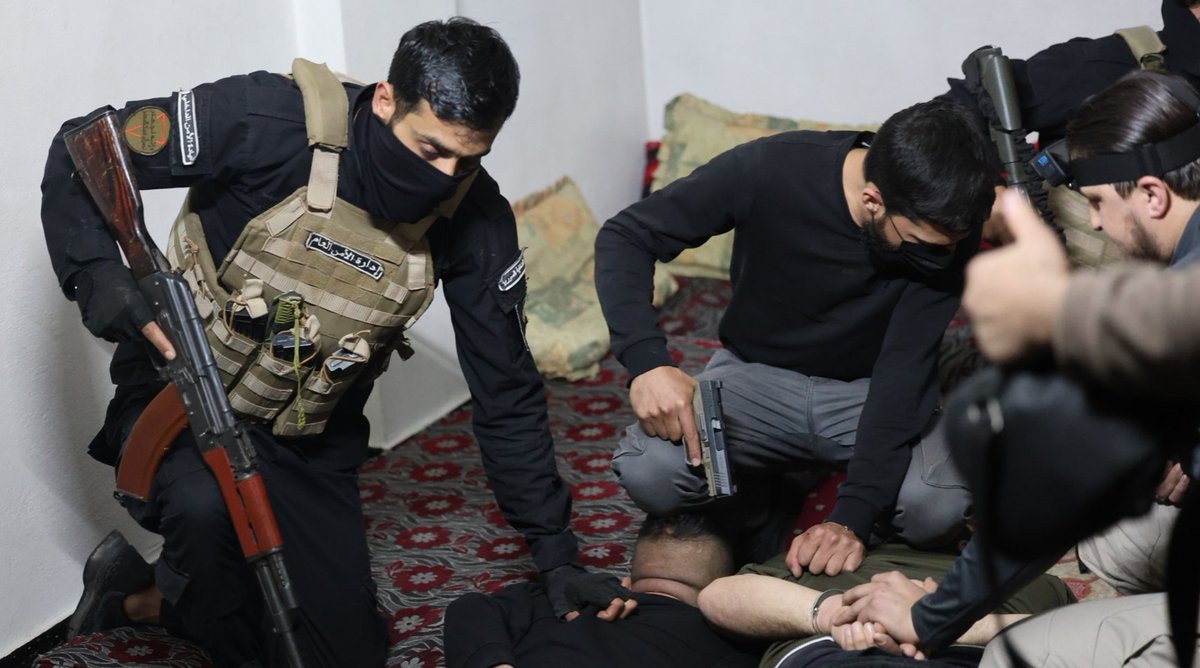
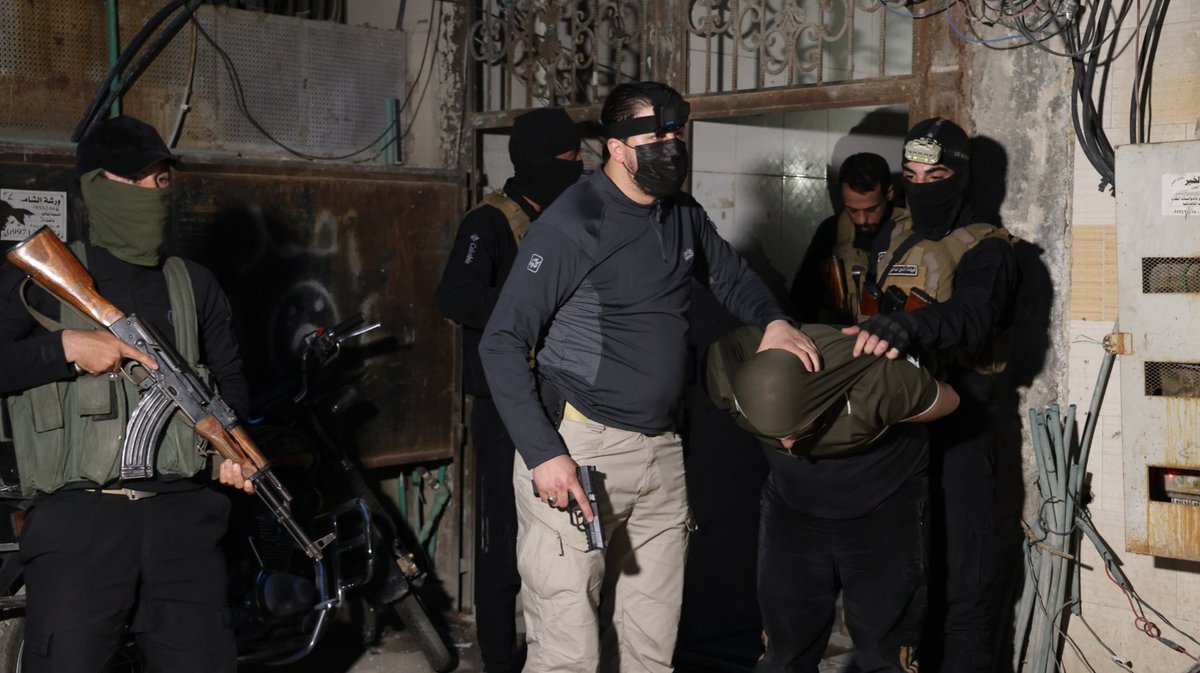
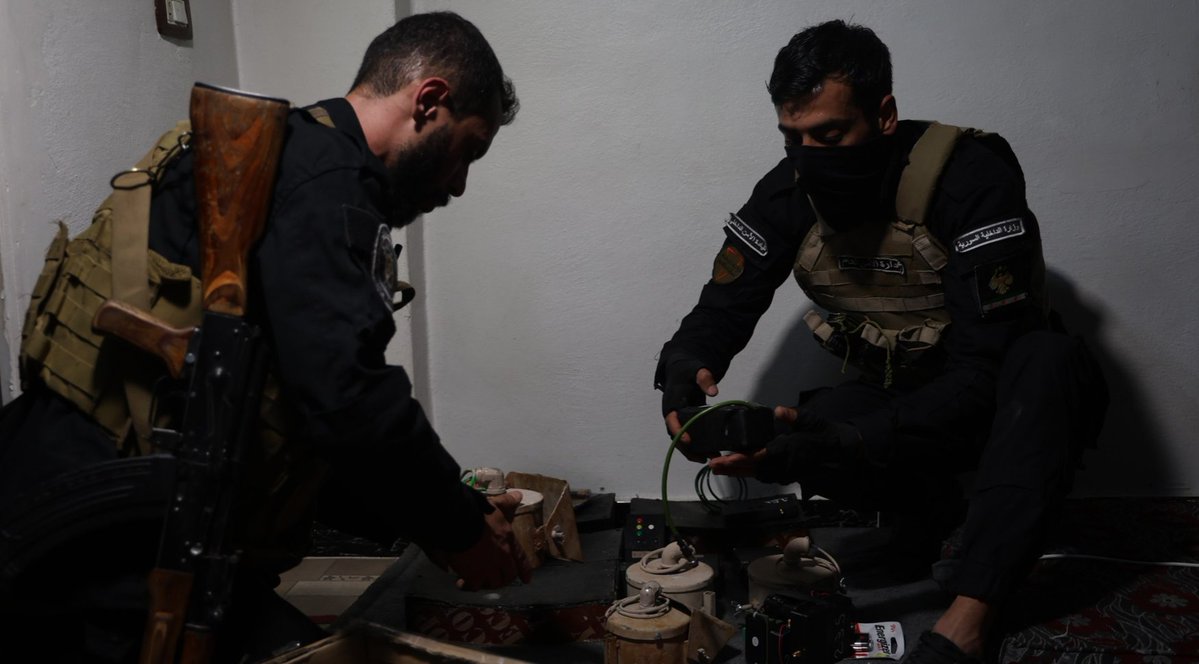
NEW -- #Syria has foiled a major #Hezbollah plot to assassinate a series of senior government officials across the country.
Simultaneous raids were conducted today in #Damascus, #Aleppo, #Homs, #Tartus & #Latakia -- neutralizing the whole operation & seizing IEDs.
34
314
1,474
170,686
Ben Roberts-Smith - who after his arrest said "I have never run from a fight in my life" - vacated his rental, booked an international flight, and paid a Spanish law firm $5400 for immigration prior to being charged.
smh.com.au/national/ben-robe…
4
7
552
Does this phenomenon overlap with aspects of Shoah remembrance culture?
Apr 23

Quillette Founder, Claire Lehmann (@clairlemon), explains that many people now follow a moral framework in which the oppressed can never be guilty.
118
Many Australian Jews wear kippot with the Aboriginal flag. If our police did this to them, they would be denounced and dismissed. timesofisrael.com/police-det…
58