Joined June 2020
- Tweets 451
- Following 564
- Followers 436
- Likes 1,534
4 Photos and videos
Valentin Jaumouillé retweeted

1 Nov 2024
Excited to share that our story on apolipoprotein control of cross-presentation is now published in @SciImmunology and can be found here
science.org/doi/10.1126/scii…
Congrats first authors @GeroneGon , @Liam_Wilki and Song Huang, as well as @_Cassie_Wood and xless authors too. 😊
13
31
77
10,251

1 Nov 2024
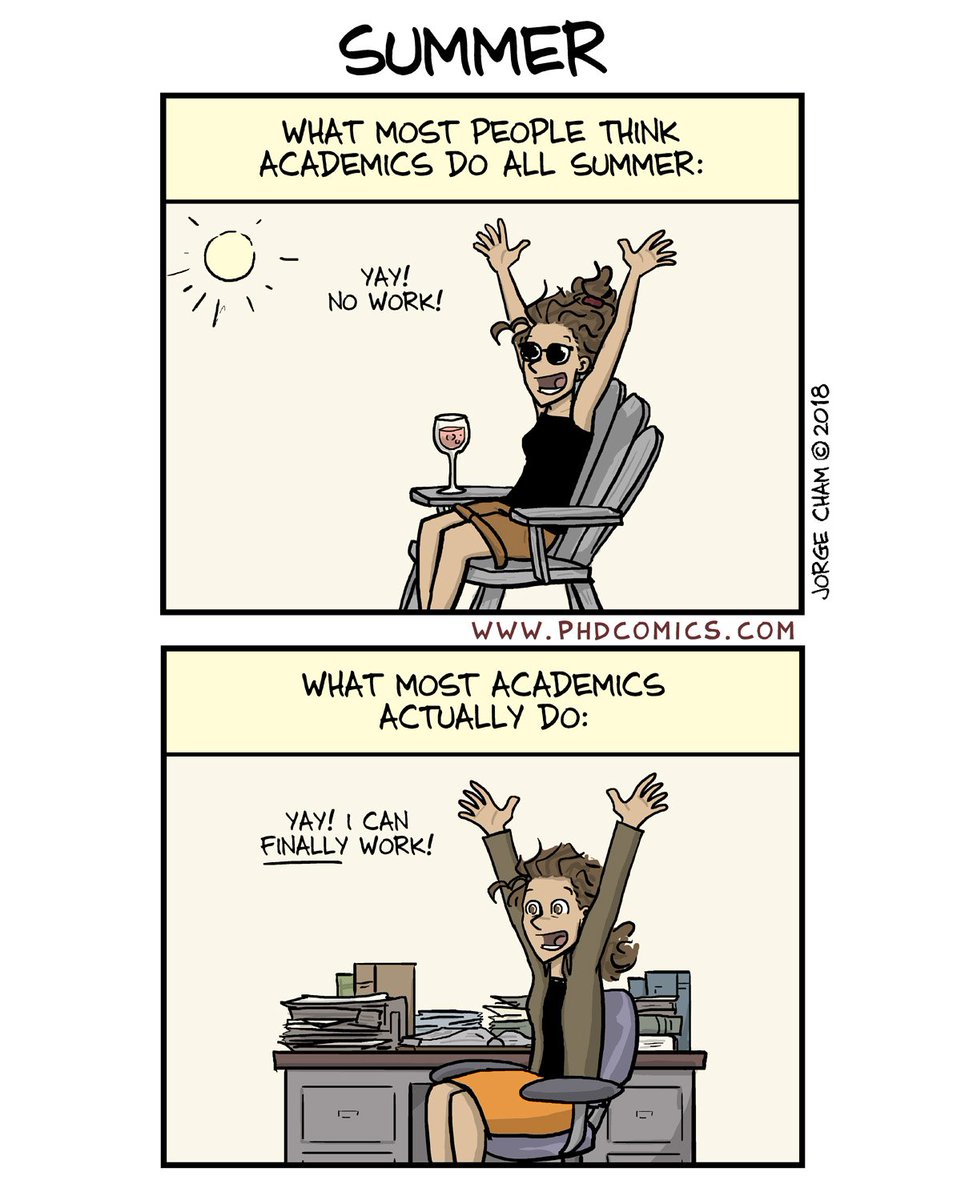
I just read my emails and cannot agree more with this advice.
4
391
11 Oct 2024
It had been a treat to discuss science with giants like Bob Aldelstein and Ed Korn during my post-doc in the department. Their impact on the field of actomyosin cytoskeleton has been invaluable.
11 Oct 2024

In Memoriam: Remembrance of Robert S. Adelstein: Mr. Nonmuscle Myosin 2 @CytoskelJournal onlinelibrary.wiley.com/doi/…
9
514
Valentin Jaumouillé retweeted

1 Oct 2024
Remembrance of Edward D. Korn: A Pioneer in Our Field onlinelibrary.wiley.com/doi/… @CytoskelJournal #NIH #myosin #cell
3
10
695
17 Sep 2024
Very grateful and excited to receive a Scholar award from @HlthResearchBC, along with my awesome colleague @minisciencegirl ! 😃
17 Sep 2024

📢Meet the new 2024 #HealthResearchBC Scholar and Health Professional-Investigator award recipients leading the way to better health outcomes: healthresearchbc.ca/news_art…
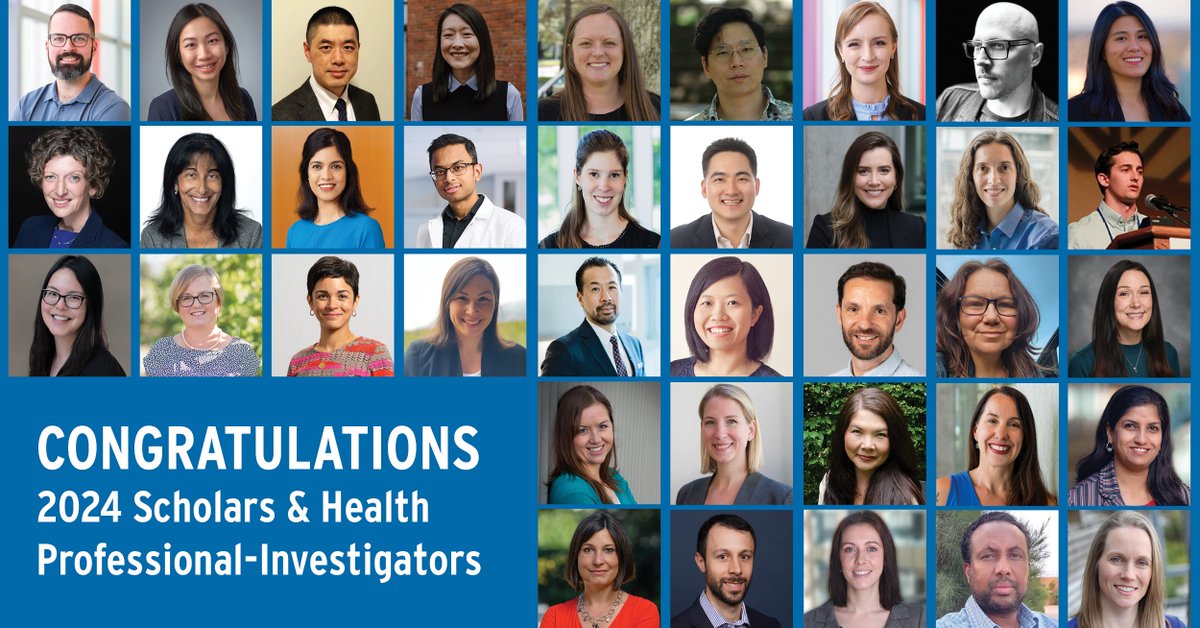
ALT Headshots of researchers with text that says “Congratulations 2024 Scholars and Health Professional-Investigators"
5
28
927
23 Aug 2024
What a beautiful paper! 🤩
8
1,221
Valentin Jaumouillé retweeted

12 Aug 2024
A light appetizer makes macrophages hungrier for their next meal. My lab's first grad student
@AnnaliseBond 's first paper is out now in
@Dev_Cell !! with
@maxzwilson
@KirstinRollins
authors.elsevier.com/sd/arti…
5
5
25
2,132
Valentin Jaumouillé retweeted

7 Aug 2024
What makes for a great DNA-PAINT experiment? How does the fluorescent dye affect the image quality? And how can we use this to extract the most out of our samples?
Check out our paper in @NatureMethods to see what state-of-the-art DNA-PAINT can do for you!
doi.org/10.1038/s41592-024-0…
5
52
186
21,062
Valentin Jaumouillé retweeted

17 Jul 2024
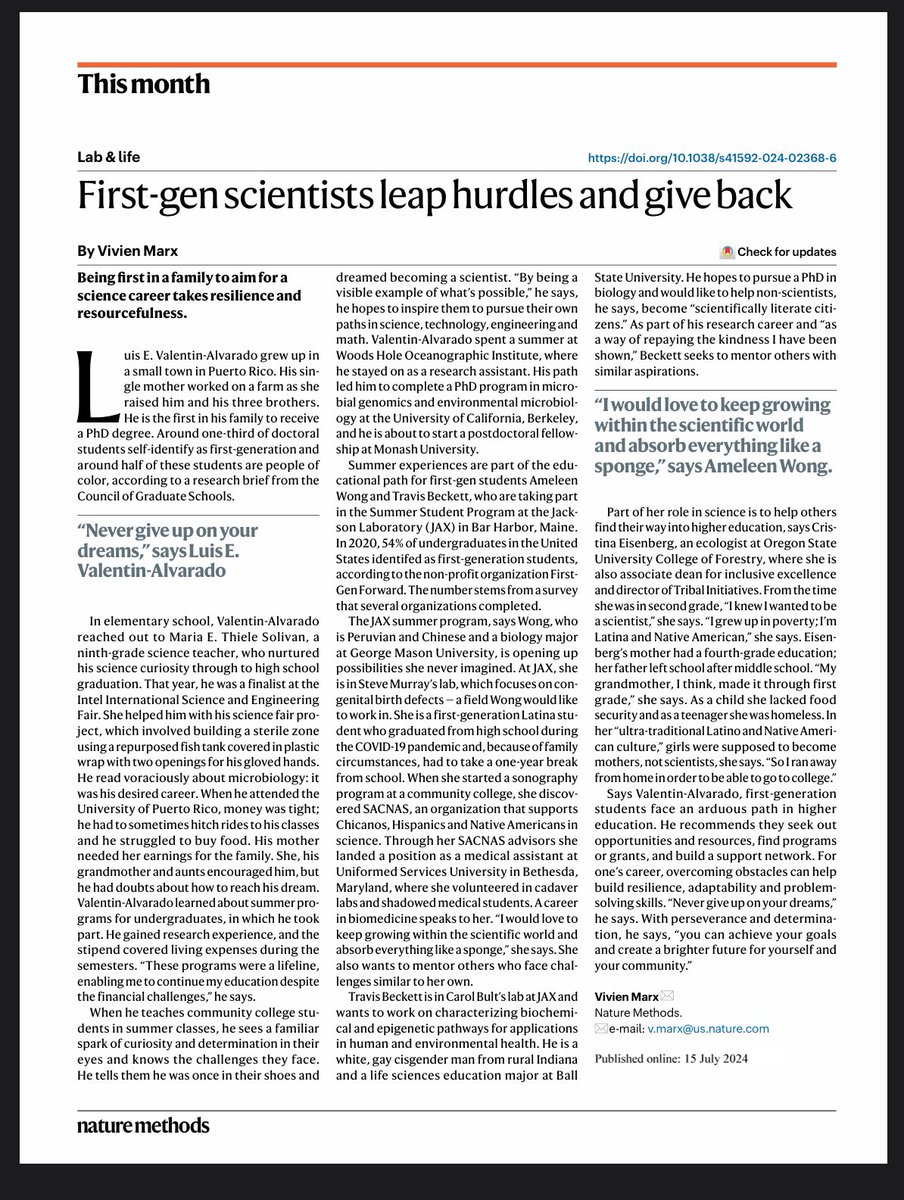
1/2 Honored to share my journey as a first-gen scientist with @metricausa in @NatureMethods! Highlights:
• The power of diversity in STEM
• How perseverance overcomes doubts
• The impact of mentorship & support
Let's keep pushing for inclusive science! #DiversityInSTEM
5
88
311
55,889
Valentin Jaumouillé retweeted

12 Jul 2024
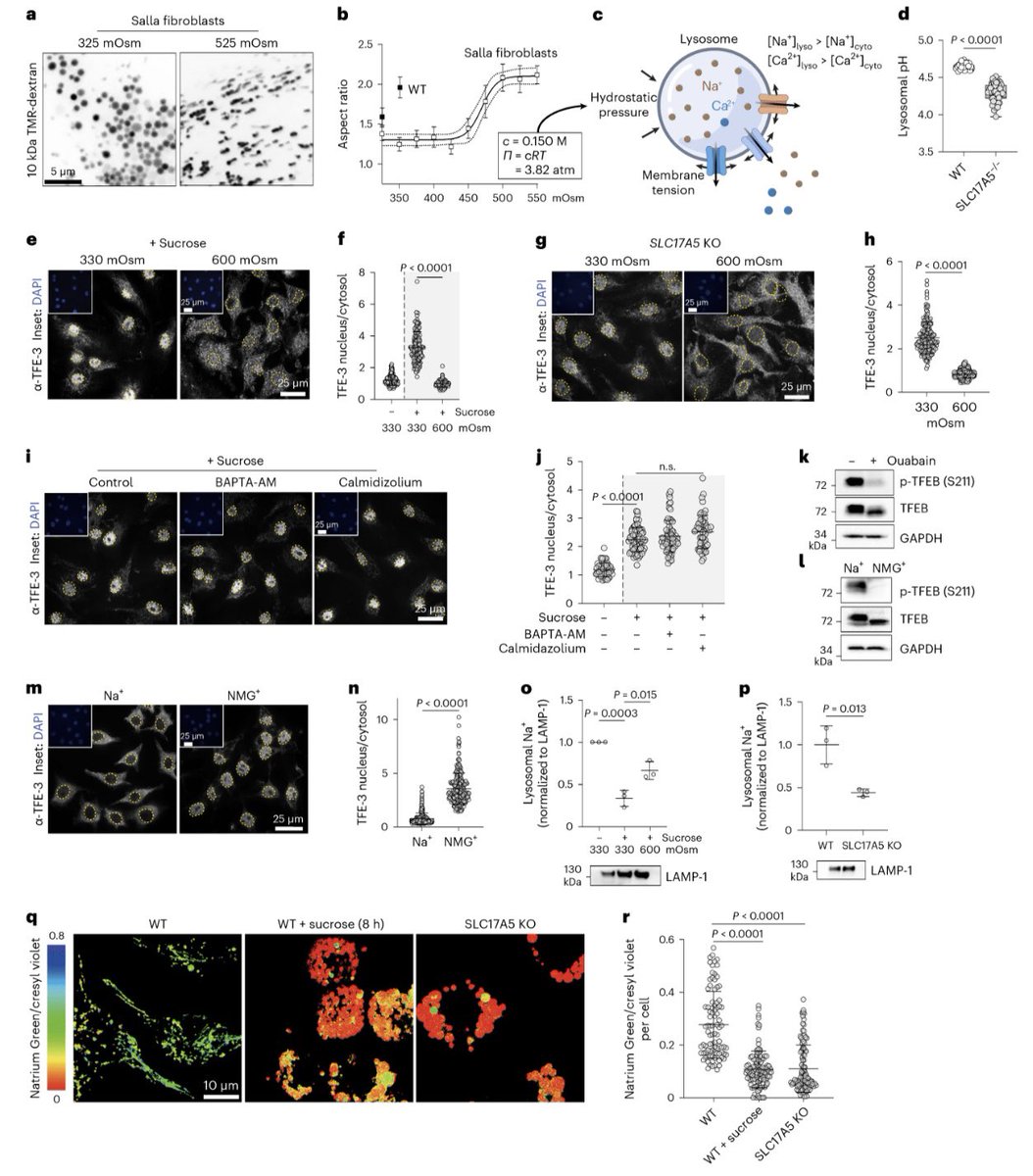
Cells sense high lysosomal membrane tension - as can happen in some lysosomal storage disorders - and activate transcriptional programs to help tissues deal with this stress. Huge congratulations to @RuiqiCai @spencerSK1 and others! rdcu.be/dNyYD
6
32
117
13,547
12 Jul 2024
Johnathan is an outstanding scientist. Check out his inspiring journey.
12 Jul 2024

Still early days, but this was a nice opportunity to take stock of the journey so far. Thanks for the invite @LabListon and @ImmunolCellBiol. And a nod to Belizean scientists @fwfonseca16 @belizemoecst
onlinelibrary.wiley.com/doi/…
1
4
421
8 Jun 2024
Membrane availability determines the phagocytic capacity and for a while we wondered where all the extra membrane came from. Very interestingly, the Huse lab found a critical role of G proteins in the regulation of membrane availability: science.org/doi/10.1126/scii…
2
19
1,038

Valentin Jaumouillé retweeted

30 Apr 2024
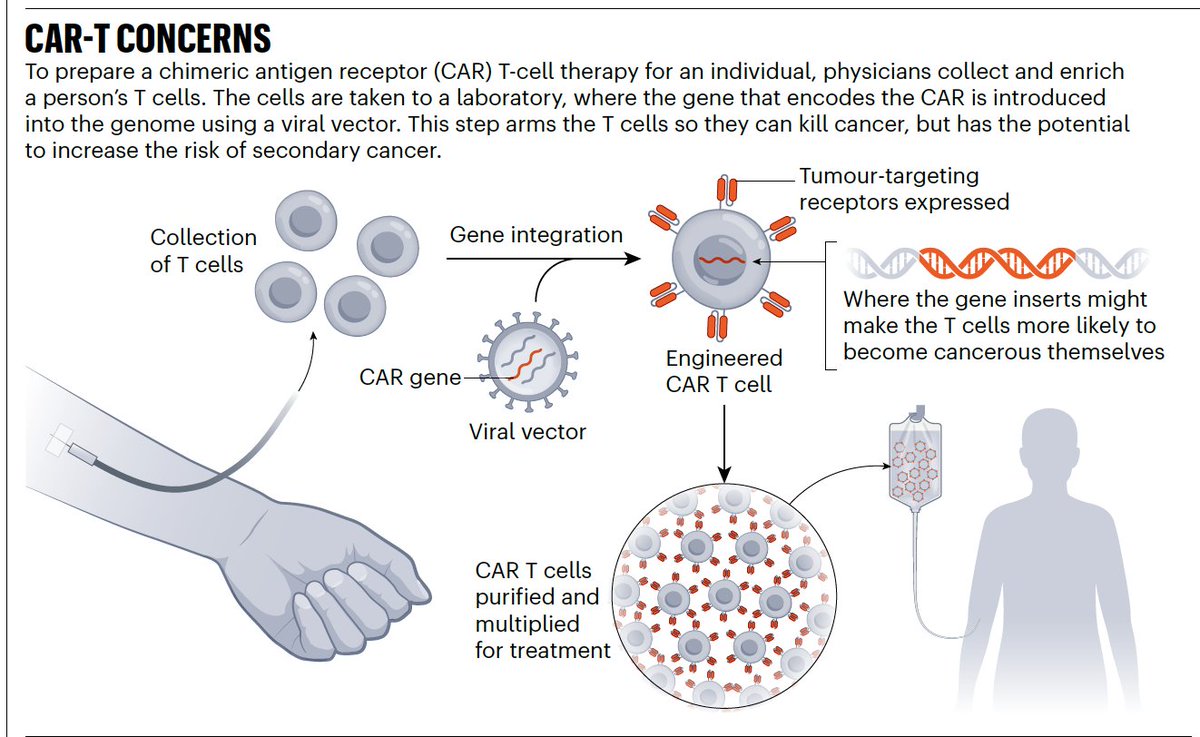
On the link between engineered T-cells (CAR T) and secondary cancers: ~30 cases reported among 30,000 people treated nature.com/articles/d41586-0… @Nature @cwillyard
10
95
276
34,749
Valentin Jaumouillé retweeted

1 May 2024
Please Rt widely. We have an exciting #AssistantProfessor in #CardiacArrhythmias posting at #SimonFraserUniversity in Biomedical Physiology & Kinesiology looking for someone using #iPSC methods. sfu.ca/vpacademic/academic-c…
17
8
1,739
Valentin Jaumouillé retweeted

28 Mar 2024
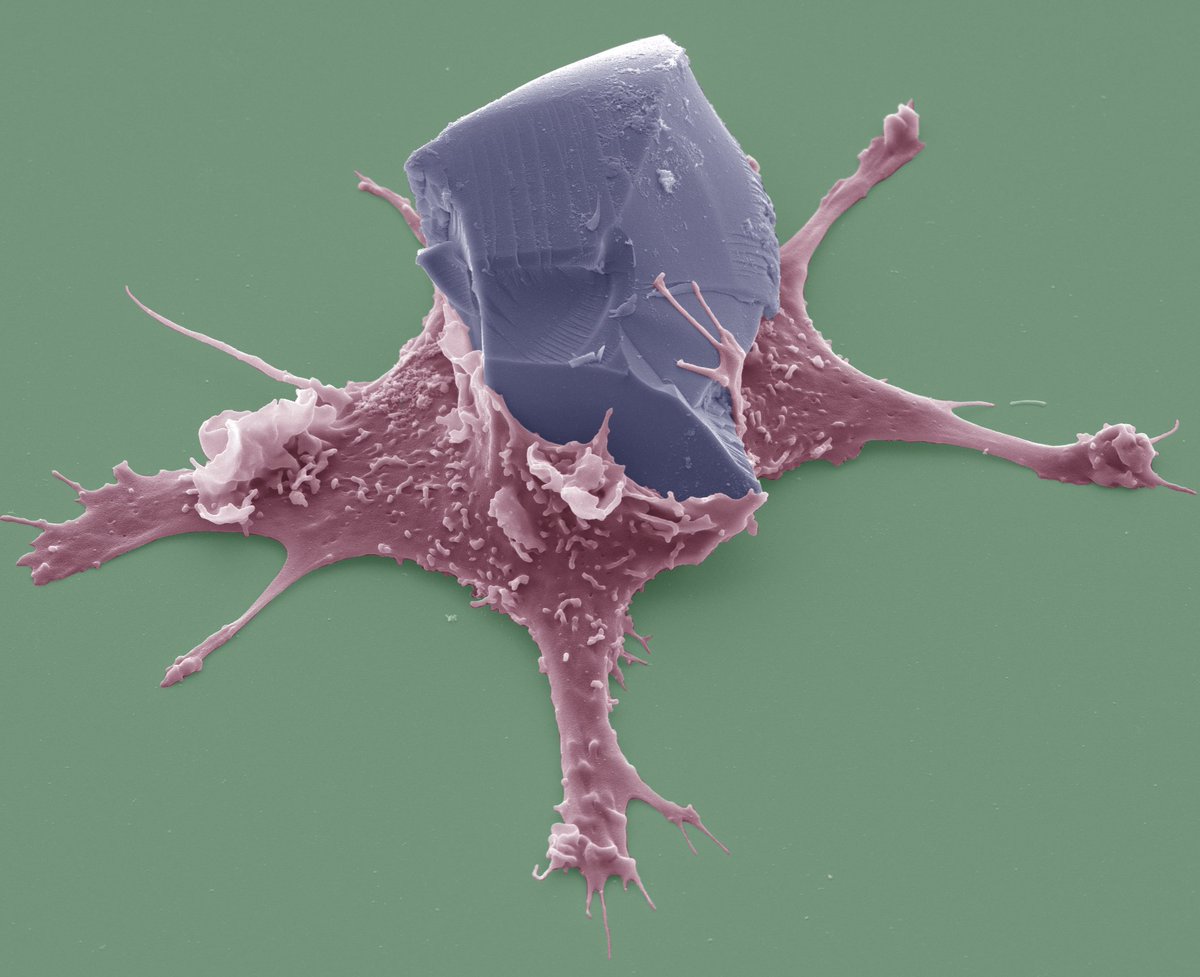
We have an open post-doc position in cell biology and mechanobiology @IpbsToulouse !
emploi.cnrs.fr/Offres/CDD/UM…
Please RT🙏
3
57
82
11,858
Valentin Jaumouillé retweeted

27 Mar 2024
Our review 'Blebology:Priciples of bleb-based migration' is published 😀 This was a wonderful collaboration with @juanmagararc and Matthieu Piel which was born out of mutual love for blebs.
sciencedirect.com/science/ar…
5
11
38
3,815
Valentin Jaumouillé retweeted

19 Mar 2024
Very happy to share that our review article on Mechanical Properties of Human Tumour Tissues and their Implications for Cancer Development is out in @NatRevPhys. Huge congratulations to all the authors! nature.com/articles/s42254-0…
6
19
68
4,763
Valentin Jaumouillé retweeted

13 Mar 2024
I’m thrilled to share our preprint: “Three-dimensional spatio-angular fluorescence microscopy with a polarized dual-view inverted selective-plane illumination microscope (pol-diSPIM)”, a new 3D take on fluorescence anisotropy. 🧵1/15
Preprint: ⬇️
biorxiv.org/content/10.1101/…
2
11
36
6,289