
I'm just Jeff. Cluster monkey, past military officer and professor. #HPC #DeepLearning #Datascience #Fortran #Python #CFD #Aero. Opinions and rt's are my own.
Joined November 2014
- Tweets 45,688
- Following 2,546
- Followers 1,539
- Likes 241,760
25 Photos and videos








Jeffrey B. Layton retweeted

Jun 11
But I thought MAGA said drinking Bud Light turns people gay?!?!
Jun 11

Bud Light branding is up on the White House grounds ahead of Sunday's UFC fight
(Saul Loeb/Getty)

719
1,282
7,263
113,730
Jeffrey B. Layton retweeted

May 4
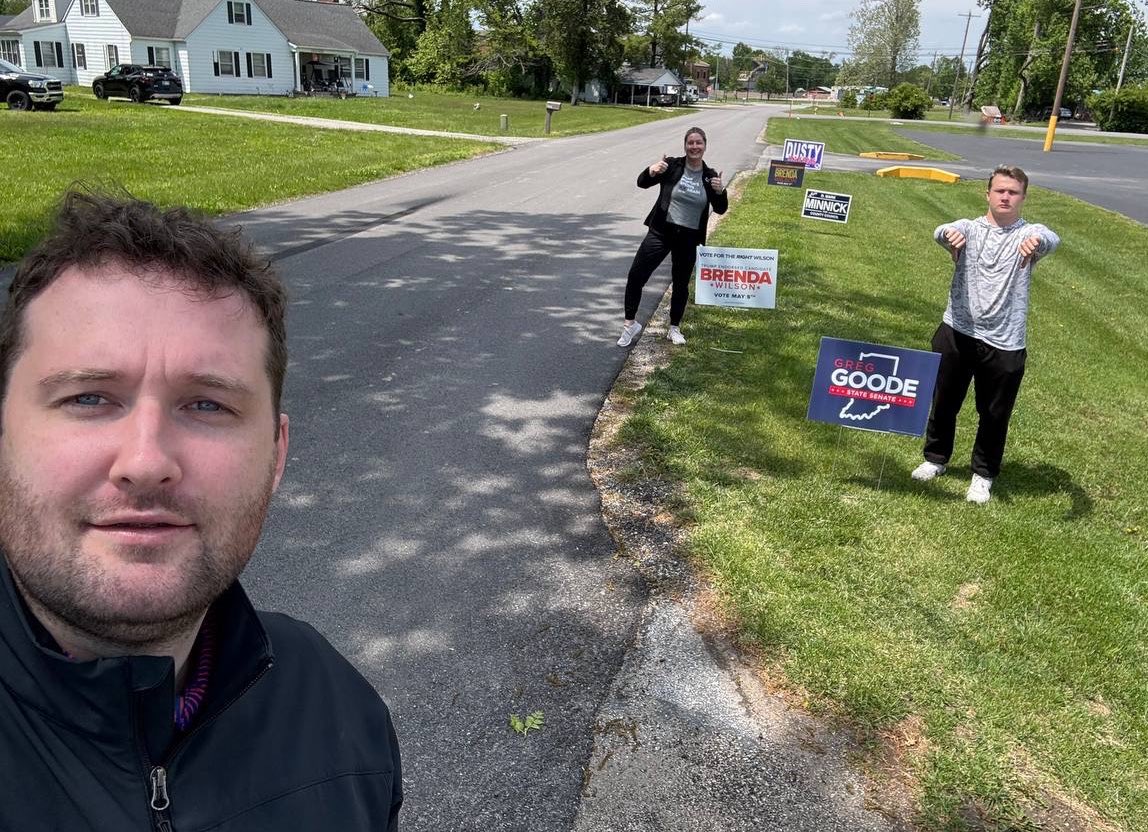
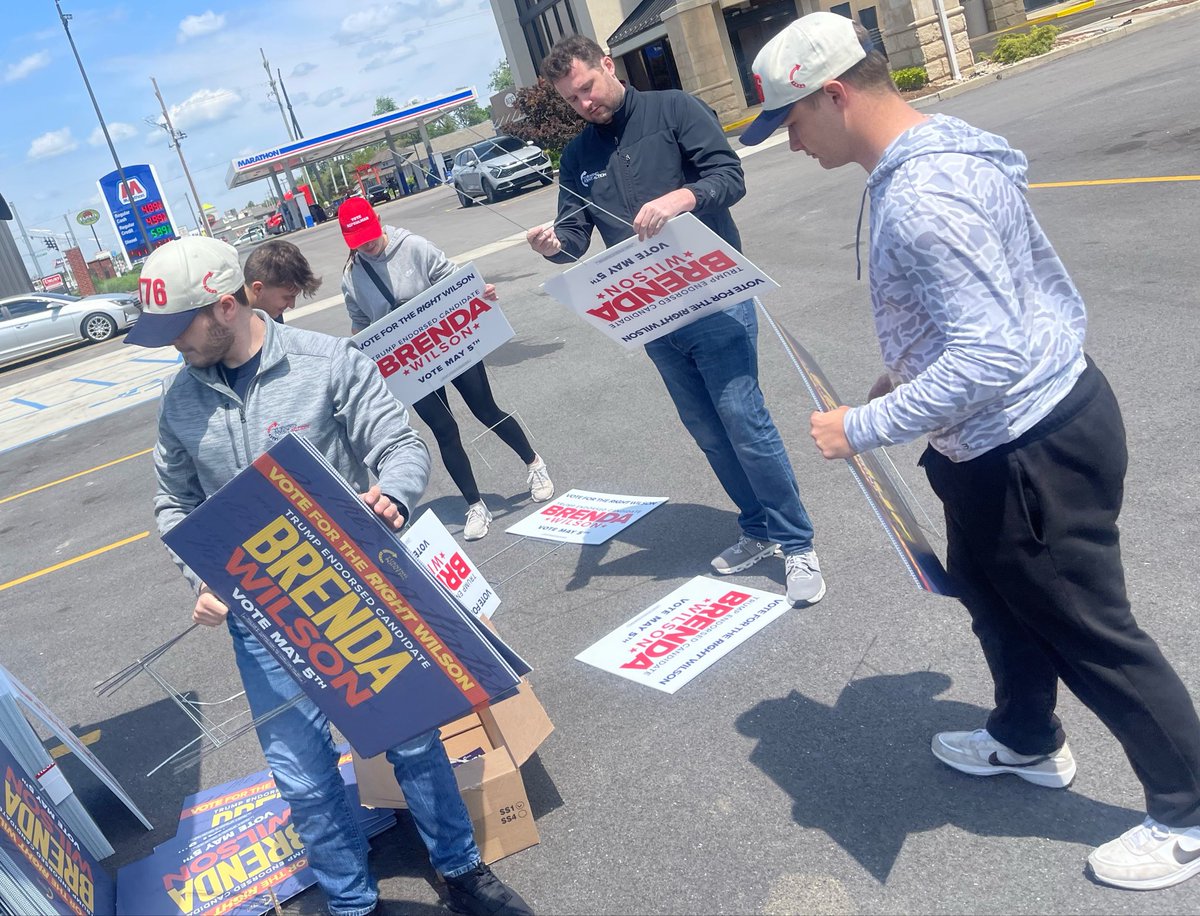
Stop putting signs in the public right of way where they shouldn't go & on private property without permission. People have complained to local officials about this. Also the last group at least bought IU gear to pretend they knew our state. Hit up the local sports store please.
May 4

Ready to knock doors for BRENDA!
@BrendaWilsonIN @TPAction
VOTE FOR THE RIGHT WILSON!🇺🇸
BRENDA! BRENDA! BRENDA! Brenda!
BRENDA! BRENDA! BRENDA! Brenda!
BRENDA! BRENDA! BRENDA! Brenda!
BRENDA! BRENDA! BRENDA! Brenda!
BRENDA! BRENDA! BRENDA! Brenda!


14
8
83
13,161
Jeffrey B. Layton retweeted

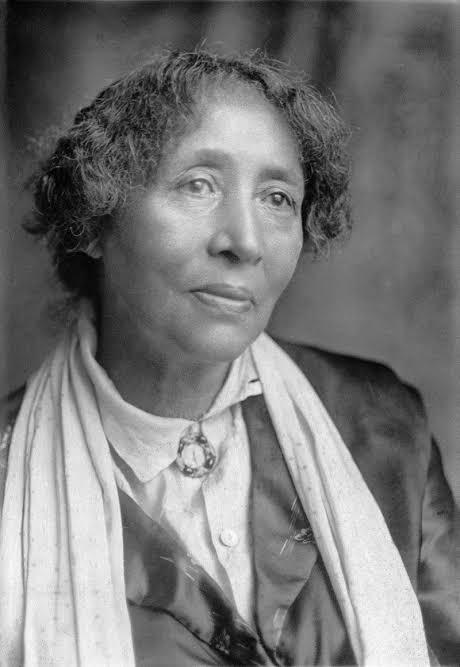
In 1851, somewhere in the cotton fields of Texas, a child enters the world with no name recorded, no rights granted, no future promised.
The law doesn't see her as human. She's chattel. Property. Her blood carries the stories of three peoples America has spent centuries trying to erase: African, Mexican, Native American.
Most enslaved children born that year would live and die in obscurity, their names lost to history, their voices silenced forever. This girl would do the opposite. She would become so powerful, so dangerous to the established order, that the FBI would watch her every move for four decades. When death finally claimed her at 89, federal agents would race to her home and seize her life's work before her funeral could even be planned.
What transforms a nameless slave child into the woman J. Edgar Hoover's FBI feared most?
Lucy Parsons spent nine decades perfecting the answer. After emancipation, she walked out of bondage with nothing but rage and brilliance. She taught herself to read in a South that made Black literacy a crime. She married a white former Confederate soldier who'd rejected his racist upbringing, their interracial union in 1871 Texas so dangerous that lynch mobs forced them to flee north.
In Chicago's brutal factories, she found her calling. While industrialists grew fat on sixteen-hour workdays and child labor, Lucy stood on street corners and factory floors, her words cutting through despair like a blade. The Chicago Tribune called her "more dangerous than a thousand rioters." They meant it as an insult. She wore it as armor.
Then they murdered her husband. Hanged him in 1887 for his politics, not his actions, after the Haymarket bombing that no evidence connected him to. Lucy arrived at the prison with their children, begging to say goodbye. The guards turned her away.
Most people break when power crushes them that completely. Lucy Parsons spent the next fifty-five years getting louder. She spoke in every major American city. She organized workers, wrote pamphlets that spread like wildfire, was arrested dozens of times. Each arrest made her more determined.
The morning after the house fire that killed her in 1942, FBI agents were already inside, boxing up sixty years of writings, letters, manuscripts. They locked away her words because they understood what tyrants always learn too late: ideas are harder to kill than people.
Born property. Died a legend the government still feared.
Lucy married Albert Parsons knowing it could get them both killed. Interracial marriage was illegal across most of America, and in Texas during Reconstruction, it was essentially a death warrant. They married anyway, in 1871, and fled north when the Ku Klux Klan made it clear they wouldn't survive in the South.
In Chicago, Lucy became one of the most electrifying speakers of her generation. Crowds of thousands would gather to hear her speak. The Chicago police maintained surveillance files on her from the 1880s until her death in 1942, over sixty years of constant monitoring. They called her "more dangerous than a thousand rioters" not because of violence, but because her words inspired workers to demand dignity.
After her husband's execution in 1887, Lucy raised their two children alone while becoming one of America's most prominent labor organizers. She helped found the Industrial Workers of the World, wrote for dozens of radical publications, and never stopped speaking truth to power. She was still giving speeches on Chicago street corners in her eighties.
The FBI raid on her home after her death in 1942 remains controversial. They confiscated her entire personal archive, thousands of documents spanning six decades. Most have never been released to the public. Many historians believe crucial parts of American labor history remain locked in government vaults because Lucy Parsons' words are still considered too dangerous.
© Daughters of Time
#archaeohistories
9
189
481
11,439
Jeffrey B. Layton retweeted

Mar 19
3rd grader was denied by her teacher, who claimed groundbreaking pilot Bessie Coleman wasn’t a hero. after the assignment was rejected, the girl presented on her in front of the FAA (Federal Aviation Administration) instead after being invited.
258
5,489
40,229
783,548

Jensen Huang just called out every CEO who’s been firing people “because of AI.”
Jim Cramer asked him why companies are laying people off if AI is supposed to make everyone MORE productive.
Jensen's answer:
"For companies with imagination, you will do more with more. For companies where the leadership is just out of ideas, they have nothing else to do. They have no reason to imagine greater than they are. When they have more capability, they don't do more."
Read that again.
The man who built the most important tech company on Earth just told you that if your CEO is using AI to cut headcount, it means one thing:
They have no imagination.
They have no vision for what comes next.
They got handed the most powerful tool in human history and their FIRST instinct was to fire people.
This is the CEO of NVIDIA. The company whose chips power every AI system on the planet.
If anyone on Earth has the right to say "AI replaces workers," it's Jensen Huang.
And he said the OPPOSITE.
He said every carpenter could become an architect. Every plumber could become an architect. AI elevates capability. It doesn't eliminate it.
But here's where it gets really interesting...
During the same interview, Jensen revealed something nobody's talking about:
He said AI startups like OpenAI and Anthropic are seeing their revenues increase by one to two billion dollars a WEEK. And he wishes these companies were public so the world could see what he sees.
One to two billion per week.
That's a $50 to $100 BILLION annualized run rate.
For companies that most people think are burning cash and making nothing.
The entire Wall Street narrative that "AI companies aren't profitable" might be completely wrong.
Jensen sees their numbers. He sees their compute orders. He sees their growth. And he's saying the revenue is real.
So if the money IS real, why are other companies firing people?
Because they're not building AI products. They're not creating new revenue streams. They're not using AI to expand into new markets.
They're using AI as an EXCUSE to cut costs because they ran out of ideas 3 years ago and need something to tell the board.
Jensen's company added $500 billion in new orders in 5 months. He expects $1 trillion in cumulative revenue through 2027 from just two product lines.
That number doesn't include the new chips, systems, or partnerships announced this week.
And he's not cutting people. He's hiring.
Because when you have imagination, more capability means MORE opportunity. Not less headcount.
Meanwhile Salesforce cut thousands. Meta cut thousands. Amazon cut thousands. All blaming "AI efficiency."
Jensen's response: You're out of imagination.
He also said something that stuck with me.
Cramer asked if he ever thought he'd build a $10 to $20 trillion company while waiting tables at Denny's.
His answer: "I was just trying to make it through the shift."
Biggest tip he ever got? Two, three dollars.
Now he's building tech that increased computing demand by one million times in two years.
He announced OpenClaw, which he says is as big as ChatGPT.
And he's got 21 months of new business that isn't even counted in the trillion dollar figure yet.
When asked how long he plans to keep working?
"I'm hoping to die on the job. And I'm not hoping to die anytime soon."
This is a man who believes every single thing he's building.
And his message to every CEO using AI to justify layoffs is simple...
You're not innovating. You're surrendering.
The technology wasn't built to shrink companies.
It was built to make them limitless.
If your leadership can't see that, the problem isn't AI.
It's THEM.
464
1,612
7,730
1,388,594
Jeffrey B. Layton retweeted

Mar 19
Indiana's statehouse just signed two bills that cannot survive being read in the same sentence.
The first: public universities must now accept the Classic Learning Test for admissions. The CLT draws its questions from classical texts. Plato. Augustine. Cicero. Shakespeare. The argument is that these works represent the intellectual foundation of Western civilization and self-government.
The second: public colleges must eliminate programs deemed to produce "low earning" graduates. No carve-out for humanities. No protection for the programs where students actually read and wrestle with those classical authors the first bill just elevated.
Fort Wayne's Redeemer Classical School sent a representative to the statehouse to champion the CLT. Their students read Homer and Euclid. Their graduates will now test into universities that are legally required to accept their scores and simultaneously required to shut down the departments built around the tradition those scores are supposed to measure.
You cannot champion the classics as a signal of intellectual seriousness and then eliminate the classrooms that make the ideas real. That is not education reform. That is a credential without a curriculum.


Opinion: Lawmakers voted to put Plato and Augustine on a college entrance exam — then voted to eliminate programs where students study Plato and Augustine. indystar.com/story/opinion/c…
42
474
2,541
208,684
Jeffrey B. Layton retweeted

Mar 1
In 1963, Delia Derbyshire hand built the Doctor Who theme using only tape loops, oscillators, filters, and razor blades, long before techno existed.
95
855
4,893
209,241
Jeffrey B. Layton retweeted

Feb 4
The Trump Administration claims the Treasury has authority over Venezuelan assets.
I asked Treasury Secretary Bessent directly what grants him this authority.
He seemed to have no idea that he controlled these assets, let alone the authority behind them.
595
3,328
10,419
354,489
Jeffrey B. Layton retweeted

Jan 26
Complete crap here from your HHS Secretary
The HPV vaccine (Gardasil) is so effective it is on the way to ELIMINATING cervical cancer!
RFK Jr is an anti vaccine fanatic who would rather your daughter got cervical cancer than a vaccine
Horrible man
752
3,313
13,940
265,857
Jeffrey B. Layton retweeted

Jan 18
52 years ago today, The Six Million Dollar Man premiered.
And the advent of kids running in slow motion and making springy noises when they jumped, began.
578
1,379
9,528
465,424

. @AskFrontier My father's YouTube TV wants a login now. Isn't it included on his subscription?
1
251
How in God's name do I talk to someone at @AskFrontier? The Gigachat thing is worthless.
1
1
191
Jeffrey B. Layton retweeted

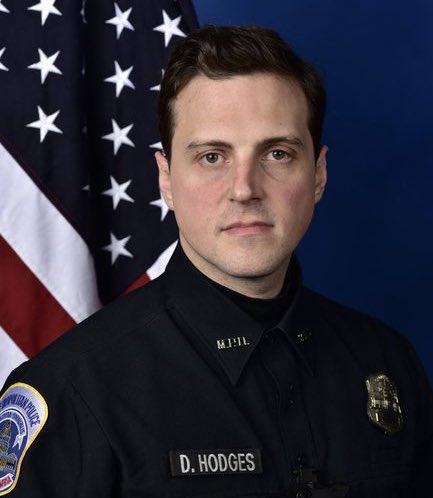
DC Police Officer Daniel Hodges was brutally beaten in the line of duty on January 6th by Trump's angry mob. Even after being injured, he stayed in the fight to protect the U.S. Capitol.
RETWEET to thank Officer Hodges for his service to our nation!
105
2,239
4,441
39,777
Jeffrey B. Layton retweeted

21 Dec 2025
A white kid from a red state whose parents were Trump supporters took Charlie Kirk’s life.
21 Dec 2025

JD Vance: "If you miss Charlie Kirk…do you promise to take the country back from the people who took his life?"
805
11,812
73,580
1,362,307
Jeffrey B. Layton retweeted

What started as a few paragraphs to help explain AI to a friend grew into this long article (with reference links). If you have not been watching AI and LLM progress closely, like I have, you may find this background primer helpful.
hpcwire.com/2025/12/16/a-mos…
1
1
87
Jeffrey B. Layton retweeted

23 Jun 2025
Hotel has "high-speed internet."
So Mbps? 100? Something _good_ for SF?
No. Wi-Fi: 15 Mbps. ugh.
Checked to see if the TV uses ethernet. It does.
Plug it in. Symmetric Gigabit!
The real tech tip: Always check the TV. Also bring a USB to ethernet adaptor, and an ethernet cable.

28
34
684
38,085
Jeffrey B. Layton retweeted

23 Apr 2025
.@AmbassadorRice on Hegseth attacking DEI while showing his own incompetence: "If you're a white, Christian, cisgender, macho MAGA man, you can be as dumb as a rock and be deemed qualified to serve as Secretary of Defense. That's apparently what we've learned from this episode."
1,111
4,587
16,863
494,976
Jeffrey B. Layton retweeted

23 Apr 2025
Disassembly of Russian Kalibr cruise missiles




82
300
2,695
225,647
Jeffrey B. Layton retweeted

23 Feb 2025
Kern County supervisor, Zack Scrivner, who was stabbed by one of his children to stop him from raping his other child, was never booked, finger printed or had a mugshot taken.
He has not been charged with a child sex crime. This is a coverup.
266
5,819
13,595
617,555
Jeffrey B. Layton retweeted

19 Feb 2025
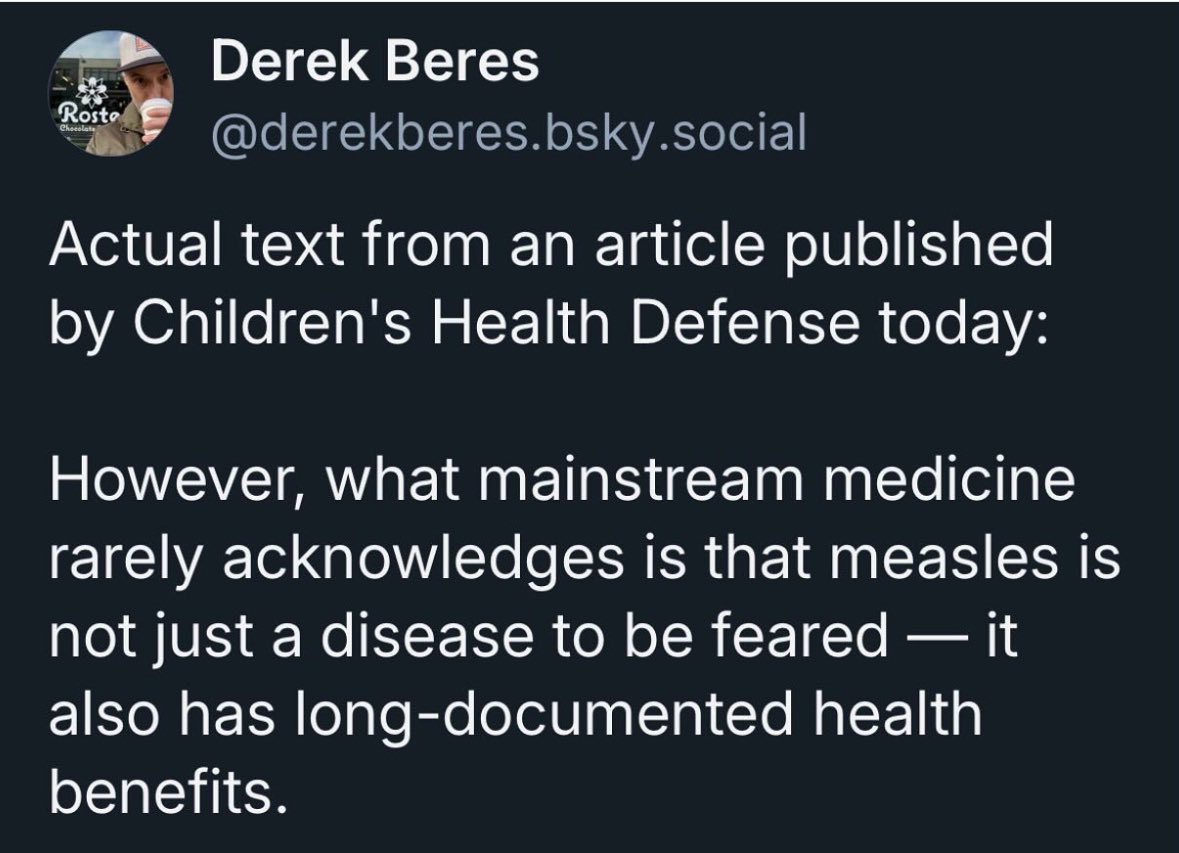
Hi, immunologist here: surviving measles has zero health benefits.
987
5,044
52,472
1,344,024