
10 Photos and videos

Pinned Tweet

1 Feb 2023
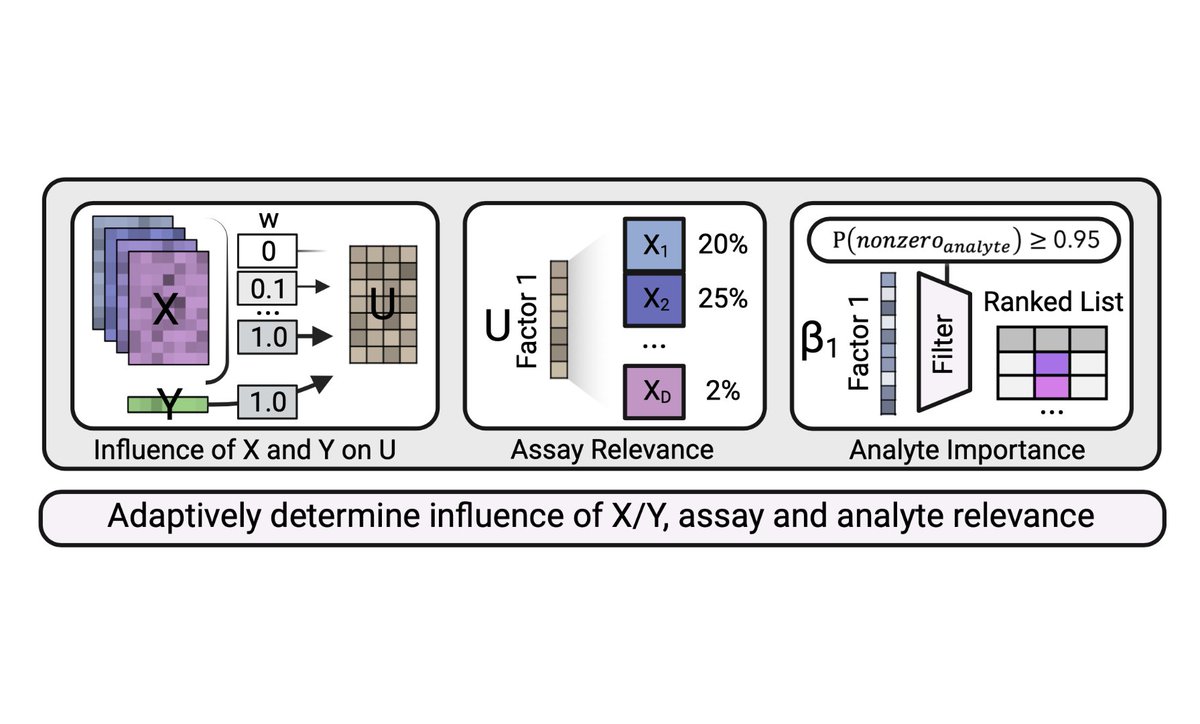
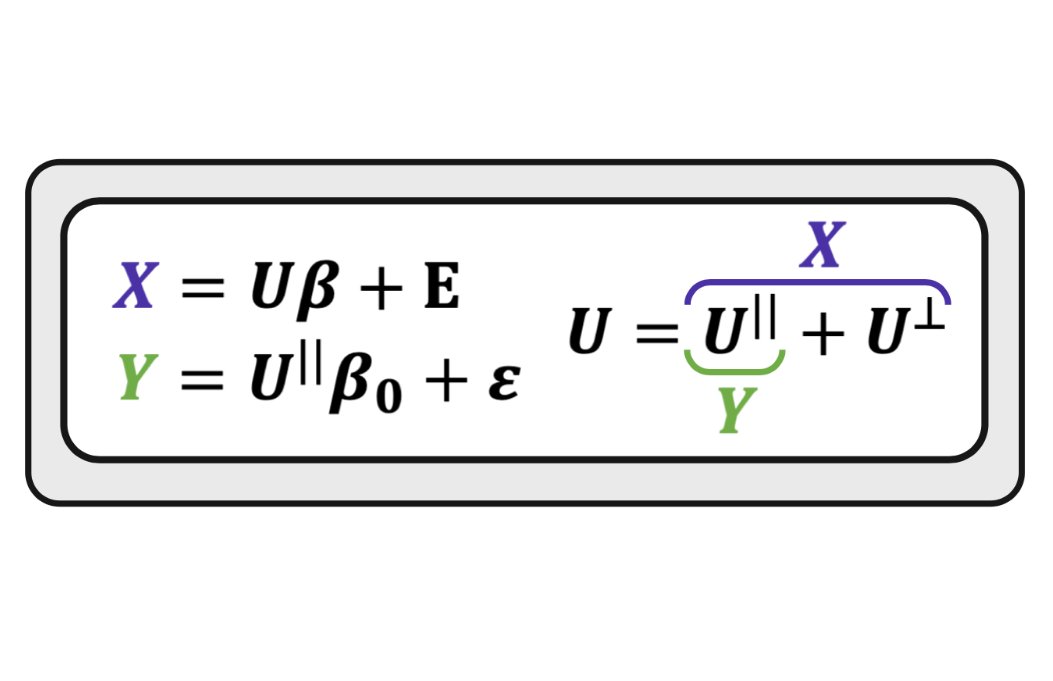
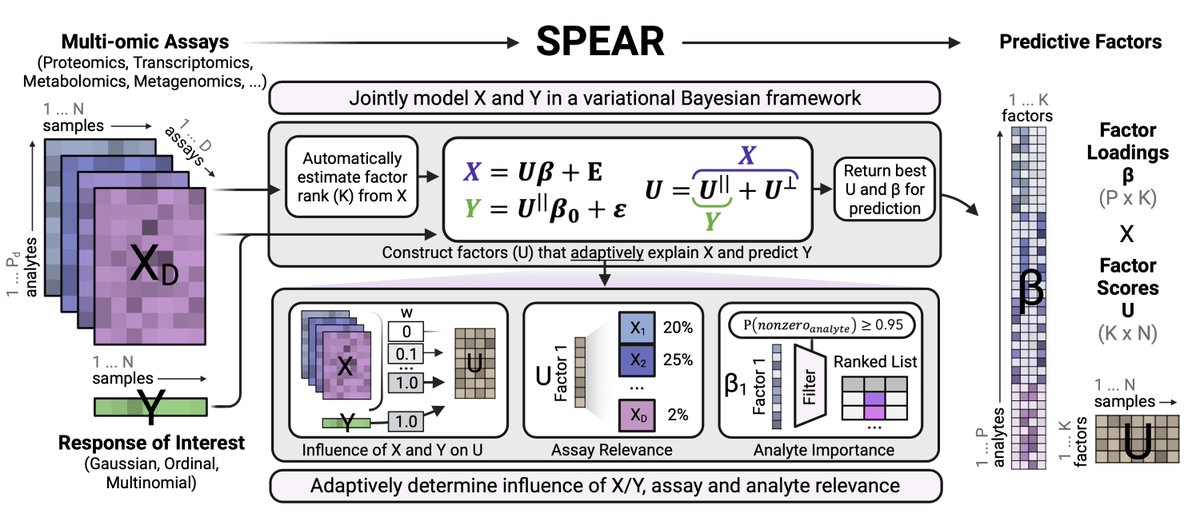
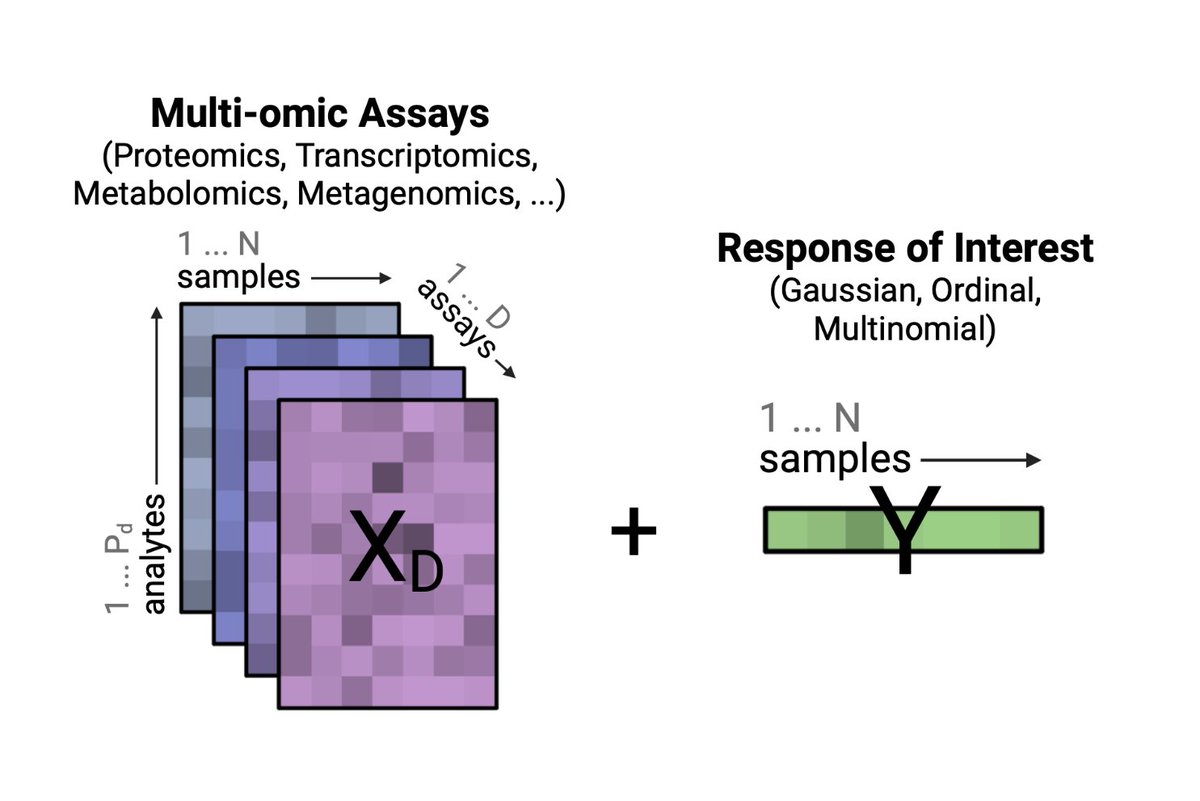
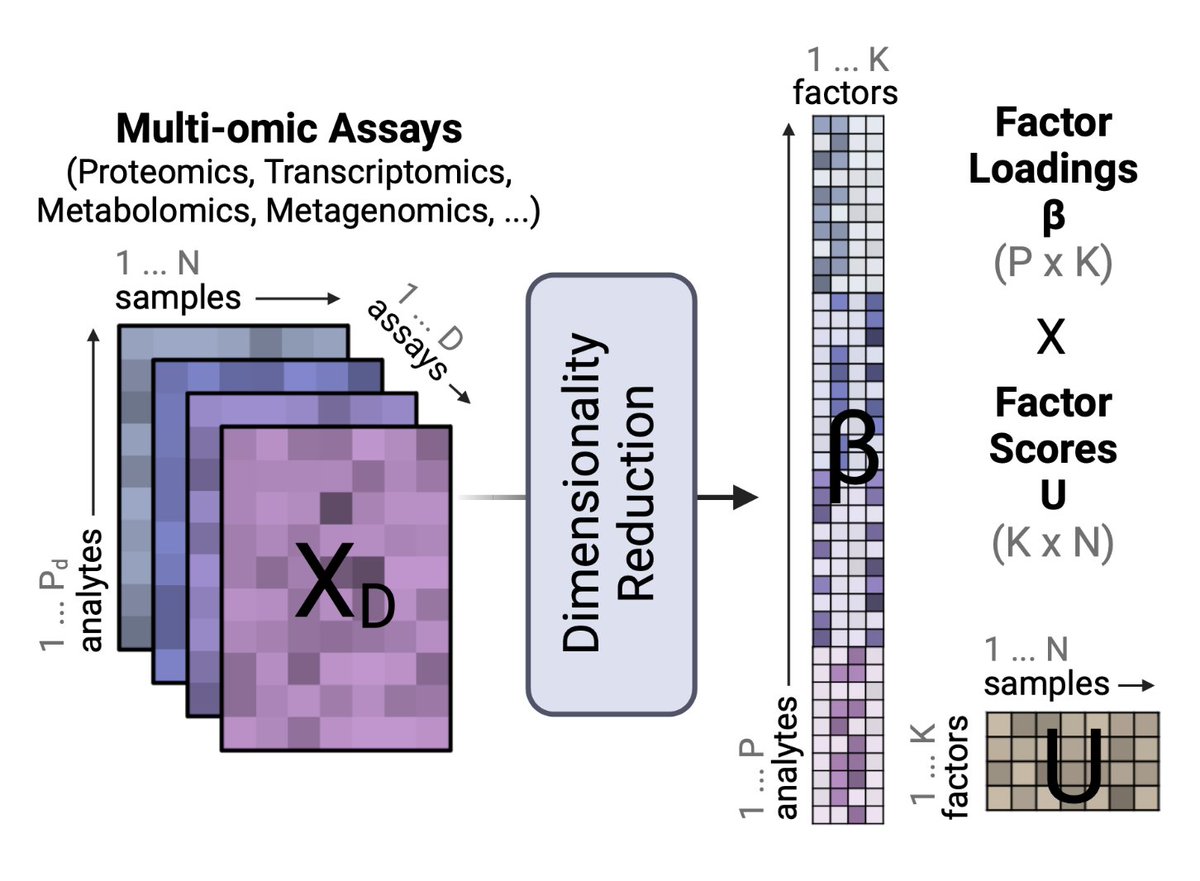
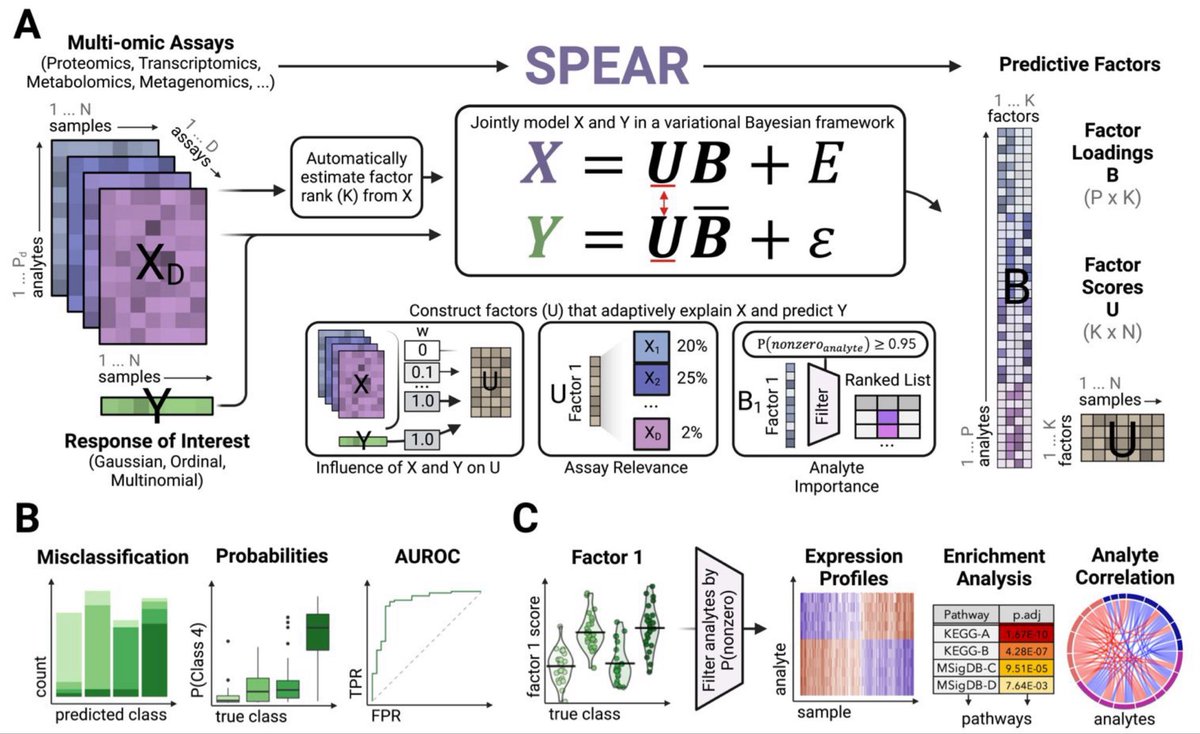
Today, I’m thrilled to share a preprint of our work describing SPEAR, a sparse supervised #Bayesian factor model for #multiomic integration:
biorxiv.org/content/10.1101/…
Follow along this #tweetorial to learn about SPEAR!
@YaleCBB
(1/🧵)
1
7
18
2,307
Jeremy Gygi retweeted

31 Oct 2024
I’m excited to announce that our paper on viral molecular mimicry just came out! Molecular mimicry occurs when pathogens “mimic” host protein structure. Here, we explore mimicry across the human virome and its connection to autoimmunity. @MelamedEsther
nature.com/articles/s41467-0…
1
3
8
279
Jeremy Gygi retweeted

26 Nov 2024
Excited to share our latest #IMPACC study on patient subtype discovery using longitudinal multi-omics! We identified 5 subtypes among 1,000 hospitalized #COVID19 patients, highlighting the link between distinct immune responses in those with similar respiratory status to various acute complications and #LongCOVID risk. biorxiv.org/content/10.1101/…
This work is co-led by wonderful students Kexin, Yutong, @colemag9, collaborators @VirusesImmunity, @JoannDArce, Lauren, and the #IMPACC consortium team.
3
18
39
7,277

We are excited to announce that the 3rd (Public) CMI-PB Challenge is officially underway! Test out your modeling skills to predict immune responses to B. pertussis #whoopingcough booster vaccination using multi-omics datasets for a chance to win. #bioinformatics #immunology (1/5)
1
6
14
2,766
Jeremy Gygi retweeted

8 Jul 2024
Our collaborators plot an "immune health metric" that that can be applied widely. Authors include @TsangLab @skleinstein
@NatureMedicine
The IHM
- recognizes marked #aging in healthy adults
- measures age-dependent #antibody responses to #vaccines
nature.com/articles/s41591-0…
3
11
859
Jeremy Gygi retweeted

10 Jun 2024
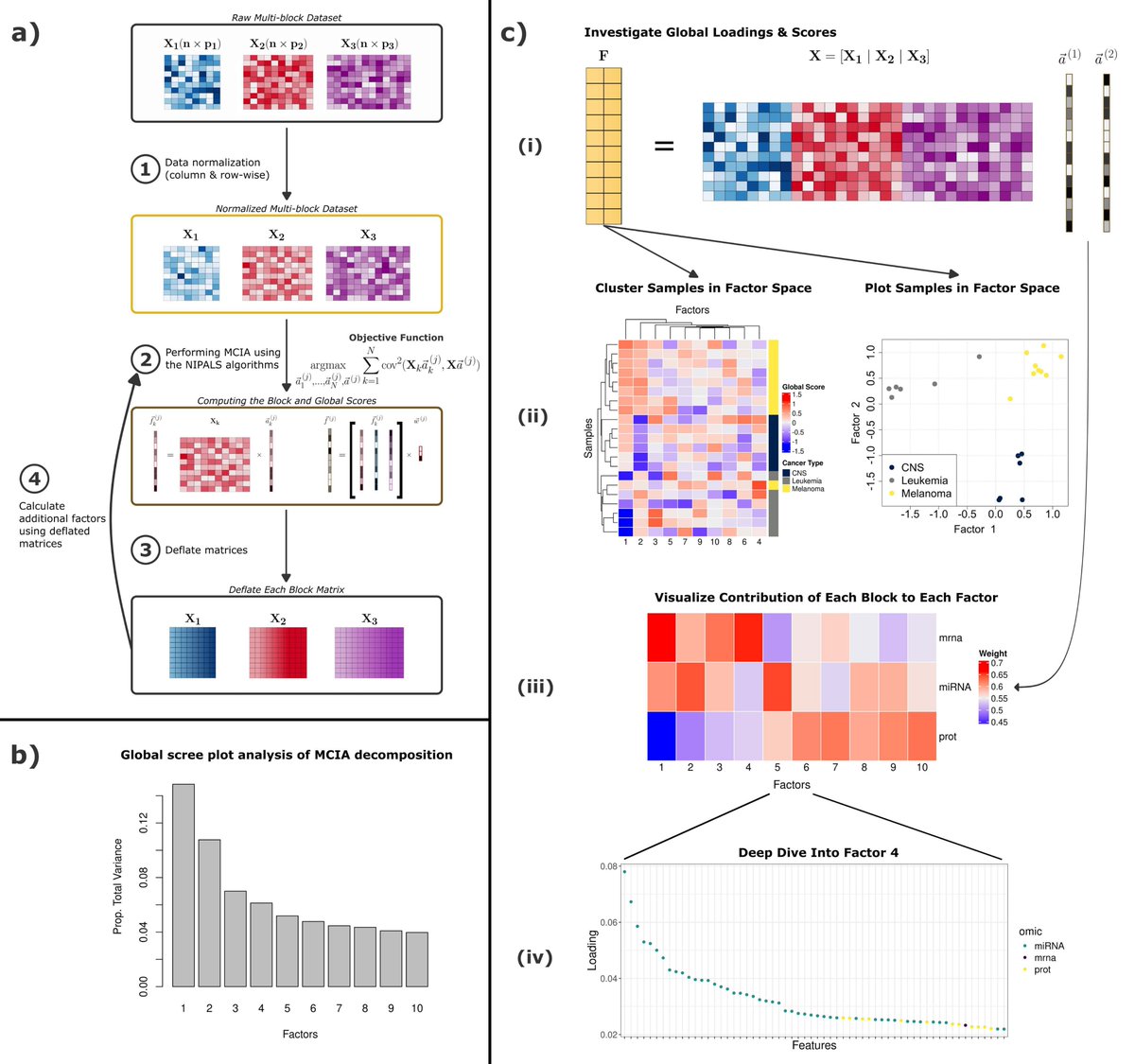
I'm thrilled to share our new #Bioconductor package, nipalsMCIA, which performs multi-omic dimensionality reduction using the NIPALS algorithm. It is fast (especially for large datasets), and user friendly. Give it a try!
biorxiv.org/content/10.1101/… (1/4)
1
9
27
5,509
Jeremy Gygi retweeted

16 May 2024
Honored for our paper on heavy light chain B cell tree building with Dowser to be picked as a #JI_TopRead!
16 May 2024

🎉#JI_TopRead ➡️ This study by Jensen et al. optimizes workflows for building #Bcell phylogenic trees using paired H & L chain sequences. Check it out now! @hoehnousk @skleinstein. #ReadTheJI #immunology
1
5
29
2,790
Jeremy Gygi retweeted
13 May 2024
Our collaborators develop modeling that helps identify multi-omic #immune #signatures
#bioinformatics @LeyingGuan @skleinstein @JeremyGygi @a_konstorum others
pubmed.ncbi.nlm.nih.gov/3860…
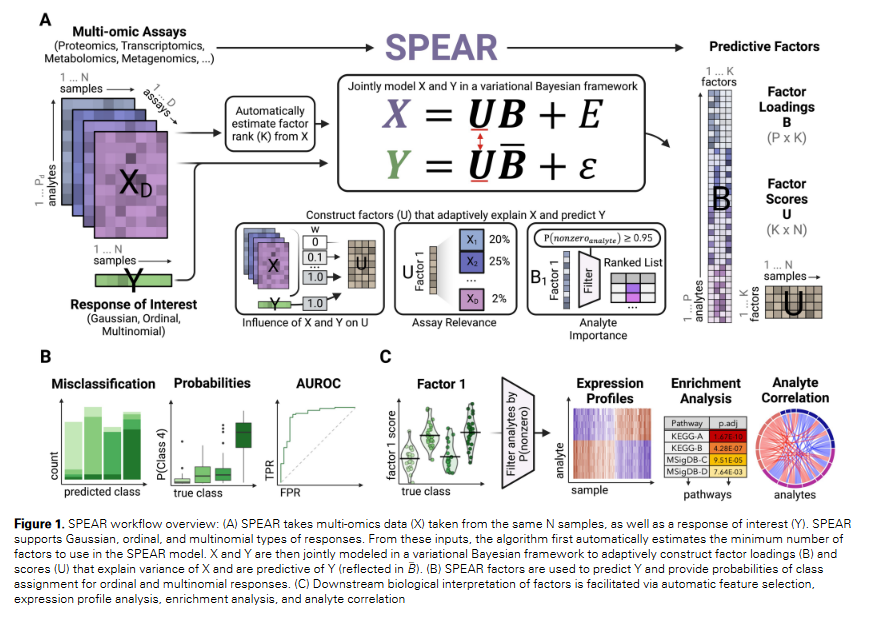
ALT A complex workflow for a bioinformatics paper about identifying #immune #signatures. https://pubmed.ncbi.nlm.nih.gov/38603606/
9
24
2,026
Jeremy Gygi retweeted

13 May 2024
#ClinicalMedicine:
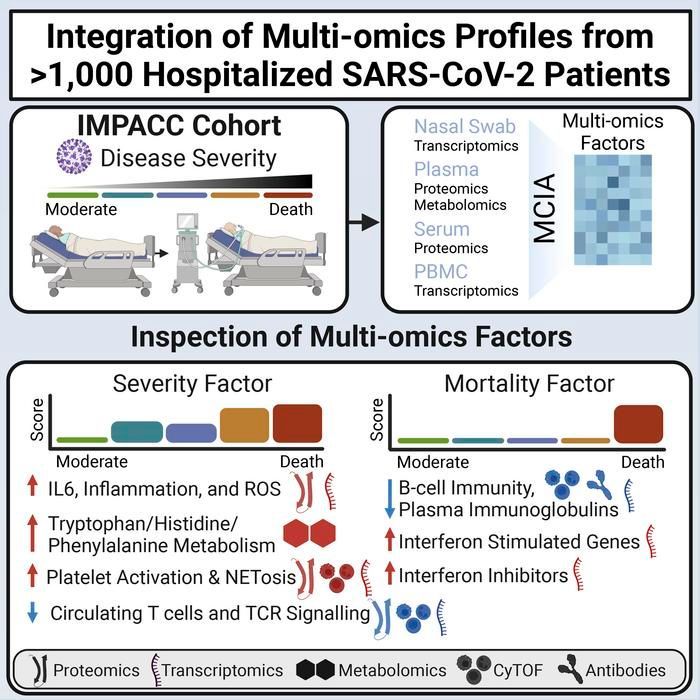
Integrated longitudinal multiomics study identifies immune programs associated with acute #COVID_19 severity and mortality: buff.ly/3UUBKlO
@LeyingGuan @YaleMed
#Immunology
4
8
1,801
Jeremy Gygi retweeted

2 May 2024
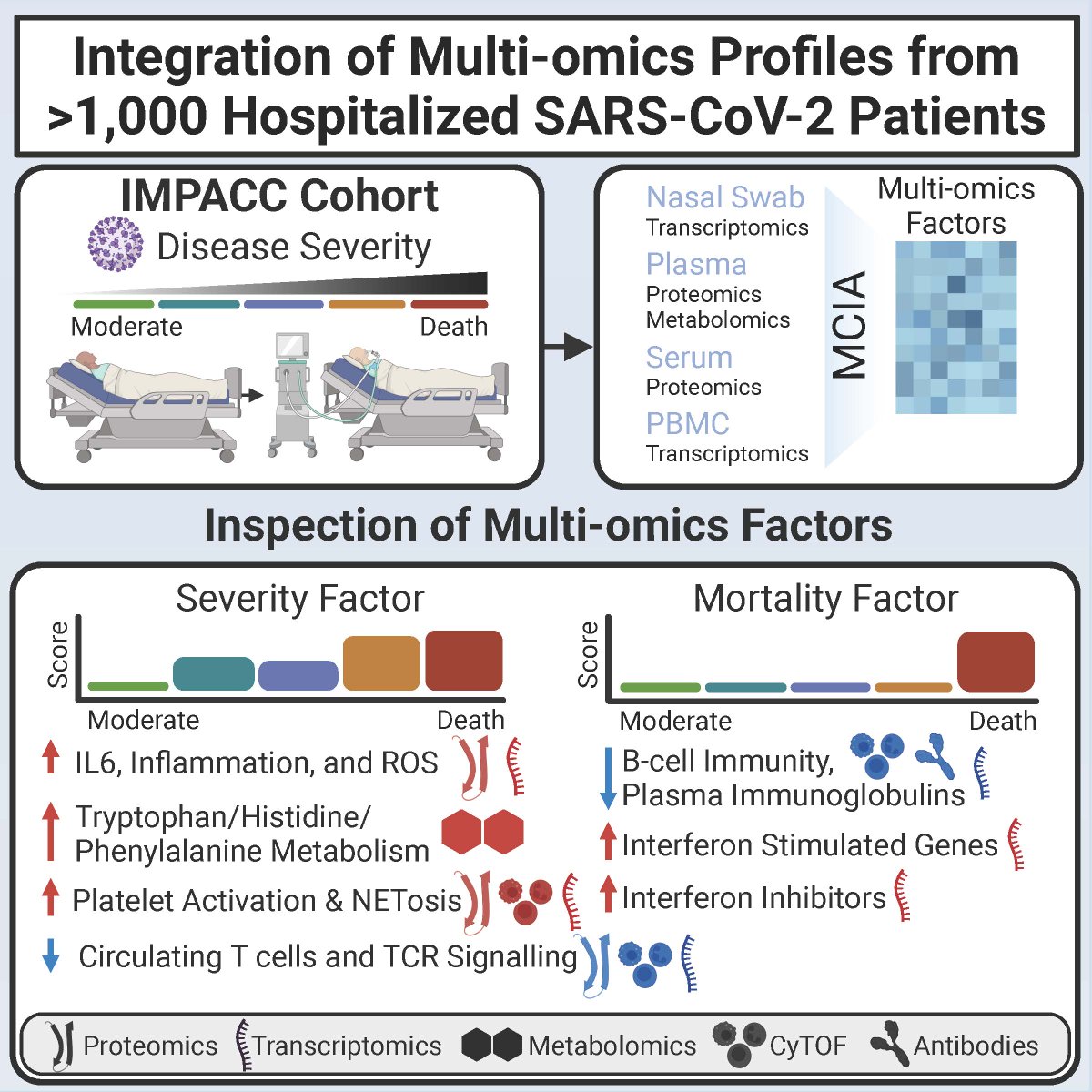
Congratulations to our #IMPACC team members @LeyingGuan @JeremyGygi @colemag9 @sciRPatel for our newly published COVID-19 multiomics paper in JCI! Grateful to be working with all of you for the past few years!
2 May 2024

I am excited to share that our #IMPACC paper - Integrated longitudinal multi-omics study identifies immune programs associated with acute COVID-19 severity and mortality - was recently published in @jclinicalinvest. jci.org/articles/view/176640 #SystemsBiology #Bioinformatics [1/5]
2
12
504
2 May 2024
Our recent #IMPACC #COVID19 #multiomics study published in @jclinicalinvest is featured in @yalemed! Read about it:
"COVID-19: New ‘Omics’ Models Show Why Some People Are at Greater Risk of Severe Disease, Death"
m.yale.edu/ckst
@LeyingGuan @colemag9 @sciRPatel
4
6
1,819
Jeremy Gygi retweeted
2 May 2024
I am excited to share that our #IMPACC paper - Integrated longitudinal multi-omics study identifies immune programs associated with acute COVID-19 severity and mortality - was recently published in @jclinicalinvest. jci.org/articles/view/176640 #SystemsBiology #Bioinformatics [1/5]
3
33
68
15,496
Jeremy Gygi retweeted

1 May 2024
Integrated longitudinal multiomics study identifies immune programs associated with acute COVID-19 severity and mortality @jclinicalinvest @LeyingGuan
jci.org/articles/view/176640
6
13
1,269
Jeremy Gygi retweeted

18 Apr 2024
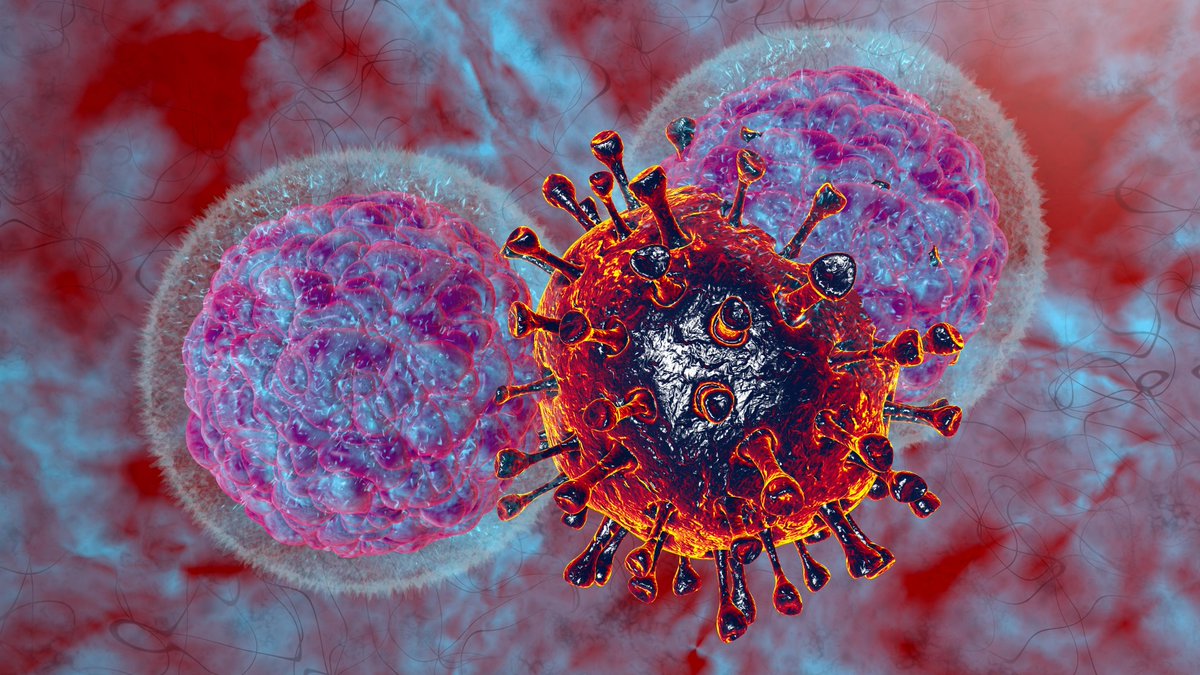
Excited to share my latest research on #COVID19 and #aging, together with @ATsitsiklis and @colemag9, that just came out on @ScienceTM!
x.com/czbiohub/status/178099…
18 Apr 2024

A new study led by #CZBiohubSF & @UCSF researchers provides fresh insights into why age is a major risk factor for severe #COVID. It is the most comprehensive analysis to date of how age affects the immune response to #SARSCoV2. 1/7
Read in @ScienceTM ⤵️
bit.ly/4aUR2Mc
2
2
269
Jeremy Gygi retweeted

14 Apr 2024
SPEAR: A supervised bayesian factor model for the identification of multi-omics signatures academic.oup.com/bioinformat…
1
20
93
8,993
19 Mar 2024
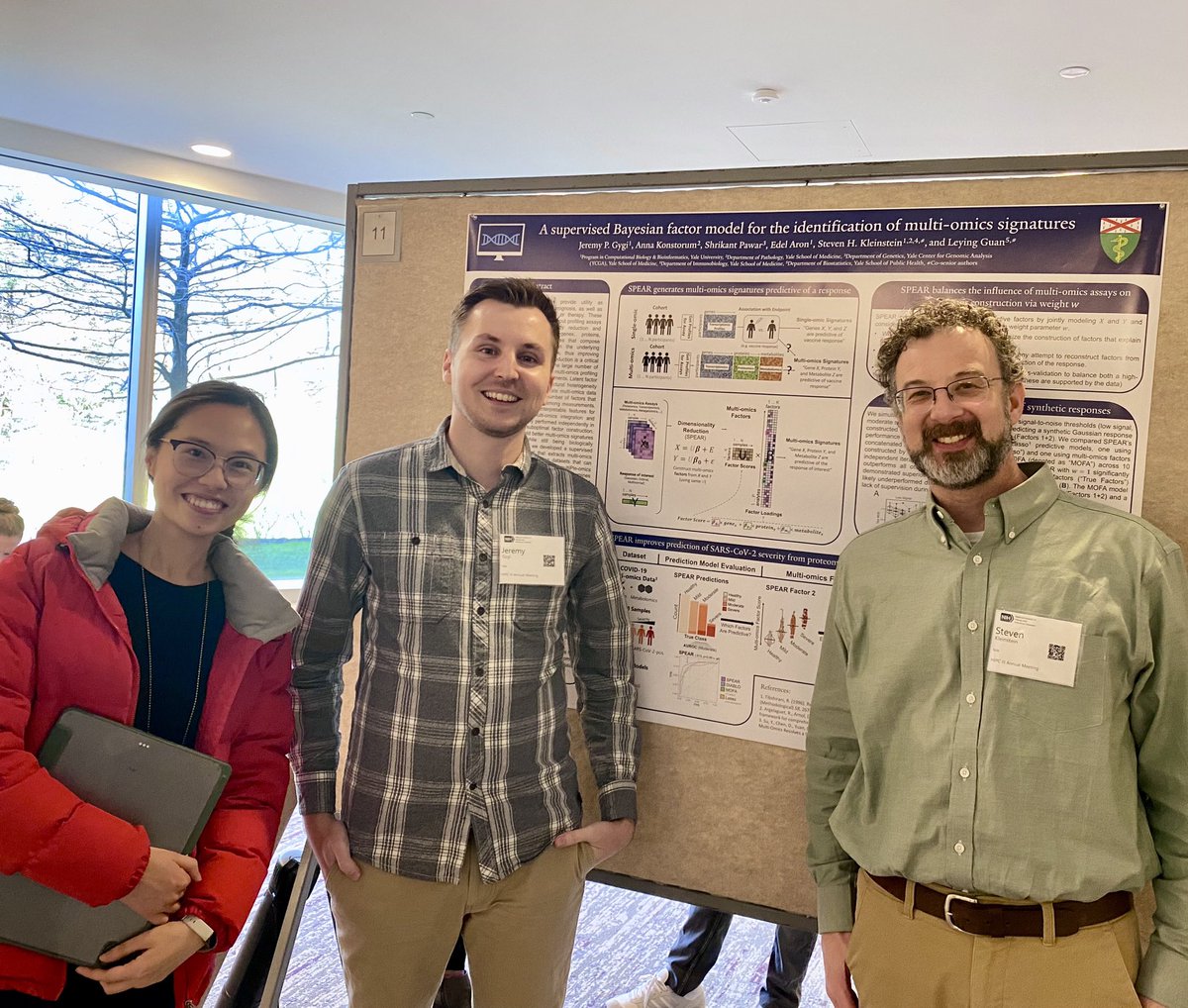
So happy to have had the chance to present our work on SPEAR with @LeyingGuan and @skleinstein at the @hipcProject annual meeting! Grateful for all the valuable insight and interest.
1
3
16
1,426
I am excited to announce our paper predicting #immune responses after B. pertussis (#whoopingcough) booster vaccination based on the pre-vaccination immune state is coming out in the March 25th issue on @CellRepMethods cell.com/cell-reports-method… #SystemsBiology #Bioinformatics (1/8)
1
19
38
6,213
Jeremy Gygi retweeted
18 Sep 2023
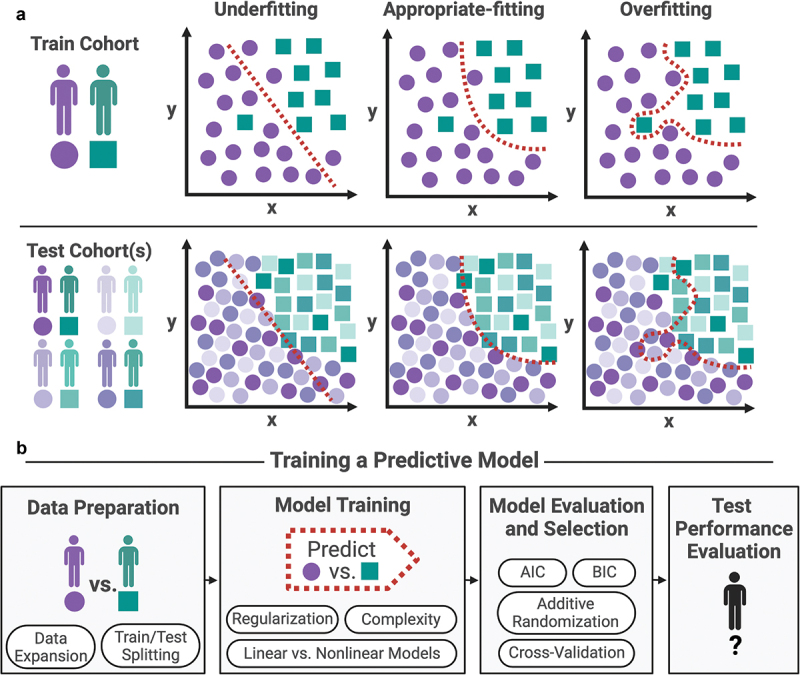
How can models "overfit" and fail to predict in #immunology? Our collaborators @skleinstein @LeyingGuan @JeremyGygi explain in new paper.
ncbi.nlm.nih.gov/pmc/article…
7
13
1,681
1 Feb 2023
Today, I’m thrilled to share a preprint of our work describing SPEAR, a sparse supervised #Bayesian factor model for #multiomic integration:
biorxiv.org/content/10.1101/…
Follow along this #tweetorial to learn about SPEAR!
@YaleCBB
(1/🧵)
1
7
18
2,307
1 Feb 2023
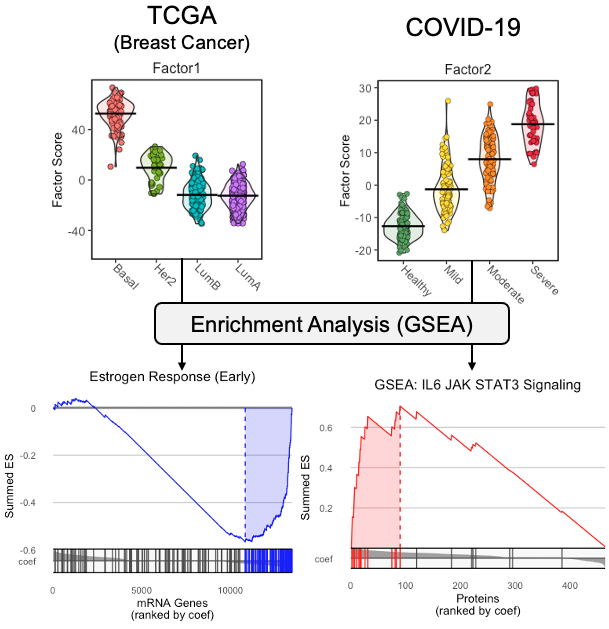
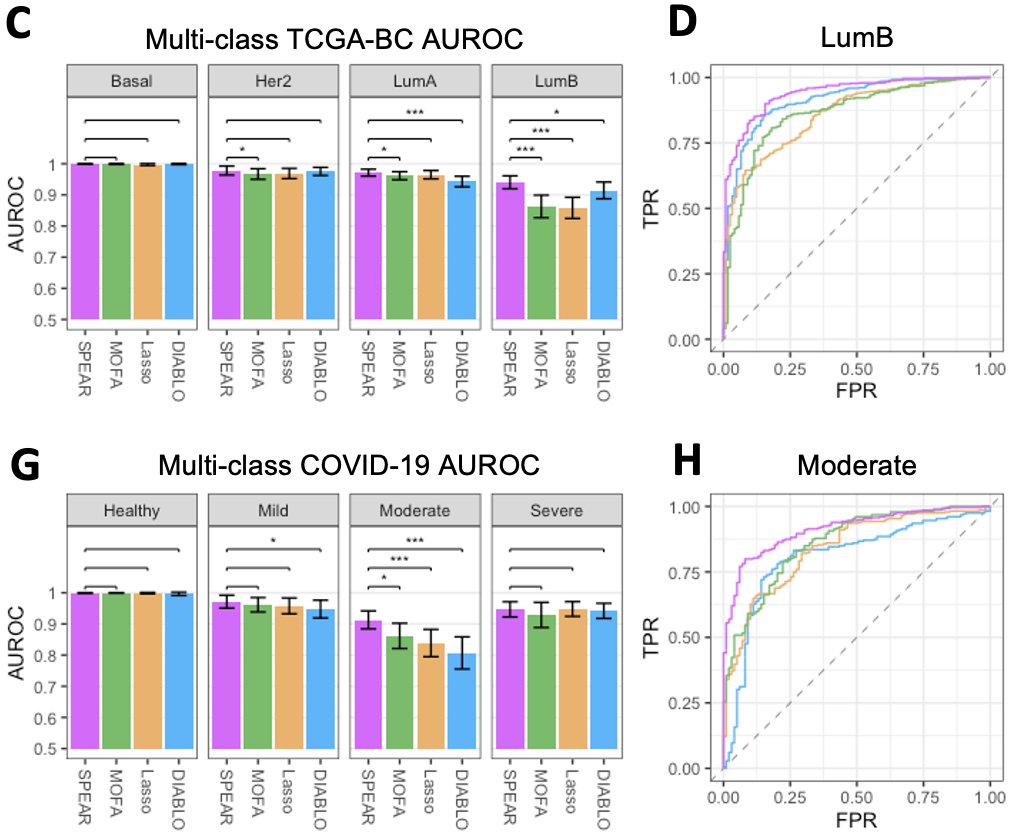
On both the TCGA and COVID-19 datasets, we demonstrate that SPEAR is able to construct biologically significant multi-omic factors, finding key pathways and insights that are backed by literature.
(12/13)
1
2
176
1 Feb 2023
If you are working with any type of “omics” data and have a desire to find predictive analytes for a response of interest, we offer SPEAR as a free publicly available R-package. Feel free to reach out with any questions you may have.
biorxiv.org/content/10.1101/…
Thank you!
(13/13)
2
3
378