
The Sun Lab | Structural Biology @ St Jude
Joined September 2019
- Tweets 443
- Following 308
- Followers 658
- Likes 1,291
9 Photos and videos
SunLab retweeted

Mar 23
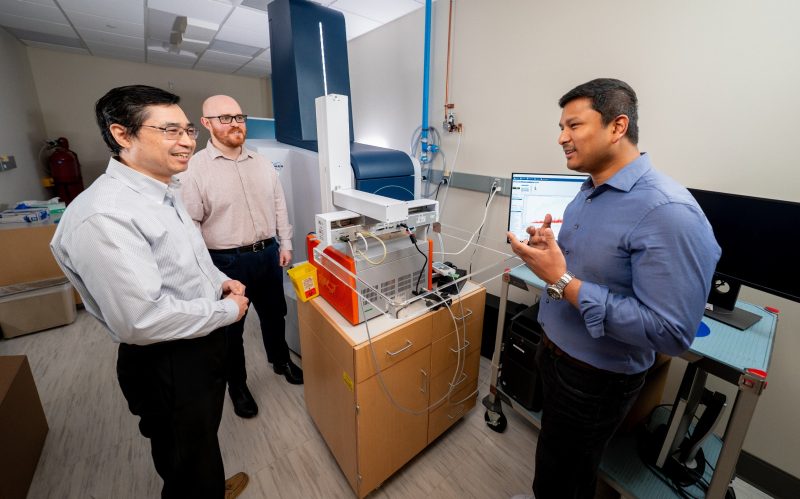
Scientists led a multi-institute collaboration to create PanNDA, a first-of-its-kind atlas mapping proteomes across six neurodegenerative diseases and more than 10,000 brain proteins. PanNDA can be used as a resource to advance diagnosis and treatment. ow.ly/Yk9N50YxEXN
4
14
1,239

Excited to share our lab's latest discovery today in @Nature: "orthosteric molecular glue” (OMG) inhibitors - a new drug design strategy that achieves substrate-dependent potency, i.e., substrate selectivity, with conventional orthosteric inhibitors. rdcu.be/e3waV
2
3
4
441

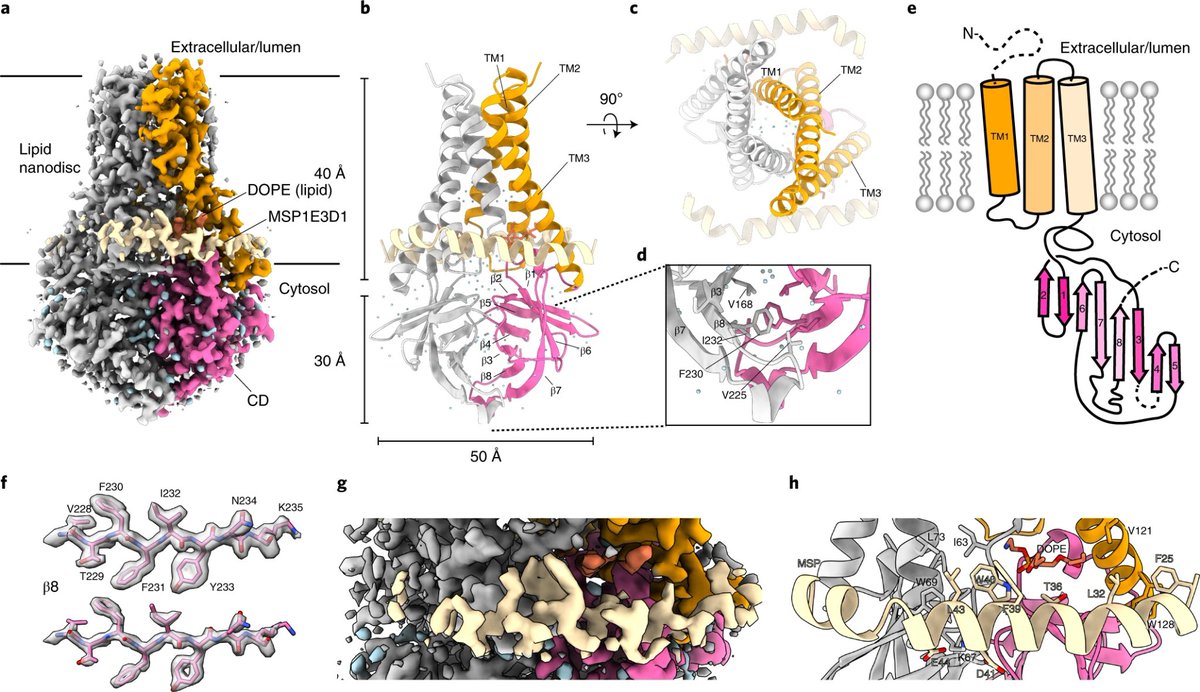
Happy to share our new publication on KCNQ1. In this work, we reveal a cool molecular mechanism that modulates the tissue-specific function of KCNQ1 through its beta subunits, KCNE1/3, which provides different voltage and PIP2 (GPCR) sensitivity for gating nature.com/articles/s41422-0…
1
6
35
1,660
SunLab retweeted

19 May 2025
A new paper from the #MacKinnonLab in @PNASNews finds that while Kv2.1 and EAG1 are from distinct architectural classes of voltage-dependent ion channels, the way the voltage sensors gate their pores is very similar. #RockefellerScience
pnas.org/doi/10.1073/pnas.24…
3
15
1,603
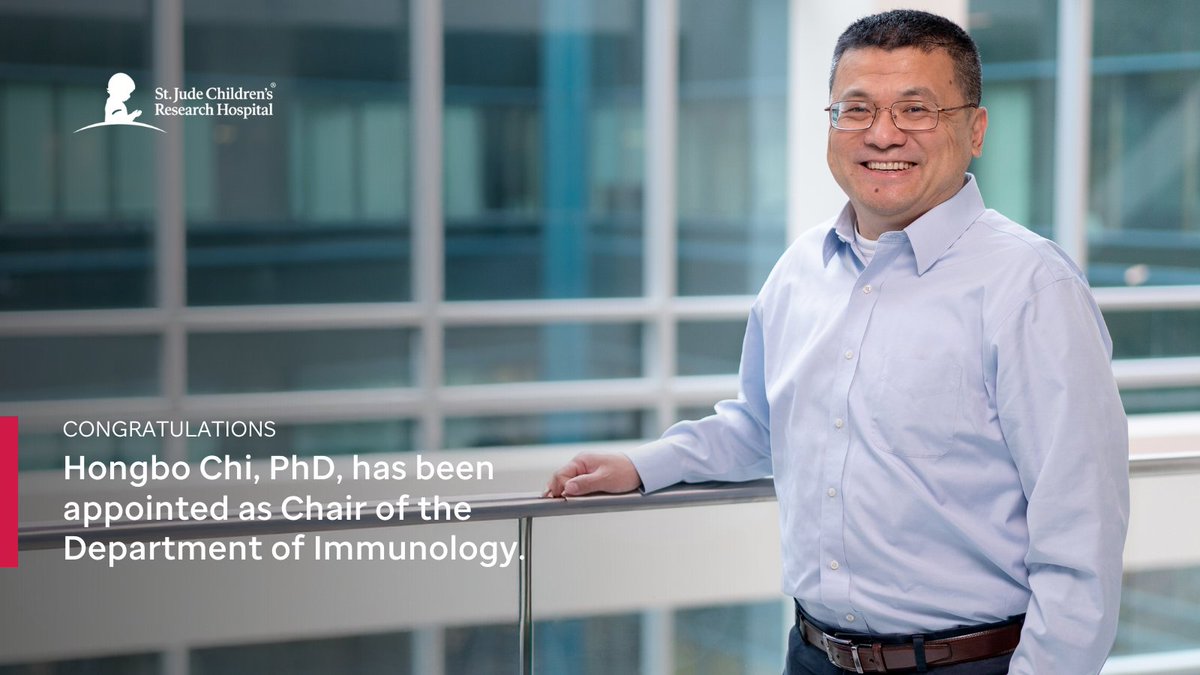
Congratulations, Hongbo!!!
8 May 2025

We’re excited to announce Hongbo Chi, PhD, as the new Chair of the St. Jude Department of Immunology. His leadership will advance our mission to find cures for catastrophic childhood diseases.
1
468
SunLab retweeted
23 Apr 2025
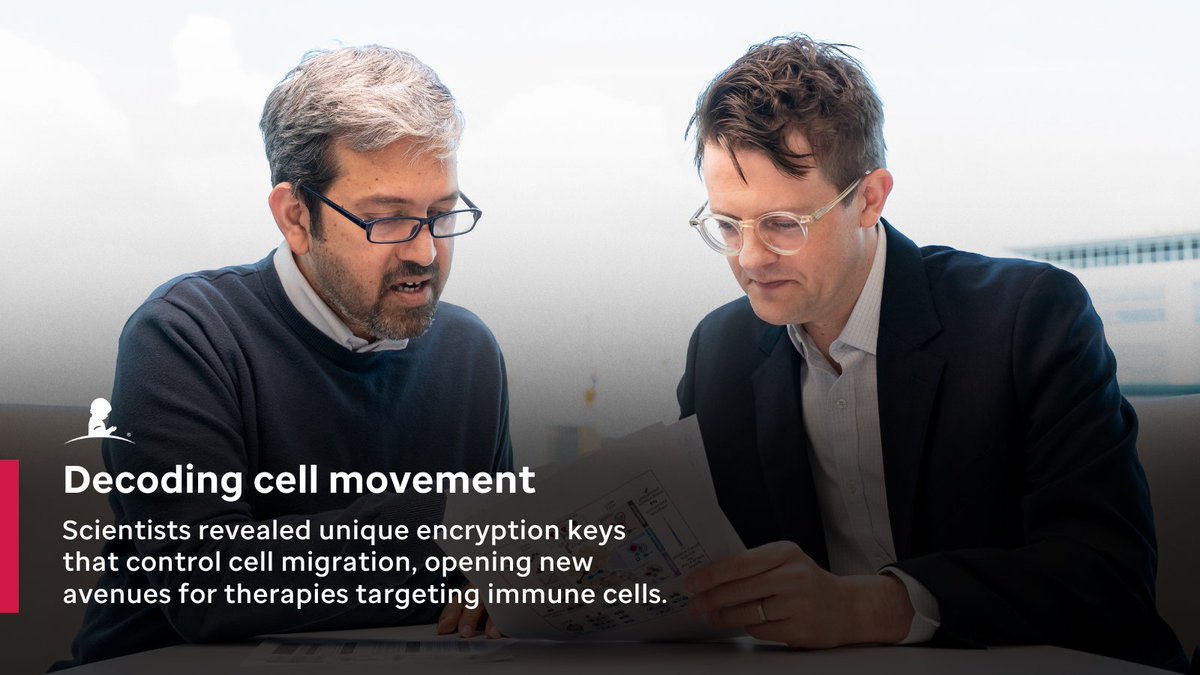
Our researchers, in collaboration with the Medical College of Wisconsin, have discovered how chemokines and G protein-coupled receptors (GPCRs) selectively bind to control how cells move. ow.ly/77Yl50VGpKe
1
9
38
2,694
Congratulations 🎉, @JunminPengLab

Beautiful work from @JunminPengLab and @Yanshen73854711 in @CellCellPress
Turnover atlas of proteome and phosphoproteome across mouse tissues and brain regions: cell.com/cell/fulltext/S0092…
Explore this amazing resource here:
yslproteomics.shinyapps.io/t…
1
2
606

Nature research paper: VDAC2 loss elicits tumour destruction and inflammation for cancer therapy
go.nature.com/41AWsZX
1
8
46
11,641
SunLab retweeted

15 Mar 2025
Complex water networks visualized by cryogenic electron microscopy of RNA, done by @RDasLab, @kaiming_zhang, @chiulab
nature.com/articles/s41586-0…
2
15
1,512
SunLab retweeted

12 Feb 2025
Excited to share our new paper! We mapped proteomic changes in AD models, revealing shared pathways with human AD and delayed protein turnover in amyloid plaques. Read more:nature.com/articles/s41467-0…
@JunminPengLab @Yanshen73854711 #proteomics #MassSpec #Proteinturnover #Alzheimers
15
69
6,332
Congratulations 🎉 to @LabZheng for the two back-to-back stories on UM171 molecular glue. nature.com/articles/s41586-0…;
nature.com/articles/s41586-0…
2
11
926
Interesting work from @TheHurleyLab
7 Feb 2025

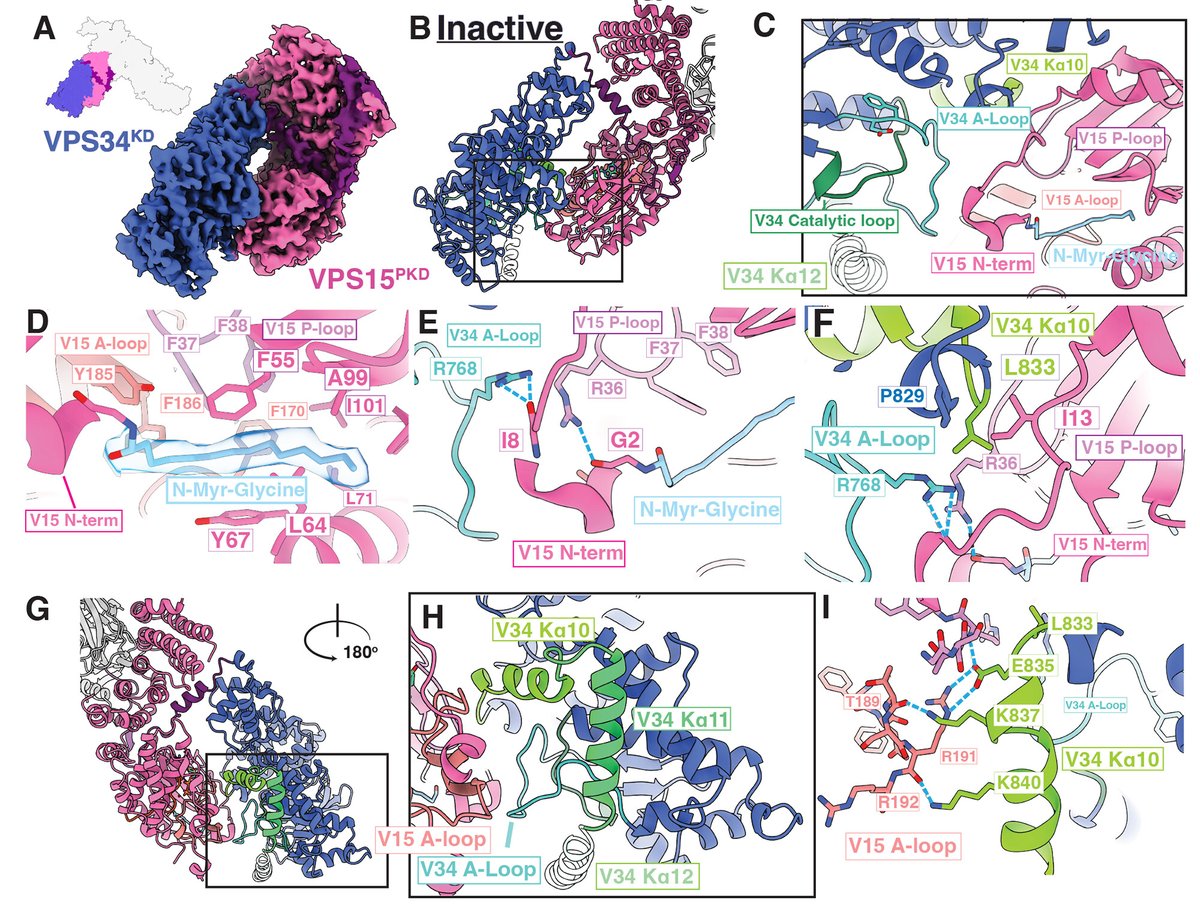
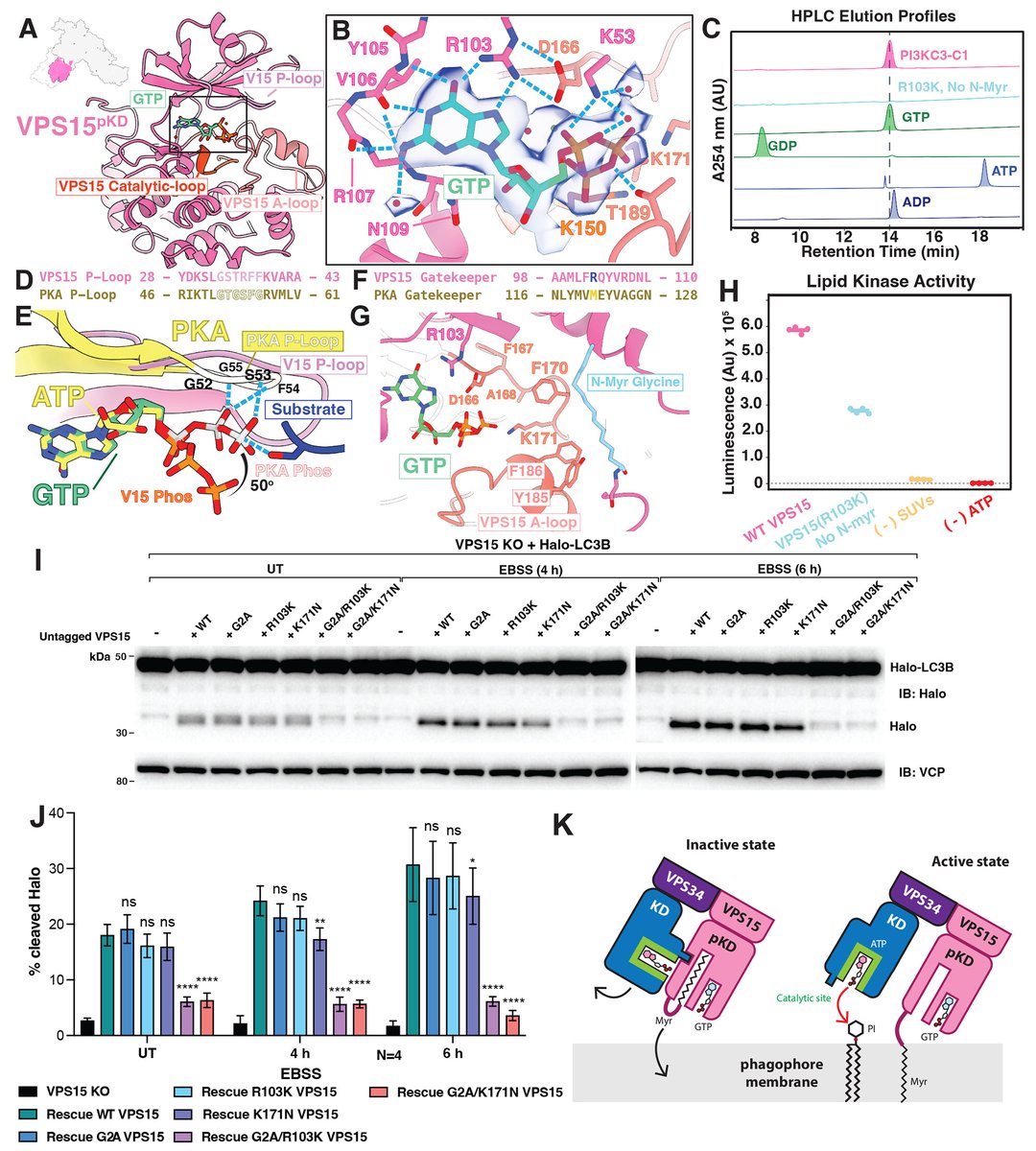
New research from @TheHurleyLab & @ASAP_Research collaborators describes a structural pathway of enzyme activation (determined via cryo-EM analysis) of phosphatidylinositol-3 kinase complexes I (PI3KC3-C1) by VPS15 in autophagy
science.org/doi/10.1126/scie…
5
691
Congratulations, Chunyi!
4 Feb 2025

🚀 Thrilled to announce our latest work published in @NatureComms !
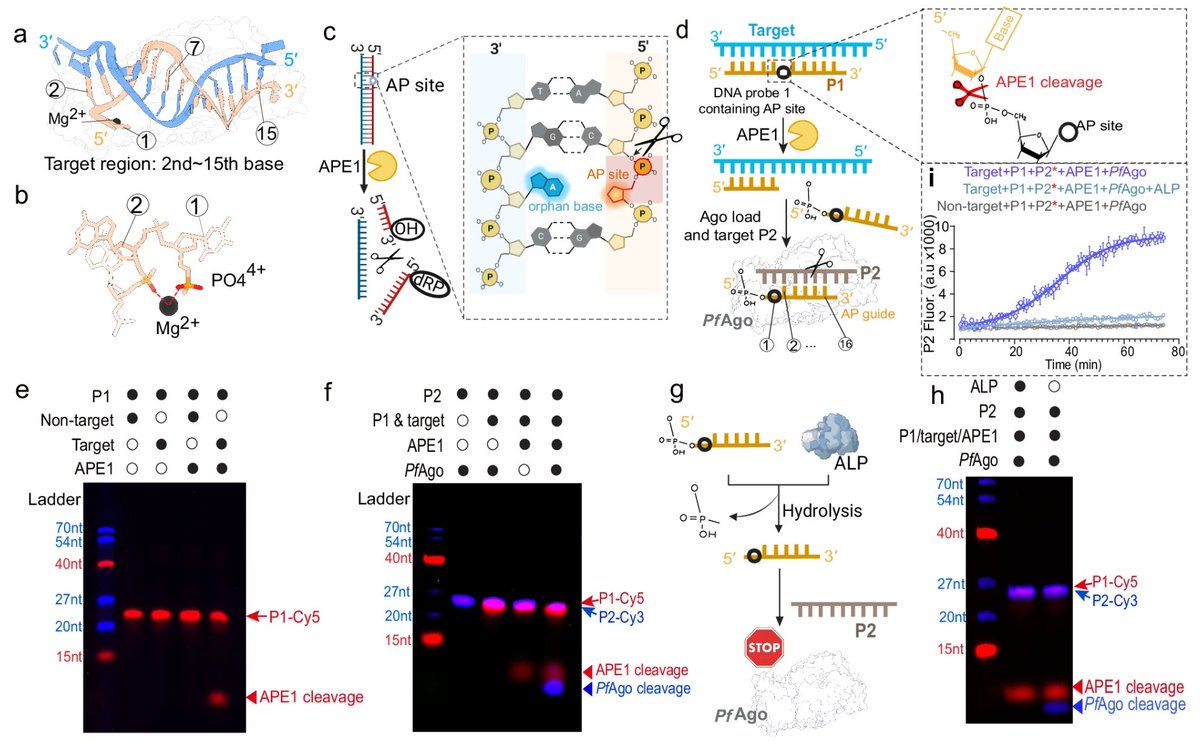
NAPTUNE: An ultra-sensitive platform using APE1 to create 5'-phosphorylated DNA, which guides PfAgo for precise nucleic acid & protein detection.
🔗 nature.com/articles/s41467-0…
#Diagnostics #PfAgo #NucleicAcids
1
1
305
congratulations, Christoph.
Congrats to our newest faculty member, Christoph Gorgulla @StJudeResearch, and colleagues @UofT @InSilicoMeds, for work just out @NatureBiotech — using quantum computing to design small molecules that inhibit KRAS. #OpenAccess
nature.com/articles/s41587-0…
1
425
SunLab retweeted

9 Sep 2024
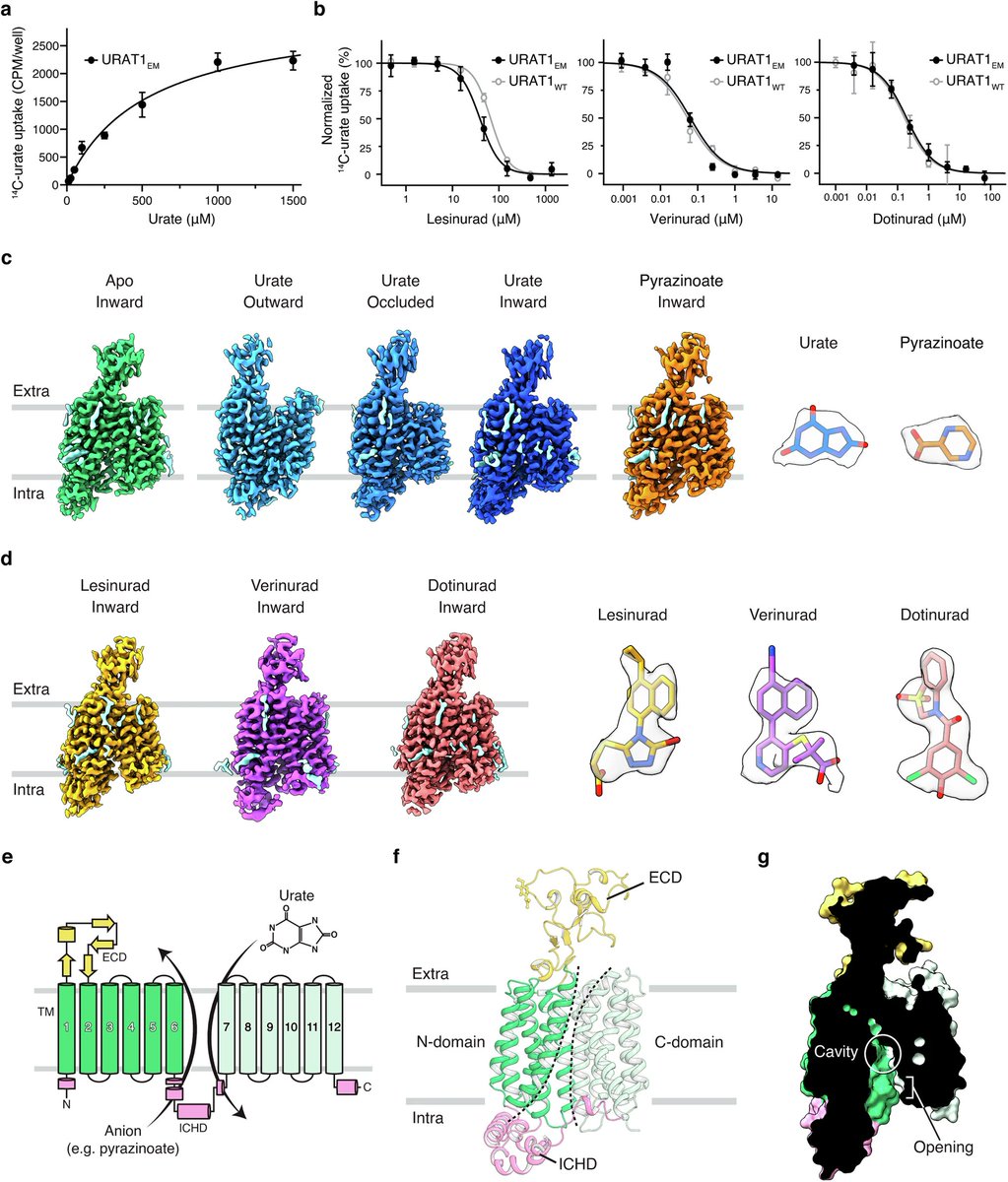
Transport mechanism and structural pharmacology of human urate transporter URAT1 | Cell Res
doi.org/10.1038/s41422-024-0…
10
40
3,318
Goodbye @StJudeResearch. It has been five great years. Unparalleled support, collaborative environment, but most importantly awesome colleagues @StJudeStructBio. Just can't express my appreciation enough to everyone that I worked with. Thank you all!!
5
37
4,689
Love you ❤️ all @BabisKalodimos @TheCHLeeLab @LabHalic @JunminPengLab @kellogg_liz @TheBlanchardLab @m_madan_babu @kriwacki @TanjaMittag @Ineschen0, those I hugged and ones that I didn't get chance to say goodbye in person. 🙁
1
7
900
SunLab retweeted

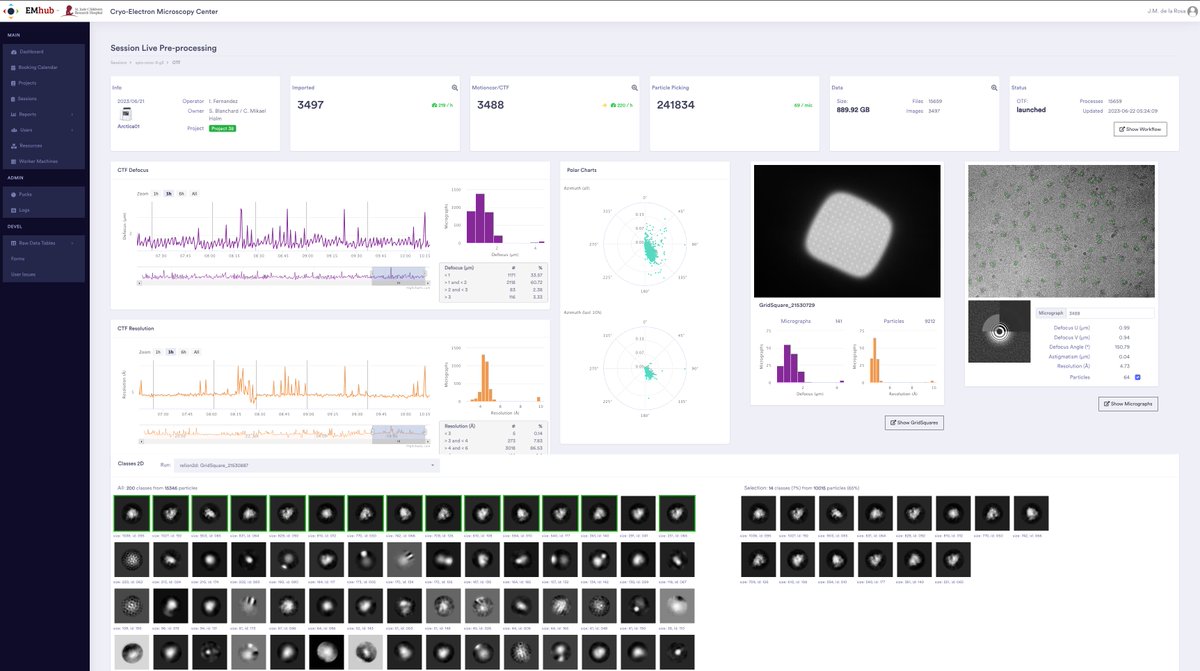
We are happy to announce the public release of EMhub, a web platform designed to support the operations of a scientific facility, enabling easy management of users, instruments, bookings, and project tracking. EMhub was unveiled at the #ACA2024 last week by @delarosatrevin
1
16
89
15,099
Story 1: UM171 asymmetrically reprograms dimeric CRL3-KBTBD4 to degrade CoREST via HDAC1/2 with InsP6 as a second glue. Story (2): Cancer mutations of KBTBD4 found in medulloblastoma structurally, functionally, and mechanistically mimic UM171. biorxiv.org/content/10.1101/…
7
21
4,065