
296 Photos and videos






Jim Fellinger retweeted

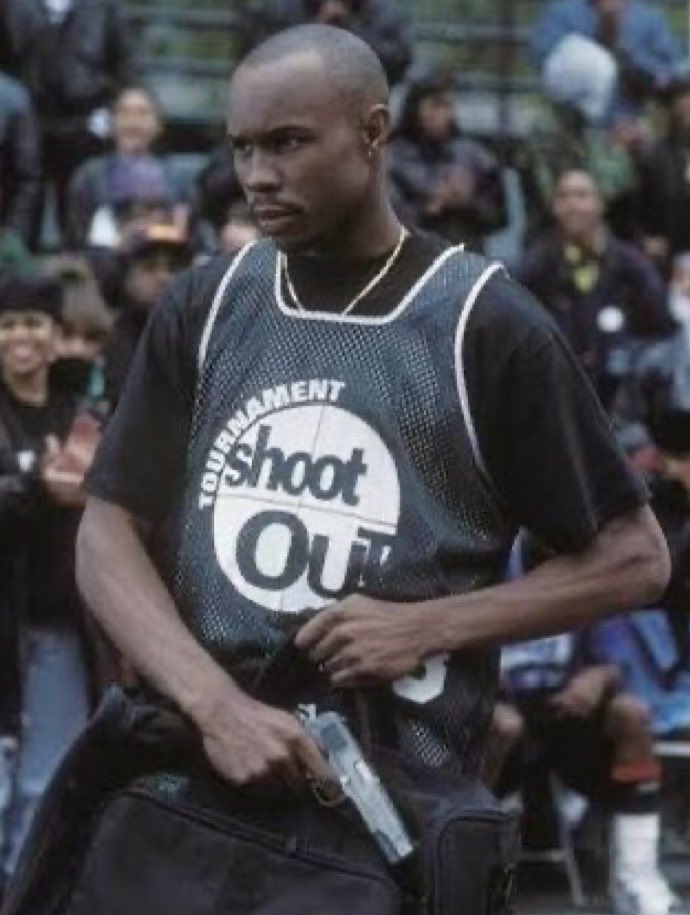
Spike Lee was paraded through Fort Greene in Brooklyn like he was the pope.
259
4,942
59,080
1,147,853
Our mayor is Muslim
Our bagels are Jewish
I feel so damn alive
CUZ THE KNICKS JUST WON IN FIVE

BREAKING: The New York Knicks win their first NBA title since 1973 with a 94-90 victory over the San Antonio Spurs in Game 5. apnews.com/article/nba-final…
6
154
Nah, he's alright. Let that boy do his thing.

64
Wow, I can't believe he drew this. Incredible. Genius. Ahead of his time.
26

1. The economics do not work.
Cutting off the world isn't survivable — for Anthropic or for US tech. Start with the macro: however you measure, the US is ~26% of world GDP (nominal) or ~15% (PPP, and falling). Most demand sits abroad.
statisticstimes.com/economy/…
2
1
16
2,489

Jun 12
My Knicks have an opportunity to win The Finals on my birthday tomorrow. Life-changing joy on the line. The mood carries.

64
Jim Fellinger retweeted

Jun 12
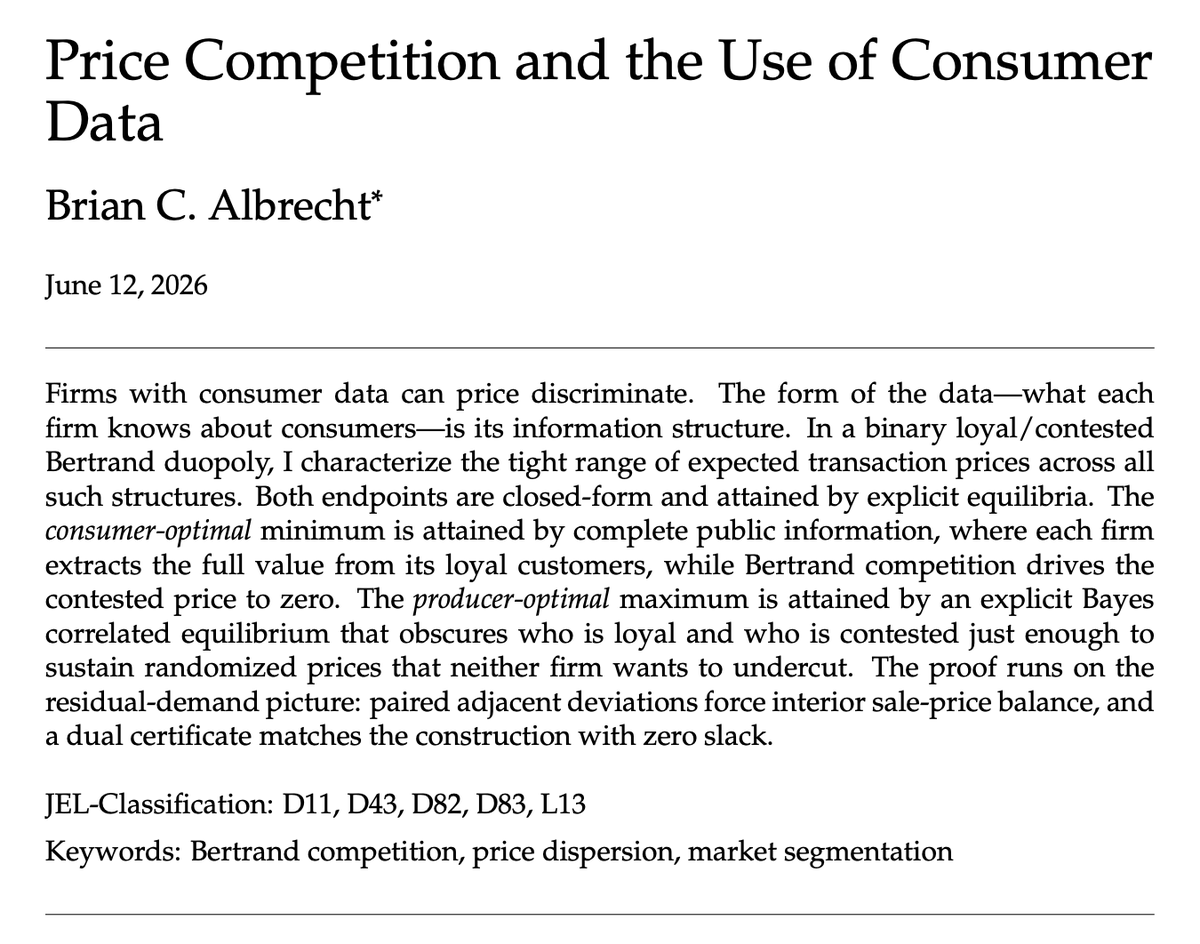
There's lots of fear about AI and price discrimination. "They're using data in all sorts of complicated ways we can't even comprehend!"
Fair. So instead of assuming a specific form, ask, what can happen across all possible types of data?
Are consumers doomed? I'll argue no.
2
15
45
8,254
Jim Fellinger retweeted

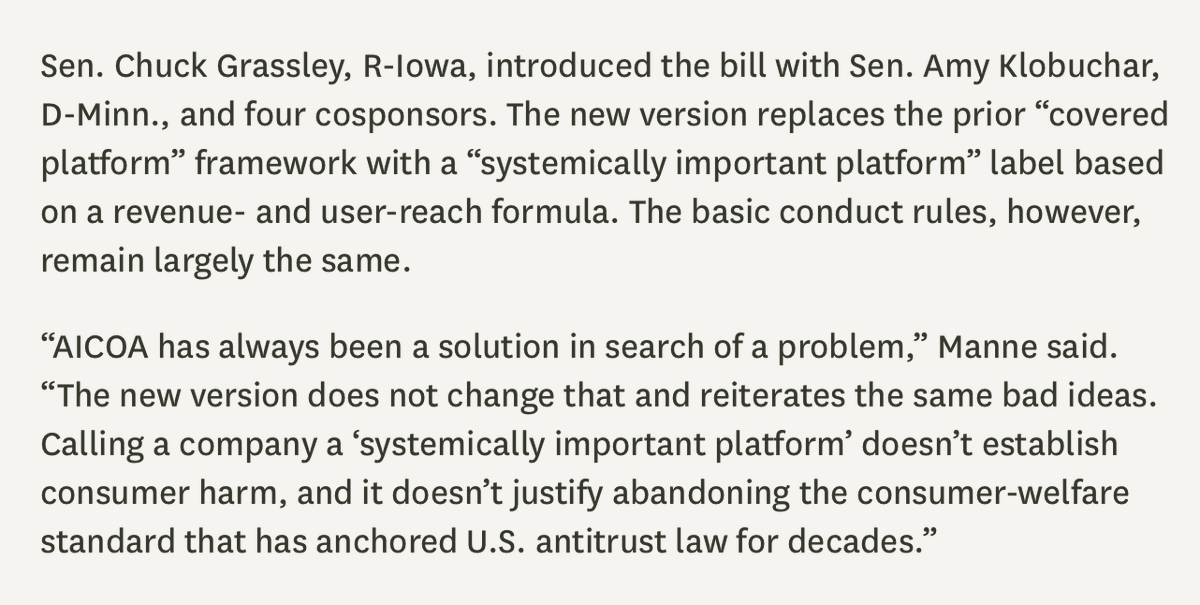
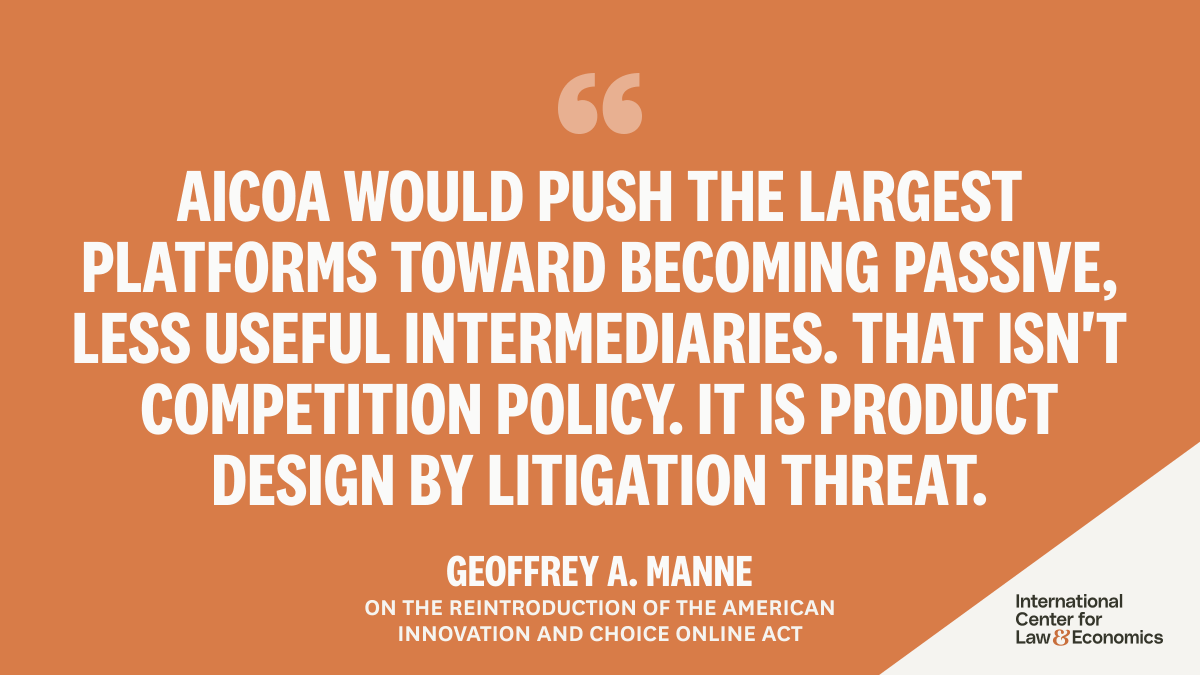
The revised AICOA lowers the harm threshold, raises the bar for security and privacy defenses, and speeds up litigation. @geoffmanne argues it doesn't fix the bill's core problem: labeling a company "systemically important" doesn't establish consumer harm.
Full statement ⬇️
1
2
5
386
Jim Fellinger retweeted
Jun 12
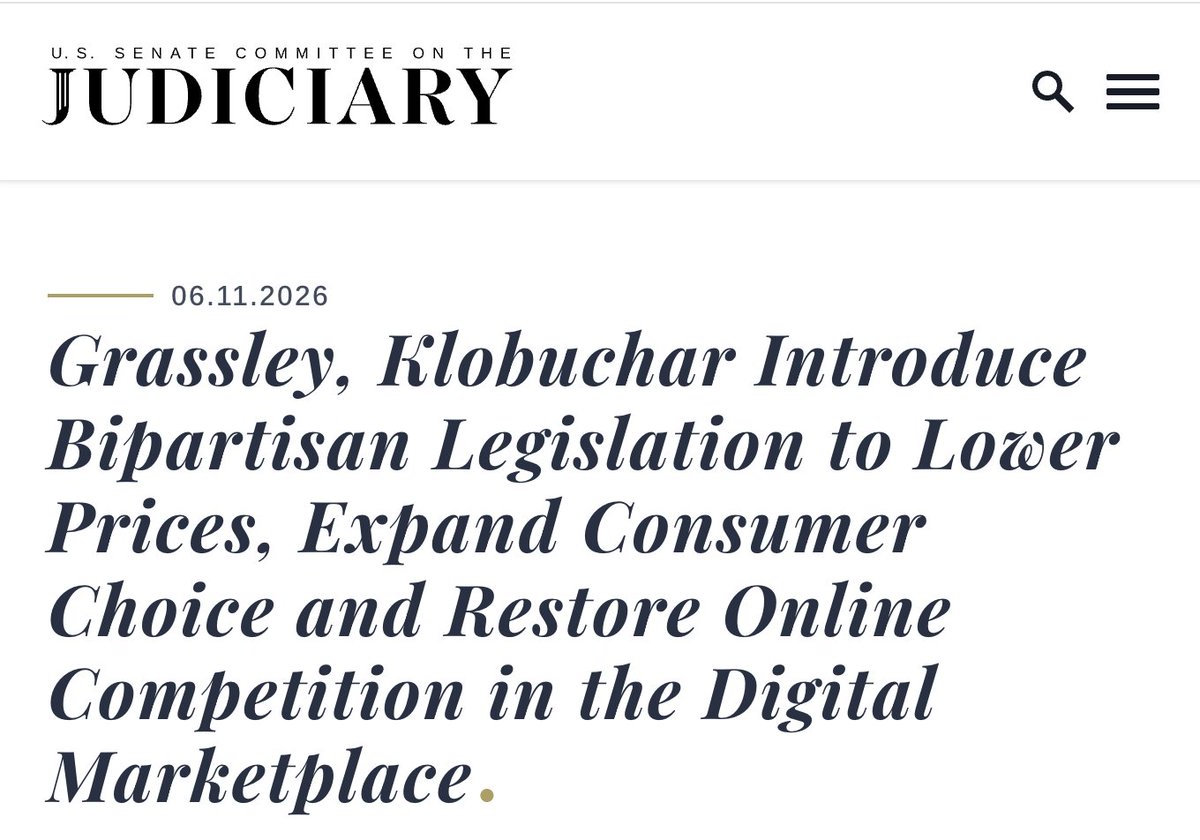
AICOA is back...
The bill restricts self-preferencing, like when platforms favor their own services. Google Maps in Google Search. Amazon Basics on Amazon.
Sure, competitors hate this. But competitor harm is not the same as consumers being harmed. This is antitrust 101 stuff
1
3
16
1,762
Jim Fellinger retweeted

Jun 11
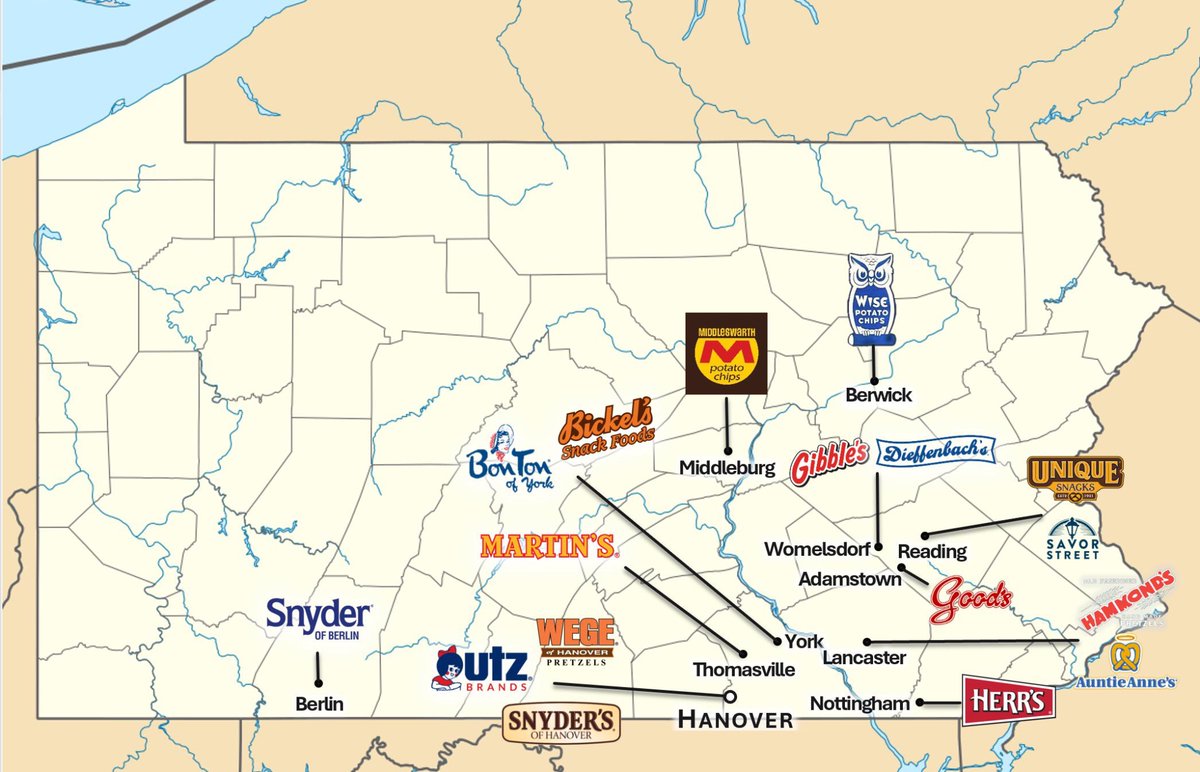
Everyone always talking about “talent density” in Silicon Valley when we really should be talking about how 80% of pretzels in America come from a small region of Pennsylvania
581
2,955
39,237
1,522,351
Jim Fellinger retweeted

Jun 11
#Competition #DigitalMarkets
Apparently, some US politicians don't want Europe to have a monopoly on bad regulation... so "AICOA" is back from the grave.
Sens. Grassley and Klobuchar have introduced a new American Innovation and Choice Online Act (link in the first comments). It is narrower than the original version in whom it targets—but, in important respects, more aggressive in how it regulates them.
As @geoffmanne has said, “AICOA has always been a solution in search of a problem”.
Why regulate digital markets? Digital markets have always been very competitive. So-called "big tech" firms have expanded output and invested heavily in R D. Consumers have benefited from constant innovation. Even firms with clear leadership in some markets face competition from disruptors or other big tech firms entering adjacent markets. Tech firms explain, at least in part, the productivity gap between the US and Europe... so why imitate European regulation?
Why *now*? Regulation makes even less sense in the midst of the generative-AI boom. GenAI is already reshaping—and could fundamentally disrupt—search, social media, e-commerce, and other digital markets.
The revised AICOA targets a small group of “systemically important platforms” based largely on size and reach, not proof of market power or consumer harm. It would treat practices such as self-preferencing, integration, defaults, ranking, data use, and interoperability restrictions as presumptively suspect, even though these practices can improve convenience, security, and product quality. Its low “material harm” threshold and demanding defenses would make ordinary design and engineering decisions far riskier.
The likely result is more litigation, slower product improvements, and less integration—not necessarily more competition. Large penalties and expedited enforcement would further encourage overcompliance. Governments should address exclusionary conduct when there is evidence of actual competitive harm (and we have Antitrust Law for that), rather than adopting a DMA-style shortcut that risks protecting competitors at the expense of consumers and innovation.
While I enjoy zombie movies, zombie bills are a waste of valuable resources that we should not entertain.

1
6
9
896
Jun 11
New AICOA... same problems. @LawEconCenter's @geoffmanne argues the latest version of the bill reiterates the same deeply flawed economic assumptions as its predecessors. His statement below.
1
2
5
1,045
Jun 11
A lot of people waiting for the official @GusHurwitz statement on AICOA reintroduction. Wait no more...
Jun 11

Lots of folks are making statements about AICOA's latest reincarnation today. Here's mine:
90
Jim Fellinger retweeted

Jun 11
If you were wondering what the "pause" was all about, Ben Thompson @stratechery has an interesting theory:
"Late last week the Anthropic Institute released a new safety report warning about the danger of recursive self-improvement... I don’t think the timing is a coincidence. This is a company and leadership that has been honing safety-and-scaremongering-as-marketing-tactic ever since Amodei led the charge to close source OpenAI models because GPT-2 was too dangerous; it’s always fun to see the evolution of tactics, capabilities, and goals, and in this case publishing a widely-discussed report the week before you cite it to silently degrade your offering for potential competitors is impressive."
131
178
2,300
324,939
Jim Fellinger retweeted

Jun 11
The speech is worth a read, but a central premise requires further explanation: "We should prevent AI from taking over jobs that only humans ought to do..."
The word "ought" is doing all of the work here, work that should be explored further so the notion can be universalized and discussed for what it likely is - a rent seeker's dream.
Jun 10

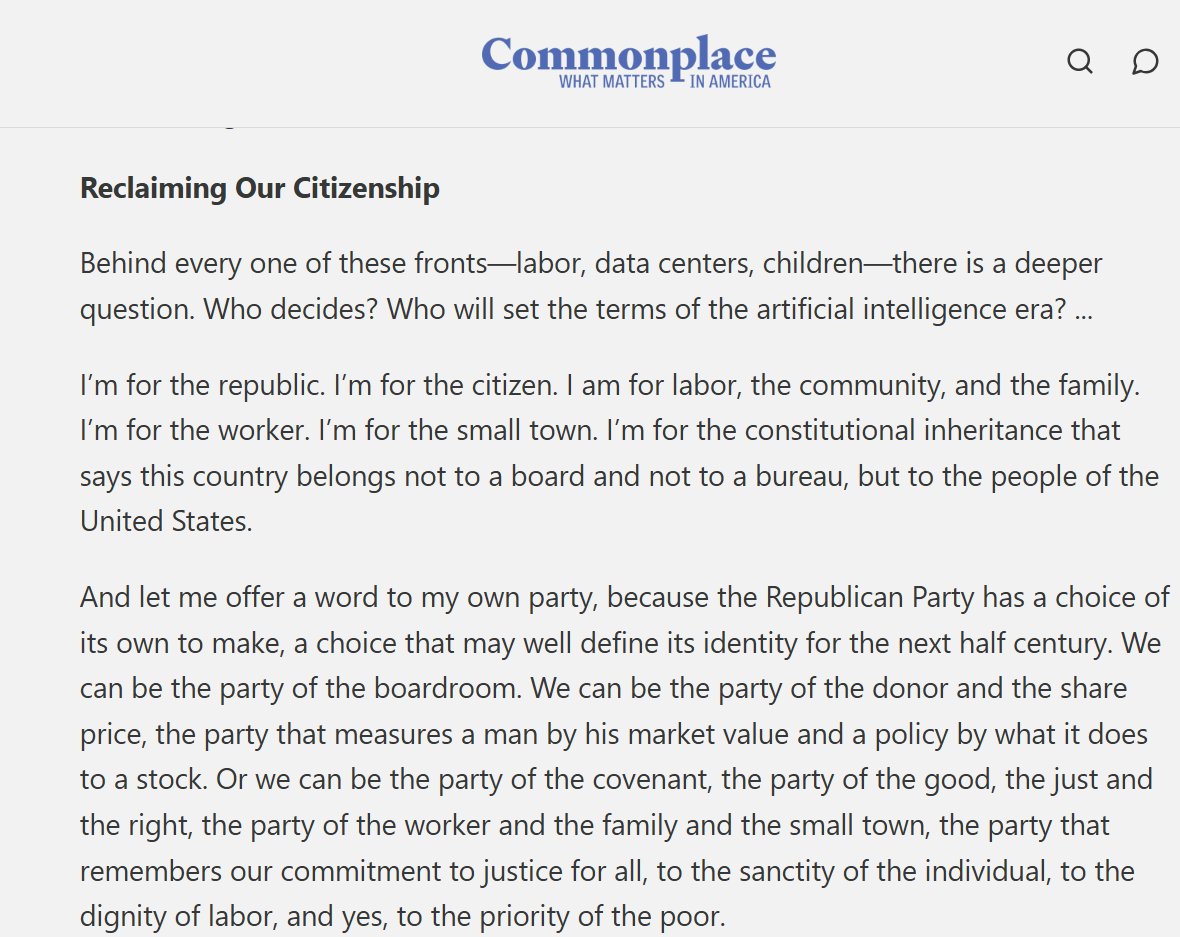
From @AmerCompass gala, @HawleyMO @commonplc on Reclaiming Citizenship from the Cloud:
"Behind every one of these fronts—labor, data centers, children—there is a deeper question. Who decides? Who will set the terms of the artificial intelligence era?" commonplace.org/p/sen-josh-h…
3
12
1,516
Jim Fellinger retweeted

“Cue the quote tweets.”
Jun 10

New - @SenAmyKlobuchar and @ChuckGrassley have reintroduced their re-worked American Innovation and Choice Online Act tonight.
5
15
3,069
Yesterday, Commission spokesperson Thomas Regnier gave Brussels' official line on Apple withholding Siri AI from EU iPhones.
It's a remarkable statement—and nearly every clause of it gets the economics backwards.
Let's go through it, clause by clause. 🧵

Apple decided not to roll out SIRI AI in the EU.
The non-interoperability of their design made the update not suitable for the EU market.
Why? Because big tech companies cannot decide which EU tool should be used by EU citizens.
Learn more👇
📺youtube.com/shorts/ATg_W0N3K…
Community note
Apple briefed EU regulators early and proposed technical solutions (including a "Trusted System Agent" for safer third-party access) to enable the feature while maintaining user security and privacy. These were rejected by EU.
9to5mac.com/2026/06/09/gre…
37
51
235
74,114
Jim Fellinger retweeted
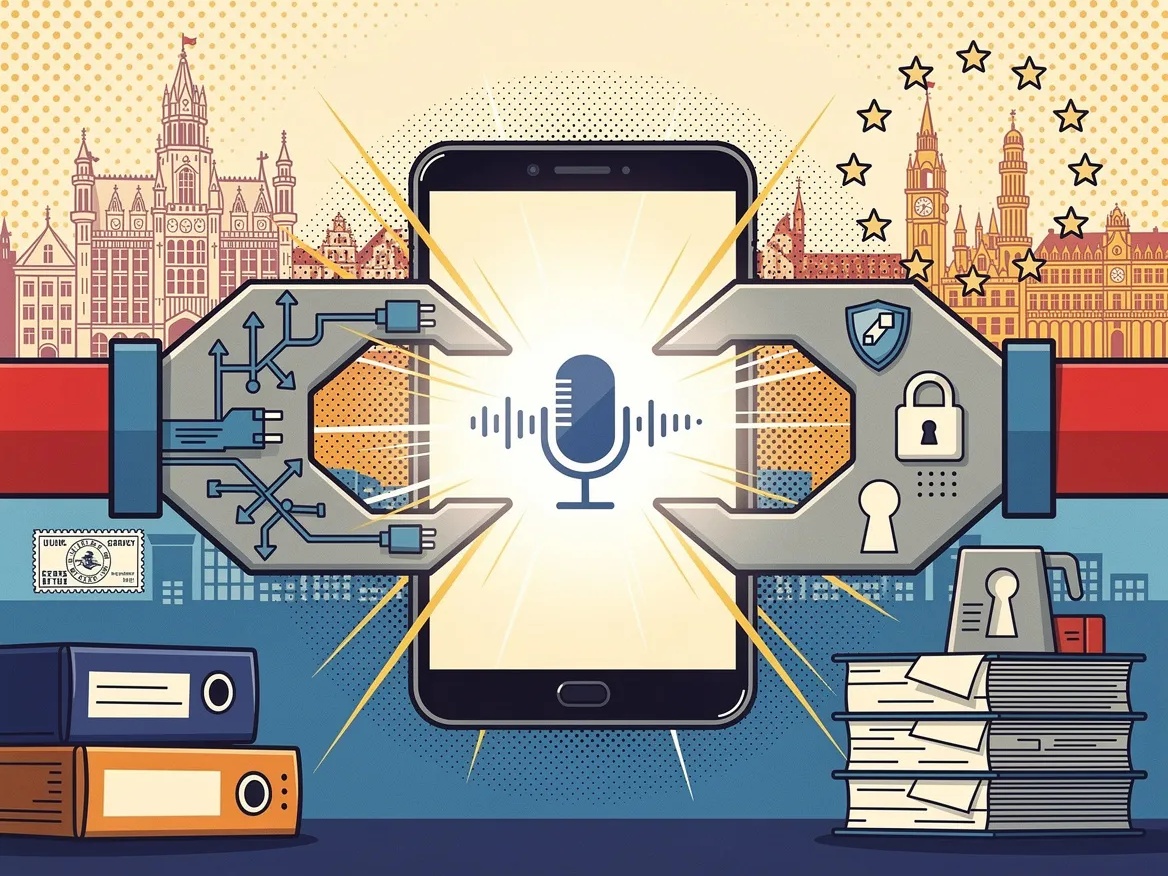
When regulation makes a product legally or commercially untenable, the binding constraint is the regulation, not the technology.
@AuerDirk explains why the DMA left Apple choosing between privacy risks, penalties, or withholding Siri AI from EU users. Read below ⬇️
2
3
14
863
Jim Fellinger retweeted

Jun 10
Or it’s simply poor regulatory design. You can’t legislate every outcome into being. Force companies to bankroll rivals and degrade their own products, and the rational and legitimate response may be to not ship in that market at all.
Jun 9

There you have it.
Instead of Apple trying to find a suitable, compliant solution to launch Siri AI in the EU without gatekeeping competitors, Apple spent 18 months ignoring the regulations, then asked the EU Commission to be exempted from the DMA obligations.
4
9
92
5,155