
Joined June 2022
- Tweets 897
- Following 613
- Followers 121
- Likes 549
175 Photos and videos





Abubakar Siddiqui retweeted

Jun 16
Quantum computing is just math, and PQ secure cryptography is too.
Come learn about the math behind PQ security with Optimum CEO & renowned MIT professor @MurielMedard.
(Full video linked below)
41
29
191
6,340
Abubakar Siddiqui retweeted

Jun 11
Phase 1 Testnet Whitelist Extension 💫
Early access to zero-slippage trading
Join Now → stabilizer.finance/whitelist

1,571
5,059
5,838
194,947
Abubakar Siddiqui retweeted
Jun 10
The new Wall Street is being built on Ethereum. Last week we brought together the institutional players who are making it happen.
This is Top of the Block with @BitMNR @1kxnetwork @Auros_global @BlockdaemonHQ.
52
41
220
11,016
Abubakar Siddiqui retweeted
Jun 9
Consistently fast data propagation is how we optimize Ethereum's block supply chain. @sajidazouarhi
37
18
171
6,605
1
8
Roadmap Highlights: From Testnet Fire to Mainnet Adoption:
Hey Optimum fam!
We've come a long way, and the momentum is real. From our roots in MIT research to where we stand today here's a quick look at the journey that's powering the Universal Data Acceleration Network:
4
3
38
This isn't just tech talk. It's about making blockchains fundamentally better: faster data movement, lower latency, and infrastructure that actually scales with real demand.More node operators onboarding, expanded L1 support, and turning these testnet wins into production magic.
1
17

May 30
Why Propagation is Blockchain’s Hidden Scaling Bottleneck
Blockchains want to be fast, cheap, and decentralized. But even with better tech and Layer 2s they often slow down under real load. The hidden reason? Propagation how new blocks actually spread to all nodes in the network.
How It Works (and Fails)
When a validator creates a block, it doesn’t instantly reach everyone. Nodes use “gossip” they send the block to their neighbors, who send it to others. It’s like playing telephone across the world.
This creates problems:
*Same data is sent again and again (wasted bandwidth)
*Nodes far away or with slow internet get the block late
*While waiting, other validators create competing
blocks forks and wasted work
*Only big, well-connected nodes can keep up pushes
toward centralization
Bigger blocks and higher TPS make this problem worse. The “roads” get jammed.
Why Most Ignore It
People talk about fast execution, zero knowledge proofs, and data availability. Propagation is the quiet background work that no one notices until the network struggles.
A Smarter Fix
Projects like Optimum are solving it with network coding. Instead of sending full copies everywhere, nodes send smart combinations of data. This makes propagation faster, uses less bandwidth, and is fairer for all nodes without changing the blockchain itself.
Bottom Line Propagation is the invisible ceiling holding blockchains back. Fix the roads, not just the cars and real scaling becomes possible.Short, simple, and clear. Ready to use!
Bottom Line
Propagation is the invisible ceiling holding blockchains back. Fix the roads, not just the cars and real scaling becomes possible.Short, simple, and clear. Ready to use!
@blockchainjeff @aqccapital @tgogayi @f1nk1r @shariaronchain
1
1
17
May 24
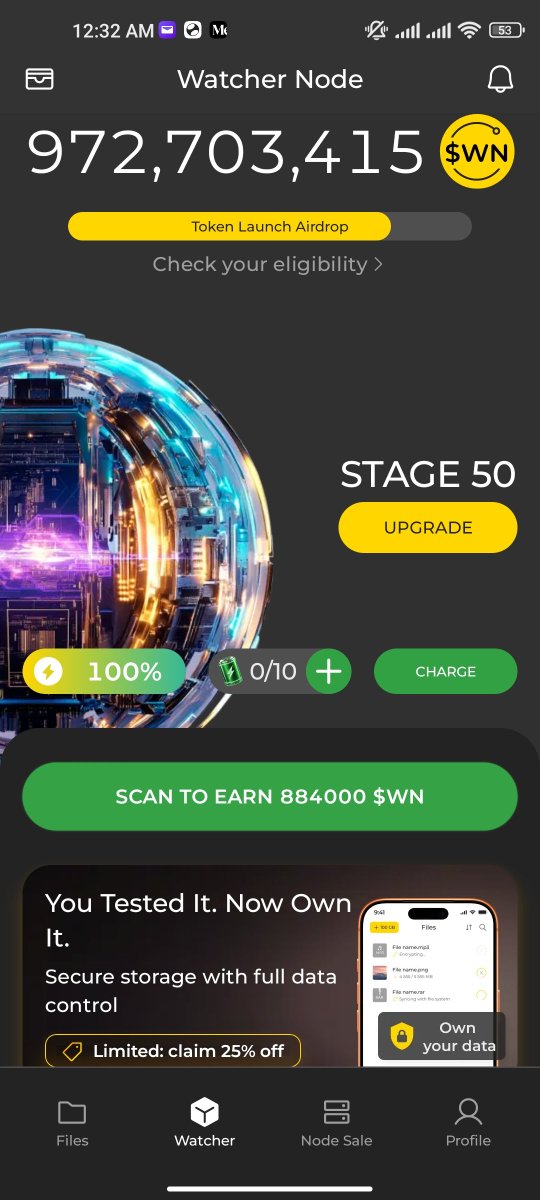
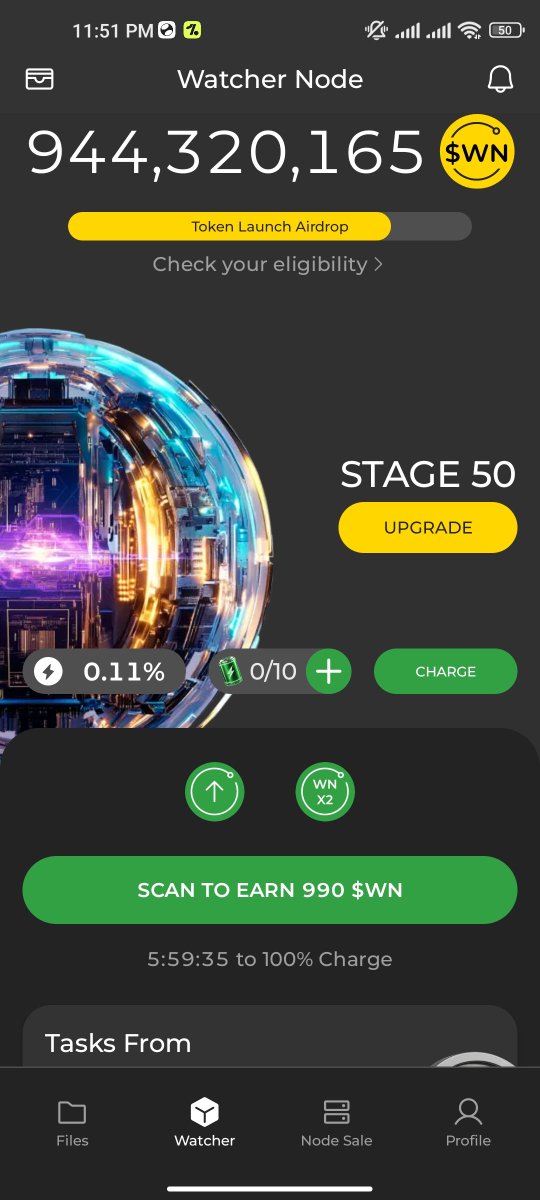
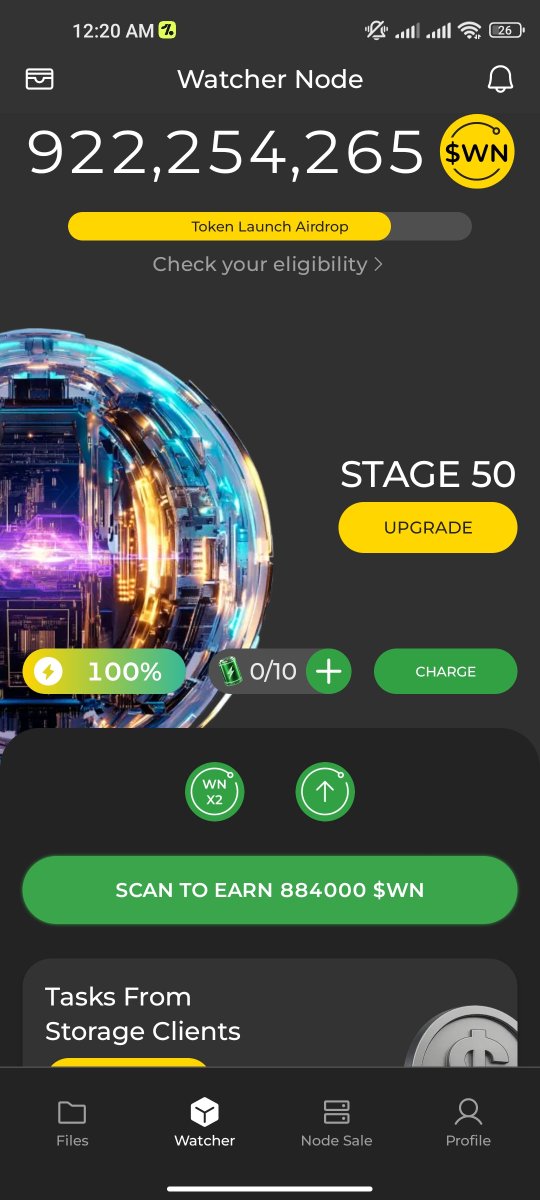
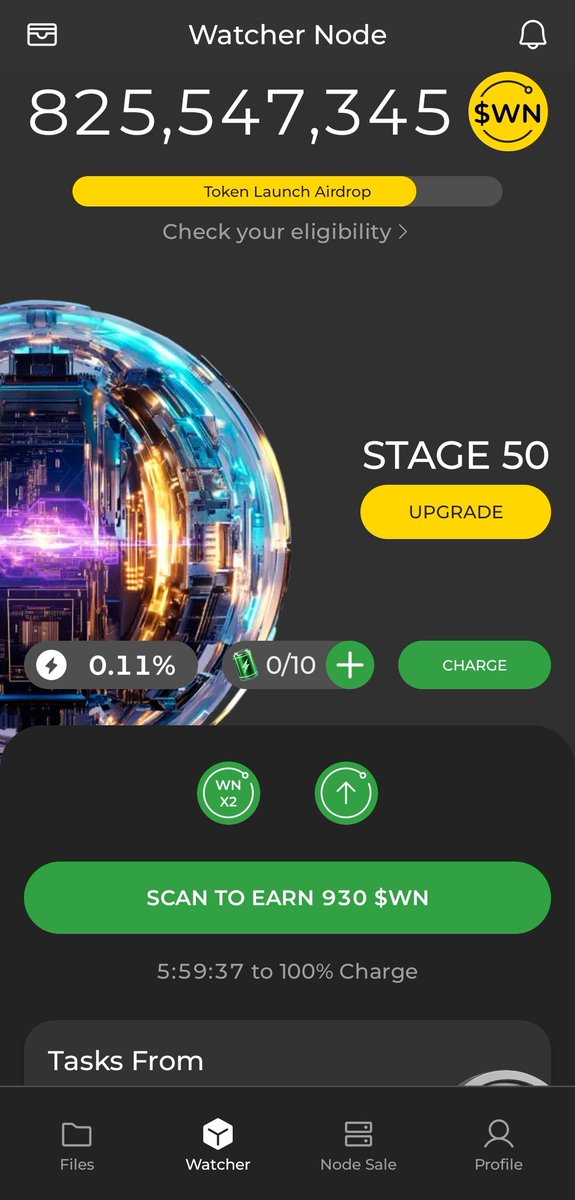
92 crore points
@DeNetPro
@DenetStorage
#WatchersEverywhere
If you want to join here's my Link :
links.denet.app/mobile?refer…
13
May 18
RLNC: The Secret Sauce Powering Next-Gen Web3 Infrastructure (Meet Optimum)
Hey folks, I've been deep in the blockchain trenches lately, and something finally clicked for me: Web3's biggest headache isn't just scaling it's how painfully inefficient our data moves around.
Think about it. Nodes gossip the same block data over and over, wasting bandwidth, slowing everything down, and jacking up costs. It's like trying to share a giant puzzle by mailing full copies to everyone. while half the pieces get lost in transit. Frustrating, right?
Enter RLNC Random Linear Network Coding and the team at Optimum who's making it the game changer Web3 desperately needs.
Imagine this instead: You break the puzzle into smart little coded fragments. Nodes don't just forward copies they remix and recombine them on the fly. Any node can rebuild the full picture from just enough pieces, even if they're jumbled, delayed, or missing some. No more redundant spam. Way less bandwidth. Blazing fast propagation. And it actually gets more efficient as the network grows.
That's not sci-fi. That's math from MIT legend Muriel Médard (Optimum's co-founder), battle-tested in 5G, satellites, and massive networks. Now it's coming to blockchains as the "missing memory layer."
Optimum isn't building another L1 or L2. They're building the universal accelerator layer that makes any chain faster, cheaper, and more decentralized. Faster block propagation, smarter storage, real-time data access all without compromising the trustless vibe we love.
In tests, it's showing ridiculous gains: way less duplicate traffic, quicker consensus, and real UX improvements for dApps. Validators and node runners? Your bandwidth bills just got a lot friendlier.
This feels like the infrastructure upgrade we've been waiting for turning the "world computer" from a clunky desktop into something that actually feels... alive and scalable.
@blockchainjeff @aqccapital @tgogayi @f1nk1r @shariaronchain
1
27
May 17
9
May 14
Hey everyone,
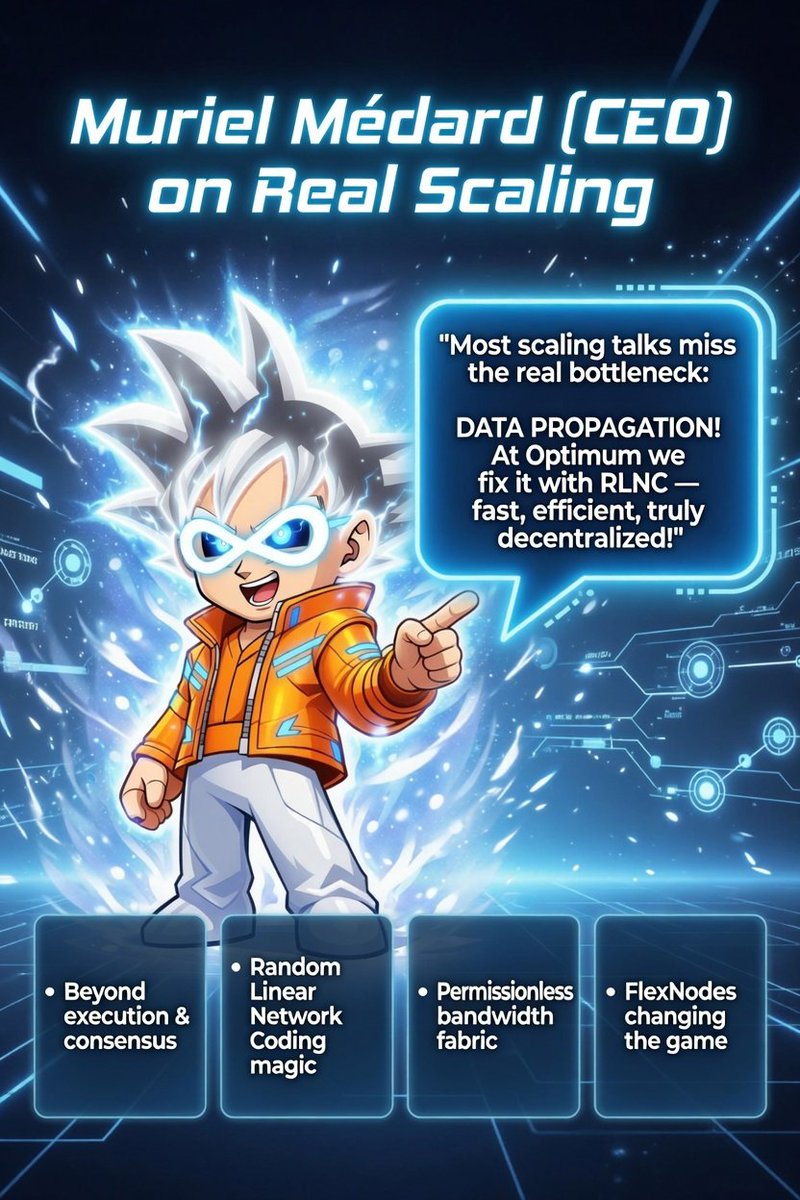
Just caught up with our CEO, Muriel Médard, in a no fluff interview about the one thing everyone’s quietly ignoring when they talk about scaling blockchains.
Here’s the straight talk from Muriel:
Most scaling conversations focus on execution, consensus, or data availability. But there’s a quieter ceiling underneath all of it: data propagation.
She didn’t hold back. Traditional gossip style P2P networks? They’re great in theory, but under real world load they start choking redundant transmissions everywhere, bandwidth going to waste, and wildly uneven performance depending on where you’re sitting on the globe. That layer sits at the very foundation of everything else, so when it struggles, the whole stack feels it.That’s exactly why we built Optimum the way we did.Muriel and the team took two decades of MIT research on Random Linear Network Coding (RLNC) and turned it into a universal bandwidth fabric decentralised memory layer.
The goal? Make propagation actually fast, efficient, and truly permissionless without forcing anyone to trade decentralization for speed. No more pick two out of three. We’re proving you can have all three.If you’re building in Web3, validator ops, or just thinking about what real scalability looks like beyond the usual buzzwords, this one’s worth a watch. Muriel breaks down what’s already live,
how nodes can plug in, the metrics that actually matter, and how FlexNodes change the game in a permission less mesh.
@blockchainjeff @aqccapital @tgogayi @f1nk1r @shariaronchain
1
2
31
I'm Bullish on @get_optimum Gmum 💗
May 9

We've been building Optimum with a cause because we believe companies should do more.
We put $1,000 on the line for MUM's Day. You, our community, hit 100 replies in 8 hours and unlocked it.
So we're raising the stakes.
1,000 GMUMs = $2,000 more to @UNICEF.
This community moves fast when it matters. Let's go again. GMUM 👇
2
20
yoho i get 806 points on Dango from 3 Epoch's

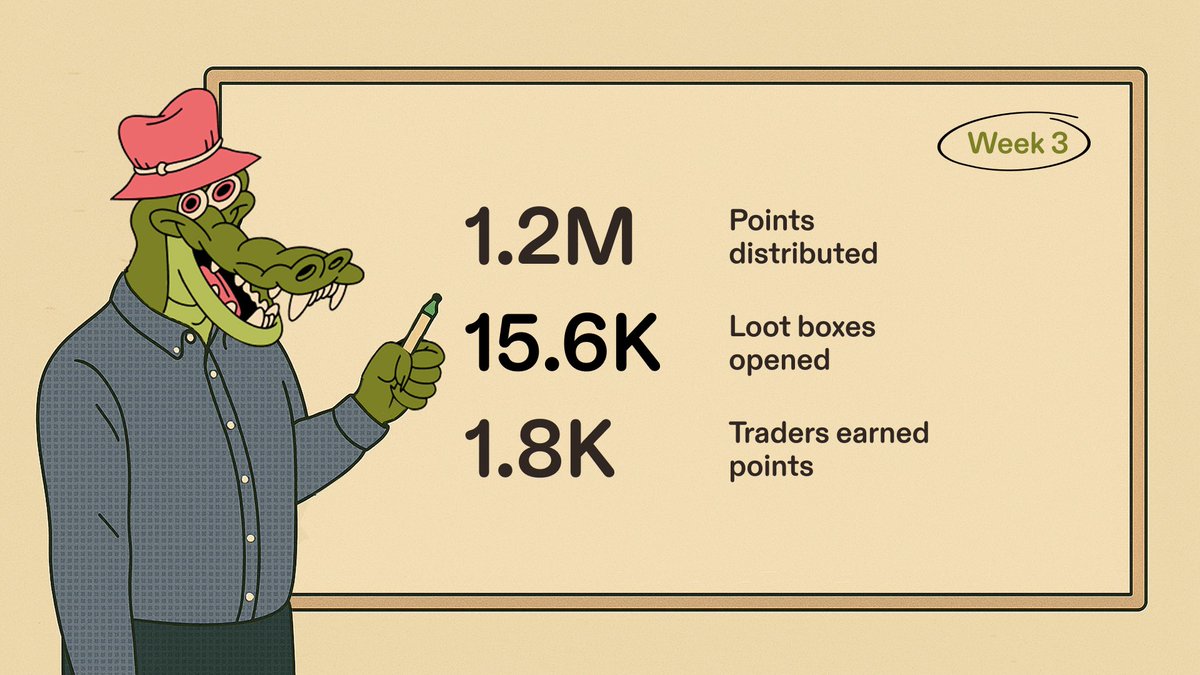
Epoch 3 wrapped.
1.2M points distributed
15.6K lootboxes opened
1.8K traders earned points
Every epoch the numbers keep climbing.
More traders. More activity. More volumes.
Now onto Epoch 4 🍡
3
177
Apr 29
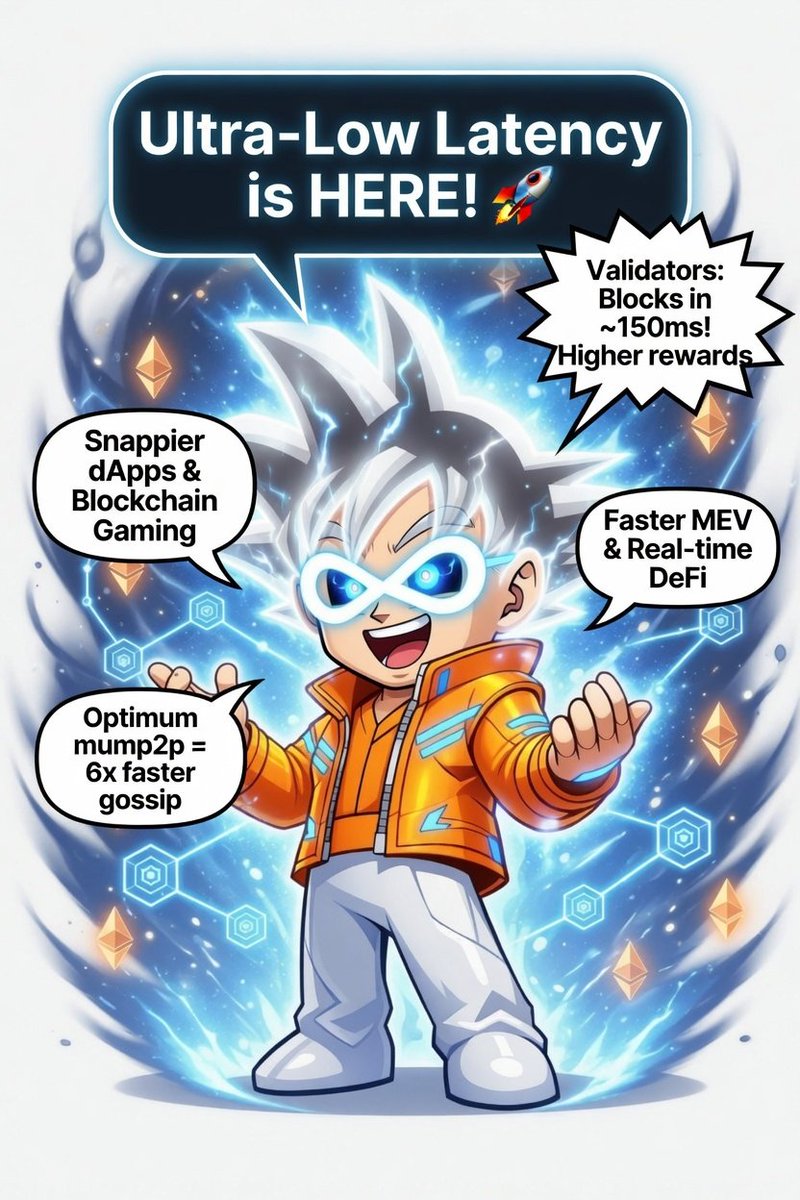
Ever wondered what happens when decentralized networks finally get actually fast?
Ultra-low latency isn’t just hype anymore projects like Optimum are making it real for Web3. Here’s what becomes possible:Validators getting blocks in 150ms instead of 1 second fewer missed proposals, higher rewards, and more stable networks.
dApps that feel instant even when fully decentralized. No more waiting for confirmations while the gossip catches up.
Smarter, more responsive blockchain infrastructure think faster MEV handling, better L2 scaling, and data that spreads like wildfire across the globe.
The foundation for next level decentralised apps: real time collab, high frequency trading on chain, or massive multiplayer experiences without centralized servers.
Optimum uses clever Random Linear Network Coding (from MIT) to cut redundancy and boost speed in P2P gossip. They’re already showing strong results on Ethereum testnets .This is the kind of tech that quietly upgrades the entire decentralized internet.What use case excites you most as latency keeps dropping? Blockchain gaming? Instant global coordination? Or something else?
@blockchainjeff @aqccapital @tgogayi @f1nk1r @shariaronchain
1
1
28