
Twitter for the Jon Brown Lab, located in the division of cardiovascular medicine at Vanderbilt University Medical Center. @VUMChealth 🧬 ⚓️
Joined April 2020
- Tweets 48
- Following 244
- Followers 131
- Likes 140
2 Photos and videos
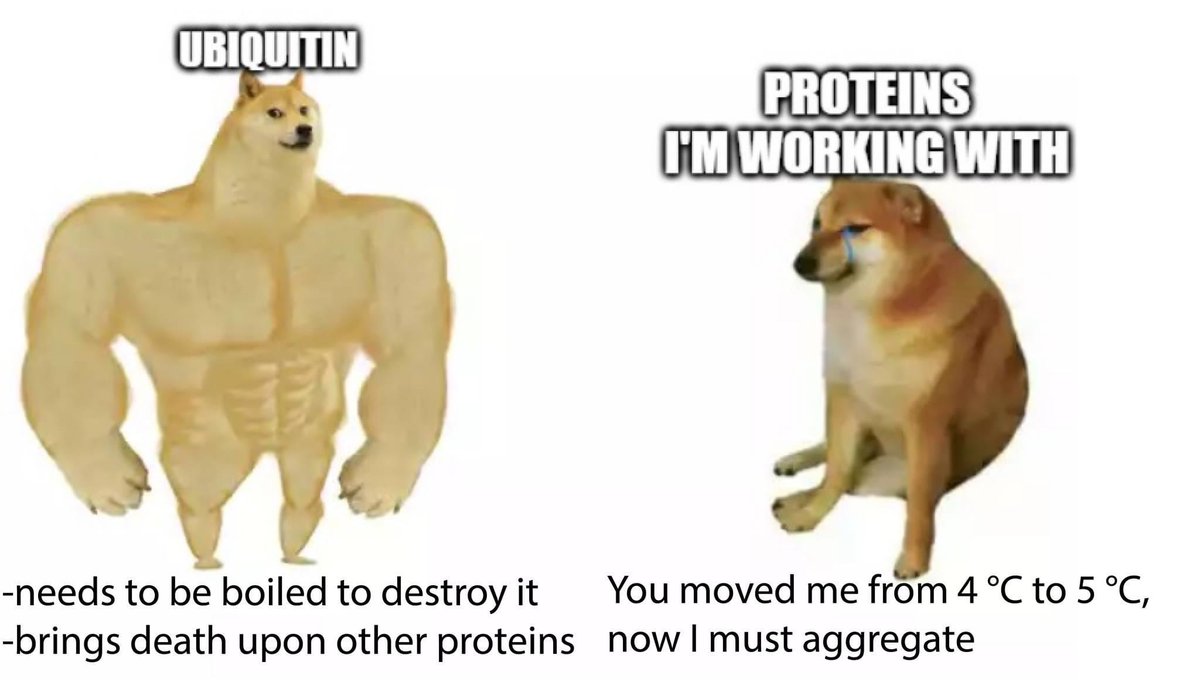
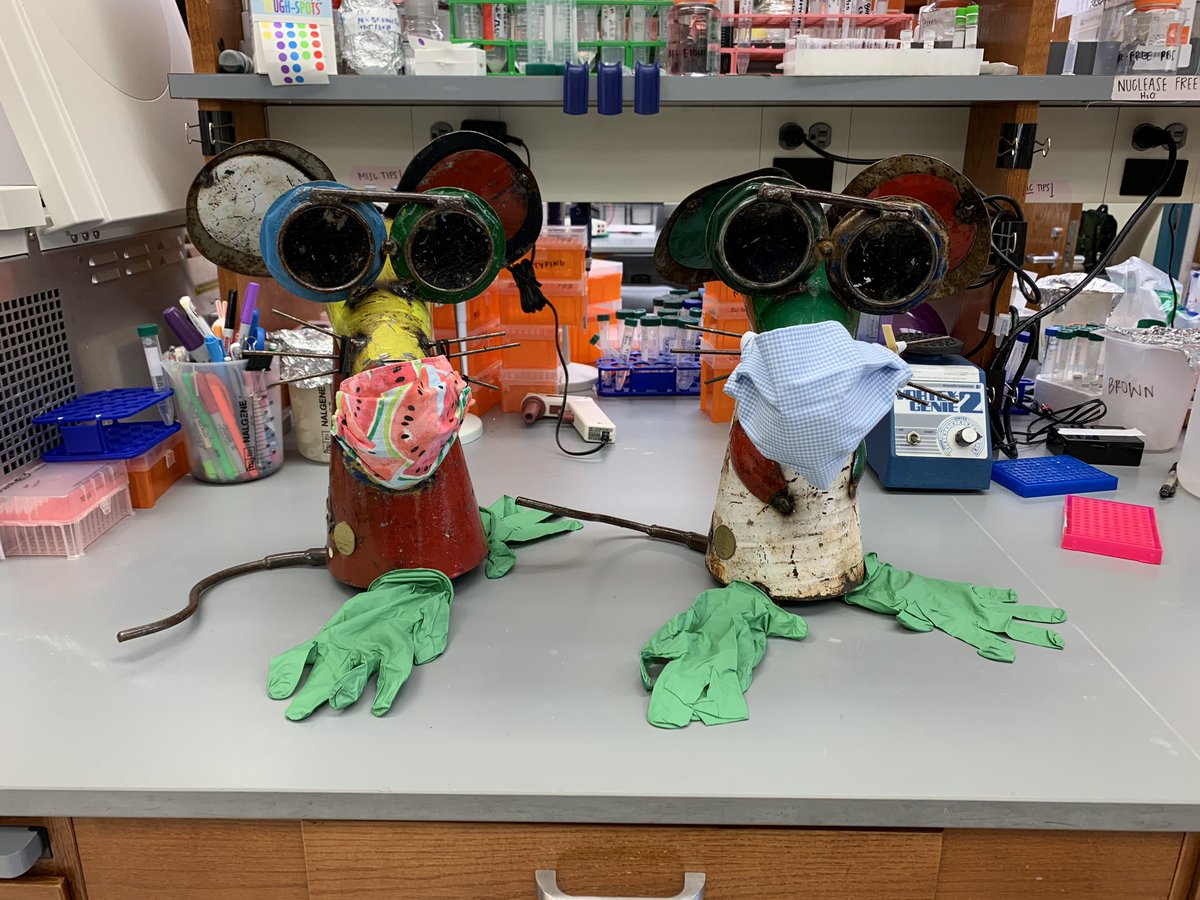
Jon Brown Lab retweeted

24 Nov 2022
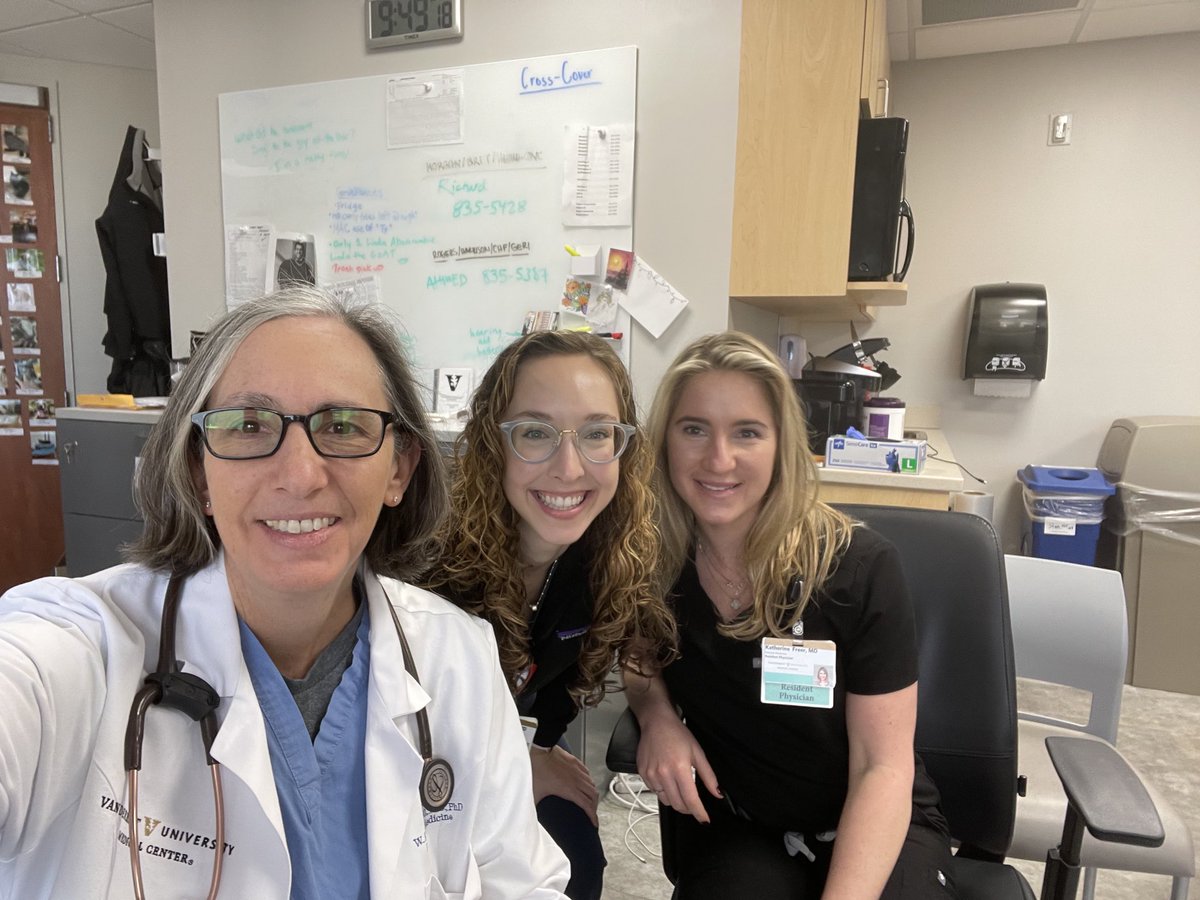
Happy Thanksgiving 🦃🍁🍽 from this rockstar @VUMCMedicineRes @VUMC_Medicine team! Grateful to get to work alongside these amazing doctors. #WomenInMedicine Thx to all #healthcareworkers serving today!
4
4
116
Jon Brown Lab retweeted

16 Jun 2022
Congrats to Ronan Bracken graduate student in @JonBrownLab. Advancing to PhD candidacy in @VandyBiochem. #donewithquals!!! 🙌🧬🧬🧬
2
4
32
Jon Brown Lab retweeted

28 Jul 2021
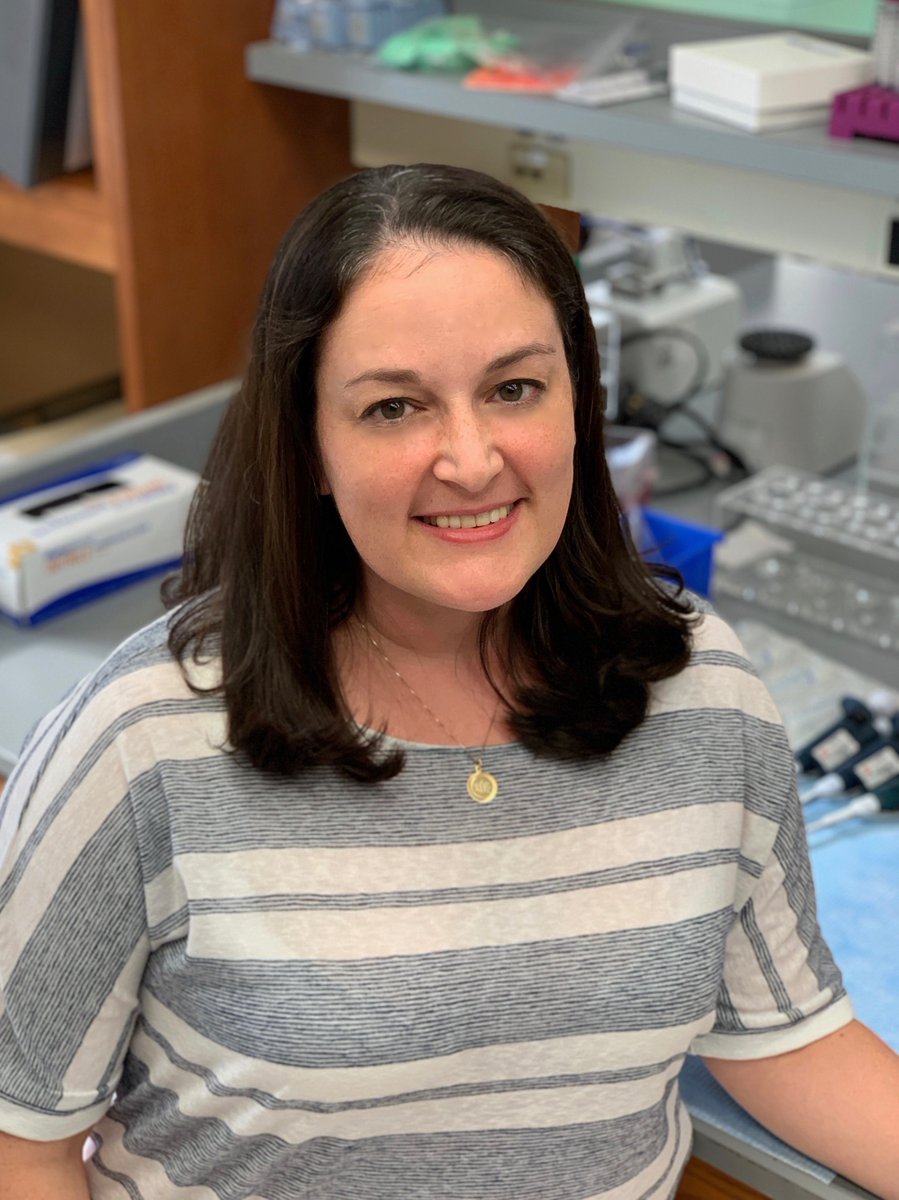
Join us in welcoming our new #TechnicalEditor @CircRes Dr. Amanda Doran MD PhD from the Division of Cardiology @VUMC_heart. Her research focuses on the role of innate immunity and #inflammation resolution in #atherosclerosis. Congratulations! @AmandaDoranLab
3
44
Jon Brown Lab retweeted

28 Jul 2021
Big congrats to outstanding colleague & "Cardio-Immunologist" extraordinaire! & fellow PRB3 "neighbor" (well...until a few months ago)! @VUMChealth @VUMC_heart @AmandaDoranLab @JonathanBrownMD @JonBrownLab @JaneFreedmanMD @CircRes @AHA_Research @annetkiraboc1 @nhpetunia
28 Jul 2021

Join us in welcoming our new #TechnicalEditor @CircRes Dr. Amanda Doran MD PhD from the Division of Cardiology @VUMC_heart. Her research focuses on the role of innate immunity and #inflammation resolution in #atherosclerosis. Congratulations! @AmandaDoranLab
1
3
26
Jon Brown Lab retweeted

8 Apr 2021
Our recent publication was reviewed in NEJM today! @davidrliu, @NIHDirector, @JonBrownLabVUMC, @Progeria, @mrrerdos The figure is absolutely killer!
Will definitely be sending this to my mom.
nejm.org/doi/full/10.1056/NE…
1
9
79
Jon Brown Lab retweeted
13 Mar 2021
Excited to have Dr. Mac Linton present at @VUMChealth CV Research Series. Terrific colleague, scientist & even better hogfish cook & host! @JaneFreedmanMD @KathrynMooreLab @merrymanlab @alan_daugherty @JoshuaBeckmanMD @VAgrawalMDPhD
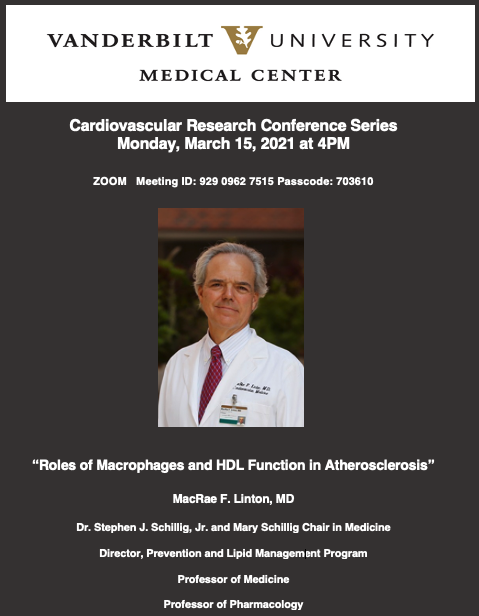
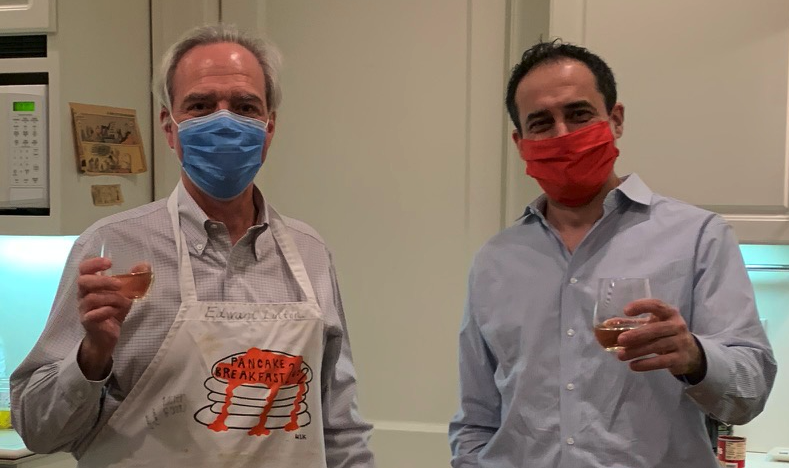
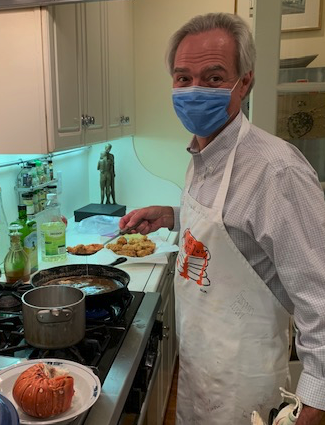
2
24
Jon Brown Lab retweeted
15 Jan 2021
Read this study from Paul Cohen @RockefellerUniv about Brown Fat in humans and risk of cardiometabolic disease. Nice to see independent work from former @BrighamFellows. nature.com/articles/s41591-0…
1
4
Jon Brown Lab retweeted

7 Jan 2021
The findings of a study in Nature demonstrate the potential of in vivo base editing as a possible treatment for Hutchinson–Gilford progeria syndrome and other genetic diseases by directly correcting their root cause. go.nature.com/38ktlQ1
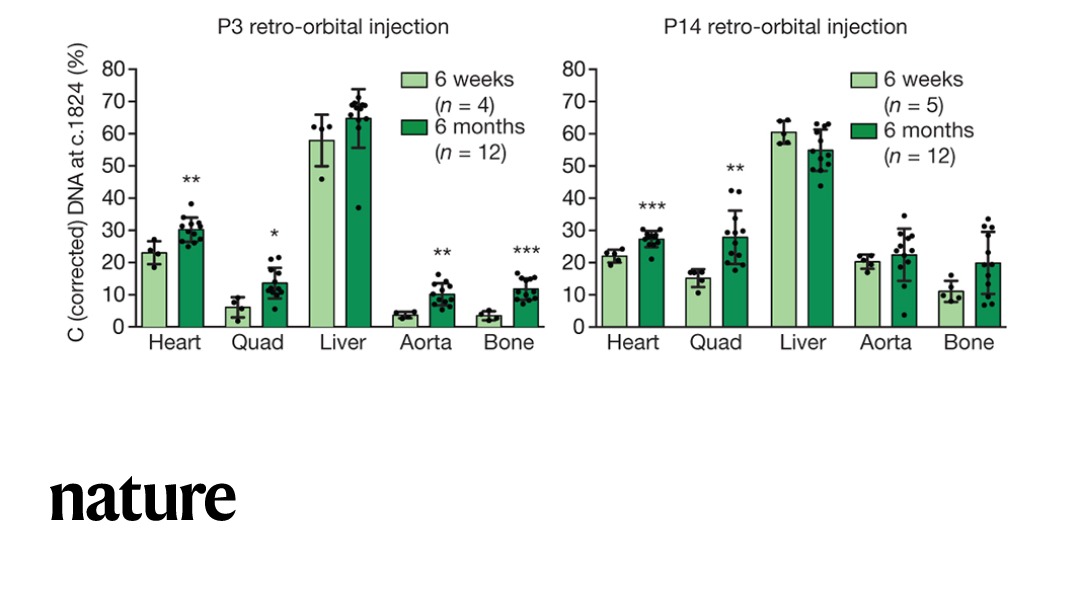
3
28
79
Jon Brown Lab retweeted
7 Jan 2021
News & Views: No cure exists for the lethal premature-ageing condition Hutchinson–Gilford progeria. A gene-editing tool offers a way to treat the condition in mice, according to a Nature paper. Could this approach lead to an effective therapy? go.nature.com/3oom0EJ
2
23
109
Jon Brown Lab retweeted

13 Jan 2021
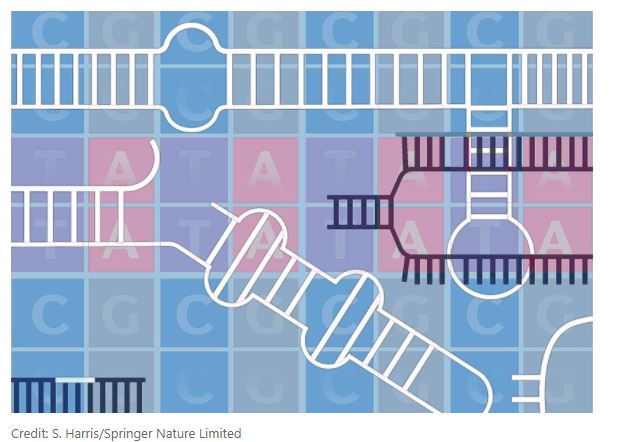
In vivo base editing shows promise in treating the genetic accelerated-aging disorder Hutchinson–Gilford progeria syndrome in mice - find out more in our latest highlight of research by @jonbrownlabVUMC
@davidrliu @LiuGroup et al. go.nature.com/3igjwpJ
1
7
27
Jon Brown Lab retweeted

Research from the @JonBrownLabVUMC and collaborators have rescued mice afflicted with progeria—accelerated aging—which could lead to a cure for Hutchinson-Gilford progeria syndrome in humans.
news.vumc.org/2021/01/06/gen…
2
3
Jon Brown Lab retweeted
7 Jan 2021
Congratulations to @SarnoffCardio & @BrighamFellows alumnus/current @VUMChealth cardiologist Dr. John Brown. Really nice story & demonstrating power of teamwork. Can studying progeria provide insights into CV aging? @JonBrownLabVUMC @saptarsi_haldar @tmmichelangelo @Progeria
6 Jan 2021

So proud of this work demonstrating DNA base editing treatment for #progeria in human cells & mouse model. Amazing collaborative team @davidrliu @NIHDirector @LukeKoblan & Mike Erdos at NIH and my @VUMCResearch team @lindsaymdavison & Sean Doherty
rdcu.be/cc90j
1
3
25
Jon Brown Lab retweeted

7 Jan 2021
Great science marches on.
A rare incurable disease—progeria—tackled by #CRISPR genome editing with striking results in mouse model
nature.com/articles/s41586-0…
@nature @davidrliu @NIHDirector @LukeKoblan @JonBrownLabVUMC
David's ★🧵👇
x.com/davidrliu/status/13468…
6 Jan 2021

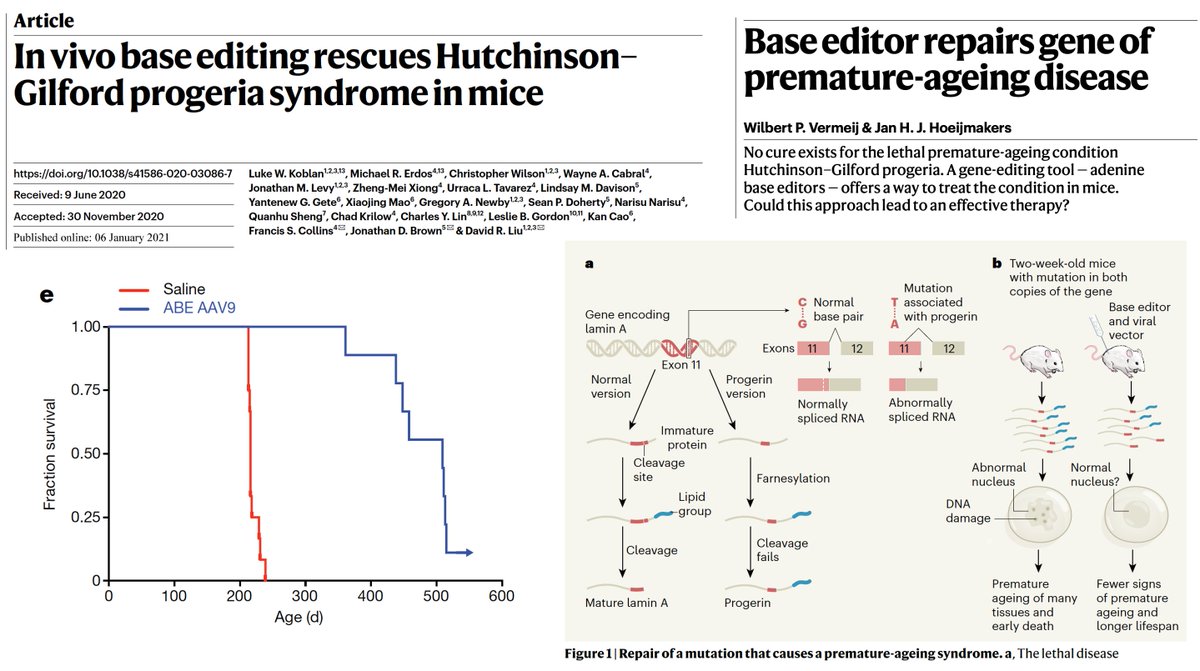
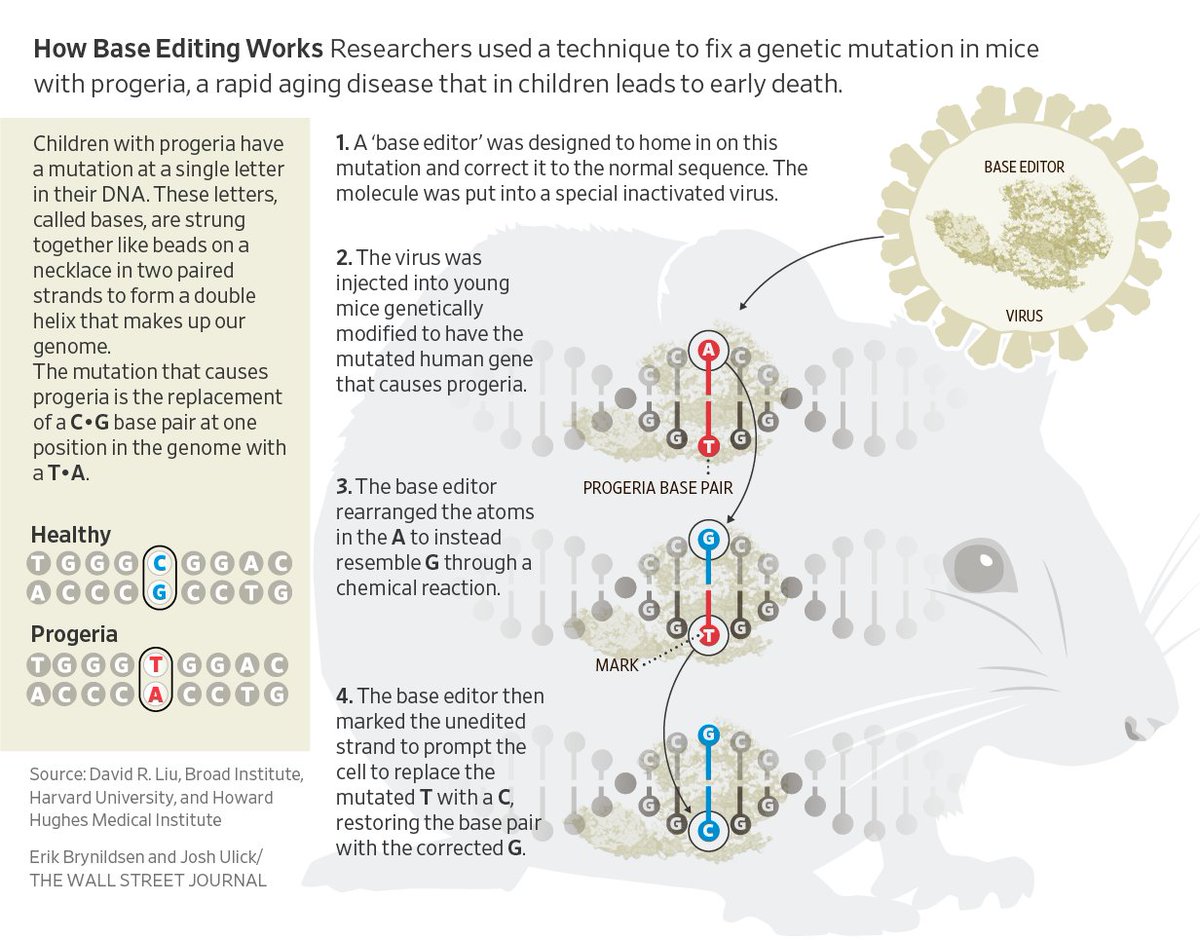
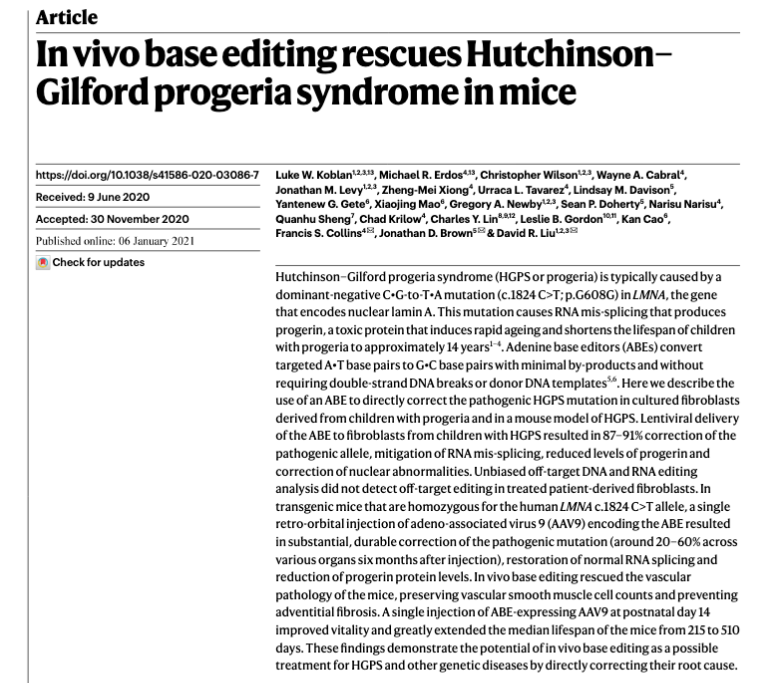
Today we report the use of base editing in patient-derived cells and in mice to correct the most common cause of progeria, the devastating rapid aging disease. Progeria is typically caused by a dominant negative C•G-to-T•A point mutation in LMNA. 1/11 drive.google.com/file/d/1oH4…
4
46
168
Jon Brown Lab retweeted
6 Jan 2021
So proud of this work demonstrating DNA base editing treatment for #progeria in human cells & mouse model. Amazing collaborative team @davidrliu @NIHDirector @LukeKoblan & Mike Erdos at NIH and my @VUMCResearch team @lindsaymdavison & Sean Doherty
rdcu.be/cc90j
7
10
44
Jon Brown Lab retweeted
7 Jan 2021
Here is a really great article about our progeria work that mentions the early days where we only had DNA editing data from only a single LMNA c.1824 C>T mouse– @davidrliu, @JonBrownLabVUMC, and @NIHDirector may remember fondly! Check it out here: statnews.com/2021/01/06/cris…
2
2
13
Jon Brown Lab retweeted

6 Jan 2021
Today we report the use of base editing in patient-derived cells and in mice to correct the most common cause of progeria, the devastating rapid aging disease. Progeria is typically caused by a dominant negative C•G-to-T•A point mutation in LMNA. 1/11 drive.google.com/file/d/1oH4…
33
469
1,708
Jon Brown Lab retweeted
6 Jan 2021
I am incredibly thankful to have worked with such an amazing team led by @davidrliu, @JonBrownLabVUMC, and @NIHDirector with amazing contributions from Leslie Gordon at the PRF (@progeria) and all of our co-authors (especially my co-first author Mike Erdos)
3
3
26

18 Dec 2020
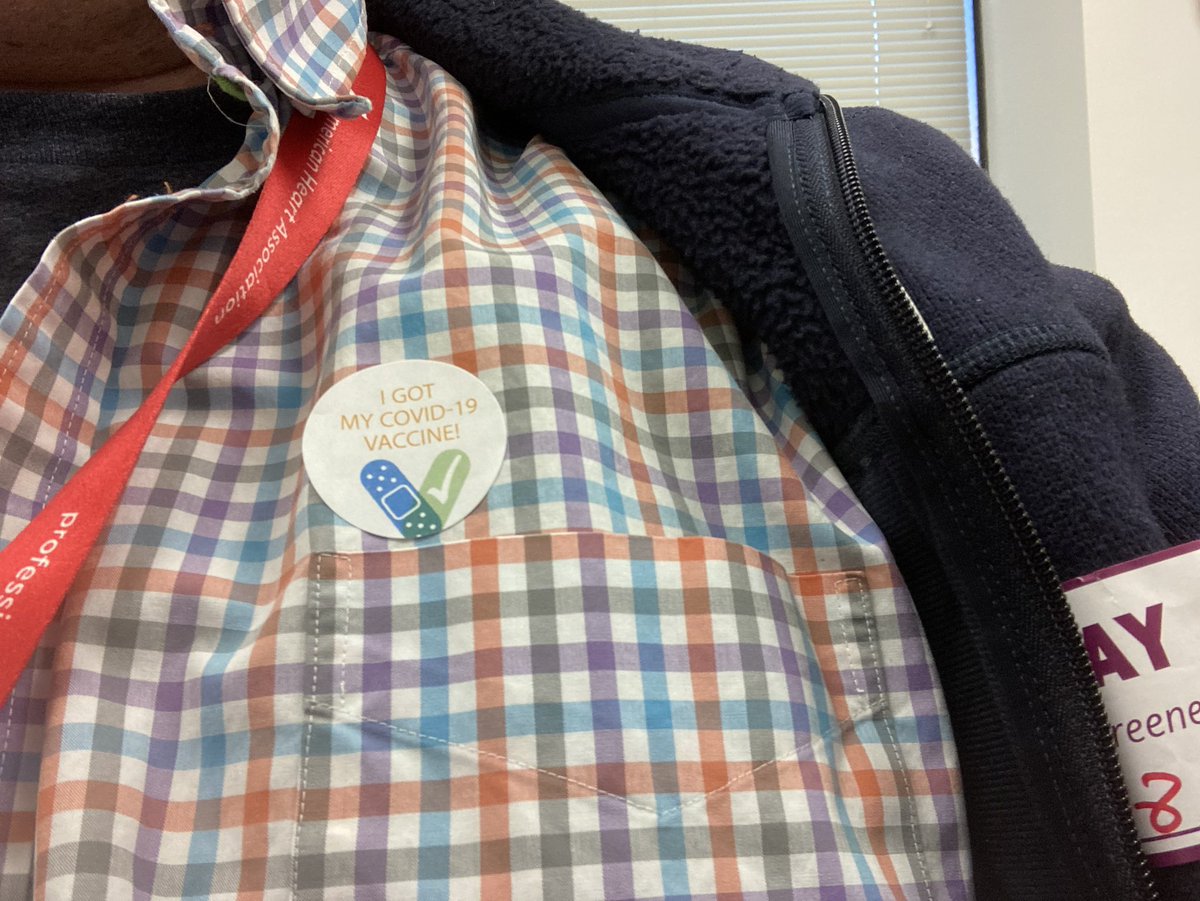
Light at the end of the tunnel!
So thankful that #frontlineworkers and #HealthcareHeros are able to get the vaccine.
18 Dec 2020
3