Since launching
#WhiteDudesforHarris last Friday, I have faced a barrage of right-wing attacks on Twitter, bizarrely focused on my weight rather than the actual message of what we're trying to accomplish. There have been countless posts about my body shape, with people zooming in on photos of my stomach. It’s weird stuff, but I want to reflect on it.
First, let me say I couldn't care less about what people say about me online, especially those trying to be cruel. It's not the first time people have made fun of my weight. When I was a local organizer back in Nebraska, Republican consultants used to post memes mocking me as fat and a slob. I'm not surprised by it, nor does it really bother me. But I want to discuss my weight in the context of our work because it matters.
@RossMoRock spoke eloquently about this on Monday’s call. Men face an epidemic of loneliness, anxiety, depression, and suicidal ideation. Statistics show that deaths of despair—suicides, drug overdoses—disproportionately affect white men, but also young men in general. It’s happening because of poor mental health and men being trapped in a vortex of negative thoughts about what it means to be a man in a society that’s evolving, creating a sense of coldness and loneliness.
That nearly happened to me. I'm lucky to be here. I could have easily been a death of despair. I've struggled with anxiety, depression, and suicidal ideation almost my entire life, especially as an adult. For a long time, I ignored these feelings, finding ways to disassociate.
In my 20s, I disassociated by staying up all night, drinking whiskey, playing video games, and eating an absurd amount of calories. In hindsight, I now know I had been trying to kill myself with food for twenty years. I ballooned to what I assume was 600 pounds at my largest; the highest I ever actually weighed in was 550 pounds because I was too scared to step on a scale. This stress eating helped me cope with every professional and personal trauma, loneliness, shame, and the disconnection and lack of identity I struggled with.
In 2020, during the pandemic, my loneliness and anxiety escalated, like it did for a lot of people. In the summer of 2020, I had the worst anxiety attack of my life, leading to weeks of sleepless nights and an inability to even function. I was not the husband, father, and leader I wanted to be. I became consumed with thoughts of ending it all, unable to tell anyone.
After my wife asked if she could go on a trip back to Omaha to visit her folks, I finally blurted out how afraid I was of being alone because I feared I would hurt myself. We both broke down. That was my lowest point. I will never forget the look of fear in her eyes. But because I said it out loud, it made it real. It made it something I could overcome. So, I began therapy, addressing my anxiety, depression, loneliness, and identity issues. It took about a year to get back to some sense of normal, but I did the work and I got there. I’m okay, most of the time.
Then I looked in the mirror. I saw a 550-pound dude who couldn't walk up a flight of stairs, play with his son, or live the life he wanted. I realized that I had been trying to kill myself with food. But with a clear head, help from my family and friends, and a whole lot of vulnerability, I started working out, improving my diet, and addressing my bad habits. Over the last two years, I've lost 200 pounds—an entire person I carried for most of my adult life. Though I still have work to do, and those mocking photos are real and nothing to be ashamed of, I'm committed to continuing my journey to good health.
Being a man isn't about looking like a roided-out buff freak. It's about being real with yourself and others, leading with empathy and heart, and facing challenges head-on with vulnerability. We need more empathetic conversations, as we're losing too many young people to drug addiction, abuse, and suicidal ideation.
Changing the narrative around men seeking the help they need and building healthy connections is crucial. It’s one of the reasons I dove headfirst into
#WhiteDudesforHarris. I don't care about the mockery, but the culture it perpetuates makes it harder for men to seek help. Those perpetuating this culture should be ashamed of themselves.
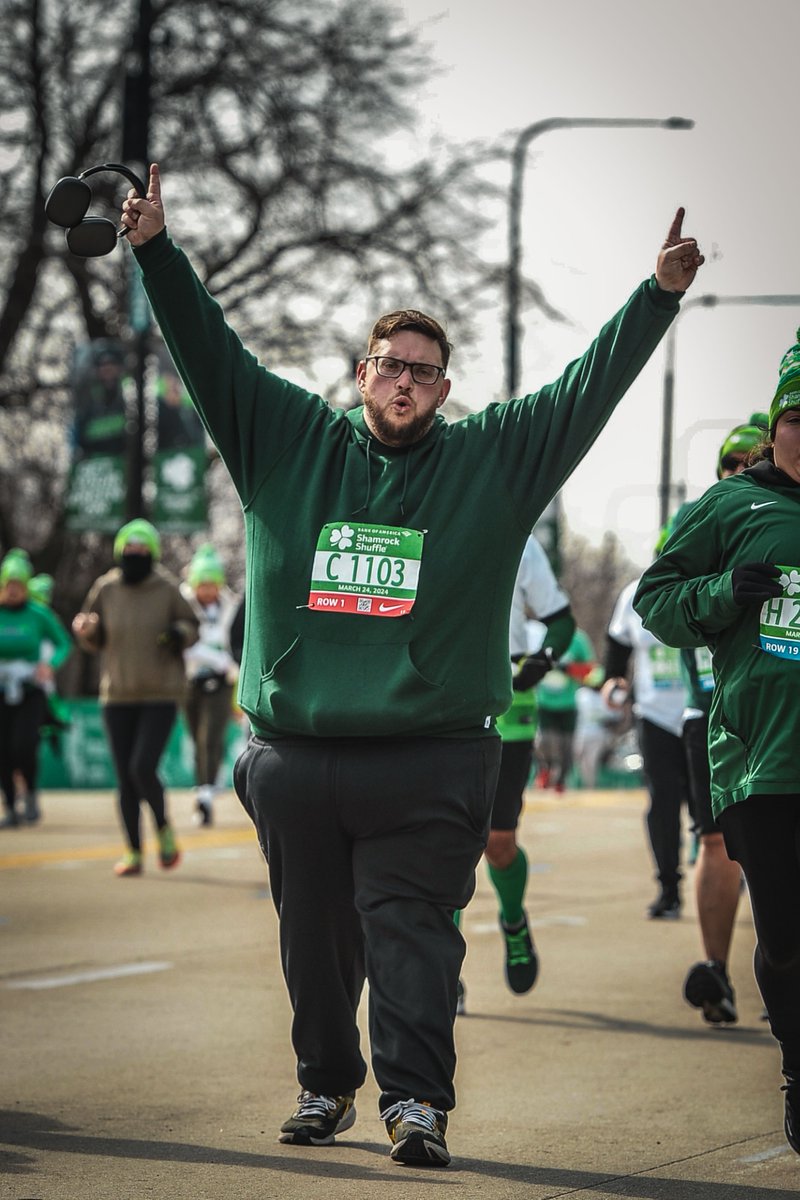
I've lost 200 pounds, finished an 8K a few months ago, traveled across Europe, taken up great new hobbies like golf, and done things these trolls couldn’t imagine. I'm doing the work and will continue to do so. Those mocking my weight have work to do too, deciding the kind of person they want to be and the world they want to leave behind for their kids. I know what kind of world I want to leave behind for mine.
P.S. Here's a photo of me completing my first 8K a few months ago 👇