Joined April 2018
- Tweets 90
- Following 102
- Followers 41
- Likes 197
21 Photos and videos



Julian Herting retweeted

1 Dec 2023
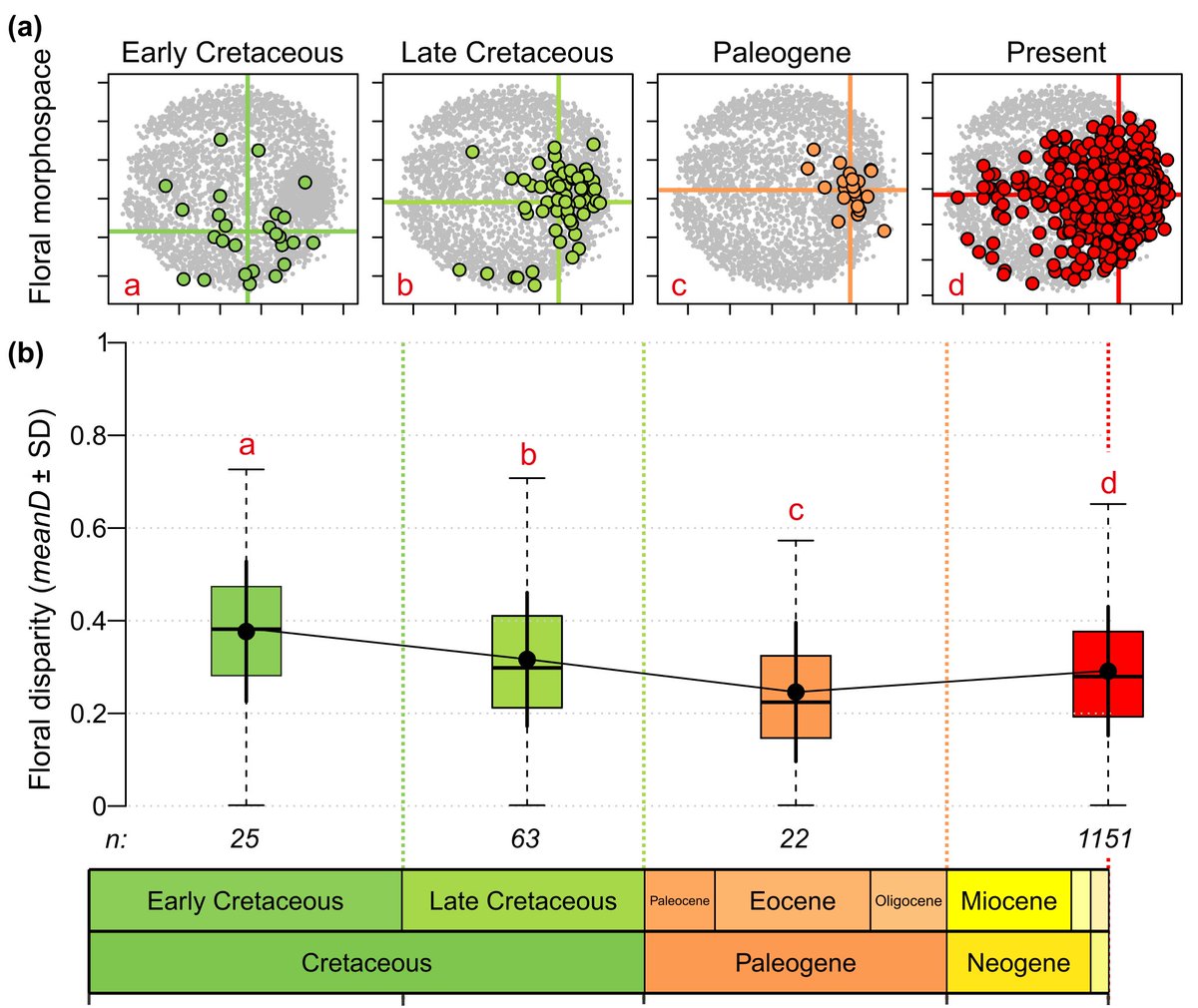
Excited to share the latest from the #eFLOWERproject: a morphospace study of angiosperm flowers led by Andrea López-Martínez and Marion Chartier!
Angiosperm flowers reached their highest morphological diversity early in their evolutionary history
nph.onlinelibrary.wiley.com/…
34
106
8,742

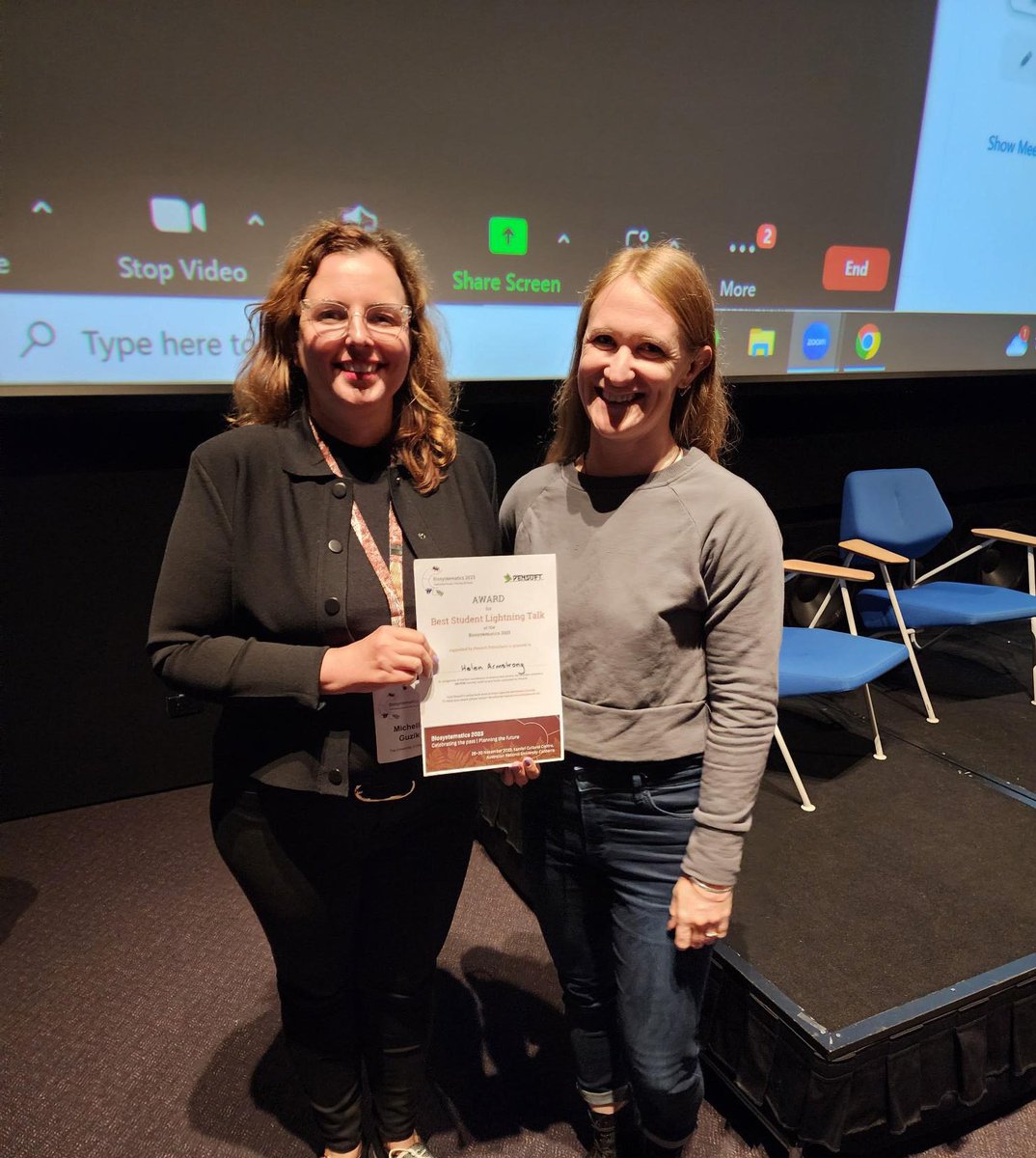
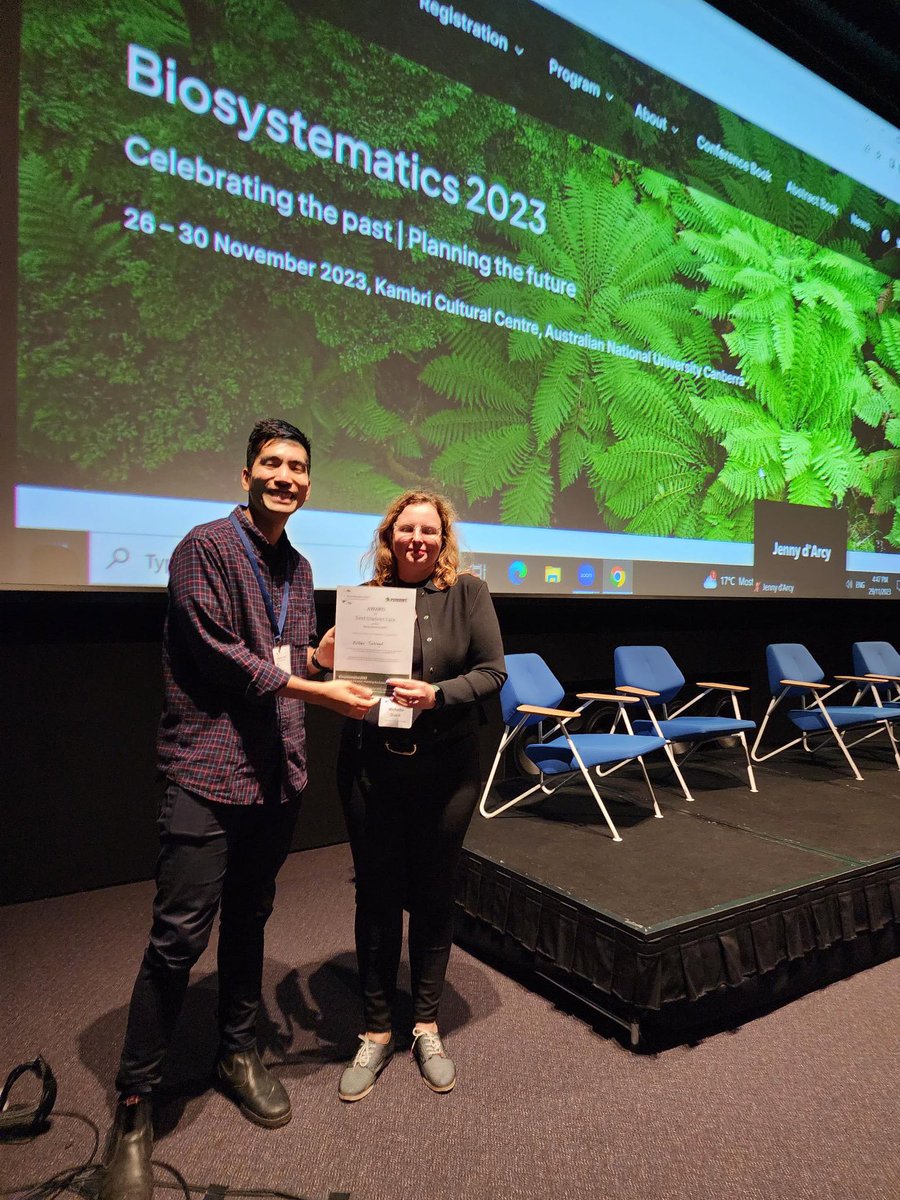
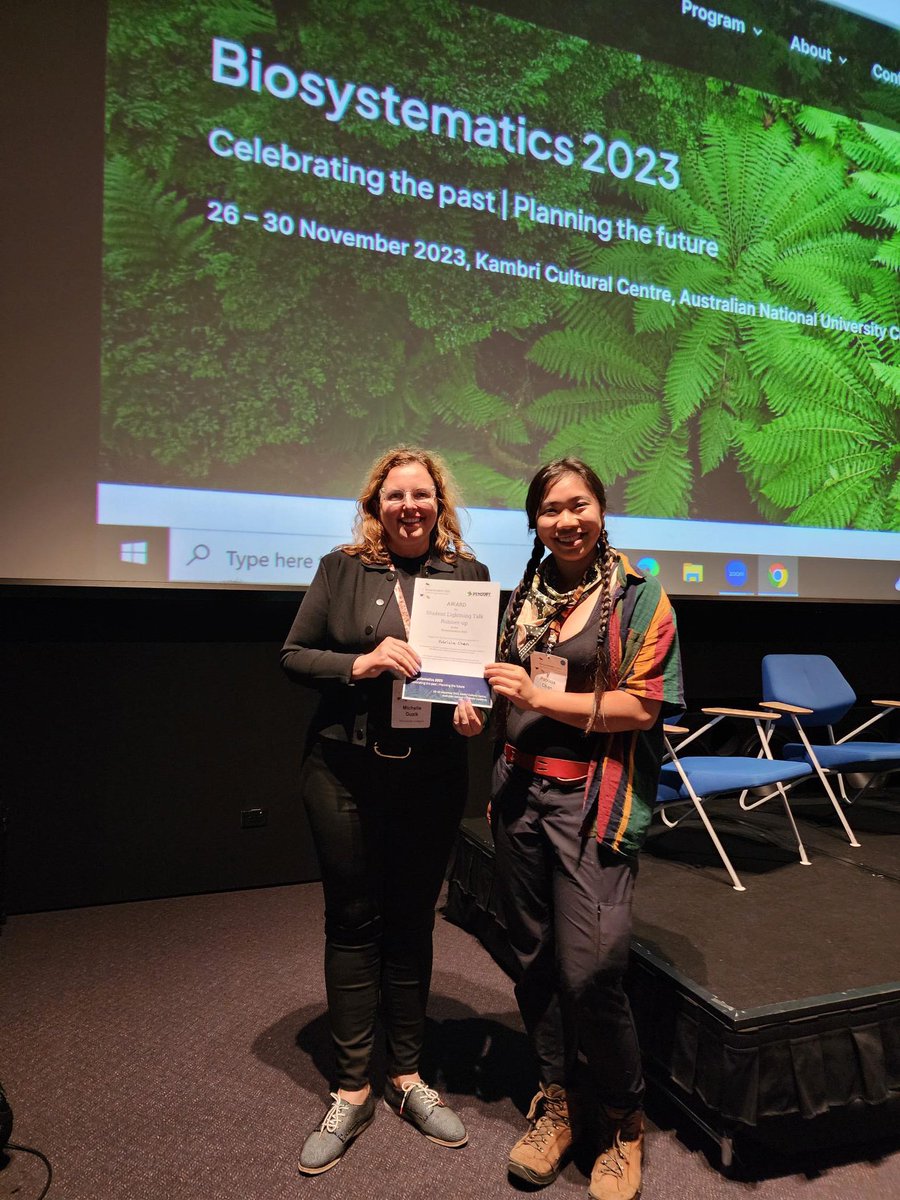
☺️ Honoured to join this year's joint #conference of the Australian #Biological Resources Study @DCCEEW, @ASBS_botany, @SASBiologists & @ausmycsoc to recognise the #scientific work of these three bright young #scientists!🙌
#Biosystematics2023 @biosyst2023 @ANU_Research @PutterT
9
17
2,118
Julian Herting retweeted
28 Nov 2023
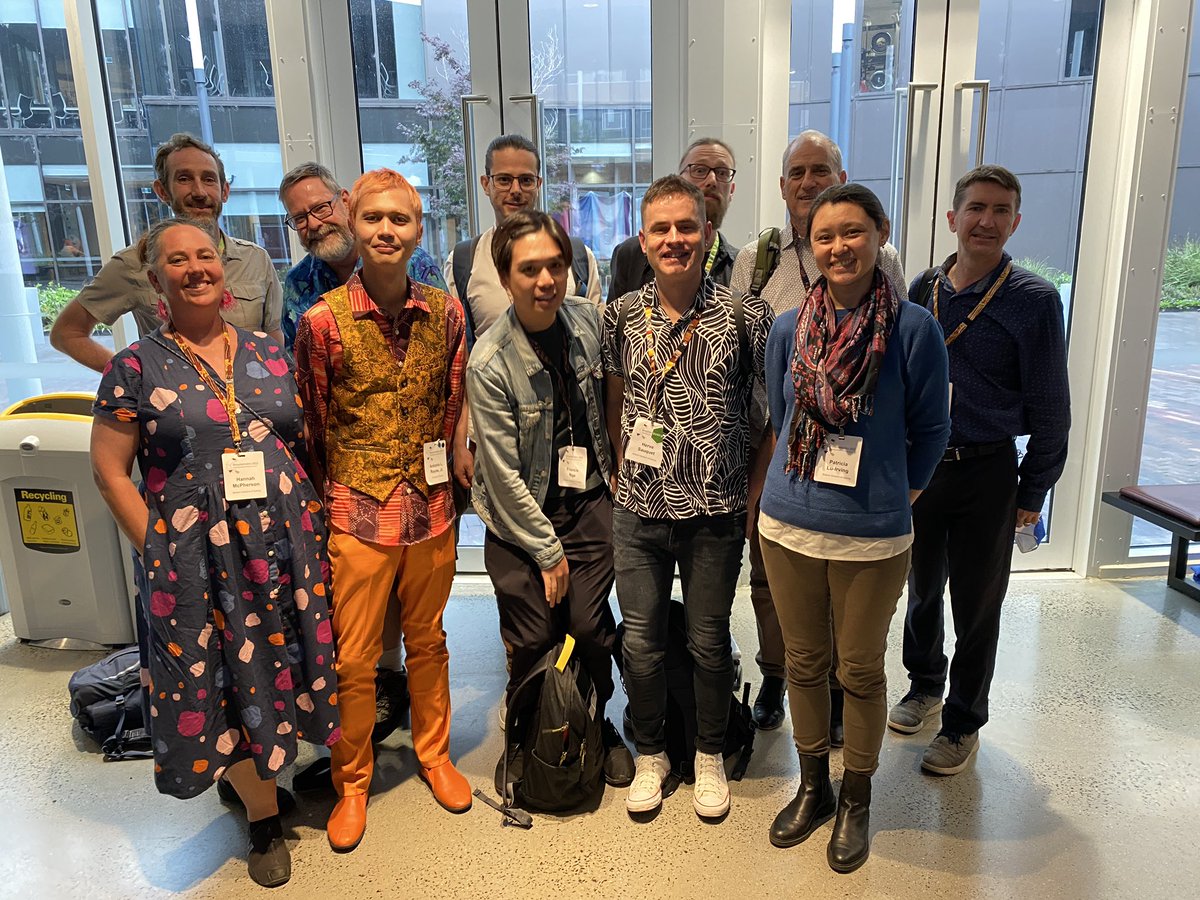
Team @BotanicSydney at #Biosystematics2023 😎 It’s been a busy couple of days, looking forward to the last day of the conference today!
@biosyst2023
4
14
607
Julian Herting retweeted
28 Sep 2023
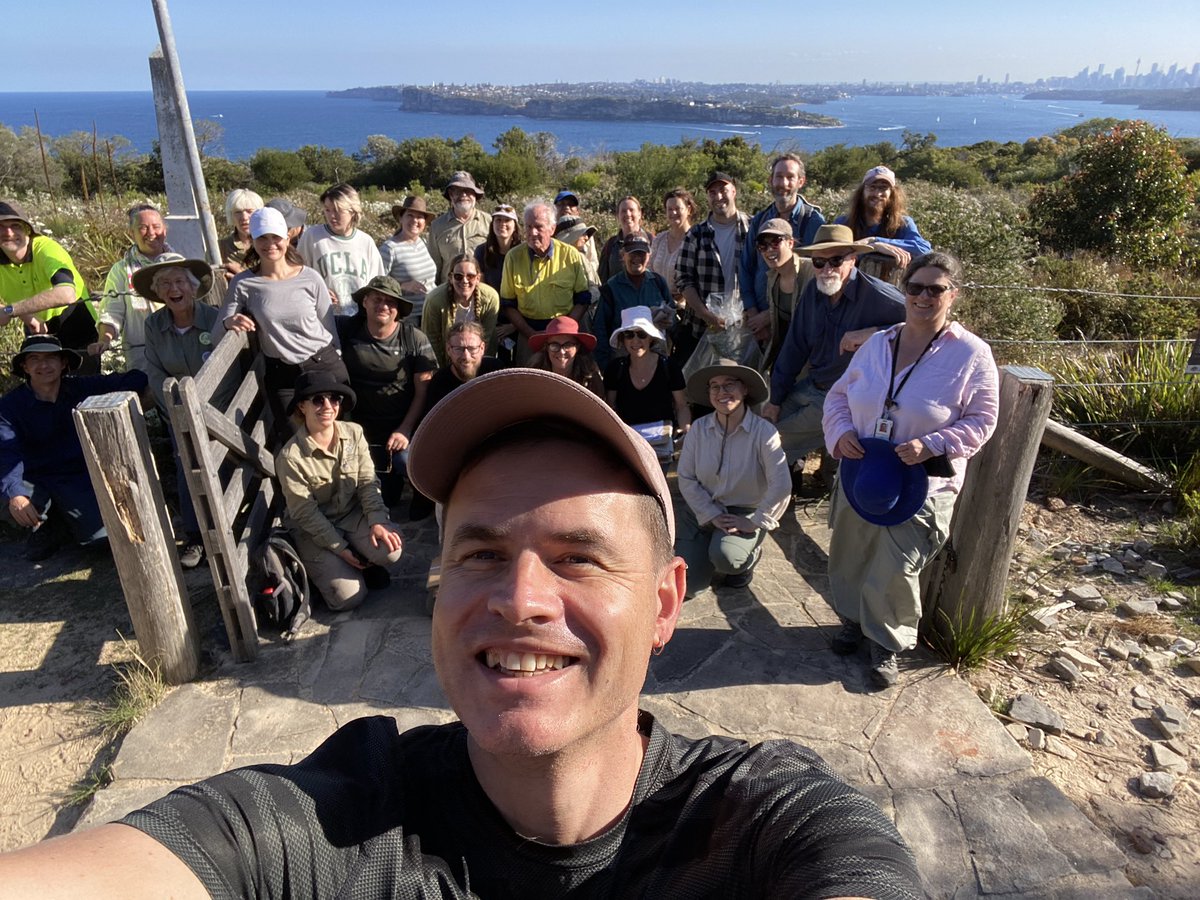
This was fun! Fabulous field trip to N Head Sanctuary with 32 wonderful colleagues from @BotanicSydney and the Sanctuary Foundation!
1
3
24
1,068
Julian Herting retweeted

29 Aug 2023
Check out these highlights from the latest #AJB, featuring #monkeyflowers, chestnut #trees, & floral diversification---& a cool cover shot of a sweet #crabapple by @elainagreaves73!
botany.org/file.php?file=Sit…
@WileyEcolEvol @wileyplantsci @PetitRmy1 @njkooyers @JulianBotanic
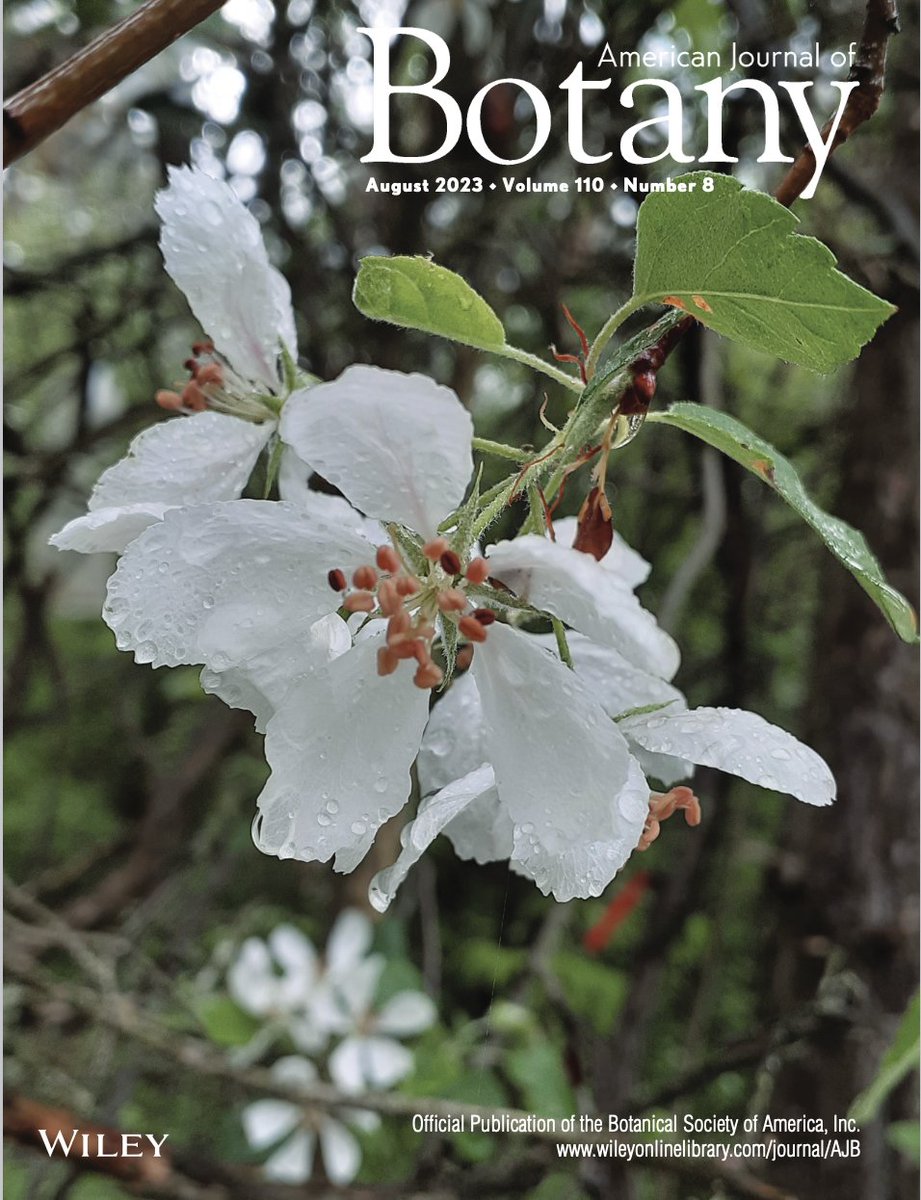
ALT Cover of the August issue of the American Journal of Botany showing sweet crabapple.
8
37
4,122
Julian Herting retweeted

4 Aug 2023
Up in the canopy! Look! It's a flower 🌺! It's an inflorescence💐! It's a pseudanthium🌻!
2 Aug 2023

🌿🌸Check out the newly published paper ‘Pseudanthia in angiosperms: a review’ in @annbot by @jj_bacz and Regine Claßen-Bockhoff doi.org/10.1093/aob/mcad103 (1/8)
#AoBpapers #Pseudanthia #FlowerMimicry
1
4
9
697

1 Aug 2023
Morphological trait of different floral 🌼 modules evolve at different rates in #Ericales 🫐 and #angiosperms🌻.
We investigated how evolutionary rates compare among flower modules and how rates and floral disparity are connected.
Read more: bsapubs.onlinelibrary.wiley.…
1/n
31 Jul 2023

*#AJB Accepted Article*
Profile of a flower: How rates of morphological #evolution drive floral diversification in #Ericales & #angiosperms
(by @JulianBotanic, Jürg Schönenberger & @hsauquet_rbgsyd)
bsapubs.onlinelibrary.wiley.… #botany @wileyplantsci @WileyEcolEvol
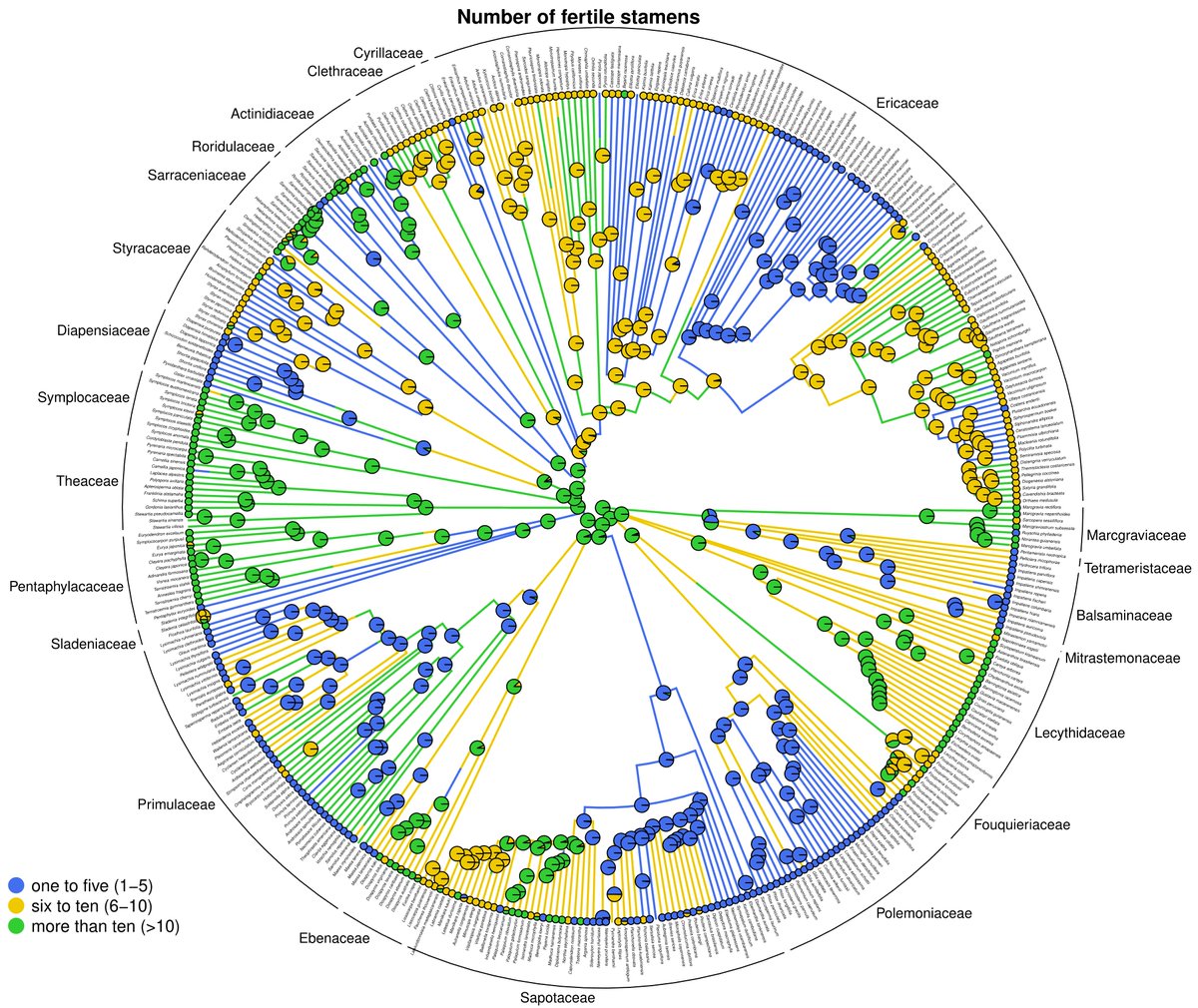
ALT The image shows the phylogenetic reconstruction of Ericales with the ancestral state reconstruction of the number of fertile stamens. Pies on the nodes show the most likely state at each node and the branches represent one randomly drawn stochastic map. The number of fertile stamens has three states shown in different colors: blue (1-5), yellow (6-10), green (>10).
2
9
27
3,223
1 Aug 2023
In general, across Ericales and angiosperms the ranking from fastest to slowest evolutionary rates among floral modules is:
1. Androecium ♂️
2. Perianth 🌼
3. Gynoecium ♀️
2/n
1
3
37
1 Aug 2023
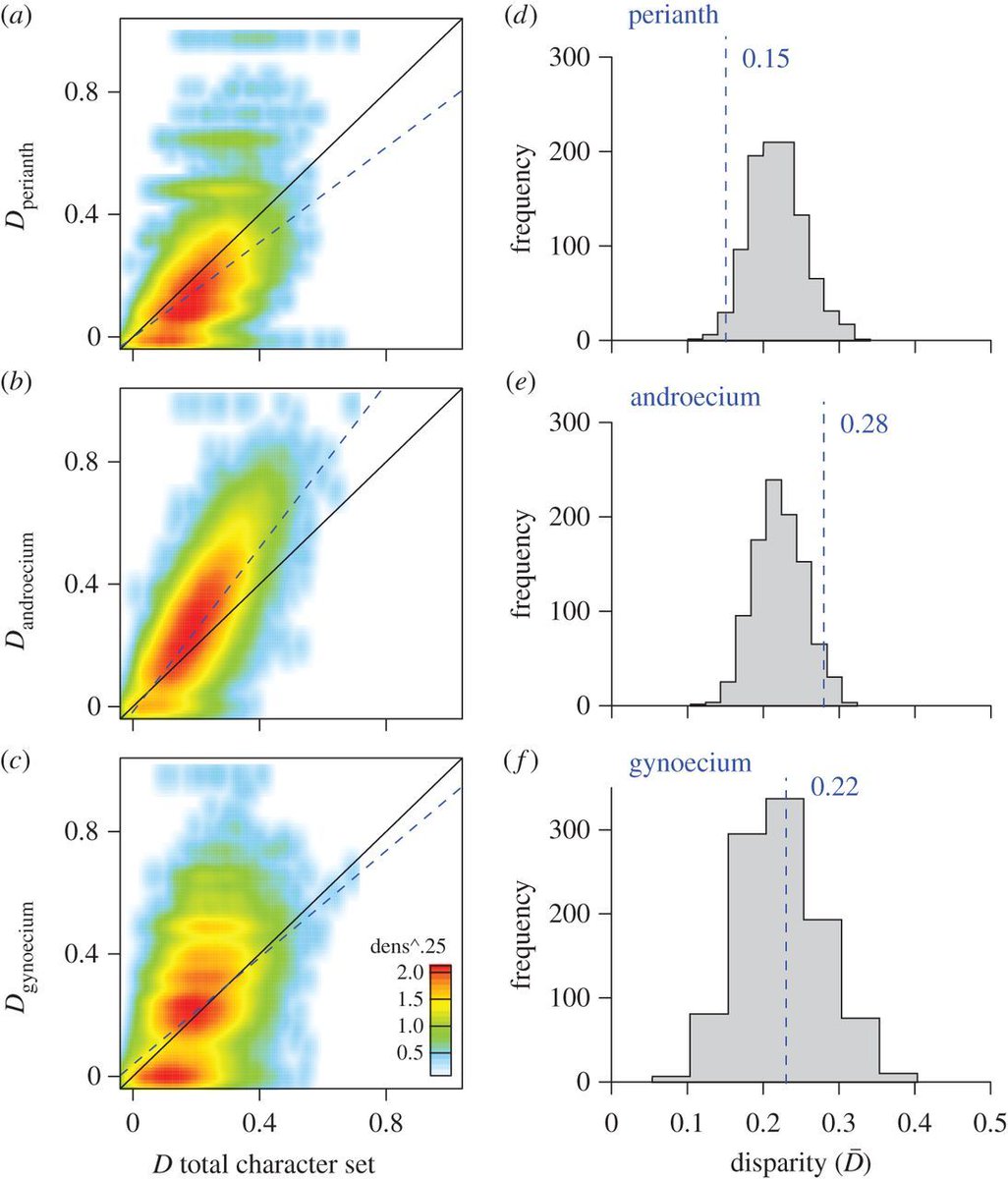
Comparing rates with disparity (Chartier et al 2017), we found 3 ways they co-occur:
- fast evolution & high disparity
- slow evolution & high disparity
- slow evolution & low disparity
never fast evolution & low disparity.
(Image Chartier et al 2017, royalsocietypublishing.org/d…)
2
40
Julian Herting retweeted
18 Jul 2023
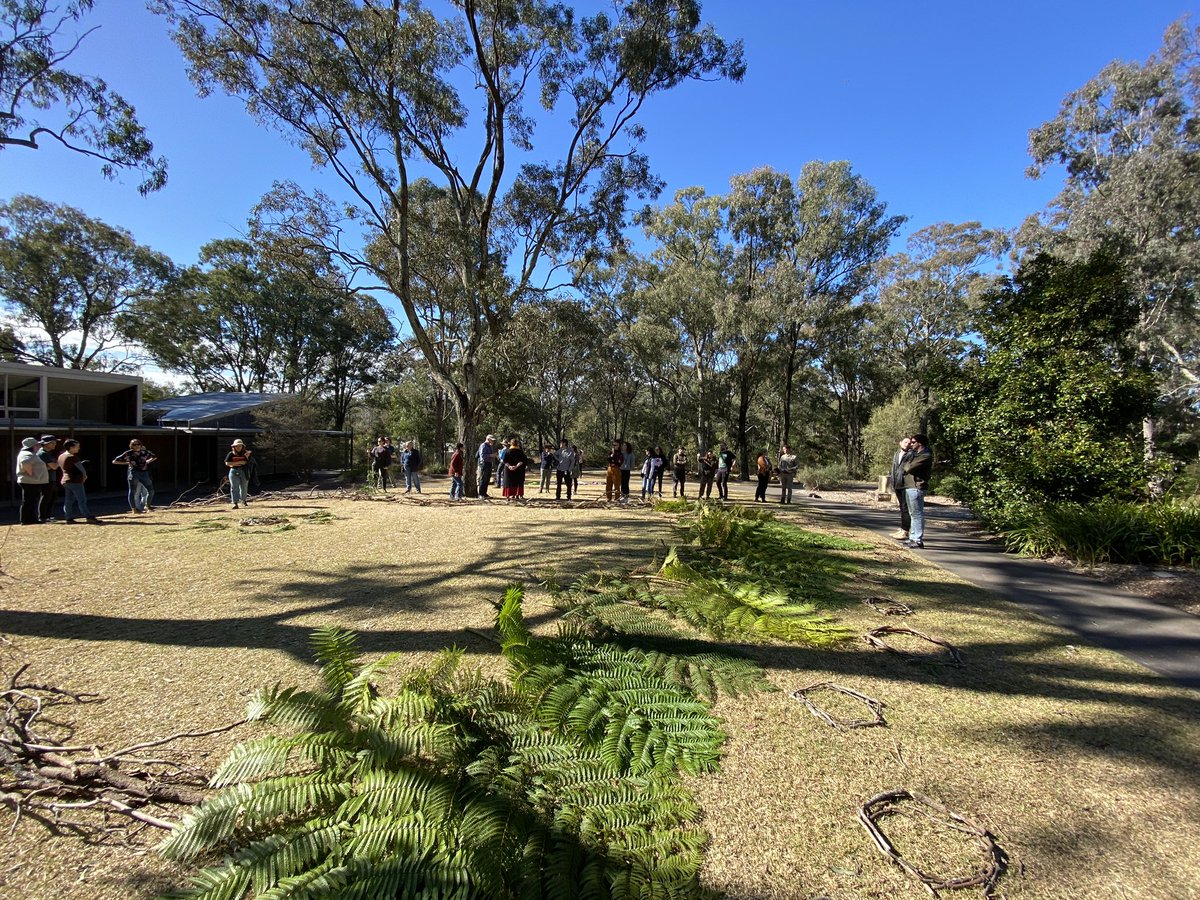
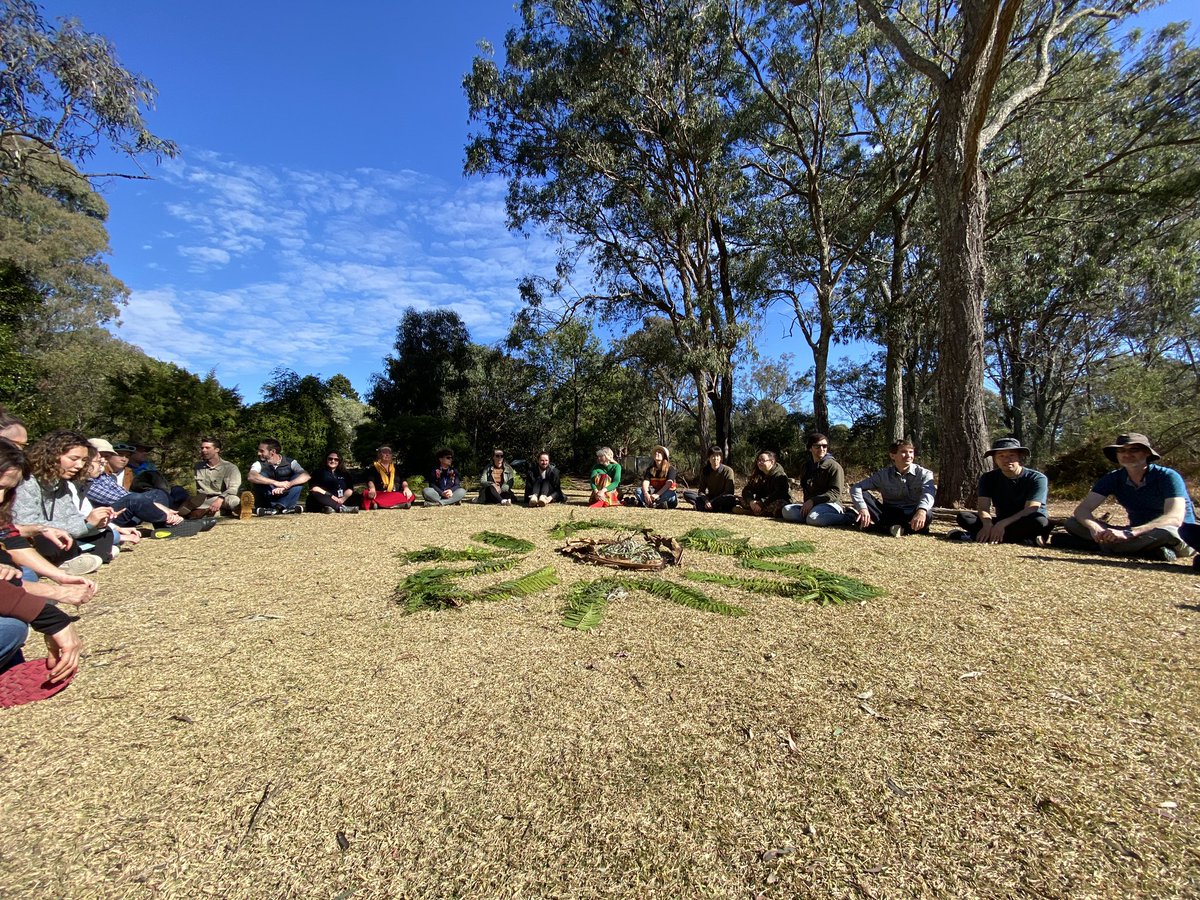
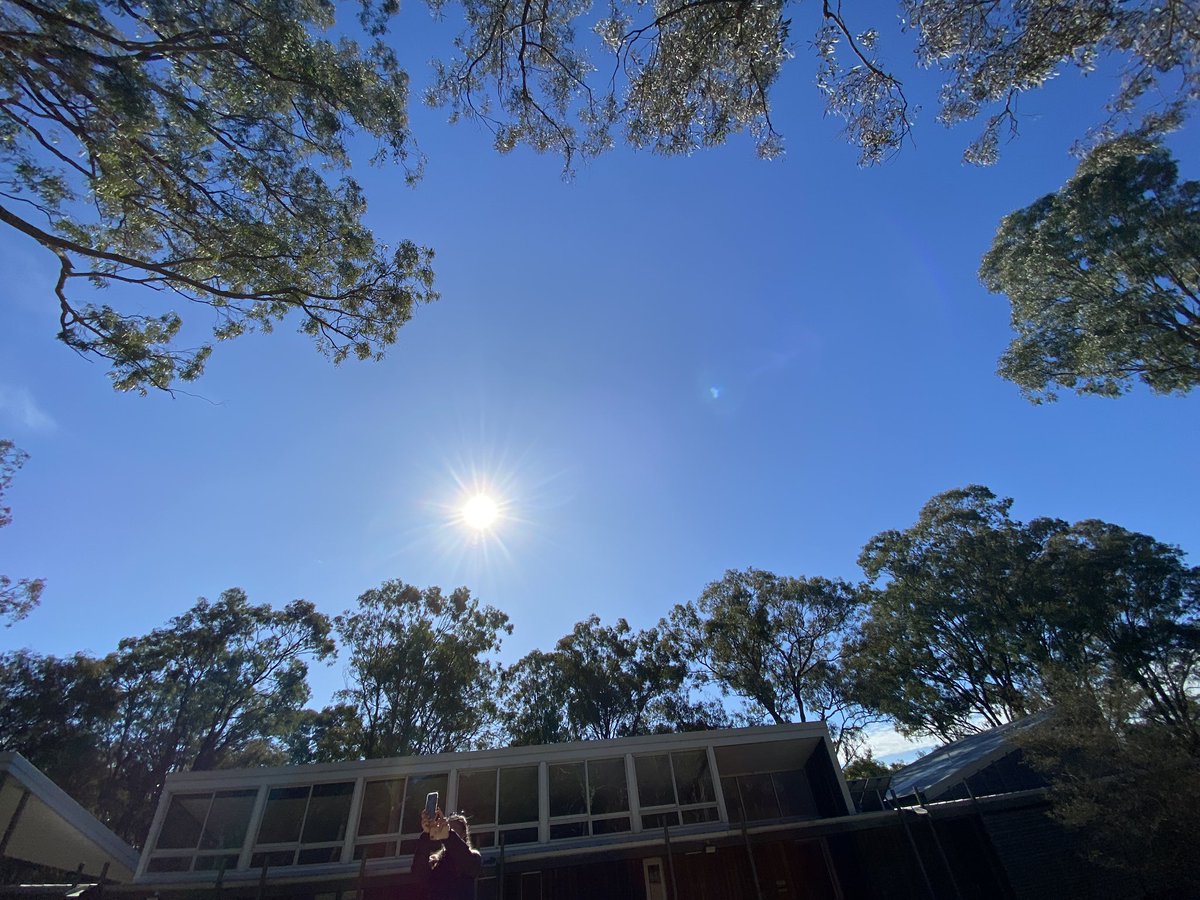
Had a touching and inspiring time this morning at Yandel’ora on Dharawal Country celebrating #NAIDOCWeek by designing and making an ephemeral mural with all ABG staff. This place definitely has a magic to bring people together. @BotanicSydney
1
19
734
Julian Herting retweeted

21 Apr 2023
Forgotten fossils rewrite the evolutionary history of the nightshades! 🌶🍅🌶
doi.org/10.1111/nph.18904
See more here: colorado.edu/today/node/5065…
thanks @Kelsimpkins for the great story!
@newphyt
@IMBIVCONICETUNC
@CUBoulder
@iochromaland
#Solanaceae
#fossils #Colorado
#Colombia
1
27
74
13,348
Julian Herting retweeted
5 Apr 2023
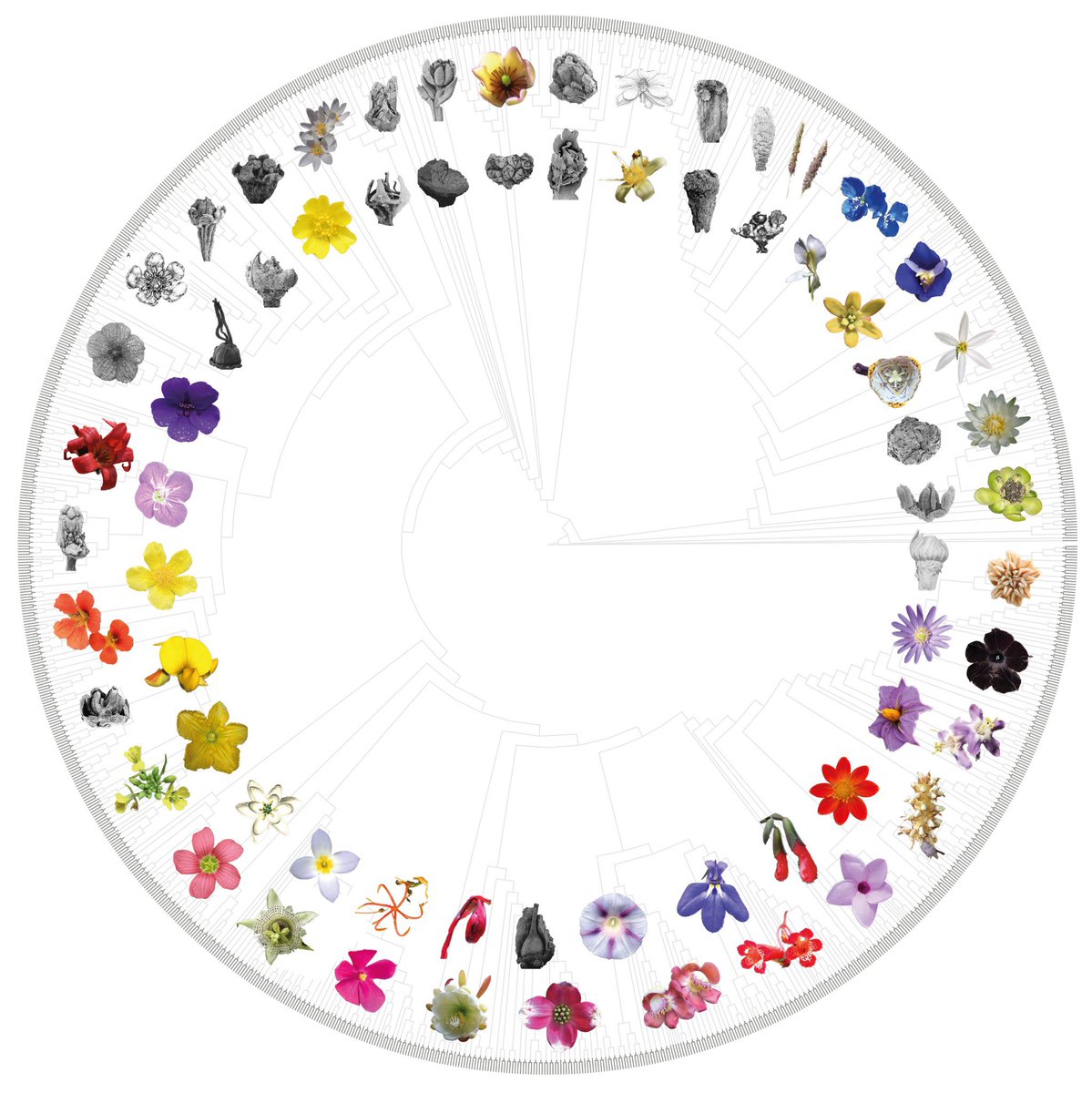
Where do fossil flowers fit in the angiosperm phylogeny? Here we provide some possible answers using a diversity of methods, including constrained and unconstrained MP, ML, and BI phylo analyses.
Now out in early-access view in @systbiol: doi.org/10.1093/sysbio/syad0…
1
35
132
9,904
Julian Herting retweeted

13 Mar 2023
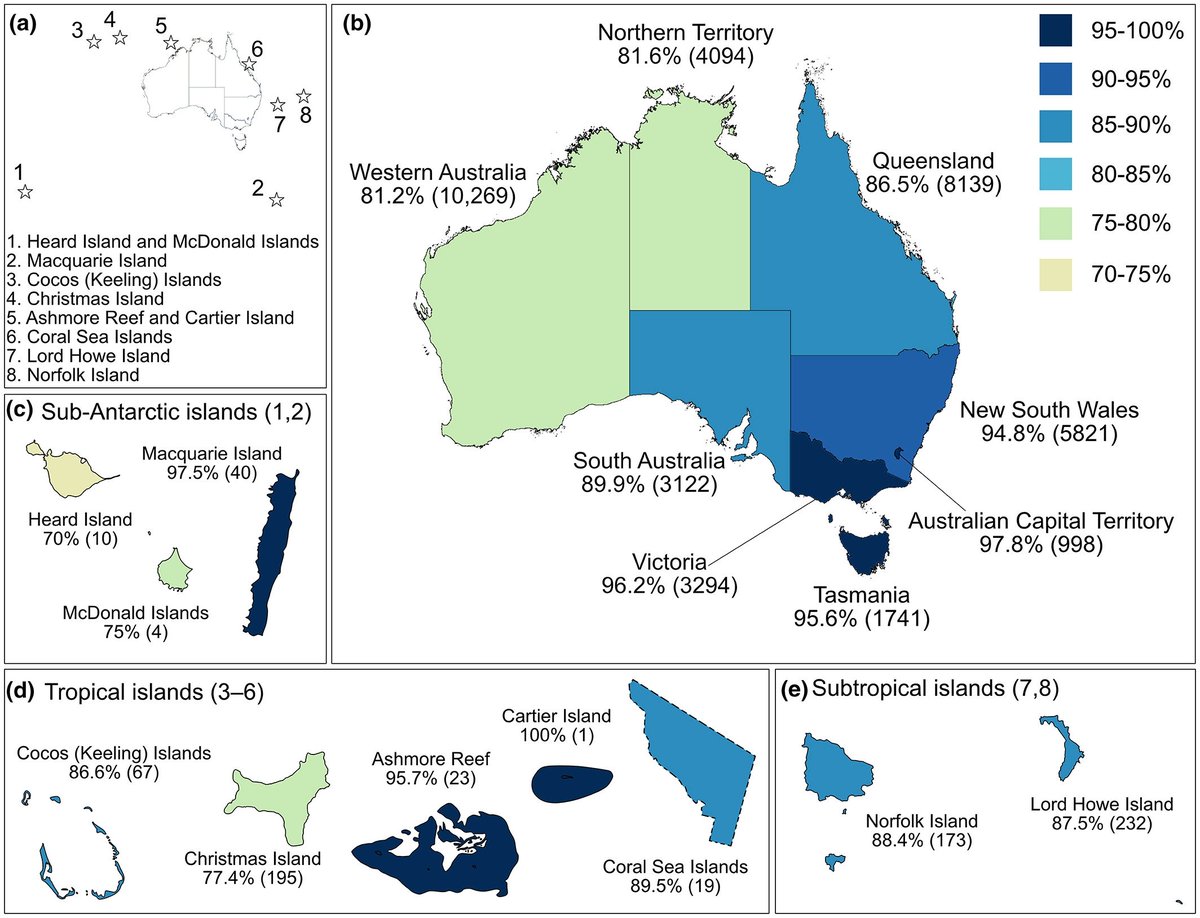
New paper in @NewPhyt. Surely every Aussie plant species has been photographed at least once? Turns out a lot haven't! Of ~21,000 native species, 18% didn't have a field photo across 33 online resources. SE states are well-documented, WA has most gaps
tinyurl.com/2p945bjb
8
33
115
28,221
Julian Herting retweeted

6 Jan 2023
⭐ Check out this great interview with @thomasmesaglio who is an identifier & contributor at @inaturalist!
🌱 Learn more about the value of contributing to the iNat community and supporting AU #biodiversity science from Thomas 👇
#CitizenScience
inaturalist.org/blog/73823-a…
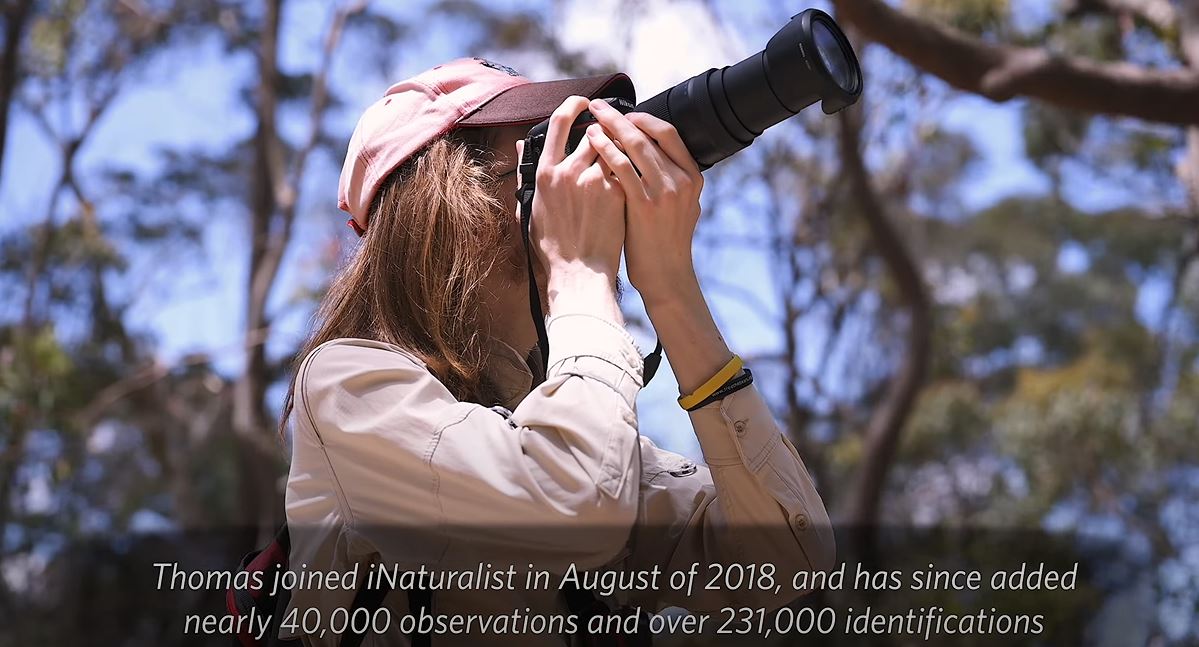
ALT Picture of Thomas Mesaglio holding a camera engaging in citizen science
5
17
3,647
Julian Herting retweeted
5 Dec 2022
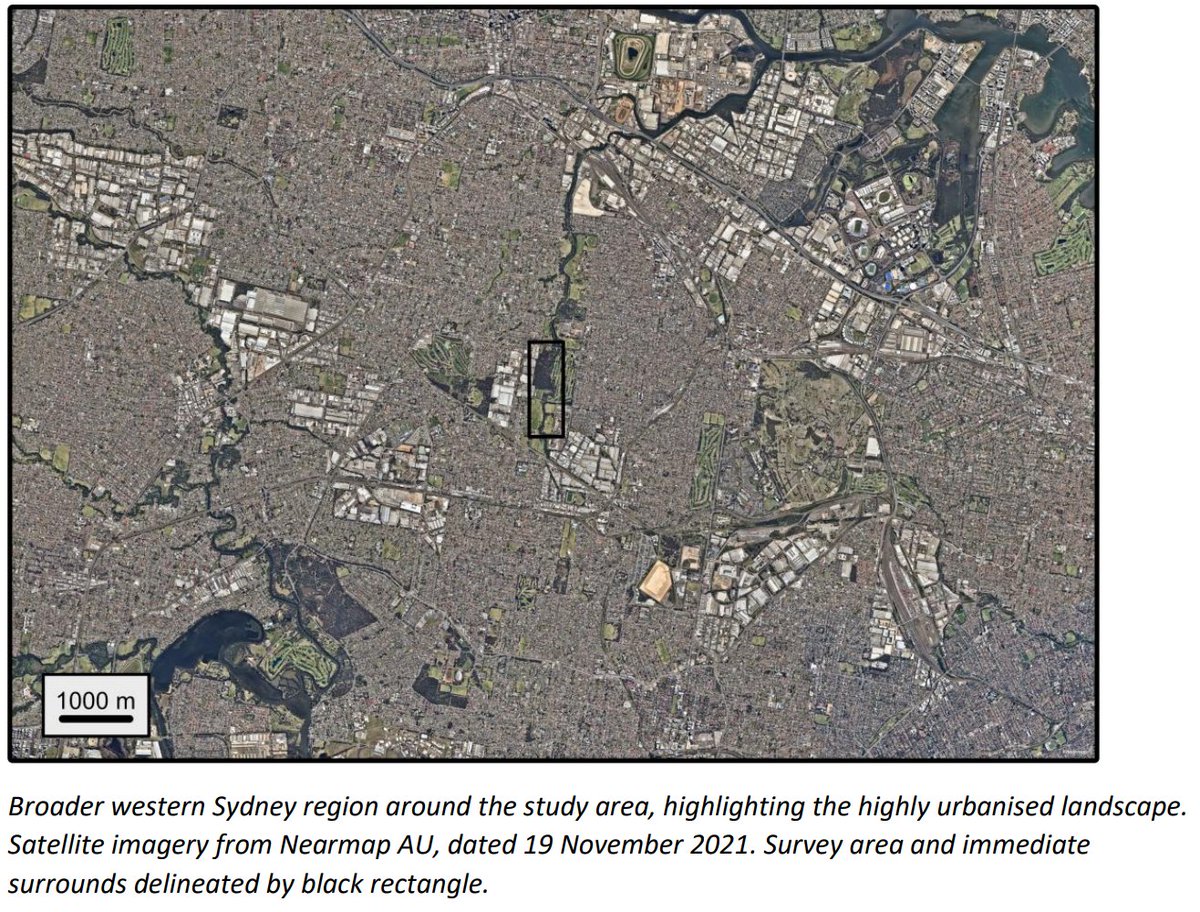
I surveyed Wategora Reserve in western Sydney for 380 hours from 2020-2022, recording 1926 species. The reserve contains the critically endangered community Cooks River/Castlereagh Ironbark Forest.
My final report fully annotated/illustrated checklist at tmesaglio.github.io/duck-riv…
2
10
66
30 Nov 2022
Indeed. Read and find out how different floral traits evolve at different rates and which part of the #flower evolves the fastest. biorxiv.org/content/10.1101/…
#macroevolution #evolutionaryrates #eFLOWERproject
30 Nov 2022

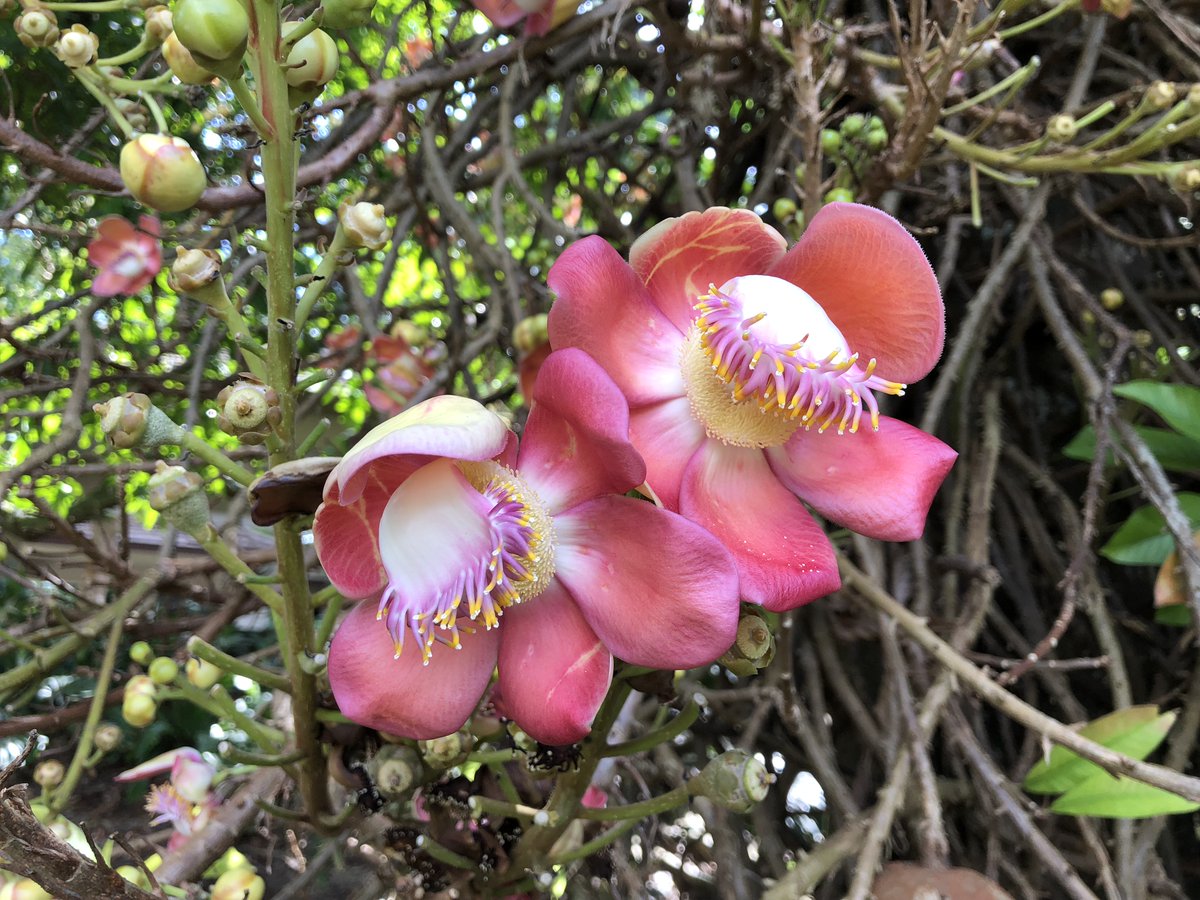
Profile of a #flower: How rates of morphological evolution drive floral diversification in #Ericales biorxiv.org/content/10.1101/…
(first output from @JulianBotanic postdoc)
#macroevolution #evolutionaryrates #eFLOWERproject
4
Julian Herting retweeted
23 Nov 2022
Piece out from myself and Judy Friedlander in @ConversationEDU on citizen science demographics, the recent B&B BioBlitz for school kids, and tips for making good photographic observations of biodiversity (esp. for iNat)
theconversation.com/scientis…
2
6
16 Nov 2022
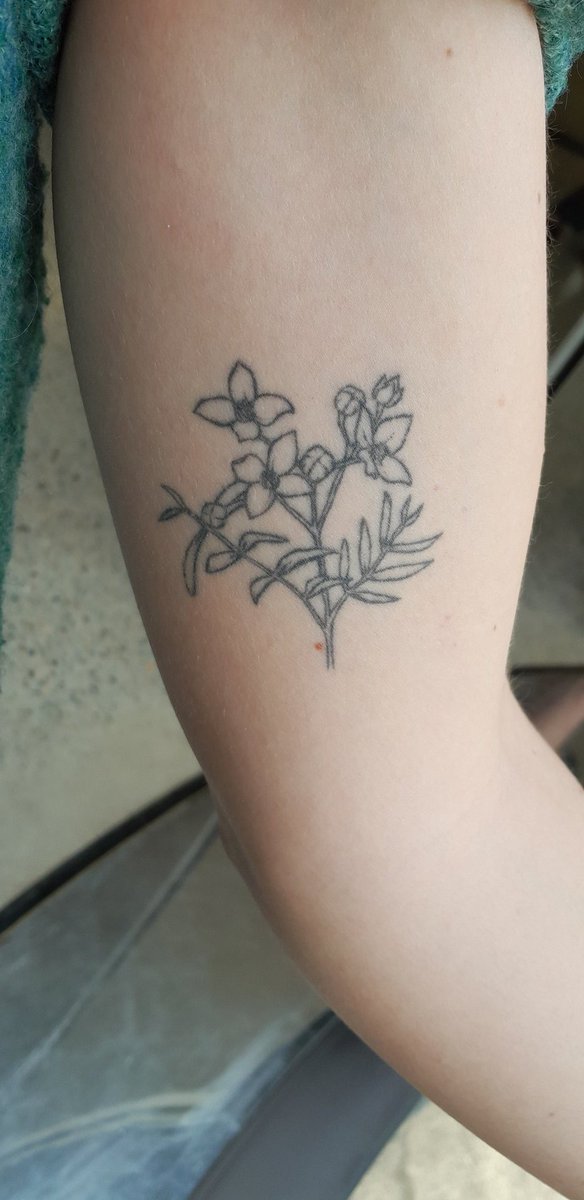
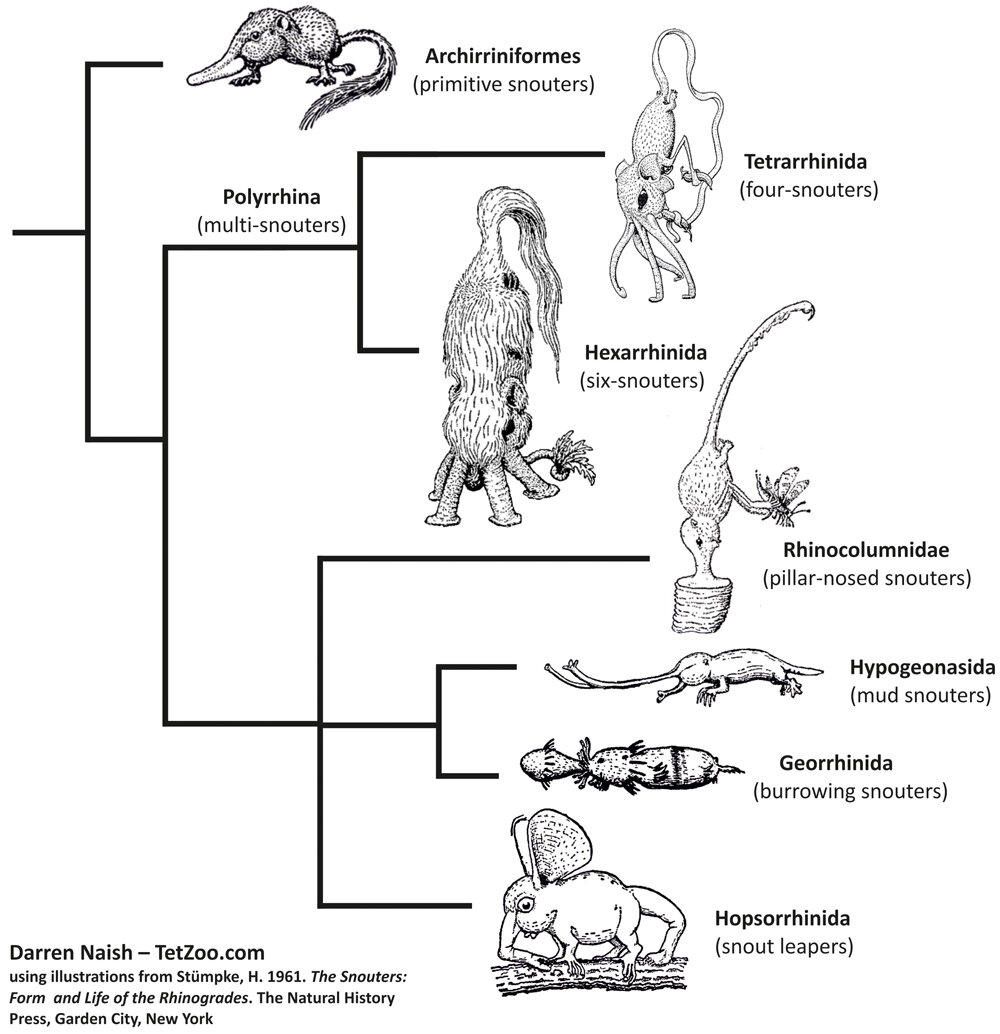
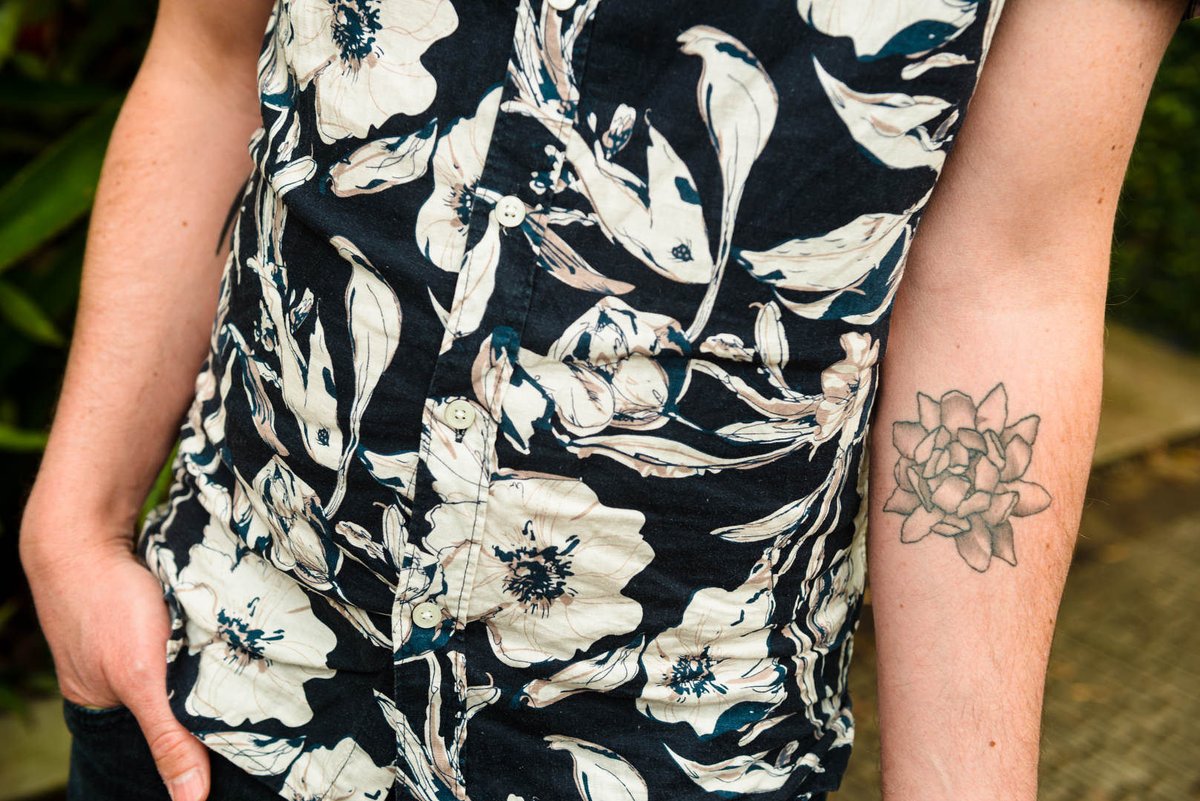
With the @ASBS_botany conference coming to a close, I wanted to share with you the magnificent plant tattoos of plants real and not so real that are residing under the skin of some attendants. See all in the thread. Can you name the plants portrayed?
2
2
10