Senior Partner at Manor Park Medical Center MPMC | GP in Slough for 36 years | Committed to patient care and community health | Husband & Father

Joined November 2014
42 Photos and videos
Pinned Tweet
Huge thanks to reporter @SamLeech_BM for putting some incredible words to share my award . We’re always grateful for the way you highlight the positive stories from our health sector and our community. 🙏✨ #Slough #whoswho #gp sloughexpress.co.uk/news/hea…
4
6
17
861
Kesar Sadhra retweeted
Organic fruit contains MORE flavanols than conventional. The plant produces higher levels of polyphenols as a natural stress response when it isn't chemically protected. So if you're buying organic, you're not just avoiding pesticides. You're actually getting more of the heart-healthy compounds everyone's talking about today. Better choice. By every measure. (The food industry doesn't want you to know this.) #OrganicFood #Flavanols #HeartHealth #RealFood
1
2
171
Kesar Sadhra retweeted
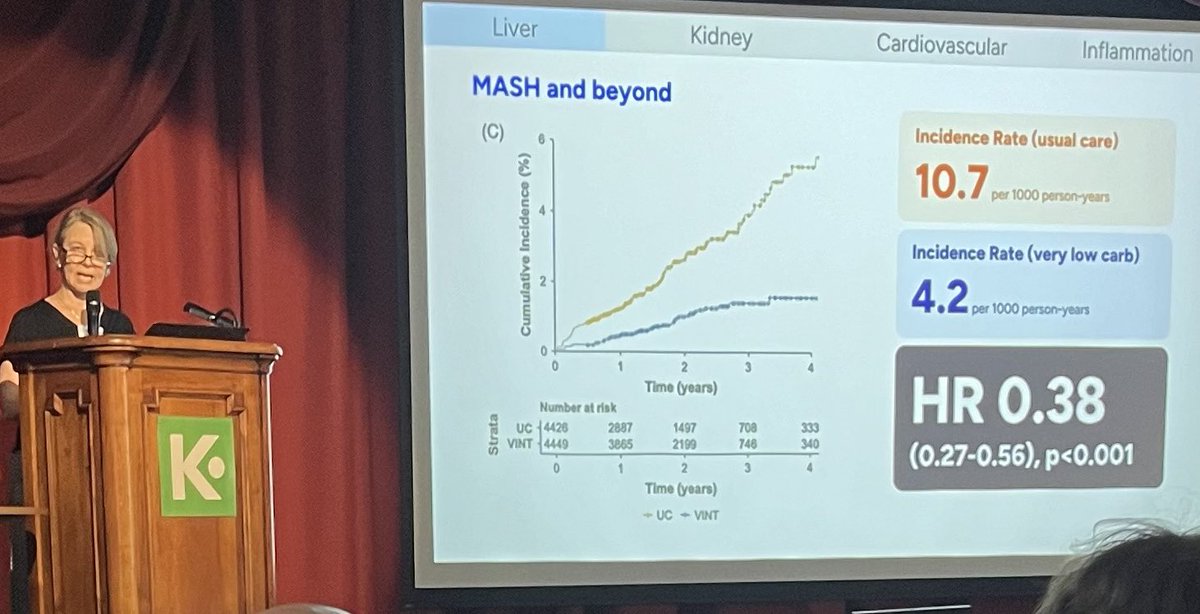
I’m amazed by what @virtahealth are achieving This on reducing liver disease by 62% using a low carb approach They have really HUGE numbers of clients lots of publications and are growing fast!! Dr Catherine Roberts presents at @keto_live in Switzerland 🤩
9
74
365
24,511
Kesar Sadhra retweeted
Wanna dodge Heart Attacks, Alzheimer's, Diabetes - and a LOT more? Okay then...! link: weloveourheart.com/live2
11
28
110
6,319
Kesar Sadhra retweeted
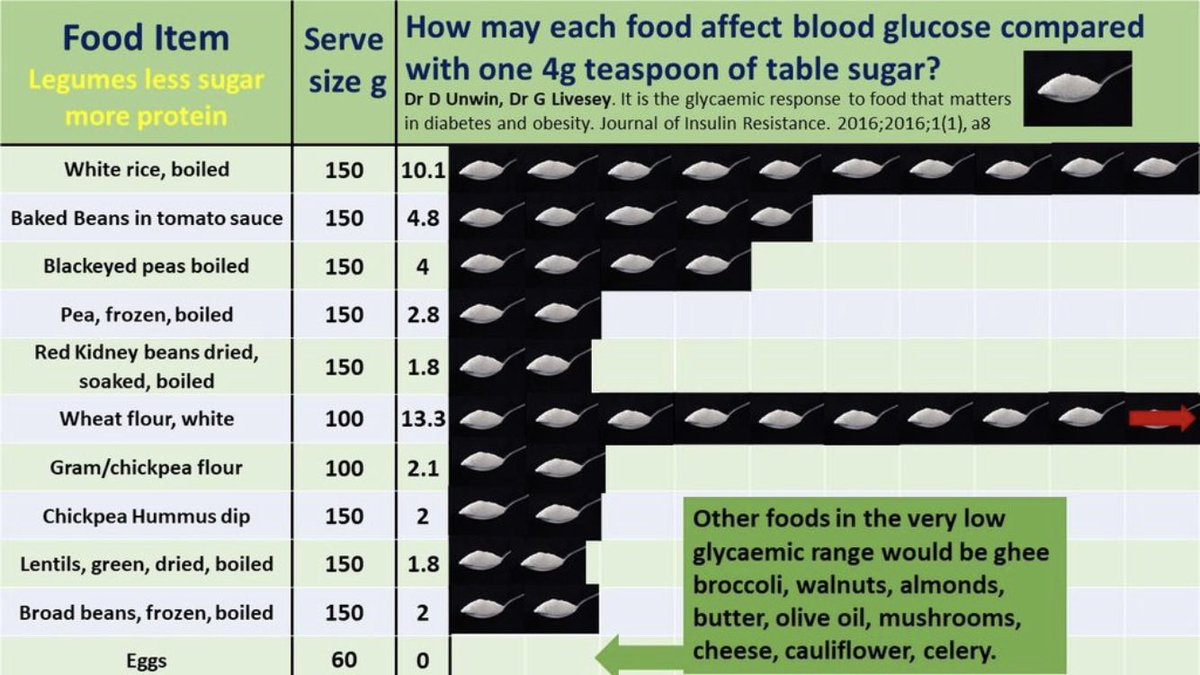
Legumes; less sugar more protein May be a better dietary choice for people with #T2D than rice or foods made from wheat flour Compare their approx glycaemic loads to 4g teasp of table sugar below More on @PHCukorg website #StarchIsSugarToo
19
80
406
Kesar Sadhra retweeted
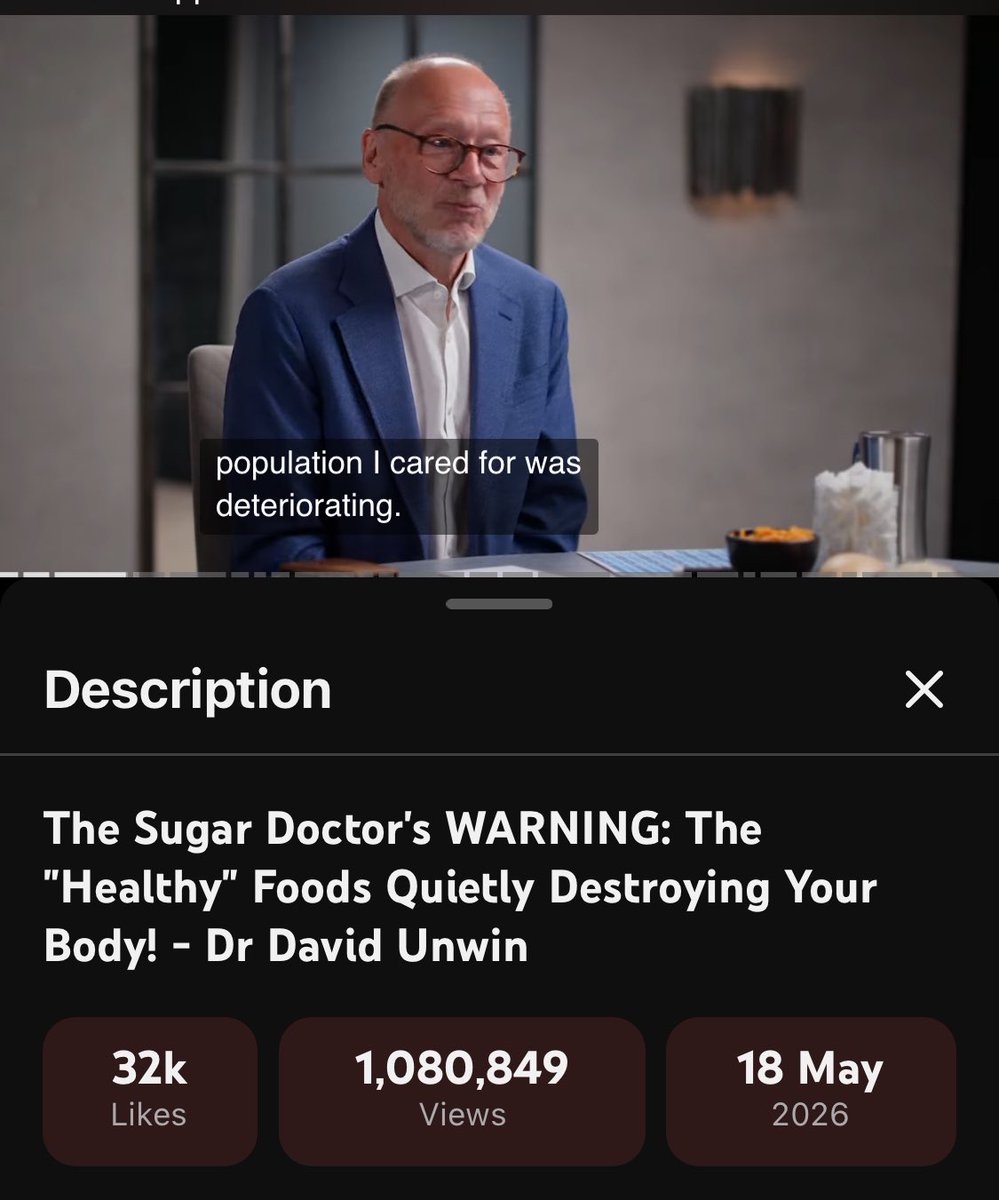
OVER A MILLION VIEWS IN JUST THREE DAYS !! What a very long way the low carb diet has come Thank you @StevenBartlett 🙏🙏🙏 youtube.com/watch?v=zc8Nh4TM…
41
100
662
20,048
Kesar Sadhra retweeted
WOW THIS IS REALLY HUGE!! Two hours on the second most popular podcast in the World @thediaryoface Talking about diet and metabolic health. Sugar with your sugar with your sugar podcasts.apple.com/gb/podcas…
44
95
471
44,249
Kesar Sadhra retweeted
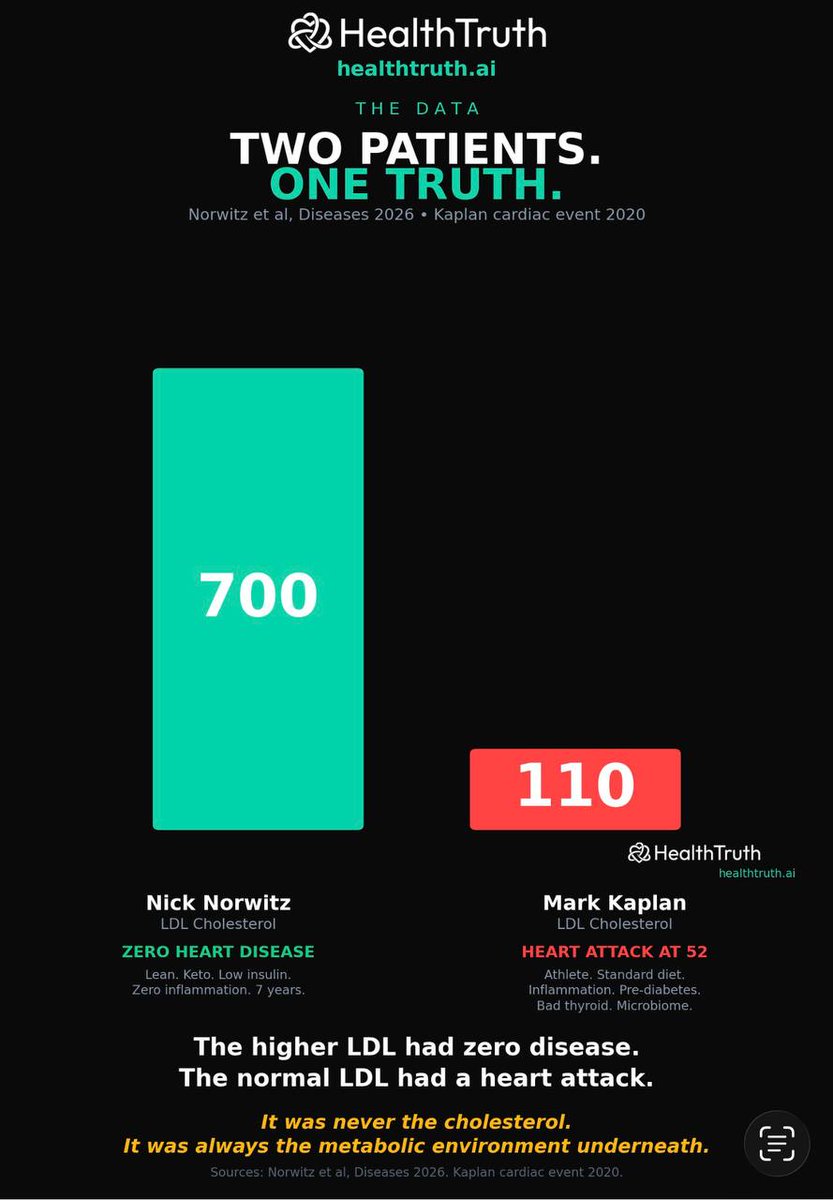
A Harvard study just proved a man can carry LDL cholesterol of 700 for seven years and have zero plaque in his arteries. Zero. Not a single cubic millimeter. My LDL was 110 when I had my heart attack at 52. Normal. Optimal by every guideline. He had LDL 700 with clean arteries. I had LDL 110 and nearly died. If LDL caused heart disease, his arteries would be destroyed and mine would be clean. The opposite happened. Something is very wrong with the cholesterol story.
90
552
1,912
68,936
Kesar Sadhra retweeted
Five diseases. One chart. 50 years. Obesity up 1,000%. Diabetes up 637%. Alzheimer's up 500%. Cancer up 216%. Heart disease up 100%. All rising. All together. All since 1975. These are not five separate diseases. They are five symptoms of one disease. A foodborne illness. The food changed. The guidelines changed. Fat was replaced with sugar. Butter was replaced with seed oils. Real food was replaced with 10,000 chemicals your grandmother would not recognize. And every one of these lines followed. Your doctor treats them as five separate problems. Five specialists. Five prescriptions. Nobody connects the dots. The root cause is metabolic. The science is clear. And the solution starts with what you eat, what you test, and what you stop believing. healthtruth.ai/neo The truth heals
66
572
1,340
52,506
RT @JoeTippen: IVERMECTIN AND FENBENDAZOL END CANCER 🎯CONFIRMED: Epidemiologist Nicolas Hulscher states that complete remissions of stage I…
3,167
Kesar Sadhra retweeted
We often see drug free remission of T2Diabetes in just two months People find this surprising but here we see it’s all been done before IN 7 WEEKS!!
1982. Kimberley region, Western Australia. An Australian nutrition researcher named Kerin O'Dea recruited 10 middle-aged Aboriginal Australians. All had type 2 diabetes. All were overweight. All were living in town on flour, sugar, and processed food. She sent them back to the bush. For 7 weeks they lived the way their grandparents did. They ate what they could hunt, fish, and gather. Kangaroo, fish, crocodile, turtle, birds, yams, figs. No flour. No bread. No refined sugar. Then she measured them again. Fasting glucose cut nearly in half 11.6 down to 6.6 mmol/L. Fasting insulin normalized. Triglycerides dropped 70%. Each lost about 18 pounds. Type 2 diabetes reversed in 7 weeks. No drugs. No surgery. She published the results in *Diabetes* journal in 1984. Title: "Marked improvement in carbohydrate and lipid metabolism in diabetic Australian Aborigines after temporary reversion to traditional lifestyle." Cited over 240 times. Mainstream medicine never adopted it. They tell you type 2 is a chronic, lifelong disease. It isn't. No sugar. No grains.
5
20
102
14,287
Kesar Sadhra retweeted
India ran the most important cardiovascular study of the 20th century by accident, and then immediately forgot about it. In 1967, Dr. S.L. Malhotra published a study in the British Heart Journal examining heart disease rates among 1.5 million Indian railway employees. The population was extraordinarily useful for research purposes: same employer, same healthcare access, comparable income and working conditions, spread across the entire country. The only meaningful variable was geography. Which meant diet. North Indian railway workers: Punjab, Rajasthan, UP, ate a diet built around ghee and dairy fat. They consumed up to 19 times more fat than their southern counterparts. The fat was primarily saturated: clarified butter, milk fat, the short-chain saturated fatty acids that Ancel Keys had recently been telling the Western world were arterial death. South Indian railway workers ate a diet based on rice, sambar, and seed oils: groundnut oil and sesame oil, primarily. They ate considerably less fat overall. By the standards of dietary advice being formulated in the 1960s, they should have been the healthy ones. Heart disease mortality in South India: 135 per 100,000. Heart disease mortality in North India: 20 per 100,000. Seven times higher in the population eating seed oils. Among railway sweepers specifically, the lowest-paid, most physically active workers, the gap was even wider. Heart disease was fifteen times more common in the South Indian sweeper population than in the North Indian sweeper population. Malhotra controlled for everything he could reach: smoking, where Northerners actually smoked more. Activity levels, where the relationship was inconsistent. Socioeconomic status, where executives died more often than sweepers regardless of region. He found no variable that explained the gap except the type of fat in the diet. He published the data. In a peer-reviewed journal. In 1967. The study was cited periodically, acknowledged as methodologically interesting, and then set aside. The decade in which Malhotra published was the decade in which Ancel Keys's fat hypothesis was being converted into policy. The American Heart Association was issuing guidance recommending polyunsaturated vegetable oils as replacements for saturated animal fats. The food industry was producing seed oils at industrial scale. The infrastructure of seed oil promotion was being built, expensively and with great institutional momentum. A study showing that populations eating animal fat had a fraction of the heart disease of populations eating seed oils was not, in that context, a study that anyone particularly wanted to follow up. Nobody followed up. Almost sixty years later, the finding stands unrefuted in the literature. It is not in the dietary guidelines.
232
3,173
9,811
654,236
Kesar Sadhra retweeted
Chronic migraines and bad sleep might share similar metabolic roots. Italian researchers followed 26 chronic migraine patients on a ketogenic diet or low glycemic index diet for six months. Both groups restricted carbs to about 30 grams daily. The results: sleep quality improved, daytime sleepiness dropped, and migraine frequency and intensity both came down. The most interesting part? Sleep improvements were independent of migraine improvements. This wasn't simply fewer headaches leading to better rest. The metabolic shift itself appeared to change sleep architecture. And the benefits showed up by only three months. Extending to six months didn't add further improvement, which led the researchers to question whether a three-month intervention might be enough. If you deal with chronic migraine and trouble sleeping, the metabolic connection is worth understanding. Want to learn about more studies like this? Our free ketogenic metabolic therapy ebook covers more than 150 synthesized peer-reviewed papers on findings like this. Get access at the link below.
2
2
8
397
Kesar Sadhra retweeted
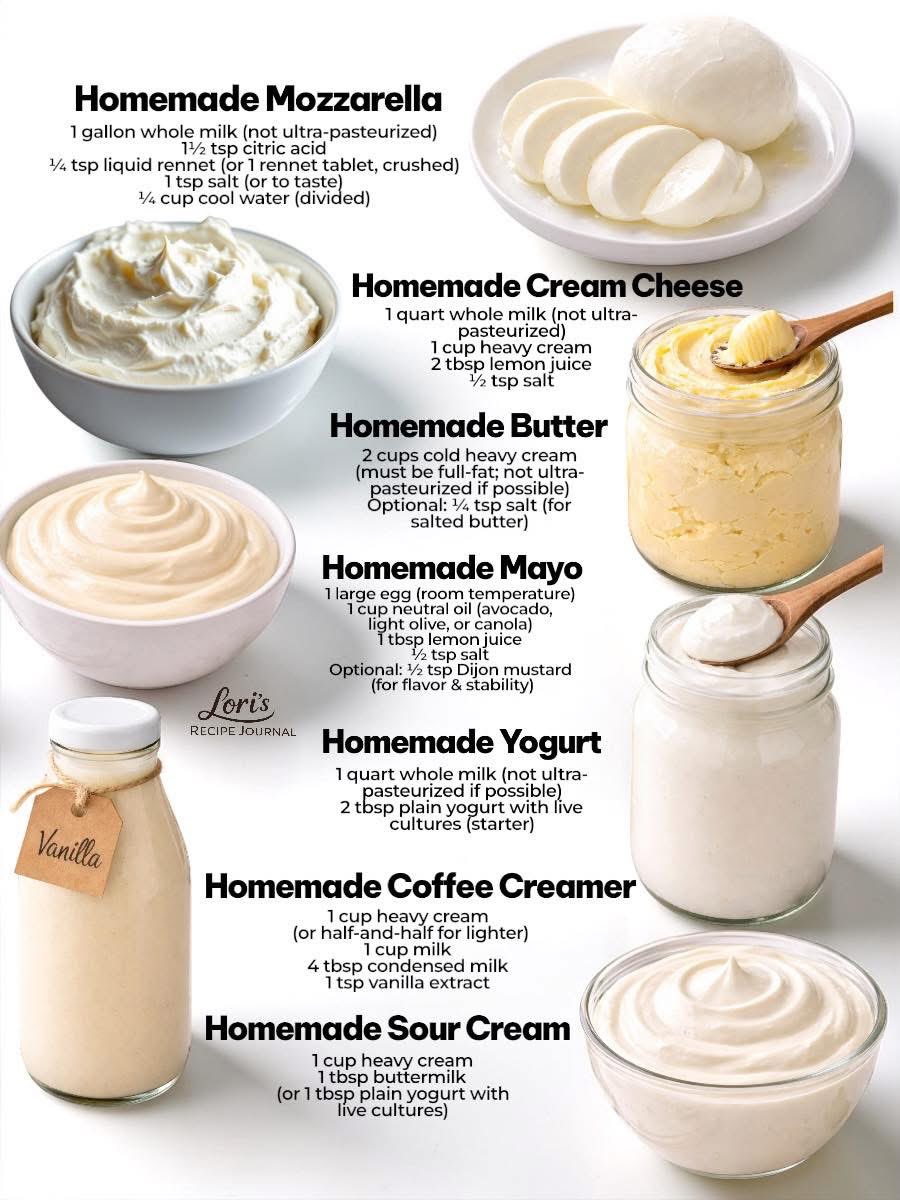
Homemade is always the best
36
533
2,225
57,579
Kesar Sadhra retweeted
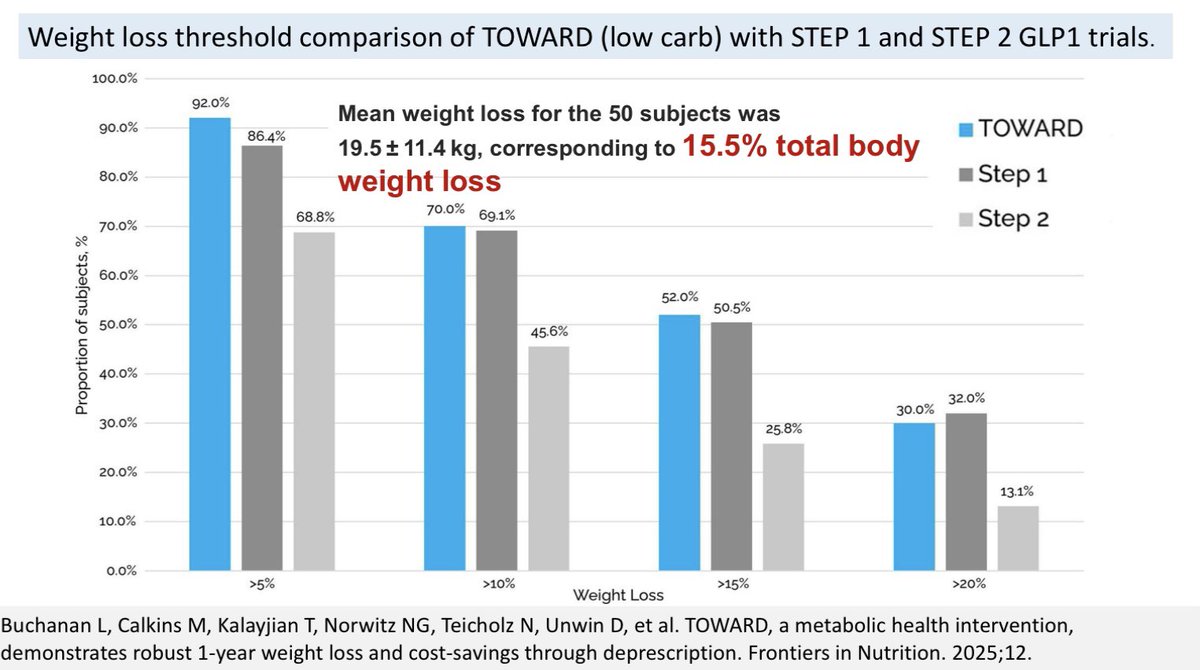
Our paper showing a low carb approach plus CGM can EQUAL the weight achieved by GLP-1 weight loss injections at one year 🥳Think about that Here it is frontiersin.org/journals/nut…
22
88
365
15,684
Kesar Sadhra retweeted
Why cardiologist Dr. Jack Wolfson NEVER prescribes statins to his patients: "The need for statins is totally built on lies... The most egregious thing that's ever been committed on the worldwide populace is the idea of taking statin drugs as a health measure." He continues: "Because I would say that statin drugs, not only do they not work in the sense that we would think they work, because they work to lower numbers down, that's for sure. But they don't really reduce the risk of heart attack, stroke, and dying to meaningful levels." If I didn't make this clear in my original thread: Statins are effective at one thing: lowering cholesterol numbers on a lab report. And they do this extremely well. Despite some saying there are benefits to it as Dr. Wolfson says: "They do have anti-inflammatory properties and can stabilize arterial plaques — which is why mainstream medicine argues they reduce the risk of heart attacks, strokes, and death. But according to a 2022 JAMA meta-analysis, that actual reduction is from 2% to 1.84% annually — a fraction of a point. And that marginal benefit comes at a real cost." That real cost is: 1) Your money 2) Side effects, for example: • Hormone disruption — since cholesterol is a precursor to all sex hormones, blocking its production disrupts hormone balance • Impaired vitamin D synthesis — sunlight converts cholesterol in the skin into vitamin D; less cholesterol means less vitamin D • Weakened bones — they interfere with vitamin K utilization, increasing osteoporosis risk Ultimately, it doesn't address the root cause for heart attacks and strokes which are inflammation, oxidative stress, toxic exposure, poor diet, and sedentary living which lifestyle can solve. Read my thread below to see solutions. (Disclaimer: do not get off your medications without consulting your doctor.)
Dr. Aseem Malhotra said: "If you take a statin for 5 years after a heart attack, it will add an extra 4 days to your life expectancy." A marginal benefit yet 1 billion people are on it or have been prescribed it largely to prevent heart attacks. The truth about statins:🧵
30
424
1,326
144,992
Kesar Sadhra retweeted
Dr. Aseem Malhotra said: "If you take a statin for 5 years after a heart attack, it will add an extra 4 days to your life expectancy." A marginal benefit yet 1 billion people are on it or have been prescribed it largely to prevent heart attacks. The truth about statins:🧵
70
274
1,413
542,320
Kesar Sadhra retweeted
Solution #5: Practice breathwork and meditation daily A cardiologist in India reversed coronary artery disease using 40 minutes of Raj Yoga meditation daily. Results: 70% blockages became 50%, 50% became 30%. Some 100% occlusions completely opened up in 2 years.
1
4
36
7,770
Kesar Sadhra retweeted
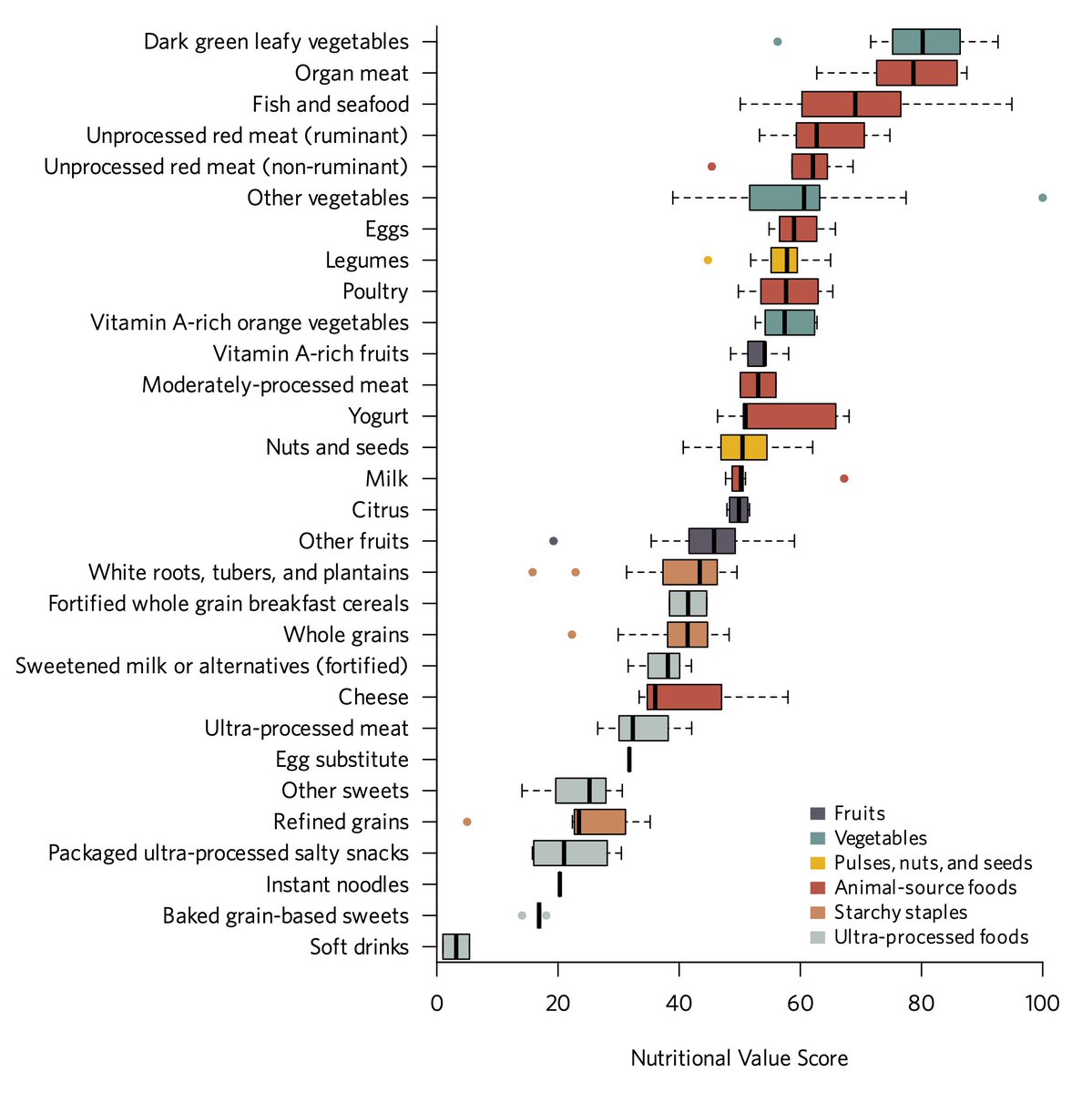
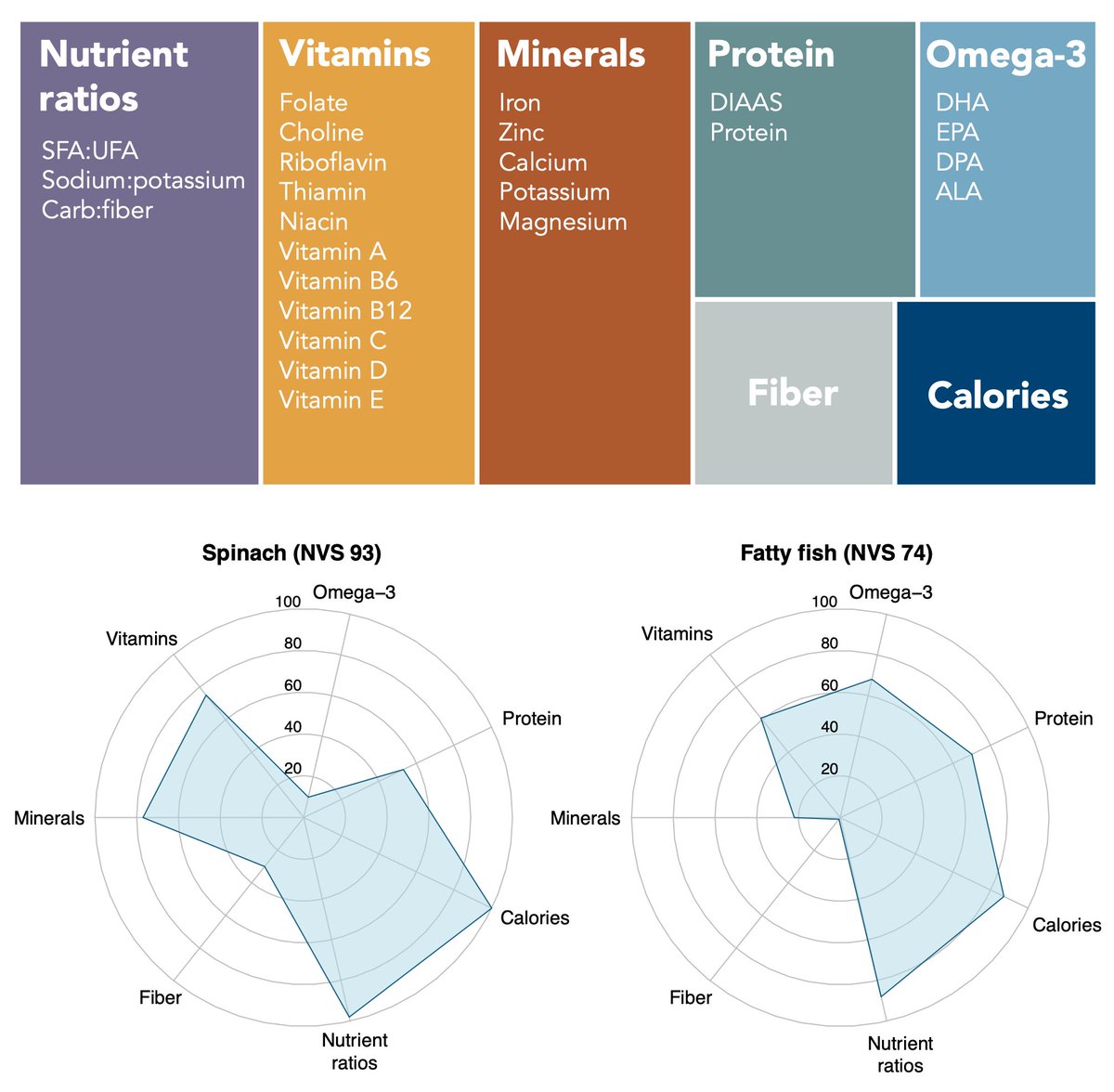
I can't believe it took 2.5 years...but my paper on a new system for rating foods by nutritional value was finally accepted for publication! Nutrient-dense foods like fish, meat, and non-starchy vegetables top the list.
107
204
1,275
149,275
Kesar Sadhra retweeted
Big Pharma wants you believe Alzheimer’s is incurable, but one brain surgeon is naming three substances that fight Alzheimer’s WITHOUT the side effects. #1 is Curcumin, which increases mitochondrial function and reduces the inflammatory chemicals that trigger Alzheimer’s. #2 is DHA (from omega-3 fats) - “DHA removes almost all the amyloid from brains.” #3 is EGCG (from green tea) - ECGC has antioxidant and anti-inflammatory effects that counter neurodegenerative processes. Dr. Russel Blaylock says these substances are ignored by mainstream medicine—not because they don’t work, but because pharmaceutical companies “couldn’t make a profit off it.” So, research and promotion are abandoned. If effective treatments can be buried, what else aren’t we being told about Alzheimer’s disease?
19
860
2,035
73,844