
Ret. teacher, mom, admirer of other's talent, pet lover, environmentalist, seeker of justice & empowerment, Person of faith. Pol cartoon fan. Opinions R mine.
Joined September 2015
- Tweets 73,809
- Following 1,564
- Followers 743
- Likes 99,854
1,261 Photos and videos










Kit Olson retweeted

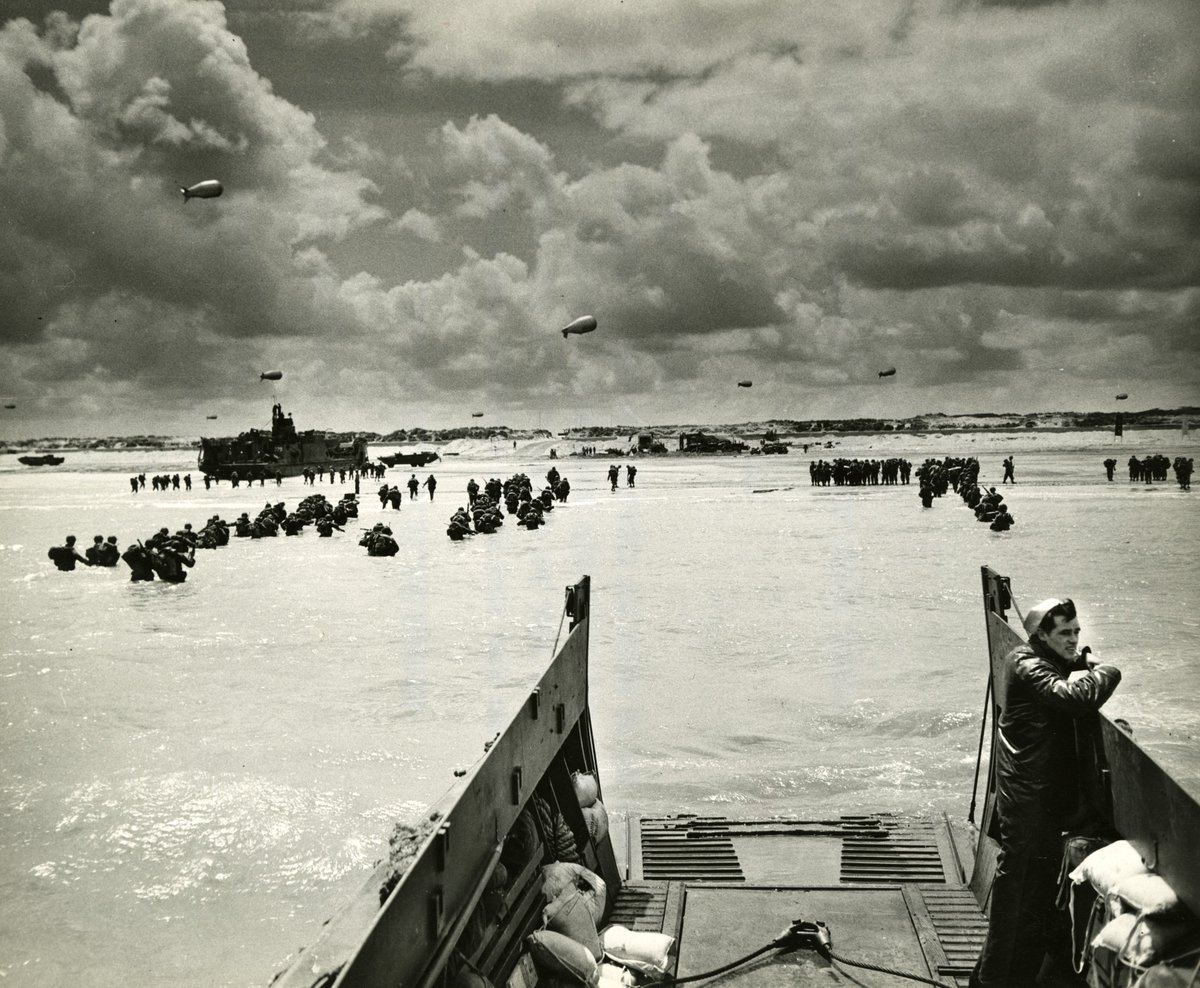
little respect, a massive smile. 🥺❤️ This sweet little girl saluting a soldier is the purest thing you’ll see today!😍💚
191
1,525
12,188
148,916
Kit Olson retweeted

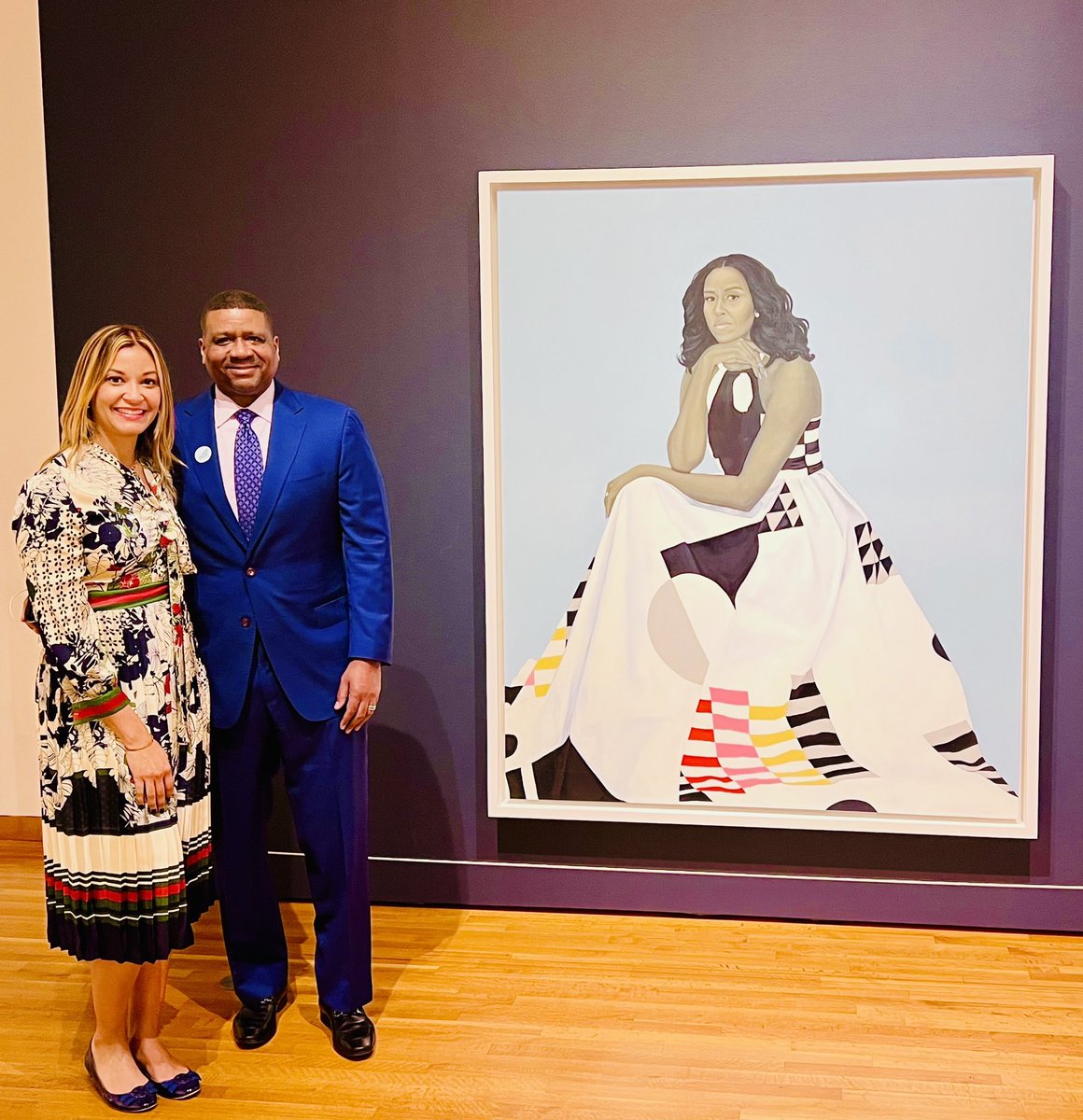
After hearing what was said about Michelle Obama at the White House last night, I can’t stay silent.
She’s a Princeton- and Harvard-educated attorney, a former First Lady, and a global example of intelligence, grace, and elegance.
I’m speaking up because she taught us: *“When they go low, we go high.”* That means calling out disrespect while still choosing dignity.
I stand with Michelle Obama. And she represents the best of American values.
2,384
2,288
13,134
180,628
Kit Olson retweeted

What is happening today – the opening of the first cluster in the accession negotiations for Ukraine and Moldova – sends a clear message that Europe’s progress cannot be stopped.
We have worked hard to reach this moment. Over the past years, Ukraine and Moldova have taken important steps together. And it is especially symbolic that I am speaking to you from Chișinău today – on my way to France for the G7 Summit.
Our neighborhood with Moldova is strong. And we support each other, and we are moving toward the EU together – and we will get there together.
From an intervention at the EU Intergovernmental Conference. (1/3)
231
1,123
6,496
110,427

As Mexico celebrated its World Cup opening victory over South Africa, Merlin, a 2-year-old duck dressed in the national team’s colors, became an unlikely internet sensation and the tournament’s first viral, unofficial mascot. abcnews.link/RAexNel
78
1,330
9,061
250,695
Kit Olson retweeted
First responders have put out the fires in Kyiv – at the Lavra and the Mystetskyi Arsenal. I am grateful to all the services working at the sites of the strikes, and to everyone who is helping. It has been confirmed that two Russian drones deliberately targeted the part of the city where the Lavra and the Mystetskyi Arsenal are located. As of now, 35 people are reported injured in Kyiv. Across the country, 53 people have been wounded, and 11 people are known to have been killed in this massive Russian attack. My condolences to all their families and loved ones.
We are in constant communication with our partners regarding the consequences of this Russian attack and the necessary response. It is important that state leaders, public leaders, and international organizations do not remain silent. I have instructed Ukraine’s Ministry of Foreign Affairs and our entire diplomatic team to maximize all contacts with partners today so that international events this week and next deliver real results for strengthening our defense and increasing global pressure on Russia over this war. We need a just response to this Russian strike. Thank you to everyone who stands with Ukraine.
656
3,739
13,779
203,207
Kit Olson retweeted

Fourteen years ago, President Obama opened the door of opportunity for Dreamers who knew no other home than America with DACA.
Dreamers embody the values that make our nation strong—and it's past time for Congress to finish the job and pass permanent protections for them.
304
496
2,334
63,600

Agreed! It's NOT anti-Israel to be opposed to this provision. But we have a right to transparency; to know where our tax dollars are going & that all our allies deserve our support.

Only 16% of Americans support arming Israel without restrictions.
So what is Congress doing? Burying a provision in the defense bill that would give Israel more military integration than any NATO ally.
We must strip Section 224 from the Pentagon budget.
3
Kit Olson retweeted

22h
Welcome to Morristown, the Military Capital of the Revolution 🇺🇸
There is so much history in this town, and 250 years later, this community has come together to fight back against ICE raids.
After 250 years, Morristown is still fighting for the values that built our country.
94
65
275
4,459
Kit Olson retweeted

Jun 15
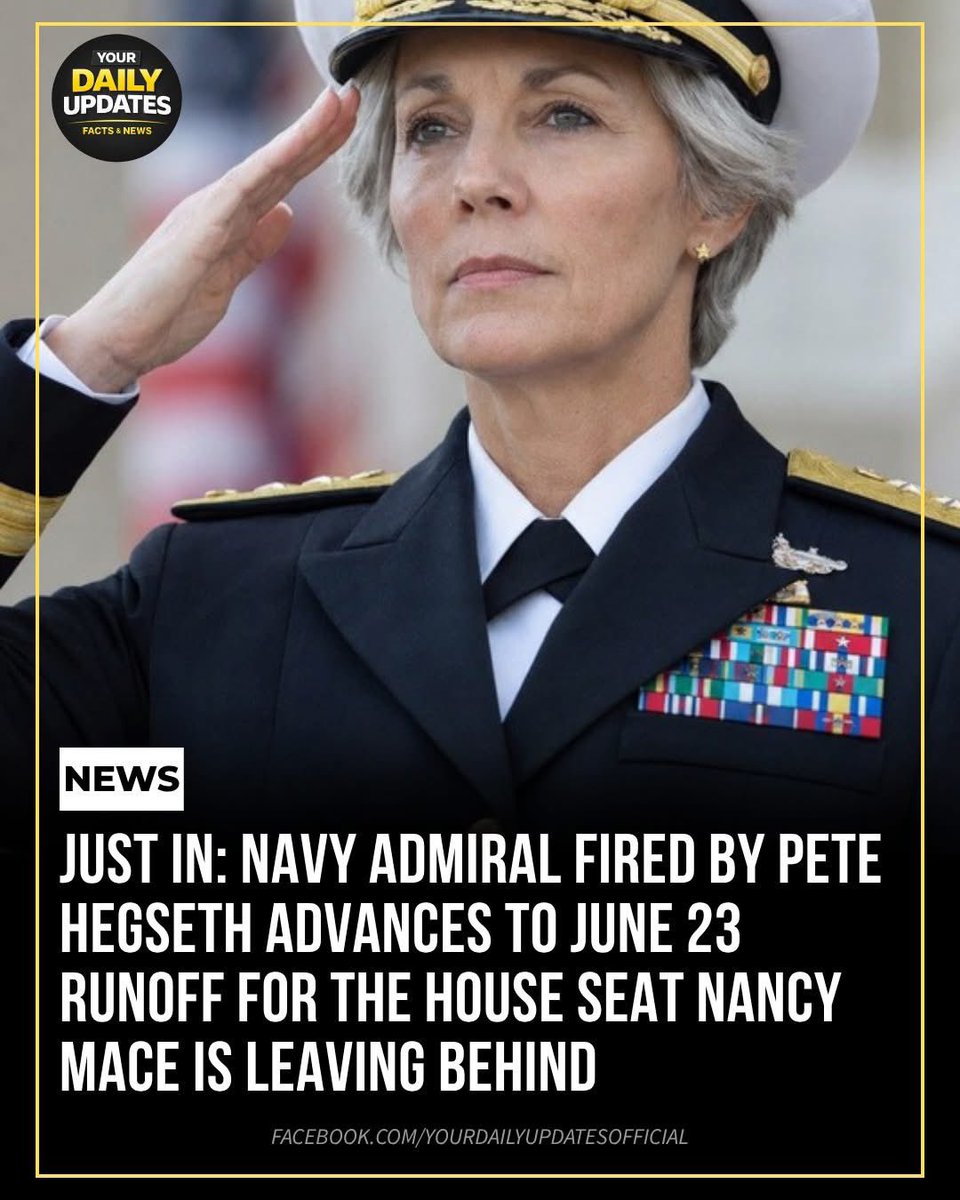
Pete Hegseth fired her. Now she's running for Congress.
Nancy Lacore, a retired three-star Navy vice admiral, has advanced to a June 23 Democratic primary runoff in South Carolina's 1st District - the House seat Rep. Nancy Mace is vacating to run for governor. Lacore was abruptly dismissed by Defense Secretary Pete Hegseth last August, part of a wave of senior military removals on Aug. 22, 2025. She has called her firing "without cause."
To be clear about where this stands: Lacore hasn't won anything yet. She's headed to a runoff against attorney Mac Deford on June 23 to decide who becomes the Democratic nominee. The winner of that contest moves on to November for a long-shot run at the seat - which the Cook Political Report rates as solidly Republican.
But the storyline writing itself is hard to miss. A career officer pushed out by the sitting Defense Secretary is now asking voters to send her to Washington, where she'd have a say over the very Pentagon that showed her the door.
Her campaign leans directly into that history - framing the dismissal as exactly the kind of accountability gap she wants to challenge from inside Congress. Mace, meanwhile, is stepping up to a statewide race, leaving one of the most Republican-leaning seats in the state suddenly without an incumbent.
It's an uphill climb in a district drawn to stay red. But a fired admiral on the ballot is the kind of race that makes people pay attention.
181
3,301
7,639
47,977

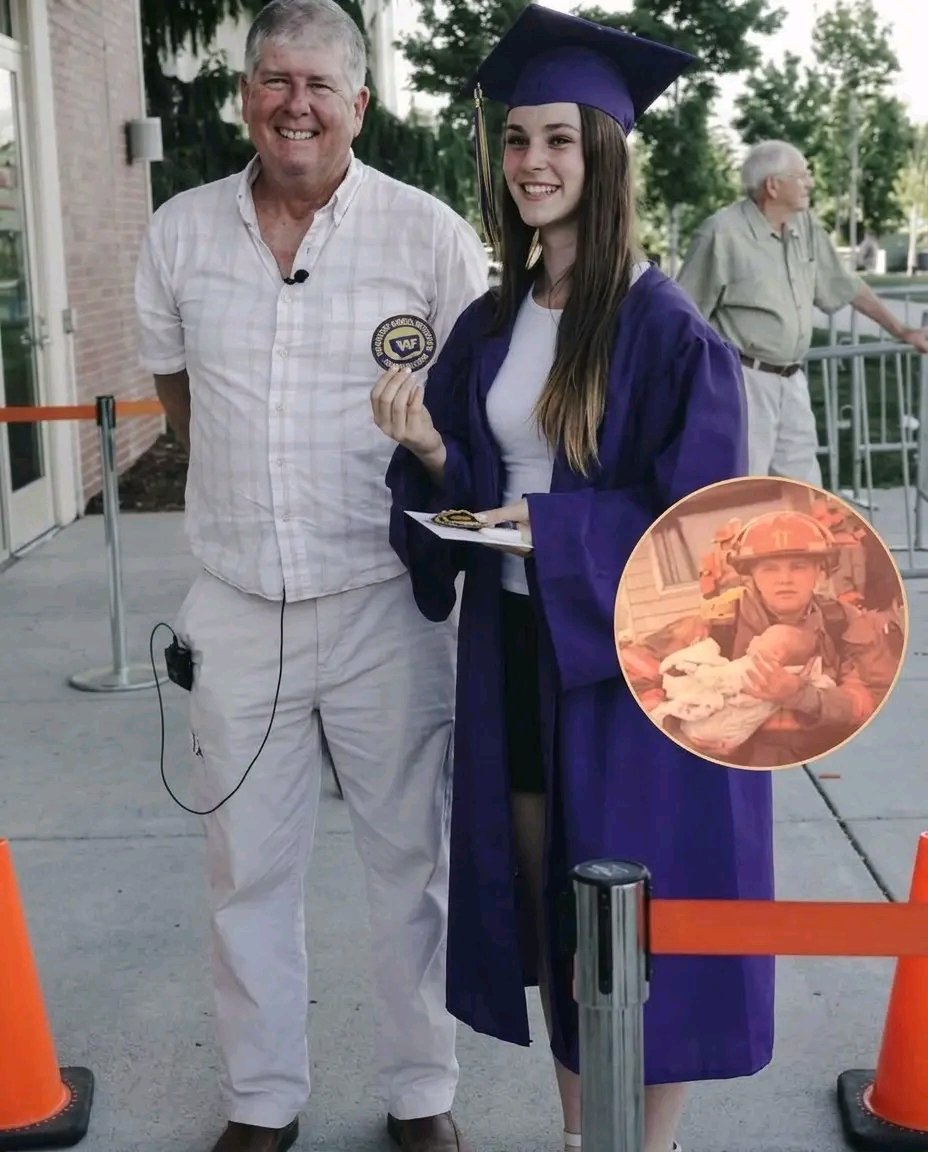
On a winter night in 1998, a Wenatchee firefighter walked into a burning house and came back out carrying a 9-month-old girl who wasn't breathing.
He handed her to the medics. The crews worked fast. She stabilized.
And then, because that's what the job is, the next call came in, and he went.
For seventeen years, he didn't know what happened to her.
Most firefighters never do. You pull someone from the smoke, you pass them to the next set of hands, and life keeps moving. The rescue becomes a memory. A line in a report. A moment you carry quietly.
But that baby grew up.
She went to school. Made friends. Had a favorite song and a group to sit with at lunch and a whole life that almost wasn't. And when her senior year came around and graduation was weeks away, her family did something most families never think to do.
They found him.
They sent him an invitation.
He stood in that gymnasium in 2015 and watched a young woman walk across a stage. The last time he had seen her, she weighed eleven pounds and fit in the crook of his arm. Now she was in a cap and gown, laughing with her friends, every inch of her alive.
When they introduced him, she turned to face him, not the baby he remembered, not the emergency, not the call, just a girl, now a young woman, who reached out her hand and said thank you.
He said afterward that he'd responded to thousands of calls over the years. That most of them blur together. That you just do what you're trained to do and trust the medics to take it from there.
"I never expected to be here," he said quietly. "I just did my job."
That's the thing about first responders. They run toward the smoke, do the job, and go. They rarely get to see what that moment becomes seventeen years later. They rarely get to see the graduation, the laugh, the handshake. They just have to trust that it mattered.
It did.
13
69
300
2,065
Kit Olson retweeted

21h
U.S. District Judge Angel Kelley just stopped the regime from erasing American history. She blasted their attempt to use a "white-out pen" on national parks and ordered all civil rights exhibits restored by July 3. 👇 dworkinsubstack.com/p/trumps…

26
1,464
3,522
14,673
Kit Olson retweeted

Today marks 14 years of DACA. Thousands of Arizona DACA recipients are still living in limbo — and this Administration is making it worse by slow-rolling renewals. These young people deserve a pathway to citizenship, and I won’t stop fighting until they get one.
261
263
890
12,387
Kit Olson retweeted
A cat train in Japan.
It was opened in honor of the cat Tama, who worked as a station attendant in the city of Kinokawa. The entire train is dedicated to cats, and it even has a library.
35
577
2,743
63,700
Kit Olson retweeted

After launching his war against Iran, Trump promised us
The complete elimination of enriched uranium in Iran
The end of Iran's missile production.
The end of Iranian support for terrorists
Regime change. Freedom for the Iranian people.
Unconditional surrender.
So far, none of these objectives have been achieved. Not one.
But we still don't know the details. Let's see what happens.
46
274
837
19,020
Kit Olson retweeted

BREAKING: In a stunning moment, CNN just broke down how Donald Trump's efforts to weaponize the Department of Justice against Gavin Newsom will backfire spectacularly. This is amazing.
191
1,428
5,890
127,455
Kit Olson retweeted
Simply shocking.
To all those who screamed bloody hell when the Obama administration returned a tiny fraction of this amount to Tehran after they signed JCPOA, I look forward to hearing from you now.
Jun 15

CBS: The Iranians are saying they're gonna have access to a $300 billion reconstruction fund. True or false?
JD VANCE: That's the sort of things they could have access to so long as they honor their end of the obligation
47
653
1,986
60,630
Kit Olson retweeted

ICE vehicles hit their car while their children were inside. Then agents dragged the parents out during drop-off and a preschool graduation, in front of crying kids. All on school property.
PAXIS.app confirms that schools are supposed to be safe places for children, not federal ambush zones.
That’s not public safety. That’s state-sponsored trauma.
The ammunition to fight ICE is here: gofundme.com/f/PAXIS
515
4,654
7,817
173,056
Kit Olson retweeted

The kleptocracy never ends. Trump used the White House as a backdrop for a cage match.
At the same time, the Trump family is selling $12,000 coins to profit off the event.
They’re not draining the swamp. They are the swamp.
1,525
2,985
18,133
270,739
Kit Olson retweeted

Jun 15
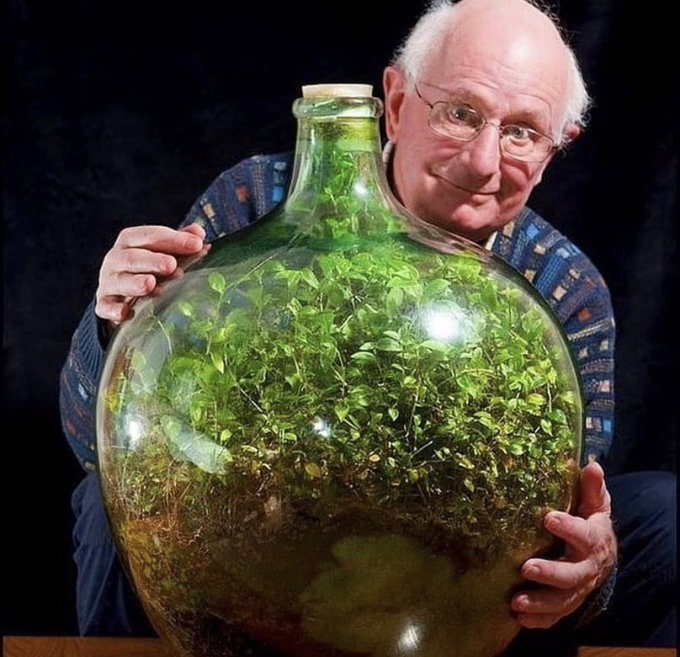
In 1960, David Latimer planted a spiderwort sprout inside of a large glass jar, added a quarter pint of water, and then sealed it shut.
He opened the bottle for the first time only 12 years later, in 1972, to add some water and then sealed it for good.
The self-contained ecosystem flourished for more than 60 years as a perfectly balanced garden and self-sufficient ecosystem.
The bacteria in the compost ate the dead plants and broke down the oxygen released, turning it into carbon dioxide, essentially forming a microcosm of Earth.
186
1,542
9,240
367,091
Kit Olson retweeted

A pack of wolves. How they look back and wait for each other.
The greatest animal videos: bit.ly/4rD4uhd
12
81
872
54,376