#HumanRights defender. Christian. Uncommitted. Freedom, democracy, respect. ◆ Focus: #China, Uyghur genocide, transnational repression, emerging threats. ☧ 🇺🇸
Joined May 2016
- Tweets 45,337
- Following 2,949
- Followers 14,398
- Likes 27,672
938 Photos and videos






Pinned Tweet

13 Jun 2023
#OTD In 1987, #RonaldReagan challenged Mikhail Gorbachev to "Tear Down this Wall!" at the Brandenburg Gate.
Now’s a great time to read (or re-read) my 2020 op-ed, wherein I explain exactly how #DavidBowie’s music led to #Reagan’s infamous demand.
@DavidBowieReal @Reagan_Library
15 Sep 2020

"Thirty-three years on, a new wall divides our world: China’s Great Firewall." @KyleOlbert #WashTimesOpEd
washingtontimes.com/news/202…
2
11
40,602
6 Oct 2023
It’s extremely suspicious that this and prior admins didn’t attempt to pierce FSIA to bring charges against #China and #Russia for their destructive, illegal ASAT tests. The bill for us having to now track and clean up their space debris could easily exceed $1 trillion dollars. @SpaceLawSociet1 @GtownSpaceLaw @StateDept_SP @USAmbCD @NASASpaceOps @CelesTrak @DOD_Policy @SpaceForceDoD @US_SpaceCom @1stSpaceBrigade @SLDelta30 @US_STRATCOM @NDIA_MissileDef @MissileDefAdv @ArmySMDC @100thMDB_GMD
2 Oct 2023

The FCC has fined Dish Network $150,000 for failing to properly remove a satellite from geostationary orbit, the U.S. regulator said Oct. 2 in its first space debris enforcement action spacenews.com/fcc-fines-dish…
2
14
5,407
Kyle Olbert retweeted

6 Oct 2023
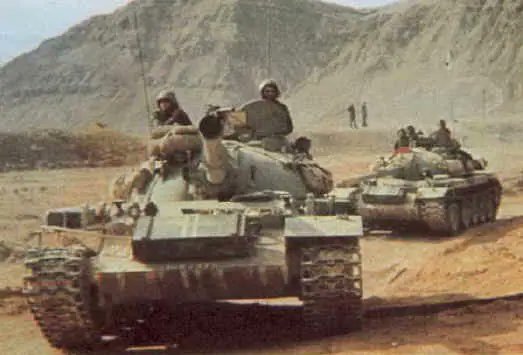
Yom Kippur War at 50: Castro deployed Cuban troops to invade and destroy Israel in October 1973. cubanexilequarter.blogspot.c… #YomKippurWar #YomKippur #ArabIsraeliWar #OctoberWarVictory50 1/
1
18
27
10,139
Kyle Olbert retweeted
23 Sep 2023
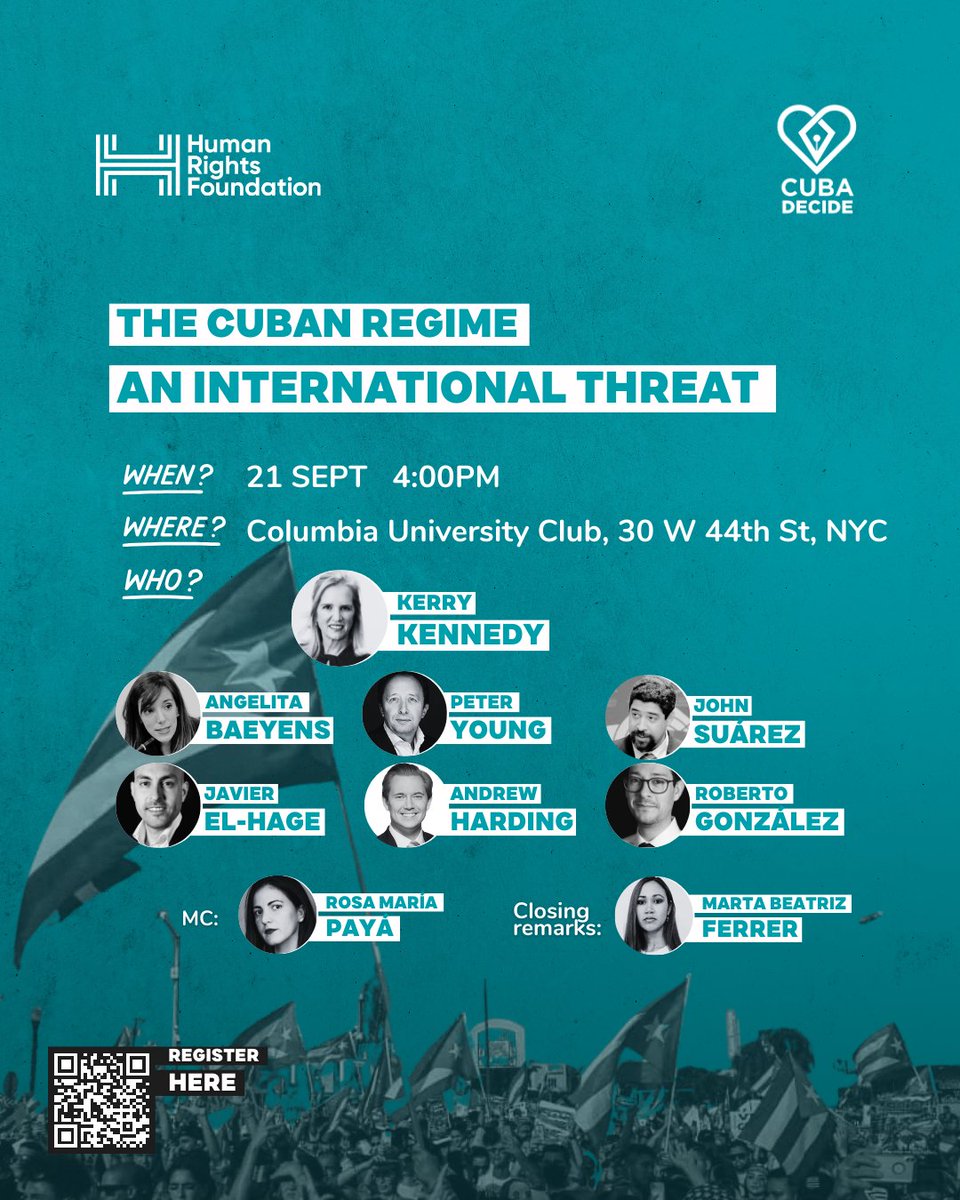
A partial history of violence in Castro’s Cuba
Remarks prepared for "The Cuban Regime: An International Threat"
Panel discussion co-hosted by @CubaDecide, and the @HRF on September 21, 2023 in New York City at the @TheKnickerbock2
cubanexilequarter.blogspot.c… 1/
1
18
22
2,738
Kyle Olbert retweeted

20 Sep 2023
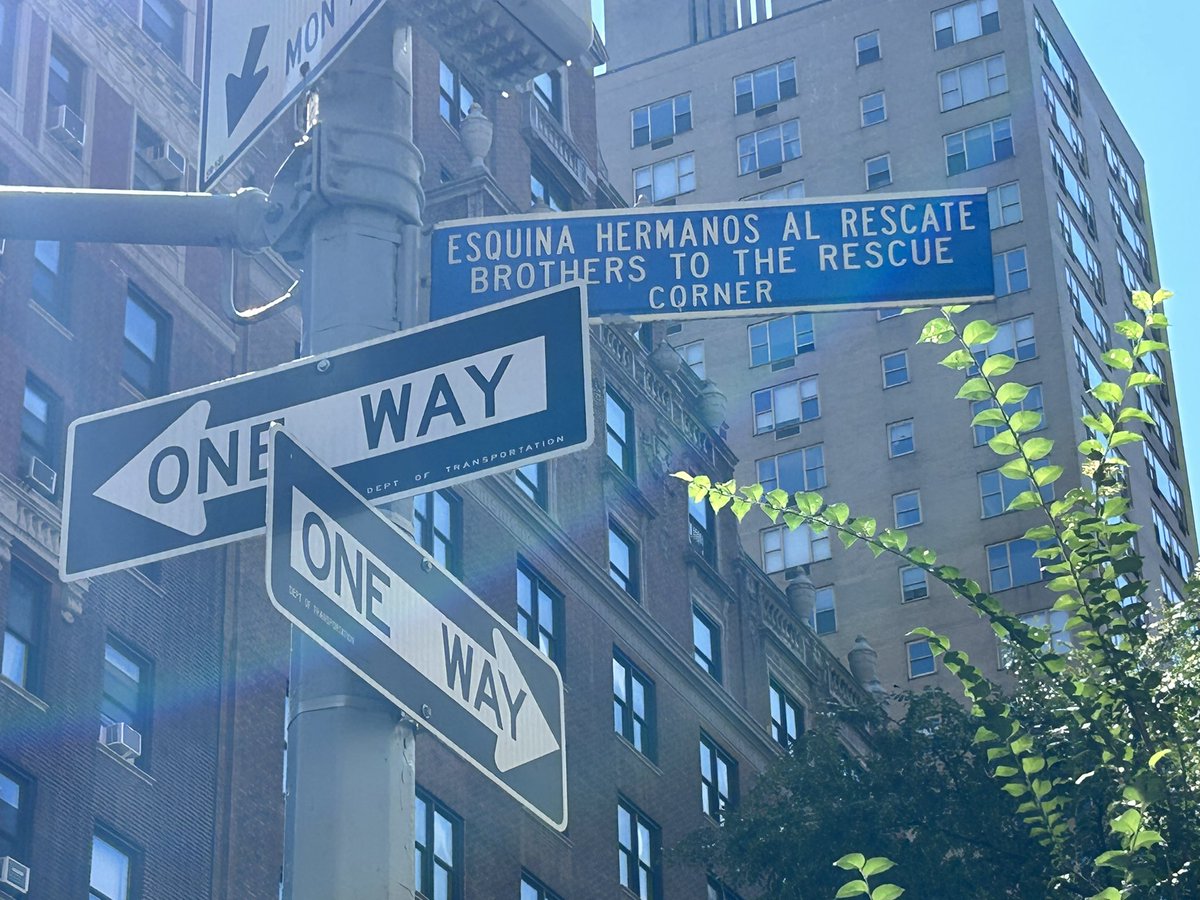
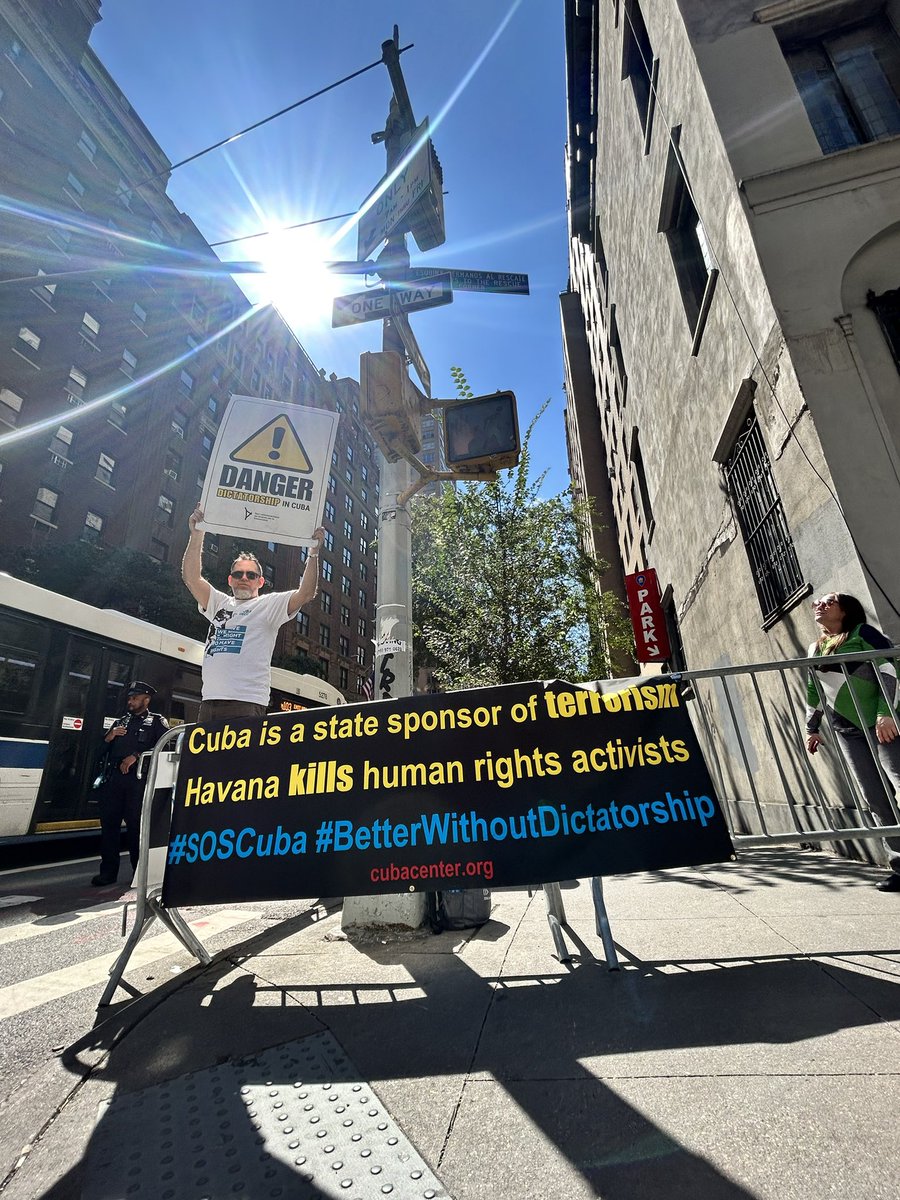
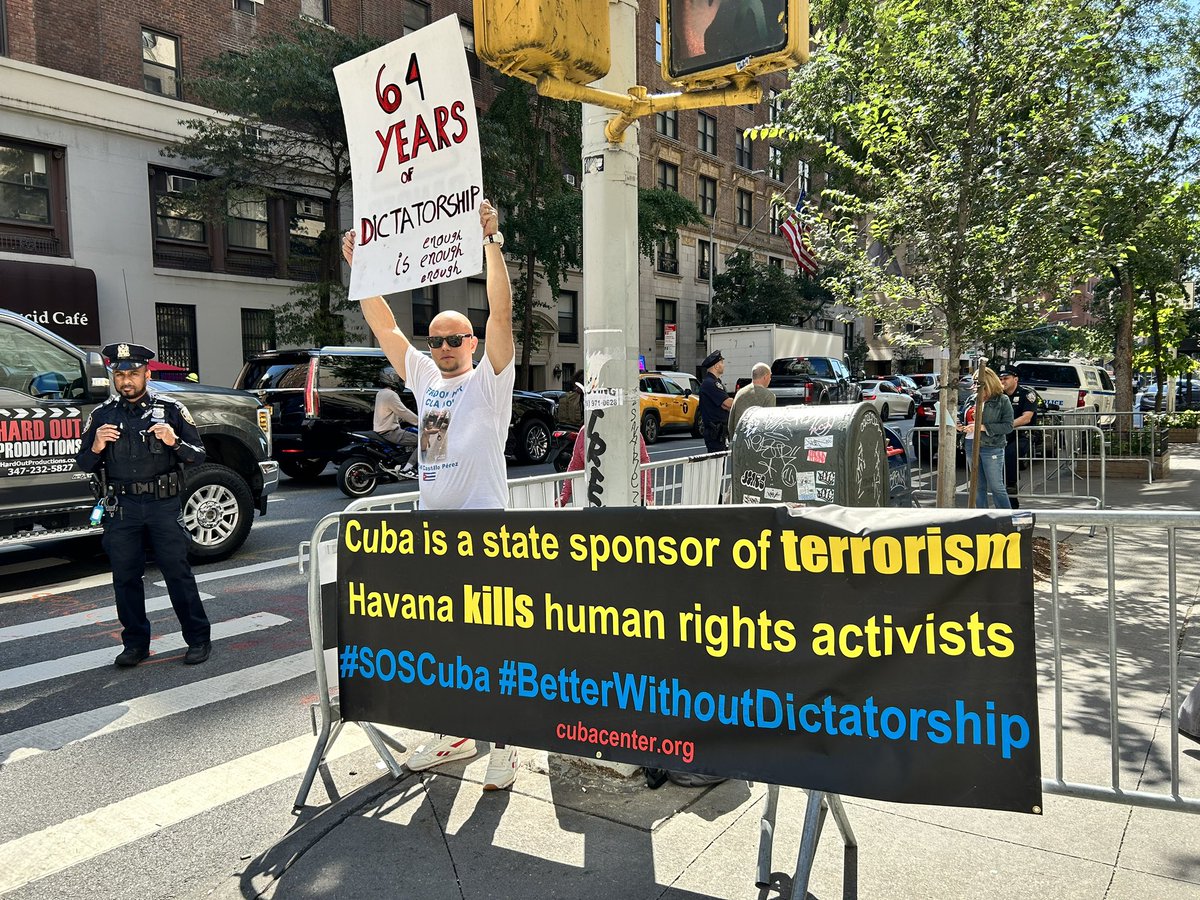
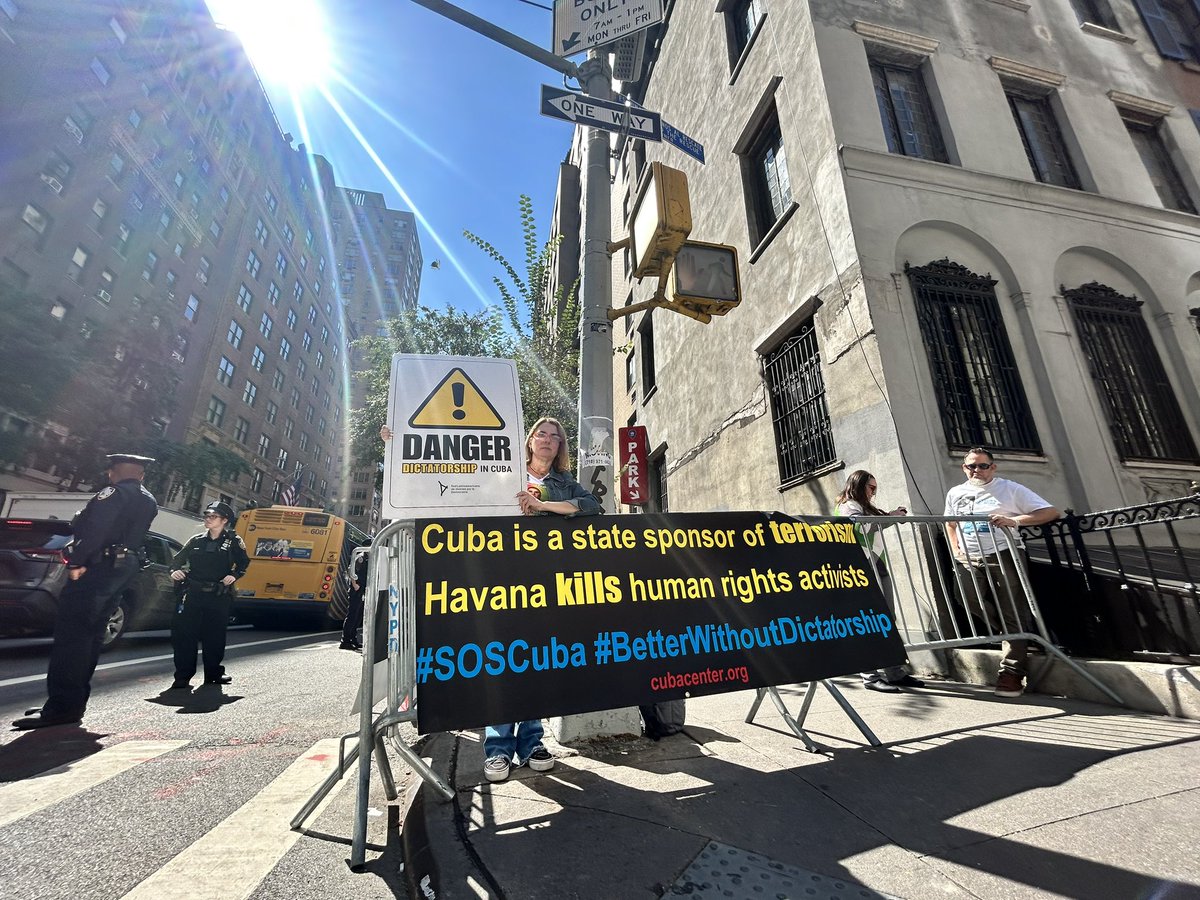
.@MaritoVoz, @YoaxisM & @ReynierCedeno of @CubWashingtonDC at #BrothersToTheRescue Corner, facing the “Cuba mission to the @UN" “diplomatic headquarters” protesting the presence of @DiazCanelB
& his clique. @BrunoRguezP just entered. #SOSCuba #FreeCuba cidh.oas.org/annualrep/99eng…
21
21
3,223
Kyle Olbert retweeted

7 Sep 2023
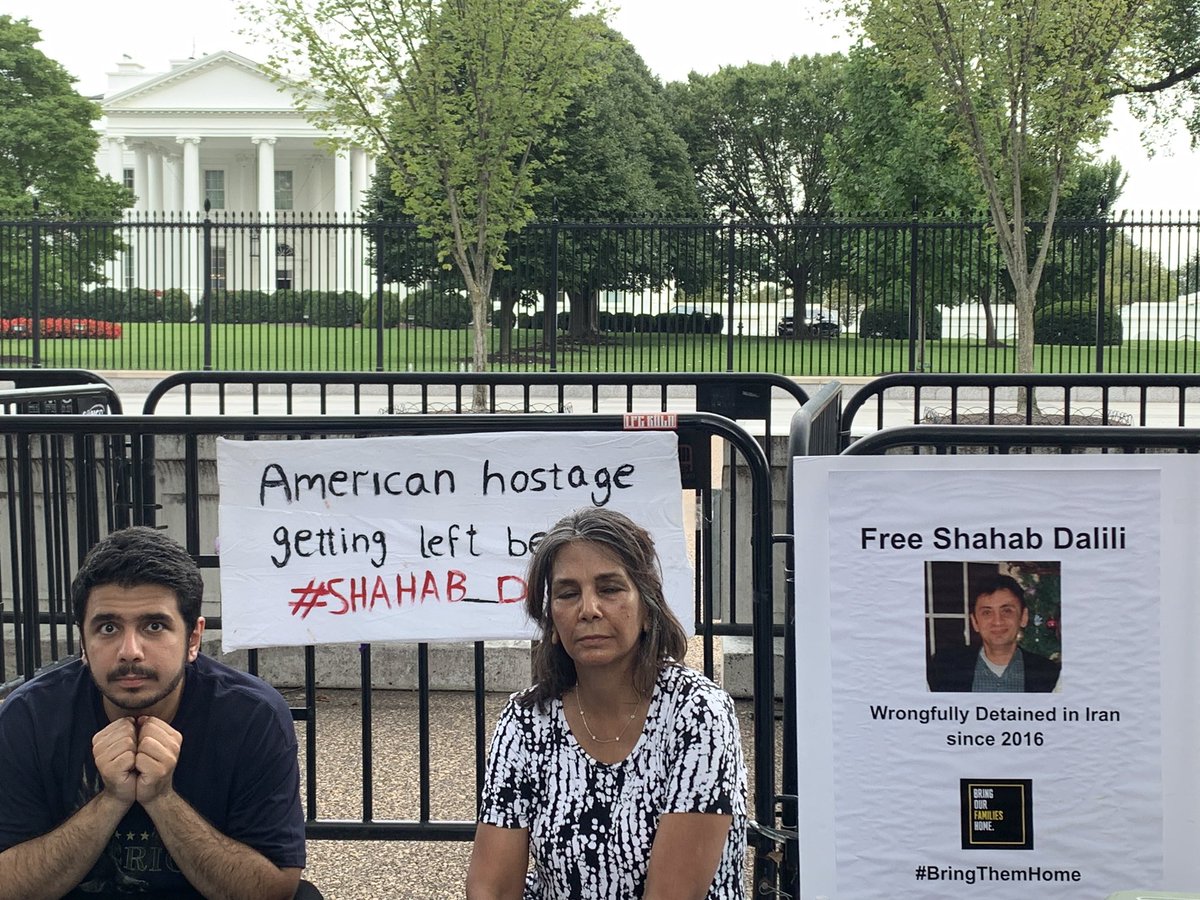
Day 2,705 of Shahab Dalili's unlawful detention in #Iran.
Pls #StandUp4Shahab.
Call on @POTUS & @SecBlinken to bring Shahab Dalili Home.
Every voice counts. Help reunite Shahab with his family after 7 yrs.
@JakeSullivan46 @JasonMBrodsky @brett_mcgurk @KyleOlbert @AlirezaNader

2
16
14
8,282
Kyle Olbert retweeted

6 Sep 2023
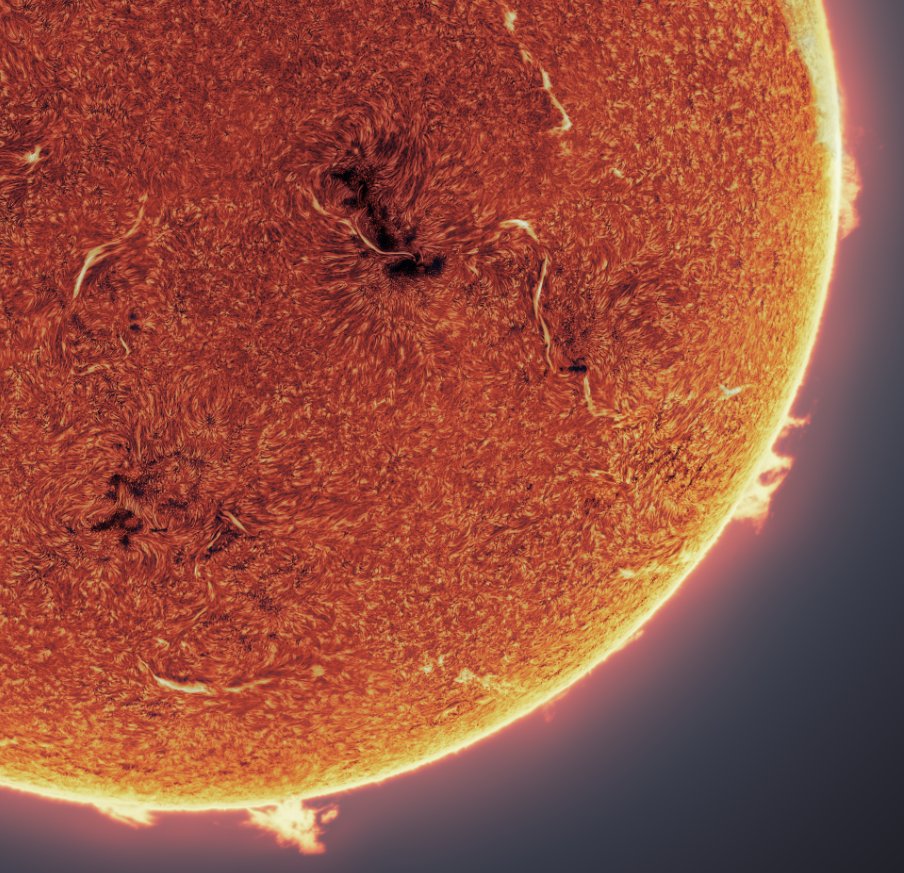
DO NOT try this at home. You could go blind.
I modified one of my telescopes to be safe for observing the sun, and this is what it captured. This is a section of the sun's chromosphere I captured from my backyard a few days ago. This is part of an much bigger project.
191
582
5,942
531,876
Kyle Olbert retweeted
5 Sep 2023
@brett_mcgurk @JakeSullivan46, it is not too late yet! You still have time to demand that #ShahabDalili be included in this deal.
𝗗𝗼 𝗜𝘁 𝗥𝗶𝗴𝗵𝘁 𝗢𝗻𝗰𝗲 & 𝗙𝗼𝗿 𝗔𝗹𝗹! Implement the Levinson Act, treat ALL US nationals equally & fairly & #BringThemAllHome!
@KyleOlbert

12
15
6,750
Kyle Olbert retweeted

3 Sep 2023
Happy #SunDay! This week’s space weather report includes:
· 3 C-class solar flares
· 2 M-class flares
· 16 coronal mass ejections
· 0 geomagnetic storms
This video from NASA’s Solar Dynamics Observatory shows activity on the Sun over the past week.
17
177
904
73,356
2 Sep 2023
We are very lucky to exist.
1 Sep 2023

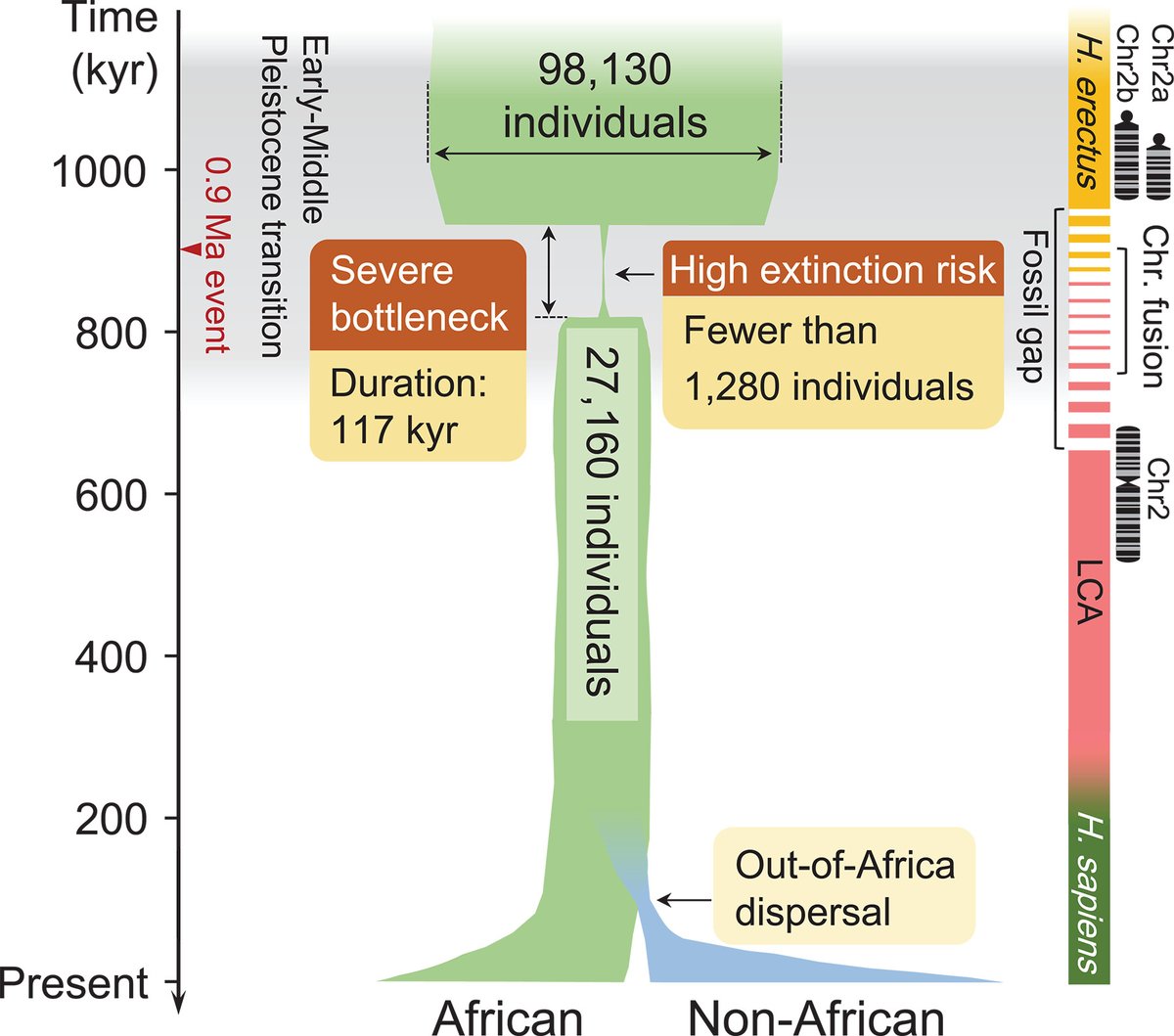
Between 800,000 and 900,000 years ago, the population of human ancestors crashed, according to a new Science study.
The results suggest that there were only about 1280 breeding individuals during this transition between the early and middle Pleistocene. scim.ag/3Wl
3
573
1 Sep 2023
I meet the most interesting people. A man just came up to me and asked if I speak English (I get asked that a lot).
I said “yeah, what’s up?” I saw him glance at my crucifix and he walked closer and said, “don’t worry, I mean ya no harm. I’m gonna be honest with you, I have HIV. The medication I need is $9.87. Same stuff @MagicJohnson takes. Can you help me out?”
I never carry cash, but fortunately I was standing by an ATM. Gave him a $20. He said he was gonna get food with the rest.
One of my favorite books in high school was “Things Fall Apart” by Chinua Achebe. This idea of inosculation — that sometimes our roots fail, but strong trees with deep roots hold up those trees whose roots have failed — makes me think that in the toughest of times, things might also fall together.
I’ve been thinking a lot about this in the context of complex systems and geopolitics.
One paradigm for understanding the current state of the world is best described as “recalcitrant interdependence.”
The unipolar world that Krauthammer wrote of had given way to bifurcated world that’s torn between freedom and authoritarianism.
While America remains the largest grantor of humanitarian assistance worldwide, in a “worst case” scenario where many nation states fail almost simultaneously, would America’s economy be strong enough to sustain our moral obligations to help the most poor and vulnerable, wherever they are?
What keeps America moving and alive?
I would argue that it’s our strategic energy base, followed by our productive farm capacity and food supply chains, our defense industrial base, and then our industrial base more broadly.
If many nation states were to collapse simultaneously, the inexorable urge for authoritarians would be to make themselves insular in order to attend to their own needs first, in order to prevent the same fate — a collapse of governance and a loss of social control — from befalling them.
This would accompany a kind of vascular constriction on the free flow of information, and thar would in turn cause a suppression of market price discovery mechanisms for basic goods… and this would, ironically, lead to the kinds of shortages which might hemorrhage into the streets in the form of revolution.
Fortunately, America’s market resilience is built into the First Amendment, and by God’s Grace, the First Amendment is built into @X. Even in the worst of times, we are able to speak up — if nowhere else, then here, on this platform which has become the world’s town square — and say “you need that? We have this.”
Anyhow, it’s sometimes best not to plan merely for the worst case scenario, but to target the best endstate for what comes *after* that worst case scenario. Every challenge is an opportunity.
If tomorrow the world were to find out that a massive flood is going to submerge the entire planet, would truly wise people build an ark just big enough for themselves?
Or would wise people build an ark big enough for everyone who is willing to verifiably disarm themselves and join together in the great undertaking of planning and preparing for the flood to come, provided, of course, that they repay us for our contribution of early warning and early action — or pay it forward in our name — if they’re able?
I don’t have a definite answer for every “what if,” but the way my brain works is that I assess 0.001%-type problems and risks and try over and over again to converge on solutions or mitigations with 99.999% accuracy.
Every captain knows that the most consequential decision they make is who they allow onto their vessels. Because I’m cursed with foresight, many of the problems/risks that I forecast and have sought to solve or mitigate in the past are no longer 0.001%-type problems/risks today, so maybe we should give more thought to the kinds of scenarios that we previously considered unthinkable, and then prepare for those… before the levees break.

How to bear each other's suffering – Nobel Peace Prize laureate Elie Wiesel on the antidote to our paralysis in the face of overwhelm themarginalian.org/2023/01/1…
1
2
591
1 Sep 2023
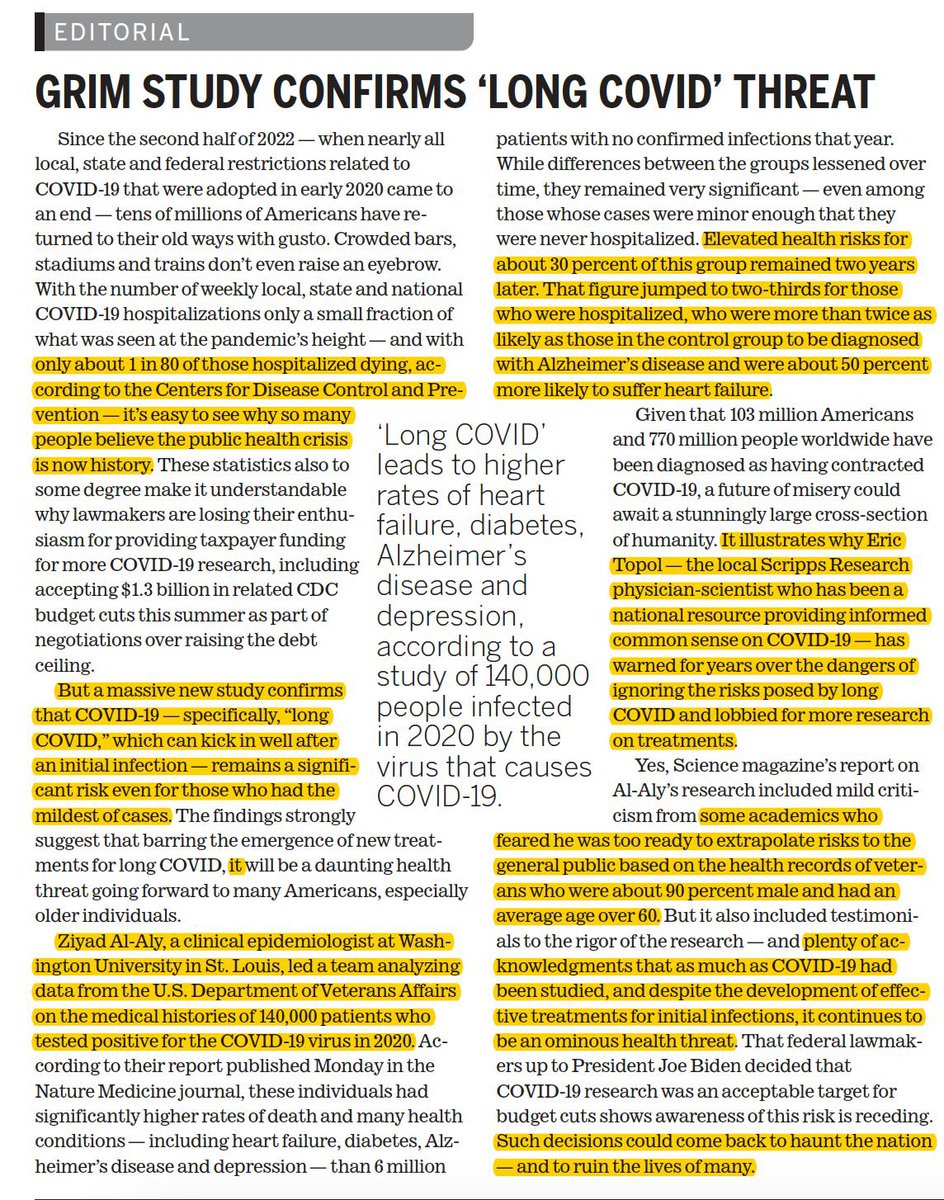
A study from earlier this year shows #COVID accelerates all forms of dementia: eurekalert.org/news-releases…
I don’t think people really grasp the risk that recurrent #COVID19 infections might cause a civilization-crushing wave of vascular dementia in coming years.
COVID CSVD is why:
25 May 2023

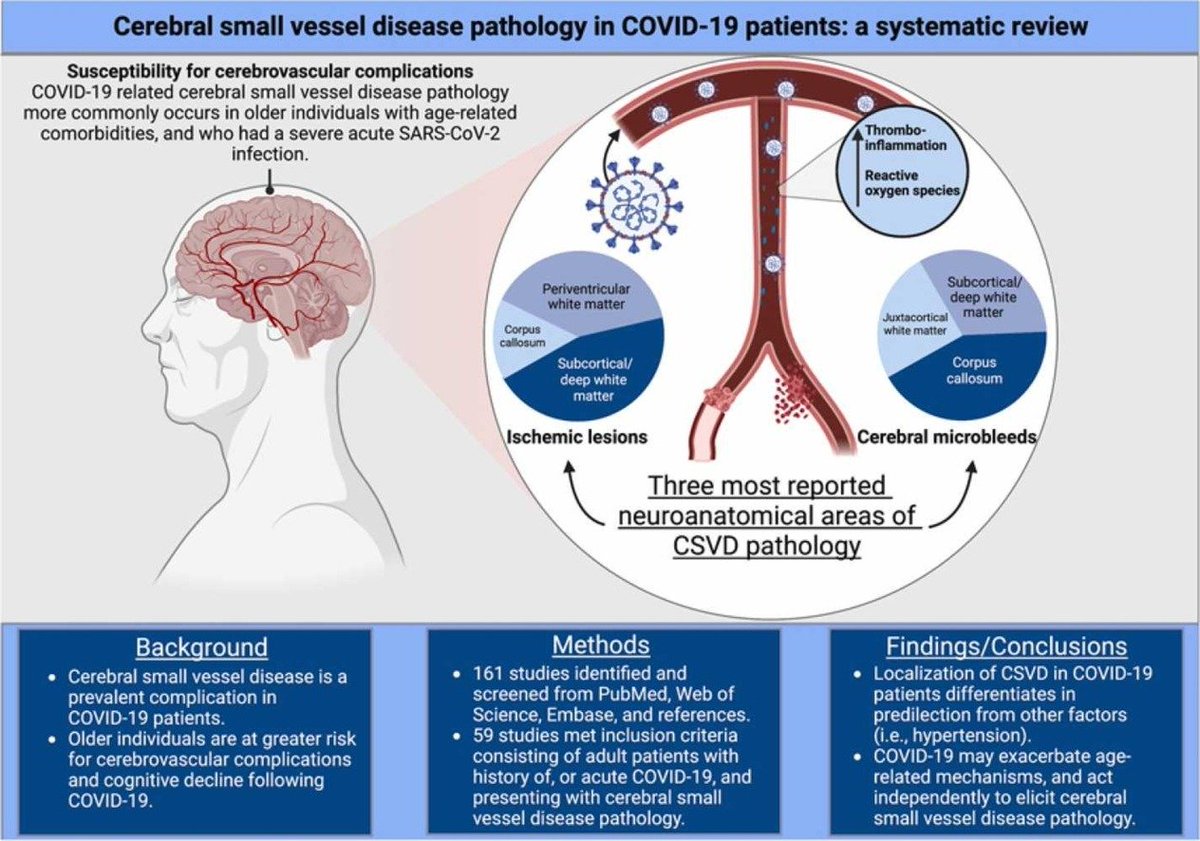
Review: Cerebral Small Vessel Disease (CSVD) path in COVID patients buff.ly/3IGB4d8
CSVD is leading cause of vascular dementia and 25% of ischemic strokes.
COVID CSVD is in the white matter and affects regulation of brain blood flow.
Microbleeds and ischemic lesions
1
1
477
1 Sep 2023
.@StateDept @USEnvoyIran @StateSPEHA need to stop treating #ShahabDalili like Schrödinger’s hostage. He‘s #Iran’s hostage. The basis for his unlawful arrest was his US residency. Include him and others in the bad #IranDeal, or cancel it.
We are Americans. We leave nobody behind.
31 Aug 2023

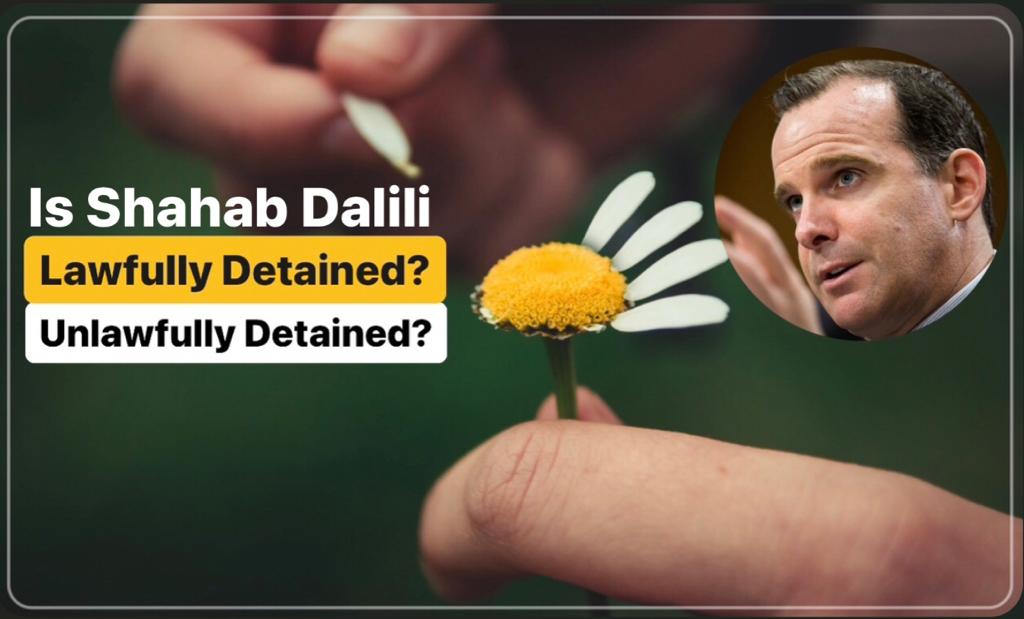
Why isn't @StateDept designating Shahab Dalili Unlawfully Detained?
Is Shahab LAWFULLY detained in Iran for cooperating with a hostile country (USA)?
Or are the accusations baseless & he is UNLAWFULLY detained?
@brett_mcgurk Which is it?
Either way, #USG has to bring him home!
3
2
2,791
1 Sep 2023
Every COVID re-infection seems to cause cumulative damage at least at the cellular level and at the immune and neurological system levels. If COVID19 Pirola becomes as endemic as the common cold, our bodies will suffer massive recurring harm… even if it just seems like sniffles.
31 Aug 2023

New covid variant 🦠 Pirola - how worried should we be?
About as worried as if you caught a cold.
That’s basically what it is - a cold.
Don’t fall for it.

477
31 Aug 2023
I’ve been more worried about the currently circulating H5N1 HPAI evolving for human transmission, but if COVID begins circulating in chickens — at the same time that avian influenza’s circulating, no less — that could almost be just as bad.
And if both happen?
My advice: pray.
31 Aug 2023

According to scientists in China, “if new variants of SARS-CoV-2 in the future break through the species barrier and […] infect chickens, they will evolve in large flocks, causing a new pandemic that would be a global public health-threatening.”
Yep. Ask any chicken farmer.
552
31 Aug 2023
According to scientists in China, “if new variants of SARS-CoV-2 in the future break through the species barrier and […] infect chickens, they will evolve in large flocks, causing a new pandemic that would be a global public health-threatening.”
Yep. Ask any chicken farmer.
30 Aug 2023

📌Emerging SARS-CoV-2 variants of concern potentially expand host range to chickens 🐔
This cross-species jump would not only broaden the virus’s attack vectors; it would also expose it to an entirely new selectional environment. virologyj.biomedcentral.com/…
2
991
30 Aug 2023
Don’t click this hashtag! 🤩
#BrandedFeatures
30 Aug 2023

Branded Features delight audiences and elevate interactions on X with a single click. Like this post or click on #BrandedFeatures to see it in action!
1
373
29 Aug 2023
I don’t think people are adequately assessing the risks that #COVID19 poses to embryo development. If infection during COS is associated with lower embryo and blastocyst quality, it stands to reason that the same would be true during scenarios of normal, non-IVF conception…
14 Jul 2023

“SARS-CoV-2 infection during controlled ovarian stimulation (COS) was associated with embryo and blastocyst quality” medpagetoday.com/obgyn/infer…
1
375
29 Aug 2023
… as we learn more about the effects of persistent re-infection — some people have already had #COVID three times — it’d make smart business sense if employers locked in group rate cryobanking and fertility coverage as optional employee benefits now, before public demand rises.
1
180
28 Aug 2023
I don’t think people are adequately assessing the risk that #LongCOVID, #PostCOVID immunodeficiency, and synergistic viral co-infection (#COVID19 #influenza) pose to Black communities.

A Texas professor is embarking on an effort to study why African Americans – including himself – appear to be more susceptible to long COVID compared with other ethnicities. kens5.com/article/news/healt…
458
Kyle Olbert retweeted

28 Aug 2023
“Scientists at the Defense Intelligence Agency’s National Centre for Medical Intelligence … firmly concluded that it was, most likely, a laboratory construct.”
skynews.com.au/world-news/wo…
2
11
18
2,124