
Learning Designer|Scaling inclusive learning with a dash of social awareness|Storyboarding pro|Content Creator|Painting 🎨|Badminton🏸 battler|Sylvanist 🌲 🌴☘️
Joined August 2011
- Tweets 1,331
- Following 473
- Followers 163
- Likes 1,340
563 Photos and videos







Pinned Tweet

Apr 29
It has been 8 months, and my Father's land mutation in Ambala Cantt is still pending.
Even after a formal memo from higher authorities, the concerned Anuj Patwari continues to delay the process by repeatedly asking me to “come tomorrow,” without providing any written reason or timeline.
This is not a delay. This is harassment.
@anilvijminister
@ambala_dc1
@cmohry
I request your urgent intervention.
7
14
16
1,266
Does anyone remember this series of @RamanandSagar74 ,The Old Shri Krishna series?
I am sure, people from the 90's will.
However, I remember only one TV in the community and all kids, elders and olders getting ready on Sundays early and sit before 9 to watch it...
From 90's to 2026, Mahabharat has taken many rebirths in the form of characters, representations and visuals.
The latest trending one is @sabtv
#Hastinapurkeveer.
However, Shri Krishna was a discourse of Shri Krishna's life, dharma, bhakti and Bhagvat Geeta.
Where Hastinapur ke veer focuses on untold stories of Pandavas and Kauravas. It does have better production quality,stronger visual storytelling, more nuanced human emotions, greater focus on character psychology, and easier for Gen Z audiences to consume but the quality of emotions, acting, and a lot of attention is made for the public through different sound and music.
Where in Shri Krishna, when Krishna spoke, the camera stayed still. The dialogues were long, the music was devotional, and the silence between words carried meaning.
Ramanand Sagar's Shri Krishna touches the soul.
Hastinapur Ke Veer engages the mind and emotions.
27 Jul 2022

SHRI KRISHNA PART-55
- कंस ने देवकी की सभी संतानों को एक-एक कर मारने की ठानी।
10
Do you ever analyse what difference does a simple spoken language create in the minds of the people?
A group of children singing two types of verses when Rain is melting the smell of soil.
"Rain, rain, go away
Come again another day
Little baby wants to play
Rain, rain, go away"
And
काले-काले बादल छाओ,ठंडी-ठंडी हवा चलाओ,तपती धूप से हमें बचाओ,बारिश बारिश जल्दी आओ!
How deeply language carries the experience of the people who create it.
In English, one of the most popular childhood rhymes teaches children to ask the rain to leave while in Hindi it is the opposite.
What a beautiful difference...
In India, rain is the wait of an anxious farmer, the smell of dry soil coming alive, and a relief from a scorching summer. It is the promise of food, water, and surviving.
The more I thought about it, the more I realized that children learn far more than vocabulary from the songs they sing.
Every rhyme quietly teaches a way of looking at the world, a way of deciding what is a problem and what is a blessing. What should be feared and what should be welcomed.
Neither poem is wrong.
Each was born from the realities of its people.
Perhaps, it does build and shape the child for the future.
What do we want to pass on to the next generation?
VC: video belongs to original creditor
1
2
22
The Mindful Maker retweeted

Beautiful flowers
5
45
145
1,630
The Mindful Maker retweeted

Jun 14
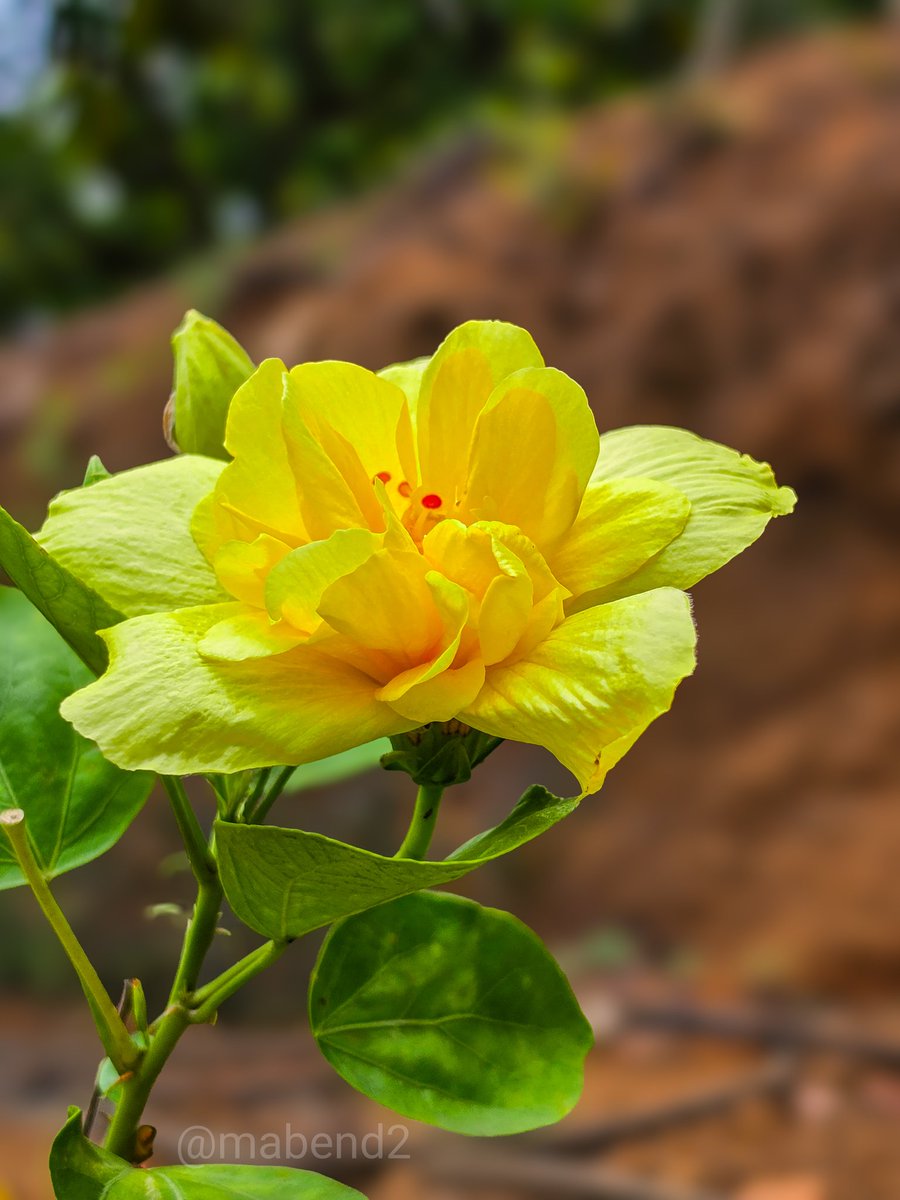
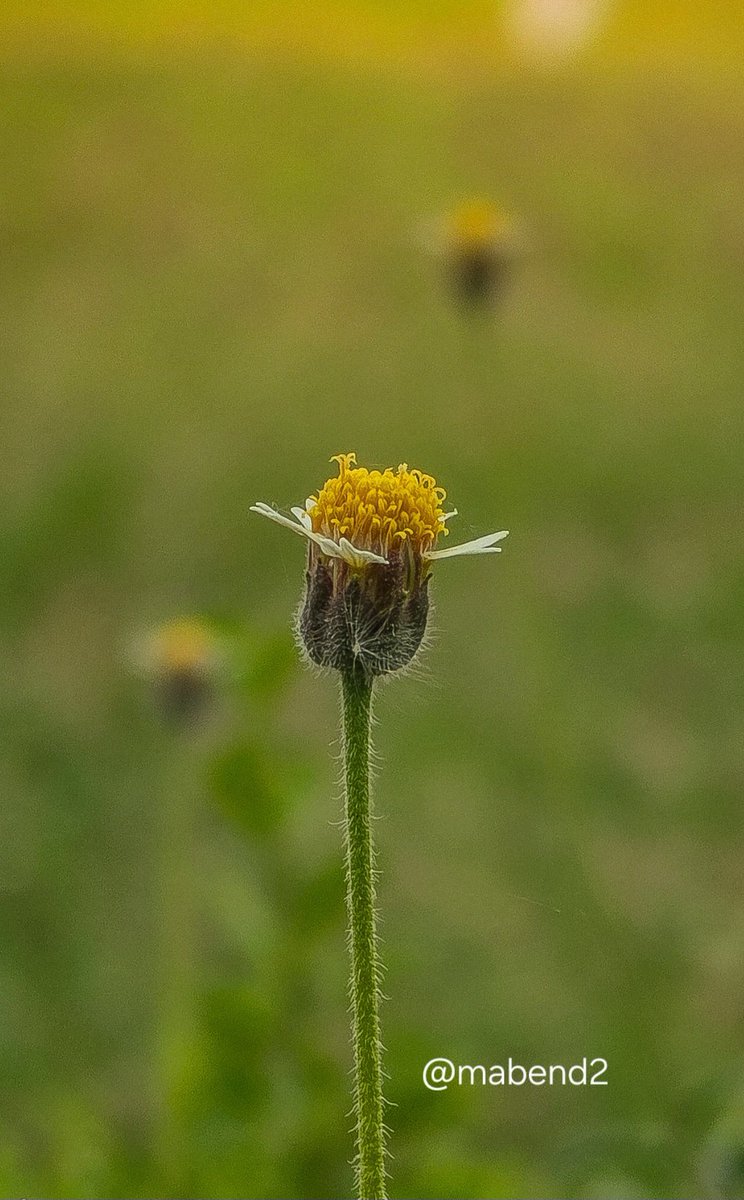
Sunday Yellow..💛
Drop yours.
#theme_pic_India_flowers

56
33
148
13,161
The Mindful Maker retweeted

If you're visiting Chidambaram Nataraja Temple, do you know the one darshan you shouldn't miss? 🛕
Most people would say, "Nataraja, of course!"
But there is another special darshan...
🧵1/3

3
11
61
3,755
The Mindful Maker retweeted

Every year in the first week of January, millions of Common Albatross butterflies emerge in the Western Ghats, India and migrate from the mountaintops to the plains, following streams
📹David Raju /davidraju2007
48
391
2,080
74,310
The Mindful Maker retweeted

13h
Green Bee-eaterirds world
May the beautiful birds bring you a
good mood for the day🐦⬛
Happy New week 🐦🐦⬛
4
12
43
426
The Mindful Maker retweeted

Darshan of Shri Arunachaleswar
Somavar is very important to worship Shiva. Soma refers to Mahadev, & Somvar ( Monday) meant for day of Mahadev.
91
218
1,569
10,704
The Mindful Maker retweeted

🇮🇳🕊️ The coldest battlefield on Earth. The highest price of duty.
In Siachen, survival itself is a challenge.
Temperatures plunge to extreme lows. Oxygen is scarce. Snowstorms can appear without warning. Every day demands courage not just from soldiers, but from the human body itself.
Yet India's soldiers continue to stand guard there, protecting the nation's frontiers in conditions few people on Earth will ever experience.
Today, the nation mourns the loss of three brave soldiers:
🕊️ Soldier Mohit Kumar
🕊️ Agniveer Neeraj Kumar Chaudhary
🕊️ Agniveer Dabhi Rakesh Devbhai
They were not seeking applause.
They were not chasing recognition.
They were simply fulfilling their duty to the nation.
While millions of Indians slept peacefully in their homes, these young men stood watch in one of the harshest and most unforgiving environments known to humanity.
Behind every uniform is a family.
A mother who waited.
A father who dreamed.
Loved ones who shared every sacrifice long before the country learned their names.
Their loss reminds us of a truth that is easy to forget in our daily lives:
Peace is not free.
It is protected every day by ordinary men and women who choose extraordinary service.
The snow of Siachen may cover footprints within hours.
But the sacrifices made there are never erased.
India salutes their courage.
India honors their service.
India will remember their sacrifice.
Jai Hind. 🇮🇳🕊️
#IndianArmy #Siachen #JaiHind #SaluteToHeroes #IndianSoldiers #NationFirst #Martyrs #NeverForget #ServiceBeforeSelf #India 🇮🇳🕊️

11
46
193
2,243
The Mindful Maker retweeted

10h
Shivaya Namaha🪔🪔🙏
Arunadri is the embodiment of an efflugence
అంతఃకరణ విశుద్ధిం భక్తిం చక్త్వై సతిం ప్రదేహి విభో
సాంబ సదాశివ శంభో శంకర..శరణం మే తవ చరణయుగం 🙏
#HarharMahadev
22
29
156
1,377
The Mindful Maker retweeted

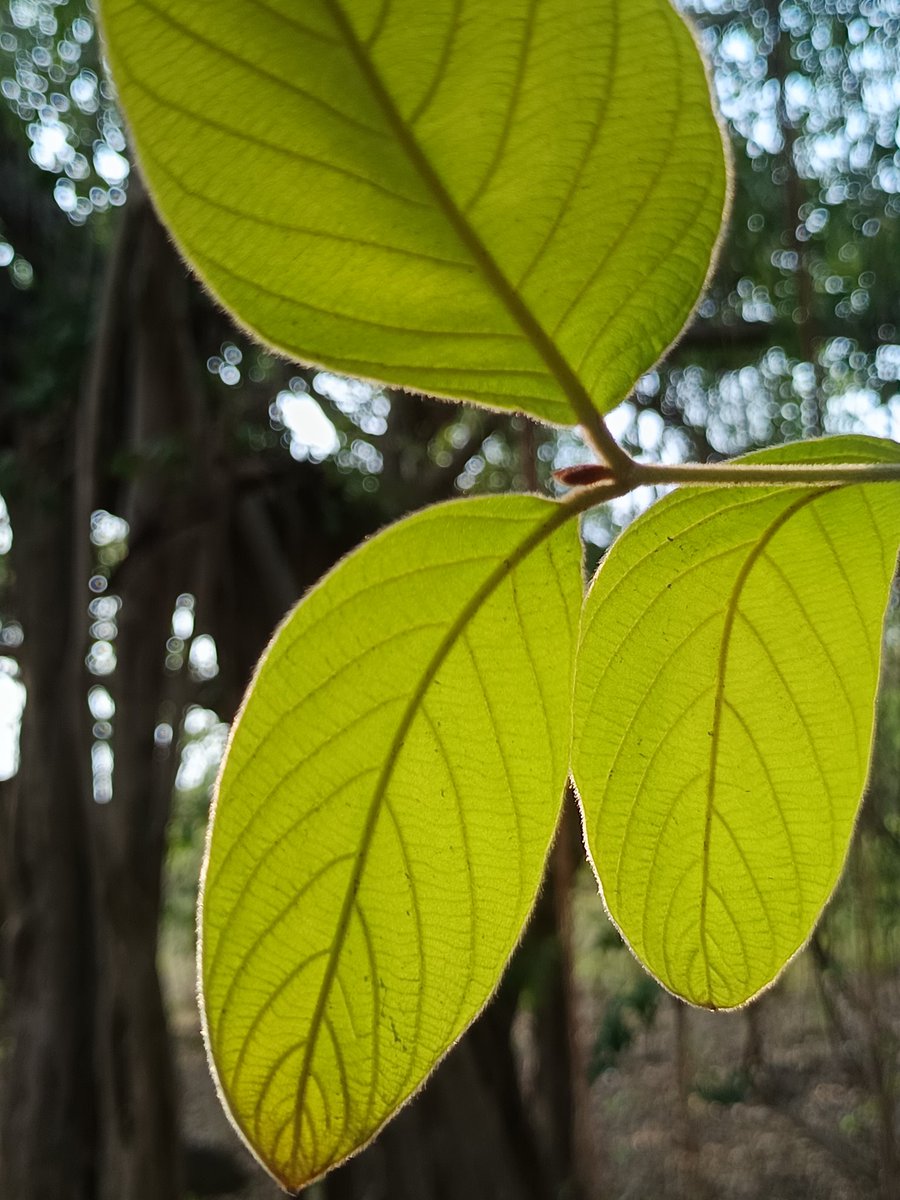
If flowers speak of love, leaves tell the story of life 🍃
Let's see your leaf photographs.
Jun 14

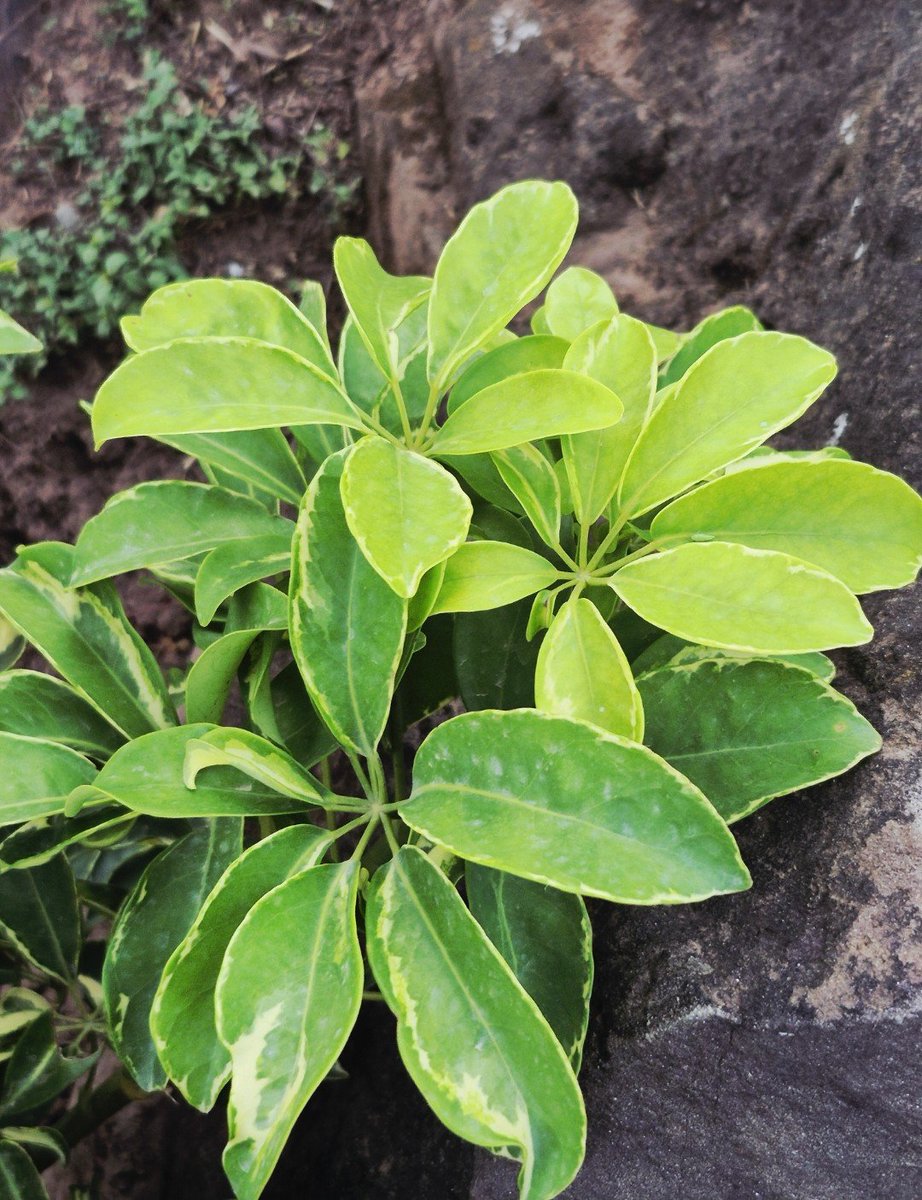
If flowers speak of love, leaves tell the story of life 🍃
Let's see your leaf photographs.
5
9
49
599
The Mindful Maker retweeted

🌊 Why would anyone voluntarily swim in this?
Because real rescues don't happen in calm water.
Before deployment, US Coast Guard rescue swimmers train in wave pools designed to simulate hurricane-like conditions
The goal isn't swimming. It's
1/2
1
1
6
67
The Mindful Maker retweeted

23h
Divine Evening Dhoop Aarti Shringar Darshan of Kaal Bhairav illuminates every heart with spiritual strength and grace.
May His sacred blessings remove obstacles, protect all devotees, and guide humanity on the eternal path of Dharma.
🖤Om Kalabhairavaya Namah 🔱
Om Hreem Batukaya Apaduddharanaya Kuru Kuru Batukaya Hreem Om Namah Shivaya.🔥
34
50
118
2,271
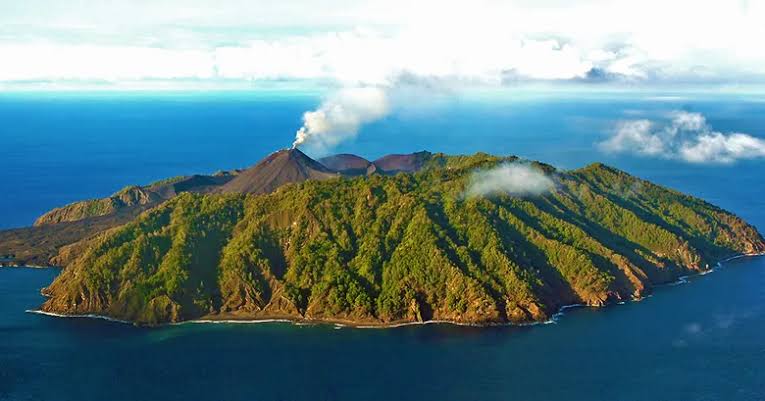
I recently read about 'The Fiery Heart of South Asia' an island where a mountain smokes daily, a place virtually uninhabited by humans, yet teeming with life beneath the waves.
This is Barren Island.
The well known facts about this active volcano :
1)Unique Title: It is the only confirmed active volcano in the entire South Asian region.
2)Constant Activity: Part of a chain from Sumatra to Myanmar, it had a long slumber before roaring back to life in 1991 and has erupted on and off ever since.
3)Strictly Look, Don't Touch: Visitors are prohibited from setting foot on the island. Authorized boat tours only allow you to view the crater from a safe distance.
4)A Diverse Underwater Oasis: Despite the harsh land, its nutrient-rich, black-sand seabed is home to some of the world’s most vibrant coral gardens and is a hotspot for manta rays.
5)Unusual Residents: The island has a small, baffling population of feral goats that survive despite the lack of visible freshwater! 🐐
IC : The Better India
5
47
Google is going to war against AI-powered text scams. They just announced major legal, technical, and legislative actions to dismantle a massive transnational cybercrime network targeting your passwords and credit cards.
Here is what you need to know 👇
1
4
34
4/
🤖 Fighting AI with AI: Google is deploying built-in Android defenses to intercept over 10 billion malicious messages every single month. This includes new on-device scam detection that alerts users to suspicious activity during live phone calls.
Source: Getty
1
2
12
5/
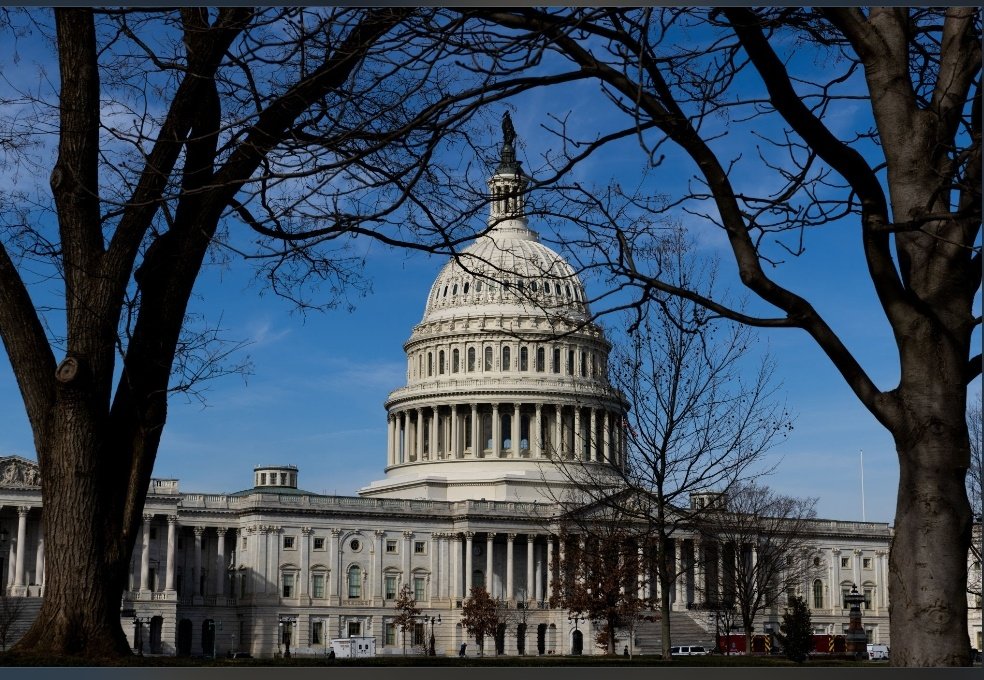
🇺🇸 Beyond tech and courts, Google is endorsing 7 bipartisan federal bills,including the National Strategy for Combatting Scams Act, to permanently unite law enforcement, government, and the tech sector against evolving AI fraud.
IC:Julia Nickonson
2
13