Neuroscience Lab at the University of Bremen | Synthetic Biology | Neuroscience | Serotonin | Neuromodulation | Optogenetics | Neuronal ciruitries
Joined April 2021
- Tweets 205
- Following 599
- Followers 496
- Likes 332
25 Photos and videos

MasseckLab retweeted

28 Apr 2025
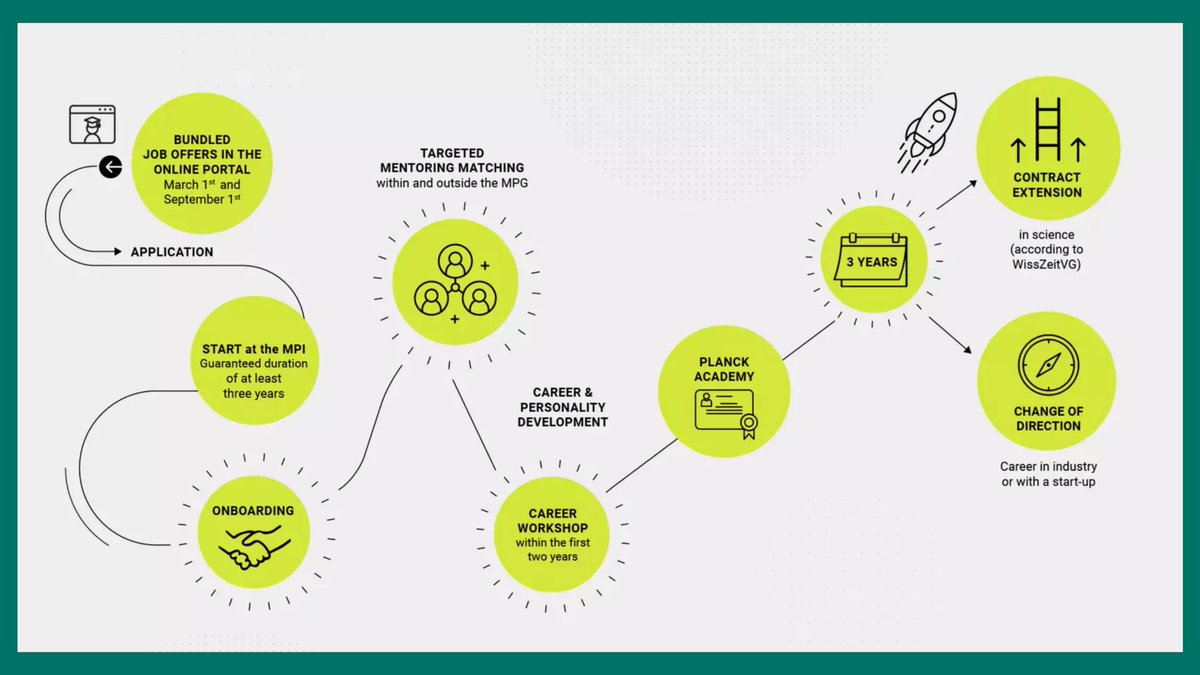
The new @maxplanckpress Postdoc Program platform is now open for its first ever round of applications!
If you're looking for a new research opportunity, check out the full list of open positions👇🏽
postdocprogram.mpg.de/node/3
12
23
4,439
MasseckLab retweeted

24 Apr 2025
🐭🔬Heute ist Internationaler #TagDesVersuchstiers! Forschungseinrichtungen in 🇩🇪 machen ihre Arbeit mit Versuchstieren sichtbar – mit Events, Kampagnen, Infos & Austausch.
👉 Aktionen gesammelt auf:
tierversuche-verstehen.de/ta…
#TierversucheVerstehen #Wissenschaft #Transparenz
2
11
284
MasseckLab retweeted

19 Apr 2025
Thrilled to share our lab's first preprint on the neural mechanisms underlying helping behavior in mice! 🧠🐭 We show that dorsal hippocampal networks play a key role in rescuing a distressed peer: biorxiv.org/content/10.1101/…
4
16
81
8,712

18 Apr 2025
We’re hiring!
The Masseck Lab (University of Cologne) is looking for a full-time Technical Assistant (permanent position).
Focus: neuroscience, behavior experiments, and cell culture.
Apply by May 1st → jobportal.uni-koeln.de/aussc…
#JobAlert #Neuroscience #LabTech #BTA #UniCologne
1
3
189
18 Dec 2024
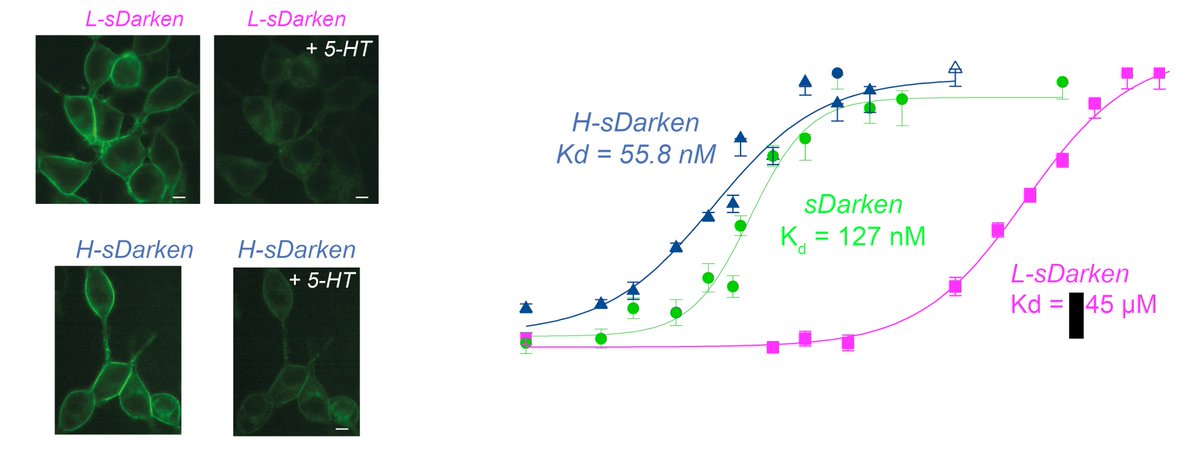
🎄PinkyCaMP- our christmas gift to you! 🎁: We are excited to present PinkyCaMP, the first mScarlet based calcium sensor with:
✨exceptional, brightness
✨phototability
✨and optogenetic compatability.
Check out our new preprint:
biorxiv.org/content/10.1101/…
8
41
103
12,291
18 Dec 2024
All imaging approaches, including single-photon excitation methods such as fiber photometry, widefield imaging, miniscope imaging, as well as two-photon imaging in awake mice, are fully compatible with PinkyCaMP!
1
4
559
MasseckLab retweeted

17 Nov 2024
Check out our minireview on DA sensors and how they benefited neuroscience: authors.elsevier.com/a/1k6hE… Great teamwork of my students and postdoc Xuehan Zacharoula and Paul
1
13
46
6,971
MasseckLab retweeted
12 Nov 2024
In my @storiesofwin interview, I shared how my training taught me to stay inspired by others & tackle tough questions with an open mind.
Now, as a Scientific Director @MPFNeuro, these principles are key to collaboration & pushing our science forward.
🔗 bit.ly/3YHX4vv
10
35
2,868
MasseckLab retweeted

25 Jul 2024
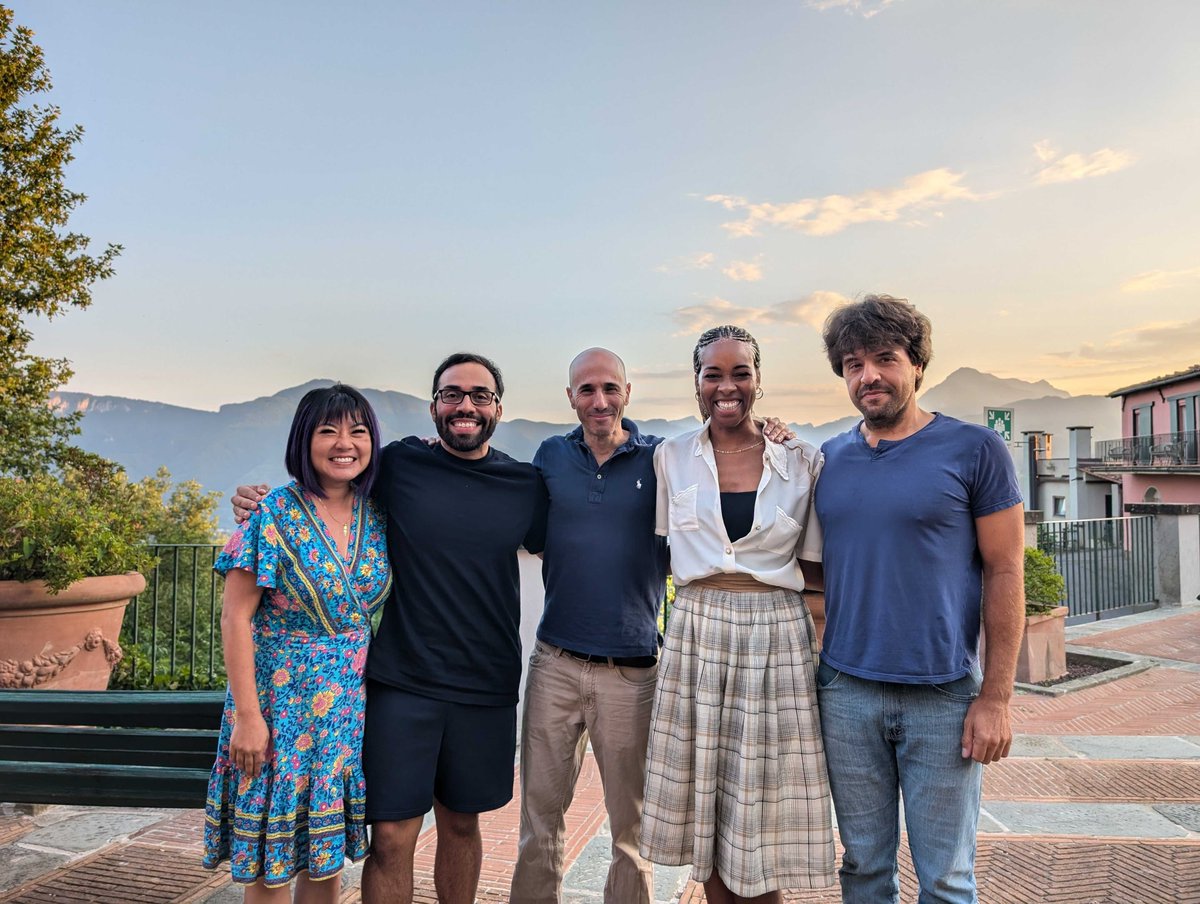
Three generations of #OptoGRC chairs in one photo! 💚
Stay tuned as we pass the torch to the 2026 leadership team - to be announced soon!
1
15
124
9,914
MasseckLab retweeted

21 Jul 2024
Great program and opportunity to join this wonderful society of 5HT aficionados!!! @5HT_Society #5HT🧠🙌👏
21 Jul 2024

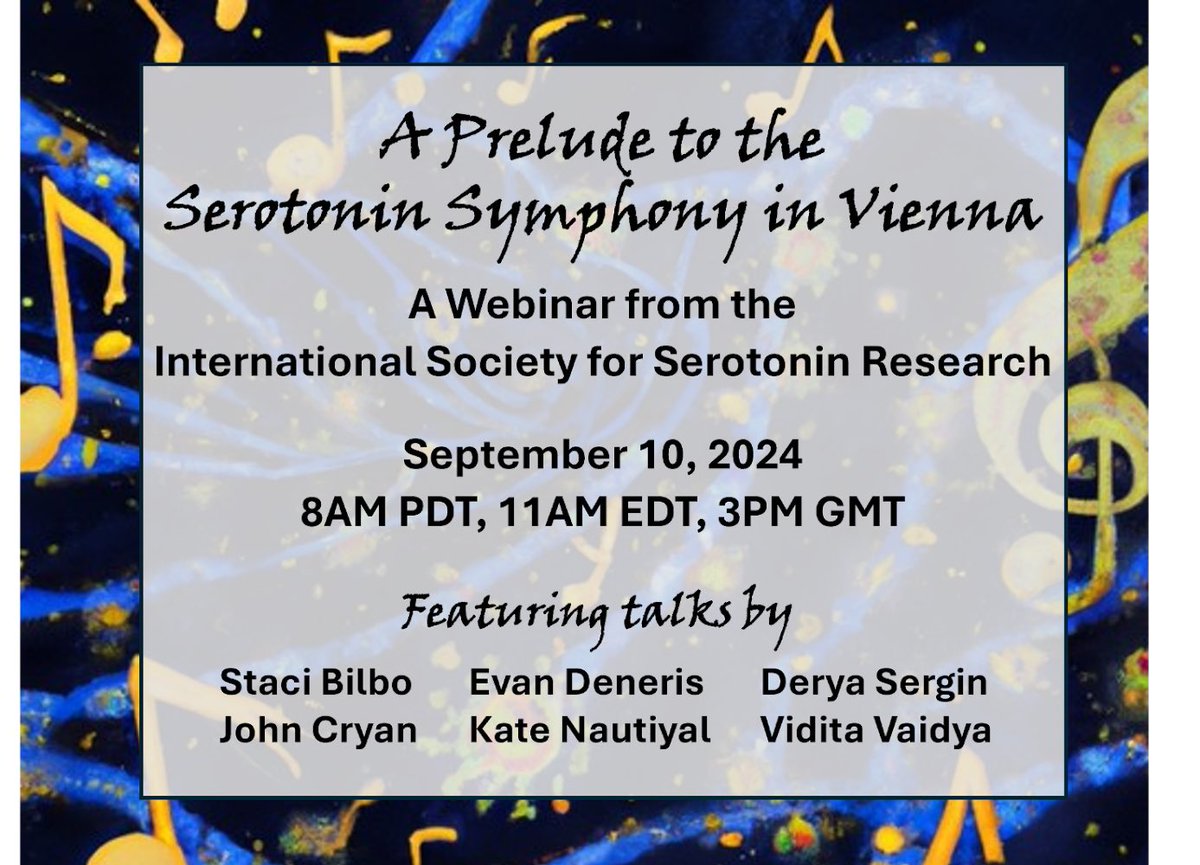
Join us for a Webinar on recent advances in serotonin research. A prelude to our next ISSR Meeting in Vienna in July 2025.
Register free by Sept 6 to: jotform.com/build/2417857348…
Email serotoninclub1987@gmail.com with questions. Stay tuned for info about the ISSR #5HT @5HT_Society
4
11
720
MasseckLab retweeted
19 Jul 2024
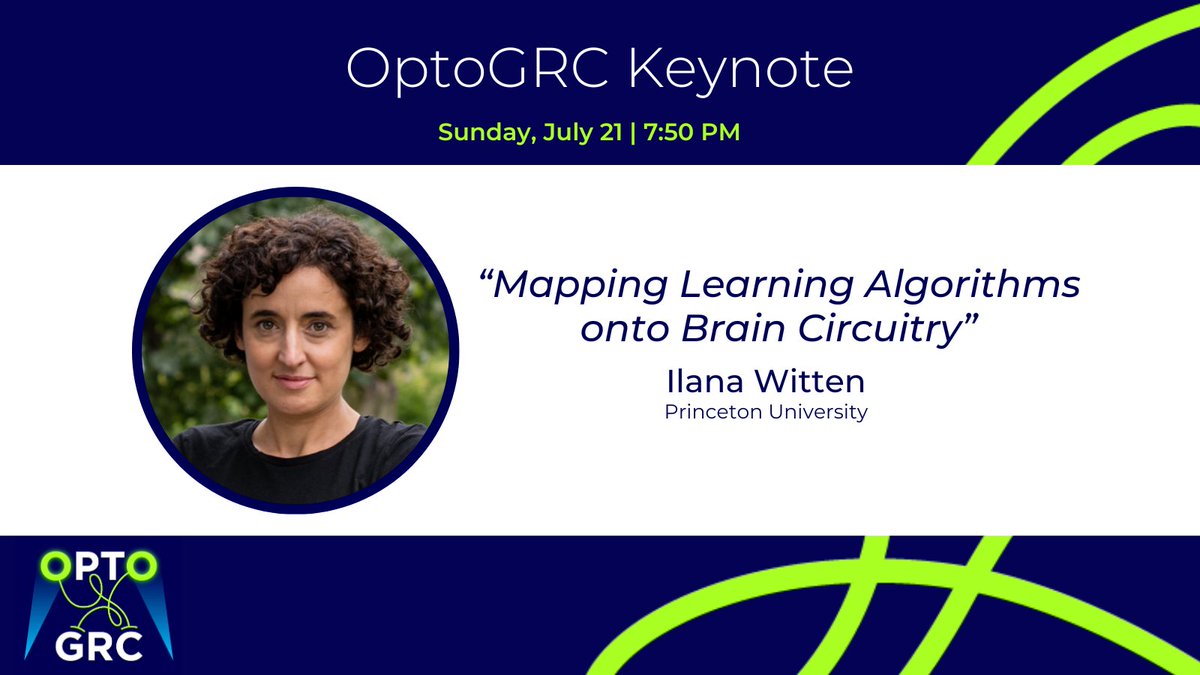
Looking forward to having @IlanaWitten as a keynote speaker at #OptoGRC2024!
Join us at the Sunday evening keynote session to learn more about her work on using algorithms to decode the mysteries of how we learn! 🧩💡
12
42
4,235
MasseckLab retweeted
17 Jul 2024
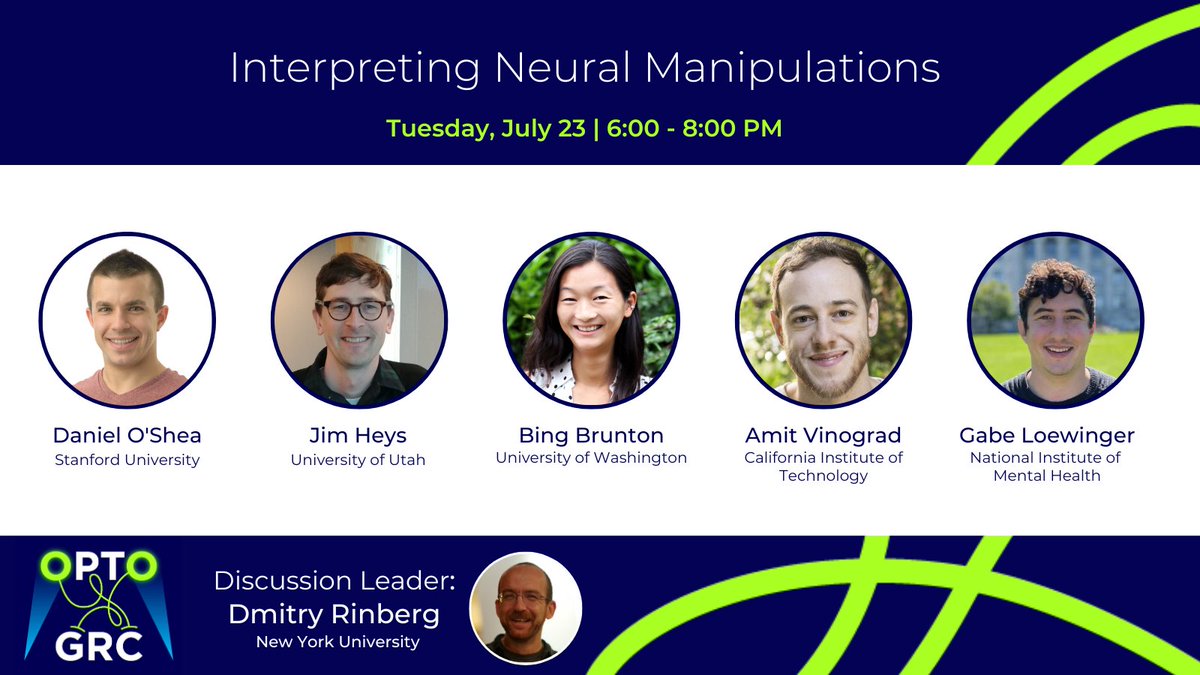
Looking forward to a STELLAR #OptoGRC2024 session on interpreting neural manipulations 🧠 🌟
Featuring speakers Daniel O'Shea, @jamesgheys1, @bingbrunton, @AmitVinograd & @GLoewinger and led by Dmitry Rinberg
We can't wait to hear from this incredible line-up!
1
11
31
7,200
MasseckLab retweeted
16 Jul 2024
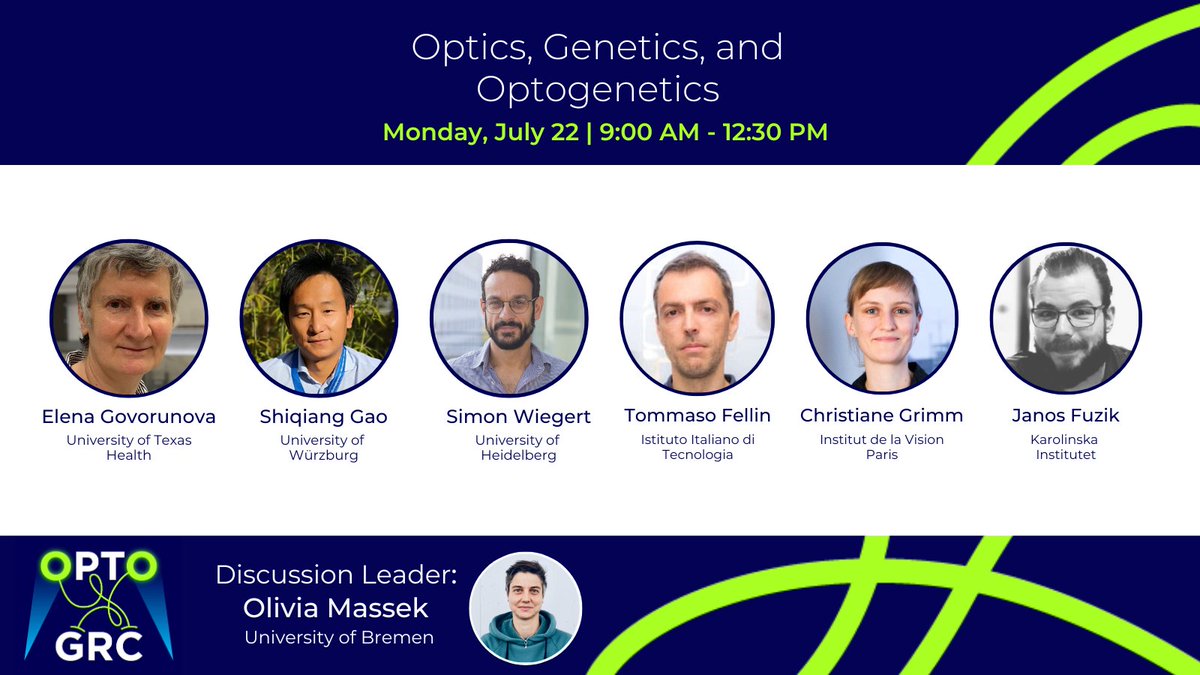
Get ready to hear about new tools in the world of Optics, Genetics, and Optogenetics at #OptoGRC2024! 🌟🔦
Led by @LabMasseck & featuring Elena Govorunova, @Gao_SQ, @SimWieg, Tommaso Fellin, @_ChGrimm & @fuzikjanos
You won't want to miss out on this "illuminating" discussion!
11
30
3,238
MasseckLab retweeted

7 May 2024
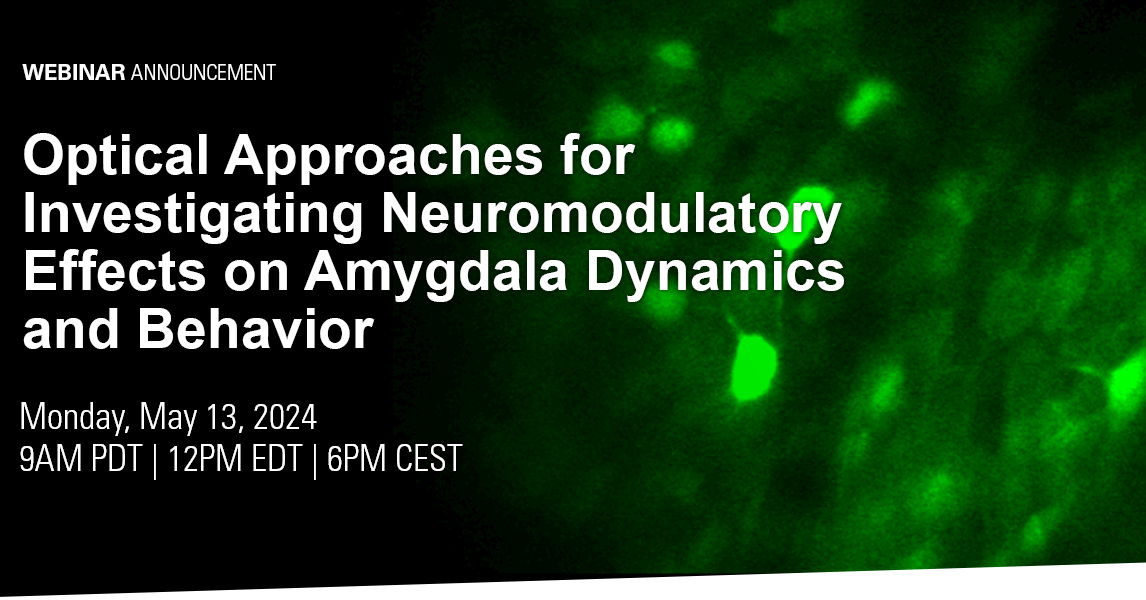
Very excited to share our work with this expert audience next Monday (5/13/2024). Please register at the link below if you are interested in attending!
23 Apr 2024

Excited to announce our upcoming webinar with Dr. Piantadosi, @UW. He will describe his use of multiphoton #optogenetics to manipulate optically separable amygdalar valence encoding ensembles in vivo.
➡️ goto.bruker.com/3Wfa386
#neuroscience #brain
13
57
5,302
MasseckLab retweeted

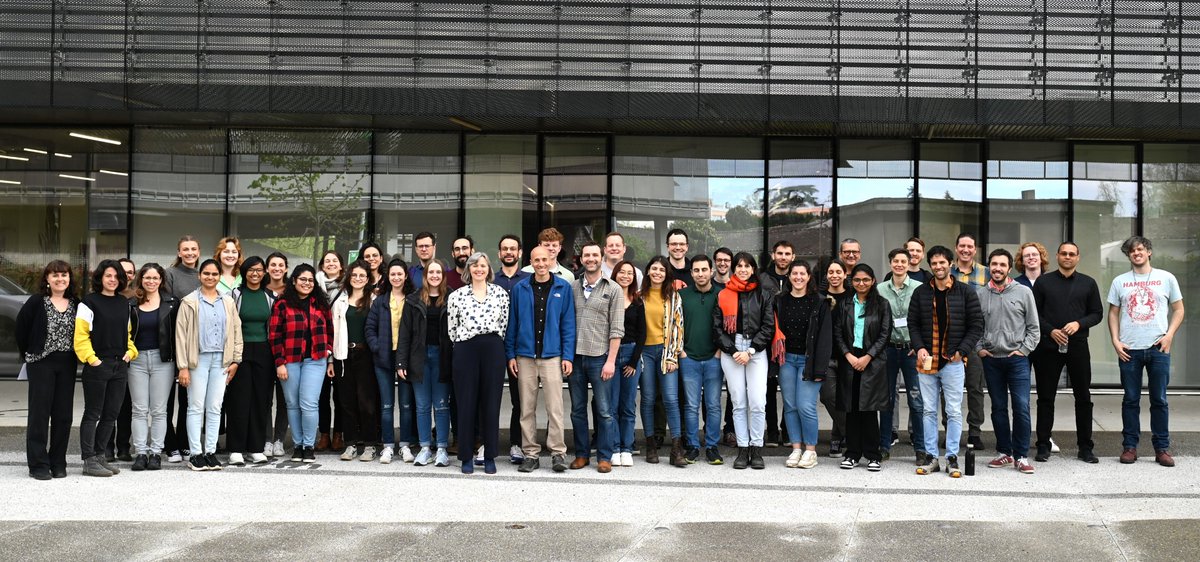
📸Group photo with all the participants of the #Cajal course on #Optogenetics, chemogenetics and biosensors for #neural circuit research.
@Cajal_Training
@OferYizhar
@FennoLab
@anna_beyeler
3
9
71
6,024
22 Mar 2024
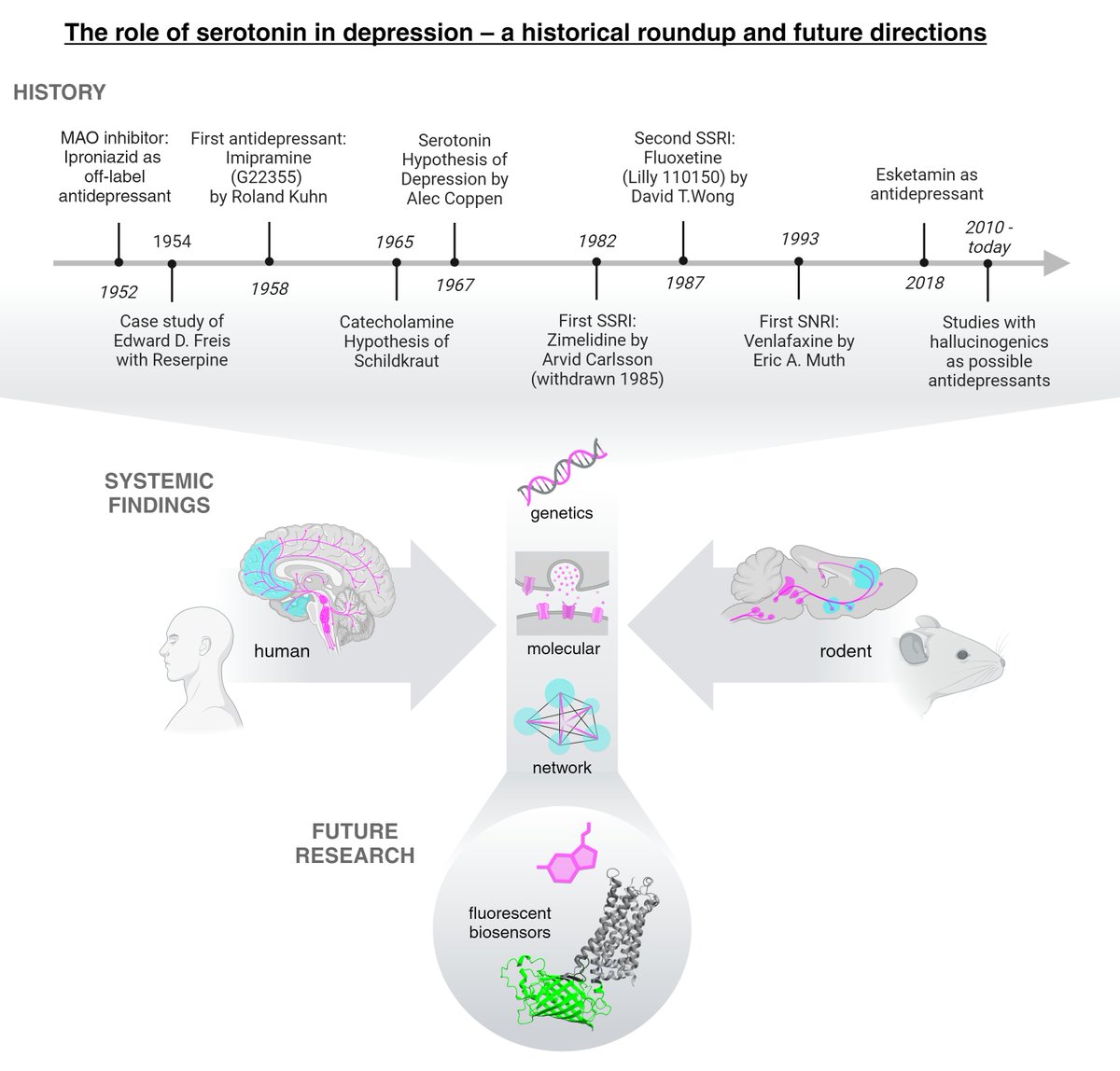
🚀 Curious about the latest findings in depression research? 🌟 Discover our newest open access review in the Journal of Neurochemistry @JNeurochem, which explores the critical role of serotonin in depression! 💡 Don't miss : onlinelibrary.wiley.com/doi/…
3
5
14
791
22 Mar 2024
Uncover the complex interplay of neurotransmitters, systemic causes, and dive into future avenues in depression research. Join us at the forefront of discovery and gain critical insights to shape the future of mental health! #Depression #Research #MustRead 🧠✨
104
MasseckLab retweeted

27 Feb 2024
Die geplanten Änderungen zum Tierschutzrecht sind ein Versuch die biomedizinische Forschung mit Tieren aus Deutschland zu verdrängen. Ohne den Tierschutz zu verbessern erfolgt eine massive Verunsicherung der Forschenden durch Androhung von hohen Geld- und Gefängnisstrafen ... /
27 Feb 2024

@StefanTreue, Sprecher der Initiative „Tierversuche verstehen“ und Direktor des Deutschen Primatenzentrums @dpz_eu sagte Table Media: „Die geplanten Änderungen zum Tierschutzrecht sind ein Versuch, die biomedizinische Forschung mit Tieren in Deutschland zu verhindern"
1
5
10
1,492
MasseckLab retweeted

16 Feb 2024
I'm so proud to share my Ph.D. work from @OferYizhar's lab, now on bioRxiv. We developed a new approach for transcranial optogenetic silencing in untethered and freely-behaving pups, exploring the role of oxytocin in early-life social behavior >>
biorxiv.org/content/10.1101/…
7
14
69
5,724
MasseckLab retweeted
1 Feb 2024
Schöner Radiobeitrag bei #WDR5 - "Neugier genügt" über das Leben von Versuchshunden nach dem Labor.
#Beagle #Tierversuche
wdr.de/mediathek/audio/wdr5/…
5
6
616