
The LakeBrowser provides satellite derived lake water quality data for over 10,000 Minnesota lakes since 2002. Check out our recent update: monthly 2017-2025!
Joined November 2019
- Tweets 2,367
- Following 111
- Followers 110
- Likes 754
87 Photos and videos


LakeBrowser retweeted

Jun 11
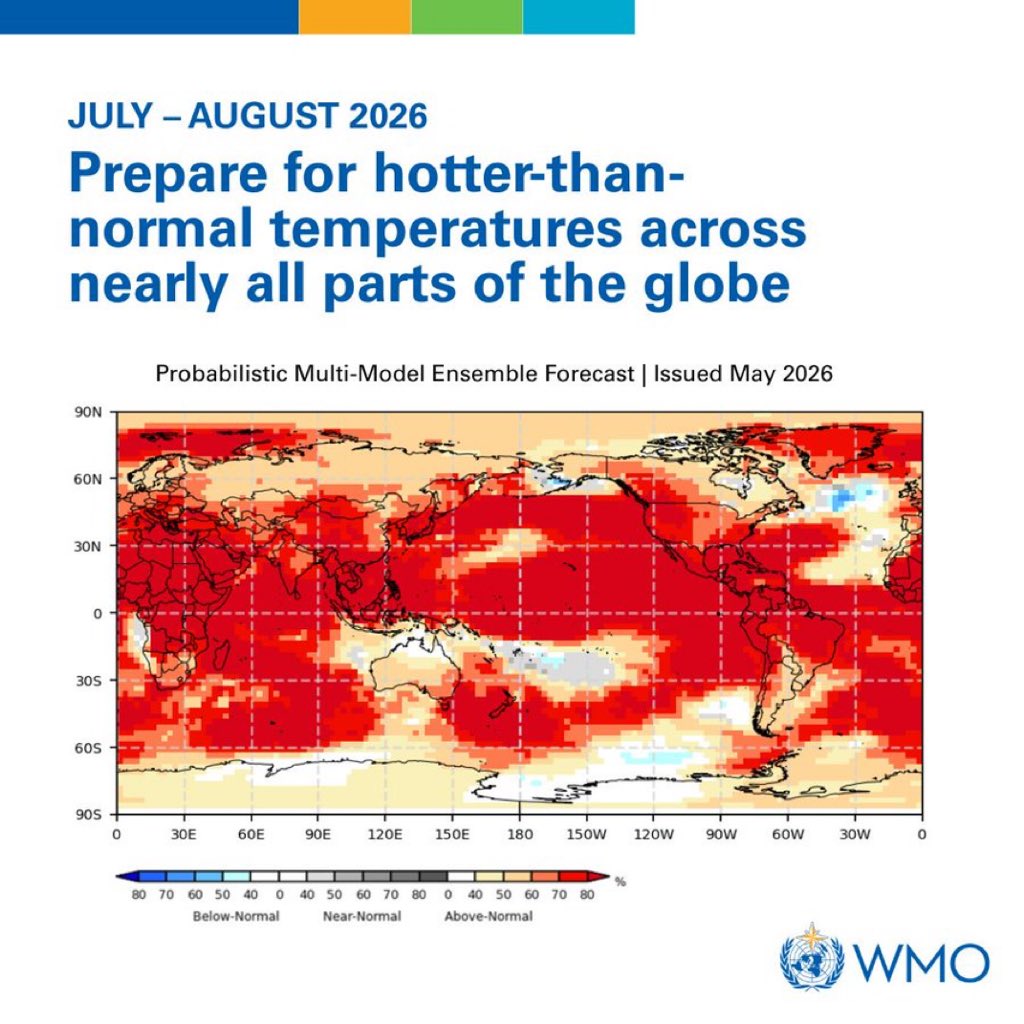
🚨 GLOBAL HEAT ALERT 🚨
The UN is warning that July–August 2026 could bring temperatures ABOVE NORMAL across much of the world.
🌍 Extreme heat
💧 Growing water stress
🌾 Threats to agriculture
⚡ Pressure on energy systems
This comes as a potentially historic El Niño continues to strengthen, raising fears that large parts of the planet could face dangerous heatwaves in the months ahead.
The world is entering a period where records may not just be broken — they could be shattered.
How hot do you think summer 2026 will get? 👇
#ClimateChange #Heatwave #ElNino #Weather #ClimateCrisis
14
49
127
5,212
LakeBrowser retweeted

Jun 10
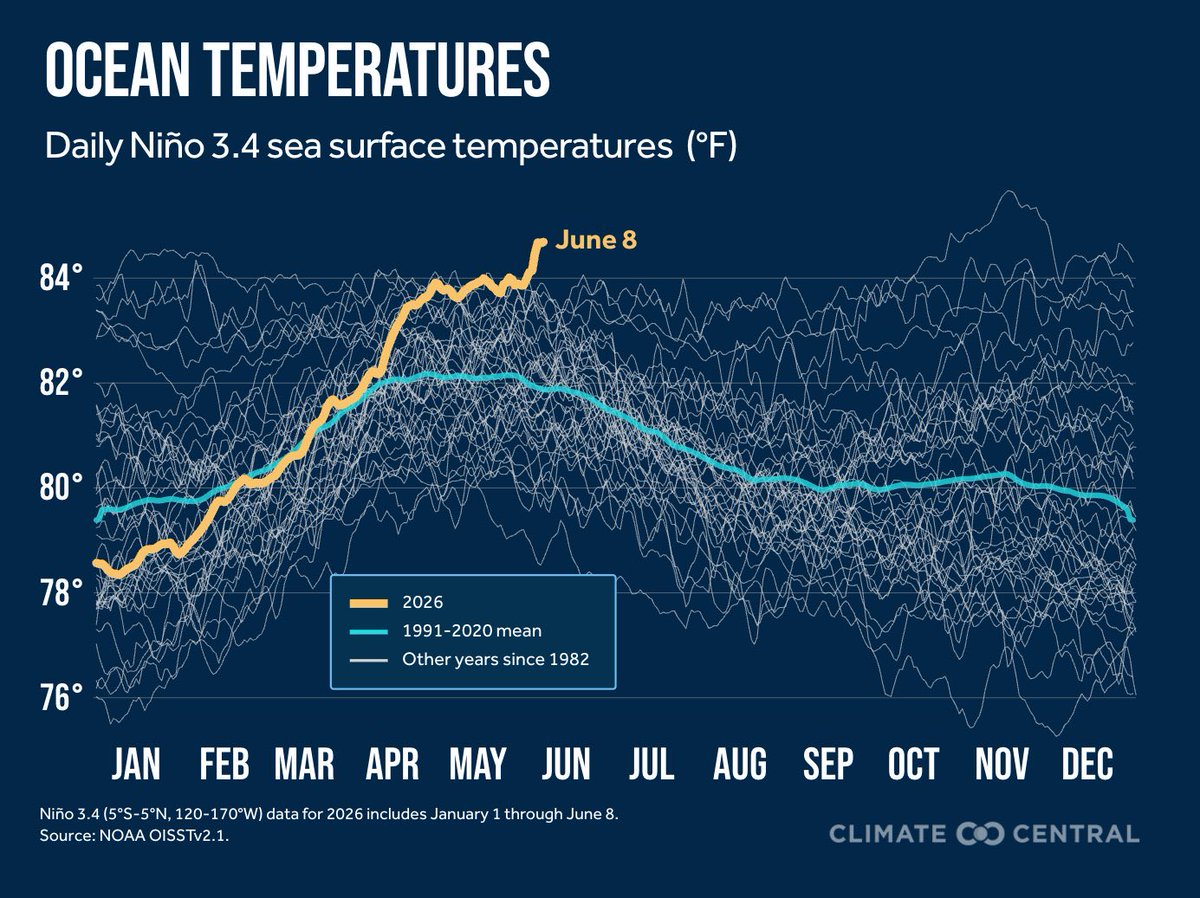
Up, up, and away for the El Niño (ENSO 3.4) region. At record levels for June via @ClimateCentral
Jun 9

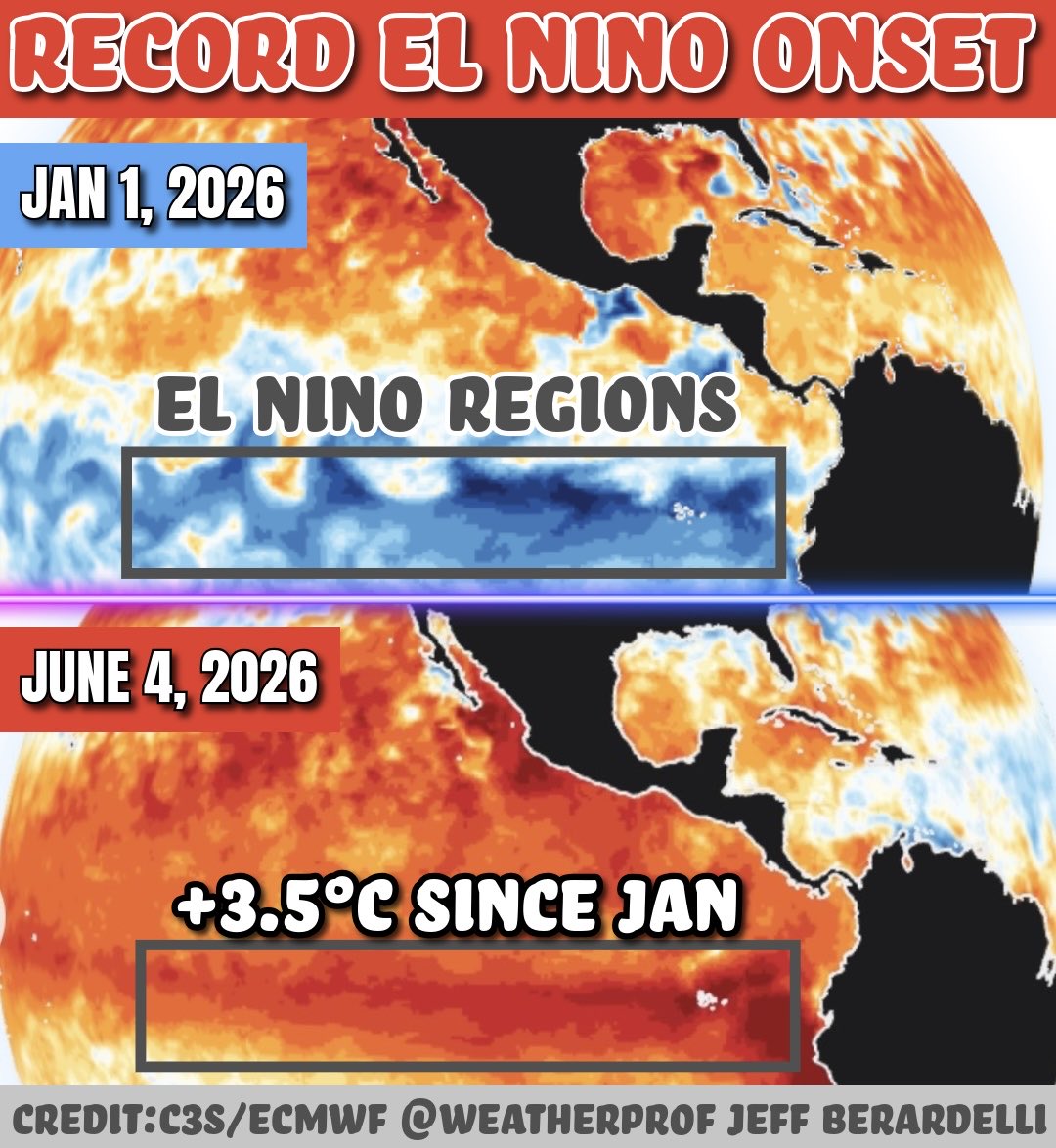
El Niño development is on a breakneck pace! The pace of warming, measuring against other modern El Nino’s, is record breaking. Although El Niño has not been officially declared yet, we are probably days away. Destined to possibly become the strongest El Niño on record, it will be interesting to see how all this extra heat in the system changes our climate patterns over the next year. There will be some good - a slower Atlantic hurricane season - but also lots more extreme weather and some unprecedented impacts. #ElNino
7
66
194
16,099
LakeBrowser retweeted

Jun 10
What happens with all the violence and trouble we are seeing when food production is affected and more and more people lose their homes in floods and fires

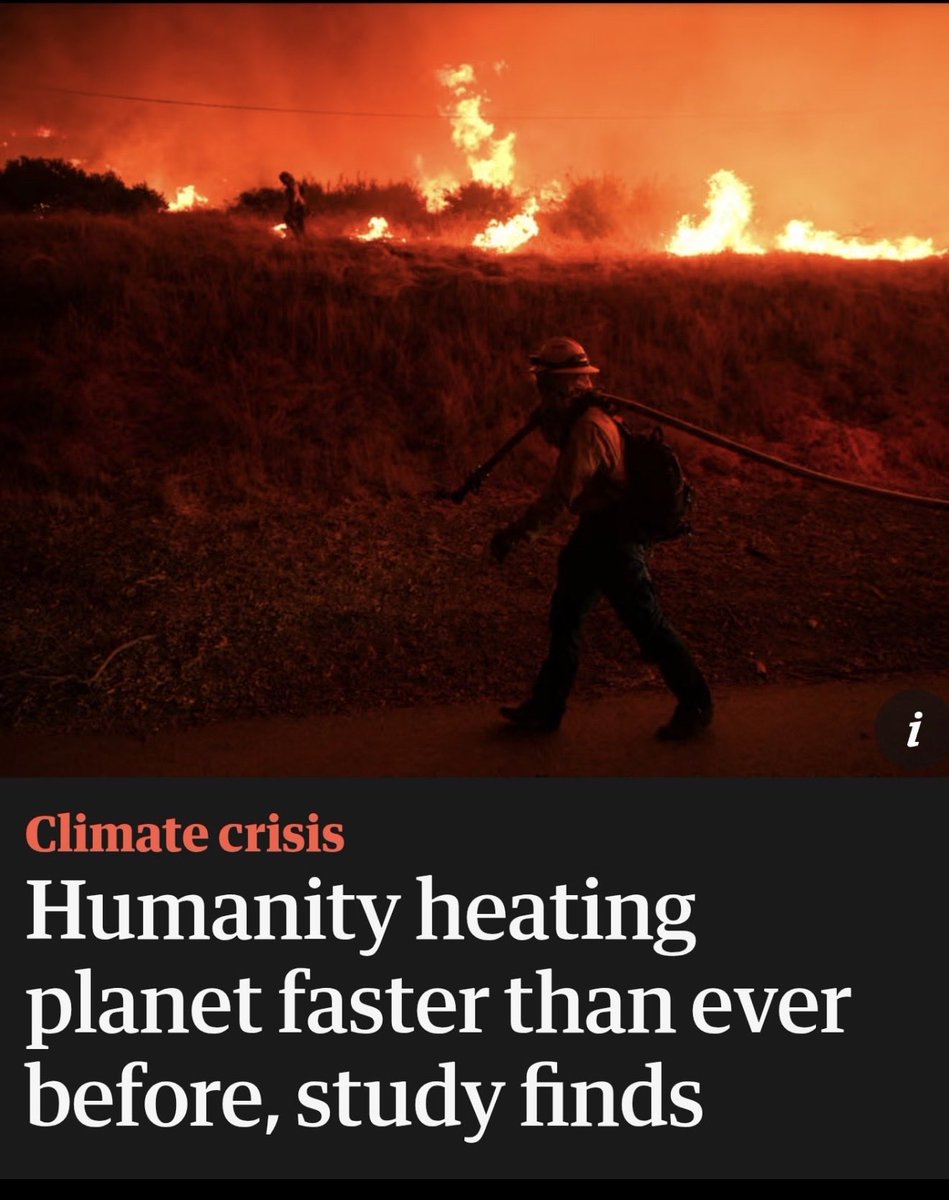
🚨 BREAKING: Humanity is heating the planet faster than ever before, a study has found.
Climate breakdown is occurring more rapidly with the heating rate almost doubling, according to research that excludes the effect of natural factors behind the latest scorching temperatures.
It found global heating accelerated from a steady rate of less than 0.2C per decade between 1970 and 2015 to about 0.35C per decade over the past 10 years. The rate is higher than scientists have seen since they started systematically taking the Earth’s temperature in 1880.
“If the warming rate of the past 10 years continues, it would lead to a long-term exceedance of the 1.5C (2.7F) limit of the Paris agreement before 2030,” said Stefan Rahmstorf, a scientist at the Potsdam
theguardian.com/environment/… #iran #trump #climatechange #ClimateCrisis #usa
4
64
125
2,970

LakeBrowser retweeted

Jun 10
🚨 AN INVISIBLE “FOREVER CHEMICAL” RAIN IS FALLING ACROSS THE ENTIRE PLANET.
Chemicals introduced to protect the ozone layer may have quietly created a growing global pollution problem.
A new study estimates that CFC replacements and certain anesthetic gases have deposited more than 335,500 tonnes of trifluoroacetic acid (TFA) a highly persistent “forever chemical” onto Earth’s surface since 2000.
TFA is now showing up in rainwater from every continent and even in remote Arctic ice.
Why this matters:
• TFA belongs to the PFAS family and resists breaking down in the environment for extremely long periods
• It can travel globally through the atmosphere and is extremely difficult to remove once deposited
• Levels are expected to keep rising for decades because some source gases remain in the air for a long time
• Newer “climate-friendly” refrigerants (HFOs) are adding to the problem, especially in vehicle air conditioning
The deeper implication is sobering:
We solved one major environmental crisis (ozone depletion) by switching to new chemicals… only to discover those replacements are creating a different, potentially long-lasting global contamination issue.
It’s a powerful reminder that every chemical substitution carries hidden risks we don’t always see until years later.
How do we balance solving one environmental problem without creating another?
Follow for more frontier science and environmental discoveries.
27
121
285
30,573
LakeBrowser retweeted
Jun 9
Im still in disbelief.
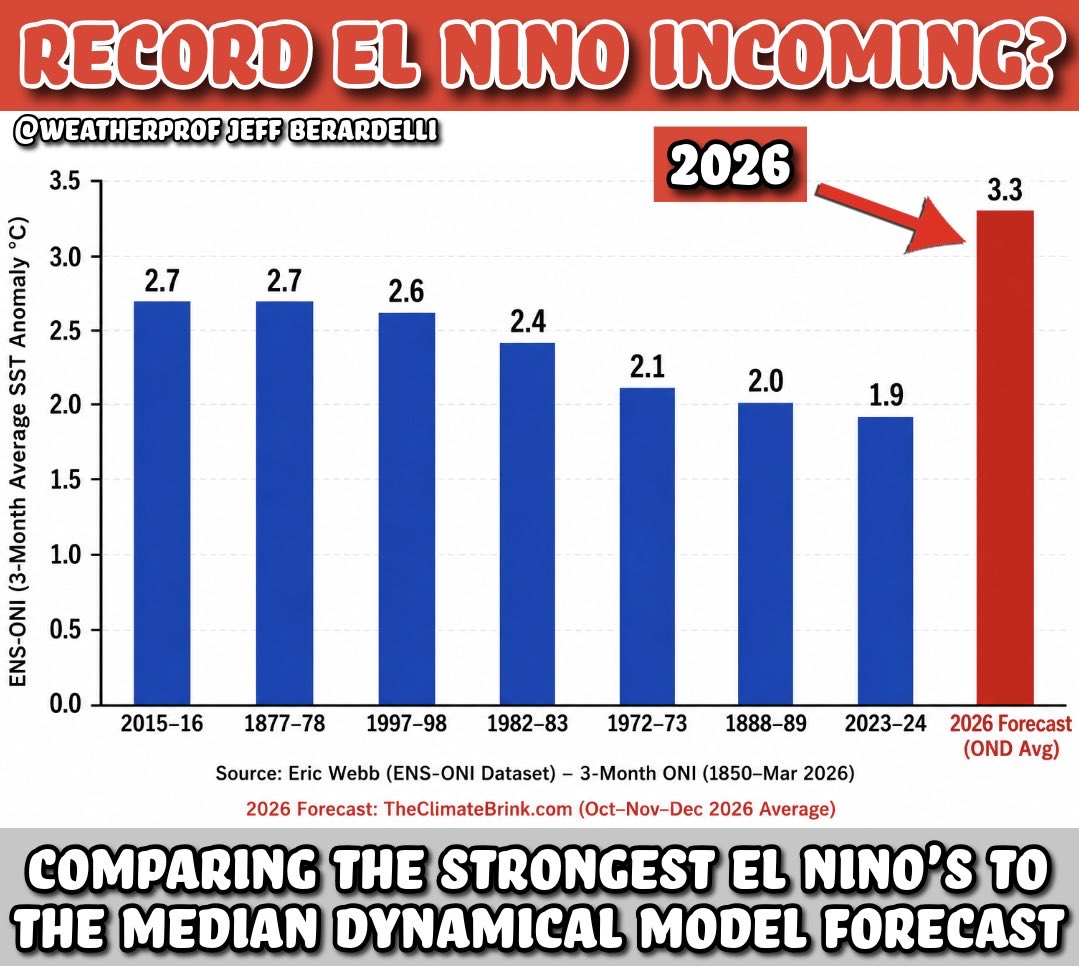
Each new model that comes out - somehow - raises the expectation of a record breaking El Niño incoming.
If for nothing other than my own clarity, I need to plot it - just to see how 2026 stacks up “IF” the models are right.
Using @webberweather’s historical ENSO ONI data (3 month avg) and @hausfath ClimateBrink dynamical model ensemble forecast peak (3 month avg), this graph compares past events to the latest median dynamical model ensemble 2026-27 forecast.
It seems hard to believe that this will verify, but holy cow… this would be one for the ages!
This image uses the traditional ONI metric not factoring in global warming and the tropical oceans as a whole.
But in the next post on this thread, I include that… 1/2 🧵
13
69
220
7,209

Jun 10
New White House proposal could deny scientists funding based on their political opinions
"It replaces expertise with political appointees, globally decouples the U.S. and completely guts our scientific ecosystem."
space.com/space-exploration/…
11
LakeBrowser retweeted

Jun 9
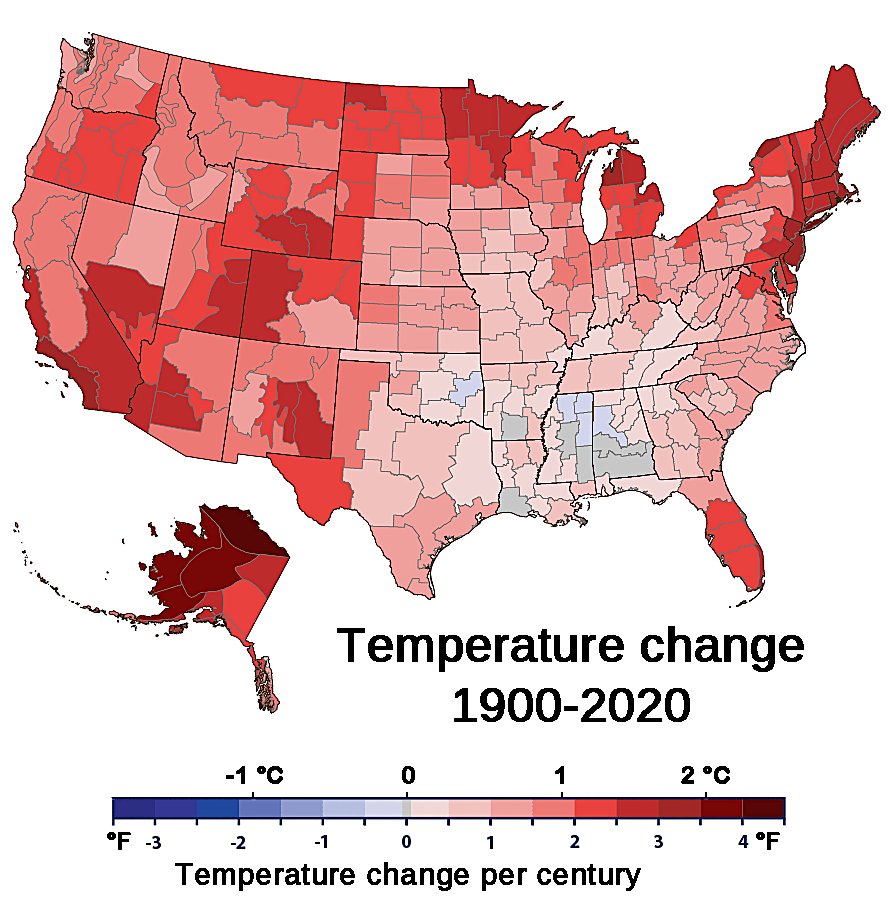
Temperature change across the United States, 1900–2020
18
21
297
36,595
LakeBrowser retweeted

“If we lose the clear water of Tahoe, we lose everything we love about it.” — Dr. Darcie Goodman Collins, CEO of Keep Tahoe Blue .
Check out the latest finding in the 2025 Lake Tahoe Clarity Report.
Read more: keeptahoeblue.org/news
2
8
376
LakeBrowser retweeted

Jun 9
This perfectly circular floating island in Argentina rotates on its own axis and scientists still can’t explain why.
70
333
2,042
136,325


LakeBrowser retweeted
Jun 9
Wait. For. It. NASA animation shows Global temperatures warm slowly at first, then rapidly. Warming is accelerating! Here’s the truth. It’s real. It’s us. And we have to come to terms with it, and deal with reality, rather than deceiving ourselves, and hoping it goes away. It won’t… without intervention. #climate #globalwarming #science #climatechange
181
828
1,824
61,814
LakeBrowser retweeted

Jun 8
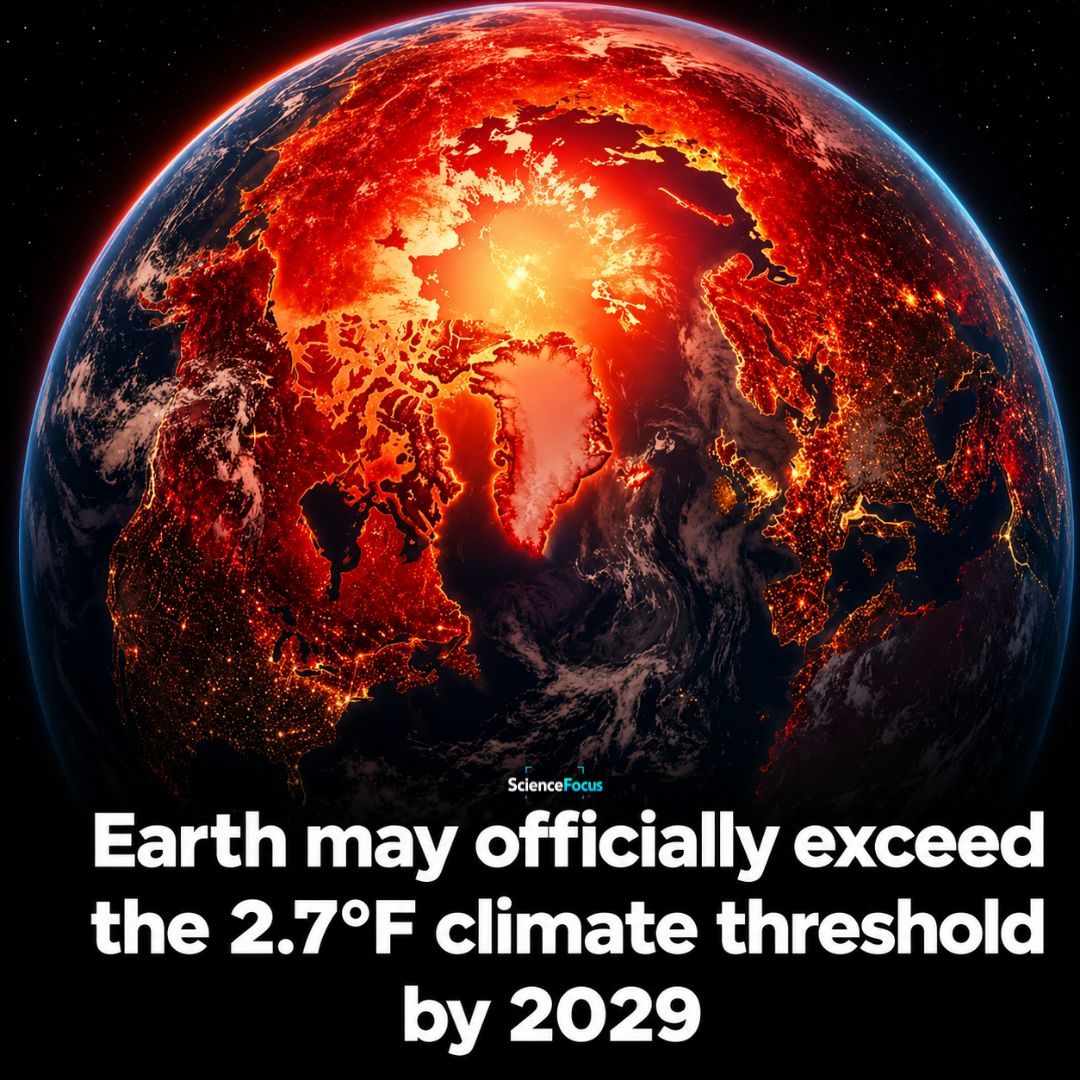
The planet is edging toward a climate milestone scientists have warned about for years and it could arrive sooner than expected.
According to recent projections, Earth may officially surpass the 2.7°F (1.5°C) global warming threshold by 2029, a level widely regarded as a critical benchmark in the fight against climate change.
For decades, researchers have emphasized the importance of keeping global temperature increases below this limit. Crossing it doesn't mean immediate catastrophe overnight, but it significantly raises the risk of more frequent and intense heatwaves, droughts, floods, wildfires, and other extreme weather events around the world.
The concern is that warming is no longer progressing at the pace many experts once anticipated. Record-breaking temperatures, rising greenhouse gas emissions, and changing climate patterns are accelerating the timeline, bringing the world closer to a threshold that policymakers and scientists have worked to avoid.
The 1.5°C target became a global focus because studies suggest that every fraction of a degree matters. Even small increases in average global temperatures can have major consequences for ecosystems, food production, water resources, coastal communities, and biodiversity.
If current trends continue, the years leading up to 2029 could become some of the most important in modern climate history. Decisions made today regarding energy, transportation, industry, and emissions reductions may play a major role in shaping the severity of future climate impacts.
The warning is clear: the margin for keeping warming below this critical limit is narrowing rapidly, and the next few years could determine the trajectory of the planet for generations to come.
The countdown is no longer measured in decades it's being measured in years.
6
37
112
3,103
LakeBrowser retweeted

Jun 8
Given his recent Meet the Press mishap, this cheat sheet appears to be quite useful.

15
498
727
10,652
LakeBrowser retweeted
Jun 7
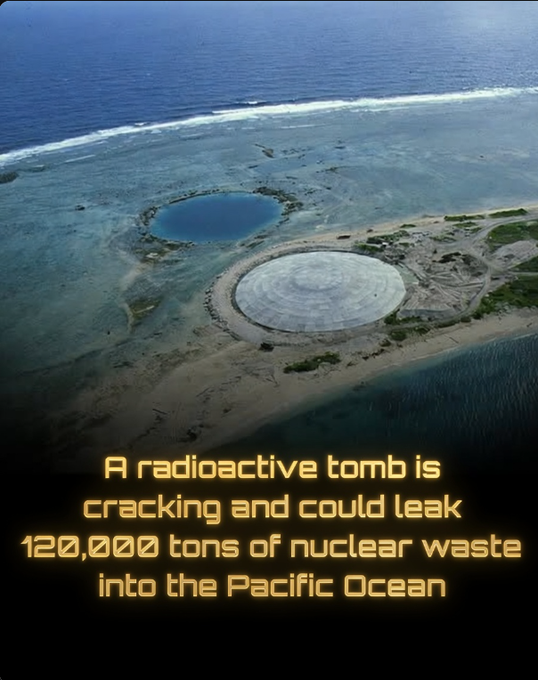
A massive nuclear waste tomb in the Pacific is beginning to crack and leak.
The Runit Dome, constructed in the late 1970s on a remote island in the Marshall Islands, was built to contain over 120,000 tons of radioactive debris left behind by U.S. nuclear testing. Among the waste is plutonium-239, a highly dangerous isotope that remains radioactive for more than 24,000 years.
The dome stretches roughly 377 feet (115 meters) across and was never properly sealed at the base. Instead, it rests directly on porous coral, allowing groundwater to flow freely beneath it.
Now, rising sea levels and increasingly powerful storms are stressing the structure. Cracks have formed in the concrete, and scientists have already detected elevated radiation levels in the surrounding soil and water.
While the current leaks are still considered relatively minor, experts warn that as oceans continue to rise, the risk of a much larger release will grow.
Built as a temporary fix decades ago, the Runit Dome now stands as a stark reminder: the radioactive waste sealed inside it will remain hazardous long after our civilizations are gone.
116
976
1,606
77,929
LakeBrowser retweeted

Jun 6
If you think that dramatic spikes in ocean temperatures aren’t much of a concern, it’s time to think again.
There is no time to wait. #ActOnClimate
#climate #energy #heatwave #ClimateBreakdown
83
859
1,385
24,444